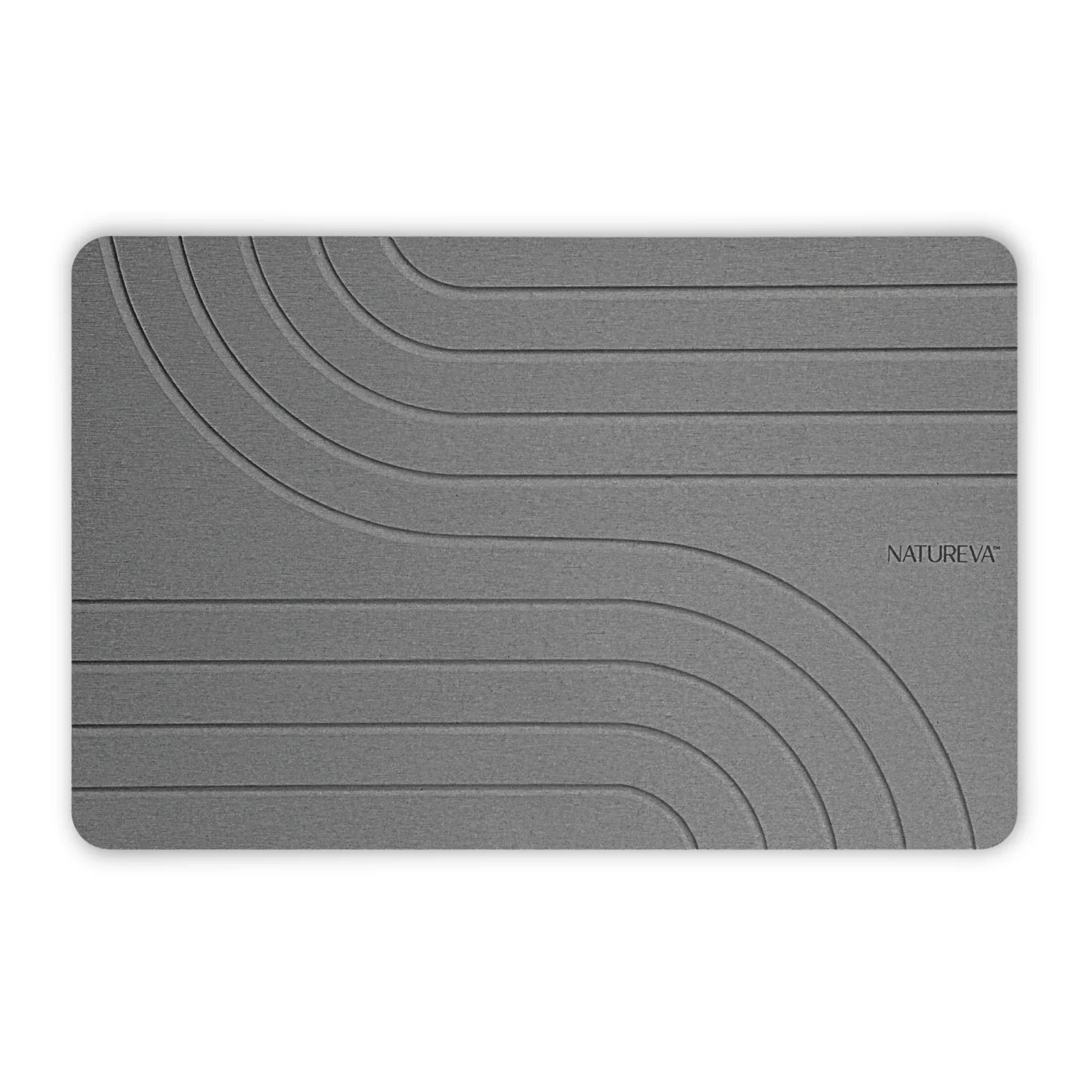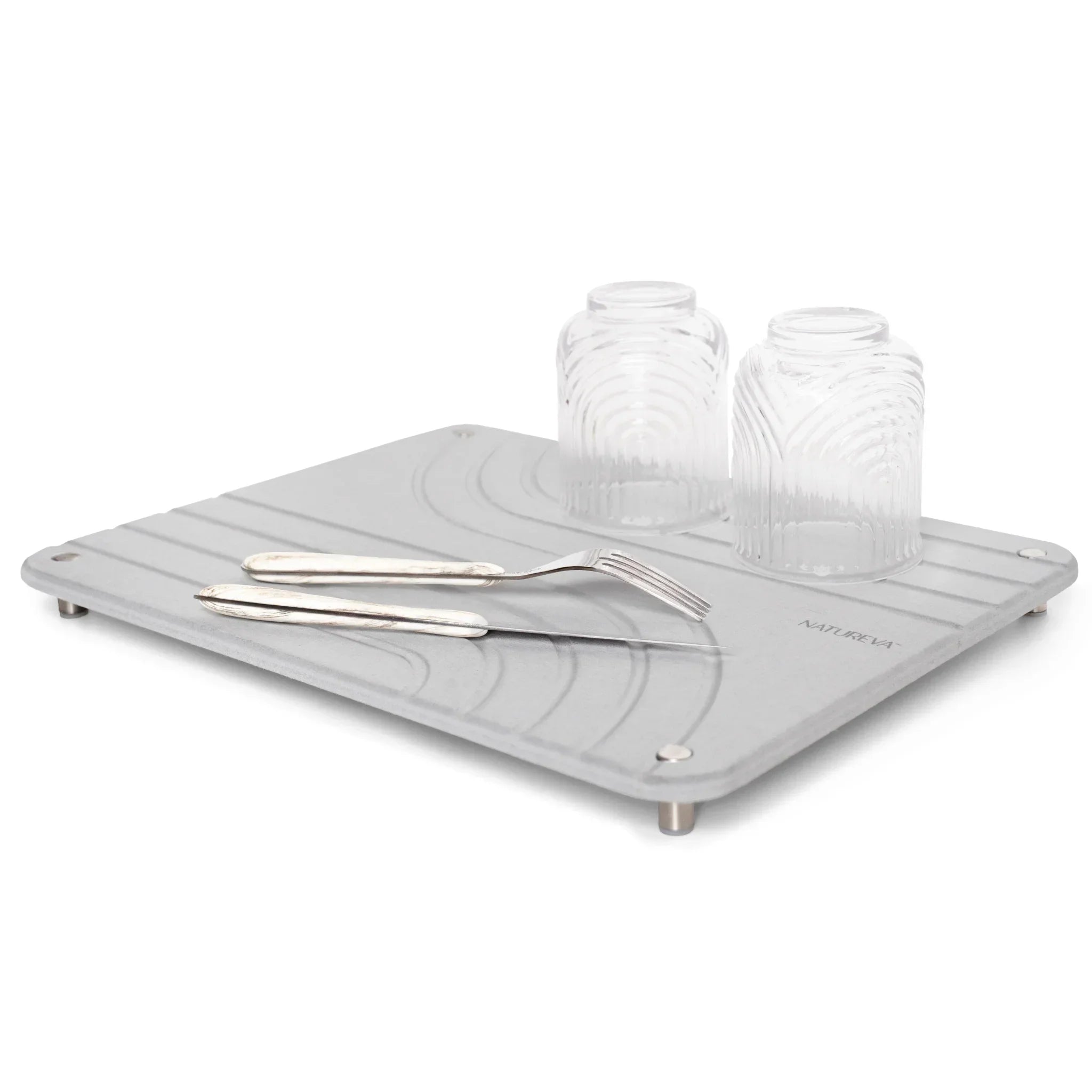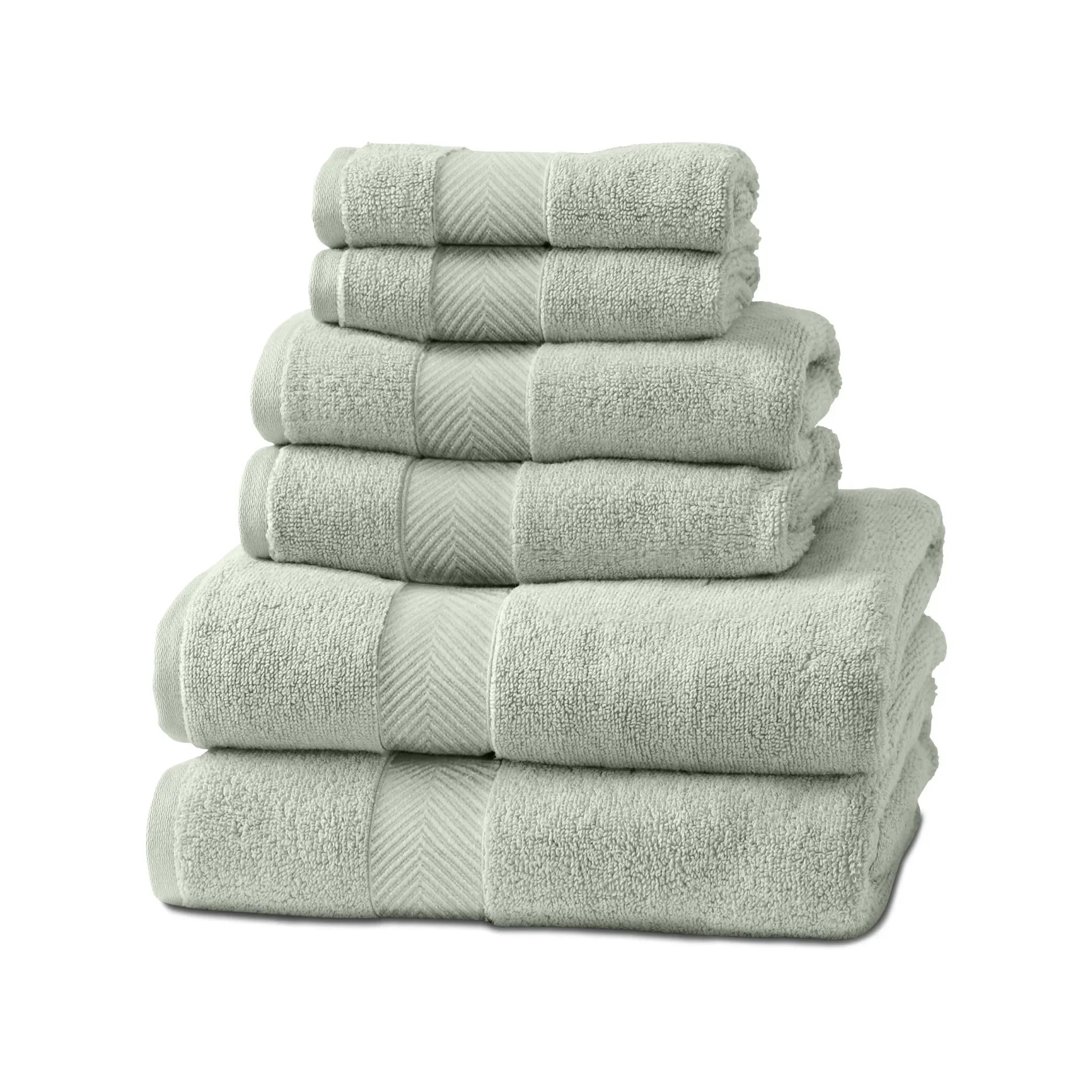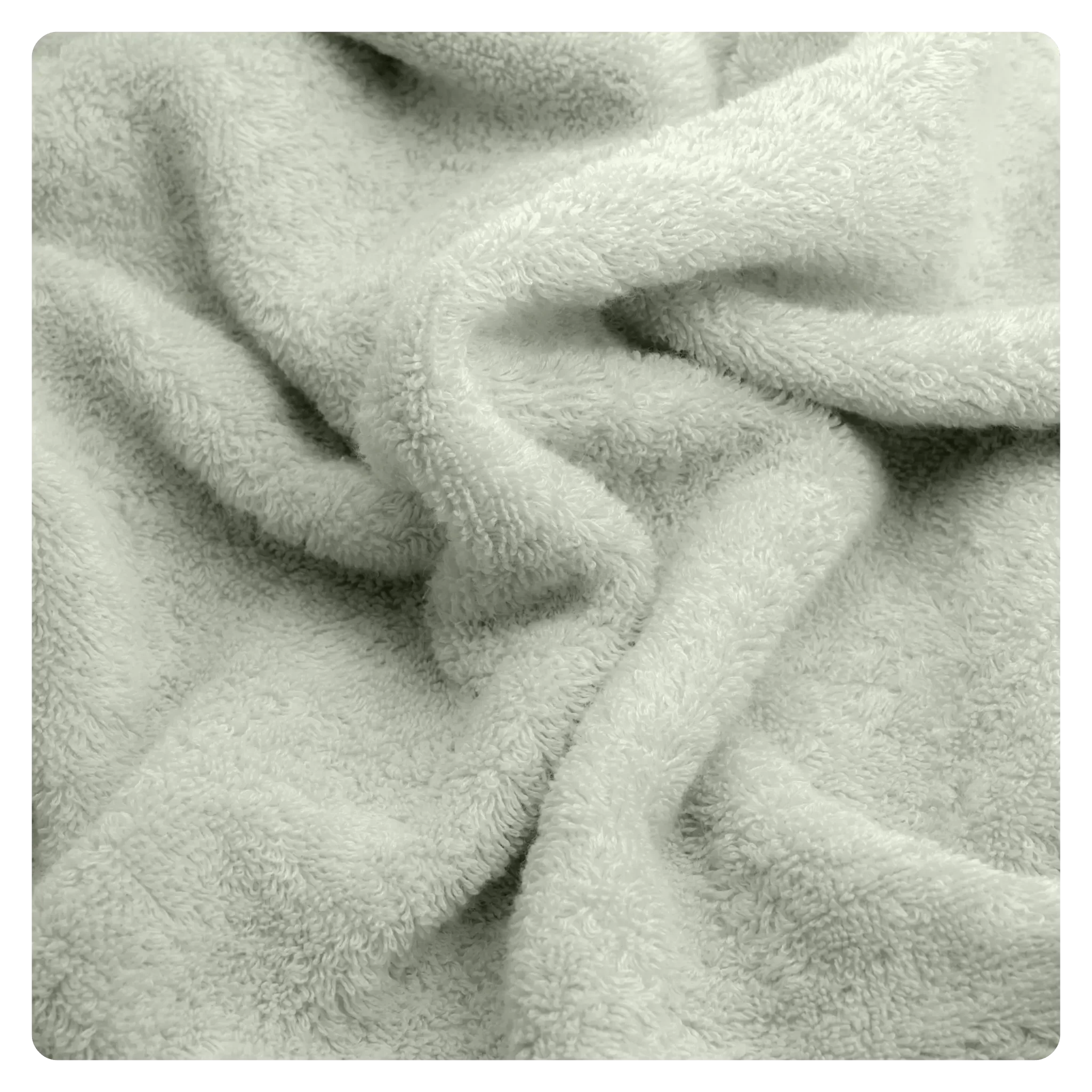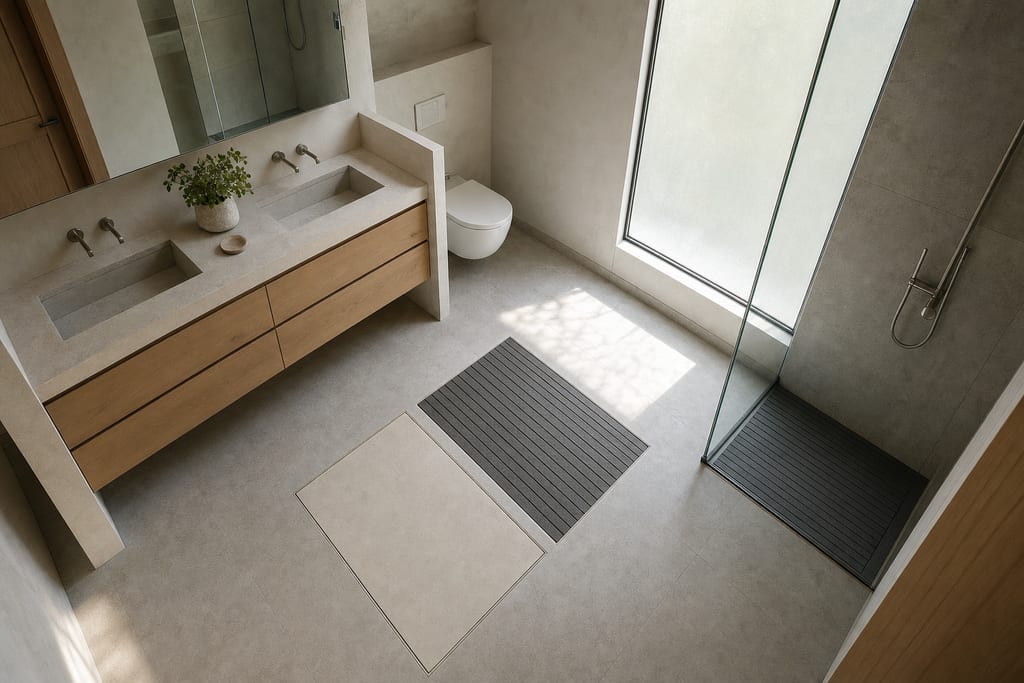

Five Styles of Anti Slip Bath Mats Side by Side
Slipping in the bathroom sends over 230,000 people to the emergency room each year, and most of those accidents happen right after stepping out of the shower. The bath mat you choose plays a bigger role in preventing falls than you might realize, yet many people grab whatever looks nice without checking if it actually keeps floors dry and feet secure. Whether you want the instant-dry technology of our Natureva Stone Bath Mat or prefer a softer fabric option, understanding what makes an anti slip bath mat truly effective will help you pick the safest choice for your home.
Table of Contents
What Makes a Bath Mat Actually Anti Slip
About 235,000 people visit emergency rooms each year because of bathroom falls, and wet floors are the main culprit. The right anti slip bath mat can make a huge difference in keeping you safe when you step out of the shower. But not all bath mats are created equal, and understanding what makes one truly safe versus just marketed as "non-slip" matters more than you might think. The features that keep you from slipping are actually pretty simple once you know what to look for.
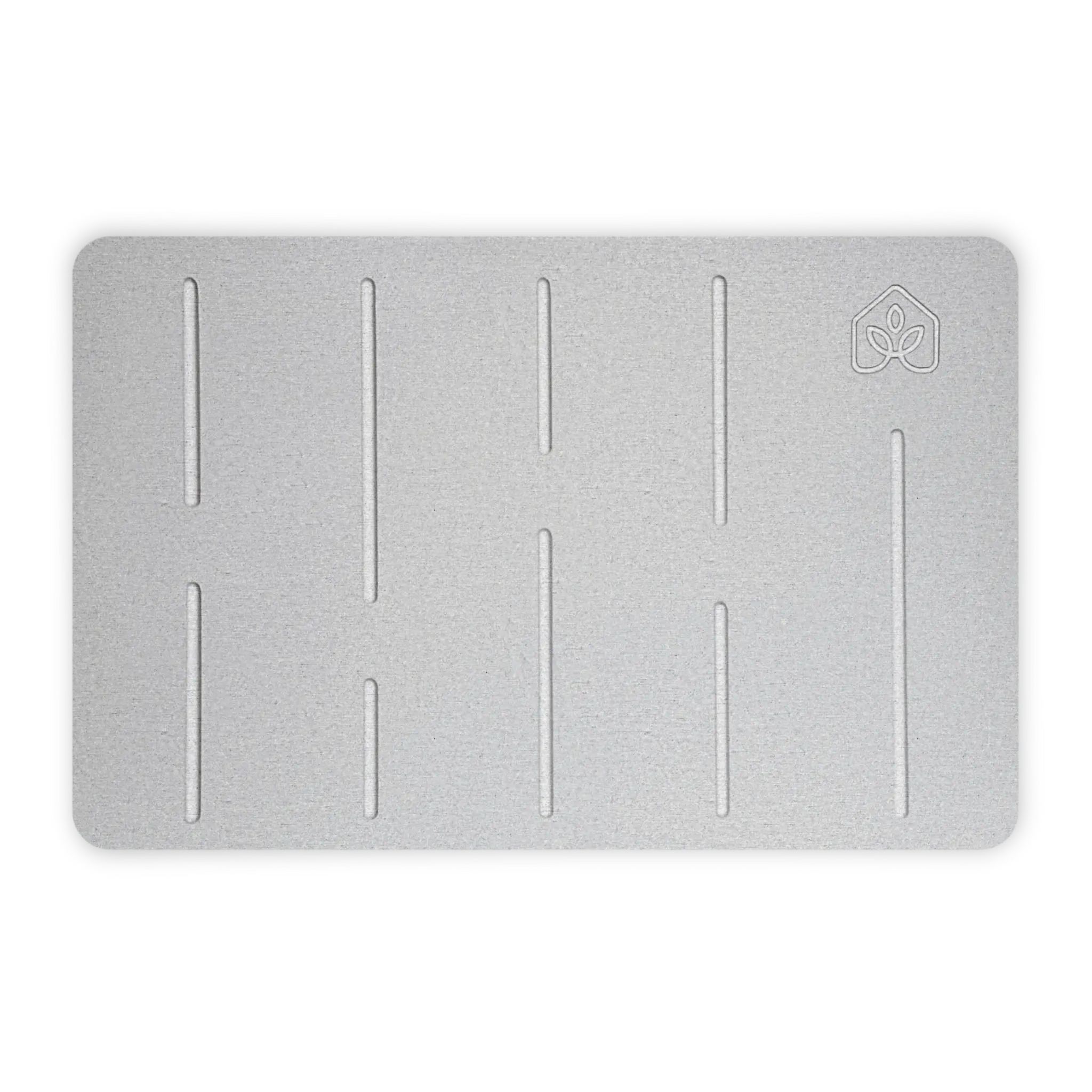
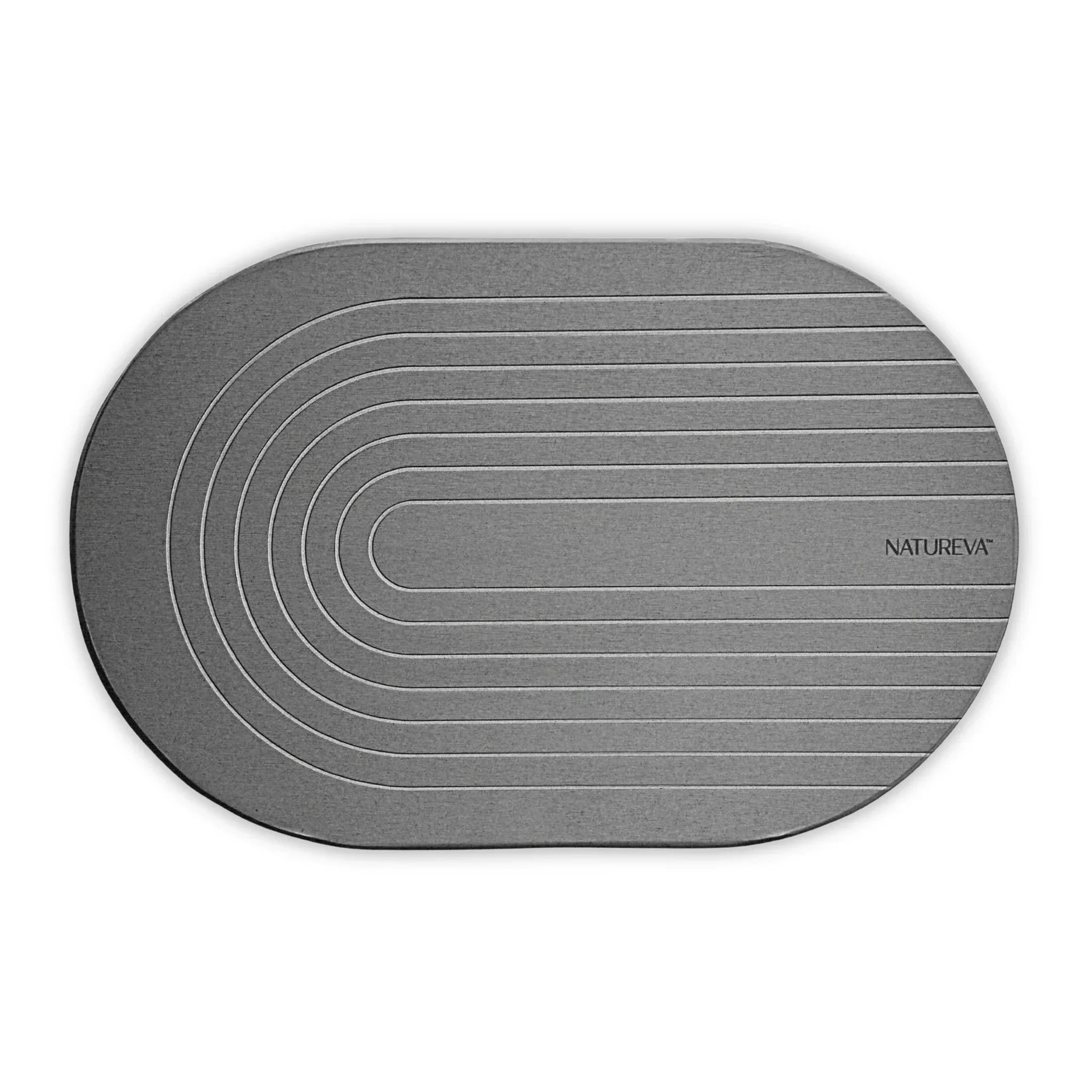
Stone Bath Mat - Rain
The Backing Makes or Breaks Safety
The bottom of your bath mat is where the magic happens. A good anti slip backing grips your bathroom floor even when water gets underneath, which happens more often than you'd expect. Different materials work better on different floor types, and some backings lose their grip over time.
Common backing types include:
- Rubber or latex backing that creates friction against tile and linoleum
- Suction cup designs that work best on smooth, non-porous surfaces
- Natural stone bases that use weight and texture for stability
- PVC or vinyl coatings that resist water penetration
You can learn more about different backing styles and how they perform on various bathroom surfaces. Our Stone Bath Mat uses its natural weight and textured base to stay put without any synthetic backing materials.
Absorption Speed Prevents Puddles
How fast your mat absorbs water determines whether you're stepping onto a dry surface or a soggy mess. Traditional fabric mats can hold water for hours, creating slip hazards and breeding grounds for bacteria. The absorption rate is measured by how quickly water disappears from the surface, not just how much water the mat can hold overall.
Materials vary widely in performance:
- Cotton and microfiber mats absorb slowly and stay damp for 2-4 hours
- Memory foam mats trap moisture inside, taking even longer to dry
- Diatomaceous earth stone mats absorb instantly and dry within minutes
- Bamboo and wood mats offer moderate absorption with better airflow
Surface Texture Affects Wet Foot Grip
The top surface of your mat needs to give your wet feet something to grip. Smooth surfaces become slippery when wet, while textured surfaces channel water away and provide traction. The best anti slip bath mat combines both absorption and surface grip to keep you stable from the moment your foot makes contact.
Here's how different mat types compare on key safety features:
| Mat Type | Drying Time | Surface Grip | Backing Type |
|---|---|---|---|
| Cotton/Fabric | 2-4 hours | Low when wet | Rubber/latex |
| Memory Foam | 3-6 hours | Medium | PVC coating |
| Stone/Diatomite | Under 5 minutes | High | Natural weight |
| Bamboo | 30-60 minutes | Medium-high | Rubber feet |
The texture also impacts how comfortable the mat feels underfoot. Some people prefer soft, cushioned surfaces while others like the firm feel of stone or wood. What matters most is that the surface doesn't become slick when water hits it, which is where many traditional fabric mats fall short.
Stone Bath Mats: The Modern Quick-Dry Solution
Stepping out of the shower onto a soggy bath mat is something most of us deal with every single day. But there's a type of anti slip bath mat that actually dries itself in seconds, and it's made from something you might not expect: stone. These mats use natural diatomaceous earth, which is basically fossilized algae that's been compressed over millions of years. The material has tiny pores that suck up water instantly, then release it back into the air through natural evaporation. It sounds almost too good to be true, but the science behind it is pretty straightforward.
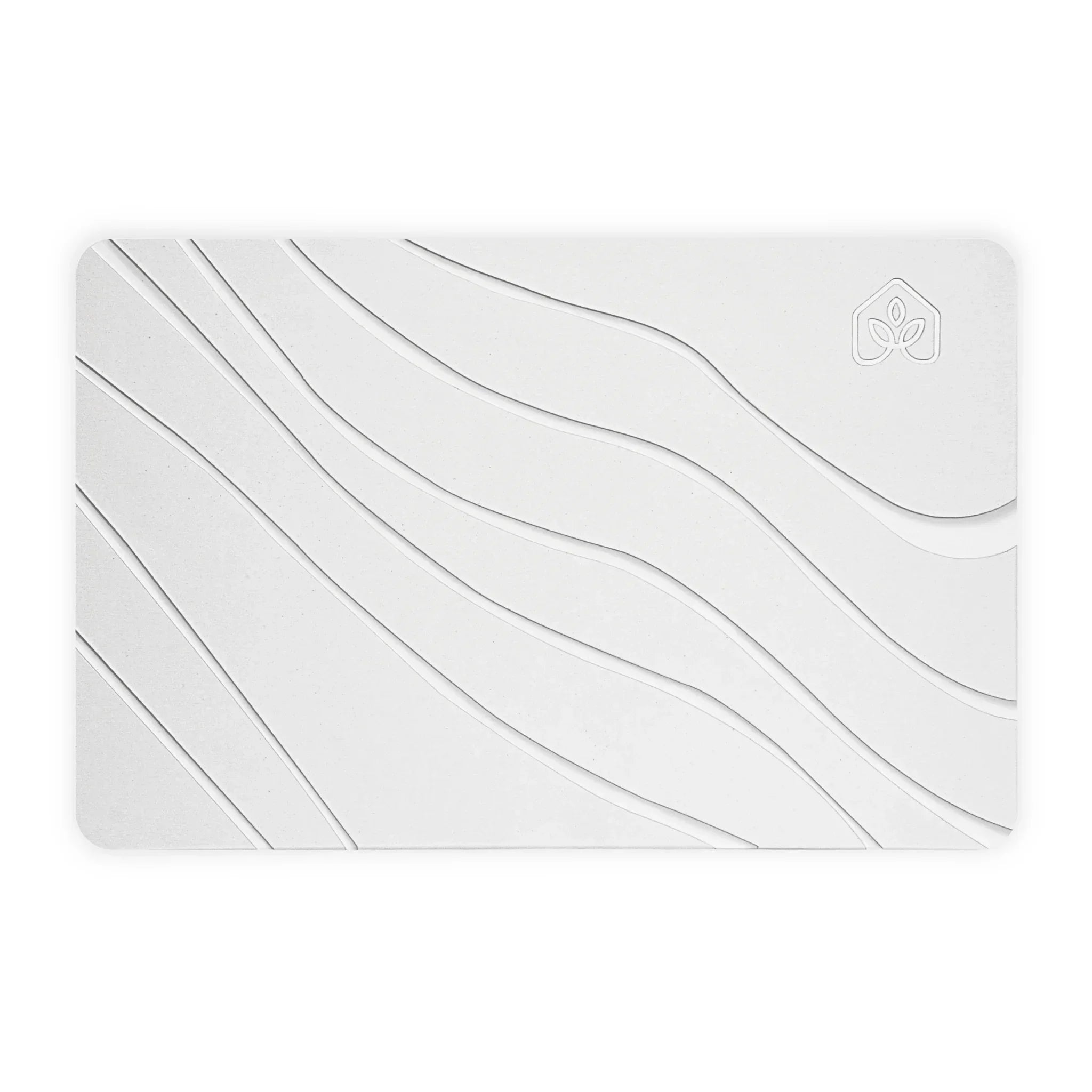
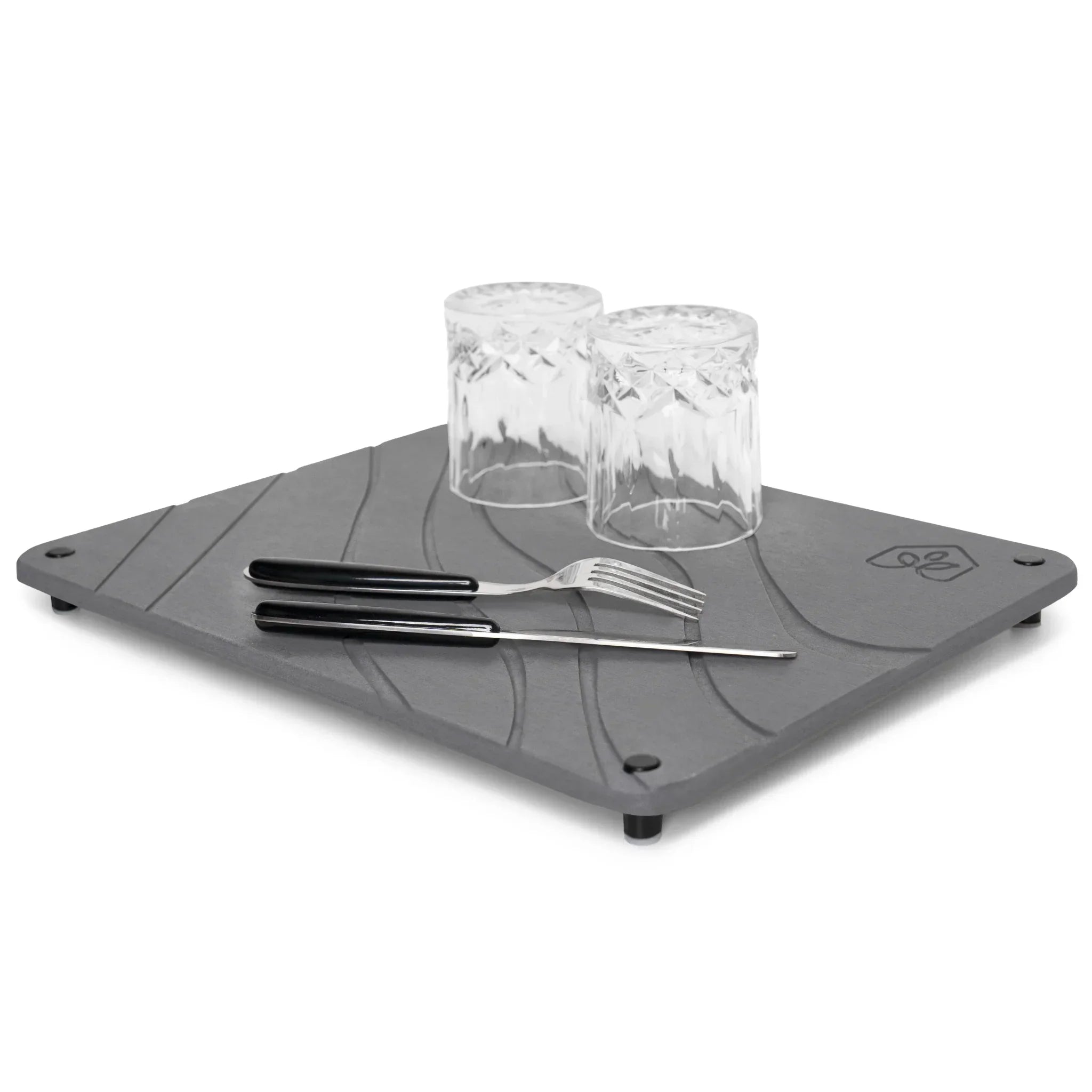
Unlike traditional fabric mats that stay damp for hours, stone bath mats dry within seconds of you stepping off them. This means no more musty smells or that gross feeling when the next person uses the bathroom. The Natureva Stone Bath Mat brings this technology to your bathroom without the premium price tag you'd find with some other brands.
- Absorbs water instantly thanks to the porous structure of diatomaceous earth
- Prevents mold and bacteria growth since there's no damp fabric sitting around
- Non-slip surface texture keeps you safe on wet bathroom floors
- Zero washing required, just wipe it down occasionally
- Naturally antimicrobial properties built into the material itself
The texture on these mats isn't just for looks either. It provides secure footing even when your feet are dripping wet, which is kind of the whole point of an anti slip bath mat. According to Consumer Reports' testing of bath mats, quick-drying materials significantly reduce the risk of bacterial buildup compared to traditional options.
| Feature | Stone Mats | Fabric Mats | Rubber Mats |
|---|---|---|---|
| Drying Time | Under 1 minute | 4-6 hours | Water pools |
| Maintenance | Wipe only | Weekly washing | Rinse clean |
| Mold Risk | Very low | High if damp | Medium |
Memory Foam and Microfiber Mats: Soft Comfort Options
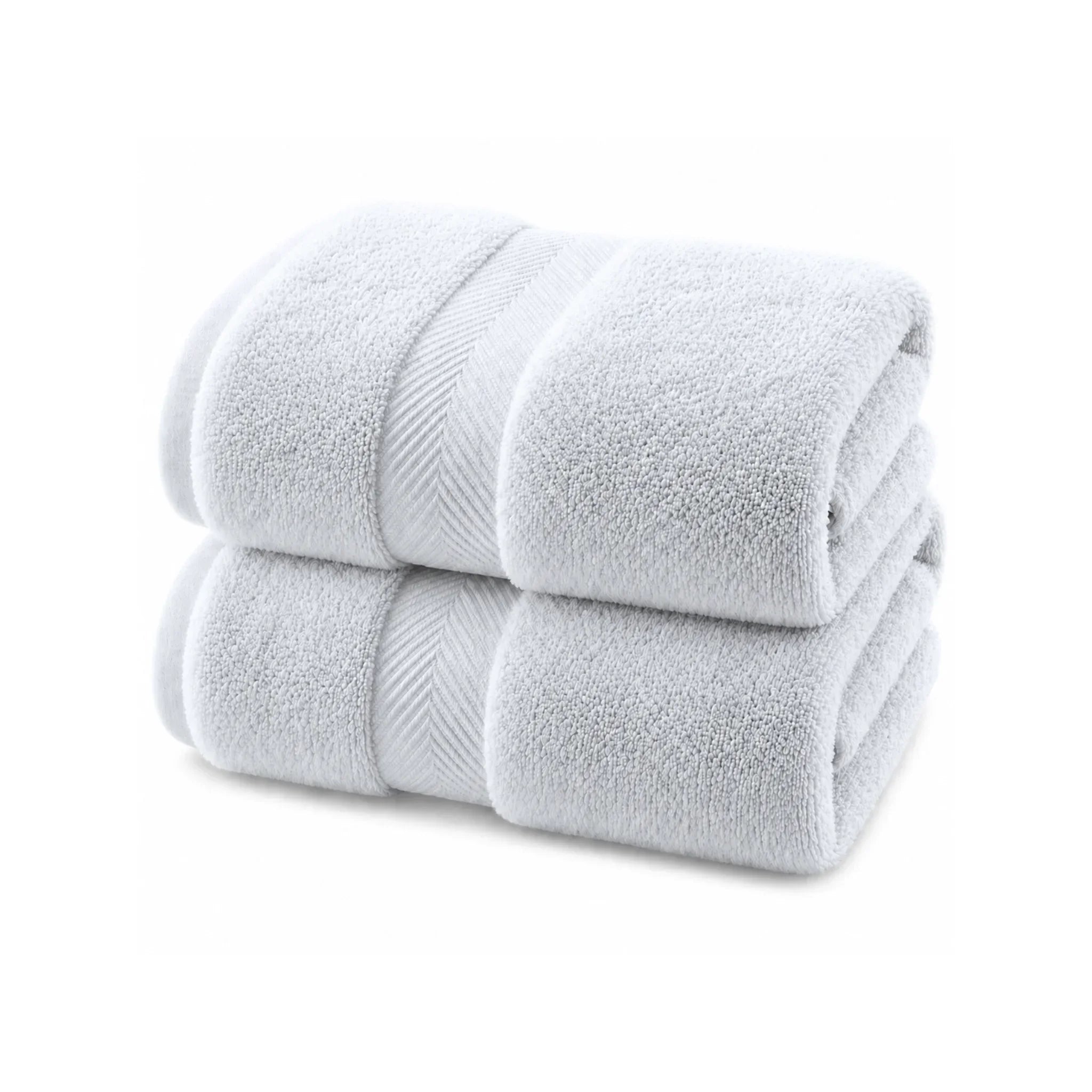
Memory foam bath mats are what most people think of when they picture a bathroom mat. They're soft, cushiony, and come in basically every color and pattern you can imagine. The foam inside molds to your feet, which feels nice after a hot shower. Most of them have a rubber backing that grips tile floors pretty well, so they do provide decent slip protection. But here's where things get tricky with these mats.
That soft, absorbent fabric that feels so nice also holds onto moisture for a really long time. Memory foam mats can take 4-6 hours to fully dry after someone uses them, and in a busy household, they might never actually get completely dry between uses.
- Plush, cushioned feeling that's comfortable underfoot
- Available in tons of colors to match any bathroom decor
- Rubber backing prevents the mat from sliding around
- Requires washing every week to prevent odor buildup
- Takes several hours to air dry completely
- Can develop mildew in humid bathrooms
The maintenance on these mats is where they really fall short. You need to throw them in the washing machine regularly, and even then, bacteria can hide deep in the foam layers. Forbes' guide to bath mats notes that fabric options need consistent care to stay hygienic. If you forget to wash it for a few weeks, you'll definitely notice the smell.
The market for traditional anti slip bath mat options is still growing though. Research shows the US bathroom mat market is expanding at 5.5% annually, which means people are still buying these despite the maintenance hassles.
The next generation of home essentials: naturally made, cleaner by design, sustainable by nature.
SHOP ALLRubber and Vinyl Mats: Budget-Friendly Basics
Rubber mats are the no-frills option you'll find at pretty much any store. They're cheap, they work, and they're easy to clean with just a quick rinse. Most of them have suction cups on the bottom that stick to your tub or shower floor, which does keep them from sliding around. For people on a tight budget, these mats get the job done without breaking the bank. But they come with their own set of problems that might make you reconsider.
The biggest issue with rubber and vinyl mats is that water just sits on top of them instead of getting absorbed. You end up standing in a puddle, which kind of defeats the purpose of having a mat in the first place.
- Very affordable, usually under $15
- Simple to clean with soap and water
- Suction cups provide secure placement
- Water pools on the surface instead of absorbing
- Feels cold and uncomfortable on bare feet
- Textured surfaces can trap mildew over time
These mats also feel pretty unpleasant when you first step on them, especially in winter. That cold rubber sensation isn't exactly what you want after a warm shower. The textured patterns that are supposed to prevent slipping can actually become breeding grounds for mildew if you don't scrub them regularly.
Bamboo and Wood Mats: Natural Aesthetic Appeal
Bamboo and wooden slat mats bring that spa-like vibe to your bathroom. They look really nice, and the natural wood aesthetic fits well with modern bathroom designs. The slats allow water to drain through to the floor below, which means you're not standing directly in wetness. Your feet stay elevated off the wet surface, which is a clever design. But maintaining these mats takes more work than you might expect.
Wood and moisture don't always play nice together. Bamboo mats need regular oiling to prevent the wood from drying out and cracking, which is extra maintenance most people don't think about when they buy them.
- Natural, spa-inspired look that's visually appealing
- Slats allow water to drain through instead of pooling
- Elevates feet off the wet bathroom floor
- Requires oiling every few months to prevent cracking
- Can warp or split with constant moisture exposure
- Underside needs drying to prevent mold growth
The slats themselves can also warp over time if they're constantly exposed to water. You need to flip these mats over regularly to let both sides dry completely, or you'll end up with mold growing on the underside. It's a lot of upkeep for something that's supposed to make your life easier.
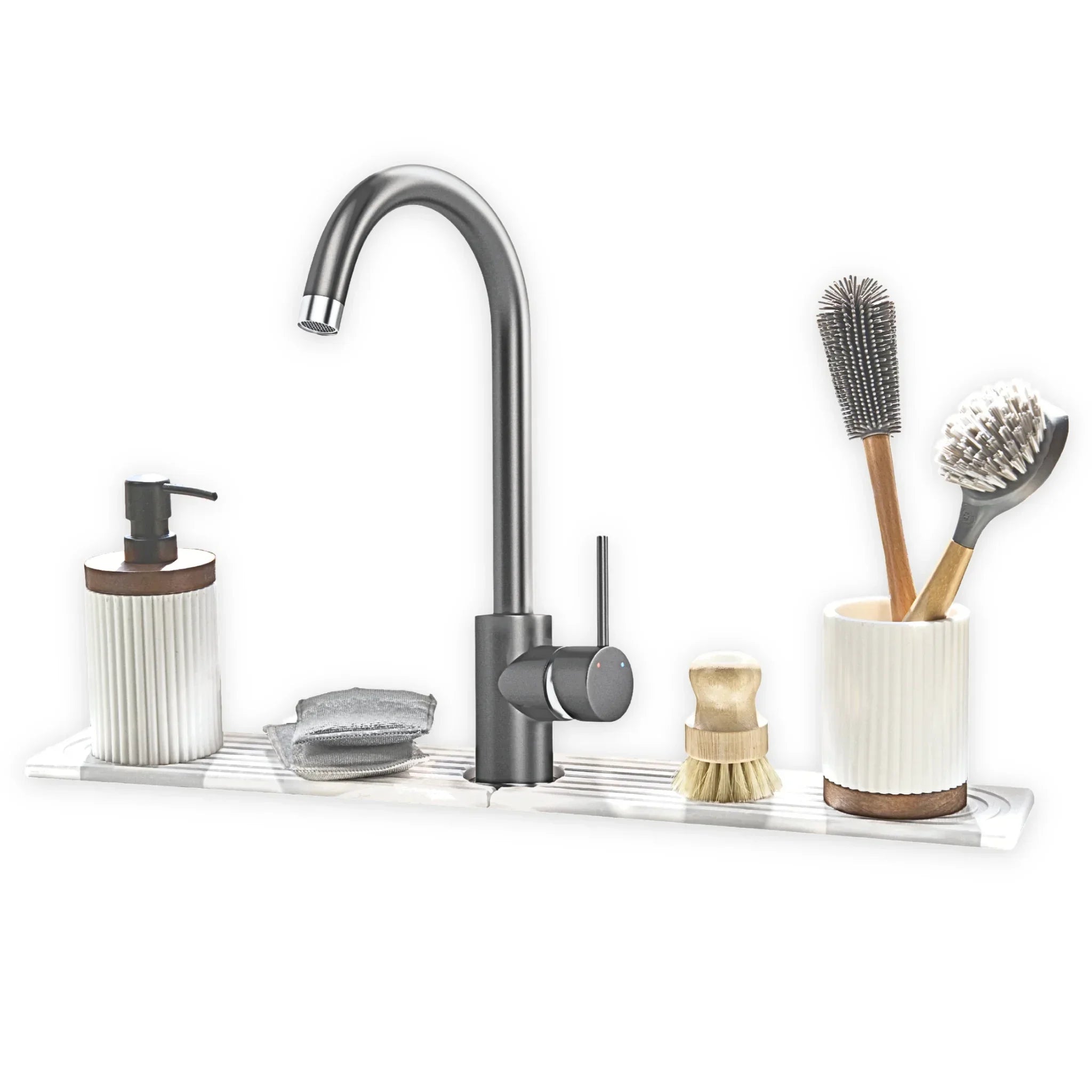
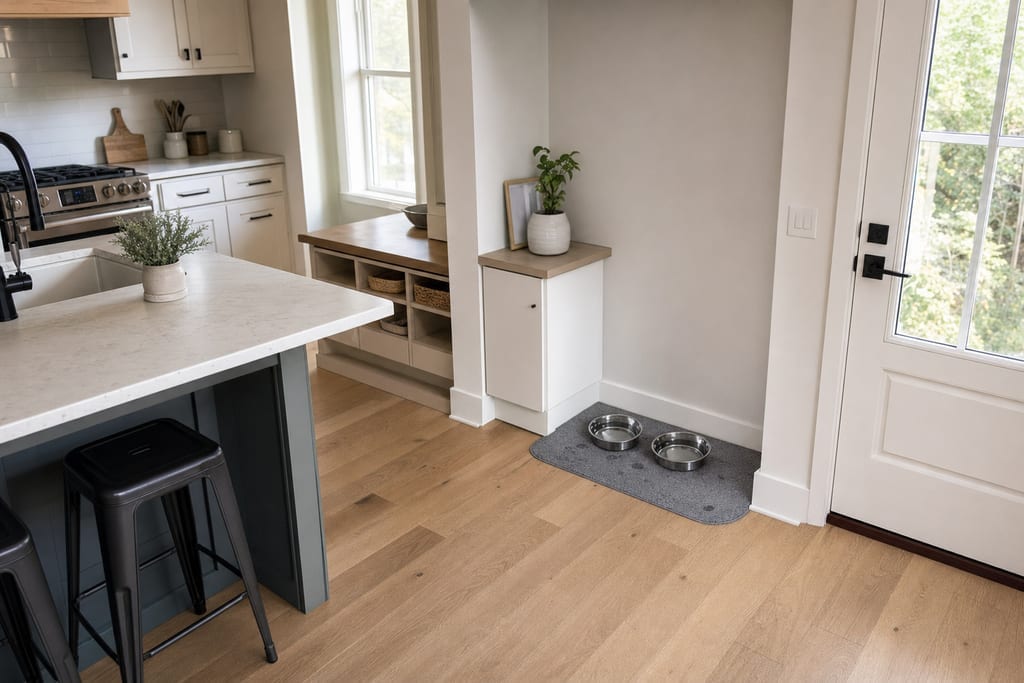
When you compare all these options side by side, the differences become pretty clear. Stone mats like the ones in our bath mat collection handle moisture in a completely different way than traditional materials. They don't just move water around or hold onto it, they actually eliminate it through evaporation. That's why more people are switching to diatomaceous earth options for their bathrooms. The same technology works great in other areas too, which is why we use it in our kitchen products and even pet mats.
Finding Your Perfect Anti Slip Bath Mat
Choosing the right anti slip bath mat really comes down to what matters most in your daily routine. Stone mats like our diatomite bath mat dry in seconds and need almost zero maintenance, while fabric options give you that soft feeling under your feet but require regular trips to the washing machine. If you live in a humid climate or have a busy household with lots of showers throughout the day, quick-drying materials make a noticeable difference. The last thing anyone wants is stepping onto a damp mat that's been sitting there since morning.
Safety features should be at the top of your list, even if a mat looks amazing in your bathroom. A beautiful mat that slides around defeats the whole purpose. Think about how often you'll actually clean it too, because some materials demand more attention than others.
The good news is that you don't have to sacrifice style for function anymore. Our bath mat collection includes different patterns that work with various bathroom designs, from minimalist to more decorative spaces. Whether you go with stone, fabric, or another material, make sure it fits your lifestyle instead of creating extra work.
Still have questions about which style works best for your specific situation? The answers below cover the most common concerns people have when shopping for their next anti slip bath mat.
Common Questions About Anti Slip Bath Mats
Choosing the right bath mat involves more than just picking a color that matches your towels. People have real concerns about safety, maintenance, and whether spending more money actually gets you a better product. These questions come up again and again when shopping for an anti slip bath mat, so let's clear up the confusion.
How often should you replace your bath mat?
Traditional fabric bath mats should be replaced every one to two years, or sooner if they start to smell or show wear. Stone bath mats like our Natureva Stone Bath Mat can last five years or more with proper care since they don't absorb bacteria or develop that musty smell that fabric mats get.
What actually makes a mat slip resistant?
A truly slip-resistant mat needs either a textured surface that grips wet feet or a non-slip backing that stays put on your floor. The best mats have both features working together. Stone mats naturally provide grip through their porous surface, while rubber-backed fabric mats rely on their backing to prevent sliding.
Can stone bath mats crack or break easily?
Stone mats are surprisingly durable for everyday use, but they're not indestructible. Dropping heavy objects on them or letting them fall can cause cracks. The key is treating them like you would a dinner plate, not a rubber mat you can toss around.
How do you clean different types of bath mats?
Fabric mats need regular washing in hot water to kill bacteria and remove buildup. Stone mats just need a quick wipe with sandpaper every few weeks to refresh the surface and maintain absorption. Memory foam mats usually require spot cleaning since many can't go in the washing machine.
Which mat type works best for small bathrooms?
Small bathrooms benefit most from quick-drying options that won't stay damp in tight spaces with poor airflow. Stone mats dry within seconds, making them perfect for compact bathrooms where a wet fabric mat would stay soggy all day and potentially cause mold issues.
Are expensive bath mats worth the investment?
It depends on what you're getting for the price. A $15 fabric mat might need replacing every year and harbor bacteria between washes. A $59 stone mat that lasts five years and stays cleaner actually costs less over time. The math works out when you factor in replacement costs and the health benefits of a mat that doesn't grow mold.
The next generation of home essentials: naturally made, cleaner by design, sustainable by nature.
SHOP ALL