
How Coasters Keep Wooden Tables Spot Free
Table of Contents
Why Wood and Water Don't Mix
Wood might look solid, but it's actually full of tiny holes and channels that suck up moisture like a sponge. These microscopic spaces were once used to transport water and nutrients when the wood was part of a living tree. Even after the wood is cut, dried, and turned into furniture, those tiny pathways remain ready to absorb any liquid that touches the surface. That's why a wooden table without protection is basically asking for trouble every time you set down a cold drink.

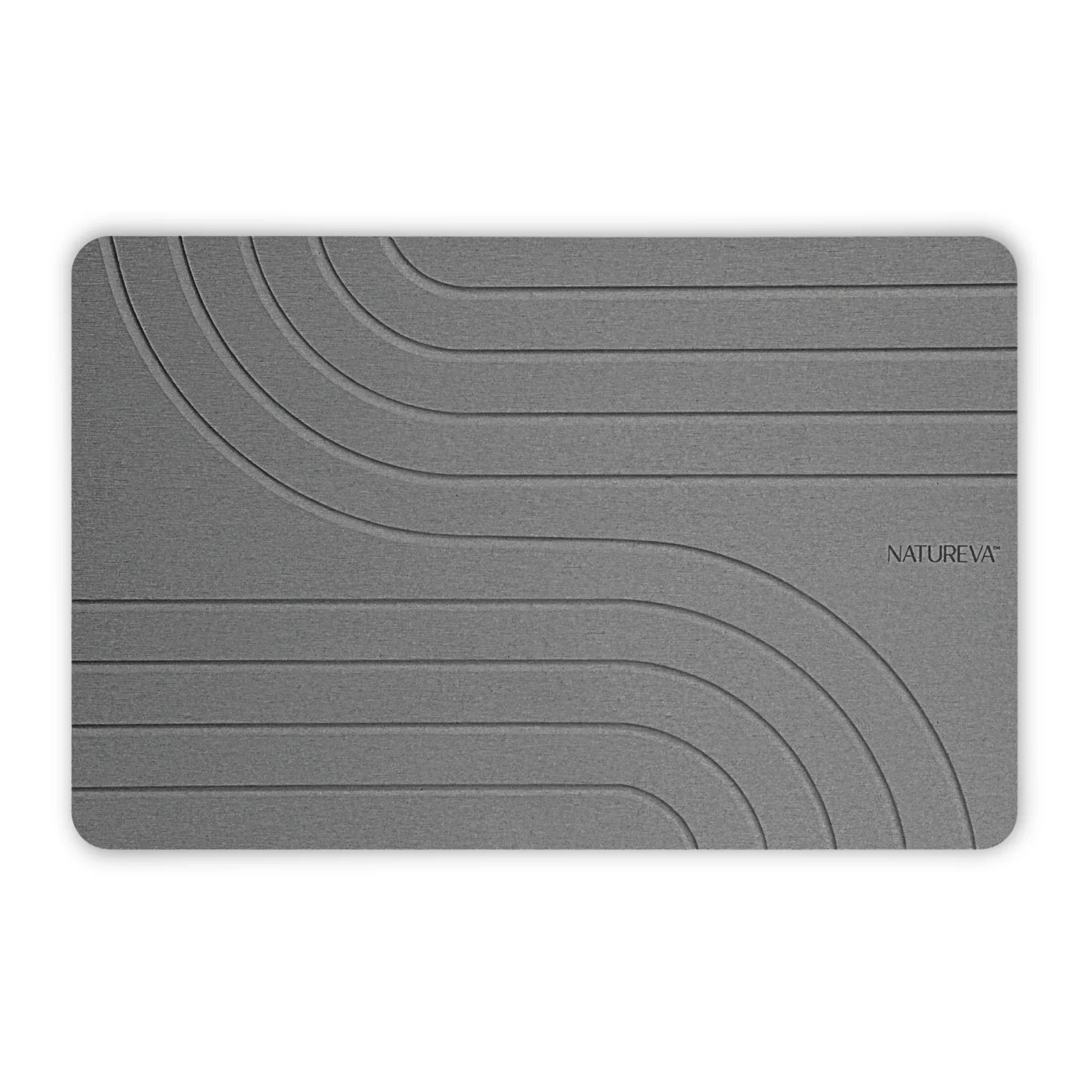
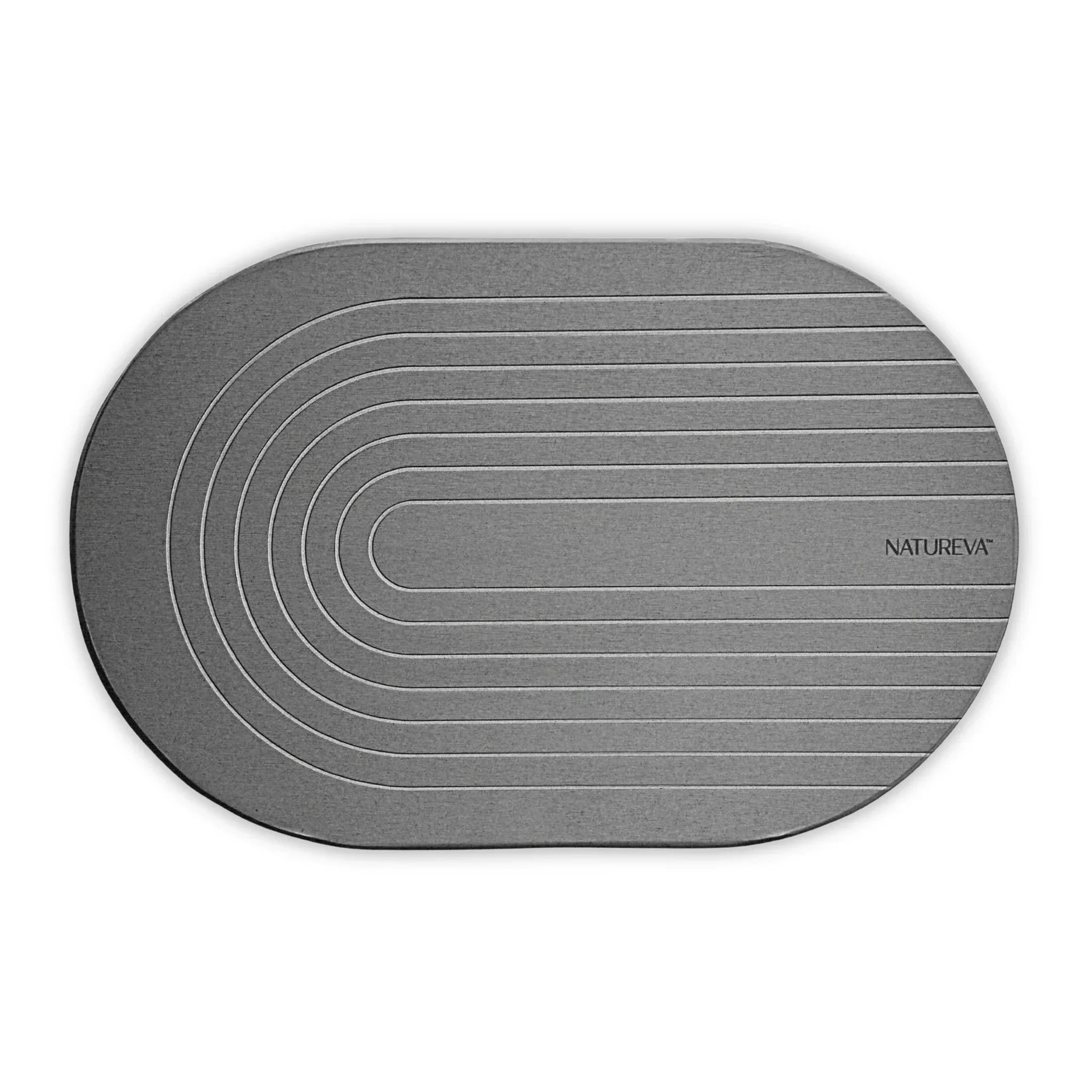
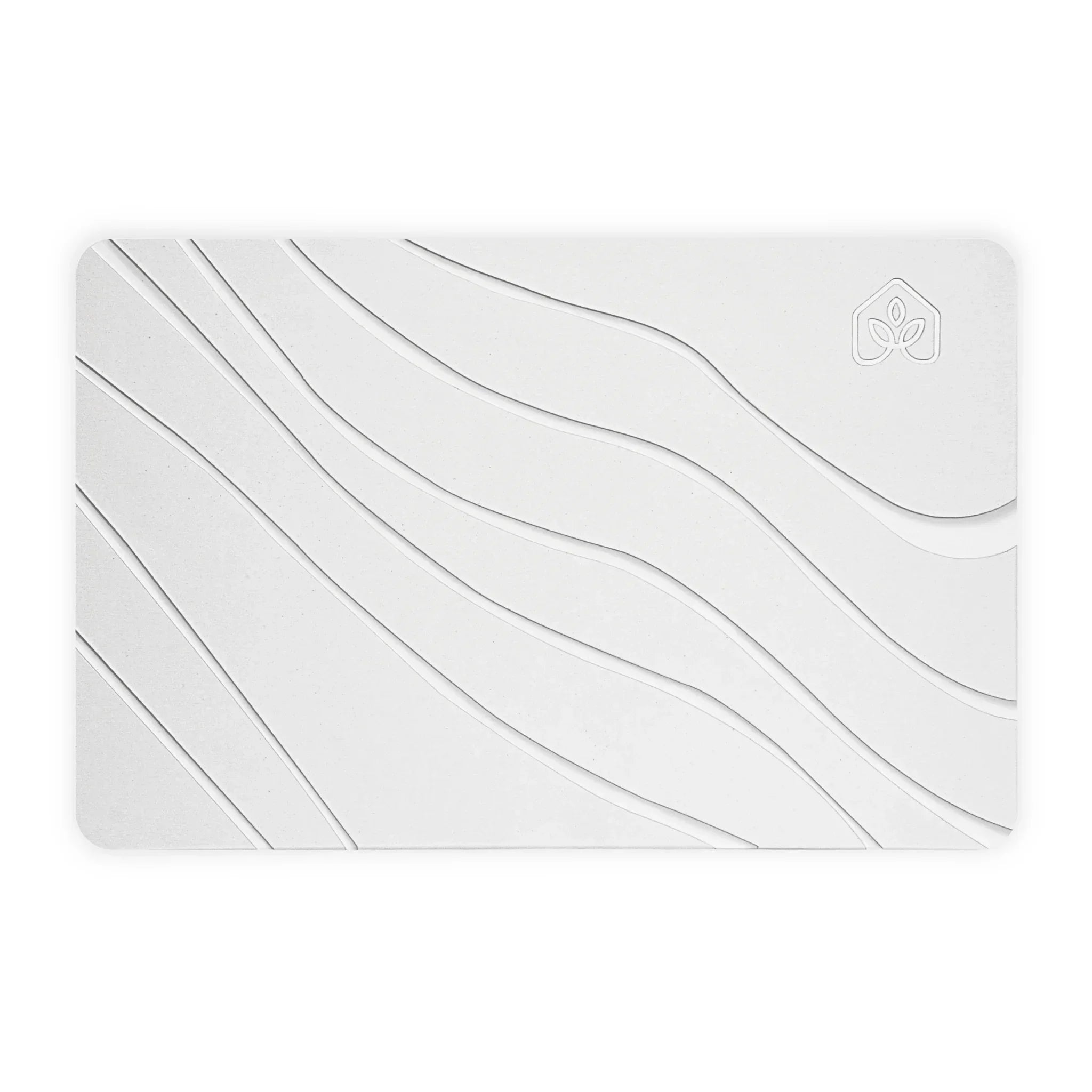
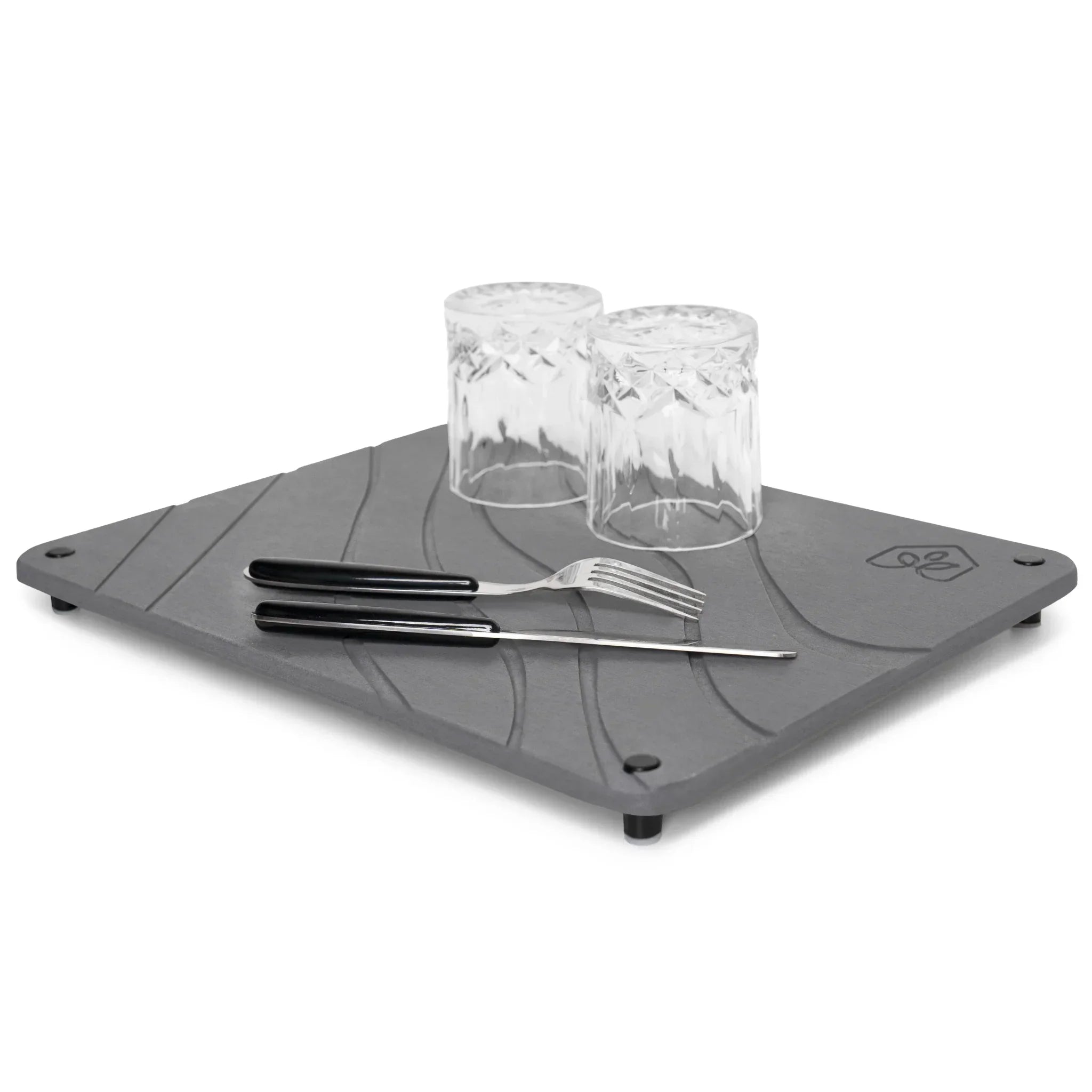
Stone Coasters - Set of 6
Most wooden tables come with a protective finish like varnish, lacquer, or polyurethane. But here's the thing: these finishes aren't perfect shields. Temperature changes cause the finish to expand and contract, creating microscopic cracks over time. When a cold glass sits on your table, condensation forms and seeps through these tiny openings. Heat does damage too, softening the protective layer and letting moisture sneak through even faster.
How Damage Happens
Different types of moisture cause different problems for your wooden furniture. Understanding what you're up against helps you protect your tables better.
- Cold drinks create condensation rings that penetrate the finish slowly
- Hot beverages soften protective coatings and cause white heat marks
- Spills spread across the surface and find weak spots in the finish
- Repeated exposure in the same spot compounds the damage over time
The Damage Timeline
Water damage doesn't happen all at once. The timeline depends on how much moisture hits the wood and how long it stays there. Some marks show up in minutes while others take days to become permanent.
| Type of Damage | Time to Appear | Severity Level |
|---|---|---|
| Surface condensation ring | 5-10 minutes | Light (often reversible) |
| White heat mark | Immediate | Moderate |
| Dark water stain | 2-24 hours | Severe (permanent) |
| Wood warping | Days to weeks | Extreme (structural) |
The good news is that most damage is preventable with the right protection. Simple coasters create a barrier between your drinks and the wood surface. Our Stone Coasters use diatomaceous earth to absorb moisture instantly, keeping condensation from ever reaching your table. According to furniture care experts, preventing moisture contact is the single most effective way to maintain wood furniture.
Why Prevention Beats Repair
Once water penetrates deep into wood fibers, the damage becomes nearly impossible to reverse. Surface treatments might hide light marks, but dark stains mean the wood structure itself has changed. Professional refinishing costs hundreds of dollars and requires stripping the entire surface.
- Light surface marks may fade with furniture polish or oil
- Moderate stains require sanding and refinishing the affected area
- Deep stains often need complete surface stripping and restoration
- Warped wood sometimes can't be fixed without replacing boards
Prevention takes seconds but saves hours of repair work later. That's where quality coasters come in as your first line of defense against moisture damage.
What Makes a Coaster Actually Work
Most people think coasters are just decorative pieces that sit under drinks, but there's actual science behind what makes them effective. The best coasters do more than just catch drips. They actively pull moisture away from your table surface before damage can happen. The difference between a good coaster and a bad one comes down to three main factors: how fast it absorbs water, what it's made from, and how its surface interacts with both your glass and your table.
Absorption rate is probably the most important feature to look for. When condensation drips down your cold glass, you need that water gone immediately. Regular cork or wood coasters can take minutes to soak up moisture, which means water sits on top and eventually spreads to your table anyway.
- Material composition determines how well coasters handle both hot and cold drinks without breaking down
- Surface texture keeps glasses from sliding around while protecting your table's finish from scratches
- Diatomaceous earth coasters absorb water the moment it touches the surface and dry quickly between uses
- Stone materials create a natural barrier against heat from coffee mugs and tea cups
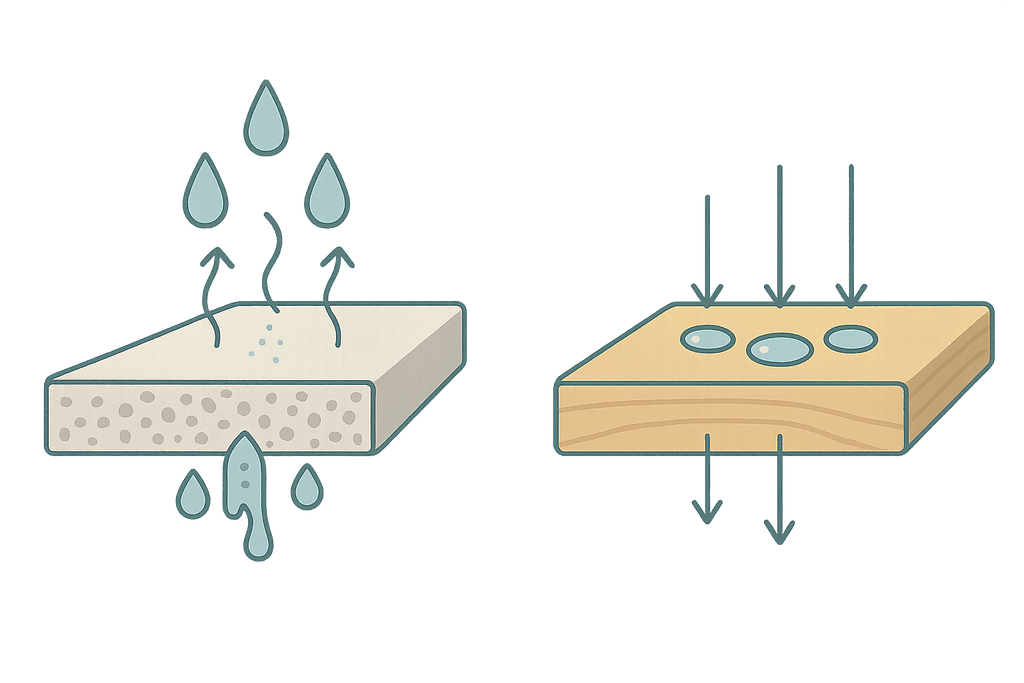
The material science behind why coasters work gets pretty interesting when you look at porous materials. Diatomaceous earth, which is what our Stone Coasters are made from, has millions of tiny holes that pull water in through capillary action. This means the water doesn't just sit there waiting to be absorbed. It gets sucked in instantly.
| Material Type | Absorption Speed | Heat Resistance | Durability |
|---|---|---|---|
| Cork | Slow (2-3 min) | Moderate | Low |
| Wood | Very Slow (5+ min) | Low | Moderate |
| Silicone | None | High | High |
| Diatomaceous Earth | Instant (seconds) | High | High |
The Real Cost of Skipping Coasters
Water rings on wooden tables aren't just ugly. They're expensive to fix. When moisture seeps into wood finish, it creates a cloudy white mark that penetrates the protective coating. Professional furniture refinishing costs between $200 and $500 for a dining table, depending on size and finish type. That's a lot of money for something a $29 set of coasters could have prevented.
The Real Cost of Skipping Coasters
But the financial hit goes beyond just refinishing costs. Permanent water damage can drop your furniture's resale value by 40% to 60%. A $1,200 dining table with visible water stains might only fetch $500 on the secondhand market.
The time investment for DIY repair attempts adds up too. Most people spend 3-5 hours trying home remedies like mayonnaise, toothpaste, or iron tricks they found online. These methods work maybe 30% of the time, and only on fresh stains. Older damage usually requires professional help anyway.
- Average table refinishing: $200-$500
- Full table replacement: $800-$3,000+
- Resale value loss: 40-60% reduction
- DIY repair time: 3-5 hours per attempt
- Quality coaster set: $29 one-time cost
The next generation of home essentials: naturally made, cleaner by design, sustainable by nature.
SHOP ALLThe math is pretty straightforward when you compare prevention versus repair. A good set of coasters costs less than taking your family out to dinner, but it protects furniture that costs hundreds or thousands of dollars. Most people don't think about this until they're staring at their first water ring, wondering how much the damage will cost to fix.
Choosing Coasters That Actually Protect
Not all coasters protect equally, and picking the wrong type for your furniture can be almost as bad as using nothing at all. The key is matching the coaster material to your specific table finish and the types of drinks you usually serve. A glass table needs different protection than a wood table with oil finish. Cold drinks create condensation problems, while hot drinks need heat barriers. Getting this match right means your furniture stays protected without you having to think about it.
Size matters more than most people realize. Your coaster needs to be big enough to catch drips that run down the outside of sweating glasses. Too small, and moisture hits your table anyway. Too big, and they take up unnecessary space and look awkward.
- Match coaster material to your table's finish type (sealed wood, raw wood, glass, etc.)
- Choose coasters at least 4 inches wide for standard glasses and mugs
- Look for materials that handle both temperature extremes without cracking
- Pick coasters that clean easily and don't trap bacteria or odors
- Consider how the coaster looks with your existing decor
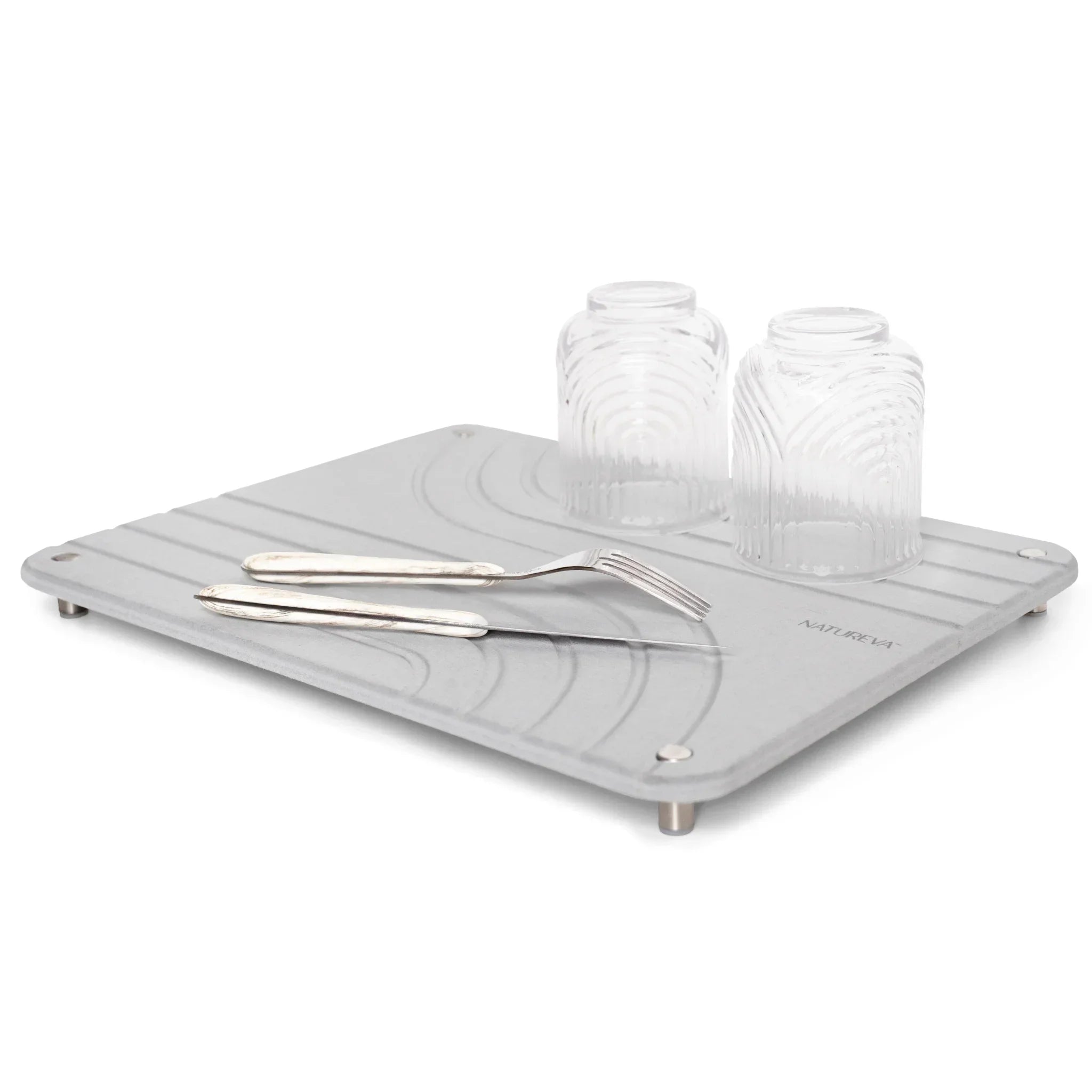
Absorbent stone coasters solve most of these problems at once. They work for both hot coffee in the morning and iced drinks at night. The diatomaceous earth material we use in our Stone Coasters pulls moisture away instantly, which means no water ever reaches your table surface. Plus they dry naturally between uses, so you're not dealing with soggy coasters that smell weird after a few weeks.
Maintenance keeps coasters working long-term. Stone coasters need occasional cleaning but nothing complicated. A quick rinse and air dry is usually enough. Compare that to fabric coasters that need washing or cork ones that fall apart after a year. The initial cost might be slightly higher, but you're not replacing them every season.
When you're looking at options, check if the coasters have any grip on the bottom. This prevents them from sliding around when you pick up your glass. Our set includes this feature along with the rapid absorption that keeps tables spot-free. You can learn more about how the absorption technology works and why it outperforms traditional materials. The environmental impact of different coaster materials is worth considering too, especially if sustainability matters to you.
Keep Your Tables Looking New
Protecting your wooden tables doesn't have to be complicated. Using coasters is honestly the easiest way to prevent those annoying water rings and heat marks that can ruin expensive furniture. Most people don't realize how quickly moisture can seep into wood grain and cause permanent damage. A simple coaster creates a barrier between your drink and the table surface, which is all you really need.
The material your coaster is made from matters more than you might think. Regular cork or fabric coasters can trap moisture underneath, which defeats the whole purpose. Our stone coasters use diatomaceous earth that actually absorbs water instantly and dries fast, so condensation never pools on your table.
Here's what good coasters protect against:
- Water rings from cold drinks
- Heat marks from hot mugs
- Scratches from rough glass bottoms
- Stains from spills and drips
Spending a few dollars on quality coasters beats replacing a damaged table any day. The same absorbent stone material works great for other wet spots around your home too, like kitchen counters or bathroom surfaces.
You probably have questions about how these coasters actually work and what makes them different from regular ones. Let's get into the details.
Common Questions About Coaster Protection
Using coasters seems simple enough, but people have a lot of questions about how they actually work and whether they're worth the effort. Here are the answers to the most common questions about protecting your wooden tables with coasters.
How fast do water rings form on wood tables?
Water rings can start forming in as little as 5 to 10 minutes on unprotected wood surfaces. The damage happens when moisture penetrates the finish and gets trapped in the wood fibers underneath. Cold drinks are especially problematic because condensation keeps dripping down the glass, creating a constant source of moisture that seeps into your table.
Can you actually remove water stains once they appear?
Light water stains can sometimes be removed with methods like using mayonnaise, toothpaste, or an iron with a cloth, but results vary wildly depending on how deep the stain has penetrated. Prevention with coasters is always easier and more reliable than trying to fix damage after it happens. Deep stains that have been there for a while often require professional refinishing, which gets expensive fast.
Do coasters protect against both hot and cold drinks?
Yes, but not all coasters handle both equally well. Cold drinks create condensation that needs to be absorbed quickly, while hot drinks can leave heat marks on wood. Stone coasters made from diatomaceous earth, like our Stone Coasters, work great for both because they absorb moisture rapidly and provide a heat-resistant barrier between your mug and the table surface.
How often should you clean or replace coasters?
Stone coasters need minimal maintenance and can last for years with proper care. Just rinse them with water when they start looking dirty and let them air dry completely. Cork and fabric coasters tend to wear out faster and may need replacing every 6 to 12 months, especially if they get moldy or start falling apart.
What makes stone coasters better than other materials?
Stone coasters absorb water much faster than cork or fabric options, which means your table stays drier and safer. They also dry out quickly between uses so they're always ready to go. Cork coasters can get soggy and stay damp for hours, while fabric ones often just push water around instead of absorbing it. Plus, stone coasters don't develop that musty smell that fabric and cork versions get over time.
Are expensive coasters actually worth buying?
Quality coasters are definitely worth the investment when you consider the cost of refinishing a damaged wooden table. A decent dining table can cost hundreds or thousands of dollars, and refinishing runs $200 to $500 or more. Spending $29 on a set of six durable coasters that actually protect your furniture is a pretty smart trade-off compared to dealing with permanent water damage down the road.
The next generation of home essentials: naturally made, cleaner by design, sustainable by nature.
SHOP ALL