
How Stone Bath Mats Work and Why They Dry So Fast
Stepping out of the shower onto a soaking wet bath mat that's still damp from this morning is one of those small annoyances that never seems to go away. Traditional fabric mats can stay wet for hours, creating the perfect environment for mould and bacteria to thrive. Stone bath mats like those from Natureva Home solve this problem by drying in minutes instead of hours, using a natural material called diatomite that absorbs water instantly and releases it back into the air almost as fast.
Table of Contents
What Makes Diatomite Different
Most people have never heard of diatomite, but they've probably stood on it after a shower. This pale, chalky material comes from something that lived in ancient oceans millions of years ago. Tiny algae called diatoms floated in water, built intricate glass-like shells around themselves, and eventually died and sank to the ocean floor. Over time, these microscopic skeletons piled up in thick layers, compressed, and turned into the mineral-rich material we use today.
The Science Behind the Absorption
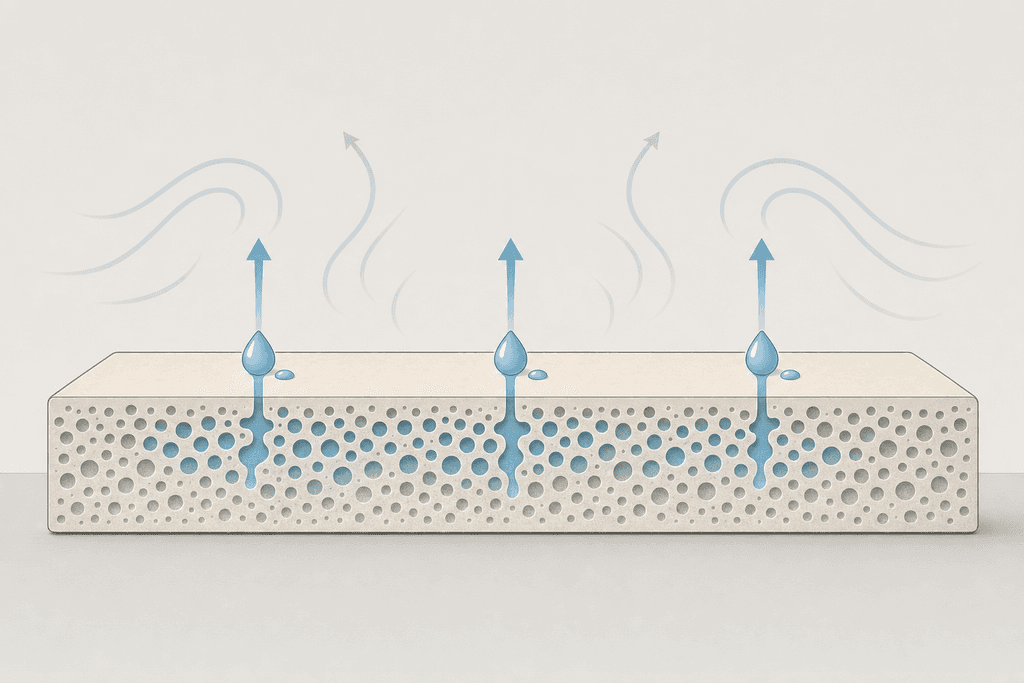
What makes diatomite special isn't just its age. Each diatom skeleton contains thousands of microscopic holes that stay intact even after millions of years. When you look at diatomite under a microscope, it looks like a sponge made of glass. These tiny pores give the material an enormous surface area packed into a small space, which is why it can soak up water so much faster than cotton or foam.
Here's how diatomite compares to other common bath mat materials:
| Material | Absorption Speed | Drying Time | Bacteria Growth Risk |
|---|---|---|---|
| Diatomite Stone | Instant | 5-10 minutes | Very Low |
| Cotton | Moderate | 4-8 hours | High |
| Memory Foam | Slow | 6-12 hours | Very High |
| Microfiber | Fast | 2-4 hours | Moderate |
Why Natural Matters
Unlike synthetic materials that trap moisture inside their fibers, diatomite releases water back into the air through evaporation. The porous structure works like millions of tiny chimneys, pulling moisture up and out. This is the same reason diatomaceous earth is used in water filtration systems and even in some foods as an anti-caking agent, according to the CDC's information on diatomaceous earth.
The material doesn't need any chemical treatments to work. Some bath mat companies add antibacterial coatings or moisture-wicking chemicals to their products, but diatomite handles bacteria naturally. When water evaporates quickly, bacteria simply don't have the damp environment they need to multiply. Our Natureva stone bath mats use this natural process without adding anything artificial to the mix.
From Ocean Floor to Bathroom Floor
Modern stone bath mats combine diatomite with recycled paper to create a composite that's both durable and lightweight. The mixture gets compressed into solid slabs that feel like smooth stone underfoot. This process keeps all those microscopic pores intact while making the material strong enough to handle daily use. Stone bath mats really do absorb water faster than traditional options, and the science explains exactly why.
The key advantages of diatomite as a bath mat material include:
- Millions of microscopic pores create massive surface area for instant water absorption
- Natural evaporation process releases moisture into the air within minutes
- No synthetic coatings or chemical treatments needed for antibacterial properties
- Sustainable material formed from ancient fossilized algae
- Composite construction maintains pore structure while adding durability
The Absorption Process Explained
When you step out of the shower onto a stone bath mat, something happens that feels almost instant. The water on your feet disappears in seconds, leaving the surface dry to the touch. This isn't magic or some chemical trick. It's actually the result of millions of microscopic pores working together inside the material. These tiny channels create what scientists call capillary action, which is the same force that helps plants pull water up from their roots. The moment your wet foot makes contact, water gets pulled into the material faster than it can bead up or run off the surface.
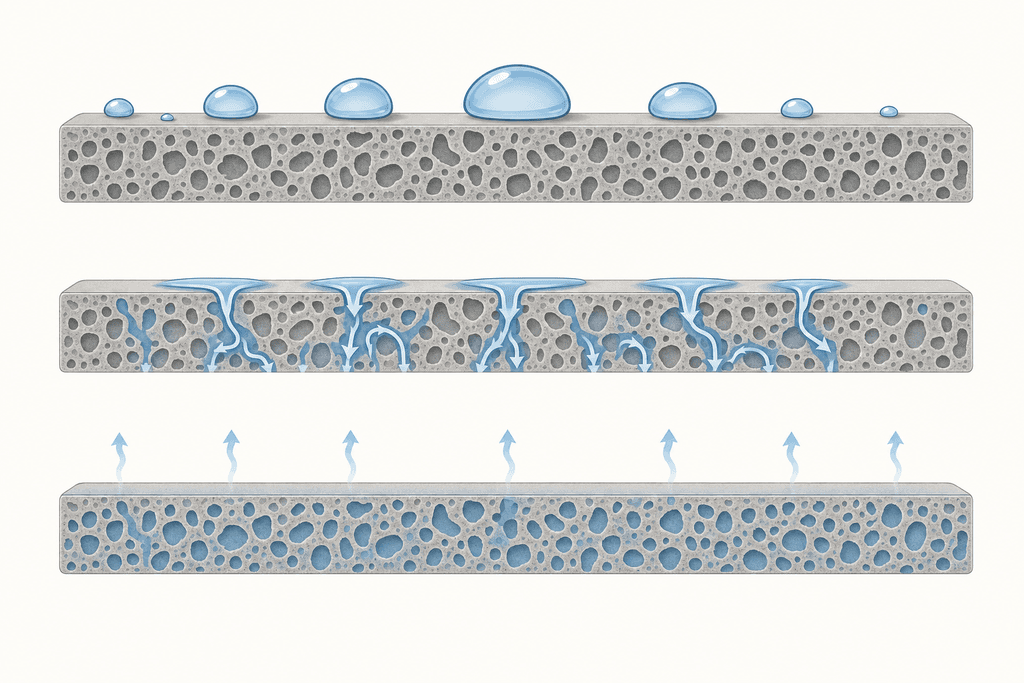
The internal structure of diatomite works like a complex network of tiny highways. Water doesn't just sit on top or soak into one spot. Instead, it spreads both horizontally and vertically through the stone, distributing moisture throughout the entire mat. This is why you never see puddles forming on the surface, even right after someone steps off.
- Capillary action pulls water into millions of microscopic pores instantly
- The pore network acts like channels that distribute moisture throughout the mat
- Water spreads in all directions, preventing any surface pooling
- Absorption happens faster than water can even form droplets
Our stone bath mats at Natureva absorb water the moment feet touch the surface. The difference between stepping onto fabric and stepping onto diatomite is noticeable right away. There's no squishing, no cold dampness from the person who showered before you.
Why Evaporation Happens So Quickly
The same porous structure that pulls water in also lets it escape just as efficiently. Think of it like a sponge with thousands of tiny air pockets. Once water gets absorbed into those spaces, it has a huge amount of surface area exposed to air. This is where the real magic happens. Moisture doesn't just evaporate from the top surface like it would on a towel. Instead, it evaporates from inside the material itself, where air can circulate through all those microscopic channels.
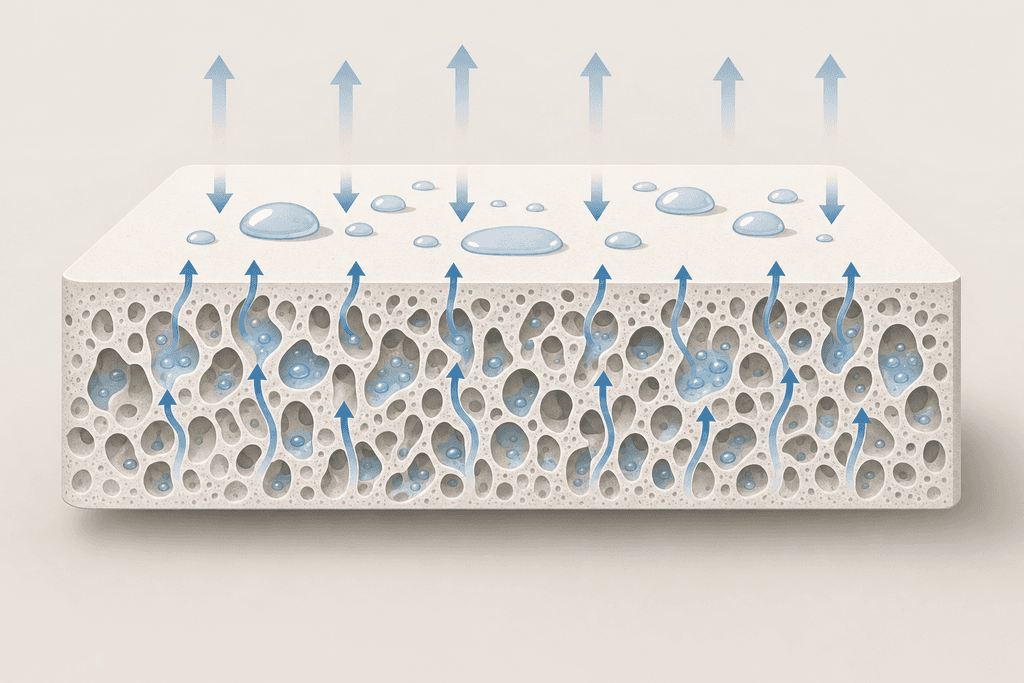
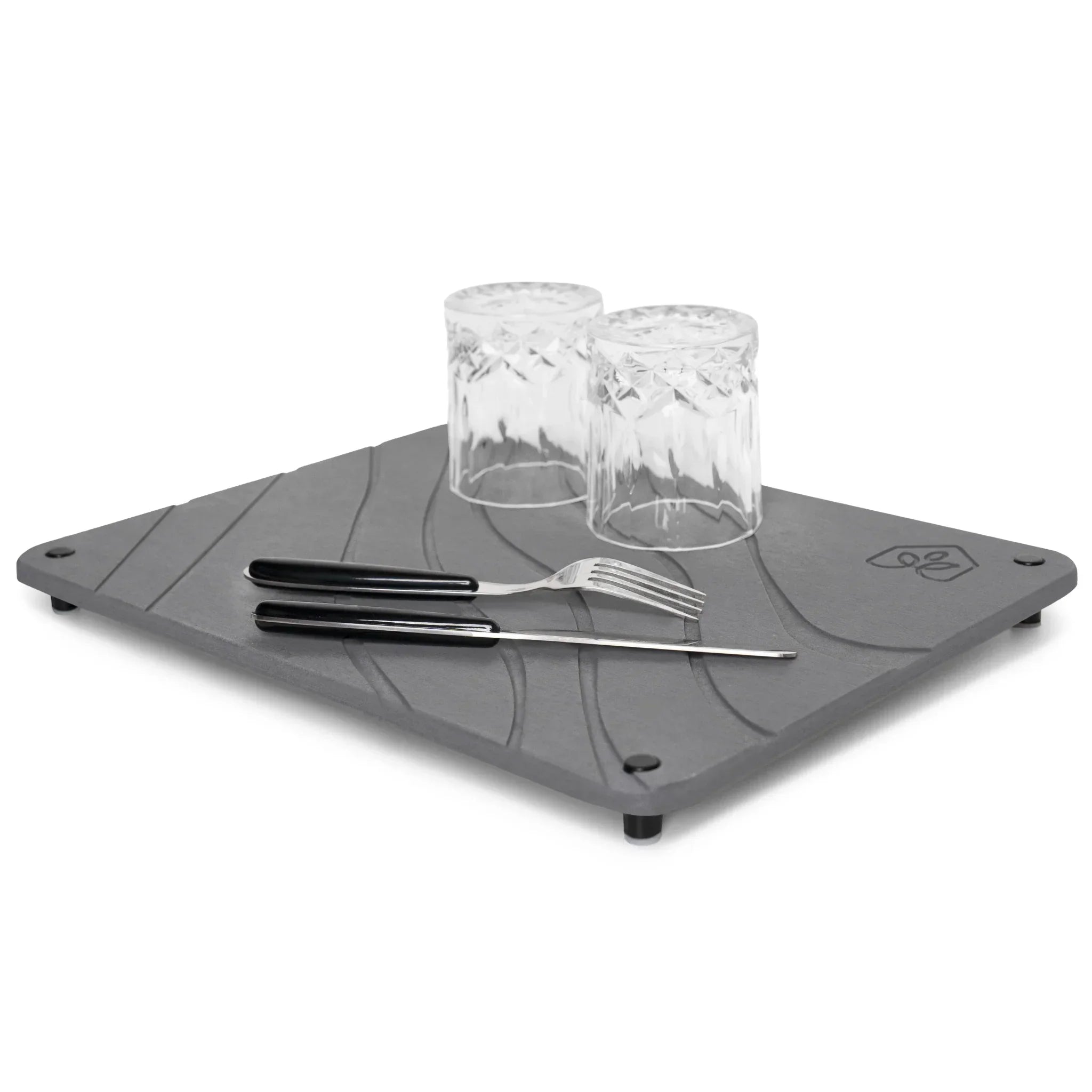
The design of stone bath mats helps speed this up even more. Every Natureva mat includes a non-slip base pad that creates a small gap between the mat and your floor. This elevation might seem minor, but it makes a big difference. Airflow underneath the mat prevents moisture from getting trapped, which means the bottom surface can breathe just like the top.
| Mat Type | Typical Drying Time | Moisture Retention |
|---|---|---|
| Stone Bath Mat | 30-60 minutes | Minimal |
| Cotton Fabric Mat | 4-8 hours | High |
| Microfiber Mat | 2-4 hours | Moderate |
Most stone bath mats dry completely within 30 to 60 minutes depending on your bathroom's humidity level. Compare that to fabric mats that can stay damp for hours, and you start to see why the material makes such a difference. According to research on diatomaceous earth bath mats, the rapid evaporation process is what sets these products apart from traditional options.
The Hygiene Advantage of Fast Drying
Here's something most people don't think about until it becomes a problem. Bacteria and mould need one thing above all else to grow: sustained moisture. When a surface stays wet for hours, it becomes the perfect breeding ground for microbes. This is why fabric bath mats start to smell musty after a few weeks, even with regular washing. The damp environment between uses gives bacteria plenty of time to multiply and form colonies. Fast drying eliminates this problem entirely by removing the moisture before microbes can establish themselves.
Stone mats don't need chemical antibacterial treatments because the material itself prevents bacterial growth through its drying behaviour. There are no additives, no antimicrobial coatings, nothing synthetic. The naturally antibacterial property comes purely from the fact that moisture doesn't linger long enough for anything to grow.
- Bacteria require sustained dampness to multiply
- Rapid drying removes the environment microbes need
- No chemical treatments needed when moisture disappears quickly
- Odour formation gets prevented at the source
Health experts at Baptist Health note that stone bath mats can be a better choice for households concerned about bathroom hygiene. The mats stay fresh between uses without needing to be thrown in the wash every few days. You can check out our full bath mat collection to see how different surface patterns work with the same fast-drying technology.
Material Composition and Durability
Stone bath mats aren't actually carved from solid rock, even though they feel substantial underfoot. Natureva stone products combine diatomaceous earth with recycled paper in a compressed composite. This mixture gets formed into dense, stone-like slabs that are surprisingly lightweight for their size. At roughly 1.8 kg, a full-size bath mat is easy to move around but still feels solid and stable when you stand on it. No synthetic coatings or moisture-trapping finishes get added during production, which means the material stays breathable and maintains its absorption properties over time.
The next generation of home essentials: naturally made, cleaner by design, sustainable by nature.
SHOP ALLThe chemical-free construction is part of what makes these mats last. Without coatings that can wear off or break down, the core material keeps working the same way year after year. That said, the surface can lose some absorbency over time as the microscopic pores get clogged with soap residue or minerals from hard water.
| Component | Purpose | Benefit |
|---|---|---|
| Diatomaceous Earth | Absorption | Instant moisture capture |
| Recycled Paper | Structure | Durability and form |
| Non-slip Base Pad | Safety and airflow | Prevents slipping and moisture buildup |
This is where the included sanding tool comes in. Every Natureva product ships with a P320 grit sanding disc designed to reopen surface pores and restore absorbency. A quick light sanding every few months keeps the mat performing like new. With proper care, including weekly vinegar water wipes and avoiding coloured soaps, these mats can maintain their function for years. Consumer Reports has tested various stone bath mats and found that maintenance plays a big role in longevity.
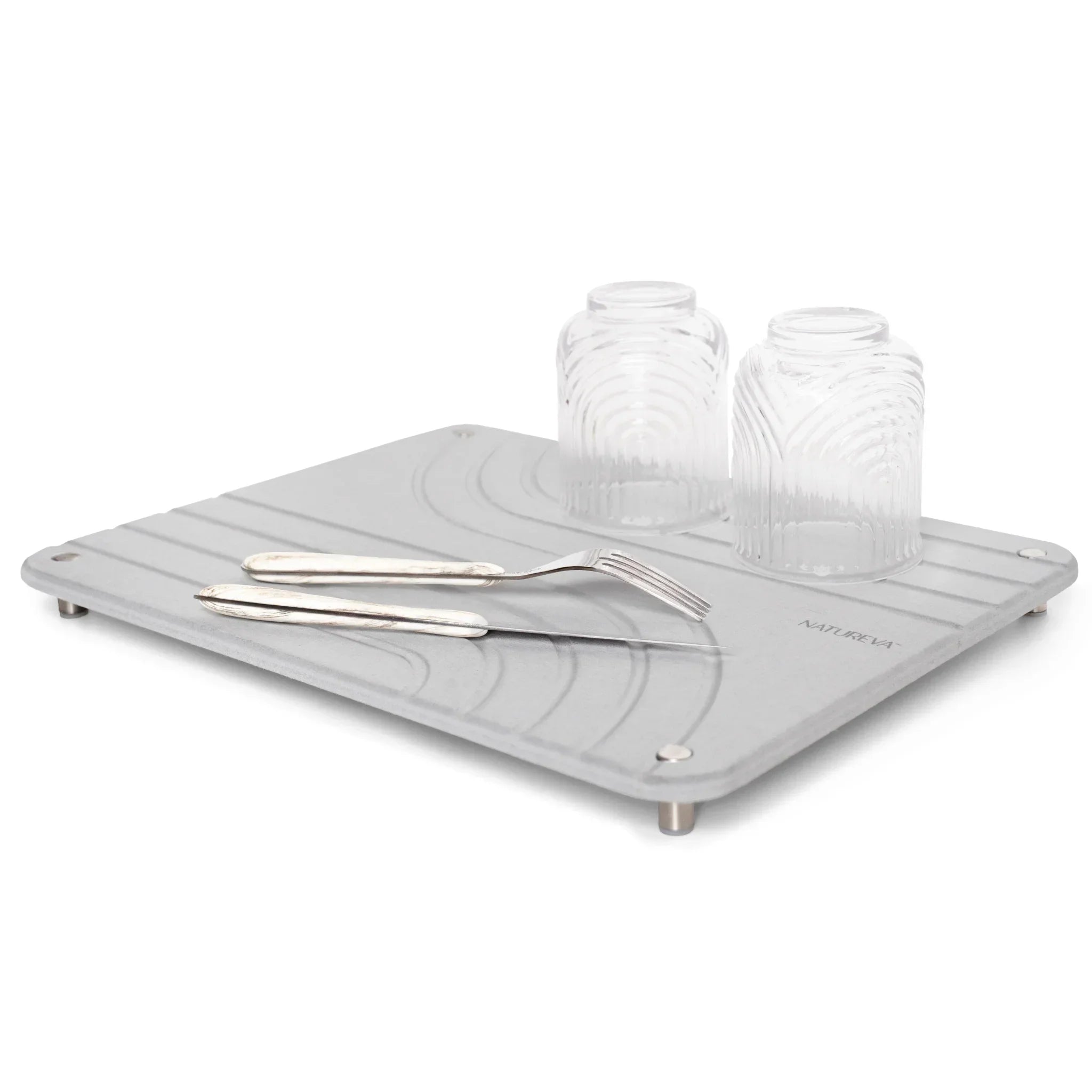
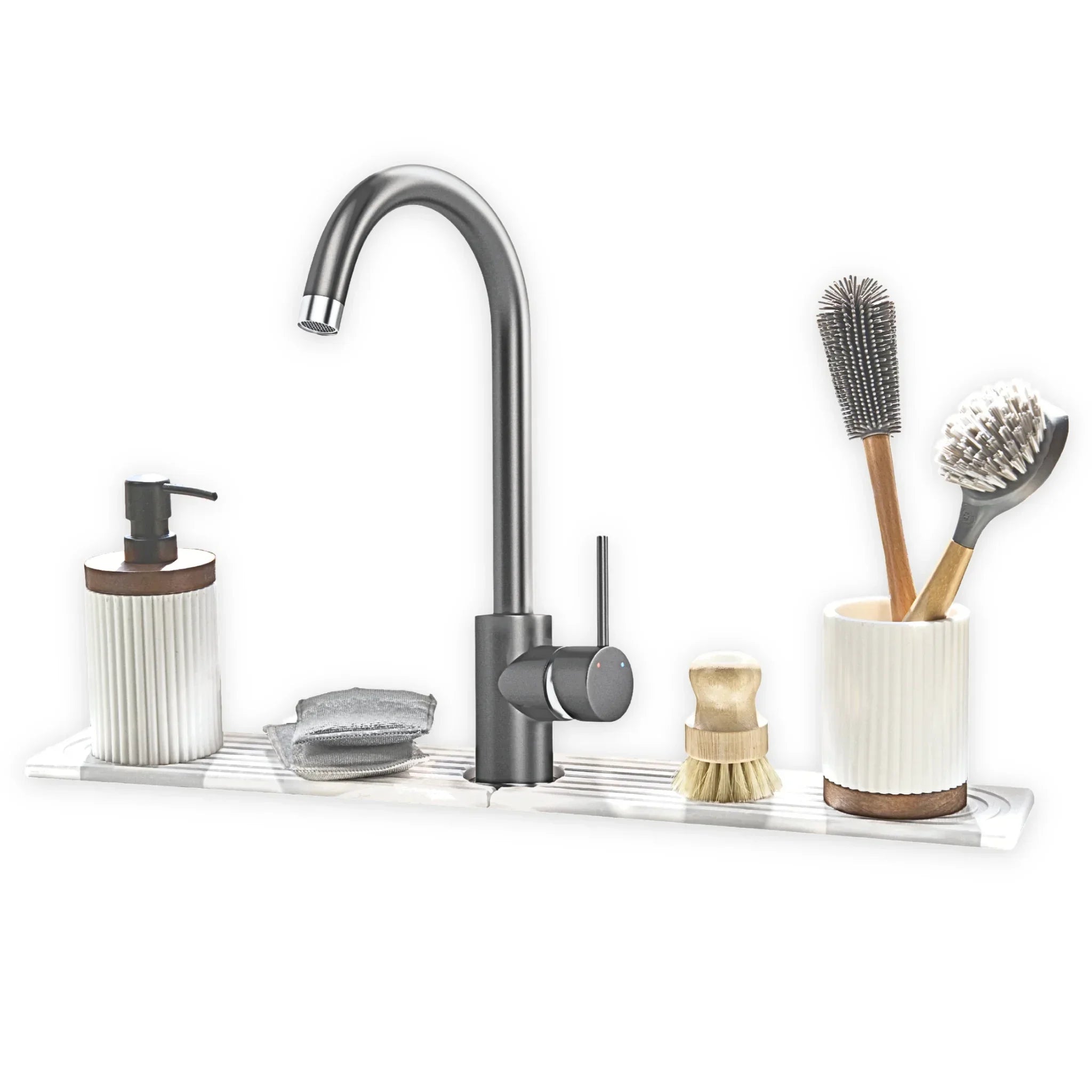
The same material technology extends beyond bath mats too. Our dish mat collection uses elevated stainless steel legs for kitchen counters, while products like the stone pet mat bring the same fast-drying benefits to feeding areas. Whether it's the Rain pattern, Tide design, or any other style, the core function stays consistent across the entire range.
When Stone Bath Mats Work Best
Not every bathroom needs a stone mat, but certain situations make them almost essential. If you've ever stepped onto a damp fabric mat hours after someone else showered, you know the problem. Stone mats solve this by drying completely between uses, which matters most when multiple people share the same space. The instant absorption means the next person always gets a dry surface, no matter how little time has passed.
High-traffic bathrooms see the biggest difference. Families with kids rushing through morning routines don't have time to deal with soggy mats. The diatomite surface absorbs water on contact and releases it back into the air within minutes, so there's no waiting period between showers. This same principle makes stone mats ideal for humid climates where fabric never truly dries.
Environments Where Stone Outperforms Fabric
- Coastal areas with constant humidity that keeps fabric damp for days
- Apartments or homes with poor bathroom ventilation
- Guest bathrooms that need to stay fresh without daily attention
- Rental properties where low-maintenance solutions reduce turnover work
People with allergies or chemical sensitivities also benefit from how stone bath mats work. There's no fabric to trap allergens and no need for harsh detergents or fabric softeners. The material itself is naturally antibacterial because bacteria can't thrive without moisture, and the surface stays dry.
Stone Versus Fabric Comparison
| Feature | Stone Bath Mat | Fabric Bath Mat |
|---|---|---|
| Drying Time | 2-5 minutes | 4-24 hours |
| Washing Frequency | Weekly wipe down | Weekly machine wash |
| Odor Development | Minimal (stays dry) | Common (holds moisture) |
| Lifespan | 2-3+ years | 6-18 months |
| Chemical Exposure | None | Detergents, softeners |
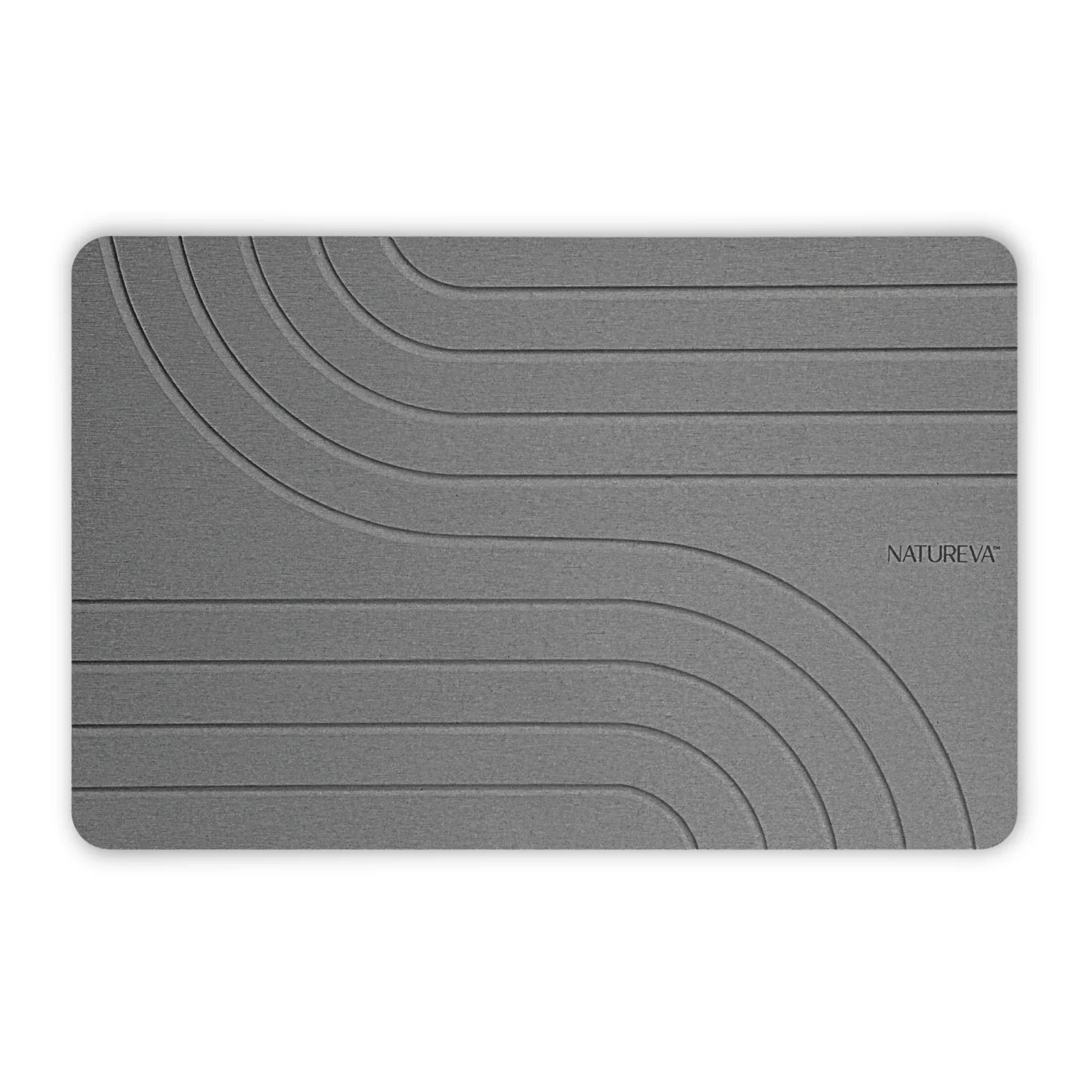
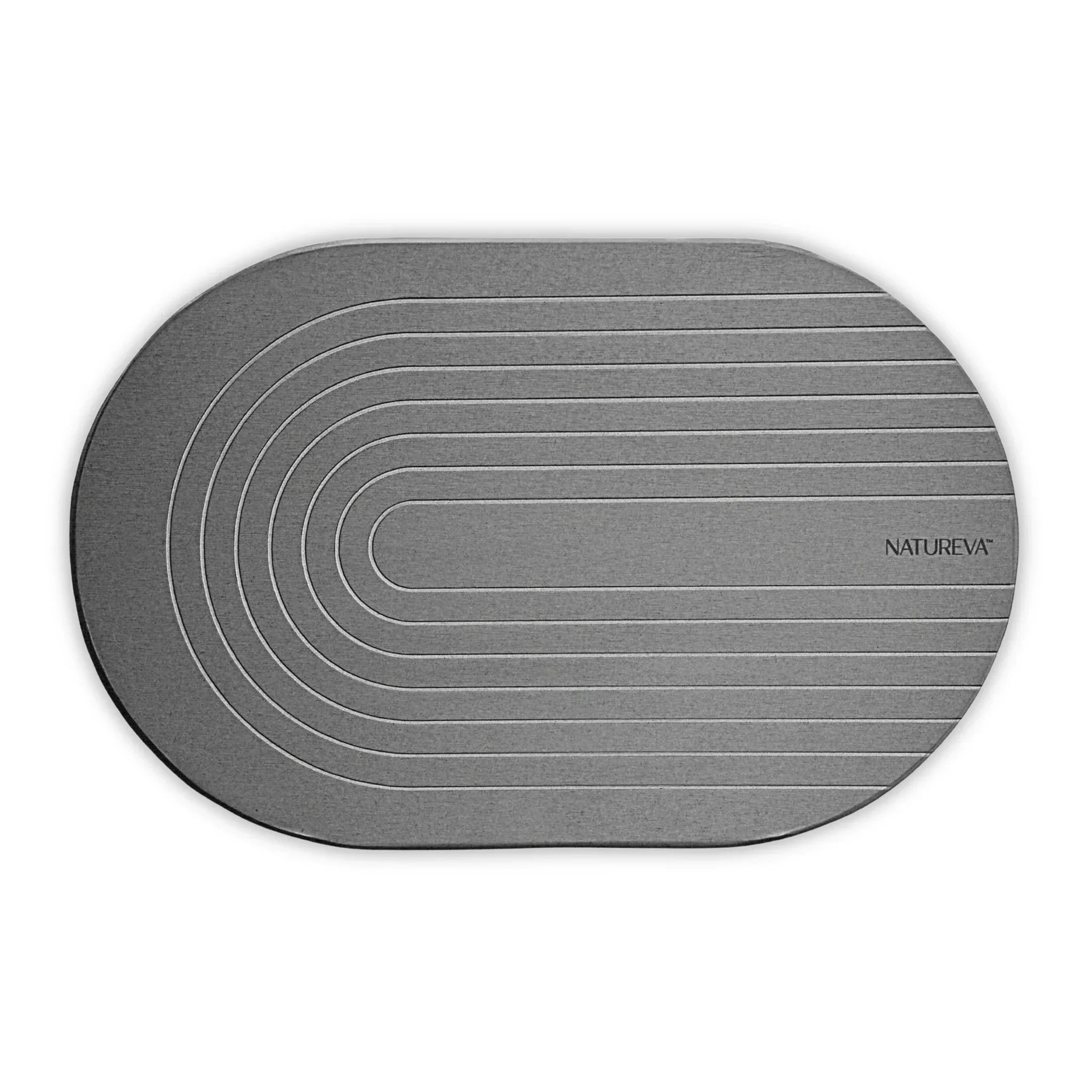
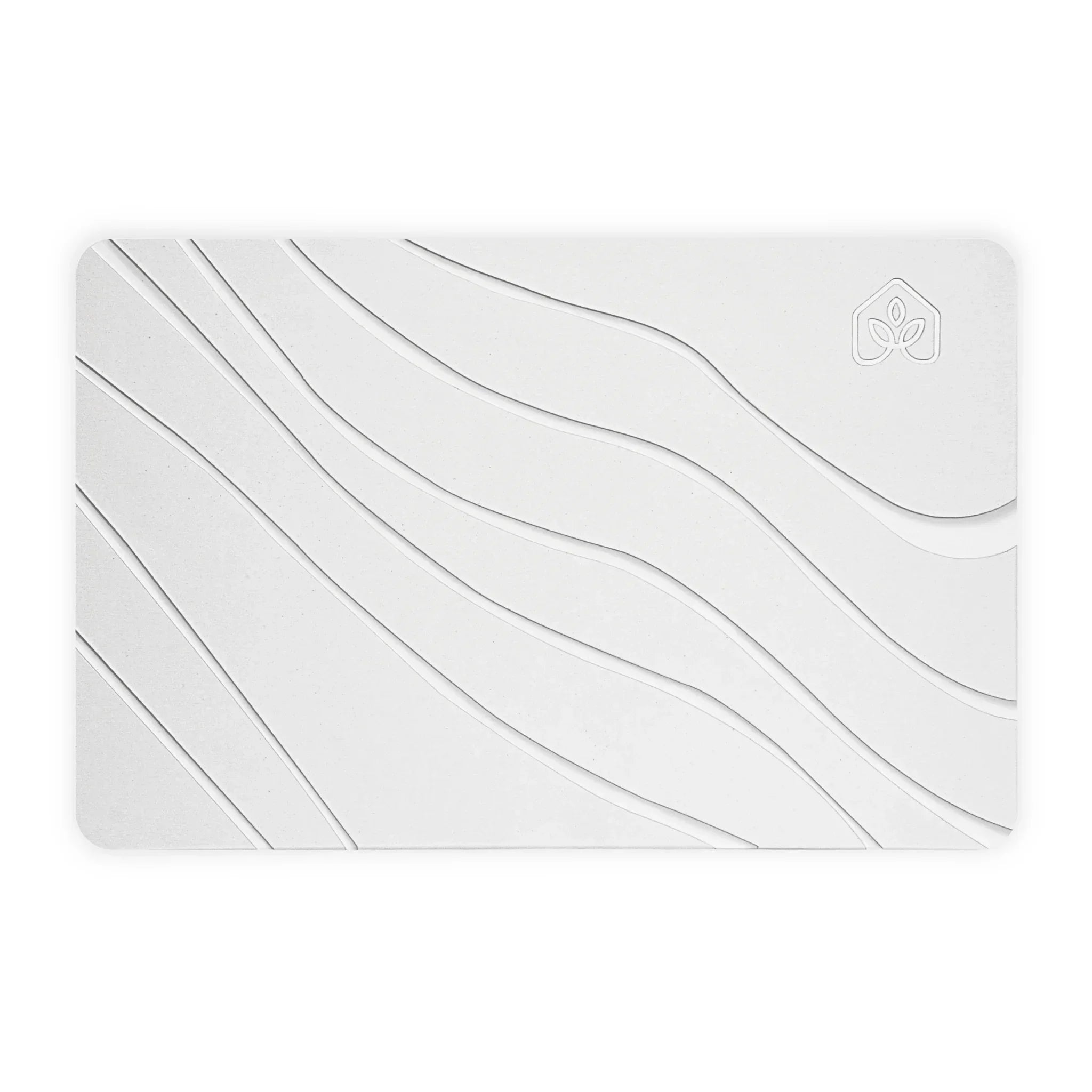
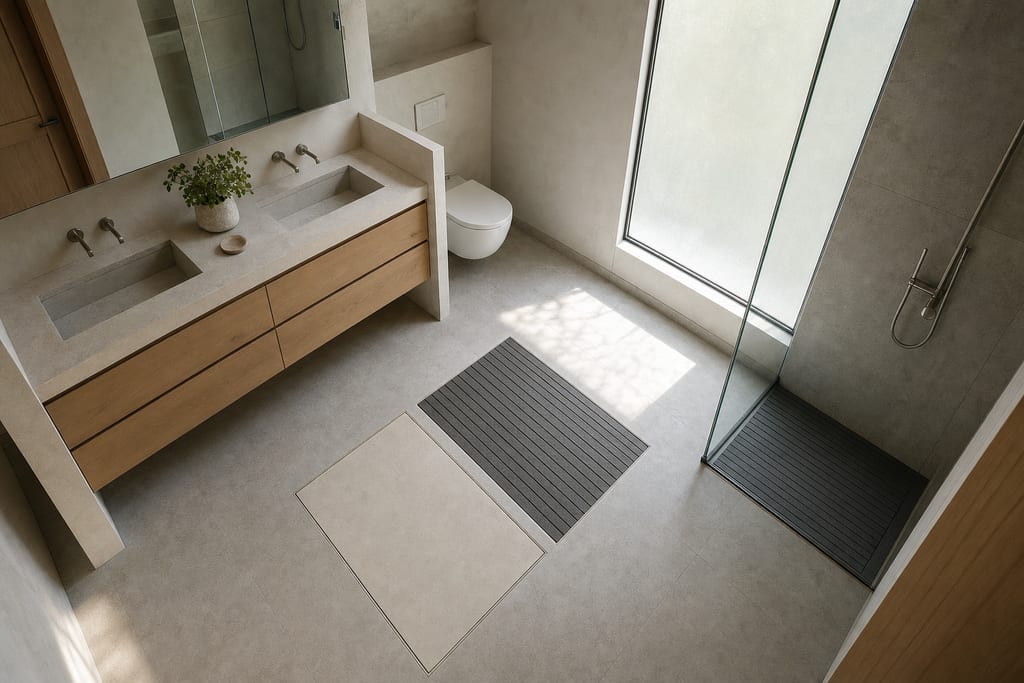
Minimalist bathroom designs also favor stone mats because they look intentional rather than functional. The carved patterns on Natureva's bath mats add visual interest without clashing with clean lines. They sit flat on the floor and don't bunch up or shift around, which matters in small spaces where every detail counts.
The practical reality is that fabric mats require constant washing to stay hygienic. If you're already doing laundry multiple times per week just to keep bathroom textiles fresh, a stone mat eliminates that cycle entirely. A quick vinegar wipe once a week maintains the surface, and occasional sanding restores absorption if it ever decreases. For more details on maintaining absorption over time, this guide covers common issues and solutions.
The Bottom Line on Stone Bath Mat Technology
So that's how stone bath mats work. The secret is in those millions of microscopic pores inside the diatomite material, which pull water in instantly and then release it back into the air through evaporation. This happens so fast that the mat feels dry within minutes, sometimes even seconds after you step off it. Traditional fabric mats just can't compete with that speed because they trap moisture in their fibres instead of letting it escape.
The real benefit isn't just about having a dry mat though. When moisture disappears that quickly, bacteria and mould don't get the damp environment they need to grow. That means no musty smell, no slimy feeling, and a cleaner bathroom overall without using any chemicals or special treatments.
Our stone bath mats come in five different carved patterns like Tide, Flow, Rain, Aura, and the oval Arch design. They all use the same composite construction that balances being solid enough to stand on while staying breathable enough to dry fast. The non-slip base keeps everything stable, and the whole thing weighs about 1.8 kg, so it stays put but isn't too heavy to move when you need to clean.
If you've been dealing with damp fabric mats that never quite dry between showers, the difference is pretty noticeable. The same technology works in our dish mats, sink caddies, and even the pet mat for water bowls.
Now let's look at some common questions people have about using and caring for these mats.
Common Questions About Stone Bath Mats
Stone bath mats work differently than fabric ones, which means people naturally have questions about how they perform in real life. The material itself is pretty unique, so understanding what to expect helps you get the most out of it. These are the questions that come up most often from people considering a switch from traditional mats.
How long does a stone bath mat take to dry completely?
Most stone bath mats dry within 30 to 60 minutes after use, depending on how much water they absorb and the humidity in your bathroom. The diatomite pulls moisture from your feet instantly, then releases it into the air through evaporation. You'll notice the surface feels dry to the touch within just a few minutes, even though the internal structure might still be releasing moisture for a bit longer.
Do stone bath mats work in humid climates?
Yes, but they might take slightly longer to dry in very humid environments since evaporation slows down when the air already holds a lot of moisture. Good bathroom ventilation makes a noticeable difference, so running an exhaust fan or cracking a window helps the mat release moisture faster. Even in humid areas, stone mats still outperform fabric options that stay damp for hours.
What happens if the mat stops absorbing water?
When a stone bath mat stops absorbing as well as it used to, it usually means the microscopic pores on the surface have gotten clogged with soap residue, body oils, or mineral deposits. This is totally normal and easy to fix. The sanding tool that comes with Natureva bath mats lets you gently resurface the top layer, reopening those pores so the mat absorbs like new again.
Are stone bath mats safe to stand on when wet?
Stone bath mats are designed with non-slip base pads that keep them stable on tile and other bathroom floors, even when wet. The surface itself has a slightly textured feel from the engraved patterns, which provides some grip. That said, they work best on flat, smooth surfaces rather than heavily textured tile where the base pad might not make full contact.
How do you clean a stone bath mat?
A quick wipe with a vinegar and water solution once a week keeps most stone bath mats in good shape. For tougher stains, you can rinse the mat under water or use a bit of hydrogen peroxide on the affected area. Avoid using coloured soaps directly on the surface since they can leave marks that are harder to remove.
Can stone bath mats crack or break?
Stone bath mats are durable for everyday use, but they can crack if dropped on a hard surface or if heavy objects fall on them. The material is dense but not indestructible. Treating them with reasonable care means they'll last for years without issues, but they're not designed to handle the same kind of impact as rubber or fabric mats.
The next generation of home essentials: naturally made, cleaner by design, sustainable by nature.
SHOP ALL