
Article: How to Choose a Dish Drying Mat in Australia
How to Choose a Dish Drying Mat in Australia
A good dish drying mat Australia shoppers can rely on comes down to three things: material, size, and how fast it actually reaches your door. A wet fabric mat can start holding bacteria within hours of use, since damp cotton stays moist long after the dishes are gone. Material decides whether that happens again tomorrow, size decides whether your mat fits the space next to your sink, and shipping decides how long you wait to fix the problem in the first place.
Fabric mats soak up water but dry slowly, which is exactly how mould and bacteria get a foothold on a kitchen counter. Stone mats made from diatomaceous earth pull moisture in and let it evaporate within minutes instead of hours, so there is less time for anything to grow. Size matters just as much as material, since a mat too small for your dish rack leaves puddles on the bench anyway. For buyers in Australia, delivery timelines and customs handling on imported stone mats can add days to a purchase, so it pays to check shipping estimates before you order.
Table of Contents
What Australian Kitchens Actually Need From a Mat
Humid coastal cities like Brisbane, Darwin and parts of Sydney slow down fabric mat drying by hours, because high air moisture gives damp cotton nowhere to send the water. A mat that takes all day to dry in Perth can sit wet overnight in a humid coastal kitchen, which extends the window for bacteria to build up.
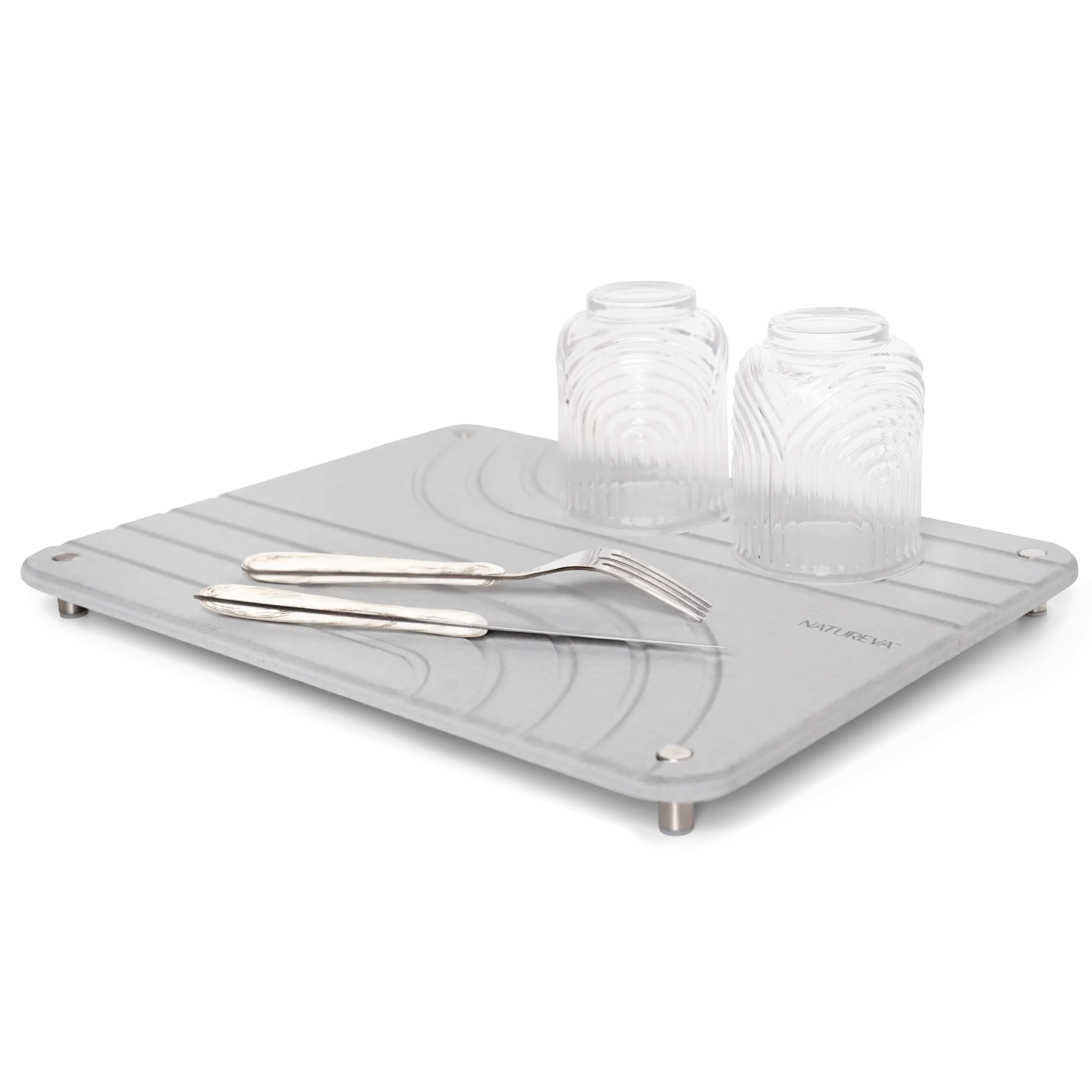
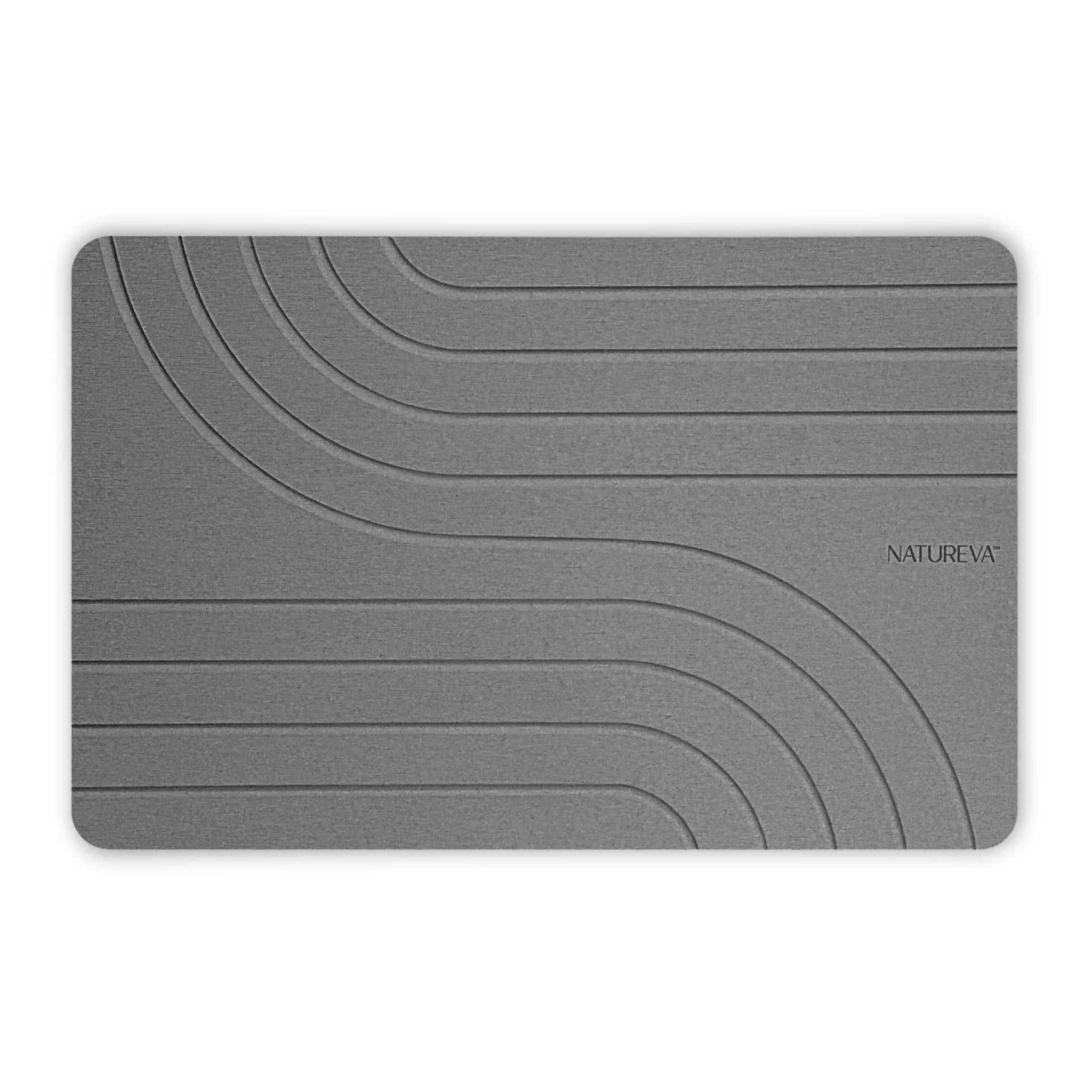
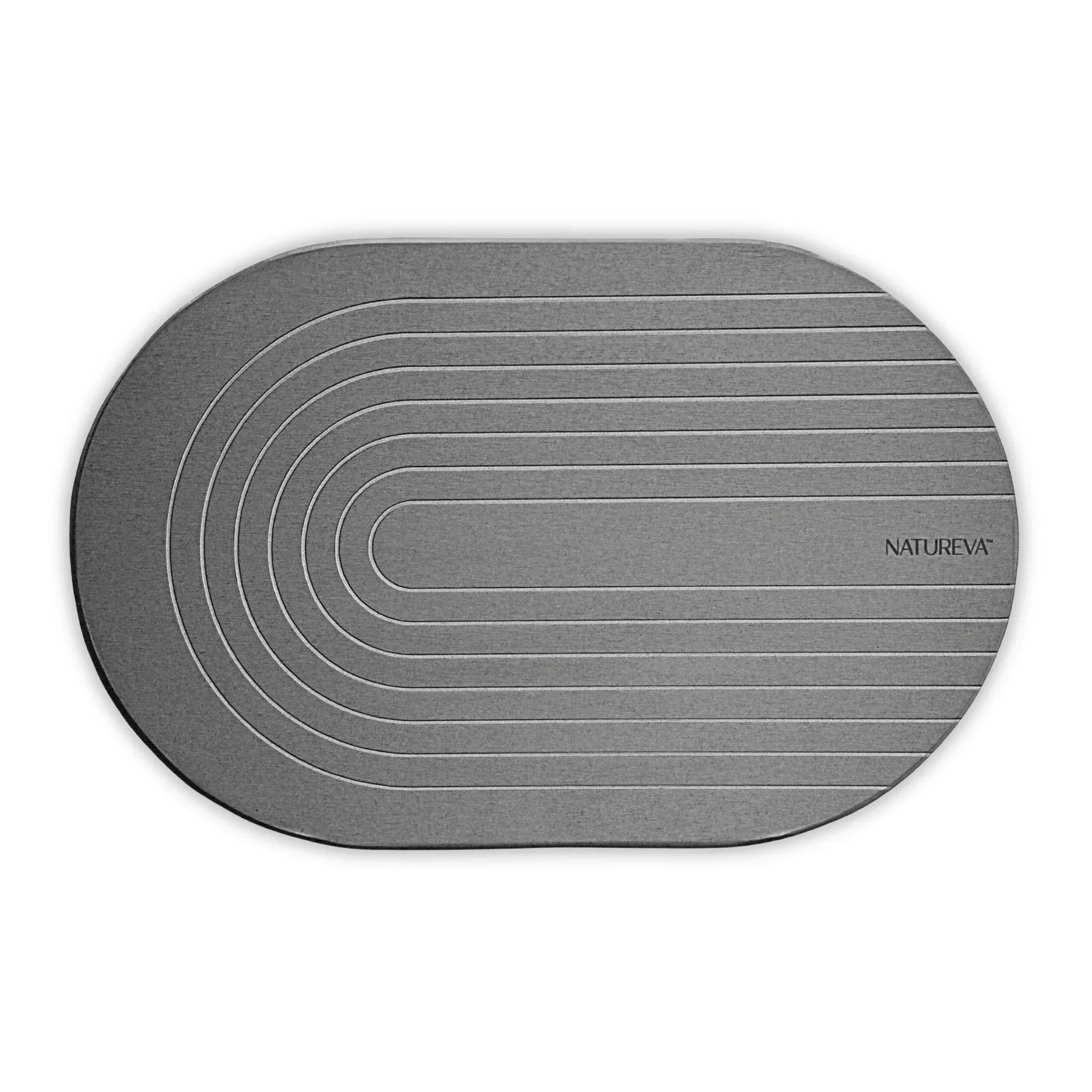
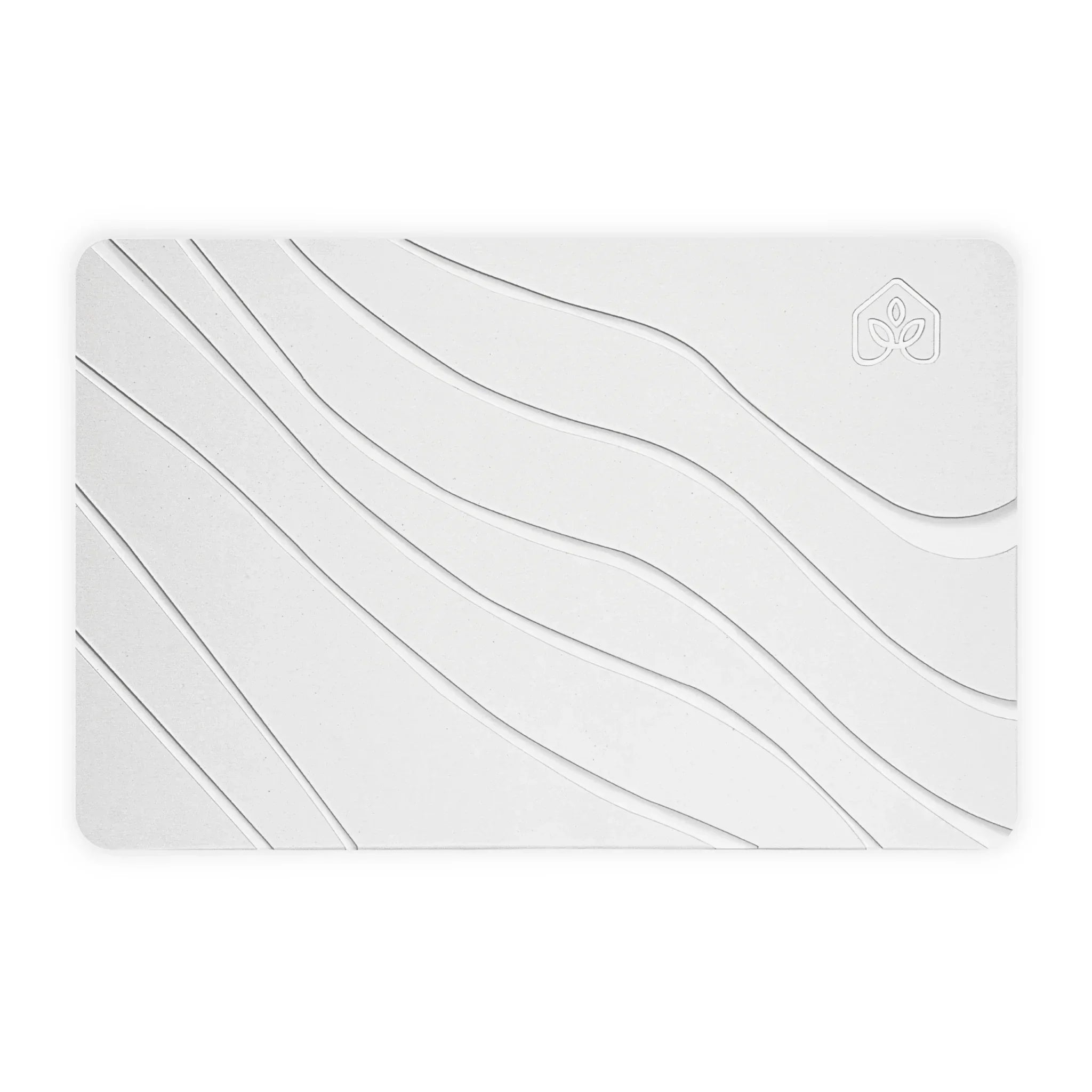
Stone Dish Mat - Tide
Standard foam and cotton mats trap moisture under the surface even when the top feels dry to the touch. That trapped water is what causes the sour smell people notice after a few weeks, and washing the mat only resets the clock instead of fixing the problem.
Drying speed and lifespan vary a lot by material, and the gap matters more in humid climates than dry ones.
| Material | Typical Drying Time | Typical Lifespan |
|---|---|---|
| Cotton or fabric | 4 to 8 hours | 6 to 12 months |
| Silicone | 1 to 2 hours | 2 to 3 years |
| Stone (diatomaceous earth) | 5 to 10 minutes | 3 to 5 years |
Consumer Reports has tested both fabric and stone-style drying mats and found drying speed to be one of the clearest differences between the two, which lines up with what shows in the table above (5 Best Dish Drying Racks and Mats, Tested by Our Experts). Silicone sits in the middle on both counts, drying faster than fabric but not matching stone's near-instant evaporation.
Stone, Silicone or Fabric, Which Dries Faster
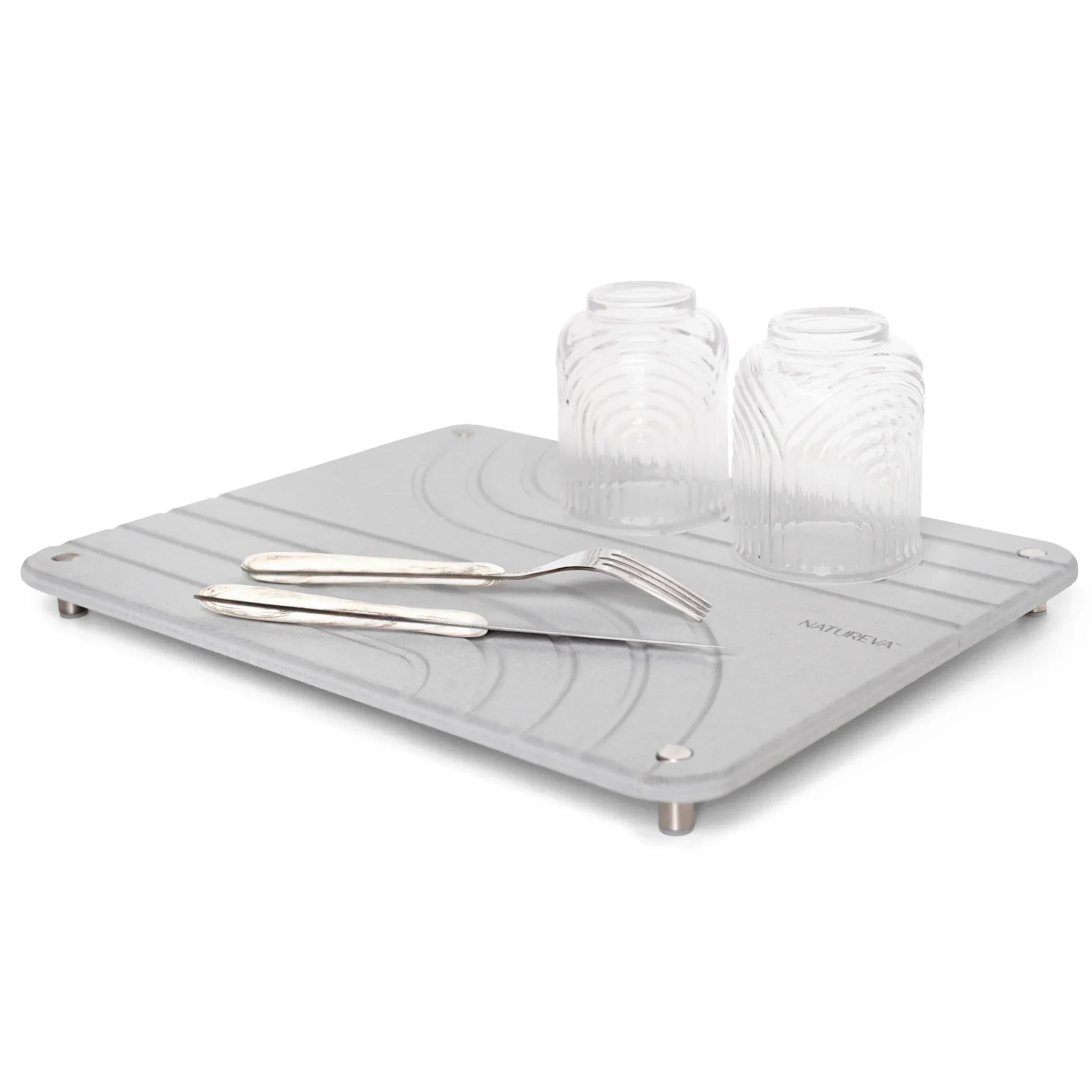
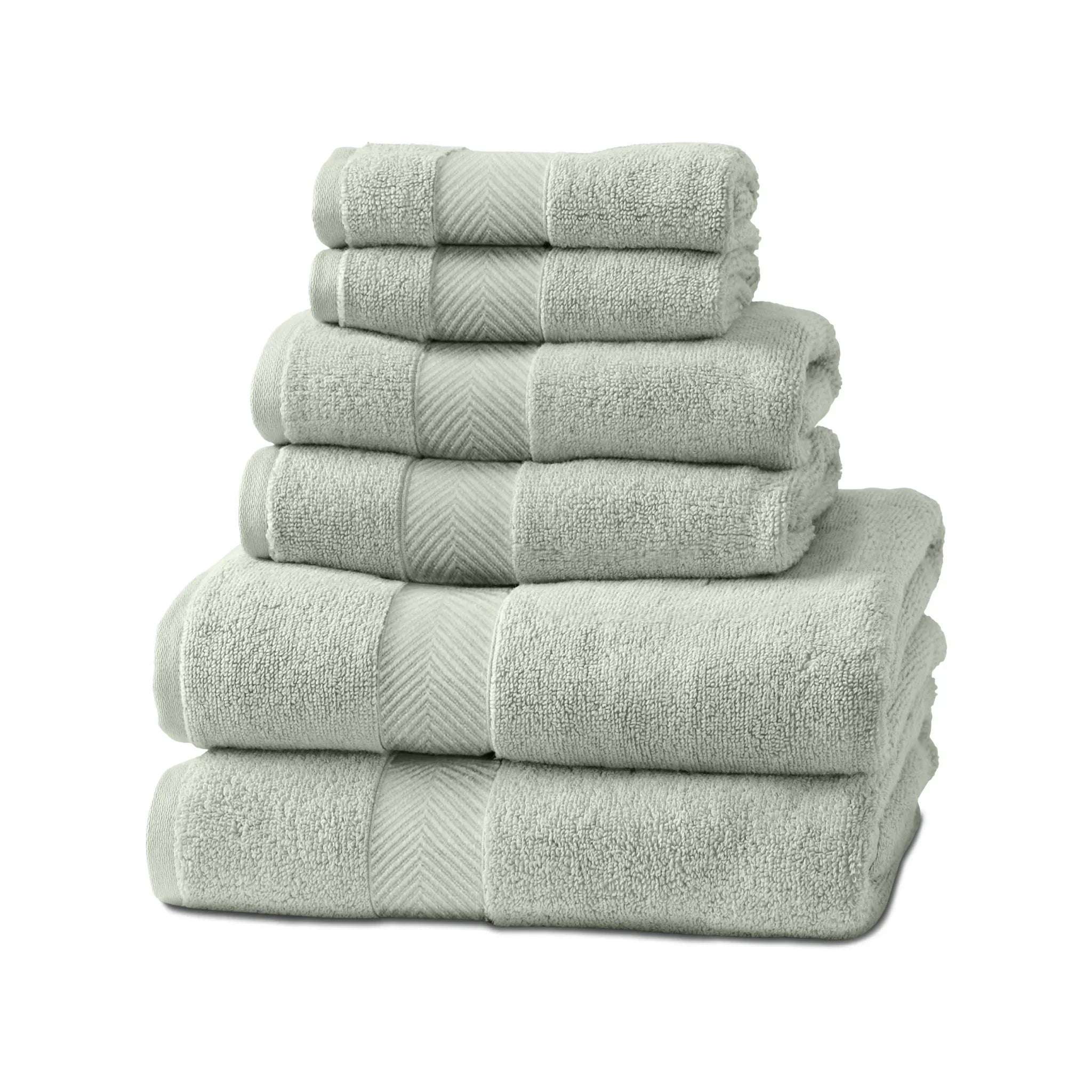
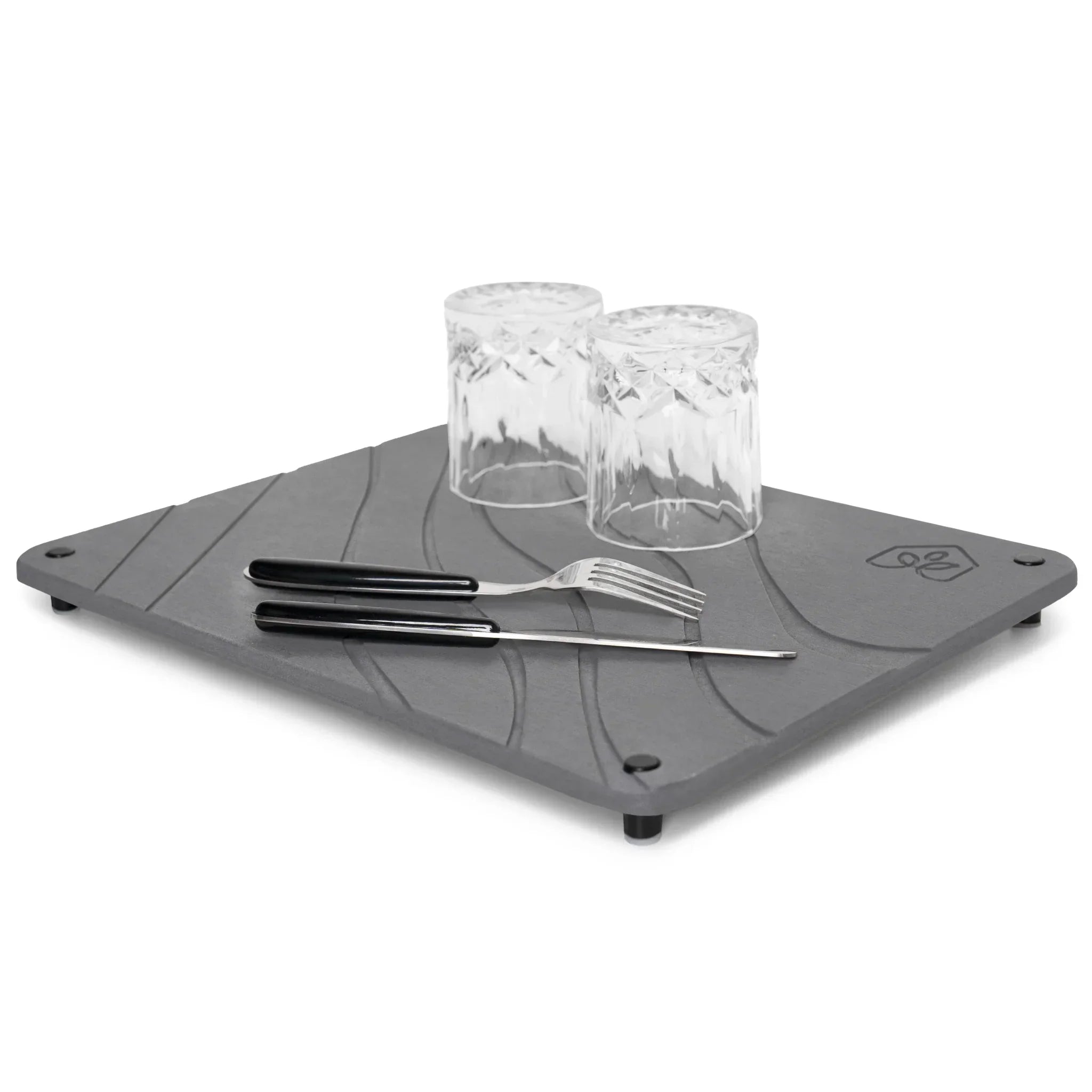
Stone pulls water in through thousands of tiny pores and lets it evaporate off the surface, so a stone mat is dry again almost as soon as the last dish comes off it. Silicone works a different way: it channels water into ridges or a built-in tray, so the liquid pools instead of leaving the mat at all. Cotton and microfiber absorb water into the fibers themselves, but they need a full day hanging somewhere dry before they're actually dry again.
The silicone trap is the part most people miss. A mat can look dry on top while water still pools underneath, not on top, which is exactly where mold gets started. Natureva's diatomite mats skip the tray entirely and rely on evaporation, so there's no hidden layer of standing water to deal with.
- Stone (diatomite): dries by evaporation, no tray, rigid surface
- Silicone: traps water in ridges, needs manual draining
- Cotton or microfiber: absorbs water into fibers, needs a full day of air drying
Compare Dish Drying Mats Sold in Australia
Natureva's two stone mats, Tide and Flow, each run about 75 AUD and use the same diatomite stone, just in different surface patterns. Supermarket silicone mats usually cost 20 to 35 AUD but wear out faster, with ridges that crack or peel after a year or two of daily use. The price gap is really about lifespan, since a stone mat that lasts three to five years costs less per year than replacing a silicone mat annually.
| Mat | Price (AUD) | Material | Mold Resistance |
|---|---|---|---|
| Natureva Tide | ~75 | Diatomite stone | High |
| Natureva Flow | ~75 | Diatomite stone | High |
| Generic silicone | 20-35 | Silicone | Low to medium |
Design is the one place these two differ. The Tide dish mat has a linear ridge pattern, while the Flow dish mat uses a rounder, wave-like texture, so picking between them usually comes down to the rest of the kitchen.
The next generation of home essentials: naturally made, cleaner by design, sustainable by nature.
SHOP ALLShipping Costs and Delivery Times Across Australia
Metro addresses in Sydney, Melbourne and Brisbane typically get delivery in 3 to 7 business days, while regional spots in far north Queensland or rural Western Australia can take 7 to 14 days. The extra time comes from the hand-off to a regional courier, not from a delay at the warehouse. Shipping fees usually scale with order size, with a flat rate under a set order total and free shipping once you pass it, so it's worth checking that threshold before checkout.
Stock matters more for a specific pattern than for a generic category, since a popular colourway can sell out between restocks. Confirm stock on the exact pattern you want before paying, because sellers don't always swap in a substitute automatically. Orders ship with tracking, and if a mat arrives cracked or chipped, most sellers want photos within a few days of delivery to process a replacement.
- Check the delivery estimate for your postcode before paying
- Confirm the shipping fee or free-shipping threshold at checkout
- Verify stock on the specific pattern or colour you want
- Photograph any damage within the return window and contact support
Sizing a Mat to Your Sink and Kitchen Style
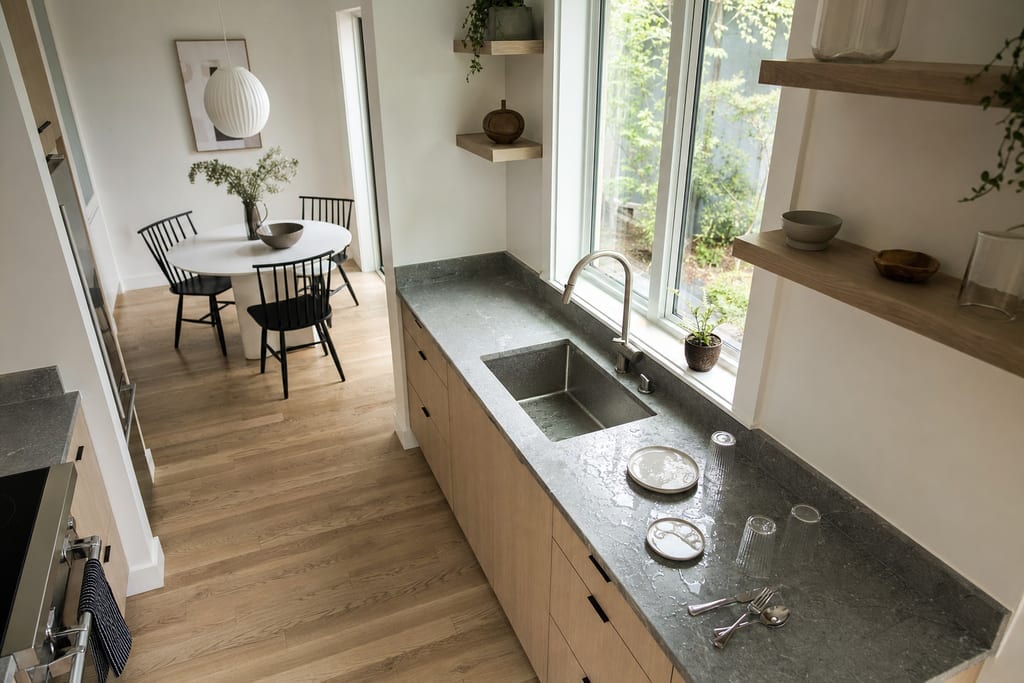
Measure the counter space beside your sink before you order, since a mat that overhangs the edge drips onto the floor instead of the bench. Most stone dish mats run close to 40 by 30 centimetres, so leave at least that much clear space plus a few extra centimetres on each side for a dish rack to sit on top without hanging off the mat.
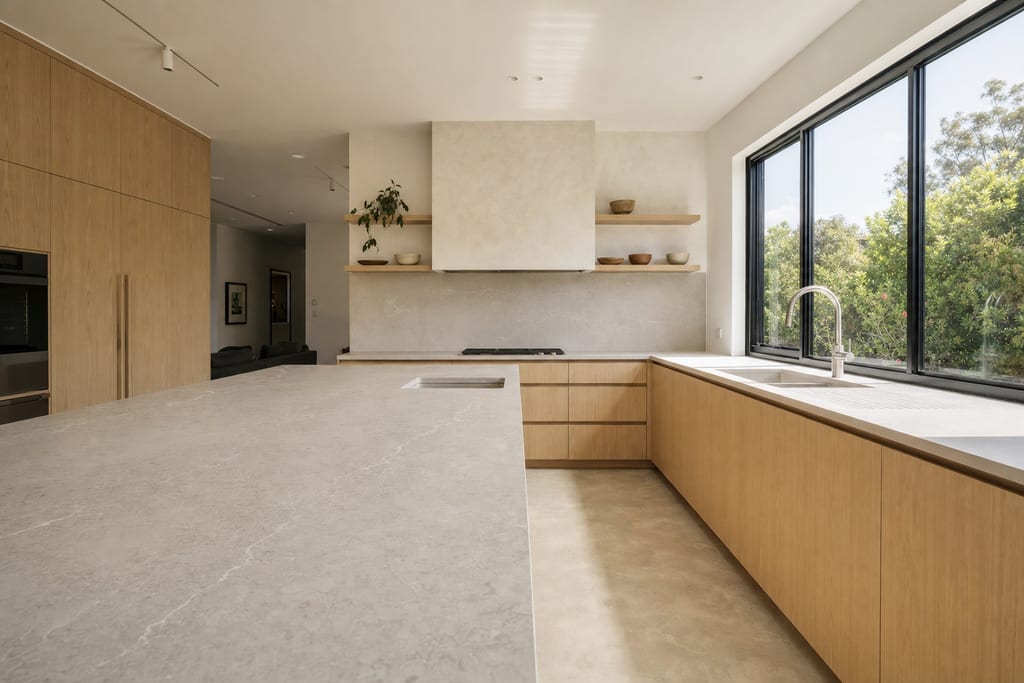
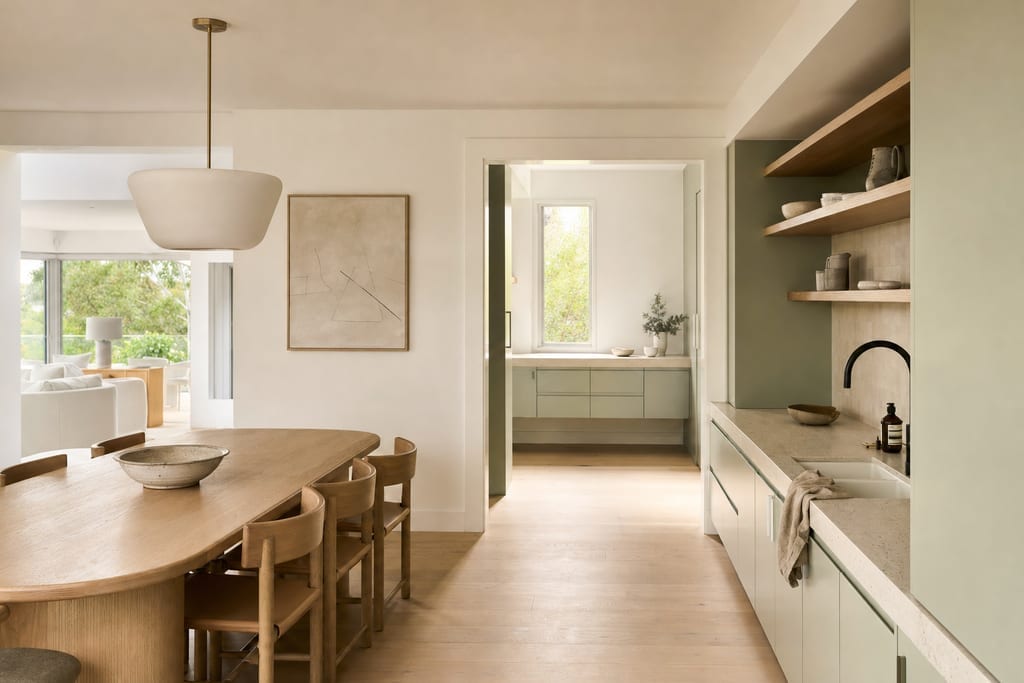
Pattern choice comes down to the rest of the kitchen. The Tide pattern's straight ridges suit a minimalist, monochrome kitchen, while the Flow pattern's rounded texture fits a softer look with timber or stone finishes nearby. Leave clearance on all four sides for whatever rack or drainer sits on top, since a mat that's too small just pushes the puddle problem onto the counter around it.
- Measure sink-side counter space before choosing a size
- Pick Tide for clean, linear, monochrome kitchens
- Pick Flow for softer, organic-styled kitchens
- Leave a few centimetres of clearance for the dish rack's footprint
Stone or Silicone, Which One Fits Your Household
A 75 AUD stone mat that lasts three to five years costs roughly 15 to 25 AUD a year. A 25 AUD silicone mat replaced every 12 to 18 months costs close to that same amount annually, but you're left managing a water tray in between and replacing it sooner than a stone mat ever needs.
Households with kids or pets go through dishes fast, and a mat that's still wet from breakfast when dinner dishes hit it stays damp most of the day. The same goes for anyone in Brisbane, Darwin, or coastal Sydney, where the air itself slows drying. Faster evaporation matters more in those homes than in a dry, low-traffic kitchen where a mat sits mostly idle.
- Busy household, humid climate, daily dish volume: stone mat pays off within the first year
- Light use, dry climate, occasional dishes: silicone or fabric is fine and cheaper upfront
- Renting or moving often: fabric mats are lighter and cheaper to replace if lost in a move
The trade-off is upfront cost against ongoing hassle. Silicone and fabric mats are cheaper to buy once, but they ask you to drain a tray or hang-dry fabric on a regular basis. A stone mat costs more at checkout but asks nothing of you after that beyond wiping it down.
Which Mat Goes Next to Your Sink
Pick based on what your counter already looks like. Tide suits a clean, minimal setup with straight lines and a monochrome palette. Flow fits a softer kitchen with timber or stone finishes and a rounder look. Both come from Natureva, use the same diatomite stone, and ship with tracked delivery to metro and regional addresses across Australia. Measure your counter space, confirm stock on the pattern you want, and order through the product page for the mat that matches your kitchen.
The next generation of home essentials: naturally made, cleaner by design, sustainable by nature.
SHOP ALLCommon Questions About Dish Drying Mats
Will a stone dish mat scratch my benchtop?
No, as long as the base is dry and free of grit. Diatomite is a soft, porous stone, softer than granite or engineered quartz, so it won't scratch laminate, timber, or stone benchtops under normal use. The risk comes from trapped sand or grit under the mat, so give the spot a wipe before you set it down.
How do I get a coffee or wine stain out of the mat?
Mix a bit of baking soda with water into a paste, spread it over the stain, and let it sit for 15 to 20 minutes before wiping with a damp cloth. Diatomite is porous, so it can pick up color from dark liquids if they sit for hours. Light sanding with fine sandpaper removes stains that don't lift with baking soda, and it won't affect how the mat dries.
Can I return the mat if the color doesn't suit my kitchen?
Yes, Natureva accepts returns within the standard return window as long as the mat is unused and in its original packaging. Since Tide and Flow are priced the same and made from the same stone, swapping patterns after delivery just means contacting support and sending the first one back. Check the return policy on the product page for the exact window and process.
Does the mat come with a warranty in Australia?
Yes, Natureva covers manufacturing defects like cracks or chips that show up outside of normal shipping damage. This is separate from the shipping damage process, which needs photos within a few days of delivery. A warranty claim covers faults that appear after weeks or months of normal use, not damage from drops or impact.