
How to Wash a Stone Bath Mat Without Damaging It
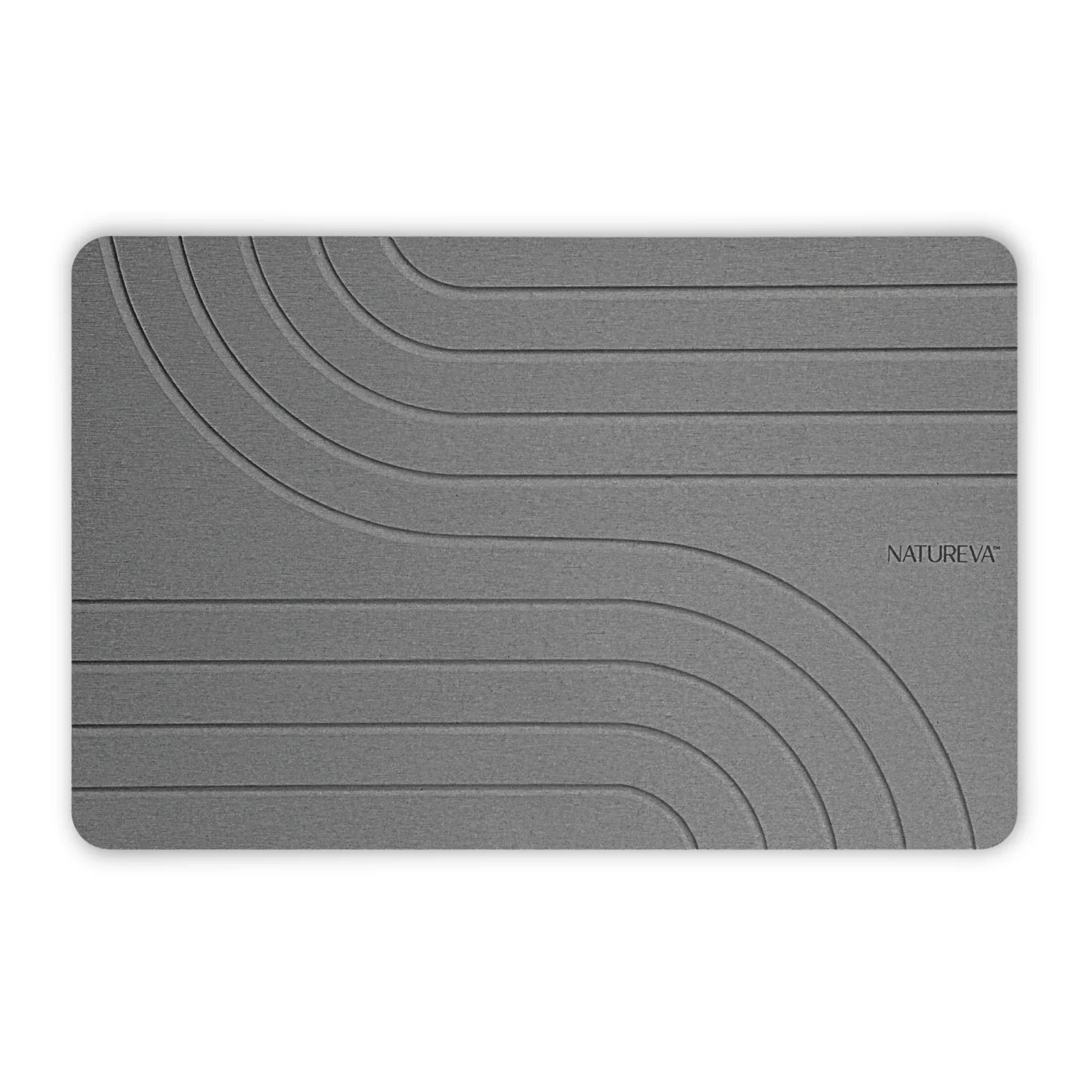
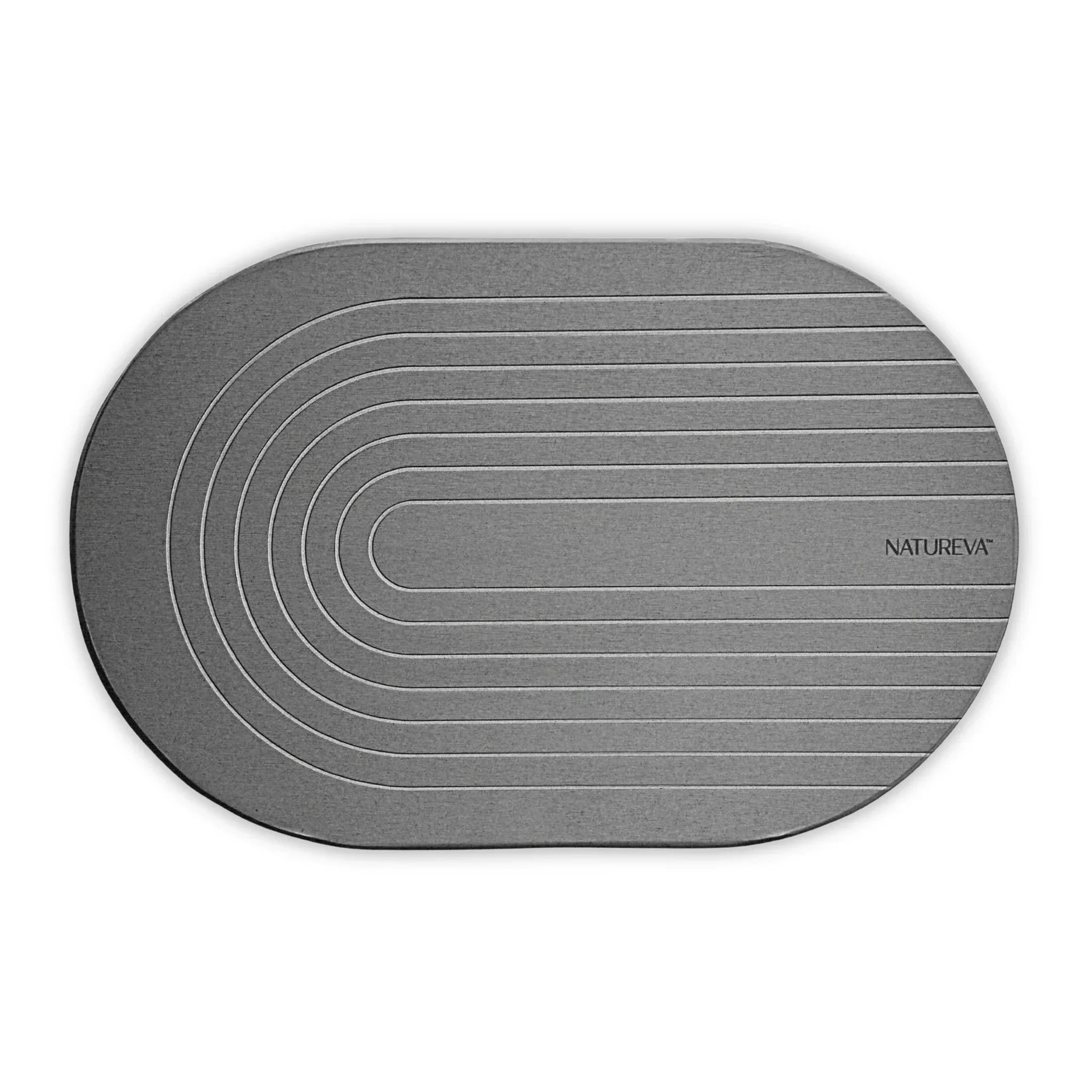
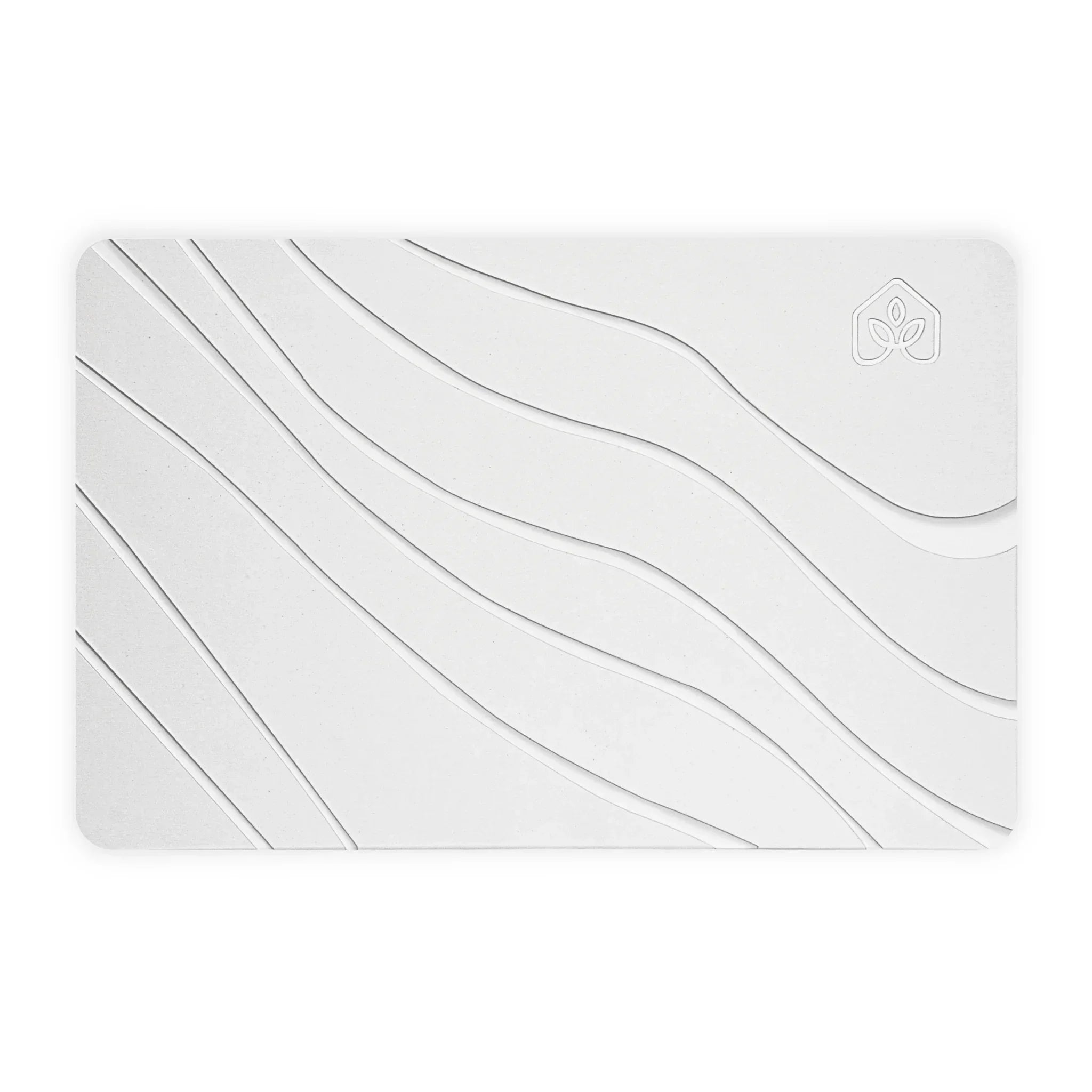
Stone bath mats absorb water instantly because of millions of microscopic pores inside the diatomite material, but those same pores can get clogged if you clean them the wrong way. Most people treat their stone mat like a regular bath mat and accidentally ruin its absorbency with soap or harsh cleaners. Learning how to wash stone bath mat properly takes just a few minutes and keeps products like Natureva's stone bath mats working perfectly for years without losing their fast-drying power.
Table of Contents
Understanding Your Stone Bath Mat Material
Stone bath mats work differently than regular fabric mats because they're made from something pretty unusual: fossilized algae. These tiny organisms, called diatoms, lived millions of years ago and left behind a mineral-rich material called diatomite. When you look at diatomite under a microscope, you'll see it's packed with millions of microscopic holes, kind of like a super tiny sponge. This unique structure is what makes stone bath mats dry so fast and why you need to clean them carefully.
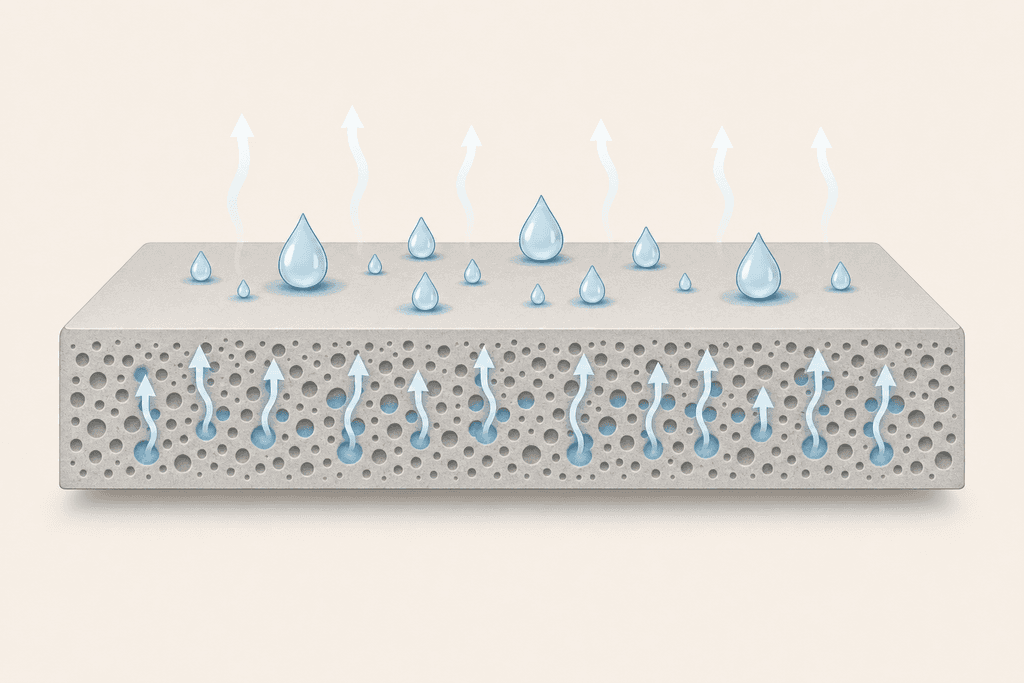
How the Porous Structure Actually Works
The magic happens in those tiny pores we mentioned. When water hits the surface of your stone bath mat, it gets pulled into these microscopic channels instantly. Then, instead of staying trapped like it would in fabric, the water evaporates back into the air through those same pores. This is why your feet feel dry almost immediately after stepping on the mat.
Here's what makes this material special for bathrooms:
- Water absorption happens in seconds, not minutes
- The mat stays dry between uses because moisture escapes quickly
- Bacteria and mold have a harder time growing without constant dampness
- No musty smell develops like it does with fabric mats
Why Regular Cleaning Products Cause Problems
Those millions of tiny pores are both the mat's superpower and its weakness. When you use soap, oils, or chemical cleaners on diatomite, these substances can get stuck inside the pores. Think of it like trying to breathe through a straw that's been coated with honey. The material is still there, but it can't do its job anymore.
Common cleaning mistakes that damage stone bath mats include:
- Using dish soap or body wash that leaves residue behind
- Applying oils or waxes thinking they'll protect the surface
- Scrubbing with chemical cleaners that coat the pores
- Not rinsing thoroughly after any cleaning attempt
The Composite Construction Factor
Most stone bath mats, including Natureva's collection, aren't made from pure diatomite. They use a composite of diatomaceous earth mixed with recycled paper, compressed into a solid form. This makes them stronger and more durable than pure diatomite would be on its own. The composite structure means the mat can handle daily use without crumbling, but it also means you need to avoid soaking it for long periods.
According to Consumer Reports' testing of stone bath mats, proper maintenance directly affects how long these products maintain their absorption capabilities. The key is keeping those pores open and clear.
| Material Component | Purpose | Cleaning Impact |
|---|---|---|
| Diatomaceous Earth | Water absorption | Pores clog easily |
| Recycled Paper | Structural binding | Weakens if over-soaked |
| No synthetic coating | Natural breathability | Requires gentle care |
Understanding what your mat is made from helps explain why washing it isn't as simple as tossing a towel in the machine. The material needs to stay porous to work properly, which means your cleaning approach has to protect those microscopic channels instead of blocking them up.
Weekly Cleaning Routine That Protects Absorbency
Most people overthink cleaning their stone bath mat, but the truth is simpler than you'd expect. The same porous structure that makes diatomite absorb water so fast also means it needs a different approach than regular bathroom surfaces. You can't just spray it with whatever's under your sink and hope for the best. The good news is that proper maintenance takes less than five minutes once a week and keeps your mat working like new for years.
The secret is using a gentle vinegar solution that cleans without clogging those millions of microscopic pores. Mix equal parts white vinegar and water in a spray bottle, and you've got everything you need. This method is recommended by stone mat experts because vinegar breaks down soap scum and mineral deposits without leaving residue behind.
- Spray the surface lightly with your vinegar water mix
- Wipe down with a soft cloth using gentle circular motions
- Let the mat air dry completely before stepping on it again
- Store the solution in your bathroom for easy weekly access
The whole process prevents buildup that would otherwise block the mat's absorbency over time. Think of it like keeping your skin pores clear. When those tiny channels stay open, water disappears almost instantly after your shower.
Removing Stains and Deep Marks Safely
Stains on a stone bath mat usually come from one of two sources: coloured soaps or hard water minerals. The porous nature of diatomite means it can absorb pigments just as easily as it absorbs water, which is why prevention matters more than cure with these mats. If you notice a stain forming, acting fast makes all the difference. Rinse coloured soap residue under running water immediately, before it has time to settle deep into the material.
For marks that have already set in, hydrogen peroxide works better than harsh chemicals. Pour a small amount directly on the stain, let it sit for a few minutes, then rinse thoroughly. The peroxide breaks down organic compounds without damaging the stone's structure.
| Stain Type | Best Method | Time Needed |
|---|---|---|
| Soap residue | Rinse with water | 1 minute |
| Hard water marks | Vinegar solution | 3 minutes |
| Deep discoloration | Hydrogen peroxide | 5 minutes |
| Surface buildup | Light sanding | 2 minutes |
What you absolutely want to avoid are bleach, abrasive scrubbers, and anything with oils or waxes. These products either eat away at the diatomite or coat the surface in a way that blocks absorption permanently. Our Natureva stone bath mats come with everything you need for safe cleaning, including the right sanding tool for tougher situations.
Restoring Absorbency When Performance Drops
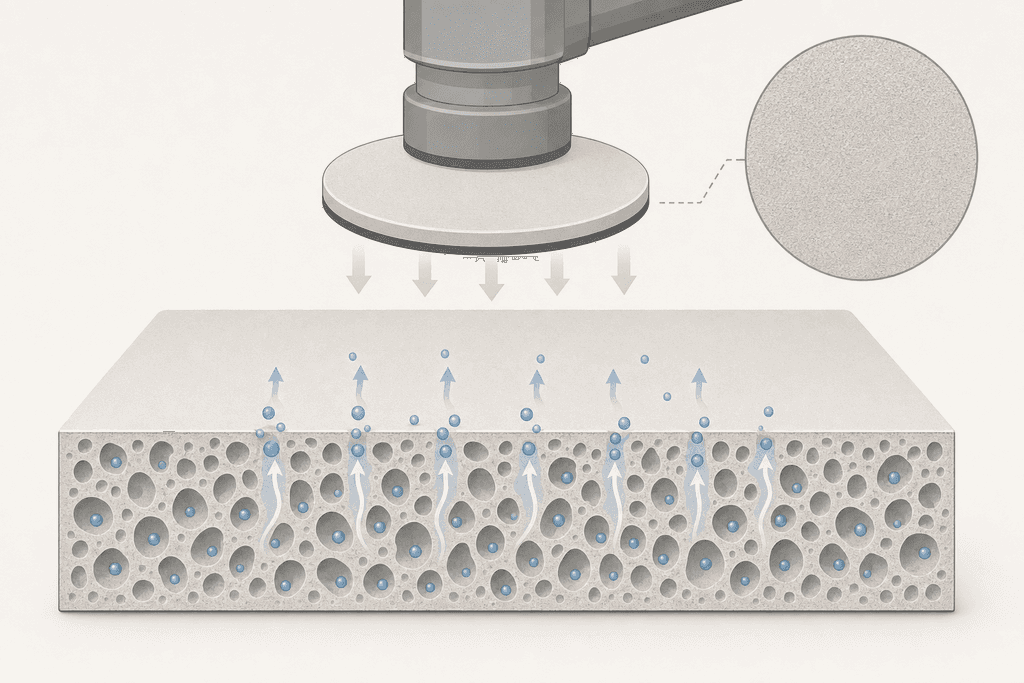
Even with perfect weekly cleaning, you might notice your mat doesn't dry your feet quite as fast after a few months of use. This happens because soap residue, body oils, and minerals gradually fill in those surface pores no matter how careful you are. The fix is surprisingly simple and takes about three minutes. Every Natureva mat includes a P320 grit sanding disc in a light grey colour, designed specifically to reopen blocked pores without damaging the stone underneath.
The next generation of home essentials: naturally made, cleaner by design, sustainable by nature.
SHOP ALLLight circular sanding removes the top layer where buildup accumulates. You're not trying to sand down the entire surface, just refresh it enough to expose clean diatomite again. Most people only need to do this monthly, though heavy use might call for it more often.
- Ensure the mat is completely dry before you start sanding
- Use gentle circular motions across the entire surface
- Apply light pressure and let the sandpaper do the work
- Rinse away the fine dust under running water when finished
- Let it air dry upright for a few hours before use
You'll know it worked when water starts disappearing instantly again. According to stone mat care guides, this restoration process can be repeated indefinitely without wearing down the mat's functionality. The sanding tool that comes with your mat should last for years of regular maintenance.
What to Avoid When Cleaning Stone Mats
The biggest mistakes people make with stone bath mats come from treating them like regular bathroom surfaces or fabric mats. These materials need completely different care, and using the wrong products can permanently ruin the absorbency you bought the mat for in the first place. Fabric softener, for example, coats the pores with oils that never fully wash out. Once that happens, water just sits on top instead of soaking in.
Coloured soaps create another common problem because their dyes seep into the porous surface. Clear or white soaps work fine, but anything with bright colours will eventually stain the stone. Some people also make the mistake of leaving their mat submerged in water for extended periods, which oversaturates the material and prevents proper drying.
| Product to Avoid | Why It Damages |
|---|---|
| Fabric softener | Coats pores with oil |
| Coloured soaps | Stains porous surface |
| Bleach | Breaks down material |
| Dishwasher | Too much water exposure |
| Washing machine | Physical damage from agitation |
Never put your stone mat in a dishwasher or washing machine. The combination of prolonged water exposure and physical agitation can crack the material or break down its structure. Health experts note that the natural antibacterial properties of diatomite come from rapid drying, not chemical treatments. When you use harsh cleaners, you're destroying the very feature that keeps your bathroom more hygienic.
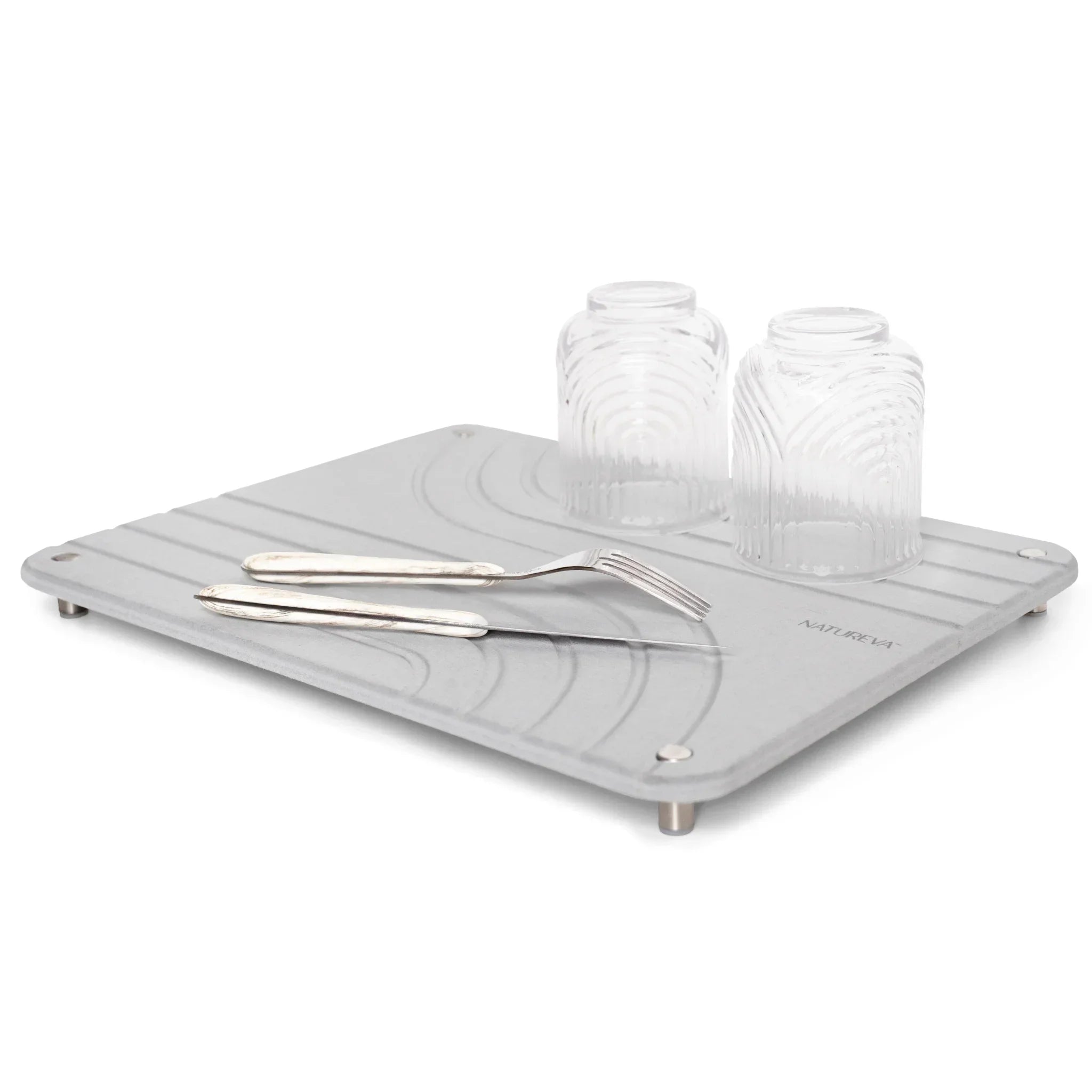
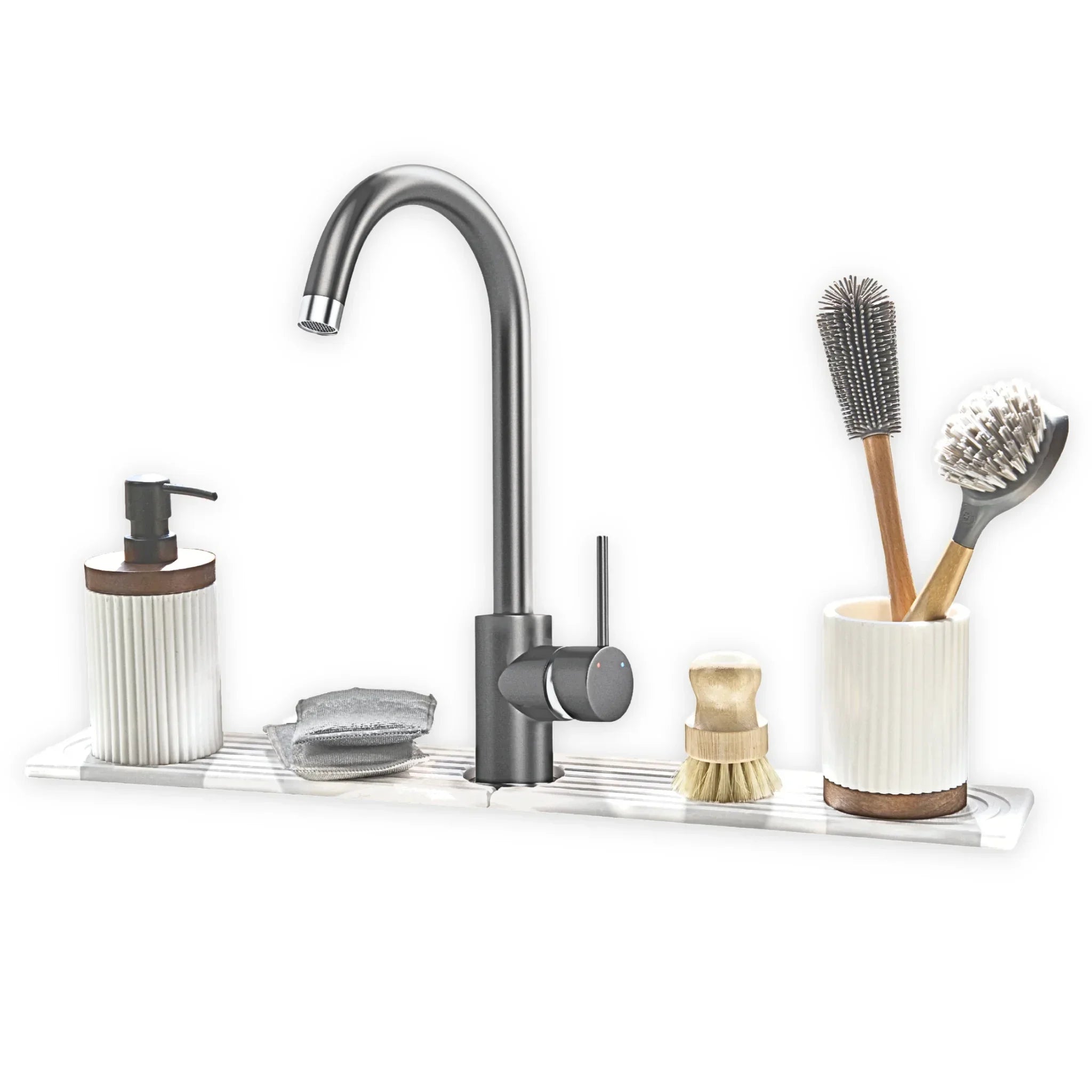
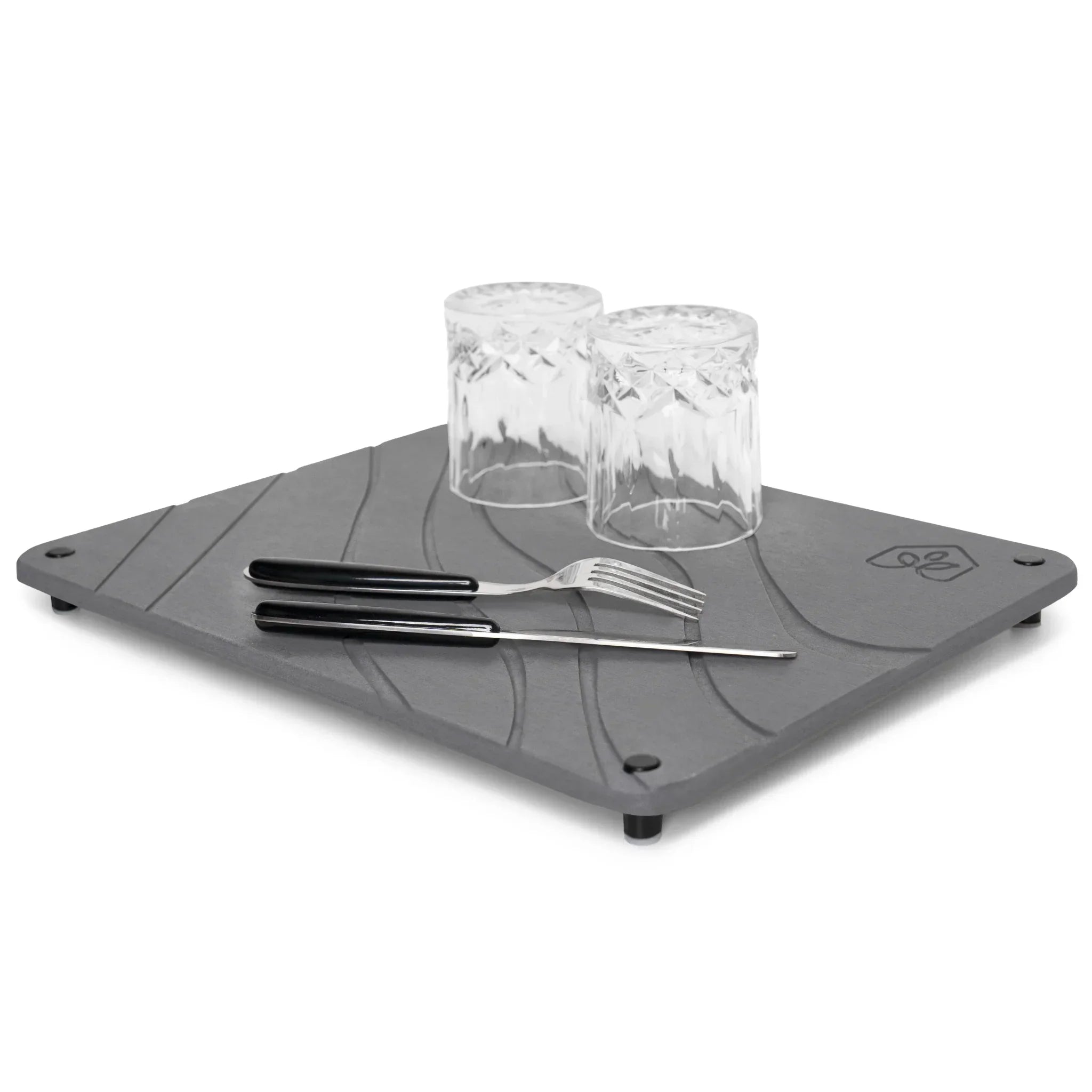
If you're looking to expand beyond just bath mats, the same care principles apply to other diatomite products. Our stone sink caddies and dish mats use the same material and need the same gentle approach. The whole point of choosing stone over fabric is getting that instant drying performance, and proper cleaning keeps it working exactly as intended.
Keep Your Stone Mat Performing Like New
Learning how to wash stone bath mat products properly isn't complicated, but it makes a real difference in how long they last. Most people overthink it and end up using harsh cleaners that actually damage the material. The truth is that diatomite works best when you keep things simple and let the natural material do what it's designed to do.
A quick weekly wipe with diluted vinegar handles most maintenance needs. When you notice the surface isn't absorbing as fast, a minute or two with the included sanding tool brings it right back. That's really all there is to it for regular care.
The key is avoiding anything that clogs those microscopic pores. Fabric softeners, oily soaps, and chemical cleaners all leave residue that blocks absorption. Our stone bath mats are made from compressed diatomaceous earth and recycled paper, nothing else, so they need that porous structure to stay open.
When you treat the material right, it keeps working for years. The same care approach applies whether you're maintaining a dish mat, sink caddy, or any other diatomite product. The material behaves the same way across the board.
Most issues people run into come from either using the wrong cleaning products or forgetting to let the mat dry out completely after heavy use. Both problems are easy to avoid once you understand how the stone actually works. The material wants to breathe, and your job is just to keep it clear of anything that might interfere with that process.
Common Questions About Washing Stone Bath Mats
Stone bath mats work differently than fabric ones, which means people often have questions about the right way to clean them. The porous structure that makes diatomite so good at absorbing water also means it needs specific care to keep working properly. Here are the most common questions we hear about maintaining these mats, along with straightforward answers that'll help you avoid the mistakes that can damage them.
Can you put a stone bath mat in the washing machine?
No, never put a stone bath mat in the washing machine. The tumbling action will crack or break the diatomite material, and water submersion can oversaturate the pores. Stone mats like the Natureva Tide or Flow designs are meant to be wiped down with a damp cloth and vinegar solution, not soaked or machine washed.
How often should you clean a diatomite mat?
A quick weekly wipe with diluted vinegar and water is usually enough for regular maintenance. If you notice the mat isn't drying as fast as it used to, that's when you should sand the surface to reopen the pores. Most people only need to sand their mat every few months, depending on use.
What happens if you use soap on a stone mat?
Soap can clog the microscopic pores in diatomite, which reduces its ability to absorb water quickly. If soap residue builds up, your mat will start feeling slippery and won't dry properly. Stick to plain water or a vinegar solution for cleaning, and avoid any soapy products on the surface.
How do you know when to sand your mat?
When water stops absorbing instantly and starts pooling on the surface instead, it's time to sand. You might also notice the mat stays damp longer than usual. The P320 grit sanding tool included with every Natureva mat is designed specifically to restore absorbency by removing the thin layer of clogged pores.
Can stone bath mats get moldy?
Stone mats are naturally resistant to mold because they dry so quickly, but they can develop mold if they're kept in a poorly ventilated space or never cleaned. The rapid evaporation that happens with diatomite doesn't give mold the damp environment it needs to grow. Regular wiping and proper airflow underneath the mat keep things hygienic.
How long do stone bath mats last with proper care?
With regular maintenance like weekly cleaning and occasional sanding, a quality stone bath mat can last several years. The material doesn't break down like fabric, and the composite construction used in Natureva mats is built to handle daily use without cracking. Proper care makes all the difference in longevity.
The next generation of home essentials: naturally made, cleaner by design, sustainable by nature.
SHOP ALL