
Why Toilet Tray Condensation Happens and How to Stop It
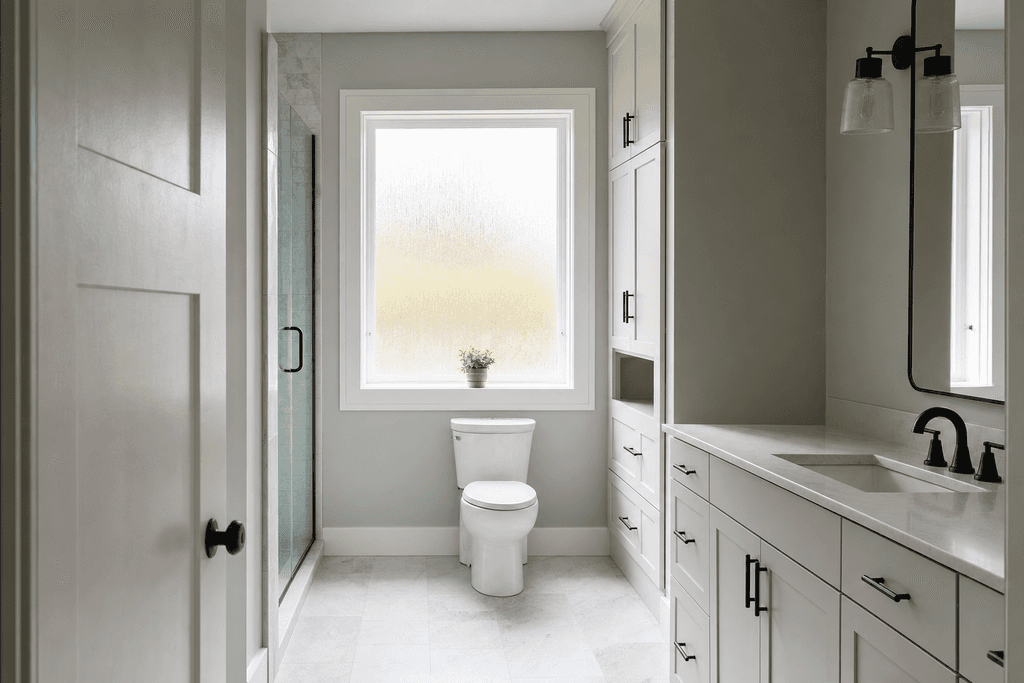
You step into your bathroom and notice a puddle forming around the base of your toilet, and your first thought is probably a leak that needs an expensive plumber. The truth is, that water is often just toilet tank condensation, which happens when cold water inside the tank meets warm, humid bathroom air and creates moisture that drips down the outside. This sweating toilet problem is especially common during summer months or in humid climates, and while it won't flood your bathroom, it can damage floors and create the perfect environment for mold if left unchecked.
Table of Contents
Understanding the Science Behind Sweating Toilets
Your toilet tank holds cold water that sits there waiting to be flushed, and that cold water creates a problem most people don't think about until they see puddles forming on their bathroom floor. The porcelain surface of your tank becomes a magnet for moisture when warm bathroom air touches it. This isn't a plumbing leak or a crack in your toilet. It's basic physics doing what it does best, turning invisible water vapor into very visible drips and puddles.
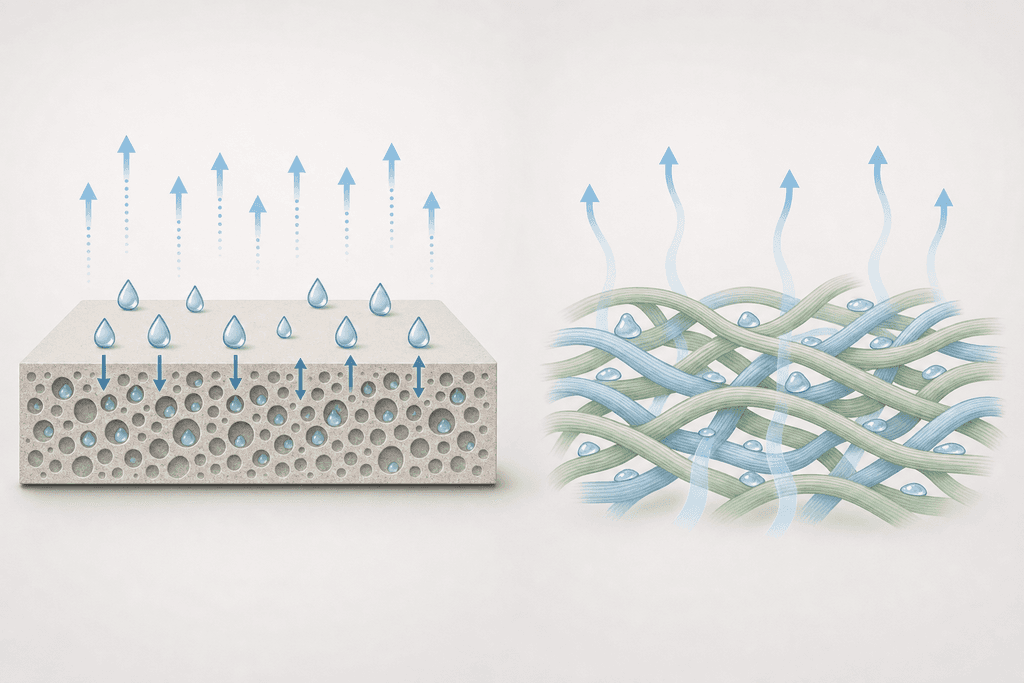
Why Cold Meets Warm Creates Problems
The water supply line feeding your toilet brings in cold water, often sitting around 50-60°F depending on where you live and the season. Meanwhile, your bathroom air might be 70-80°F or higher after someone takes a hot shower. When that temperature gap hits 10 degrees or more, condensation becomes almost guaranteed. The cold tank surface chills the air molecules right next to it, and those air molecules can't hold as much moisture anymore, so they dump it right onto your porcelain.
Think of it like a cold glass of lemonade on a summer day. The glass sweats because the air around it is warm and humid. Your toilet tank does the exact same thing, except it's constantly refilling with cold water and sitting in a room where humidity levels spike every time someone showers or runs hot water.
Humidity Levels That Trigger Toilet Tank Condensation
Bathrooms naturally have higher humidity than other rooms in your home. Every shower, bath, or even hand washing session pumps moisture into the air. According to building science experts, toilet tank condensation becomes a real issue when indoor humidity climbs above 50% while the tank temperature stays significantly cooler than room temperature.
| Condition | Humidity Level | Temperature Difference | Condensation Risk |
|---|---|---|---|
| Ideal | 30-40% | Less than 10°F | Minimal |
| Moderate | 40-50% | 10-15°F | Occasional |
| Problematic | 50-60% | 15-20°F | Frequent |
| Severe | Above 60% | Above 20°F | Constant |
What Happens When Condensation Goes Unchecked
The water dripping down your toilet tank doesn't just disappear. It pools on your floor, seeps into grout lines, and creates the perfect environment for mold and mildew to set up camp. Over time, this constant moisture can damage flooring, rot baseboards, and leave your bathroom smelling musty no matter how much you clean.
Some homeowners try placing towels around the base of their toilet to catch drips, but that's just managing the symptom instead of fixing the cause. The real solution involves either changing the conditions that create condensation or capturing the moisture before it becomes a problem. Products like our Stone Faucet Mat use fast-drying diatomite material to absorb excess moisture in bathroom environments, though addressing toilet tank condensation specifically requires a more targeted approach to the tank itself.
Common Causes Making Your Toilet Tank Sweat
About 30% of homes deal with toilet tank condensation at some point, and most people don't realize it's happening until they see water pooling on the floor. The problem starts when cold water sits inside your toilet tank while warm, humid air surrounds the outside. This temperature difference creates condensation, just like a cold drink sweats on a hot day. The water droplets form on the tank's exterior surface and eventually drip down, creating puddles that can damage flooring and encourage mold growth.
High bathroom humidity from daily showers and baths is usually the main culprit. When you don't have proper ventilation, that moisture has nowhere to go. It just hangs around in the air, waiting to condense on any cold surface it finds.
- Cold water supply lines bring the biggest temperature contrast during summer months when outdoor temperatures peak
- Poor bathroom airflow traps moisture inside the space with no escape route
- Older homes with inadequate insulation around plumbing make the problem worse
- Coastal and humid climate regions experience this issue year round, not just seasonally
The condensation gets worse in certain conditions. If you live near the coast or in a naturally humid area, your bathroom probably never fully dries out between uses. Bathroom condensation and mould prevention becomes a constant battle rather than an occasional annoyance.
Quick assessment checklist:
- Does your bathroom mirror fog up and stay foggy for more than 10 minutes after showering?
- Can you see water droplets forming on your toilet tank within an hour of using hot water?
- Is there visible moisture on walls or windows that doesn't dry quickly?
- Do you notice a musty smell in your bathroom even after cleaning?
- Has your bathroom flooring shown signs of water damage near the toilet base?
If you answered yes to two or more of these questions, you're dealing with a moisture problem that needs attention.
Quick Fixes You Can Try Today
You don't need to call a plumber or spend hundreds of dollars to start reducing toilet tank condensation right now. Most of these solutions cost less than $50 and take under an hour to implement. The key is addressing the moisture in your bathroom air before it has a chance to condense on cold surfaces. Some methods work better than others depending on your specific situation, but trying a combination usually gives the best results.
Improve bathroom ventilation by running your exhaust fan during showers and for at least 20 minutes afterward. Most people turn it off too soon, which leaves all that humid air trapped inside. If your fan seems weak or noisy, it might not be moving enough air to make a real difference.
- Use a dehumidifier to lower overall bathroom moisture levels, especially in humid climates
- Insulate the toilet tank with a liner kit to reduce the temperature difference between inside and outside
- Adjust your water heater to slightly warm the cold water supply, though this increases energy costs
- Keep the bathroom door open when possible to improve air circulation throughout your home
- Place moisture absorbing materials near the toilet base to catch drips as they form
Tank insulation kits work by creating a barrier between the cold water and the tank's exterior surface. They're basically foam liners that stick to the inside of your tank. Installation takes about 30 minutes and requires draining the tank completely first.
| Solution | Cost | Effectiveness | Ease |
|---|---|---|---|
| Exhaust fan | Free | Medium | Very easy |
| Dehumidifier | $40-200 | High | Easy |
| Tank liner | $20-40 | Medium-High | Moderate |
| Water temp adjust | Free | Low-Medium | Easy |
The cheapest option is simply improving airflow, but it won't solve severe condensation problems on its own. Professional plumbers recommend combining ventilation improvements with at least one other method for noticeable results.
Long Term Solutions for Persistent Problems
When quick fixes don't cut it, you're looking at more permanent upgrades that address the root cause rather than just managing symptoms. These solutions cost more upfront but actually solve the condensation issue instead of requiring constant maintenance. If you've been wiping down your toilet tank daily for months, it's probably time to consider one of these options. The right choice depends on your budget, how severe your condensation problem is, and whether you're comfortable with minor plumbing modifications.
Anti-sweat valves are probably the most effective solution for most homes. They mix a small amount of warm water into the cold supply line feeding your toilet, which raises the tank temperature just enough to prevent condensation. Professional installation usually costs between $150 and $300.
- Replace your toilet with an insulated tank model specifically designed for humid climates
- Upgrade your bathroom ventilation system with a humidity sensing fan that turns on automatically
- Add bathroom heating to reduce the temperature differential between air and water
- Install a vapor barrier behind walls in extreme cases where moisture penetrates the structure
- Use moisture managing bathroom accessories to handle any residual dampness that remains
The next generation of home essentials: naturally made, cleaner by design, sustainable by nature.
SHOP ALLInsulated tank toilets come with built-in foam insulation between the tank's inner and outer walls. They cost $200 to $500 more than standard toilets, but they eliminate condensation without any ongoing energy costs or maintenance.
| Solution | Cost Range | Effectiveness | Installation |
|---|---|---|---|
| Anti-sweat valve | $150-300 | Very high | Professional |
| Insulated toilet | $300-700 | Very high | Professional |
| Humidity fan | $100-250 | High | DIY or pro |
| Bathroom heating | $200-600 | Medium-High | Professional |
Humidity sensing fans are worth considering even if you go with another primary solution. They monitor moisture levels and run automatically when needed, which means you don't have to remember to turn them on. Most models cost under $150 and can be installed by a handy homeowner with basic electrical knowledge.
Managing Moisture While You Fix the Problem
Even after you implement a permanent solution, it takes time to see full results. Your bathroom has probably accumulated moisture in grout, caulking, and other porous materials over months or years. During this transition period, you need to actively manage the dampness to prevent mold growth and floor damage. The good news is that modern moisture managing products make this much easier than constantly wiping surfaces with towels. Research on toilet hygiene shows that keeping surfaces dry is one of the most important factors in maintaining a clean bathroom environment.
Place absorbent materials around the toilet base to catch drips immediately before they spread across your floor. Traditional fabric mats just trap moisture against the floor, which actually makes things worse. You need materials that absorb water and then release it back into the air through evaporation.
- Wipe down the tank exterior daily to prevent water accumulation and streaking
- Use fast drying bathroom accessories that don't trap moisture underneath
- Stone based products like diatomite naturally absorb and release moisture within minutes
- Regular cleaning prevents mold growth in damp areas before it becomes visible
- Monitor humidity levels with a simple bathroom hygrometer to track your progress
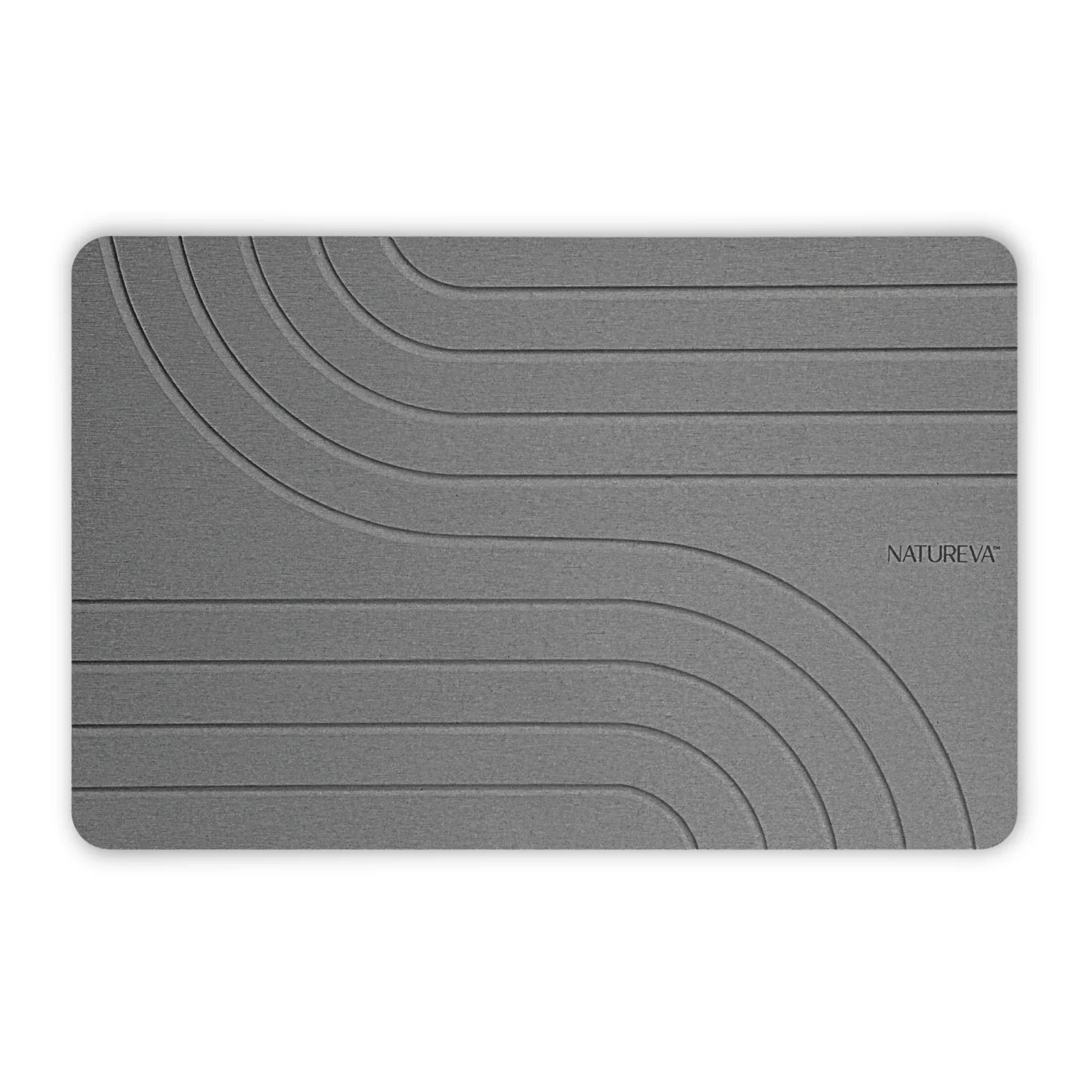
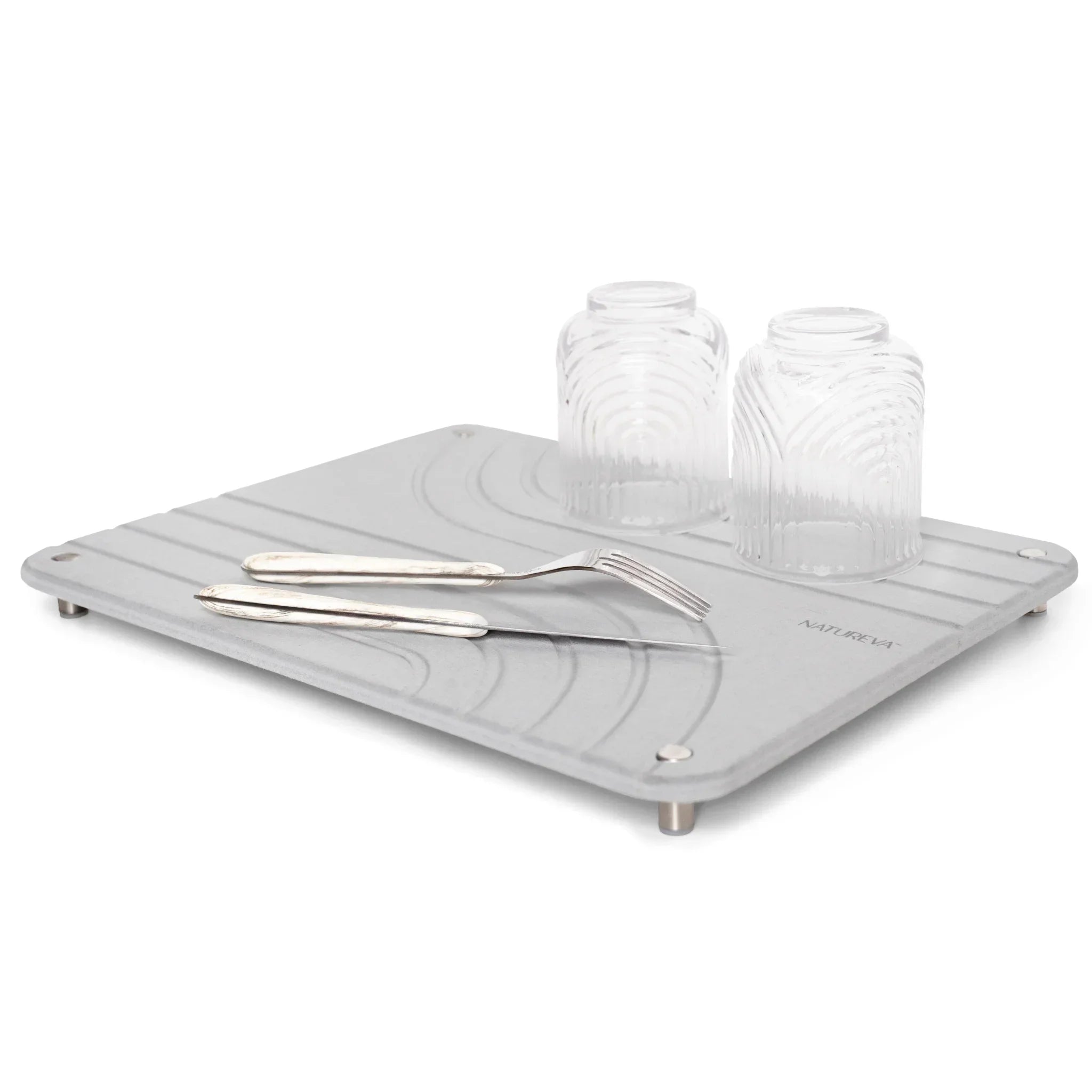
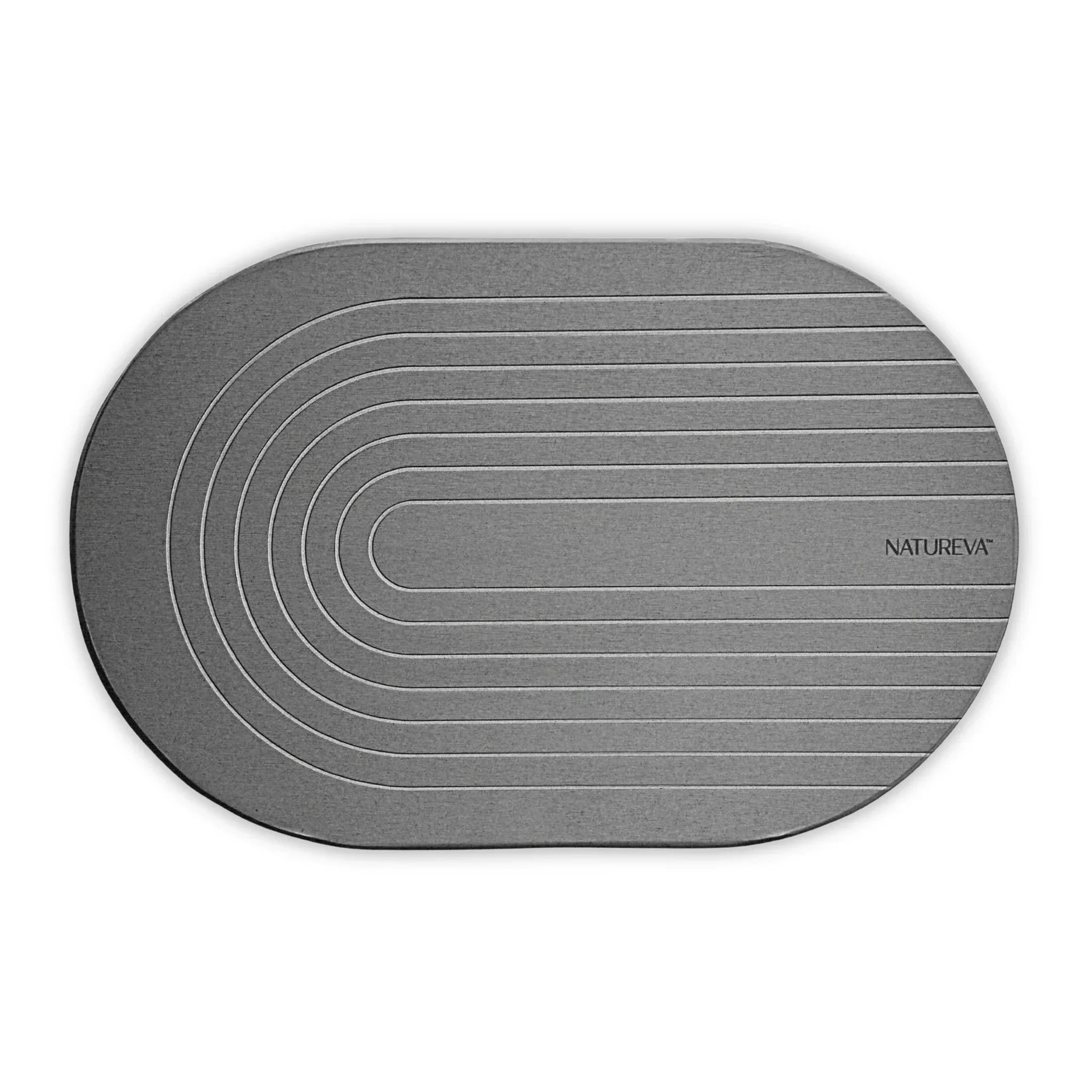
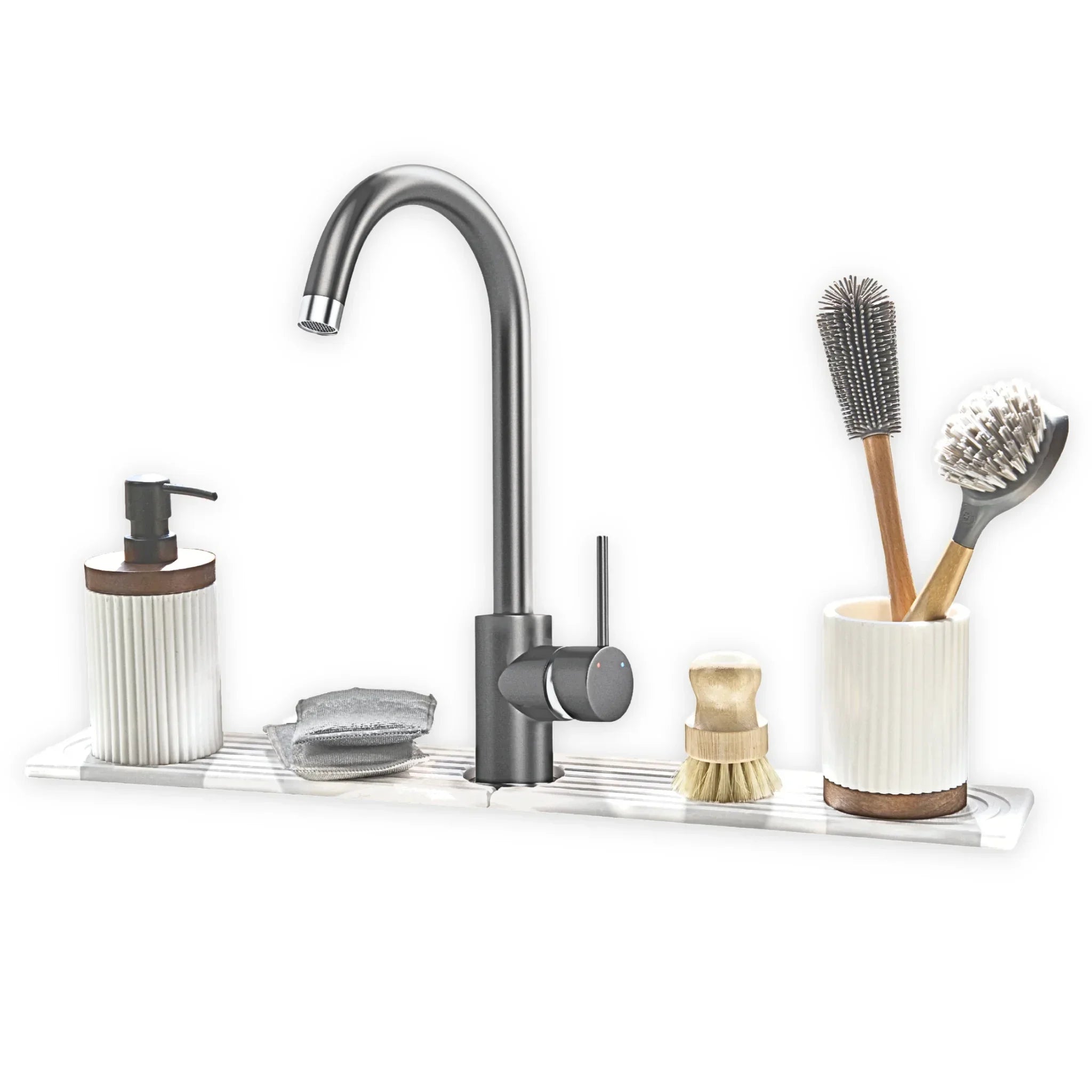
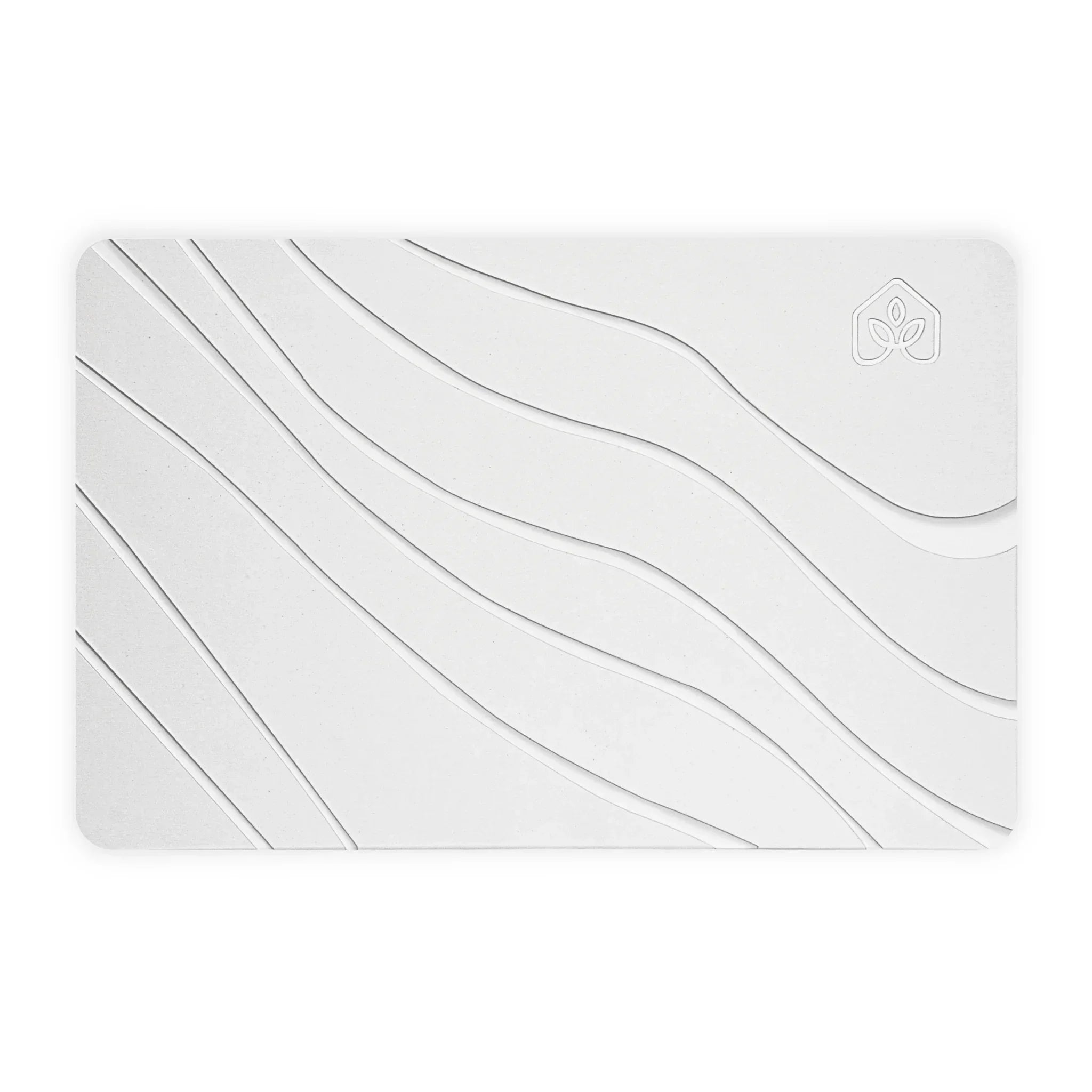
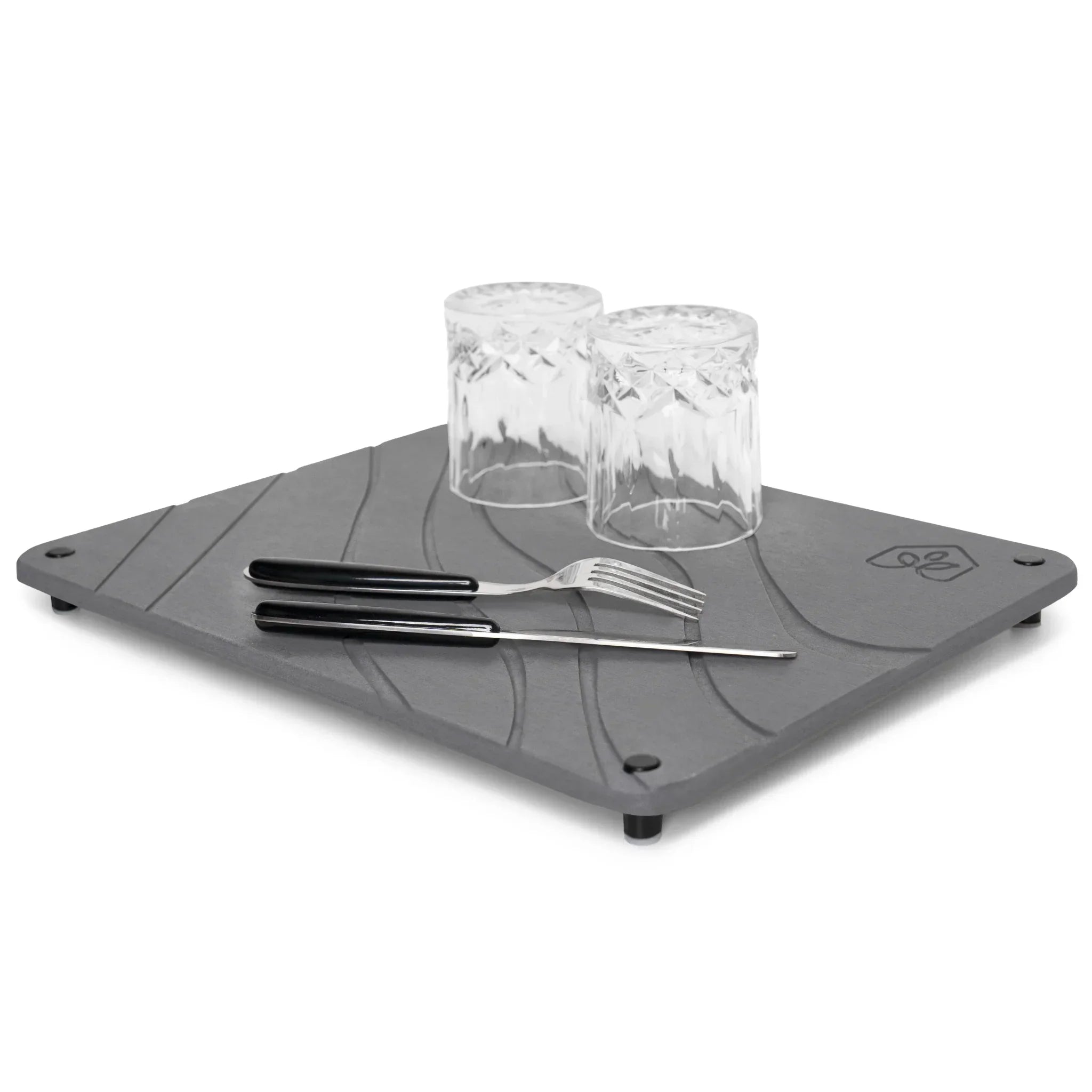
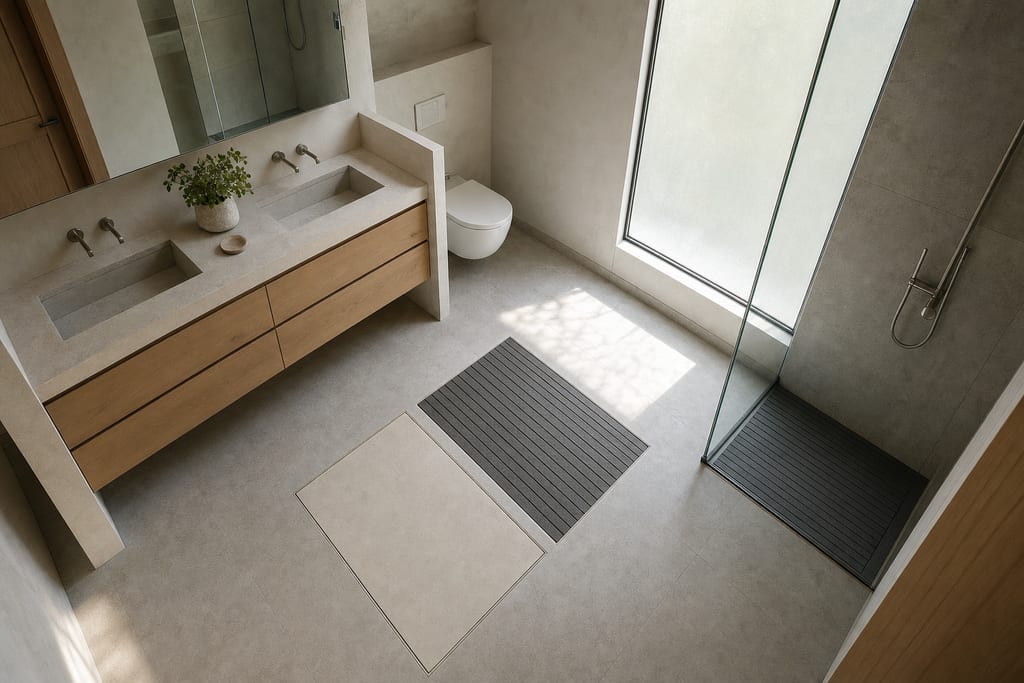
Diatomite stone products work differently than fabric or rubber mats. The material has millions of microscopic pores that pull water in instantly and then release it through rapid evaporation. Our Stone Faucet Mat measures 60 × 10 × 0.9 cm and works well positioned near the toilet base to catch condensation drips as they run down the tank.
The mat stays dry to the touch even after absorbing water, which means it won't create that damp, musty environment where bacteria thrive. It includes transparent silicone pads that create slight elevation for airflow underneath, preventing moisture from getting trapped against your floor.
Daily maintenance routine:
- Check for water droplets on the tank exterior each morning
- Wipe down any visible moisture with a dry cloth
- Verify that absorbent mats around the base are functioning properly
- Run the exhaust fan for 20 minutes after the last shower of the day
- Keep bathroom surfaces as dry as possible between uses
This routine takes less than five minutes but makes a huge difference in preventing long term damage. While you're working on permanent solutions, these moisture managing habits protect your bathroom from the cumulative effects of condensation. The complete range of stone bathroom accessories at Natureva Home includes bath mats, sink caddies, and other products designed specifically for moisture management in humid spaces.
Keeping Your Bathroom Dry and Clean
Toilet tank condensation might seem like a small problem, but it can lead to bigger issues if you ignore it. Water pooling around your toilet creates the perfect environment for mold, bacteria, and even floor damage over time. The good news is that most condensation problems can be fixed with a combination of simple changes and targeted solutions.
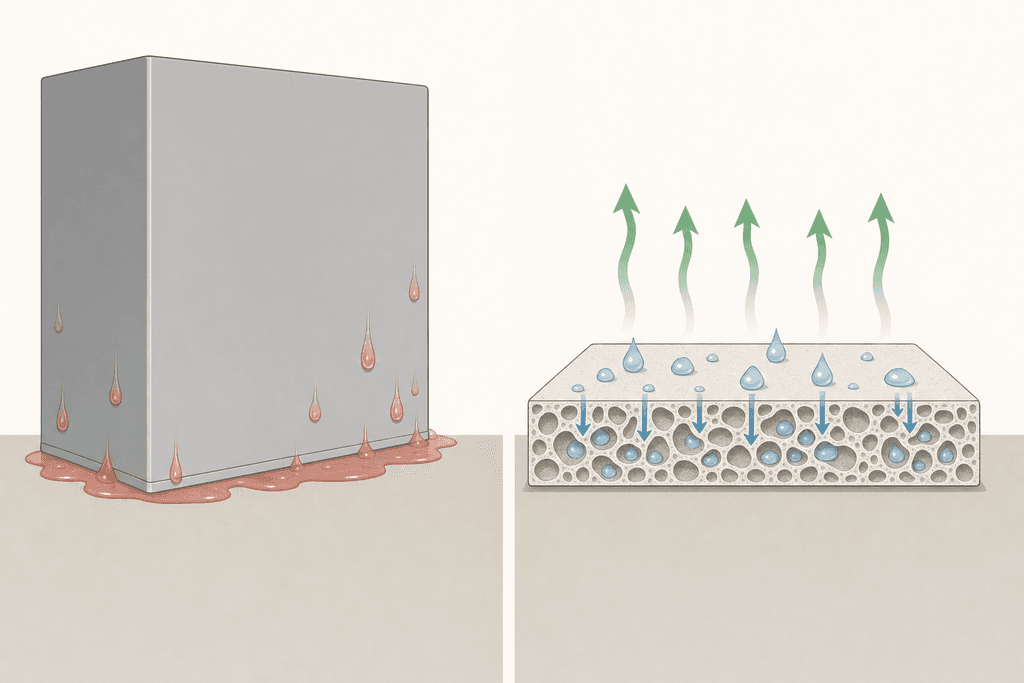
Start with the basics like improving ventilation and managing your bathroom's humidity levels. Run your exhaust fan during and after showers, crack a window when possible, and consider a dehumidifier if your bathroom stays damp. These steps alone can make a noticeable difference.
If condensation keeps coming back, you might need to look at more permanent fixes like insulating your tank or adjusting your water temperature. Sometimes the problem is just too much cold water meeting warm humid air, and that's something you can control.
While you're working on the root cause, protect your bathroom surfaces from moisture damage. Our stone faucet mat absorbs water instantly and dries fast, keeping counters dry around sinks and other wet areas. The same diatomite material works throughout your bathroom to manage moisture before it becomes a problem.
A dry bathroom is a healthier bathroom. Less standing water means fewer opportunities for mold spores to settle and bacteria to multiply. Your floors last longer, your grout stays cleaner, and the whole space feels fresher.
The questions below cover some of the most common concerns about toilet tank condensation and what you can do about it.
Common Questions About Toilet Tank Condensation
Toilet tank sweating raises a lot of questions, especially when you're dealing with puddles that seem to appear out of nowhere. Most people wonder if they're dealing with a leak, a plumbing issue, or just bad luck. The truth is, condensation is a predictable physics problem that happens when conditions are right, and understanding the basics helps you fix it faster. Here are the most common questions homeowners ask when their toilet starts sweating.
Is toilet tank condensation the same as a leak?
No, condensation and leaks are completely different problems. A leak means water is escaping from inside the tank through a crack, loose connection, or faulty seal. Condensation forms on the outside of the tank when warm, humid air meets the cold porcelain surface. You can tell the difference by drying the tank completely and watching where moisture reappears.
Why does condensation get worse in summer?
Summer brings higher humidity and warmer air, which means more moisture in your bathroom. When that warm air hits your cold toilet tank filled with cool water from underground pipes, condensation forms faster and heavier. The bigger the temperature gap between the tank and the air, the more water collects on the surface.
Will a dehumidifier completely stop toilet sweating?
A dehumidifier helps by lowering the moisture in the air, which reduces how much condensation can form. It won't eliminate the problem entirely if your bathroom stays humid or your tank stays very cold, but it makes a noticeable difference. Pairing a dehumidifier with better ventilation and a moisture absorbing mat under the tank gives you the best results.
How much does it cost to install an anti-sweat valve?
Professional installation of an anti-sweat valve typically runs between $150 and $400, depending on your plumber's rates and how complex your setup is. The valve itself costs around $30 to $100. It's a permanent fix, but it does add a small amount to your water heating costs since it mixes warm water into the tank.
Can condensation damage my bathroom floor?
Yes, repeated exposure to water can warp wood floors, loosen tiles, and encourage mold growth underneath. Even small amounts of moisture add up over time, especially if the water sits unnoticed. Using a stone mat like Natureva's Stone Faucet Mat or Stone Dish Mat near the base of your toilet absorbs drips instantly and keeps floors dry without trapping moisture underneath.
What humidity level prevents toilet tank condensation?
Keeping indoor humidity below 50% significantly reduces condensation on cold surfaces. Most bathrooms sit between 50% and 70% humidity, which is high enough to cause sweating when the tank is cold. A hygrometer costs less than $20 and helps you monitor levels so you know when to run a fan or crack a window.
The next generation of home essentials: naturally made, cleaner by design, sustainable by nature.
SHOP ALL