
Three Steps to Use a Caddy For Sink Cleanliness
Water puddles around your sink don't just look messy—they create the perfect breeding ground for mold and bacteria that can spread across your entire countertop. Most people spend minutes each day wiping down wet surfaces, only to find them soaked again within hours. A caddy for sink organization made from absorbent materials like our Stone Sink Caddy can actually pull moisture away from your counter instead of trapping it, and using one properly takes just three simple steps.
Table of Contents
What Makes a Good Caddy For Sink Organization
Most people don't realize that the average kitchen sink area stays wet for about 6-8 hours each day. That constant moisture creates the perfect home for bacteria and mold, especially when you're using traditional plastic or silicone trays to hold your dish soap and sponges. The problem isn't just about keeping things tidy - it's about what happens when water sits trapped underneath your cleaning supplies day after day.
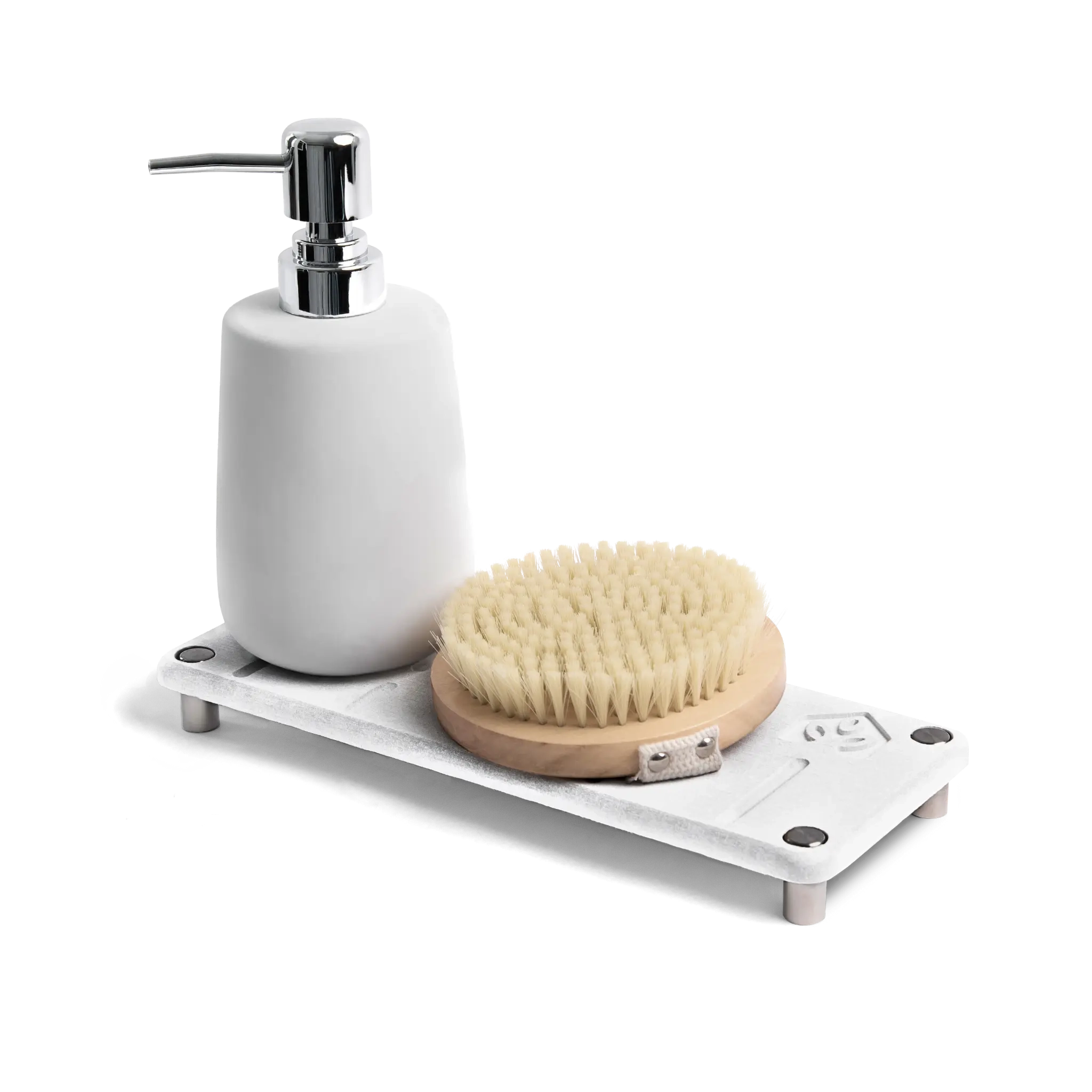
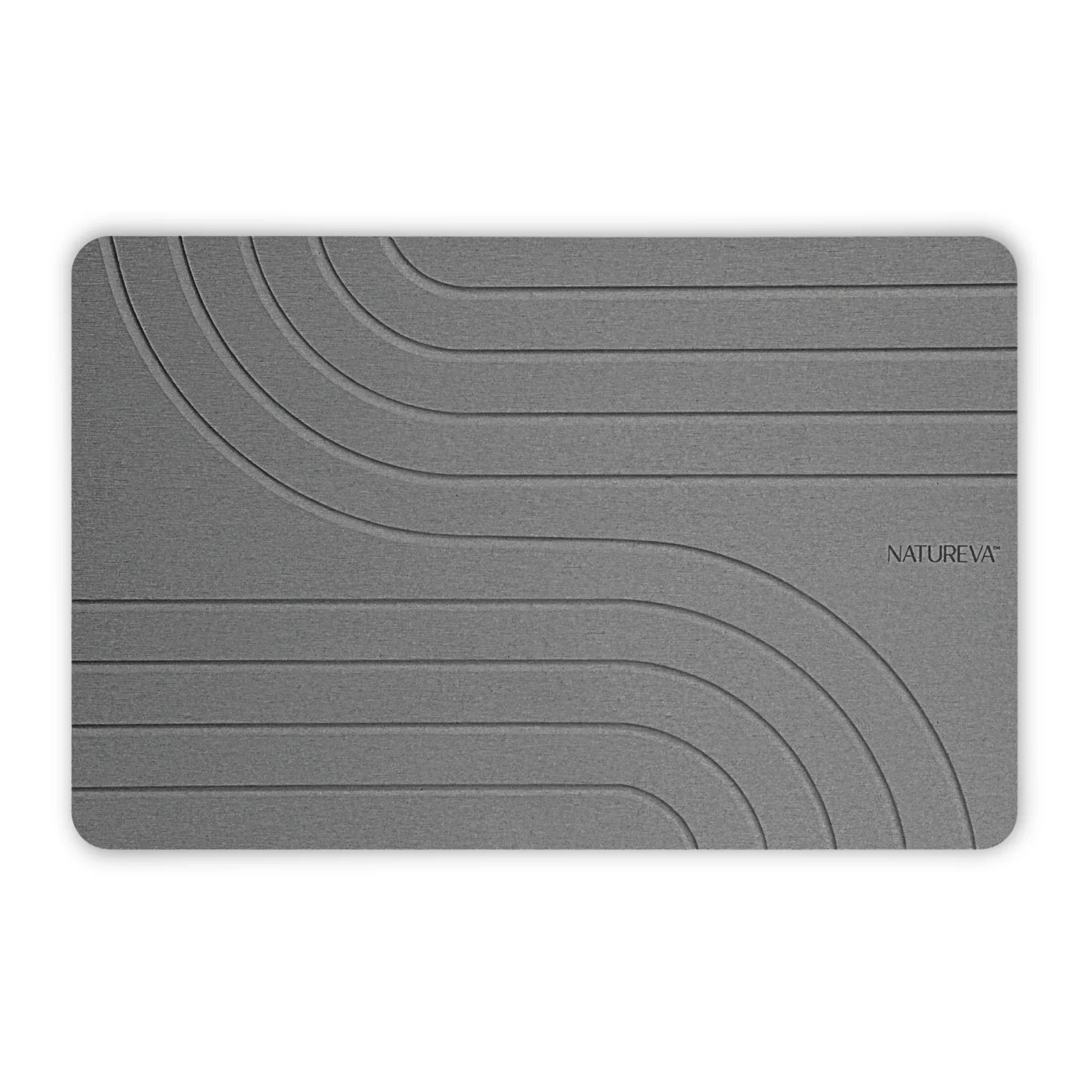
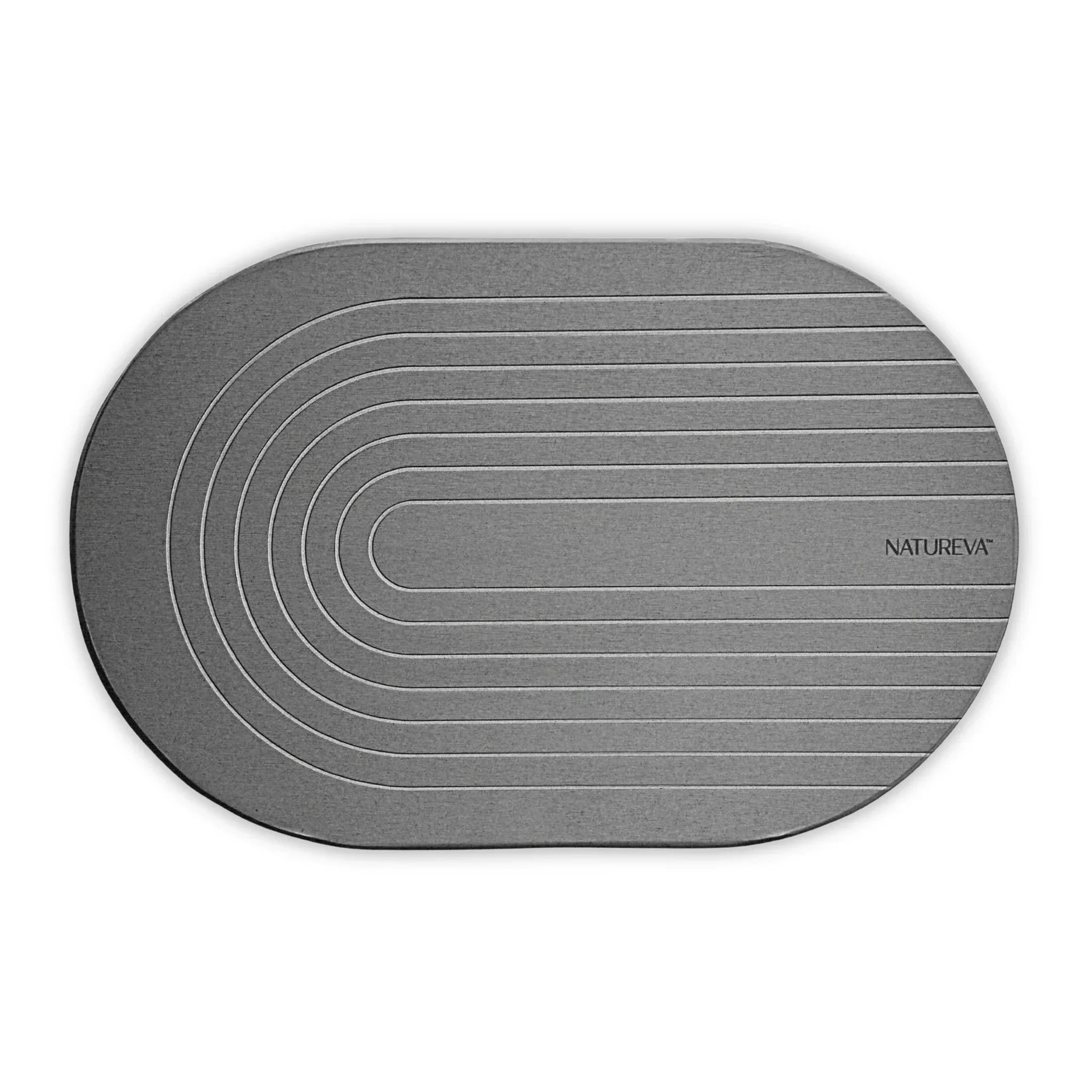
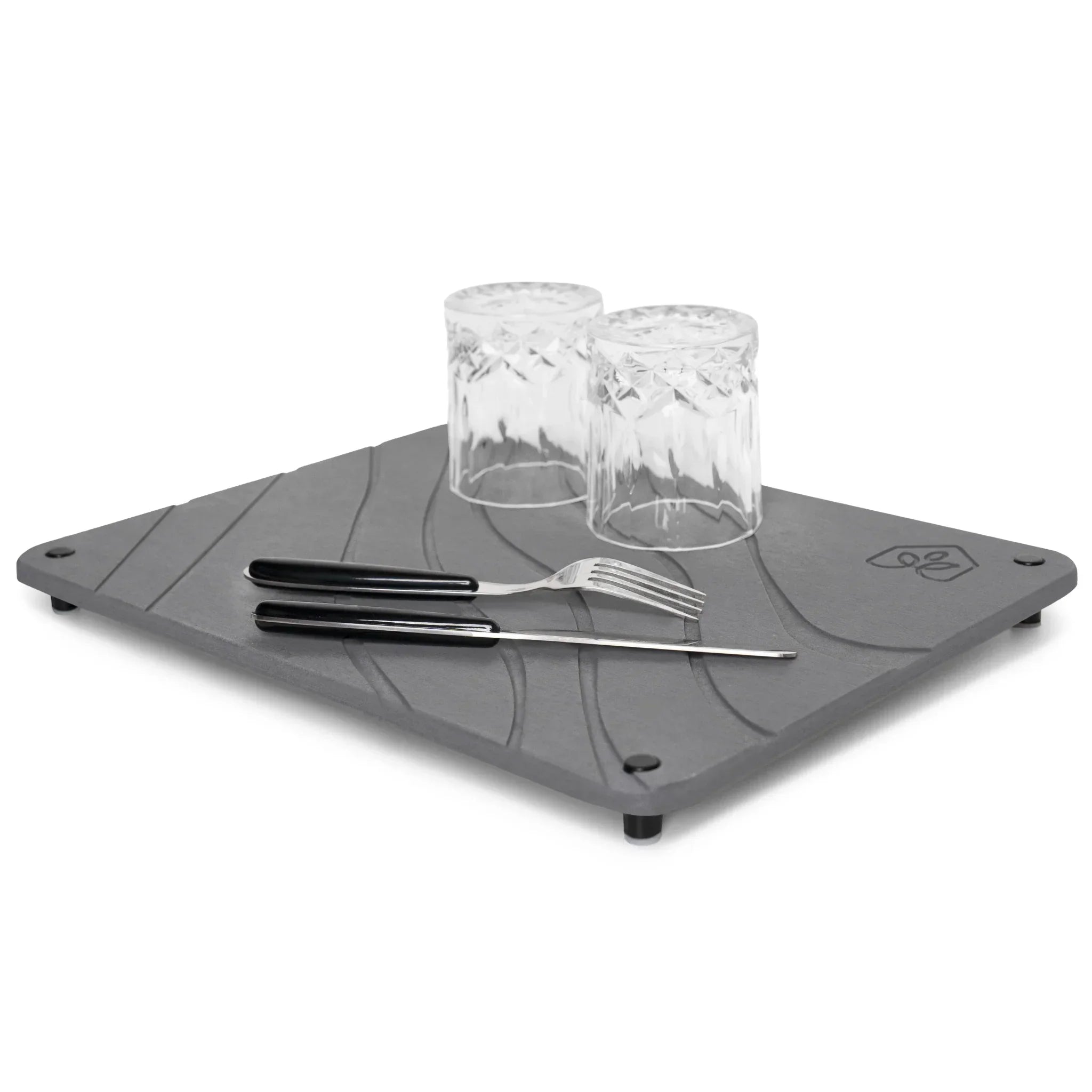
Stone Sink Caddy - Rain
Why Traditional Sink Trays Fall Short
Regular plastic trays seem like a simple solution until you lift them up and see what's hiding underneath. Water gets trapped, creating a slimy film that needs constant cleaning. Here's what typically goes wrong with standard sink organizers:
- Water pools at the bottom with nowhere to go
- Soap scum builds up quickly in corners and edges
- The tray itself becomes another thing you need to clean weekly
- Mold and mildew start growing in hidden spots
Even silicone mats with drainage holes don't solve the core issue. The water still sits there until you manually wipe it away or wait for it to slowly evaporate.
How Diatomaceous Earth Changes the Game
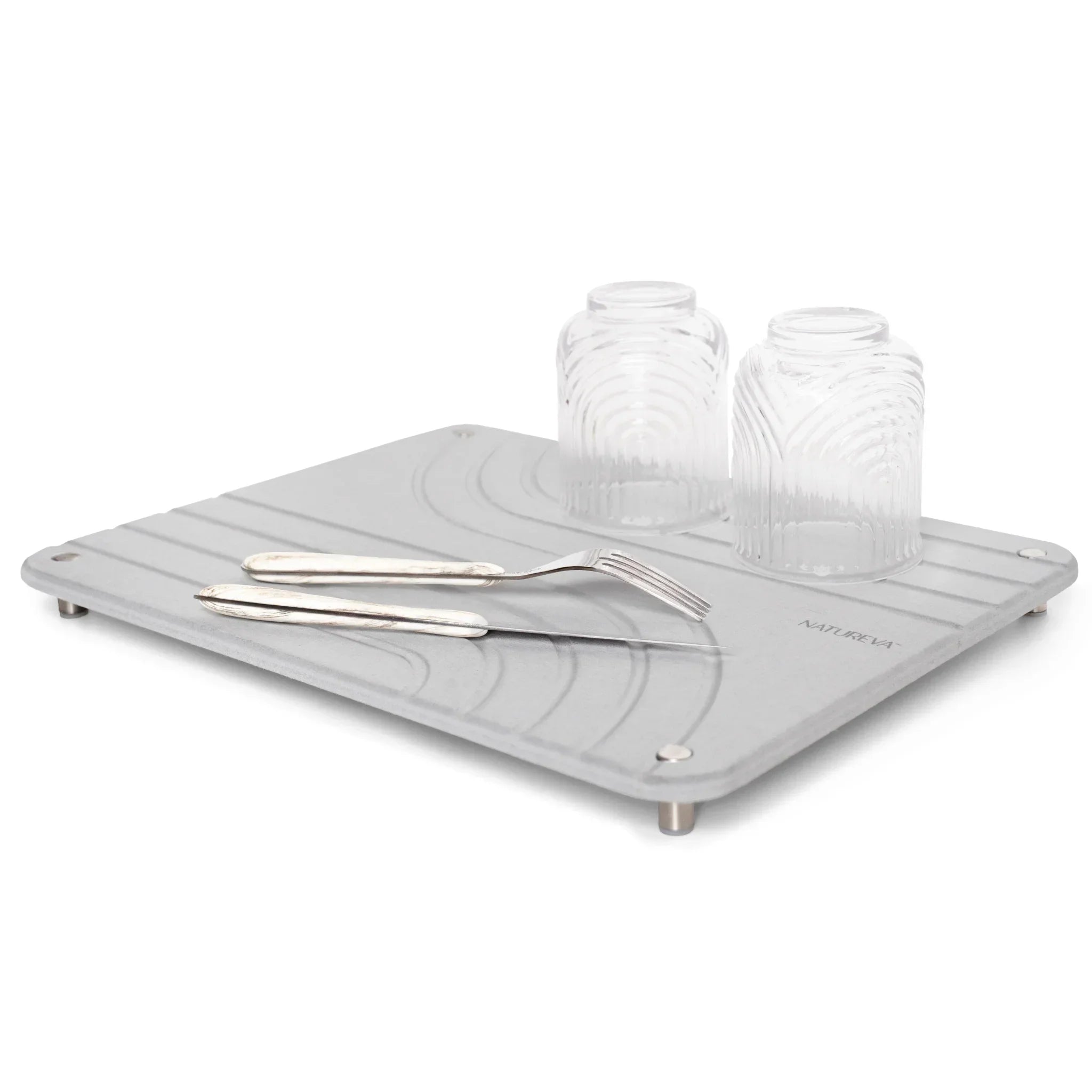
Diatomaceous earth is a natural material made from fossilized algae that has millions of tiny pores. These pores work like microscopic sponges, pulling water away from the surface almost instantly. When you place a wet sponge or dripping soap bottle on a stone caddy made from this material, the water disappears within seconds instead of sitting there for hours.
The material doesn't just absorb moisture - it releases it back into the air through natural evaporation. Our Stone Sink Caddy uses this same principle to keep your sink area dry without any extra effort on your part.
Essential Features of Quality Sink Caddies
Not all sink caddies work the same way. The best ones share specific characteristics that make them worth the investment:
- Fast absorption rate that handles water immediately
- Quick drying time between uses
- Non-slip base that stays put on wet counters
- Easy to clean surface that doesn't stain
Size matters too. A good caddy for sink organization should fit your most-used items without taking up your entire counter space.
Comparing Your Options
Here's how different types of sink caddies stack up against each other:
| Feature | Plastic Trays | Silicone Mats | Stone Caddies |
|---|---|---|---|
| Water Absorption | None | Minimal | Instant |
| Drying Time | 4-6 hours | 2-3 hours | Under 1 hour |
| Mold Prevention | Poor | Fair | Excellent |
| Cleaning Frequency | Weekly | Weekly | Monthly |
| Lifespan | 1-2 years | 2-3 years | 3-5 years |
The difference becomes obvious once you understand how water behaves on each surface. While brands like Dorah Home and Dry Sorb offer similar stone-based products, the key is finding one that balances absorption speed with durability.
Preventing Common Sink Problems
A quality caddy does more than just hold your stuff. It actively prevents the issues that make sink areas gross in the first place. When water can't pool and sit, bacteria don't have the moisture they need to multiply.
The right setup also protects your countertop from water damage and staining. According to proper sink organization guidelines, keeping water contained and controlled is essential for maintaining a sanitary kitchen environment. This applies whether you're running a commercial kitchen or just trying to keep your home sink area clean and functional.
Step One: Position Your Caddy in the Right Spot
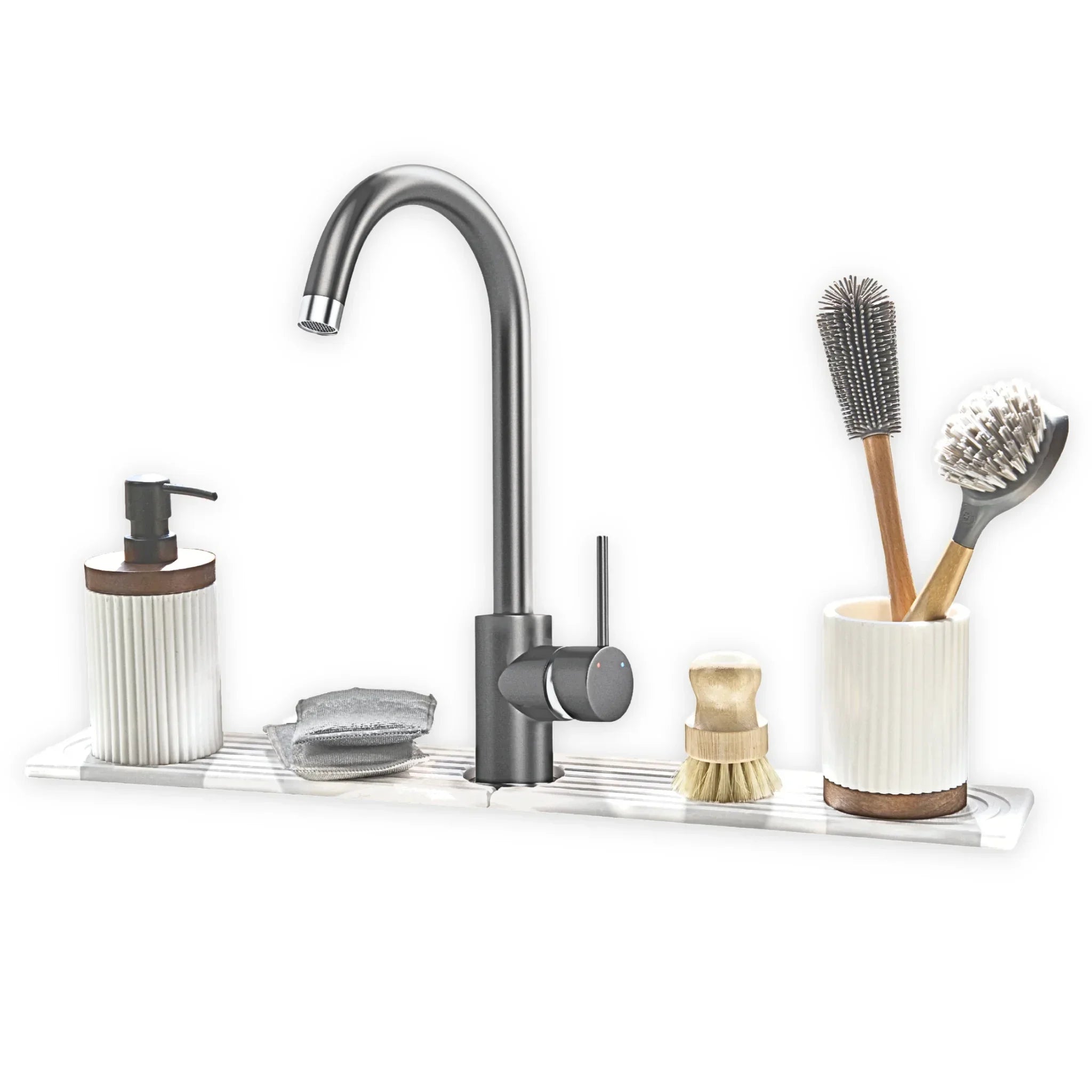
Most people grab a caddy for sink organization and just plop it down anywhere near the faucet. But where you put it actually makes a huge difference in how well it works. The right spot keeps your countertop dry, makes your daily routine smoother, and prevents that annoying water buildup that leads to mold. Think about how you move around your sink during the day - washing hands, rinsing dishes, grabbing soap. Your caddy needs to fit into that flow without getting in the way.
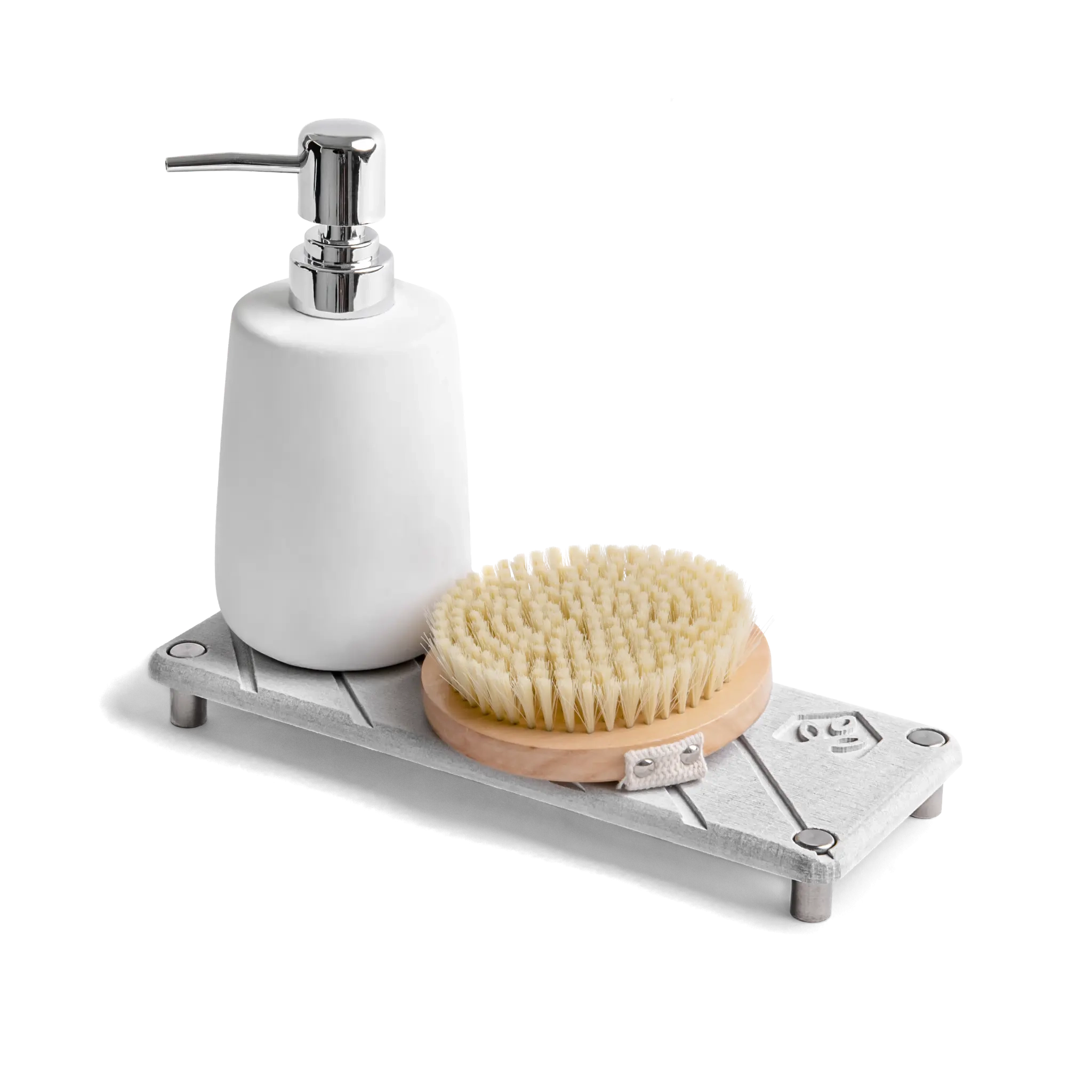
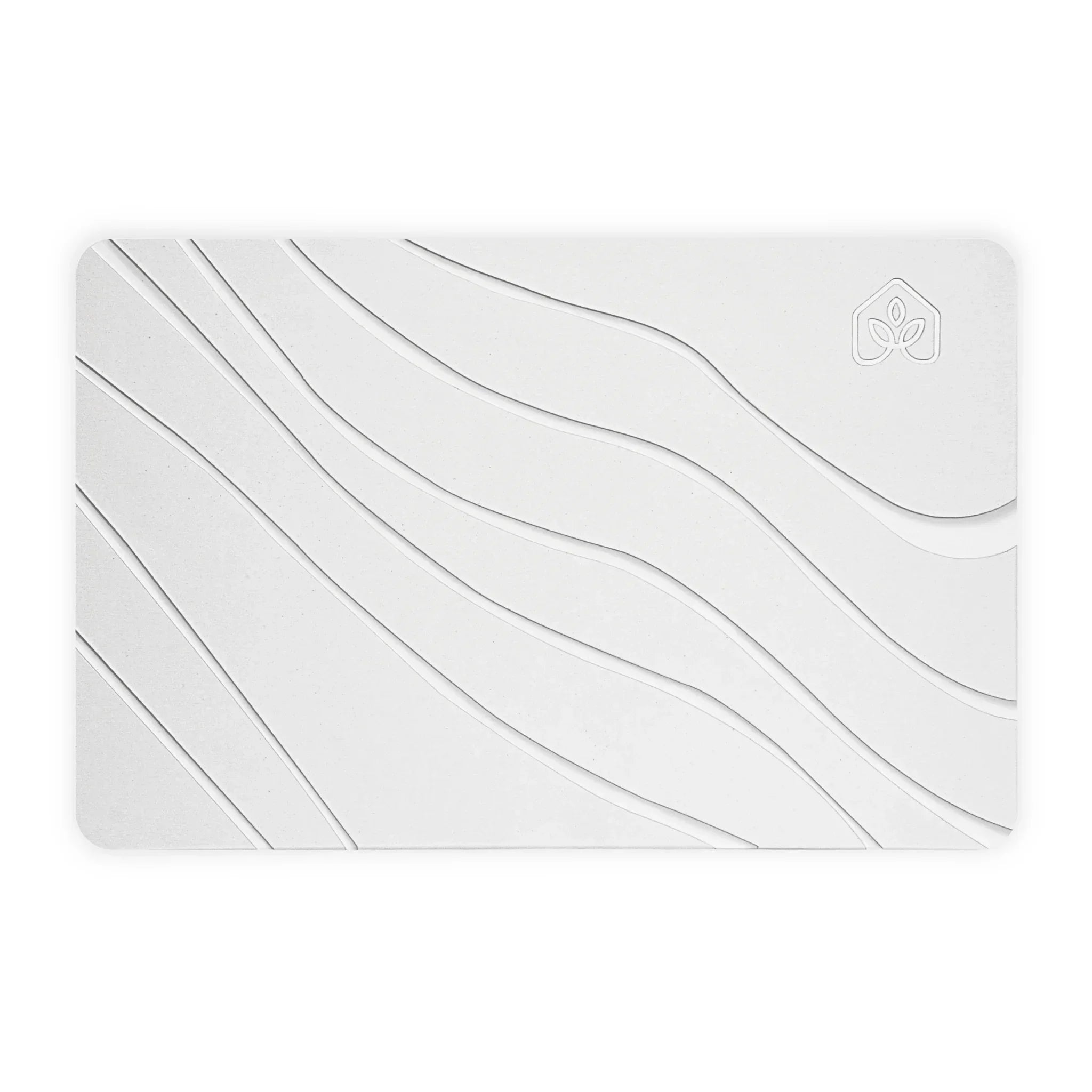
Stone Sink Caddy - Flow
The sweet spot is usually 2-4 inches from your faucet - close enough to catch drips but far enough that you're not constantly bumping into it. If you place it too close, you'll knock things over every time you turn on the water.
- Consider which side of the sink you use most often
- Make sure you can reach items with one hand while the other is wet
- Leave enough space for your dish soap dispenser or hand soap
- Check that cabinet doors can still open fully
- Test the spot by going through your normal sink routine
The Natureva Stone Sink Caddy works in tight spaces because of its compact design. Both the Rain and Flow styles fit on most countertops without taking over the whole area. Your dominant hand should be able to grab what you need without stretching - this seems obvious but you'd be surprised how many people ignore it.
One thing that helps is thinking about your morning and evening routines separately. Where do you need your toothbrush holder in the morning versus where your dish brush sits at night? Sometimes the best spot is different than you'd guess at first glance.
The next generation of home essentials: naturally made, cleaner by design, sustainable by nature.
SHOP ALLStep Two: Organize Your Sink Items Strategically
Now that your caddy is in the right spot, what actually goes on it matters just as much. A lot of people treat their sink caddy like a junk drawer and wonder why it doesn't help. The whole point is keeping wet items off your counter, but not everything belongs there. Wet items like dish brushes, sponges, and soap dispensers are perfect - they drip water that the stone absorbs instantly. Dry items like scrub pads or cleaning gloves just take up valuable space.
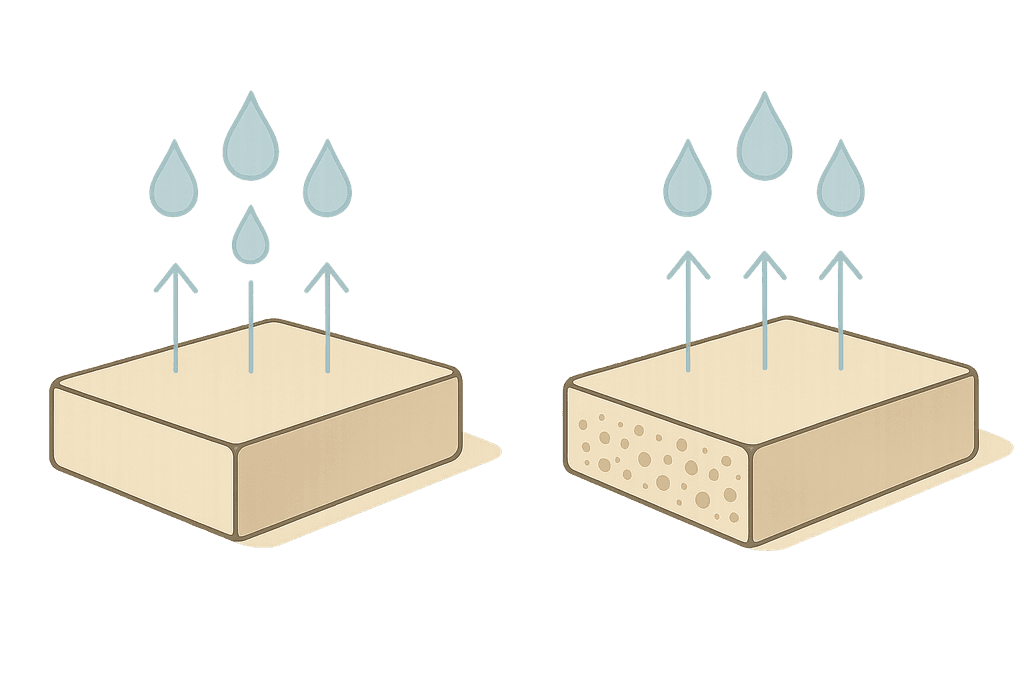
Step Two: Organize Your Sink Items Strategically
Here's what works best on a stone caddy versus what should live somewhere else:
| Put on Your Caddy | Store Elsewhere |
|---|---|
| Dish brush | Dry towels |
| Sponge | Scrub pads |
| Soap dispenser | Cleaning gloves |
| Scrubber | Extra supplies |
| Hand soap | Backup sponges |
Group items by how often you use them - daily items in front, occasional items toward the back. This sounds simple but it makes a real difference when you're trying to grab something with soapy hands. The stone material in our caddies handles constant wetness better than plastic or metal trays that trap moisture underneath.
Don't overcrowd the space. If water can't reach the stone surface because items are packed too tight, you lose the absorption benefit. Leave a little breathing room between each item so air can circulate and water can evaporate properly. This is where stone caddies really shine compared to traditional options - they actively dry out instead of just collecting puddles.
The Rain and Flow designs both offer enough space for your essentials without encouraging clutter. Pick the style that matches your sink setup and stick to the basics. Using a caddy effectively means being selective about what earns a spot on it.
Step Three: Maintain Your Caddy For Long-Term Cleanliness
Stone caddies need way less maintenance than plastic or silicone versions, but they're not completely hands-off. The good news is that keeping yours in top shape takes less than a minute each week. Unlike plastic trays that develop that gross film or metal ones that rust, diatomaceous earth stone naturally resists mold and bacteria growth. The porous surface that absorbs water so well also lets it evaporate quickly, which is why these caddies stay cleaner longer. But even the best materials need a little attention now and then.
Your weekly routine is pretty straightforward. Rinse the caddy with warm water and let it air dry completely - that's it for most weeks. No soap needed unless something actually spilled on it. The stone does most of the work on its own.
- Remove all items from the caddy
- Rinse with warm water
- Wipe away any visible residue
- Let it air dry for 2-3 hours
- Put items back once completely dry
Sometimes you'll notice the stone doesn't absorb water as quickly as it used to. This happens when the pores get clogged with soap residue or mineral deposits from hard water. A light sanding with fine-grit sandpaper brings back the absorption - just a few gentle passes over the surface does the trick. You'll know it's time when water sits on top instead of soaking in right away.
Watch for any discoloration or spots that don't dry properly. These are signs your caddy needs a deeper clean or refresh. The stone material lasts for years when you take care of it, which is why proper maintenance prevents problems before they start. Keeping moisture moving instead of sitting stagnant stops mold and bacteria from ever getting a foothold.
For more detailed care instructions, check out our care and cleaning guide. The same principles apply to other diatomaceous earth products like our dish mats and faucet mats too. Once you get the hang of it, maintaining these products becomes second nature.
Your Path to a Cleaner, Drier Sink Area
So there you have it. Three simple steps that take less than five minutes to set up but make a real difference every single day. First, you pick the right spot for your caddy for sink (usually right next to the faucet where water drips the most). Second, you arrange your sponges and brushes so water can actually drain off them instead of sitting in puddles. Third, you give your caddy a quick wipe down once a week to keep it working like new.
The best part is how these steps work together. When you place your sink caddy in the right spot, it catches all that excess water before it spreads across your counter. The natural diatomaceous earth material in our Stone Sink Caddy absorbs moisture instantly and dries within seconds, which means your sponges dry faster too. No more gross smells or slimy surfaces.
You'll notice the difference right away. Your countertop stays dry throughout the day. Your cleaning tools last longer because they're not sitting in water. And that musty smell that sometimes builds up around the sink just disappears.
The thing most people don't realize is that a wet sink area isn't just annoying. It's actually creating the perfect environment for bacteria and mold to grow. But when you keep things dry and organized, you're solving the problem at its source.
If you're ready to start, the easiest first step is getting a proper caddy that actually absorbs water instead of trapping it. You can check out our Flow design or the Rain pattern, both at $25. Once you have that in place, the other two steps fall into place naturally. You might have some questions about how to maintain your caddy or which design works best for different sink setups, and that's exactly what we'll cover next.
Common Questions About Sink Caddies
Choosing the right caddy for sink organization can feel overwhelming with so many options out there. People often wonder about sizing, maintenance, and whether these products actually work as advertised. The good news is that most questions have straightforward answers once you understand how these products function. Here's what most people want to know before making a purchase.
What size caddy works best for most sinks?
Most standard sink caddies measure between 8 to 12 inches in length and work well for typical kitchen and bathroom setups. The key is making sure your caddy fits comfortably next to your faucet without blocking the drain or taking up too much counter space. Both our Rain and Flow designs are sized to fit most standard sinks while holding everyday items like soap dispensers, sponges, and brushes.
How does a stone caddy absorb water?
Stone caddies made from diatomaceous earth have millions of tiny pores that pull moisture away from wet items almost instantly. The water then evaporates through these same pores within minutes, leaving the surface dry and ready to use again. Unlike plastic or silicone trays that just collect water in a pool, stone caddies actively remove moisture from your counter.
Can I use a caddy for bathroom sinks too?
Absolutely, and many people find them even more useful in bathrooms than kitchens. They work great for holding toothbrush holders, soap bars, razors, and other items that tend to leave water rings on counters. The same absorption properties that keep kitchen counters dry work just as well in bathrooms.
How often should I clean my sink caddy?
A quick rinse under water once a week keeps most stone caddies working properly. If you notice the absorption slowing down, a light sanding with fine-grit sandpaper refreshes the surface and restores full function. This simple maintenance takes less than a minute and keeps your caddy working like new for months.
What's the difference between Rain and Flow designs?
The difference is purely aesthetic since both designs use the same absorbent diatomaceous earth material. Rain features a pattern of small dots that resembles rainfall, while Flow has curved lines that look like water movement. Both perform identically, so you can choose based on which style matches your kitchen or bathroom decor better.
Will a caddy prevent mold growth?
While no product can guarantee zero mold in every situation, stone caddies significantly reduce the conditions mold needs to grow. By keeping surfaces dry and allowing air circulation, they remove the moisture that mold feeds on. This makes them far more effective than traditional plastic trays that trap water and create perfect breeding grounds for bacteria and mold.
The next generation of home essentials: naturally made, cleaner by design, sustainable by nature.
SHOP ALL