

Bamboo Viscose Towels Explained and How to Choose One
Bamboo pulp can be spun into a fibre so fine it feels almost silky against skin, which is why bamboo viscose towels have quietly taken over bathroom shelves once ruled by plain cotton. These towels blend bamboo viscose with cotton to soak up water fast while staying soft wash after wash, solving the damp, musty towel problem most people just live with. This guide breaks down what bamboo viscose actually is, how it stacks up against regular cotton, and what to check before you buy — including what to look for in options like Natureva's bamboo cotton towel range.
What is a bamboo viscose towel?
A bamboo viscose towel is a towel made from rayon fiber derived by chemically dissolving bamboo pulp and extruding it into filaments. This process yields a soft, highly absorbent fabric that retains none of the bamboo plant's original fiber structure.
Is bamboo viscose better than cotton for towels?
Bamboo viscose towels absorb more water and dry with a softer, silkier feel than cotton, but they are less durable and weaker when wet. Cotton towels, especially long-staple varieties like Turkish or Egyptian cotton, hold up better to repeated washing and heavy daily use.
How do you choose a good bamboo viscose towel?
Choose a bamboo viscose towel with a GSM (grams per square meter) between 400 and 600 for a balance of softness and durability, and verify it is OEKO-TEX certified to ensure it is free of harmful chemical residues from processing. Also check the weave: twill or waffle weaves resist pilling better than plain loop terry.
Table of Contents
How Bamboo Viscose Towels Are Made
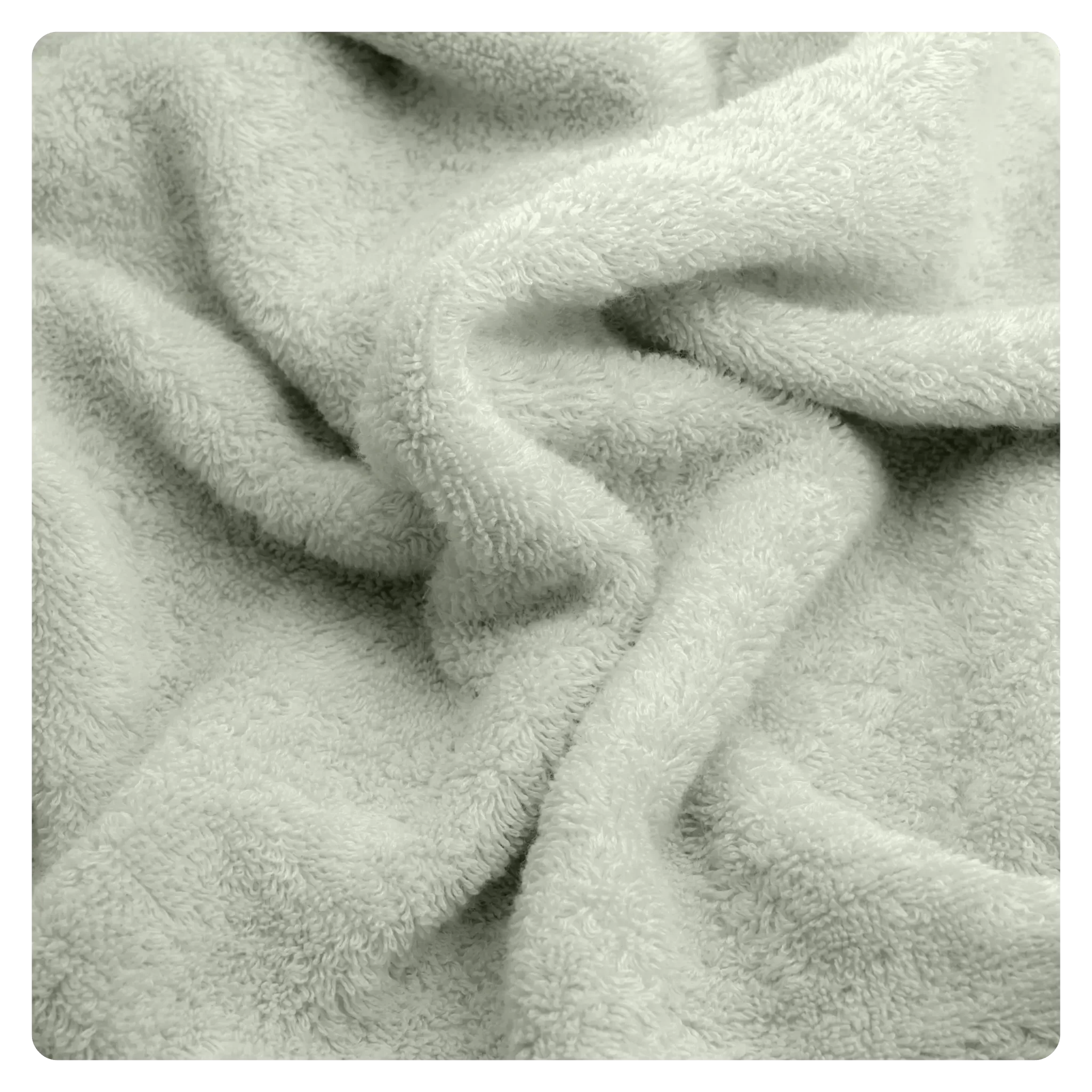
Bamboo viscose starts as bamboo pulp, which gets broken down chemically and re-spun into a fine fibre. This is why it's called viscose and not just "bamboo fabric" — the plant material is dissolved and rebuilt into thread form. Pure bamboo viscose feels silky on its own but it doesn't hold up well over time, since the fibre lacks structure.
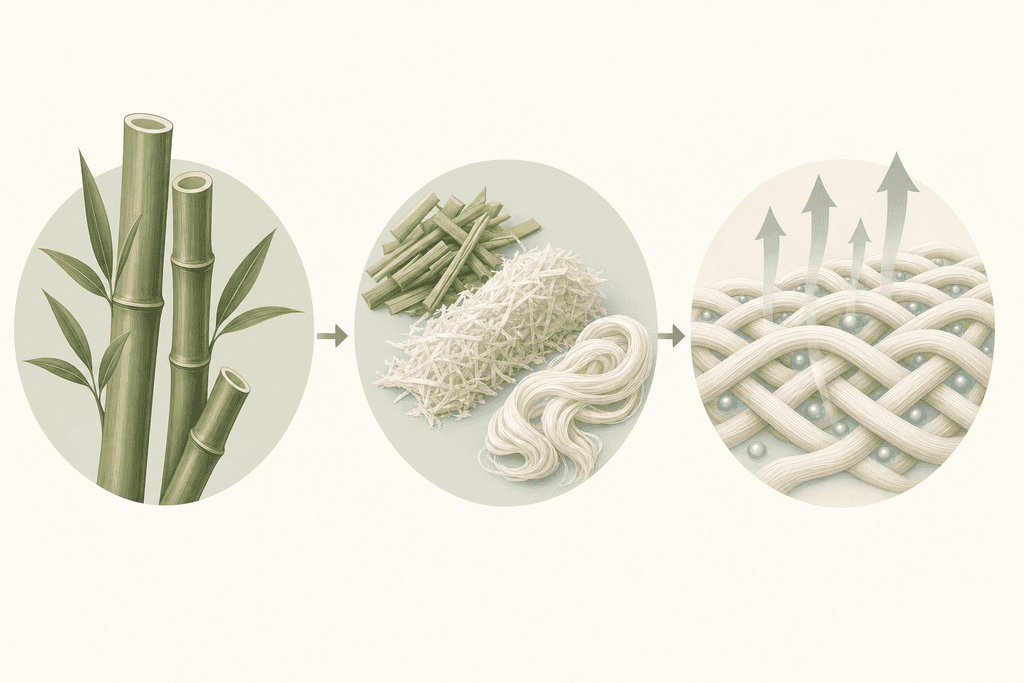
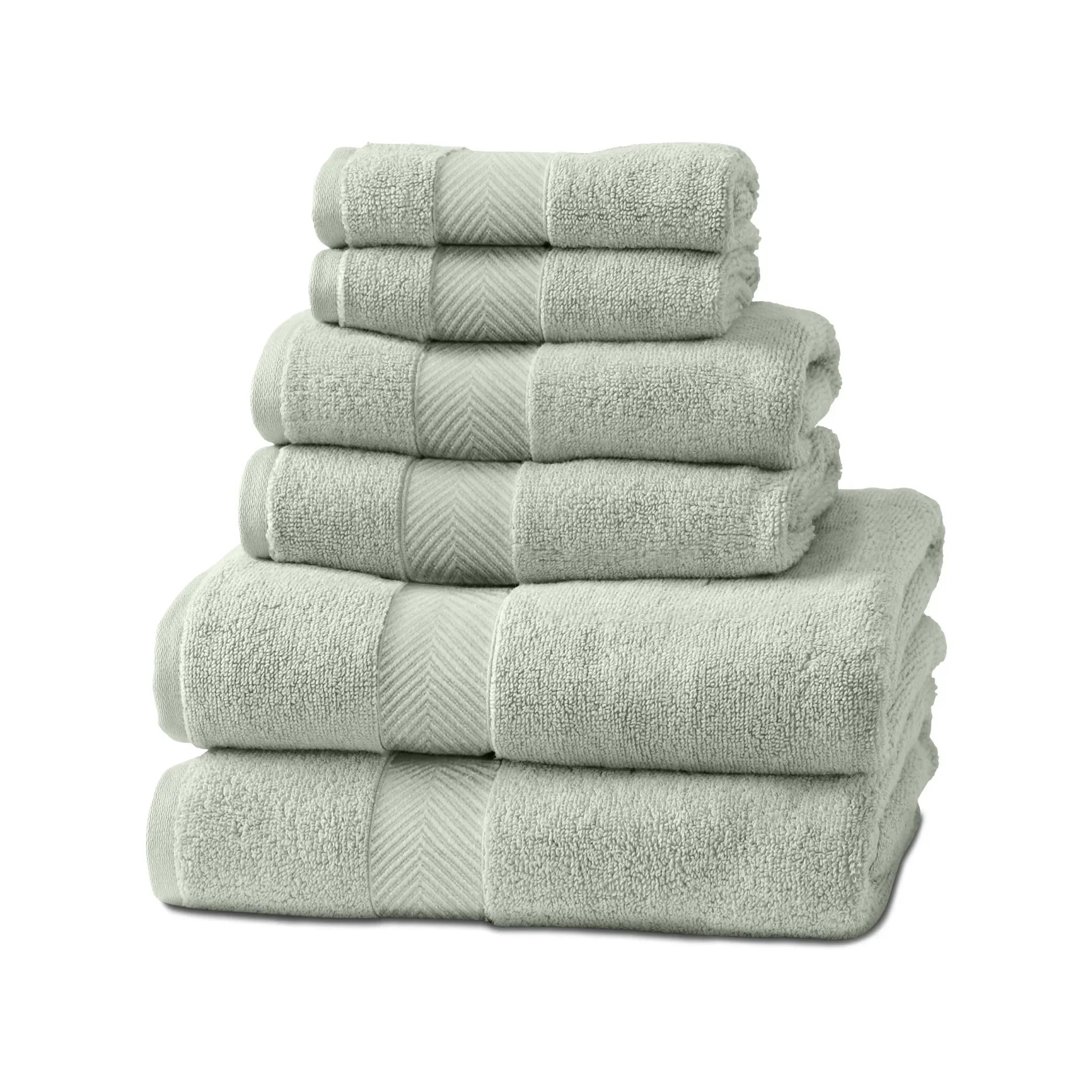
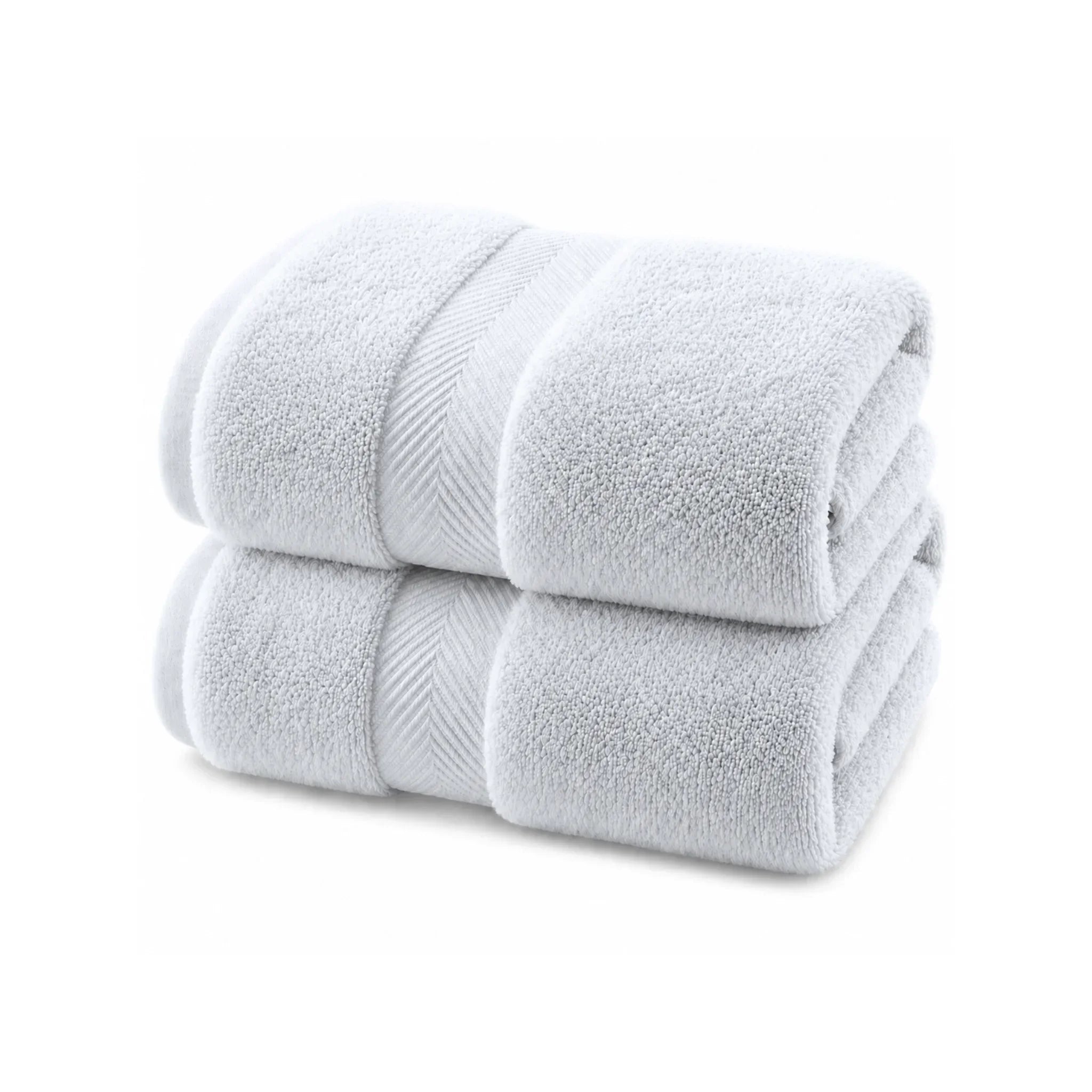
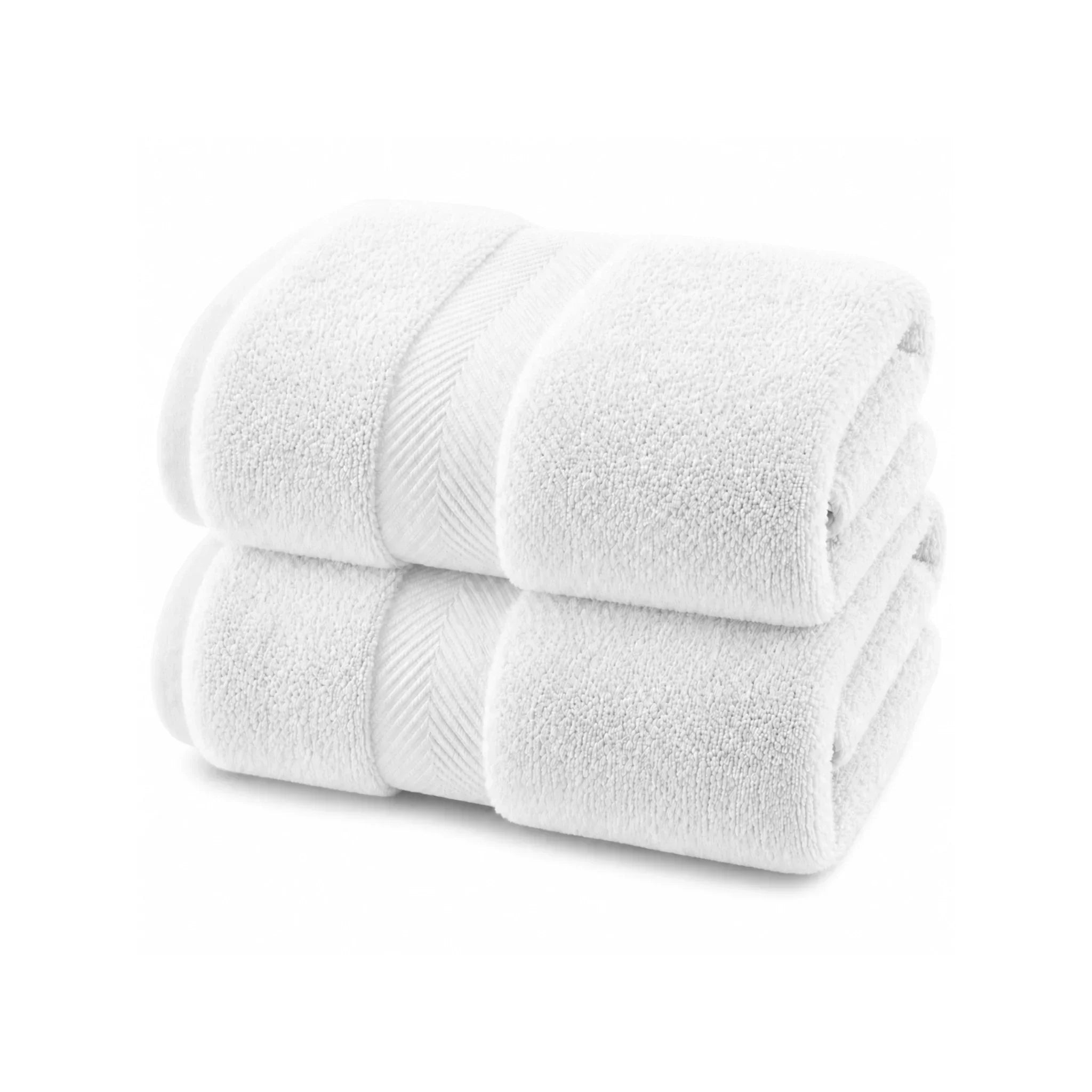
That's why most quality towels blend it with long-staple cotton. A 70% cotton to 30% bamboo viscose ratio is common because it balances softness with durability and absorbency. Natureva's towel range uses this exact blend at 700 gsm.
- Bamboo pulp is broken down and re-spun into viscose fibre
- Cotton adds structural strength the bamboo alone lacks
- 70/30 cotton-to-bamboo blend is a common industry standard
- Zero-twist yarn keeps fibres loosely spun for more surface area
The zero-twist construction matters more than people think. Instead of tightly winding the yarn, the fibres stay loose and open, which increases the surface area that touches water. More surface area means faster absorption, which is the whole point of a bath towel in the first place. For more on how fibre blends affect bath linen performance, Cariloha's guide on choosing bamboo bath linen breaks down the process further.
Bamboo Viscose vs Cotton Towels
Bamboo viscose blends dry faster than 100% cotton towels. That's the short answer. Faster drying means less time sitting damp on a rail, which cuts down on the conditions where odour and mildew start to form.
Cotton towels alone tend to last longer structurally, but they take more time to dry and can feel heavier for the same thickness. Bamboo blends feel lighter and softer at a similar gsm, though the tradeoff is usually price and a bit more care during washing.
| Factor | Bamboo Cotton Blend | 100% Cotton |
|---|---|---|
| Drying speed | Faster | Slower |
| Softness | Higher | Moderate |
| Long-term durability | Good | Very good |
| Care needs | Gentle wash, no bleach | More forgiving |
GSM, or grams per square metre, also plays a role here regardless of fibre type. A higher gsm generally means a thicker, more absorbent towel, but it doesn't tell you anything about the fibre blend on its own. Always check both numbers together — gsm and fibre ratio — before assuming a towel will perform well. Cozy Earth's comparison of bamboo-cotton blends vs 100% cotton covers this in more detail if you want to dig deeper.
How to Choose the Right Bamboo Viscose Towel
The fibre ratio is the first thing to check. A 70/30 cotton-to-bamboo-viscose blend at 700 gsm gives you a towel that's soft but still dries quickly, which is the balance most households actually want.
The next generation of home essentials: naturally made, cleaner by design, sustainable by nature.
SHOP ALLCertifications matter more than people realize. Look for OEKO-TEX® Made in Green, which is a step above the standard OEKO-TEX certification because it verifies the entire supply chain — harmful substance testing, safe manufacturing, fair labour, and traceability back to the exact facility. Natureva's bamboo cotton towels carry this certification, and each set includes a unique product ID you can trace.
- Check fibre ratio (70% cotton / 30% bamboo viscose is a solid benchmark)
- Confirm gsm density (700 gsm balances weight and absorbency)
- Look for OEKO-TEX® Made in Green certification
- Check for herringbone-woven borders as a construction quality signal
- Read the care label — gentle wash, no bleach or softener, low tumble dry
A herringbone-woven border isn't just decoration. It's often a sign the manufacturer paid attention to construction beyond just the fibre blend itself. And care matters just as much as the purchase — skip the fabric softener and bleach, since these break down the zero-twist yarn structure over time and slow down how fast the towel dries. If you're weighing bamboo against other natural fibres before you buy, this breakdown of organic cotton vs bamboo towels is worth a look.
Wrap-up
Picking a bamboo viscose towel comes down to three things: the fibre blend, the GSM, and whether it's actually certified or just says so on the tag. A cotton-bamboo mix gives you that soft feel plus quick drying, which is the whole point of switching away from plain cotton in the first place.
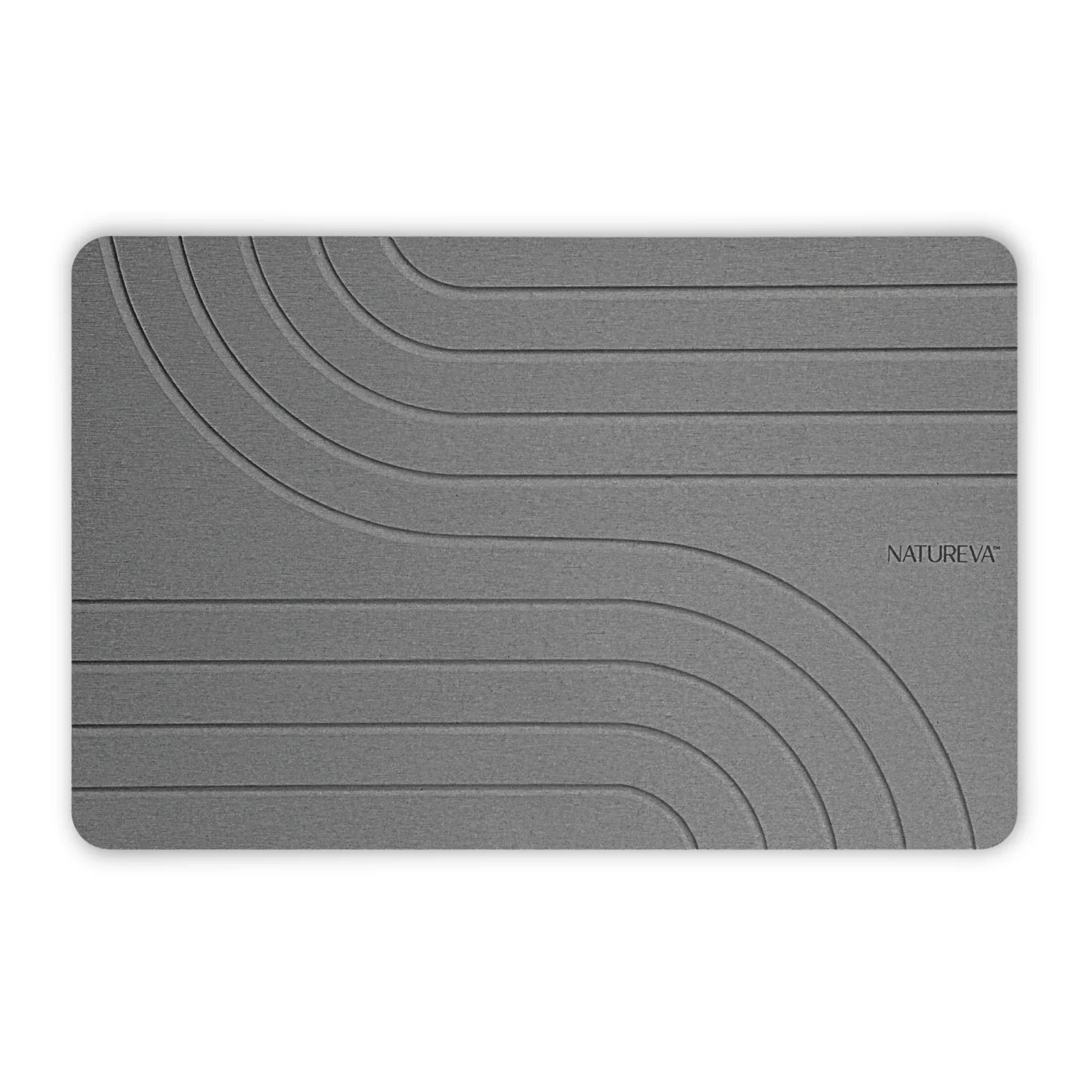
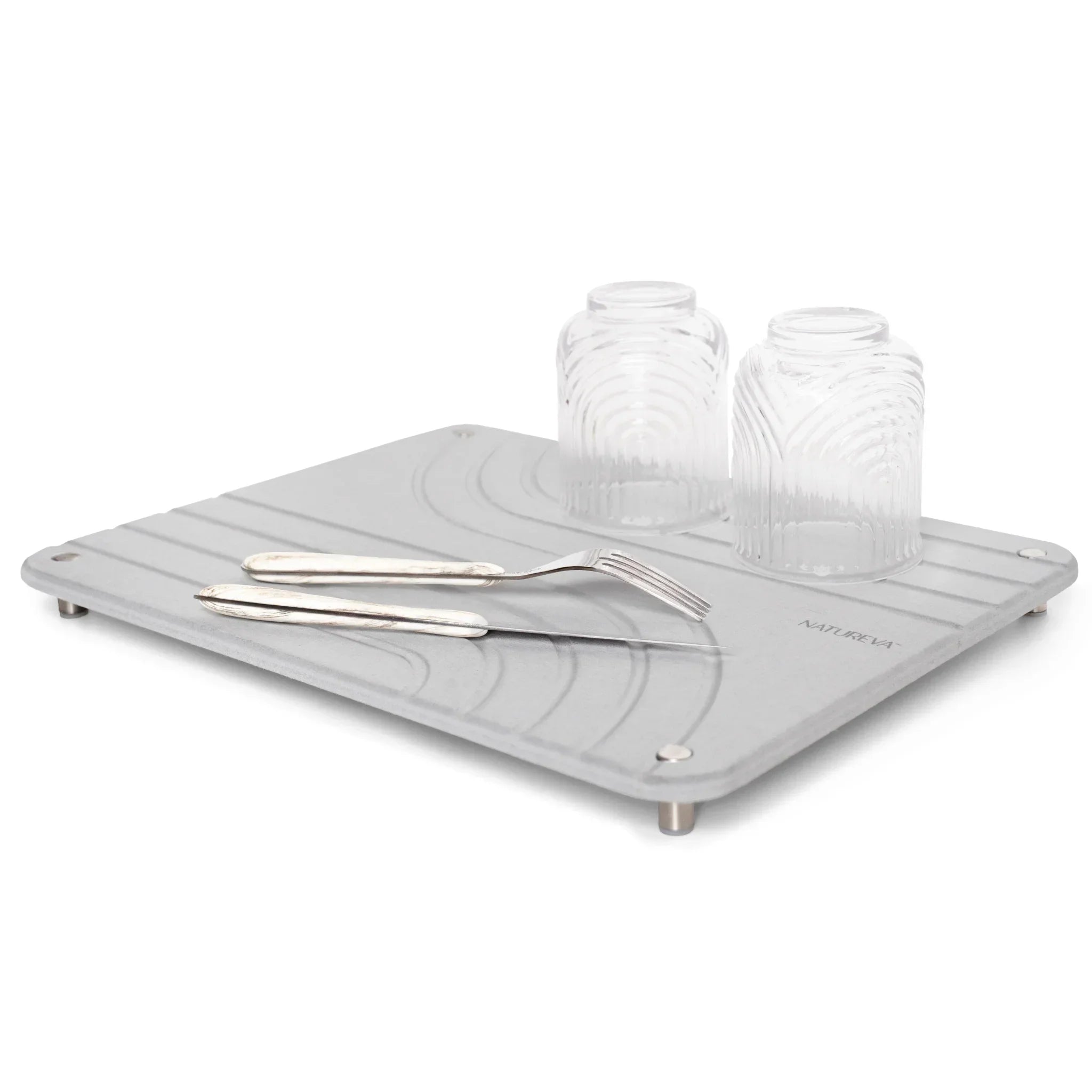
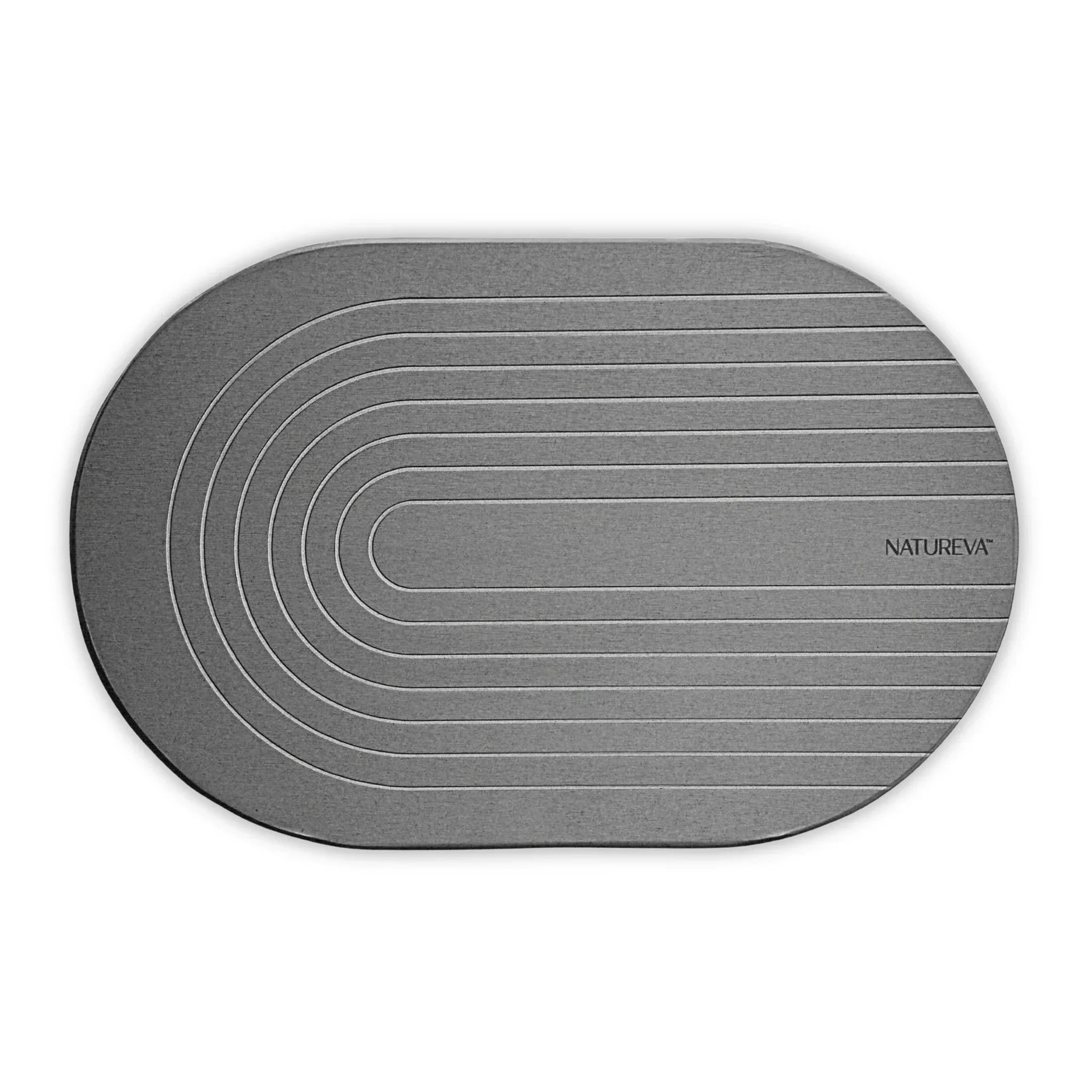
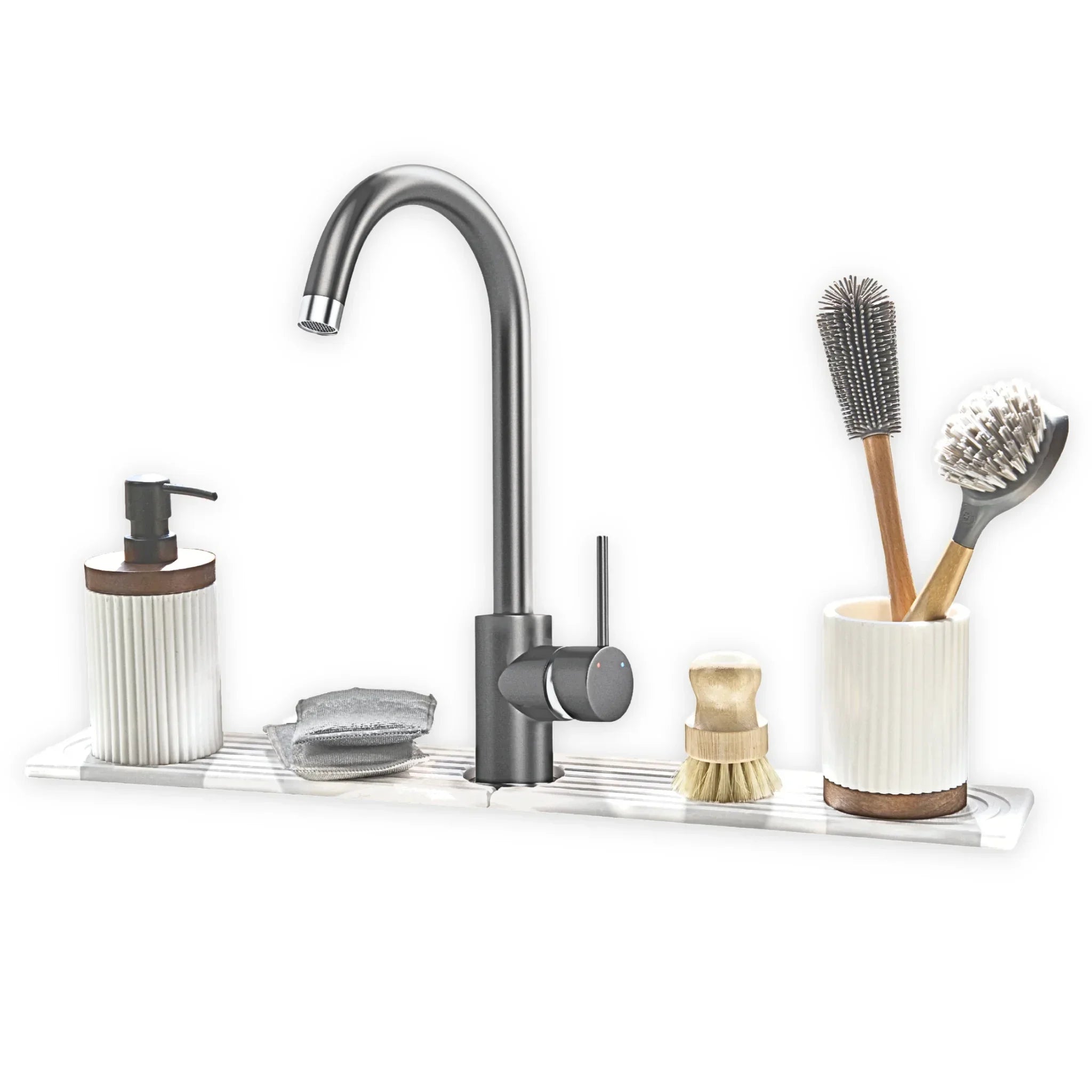
Our bamboo cotton towel set uses a 70/30 cotton-bamboo blend at 700 gsm, and it carries OEKO-TEX Made in Green certification, so you know exactly what's touching your skin. It's also built to match the rest of our bathroom collection, so your towels and your stone mats actually look like they belong together.
If you're still weighing up what else goes into a well-stocked bathroom, our guide on what to check before buying a bath mat is worth a look before you finish setting things up.
Frequently Asked Questions
Is a bamboo viscose towel actually durable
Yes, if the blend is right. Pure bamboo viscose can wear thin fast, but a cotton and bamboo viscose mix holds up much better over time. Natureva's towels use 70% long-staple cotton with 30% bamboo viscose at 700 gsm, which balances softness with everyday durability.
Do bamboo viscose towels shed or lint
Some shedding is normal at first, especially with zero-twist yarn construction. It happens because the fibres are loosely spun for that plush feel. Washing a few times before use, and again in the first few washes, cuts down lint noticeably.
How do you wash a bamboo viscose towel
Wash warm on a gentle cycle, separate from anything with bleach or benzoyl peroxide, and skip fabric softener. Tumble dry on low since air drying can leave the towel stiff. Trim loose threads with scissors instead of pulling them.
The next generation of home essentials: naturally made, cleaner by design, sustainable by nature.
SHOP ALL