
Compare Plant Saucers by Size, Material, and Drainage Needs
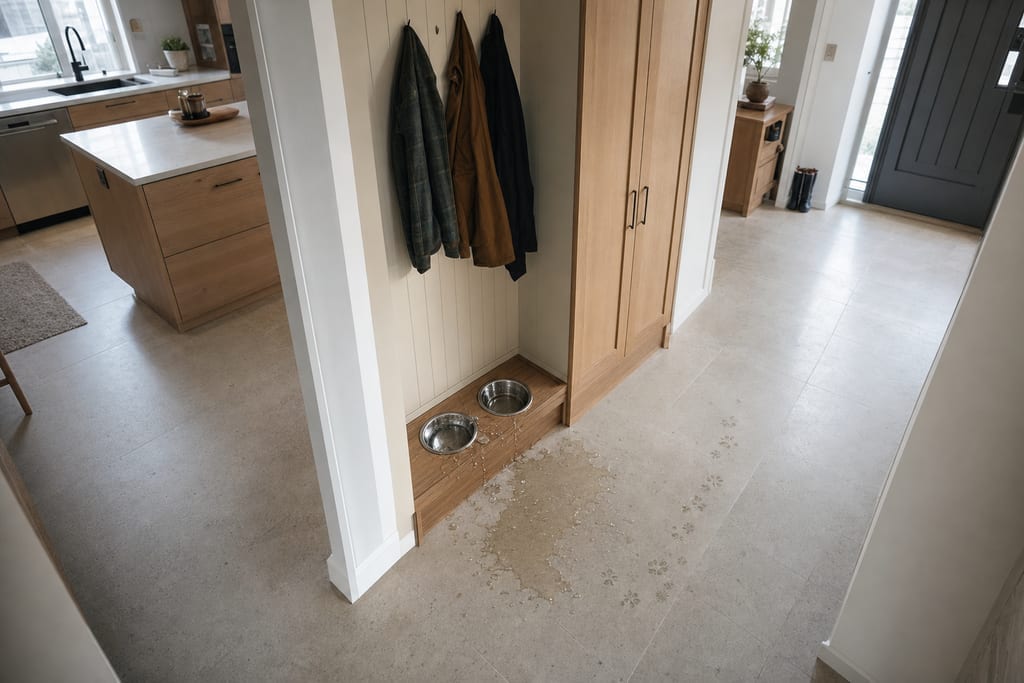
A plant saucer can start showing a wet ring on wood or stone in under 20 minutes if the pot drains after watering. That ring can soak into sealed wood and leave a permanent mark, and on unsealed stone it can etch or stain even faster. The saucer under your pot has to handle three jobs at once: fit the pot size, resist whatever water it holds, and let that water go somewhere other than your floor.
Picking the right one comes down to three factors: size, material, and drainage. Size means the saucer has to sit flush under the pot's rim without water spilling over the edge when you water heavily. Material decides whether the saucer just holds water, like plastic or glazed ceramic, or pulls it in and lets it evaporate, like unglazed terra cotta or porous stone. Drainage is about what happens after the water collects, whether it sits there for days inviting mold and gnats, or dries out within a few hours.
Table of Contents
What a Good Plant Saucer Actually Needs to Do
A saucer has two jobs and nothing else. It catches whatever water drains out of the pot, and it keeps that water off the table, shelf, or floor underneath until it evaporates or you empty it.
The saucer size depends on the pot's rim, not on how tall or bushy the plant is. A six-inch pot holding a small palm needs the same saucer as a six-inch pot holding a tiny succulent, because what matters is the diameter of the base that has to sit inside the rim without water sloshing over the side.
| Pot diameter | Saucer size needed |
|---|---|
| 4 to 6 inches | 6 to 7 inch saucer |
| 7 to 9 inches | 9 to 10 inch saucer |
| 10 to 12 inches | 12 to 13 inch saucer |
| 13 to 15 inches | 15 to 16 inch saucer |
Measure the pot's outer rim with a tape measure before you buy, not the plant's spread, and round up if the pot sits between two sizes. Sunset's guide on whether a planter needs a saucer notes the same rule: fit follows the pot, not the foliage.
Matching Saucer Size to Your Pot
The right saucer size is set by the pot's base diameter, not the rim and not the plant's spread. Measure the flat bottom of the pot where it touches the saucer, since that's the part that has to sit level and stay put. A pot that flares out at the top can have a base two or three inches smaller than its rim, so measuring the rim instead almost always leads to a saucer that's too big or too wobbly.
Leave a small gap between the pot's edge and the saucer's wall so splashes from heavy watering land inside the saucer instead of over the side. A margin of at least half an inch on each side is the safe zone most growers use. Buying a saucer that matches the pot's base almost exactly is the most common mistake, since any water that drains fast will climb the pot's side and spill over a saucer with no room to spare.
- Measure the pot's base, not the rim, with a tape measure
- Add at least half an inch of margin on each side
- Round up if the pot falls between two standard sizes
- Check the saucer sits flat with no rocking before you fill it with soil
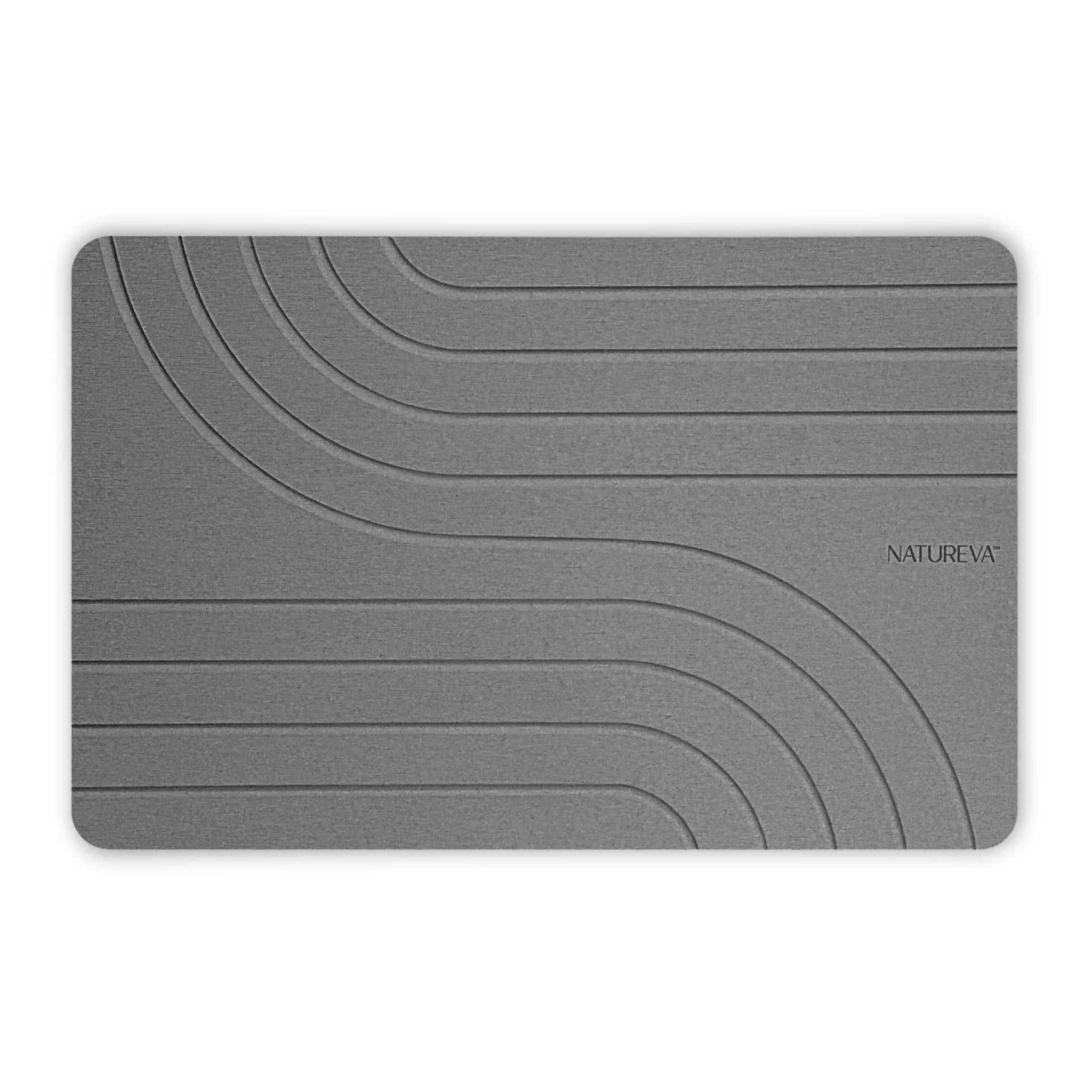
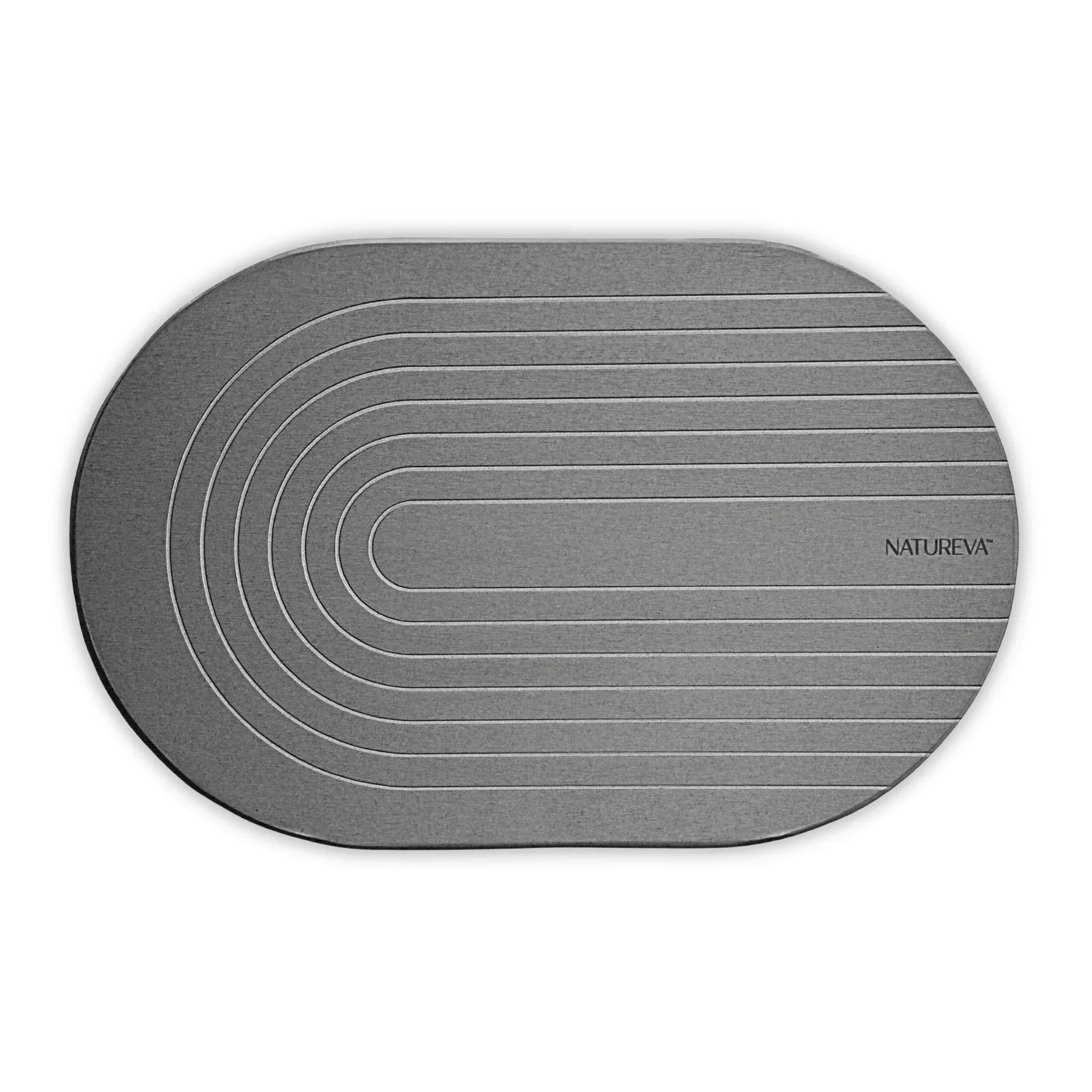
The Stone Plant Saucers Set of 2 is sized for the standard indoor and outdoor pots most people already own, so it's worth checking your pot's base against the plant saucers size chart before you order.
Material Options and How They Handle Water
Each saucer material handles standing water differently, and that difference decides how often you'll be emptying it. Plastic saucers are cheap and light, but water just sits on the surface until you tip it out, and a heavy watering can push it right over the rim. Terracotta is porous and draws in some moisture, but it can still let water seep through to a wood floor underneath if the saucer sits there long enough.
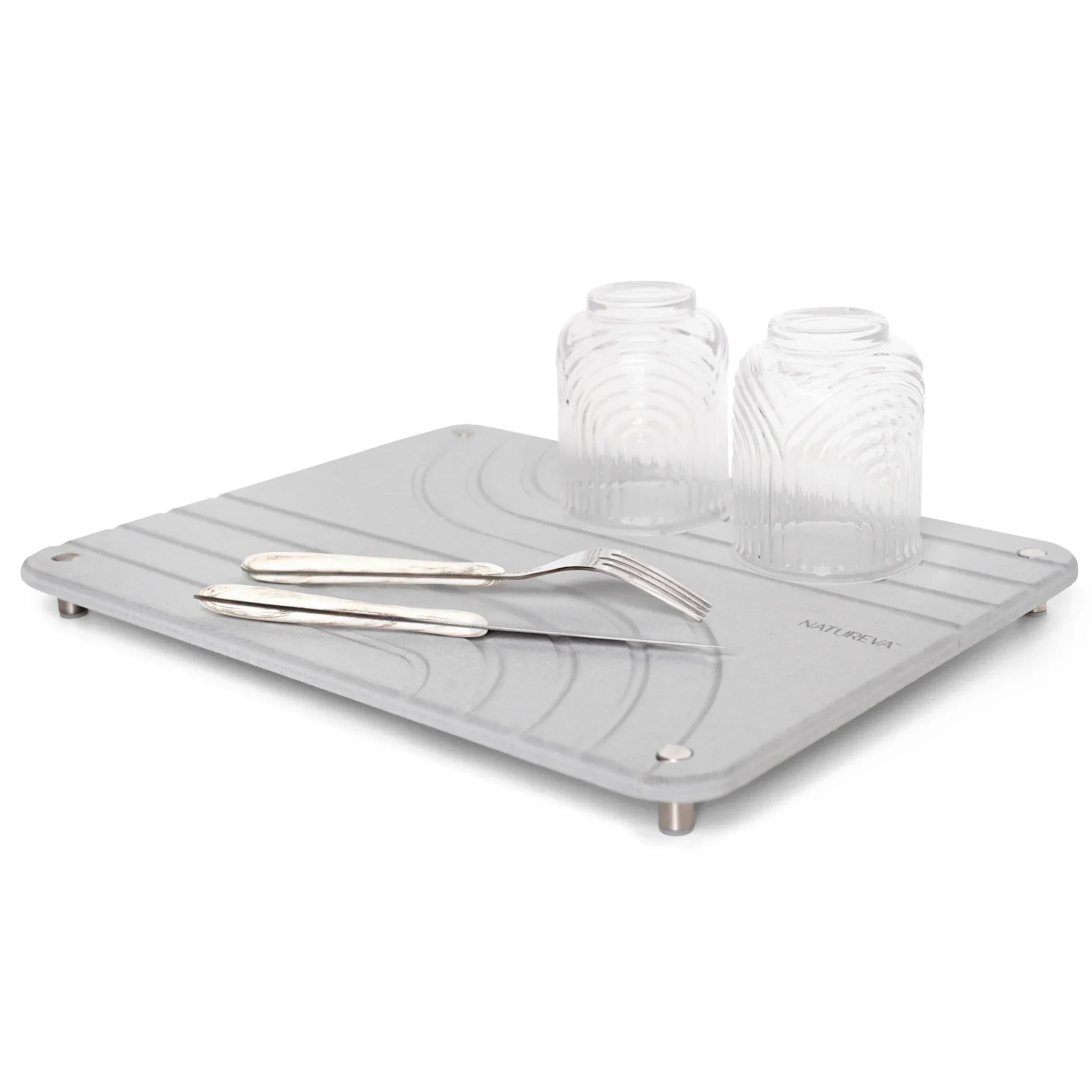
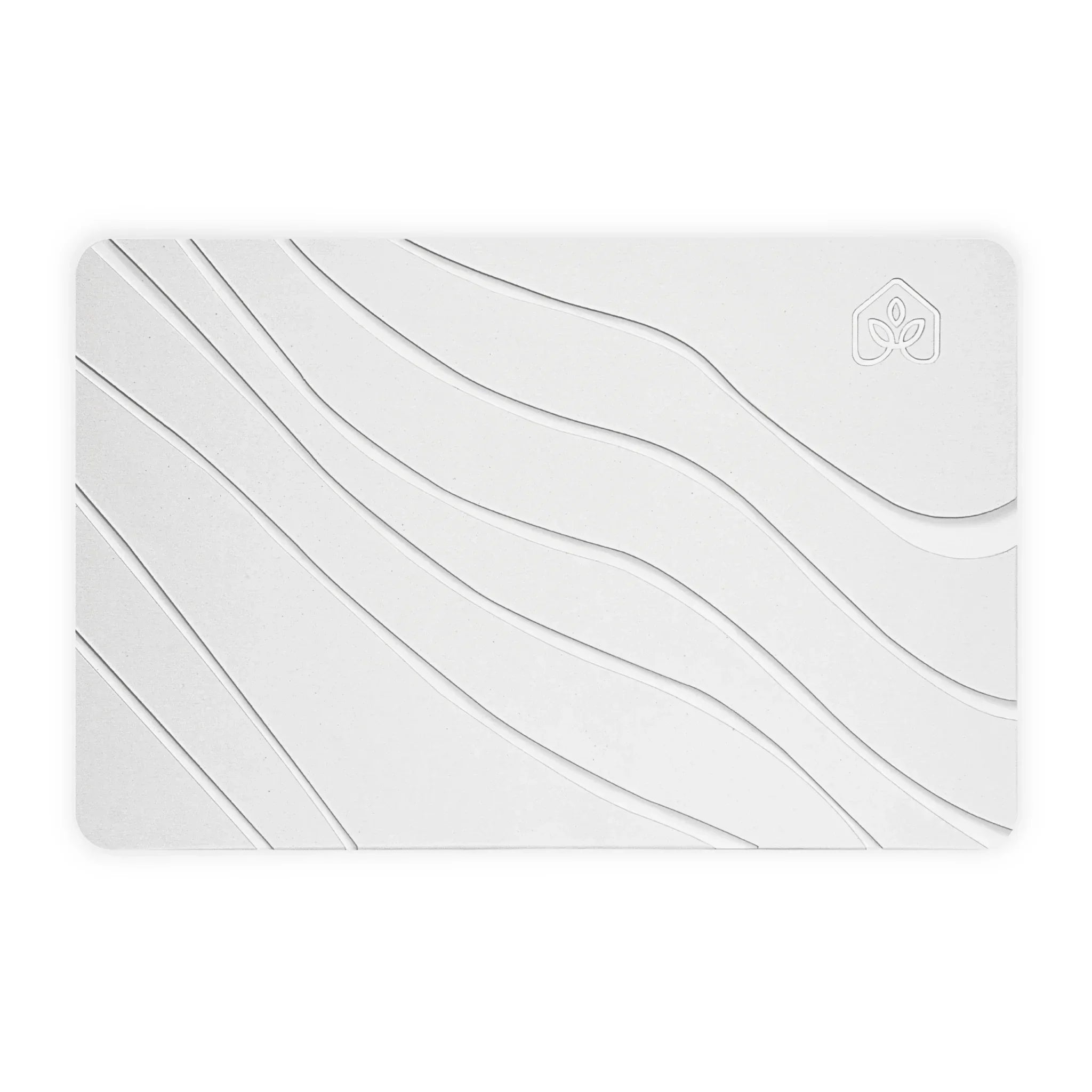
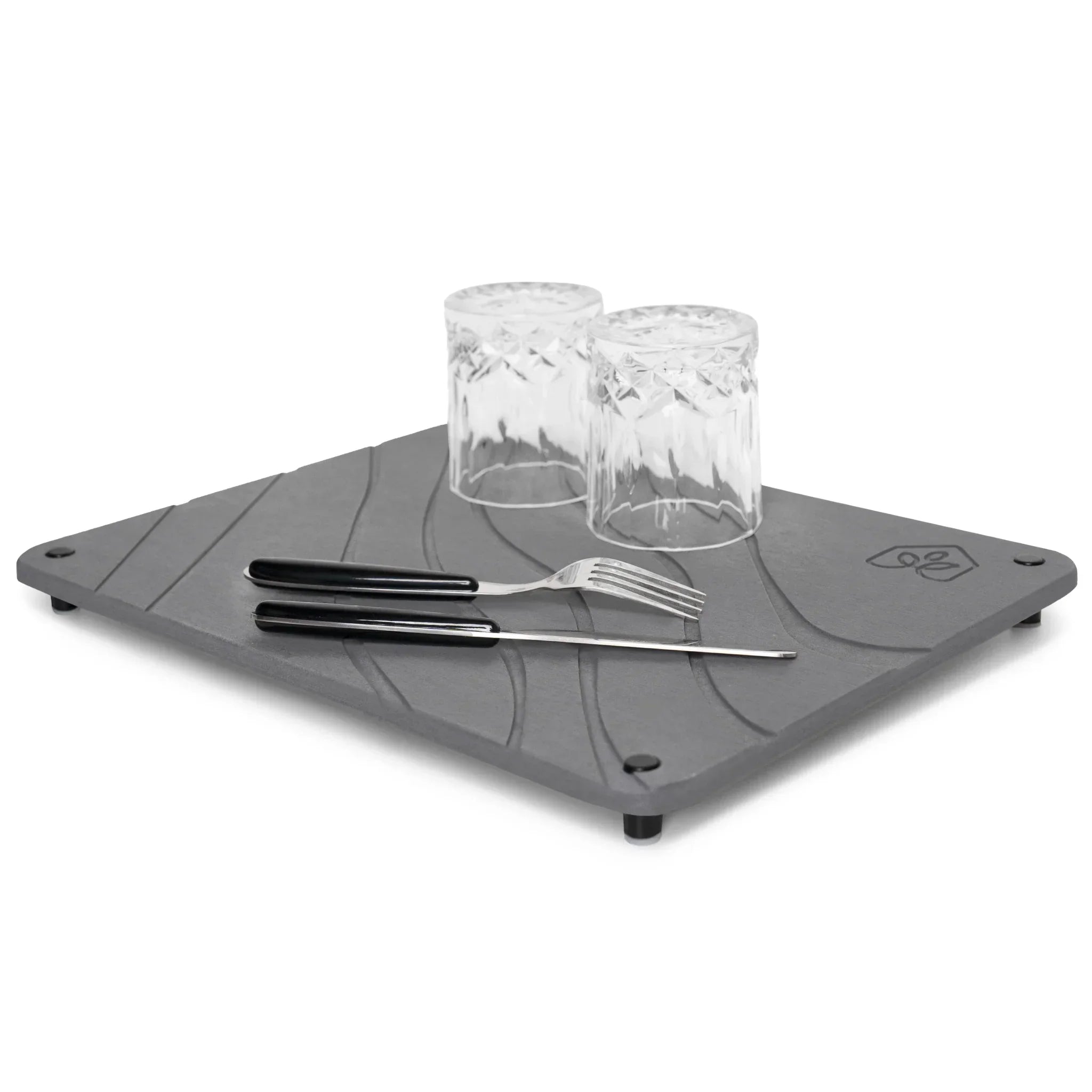
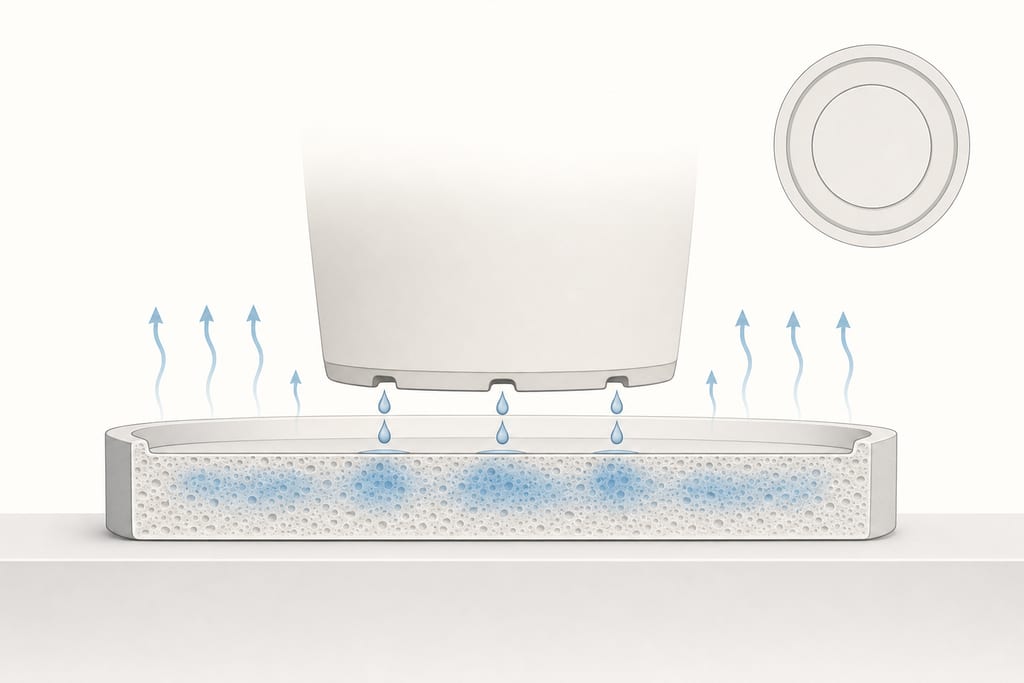
Silicone saucers flex instead of cracking, which makes them good for tight spaces, but they still collect standing water the same way plastic does. Absorbent stone, made from diatomaceous earth, works differently: it pulls water into millions of tiny pores and lets it evaporate instead of pooling on the surface.
- Plastic: light, cheap, water sits on top until emptied
- Terracotta: porous, but moisture can still reach wood floors
- Silicone: flexible, crack-resistant, still holds standing water
- Diatomaceous stone: absorbs water and lets it evaporate
Modernica's notes on ceramic planter care point out that porous materials still need to be checked for seepage on sensitive surfaces, which matches what terracotta does over time.
The next generation of home essentials: naturally made, cleaner by design, sustainable by nature.
SHOP ALLComparing Plant Saucers for Long-Term Use
Water-catching ability splits saucers into three groups: those that pool water, those that absorb it, and those with enough overflow risk to matter. Metal saucers catch water well at first but can rust at the seams after repeated soakings, which eventually lets water through anyway. Surface protection comes down to whether the water sits there waiting to be wiped up or dries on its own.
| Material | Water handling | Durability | Typical price |
|---|---|---|---|
| Plastic | Pools, can overflow | Fades, cracks in sun | $5-$15 |
| Terracotta | Partly absorbs, can seep | Chips, cracks in cold | $10-$25 |
| Metal | Pools until it rusts through | Rusts at seams | $15-$30 |
| Silicone | Pools, flexible | Resists cracking | $12-$20 |
| Diatomaceous stone | Absorbs, evaporates | No warping or fading | $39 (set of 2) |
Price alone doesn't predict performance, since the $39 Stone Plant Saucers Set of 2 trades a higher upfront cost for fewer trips to empty standing water compared to plastic or metal.
Drainage Needs and When You Actually Need a Saucer
Any pot with drainage holes needs a saucer underneath, full stop, because water will run straight through onto whatever surface it's sitting on. Succulents and cacti need watering less often, so their saucers fill up slower and need emptying less frequently than a thirsty fern or palm. Outdoor pots left through winter need a saucer material that won't crack when water inside it freezes and expands.
- Pots with drainage holes always need a saucer, no exceptions
- Succulents and cacti fill saucers slower, check weekly instead of daily
- Outdoor saucers need freeze-resistant material for winter cold snaps
- Indoor saucers should absorb extra water from accidental overwatering
Indoor pots are where an absorbent saucer earns its keep, since it soaks up the extra splash from an overwatering mistake instead of leaving a puddle on the shelf. A solid catch tray with no drainage holes skips the saucer question entirely, but it also means the roots sit in whatever water collects at the bottom, which most houseplants don't tolerate well over time.
Indoor Floors or Outdoor Weather, Which Wins
Indoor and outdoor spaces push you toward different factors first. Indoors, the risk is a slow leak staining wood or stone, so material that absorbs spills matters more than exact size or how fast it drains. Outdoors, sun, rain, and freezing nights wear saucers down, so weather resistance has to come before anything else.
A patio saucer that cracks in a cold snap or fades in six months of sun costs you a replacement, no matter how well it fit the pot. An indoor saucer that pools water on a hardwood floor costs you a repair bill, which is usually worse. That's the real trade-off: outdoor picks need to survive weather, indoor picks need to survive a missed watering day.
| Setting | Top priority | Why it matters |
|---|---|---|
| Indoor on wood or carpet | Absorbent material | Prevents stains from slow seepage |
| Indoor on tile or stone | Size and fit | Spills are easy to wipe, overflow isn't |
| Outdoor covered patio | Weather resistance | Sun and humidity still cause fading |
| Outdoor exposed to frost | Freeze-resistant material | Cracking happens when water expands |
Price doesn't track with floor protection the way people assume. A $10 plastic saucer and a $39 stone one can sit under the same pot, but only one keeps a splash from reaching the floor underneath. The most common complaint with cheaper materials, water seeping through after enough watering cycles, is exactly what absorbent stone is built to stop, since it pulls the water in rather than letting it collect at the pot's base.
Grab a Tape Measure Before You Add Anything to Your Cart
Go measure the base of your pot right now, not the rim, and write that number down before you shop. Then think about how often you water. If you check your plants daily or you're dealing with a thirsty fern or palm indoors, pick a material that absorbs water instead of pooling it, since that's what keeps a splash off your floor between waterings. If the pot lives outside through winter, pick something that won't crack when water inside it freezes. For most indoor setups where overwatering is the real risk, a stone saucer like the diatomite set handles the job with the least upkeep, since it pulls water in rather than making you empty it.
The next generation of home essentials: naturally made, cleaner by design, sustainable by nature.
SHOP ALLCommon Plant Saucer Questions
Can I use one large saucer under two smaller pots instead of buying two?
No, that is not a good swap. Two pots on one saucer means double the water draining into one dish, and the edges of each pot sit closer to the rim with less room for splashes. If either pot drains heavily, water climbs the shared saucer faster and spills over. Give each pot its own saucer sized to its base.
Do stone saucers stain light-colored countertops or wood furniture?
Diatomaceous stone saucers do not stain surfaces because the water goes into the saucer's pores instead of sitting on top where it could seep out. The Stone Plant Saucers Set of 2 keeps light countertops and finished wood dry underneath since the stone pulls moisture in rather than letting it pool at the base. A rough or unsealed stone surface under the saucer is the only spot worth watching.
How often do absorbent saucers need to dry out between waterings?
An absorbent stone saucer usually dries within a few hours in a normal indoor room, well before the next watering for most houseplants. Humid rooms or bathrooms slow that down, so a saucer there may still feel damp a day later. Touch the surface before you water again. If it still feels wet, give it another few hours before adding more water on top.
Will a saucer scratch glass tables or painted outdoor surfaces?
Rough stone or unfinished ceramic saucers can scratch glass tabletops and chip painted patio furniture if you slide them instead of lifting them. Felt pads under the saucer stop this on glass. On painted outdoor surfaces, check the saucer's underside for rough edges before setting it down, since a smooth base is what actually prevents marks over repeated moves.