
How to Stop Condensation and Damp in Your Bathroom for Good
A fogged-up mirror and damp floors are signs that your bathroom is holding onto more moisture than it should. Knowing how to stop condensation in your bathroom before it becomes a mould problem is one of the simplest ways to keep your home cleaner and easier to maintain.
Quick Answers
- Bathroom condensation forms when warm, humid air hits cooler surfaces. It's normal, but ongoing dampness isn't harmless
- Poor ventilation is the root cause in most homes; fixing it is the highest-impact change you can make
- Daily habits matter: wiping down surfaces, drying wet floors quickly, and choosing materials that don't hold moisture reduce the load significantly
- Fast-drying accessories, such as stone bath mats, cut the time water sits on your floor, which is one of the most moisture-prone zones in the bathroom
- A combination of ventilation, airflow, and low-moisture materials is the most effective long-term approach
Why Your Bathroom Stays Damp
Knowing how to stop condensation in the bathroom starts by understanding why condensation forms.
Every hot shower releases warm, moisture-laden air into a relatively cool space. When that air makes contact with colder surfaces (tiles, mirrors, windows, ceilings), the water vapour condenses into droplets. That's condensation, and it happens in virtually every bathroom.
The real problem isn't the condensation itself. It's what happens when moisture lingers.
The Western Australian Department of Health reports that mould growth can begin indoors at relative humidity as low as 60%, with optimal growth occurring above 70–80%, humidity levels that are routine in many Australian bathrooms after a hot shower. A survey by the Victorian Council of Social Services found that 19% of rental homes inspected had visible and extensive mould, with the majority of cases concentrated in the bathroom, and a lack of ventilation was a concern in over half the properties assessed.
Left unchecked, ongoing dampness contributes to mould and mildew growth, musty odours, peeling paint and slippery floors. It also increases the cleaning load significantly.

How to Reduce Humidity in Your Bathroom
The goal is to move moist air out quickly and stop dampness from sitting on surfaces. These strategies work best together.
Run Your Exhaust Fan Properly
An exhaust fan is your most important tool. The mistake most people make is turning it off too soon. Run the fan during your shower or bath, and leave it running for at least 30 minutes afterwards to allow enough time for the humid air to be fully extracted. Keep the bathroom door closed while the fan runs so moist air doesn't spread to other areas of your home.
Also, check the fan itself. Dust-clogged fans lose capacity quickly. Clean yours at least twice a year.
Open Windows Strategically
If your bathroom has a window, use it. Even cracking it slightly during and after a shower gives humid air somewhere to go. Pair it with an open door in cooler months if you want to maintain warmth.
Wipe Down Wet Surfaces After Every Shower
Wiping down damp surfaces immediately after bathing, including any pooling water near the drain, prevents condensation from forming on walls and floors and speeds up evaporation. The sooner your bathroom dries, the less time mould and mildew have to take hold. A squeegee on tiles and glass takes under a minute and makes a measurable difference too.
Keep Shower Temperature in Check
Hotter water produces more steam. Lowering the water temperature means the air in your bathroom holds less moisture, which directly reduces the amount of condensation that forms on surfaces. You don't need to give up warm showers; keeping them just a tad cooler and slightly shorter can help reduce the moisture load considerably.
Maintain Warmth Between Uses
Cold surfaces attract condensation faster. Keeping your bathroom at a consistent temperature, through a heated towel rail or underfloor heating, means surfaces are less likely to trigger condensation when humidity rises after a shower.
The Mistake Most People Miss: The Floor
Ventilation takes care of airborne moisture. But what about the water that lands on your floor every time you step out?
Traditional fabric bath mats absorb water and hold onto it. In a poorly ventilated bathroom, a wet fabric mat can stay damp for hours – long enough for bacteria and mildew to begin forming. It's one of the most overlooked contributors to ongoing bathroom dampness and odour.
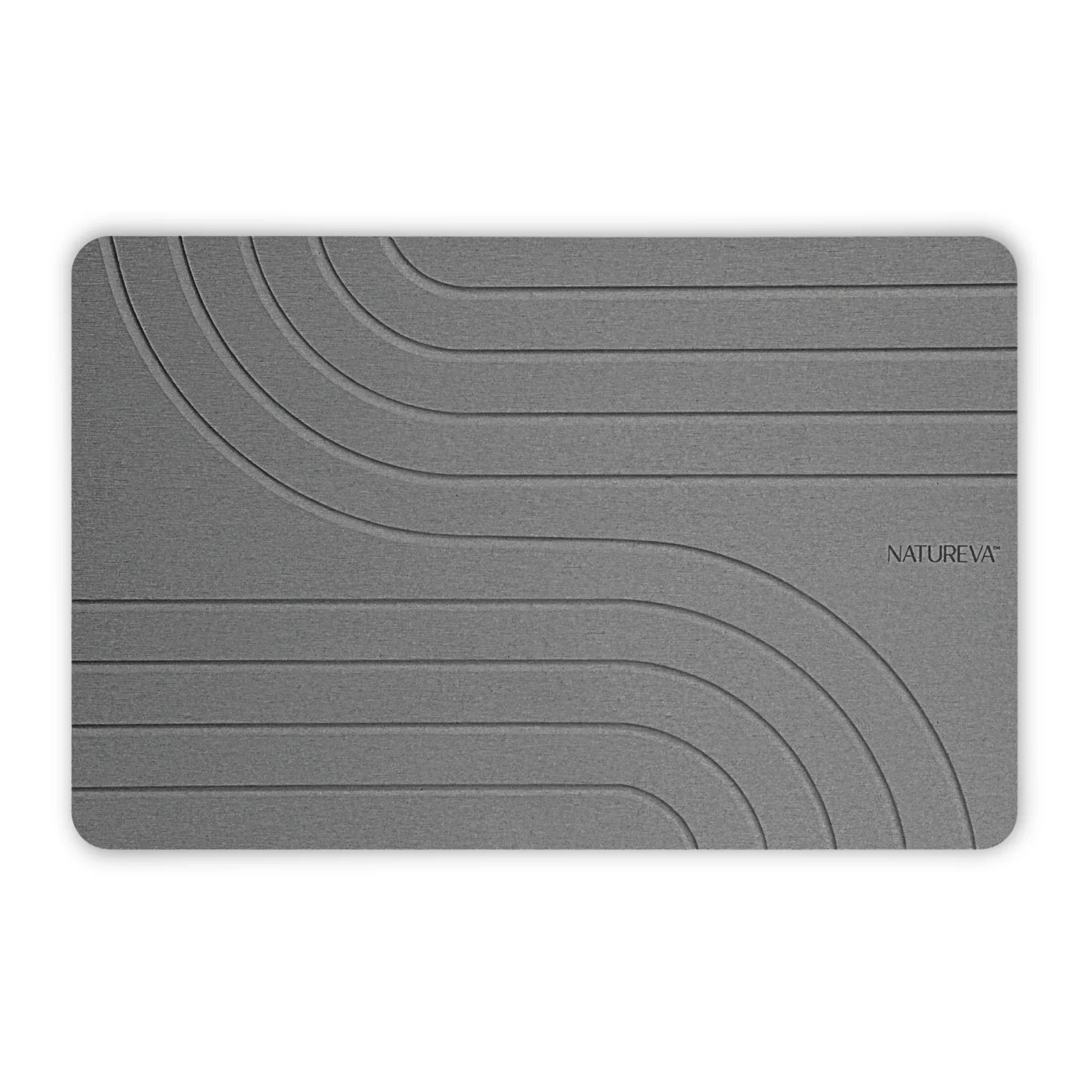
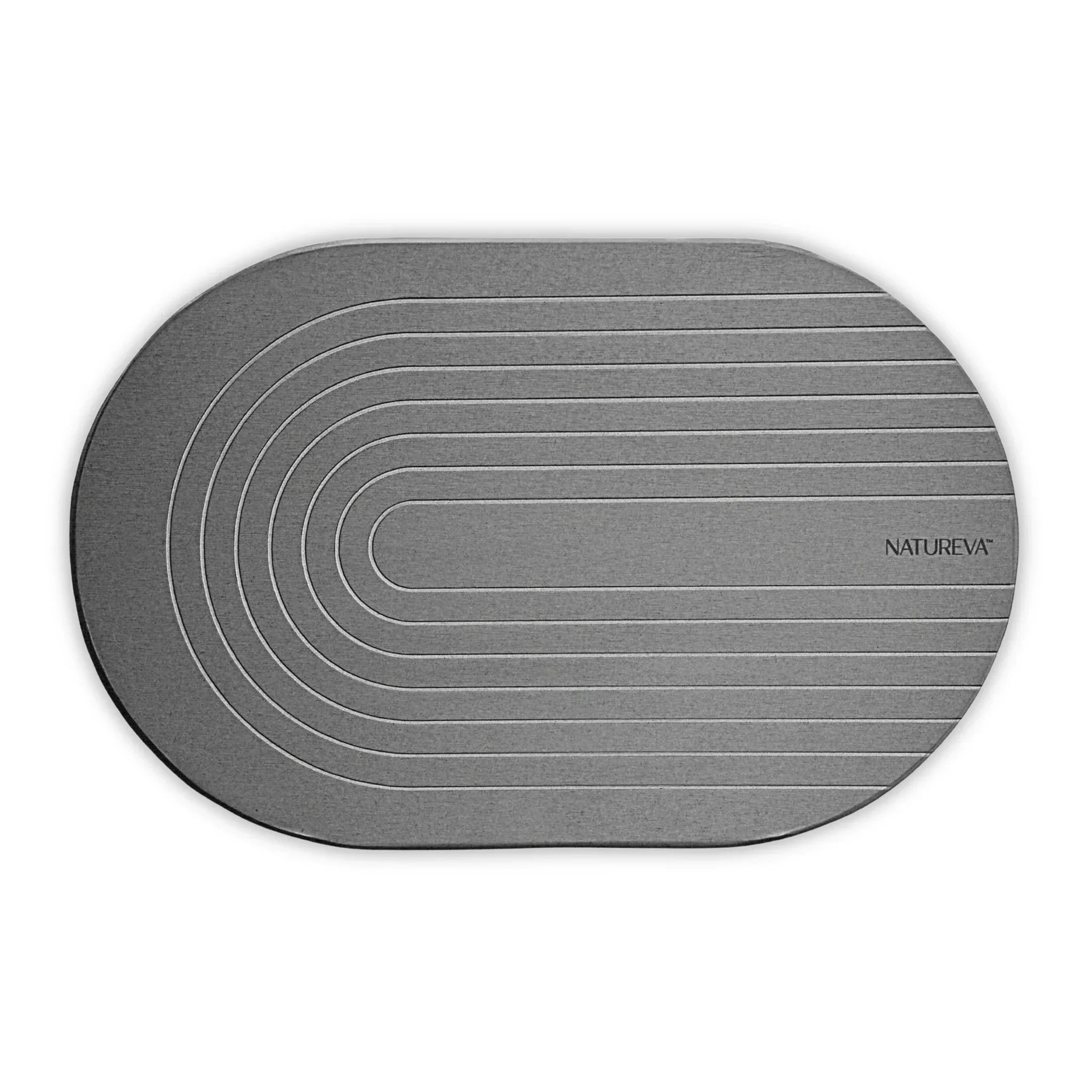
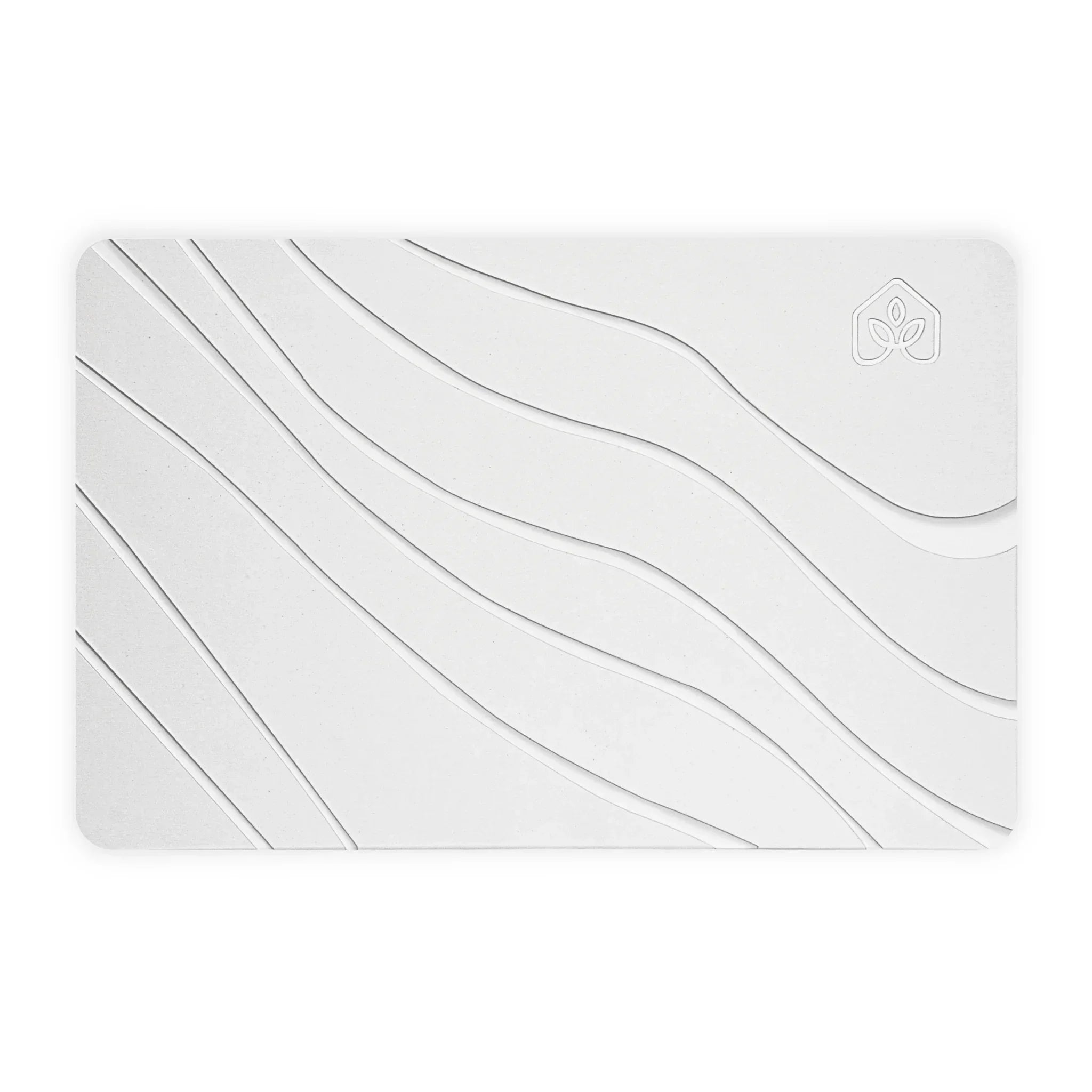
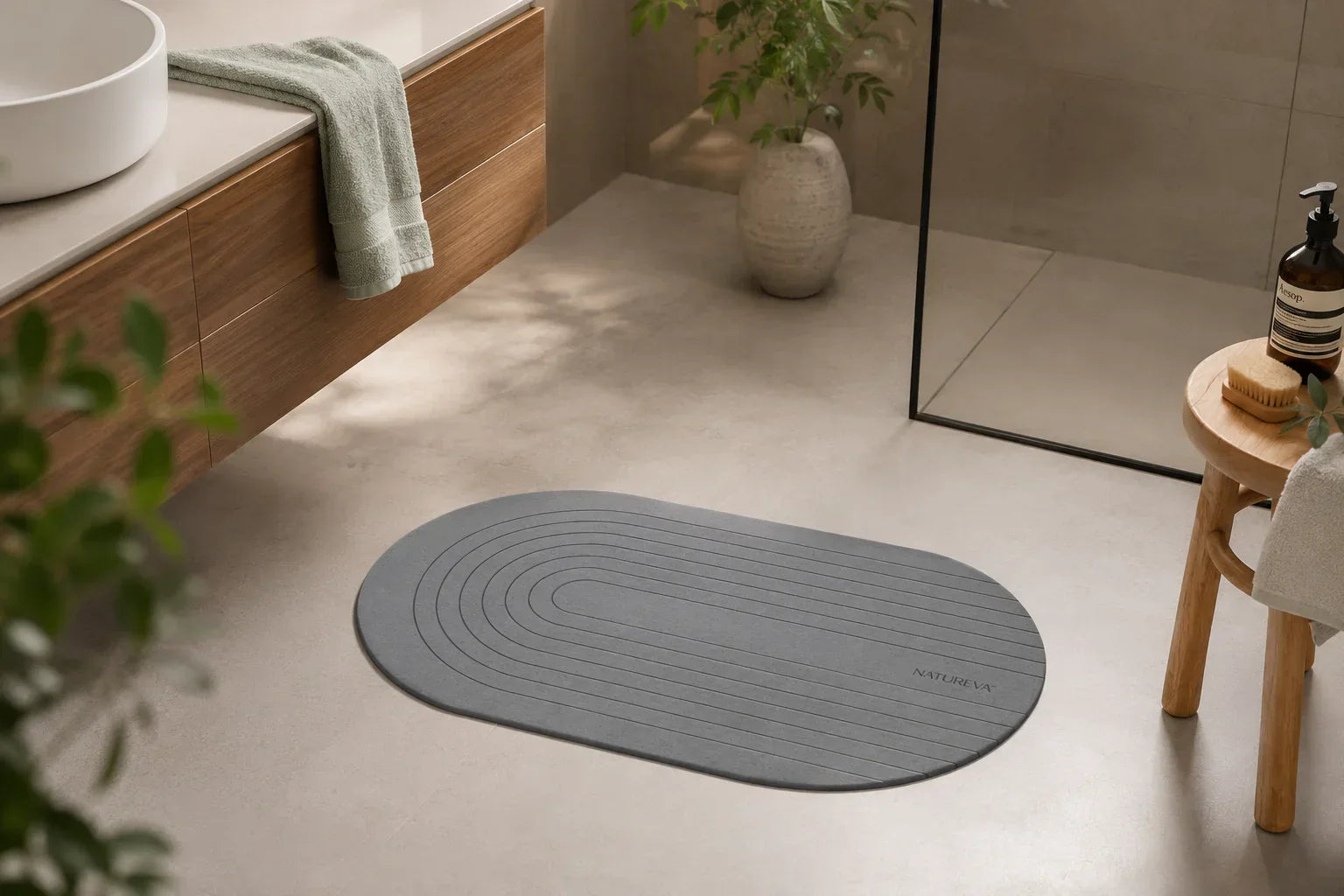
A stone diatomite bath mat addresses this differently. The porous mineral structure absorbs water almost immediately on contact, then releases it through natural evaporation, typically within minutes. There's no wet fabric sitting on your floor, which means less moisture in the air and a significantly reduced risk of mould forming underfoot.
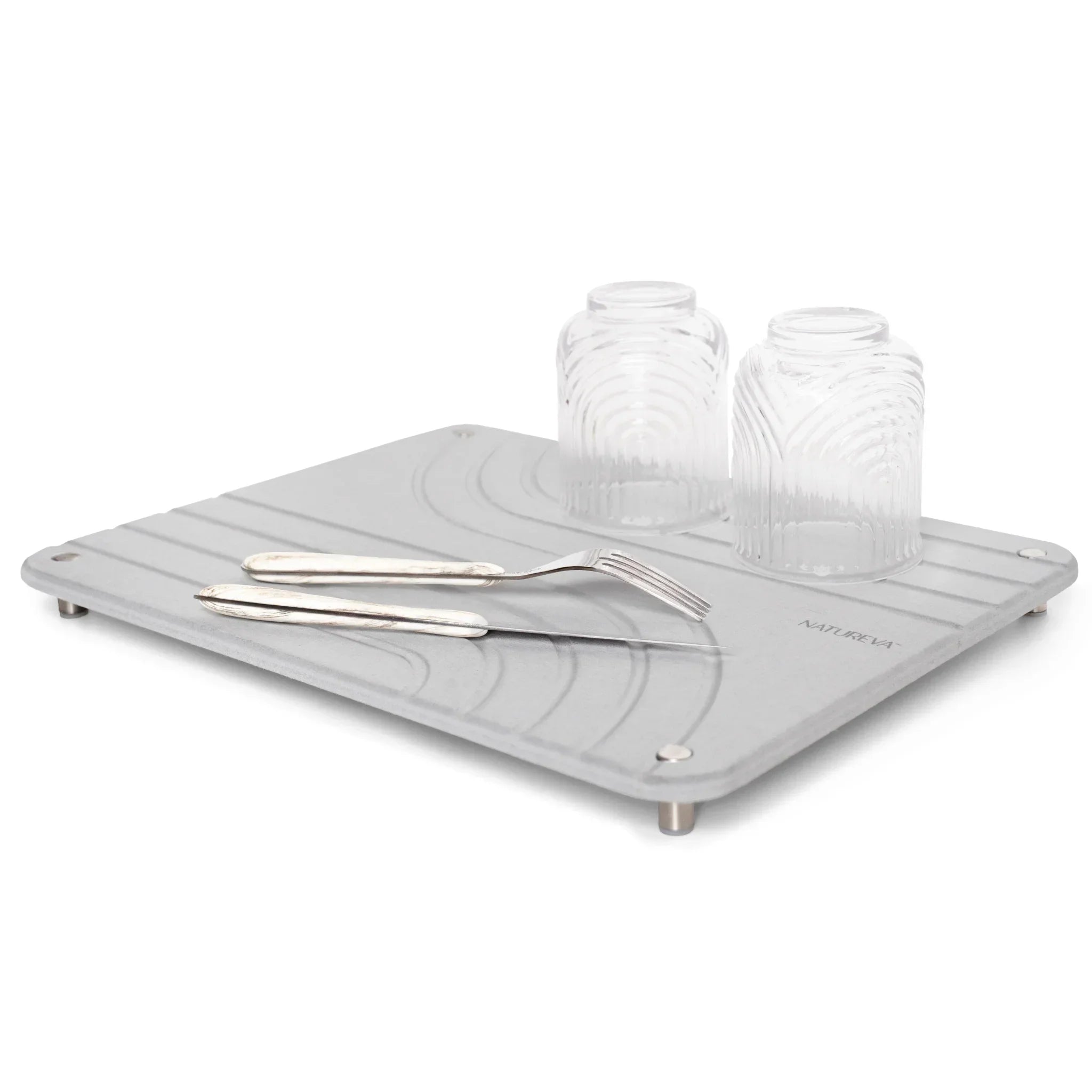
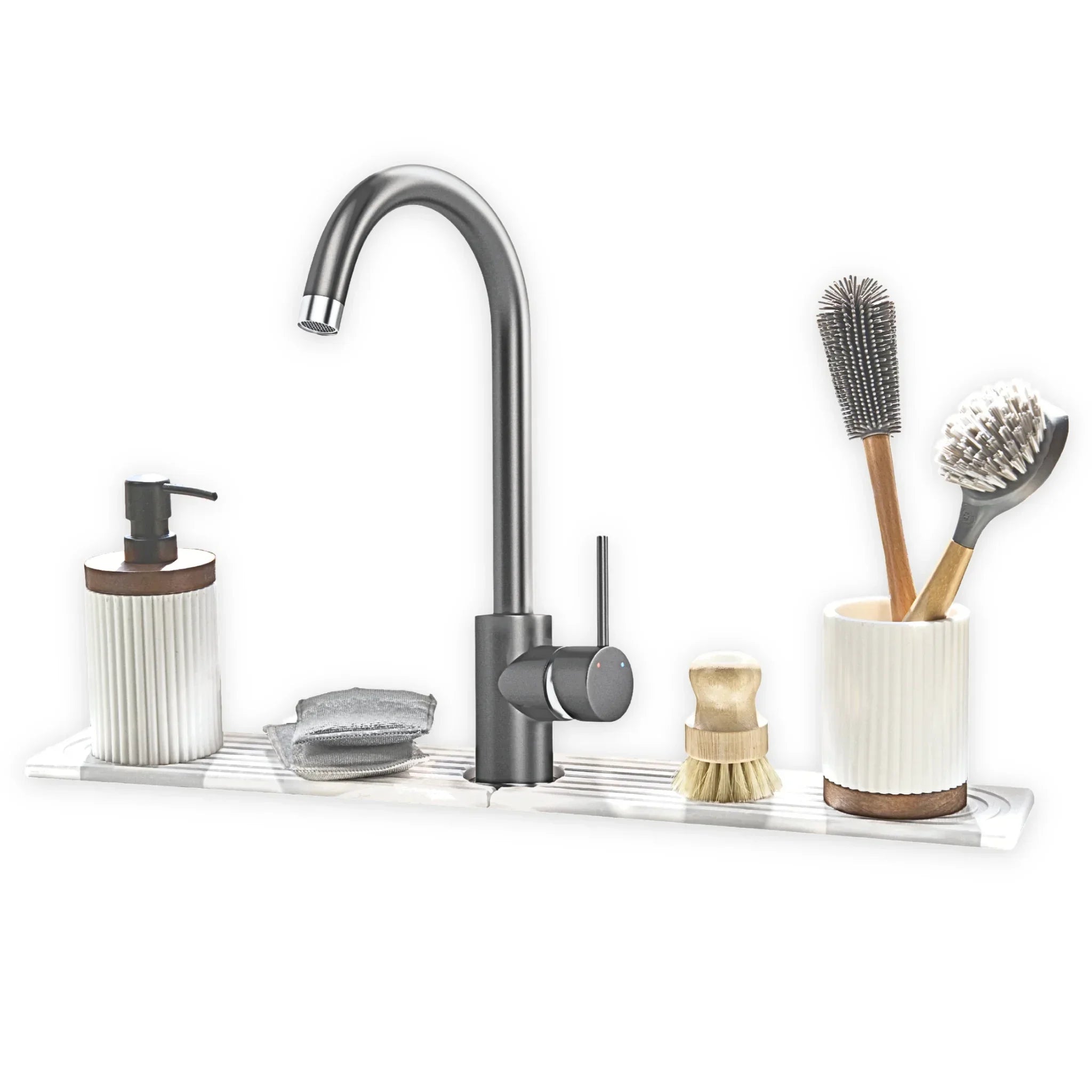
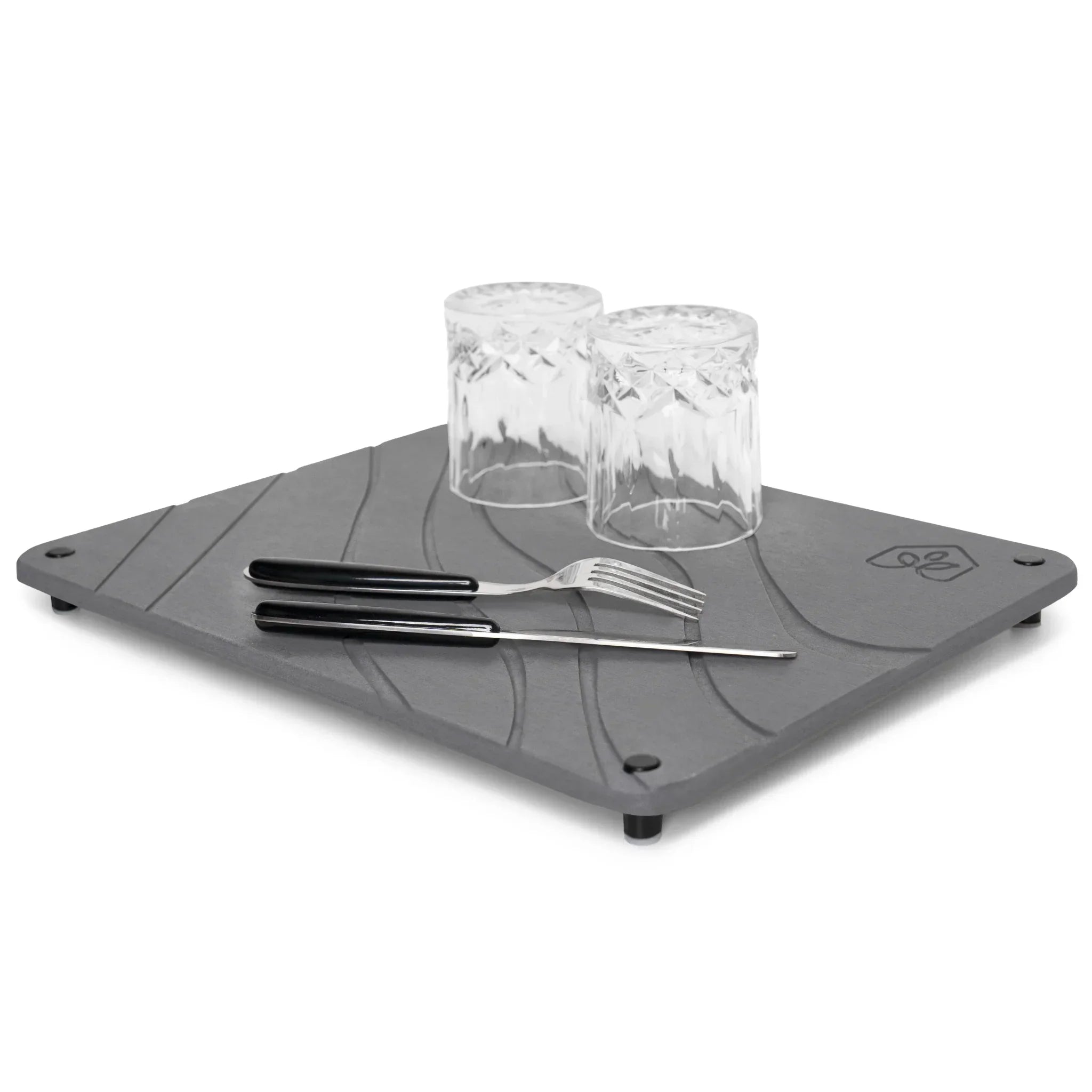
The same logic applies beyond the bathroom. A stone drying dish mat in the kitchen and a stone faucet mat for your kitchen sink reduce the moisture pooling that tends to go unnoticed and uncleaned around high-use water areas.
Common Mistakes That Make Condensation Worse
- Leaving wet towels on the floor or draped over the shower screen. They add moisture to the air and dry slowly
- Turning off the exhaust fan immediately after showering. Most of the humid air hasn't been removed yet
- Keeping the bathroom door closed all day, no airflow means damp air sits and surfaces stay wet for longer
- Using dense fabric bath mats. They hold water against the floor for hours and are a reliable source of musty odour
Signs Your Bathroom Has a Moisture Problem
- A persistent musty smell, even after cleaning
- Dark spots on grout, silicone seals, or ceiling corners
- Paint that is bubbling, peeling, or staining
- A bath mat that never fully dries between uses
- Condensation that is still visible on walls or mirrors hours after a shower
If you are seeing more than one of these, your current ventilation, drying routine, and bathroom accessories need adjustment.
Building a Drier Bathroom Routine
Getting on top of condensation doesn't require a renovation.
It requires consistency:
- During your shower: Run the exhaust fan and keep the door closed
- When you step out: Step onto a quick-dry bath mat that won't hold moisture
- After your shower: Squeegee tiles and glass, wipe the vanity, and leave the fan running for 30 minutes
- Daily: Open a window or door to allow fresh air circulation once humidity has dropped
- Weekly: Check grout and silicone for early mould signs, clean the floor under your mat
These habits take a few minutes and prevent hours of extra cleaning down the track.
Enjoy a Cleaner, More Hygienic Space
A bathroom that dries quickly after each use is a healthier, lower-maintenance space. The ventilation changes and surface-drying habits make the biggest difference, and the right accessories keep the floor from undoing all of that progress.
Now that you know how to reduce humidity in your bathroom, shop Natureva home products. Our range of fast-drying stone and bamboo accessories is designed to support a cleaner, drier bathroom every day.