Bath Mat vs Stone Bath Mat Which Dries Faster and Stays Cleaner
Stepping onto a cold, damp bath mat hours after someone else showered is one of those small household frustrations that happens every single day. Traditional fabric bath mats can stay wet for hours or even overnight, creating the perfect environment for mould, mildew, and that musty smell no amount of washing seems to fix. Stone bath mats like Natureva's diatomite designs solve this by drying in minutes instead of hours, completely changing how quickly your bathroom stays clean and dry.
How long does a stone bath mat take to dry compared to a fabric bath mat?
Stone bath mats dry in 1 to 3 minutes after use, while traditional fabric bath mats typically require 4 to 24 hours to fully dry depending on bathroom ventilation and humidity levels.
Do stone bath mats prevent bacteria and mold growth better than regular bath mats?
Stone bath mats prevent bacteria and mold growth more effectively than fabric mats because their rapid evaporation rate eliminates the prolonged moisture exposure that allows microorganisms to colonize and multiply. Fabric bath mats retain moisture for hours, creating an ideal breeding ground for mildew, bacteria, and fungal growth that can cause odors and hygiene concerns.
How often do you need to wash a stone bath mat?
Stone bath mats require only a quick rinse or wipe every 1 to 2 weeks, whereas fabric bath mats need machine washing every 3 to 7 days to maintain hygiene and prevent odor buildup.
Table of Contents
How Different Bath Mat Materials Handle Moisture
Most people don't think twice about how their bath mat actually handles water until they step on a cold, damp surface days after their last shower. The truth is, different materials work in completely opposite ways when it comes to managing moisture. Some materials trap water inside their fibres and hold onto it for hours or even days, while others let water evaporate almost immediately. Understanding these differences explains why some bath mats stay fresh and clean while others start smelling musty within weeks.
Fabric Mats Absorption Without Release
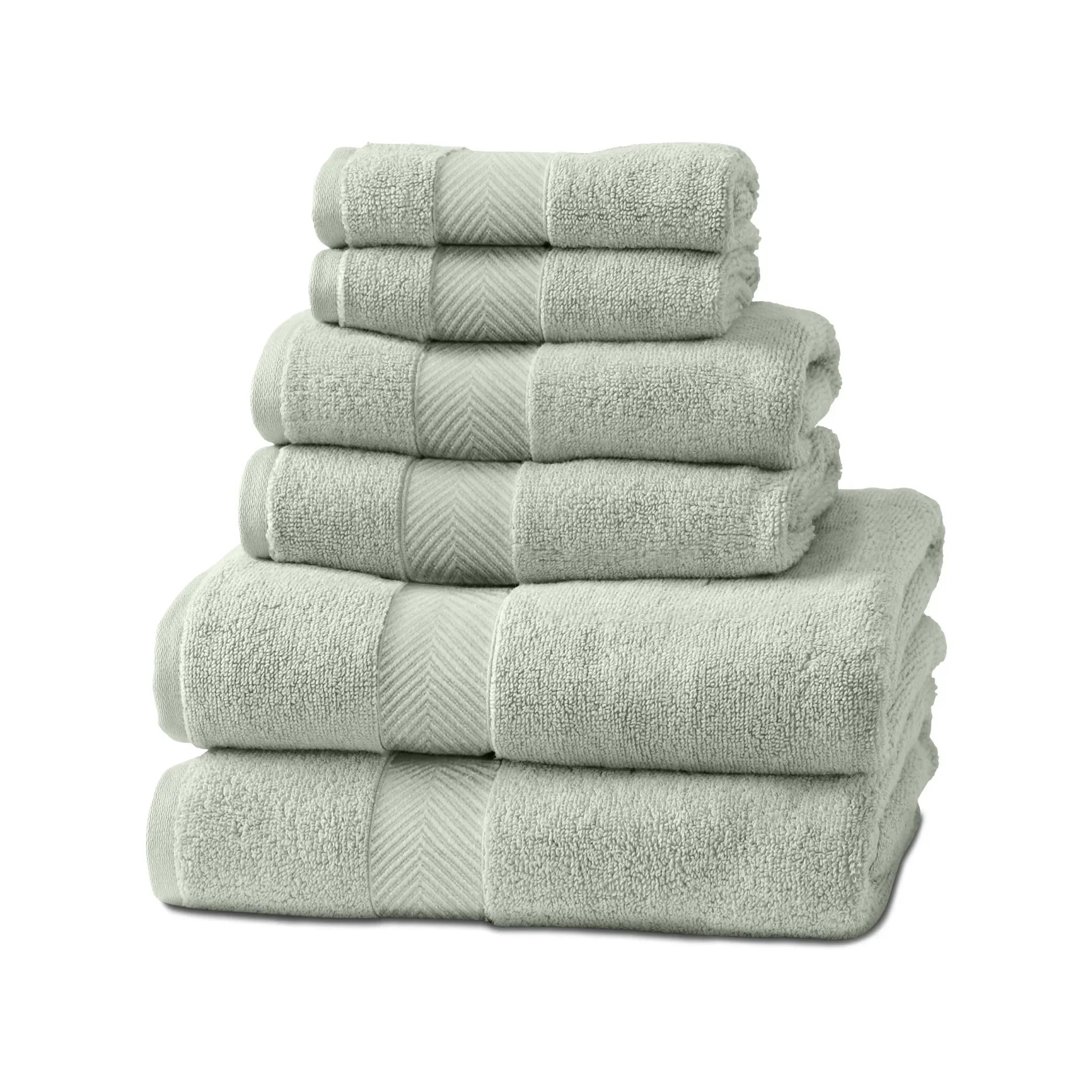
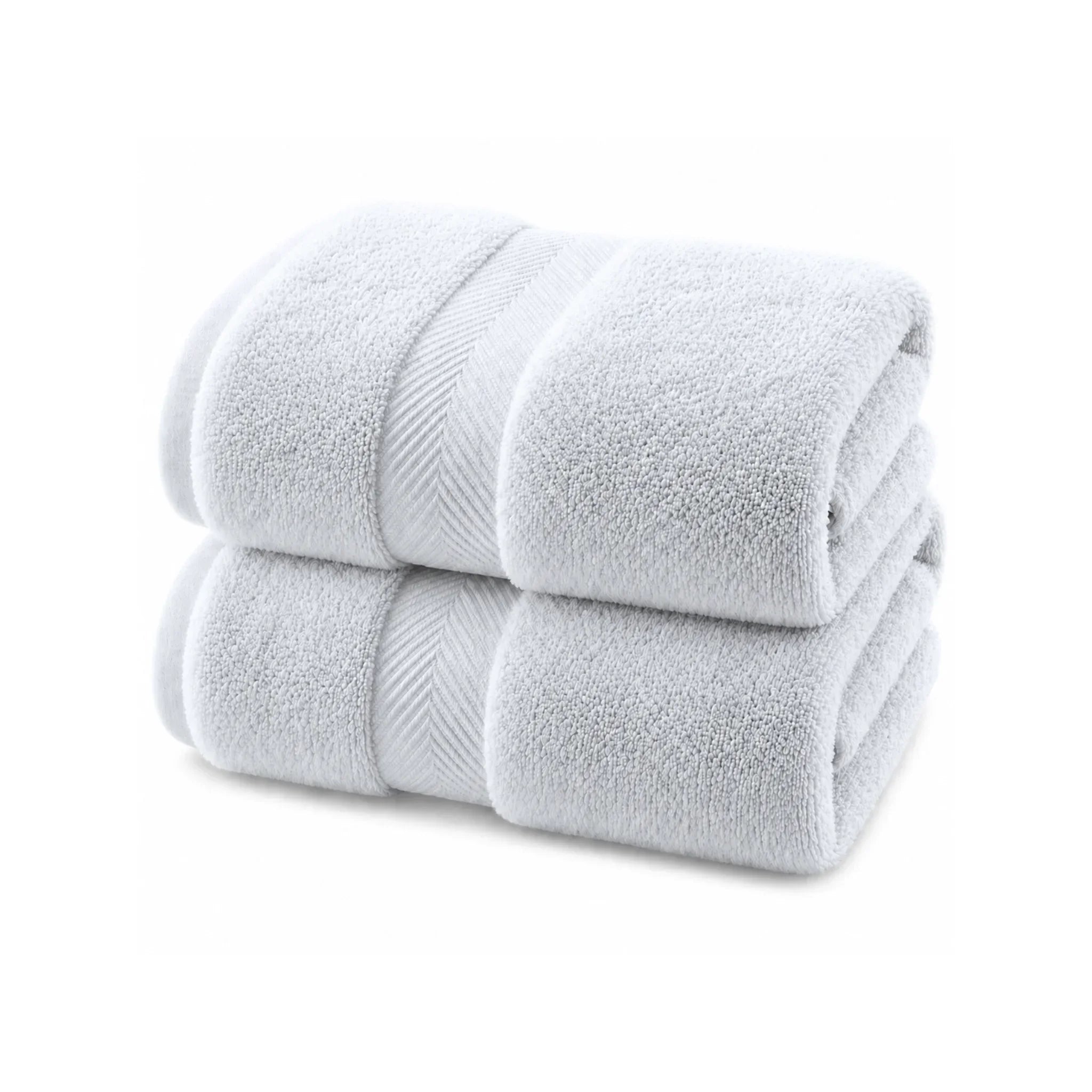
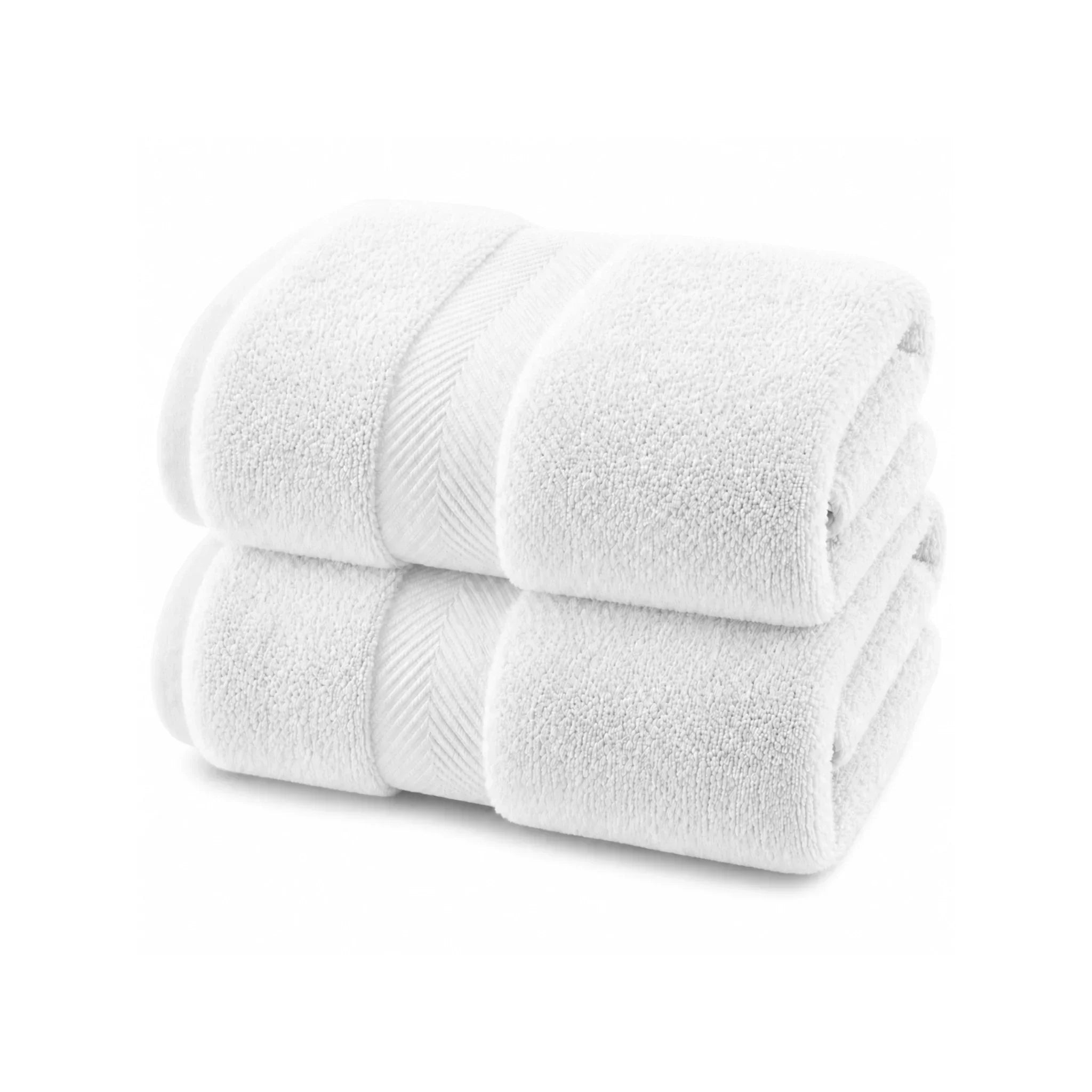
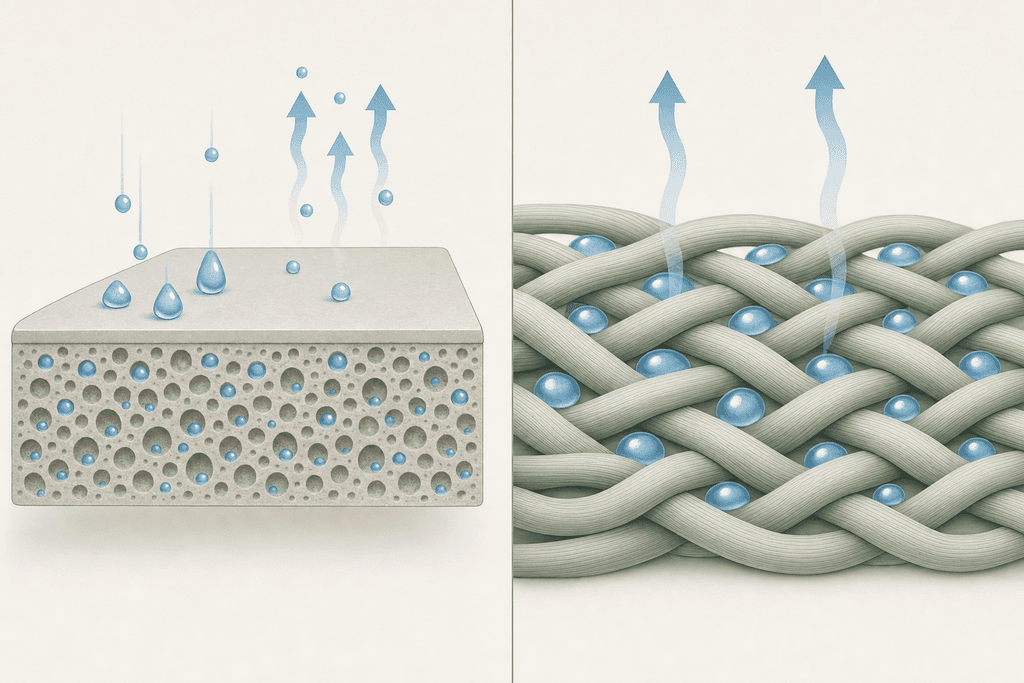
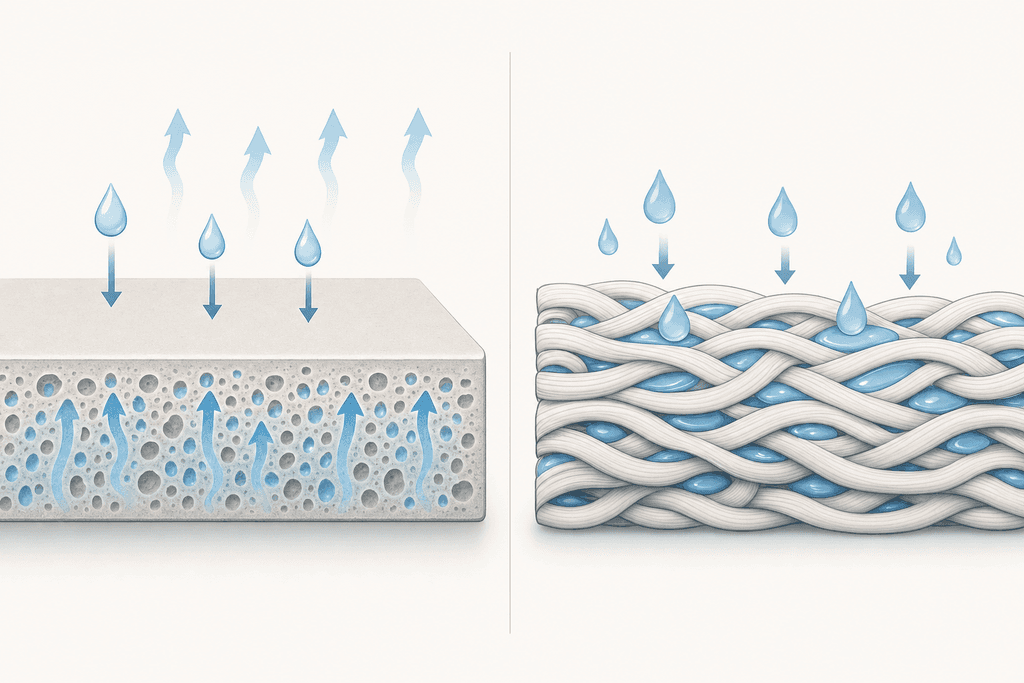
Traditional fabric bath mats work through absorption, which sounds good until you realize what that actually means. Cotton, microfibre, and chenille materials pull water into their fibres and trap it there. The water sits inside the mat, slowly releasing back into the air over several hours. In humid bathrooms or during winter when air circulation drops, that drying time stretches even longer.
Here's what happens with fabric absorption:
- Water gets pulled deep into twisted fibres and yarn loops
- The mat stays damp to the touch for 4 to 12 hours depending on thickness
- Moisture creates the perfect environment for mould spores to settle and grow
- Bacteria multiply in the warm, wet conditions trapped inside the material
- Regular washing becomes necessary just to keep the mat from developing odours
Rubber and Silicone Mats Surface Pooling
Rubber and silicone mats take a different approach. They don't absorb water at all. Instead, water just sits on top of the surface in puddles until it eventually evaporates or gets wiped away. This means your feet are standing in pooled water every time you step out of the shower, which defeats the entire purpose of having a mat in the first place.
The problems with non-absorbent surfaces include:
- Water pools in textured grooves and raised patterns
- Feet stay wet longer because there's nowhere for moisture to go
- Puddles need manual wiping or they'll stay there for hours
- Soap residue mixes with standing water and creates slippery film
Stone Mats Instant Absorption and Rapid Evaporation
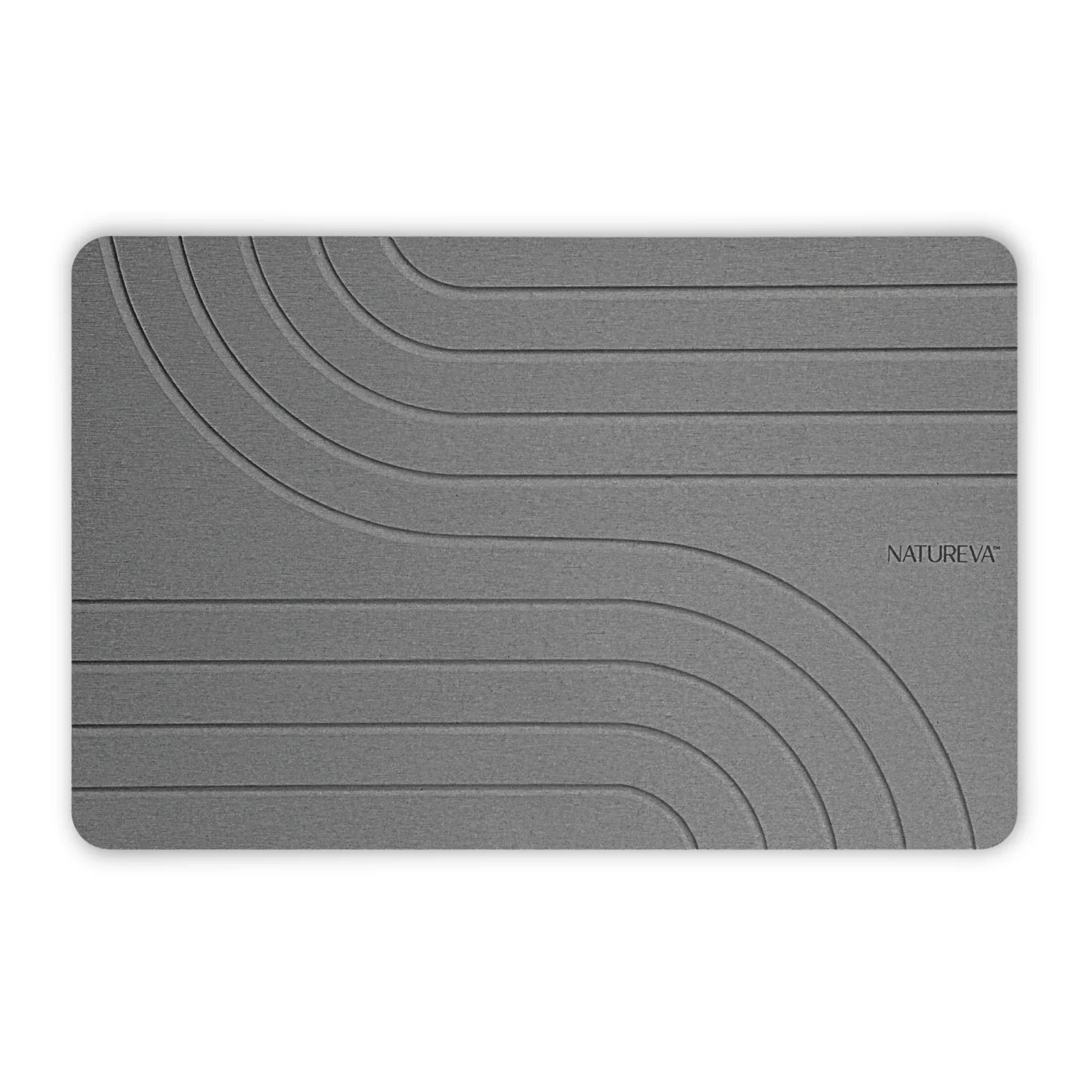
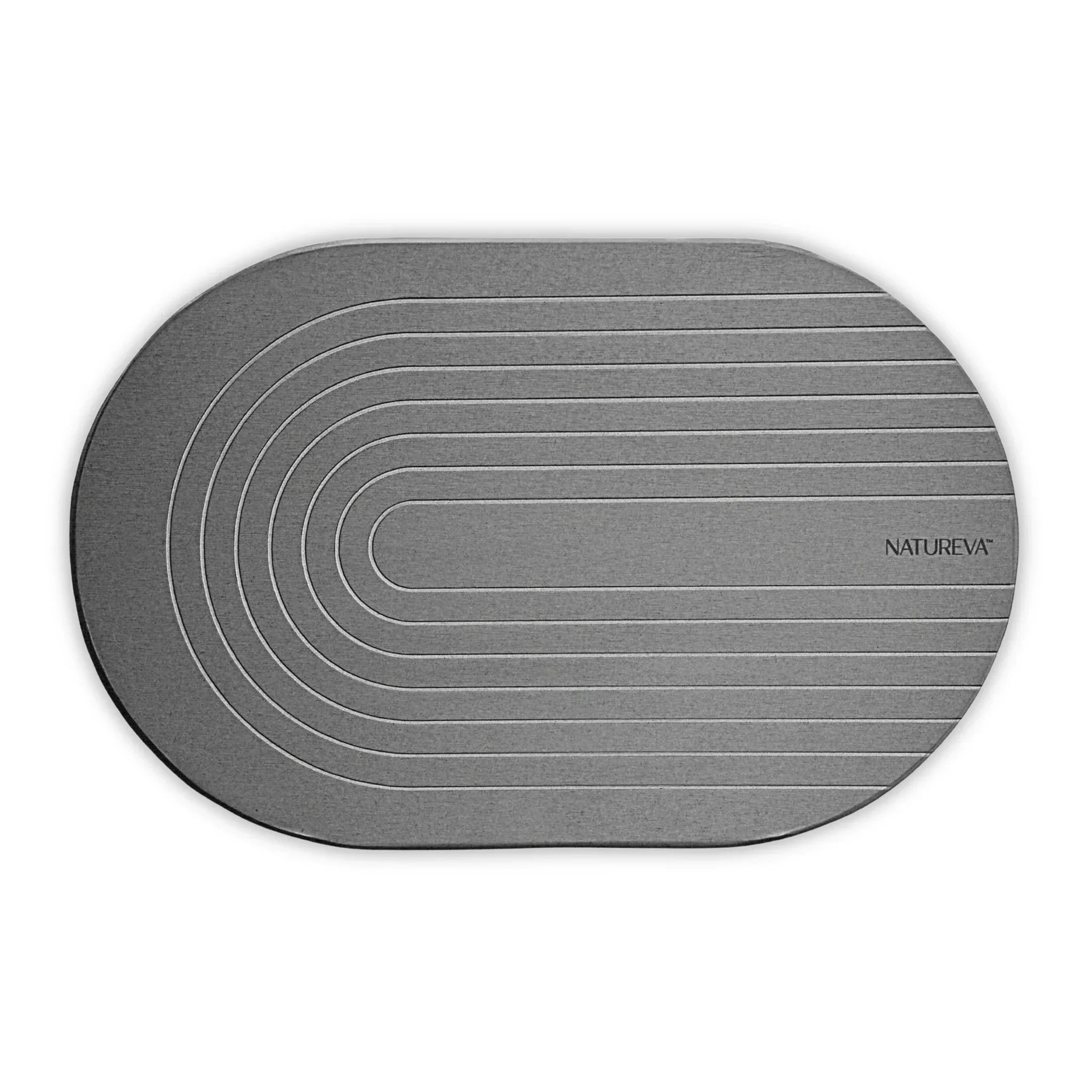
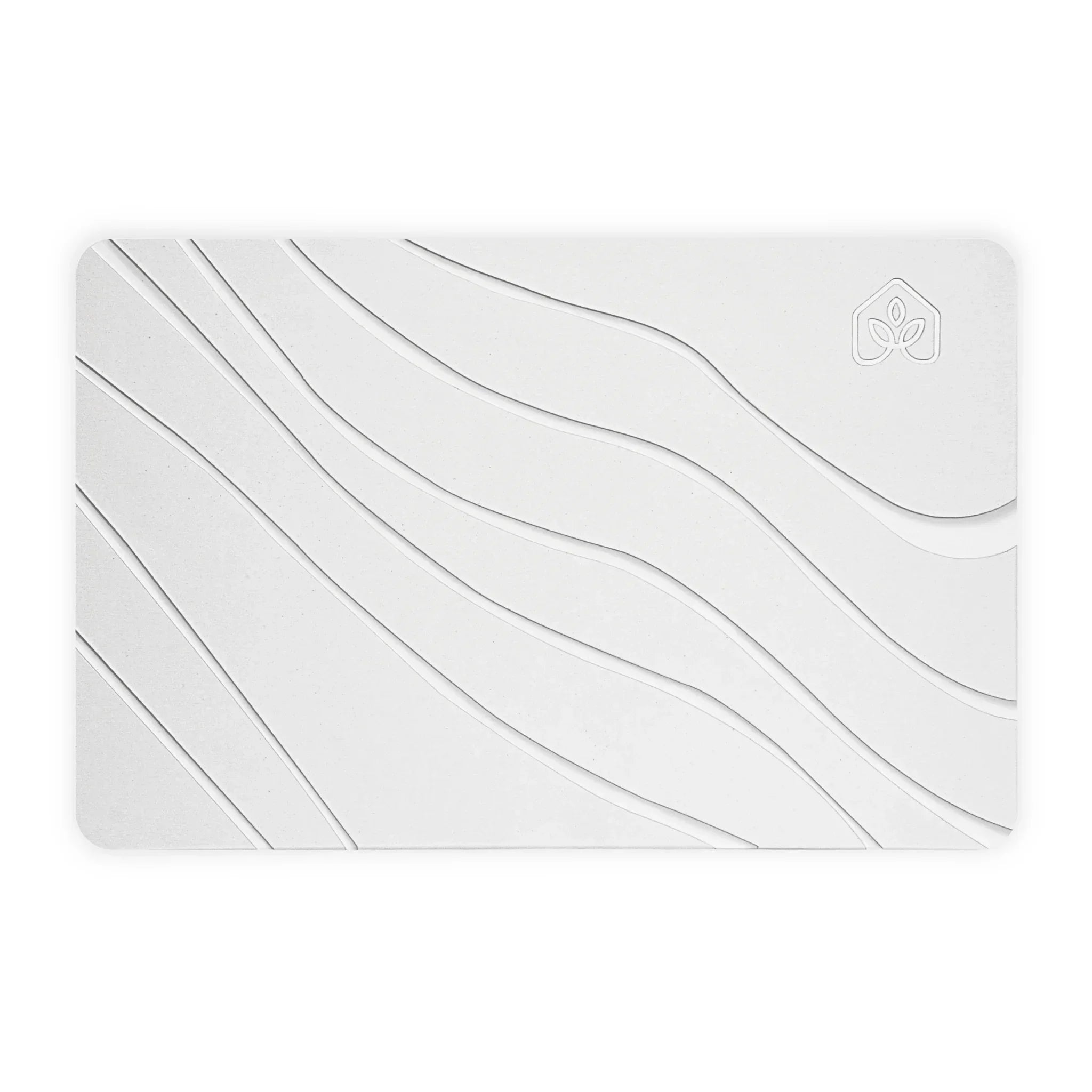
Stone bath mats made from diatomite work through a completely different mechanism that combines the best parts of both worlds. Diatomite is a naturally occurring material formed from fossilised microscopic algae called diatoms. When you look at diatomite under a microscope, you see millions of tiny pores throughout the entire structure. These pores pull water in on contact, just like fabric does, but then something different happens.
Instead of trapping moisture inside, the porous structure allows air to flow through the material constantly. Water gets absorbed into the surface layer, spreads across those millions of microscopic channels, and evaporates back into the air within minutes. Our Natureva stone bath mats dry completely in under 10 minutes, which was independently confirmed when Homes To Love Australia tested the mat and gave it a 9 out of 10 rating.
The science behind diatomite drying speed:
- Millions of microscopic pores create massive surface area for water contact
- Capillary action pulls moisture into the stone instantly on contact
- Open pore structure allows continuous airflow through the material
- Water evaporates rapidly because it's spread thin across internal channels
- Surface returns to completely dry state within 8 to 10 minutes
This rapid drying process is why stone mats stay hygienic by design. Mould and mildew need sustained moisture to develop and spread. When a surface dries within minutes, there's simply no time for those conditions to form. You can read more about how this compares to other natural materials in our detailed comparison of stone versus bamboo bath mats.
How Each Material Handles Water
| Material Type | Water Handling Method | Drying Time | Moisture Retention |
|---|---|---|---|
| Cotton/Fabric | Absorbs and traps | 4-12 hours | High |
| Microfibre | Absorbs and traps | 2-6 hours | Medium-High |
| Rubber/Silicone | Surface pooling | 1-3 hours | None (pools instead) |
| Diatomite Stone | Absorbs and evaporates | 8-10 minutes | Minimal |
The difference in drying time isn't just about convenience. It's about creating an environment where bacteria, mould, and mildew simply can't establish themselves. When comparing a bath mat versus a stone bath mat, the material science tells you everything you need to know about which one will stay cleaner with less effort.
Drying Speed: Minutes vs Hours
A typical fabric bath mat stays damp for anywhere between 4 to 8 hours after you step out of the shower. That's half a workday where your bathroom floor accessory is sitting there wet, creating the exact conditions where mould and mildew love to grow. Stone bath mats made from diatomite work completely differently because of their internal structure.
Diatomite is a naturally porous material formed from fossilised microscopic algae. Those millions of tiny pores pull moisture from your feet the moment you step on the surface, then release it back into the air through rapid evaporation. The result is a mat that dries in under 8 minutes, which was independently confirmed when Homes To Love Australia tested a Natureva Stone Bath Mat and gave it a 9 out of 10 rating.
The difference becomes even more obvious when you use your bath mat multiple times a day. A fabric mat never really gets the chance to dry fully between morning showers, evening baths, and kids running in and out. It just stays perpetually damp, which is why it starts to smell even when you wash it regularly.
How Humidity Affects Performance:- Fabric mats in humid bathrooms can take up to 8 hours to dry completely
- Stone mats maintain their drying speed even in high-humidity environments
- Multiple daily uses don't slow down stone mat evaporation
- Fabric mats become saturated and lose absorbency after repeated use without drying time
The science behind this isn't complicated. Fabric traps water between its fibres and holds onto it, while diatomite's porous structure actively releases moisture into the air. That's why our stone bath mat collection stays dry to the touch within minutes, not hours.
Hygiene and Cleanliness Over Time
Mould and mildew need three things to grow: moisture, warmth, and time. Your bathroom already provides two of those conditions naturally. The only variable you can control is how long surfaces stay wet, and that's where the difference between fabric and stone becomes a hygiene issue, not just a convenience one.
When a fabric mat stays damp for hours after each use, it creates an environment where mould spores can settle and multiply. Even if you can't see visible mould growth, that musty smell is a clear sign that microbial activity is happening in the fibres. Washing the mat removes surface dirt but doesn't change the fundamental problem that it stays wet too long between uses.
Stone mats stay hygienic through rapid moisture evaporation. Because the surface dries within minutes, there's no damp environment left for odour or mould to develop. The material itself doesn't kill bacteria or mould, but it removes the wet conditions they need to thrive.
| Factor | Fabric Mat | Stone Mat |
|---|---|---|
| Drying Time | 4-8 hours | Under 8 minutes |
| Washing Frequency | Weekly minimum | Wipe monthly |
| Odour Development | Common after 1-2 weeks | Rare with proper care |
| Mould Risk | High in humid bathrooms | Low due to fast drying |
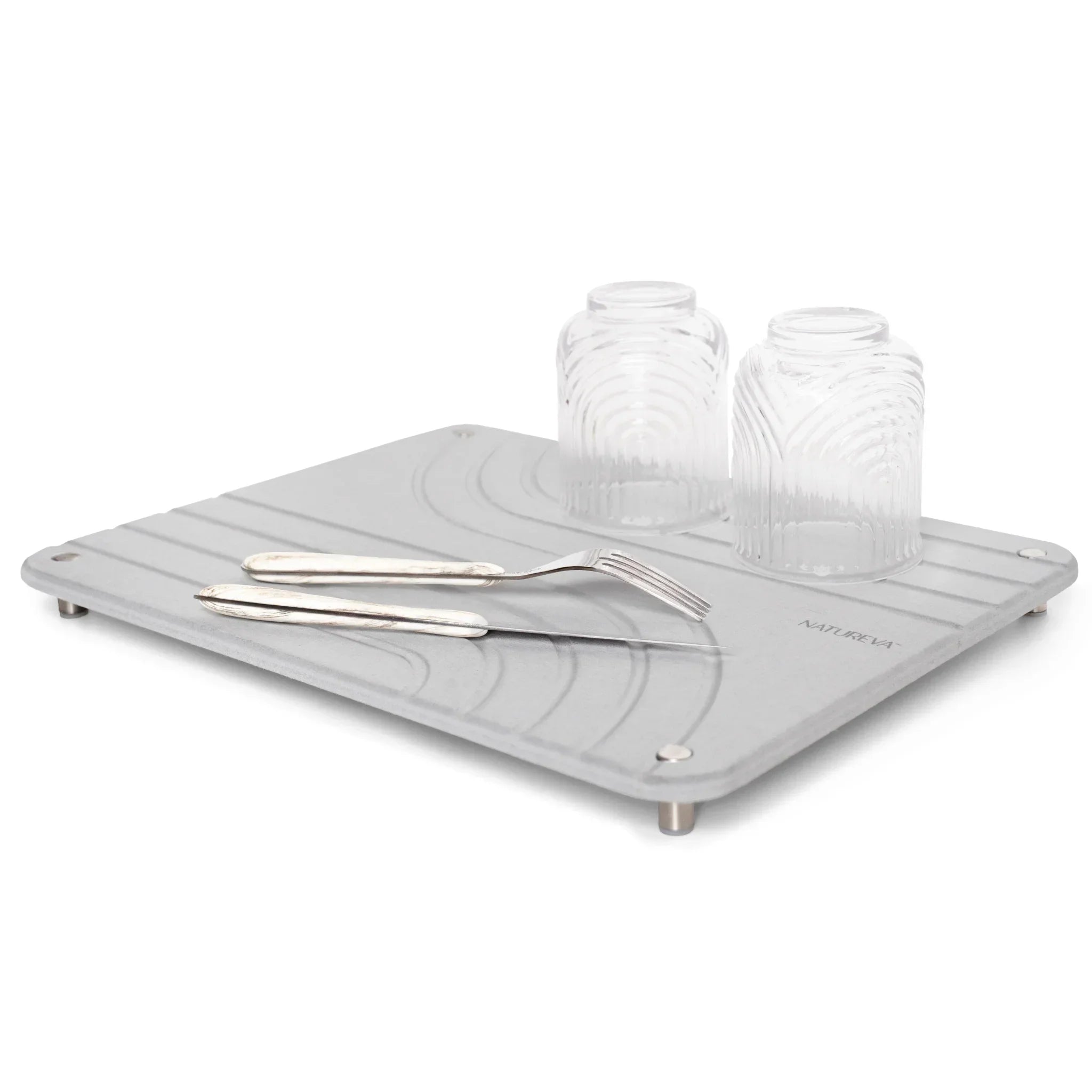
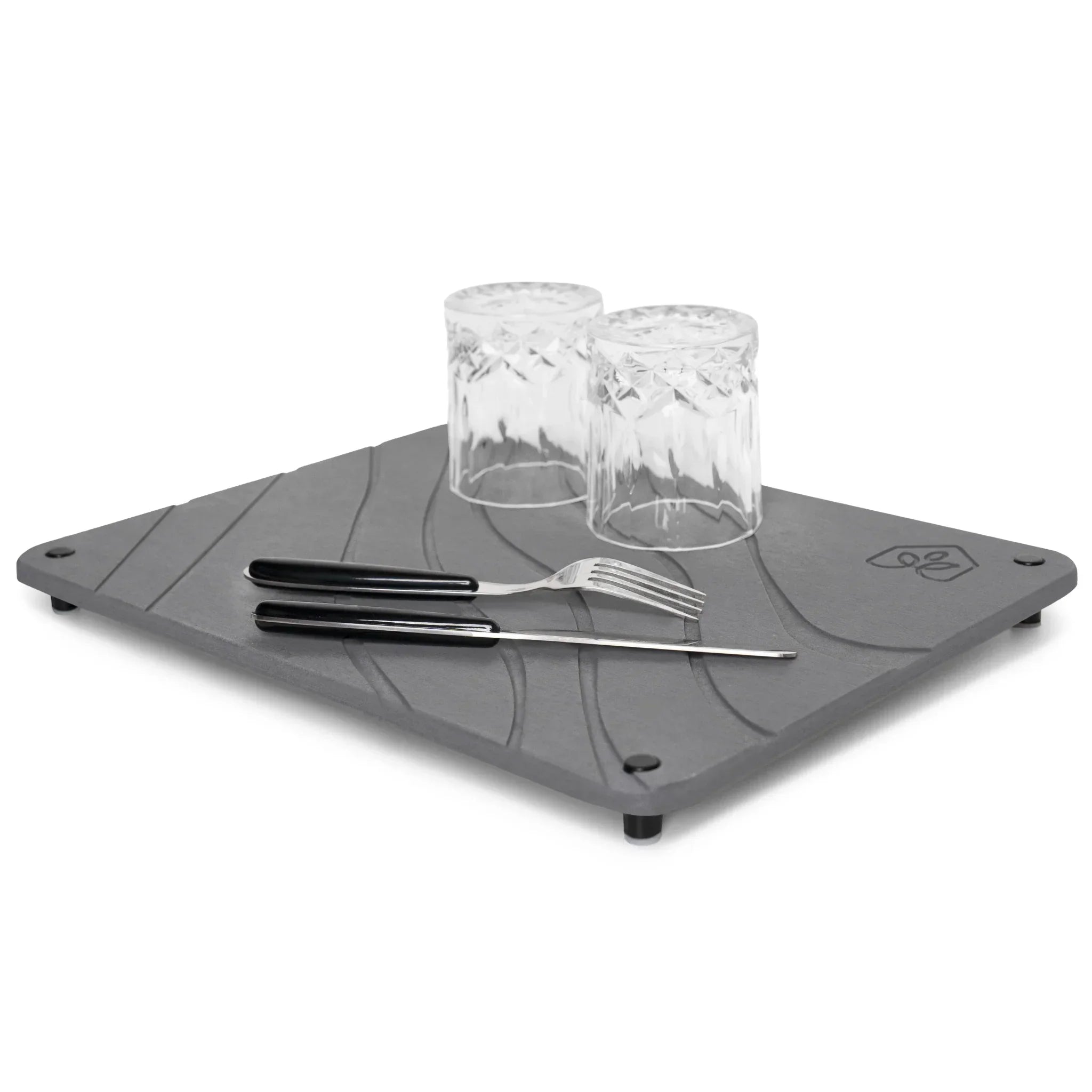
Airflow plays a bigger role than most people realize. Fabric mats sit flat against the floor, trapping moisture underneath. Our stone mats include a full non-slip base pad that creates slight elevation, allowing air to circulate underneath and speed up the evaporation process even more.
The Baptist Health system published guidance noting that stone bath mats reduce moisture buildup compared to traditional options, which matters for anyone concerned about bathroom hygiene. The faster a surface dries, the less opportunity there is for unwanted growth.
Maintenance and Long Term Performance
Fabric bath mats need to go through the washing machine at least once a week to stay reasonably clean and odour-free. That's 52 wash cycles per year, which adds up in water usage, detergent cost, and energy consumption. More importantly, all that washing breaks down the fibres over time, causing the mat to thin out, lose absorbency, and eventually need replacement within 12 to 18 months.
The next generation of home essentials: naturally made, cleaner by design, sustainable by nature.
SHOP ALLStone mats require a simple wipe-down with a warm damp cloth and cleaning vinegar once a week. No machine washing, no drying time, no fabric softener or special detergents. The material doesn't degrade from cleaning because you're just wiping the surface, not subjecting it to mechanical agitation and heat cycles.
Maintenance Comparison:- Fabric mats: Weekly machine washing, monthly deep cleaning, replacement every 12-18 months
- Stone mats: Weekly wipe-down, occasional sanding for restoration, multi-year lifespan
When a stone mat's surface does start to lose absorbency after months of use, you don't need to replace it. Every Natureva stone product includes a P320 grit sanding disc that reopens the surface pores and restores full absorption. It takes about two minutes and brings the mat back to like-new performance.
The cost difference becomes clear when you calculate ownership over two to three years. A quality fabric mat costs around $30 to $50 and needs replacement twice in that period. Add in the cost of weekly washing (water, electricity, detergent), and you're looking at a higher total cost than a single stone mat purchase at $59 that lasts significantly longer with minimal maintenance.
Consumer Reports tested multiple stone bath mats and found that properly maintained diatomite mats maintain their absorption over extended use. The key is that simple weekly wipe-down and occasional sanding when needed, which takes far less effort than hauling a soggy fabric mat to the laundry room every week.
Our Tide, Flow, Rain, and Arch stone bath mats are all NATA-accredited asbestos-free certified and designed to last years with basic care. The same diatomite technology extends across our dish mat collection and pet mat, creating a complete moisture-managing system for your home.
Why Stone Wins for Modern Bathrooms
Stone bath mats solve the core problem that fabric mats create: they stay dry between uses. When you step out of the shower onto a diatomite surface, the water absorbs instantly and evaporates within minutes, leaving nothing behind for mould or mildew to grow on. Fabric mats, even microfibre ones, hold moisture for hours and sometimes never fully dry before the next person uses them. This difference matters most in shared bathrooms where multiple people shower throughout the day, and in humid climates where air circulation alone can't keep fabric dry.
The safety factor is often overlooked until someone slips. Fabric mats bunch, slide, and curl at the edges when wet, creating trip hazards on tile floors. Stone mats like the Natureva Tide, Flow, Arch, and Rain designs stay flat and stable with non-slip base pads that grip the floor without moving. For households with older adults or young children, this stability reduces fall risk significantly compared to fabric alternatives that shift underfoot.
Best Bathroom Scenarios for Stone
- Shared bathrooms with 3+ daily showers where fabric never dries between uses
- Humid coastal or tropical climates where mould grows quickly on damp surfaces
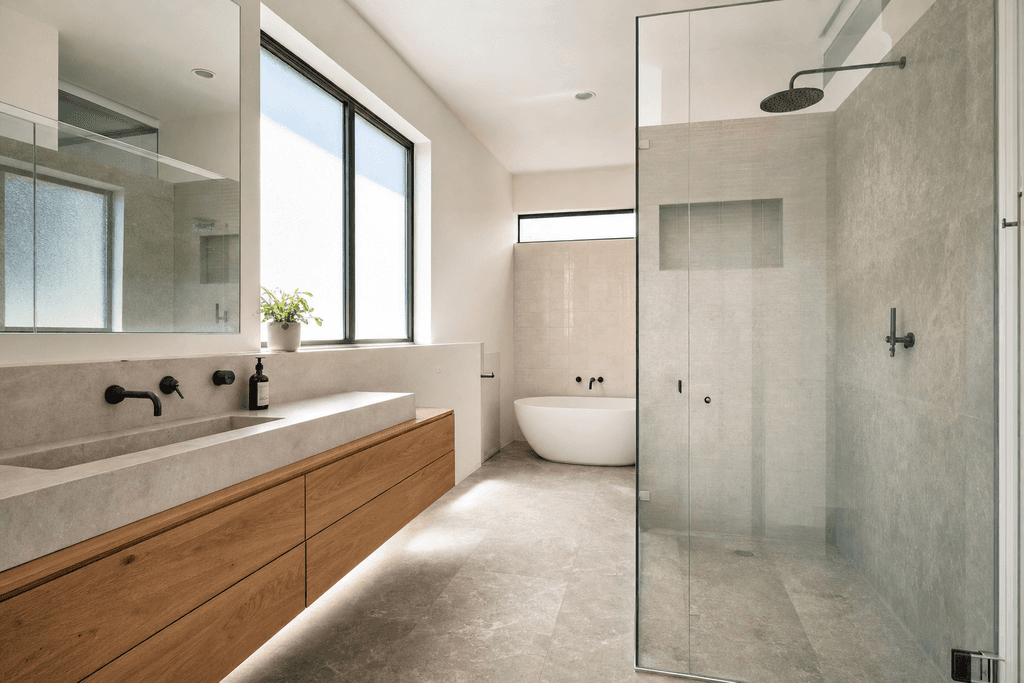
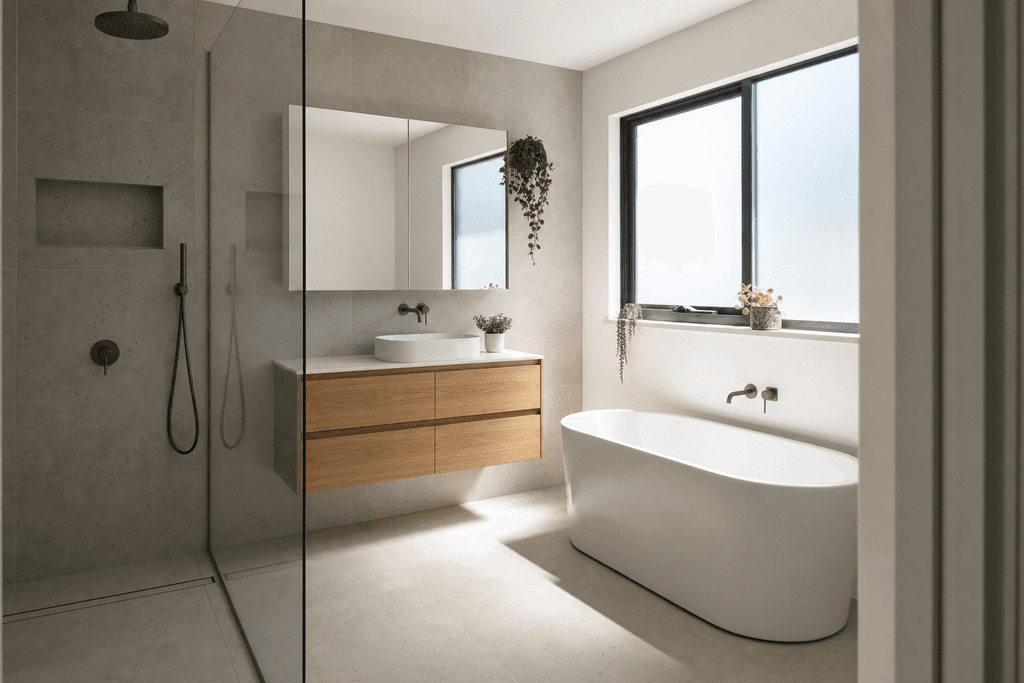
- Minimalist or modern bathroom designs where a stone slab fits the aesthetic better than fabric
- Households prioritizing low-maintenance cleaning routines without weekly mat washing
- Bathrooms with limited ventilation where air circulation can't dry fabric effectively
Design-conscious homeowners choose stone because it looks intentional, not accidental. A carved diatomite mat in Graphite or Slate reads as a design element, not just a functional afterthought. It coordinates with modern fixtures, natural materials, and the clean lines of contemporary bathroom renovations. Fabric mats, even high-quality ones, still look like laundry waiting to happen.
Fabric vs Stone Final Comparison
| Factor | Fabric Bath Mat | Stone Bath Mat |
|---|---|---|
| Drying Time | 2-8 hours | Under 10 minutes |
| Maintenance | Weekly washing required | Weekly wipe down |
| Mould Risk | High in humid conditions | Low due to rapid drying |
| Slip Safety | Bunches and slides when wet | Stable with non-slip base |
| Lifespan | 1-2 years before replacement | 3-5+ years with care |
| Design Integration | Looks like laundry | Architectural element |
Stone mats work best when the household values time saved over initial cost. The upfront price is higher, but the reduction in washing, drying, and replacing fabric mats adds up over time. For modern Australian homes dealing with humidity, shared bathrooms, or design-focused renovations, stone bath mats deliver measurable performance advantages that fabric simply can't match. Natureva's Tide, Flow, Arch, and Rain designs bring that performance into a coordinated system that works across the entire bathroom, not just the shower exit.
Making the Switch to Faster Drying
Stone wins on both drying speed and hygiene maintenance. A stone bath mat dries in under 10 minutes while fabric mats stay damp for hours, creating the exact conditions where mould and mildew thrive. The difference isn't small, it's the gap between a surface that stays clean through rapid evaporation and one that needs constant washing just to stay fresh. For most households, the choice is pretty straightforward once you understand how the materials actually work.
Fabric mats still make sense in a few specific situations. If you're renting short-term and can't justify the upfront cost, or if you need something machine-washable for a household with very young children who might have accidents, fabric gives you flexibility. But those scenarios are rare, and even then, you're trading convenience for constant maintenance.
Switching from fabric to stone takes about 30 seconds. You remove the old mat, place the stone mat on the floor, and you're done. No special setup, no installation, no learning curve. The Tide, Flow, Rain, and Arch designs from our range come with a non-slip base pad already attached, so they stay put even on wet tile.
The real question isn't whether stone performs better, it's whether you're ready to stop washing bath mats every week. If you want to know what else to check before buying any stone mat, we cover the five features that actually matter in another guide.
Common Questions About Stone Bath Mats
Switching from fabric to stone feels like a big change, and most people have the same questions before making the move. The good news is that stone bath mats work differently than what you're used to, which means most of the problems you deal with now just disappear. Here's what people actually want to know when they're comparing bath mat vs stone options.
How long does a stone bath mat actually take to dry?
A stone bath mat dries in minutes, not hours. The diatomite material absorbs water instantly when you step on it, then releases that moisture back into the air through rapid evaporation. Most mats feel completely dry within 5 to 10 minutes after use. Australia's Homes To Love publication tested the Natureva Stone Bath Mat and confirmed it dried fully in under 8 minutes, which is about as long as it takes to get dressed after a shower.
Do stone bath mats get mouldy like fabric mats?
Stone bath mats stay clean through rapid moisture evaporation, which means they don't create the damp environment where mould and mildew develop. Fabric mats trap water in their fibres and stay wet for hours, giving mould plenty of time to grow. Stone dries so fast that moisture never sits long enough for those problems to start. You're not dealing with a surface that kills mould, you're just removing the conditions it needs to exist in the first place.
Are stone bath mats safe and non-slip?
Stone bath mats include a full non-slip base pad that keeps them stable on wet floors. The solid, flat surface won't bunch, curl, or slide around like fabric mats do, which actually makes them safer for households with older adults or anyone concerned about bathroom falls. The stone itself has a slightly textured surface that provides grip without feeling rough underfoot.
How do you clean a stone bath mat?
Wipe it down weekly with a warm damp cloth and cleaning vinegar. That's it. No washing machine, no hanging it up to dry, no dealing with wet fabric smell. For deeper marks or stains, rinse under water or use the included sanding tool to reopen the surface pores and restore full absorbency. The whole process takes less time than throwing a fabric mat in the wash.
Can stone bath mats handle daily use in a family bathroom?
Stone bath mats are built for high-traffic bathrooms. The material doesn't wear out or lose absorbency the way fabric does after repeated washing. Multiple people can use the same mat throughout the day because it dries between each use instead of staying damp and gross. Families with kids or shared bathrooms actually see the biggest difference because the mat never feels wet or cold when the next person steps on it.
What happens if a stone bath mat gets saturated?
If the mat gets fully saturated from extended use or a particularly wet day, just stand it upright against a wall to air dry. The increased airflow helps it release moisture faster. Once it's dry, it's back to full absorbency. This rarely happens with normal use, but it's an easy fix when it does.
The next generation of home essentials: naturally made, cleaner by design, sustainable by nature.
SHOP ALL