
Stone Bath Mat vs Regular Mats Which Dries Faster
Most fabric bath mats stay damp for up to eight hours after a single shower, creating a breeding ground for bacteria and mildew that you're stepping on every day. The difference between stone bath mat vs regular options comes down to one critical factor: how fast moisture disappears from the surface. While traditional mats trap water in their fibers, stone alternatives like Natureva's diatomite bath mats use millions of microscopic pores to absorb and evaporate moisture in minutes, keeping your bathroom floor genuinely dry between uses.
Table of Contents
How Different Bath Mat Materials Handle Moisture
Most people don't think twice about their bath mat until they step onto a cold, damp surface hours after someone else showered. The reason some mats stay wet while others dry quickly comes down to how different materials interact with water at a microscopic level. Traditional bath mats work by trapping moisture inside their structure, while newer materials like diatomite actually release water back into the air. Understanding these differences helps explain why some bathrooms always smell musty and others stay fresh.
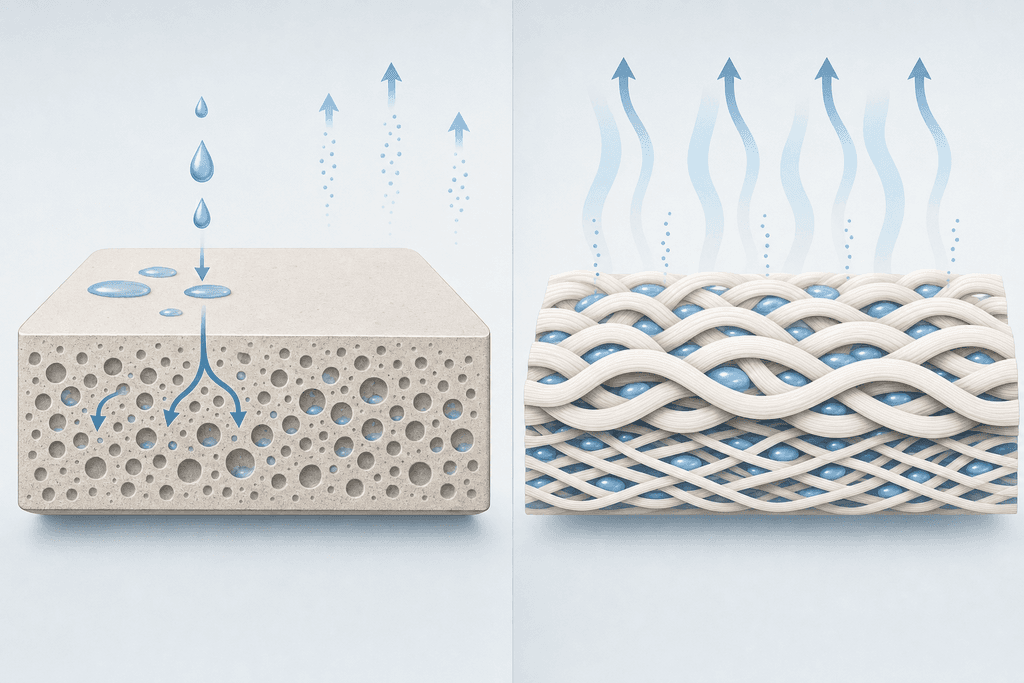
How Fabric Mats Hold Onto Water
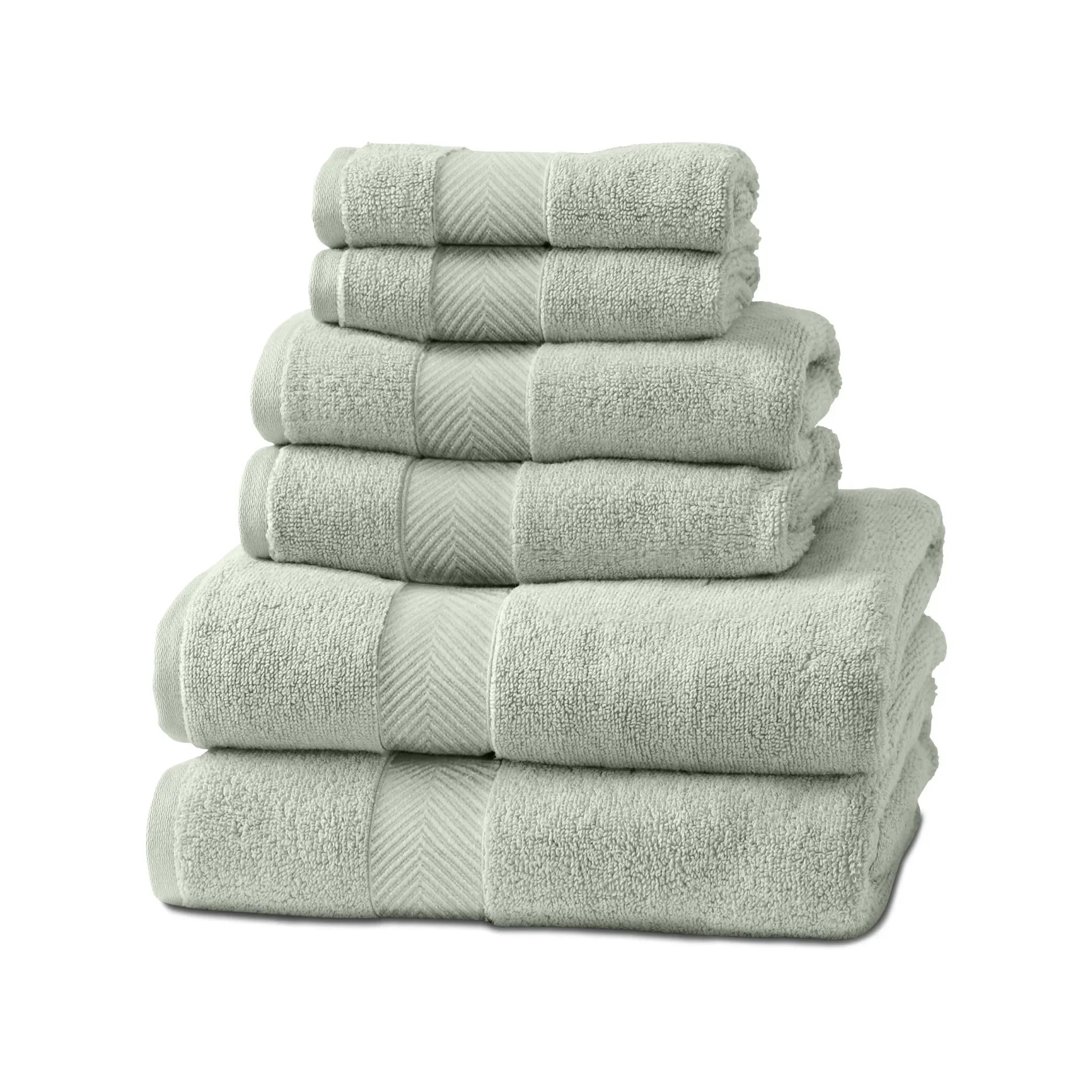
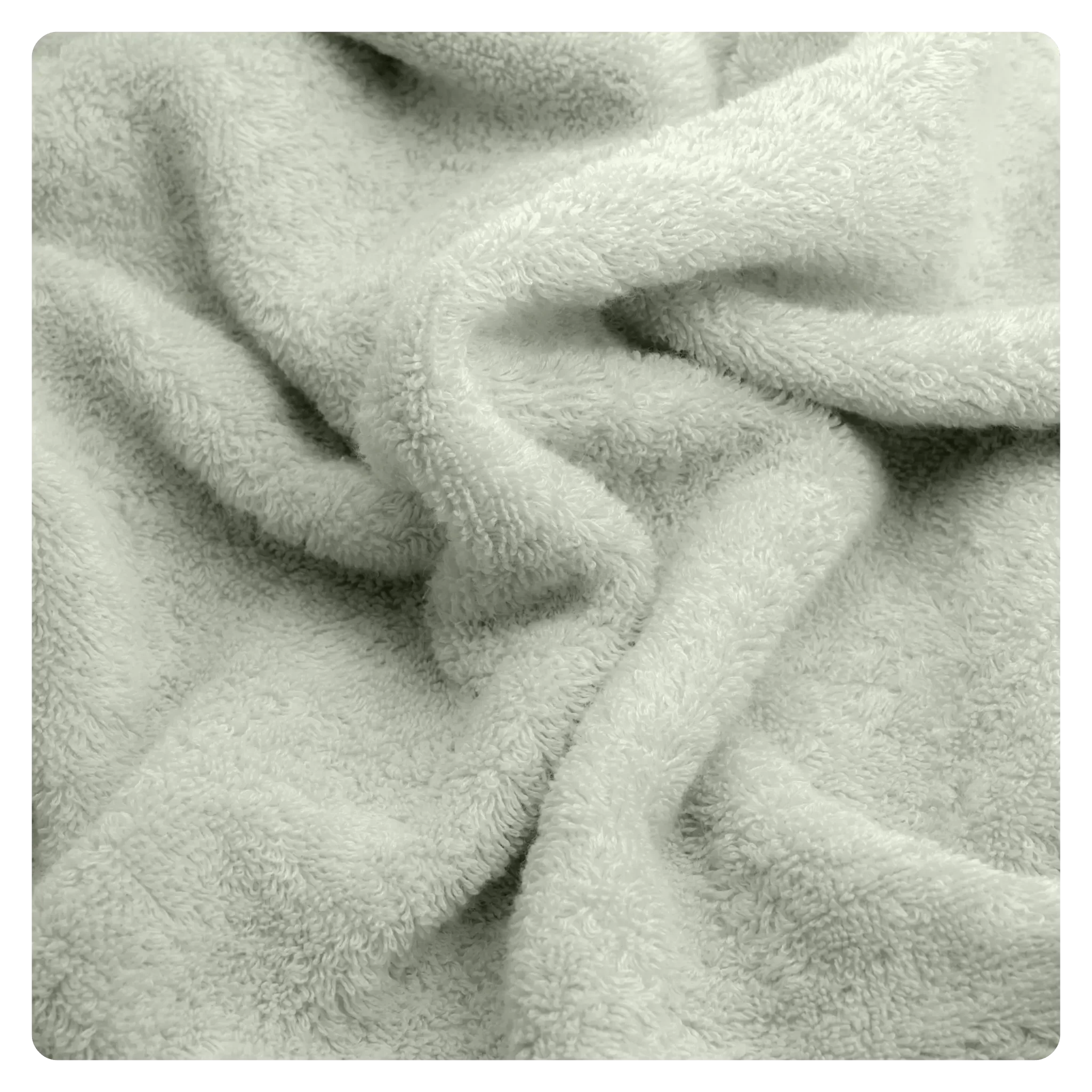
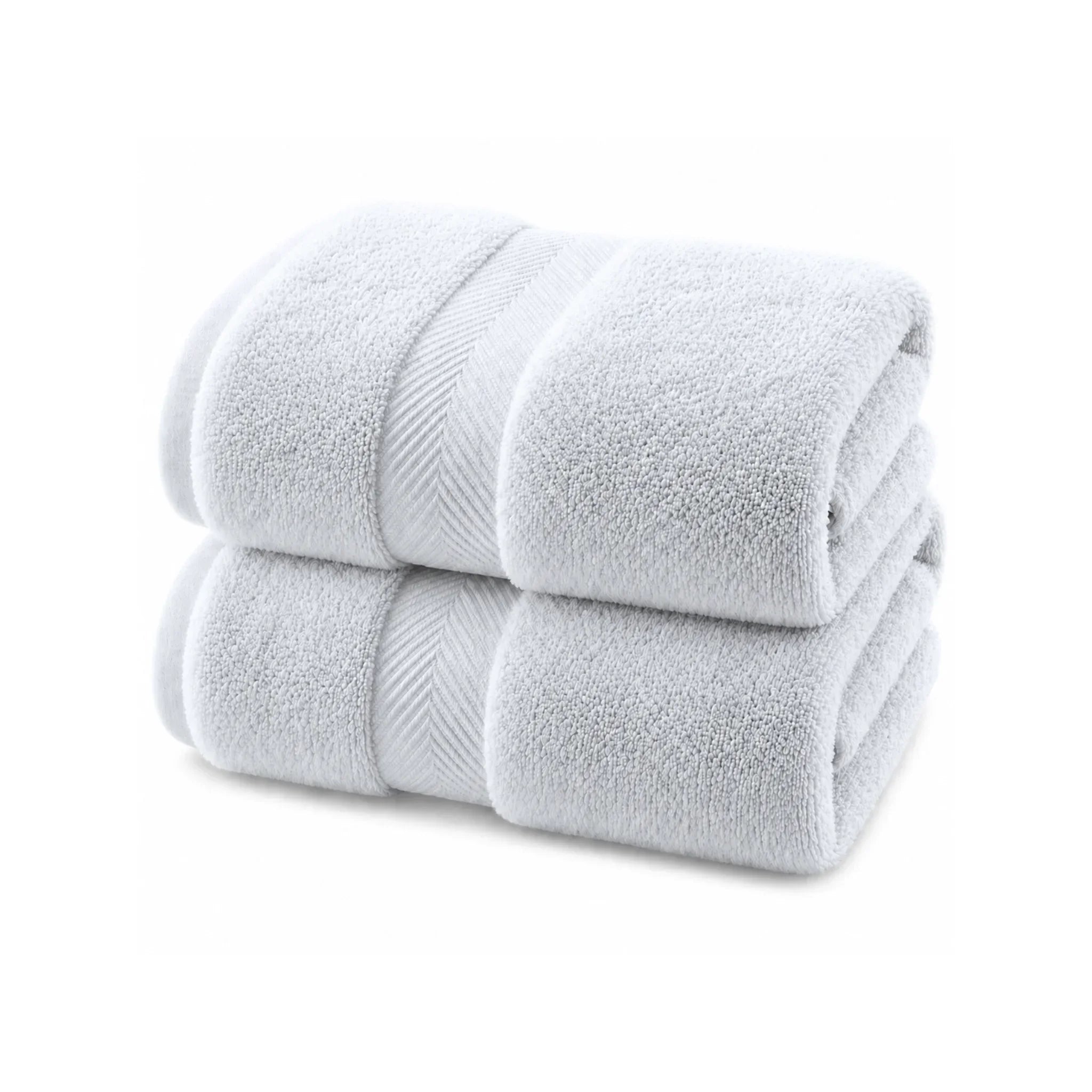
Cotton and microfiber bath mats absorb water by pulling it into tiny spaces between fabric fibres. Think of it like a sponge soaking up spilled juice. The water gets trapped inside and can only escape through slow evaporation. This process can take hours or even days depending on humidity levels and air circulation.
Memory foam mats add another layer of complexity. The foam cells compress when you step on them, squeezing water deeper into the material. Research shows that damp fabrics create ideal conditions for bacterial growth, which explains that mildew smell many fabric mats develop over time.
- Cotton fibres act like tiny straws that pull water in and hold it
- Microfiber weaves create dense pockets where moisture gets stuck
- Memory foam compresses water into cellular structures
- Fabric backing prevents airflow from underneath
The Science Behind Stone Bath Mat Drying
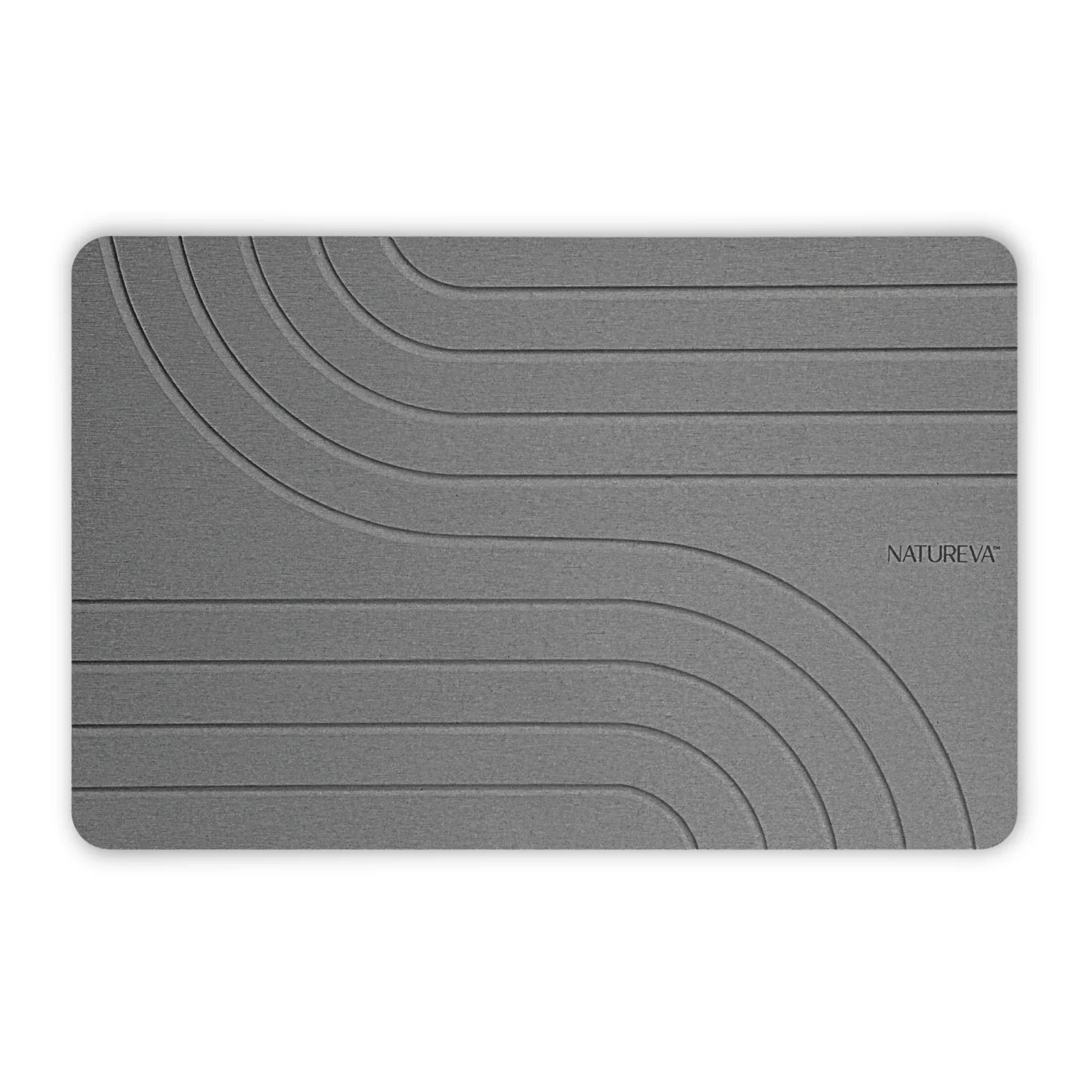
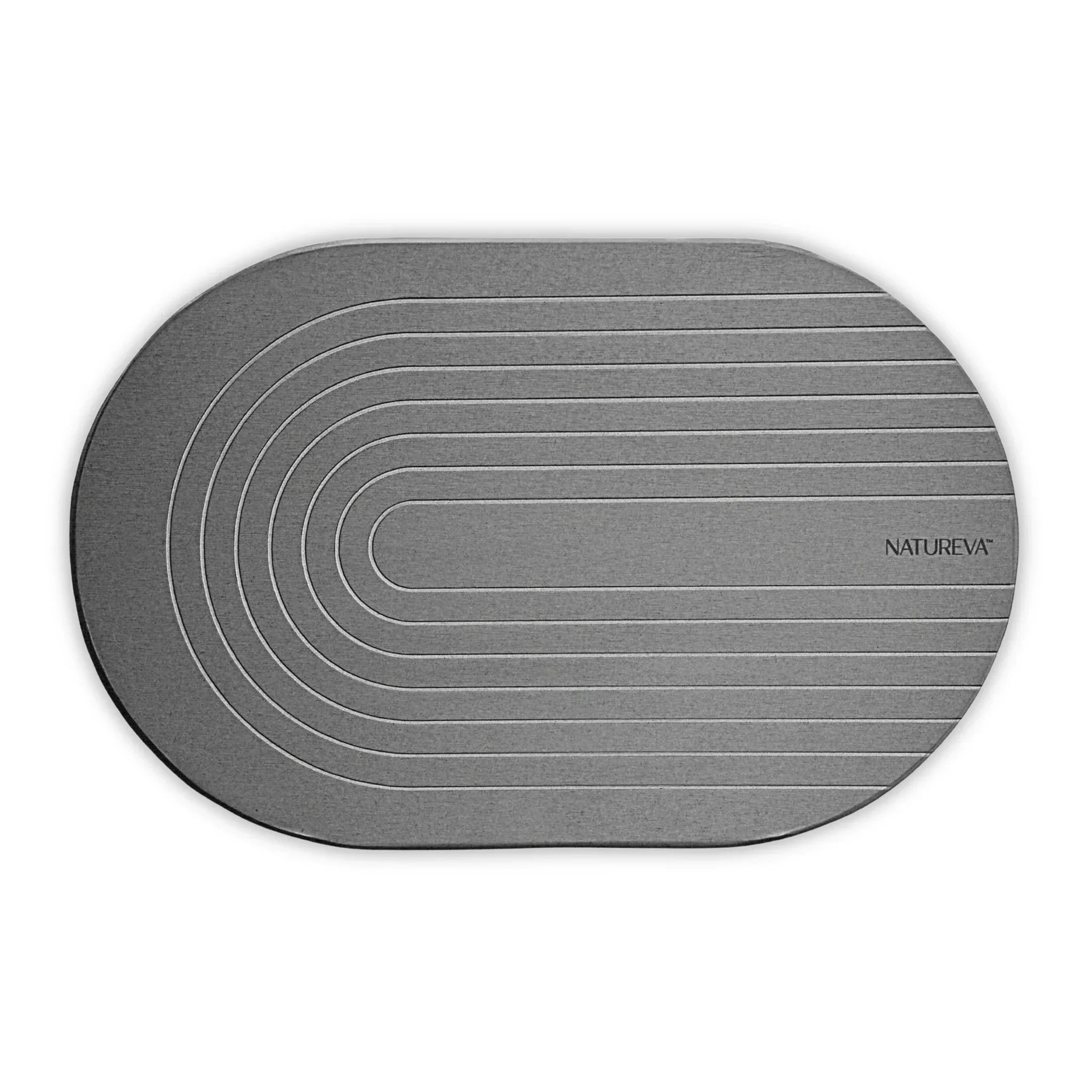
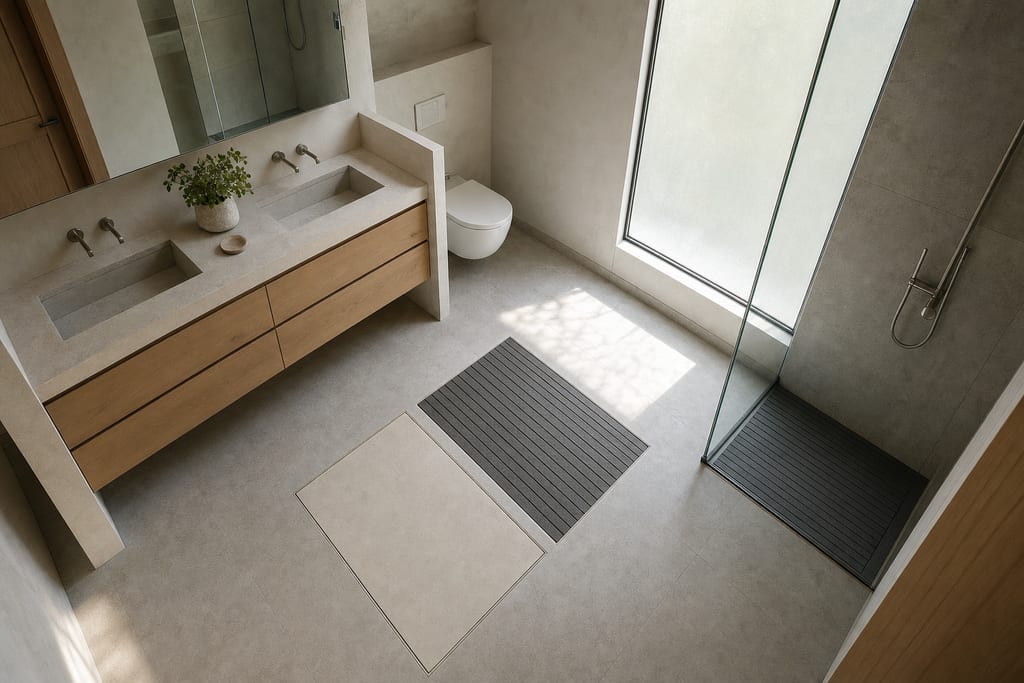
Diatomite works completely differently than fabric materials. This fossilized algae contains millions of microscopic pores that pull water in through capillary action, then release it back into the air almost immediately. The stone bath mat vs regular mat debate often comes down to this fundamental difference in how moisture moves through the material.
When water hits a diatomite surface, it spreads across those tiny pores instead of pooling on top. Air flows through the porous structure, carrying moisture away through evaporation. Products like the Natureva stone bath mats use this natural process without any chemical coatings or treatments.
- Microscopic pores create massive surface area for evaporation
- Capillary action pulls water into the stone structure
- Air circulation through pores speeds up drying
- No fabric fibres means no trapped moisture
Comparing Drying Times Across Materials
The actual time it takes different materials to dry varies dramatically based on thickness, density, and environmental conditions. A thin cotton mat might dry faster than a thick memory foam one, but both will stay damp far longer than stone alternatives.
| Material Type | Average Drying Time | Moisture Retention |
|---|---|---|
| Cotton | 4-8 hours | High |
| Microfiber | 3-6 hours | High |
| Memory Foam | 8-24 hours | Very High |
| Diatomite Stone | 5-15 minutes | Very Low |
Material composition directly impacts bacterial growth because bacteria need moisture to multiply. Mats that stay damp create breeding grounds for microorganisms, while fast-drying surfaces limit this growth naturally. Some manufacturers like Teak Culture have expressed concerns about diatomite durability, though many users find the quick-drying benefits outweigh potential longevity questions.
- Faster drying means less time for bacteria to grow
- Moisture trapped in fabric creates odor problems
- Stone surfaces stay dry between uses
Why Regular Bath Mats Stay Wet So Long
Most people don't realize their bathroom mat is still damp from yesterday's shower. That soggy feeling underfoot isn't just unpleasant, it's actually a sign of how fabric and foam mats are designed. The materials used in traditional bath mats work against quick drying, not for it. Understanding why this happens explains a lot about the musty smell and constant washing cycle most of us deal with.
Fabric fibres trap water through capillary action, which means the tiny spaces between threads pull moisture in and hold it there. The thicker and fluffier your mat, the more water it can absorb and the longer it takes to release.
- Rubber backing prevents airflow and evaporation from the bottom surface
- Thickness increases drying time exponentially, sometimes taking 12-24 hours
- Humidity in bathrooms slows evaporation further, especially in winter
- Washing removes bacteria but the mat stays damp again immediately after use
The rubber or latex backing that keeps your mat from sliding also creates a sealed barrier. Air can't circulate underneath, so moisture has nowhere to go except slowly through the top surface. Research shows that damp environments allow bacteria to multiply rapidly, which is why that clean mat from the laundry feels gross again within a day or two.
Even hanging your mat over the tub edge doesn't solve the problem completely. The core of the fabric stays wet while only the outer layers dry, creating the perfect conditions for mold and mildew to develop between uses.
How Stone Bath Mats Dry in Minutes
Stone bath mats work completely differently because they're made from diatomite, a material formed from fossilized algae. The internal structure looks like a microscopic sponge under magnification, with millions of tiny pores that pull water in instantly. But unlike fabric, these pores don't trap moisture. Instead, they release it back into the air through natural evaporation that happens remarkably fast.
Diatomite contains millions of microscopic pores for instant absorption, which is why your feet feel dry the moment you step onto the surface. The water doesn't sit on top or soak into fibres. It gets pulled into the porous structure and starts evaporating immediately.
| Mat Type | Drying Time | Airflow |
|---|---|---|
| Regular Fabric | 12-24 hours | Blocked by backing |
| Stone (Diatomite) | 2-5 minutes | Full circulation |
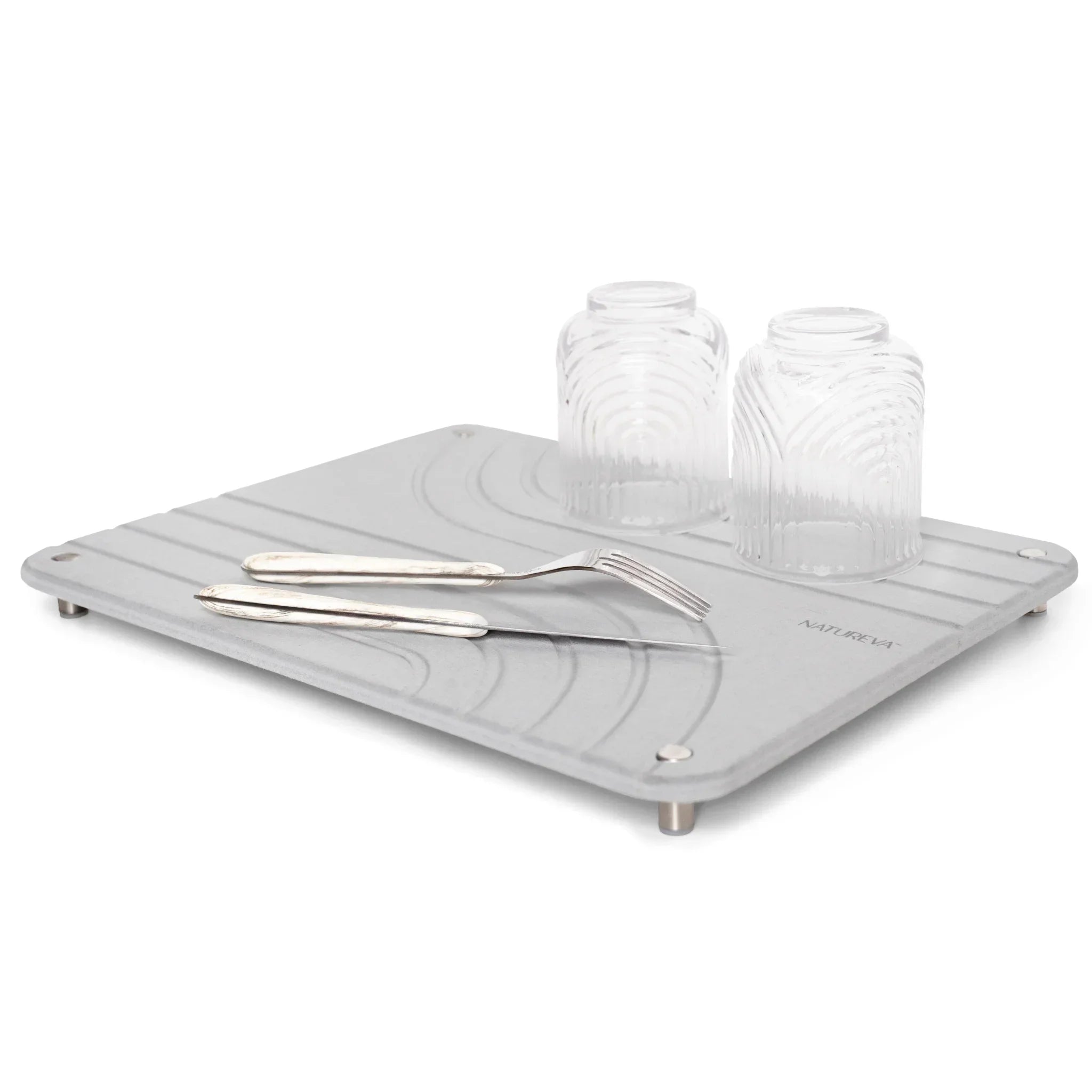
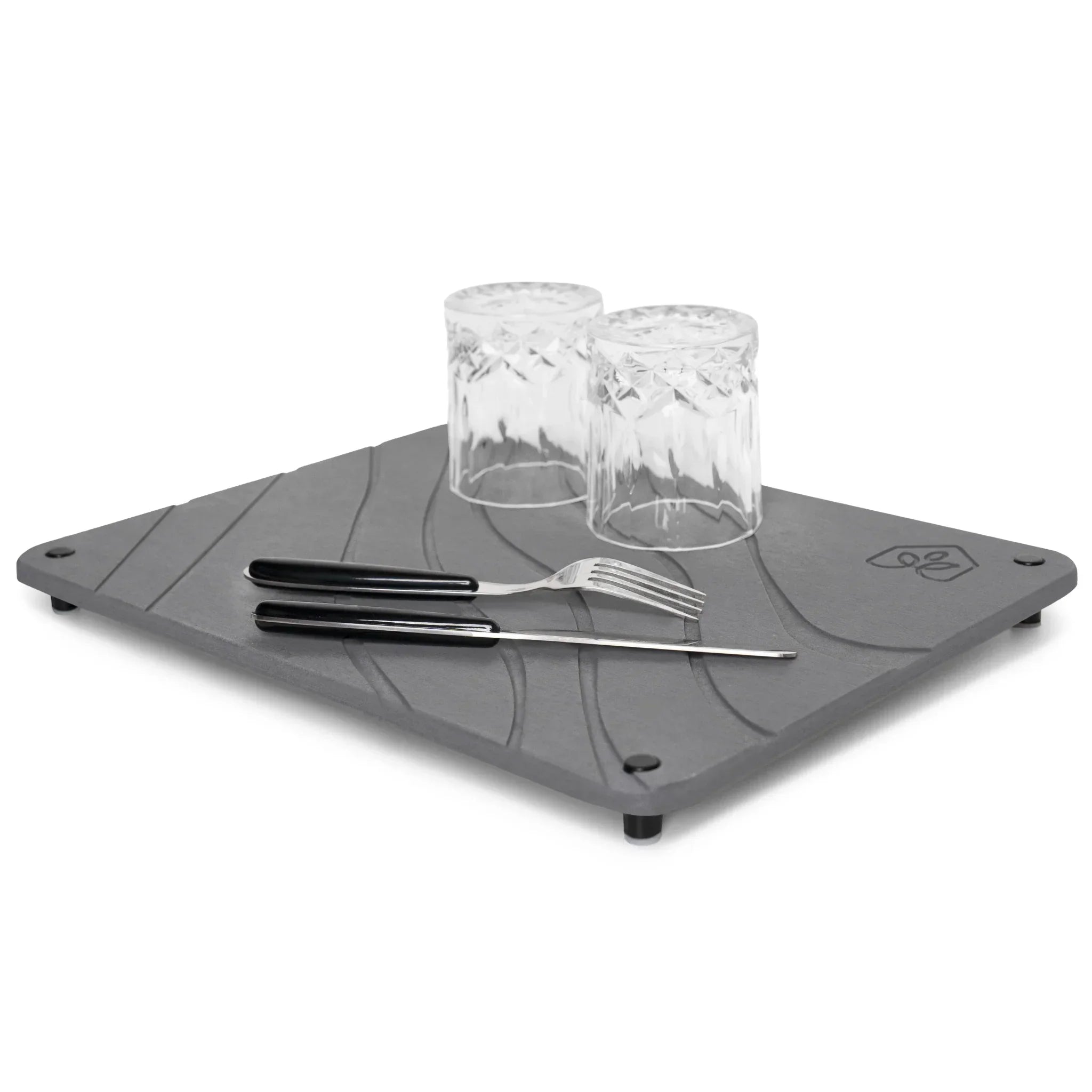
The non-slip base on stone mats is designed differently too. Instead of a solid rubber sheet, it allows airflow underneath the mat so moisture can escape from both surfaces. Water evaporates through natural air circulation rather than getting trapped against your bathroom floor.
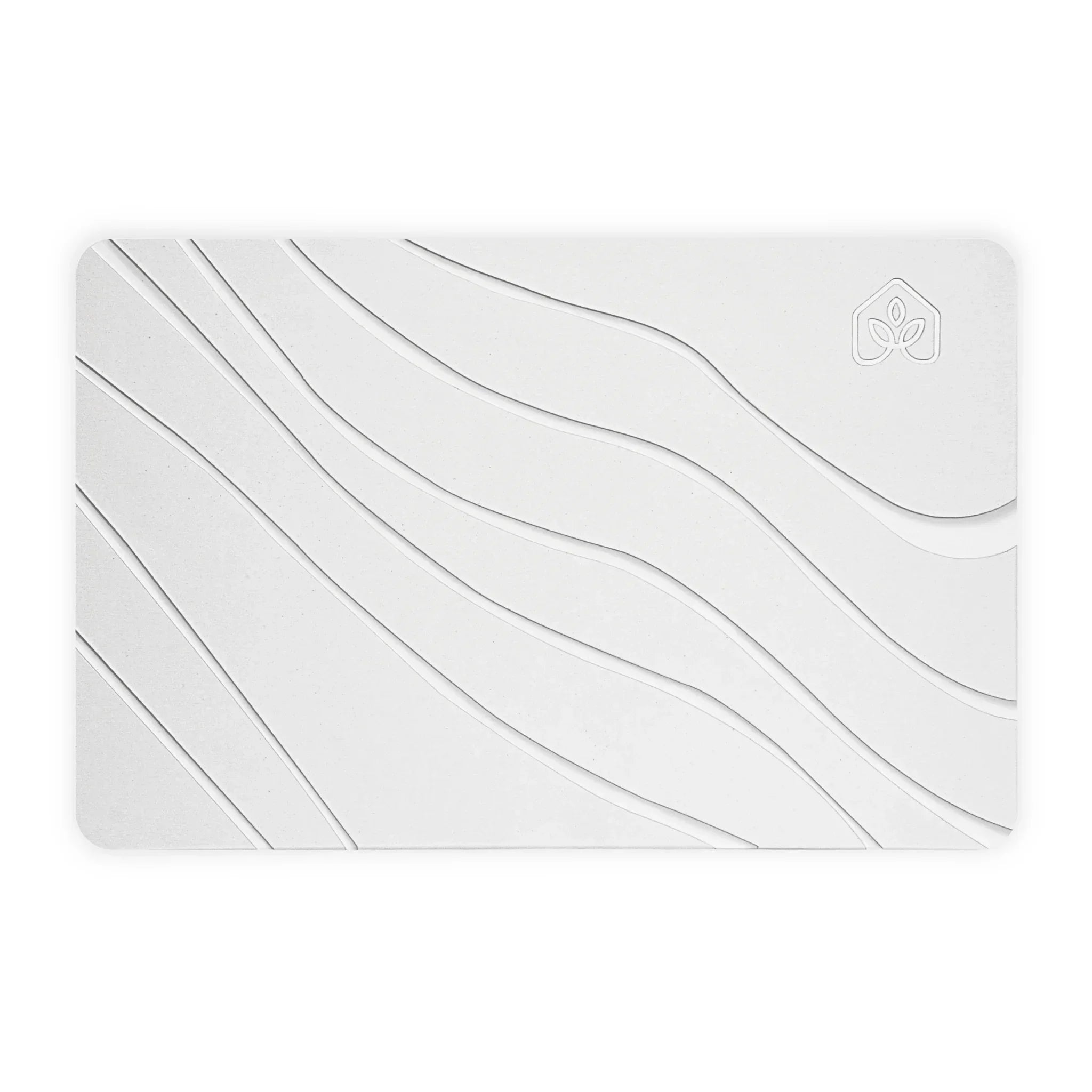
Our Flow bath mat and other designs in the collection all use this same diatomite composite construction. The surface dries within 2-5 minutes after stepping off, which means the next person doesn't step onto a damp surface. No fabric means no moisture retention, and the solid stone-like form doesn't degrade or lose absorbency over time like traditional mats do.
Independent testing confirms that diatomite mats maintain their drying performance even after years of daily use, something fabric mats simply can't match.
What Faster Drying Actually Means for Your Bathroom
The next generation of home essentials: naturally made, cleaner by design, sustainable by nature.
SHOP ALLThe difference between a mat that dries in minutes versus one that stays damp all day goes beyond just comfort. When surfaces dry quickly, bacteria and mold don't have the time or conditions they need to grow. This isn't about chemical treatments or antibacterial coatings. It's simply that dry surfaces limit bacterial and mold growth naturally, which is why stone mats stay cleaner between uses without any special maintenance.
That musty smell you associate with bathroom mats disappears completely. No musty smell from constantly damp fabric means your bathroom actually smells fresh, and you're not masking odors with air fresheners or frequent washing.
- Less frequent washing saves time and water over months and years
- Bathroom floors stay drier and safer without moisture seeping underneath
- Stone mats last years without degrading like fabric, which loses absorbency and develops permanent stains
The maintenance difference is significant too. While fabric mats need washing every few days to stay hygienic, stone mats just need a quick weekly wipe with vinegar water. Studies on diatomite products show they maintain performance with minimal care, and if absorbency ever decreases, a light sanding with the included tool reopens the pores.
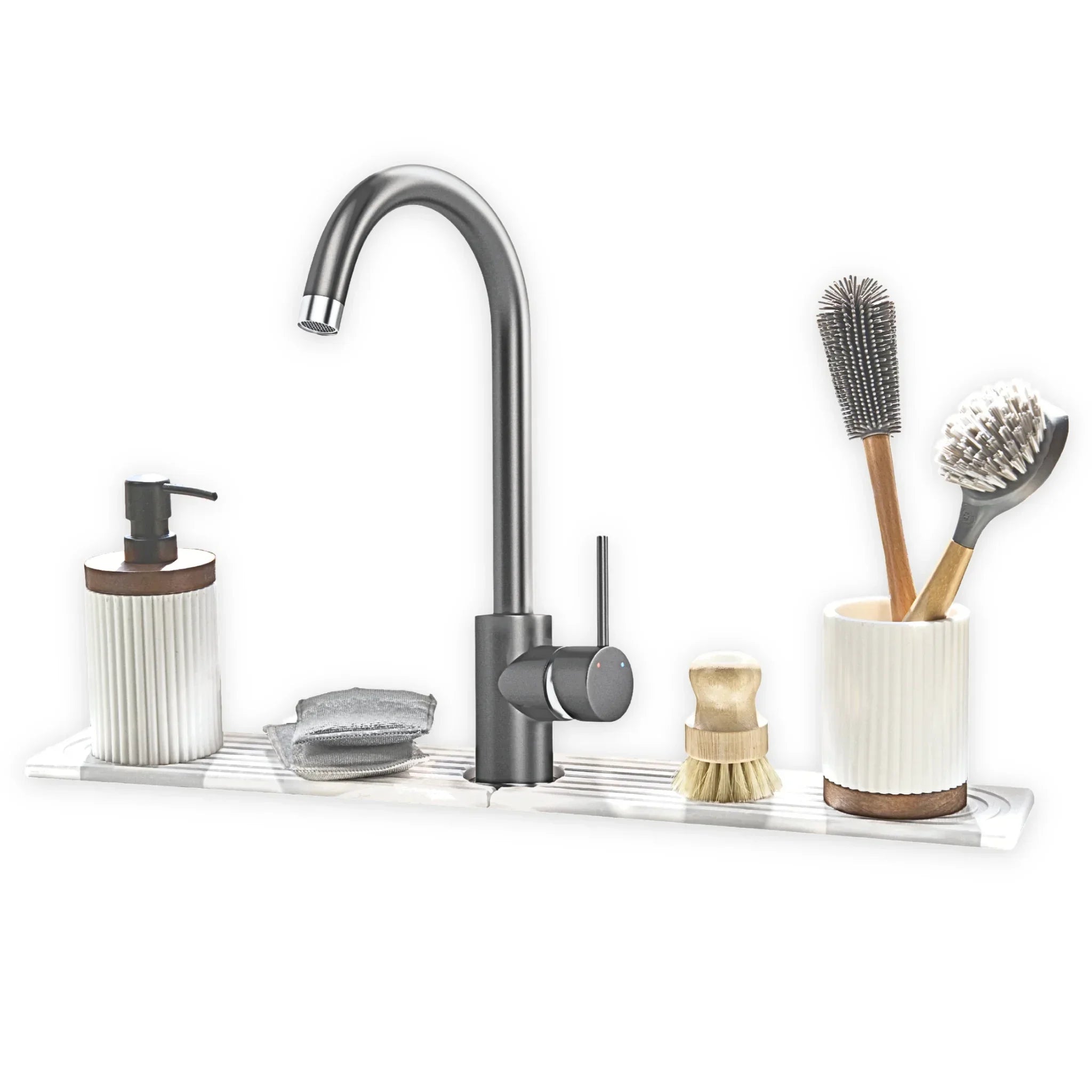
Bathroom floors stay drier and safer because water doesn't pool around the edges or soak through to the floor underneath. The same moisture-managing principle works across other products too. Our dish mats and sink caddies use elevated designs with airflow underneath, keeping kitchen surfaces dry in the same way.
The long-term cost comparison favors stone as well. A quality fabric mat might last a year before it starts falling apart or losing its texture. Stone mats maintain the same performance for years, and the initial investment pays off through reduced replacement costs and lower water bills from less frequent washing. The difference in drying speed creates a cascade of practical benefits that affect your daily routine, your cleaning schedule, and the overall hygiene of your bathroom space.
The Real Cost of Slow-Drying Mats
Most people don't realize their bathroom mat is quietly draining their wallet and time. A typical fabric bath mat stays damp for hours after each shower, creating the perfect breeding ground for bacteria and mildew. This means you're not just stepping onto a wet surface, you're dealing with a hygiene problem that demands constant attention. Regular fabric mats need washing every 3-4 days to stay remotely clean, which adds up to roughly 90-120 washes per year. That's a lot of laundry cycles for a single household item.
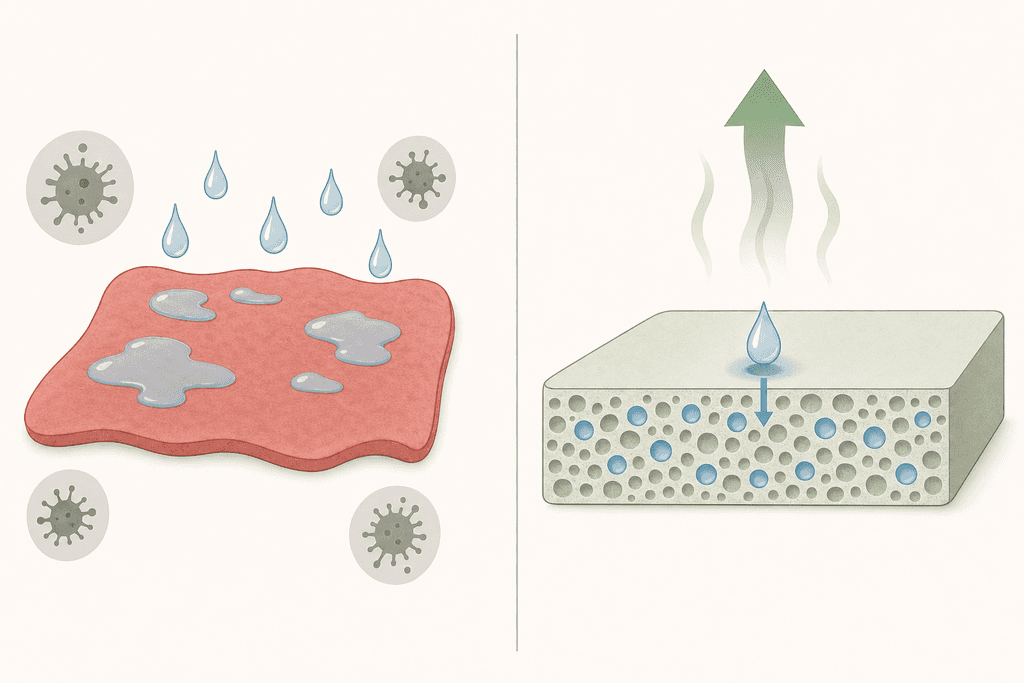
The financial impact becomes clear when you break down the numbers. Between water, electricity, and detergent costs, each wash cycle runs about $1.50 to $2.00. Over a year, that's between $135 and $240 just to keep one mat clean.
| Cost Factor | Annual Impact |
|---|---|
| Washing cycles | 90-120 per year |
| Energy and water | $135-$240 |
| Mat replacement | Every 6-12 months |
| Total annual cost | $160-$280 |
Fabric mats also wear out fast. The constant moisture exposure breaks down fibers, causes discoloration, and creates that musty smell that never quite goes away. Most people end up replacing their bath mat every 6-12 months, adding another $20-40 to the annual cost.
Health Implications You Can't Ignore
The moisture problem goes beyond inconvenience. According to the Environmental Protection Agency, prolonged exposure to damp environments can contribute to respiratory issues, allergic reactions, and asthma symptoms. Your bathroom mat might be making your family sick without you realizing it.
- Damp mats harbor bacteria and mold spores
- Moisture creates ideal conditions for dust mites
- Musty odors indicate active microbial growth
- Children and elderly are especially vulnerable
Stone bath mats like Natureva's diatomite options flip this entire equation. They dry within minutes after use, which means bacteria and mold never get the chance to establish themselves. The maintenance routine drops to a simple weekly wipe with vinegar water, and the mat itself can last for years instead of months. No washing machine required, no replacement cycles, and no hidden health risks from constant dampness.
When you compare a stone bath mat vs regular fabric options, the difference isn't just about drying speed. It's about eliminating an entire category of household maintenance while protecting your family's health. The upfront cost might be higher, but the long-term savings in time, money, and peace of mind make it a practical choice for anyone tired of dealing with perpetually damp bathroom floors.
Choosing a Mat That Actually Dries
The difference between a stone bath mat and a regular fabric mat comes down to one thing: how fast water disappears. Stone mats made from diatomite dry 10 to 20 times faster than cotton or microfiber alternatives, which means less time spent dealing with damp floors and musty smells. When moisture evaporates in minutes instead of hours, bacteria and odor don't get the chance to build up in the first place.
Regular mats need constant washing, rotating, and replacing because they trap water in their fibers. That's extra laundry, extra wear, and extra money spent over time. Stone mats like our Flow, Tide, or Arch designs absorb water instantly and release it back into the air without any help from you.
If you want a bathroom that stays cleaner with less effort, faster drying is the only real solution. The material does the work so you don't have to. You step out of the shower, the mat absorbs the water, and within minutes it's ready for the next person.
Still have questions about how stone mats compare to what you're using now? The answers below cover the most common concerns people have when switching from fabric to stone.
Common Questions About Bath Mat Drying
Choosing between a stone bath mat and a regular fabric mat brings up a lot of practical questions. Most people want to know if the faster drying time is real or just marketing hype. Here are the answers to the most common questions about how these mats actually perform in daily use.
How long does a stone bath mat take to dry completely?
A diatomite stone bath mat typically dries within 60 to 90 seconds after you step off it. The porous structure pulls moisture from your feet instantly and releases it into the air through rapid evaporation. Regular fabric mats can take anywhere from 4 to 24 hours depending on thickness, humidity, and airflow.
Do stone mats work in humid climates?
Yes, but they may take slightly longer to evaporate moisture in very humid environments. The mat still absorbs water instantly when you step on it, so your feet feel dry right away. If you live somewhere with high humidity year round, just make sure the mat gets some airflow and isn't sitting in a completely enclosed space. Natureva stone bath mats include a non slip base pad that creates slight elevation, which helps air circulate underneath even in damp conditions.
Can you speed up drying time for regular mats?
You can hang fabric mats over a towel bar or shower rod to improve airflow, which helps them dry faster. Some people also toss them in the dryer after each use, but that adds extra laundry and energy costs. Even with these tricks, regular mats still hold moisture in their fibers much longer than stone alternatives.
How do you maintain a stone bath mat?
Wipe your stone mat weekly with a vinegar and water solution to keep the surface clean. If you notice any staining from coloured soaps or products, rinse the mat under water or use a bit of hydrogen peroxide. Over time, the surface pores can get clogged with soap residue or body oils, which slows absorption. When that happens, use the included sanding tool to gently resurface the mat and restore its original drying speed.
Are stone mats safe for kids and elderly users?
Stone mats are actually safer than wet fabric mats because they dry so quickly. A fabric mat that stays damp creates a slippery surface, especially when it bunches up or shifts underfoot. Stone mats stay flat and include a full non slip base that grips the floor, so there's no sliding or tripping hazard. The solid surface also means no mildew smell that can develop in traditional mats.
What happens if a stone mat gets saturated?
If multiple people use the mat back to back without giving it time to release moisture, it can feel slightly damp to the touch. When this happens, just stand the mat upright against a wall or in a well ventilated spot for 10 to 15 minutes. The moisture will evaporate completely, and the mat will be ready to use again. This is still much faster than waiting hours or days for a fabric mat to dry out.
The next generation of home essentials: naturally made, cleaner by design, sustainable by nature.
SHOP ALL