
Five Dog Food Mat Materials That Stay Dry
Every dog owner knows the frustration of stepping into a puddle around the food bowl, but most don't realize the mat material itself might be causing the problem. The right dog food mat doesn't just catch spills—it actually dries them so your floor stays clean and safe. Understanding which materials truly keep feeding areas dry can save you from constant mopping and that lingering damp smell.
Table of Contents
- What Makes a Dog Food Mat Actually Work
- Silicone Mats Keep Water Contained
- Rubber Mats Resist Water But Don't Dry Fast
- Microfiber Mats Absorb But Stay Damp
- Plastic Mats Offer Basic Protection
- Stone Mats Absorb and Dry Naturally
- Choosing the Right Mat for Your Dog
- Common Questions About Dog Food Mats
What Makes a Dog Food Mat Actually Work
Most dog owners think any mat under their pet's food bowl will solve their mess problem, but that's not how it works. The material your dog food mat is made from determines whether you'll be wiping up puddles every day or enjoying a clean, dry floor. Understanding the science behind moisture control helps you pick a mat that actually does its job instead of just looking nice for a few weeks before turning into a soggy, smelly mess.

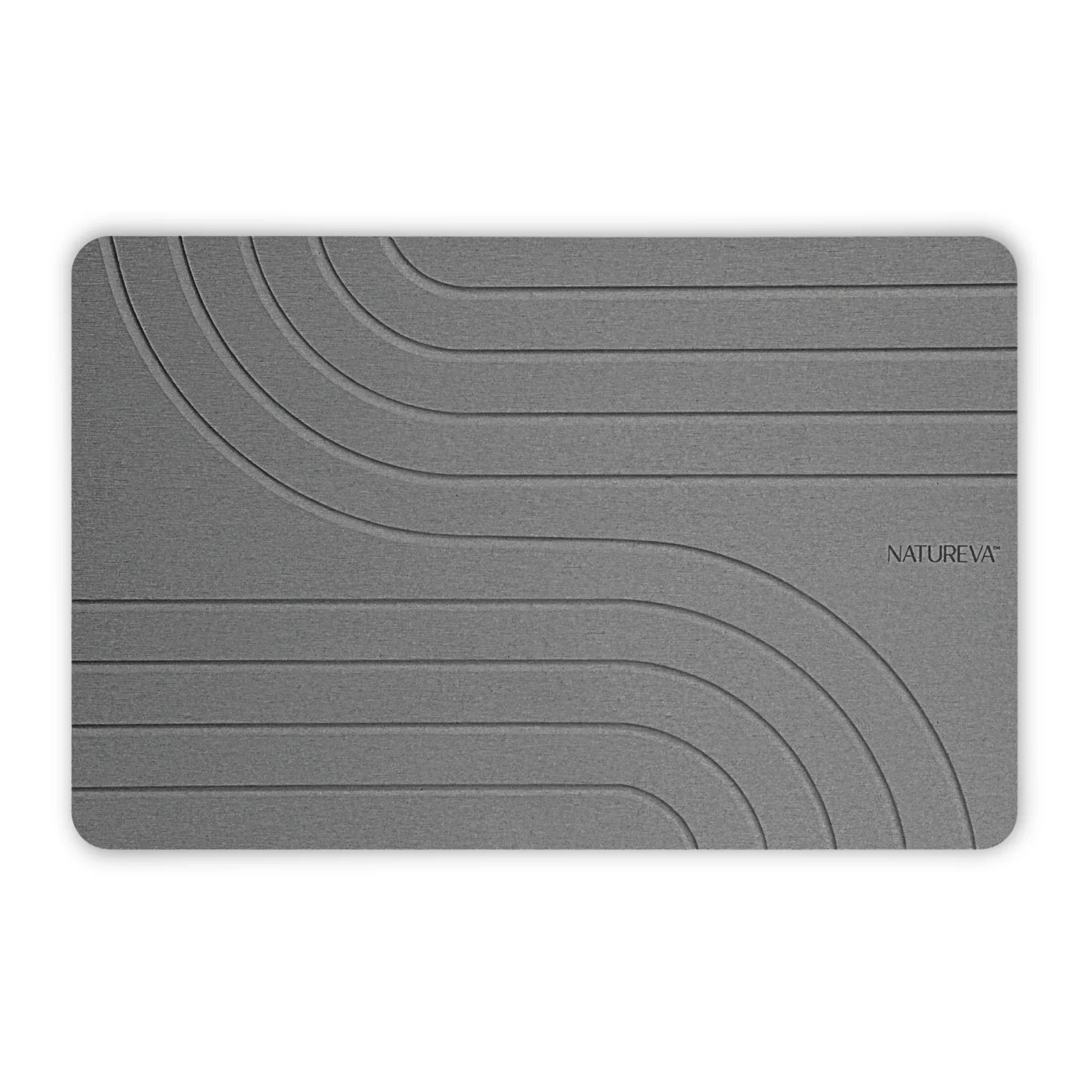
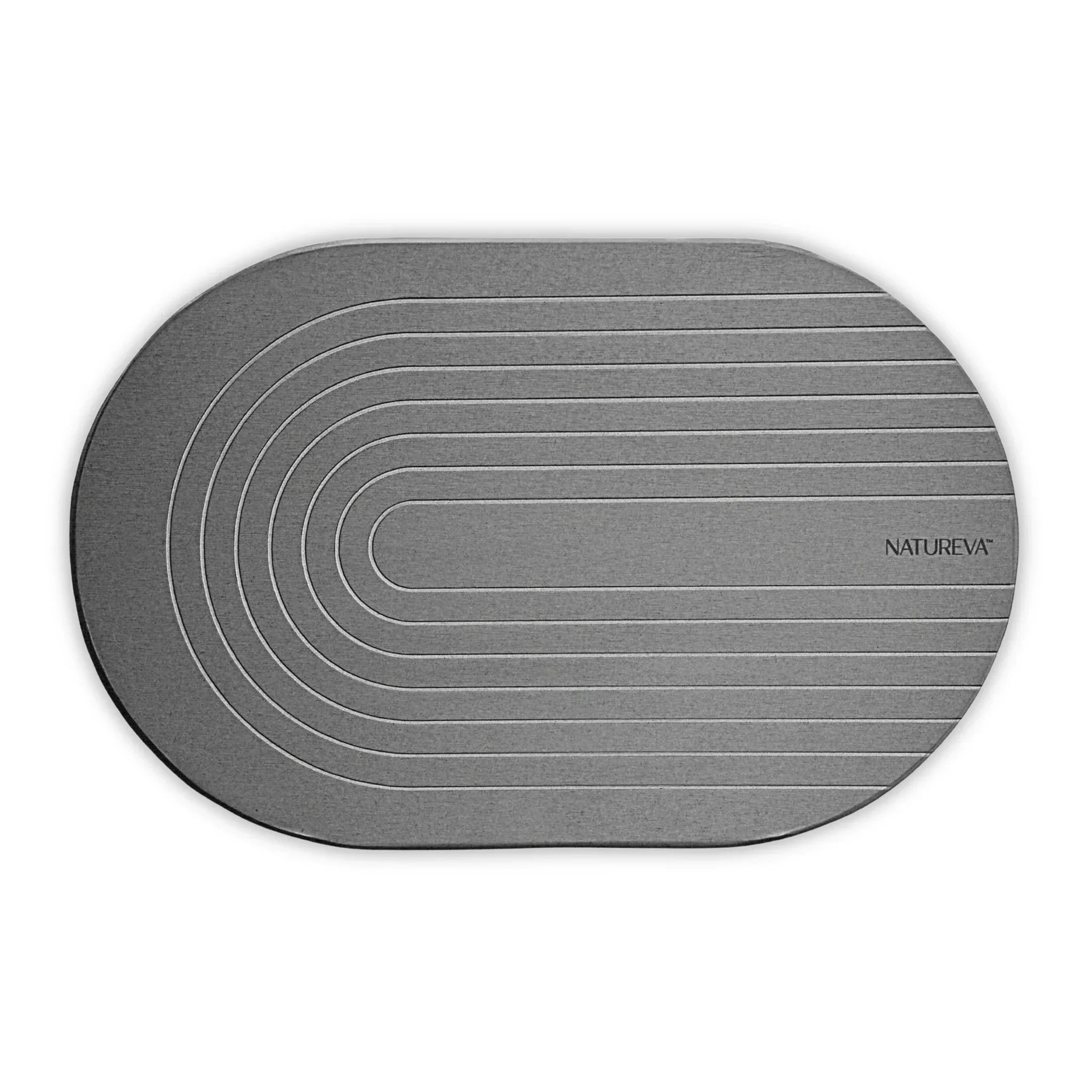
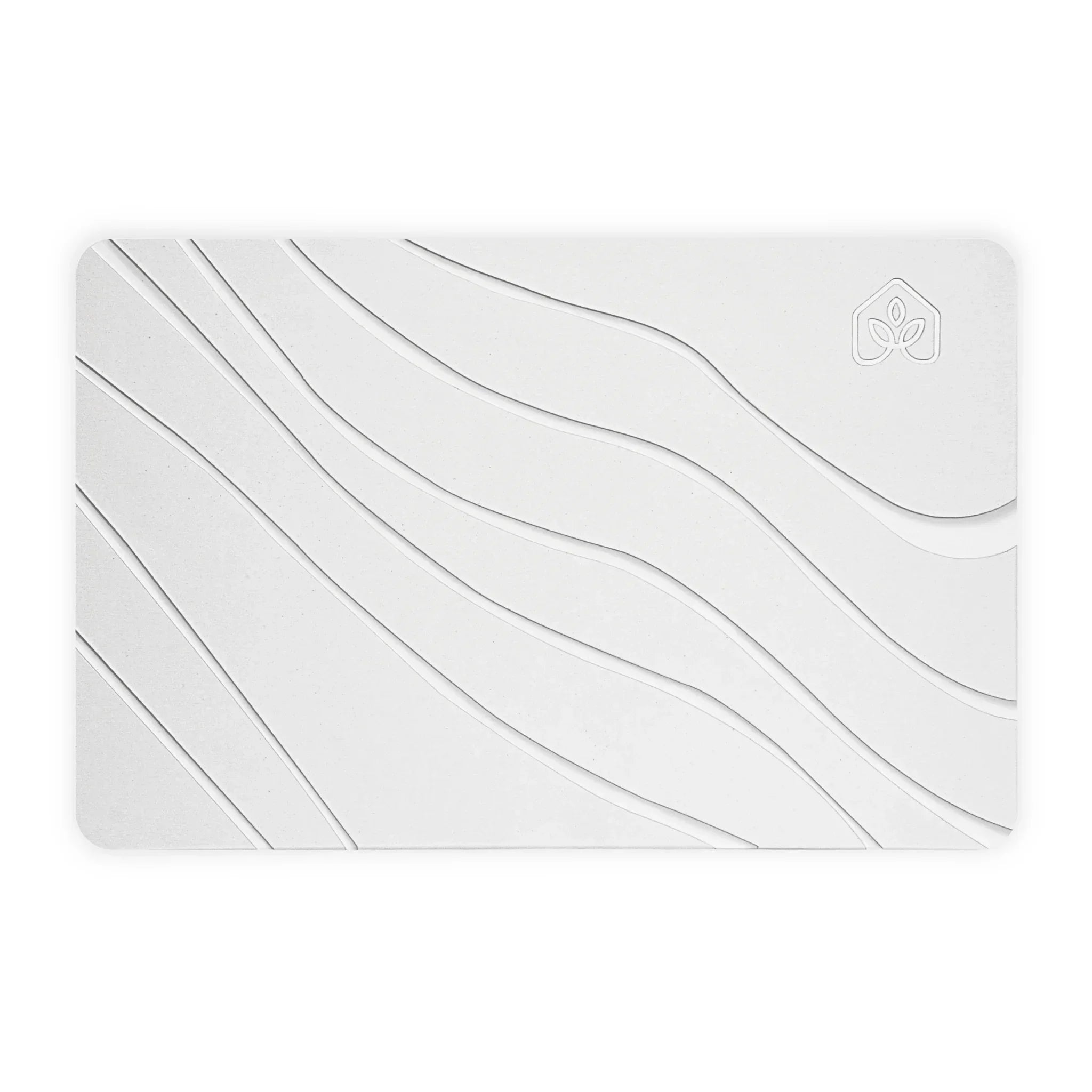
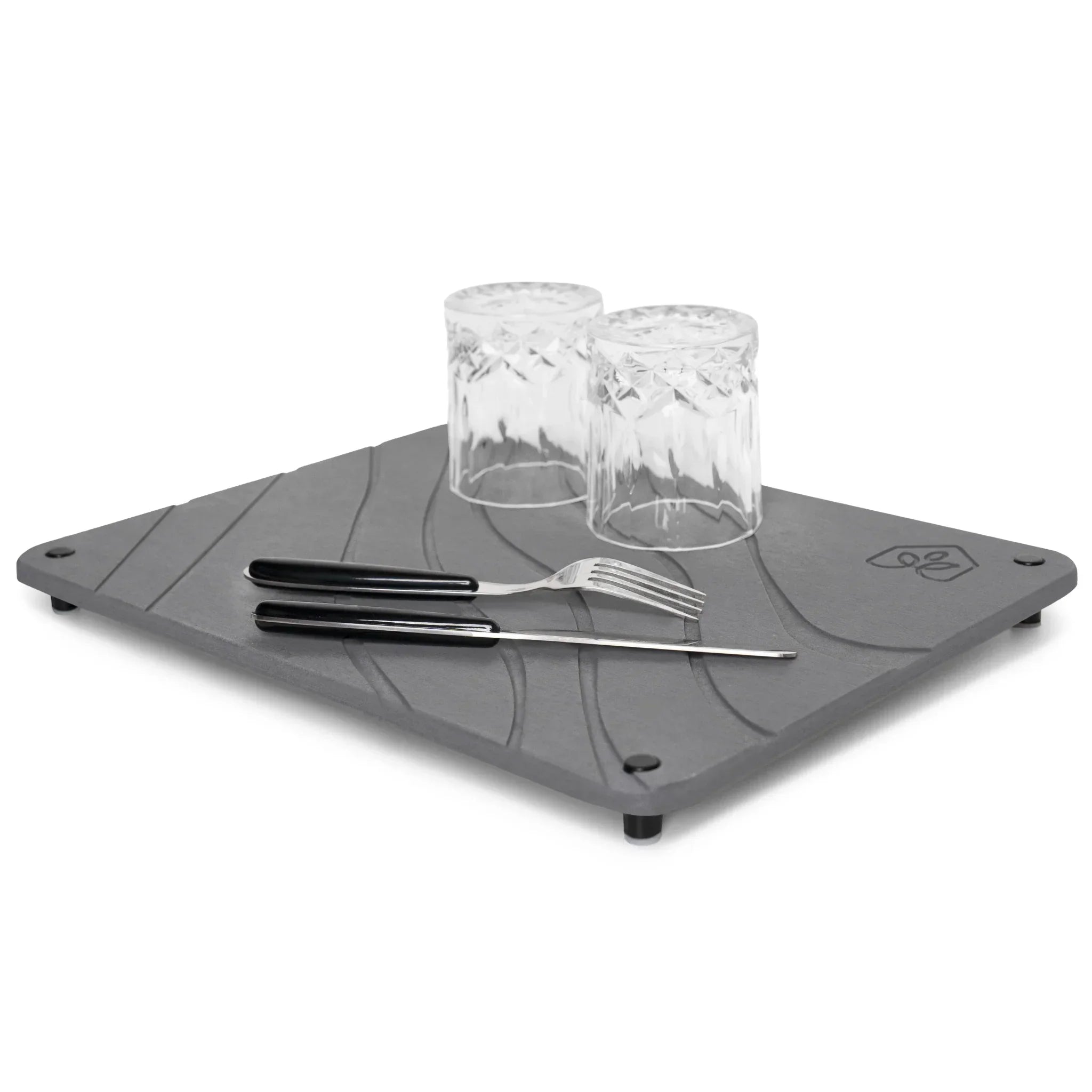
Stone Pet Mat
Absorption Versus Resistance
There's a big difference between materials that absorb water and those that resist it. Water-resistant mats like silicone or rubber push liquid away, which sounds good until you realize the water just pools on top and spreads across your floor. Absorbent materials actually soak up the moisture, but here's the catch: if they don't dry quickly, you've just created a perfect home for bacteria and mold.
The best dog food mat materials do both jobs. They pull moisture away from the surface fast and then release it back into the air through evaporation. Our Stone Pet Mat uses natural diatomaceous earth that does exactly this, with millions of tiny pores that work like a sponge and a fan at the same time.
How Materials Handle Daily Spills
Different materials react to dog drool, splashed water, and wet food in completely different ways. Fabric mats soak up liquid but stay damp for hours, creating that gross wet-carpet smell. Plastic and rubber mats let everything slide around, which means your dog tracks water everywhere. The key is finding a material that absorbs fast and dries even faster, so bacteria never gets a chance to grow.
- Fabric mats hold moisture for 4-8 hours depending on thickness
- Rubber and silicone mats don't absorb at all, causing puddles
- Stone-based materials can dry completely in under 30 minutes
- Microfiber options absorb well but need frequent washing
The Bacteria and Drying Speed Connection
Here's something most pet owners don't think about: bacteria needs moisture to multiply. When your dog food mat stays wet for hours after mealtime, you're basically running a bacteria farm right where your dog eats. Studies on moisture and bacterial growth show that surfaces staying wet for more than two hours see significant increases in harmful microbes.
Drying speed matters more than how much water a mat can hold. A mat that absorbs a cup of water but takes six hours to dry is worse than one that absorbs half a cup and dries in twenty minutes. The faster moisture evaporates, the less time bacteria has to grow.
| Property | Why It Matters | Best Performance |
|---|---|---|
| Absorption Rate | Prevents floor puddles | Under 5 seconds |
| Drying Time | Stops bacteria growth | Under 30 minutes |
| Surface Texture | Keeps bowls stable | Slightly textured |
| Moisture Capacity | Handles multiple spills | 150ml or more |
The connection between mat material and your home's cleanliness goes deeper than just wiping up spills. Materials that trap moisture create odors, attract pests, and can even damage your flooring over time. That's why understanding these properties before you buy saves you money and hassle down the road.
Silicone Mats Keep Water Contained
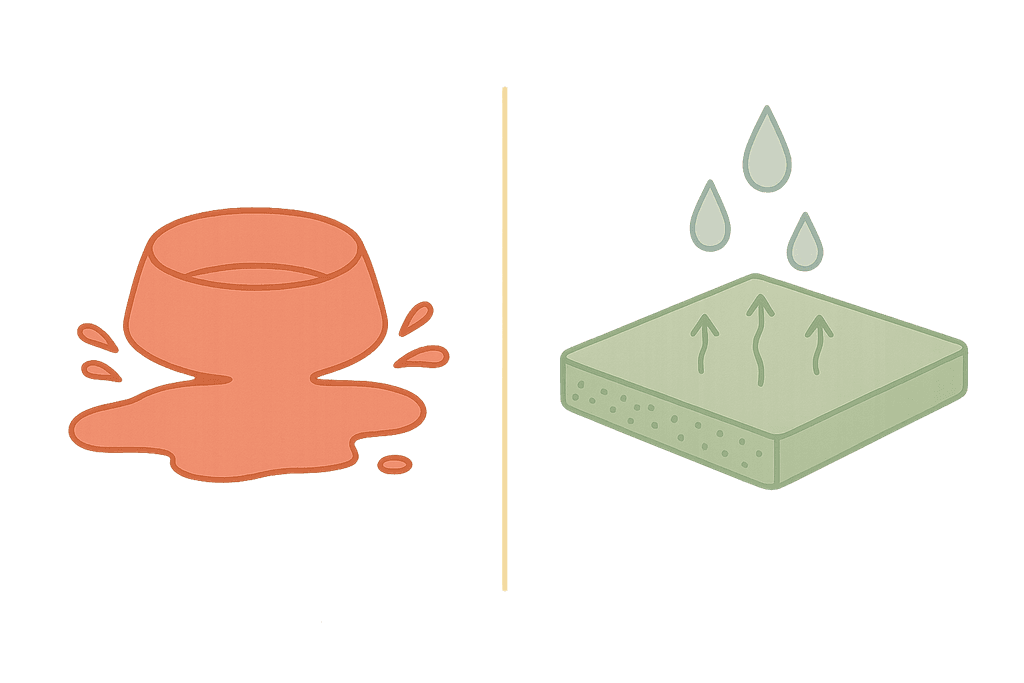
Most dog owners have dealt with water bowls that turn the floor into a small lake. Silicone mats tackle this problem by creating a waterproof barrier around your pet's feeding area. These mats usually come with raised edges that catch spills before they spread across your kitchen floor. The material itself repels water completely, which sounds great until you realize the water just sits there on top of the mat.
Silicone Mats Keep Water Contained
The main issue with silicone is that it doesn't absorb anything. When your dog splashes water or drools while eating, that moisture pools on the surface until you grab a towel and wipe it up. For dogs who eat neatly and don't make much mess, silicone works fine as an affordable option.
- Waterproof barrier prevents floor damage
- Raised edges contain most spills effectively
- Easy to rinse in the sink after meals
- Budget-friendly compared to other materials
The downside is you need to clean it after every meal if you want a dry feeding area. Some pet owners don't mind this routine, but it gets old fast when you're dealing with a messy eater.
Rubber Mats Resist Water But Don't Dry Fast
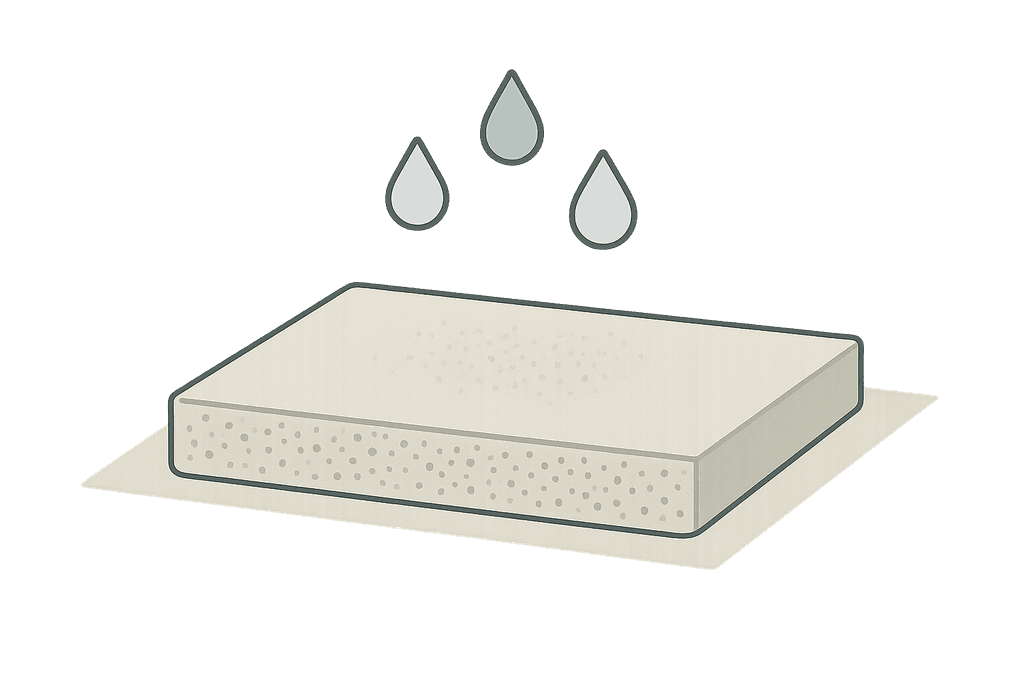
Rubber mats are popular because they stay put. The non-slip surface keeps food bowls from sliding around while your dog eats, which is helpful for enthusiastic eaters who push their bowls across the floor. Like silicone, rubber repels water instead of absorbing it. This creates a different set of problems that many people don't think about when they first buy one.
Rubber Mats Resist Water But Don't Dry Fast
Water that spills on a rubber mat eventually finds its way underneath. The mat creates a seal against your floor, trapping moisture between the rubber and the surface below. This hidden dampness becomes a breeding ground for mold and bacteria if you don't lift the mat regularly to clean and dry underneath.
| Benefit | Drawback |
|---|---|
| Bowls stay in place | Moisture trapped underneath |
| Durable material | Develops odors quickly |
| Water resistant | Requires frequent lifting |
You'll need to make lifting and cleaning the mat part of your daily routine. Most people forget to do this, which is why rubber mats often develop that musty smell after a few weeks of use.
Microfiber Mats Absorb But Stay Damp
Microfiber seems like the perfect solution at first. These mats soak up water incredibly fast, which means spills disappear from the surface almost immediately. The problem is where that water goes. Instead of evaporating, the moisture stays trapped in the fibers for hours. A microfiber mat can feel damp to the touch long after your dog finishes eating, especially in humid climates.
This constant dampness creates the perfect environment for bacteria growth. Research on pet food storage and hygiene shows that moisture around feeding areas can lead to contamination issues. You'll need to wash microfiber mats daily to prevent odors and keep things sanitary.
- Absorbs large amounts of water quickly
- Soft surface comfortable for pets
- Machine washable for easy cleaning
- Stays wet for several hours after spills
The daily washing requirement makes microfiber mats high maintenance. They work better in dry climates where things naturally air out faster, but in humid areas, you're fighting a losing battle against dampness.
The next generation of home essentials: naturally made, cleaner by design, sustainable by nature.
SHOP ALLPlastic Mats Offer Basic Protection
Basic plastic mats are the cheapest option you'll find for protecting your floors during feeding time. They're lightweight, easy to move around, and simple to clean with a quick rinse. These mats work as a temporary barrier between spills and your floor, but that's about all they do. Water pools on the surface just like with silicone, except plastic mats usually don't have raised edges to contain the mess.
Plastic mats are best suited for travel or as a short-term solution while you figure out what works for your dog. They're not designed to handle daily use from messy eaters.
- Lowest price point available
- Lightweight and portable
- Easy to replace when worn out
- Requires constant wiping to stay dry
The thin material also means these mats slide around easily and can crack or warp over time. You get what you pay for with plastic options.
Stone Mats Absorb and Dry Naturally
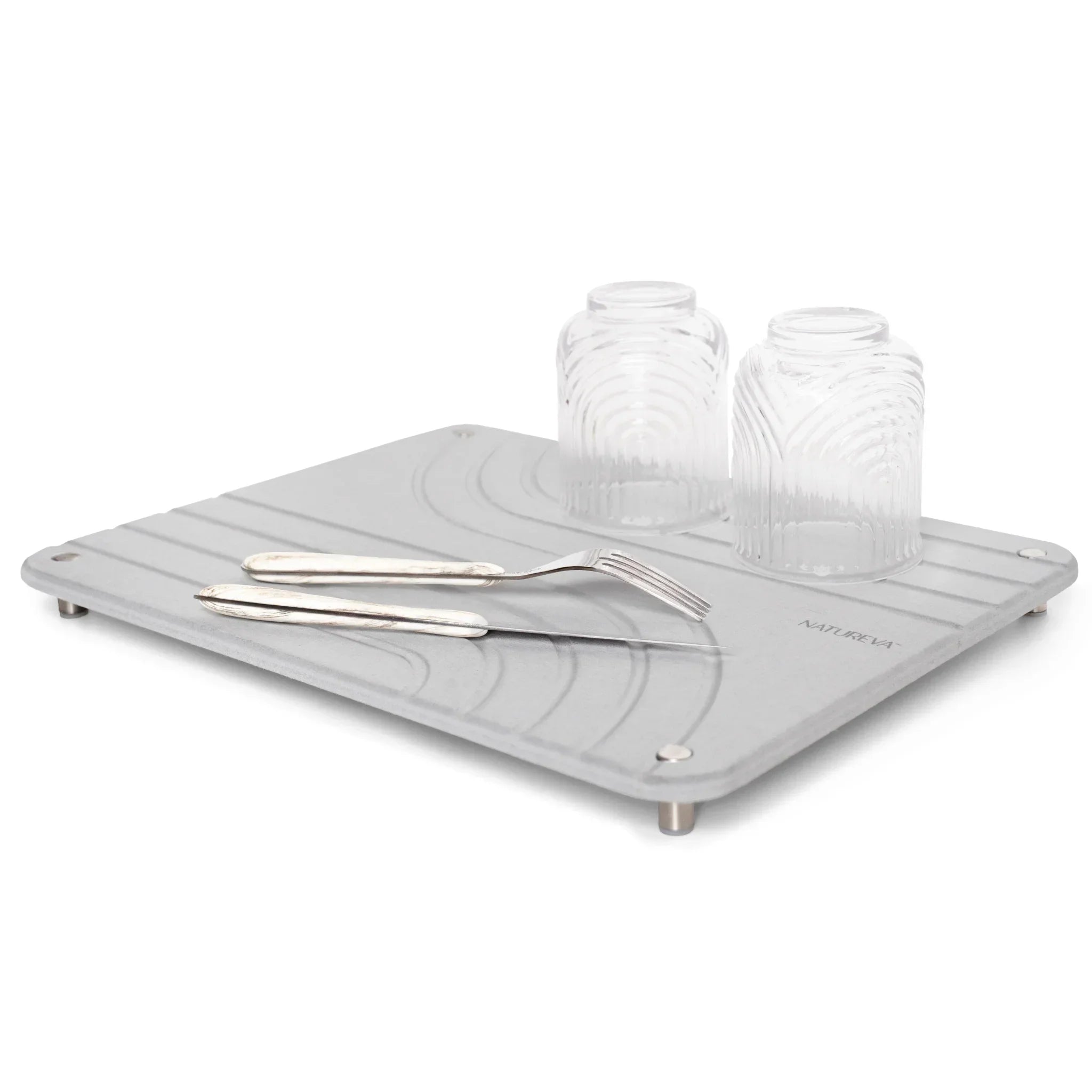
Stone mats made from diatomaceous earth work differently than everything else on this list. Instead of repelling water or holding onto it, these mats actively absorb moisture and then release it through evaporation. The material contains millions of microscopic pores that pull water in on contact. Within minutes of a spill, the surface feels dry to the touch again. This natural drying process prevents the bacteria and mold growth that happens with materials that stay damp.
The science behind it is pretty straightforward. Diatomaceous earth is made from fossilized algae with a porous structure that creates tons of surface area for water to spread across. As the water spreads thin across all those tiny pores, it evaporates much faster than it would sitting in a puddle on rubber or silicone.
| Material | Absorption | Drying Time | Maintenance |
|---|---|---|---|
| Silicone | None | Manual wipe needed | High |
| Rubber | None | Manual wipe needed | High |
| Microfiber | High | Several hours | Very high |
| Plastic | None | Manual wipe needed | High |
| Stone | Instant | Minutes | Low |
Our Natureva Stone Pet Mat uses this natural diatomaceous earth technology to keep feeding areas genuinely dry. The mat costs more upfront than silicone or plastic options, but you're not constantly wiping up puddles or washing fabric mats every day. The material naturally resists bacterial growth because it doesn't stay wet long enough for anything to take hold.
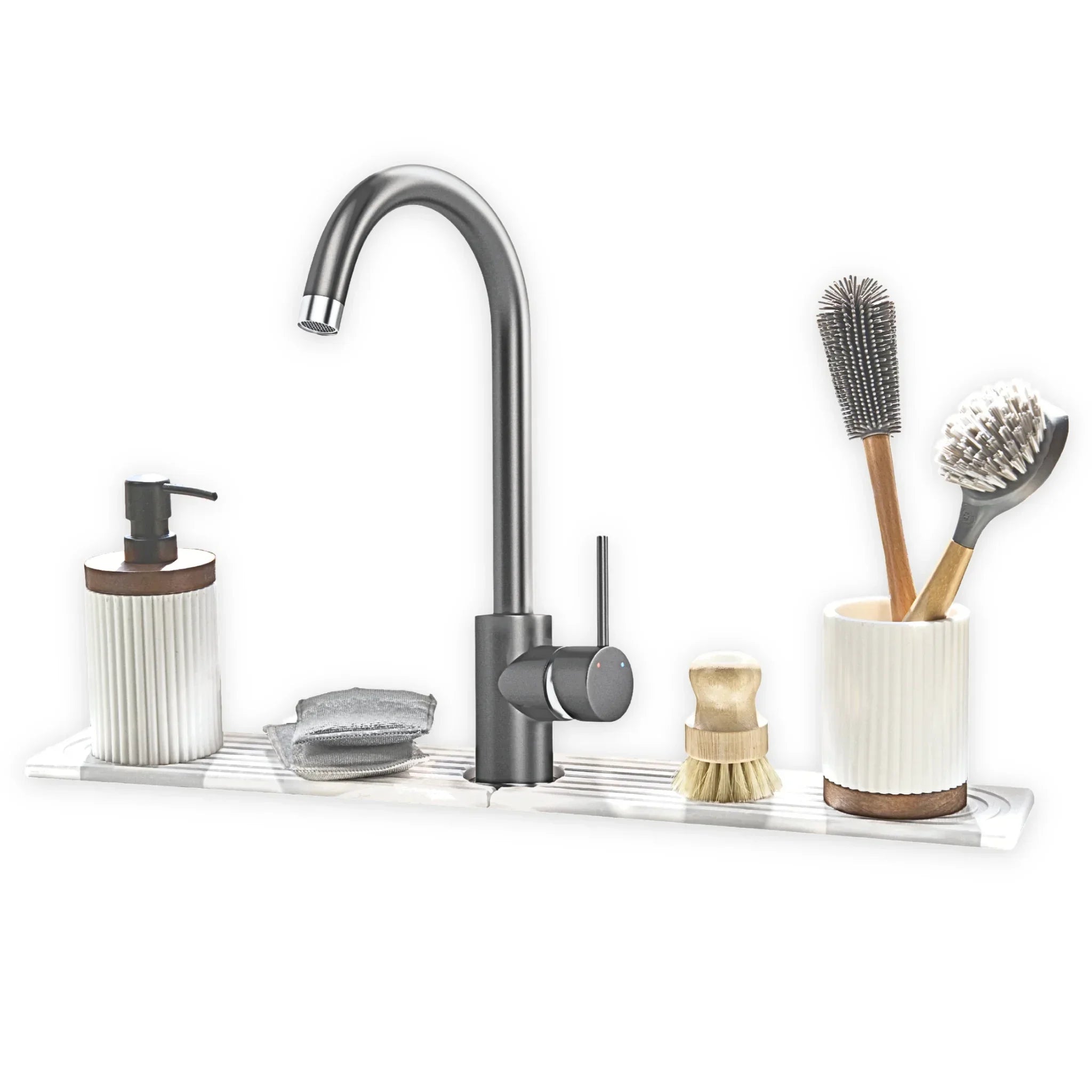
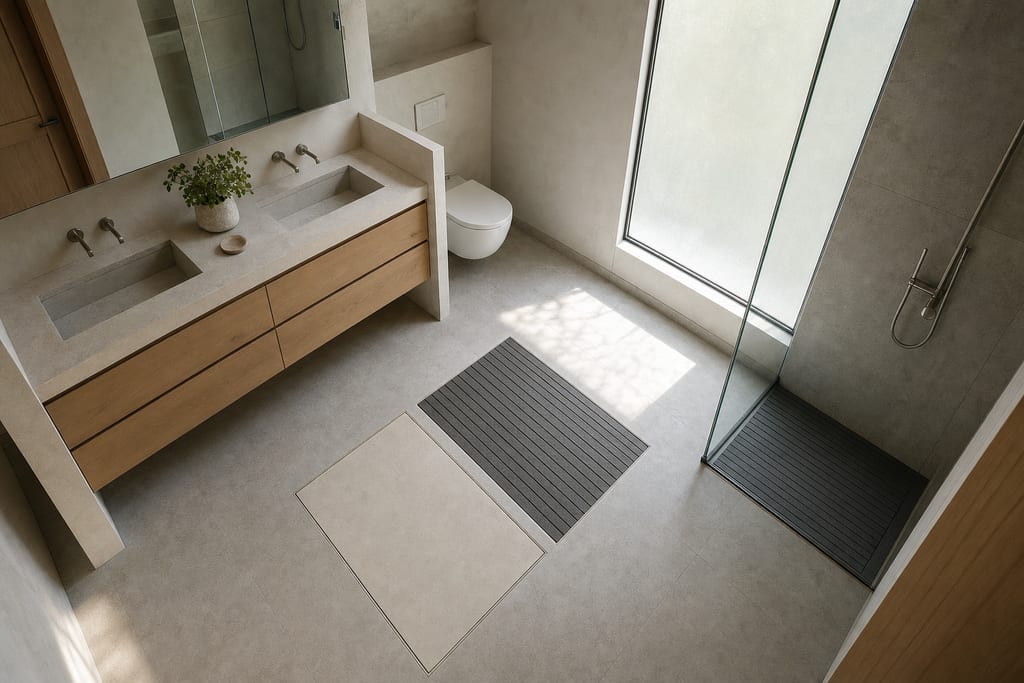
Stone mats need minimal maintenance compared to other materials. A quick wipe with a dry cloth removes any food debris, and the mat takes care of moisture on its own. The same technology works great in other areas of your home too, which is why we use it in our bath mats and dish mats.
The main consideration with stone mats is that they're heavier and more fragile than rubber or silicone. You can't fold them up or toss them in the washing machine. But for a permanent feeding station that actually stays dry without constant attention, the trade-off makes sense for most dog owners.
Choosing the Right Mat for Your Dog
Picking the right dog food mat really comes down to how messy your dog eats and how much time you want to spend cleaning up. If your dog is a neat eater who barely spills a drop, you might get away with a simple silicone or rubber mat. But if you've got a sloppy drinker or a dog who treats their water bowl like a splash pad, you'll want something that actually absorbs moisture instead of just trapping it underneath.
The maintenance factor matters more than most people think. Some materials need constant wiping and drying to prevent mold, while others do the work for you. Stone mats like our diatomite pet mat handle both absorption and drying without much effort on your part, which is why they work well for dogs who make a mess at every meal.
Cost is always part of the equation, but think about what you're actually paying for. A cheaper mat that stays wet and grows mold means you'll be replacing it more often. The upfront price matters less when you factor in how long the mat will actually last and how much time you'll spend maintaining it.
For most dog owners dealing with spills and splashes, stone-based materials offer the best balance of absorption and quick drying. The same technology that makes bathroom mats and dish mats work so well applies perfectly to pet feeding areas. You might still have questions about which specific type works best for your situation, though.
Common Questions About Dog Food Mats
Choosing the right dog food mat brings up a lot of questions, especially when you're trying to figure out what actually works versus what just sounds good on paper. Different materials need different care routines, and what works for one dog might not work for another. Here are the answers to the most common questions pet owners ask when shopping for a mat that actually stays dry.
How often should I clean my dog food mat?
It depends on the material you choose. Silicone and rubber mats need daily wiping and a deep clean every few days since they trap moisture on the surface. Stone mats like our Natureva Stone Pet Mat need less frequent cleaning because they absorb and evaporate moisture naturally, usually just a quick rinse once a week and occasional sanding to refresh the surface.
Can a mat completely prevent floor damage from water?
Most mats reduce floor damage but don't eliminate it entirely. Traditional materials like silicone can let water pool around the edges or seep underneath if your dog is a messy drinker. Stone-based mats offer better protection because they actively absorb moisture instead of just creating a barrier, though you still want to check underneath occasionally.
What size mat do I need for my dog?
Your mat should extend at least 6 inches beyond your dog's bowls on all sides. Bigger dogs and messier eaters need more coverage since they tend to splash water farther. If your dog likes to walk around while eating or drinking, go even larger to catch those drips.
Are expensive dog food mats worth the money?
Cheap mats usually need replacing every few months because they stain, smell, or fall apart. A quality mat costs more upfront but lasts years with proper care. The real value comes from materials that actually solve the wetness problem instead of just covering your floor with something waterproof.
How do I know when my mat needs replacing?
Replace your mat when it starts holding odors even after cleaning, develops cracks or tears, or stops absorbing moisture effectively. Silicone mats often get permanently stained or warped. Stone mats last much longer but need replacement if they crack or stop drying quickly between uses.
Do certain materials work better for specific breeds?
Messy drinkers like bulldogs and spaniels need highly absorbent materials since they create puddles constantly. Large breed owners benefit most from stone mats because they handle heavy bowls without sliding and absorb the larger water volumes these dogs create. Small dogs can get away with basic silicone, though they still deal with the same moisture problems on a smaller scale.
The next generation of home essentials: naturally made, cleaner by design, sustainable by nature.
SHOP ALL