

Five Steps to Keep Cotton Bath Towels Odour Free
You pull a towel from the linen closet, press it to your face, and catch that unmistakable sour smell that makes you wonder if it was ever really clean. Even cotton bath towels fresh from the dryer can harbor bacteria that create musty odors, turning what should feel luxurious into something unpleasant. The good news is that five simple changes to how you wash, dry, and store your towels can eliminate these smells for good.
Table of Contents
What Makes Cotton Towels Smell
That musty smell coming from your cotton bath towels isn't just unpleasant - it's actually millions of tiny bacteria throwing a party in the damp fibers. When you hang up a wet towel after your shower, moisture gets trapped between the cotton threads, creating the perfect warm and wet environment for bacteria to multiply. Within just a few hours, these microorganisms start breaking down oils, dead skin cells, and other organic matter left on the towel, releasing those funky odors we all know too well. The longer a towel stays damp, the worse the smell gets, which is why that towel you forgot in your gym bag for a week smells absolutely terrible.
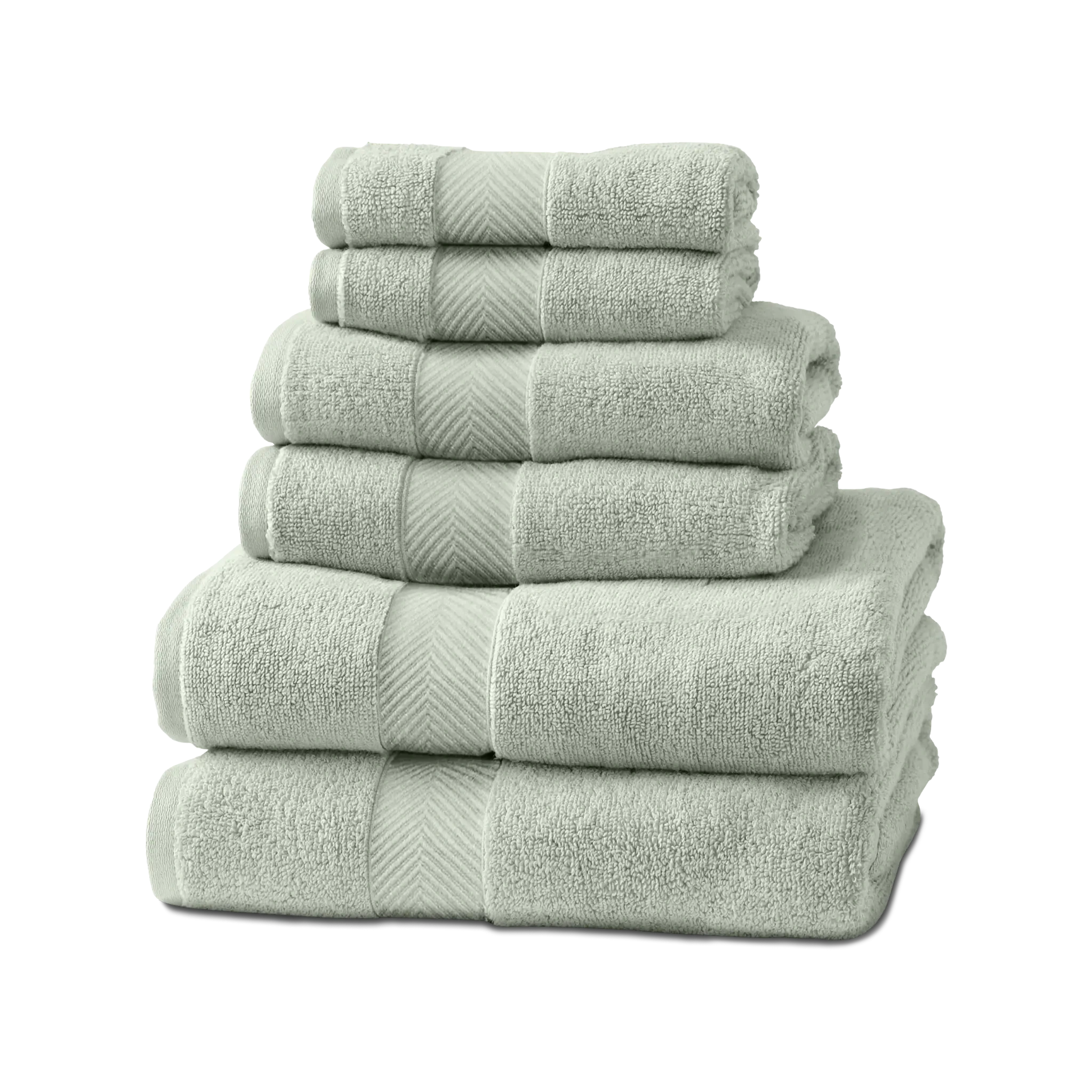
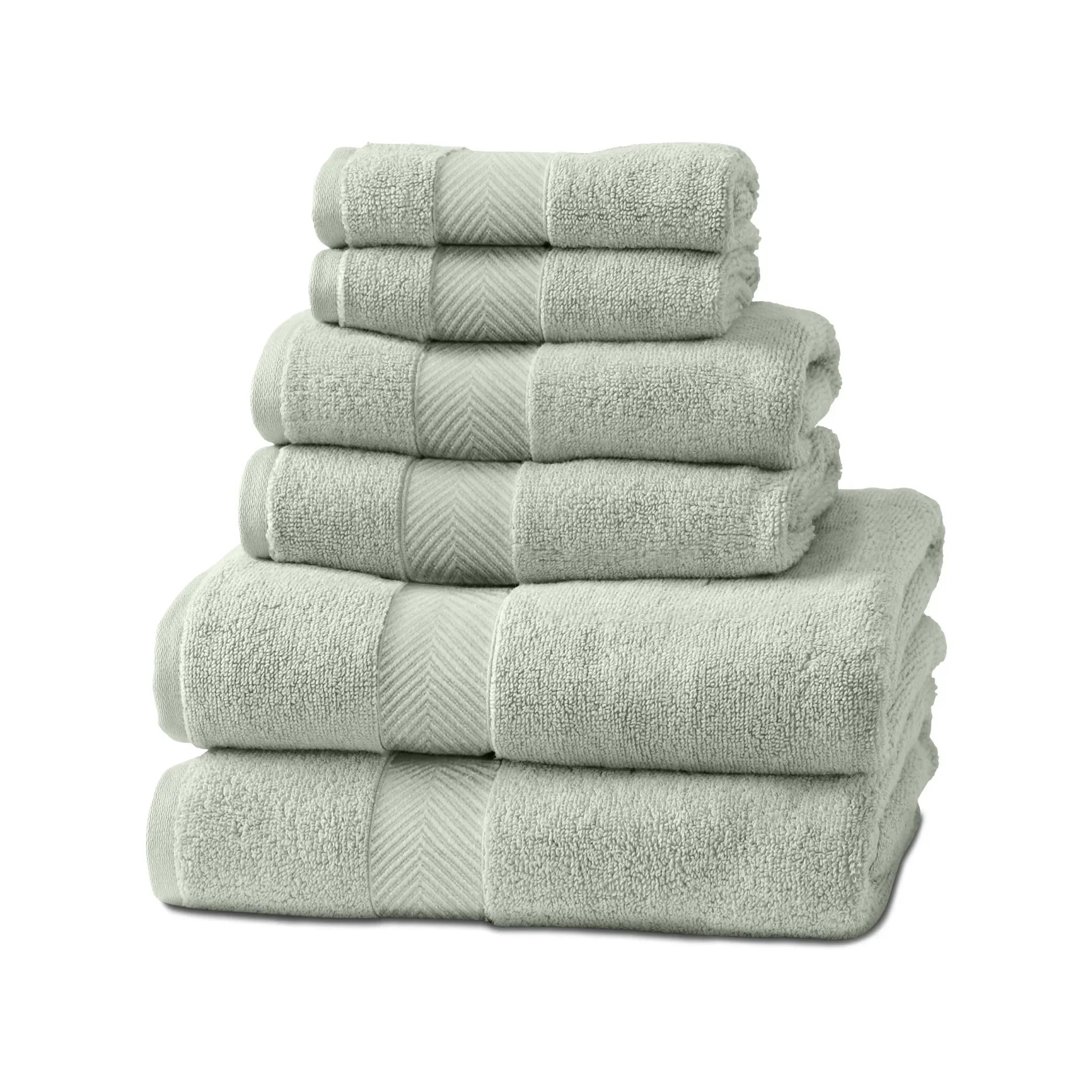
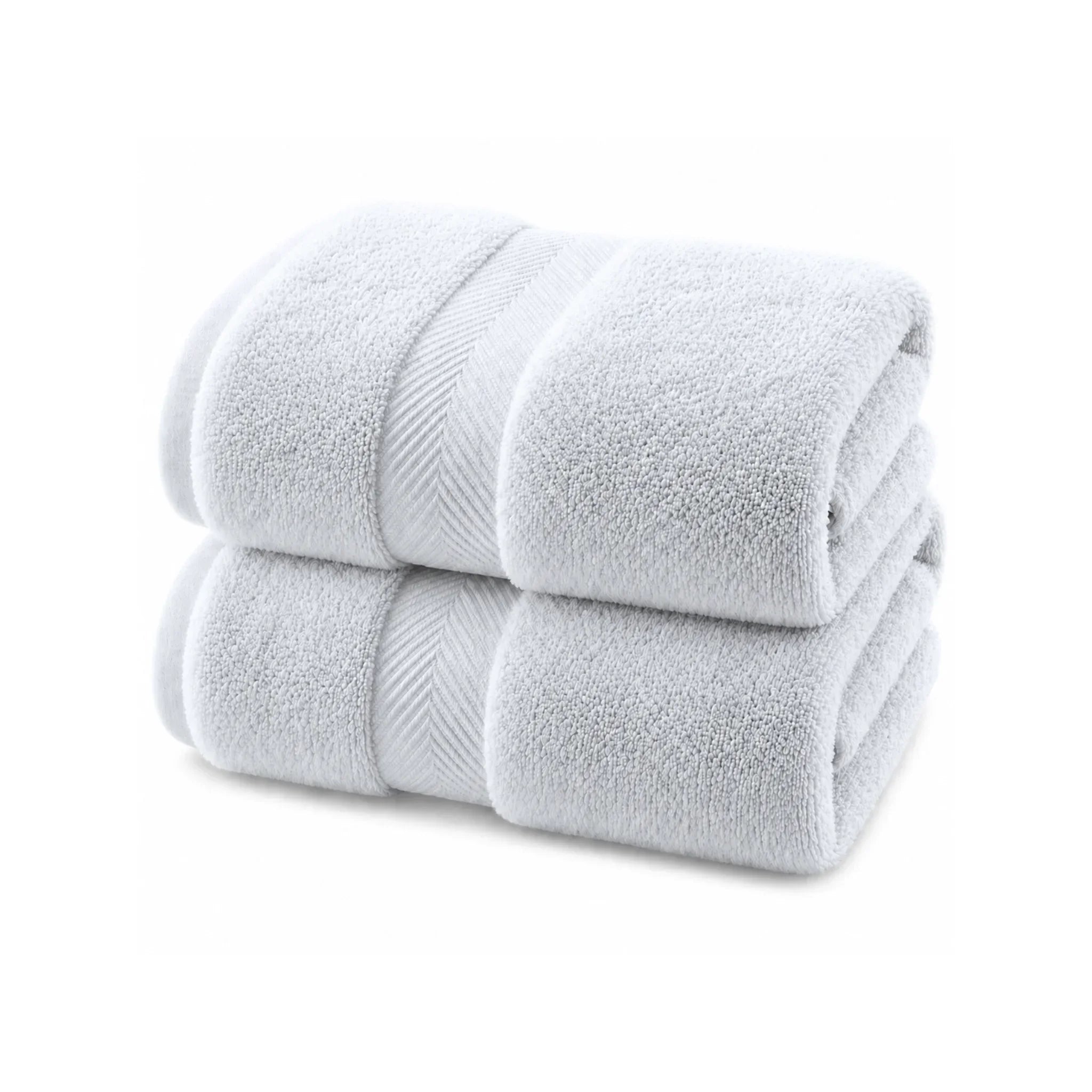
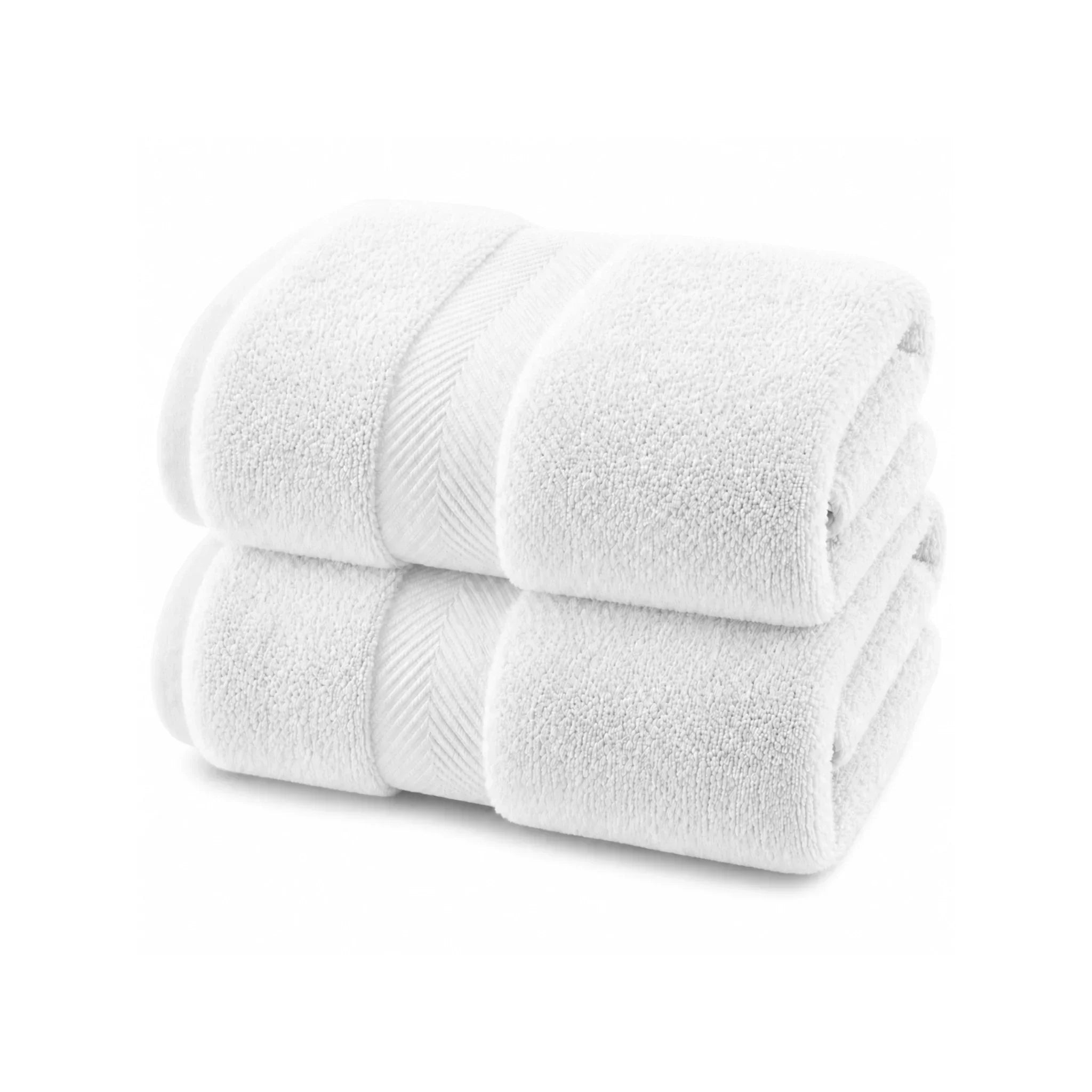
Bamboo Cotton Towels - Set of 6
The quality of your cotton bath towels plays a bigger role in odor development than most people realize. Cheaper towels made from short cotton fibers tend to hold onto moisture much longer than premium options. Our Bamboo Cotton Towels use long-staple cotton that dries faster and resists bacterial buildup better than standard towels.
How Moisture Creates the Problem
Moisture retention is the main villain in the towel odor story. Cotton naturally absorbs water, which is great for drying off, but becomes a problem when towels can't dry out completely between uses.
- Damp towels in humid bathrooms can stay wet for 12-24 hours
- Bacteria double in number every 20 minutes in ideal conditions
- Folded or bunched towels trap moisture in hidden layers
- Poor air circulation around towel bars slows drying time
Common Mistakes That Make It Worse
Most people accidentally create the perfect conditions for smelly towels without even knowing it. Using too much detergent leaves residue that traps bacteria, while fabric softener coats fibers and reduces absorbency.
- Washing towels in cold water doesn't kill bacteria effectively
- Overloading the washing machine prevents proper cleaning
- Leaving wet towels in the washer even for an hour starts mildew growth
- Storing towels before they're completely dry
According to towel care experts, understanding these common mistakes is the first step to keeping your towels fresh. The good news is that preventing towel odors is much easier than removing them once they've set in.
Factors That Cause vs Prevent Odors
| Odor Causes | Odor Prevention |
|---|---|
| Poor air circulation | Spread towels fully on bars |
| Humid bathroom environment | Use exhaust fans |
| Low-quality short fibers | Long-staple cotton towels |
| Excess detergent residue | Use recommended amounts |
| Cold water washing | Hot water kills bacteria |
| Infrequent washing schedule | Wash every 3-4 uses |
The material composition of your towels matters more than you might think. Towels that combine quick-drying properties with good absorbency give bacteria less time to establish themselves and multiply in the fibers.
Step One: Wash Towels the Right Way
Most people think throwing towels in the washer with regular detergent is enough, but that's where the problem starts. Cotton bath towels need specific care to stay fresh, and the way you wash them makes all the difference. The wrong temperature or too much soap can actually trap bacteria and odors instead of removing them. Getting the basics right means your towels will smell clean for days instead of developing that musty smell after one use.
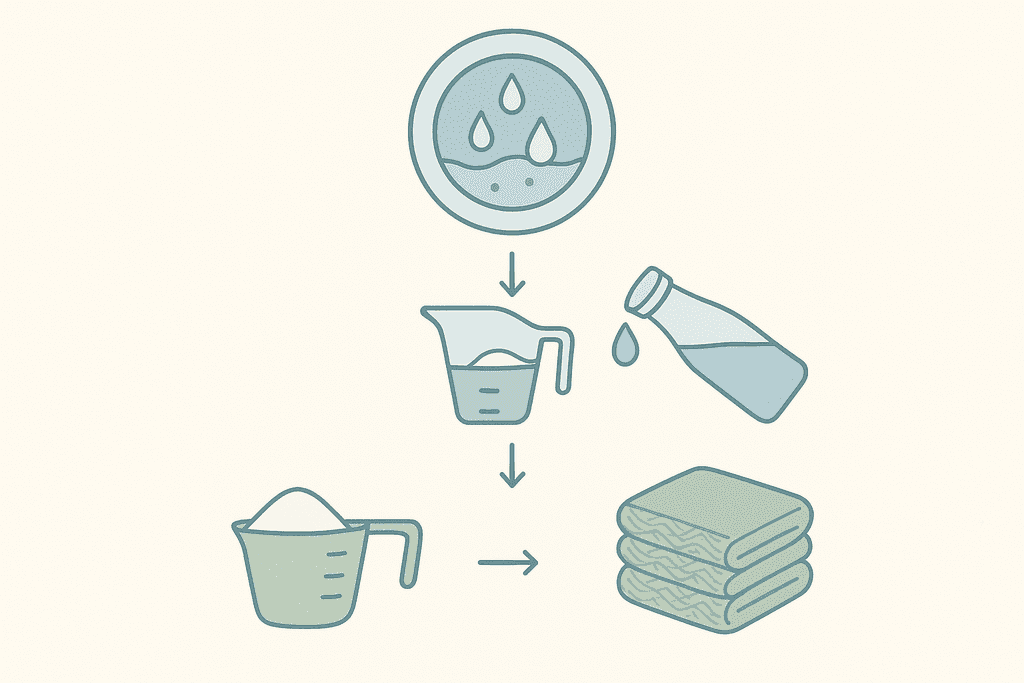
Step One: Wash Towels the Right Way
Water temperature matters more than you'd think. Warm water around 40-60°C works best because it kills bacteria without breaking down the cotton fibers too quickly. Hot water might seem like the answer, but it can damage towels over time and set stains.
- Use half the detergent you think you need - excess soap leaves residue that traps bacteria
- Add half a cup of white vinegar to the rinse cycle to break down buildup and neutralize odors
- Skip fabric softener completely - it coats fibers and creates a breeding ground for bacteria
- Wash bath towels every 3-4 uses according to Cleveland Clinic guidelines
The detergent issue surprises most people. More soap doesn't mean cleaner towels. It means more residue left behind that holds onto moisture and smells. If your towels feel stiff or smell weird even after washing, detergent buildup is probably the culprit.
- Sort towels by color and wash separately from other laundry
- Use warm water and half your normal detergent amount
- Add white vinegar to the rinse cycle
- Never use fabric softener or dryer sheets
- Wash every 3-4 uses or weekly, whichever comes first
Step Two: Dry Towels Completely Every Time
Here's something most people don't realize until it's too late. That damp towel hanging in your bathroom is growing bacteria and mildew right now. Even if you washed it perfectly, leaving a towel bunched up or in a humid space undoes all that work. Damp towels are the number one reason cotton bath towels develop that sour smell, and it happens faster than you'd expect. The solution isn't complicated, but it does require changing a few habits.
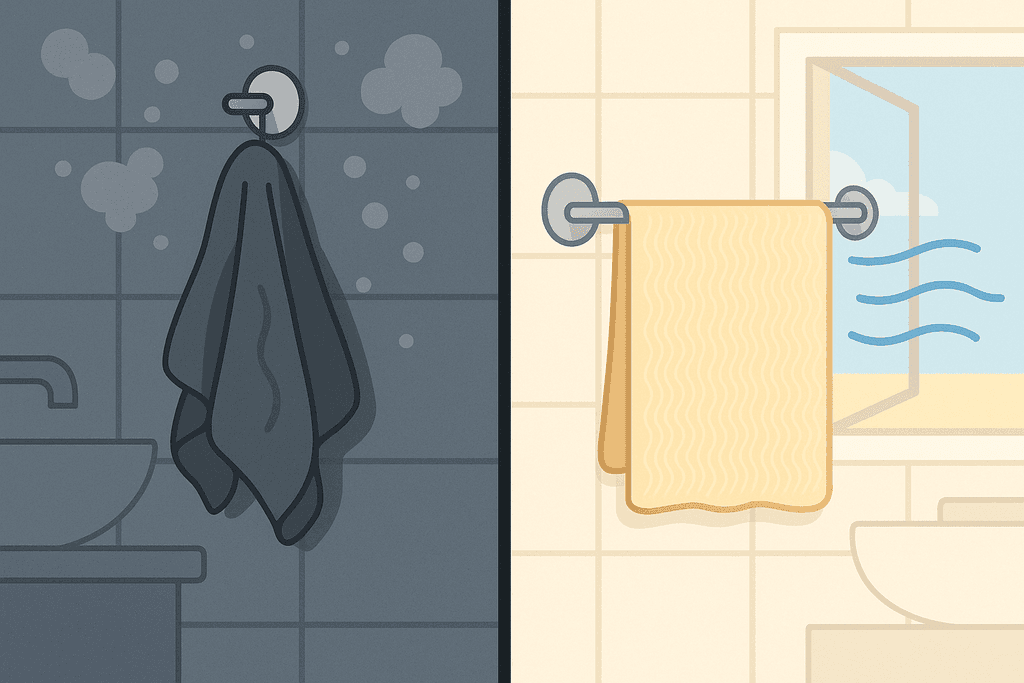
Step Two: Dry Towels Completely Every Time
Air circulation is everything when it comes to drying. A towel needs space around it to release moisture into the air. When you bunch it up on a hook or fold it while still damp, the inside stays wet for hours.
| Drying Method | Drying Time | Odor Risk |
|---|---|---|
| Towel bar (spread out) | 2-4 hours | Low |
| Hook (bunched) | 6-8 hours | High |
| Heated towel rack | 1-2 hours | Very low |
Your bathroom setup plays a bigger role than you might think. A bathroom without a fan or window traps humidity, which means towels take forever to dry. Running the exhaust fan for 20 minutes after showering helps pull moisture out of the air and speeds up drying time significantly.
This is where towel material makes a real difference. Traditional cotton holds onto water, but bamboo cotton blends dry much faster because of how the fibers are structured. The Natureva Bamboo Cotton Towels use a 30% bamboo viscose and 70% long-staple cotton blend that releases moisture quickly, which means less time for bacteria to grow between uses.
Step Three: Store Towels in the Right Place
You might be storing your clean towels in the worst possible spot without knowing it. Most people keep towels in the bathroom because it's convenient, but bathrooms are humid spaces that never fully dry out. That moisture seeps into your clean towels sitting in the cabinet, and they start smelling musty before you even use them. The fix is simple but requires thinking differently about where towels belong when they're not in use.
Clean towels should live outside the bathroom whenever possible. A linen closet in a hallway or bedroom stays much drier and keeps towels fresher longer. If you must store them in the bathroom, avoid closed cabinets under the sink where humidity gets trapped.
- Store clean towels in open shelving or well-ventilated closets
- Keep at least 4-6 towels in rotation so each one has time to fully dry between washes
- Avoid stacking towels too tightly - leave space for air to move between them
- Never store damp towels, even for a few hours
Rotation matters more than most people realize. Using the same two towels over and over doesn't give them enough recovery time. Having a proper rotation means each towel gets several days to air out completely before being used again, which extends their life and keeps them smelling better.
The next generation of home essentials: naturally made, cleaner by design, sustainable by nature.
SHOP ALL- Store clean towels outside the bathroom when possible
- Use open shelving instead of closed cabinets
- Keep towels loosely folded with space between them
- Maintain a rotation of at least 4-6 towels per person
- Check stored towels monthly for any musty smells
Step Four: Deep Clean Monthly
Even with perfect washing habits, cotton bath towels build up residue over time. Detergent, body oils, and minerals from hard water all accumulate in the fibers. Eventually, regular washing stops working and your towels feel stiff or smell off even when they're clean. That's when you need a deep clean to strip everything out and reset the towels back to fresh. This isn't complicated, but it does take an extra wash cycle and some basic household items you probably already have.
The process uses two separate wash cycles. First, run towels through a hot water cycle with one cup of baking soda and no detergent. This breaks down oils and odors trapped in the fibers. Then run a second hot cycle with one cup of white vinegar in the rinse dispenser to remove any remaining buildup and residue.
- Do this deep clean once a month for towels you use regularly
- Use the hottest water your towels can handle (check care labels)
- Never mix baking soda and vinegar in the same cycle
- Skip the dryer sheets afterward - they'll just add new buildup
You'll know your towels need a deep clean when they smell musty even after washing, feel stiff or scratchy, or stop absorbing water like they used to. These are all signs of buildup that regular detergent can't remove. The deep clean process from cleaning experts works because it tackles the problem from two angles instead of just masking odors.
- Load towels into washer without any other items
- Run hot cycle with 1 cup baking soda, no detergent
- Run second hot cycle with 1 cup white vinegar
- Dry completely on medium heat or line dry
- Mark your calendar for next month's deep clean
Step Five: Choose Better Towel Materials
All the washing and drying tips in the world won't help much if your towels are made from materials that hold moisture and breed bacteria. Traditional 100% cotton towels are soft and absorbent, but they're also slow to dry and prone to developing odors. The fabric structure traps water deep in the fibers, which means they stay damp longer and give bacteria more time to multiply. This is why some towels start smelling sour after just one use, no matter how carefully you care for them.
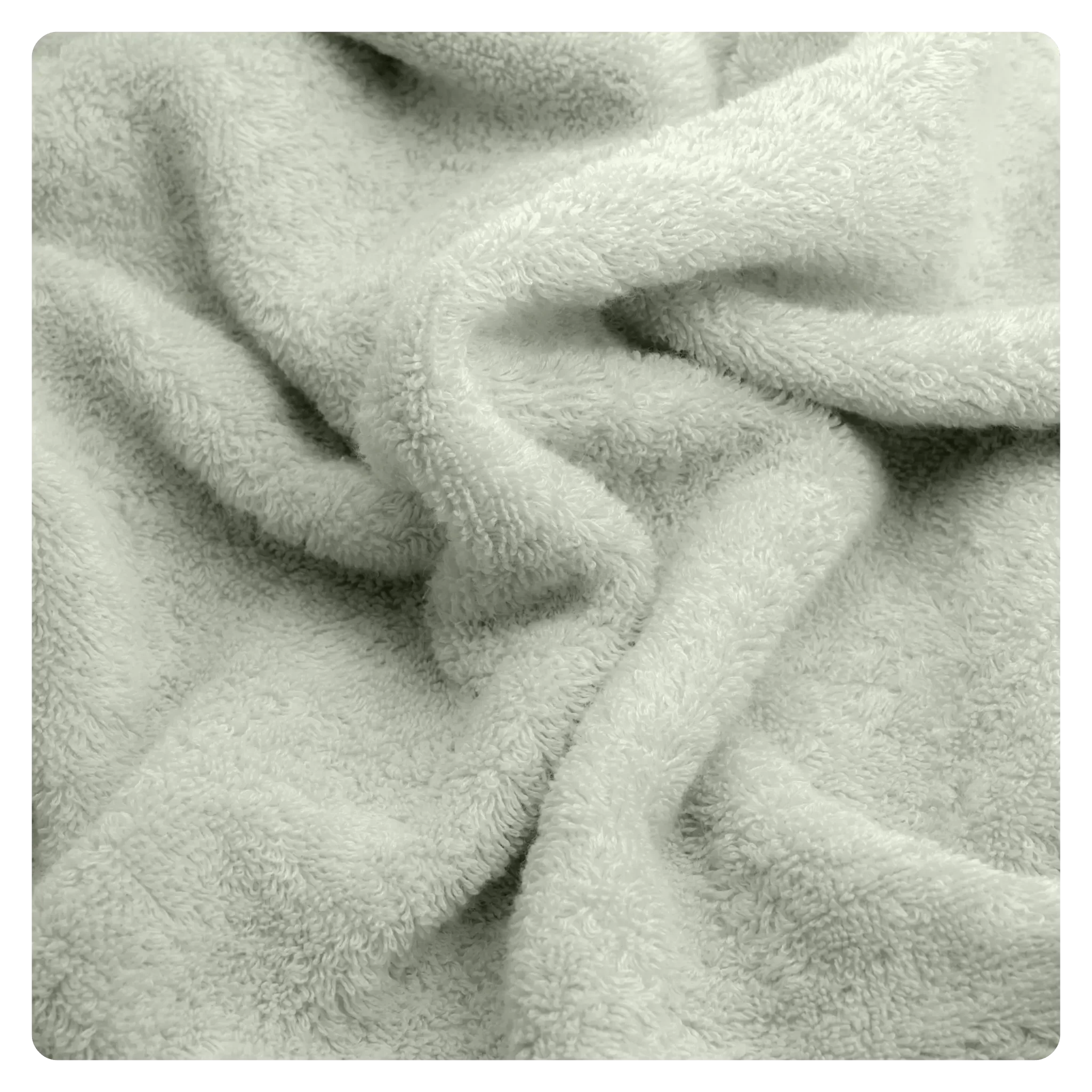
Bamboo cotton blends solve this problem by combining the best properties of both materials. The bamboo viscose fibers are naturally more breathable and release moisture faster than pure cotton. Meanwhile, long-staple cotton provides the absorbency and softness you want from a bath towel.
| Property | Traditional Cotton | Bamboo Cotton Blend |
|---|---|---|
| Drying time | 4-6 hours | 2-3 hours |
| Odor resistance | Moderate | High |
| Absorbency | Good | Excellent |
| Softness over time | Decreases | Maintains |
The Natureva Bamboo Cotton Towels use a specific 30% bamboo viscose and 70% long-staple zero-twist cotton blend that addresses the freshness problem at the source. The quick-drying performance means less time for bacteria to grow between uses, and the long-staple cotton fibers are more absorbent than standard cotton. You can check out the full bath towel collection to see how material quality affects everyday performance.
Better materials don't just help with odors. They also mean your towels last longer and need deep cleaning less often. When fibers dry faster and resist bacteria naturally, you're not fighting against the towel itself every time you wash it. That's the difference between towels that stay fresh for years and ones that need replacing every few months.
Fresh Towels Start With Smart Habits
Keeping your cotton bath towels fresh really comes down to five simple steps that anyone can follow. Wash them before first use, dry them completely between uses, wash them every three to four uses, skip the fabric softener, and choose towels made from quality materials. These aren't complicated changes that require a complete bathroom overhaul or hours of extra work each week.
The truth is, most towel odor problems happen because of habits we don't even think about. Once you start hanging towels properly and washing them the right way, it becomes automatic. You won't need to remember a long list of rules or set reminders on your phone.
The material your towels are made from matters more than most people realize. Our Bamboo Cotton Towels combine 30% bamboo viscose with 70% long-staple zero-twist cotton, which means they dry faster than regular cotton towels and resist that musty smell that builds up over time. Quick-drying towels give bacteria less time to grow, which is the real secret to keeping things fresh.
Starting these habits today means you'll notice a difference by next week. Your bathroom will smell better, your towels will feel cleaner, and you won't be dealing with that weird damp smell anymore. If you're looking to upgrade your bath towels or explore other bathroom essentials, the right materials make all the difference in how easy these steps are to maintain.
You probably have questions about specific situations or problems you've run into with your own towels. Let's address some of the most common ones.
Common Questions About Towel Odours
Dealing with smelly towels is frustrating, especially when you've just stepped out of a clean shower. These questions come up all the time from people trying to keep their cotton bath towels fresh and clean. Here's what actually works based on real experience and fabric science.
How often should cotton bath towels be washed?
You should wash your cotton bath towels after three to four uses maximum. If you live in a humid climate or notice any musty smell developing sooner, wash them after every two uses instead. The key is making sure they dry completely between each use, which prevents bacteria from multiplying in the damp fibers.
Can you remove odours from old towels?
Yes, most odours can be removed by washing towels in hot water with one cup of white vinegar and no detergent, then running a second cycle with baking soda. This strips away detergent buildup and kills odor-causing bacteria that regular washing misses. For really stubborn smells, you might need to repeat this process twice.
Why do towels smell even after washing?
Towels smell after washing because bacteria and mildew are still trapped in the fibers, usually from sitting wet in the washer too long or not drying completely. Detergent and fabric softener buildup also creates a coating where bacteria can hide and multiply, even through a wash cycle. Front-loading washers are especially prone to this problem because they use less water.
Are bamboo cotton towels better for preventing odours?
Bamboo cotton blends do resist odours better than regular cotton because bamboo fibers naturally inhibit bacterial growth. They also dry faster, which means less time for bacteria to develop in damp fabric. Our Bamboo Cotton Towels combine 30% bamboo viscose with 70% long-staple cotton for quick-drying performance that stays fresher between washes.
What's the best way to dry towels quickly?
The fastest drying method is using a dryer on medium heat, but hanging towels in a well-ventilated area with good air circulation works almost as well. Spread towels out completely rather than bunching them up, and if you're air-drying indoors, point a fan at them to speed up the process.
Should you use fabric softener on bath towels?
No, skip the fabric softener completely on bath towels. It coats the fibers and reduces absorbency while creating a layer where bacteria can hide and cause odours. White vinegar in the rinse cycle softens towels naturally without the negative effects, and your towels will actually dry you off better without that waxy coating.
The next generation of home essentials: naturally made, cleaner by design, sustainable by nature.
SHOP ALL