
The Safest Non-Slip Bath Mats for Seniors and Aged Care at Home
The bathroom is one of the most hazardous rooms in the home for older Australians. According to the Australian Institute of Health and Welfare (AIHW), falls are the leading cause of hospitalised injury among people aged 65 and over, and more than half of those falls happen at home. The bathroom, with its wet tiles and smooth surfaces, is where the risk concentrates most.
A well-chosen non-slip bath mat for elderly household members is one of the simplest, most effective ways to reduce that risk. Learn more about the features to look for and which material suits your home.
Key Takeaways
- Bathroom falls are the leading cause of injury hospitalisation for Australians aged 65 and over
- The most important features in a non-slip bath mat for seniors are: secure grip, fast moisture clearance, low profile, and easy maintenance
- Fabric and memory foam mats stay wet for hours, which creates a secondary slip risk
- Diatomite stone mats absorb moisture almost instantly and dry between uses, reducing floor moisture and bacterial build-up
- Placement, routine cleaning, and complementary safety measures all matter alongside mat choice
Why Bathroom Falls Are a Senior Safety Priority
Falls make up 77% of all injury hospitalisations and 71% of injury-related deaths in Australians aged 65 and over. The AIHW also reports that falls on the same level from slipping, tripping, and stumbling are the single largest cause of fall injury hospitalisations in Australia.
The bathroom amplifies these risks. Wet tiles, soap residue, and the physical effort of stepping in and out of a shower all combine to create hazardous conditions, particularly for older adults with reduced balance or slower reaction times.
The good news is that most of these falls are preventable. A non-slip bath mat for elderly family members, placed correctly and maintained properly, is a meaningful first step.
What to Look for in a Non-Slip Bath Mat for Seniors
Not every bath mat labelled "non-slip" is built for aged care settings. These are the features that make a difference:
- Grip base: Rubber or silicone backing that stays put on tiles. Look for even suction or grip across the full underside, not just corners
- Fast-drying surface: A mat that stays wet for hours becomes a slip hazard itself. The faster the moisture clears, the safer the floor
- Low profile: A thick or raised edge creates a trip hazard for those with limited foot clearance. Flat, low-profile mats are safer for seniors with a shuffling gait or mobility aids
- Easy to clean: Regular cleaning is essential, as mould and soap residue under a mat is both unhygienic and dangerous. The easier it is to clean, the more likely it is to get cleaned
- Stable underfoot: The mat shouldn't shift, curl at the corners, or bunch when weight is applied
- Appropriate size: Covers the key step-out zone fully. Partial coverage leaves the riskiest area exposed
Bath Mat Materials Compared
|
Material |
Dries Quickly? |
Non-Slip Base |
Hygiene |
Maintenance |
|
Fabric/terry cloth |
✗ (hours) |
Varies |
Traps moisture, mould risk |
Machine wash required |
|
Memory foam |
✗ (hours) |
Rubber backing |
Retains moisture |
Machine wash required |
|
Rubber / PVC (in-tub) |
✔️(surface dries) |
Suction cups |
Mould under the mat is common |
Needs regular lifting and scrubbing |
|
Diatomite stone |
✔️(minutes) |
Silicone grip base |
Resists bacteria and mould |
Wipe clean and occasional light sanding |
Fabric and memory foam mats are common choices, but they hold moisture long after a shower, sometimes even for hours. That lingering dampness keeps the floor wetter for longer, increasing the risk of slipping and providing conditions for mould and bacteria to develop underneath.
Rubber and PVC in-tub mats grip well on smooth surfaces, but they're frequently moved during cleaning, and if not dried properly after use, mould can build up quickly on the underside.
How Diatomite Stone Mats Support a Safer Bathroom
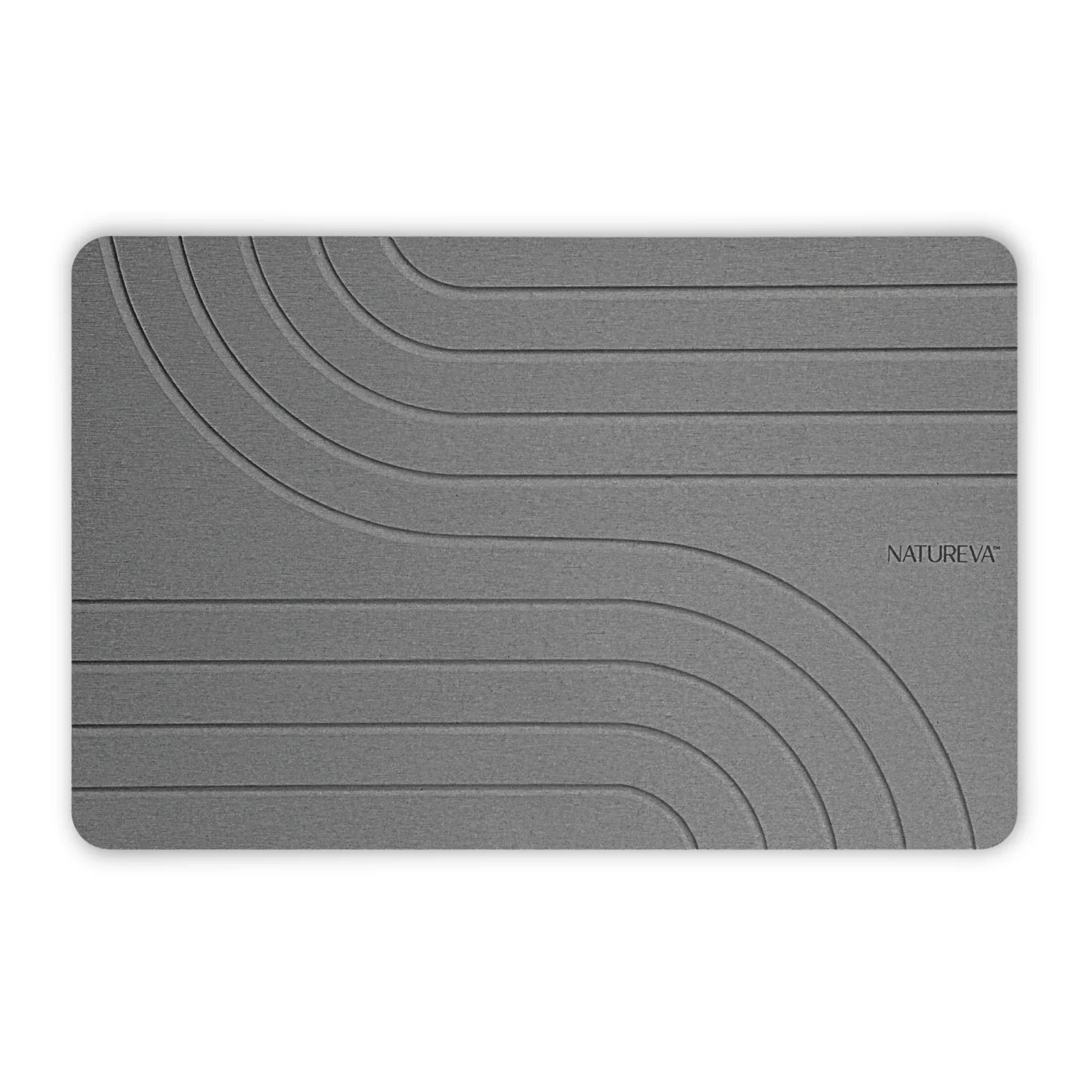
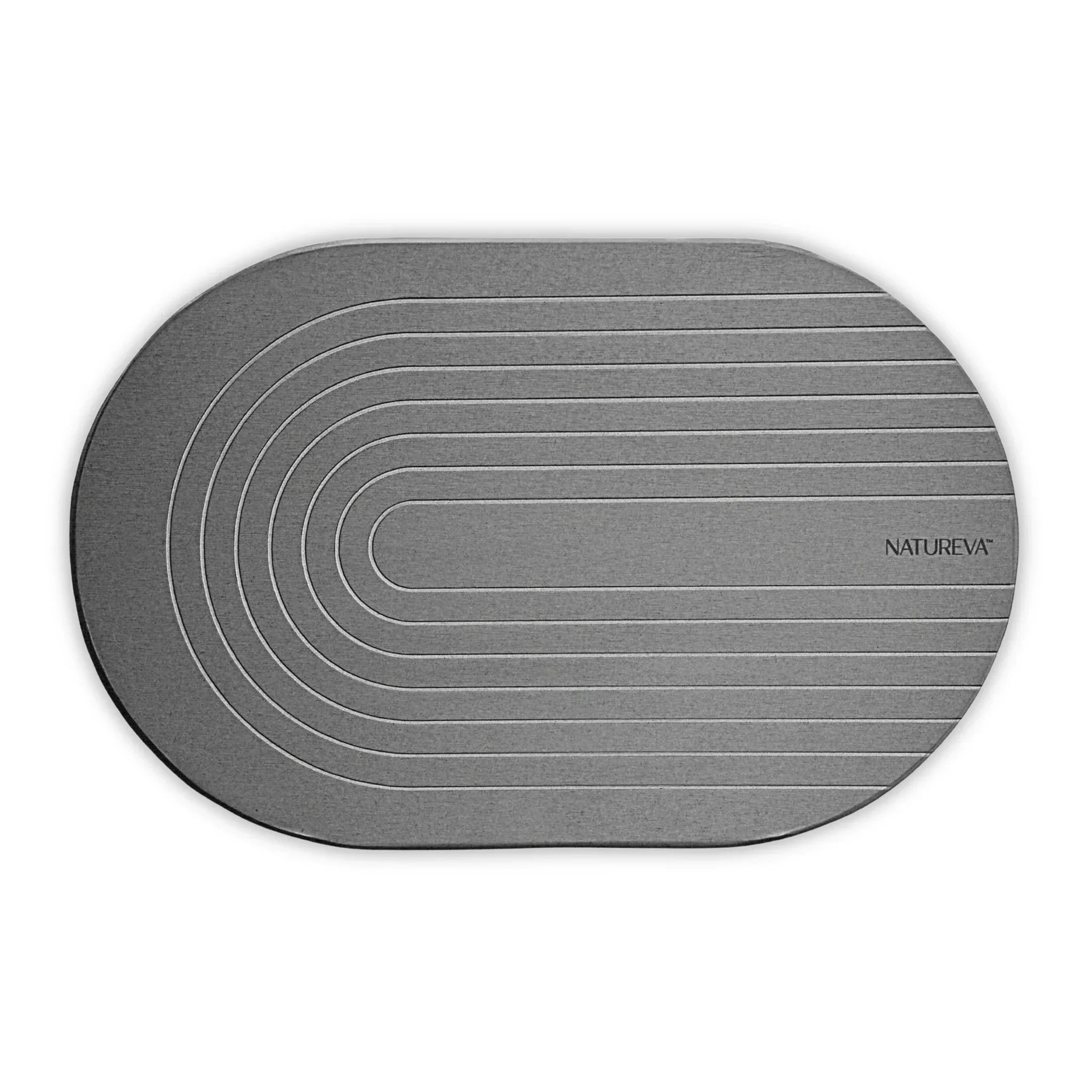
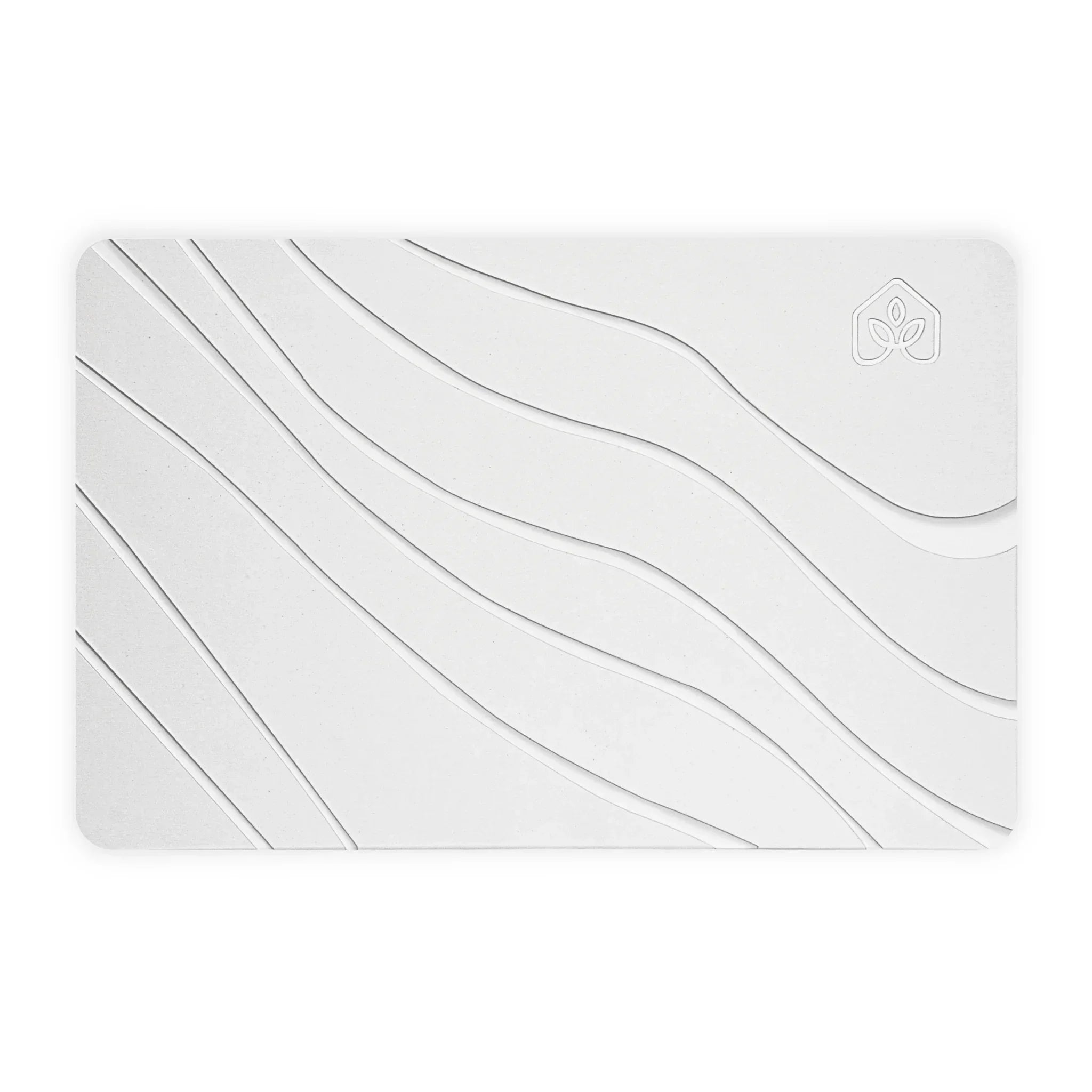
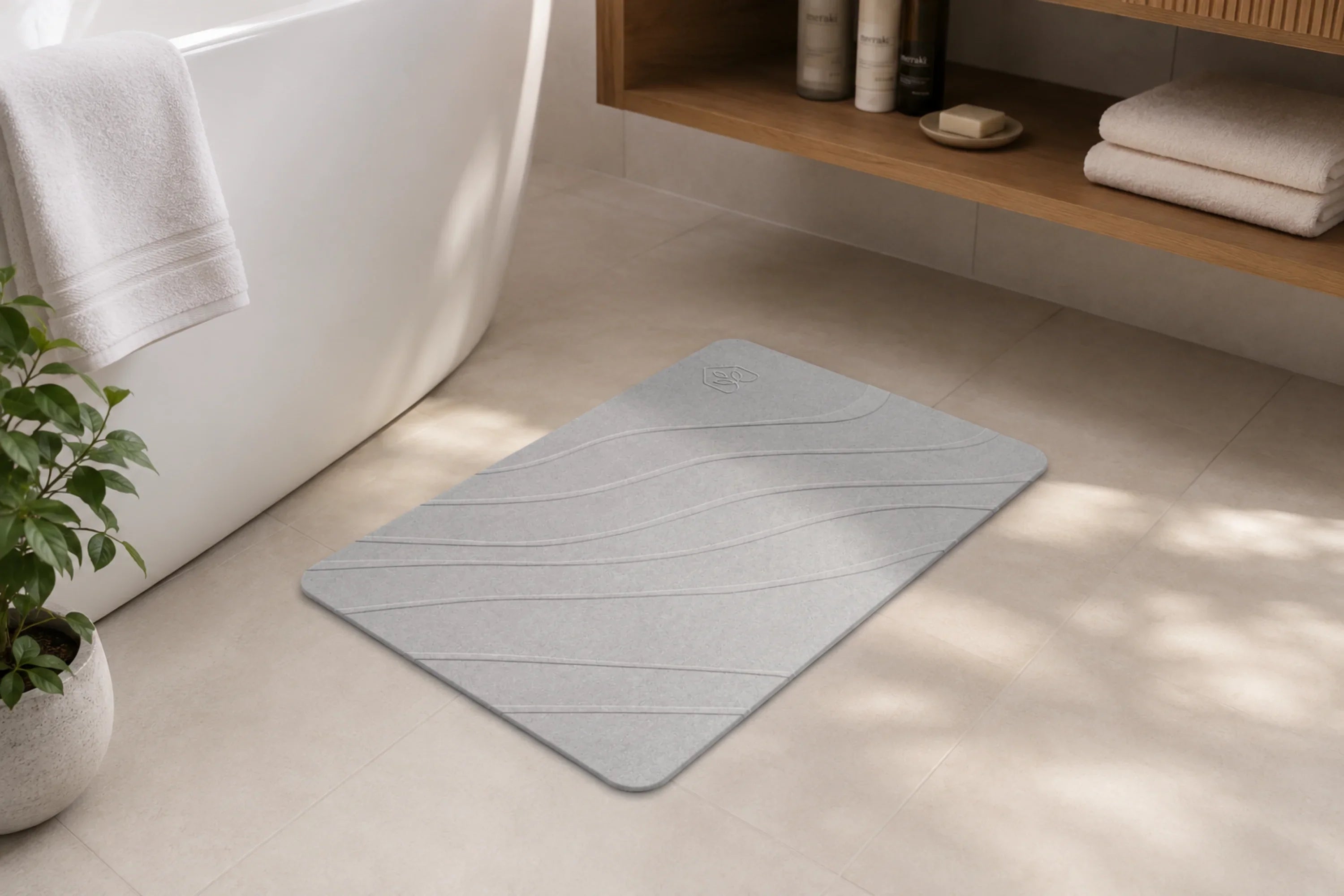
A diatomite bath mat takes a different approach to moisture. Diatomite (also called diatomaceous earth) is a naturally porous sedimentary material formed from fossilised algae. Its structure draws water off the surface of wet feet almost immediately, then releases that moisture through evaporation between uses, leaving the mat dry and ready again within minutes.
This matters for senior safety in two ways.
- The floor around the mat stays drier, reducing the risk of secondary slip caused by water pooling beneath fabric mats.
- The dry surface resists bacterial and mould build-up, which makes conventional mats progressively less hygienic over time.
Diatomite mats also have a firm, flat surface (no curling edges or shifting), which makes them more stable underfoot than fabric alternatives. Paired with a non-slip silicone grip base, they sit securely on bathroom tiles without needing to be pressed down or repositioned.
Maintenance is straightforward too: wipe clean with a damp cloth, or restore absorption capacity with light sanding.

Practical Tips for a Safer Bathroom Setup
A non-slip bath mat works best as part of a broader approach to bathroom safety:
- Place mats at the step-out point, not just inside the shower. The moment of stepping onto a cold, wet floor is when most falls happen
- Check grip regularly. Inspect the mat base for signs of wear, soap build-up, or reduced traction at least once a month
- Clean underneath, even the best mat can harbour moisture and bacteria if the floor beneath it isn't cleaned regularly
- Add grab rails if they're not already in place. They complement mat safety for those with reduced balance
- Use adequate lighting. A simple nightlight near the bathroom entrance reduces disorientation for seniors during nighttime bathroom trips
- Remove rugs with curled edges or fraying, as these become trip hazards that outweigh any non-slip benefit
For families with a parent or grandparent managing personal hygiene at home, small environmental adjustments like these, combined with the right non-slip bath mats for seniors, can support safer independent living.
Finding the Right Mat for Your Home
The right choice depends on the bathroom layout, level of mobility, and how much maintenance fits into the household routine. But for most homes, particularly those supporting an older family member, a diatomite stone mat at the shower or bath step-out zone addresses the three core risks simultaneously: slip risk, floor moisture, and hygiene.
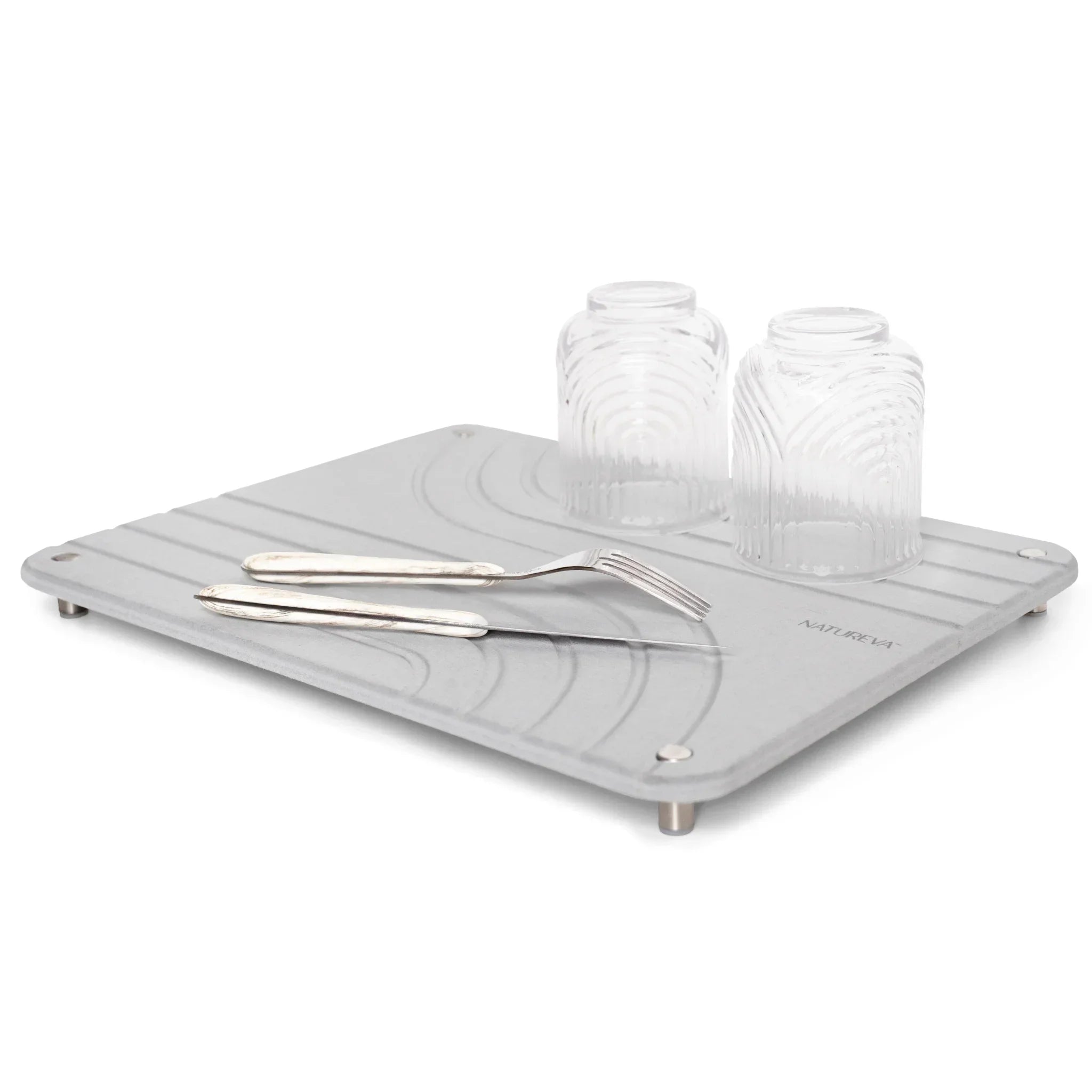
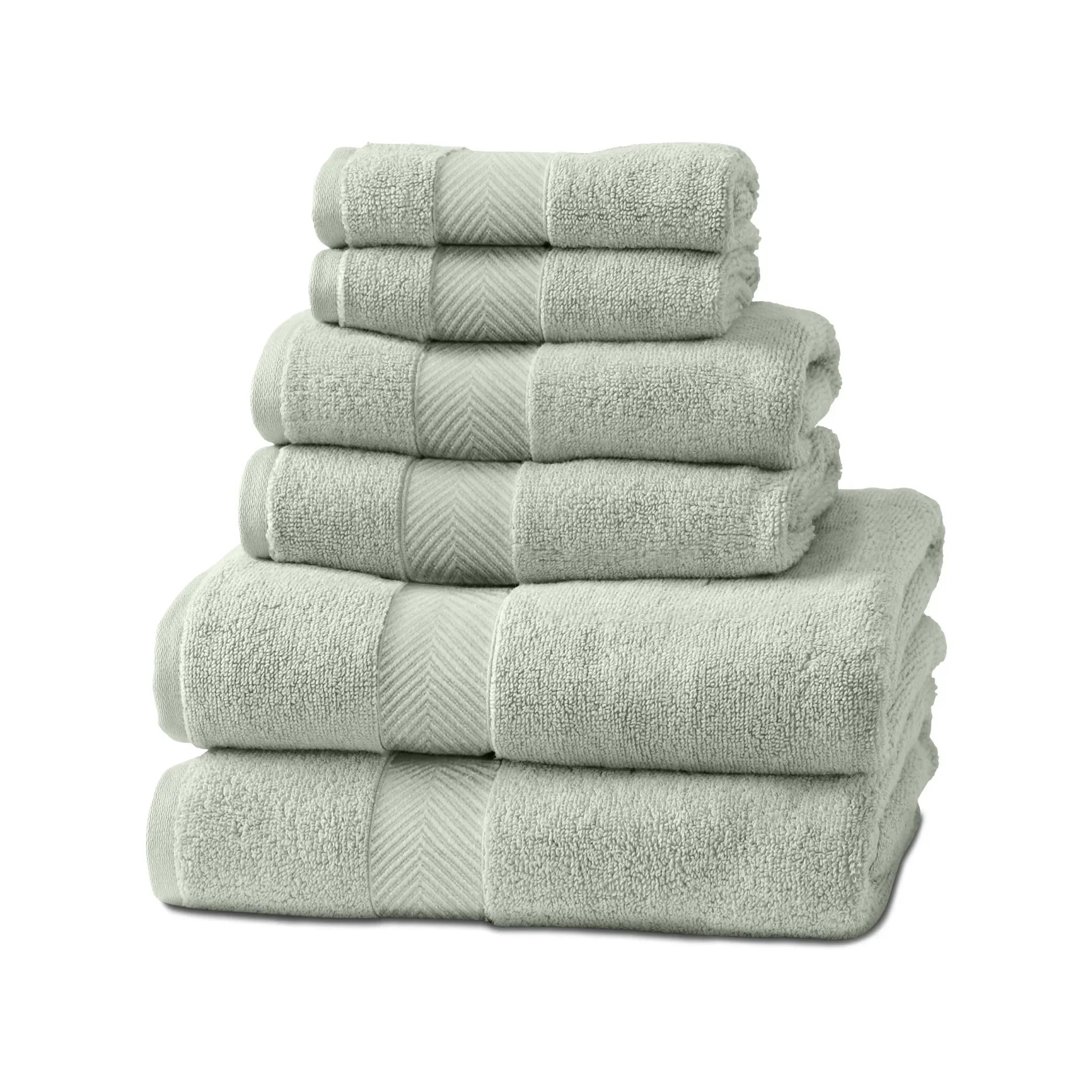
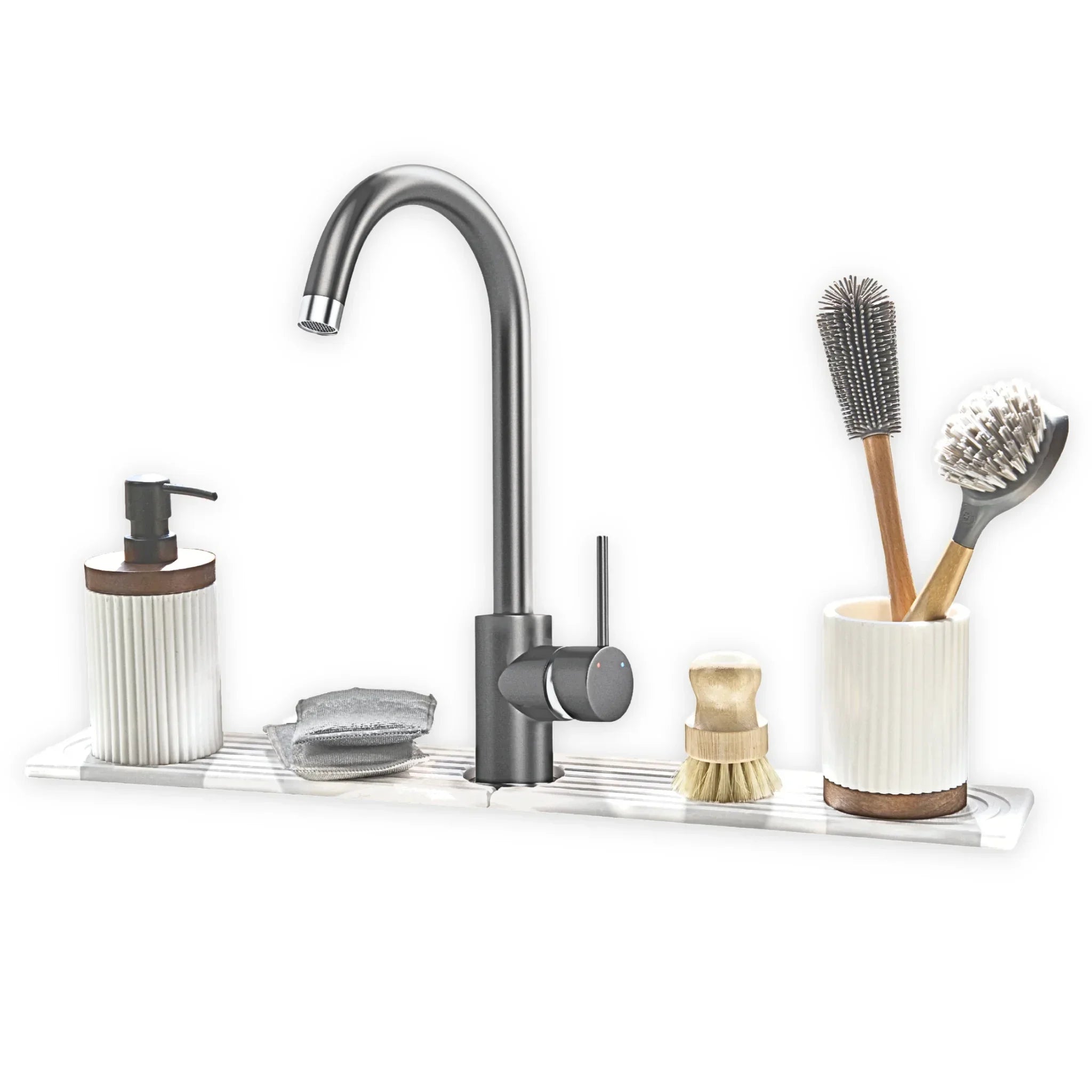
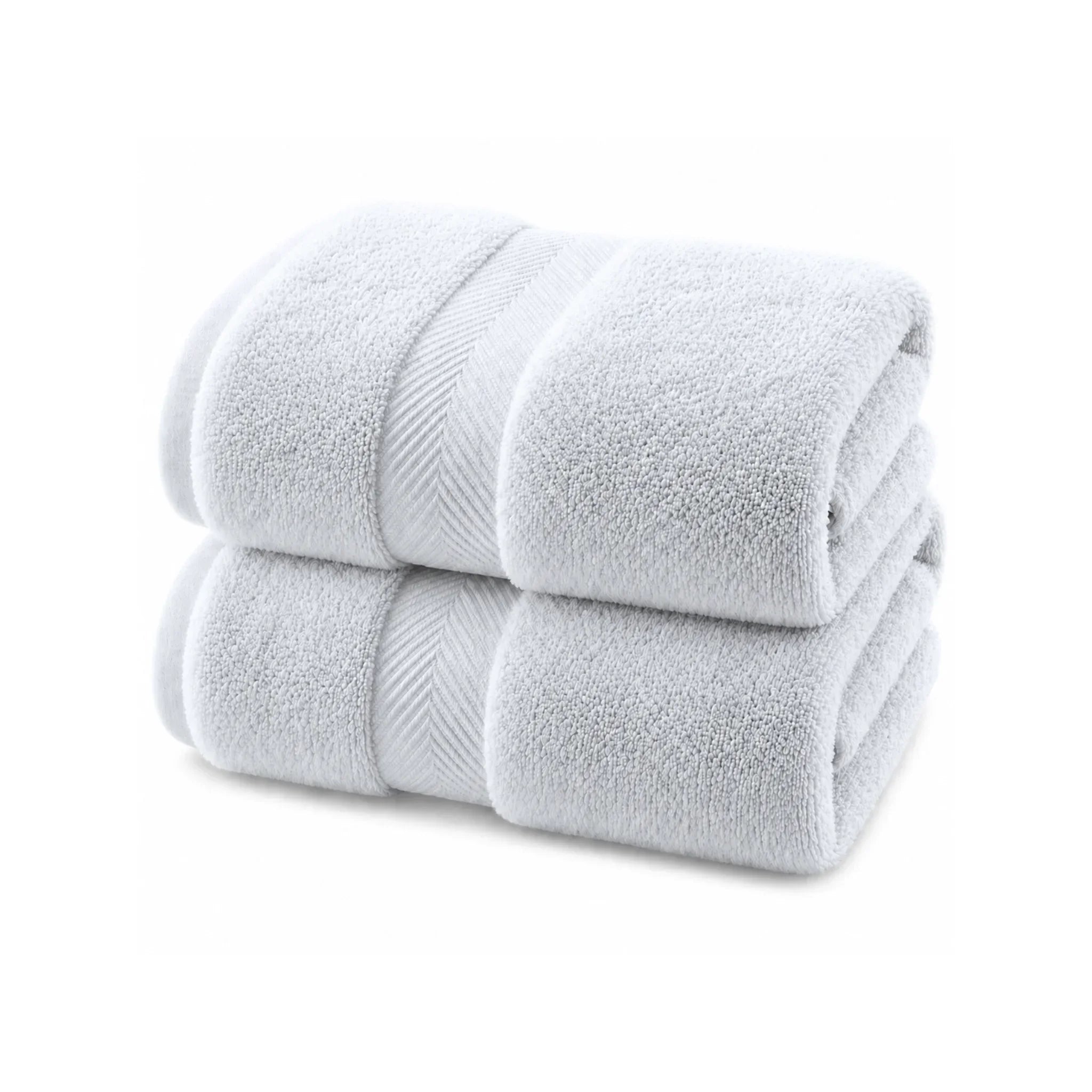
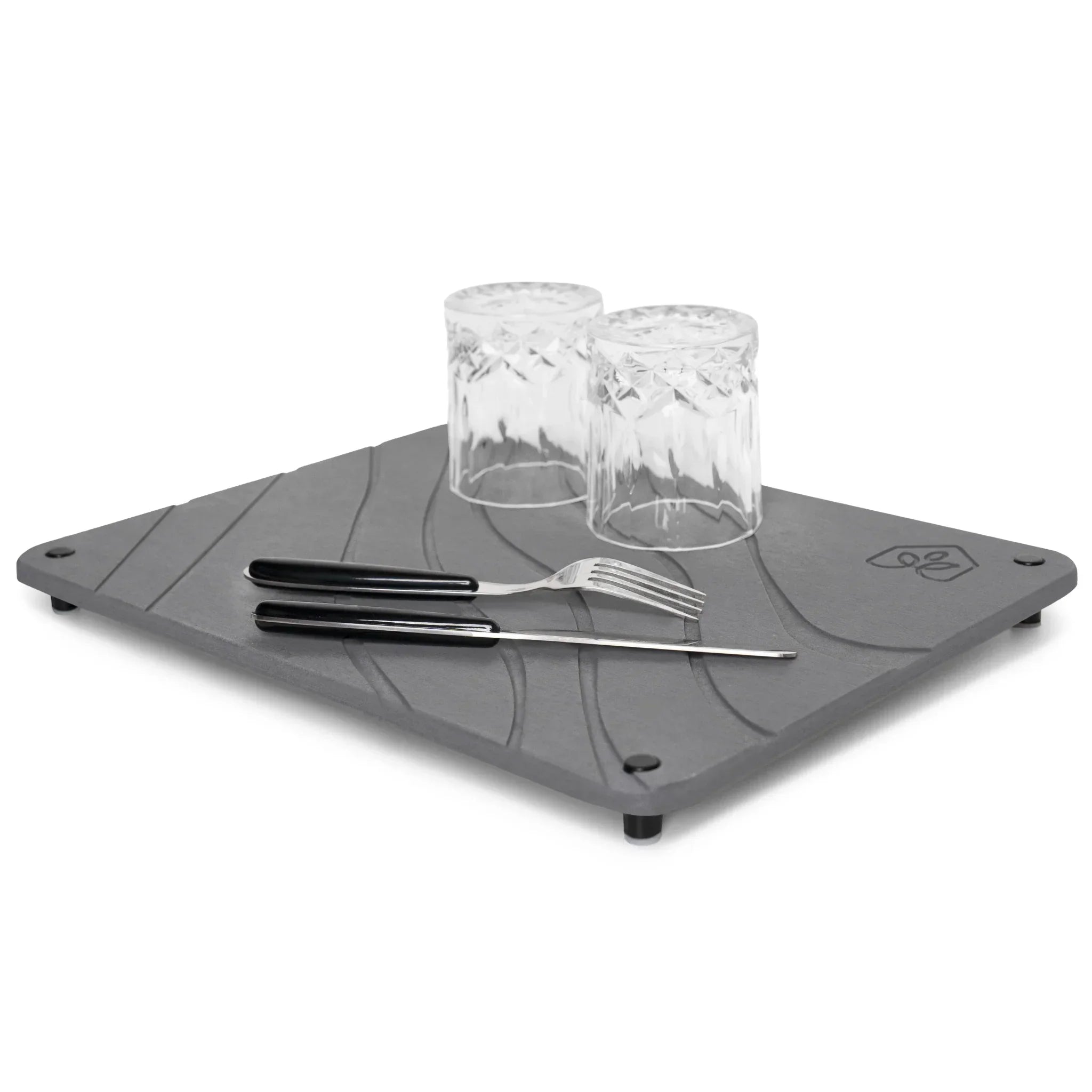
If you'd like guidance on choosing the right option for your bathroom, contact Natureva. We also have a stone drying mat for the kitchen and bamboo towels that pair well with a lower-maintenance, higher-hygiene home setup.