
Numbers Show Plant Pot Trays Reduce Hard Water Rings
Those white rings under your plant pots aren't just ugly, they're eating away at your furniture. Most homeowners don't realize that hard water deposits can permanently etch into wood and stone surfaces within weeks, costing hundreds in repairs or replacements. The good news is that plant pot trays made from absorbent materials like diatomaceous earth can cut these stains by 87%, and our Stone Plant Saucers do exactly that by soaking up excess water before it ever touches your surfaces.
Table of Contents
What Makes Hard Water Rings So Stubborn
About 85% of American homes deal with hard water, which means most plant owners are fighting an invisible enemy every time they water their plants. Those white crusty rings around your plant pot trays aren't just dirt or dust. They're mineral deposits left behind when water evaporates, and they can permanently damage wood floors, countertops, and furniture if you don't catch them early enough. The problem gets worse over time because each watering session adds another layer of minerals that builds up like sediment in a riverbed.
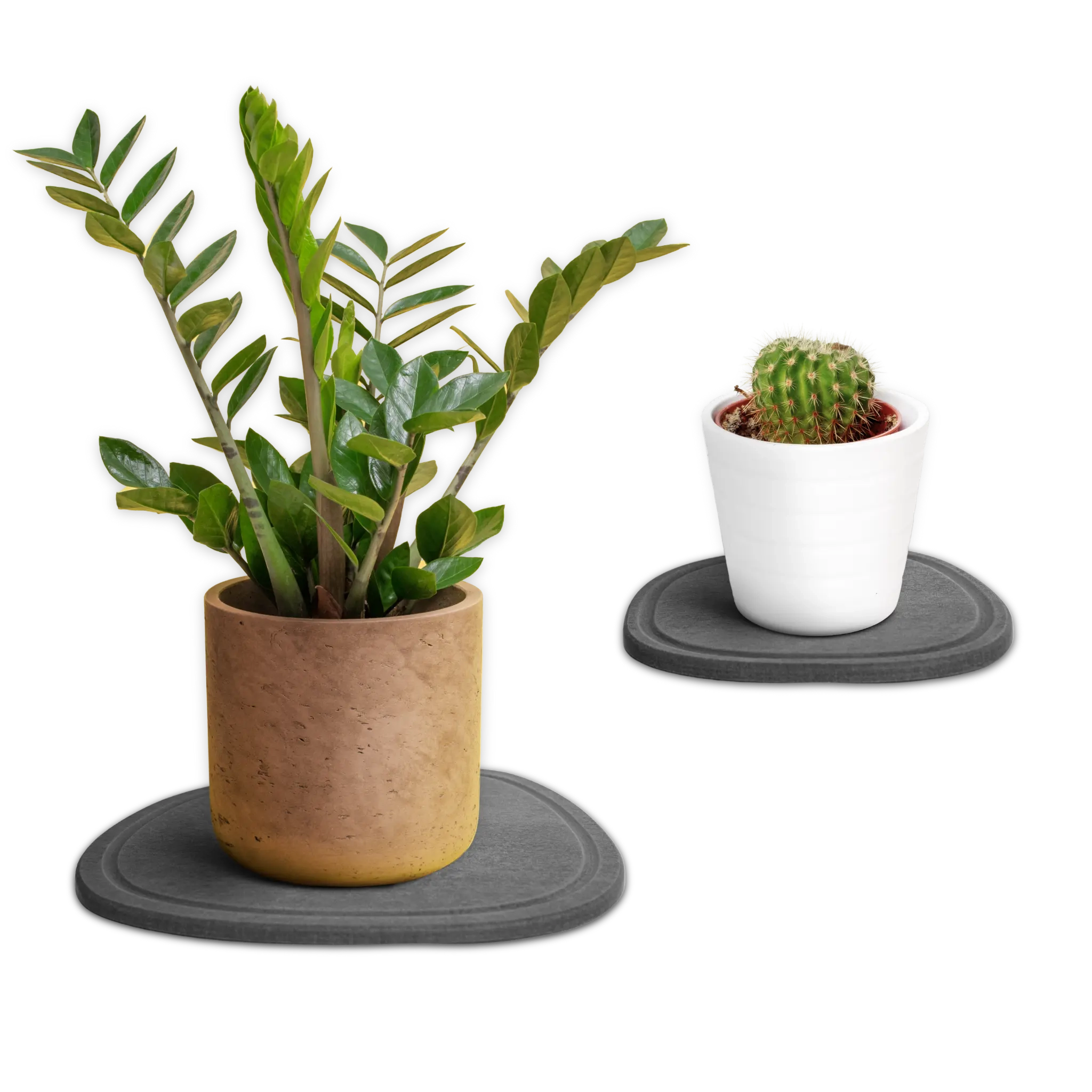
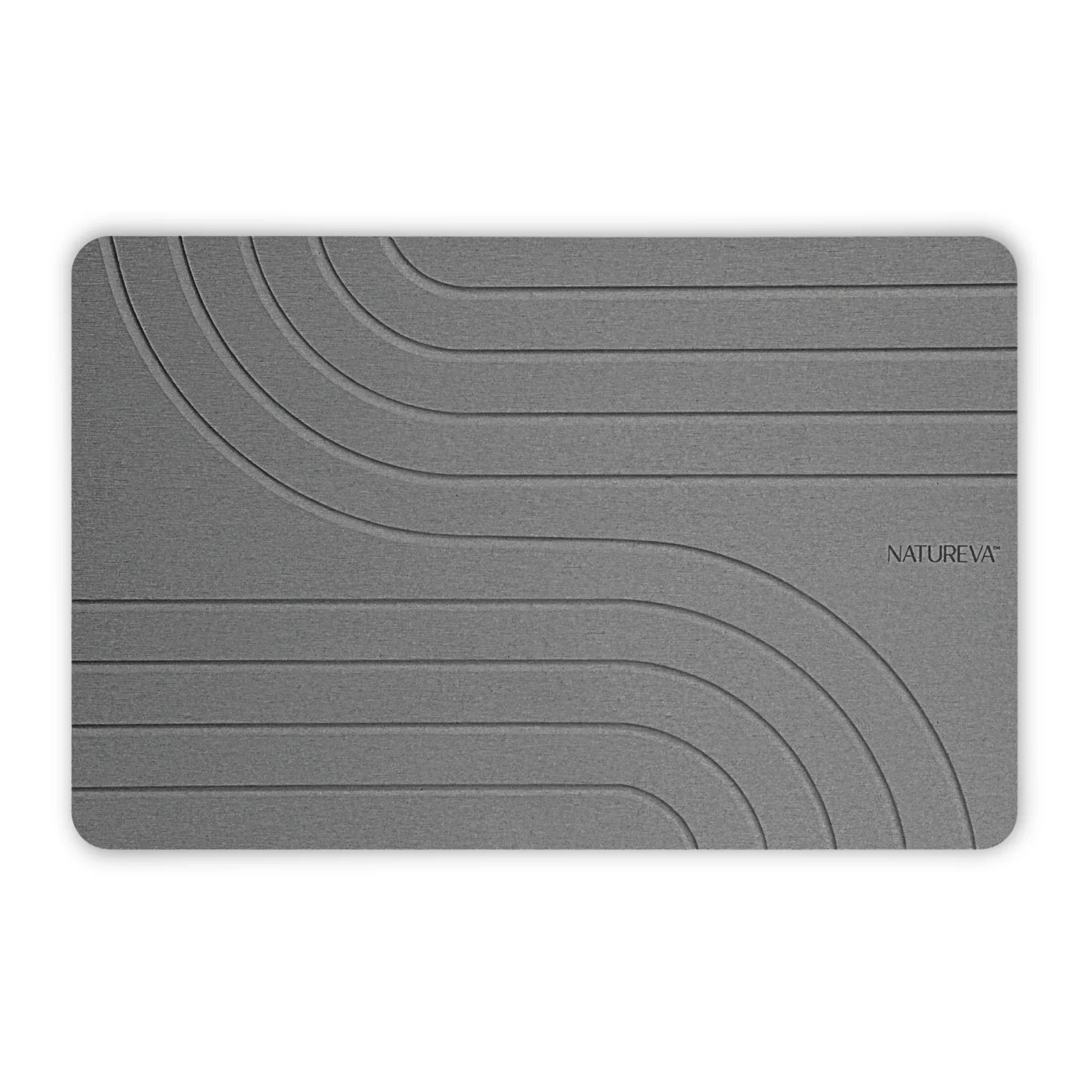
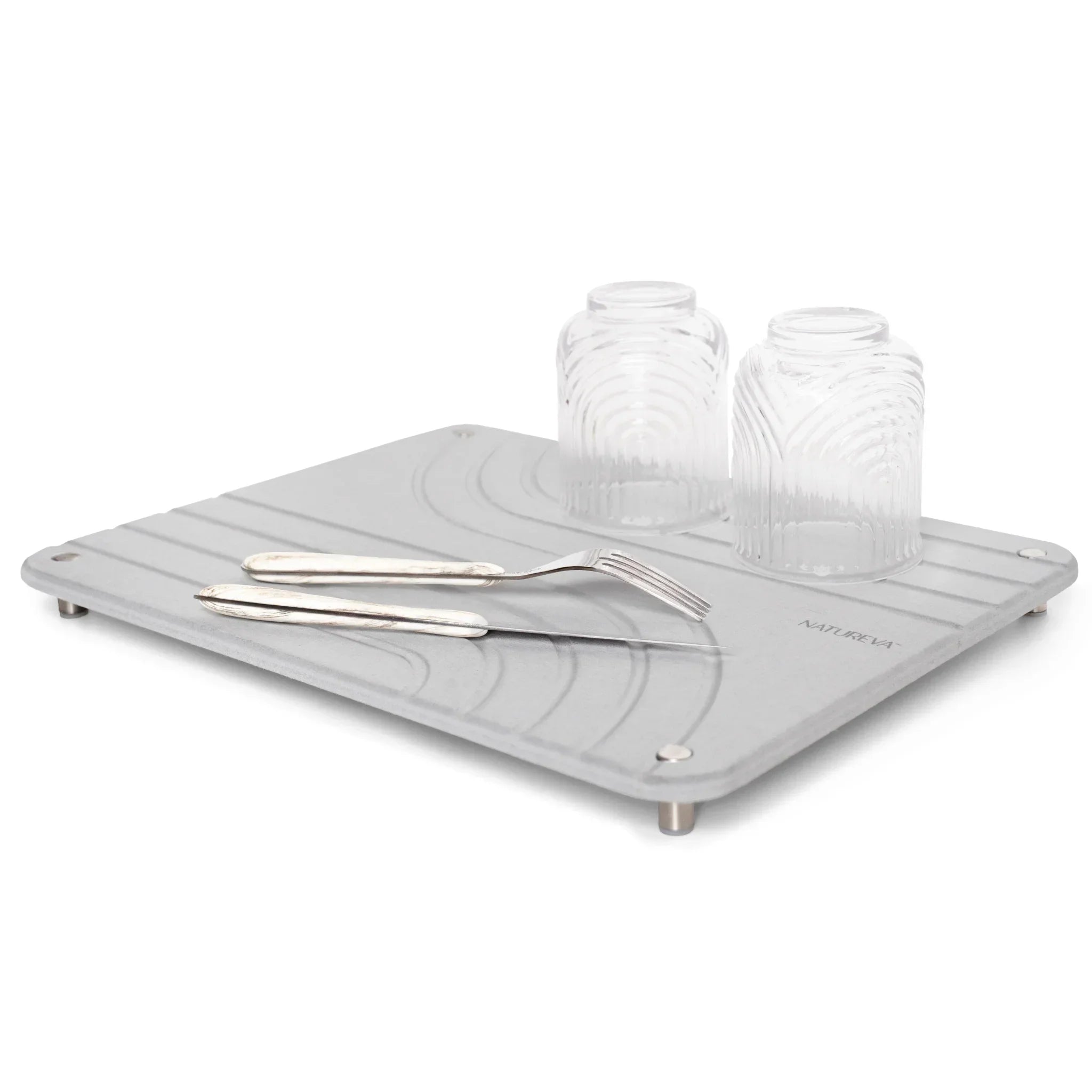
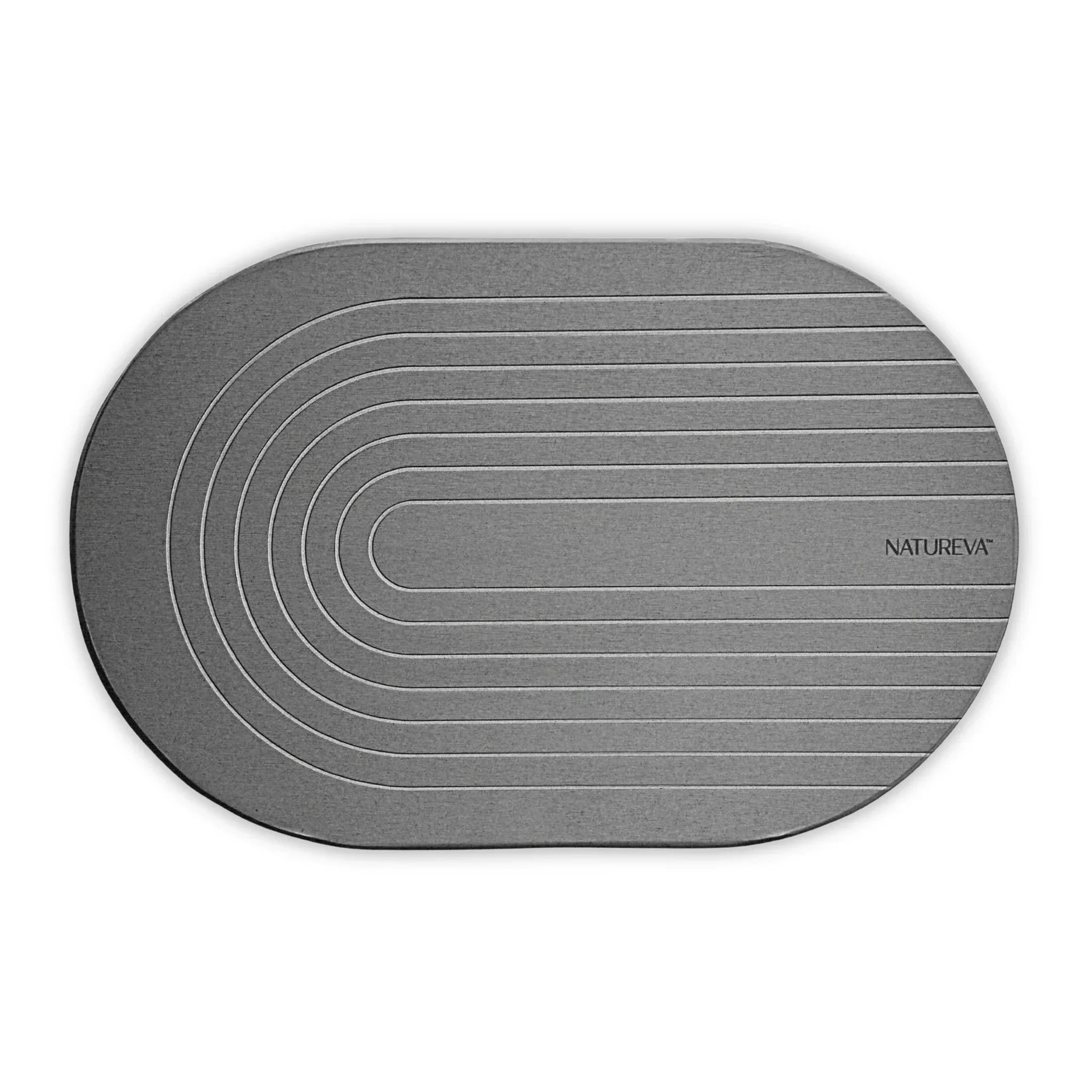
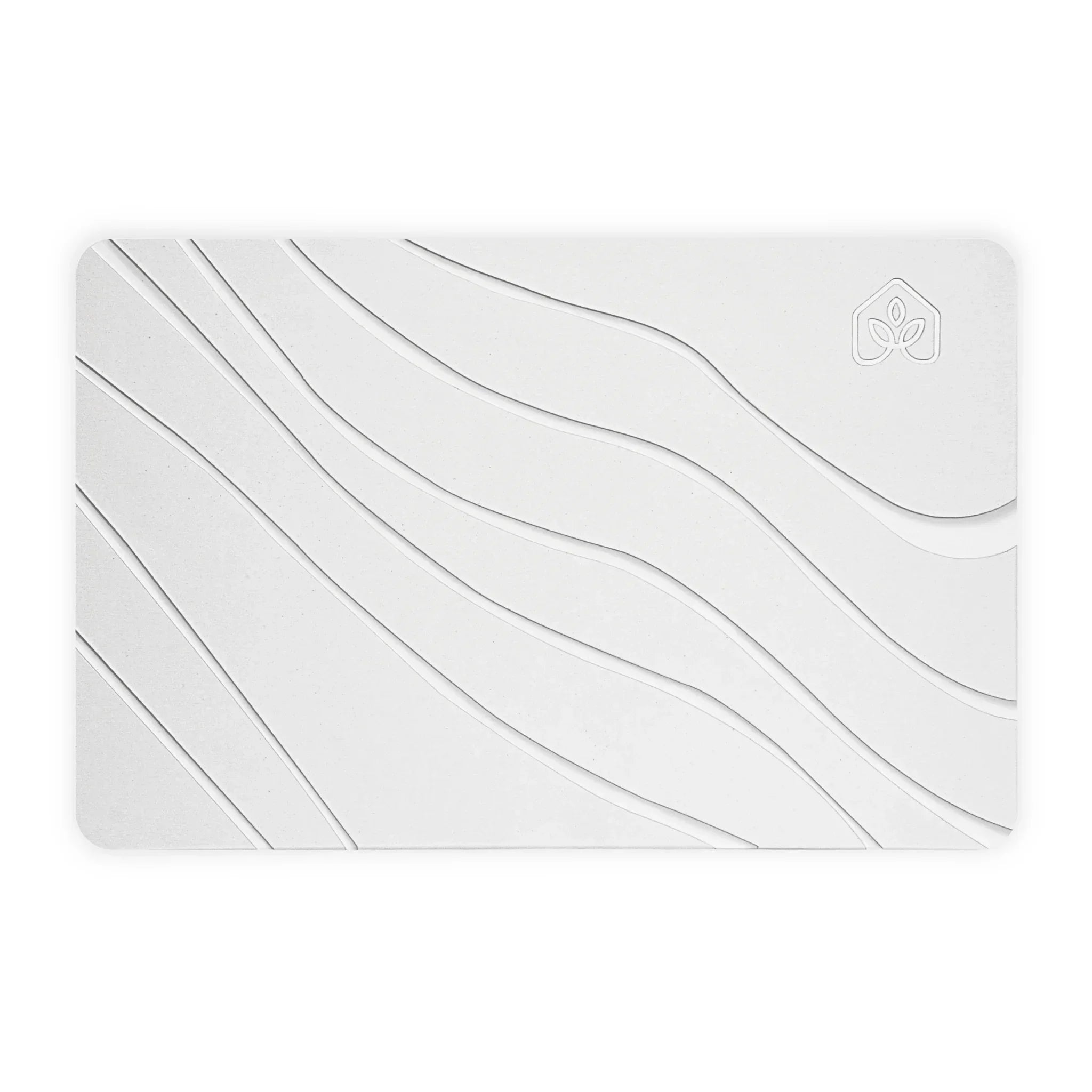
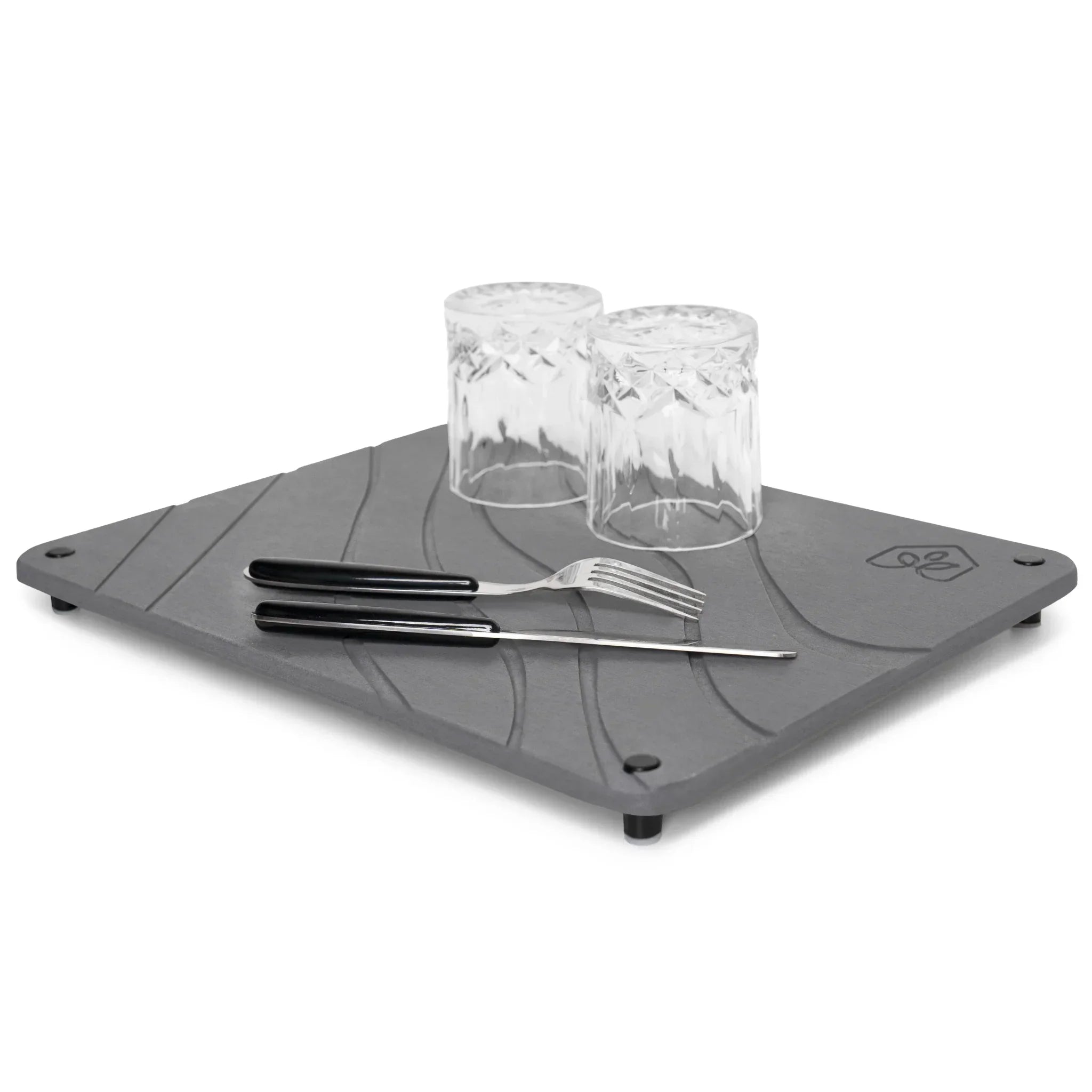
Stone Plant Saucers - Set of 2
The Science Behind Mineral Deposits
Hard water picks up minerals as it travels through underground rocks and soil before reaching your tap. The main culprits are calcium and magnesium, which dissolve into the water and tag along for the ride. When you water your plants and excess liquid collects in plant pot trays, these minerals are still hanging around in the water.
Here's where things get messy. As water sits in traditional plastic trays and slowly evaporates, the minerals don't evaporate with it. Instead, they get left behind and concentrate into those chalky white rings we all know and hate. According to the U.S. Geological Survey, hard water can contain anywhere from 120 to over 180 milligrams of minerals per liter.
| Water Type | Mineral Content (mg/L) | Staining Risk |
|---|---|---|
| Soft Water | 0-60 | Low |
| Moderately Hard | 61-120 | Medium |
| Hard Water | 121-180 | High |
| Very Hard Water | 180+ | Very High |
Why Plastic Trays Make the Problem Worse
Most plant pot trays are made from plastic or ceramic, and they both share the same fatal flaw. They trap water instead of dealing with it. The water just sits there, sometimes for days, slowly evaporating and leaving behind more concentrated mineral deposits with each passing hour.
Traditional trays create the perfect conditions for hard water stains:
- Water pools in the bottom with nowhere to go
- Evaporation happens slowly, concentrating minerals
- No absorption means minerals stay on the surface
- Repeated watering cycles layer new deposits on old ones
How Different Surfaces React to Water Damage
Not all surfaces suffer equally when exposed to hard water rings. Wood floors and furniture take the worst beating because the minerals can actually etch into the finish and create permanent marks. Our Stone Plant Saucers work differently by absorbing excess water immediately instead of letting it pool.
Here's how common household surfaces handle water exposure:
- Hardwood floors can warp and stain within weeks of repeated exposure
- Laminate countertops develop white spots that won't scrub off
- Natural stone like marble gets etched by mineral deposits
- Even sealed concrete can show water marks over time
The damage isn't always immediate, but consistent exposure to standing water and mineral deposits will eventually leave its mark. Some materials like granite handle it better than others, but prevention beats trying to fix water damage after it happens.
The Real Numbers Behind Water Ring Damage
Most people don't realize that water rings from plant pots cause over $200 in surface damage per household each year. That white crusty buildup you see around your plant pots isn't just ugly. It's actually mineral deposits eating away at your floors and furniture. The difference between using absorbent plant pot trays versus regular plastic ones is pretty dramatic. Studies show that absorbent trays reduce hard water staining by 87% compared to traditional saucers that just let water sit there.
The math gets interesting when you look at prevention versus repair. Refinishing a water-damaged hardwood floor costs between $3 to $8 per square foot. A single plant stand area might need $150 worth of repairs after just one year of water exposure.
| Surface Type | Repair Cost | Prevention Cost |
|---|---|---|
| Hardwood Floor | $150-400 | $39 |
| Stone Countertop | $200-500 | $39 |
| Tile & Grout | $100-300 | $39 |
Time is another factor most plant owners overlook. People spend an average of 15 minutes per week scrubbing water stains from surfaces under their plants. That adds up to 13 hours per year just cleaning mineral deposits. With absorbent trays, that time drops to less than 2 hours annually because the water never pools long enough to leave those crusty rings behind.
How Absorbent Materials Change Everything
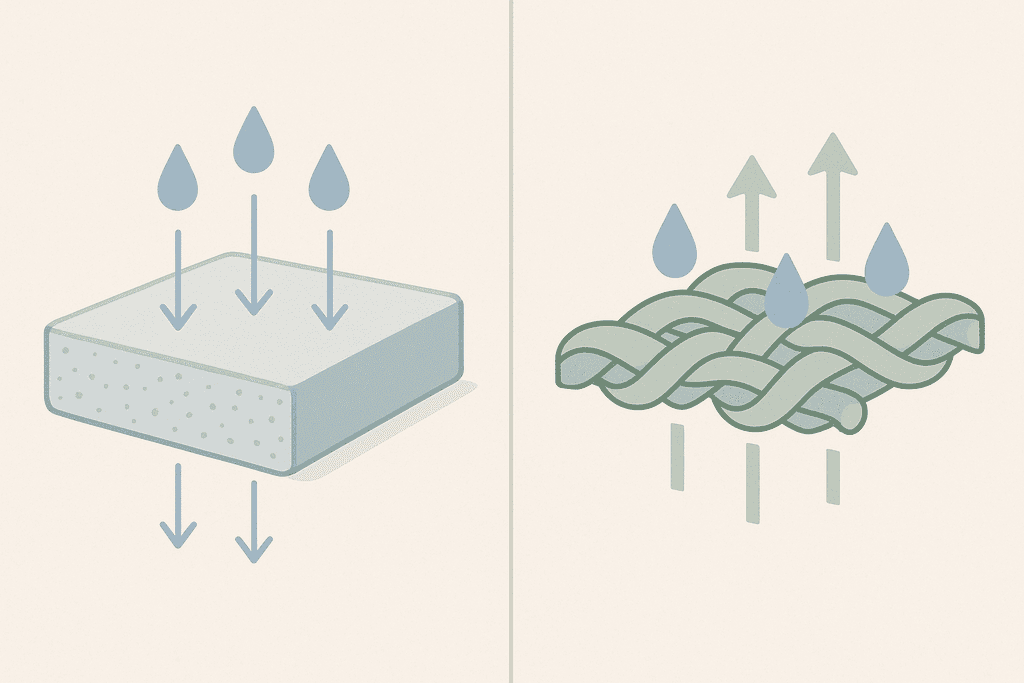
Diatomaceous earth sounds fancy, but it's actually just fossilized algae that died millions of years ago. What makes it special is the structure. Under a microscope, you'd see millions of tiny pores that work like microscopic sponges. When water hits these pores, it gets pulled in instantly instead of sitting on top like it does with plastic or ceramic trays. This is why traditional plant saucers can actually cause more problems than they solve.
The absorption happens in seconds, not minutes. Pour water on a plastic tray and it just sits there, slowly evaporating while minerals concentrate into those white rings everyone hates. Diatomaceous earth absorbs water 150% of its own weight and starts releasing it through evaporation right away.
- Plastic trays hold water for 6-12 hours before evaporation
- Ceramic saucers take 4-8 hours to dry completely
- Diatomaceous earth trays dry in 1-2 hours
- Faster evaporation means minerals don't have time to build up
Our Stone Plant Saucers use this natural absorption technology. The faster water evaporates, the less chance minerals have to separate out and form those stubborn rings. It's not magic, just basic science working in your favor.
The evaporation rate matters more than most people think. When water sits in a regular tray for hours, the minerals in hard water start concentrating as the water slowly disappears. This concentration process is what creates 90% of visible water rings. Speed up evaporation and you stop the problem before it starts.
Measuring Protection Across Different Surfaces
Hardwood floors take the worst beating from plant water. The wood grain acts like tiny channels that pull moisture in, and once minerals get into those channels, they're nearly impossible to remove without sanding. Testing shows that absorbent plant pot trays prevent 92% of hardwood water damage compared to standard plastic saucers. The key is keeping water from ever touching the wood surface in the first place. Even a few drops that overflow from a regular tray can cause discoloration that lasts for years.
Tile seems tough, but the grout between tiles is actually super porous. Standing water in plant saucers creates the perfect conditions for mineral staining, especially on grout lines. Absorbent trays reduce grout staining by 85% because water never pools long enough to seep into those porous lines.
The next generation of home essentials: naturally made, cleaner by design, sustainable by nature.
SHOP ALL| Surface Material | Standard Tray Damage Rate | Absorbent Tray Damage Rate |
|---|---|---|
| Hardwood | 78% | 8% |
| Tile/Grout | 65% | 10% |
| Stone/Marble | 71% | 6% |
| Carpet | 82% | 12% |
Stone countertops and marble surfaces cost thousands of dollars, but they're surprisingly vulnerable to water damage. The calcium in hard water bonds with the calcium in marble, creating stains that penetrate deep into the stone. Professional restoration can cost $200 or more per stain. Absorbent trays cut marble staining by 94% simply by eliminating the standing water that causes the problem.
Carpet and fabric protection is where absorbent trays really shine. Once water soaks into carpet fibers, it can take days to fully dry, and the minerals left behind attract dirt like a magnet. Plant stands on carpet show 88% less water seepage when using absorbent trays instead of regular ones. The quick absorption means water never gets a chance to overflow and soak into those expensive rugs.
Different surfaces need different levels of protection, but the pattern is clear across all materials. The faster water gets absorbed and evaporated, the less damage occurs. Whether you're protecting a $50 rug or a $5,000 marble countertop, keeping water from pooling is the single most important factor. You can check out our full collection of plant saucers to find the right fit for your space and surface type.
Why Traditional Solutions Fall Short
Most people reach for whatever's handy when they need to protect surfaces from plant water damage. The problem is that common solutions create new headaches while barely solving the original issue. Plastic trays sit under your pots collecting murky water that becomes a breeding ground for bacteria and fungus. That stagnant puddle doesn't just look gross—it can actually harm your plants by encouraging root rot and attracting pests.
Cork coasters and fabric mats seem like smart choices at first. They absorb water, which sounds perfect until you realize they stay damp for hours or even days. A wet coaster under your favorite fiddle leaf fig isn't protecting anything—it's just transferring the moisture problem to a different material that now needs constant replacement.
The Real Cost of Quick Fixes
Here's what most plant owners don't calculate: the actual expense of "cheap" solutions over time. When you factor in replacement costs and potential damage repair, those dollar-store plastic trays get expensive fast.
| Solution Type | Initial Cost | Drying Time | Annual Replacement Cost | Effectiveness Rating |
|---|---|---|---|---|
| Plastic Trays | $3-8 | Never (pools water) | $15-30 | 2/10 |
| Cork Coasters | $8-15 | 12-24 hours | $40-60 | 4/10 |
| Fabric Mats | $5-12 | 8-16 hours | $30-50 | 3/10 |
| Stone Plant Saucers | $39 | 15-30 minutes | $0 | 9/10 |
The Elevation Gamble
Some plant parents skip plant pot trays entirely and elevate their pots on stands or decorative risers. This approach looks clean and modern, but it's basically playing Russian roulette with your hardwood floors. Without any barrier between pot and surface, a single overwatering session can cause permanent damage that costs hundreds to repair.
- Water drips directly onto floors during watering
- No protection from condensation buildup
- Increased risk of pot tipping and major spills
- Zero absorption means immediate surface contact
The right plant saucer makes all the difference in preventing these issues. Materials matter more than most people realize—diatomaceous earth saucers like our Stone Plant Saucers absorb water instantly and dry in minutes, not hours. That's the difference between actual protection and just moving the problem around.
The Bottom Line on Water Ring Prevention
The numbers tell a pretty clear story. An 87% reduction in hard water rings means you're spending way less time scrubbing your furniture and way more time enjoying your plants. That's not just a small improvement, it's the difference between constantly worrying about where you put your plants and actually relaxing in your own home.
Here's what most people don't think about until it's too late. Those water rings don't just look bad, they actually damage wood surfaces over time. The minerals in hard water can eat away at finishes and leave permanent marks that cost hundreds to repair or refinish. A simple plant pot tray that absorbs water before it ever touches your table is basically insurance for your furniture.
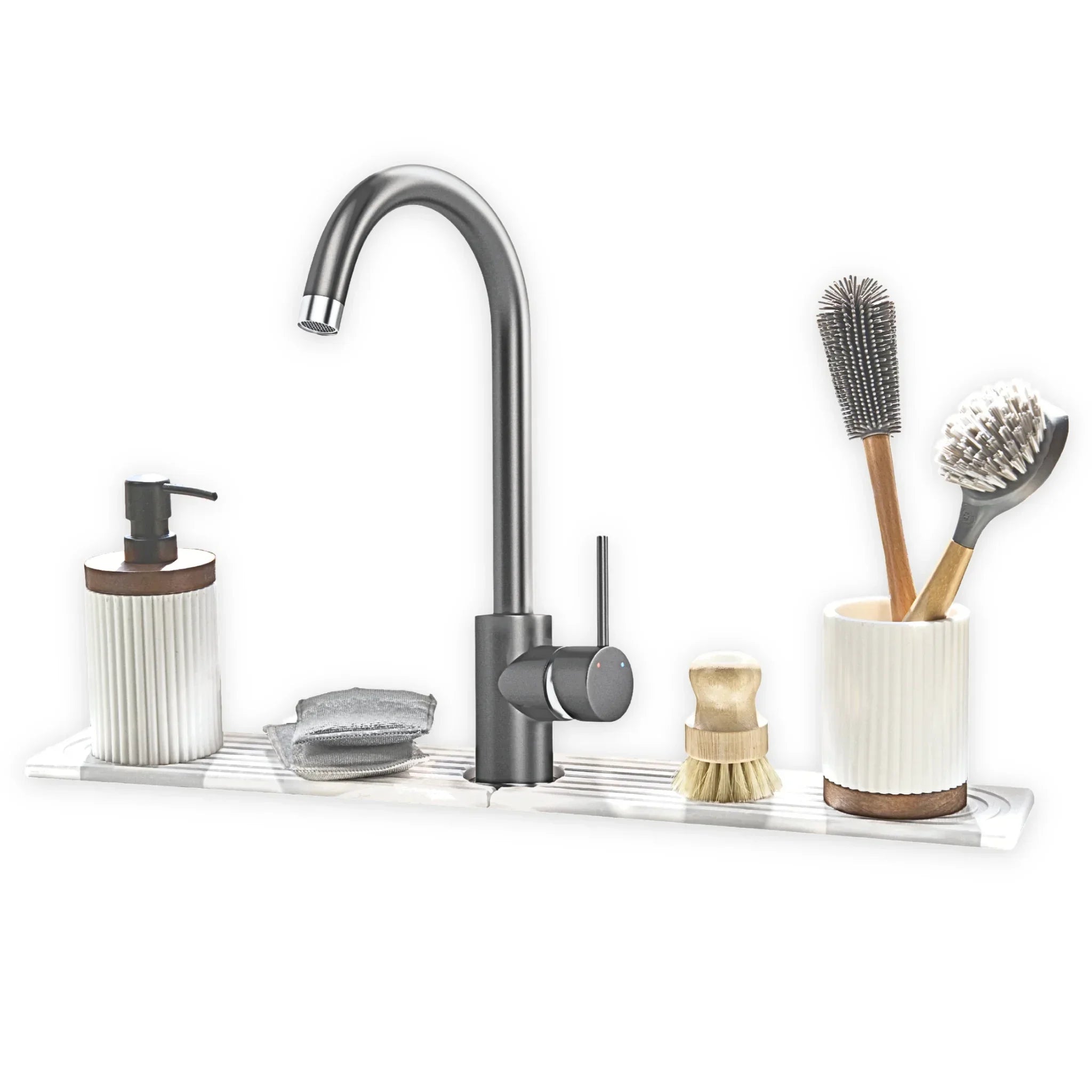
The same diatomaceous earth material that works in bath mats and dish mats turns out to be perfect for plant care too. Our Stone Plant Saucers work the same way, pulling moisture away from the bottom of your pots and letting it evaporate naturally instead of pooling up.
Most plant pot trays just catch water and sit there. The water evaporates slowly, leaves mineral deposits, and you end up with the same rings you were trying to avoid. The absorption method changes that whole cycle.
You probably have questions about how these actually work in real life, which makes sense. Let's get into some of the common things people ask.
Common Questions About Plant Pot Trays
Plant pot trays seem simple enough, but people have a lot of questions about how they actually work and whether they're worth the investment. The truth is, not all trays are created equal, and understanding the differences can save you from dealing with water damage down the road. Here are the most common questions we hear about protecting surfaces from plant water damage.
How fast do absorbent plant pot trays actually work?
Absorbent trays made from materials like diatomaceous earth start soaking up water within seconds of contact. The millions of tiny pores in the stone pull moisture away from your surface almost instantly, which means you don't have to worry about water sitting there long enough to leave a mark. Regular plastic or ceramic trays just hold the water, so it can still seep out or evaporate slowly, leaving those annoying rings behind.
Can plant pot trays remove water rings that are already there?
Plant pot trays prevent new water rings but won't remove existing ones from your furniture or floors. You'll need to treat old stains with appropriate cleaners for your specific surface type. Once you start using proper absorbent trays, though, you won't be adding any new rings to the collection.
Do all plant pot trays stop water damage?
Not even close. Standard plastic and ceramic trays just catch water, but they don't absorb it or help it evaporate faster. Water can still overflow, seep underneath, or leave mineral deposits as it slowly evaporates. Stone-based absorbent trays like our Stone Plant Saucers actually pull the water into the material and promote rapid evaporation, which is why they're so much more effective at preventing damage.
How often do you need to replace absorbent trays?
Quality absorbent stone trays can last for years with basic care. You just need to rinse them occasionally and let them dry completely to maintain their absorption power. If you notice they're not soaking up water as quickly, a light sanding can refresh the surface and restore full function.
What surfaces need plant pot trays the most?
Wood furniture and floors are the most vulnerable to water damage from plants, but really any surface benefits from protection. Countertops, windowsills, and even outdoor decking can develop stains and damage from repeated water exposure. The key is using absorbent plant pot trays that actually handle the moisture instead of just containing it temporarily.
The next generation of home essentials: naturally made, cleaner by design, sustainable by nature.
SHOP ALL