
How Absorbent Mats Beat Fabric Alternatives in Damp
That soggy fabric mat under your feet after every shower isn't just unpleasant—it's a breeding ground for bacteria and mold that can linger for hours in your bathroom. Traditional bath mats soak up water but struggle to release it, creating a damp environment that affects both hygiene and comfort. Absorbent mat technology using natural stone offers a completely different approach, drying in seconds rather than hours and transforming how your bathroom handles moisture.
Table of Contents
Why Traditional Bath Mats Fall Short
Most people don't realize their bathroom mat is basically a wet sponge sitting on their floor for hours after every shower. Traditional fabric mats do absorb water when you step on them, but they hold onto that moisture way longer than anyone thinks about. While you're getting dressed and going about your day, that mat is staying damp and creating problems you can't see right away. The truth is, what seems like a simple bathroom accessory might be working against you.
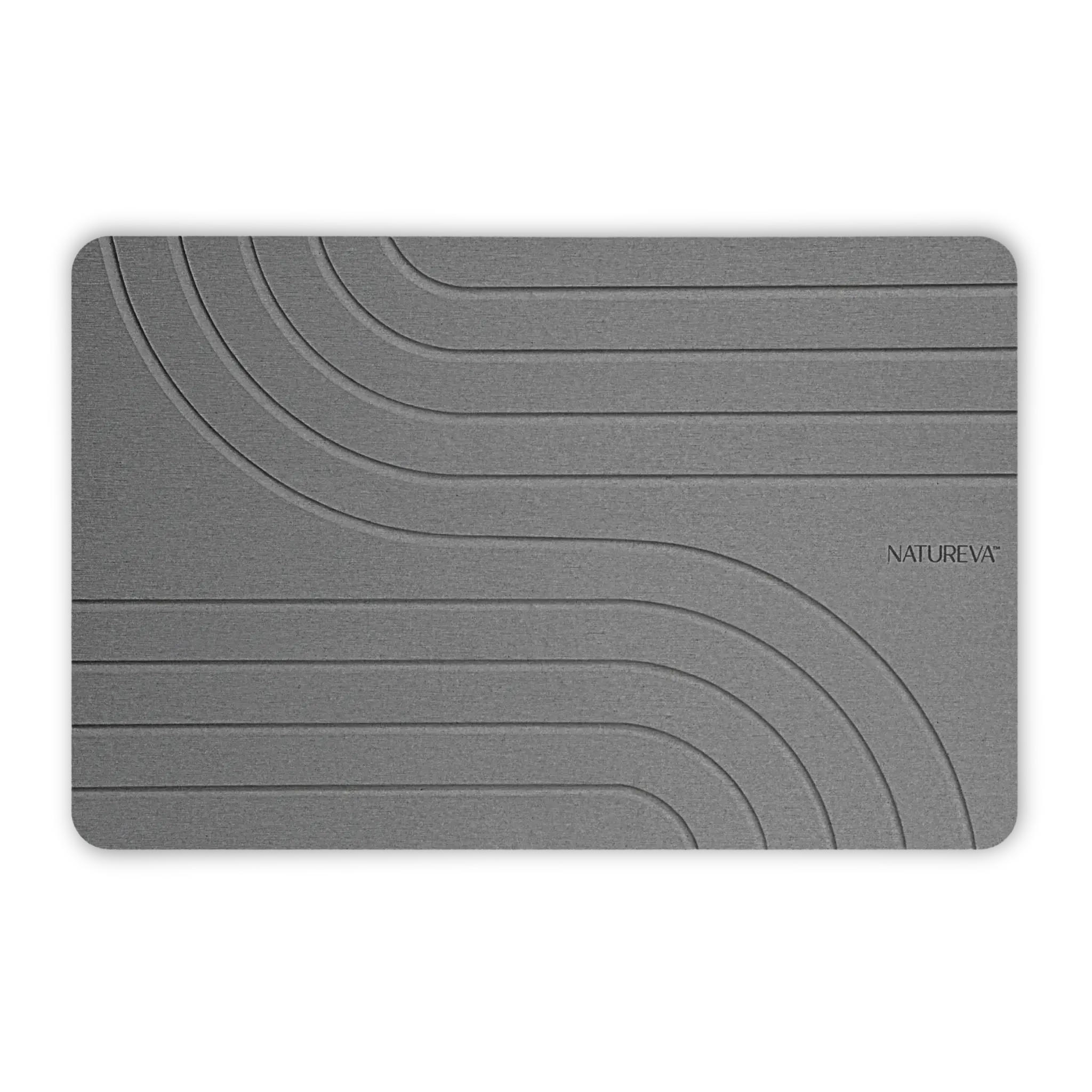
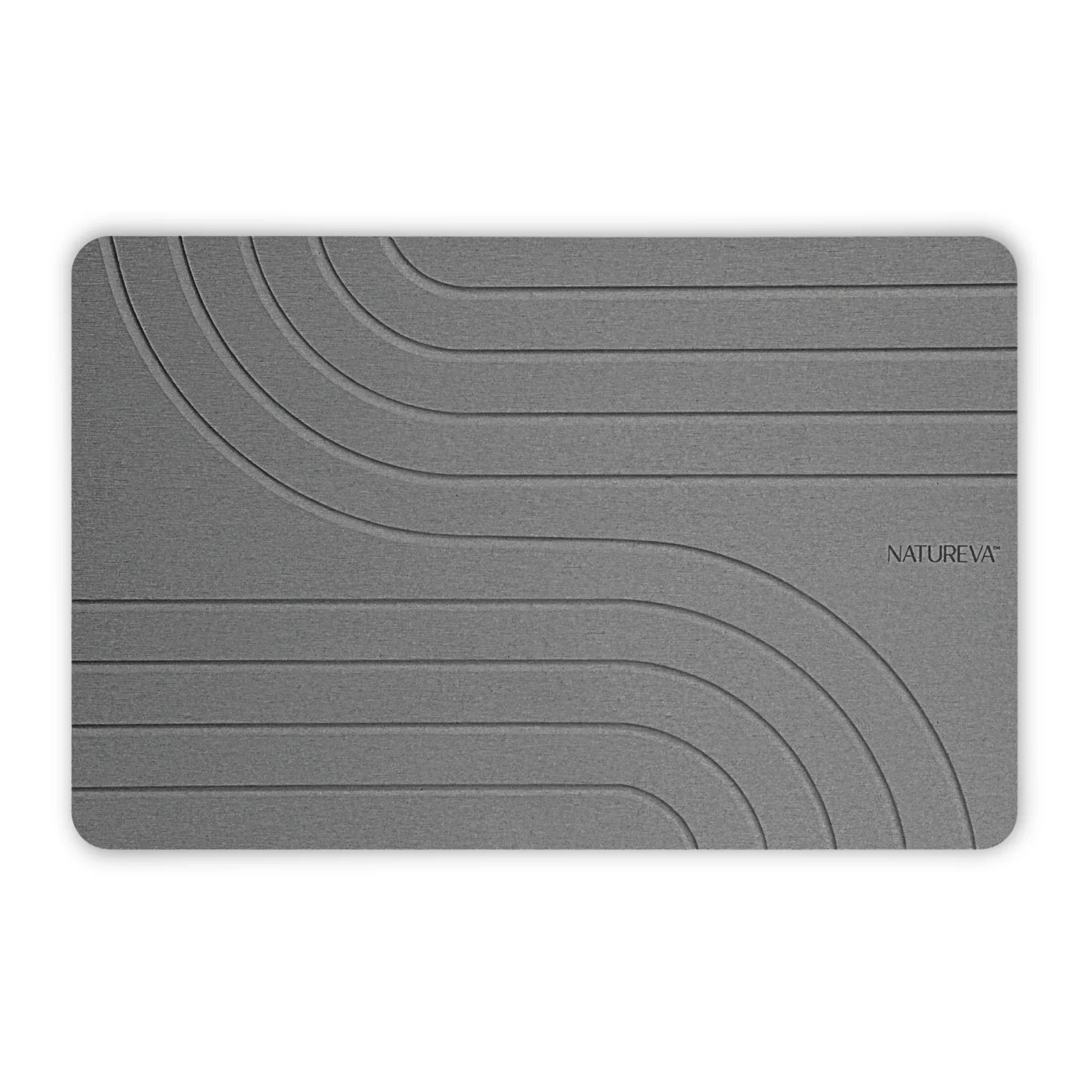
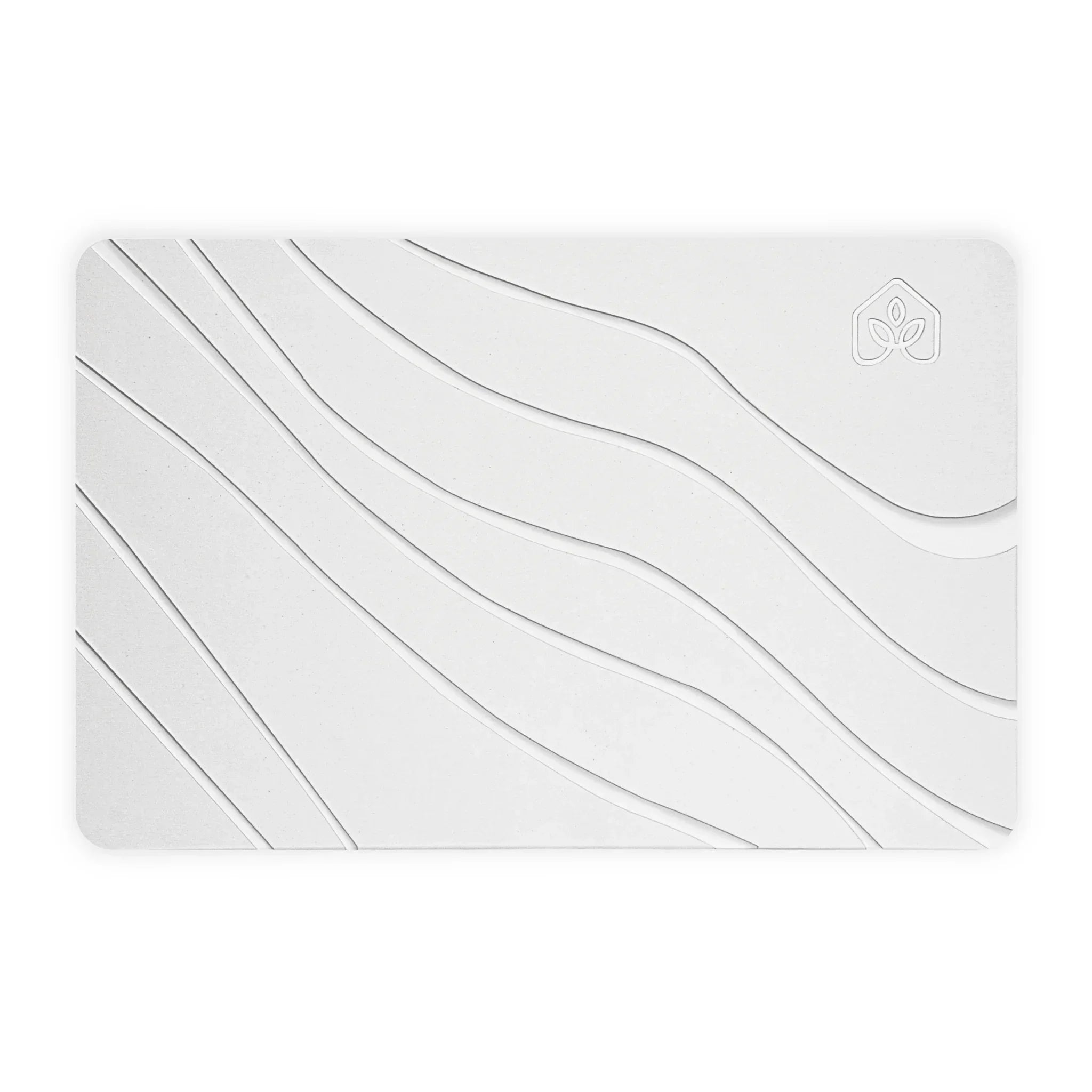
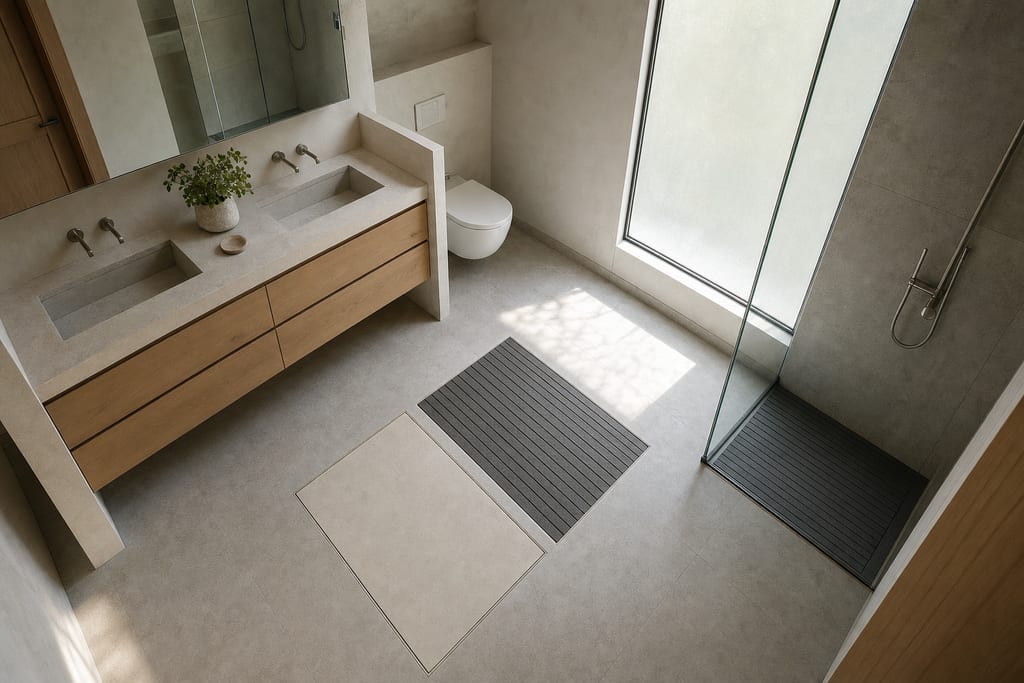
Stone Bath Mat - Tide
How Fabric Mats Trap Moisture
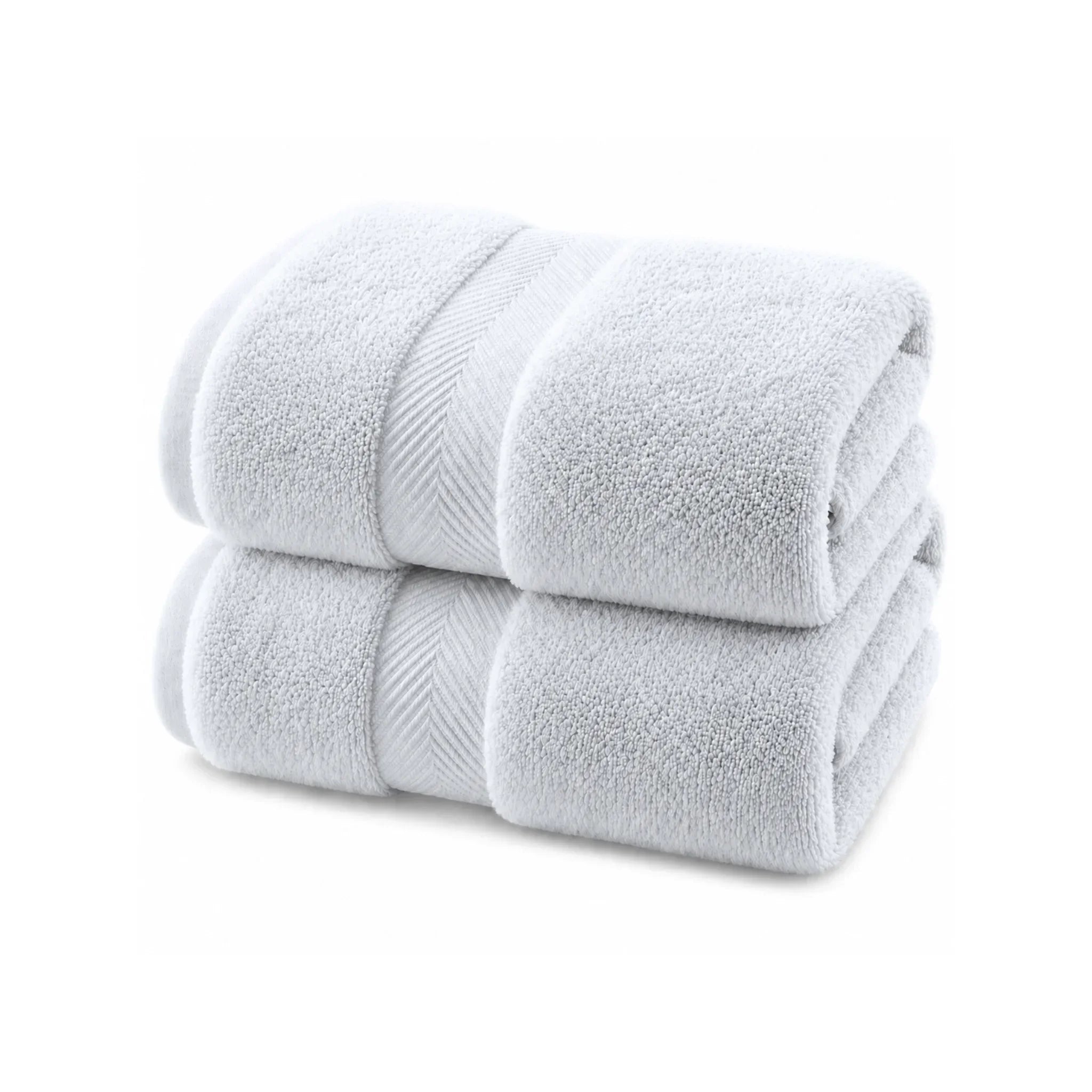
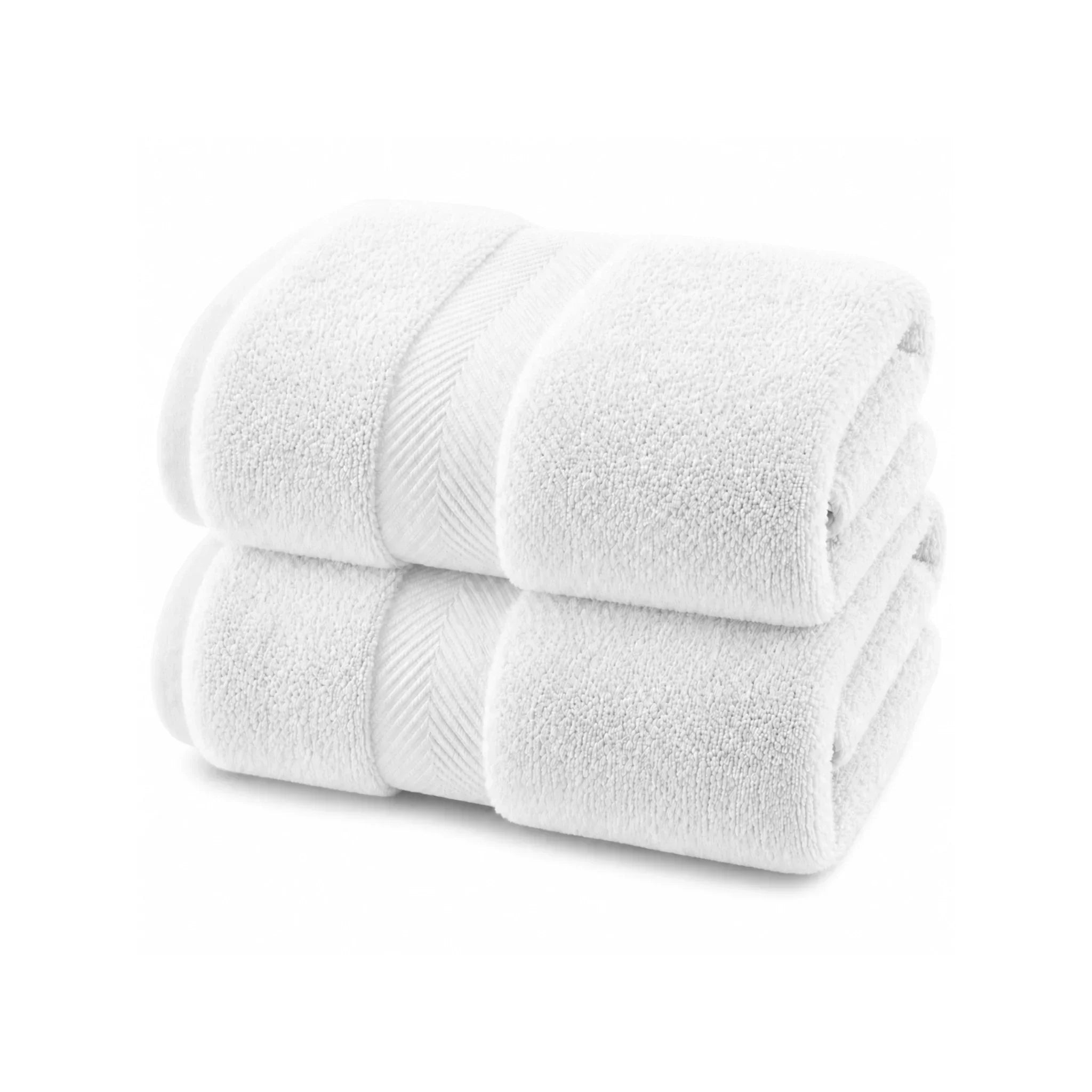
Cotton and microfiber mats are designed to soak up water, and they do that job really well. The problem starts after they absorb all that moisture. These materials don't have any way to release water quickly, so they just sit there wet.
Here's what happens with different fabric types:
- Cotton mats hold water in their fibers for 4 to 8 hours depending on humidity
- Microfiber materials trap moisture even longer because of their dense weave
- Bamboo and other natural fabrics stay damp for similar timeframes
- Memory foam bases underneath prevent air circulation and slow drying even more
The liquid retention properties of absorbent fabrics explain why these materials work well for towels but create issues for bath mats. When a towel stays wet, you hang it up to dry. Your bath mat just sits on the floor.
The Hidden Cost of Staying Damp
A damp mat isn't just annoying. It creates the perfect environment for things you definitely don't want in your bathroom. Bacteria and mold need three things to grow: moisture, warmth, and organic material. Your fabric bath mat provides all three.
What grows in damp fabric mats:
- Mold spores that cause musty smells and can trigger allergies
- Bacteria including E. coli and staph that transfer to bare feet
- Mildew that creates dark stains and breaks down fabric fibers
This is why fabric mats need washing every week or two. Even with regular cleaning, most people replace their bath mats every 6 to 12 months because they start to smell or look worn out.
Comparing Drying Times
The difference between fabric and absorbent stone mats becomes obvious when you look at actual drying times. Stone mats like our Natureva Stone Bath Mat work completely differently because they don't trap water in fibers.
| Mat Type | Water Absorption | Drying Time | Bacteria Risk |
|---|---|---|---|
| Cotton Fabric | High | 4-8 hours | High |
| Microfiber | Very High | 6-10 hours | Very High |
| Memory Foam | High | 8-12 hours | Very High |
| Stone (Diatomaceous Earth) | Instant | 30-60 seconds | Low |
Stone mats made from diatomaceous earth absorb water instantly but release it through evaporation in under a minute. The surface stays dry between uses, which means bacteria and mold don't get the damp environment they need to grow.
The Science Behind Stone Absorbent Mats
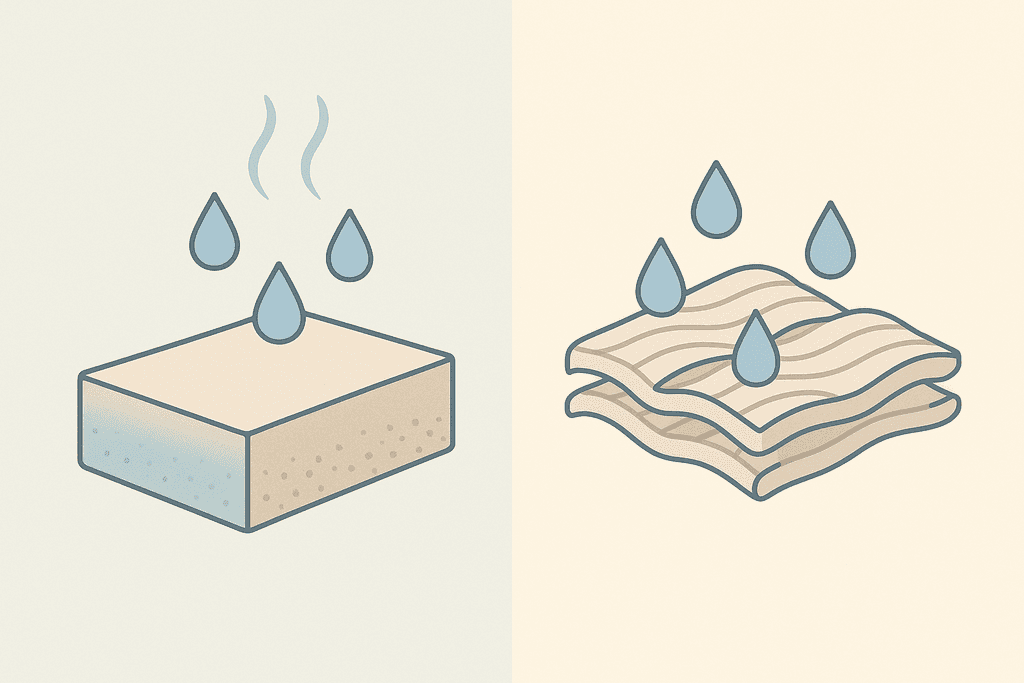
Most people don't realize that the average fabric bath mat can hold onto moisture for hours, creating the perfect environment for things you definitely don't want growing in your bathroom. The difference comes down to what's happening at a microscopic level. Diatomaceous earth is naturally porous with millions of tiny holes that work completely differently than fabric fibers. When you step onto a stone absorbent mat, those microscopic channels pull water away from your feet instantly. The material doesn't just soak up moisture like a sponge that stays wet.
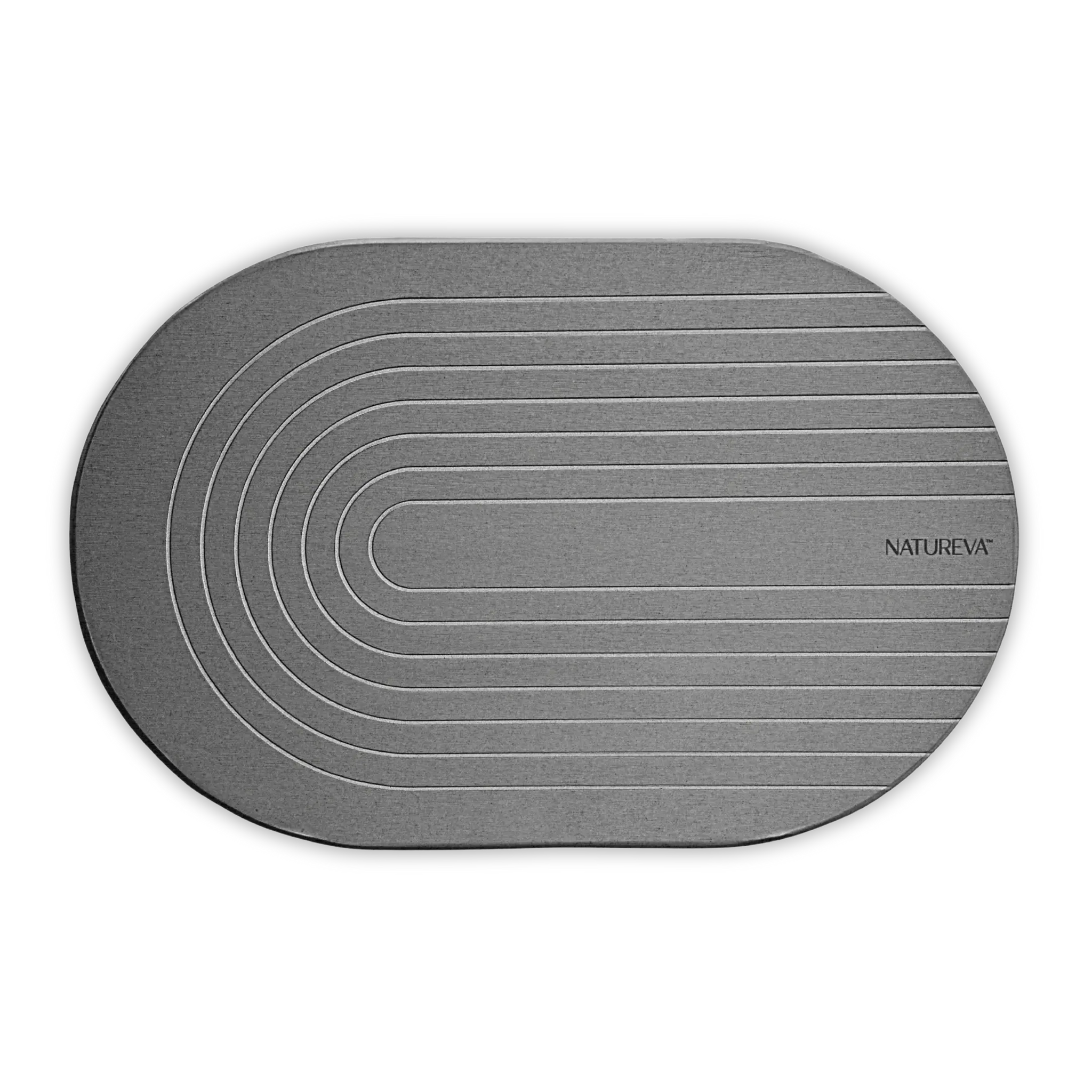
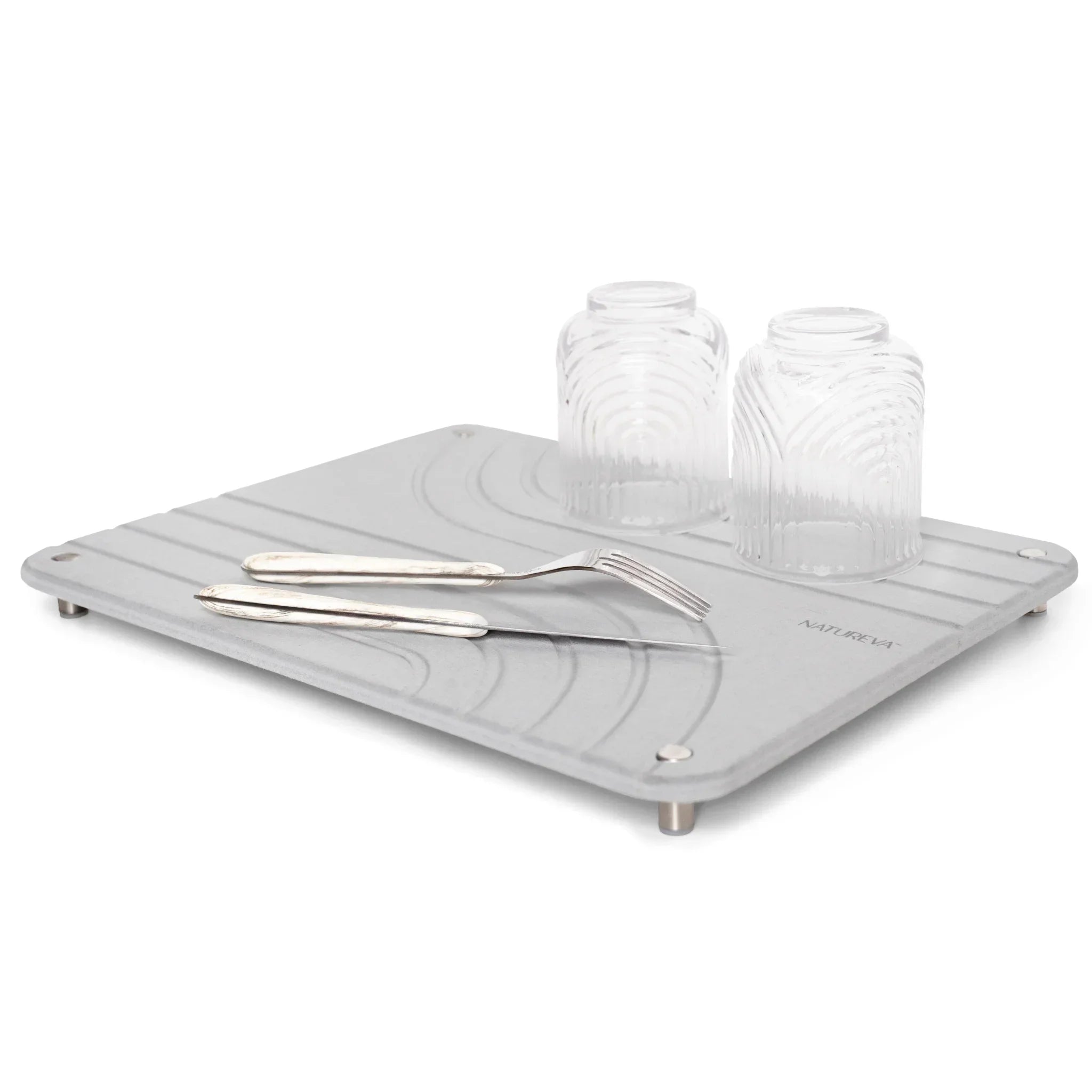
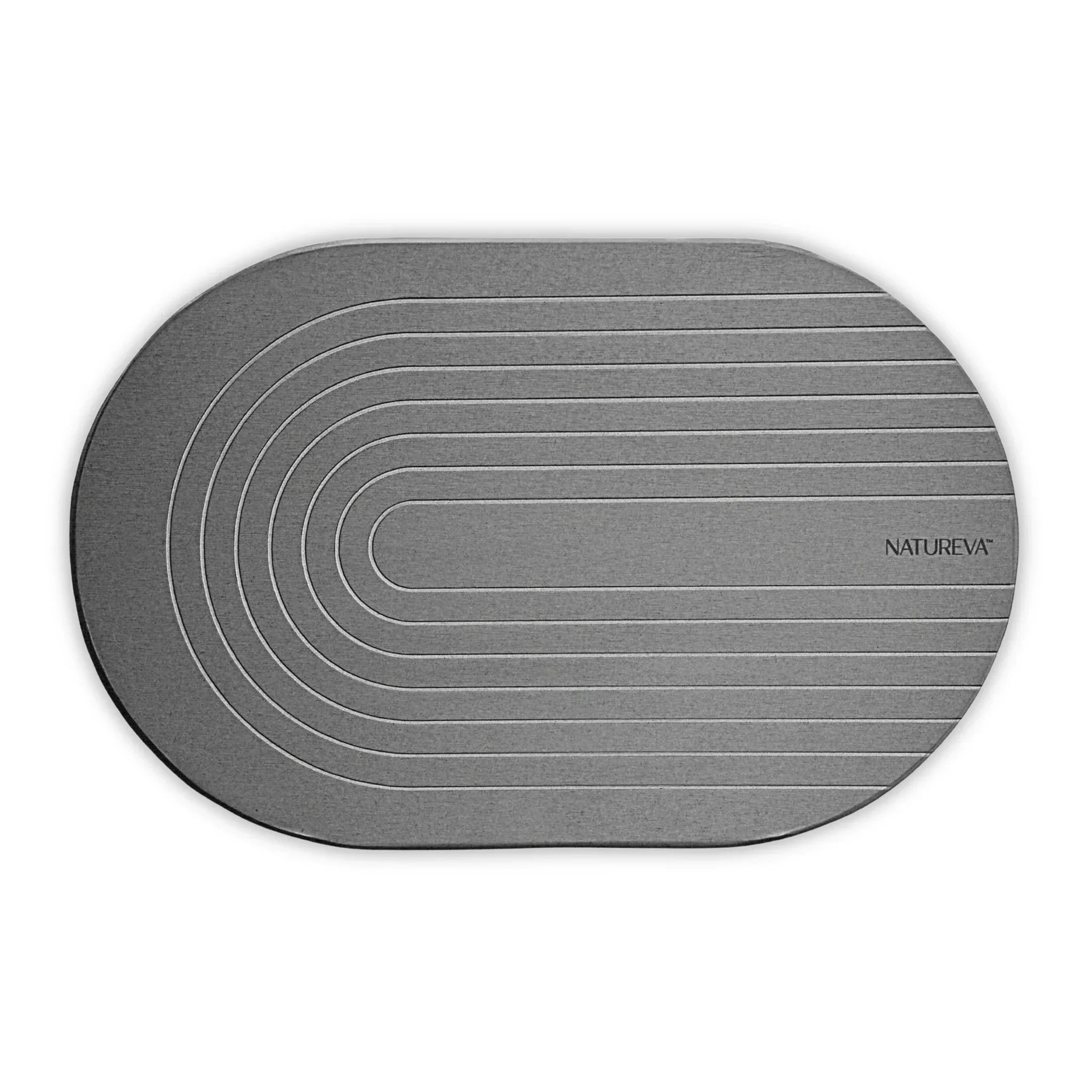
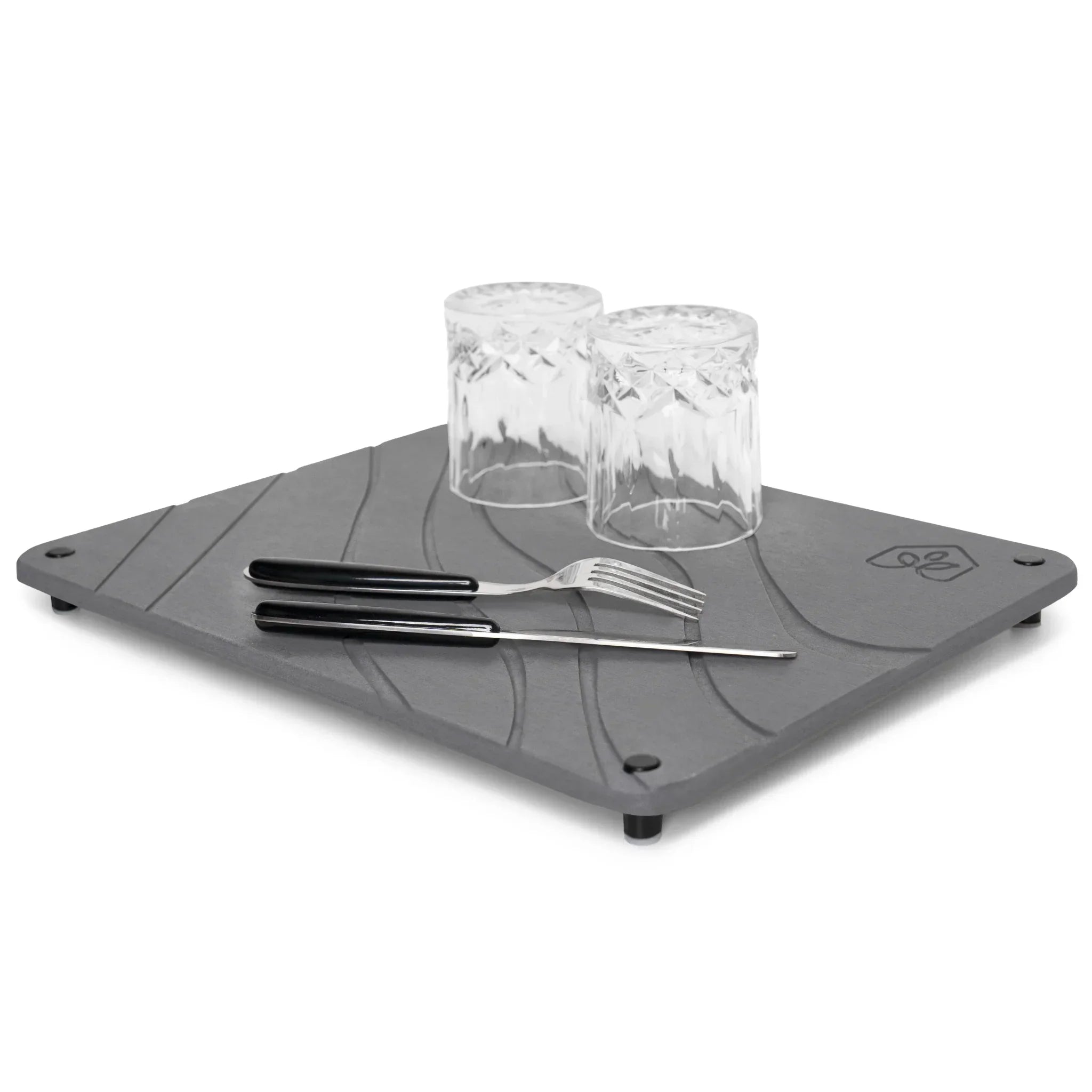
Stone Bath Mat - Arch
Here's what makes the absorption process unique. Water evaporates through the stone surface within seconds instead of sitting trapped in fabric weave. The porous structure allows air to flow through constantly, which means your mat is actually drying while you're still getting ready in the morning.
- Natural material actively pulls moisture from the air rather than holding it
- Microscopic channels create surface area thousands of times larger than smooth fabric
- Air circulation happens continuously through the stone structure
- No saturation point like traditional absorbent materials
The stone structure prevents bacterial growth unlike fabric fibers because bacteria need sustained moisture to multiply. When there's no damp environment to live in, they simply can't establish colonies. According to research on water-absorbent materials, the evaporation rate matters just as much as initial absorption capacity.
Health Benefits You Can't Ignore
That musty smell coming from your bathroom isn't just unpleasant. It's a sign that your fabric mat has become a breeding ground for microorganisms. Traditional fabric mats eliminate bacterial breeding grounds that thrive in damp fabric by staying wet for extended periods. Even if you wash your fabric mat weekly, it's spending most of its life in a moist state. The hours between showers when it's slightly damp are when problems develop.
Health Benefits You Can't Ignore
Stone mats work differently because they don't give bacteria the time they need. The material prevents mold and mildew growth common in traditional mats by drying so quickly that spores can't take hold. This isn't just about cleanliness you can see.
| Feature | Stone Mat | Fabric Mat |
|---|---|---|
| Drying Time | Under 60 seconds | 2-4 hours |
| Bacterial Growth | Minimal | High in damp conditions |
| Odor Development | None | Common after weeks |
| Washing Frequency | Monthly wipe down | Weekly machine wash |
The health advantages go beyond surface cleaning. Stone mats reduce musty odors that develop in wet fabric and require minimal maintenance compared to constant washing. People with allergies or respiratory sensitivities often notice the difference first. When your bathroom doesn't smell like mildew, you're breathing cleaner air. Our stone bath mat collection addresses these concerns without requiring you to remember weekly laundry schedules.
Real World Performance and Durability
The next generation of home essentials: naturally made, cleaner by design, sustainable by nature.
SHOP ALLThe initial price difference between stone and fabric mats makes some people hesitate. But here's what most don't consider when comparing costs. Stone mats maintain performance for years without degradation while fabric mats lose absorbency over time. That fluffy new bath mat you bought six months ago probably doesn't work as well as it did on day one. Fabric fibers break down, elastic backing deteriorates, and the material compresses from repeated use and washing.
Stone absorbent mats don't have these problems. The diatomaceous earth structure stays consistent because it's literally rock. There's no need for frequent washing or replacement, which changes the math on what you're actually spending.
- Average fabric mat lifespan is 6-12 months with regular use
- Stone mats can last 3-5 years or longer with basic care
- No degradation in absorption capacity over time
- Eliminates ongoing costs of detergent and energy for washing
Stone mats handle high-traffic bathrooms better than fabric because they don't wear out from foot traffic. Families with multiple people using the same bathroom see the biggest difference. The mat works just as well for the fourth person as it did for the first. You can find detailed performance data on absorbent mat water control that shows how consistent stone materials perform.
The long-term value becomes clear when you calculate total cost of ownership. Despite the higher upfront price, stone mats prove cost-effective over time when you factor in replacements and maintenance. The Natureva Stone Bath Mat in Tide and Arch designs combine this functionality with patterns that actually look good in your bathroom. Unlike the utilitarian appearance of many stone mats on the market, these options work as part of your decor while solving the moisture problem that fabric simply can't handle.
Making the Switch Worth Your While
The jump from fabric to stone might seem like a big leap, but the numbers tell a different story. Most people worry about spending $59 on a bath mat when they're used to paying $15 at the store. But here's what changes when you look at the full picture. A fabric mat needs replacing every 6-12 months as it gets worn, stained, and starts to smell no matter how much you wash it. Stone mats like our Natureva options last for years without losing their absorbent power, which means you're actually spending less over time.
The Real Cost Breakdown
When you factor in everything, the savings add up faster than you'd think. Traditional fabric mats create hidden costs that most people never calculate until they make the switch to an absorbent mat.
| Expense Type | Fabric Mat (Annual) | Stone Mat (Annual) |
|---|---|---|
| Replacement Cost | $30-45 | $0 |
| Washing (water/energy) | $26 | $0 |
| Detergent | $12 | $0 |
| Total Annual Cost | $68-83 | $0 |
What the Transition Actually Feels Like
The texture takes about two days to get used to. Some people expect it to feel cold or rough, but the surface is smooth and warms up quickly from your body heat. The mat feels solid underfoot, which actually gives better stability than a squishy fabric mat that can slip around.
- No adjustment needed for bathroom layout or decor style
- Works equally well in small powder rooms or large master baths
- Fits under most bathroom color schemes without clashing
- Takes up the same floor space as traditional mats
Environmental Impact You Can Measure
Washing a bath mat weekly uses about 2,600 gallons of water per year. That's enough to fill a small swimming pool. Stone mats need nothing more than a quick wipe with a damp cloth once a month, which uses less than a gallon of water annually.
- Eliminates 52 loads of laundry per year
- Reduces microplastic pollution from synthetic fabric fibers
- Cuts household energy consumption from dryer use
- Removes need for chemical detergents entering water systems
The care routine couldn't be simpler. Just stand the mat upright against a wall once a week to let air circulate around it. If it gets dusty, wipe it down with a slightly damp cloth. That's the entire maintenance schedule for keeping your absorbent mat working like new.
Your Bathroom Deserves Better
The problems with fabric bath mats are pretty clear once you think about them. They stay wet for hours, they smell weird after a few weeks, and they need constant washing just to stay somewhat clean. An absorbent mat made from diatomaceous earth solves all of these issues in one go. The difference really comes down to how the materials handle moisture, and stone just does it better.
The health benefits alone make the switch worth considering. Less mold means fewer allergens floating around your bathroom. Less bacteria means a cleaner space for your family. Plus, you save time on laundry and money on replacements since these mats last for years instead of months.
If you're ready to upgrade your bathroom setup, our stone bath mat collection includes several designs to match different styles. The Stone Bath Mat - Tide and Stone Bath Mat - Arch both offer that instant-dry performance at $59. They work the same way, so it really just depends on which pattern you like better.
The initial cost might seem higher than a fabric mat, but the long-term value tells a different story. You're looking at a product that could easily last five years or more with basic care. That's a lot of soggy fabric mats you won't need to buy.
Common Questions About Stone Absorbent Mats
Switching from fabric to stone might seem like a big change, and it's normal to have questions before making the jump. Most people wonder about the same things when they first hear about stone bath mats. Here are the answers to the most common questions we get about these absorbent mats.
How long do stone mats take to dry?
Stone bath mats dry in about 60 seconds or less after you step off them. The diatomaceous earth material pulls water from your feet and releases it into the air almost immediately. You won't see puddles or damp spots like you do with fabric mats that can stay wet for hours.
Are stone mats hard or uncomfortable?
They feel firm but not uncomfortable, kind of like stepping onto smooth stone or tile. Most people actually prefer the solid feeling compared to soggy fabric squishing under their feet. The surface stays at room temperature and doesn't feel cold like you might expect from stone.
How do you clean a stone bath mat?
Cleaning is super simple compared to washing fabric mats every week. Just wipe the surface with a damp cloth when it looks dirty, and lightly sand it with fine sandpaper every few months to refresh the absorbent surface. No washing machine or hanging to dry needed, which saves a ton of time.
Will stone mats crack or break easily?
Stone mats are surprisingly durable when you handle them normally, but they can crack if dropped on hard floors or handled roughly. The Natureva Stone Bath Mat is designed to withstand daily stepping and regular bathroom use without issues. Just avoid dropping heavy objects on it or using it as a stepping stool.
Do stone mats work in cold bathrooms?
Yes, they actually work better in any temperature compared to fabric options. The absorbent mat pulls moisture regardless of room temperature, though it might take slightly longer to fully evaporate in very humid or cold conditions. Even in winter, you're still stepping onto a dry surface instead of a cold, wet fabric mat.
Can stone mats handle heavy daily use?
Stone mats are built for daily use by multiple people without losing their absorbent properties. The diatomaceous earth material doesn't wear out like fabric fibers do, so it keeps working the same way for years. Families with kids, pets, and busy bathrooms find that stone mats actually hold up better than replacing fabric mats every few months.
The next generation of home essentials: naturally made, cleaner by design, sustainable by nature.
SHOP ALL