

Four Local Habits That Boost Sink Caddy Value
Your kitchen sponge and dish brush are sitting in a puddle of water right now, and that moisture is creating the perfect breeding ground for bacteria you'll spread across your dishes tomorrow. Most people don't realize their sink caddies could work three times better with just a few simple habit changes. The difference between a soggy, bacteria-filled countertop and a dry, clean sink area comes down to how you use your caddy, not just which one you buy.
Table of Contents
- The Hidden Cost of Poor Sink Organization
- Habit One: The Evening Drain and Dry Routine
- Habit Two: Strategic Item Placement for Maximum Absorption
- Habit Three: Weekly Deep Clean and Refresh
- Habit Four: Seasonal Rotation and Sunlight Exposure
- Small Habits, Big Impact on Kitchen Cleanliness
- Common Questions About Sink Caddy Care
Habit One: The Evening Drain and Dry Routine
Most people don't realize that the biggest mistake with sink caddies happens at night. When you leave wet sponges and brushes piled together, moisture gets trapped and bacteria starts growing within hours. The good news is that a simple 30-second routine before bed can completely change how your sink area looks and smells in the morning. Think of it like brushing your teeth, except this habit keeps your kitchen tools clean instead of your mouth.
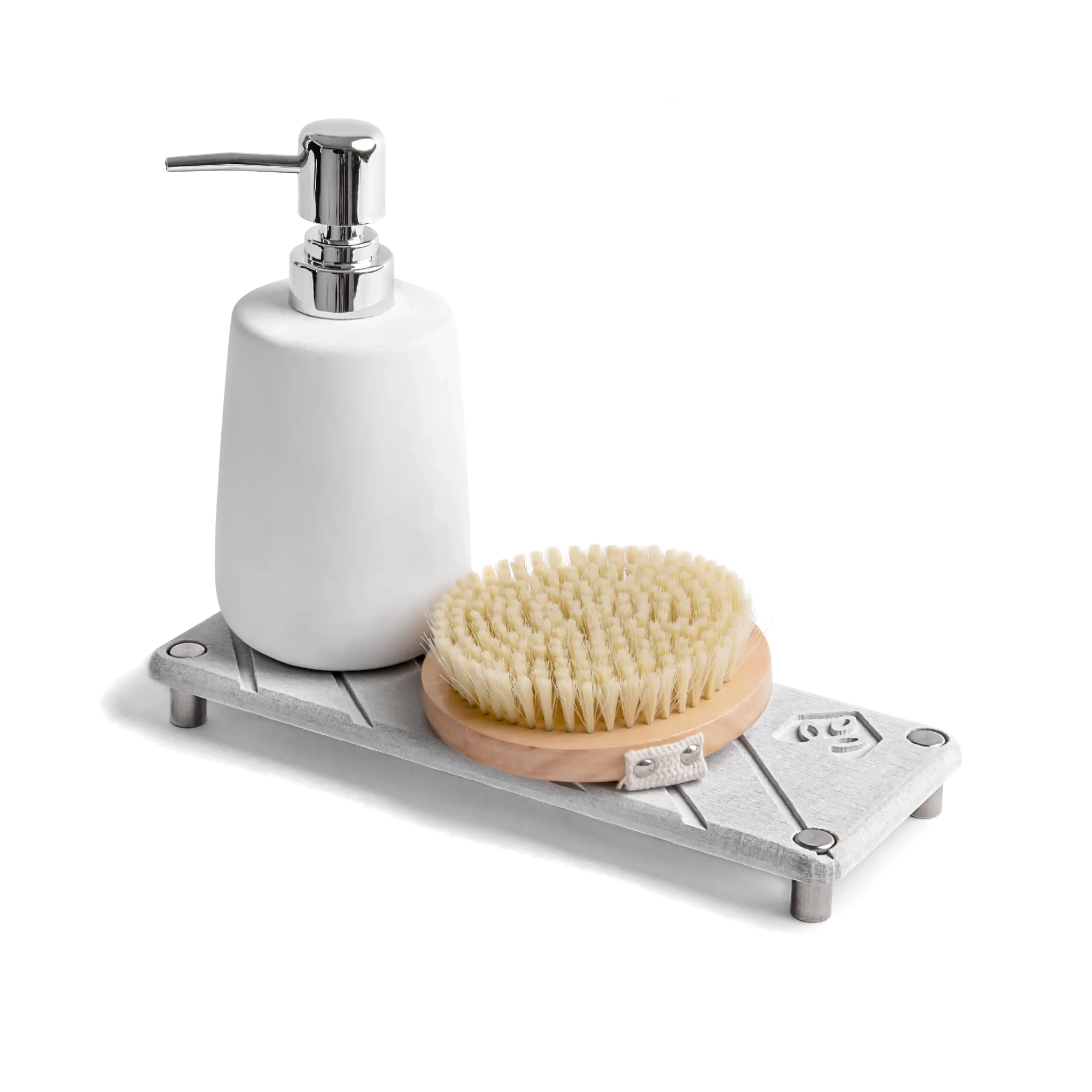
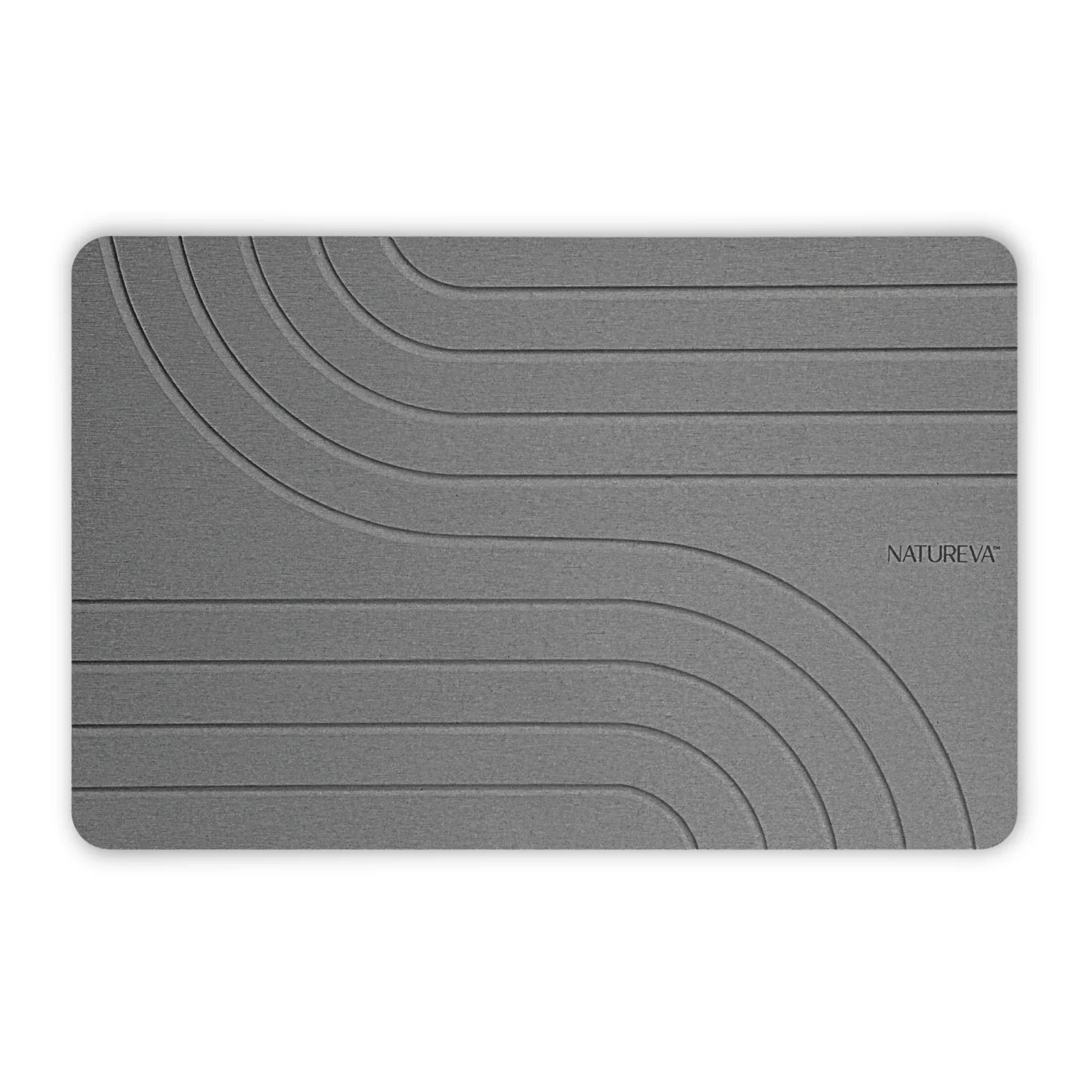
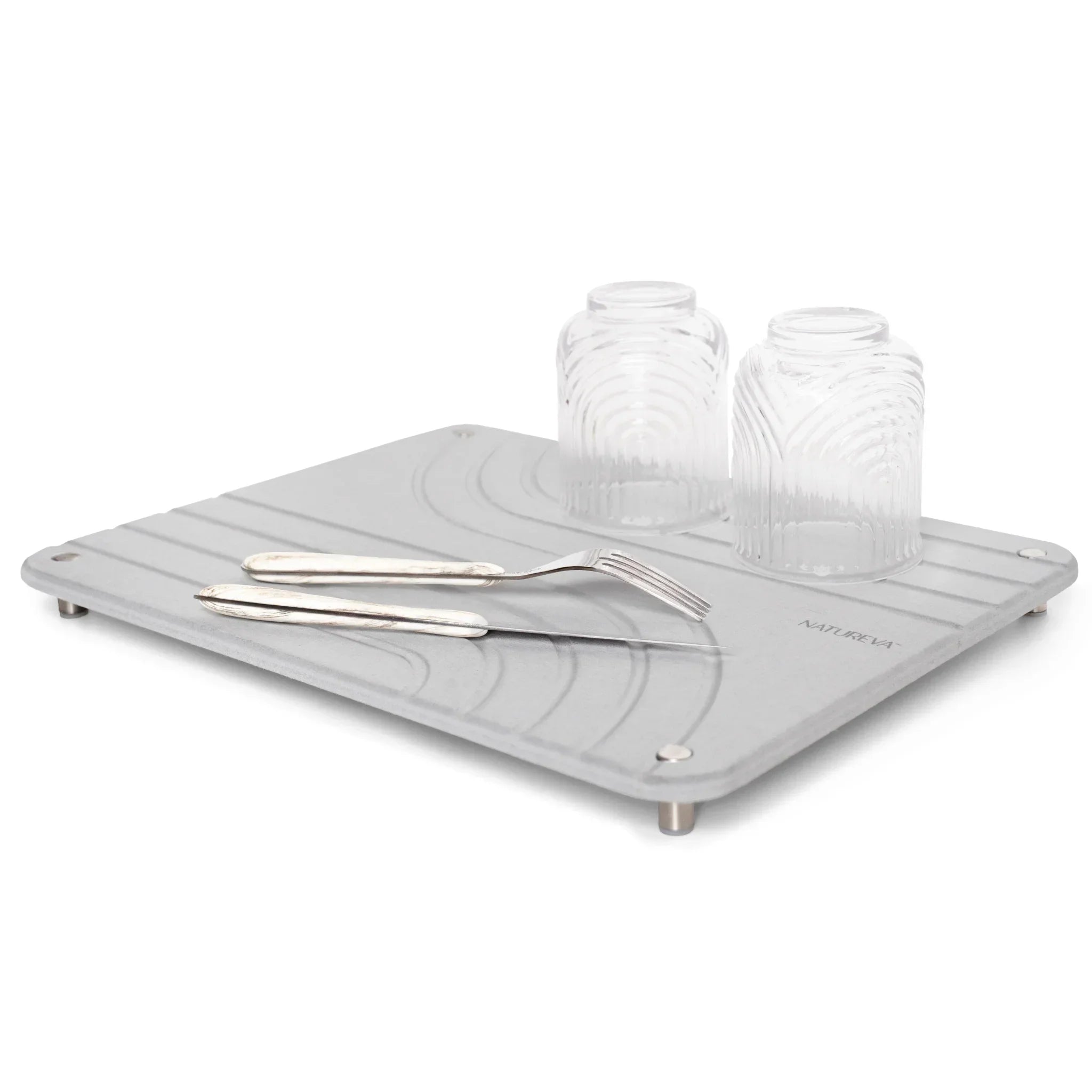
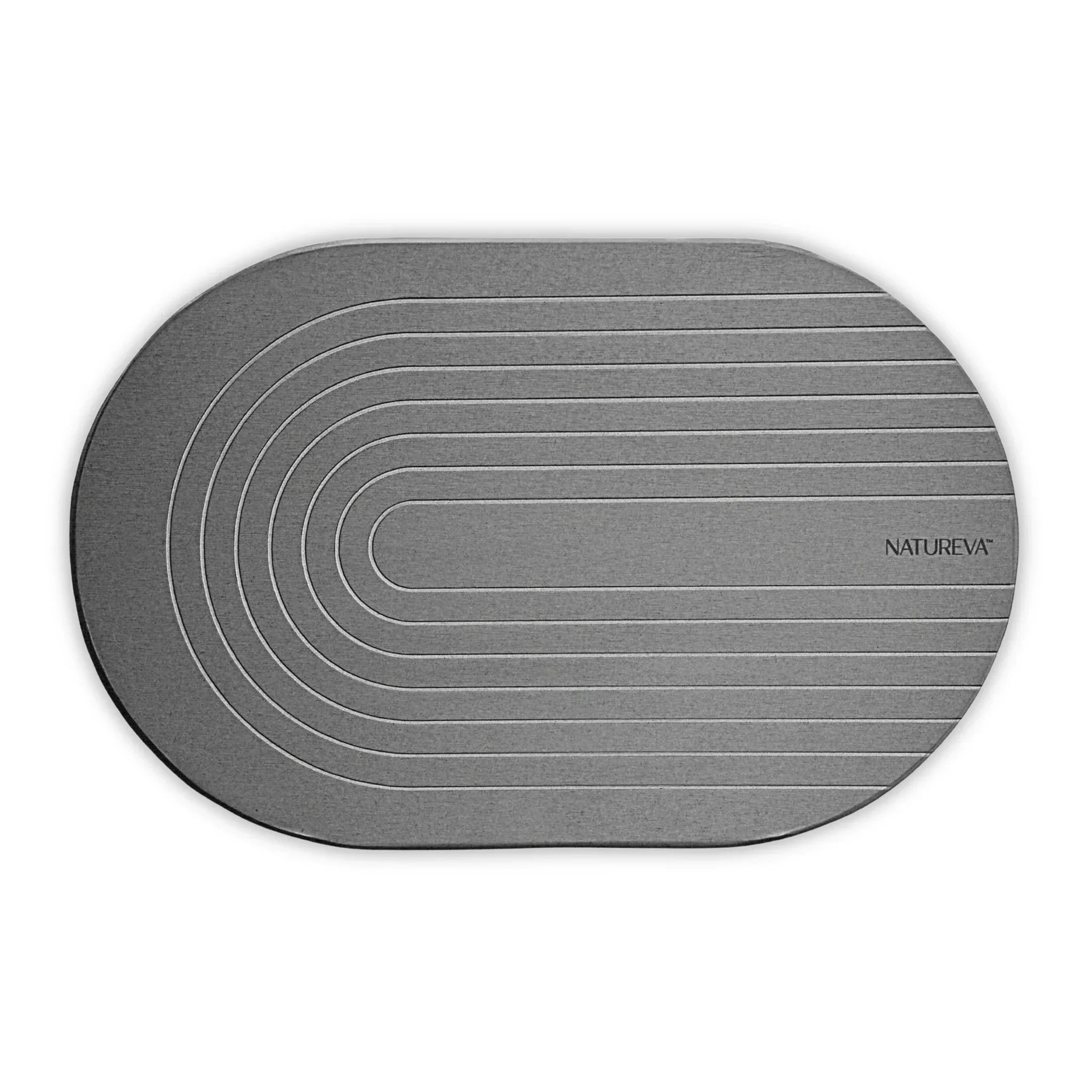
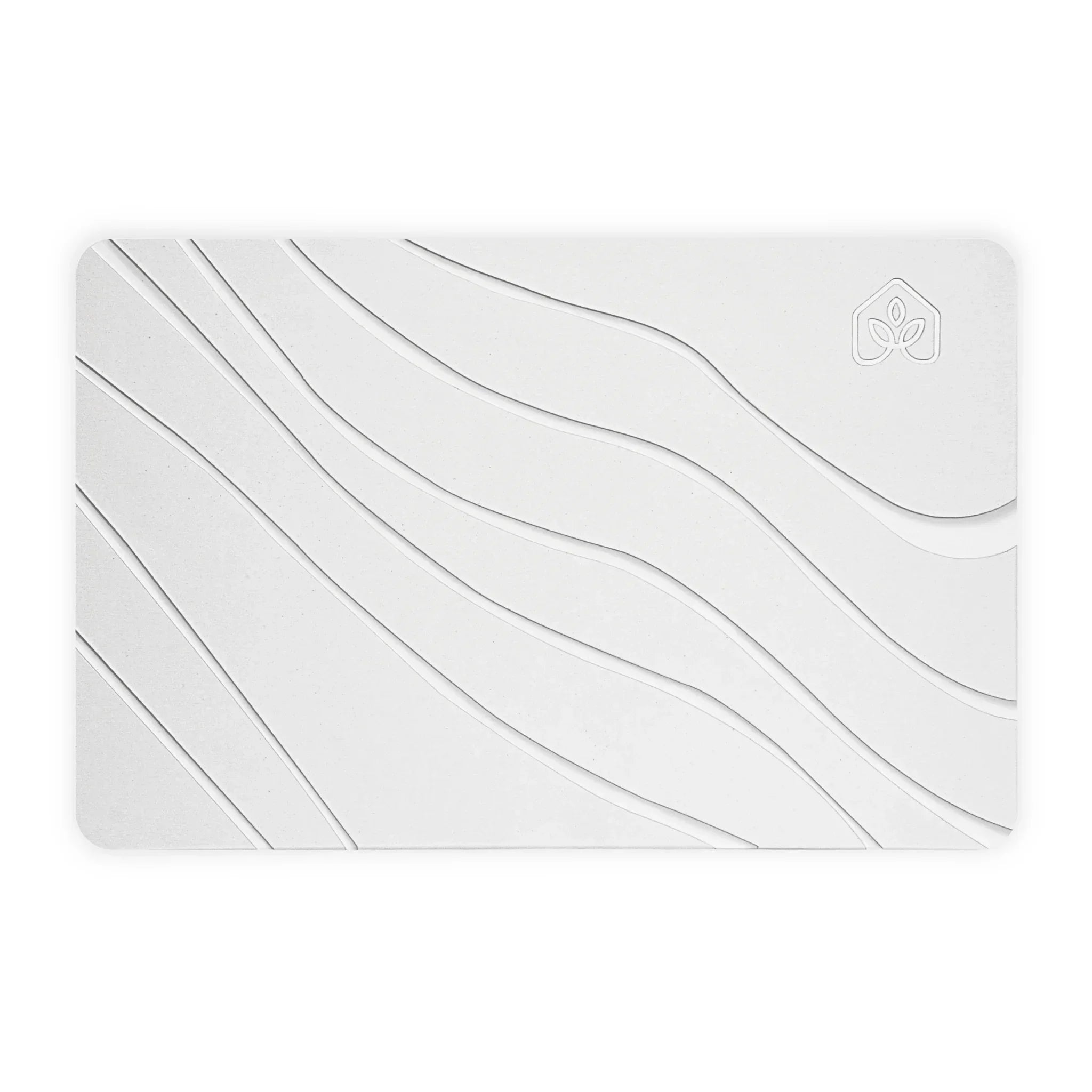
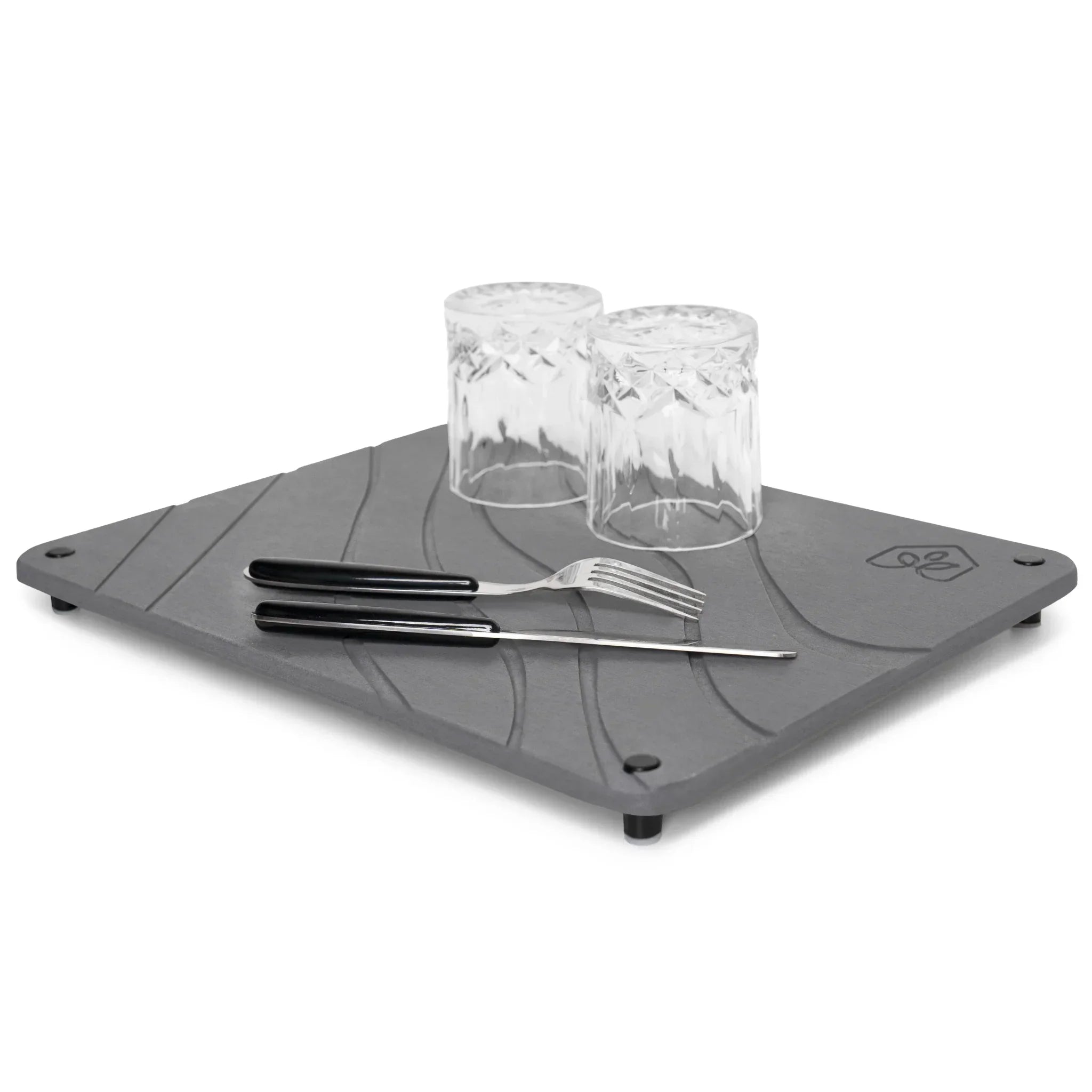
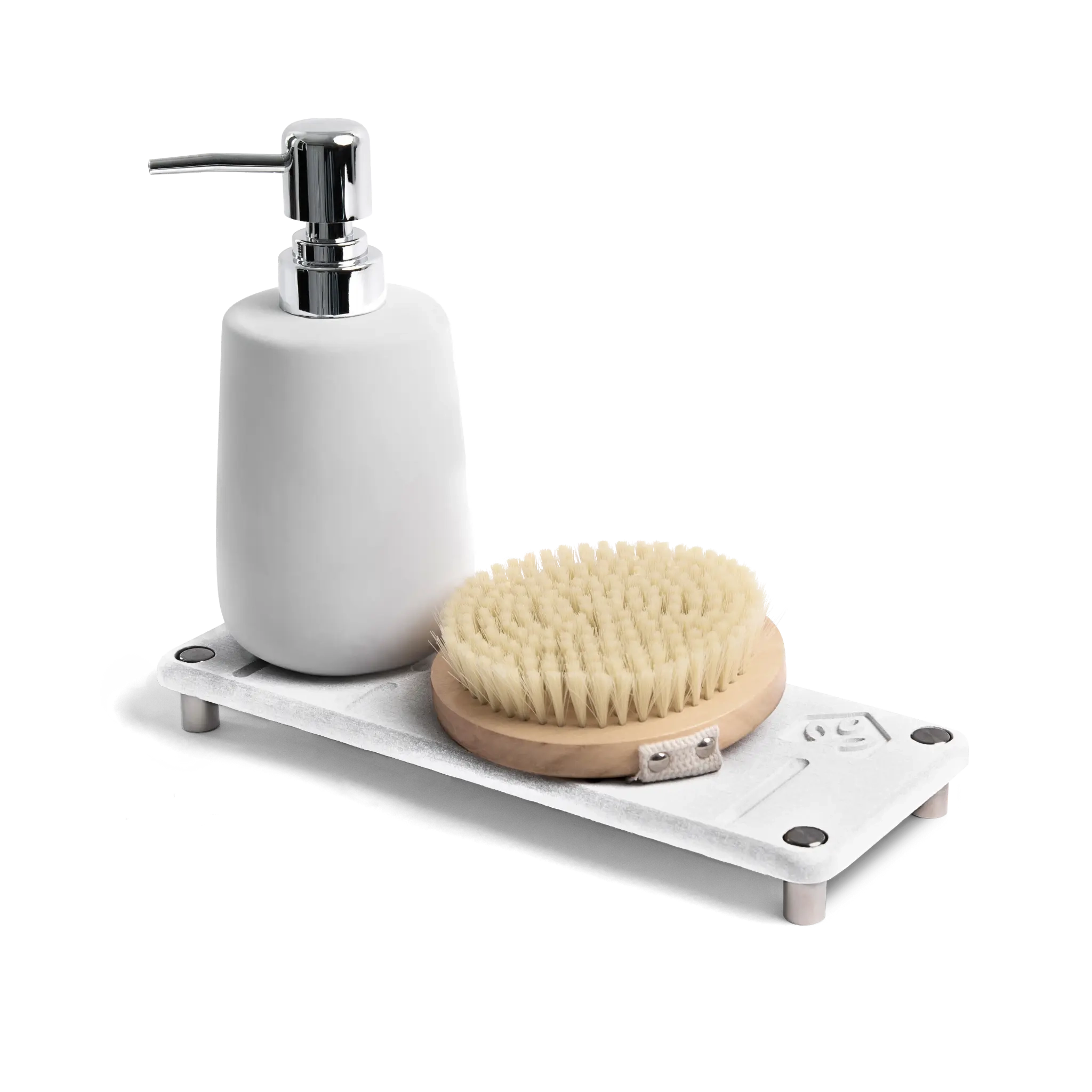
Stone Sink Caddy - Flow
The best time to reset your sink area is right after you finish your evening dishes. Your items are already wet, so it takes no extra effort to rinse them one more time and position them properly. Evening is when your kitchen gets the longest stretch of undisturbed time, which means your caddy has all night to do its job.
- Empty all items from your caddy and give it a quick rinse
- Shake excess water from sponges and brushes
- Place items with space between them, not touching
- Angle soap dispensers slightly so water drips onto the caddy surface
- Position the wettest items in the center where airflow is best
Stone sink caddies made from diatomaceous earth work differently than plastic or metal trays. While regular trays just collect water in a pool, materials like the ones used in our Stone Sink Caddy actually pull moisture out of the air and evaporate it. This means your sponge isn't just sitting there drying slowly, it's actively having water pulled away from it. But this only works if you give each item enough space.
The spacing part matters more than most people think. When items touch each other, they create little pockets where water gets trapped and the caddy surface can't reach. Leave at least half an inch between each item and you'll notice they dry completely by morning instead of staying damp.
Habit Two: Strategic Item Placement for Maximum Absorption
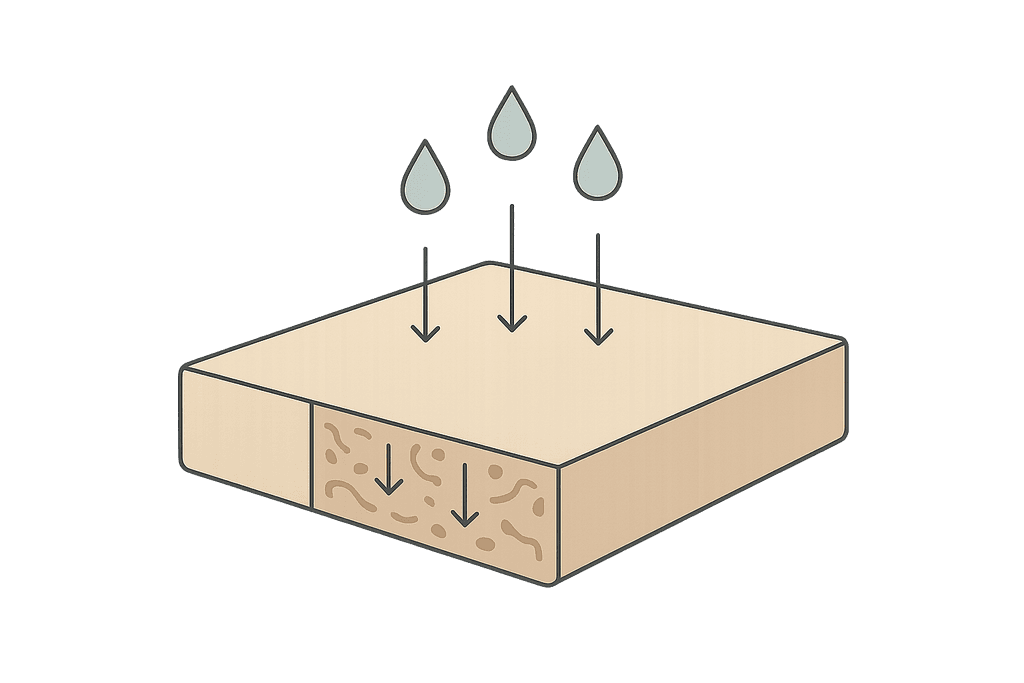
Diatomaceous earth is basically fossilized algae that's been compressed for millions of years into a porous stone. Those tiny pores act like thousands of little straws that suck up water on contact. When water hits the surface, it gets pulled into these microscopic channels and then evaporates into the air. This process happens in seconds, not hours, which is why you'll see puddles disappear almost instantly on a good stone caddy.
Habit Two: Strategic Item Placement for Maximum Absorption
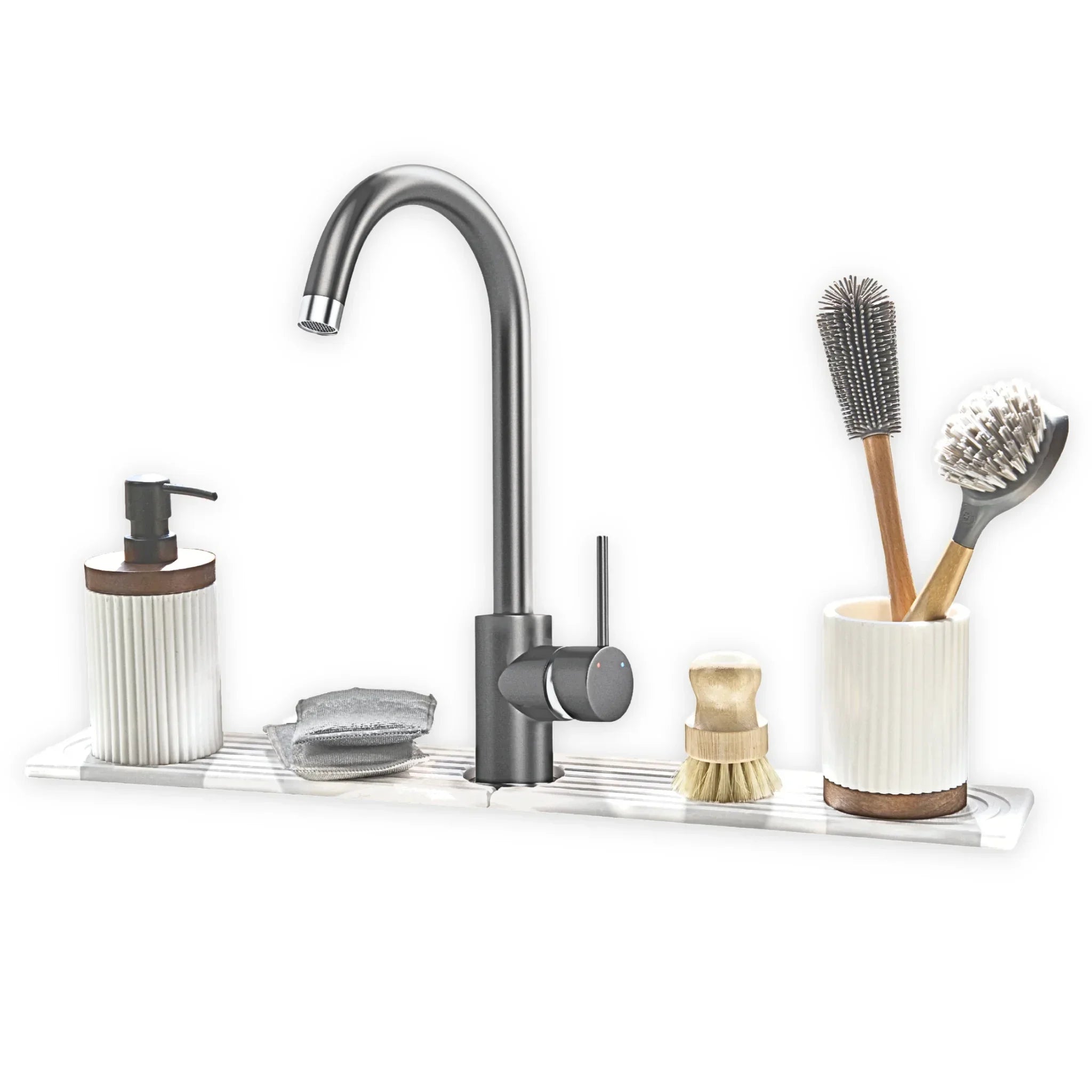
But not every item should go directly on the surface. Heavy bottles and soap dispensers work best when they sit flat because their weight helps create contact with the absorbent material. Sponges and brushes, on the other hand, should stand upright or lean at an angle so water drips down onto the caddy instead of staying trapped inside.
| Item Type | Best Position | Why It Works |
|---|---|---|
| Dish soap bottles | Flat, slight tilt | Drips collect on caddy |
| Sponges | Standing upright | Maximum air exposure |
| Scrub brushes | Bristles down | Water drains naturally |
| Hand soap pumps | Center position | Easy access, good airflow |
Overcrowding is the enemy of absorption. If you're trying to fit more than four or five items on a standard caddy, you're probably blocking the material from doing its job. Think of your caddy like a parking lot, not a storage unit. Each item needs its own spot with clear space around it.
Creating zones helps too. Keep your wettest items like sponges and brushes on one side, and drier items like soap dispensers on the other. This way the really wet stuff gets maximum contact with the absorbent surface, while your soap bottles don't take up prime real estate. Proper placement can extend the life of your cleaning tools by weeks because they're not sitting in moisture that breaks down the material.
Habit Three: Weekly Deep Clean and Refresh
The next generation of home essentials: naturally made, cleaner by design, sustainable by nature.
SHOP ALLEven though stone sink caddies are self-drying, they still need a weekly reset. Soap residue, food particles, and mineral deposits from hard water can build up in those tiny pores over time. When this happens, the caddy can't absorb water as quickly because the channels are partially blocked. A simple five-minute cleaning once a week keeps your caddy working like new for years instead of months.
The cleaning process is easier than you'd think. Just rinse the caddy under warm water and use your hand to gently scrub away any visible residue. Don't use soap or harsh cleaners because they can clog the pores even more. If you see stubborn spots, a soft brush works better than chemicals.
- Remove all items and rinse caddy under warm water
- Gently scrub surface with your hand or soft brush
- Shake off excess water
- Stand caddy upright to air dry for 30 minutes
- Wipe down with a dry cloth if needed
You'll know your caddy needs a refresh when water stops disappearing as quickly as it used to. If puddles sit on the surface for more than a few seconds, it's time for a cleaning. This doesn't mean your caddy is broken, it just means the pores need to be cleared out. Most stone caddies from quality materials can last three to five years with proper weekly maintenance.
The difference between a caddy that lasts one year versus five years usually comes down to this weekly habit. It's like changing the oil in your car. Skip it and things break down faster. Do it regularly and everything runs smooth.
Habit Four: Seasonal Rotation and Sunlight Exposure
Sunlight does something interesting to diatomaceous earth that most people don't know about. The UV rays naturally kill bacteria and help reset the material's absorption properties. Once a month, taking your caddy outside for a few hours in direct sunlight can make it feel brand new again. This works because the sun's heat drives out any deep moisture trapped in the pores and the UV light sanitizes the surface without any chemicals needed.
The process is simple but the timing matters. Pick a sunny day when you're home and can bring the caddy back inside after two to three hours. Any longer and extreme heat might cause cracking in some materials. Place it in direct sunlight on a clean surface like a patio table or windowsill.
| Season | Kitchen Humidity | Caddy Adjustment |
|---|---|---|
| Summer | Higher from AC | More frequent sun exposure |
| Winter | Lower from heating | Standard monthly routine |
| Spring/Fall | Variable | Watch for moisture signs |
Rotating your caddy's position every few months helps it wear evenly. If the same spot always holds your heaviest soap bottle, that area might compress slightly over time. Moving items around or flipping the caddy end-to-end distributes the wear so no single spot gets overused.
Natural materials like the ones in our kitchen collection actually benefit from occasional outdoor exposure. It's like how wooden cutting boards need to breathe sometimes. The fresh air and sunlight help the material maintain its natural properties instead of getting stale from constant indoor humidity.
These four habits work together to get the most value from your sink caddy. The evening routine prevents overnight moisture buildup. Strategic placement maximizes absorption during the day. Weekly cleaning keeps the pores clear and working efficiently. And monthly sunlight exposure resets everything back to peak performance. Most people who follow these habits report their caddies lasting three times longer than friends who just set it and forget it.
Small Habits, Big Impact on Kitchen Cleanliness
These four habits might seem simple, but together they make a real difference in how well your sink caddies work. The daily wipe-down keeps water from building up. Rotating your items stops one spot from getting overloaded. Giving your caddy a weekly clean prevents any buildup that could slow down absorption. And letting it air out completely means it stays fresh and ready to handle the next round of wet dishes or sponges.
The best part is that all four habits combined take less than five minutes each day. Most of that time is just letting things air dry while you do other stuff around the house.
When you use a diatomaceous earth caddy like our Stone Sink Caddy, these habits become even more effective because the material naturally works with you. The stone absorbs water instantly and dries within seconds, which means less work on your end. Traditional plastic or silicone trays just trap moisture underneath, but stone actually evaporates it.
You don't need to start all four habits at once. Pick the one that seems easiest and build from there. Maybe you start with just the daily wipe-down and add the rotation habit next week. Before you know it, these small routines become automatic, and your kitchen stays cleaner with way less effort.
The right material combined with consistent care means your sink area stays dry, organized, and free from that musty smell that comes with trapped water. If you're curious about how different materials handle moisture or want more tips on caring for stone products, there's more to explore.
Common Questions About Sink Caddy Care
Taking care of your sink caddy doesn't need to be complicated, but a few simple habits make a big difference in how long it lasts. Most people have similar questions when they first switch to stone sink caddies, especially if they're used to plastic or silicone versions. The good news is that diatomite stone requires less fussing than you might think. Here are the answers to the most common questions we hear about keeping these handy tools in top shape.
How often should I clean my sink caddy?
A quick rinse once a week is usually enough for most households. If you notice the surface isn't absorbing water as quickly as it used to, a light scrub with fine sandpaper (around 400 grit) will restore its absorbency. The Natureva Stone Sink Caddy naturally resists bacteria growth, so you don't need to deep clean it constantly like plastic versions.
Can I use soap or cleaning products on a stone sink caddy?
Skip the soap and harsh cleaners entirely. These products clog the tiny pores in diatomaceous earth that make it absorbent in the first place. Plain water and occasional light sanding are all you need to keep it working properly.
How long does a diatomite sink caddy last?
With proper care, a quality stone sink caddy can last several years. The lifespan depends mostly on how often you refresh the surface and whether you avoid dropping it on hard floors. Stone sink caddies from brands like Drysorb or Dorah typically last 2-3 years, but many users report even longer with regular maintenance.
What's the difference between stone and plastic sink caddies?
Plastic sink caddies trap water in their grooves and create perfect breeding grounds for mold and mildew. Stone versions actively absorb and evaporate moisture, keeping everything drier and cleaner. You'll also notice plastic caddies get that slimy feeling after a few days, while stone stays fresh much longer.
How do I know when my sink caddy needs replacing?
If sanding no longer restores the absorbency, or if you notice cracks spreading across the surface, it's time for a new one. Most people find their caddy works great for years before needing replacement.
Can I put my stone sink caddy in the dishwasher?
Never put diatomite stone in the dishwasher. The high heat and detergent will damage the porous structure and ruin its ability to absorb water. Stick to simple hand rinsing and you'll get much better results.
The next generation of home essentials: naturally made, cleaner by design, sustainable by nature.
SHOP ALL