
Budget Pet Feeding Mat Ideas for Messy Floors
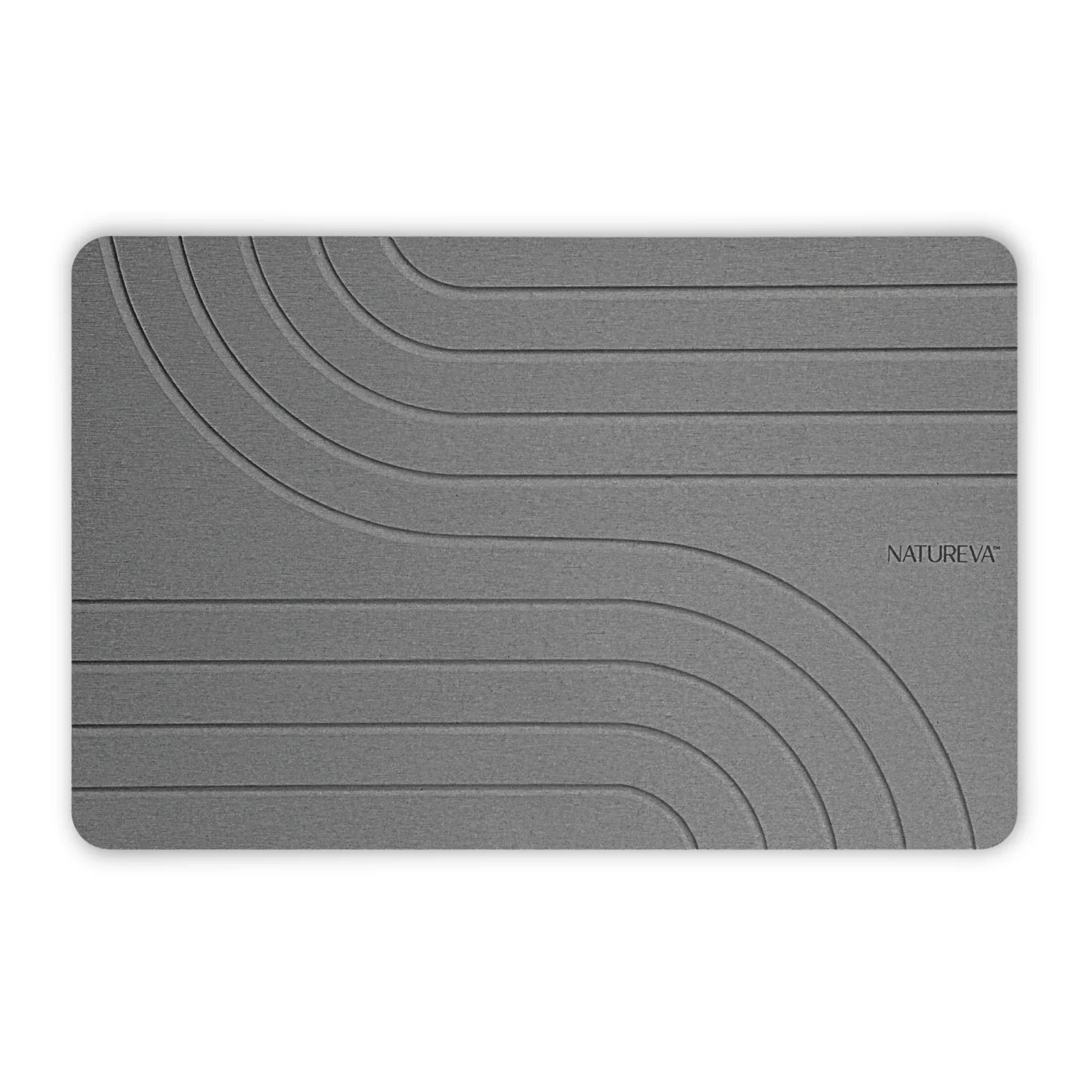
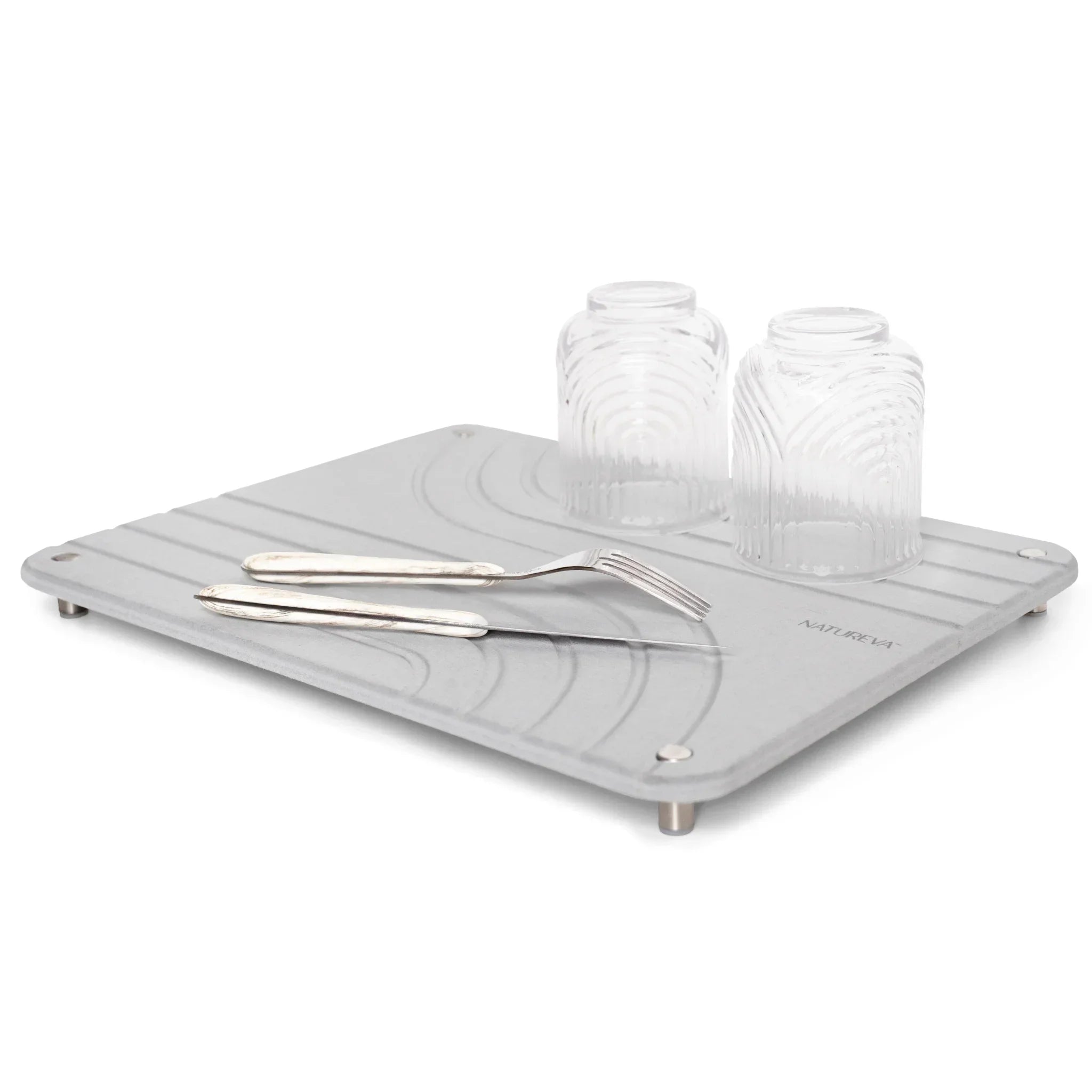
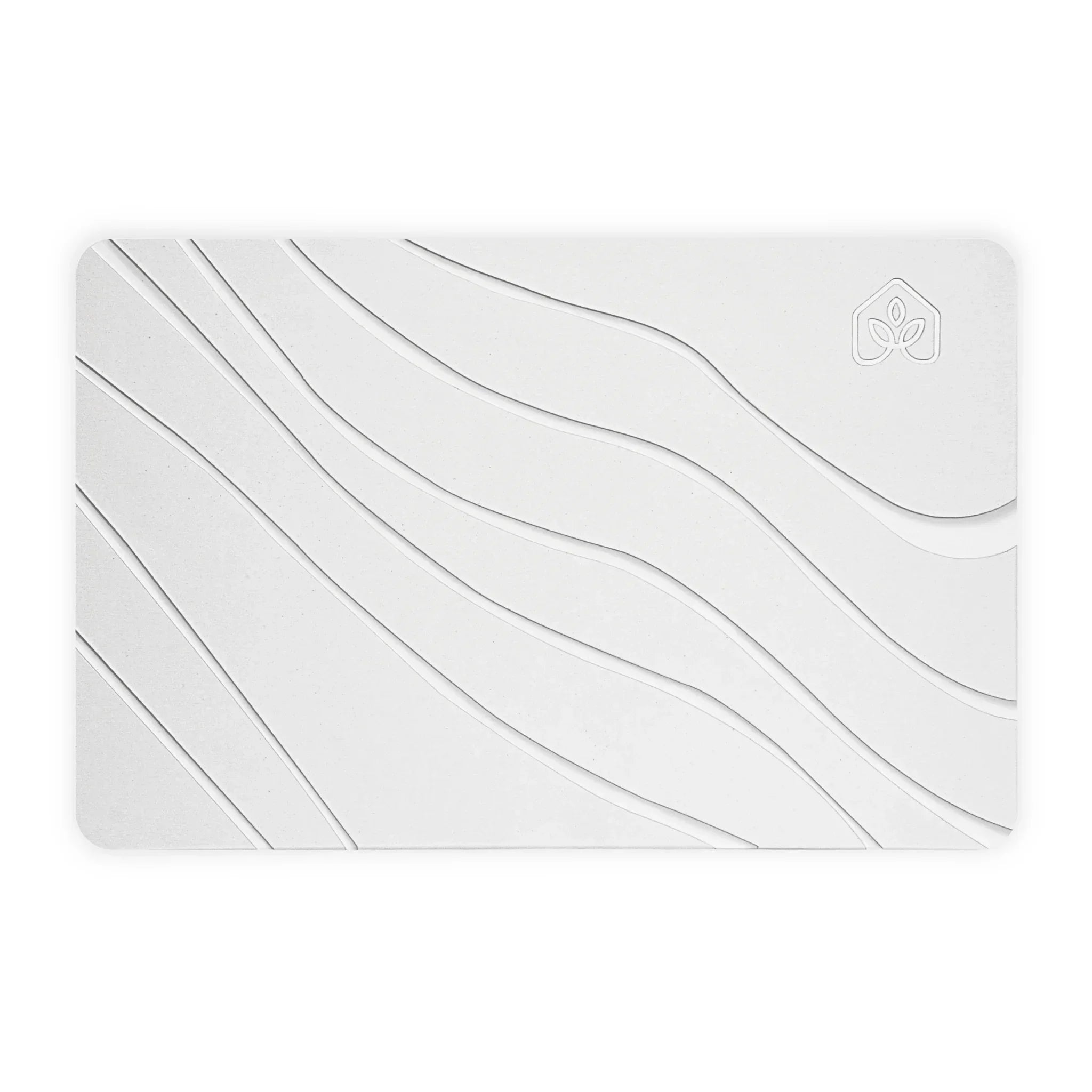
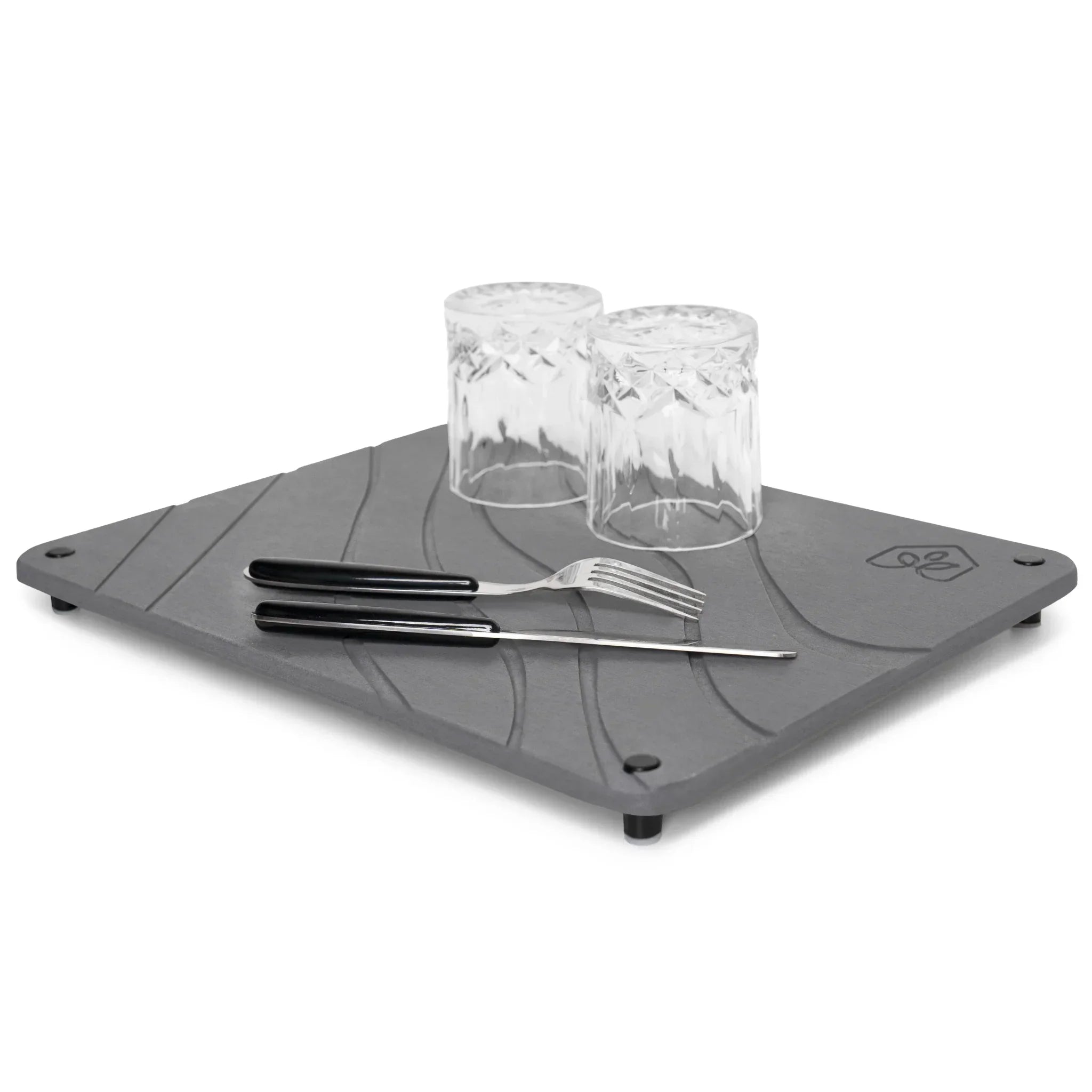
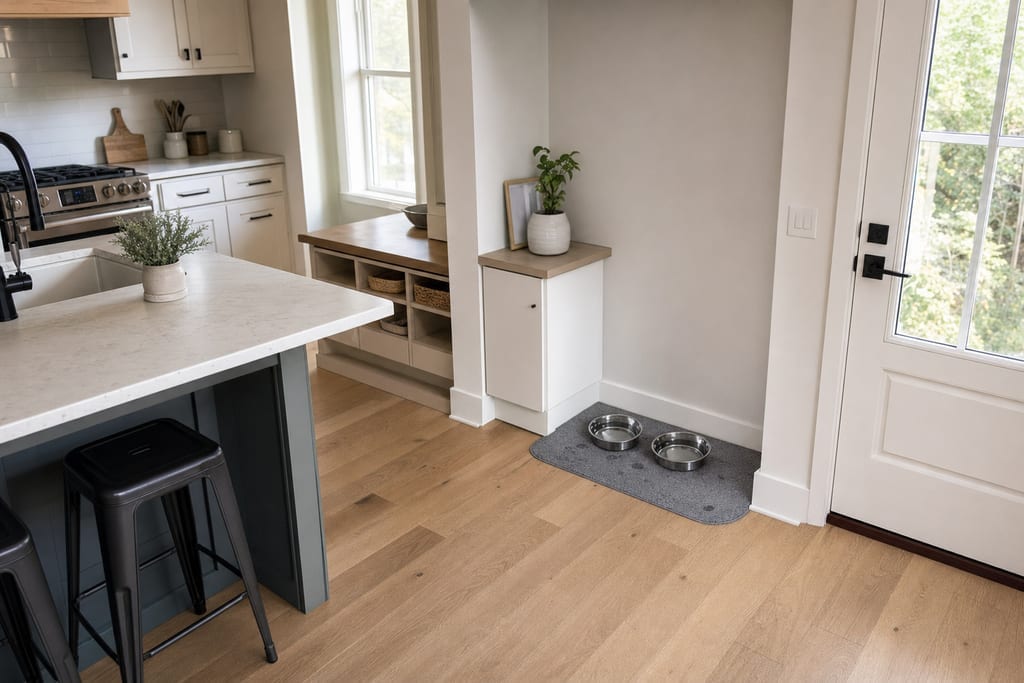
Every pet owner knows that sinking feeling when you walk into the kitchen and find a puddle spreading across your floor from an enthusiastic drinker or messy eater. Those constant spills don't just mean more mopping—they can actually warp hardwood, stain grout, and create the perfect breeding ground for bacteria that nobody wants near their pet's food. The good news is that dog feeding mats designed to handle these daily disasters don't have to cost a fortune, and some options like our Stone Pet Mat use natural materials that absorb moisture instantly while staying budget-friendly.
Table of Contents
The Real Cost of Messy Pet Feeding Areas
Most pet owners don't realize that water bowls and food dishes can cause serious damage to their floors over time. Every time your dog takes a drink or munches on kibble, small amounts of water and food particles scatter around the feeding area. These spills might seem harmless at first, but they create problems that add up fast. The moisture sits on your floor for hours, sometimes days, slowly working its way into the material beneath. What starts as a small wet spot can turn into warped wood, stained tile grout, or damaged laminate that costs hundreds or even thousands to fix.

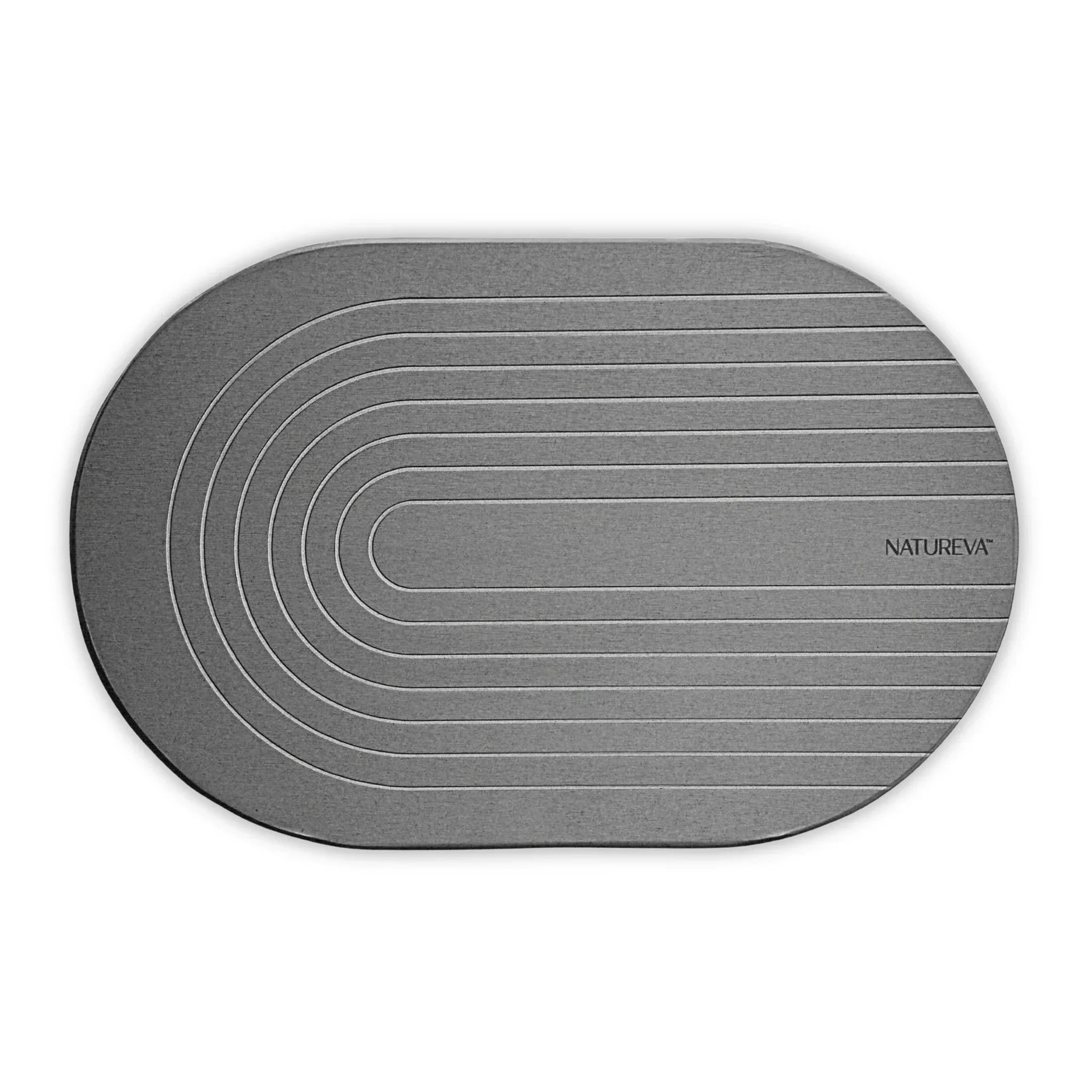
Stone Pet Mat
How Water Damages Different Floor Types
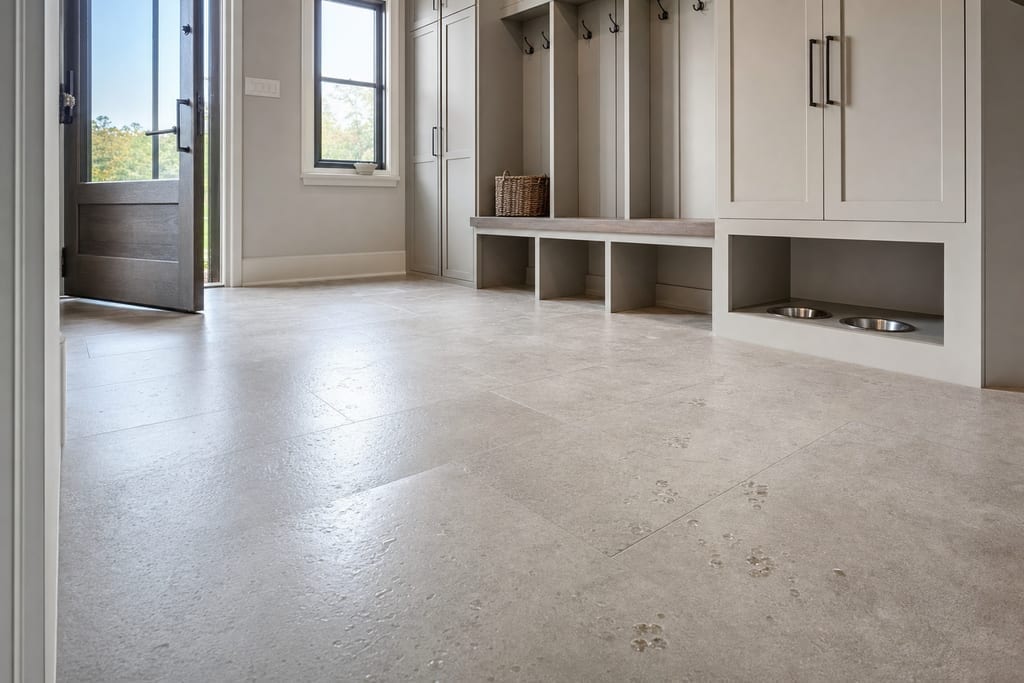
Different flooring materials react to constant moisture in their own ways. Hardwood floors are especially vulnerable because water seeps between the boards and causes them to swell and buckle. Laminate flooring looks tough but it's actually made of compressed wood particles that turn into mush when they get wet repeatedly.
- Hardwood floors can warp and develop black stains from water exposure
- Laminate flooring swells at the edges and separates at the seams
- Tile grout absorbs moisture and becomes a breeding ground for mold
- Vinyl flooring can develop bubbles and discoloration underneath
The Hidden Health Risks
Wet feeding areas create the perfect environment for bacteria and mold to grow. According to research from the NSF International, pet bowls and the areas around them rank among the top germiest spots in homes. The damp environment around unprotected feeding stations can harbor harmful bacteria like E. coli and Salmonella, which affect both pets and humans.
- Mold spores can trigger allergies and respiratory problems
- Bacteria multiply quickly in standing water around bowls
- Pets can track contaminated water throughout your home
- Food particles mixed with moisture create odor problems
Time and Money Down the Drain
The daily cleanup routine adds up to serious time investment. Most pet owners spend at least 5-10 minutes each day wiping up spills and mopping around feeding areas. That's over 60 hours per year just managing the mess. Dog feeding mats can help reduce this burden, but not all options work the same way.
| Time Period | Without Protection | With Quality Mat | Savings |
|---|---|---|---|
| Daily Cleanup | 10 minutes | 2 minutes | 8 minutes |
| Monthly Time | 5 hours | 1 hour | 4 hours |
| Yearly Time | 60 hours | 12 hours | 48 hours |
| Floor Repair Costs (5 years) | $800-2000 | $0-200 | $600-1800 |
The Stone Pet Mat from Natureva uses natural diatomaceous earth that absorbs moisture instantly and dries quickly, which helps prevent the kind of long-term damage shown in the table above. Regular rubber or silicone mats just trap water underneath, but materials that actively dry can make a real difference. Some pet owners also use spill-resistant feeding accessories alongside their mats for extra protection.
Calculating the Real Expense
Floor replacement costs vary widely depending on the material and damage extent. A small section of damaged hardwood might cost $500 to replace, while extensive water damage to an entire room can run several thousand dollars. These expenses don't include the hassle of moving furniture, finding contractors, and living through the repair process.
- Hardwood floor repairs range from $500-3000 per room
- Laminate replacement costs $1000-2500 for average spaces
- Professional mold remediation adds $500-6000 to the bill
- Preventive solutions like quality mats cost under $100
Smart Material Choices That Won't Break Your Budget
Most pet owners spend more time cleaning up after meals than they do enjoying time with their furry friends. The right feeding mat can change that, but you don't need to spend a fortune to keep your floors clean. Different materials offer different benefits, and understanding what works best for your situation matters more than the price tag. The key is matching the material to your pet's eating habits and your cleaning preferences.
Silicone mats are probably the most common budget option you'll find. They're waterproof and wipe clean in seconds, which makes them popular for quick cleanups. However, they don't actually absorb anything, so spills just sit on top until you notice them.
Rubber-backed fabric mats give you some absorption with grip that keeps the mat in place. The problem is they need to go in the washing machine regularly, and they can hold onto smells if your pet is a messy eater. They work fine for neat eaters but struggle with heavy droolers or water splashers.
Then there's diatomaceous earth stone mats, which work differently than anything else. These natural stone options actively pull moisture into millions of tiny pores and let it evaporate naturally. Our Stone Pet Mat uses this material to keep feeding areas dry without any extra work on your part. The stone absorbs spills instantly and dries on its own, which means less time scrubbing and more time with your pet.
| Material Type | Absorption Rate | Drying Time | Price Range |
|---|---|---|---|
| Silicone | None (waterproof) | Requires wiping | $10-25 |
| Rubber-backed fabric | Moderate | 2-4 hours | $15-30 |
| Diatomite stone | High | 30-60 minutes | $40-60 |
The material you choose sets the tone for how much daily maintenance you'll deal with. Natural stone mats cost more upfront but they last for years and need almost no daily attention. That's the trade-off worth considering when you're tired of constantly mopping around food bowls.
Features That Actually Matter for Daily Use
Shopping for dog feeding mats can feel overwhelming when every product claims to be the best. But most features are just marketing fluff. What actually matters is how the mat performs during real mealtimes with real pets who don't care about keeping things tidy. Focus on the basics that make your life easier, not the fancy extras that sound good but don't deliver.
Absorption capacity is the number one feature that separates good mats from useless ones. A mat that can't handle your pet's water bowl splashes or food drool isn't doing its job. Quick-drying properties matter just as much because a mat that stays wet becomes a breeding ground for bacteria and smells.
- Non-slip backing keeps the mat where you put it, even when your dog pushes their bowl around
- Easy cleaning requirements mean you'll actually maintain it instead of letting it get gross
- Proper size for your pet's breed prevents spills from missing the mat entirely
- Durability ensures you're not replacing it every few months
Size matters more than most people think. A small mat under a large dog's bowls is basically useless. Measure your pet's feeding area when they're actually eating, including the space where they tend to drip water on their way back from the bowl. Add a few inches on each side and that's your minimum mat size.
The natural mold prevention in stone mats like the Natureva option comes from how the material works. According to research on environmental enrichment for pets, keeping feeding areas clean and dry contributes to better overall pet health. Stone naturally discourages bacterial growth because it doesn't stay damp like fabric or trap moisture like plastic.
The next generation of home essentials: naturally made, cleaner by design, sustainable by nature.
SHOP ALLMaintenance requirements should fit your actual schedule, not some ideal version of yourself who deep cleans daily. If a mat needs constant washing or special treatments, you probably won't keep up with it. The best mat is one that works with your routine, not against it.
Making Your Feeding Mat Work Harder for You
Even the best feeding mat won't help much if you're using it wrong. Placement, maintenance, and pairing it with the right bowls can triple its effectiveness without spending another dollar. These simple adjustments take almost no time but make a huge difference in how well your mat protects your floors. Most people never think about these details until they're frustrated with constant messes.
Proper placement means putting the mat where spills actually happen, not just where it looks nice. Watch your pet eat for a few days and notice where water drips and food lands. That's where your mat needs to be, even if it's not the most aesthetic spot in your kitchen.
- Place the mat in a low-traffic area so it doesn't get kicked around
- Keep it away from direct sunlight if using stone (helps maintain material integrity)
- Position bowls in the center with equal space on all sides
- Make sure there's room for your pet to stand comfortably while eating
Daily maintenance for most mats takes about 30 seconds. Wipe up any visible food chunks and let the mat do its job with the moisture. For stone mats, you don't even need to wipe them down daily because the natural evaporation handles most spills automatically.
Deep cleaning schedules depend on your mat material. Fabric mats need weekly washing. Silicone needs a good scrub every few days. Stone mats only need a light sand with fine sandpaper once a month to refresh the surface and maintain absorption. You can learn more about proper care on our care and cleaning page.
The type of bowls you use matters too. Weighted bowls or non-slip bowls reduce how much your pet pushes them around, which means less spillage off the mat. Shallow, wide water bowls cause less splashing than deep, narrow ones. These small changes work together with your mat to create a cleaner feeding area.
Knowing when to replace versus when to clean saves money in the long run. Fabric mats that smell even after washing need replacing. Silicone that's cracking or peeling is done. Stone mats can last for years if you maintain them properly, making them a better long-term investment even at a higher initial cost. The pet collection includes options designed for durability that won't need frequent replacement.
Using the natural evaporation properties of stone means you're working with the material instead of against it. Don't cover a stone mat with towels or put it in enclosed spaces where air can't circulate. Let it breathe and it'll keep your floors dry with almost no effort from you.
Your Floors Will Thank You
Here's the thing about dog feeding mats - you don't need to spend a fortune to protect your floors. The budget options we've covered can work just as well as the pricey ones, as long as you pick the right material for your situation. A simple silicone mat might be perfect for a tidy eater, while a messier pup might need something with better absorption. The key is matching the mat to your pet's eating habits, not just grabbing whatever's cheapest.
The material you choose really does make all the difference between a mat that works and one that just moves the problem around. Stone mats like our diatomite pet mat absorb spills instantly and dry fast, which means less time scrubbing and more time with your pet. That quick-drying feature also stops mold and bacteria from setting up camp under the bowl.
Think of a feeding mat as insurance for your floors. Spending $20 to $50 now beats paying hundreds later to fix water damage or replace warped flooring. Wood floors especially don't forgive constant water exposure, and even tile grout can get stained and gross over time.
Daily cleanup becomes so much easier when you have the right setup. Instead of mopping around food bowls twice a day, you just wipe the mat or let it dry on its own. Some materials need more care than others, but even high-maintenance options beat dealing with permanent floor stains. You might also want to check out our full pet collection for other ways to keep feeding areas clean.
Still have questions about which mat works best for your specific situation? We've got answers coming up next.
Common Questions About Pet Feeding Mats
Choosing the right feeding mat can feel overwhelming with so many options out there. Most pet owners have similar questions when they're trying to protect their floors from water bowls and food spills. Here are the answers to the most common questions about dog feeding mats that actually help you make a smart choice.
How often should I clean my pet's feeding mat?
You should wipe down your feeding mat after every meal to prevent bacteria buildup. A quick daily rinse keeps most mats fresh, but you'll want to do a deeper clean with soap and water at least once a week. Stone mats like the Natureva Stone Pet Mat need less frequent cleaning since they naturally resist bacteria growth and dry quickly on their own.
What size mat do I need for my pet?
Your mat should extend at least 2-3 inches beyond your pet's bowls on all sides. Bigger dogs who tend to splash more need larger mats to catch all the mess. Measure your current feeding area when your pet is eating to see how much space they actually use, not just where the bowls sit.
Can feeding mats prevent all floor damage?
Feeding mats significantly reduce floor damage but they're not magic shields. They work best when they're the right size and made from absorbent materials that actually soak up spills instead of letting water pool. The key is choosing a mat that absorbs moisture quickly, which is why stone-based options often outperform basic rubber or silicone mats that just create barriers.
Are stone mats better than silicone or rubber?
Stone mats absorb water instead of just containing it, which means less standing water and fewer bacteria problems. Silicone and rubber mats are cheaper upfront but they trap moisture underneath, which can actually damage floors over time. Stone mats dry faster and don't develop that gross smell that rubber mats get after a few months of use.
How long do budget feeding mats typically last?
Most budget silicone or rubber mats last 6-12 months before they start cracking or getting permanently stained. Stone mats typically last 2-3 years or longer with proper care since they don't break down like synthetic materials. The initial cost difference usually evens out when you factor in how often you'll need replacements.
Do feeding mats work on all floor types?
Yes, but some floor types need more protection than others. Hardwood and laminate floors are most vulnerable to water damage, so they benefit most from absorbent mats. Tile floors are more forgiving, but you'll still want a mat to prevent grout staining and make cleanup easier.
The next generation of home essentials: naturally made, cleaner by design, sustainable by nature.
SHOP ALL