
Local Rules For Dog Food Mat Hygiene At Home
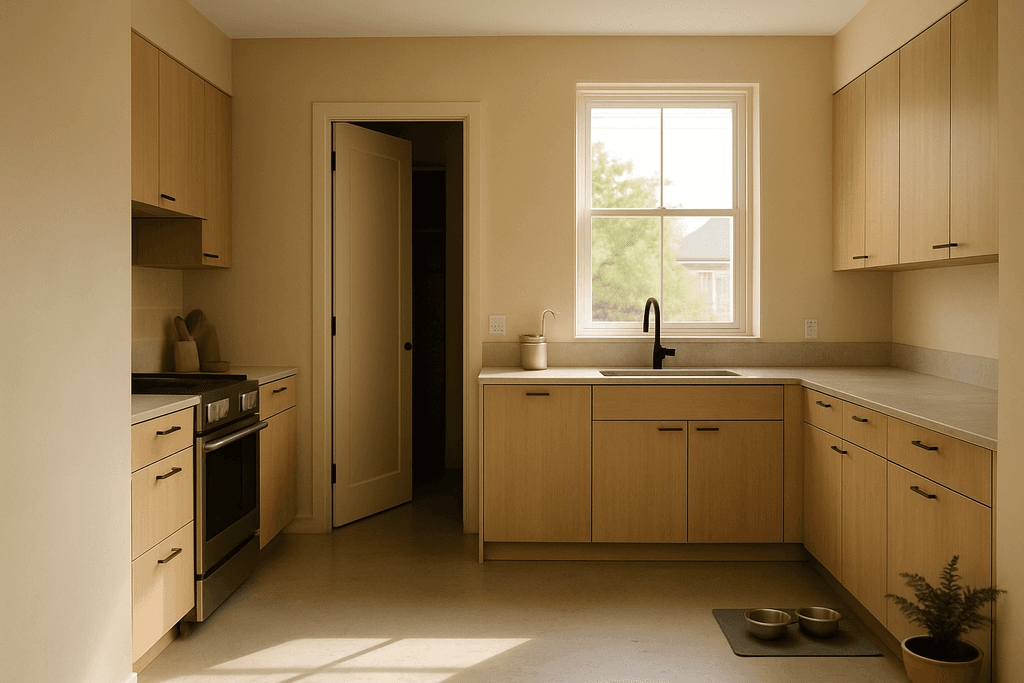
That wet spot around your dog's food bowl isn't just water - it's a bacteria breeding ground that can multiply dangerous microbes within just a few hours. Most pet owners don't realize their dog food mat could be harboring harmful mold and bacteria that put both pets and family members at risk. Understanding a few simple hygiene rules can transform your pet's feeding area from a health hazard into a clean, safe space.
Table of Contents
Daily Cleaning Rules That Actually Work
Most pet owners don't realize that bacteria can multiply on pet feeding surfaces within hours, not days. Your dog's food mat isn't just catching kibble and water. It's creating a breeding ground for harmful bacteria that can affect both you and your pet. The good news is that keeping things clean doesn't have to take forever if you follow a few simple rules.
Daily Cleaning Rules That Actually Work
The most important habit you can build is a quick wipe-down after each feeding time. This takes about 30 seconds but prevents 90% of the hygiene problems most pet owners face. You're not trying to deep clean here, just removing the obvious food debris and excess moisture before it becomes a problem.
Your Daily Maintenance Checklist
- Remove and dispose of all visible food debris immediately after meals
- Wipe up any standing water with a clean cloth or paper towel
- Check corners and edges where moisture tends to hide
- Let the mat air dry between feedings if possible
- Inspect for any stuck-on food that needs spot cleaning
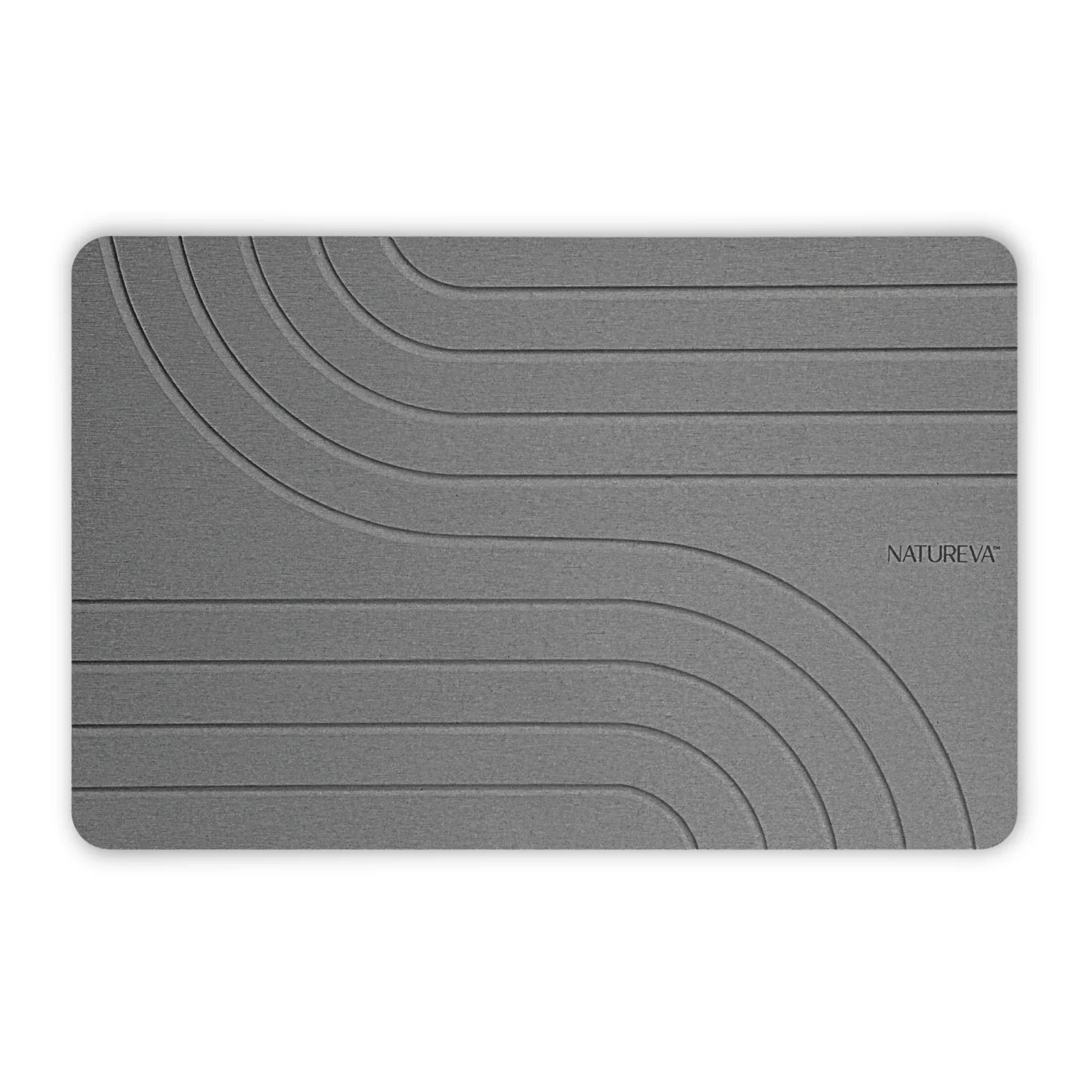
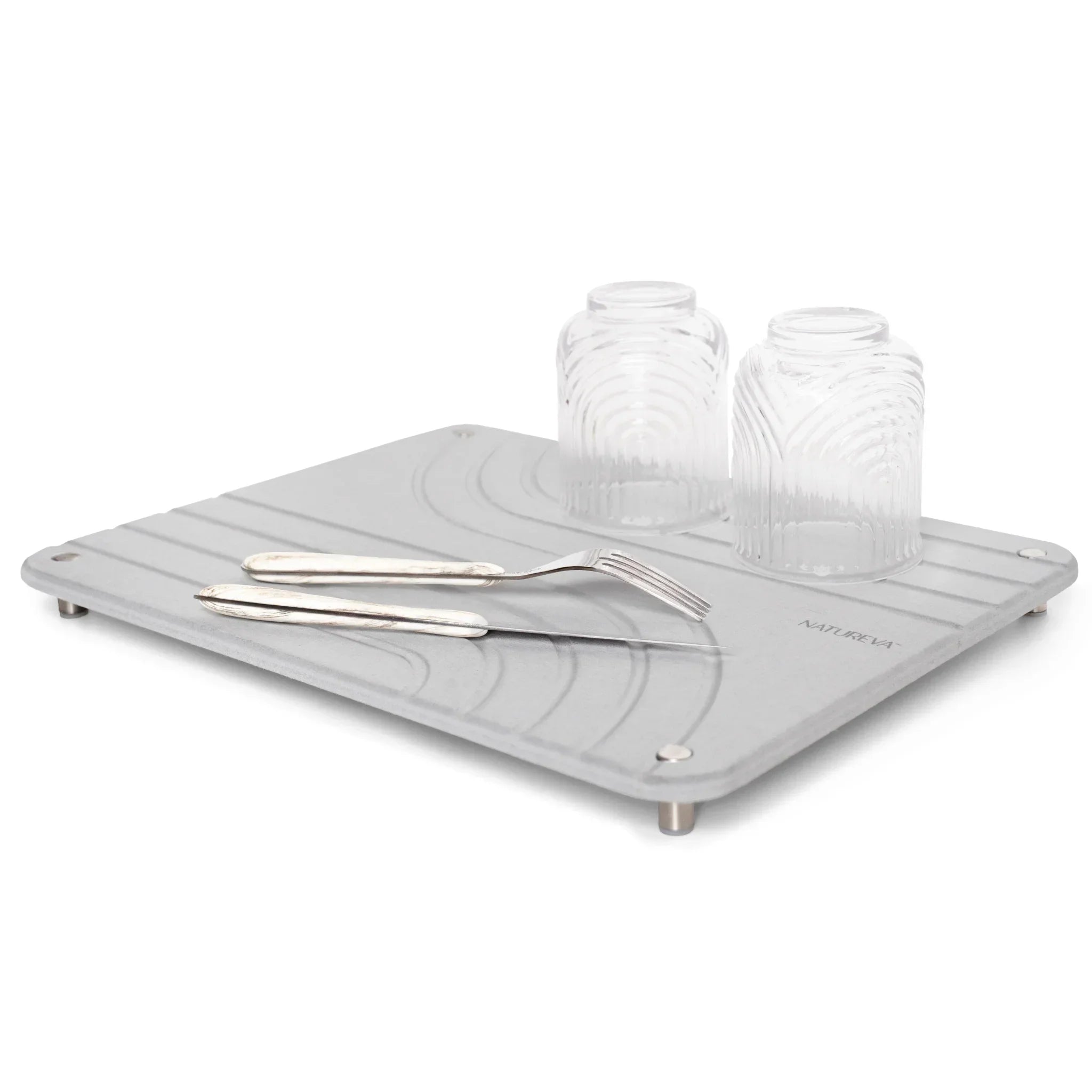
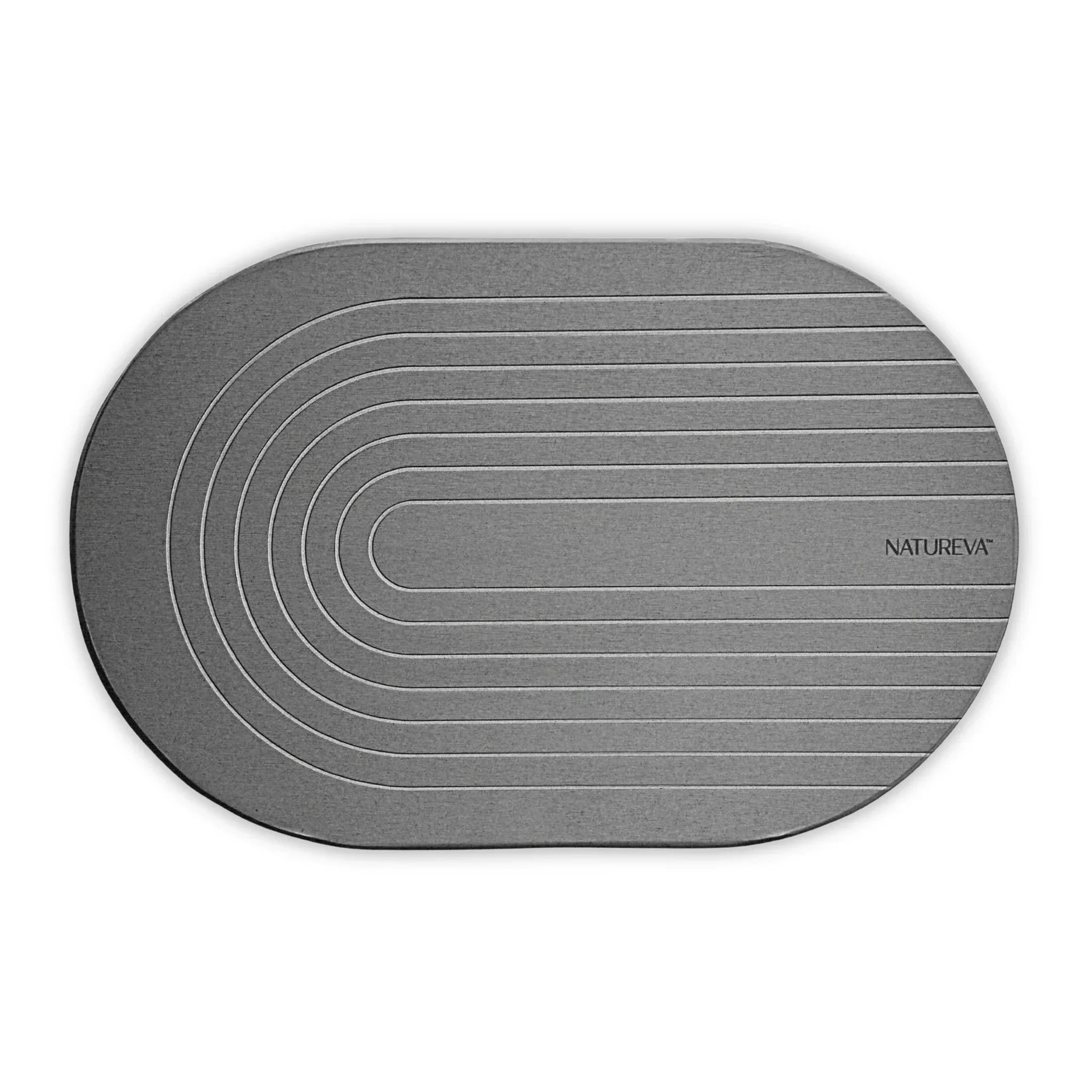
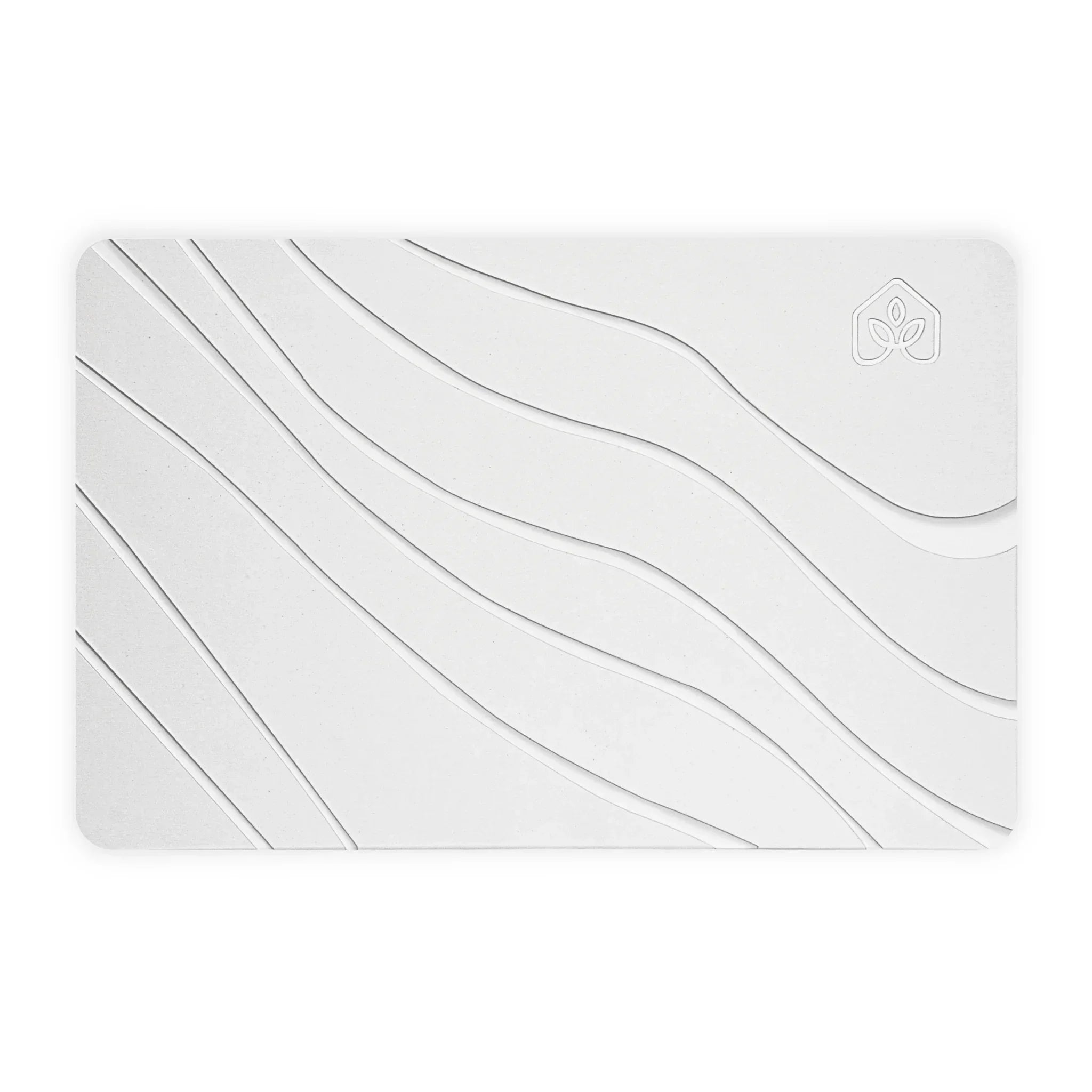
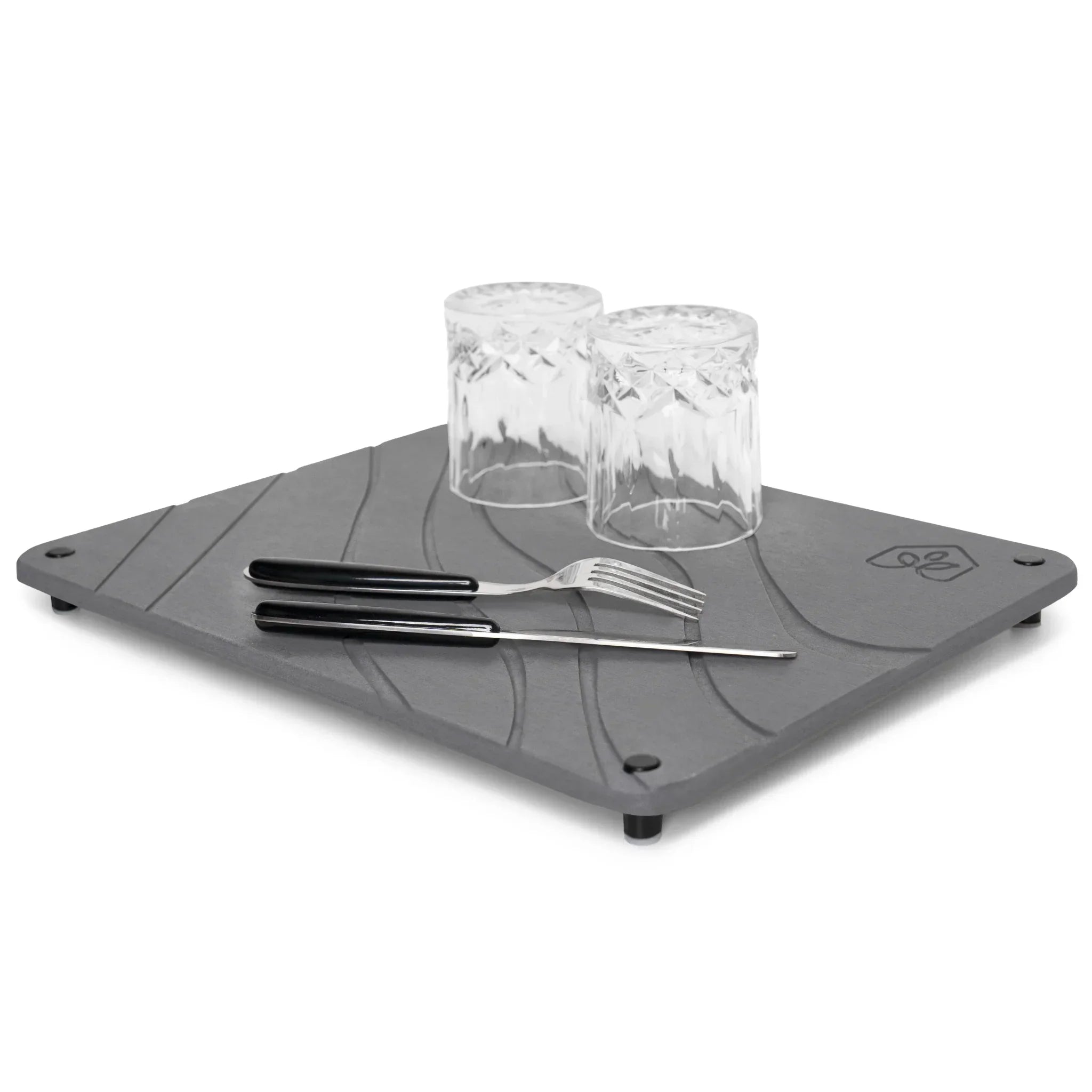
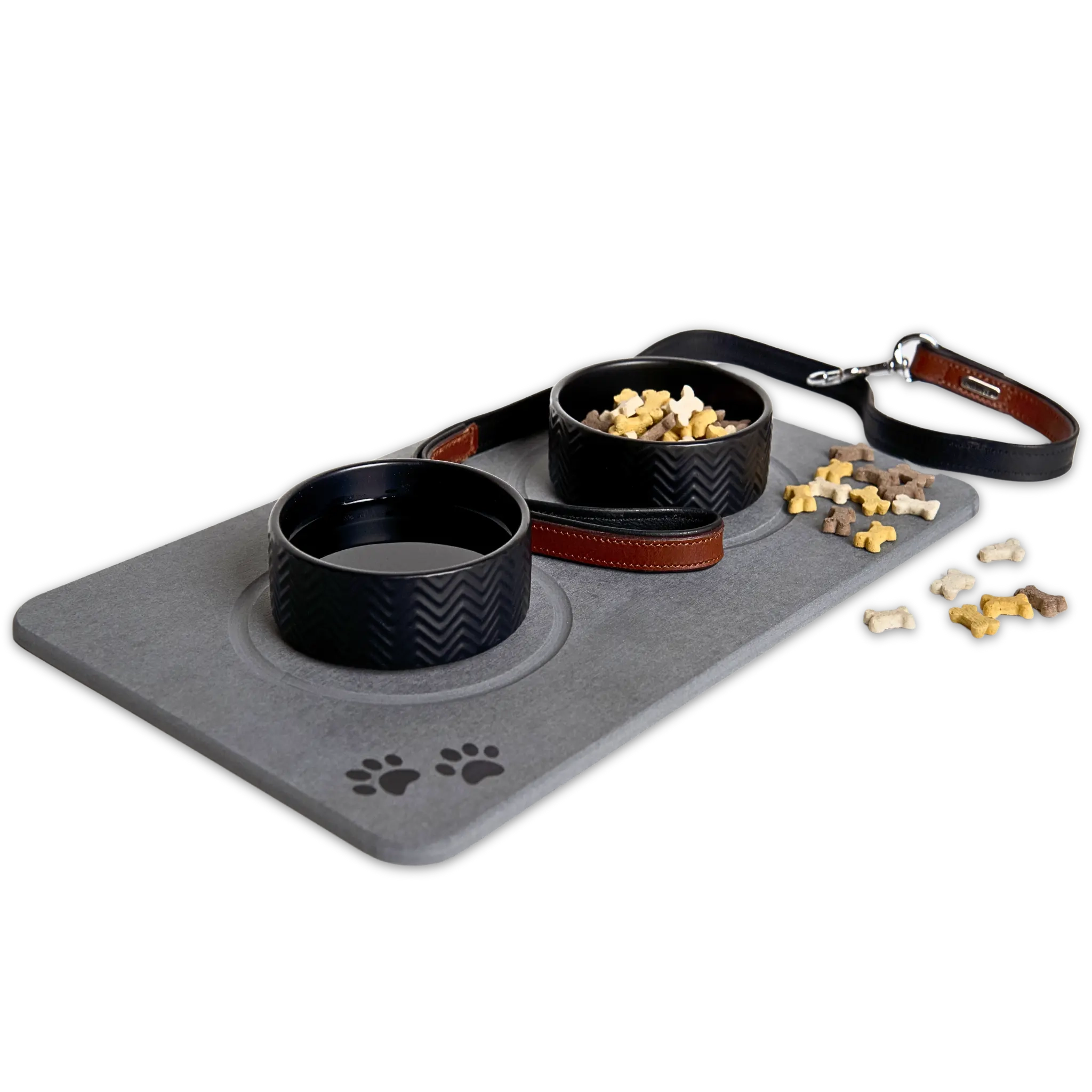
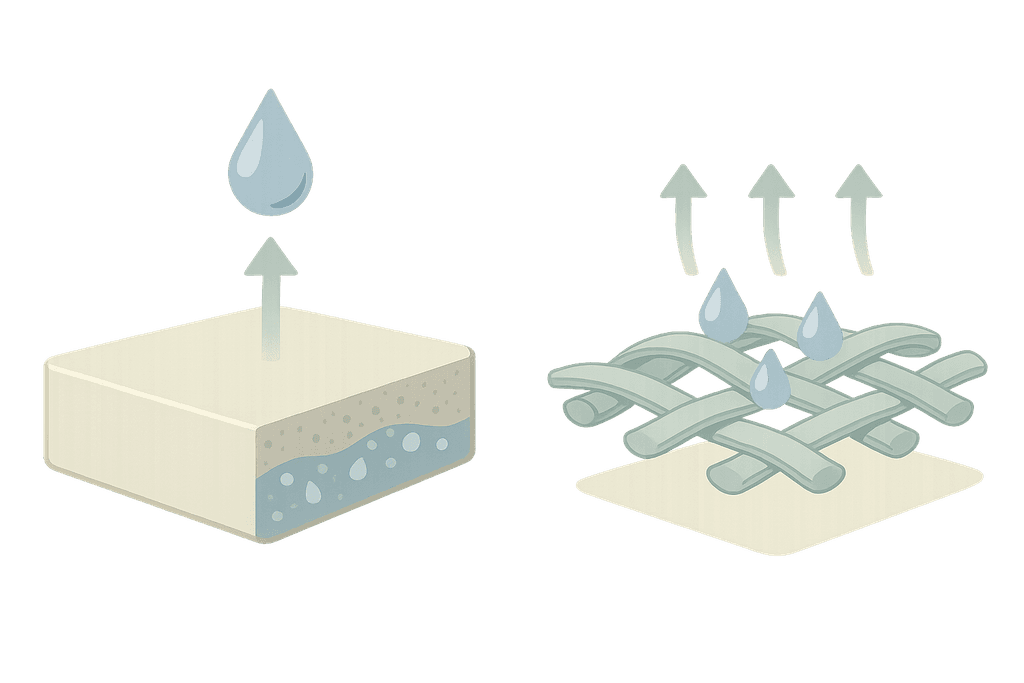
Here's where material choice makes a real difference. Traditional fabric mats stay wet for hours, which means bacteria get plenty of time to settle in. Absorbent materials like diatomaceous earth work differently because they pull moisture into millions of tiny pores where it evaporates quickly. The Stone Pet Mat uses this natural material to dry in minutes instead of hours, which cuts down your daily cleaning time significantly.
Spot cleaning doesn't need fancy products. Warm water and a mild soap work fine for most spills. The trick is catching them early before they dry and harden. If you wait until the end of the day, you'll be scrubbing instead of wiping.
Weekly Deep Cleaning and Material Considerations
Even with good daily habits, every dog food mat needs a proper deep clean at least once a week. But the process changes dramatically depending on what your mat is made from. What works for silicone might damage stone, and fabric mats have their own set of rules. Understanding your mat's material isn't just about following care instructions, it's about preventing the kind of damage that turns a hygiene tool into a hygiene problem.
Weekly Deep Cleaning and Material Considerations
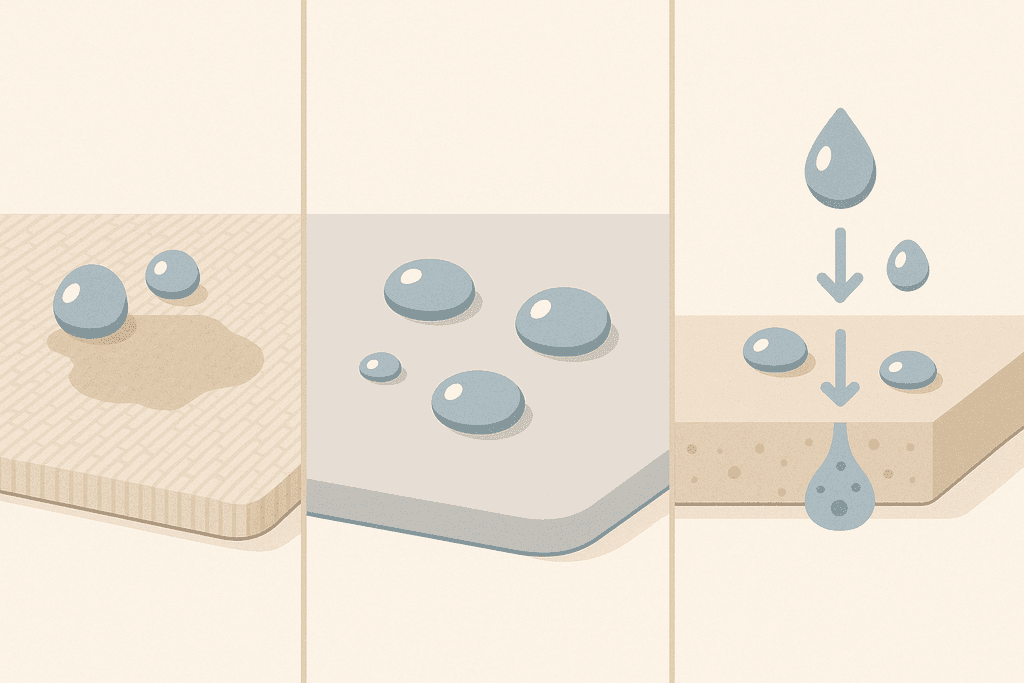
Fabric mats need the most intensive care because they trap moisture and food particles deep in their fibers. You'll need to machine wash them weekly, and even then, they can develop odors and mold if they don't dry completely. Some pet owners keep two fabric mats and rotate them to ensure one is always fully dry.
| Mat Material | Deep Clean Frequency | Drying Time | Mold Risk |
|---|---|---|---|
| Fabric | Weekly wash required | 4-8 hours | High |
| Silicone | Weekly scrub | 1-2 hours | Medium |
| Diatomaceous Stone | Weekly rinse | 15-30 minutes | Low |
Silicone mats sit somewhere in the middle. They're easier to clean than fabric but still hold water on their surface. Drying time matters more than most people think because mold spores need moisture to grow. According to research on pet feeding hygiene, the longer a surface stays wet, the higher the bacterial load becomes.
Stone mats made from diatomaceous earth have natural antibacterial properties that work in your favor. The material itself is hostile to bacterial growth, and the rapid drying means microorganisms don't get the moisture they need to multiply. For weekly cleaning, a simple rinse with water and a light scrub is usually enough. Just make sure to let it air dry completely before putting it back down.
Whatever material you're working with, never skip the drying step. A mat that goes back on the floor while still damp is basically a welcome sign for mold and bacteria. If your current mat takes hours to dry, that's not just inconvenient, it's a hygiene issue you should address.
Smart Mat Placement and Environmental Factors
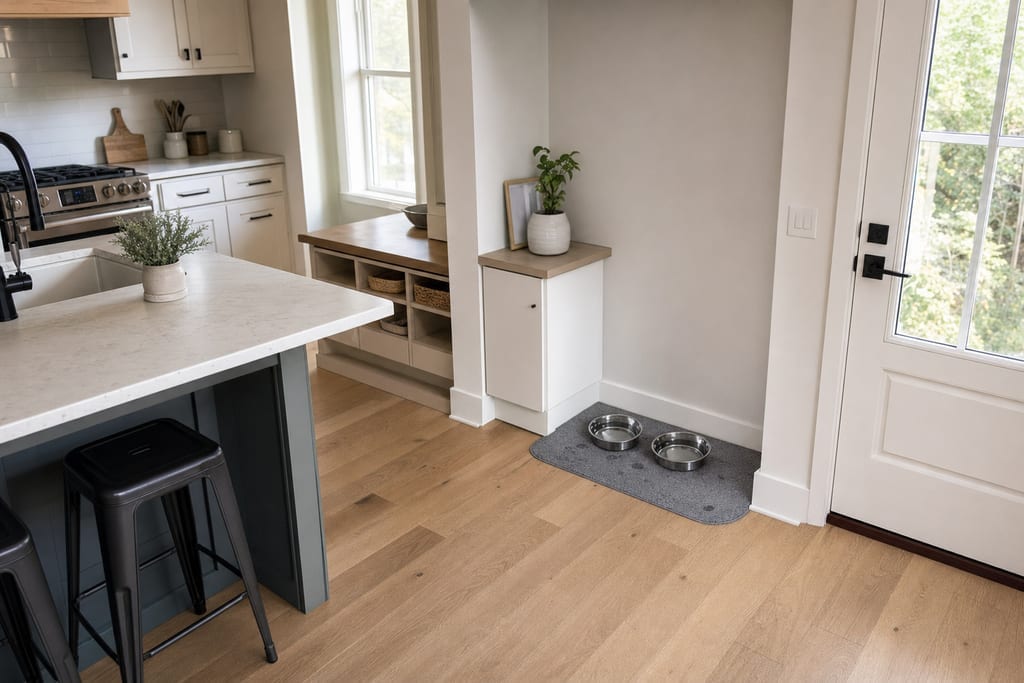
Where you put your dog's food mat affects how clean it stays more than you'd expect. A mat in the wrong spot will need twice as much cleaning and still won't stay as hygienic as one that's properly placed. The difference comes down to airflow, humidity, and how easy the area is to access for daily maintenance. Most people just put the mat wherever seems convenient, but a few minutes of planning can save you hours of scrubbing later.
Ventilation is the secret weapon most pet owners overlook. A feeding station in a corner with no air circulation will stay damp longer and collect more bacteria. The same mat placed where air can flow around it will dry faster and stay cleaner with less effort on your part.
Optimal Feeding Station Setup
- Choose a spot with good natural airflow, away from corners
- Avoid placing mats directly against walls where air can't circulate
- Keep feeding areas away from bathrooms and laundry rooms (high humidity)
- Select hard flooring over carpet for easier cleanup
- Ensure the area gets some natural light, which inhibits bacterial growth
- Leave enough space around the mat for easy daily access
The next generation of home essentials: naturally made, cleaner by design, sustainable by nature.
SHOP ALLHigh-humidity areas like near dishwashers or in basements create perfect conditions for mold growth. Your mat might look clean but still be growing things you can't see. Floor type matters too because some surfaces are harder to protect and clean than others. Hardwood and tile are ideal, while carpet creates additional challenges for keeping things sanitary.
The right placement combined with the right mat makes maintenance almost automatic. When you're not fighting against environmental factors, the daily wipe-down really does stay quick and simple. Think about where your dog naturally wants to eat, then adjust slightly for the practical factors that affect hygiene.
One more thing to consider is how the placement affects your cleaning routine. If the mat is tucked in a hard-to-reach spot, you'll be less likely to do that quick daily wipe. Convenience drives consistency, and consistency is what keeps your pet's feeding area truly clean. The best hygiene system is the one you'll actually follow every single day.
Why Material Choice Changes Everything
The material you choose for your dog food mat directly affects how much bacteria grows around your pet's feeding area. Most pet owners don't realize that less than 5% of dog owners follow proper food safety practices, and the wrong mat material makes this problem even worse. Traditional fabric mats trap moisture in their fibers, creating the perfect breeding ground for harmful bacteria. Within just 24 hours, a damp fabric mat can harbor millions of bacteria colonies that spread to your pet's bowls and paws.
The Science of Porous Materials
Porous materials work differently than you might expect. Instead of trapping water like fabric does, materials with millions of tiny air pockets pull moisture away from the surface and spread it out for faster evaporation. Diatomaceous earth, a natural stone material, contains microscopic pores that actively wick away water and release it into the air. This means spills dry in minutes instead of staying damp for hours.
Bacteria Growth Rate: Fabric mats can develop 3x more bacterial colonies than quick-dry stone surfaces within 48 hours of normal use.
Comparing Maintenance Across Mat Types
| Mat Type | Daily Cleaning Time | Weekly Deep Clean | Replacement Frequency |
|---|---|---|---|
| Fabric/Silicone | 5-7 minutes | 20-30 minutes | Every 3-6 months |
| Stone (Diatomite) | 1-2 minutes | 5 minutes | 2-3 years |
The time difference adds up fast. Over a year, traditional mats require about 40 hours of cleaning compared to just 8 hours for stone mats.
Real Cost Comparison
Looking at the numbers over three years tells the real story. Fabric mats seem cheaper upfront at $15-25 each, but you'll replace them 6-12 times in three years. That's $90-300 total, plus all those hours spent scrubbing and washing.
- Fabric mats: $90-300 over 3 years (6-12 replacements)
- Stone mats: $49 one-time purchase
- Time saved with stone: 96 hours over 3 years
- Reduced bacteria exposure for your pet
Time Savings: Self-drying stone technology saves pet owners an average of 32 hours per year in cleaning and maintenance time.
How Natural Materials Fight Moisture
Natural diatomaceous earth doesn't just absorb water, it actively evaporates it. The Stone Pet Mat uses this natural process to stay dry between feedings without any effort from you. While competitors like Dorah Home and Dry Sorb offer similar stone products, the key is finding one that balances absorption speed with durability for daily pet use.
Wrap-up
Keeping your dog food mat clean doesn't have to be complicated. The three main rules we covered are pretty straightforward when you think about it. Daily maintenance means wiping up spills right after meals, weekly deep cleaning keeps bacteria from building up, and smart placement away from high-traffic areas makes everything easier. These simple habits take maybe five minutes a day but save you from dealing with mold, bad smells, and potential health issues down the road.
The material you choose for your dog food mat makes a huge difference in how much work you'll actually do. Traditional fabric mats hold onto moisture and bacteria like a sponge, which means more scrubbing and more frequent replacements. Our Stone Pet Mat uses natural diatomaceous earth that absorbs water instantly and dries fast, so bacteria doesn't get a chance to grow in the first place.
The connection between mat hygiene and your dog's health is something most pet owners don't think about until there's a problem. A dirty mat can harbor bacteria that leads to stomach issues or paw infections. But when you stick to a simple routine, you're protecting your pet without adding stress to your day.
Small daily habits really do prevent big hygiene problems. You might be wondering about specific cleaning products or how to handle stubborn stains though.
Common Questions About Dog Food Mat Hygiene
Pet owners have lots of questions when it comes to keeping their dog's feeding area clean and safe. The right information can help you avoid common mistakes that lead to bacteria buildup or wasted money on mats that don't last. Here are the answers to the most common questions about dog food mat hygiene that come up time and time again.
How often should I replace my dog's food mat?
Most fabric or rubber dog food mats need replacing every 3 to 6 months depending on how well you maintain them. Stone mats like the Natureva Stone Pet Mat can last years because they resist bacteria growth and don't break down like traditional materials. You'll know it's time for a new mat when you notice permanent stains, cracks, or a smell that won't go away even after cleaning.
Can bacteria from pet mats make humans sick?
Yes, dirty pet mats can harbor harmful bacteria like salmonella and E. coli that can transfer to human hands and surfaces. This is especially risky if you have young children who play near the feeding area. Regular cleaning and choosing materials that naturally resist bacterial growth helps keep everyone in your home safer.
What's the fastest way to dry a pet mat after cleaning?
Traditional mats dry fastest when hung outside in direct sunlight or placed near a fan. The problem is that damp mats sitting around create the perfect environment for mold to grow. Stone-based mats made from diatomaceous earth dry themselves within minutes through natural evaporation, which means you don't have to worry about the drying process at all.
Are stone mats safe for dogs to eat near?
Stone mats made from natural diatomaceous earth are completely safe and non-toxic for pets. They don't contain chemicals or synthetic materials that could harm your dog if they lick the surface. The porous structure actually helps keep the eating area cleaner by absorbing spills instantly.
What cleaning products are safe for pet mats?
Stick with mild dish soap and warm water for most dog food mat cleaning. Avoid harsh chemicals like bleach or ammonia-based cleaners that can leave residue your pet might ingest. For stone mats, a simple rinse with water is usually enough since the material naturally resists bacteria buildup without needing strong cleaning agents.
How do I know if my mat needs replacing?
Watch for these warning signs that your dog food mat has reached the end of its life. Persistent odors that cleaning can't remove mean bacteria has gotten deep into the material. Visible cracks, tears, or warping create spaces where food particles and moisture can hide. If your mat stays damp for hours after spills or cleaning, the material has lost its ability to dry properly and needs to go.
The next generation of home essentials: naturally made, cleaner by design, sustainable by nature.
SHOP ALL