

Four Ways Plant Trays Prevent Water Rings Indoors
That white ring on your wooden coffee table isn't just an eyesore—it's permanent damage from water seeping out of your plant pot. Most people don't notice the problem until weeks later when the stain has already set into the wood or laminate. Plant trays and plant pot saucers solve this by catching excess water before it ever touches your surfaces, and options like our Stone Plant Saucers use natural absorption to keep things dry without constant emptying.
Table of Contents
Why Water Rings Form Under Plant Pots
Water damage from houseplants happens more often than most people think. Every time you water your plants, moisture finds its way out through drainage holes at the bottom of the pot. That water has to go somewhere, and if you're not careful, it ends up sitting on your furniture, windowsills, or floors. The problem gets worse because water doesn't just pool on the surface. It also seeps into tiny cracks and pores in materials like wood, creating damage you can't see right away.
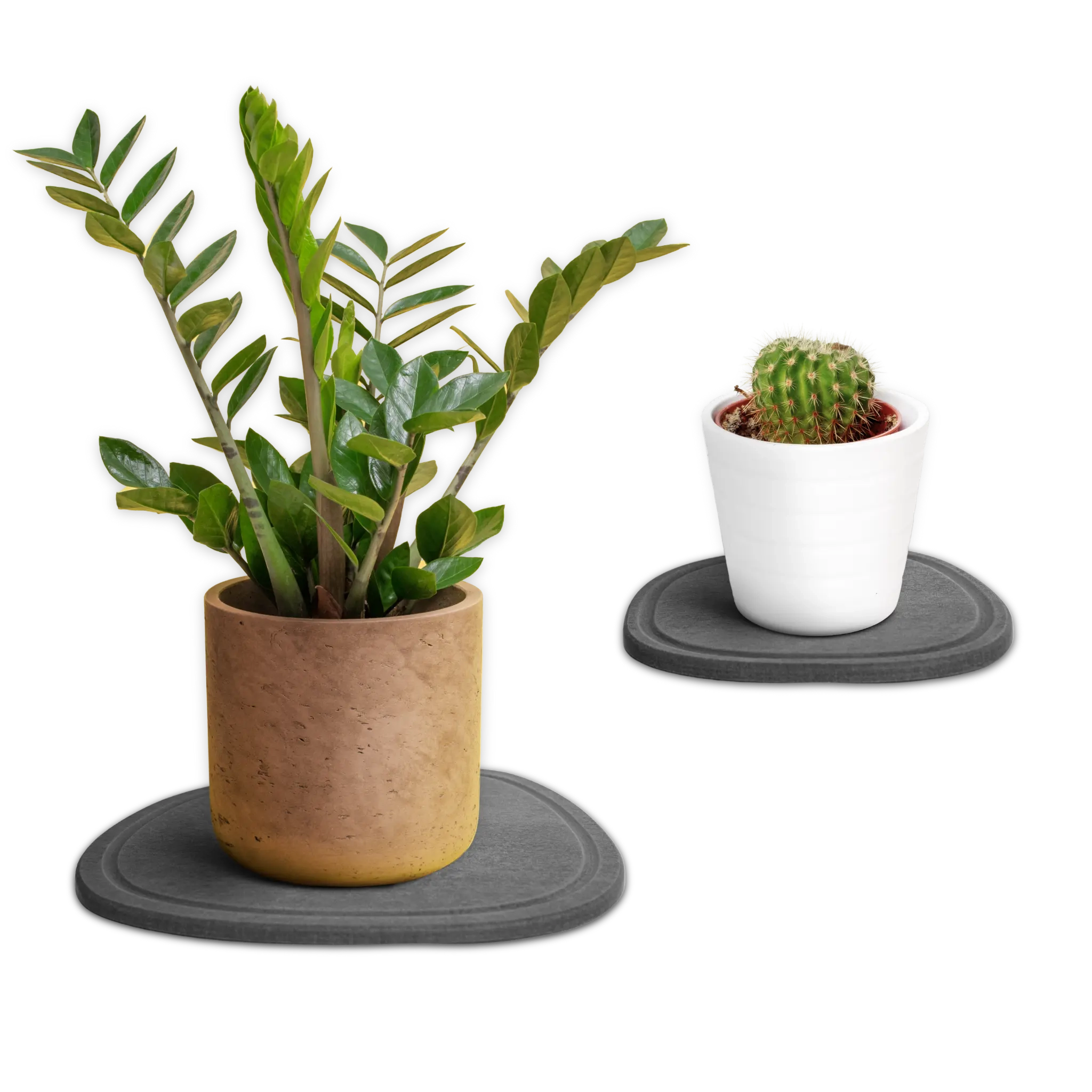
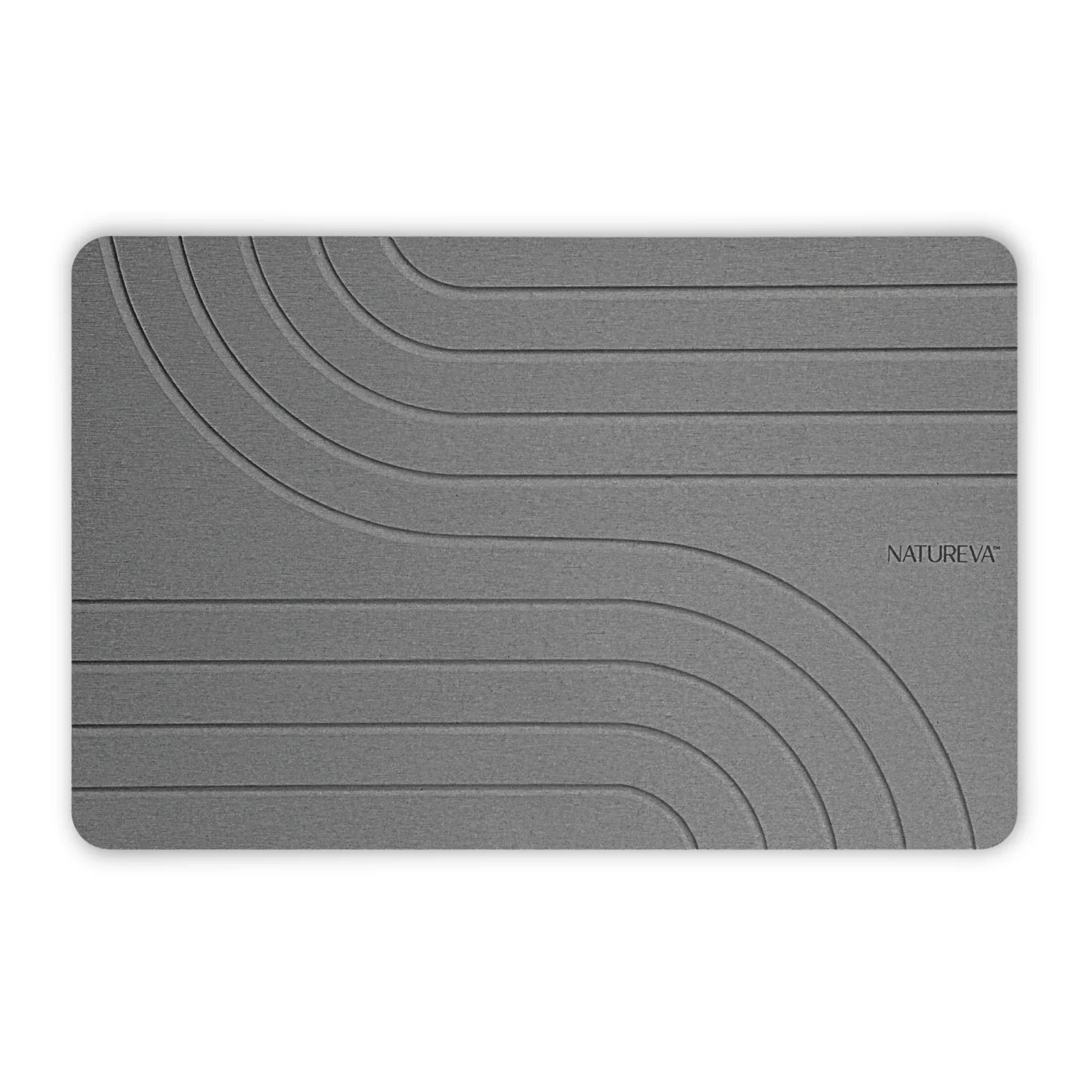
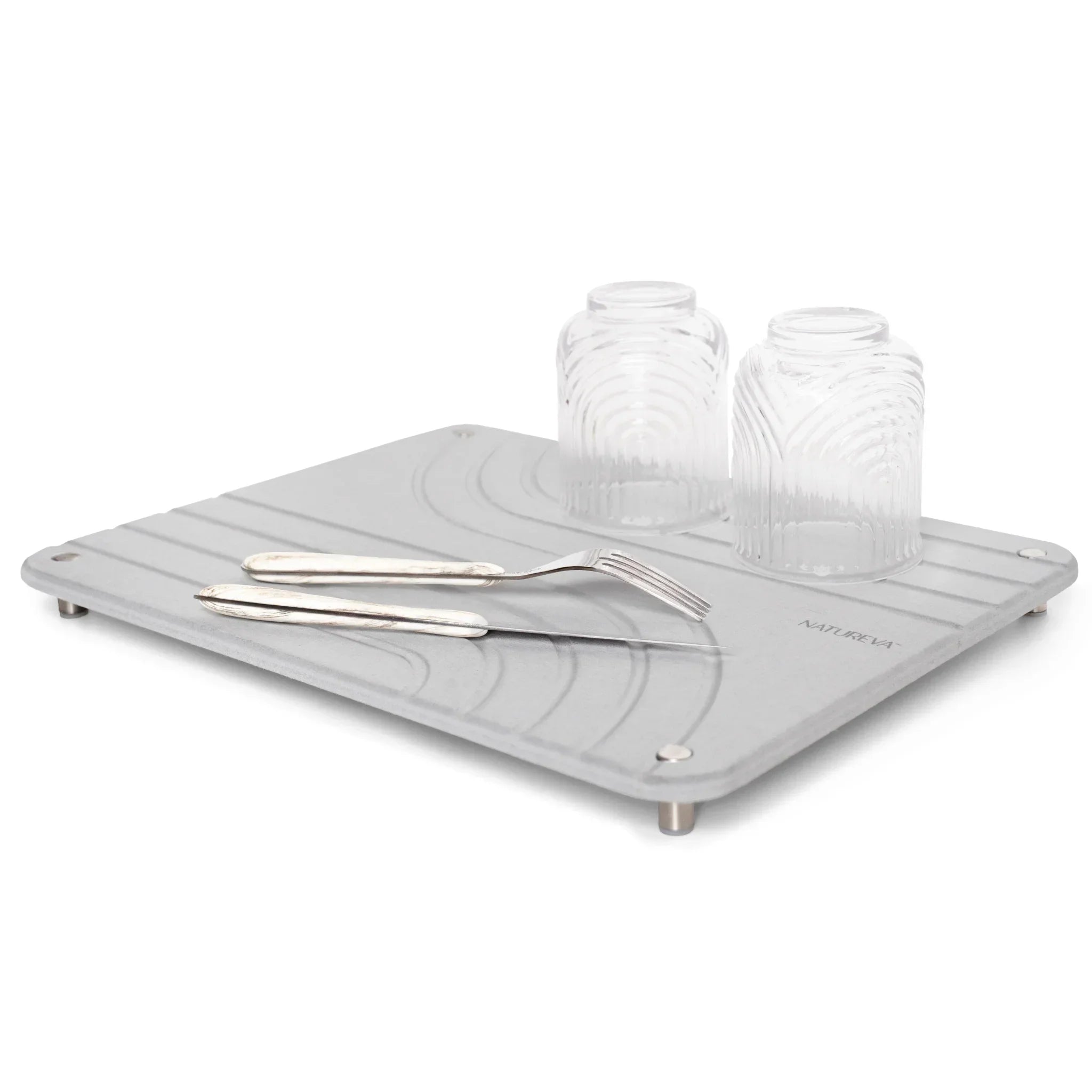
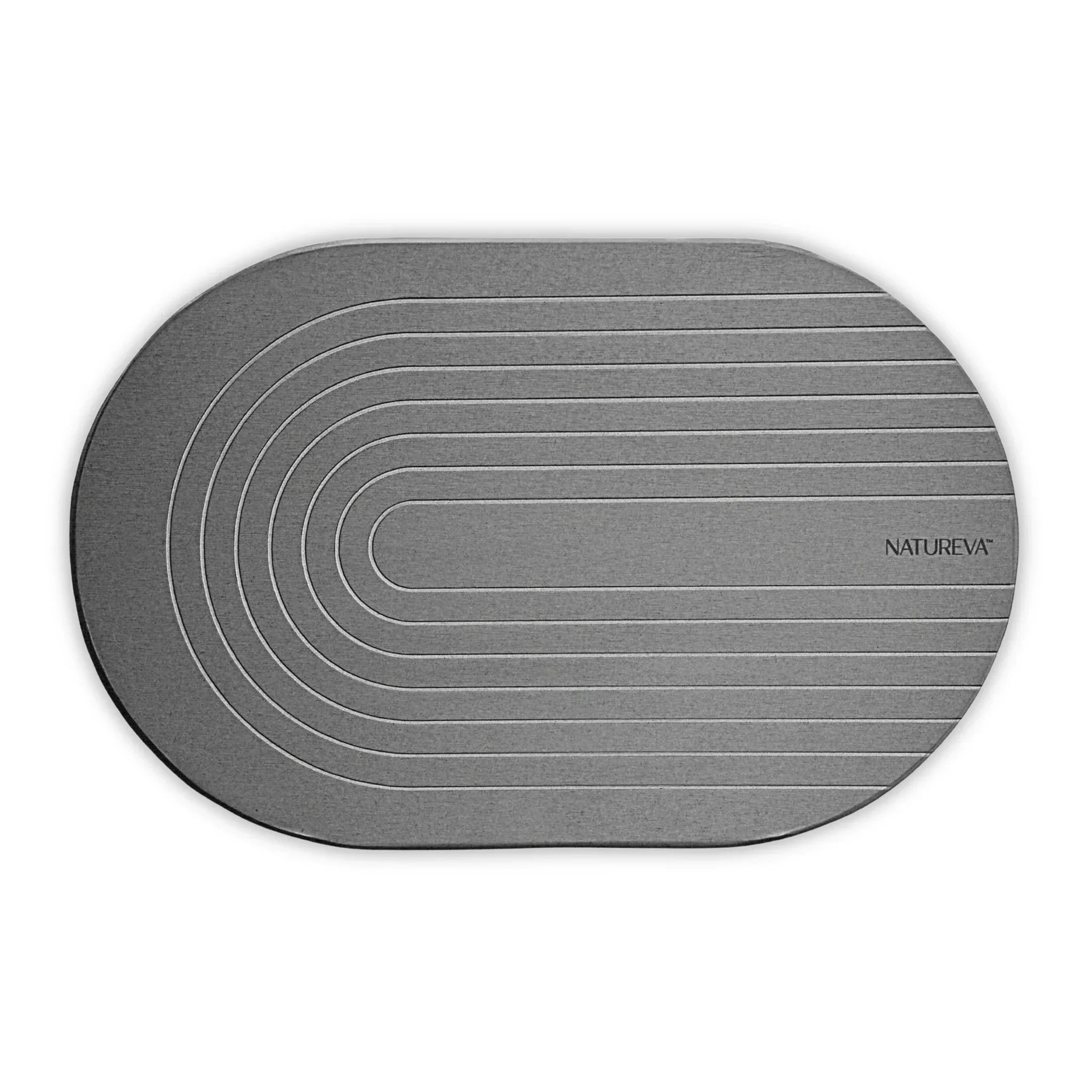
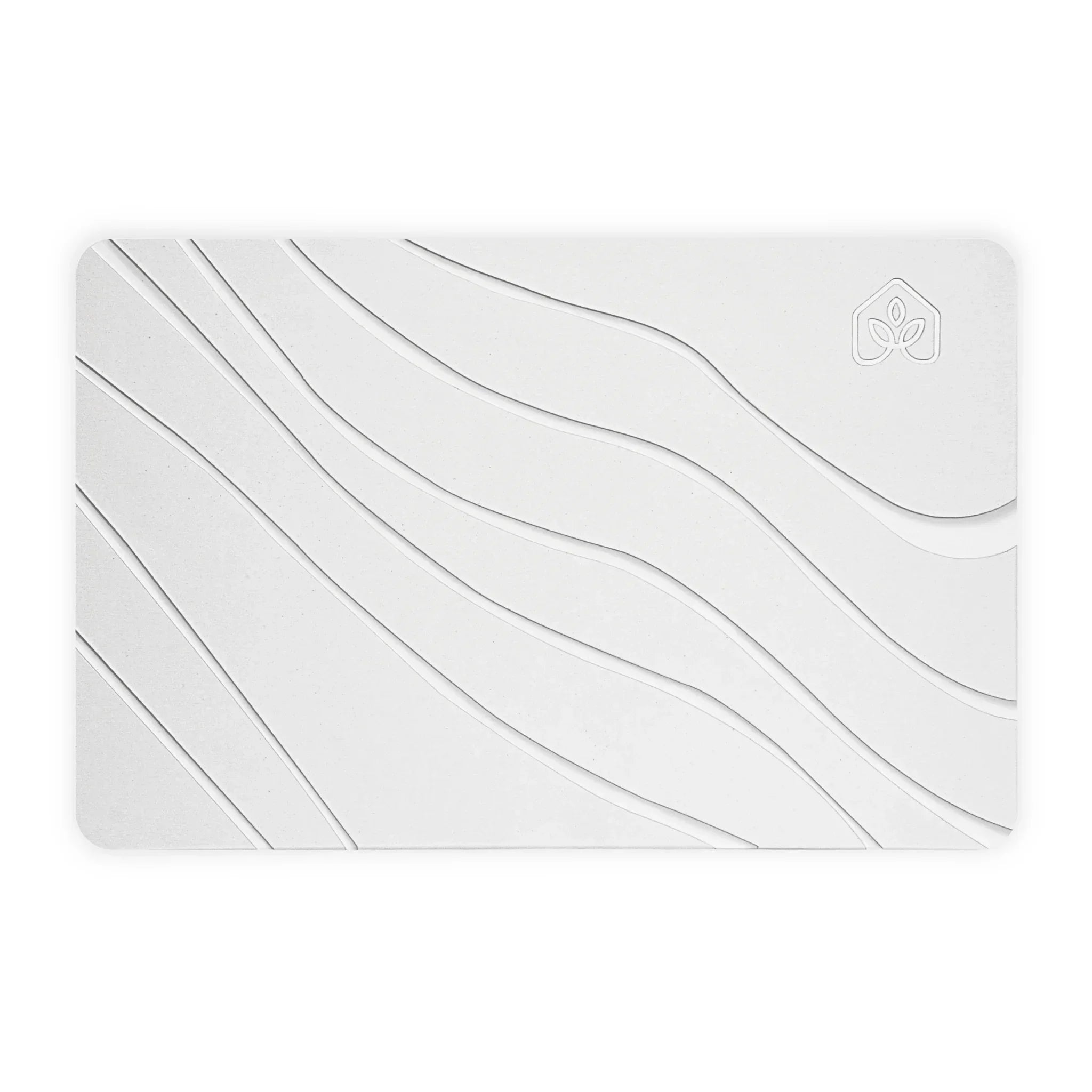
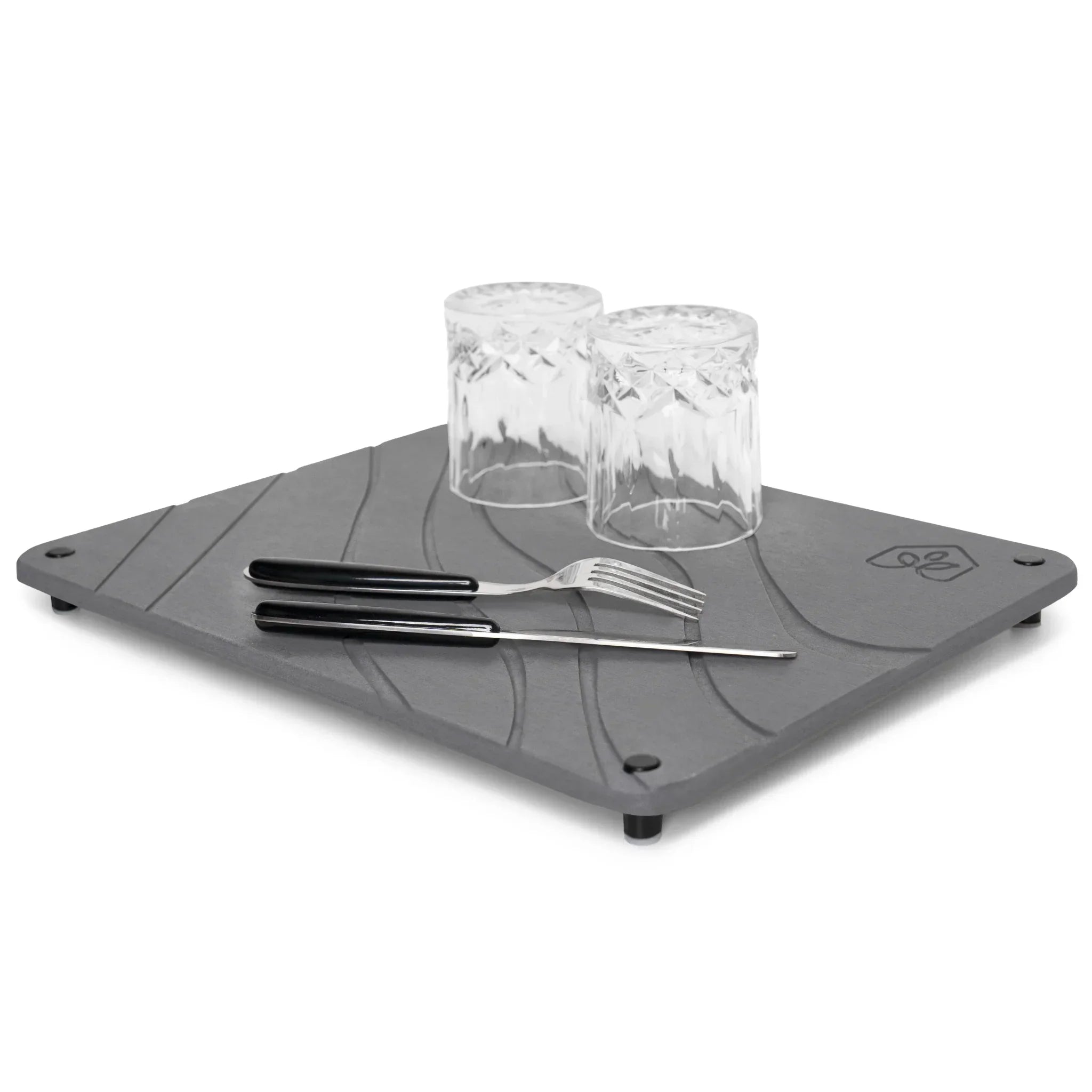
Stone Plant Saucers - Set of 2
How Water Escapes From Your Pots
When you water a plant, the soil soaks up what it needs and the rest drains out. Here's what happens next:
- Water flows through drainage holes and collects underneath the pot
- Moisture condenses on the outside of ceramic and terracotta pots
- Humidity builds up between the pot base and whatever surface it's sitting on
- Water slowly evaporates, leaving behind mineral deposits and stains
The space between your pot and the surface below creates a perfect trap for moisture. Even if you can't see standing water, that trapped humidity is doing damage.
Surface Water Versus Absorbed Moisture
Surface water is the puddle you can see and wipe up easily. Absorbed moisture is trickier because it soaks into porous materials before you notice it. Wood furniture is especially vulnerable since it acts like a sponge. Once water gets into the wood fibers, it causes swelling, warping, and those white rings that won't come out.
According to the EPA's guide on moisture and mold, keeping indoor surfaces dry is essential for preventing long-term damage and mold growth. The guide explains how even small amounts of trapped moisture can create big problems over time.
Which Surfaces Get Damaged Most
Not all surfaces react to water the same way. Some materials handle moisture better than others.
| Surface Type | Damage Risk | Common Problems |
|---|---|---|
| Untreated Wood | Very High | White rings, warping, rot |
| Painted Wood | High | Peeling paint, stains |
| Laminate | High | Bubbling, edge swelling |
| Natural Stone | Medium | Etching, discoloration |
| Sealed Tile | Low | Grout staining |
| Glass | Very Low | Mineral deposits only |
Why Plastic Saucers Fail
Most people use plastic plant pot saucers thinking they'll solve the problem. They do catch the water, but that's where the benefits end. Here's what actually happens:
- Water sits in the plastic tray for hours or days
- The standing water creates a breeding ground for bacteria and fungus gnats
- Moisture gets trapped between the plastic and your surface anyway
- You have to remember to empty the saucer after every watering
Plastic plant trays just move the problem around instead of fixing it. The water still needs somewhere to go, and if you forget to empty that saucer, you're back where you started. Our Stone Plant Saucers work differently by absorbing excess water immediately and letting it evaporate naturally through millions of tiny pores in the diatomaceous earth material.
Instant Water Absorption Stops Spills Before They Spread
Water rings on your favorite wooden table or hardwood floor happen faster than you think. The moment excess water drains from your plant pot, it starts seeping into surfaces below. Most people don't realize that regular ceramic or plastic plant pot saucers just collect water in a puddle, which eventually overflows or sits there long enough to damage whatever's underneath. The key difference is how quickly water gets absorbed before it has a chance to spread.
Materials like diatomaceous earth work differently than traditional saucers. This natural stone contains millions of microscopic pores that act like tiny sponges. When water hits the surface, it gets pulled into these pores almost instantly instead of pooling on top.
- Porous materials absorb on contact rather than letting water sit
- Absorption speed matters because even a few seconds of water contact can stain wood
- Traditional saucers collect water instead of managing it
- Stone Plant Saucers from our collection use this natural absorption to protect surfaces immediately
The difference between absorption and pooling is pretty simple. Think about spilling water on a paper towel versus a plastic plate. The paper towel soaks it up right away, while the plastic just lets it sit there. Water stains form when moisture sits against surfaces for even short periods, which is why instant absorption matters so much for protecting your floors and furniture.
Raised Edges Create a Protective Barrier
Even the most absorbent material won't help if water spills over the sides before it can be absorbed. This is where design matters just as much as material. Raised edges on plant trays create a containment zone that catches drainage water and keeps it within the saucer boundaries. Without this barrier, you're basically just putting a flat stone under your pot and hoping for the best.
The depth of these edges determines how much water your saucer can handle during watering. Too shallow, and you'll overflow with normal drainage. Too deep, and water might sit too long without proper evaporation. Most quality plant trays balance this with edges that can handle typical watering amounts while still promoting air circulation.
| Tray Design | Water Containment | Overflow Risk |
|---|---|---|
| Flat Plate | Poor | High |
| Shallow Edges | Moderate | Medium |
| Raised Edges | Excellent | Low |
Flat plates or dishes might look nice, but they don't provide real protection. Water runs right off the edge during watering, which defeats the whole purpose. Proper containment prevents those accidental spills when you're watering multiple plants or moving pots around. The Stone Plant Saucers we offer combine raised edges with absorbent material for double protection.
The next generation of home essentials: naturally made, cleaner by design, sustainable by nature.
SHOP ALLQuick Evaporation Keeps Surfaces Dry Long-Term
Absorption is only half the story. Once water gets soaked into your plant tray, it needs somewhere to go. Otherwise, you end up with a constantly damp saucer that never really dries out. This is where evaporation becomes crucial for long-term surface protection. Materials that promote quick drying prevent that soggy feeling and the problems that come with it.
Those millions of tiny pores in diatomaceous earth do double duty. First, they absorb water quickly. Then, they create massive surface area for moisture to escape back into the air. It's like having thousands of tiny ventilation channels working to dry out the material. This is why some saucers dry in hours while others stay wet for days.
- Porous materials release moisture through natural air circulation
- Surface area matters because more pores mean faster drying
- Quick-drying prevents mold and mildew that thrive in damp conditions
- Water retention creates problems while evaporation solves them
The difference between materials that retain water and those that release it affects more than just drying time. Constantly damp saucers can develop mold, create musty smells, and even damage the surfaces they're supposed to protect. Some plant experts recommend alternatives to traditional saucers specifically because of these moisture problems. Natural stone materials solve this by drying completely between waterings.
Non-Slip Surfaces Protect Both Floors and Pots
Water damage isn't the only way plant trays can harm your surfaces. Scratches from sliding pots add up over time, especially on hardwood floors or finished furniture. The texture and grip of your saucer material determines whether your plants stay put or slowly scrape away at the finish underneath. Most people don't think about this until they move a plant and see the damage left behind.
Smooth plastic saucers are the worst offenders here. They slide around easily, and the hard edges can scratch wood with even slight movement. When you water your plants or bump into them while cleaning, that sliding motion creates tiny scratches that accumulate over months and years.
| Material Type | Surface Grip | Scratch Risk |
|---|---|---|
| Smooth Plastic | Poor | High |
| Glazed Ceramic | Low | Medium |
| Natural Stone | Excellent | Low |
Natural stone materials grip surfaces without needing adhesives or rubber pads. The slightly textured bottom creates friction that keeps everything stable. This matters more than you'd think because stable plant placement prevents both scratches and water spills from tipping or sliding. Quality plant accessories consider both water management and surface protection as equally important features.
The combination of all these features is what makes proper plant trays worth using. You get instant absorption, contained edges, quick drying, and surface protection all working together. Our plant saucers collection uses diatomaceous earth to handle all four of these protection methods naturally. The same material properties that make our bath mats and drink coasters work so well apply perfectly to protecting surfaces under your plants.
Protecting Your Home While Enjoying Your Plants
Water rings on your furniture and floors can cost you hundreds of dollars in repairs or replacements. Plant trays prevent this damage in four simple ways: they catch overflow water before it reaches your surfaces, they absorb moisture instead of letting it pool, they allow for proper evaporation so water doesn't sit around, and they create a protective barrier between wet pots and your home. These aren't just nice features to have, they're actually saving you money every time you water your plants.
The math is pretty straightforward when you think about it. A water-damaged wood table might need refinishing at $200 or more, while a good set of plant pot saucers costs a fraction of that. Prevention always beats repair when it comes to protecting your home.
The right plant trays do more than just stop water damage though. Our Stone Plant Saucers use natural diatomaceous earth that absorbs water instantly and dries quickly, so you're not dealing with soggy trays that defeat the whole purpose. They look clean and simple too, which means they fit in with your home instead of sticking out like an eyesore.
Starting today, you can protect every surface in your home where you keep plants. The same material that works for plant trays also handles other wet spots around your house, but that's something worth exploring on its own. For now, the question isn't whether you need protection for your surfaces, it's which solution actually works without creating more hassle.
Common Questions About Plant Trays and Water Protection
Choosing the right plant trays can feel confusing with so many options out there. These answers will help you figure out what works best for your indoor plants and surfaces. Whether you're dealing with water rings on your coffee table or trying to protect hardwood floors, knowing how plant pot saucers work makes all the difference.
What size plant tray do I need for my pots?
Your plant tray should be at least one inch wider than your pot's base on all sides. This gives enough room to catch water that drips down the outside of the pot when you water. If your tray is too small, water will spill over the edges and defeat the whole purpose of having one.
How often should I empty or clean plant saucers?
Traditional plastic trays need emptying within 30 minutes after watering to prevent root rot and mosquito breeding. Stone plant saucers like our Stone Plant Saucers work differently since they absorb and evaporate water naturally, so you won't need to empty them as often. Clean any type of saucer every few weeks to prevent mineral buildup and mold growth.
Do all plant trays prevent water rings equally?
Not even close. Plastic and ceramic trays only contain water but don't absorb it, which means condensation can still form underneath and create rings. Stone trays made from diatomaceous earth actually pull moisture away from surfaces through absorption. Some competitors like Drysorb offer similar absorbent materials, but the quality and absorption rate varies quite a bit between brands.
Can I use plant trays on all surface types?
Most plant trays work on any surface, but absorbent stone trays offer the best protection for delicate materials like wood and marble. The key is making sure the bottom of your tray stays dry, which only happens with materials that promote evaporation. Avoid using damaged trays with cracks since water can seep through onto your furniture.
What's the difference between plastic and stone plant saucers?
Plastic saucers just hold water in a pool until you dump it out. Stone saucers made from diatomaceous earth absorb excess water into millions of tiny pores and release it through evaporation. This means no standing water, no mosquitoes, and no water rings forming under the tray itself.
How do I know if my plant tray is working properly?
Check the surface under your tray after watering your plants. If you see water rings, moisture, or discoloration, your current setup isn't working. A properly functioning tray keeps the area underneath completely dry. For absorbent trays, you should see water disappear from the surface within minutes rather than pooling.
The next generation of home essentials: naturally made, cleaner by design, sustainable by nature.
SHOP ALL