
Comparison: Stone Dish Drying Mat vs Microfiber for Kitchens
That soggy dish mat sitting by your sink right now is probably still damp from yesterday's dishes, creating the perfect breeding ground for bacteria and mildew. Most people don't realize their dish drying mat could be making their kitchen less hygienic instead of more organized. The good news is that modern mats like stone and microfiber options have changed the game completely, and understanding the difference between them will help you pick the one that actually stays dry and clean.
Table of Contents
What Makes These Mats Different
Most people don't think twice about their dish drying mat until it starts smelling weird or leaving puddles on the counter. The truth is, not all mats work the same way, and the material makes a huge difference in how well they actually dry your dishes. Stone and microfiber mats might look similar at first glance, but they handle water in completely opposite ways. Understanding these differences can save you from dealing with moldy mats and wet countertops down the road.
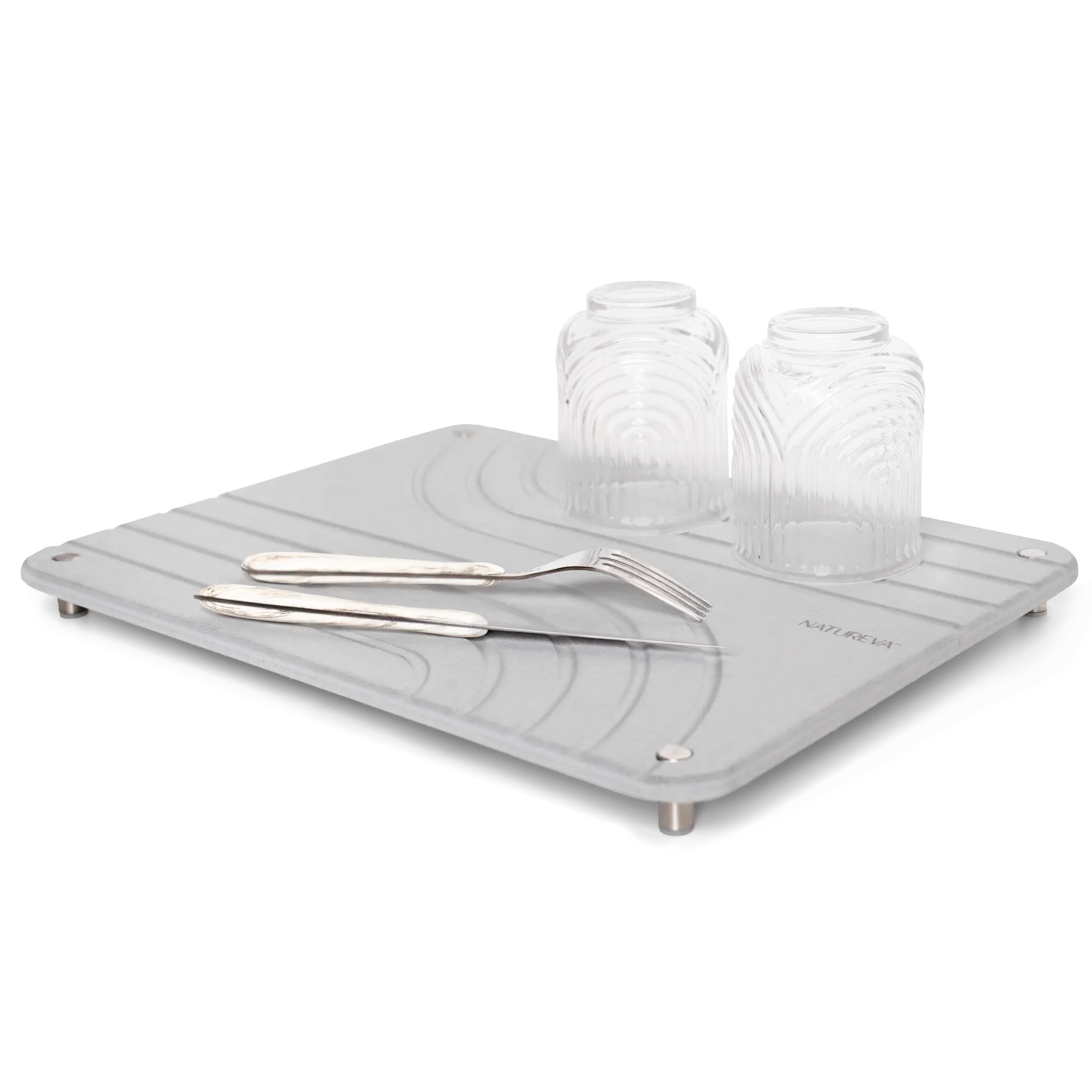
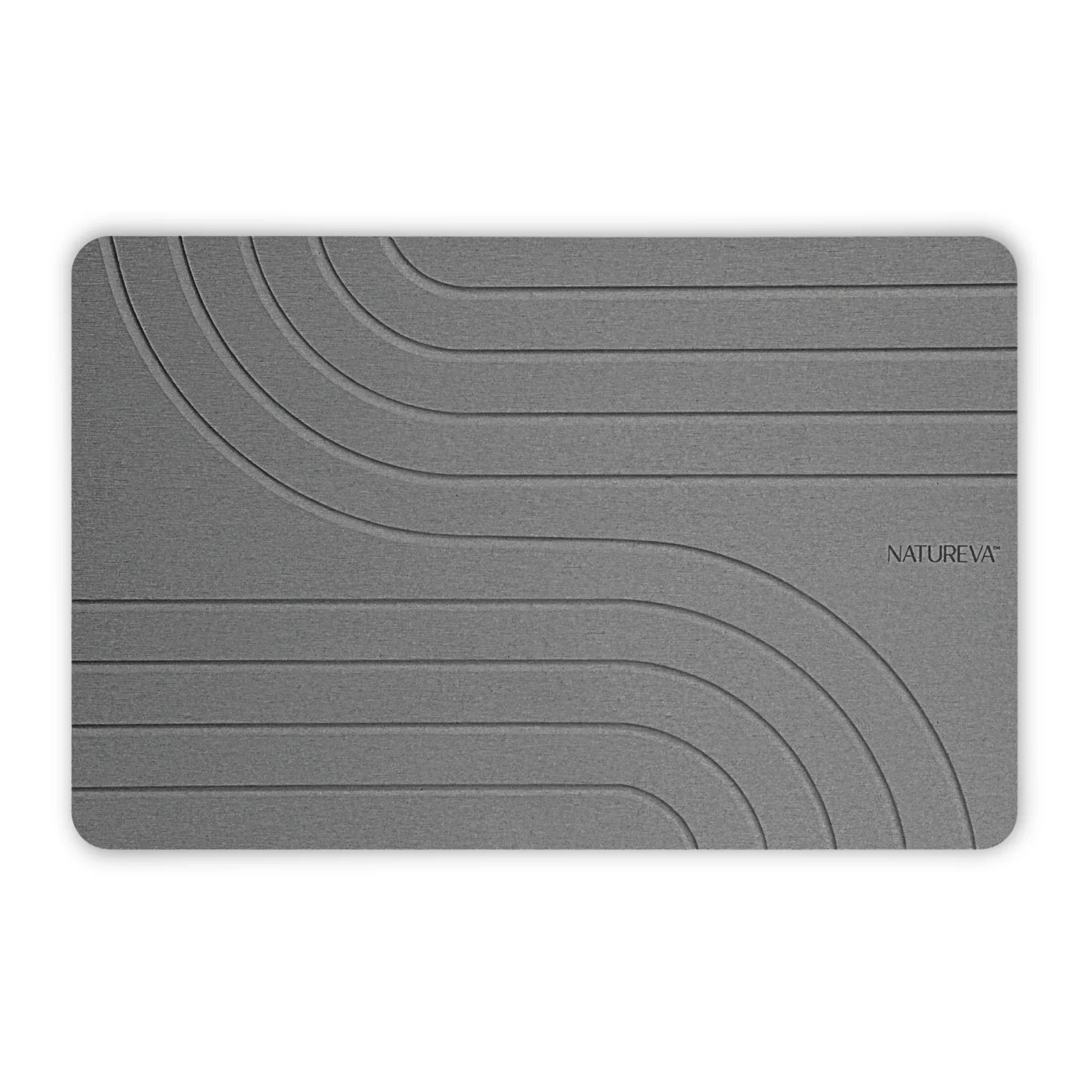
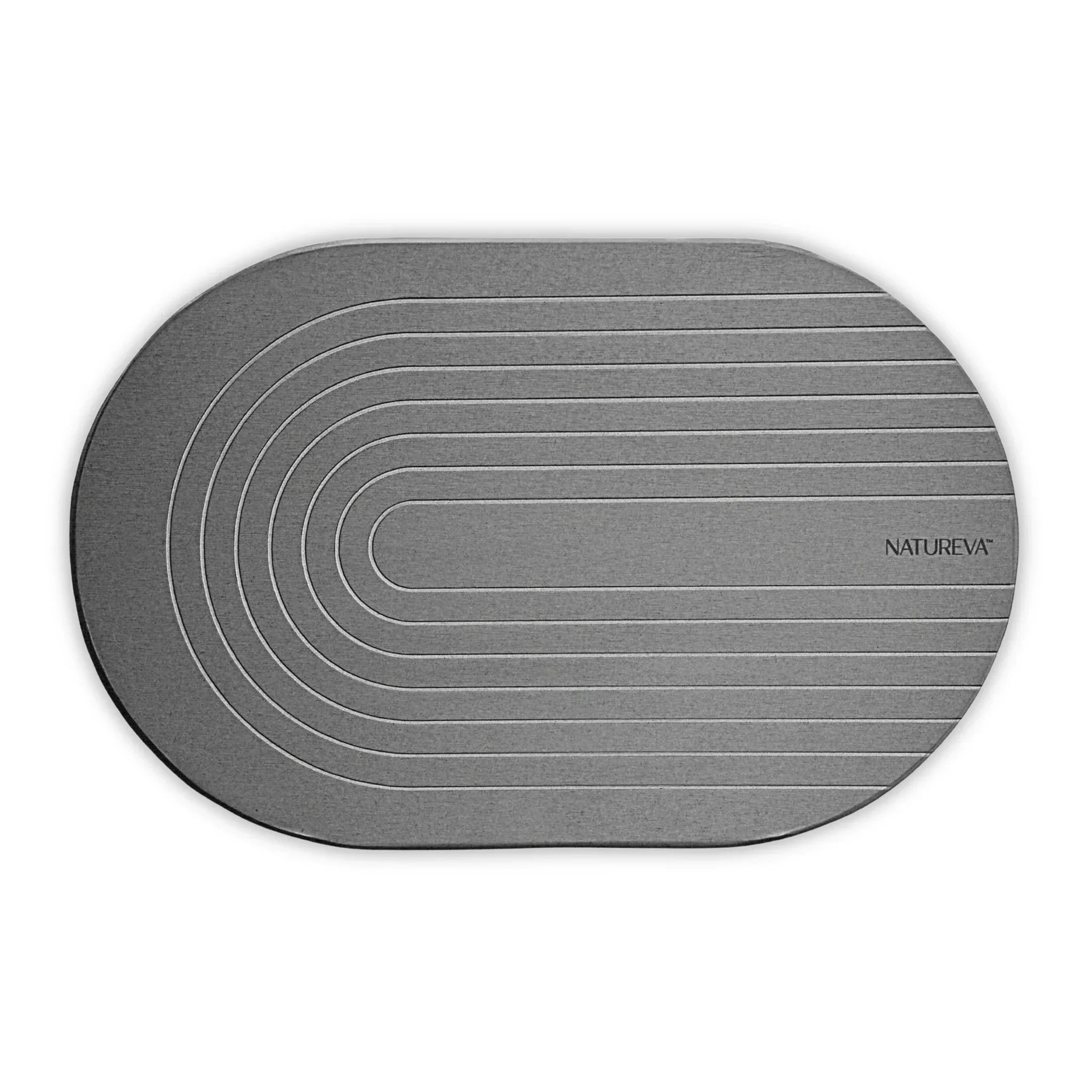
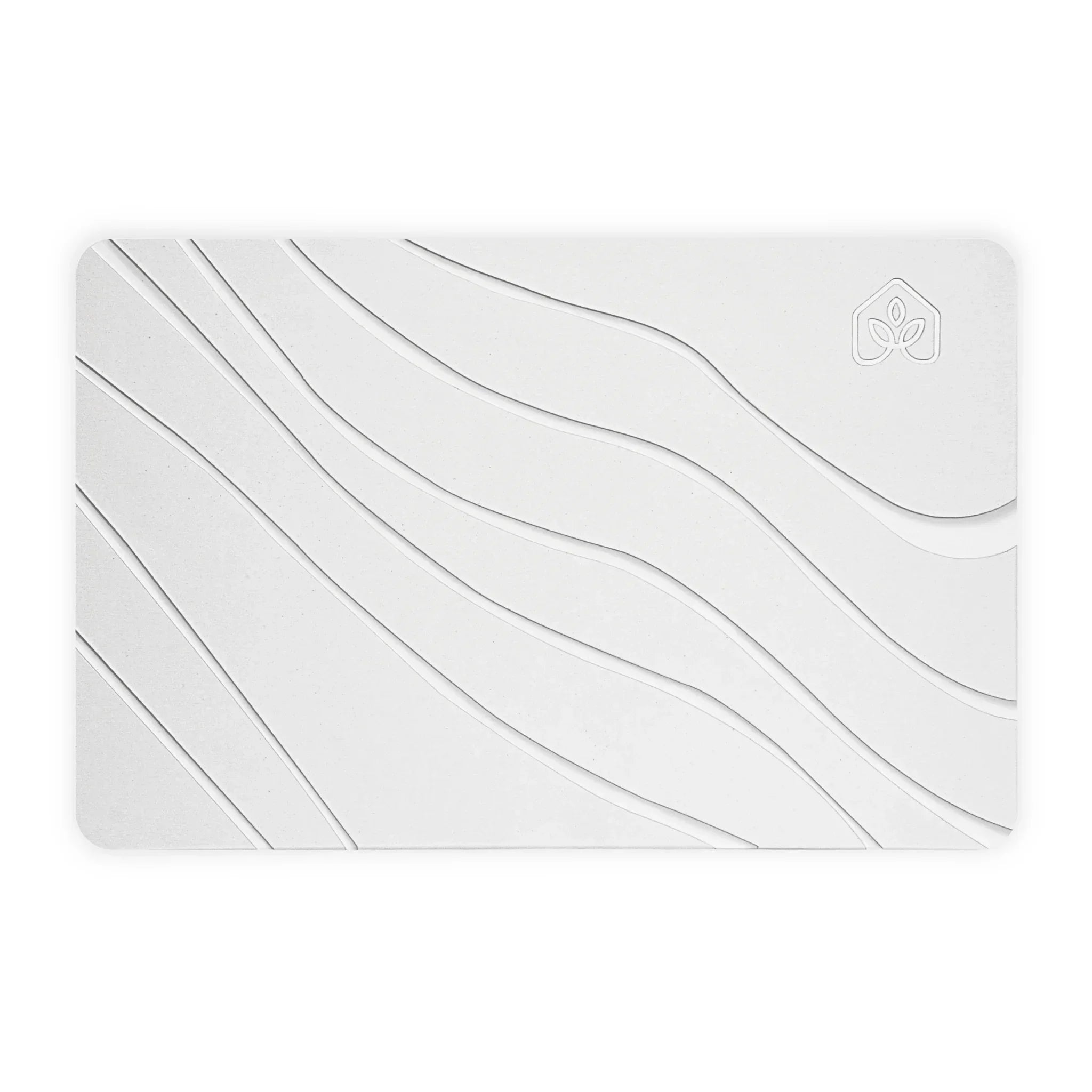
Stone Dish Mat - Tide
The Science Behind Stone Mats
Stone dish drying mats are made from diatomaceous earth, which is basically fossilized algae that's been around for millions of years. This natural material has millions of tiny pores that pull water in and let it evaporate quickly. When you place a wet dish on a stone mat, the water gets absorbed almost instantly instead of sitting on the surface.
The way these mats work is pretty simple but effective. Each tiny pore acts like a mini vacuum, sucking up moisture and spreading it throughout the mat so air can dry it out fast. Our Stone Dish Mat uses this same natural process to keep your counter dry without any weird chemicals or treatments.
- Made from natural diatomaceous earth with microscopic pores
- Absorbs water on contact and promotes rapid evaporation
- Stays dry to the touch even after heavy use
- Naturally resists mold and bacteria growth
How Microfiber Mats Work
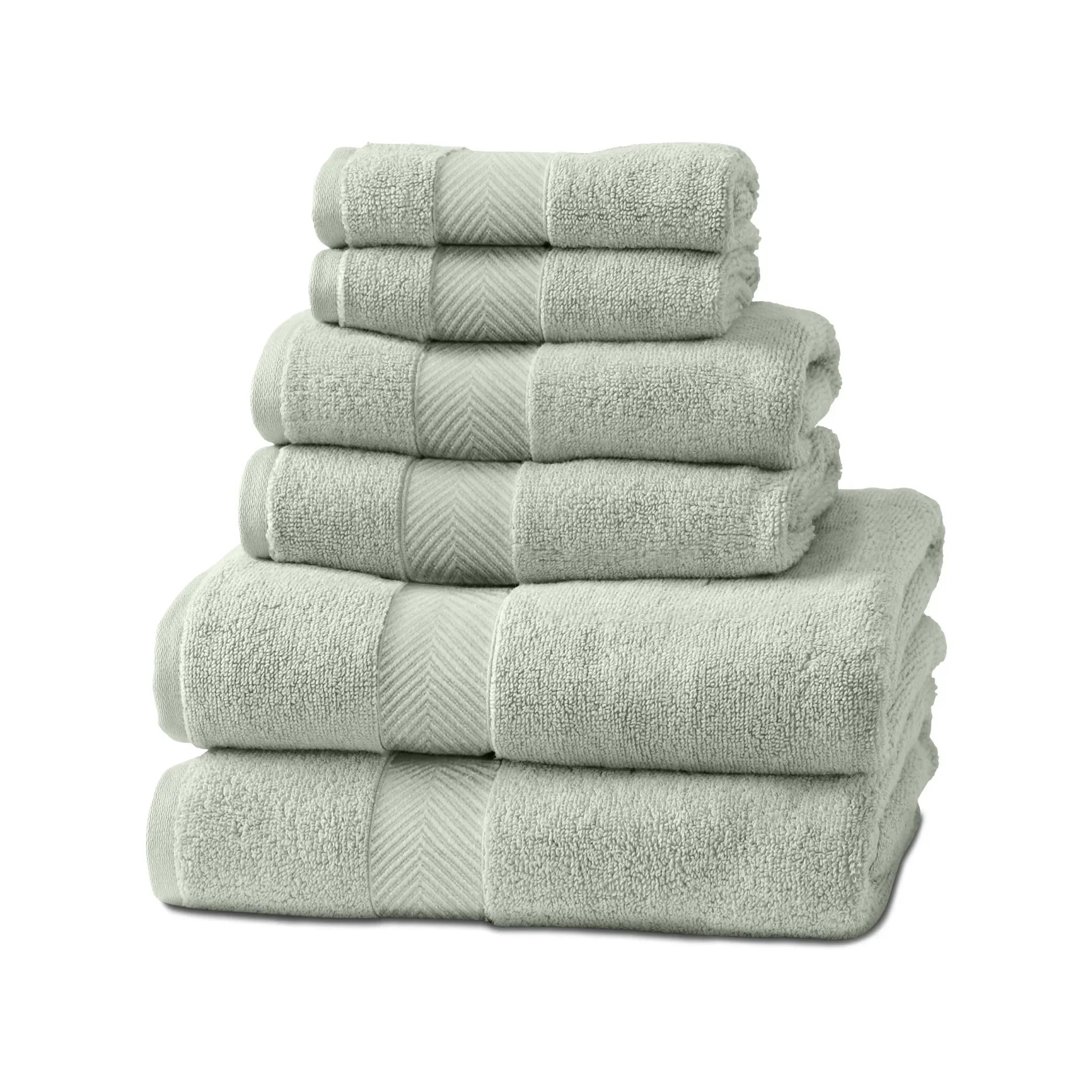
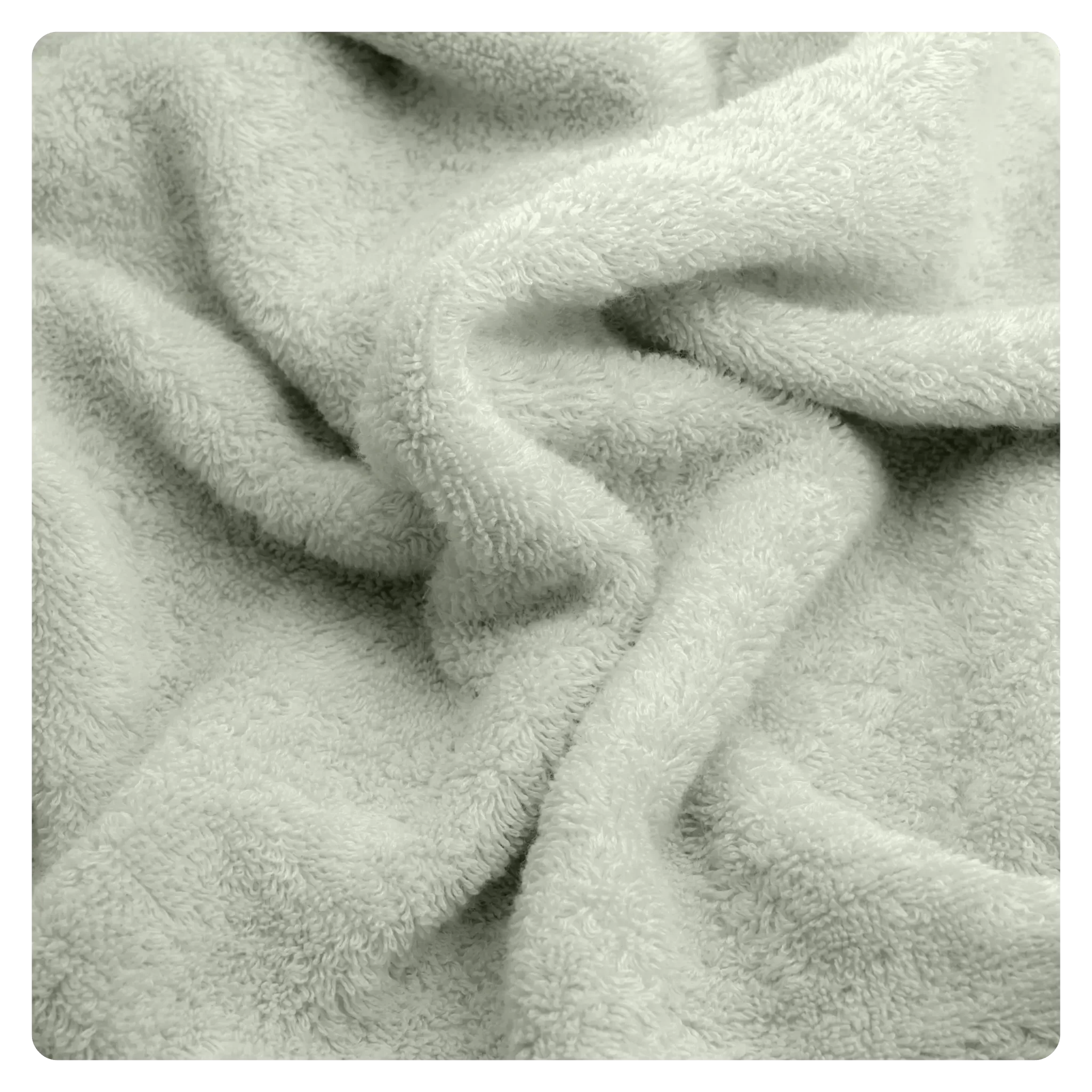
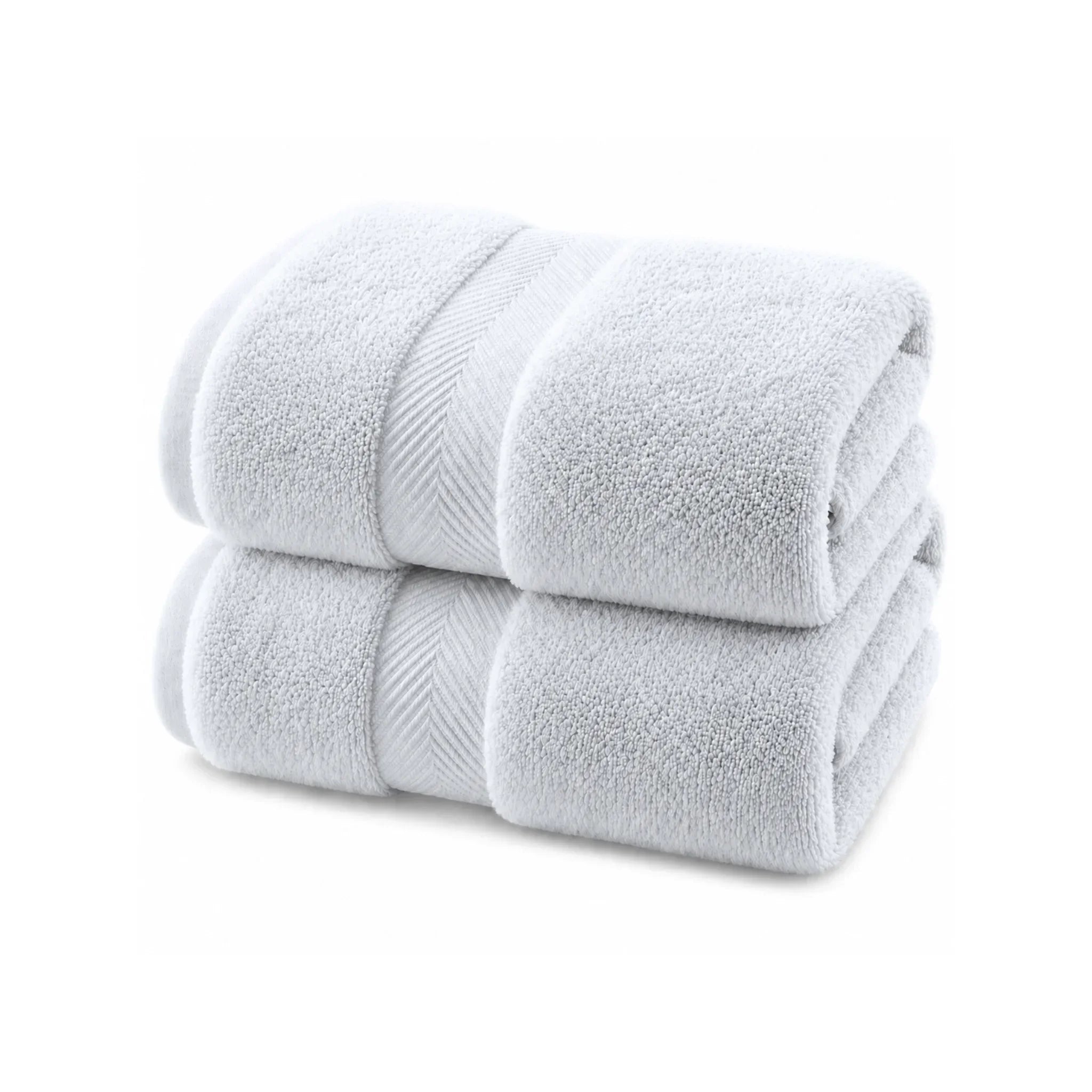
Microfiber mats take a different approach using synthetic fibers woven together to trap water. Think of it like a super absorbent towel that sits under your dishes. The fibers grab onto water molecules and hold them inside the fabric until the mat dries out later.
These mats feel soft and cushiony, which some people prefer for delicate dishes. But there's a catch. The water stays trapped in the fibers instead of evaporating, which means the mat itself stays wet for hours. According to research comparing different mat types, this moisture retention can create problems over time.
- Uses synthetic polyester or nylon fibers
- Traps water inside the fabric structure
- Requires regular washing to prevent odors
- Takes several hours to fully dry out
Comparing Basic Properties
When you look at these two materials side by side, the differences become pretty clear. Stone mats typically cost between $40-60, while microfiber options run cheaper at $15-30. But price isn't everything when it comes to keeping your kitchen clean and dry.
| Property | Stone Mats | Microfiber Mats |
|---|---|---|
| Material | Diatomaceous earth | Synthetic fibers |
| Absorption Method | Porous evaporation | Fiber retention |
| Drying Time | 15-30 minutes | 4-8 hours |
| Price Range | $40-60 | $15-30 |
| Maintenance | Light sanding monthly | Weekly washing |
The way each material handles moisture affects everything from how often you need to clean it to whether bacteria can grow on the surface. Stone mats dry themselves out naturally, while microfiber mats need your help to stay fresh. Both types are widely available online and in stores, though stone mats are newer to the market and gaining popularity fast.
How Fast They Dry Your Dishes and Counters
Most people don't think about their dish drying mat until they notice a puddle spreading across their counter. The speed at which a mat absorbs water and then dries itself makes a huge difference in how clean your kitchen stays. Stone mats and microfiber mats both soak up water, but they handle moisture in completely different ways. Understanding these differences can save you from dealing with soggy mats and wet countertops every single day.
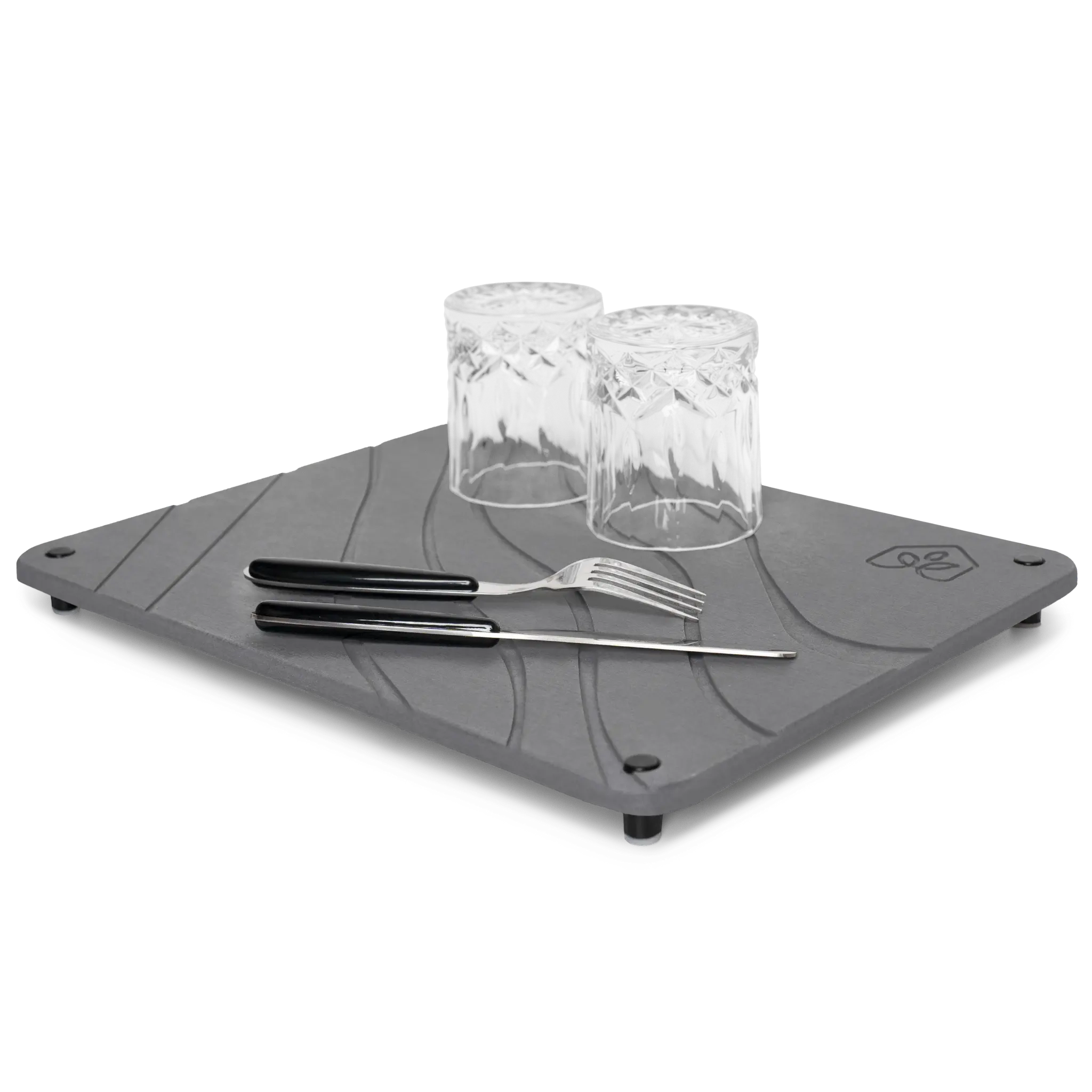
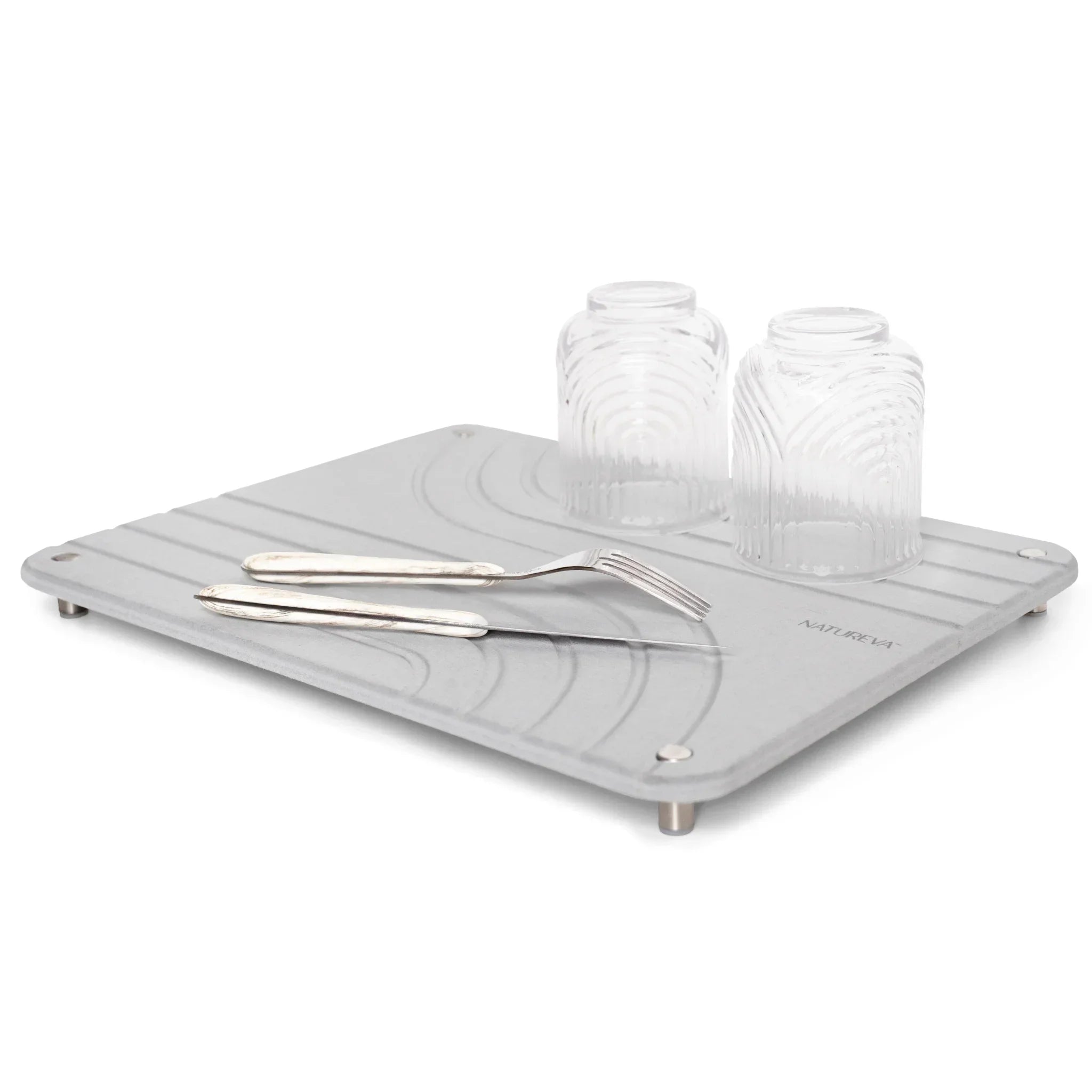
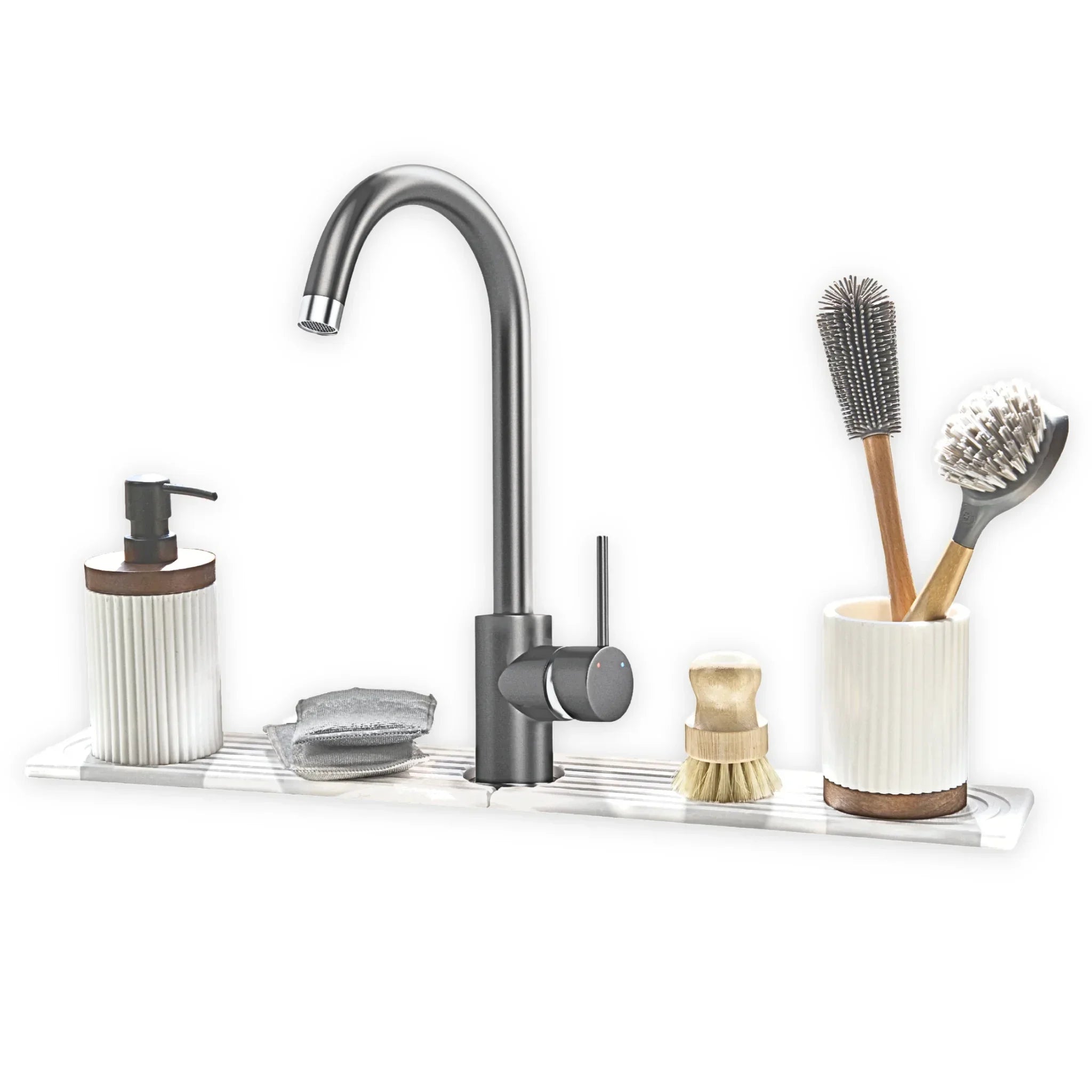
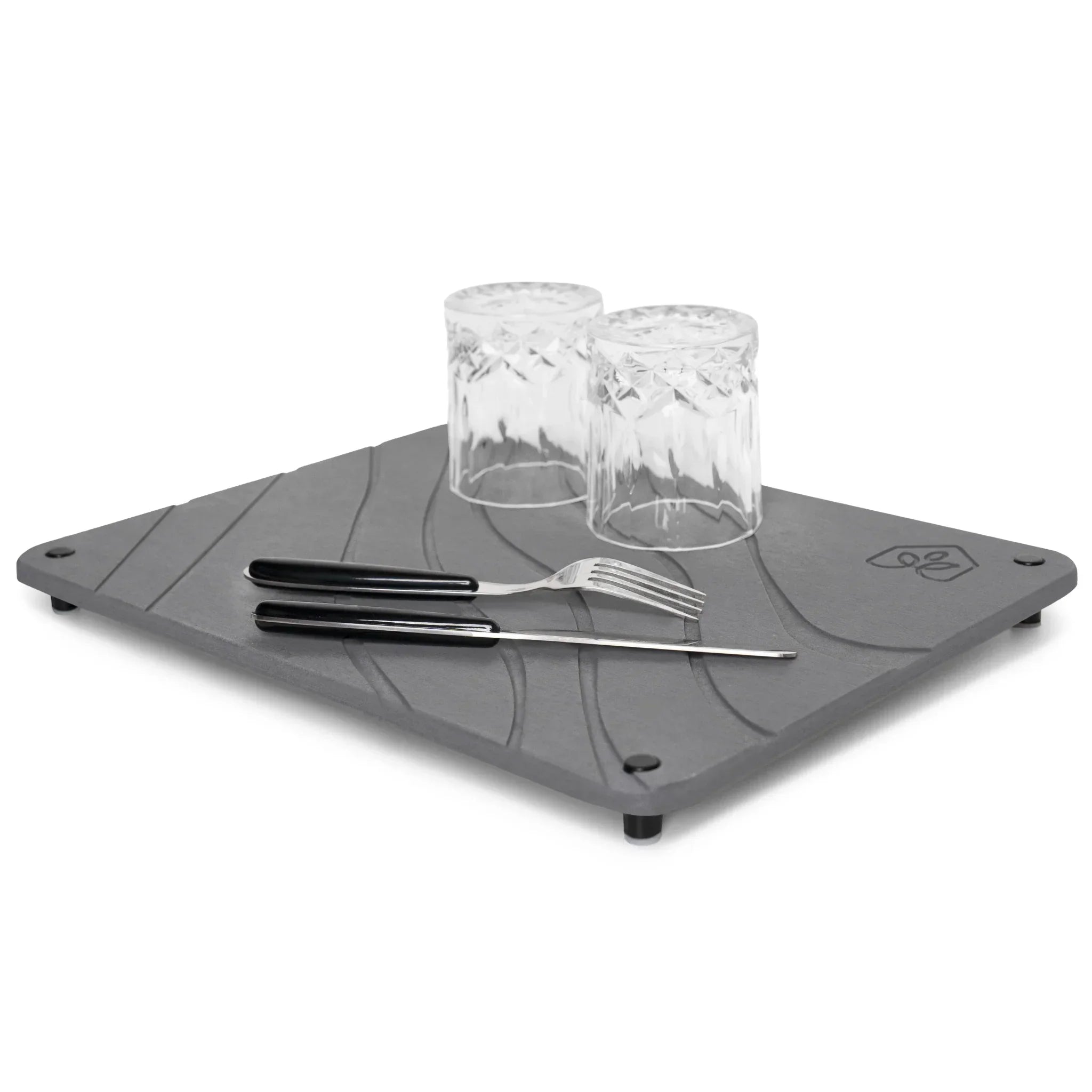
Stone Dish Mat - Flow
Stone mats absorb water instantly on contact because they're made from diatomaceous earth, which has millions of tiny pores throughout the material. When you set a wet dish or glass on the surface, the water disappears within seconds. Microfiber mats also absorb well initially, but they work more like a sponge that holds onto moisture rather than actively evaporating it.
- Evaporation rates tell the real story about performance
- Stone mats dry themselves in 30-60 minutes after heavy use
- Microfiber mats can stay damp for hours or even overnight
- Wet microfiber creates the perfect environment for bacteria growth
When you're dealing with a full sink of dishes after dinner, the difference becomes obvious. Stone mats handle heavy dish loads without getting saturated because they're constantly evaporating moisture into the air. Microfiber mats reach a saturation point where they can't absorb any more water, leaving your countertop wet and your dishes sitting in puddles.
The Natureva Stone Dish Mat in Tide pattern keeps working no matter how many dishes you pile on it. Your countertop stays dry, and you don't have to worry about water damage to your cabinets or that musty smell that develops when moisture sits too long.
Cleaning and Maintenance Requirements
Nobody wants to spend their free time babysitting a dish mat. The amount of maintenance each type requires affects whether you'll actually keep using it or shove it under the sink after a few weeks. Microfiber mats need constant attention to stay hygienic, while stone mats practically take care of themselves. This isn't just about convenience, it's about whether your mat becomes a breeding ground for things you don't want in your kitchen.
Cleaning and Maintenance Requirements
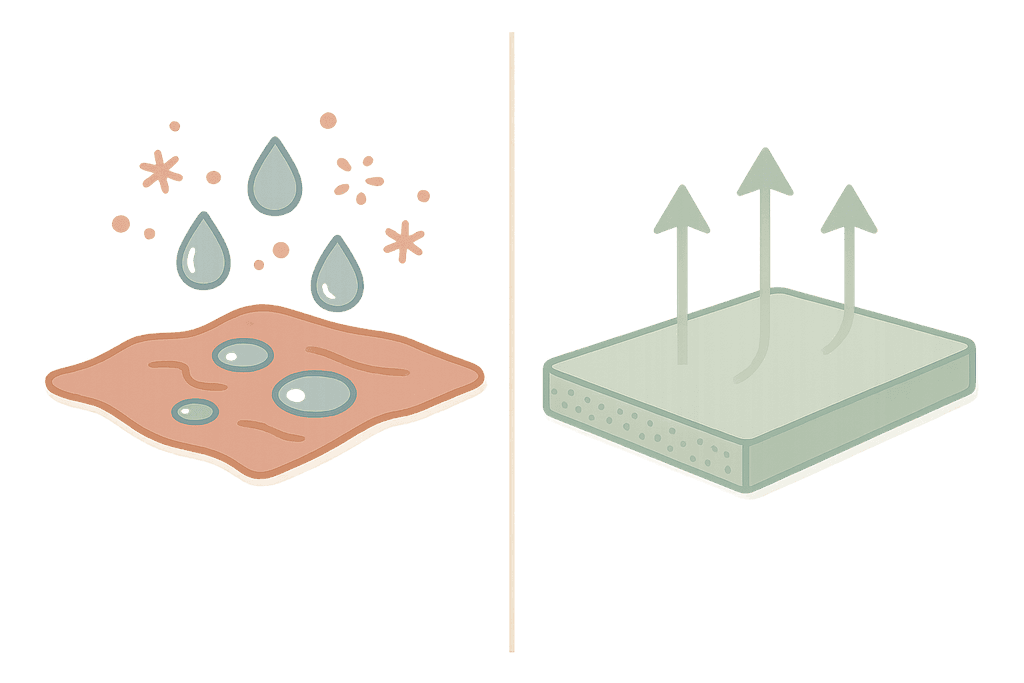
Microfiber mats require machine washing every few days to prevent odors and bacteria buildup. If you forget to wash them regularly, they start smelling like mildew within a week. You'll need to add them to your laundry routine, which means more loads and more time spent on household chores.
| Maintenance Task | Stone Mat | Microfiber Mat |
|---|---|---|
| Cleaning frequency | Once per month | Every 3-5 days |
| Method | Quick rinse | Machine wash |
| Drying time | 30-60 minutes | Several hours |
| Odor issues | Rare | Common |
Stone mats need minimal maintenance because their self-drying properties prevent bacteria and mold from taking hold. You just rinse them off occasionally when you notice any residue building up. If the surface ever feels less absorbent after months of use, a light sanding with fine-grit sandpaper brings it back to like-new condition.
The time investment difference adds up quickly. According to research on dish drying mat materials, proper maintenance directly impacts how long your mat lasts. Stone mats typically last for years with minimal care, while microfiber mats need replacement every 6-12 months as the fibers break down and lose absorbency.
The Natureva stone dish mats dry themselves between uses, which means bacteria and mold don't have the damp environment they need to grow. You're not just saving time on maintenance, you're keeping your kitchen more sanitary without any extra effort.
Which Mat Fits Your Kitchen Style and Needs
Choosing between stone and microfiber isn't just about performance specs. Your living situation, how often you cook, and even your kitchen's design all play a role in which option makes sense. Some people need a mat that can handle constant use without any fuss, while others prioritize different factors like portability or upfront cost. The right choice depends on matching the mat's strengths to your actual daily routine.
Stone mats work best for busy kitchens where dishes pile up throughout the day. If you cook multiple meals at home, have a family, or just hate dealing with maintenance tasks, the hands-off nature of stone makes life easier. They also fit well in modern or minimalist kitchen designs because of their clean, sleek appearance.
- Homeowners who want a permanent solution
- People with limited time for household maintenance
- Kitchens with moisture-sensitive countertops
- Anyone dealing with mold or mildew issues
Microfiber makes more sense for renters who might move frequently and want something lightweight to pack. They're also cheaper upfront, which appeals to people on tight budgets. However, the ongoing costs of washing and eventual replacement can add up over time, making them more expensive in the long run.
The next generation of home essentials: naturally made, cleaner by design, sustainable by nature.
SHOP ALLSpace and storage requirements differ too. Stone mats need to stay out on your counter because they're heavier and work best with air circulation. Microfiber mats can be rolled up and tucked away, though this actually works against them since they need air to dry properly. As explained in this comparison of drying solutions, proper air circulation is key to preventing bacterial growth.
The Flow pattern stone mat offers a stylish option that complements contemporary kitchen designs. Both the Tide and Flow patterns give you aesthetic choices while delivering the same performance benefits. You're not sacrificing style for function.
Budget considerations go beyond the initial purchase price. A stone mat costs more upfront at $49, but it lasts for years without replacement. Microfiber mats might cost $15-25 initially, but you'll buy several over the same timeframe. Factor in the water and energy costs of frequent washing, and the total cost of ownership shifts significantly.
The Real Cost Over Time
Most people look at the price tag and think microfiber wins because it's cheaper upfront. But that's like judging a car by its sticker price without thinking about gas mileage or maintenance. When you actually track what you spend over months and years, the numbers tell a different story. A microfiber dish drying mat might cost $15 to $25, while a stone mat like the Natureva runs around $49, but the initial price is just the beginning of the expense trail.
The hidden costs of microfiber add up faster than most people realize. Every time you toss that mat in the washing machine, you're spending money on detergent, water, and electricity. If you're washing it twice a week (which you should be to prevent bacteria), that's over 100 washes per year.
Breaking Down the Numbers
Here's what the actual costs look like when you track everything. These calculations include purchase price, washing costs, and replacement needs based on typical usage patterns.
| Cost Factor | Microfiber (1 Year) | Stone Mat (1 Year) |
|---|---|---|
| Initial Purchase | $20 | $49 |
| Washing Costs | $52 (104 washes) | $0 |
| Replacement | $20 (once) | $0 |
| Total Year 1 | $92 | $49 |
The three-year picture makes the difference even clearer. According to kitchen experts at Homes and Gardens, stone mats can last for years with minimal maintenance, while microfiber mats typically need replacing every 6-12 months.
| Cost Factor | Microfiber (3 Years) | Stone Mat (3 Years) |
|---|---|---|
| Purchase + Replacements | $80 (4 mats) | $49 |
| Washing Costs | $156 (312 washes) | $0 |
| Total 3 Years | $236 | $49 |
The Time Factor Nobody Talks About
Money isn't the only cost worth considering. Think about the time you spend dealing with microfiber maintenance each week. You need to remember to wash it, wait for the cycle to finish, dry it, and put it back.
- Loading and unloading the washing machine takes about 5 minutes per wash
- At twice weekly, that's 520 minutes per year (almost 9 hours)
- Stone mats need a quick wipe or light sand every few months
- Total maintenance time for stone is under 30 minutes annually
The value proposition becomes obvious when you look beyond the checkout counter. Stone mats like Natureva's options deliver better long-term economics because they eliminate recurring costs entirely. You're not just buying a product, you're ending a cycle of constant replacement and maintenance that drains both your wallet and your time.
Making Your Choice
Both types of dish drying mats have their place in the kitchen, but the right choice depends on what matters most to you. Stone mats like our Stone Dish Mat - Tide and Stone Dish Mat - Flow win when it comes to absorption power, staying clean without constant washing, and keeping bacteria at bay. They just sit there doing their job day after day without needing much from you. Microfiber mats offer a softer surface and cost less upfront, plus you can toss them in your bag if you move around a lot.
The thing is, most people underestimate how much time they spend dealing with damp, smelly dish mats. If you've ever had to wash your mat twice a week or noticed that musty smell creeping in, you know what we mean.
For busy kitchens where dishes pile up throughout the day, stone mats handle the workload better. The natural diatomaceous earth in our dish mat collection absorbs water instantly and dries between uses, which means you're not creating a breeding ground for mold. For occasional use or if you prefer something cushioned under delicate glassware, microfiber might work fine.
Think about your daily routine and what actually bugs you about your current setup. The best dish drying mat is the one that makes your life easier without adding extra chores to your week. Sometimes spending a bit more upfront saves you from dealing with the same annoying problems over and over.
Common Questions About Dish Drying Mats
Choosing between stone and microfiber dish drying mats brings up a lot of practical questions. Most people want to know if the benefits are real or just marketing hype. The truth is that both mat types work differently, and understanding these differences helps you pick what actually fits your kitchen routine. Here are the answers to the most common questions we hear from people trying to decide.
Do stone mats really prevent mold and bacteria growth?
Yes, but not because they kill bacteria like a disinfectant would. Stone mats made from diatomaceous earth dry so quickly that moisture doesn't stick around long enough for mold or bacteria to grow. The key is that they stay dry between uses, which creates an environment where these things can't thrive. Microfiber mats, on the other hand, stay damp for hours and need frequent washing to avoid that musty smell.
How often do you need to wash microfiber dish mats?
Most experts recommend washing microfiber dish drying mats every 2-3 days, or daily if you're doing a lot of dishes. They absorb water but hold onto it, which means bacteria can multiply pretty quickly. If you forget to wash them regularly, you'll notice an unpleasant odor that's hard to get rid of.
Can stone mats break or crack easily?
Stone mats are more durable than most people expect, but they're not indestructible. Dropping heavy pots directly onto them or letting them fall on hard floors can cause cracks. Normal daily use with dishes and glasses is perfectly fine. Our Stone Dish Mat is designed to handle regular kitchen activity without issues as long as you treat it with basic care.
Which mat type is better for small kitchens?
Stone mats work better in tight spaces because they don't need to be moved around to dry. You can leave them on the counter all the time since they dry within minutes. Microfiber mats need somewhere to hang or dry out between uses, which takes up extra space you might not have.
How do you clean a stone dish drying mat?
Cleaning a stone dish drying mat is simple. Just rinse it under water and let it air dry, or wipe it down with a damp cloth. For deeper cleaning once a month, you can lightly sand the surface with fine-grit sandpaper to refresh the pores and restore absorption. No soap or washing machine needed.
Are stone mats safe for all countertop types?
Yes, stone mats are safe for granite, marble, quartz, laminate, and wood countertops. They have a smooth bottom surface that won't scratch, and because they don't hold moisture, they won't cause water damage or staining underneath. Just make sure your countertop is clean before placing the mat down.
The next generation of home essentials: naturally made, cleaner by design, sustainable by nature.
SHOP ALL