
Minimalist Kitchen Trays for Quick Daily Cleanup
You finish washing dishes and the countertop is soaked, your old dish mat feels like a wet sponge, and somehow there's still a puddle spreading toward your clean towels. Most people don't realize that traditional fabric and silicone mats actually trap moisture instead of managing it, which means you're wiping down surfaces multiple times a day. Kitchen trays made from natural stone materials work differently by absorbing water instantly and drying within minutes, which is why minimalist designs like our Stone Dish Mat collection have become essential for anyone tired of constant cleanup.
Table of Contents
What Makes a Kitchen Tray Minimalist
Most people think minimalist means boring or plain, but that's not quite right. A minimalist kitchen tool does one job really well without taking up extra space or creating more work for you. When it comes to kitchen trays, the minimalist approach means you can dry dishes, clean up spills, and keep your counter looking good without dealing with bulky racks or soggy fabric mats that need constant washing.
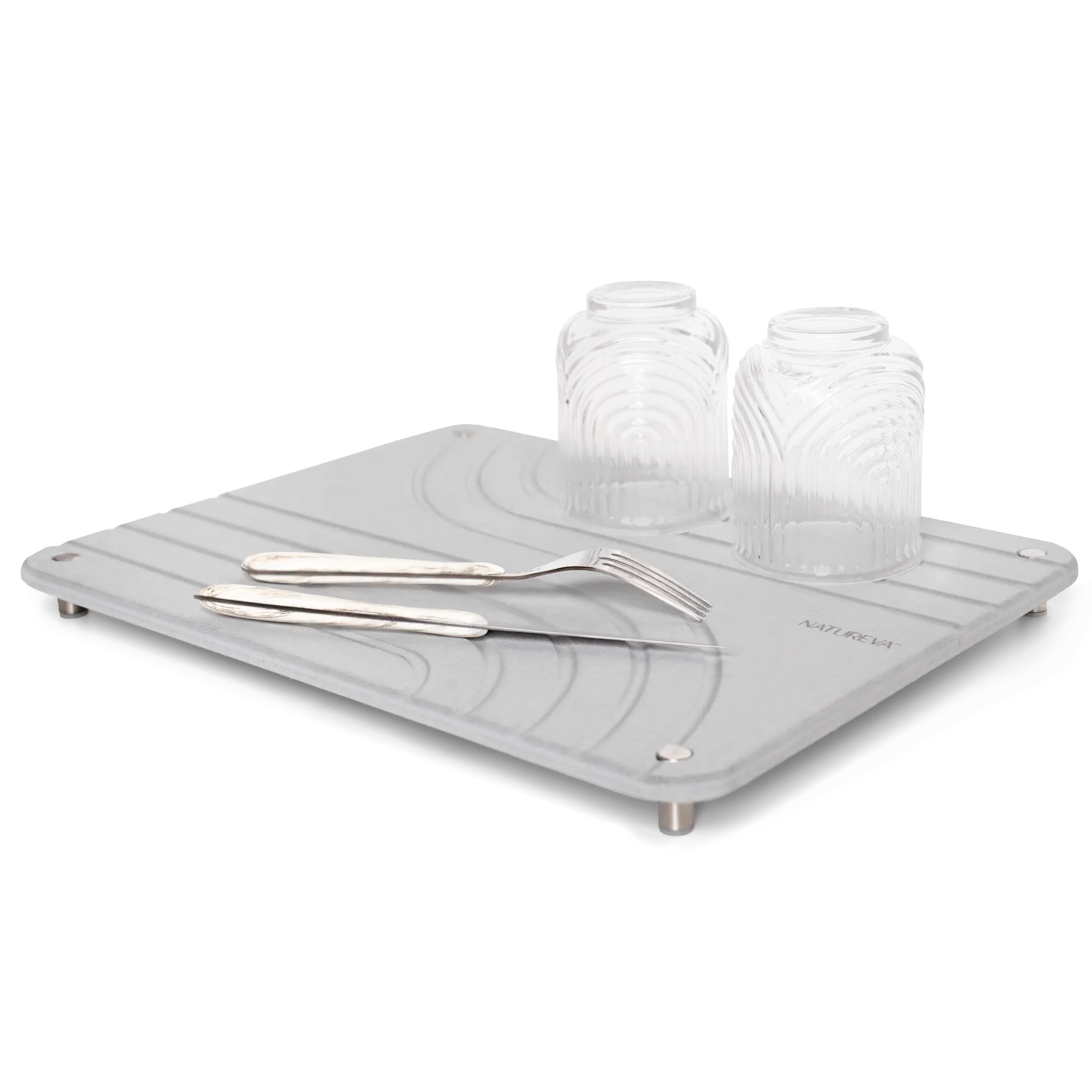
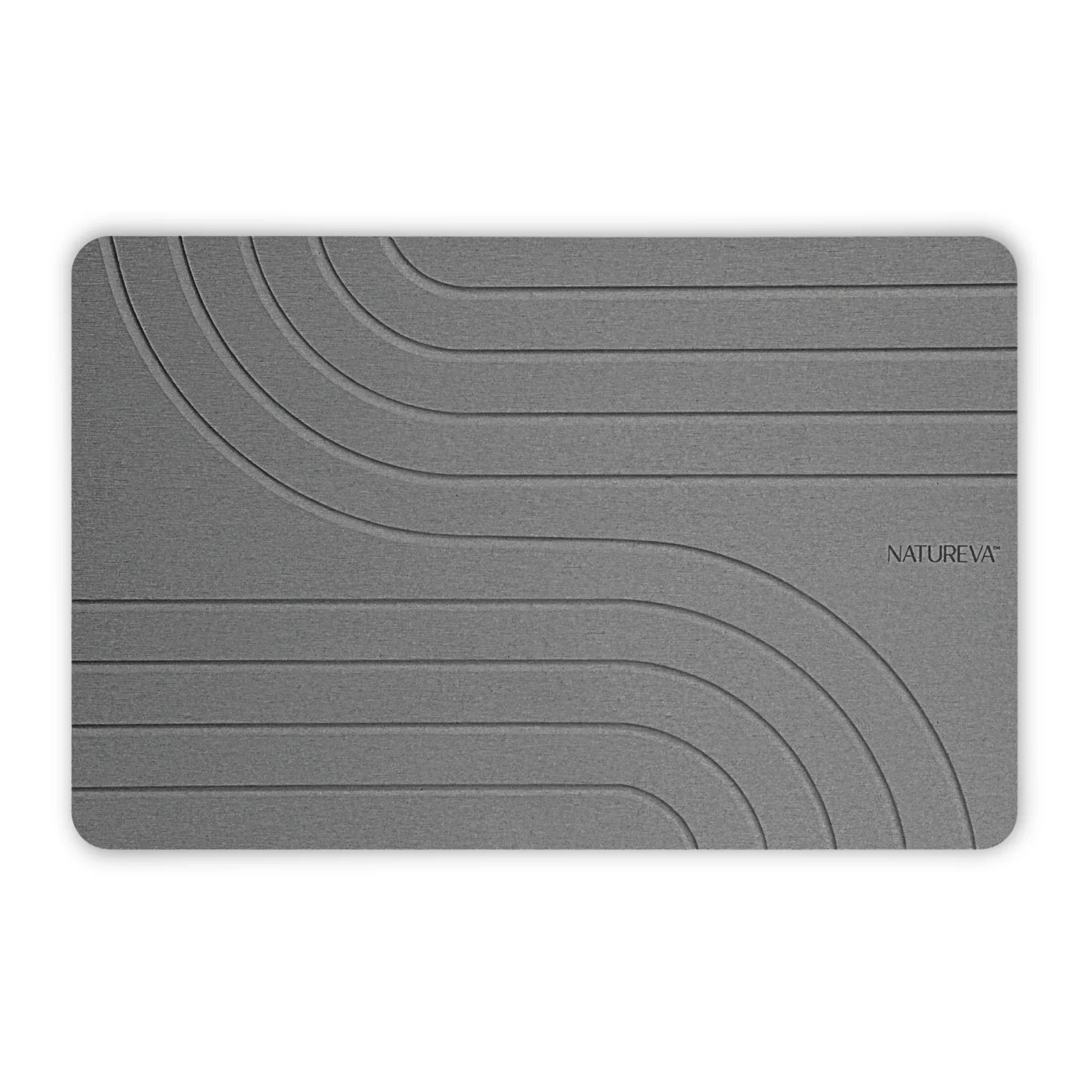
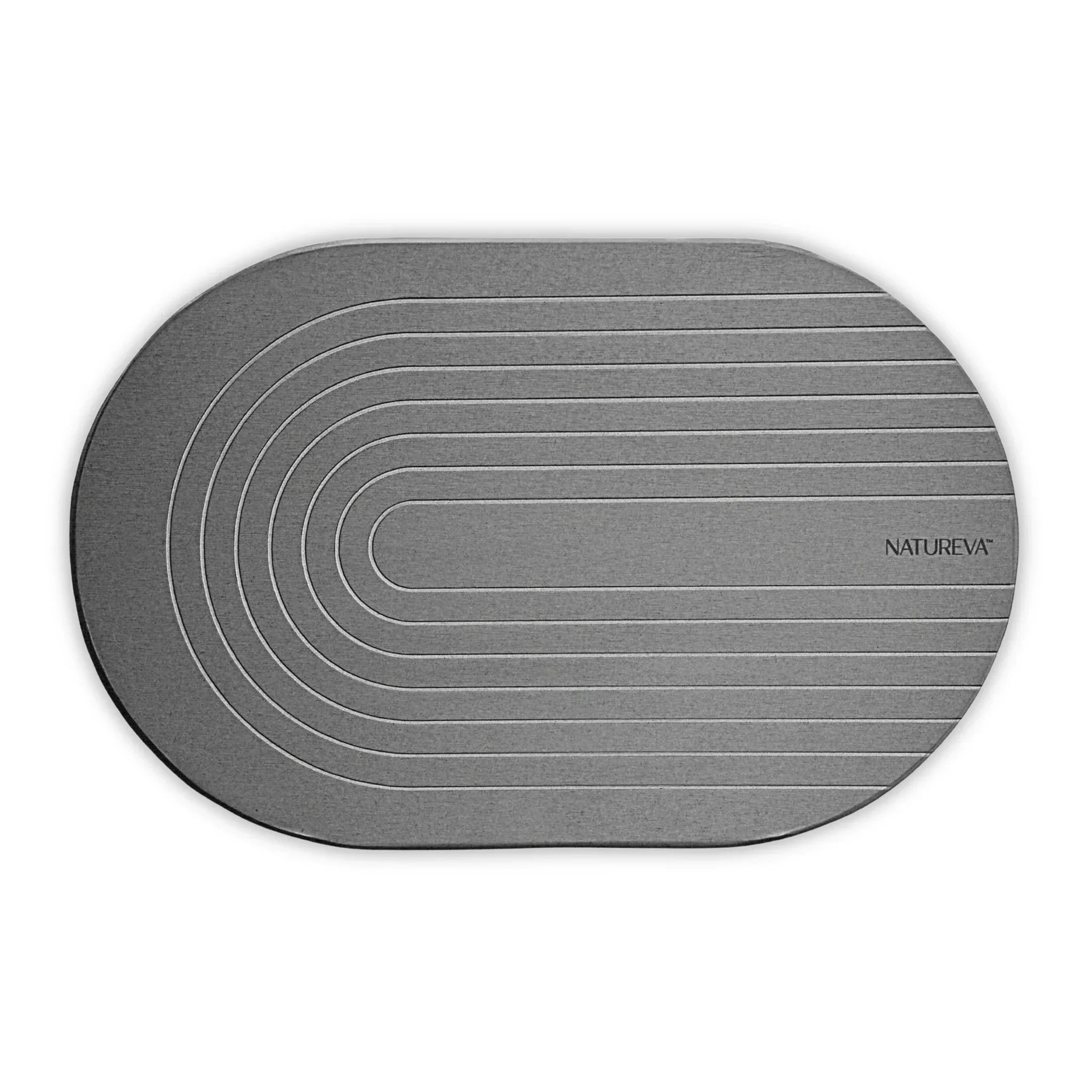
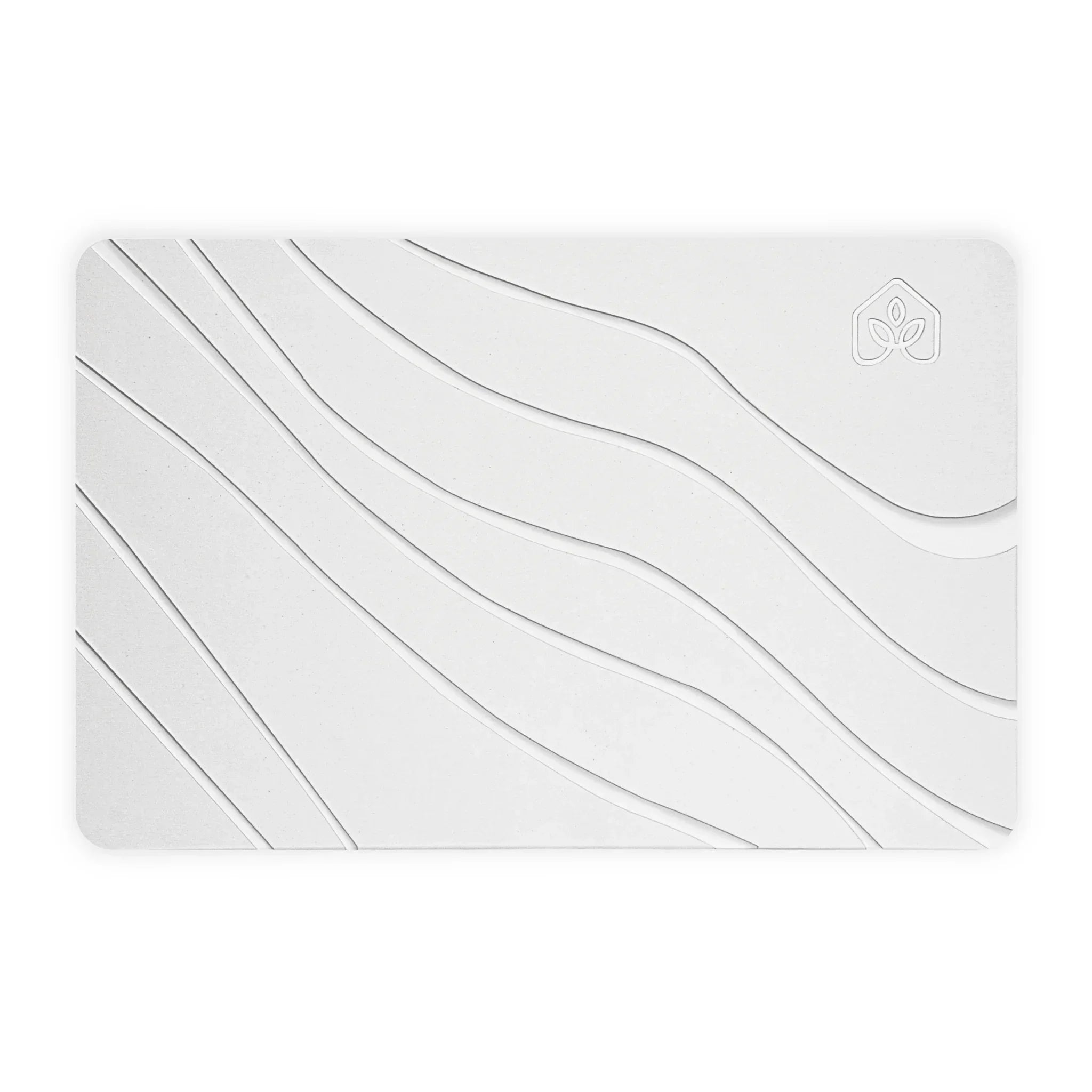
Stone Dish Mat - Tide
The Core Idea Behind Minimalist Design
Minimalist kitchen tools follow a simple rule: less stuff means less cleaning. Traditional dish racks have multiple parts, corners where water pools, and plastic pieces that get grimy over time. A minimalist tray sits flat on your counter and does its job without all those extra pieces.
The benefits add up quickly when you switch to simpler tools:
- Fewer parts to clean and maintain
- No water collecting in hidden spots
- Easy to wipe down or rinse off
- Takes up less visual space in your kitchen
- Looks clean even when you're using it
How Traditional Racks Compare to Flat Trays
The difference between old-style dish racks and minimalist kitchen trays goes beyond just looks. Traditional racks were designed to hold dishes upright, which sounds good until you realize all that water drips down into a tray that you have to empty. Flat trays work differently by absorbing water right where it lands.
| Feature | Traditional Dish Rack | Minimalist Tray |
|---|---|---|
| Parts to Clean | 5-10 pieces | 1 piece |
| Water Removal | Manual emptying needed | Self-drying |
| Counter Space | 12-18 inches tall | Flat profile |
| Mold Risk | High in crevices | Low with proper material |
| Cleaning Time | 10-15 minutes weekly | 2-3 minutes weekly |
Why Material Choice Matters for Quick Cleanup
Not all kitchen trays work the same way, and the material makes a huge difference. Fabric mats soak up water but then stay wet for hours, which means bacteria can grow. Plastic trays just let water sit on top until you wipe it away. Stone-based materials like diatomaceous earth actually pull water in and let it evaporate naturally, which is why our Stone Dish Mat works so well for daily use.
The right material should do three things without you having to think about it:
- Absorb water instantly so your counter stays dry
- Dry itself out between uses
- Resist mold and bacteria growth naturally
According to kitchen design experts, the best tools are the ones you don't have to maintain constantly. When your dish mat dries itself and doesn't need washing every few days, cleanup becomes one less thing on your mental list. That's what minimalist really means in practice.
The Science Behind Quick Drying Kitchen Trays
Most people don't realize that the average fabric dish mat can hold onto moisture for hours, creating the perfect breeding ground for bacteria. Stone dish mats work completely differently because they're made from diatomaceous earth, a natural material formed from fossilized algae. This isn't just some fancy marketing term. The structure of diatomaceous earth contains millions of microscopic pores that pull water away from your dishes and into the mat itself, where it evaporates almost immediately.
The magic happens at a level you can't even see. Those tiny pores create a massive surface area that actively promotes air circulation through the material. While a fabric mat just sits there holding water like a sponge, stone mats from Natureva work more like a natural dehumidifier for your countertop.
- Instant absorption: Water disappears from the surface in seconds, not minutes
- Rapid evaporation: The mat itself dries completely within an hour
- Mold prevention: No standing moisture means bacteria and mold can't establish themselves
- No fabric smell: Unlike cloth mats that develop that musty odor after a few days
Plastic trays have their own problems. They don't absorb anything, so water just pools around your dishes. You end up with puddles on your counter and dishes that take forever to dry. Stone alternatives solve both issues by combining absorption with natural evaporation.
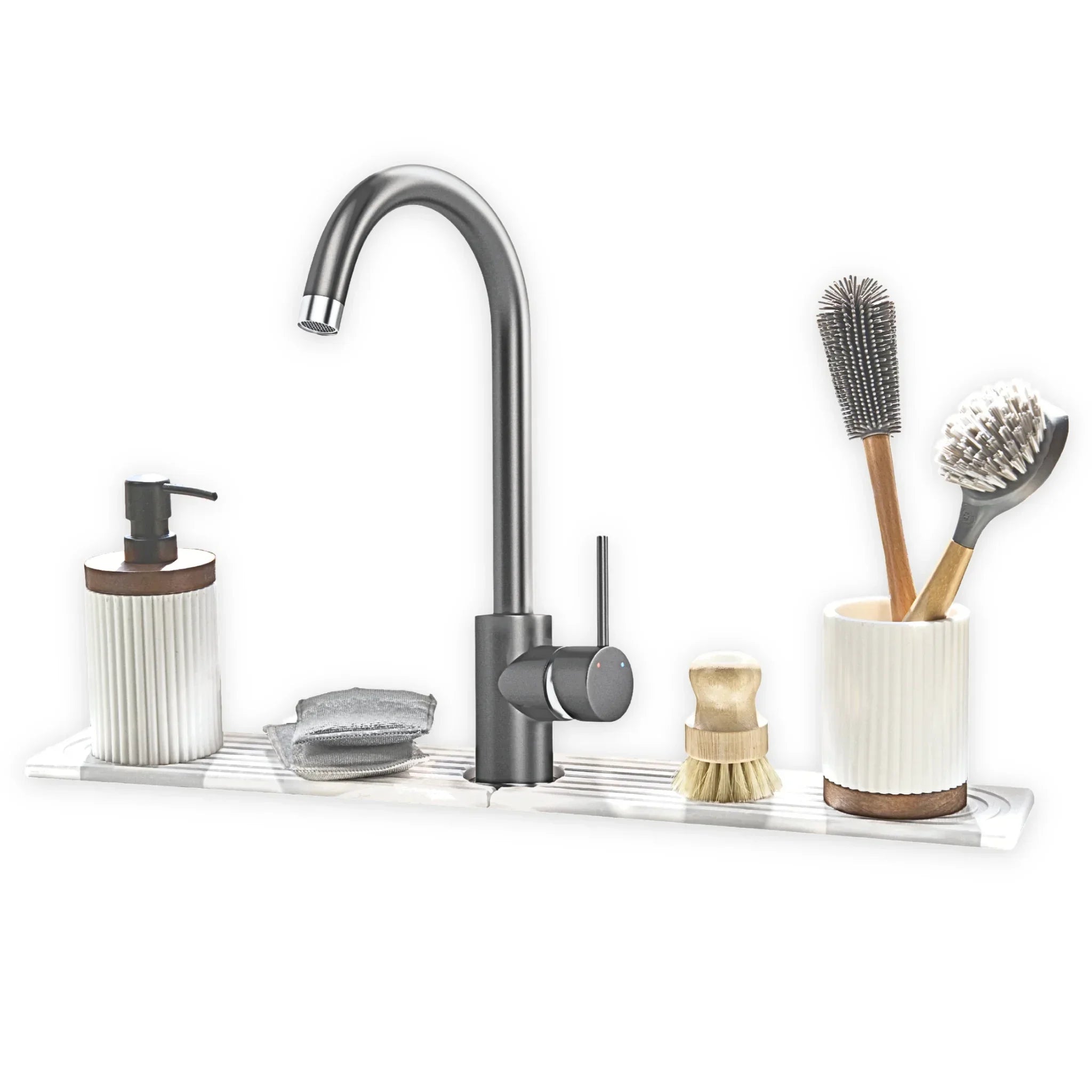
The Stone Dish Mat in Tide and Flow patterns both use this same diatomaceous earth technology. The difference is just aesthetic, so you can pick whichever design fits your kitchen better.
Setting Up Your Minimalist Cleanup Station
The placement of your dish mat matters more than you'd think. Most people just toss it somewhere near the sink and call it done, but there's actually a better way. You want your mat positioned where you naturally set dishes after rinsing them, which is usually to the right of the sink if you're right-handed. This small adjustment can shave a minute or two off your cleanup time because you're not reaching across your body every time you wash something.
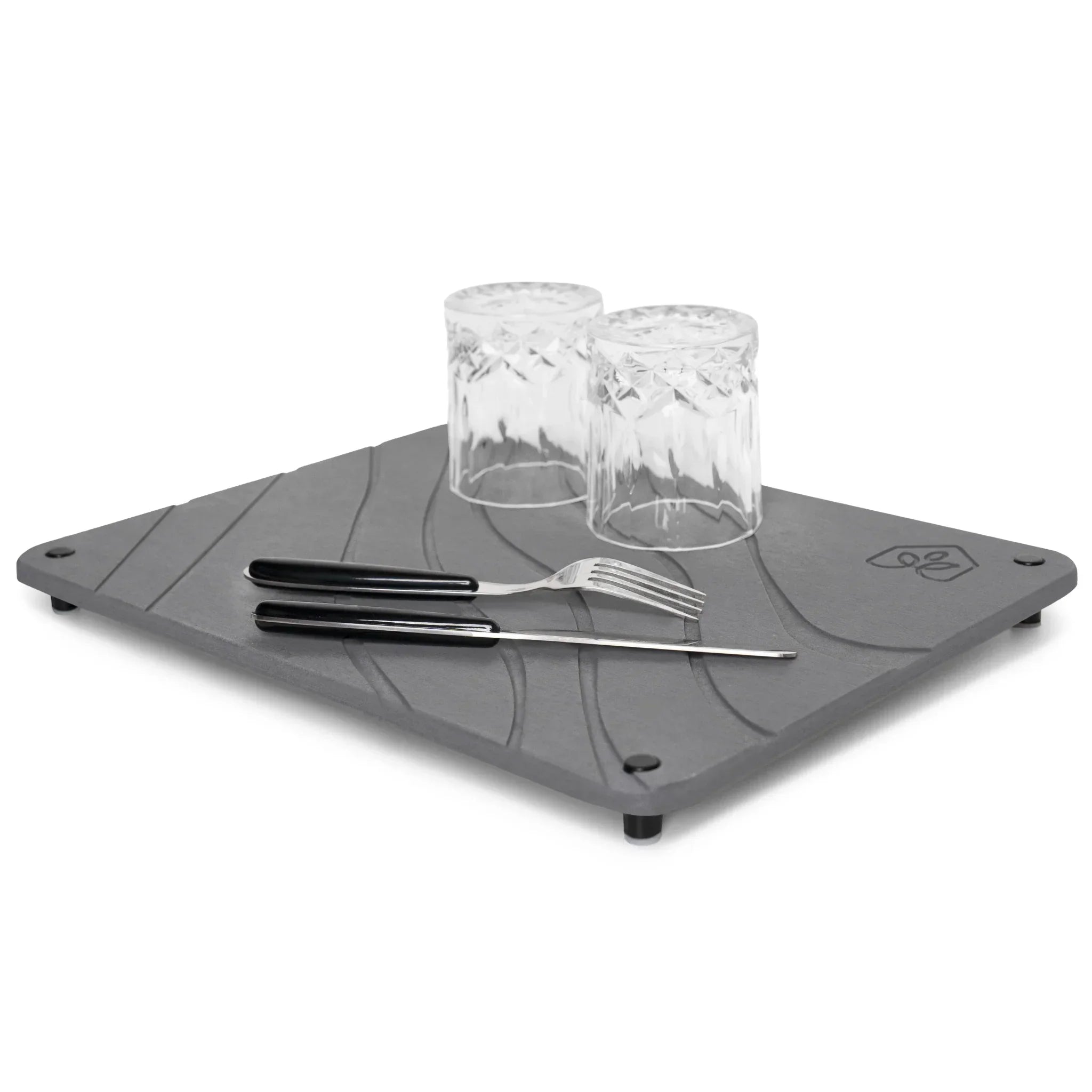
The way you arrange items on the mat affects drying speed too. Glasses and cups should go upside down, obviously, but spacing them out by at least an inch lets air circulate around each piece. Plates can lean against each other at an angle instead of stacking flat.
Quick Setup Checklist
- Place your stone mat within arm's reach of the sink
- Keep a small dish rack nearby for larger pots if needed
- Position the mat away from direct sunlight to prevent fading
- Make sure there's at least 2 inches of counter space around the mat for air flow
- Store dish soap and a brush within the same zone
Creating a routine that takes under five minutes is easier when everything has its place. The goal isn't to have a perfect system, just one that's simple enough that you'll actually use it every day. Wash as you cook instead of letting dishes pile up. Rinse each item, set it on the mat, and move on. By the time you finish eating, those dishes are already dry.
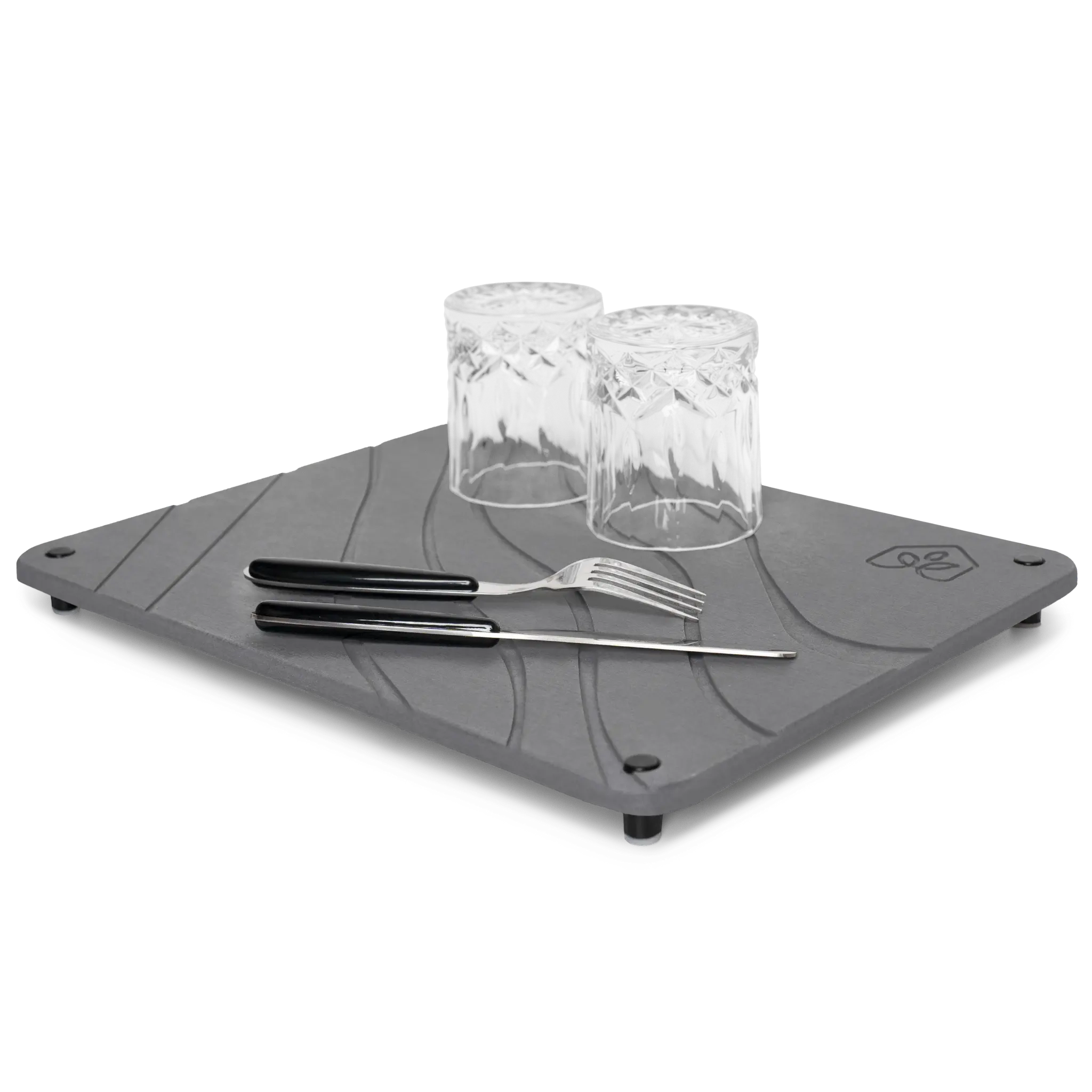
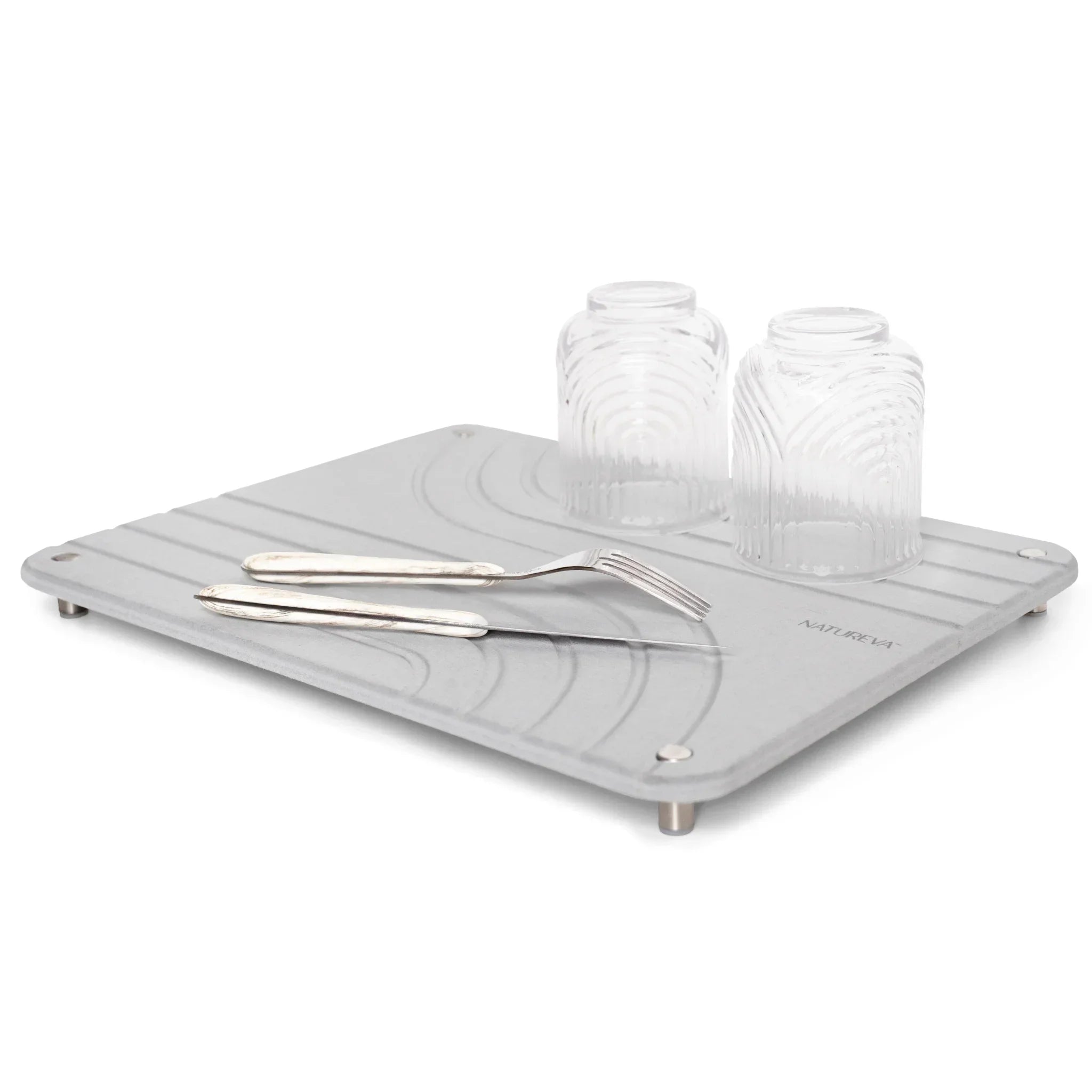
Stone Dish Mat - Flow
The next generation of home essentials: naturally made, cleaner by design, sustainable by nature.
SHOP ALLSmall kitchens need different strategies. If counter space is tight, consider using your stone mat as a multi-purpose surface. According to research on organized storage, reducing visual clutter in the kitchen makes cleanup feel less overwhelming. A single well-placed mat can replace multiple drying racks and towels.
The kitchen collection includes different sizes to fit various counter configurations. Measure your available space before choosing, but remember that bigger isn't always better if it means the mat won't dry as efficiently.
Daily Maintenance That Actually Stays Simple
Here's what most people get wrong about kitchen trays. They assume anything that touches water constantly needs constant cleaning. Stone mats are different because they don't hold onto moisture the way fabric does. You're not dealing with a soggy mess that needs to be wrung out and hung up to dry every single day. The mat takes care of itself for the most part, which is exactly what you want when you're trying to keep cleanup simple.
Your weekly routine takes about two minutes. Rinse the mat under warm water to remove any soap residue or food particles. Let it air dry standing upright against a wall or propped up somewhere. That's it. No scrubbing, no special cleaners, no complicated process.
| Material Type | Daily Care | Weekly Care | Lifespan |
|---|---|---|---|
| Fabric Mat | Wring out, hang dry | Machine wash | 6-12 months |
| Plastic Tray | Wipe down | Deep clean | 1-2 years |
| Stone Mat | None needed | Quick rinse | 3-5 years |
The mat stays looking new without much effort because the material naturally resists staining. If you notice the absorption slowing down after several months, that usually means the pores are getting clogged with mineral deposits from hard water. A light sanding with fine-grit sandpaper brings it back to life. This happens maybe once or twice a year depending on your water quality.
Signs your mat needs attention are pretty obvious. If water starts beading on the surface instead of soaking in, or if you see visible buildup, it's time for that quick maintenance. The whole process takes less time than throwing a fabric mat in the washing machine and waiting for it to dry.
Long-term cost comparison makes stone mats worth considering. At $49, they cost more upfront than a $15 fabric mat. But when you factor in that you'll replace fabric mats three or four times in the same period, the math works out differently. Plus there's the time saved not dealing with musty smells or constant washing.
The principles of kitchen ergonomics suggest that reducing repetitive tasks improves both efficiency and comfort. A mat that requires less maintenance fits naturally into that philosophy. You can explore more about proper care and cleaning for all stone products to keep them working their best.
Your Path to Effortless Kitchen Cleanup
Kitchen trays might seem like a small change, but they make a real difference in how much time you spend cleaning up each day. When you have a dedicated spot for wet dishes and glasses, water stays contained instead of spreading across your counters. This means less wiping, less mess, and more time for things you actually want to do.
The switch to stone dish mats brings benefits that last way beyond just today or tomorrow. Traditional fabric mats hold onto moisture and start smelling weird after a few weeks, which means you're constantly washing them or buying new ones. Our Stone Dish Mat in Tide and Flow designs dry themselves naturally thanks to millions of tiny pores in the diatomaceous earth material. You're not dealing with mold or bacteria buildup like you would with regular mats.
The whole point of minimalist kitchen trays is to simplify your routine, not add more steps. When cleanup becomes easier, you're more likely to actually do it right away instead of letting dishes pile up. That's where the real time savings happen.
If you're tired of soggy countertops and endless wiping, stone dish mats offer a practical solution that actually works. You can check out our full kitchen collection to see which style fits your space best. The questions below cover some common things people wonder about when making the switch.
Common Questions About Kitchen Trays
Switching to a new type of kitchen product always brings up questions, especially when it's something as different as a stone dish mat. Most people have used fabric or silicone mats their whole lives, so the idea of a stone surface for drying dishes feels unfamiliar. Here are the answers to the most common questions we hear about stone kitchen trays and how they compare to what you're probably using now.
How long do stone dish mats last?
Stone dish mats typically last 2-3 years with regular use, which is much longer than fabric mats that need replacing every few months. The natural diatomaceous earth material doesn't break down like cloth or develop that musty smell over time. If you notice the absorption slowing down, a quick sand with fine-grit sandpaper brings it back to life.
Can you put hot items on stone trays?
Yes, stone mats handle heat well and won't melt or warp like plastic or silicone versions. You can place warm pots and pans directly on them without worry. Just avoid extreme temperature changes, like putting a frozen item next to something very hot, as this could cause cracking over time.
Do stone mats work better than fabric dish mats?
Stone mats absorb water instantly and dry within minutes, while fabric mats stay damp for hours and often smell mildewy. Brands like Dorah Home and Dry Sorb have made stone mats more popular, but the basic advantage is the same across all versions. The Natureva Stone Dish Drying Mat uses millions of tiny pores to pull moisture away from dishes and evaporate it quickly, so your countertop stays completely dry.
How do you clean a stone dish mat?
Rinse it under water and let it air dry, that's basically it. For deeper cleaning, use a soft brush with mild soap once a week. Never put it in the dishwasher or soak it for long periods, as too much water exposure can reduce its absorption over time.
Are stone dish mats safe for all countertops?
Stone mats work on any countertop surface including granite, marble, laminate, and wood. The bottom is smooth and won't scratch your counter. Some people add small rubber feet to prevent any sliding, though most mats stay in place on their own.
What size tray do I need for my kitchen?
A standard 16x12 inch mat fits most kitchen setups and holds several dishes, cups, and utensils at once. Smaller kitchens or single-person households can get away with a compact size, while larger families might want two mats. Measure your counter space next to the sink before buying to make sure it fits comfortably without crowding your workspace.
The next generation of home essentials: naturally made, cleaner by design, sustainable by nature.
SHOP ALL