
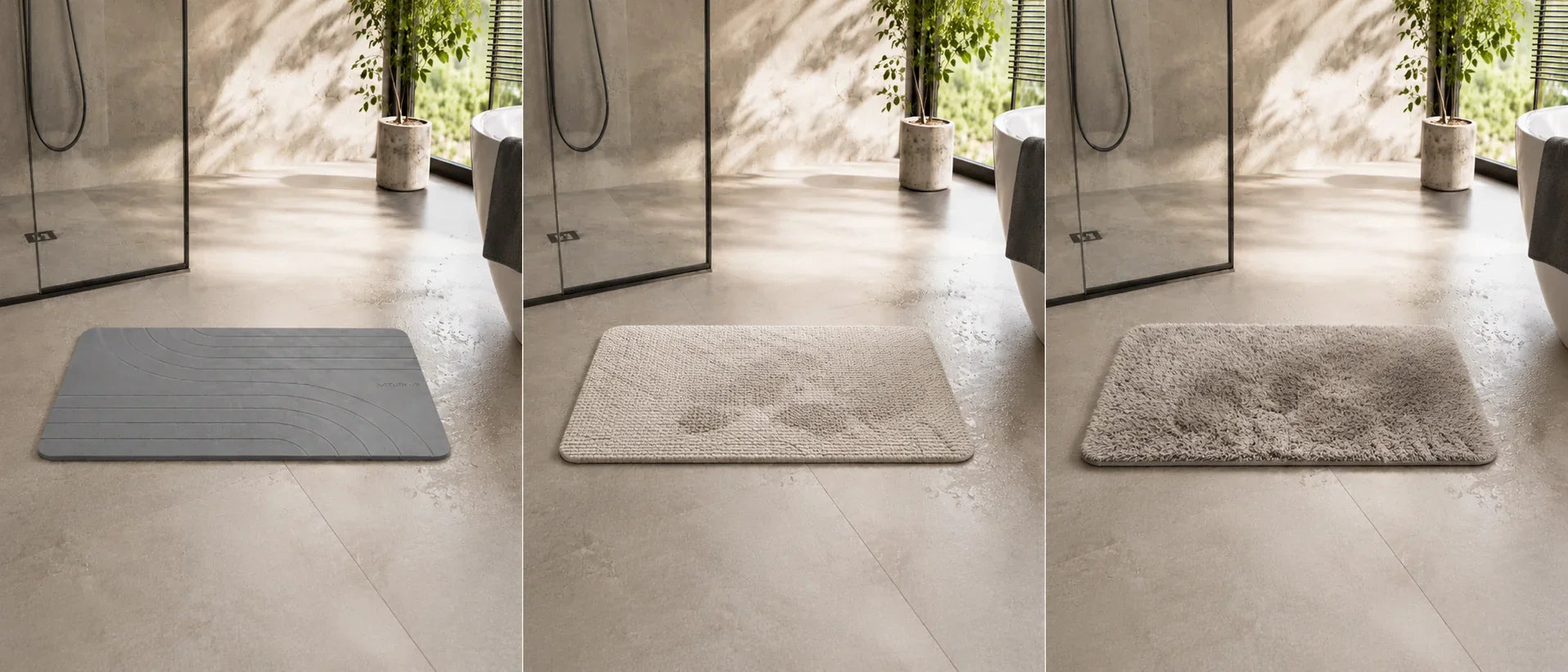
Three Absorbent Mat Materials That Hold Up in Wet Areas
That damp bathroom mat you step on every morning stays wet for hours, creating the perfect environment for bacteria and mould to thrive. Most people don't realise their choice of absorbent mat material directly impacts bathroom hygiene, safety, and how often they're stuck doing laundry. Understanding which materials actually dry fast and which ones just trap moisture can transform your bathroom from a breeding ground into a cleaner, healthier space.
Table of Contents
What Makes a Mat Truly Absorbent
Your bathroom floor gets wet multiple times every day, and that puddle of water sitting on a damp mat is basically a bacteria playground. The difference between a good absorbent mat and a bad one comes down to science, not just how soft it feels under your feet. Understanding what actually makes a mat work in wet areas can save you from dealing with musty smells and constant laundry cycles. Most people think all mats do the same job, but the material science behind absorption tells a completely different story.
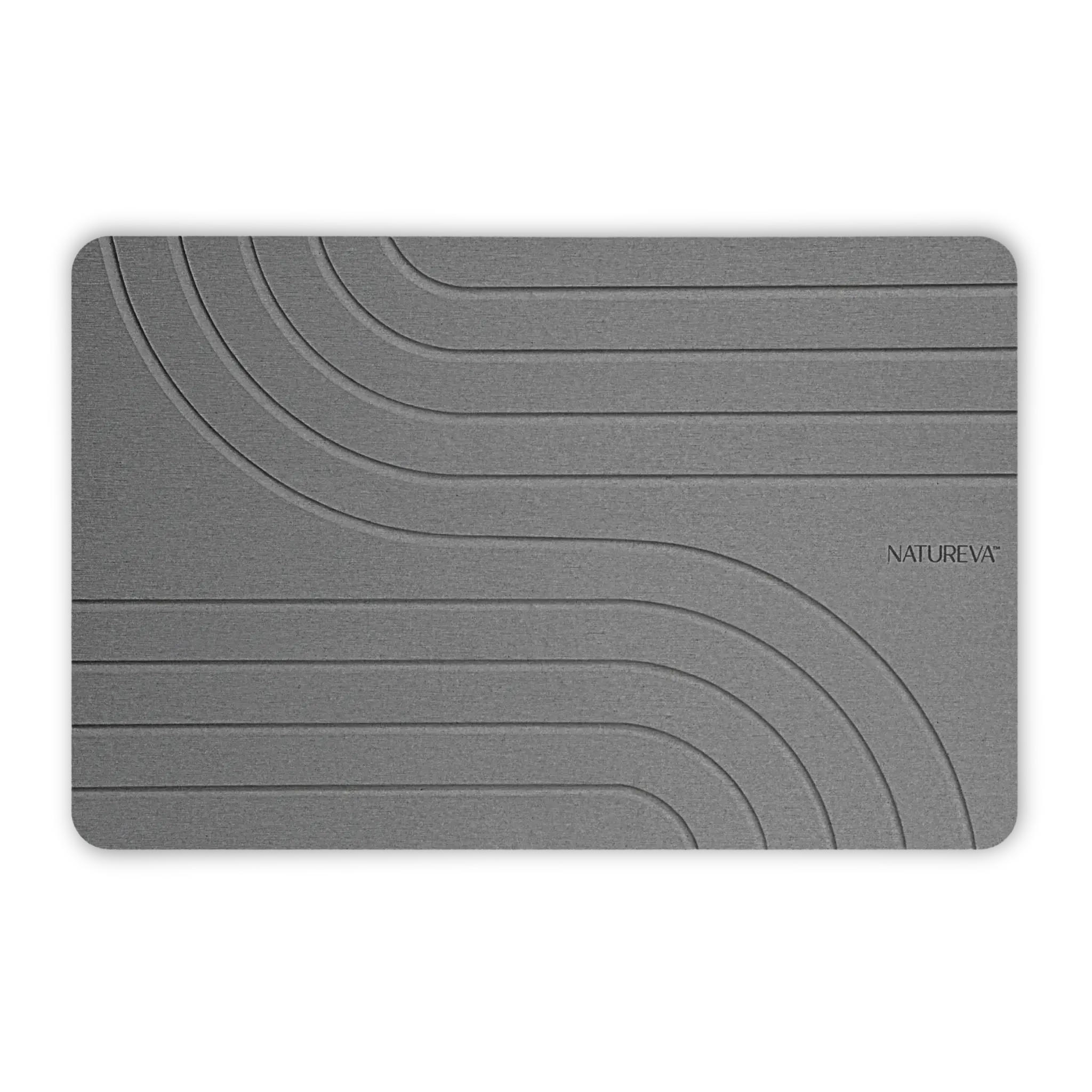
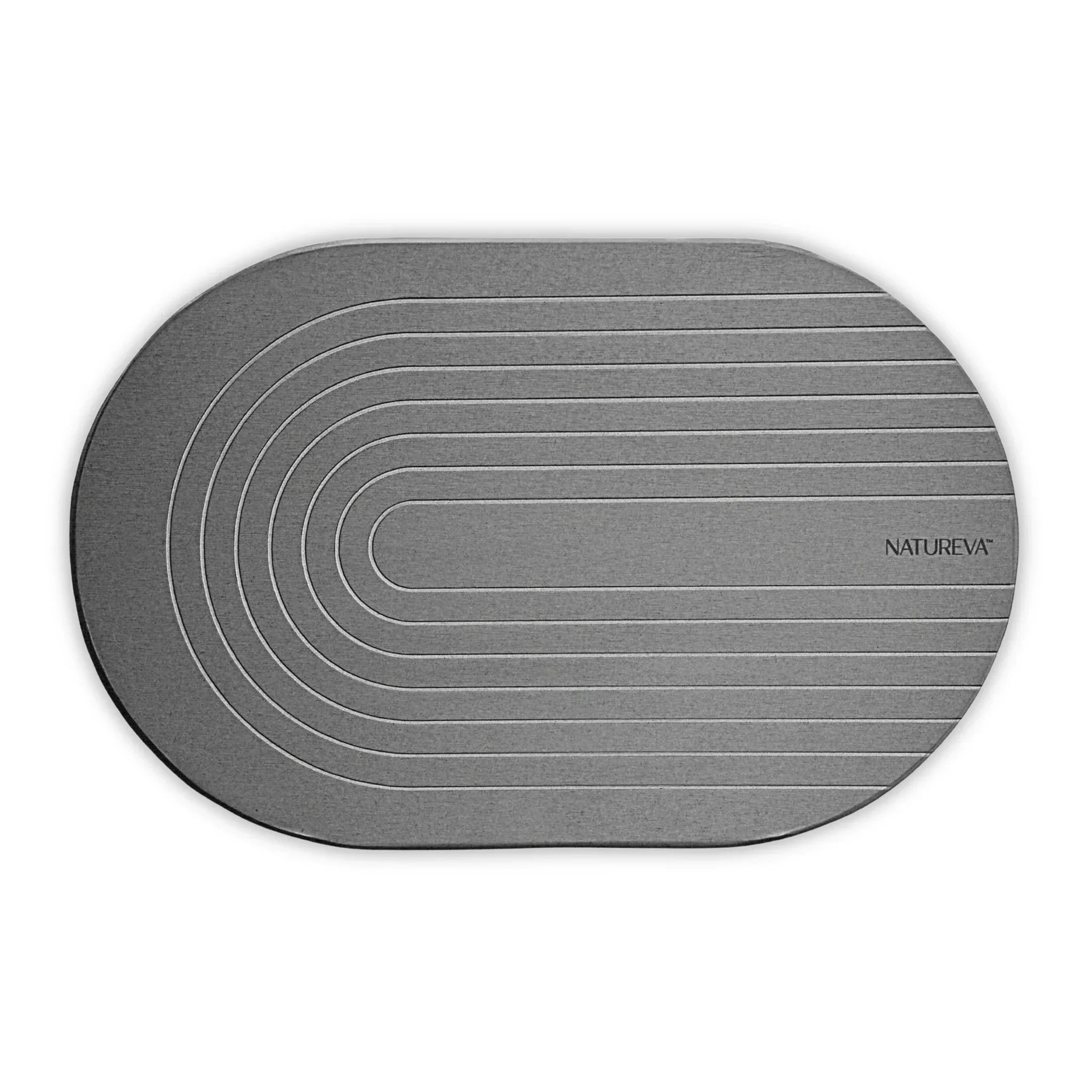
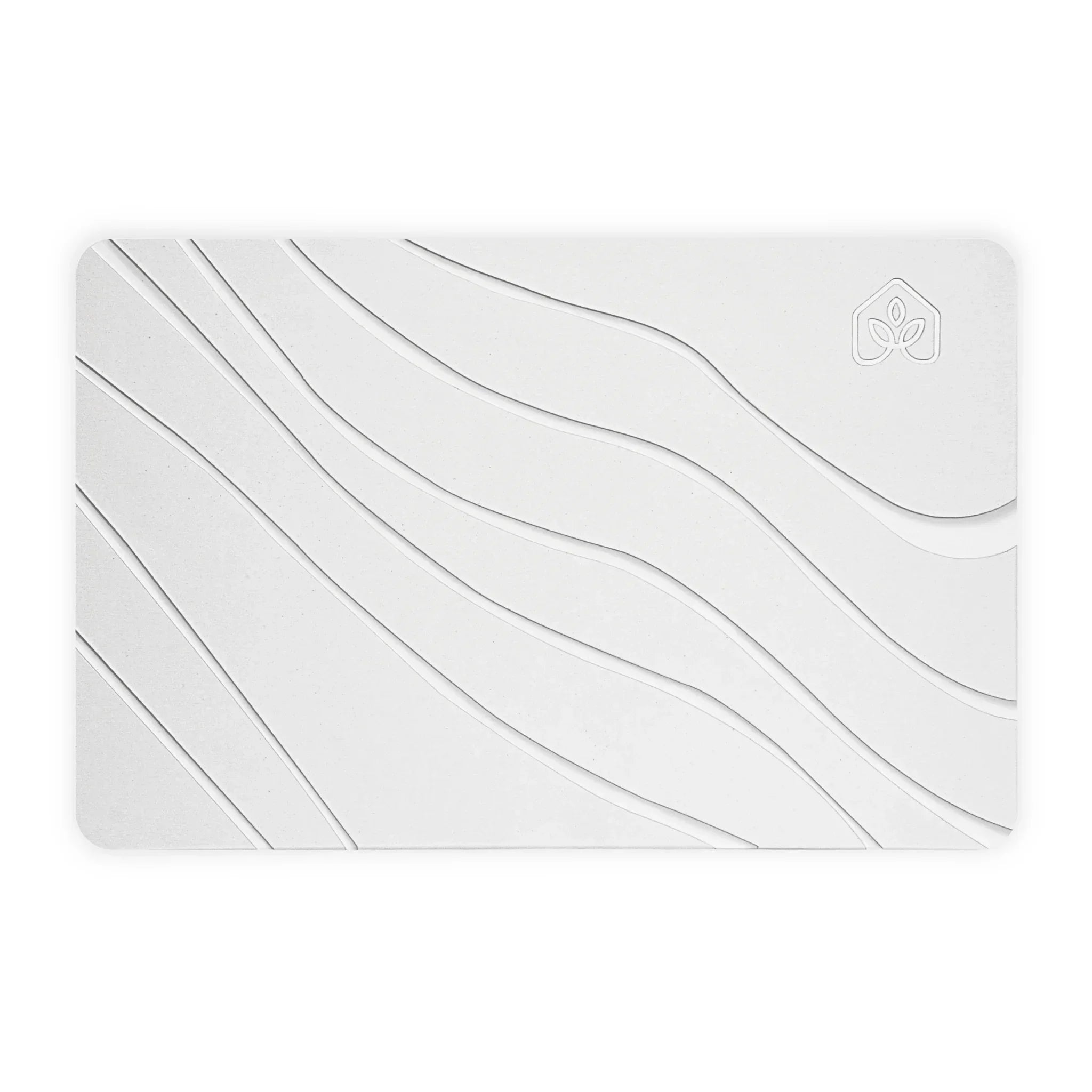
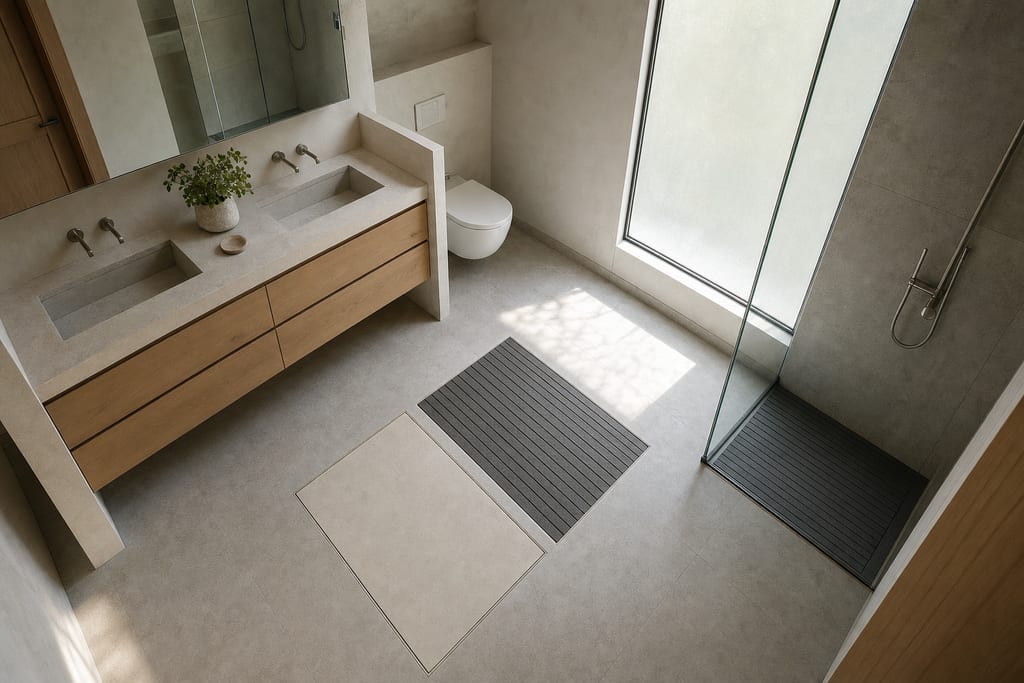
Stone Bath Mat - Tide
The Science of Soaking Up Water
Absorbency rate is the speed at which a material pulls water away from the surface. Think of it like a sponge versus a plastic sheet - one drinks up the water while the other just lets it sit there. The faster a mat absorbs water, the less time you spend standing in a puddle or tracking wet footprints across your bathroom floor.
Material porosity plays a huge role here. Porous materials have tiny holes and channels that let water flow in and air flow through. Research on absorbent materials shows that the size and structure of these pores directly affects how well something can soak up liquid and then release it back into the air.
Why Drying Time Matters More Than You Think
Here's where things get interesting. A mat that absorbs water quickly but stays wet for hours is actually worse than one that absorbs slowly but dries fast. Bacteria and mould need moisture to grow, and they can start multiplying in as little as 24 hours on a damp surface.
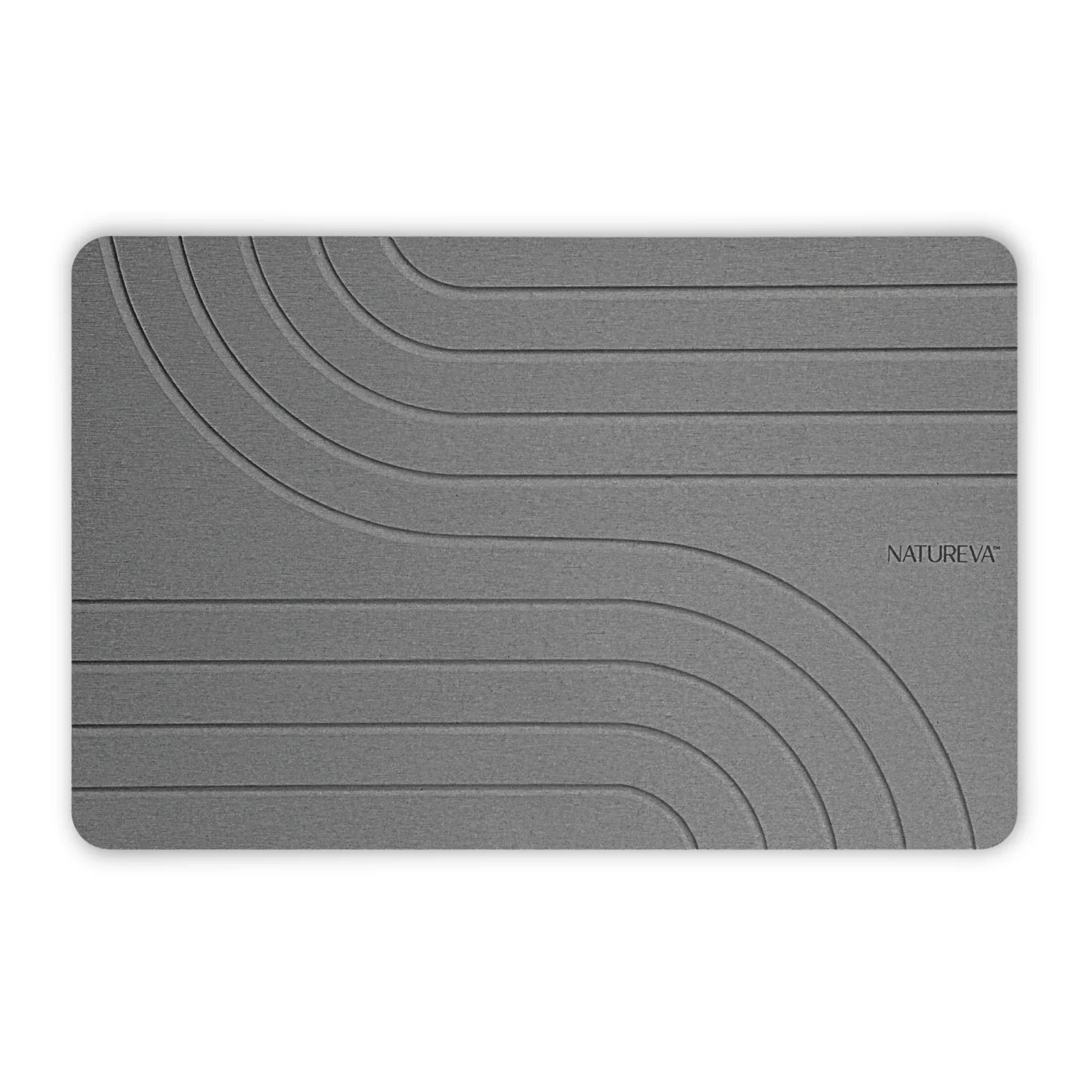
Traditional fabric mats can stay damp for days depending on your bathroom's humidity. Stone bath mats like our Natureva range use diatomaceous earth that evaporates moisture within seconds instead of hours. The material's ability to release water back into the air is just as important as its ability to soak it up in the first place.
Comparing Absorbent Mat Materials
Different materials handle water in completely different ways. Some trap it inside fibres while others let it evaporate naturally. The table below shows how common absorbent mat materials stack up against each other:
| Material Type | Absorption Speed | Drying Time | Bacteria Resistance |
|---|---|---|---|
| Cotton Fabric | Moderate (30-60 sec) | 12-24 hours | Low |
| Microfibre | Fast (10-20 sec) | 6-12 hours | Medium |
| Diatomaceous Stone | Very Fast (5-10 sec) | 1-3 minutes | High |
| Memory Foam | Slow (60+ sec) | 24+ hours | Low |
Durability in high-moisture areas separates temporary solutions from long-term investments. Fabric mats break down over time from constant washing and exposure to water. Stone-based materials maintain their absorbent properties for years because the porous structure doesn't degrade like organic fibres do. The initial cost might be higher, but you're not replacing them every few months.
Microfibre Mats: Soft but Slow to Dry
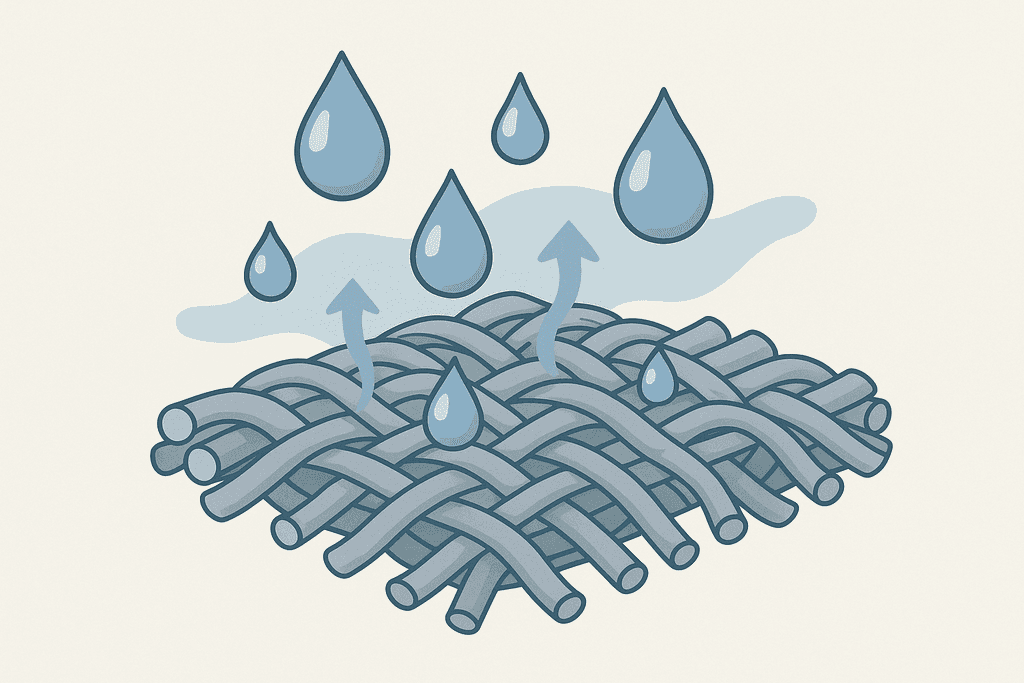
Most people step out of the shower onto a microfibre mat without thinking twice about what's happening beneath their feet. These mats use ultra-fine synthetic fibres that trap water between thousands of tiny strands, which sounds great in theory. The soft texture feels nice when you first step on it, and the price tag usually won't make you wince. But here's what most people don't realise until it's too late.
Microfibre Mats: Soft but Slow to Dry
That damp feeling under your feet an hour after your shower isn't just annoying. Microfibre mats typically take 4-6 hours to fully dry, which creates the perfect environment for bacteria to multiply. The same fibres that trap water so effectively also hold onto that moisture for way too long.
- Soft and comfortable texture that feels plush underfoot
- Budget-friendly option available at most home stores
- Effective water trapping through dense synthetic fibres
- Long drying time creates bacteria and mould risks
- Frequent washing required to prevent musty odours
- Regular replacement needed as fibres break down
The maintenance cycle becomes exhausting pretty quickly. You'll find yourself washing these mats every few days just to keep them from smelling like a wet dog. Even with regular cleaning, microfibre mats lose their absorbency over time as the fibres compress and wear down.
Cotton Mats: Classic Comfort with Maintenance Demands
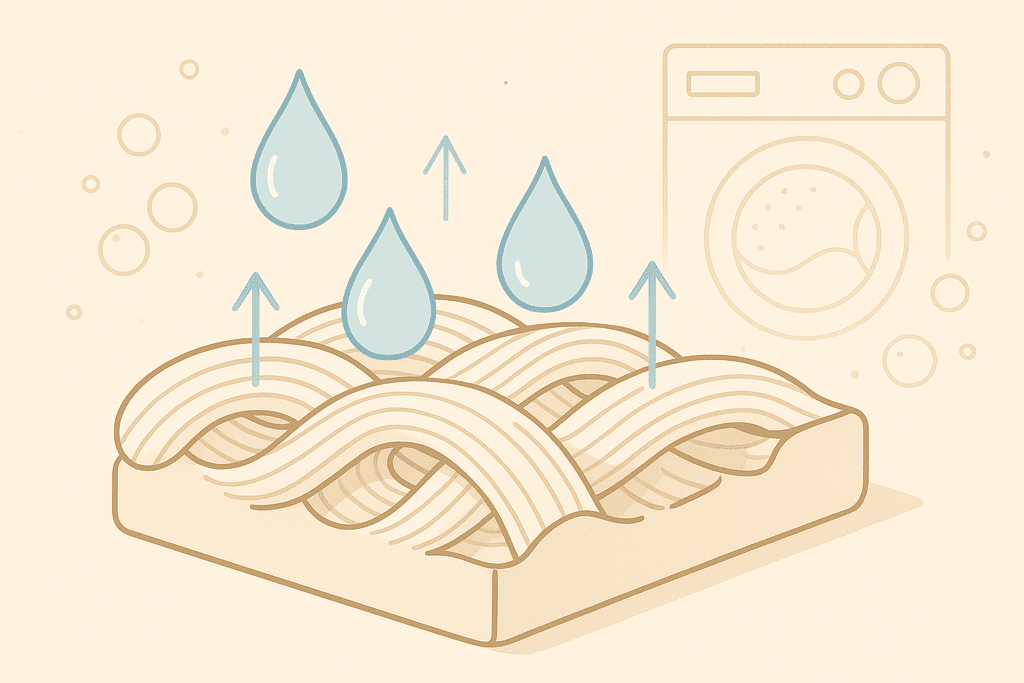
Cotton bath mats have been around forever, and there's a reason they feel so familiar. Natural cotton fibres provide decent initial absorption, and that plush, thick feeling reminds you of hotel bathrooms. Many homeowners stick with cotton simply because it's what they've always known. The problem is that familiarity comes with some serious drawbacks that most people just accept as normal.
Cotton Mats: Classic Comfort with Maintenance Demands
Cotton's natural fibres soak up water well at first contact, but then they hold onto it like a sponge. Walk across your bathroom floor two hours after showering and you'll probably still feel dampness if you touch the mat. This extended wetness isn't just uncomfortable.
Bacterial growth thrives in damp cotton, which is why these mats develop that distinctive musty smell so quickly. You know the one. It's the smell that tells you it's time for another wash, even though you just cleaned it three days ago.
- Good initial water absorption from natural fibres
- Familiar plush texture most people recognise
- Stays damp for hours after use
- Requires machine washing every few days
- Develops musty odours between washes
- Loses absorbency as fibres break down over time
The real cost of cotton mats isn't just the purchase price. It's the ongoing cycle of washing, drying, and eventually replacing them when they start to fall apart. Traditional fabric options require significantly more maintenance than newer alternatives.
The next generation of home essentials: naturally made, cleaner by design, sustainable by nature.
SHOP ALLDiatomaceous Earth Stone Mats: Fast Drying Innovation
There's a completely different approach to handling wet bathroom floors that most people haven't heard about yet. Diatomaceous earth comes from fossilised algae that lived in ancient oceans millions of years ago. When these tiny organisms died, their silica-based shells accumulated on the ocean floor and eventually became the porous stone material we use today. The microscopic structure of this material contains millions of tiny pores that work nothing like fabric fibres.
Water doesn't just get trapped in diatomaceous earth. It gets absorbed instantly on contact and then evaporates through those millions of pores via capillary action. The entire process takes about 60 seconds from wet to completely dry, making it the ultimate quick drying bath mat.
Step off the mat, and by the time you've dried off and gotten dressed, the mat is already ready for the next person. No damp feeling. No musty smell developing over time. The material itself has naturally antimicrobial properties that prevent bacteria and mould from growing in the first place.
| Material | Drying Time | Washing Frequency | Lifespan |
|---|---|---|---|
| Microfibre | 4-6 hours | Every 3-4 days | 6-12 months |
| Cotton | 3-5 hours | Every 2-3 days | 6-18 months |
| Diatomaceous Earth | 60 seconds | Never (light sanding only) | 3-5 years |
The maintenance difference is pretty dramatic. Instead of throwing your mat in the washing machine twice a week, you just give it a light sanding every few months to refresh the surface. That's it. The material doesn't break down or lose effectiveness over time like fabric does. For detailed instructions, check out our care and cleaning guide.
Our Stone Bath Mat in Tide, Rain, and Flow designs use premium diatomaceous earth that's been carefully processed for bathroom use. The surface feels smooth but not slippery, and the stone stays cool to the touch even in warm bathrooms. For a deeper look at what features to check before buying a diatomite bath mat, we've put together a detailed guide.
- Instant absorption through millions of microscopic pores
- Complete drying in 60 seconds through rapid evaporation
- Zero washing required for regular maintenance
- Natural antimicrobial properties prevent bacteria growth
- Years of consistent performance without degradation
- Eco-friendly material from natural sources
The difference becomes obvious the first time you use one. You step out of the shower onto a surface that immediately pulls the water away from your feet. By the time you reach for your towel, the footprints on the mat are already fading. There's no comparison to standing on a damp fabric mat that squishes under your weight.
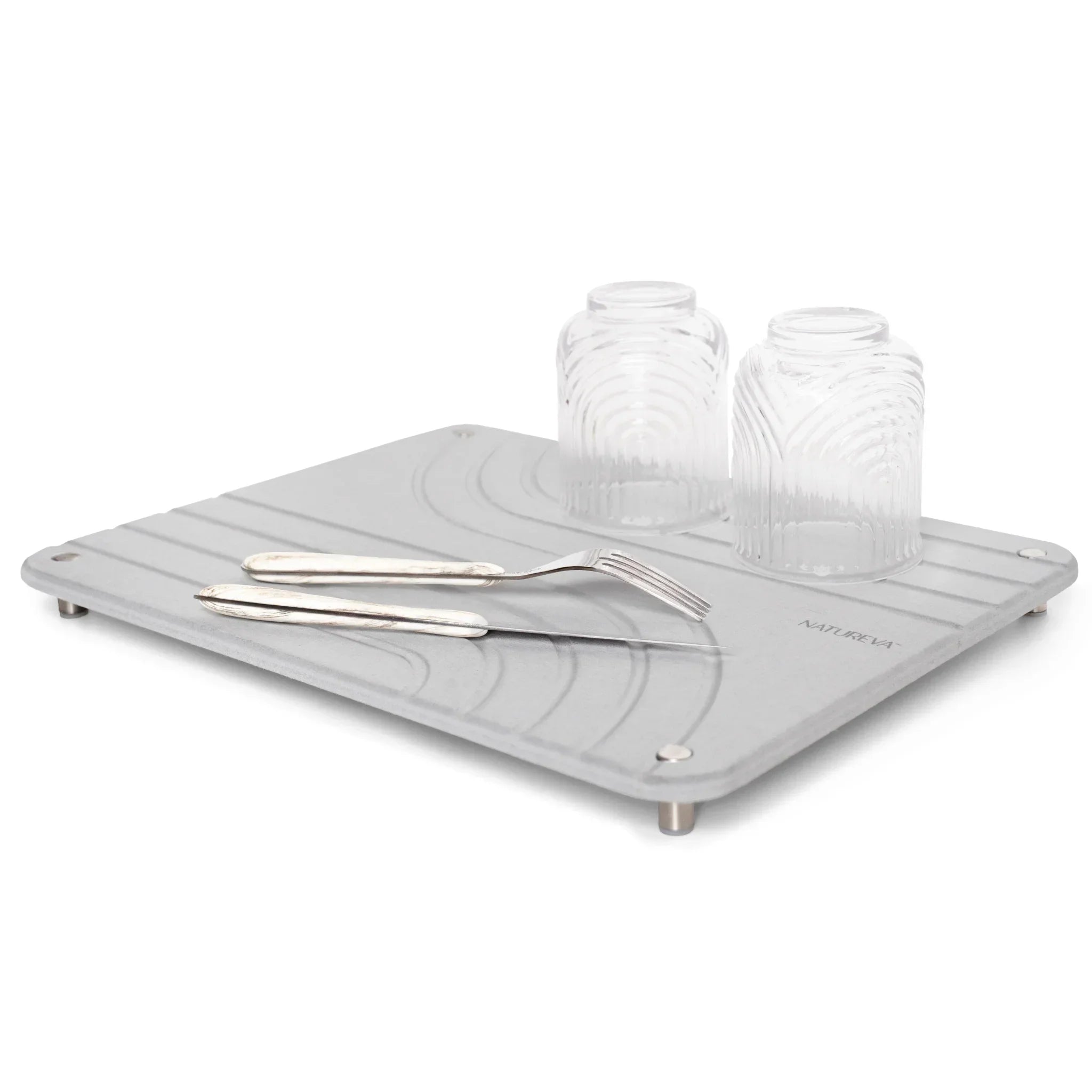
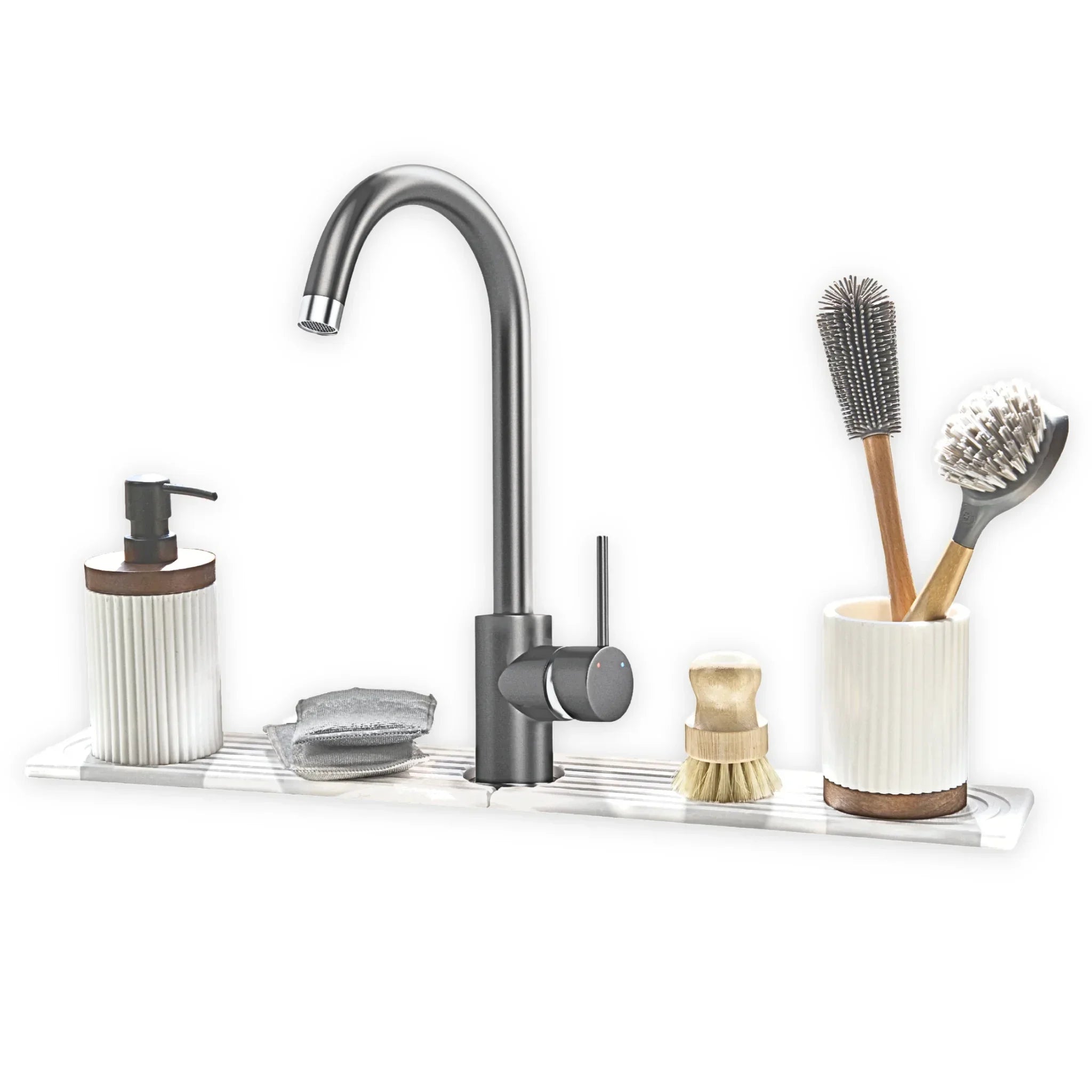
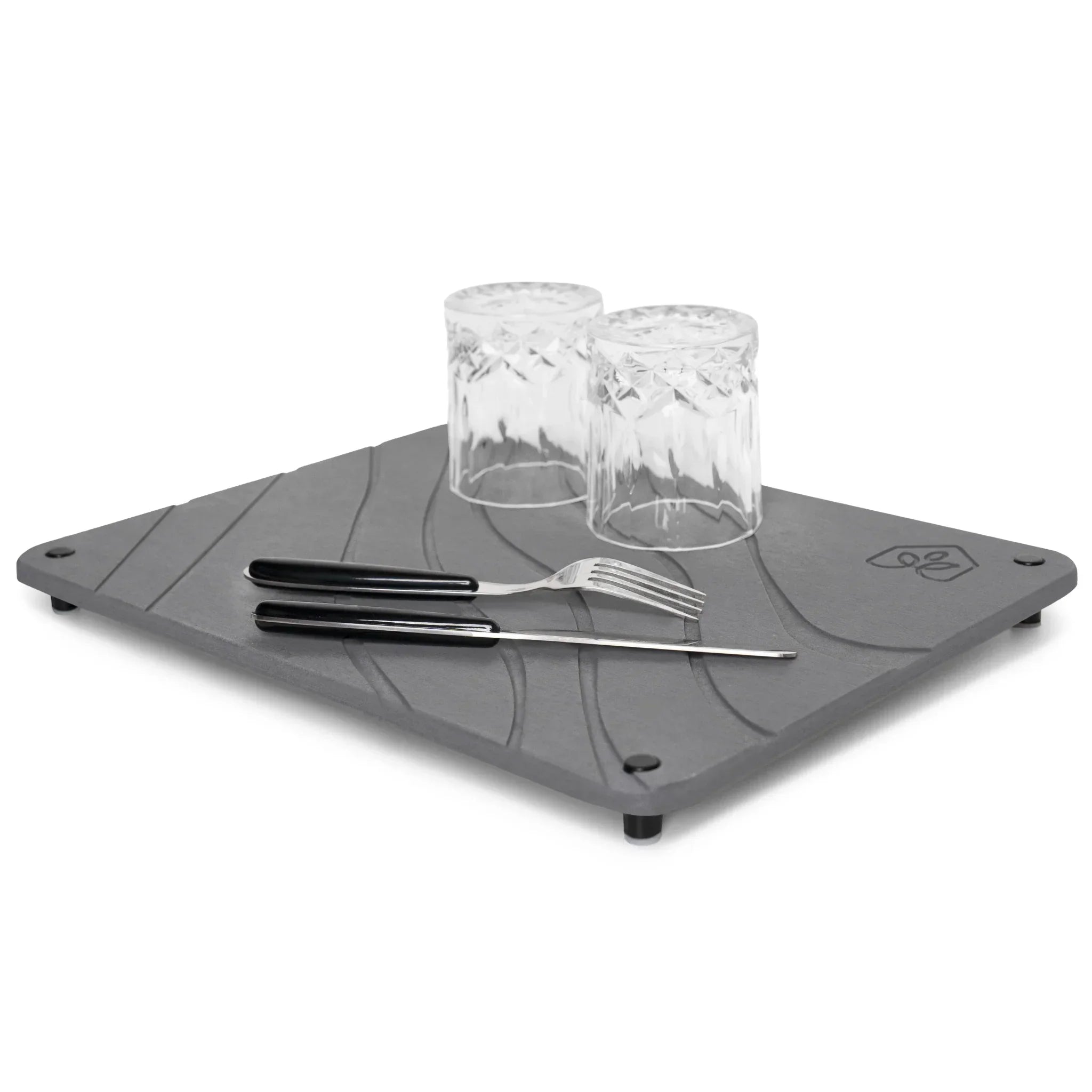
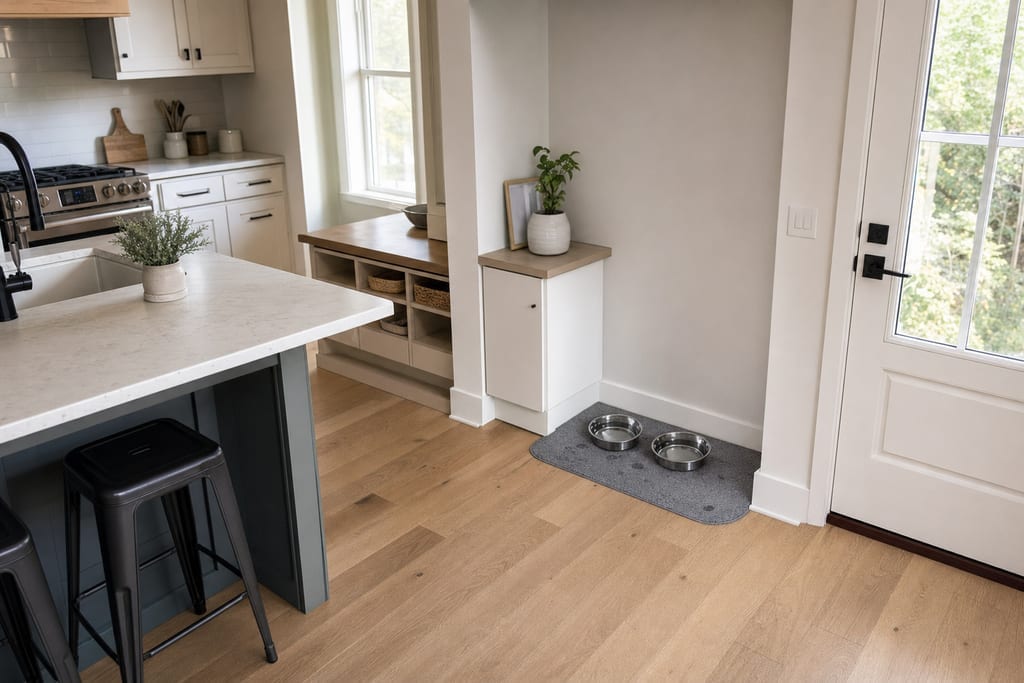
The same diatomite technology works just as well in other wet areas too. Our kitchen collection includes dish mats, stone sink caddies, and faucet mats that use the same fast-drying principles to keep your benchtops dry.
Choosing the Right Absorbent Mat for Your Space
When you're picking an absorbent mat for wet areas, the material makes all the difference. Traditional options like microfibre and cotton might seem familiar, but they come with hidden costs that add up over time. You're constantly washing them, waiting for them to dry, and replacing them when they start to smell or fall apart. That's a lot of work for something that's supposed to make your life easier.
Diatomaceous earth mats work differently. They dry in seconds instead of hours, which means bacteria and mould don't get a chance to grow. Our diatomite bath mats use this natural material to absorb water instantly and release it back into the air just as fast. No washing machine needed.
The real question isn't just about which absorbent mat soaks up water best. It's about which one saves you time and money in the long run. Stone mats cost more upfront, but you won't be buying replacements every few months or running extra loads of laundry each week.
Think about what matters most in your space. If you want something that stays dry, stays clean, and actually lasts, diatomaceous earth is hard to beat. The Tide, Rain, and Flow designs all use the same material, so you're really just choosing the pattern that fits your bathroom. But you probably have some questions about how these mats actually work in real life.
Common Questions About Absorbent Mats
Choosing the right absorbent mat for your bathroom involves more than just picking something that looks nice. You need to think about maintenance, safety, and how long it'll actually last before you need to replace it. Here are the questions people ask most often when they're trying to figure out which mat material works best for their wet areas.
How often should bathroom mats be cleaned?
Traditional fabric mats need washing every three to four days because they stay damp and collect bacteria quickly. Microfibre mats can stretch to about a week if they dry completely between uses. Stone mats made from diatomaceous earth, like our Natureva Stone Bath Mat, just need a quick wipe down once a week and occasional light sanding to refresh the surface.
Do stone mats work for people with sensitive feet?
Stone mats have a smooth, slightly textured surface that most people find comfortable right out of the shower. The material warms up quickly to room temperature, so it doesn't feel cold like tile floors. Some users with extremely sensitive feet prefer placing the mat on a small rug for extra cushioning, but most people adapt to the firm surface within a few uses.
Can absorbent mats prevent bathroom mould?
Absorbent mats help reduce mould by keeping water off your bathroom floor, but the mat material itself matters too. Fabric and microfibre mats can actually grow mould if they don't dry completely between showers. Stone mats dry within minutes and don't provide the damp environment that mould needs to grow, making them the best choice for preventing mould issues in your bathroom.
What's the lifespan of different mat materials?
Cotton and fabric mats typically last six months to a year before they start looking worn and losing absorbency. Microfibre mats can last up to two years with proper care. Stone bath mats can last three to five years or longer since they don't break down from moisture exposure and can be refreshed with light sanding when needed.
Are stone bath mats safe for children and elderly users?
Stone mats are actually safer than fabric options because they don't bunch up or slide around on the floor. The textured surface provides good grip for wet feet, which helps prevent slips. Just make sure to place the mat on a flat, stable surface and avoid using it on top of other rugs that might shift.
How do you maintain a diatomaceous earth mat?
Maintenance is pretty simple and takes less time than washing fabric mats. Wipe the surface with a damp cloth once a week to remove any buildup. If the mat starts absorbing water more slowly after several months, use fine-grit sandpaper to lightly sand the surface and restore its absorbency. Store it upright or propped against a wall when not in use to keep air circulating around it.
The next generation of home essentials: naturally made, cleaner by design, sustainable by nature.
SHOP ALL