
Two Ways Stone Sink Caddies Keep Counters Hygienic
That sponge holder sitting by your kitchen sink probably has more bacteria on it than your toilet seat. Most traditional sink trays and caddies trap water in their grooves, creating the perfect breeding ground for germs and mold that spread across your counter every time you reach for your dish soap. A caddy for sink areas made from diatomaceous stone changes this completely by absorbing moisture instantly and drying within seconds, but the hygiene benefits go much deeper than just staying dry.
Table of Contents
Why Your Current Sink Setup Might Be Making You Sick
The kitchen sink area has 500 times more bacteria than a toilet seat, according to microbiologists who study household germs. Most people don't realize that the plastic or metal caddy for sink accessories they use every day is actually creating the perfect breeding ground for harmful bacteria and mold. When you place a wet sponge or soap dispenser on a traditional tray, water pools underneath and stays there for hours. That trapped moisture becomes a petri dish for germs that can make your family sick.
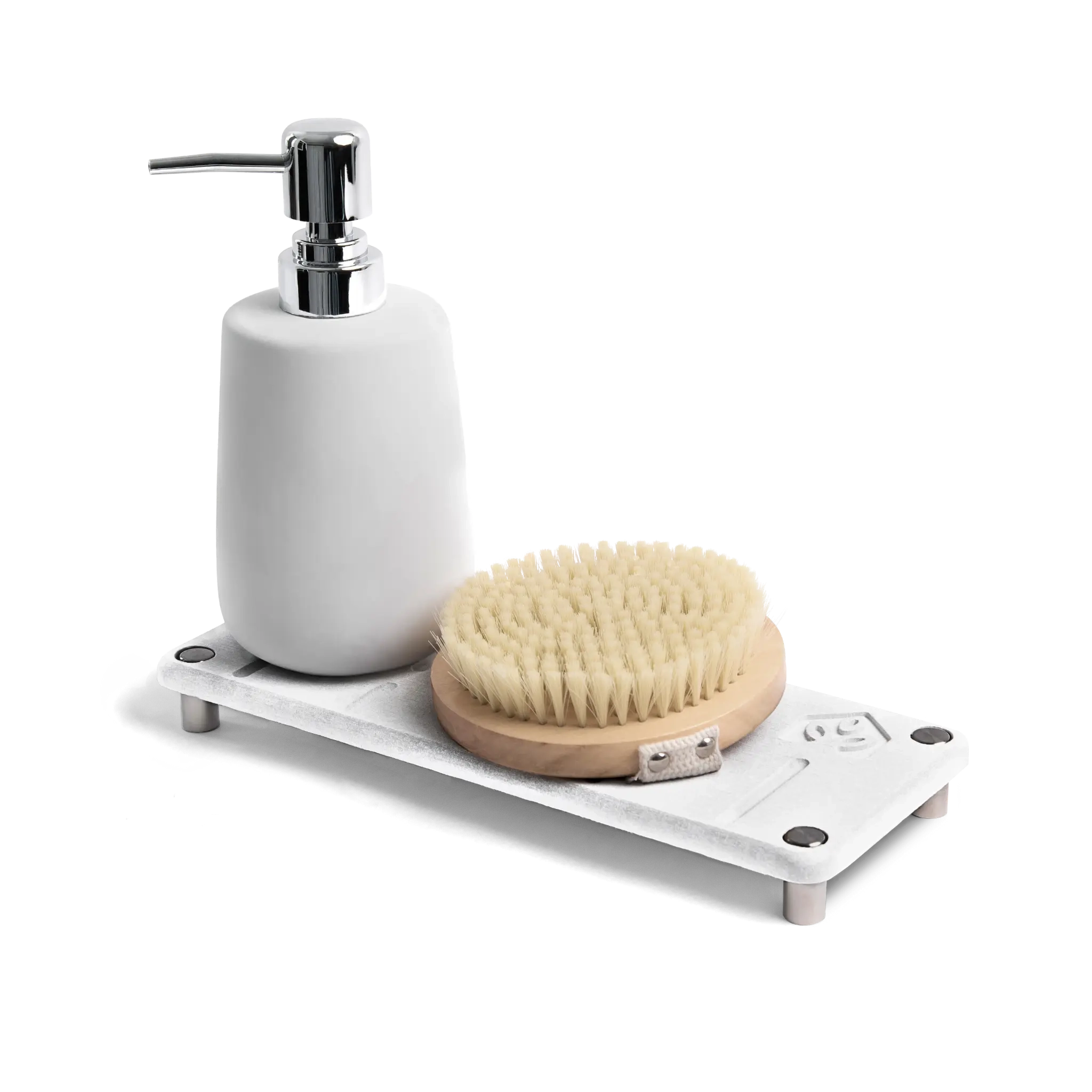
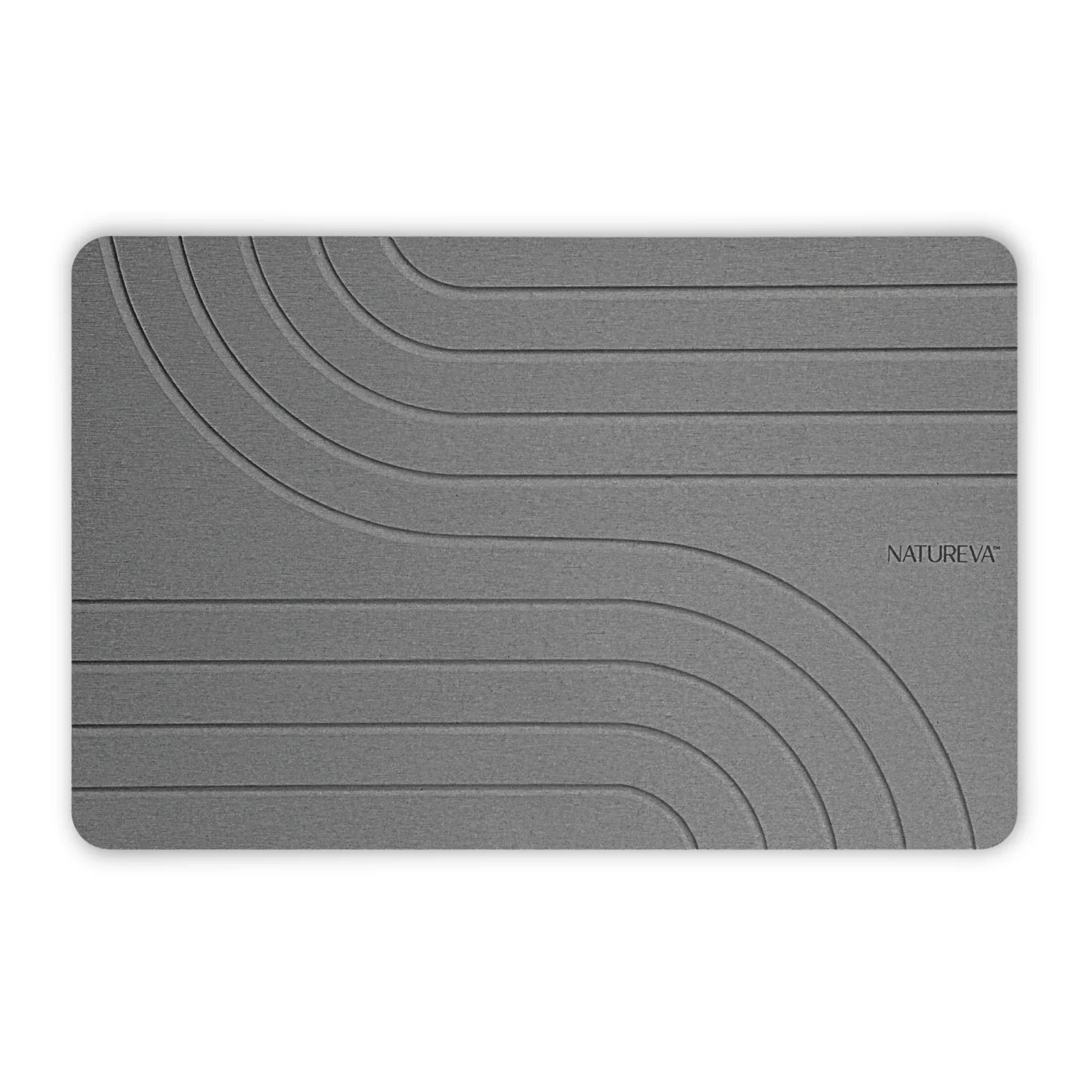
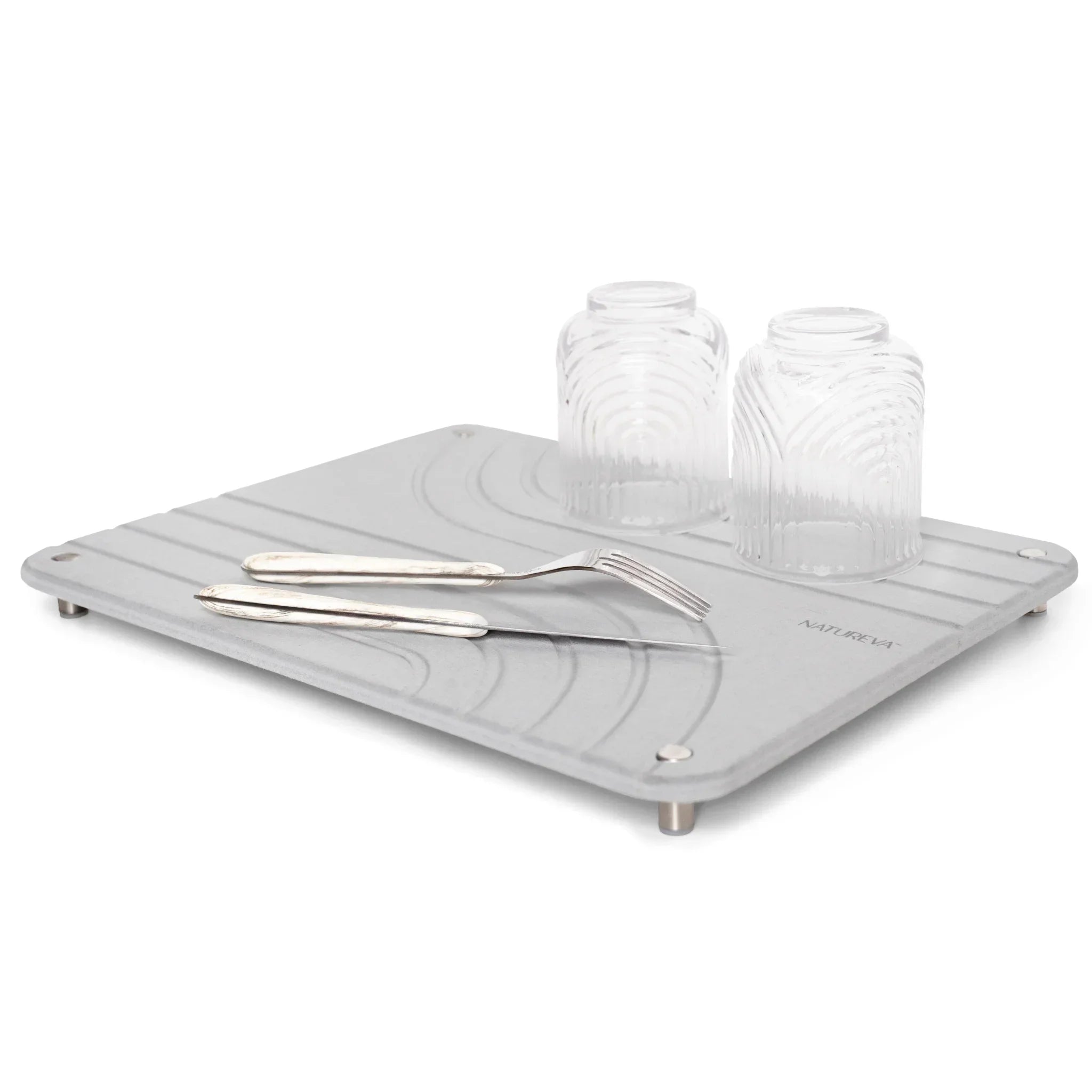
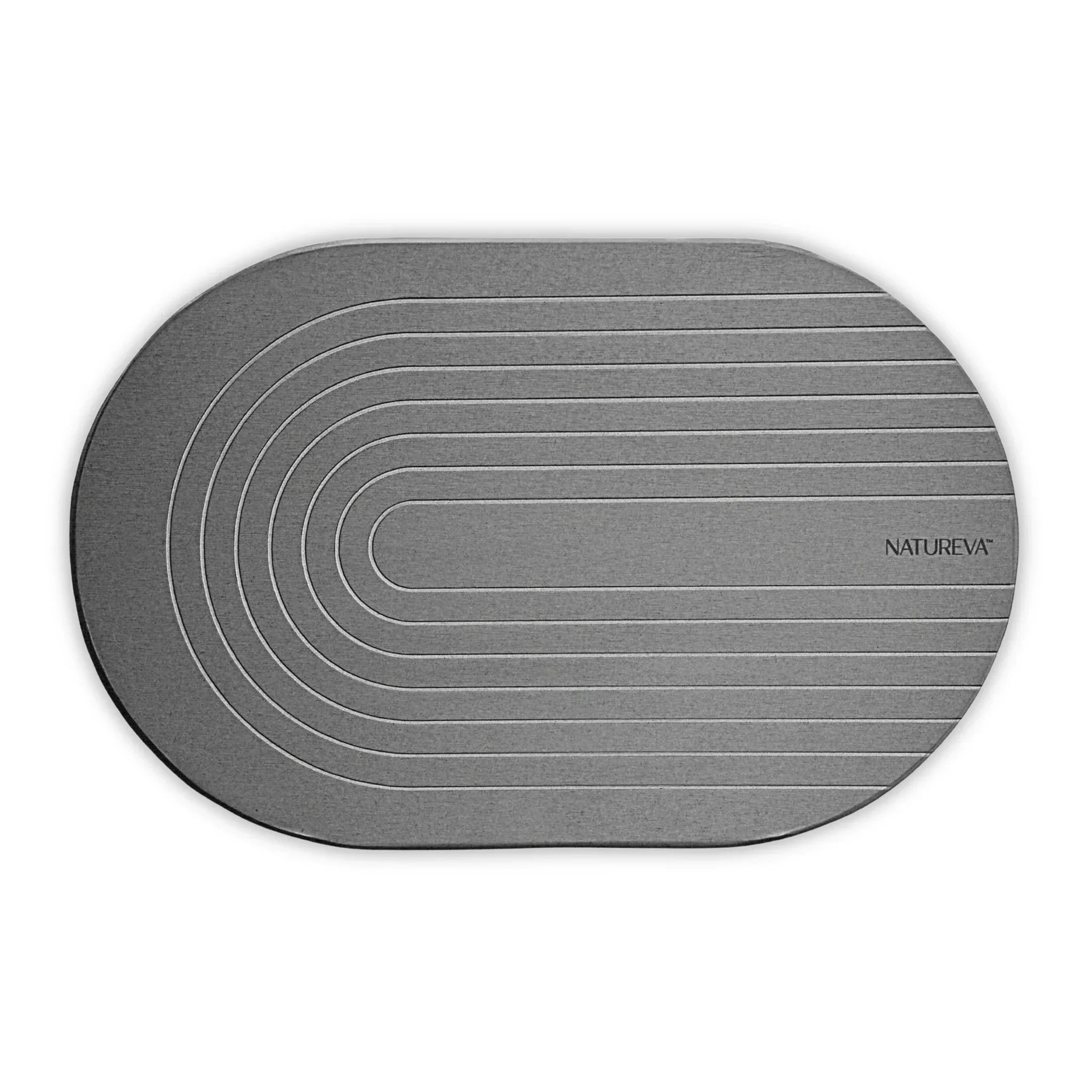
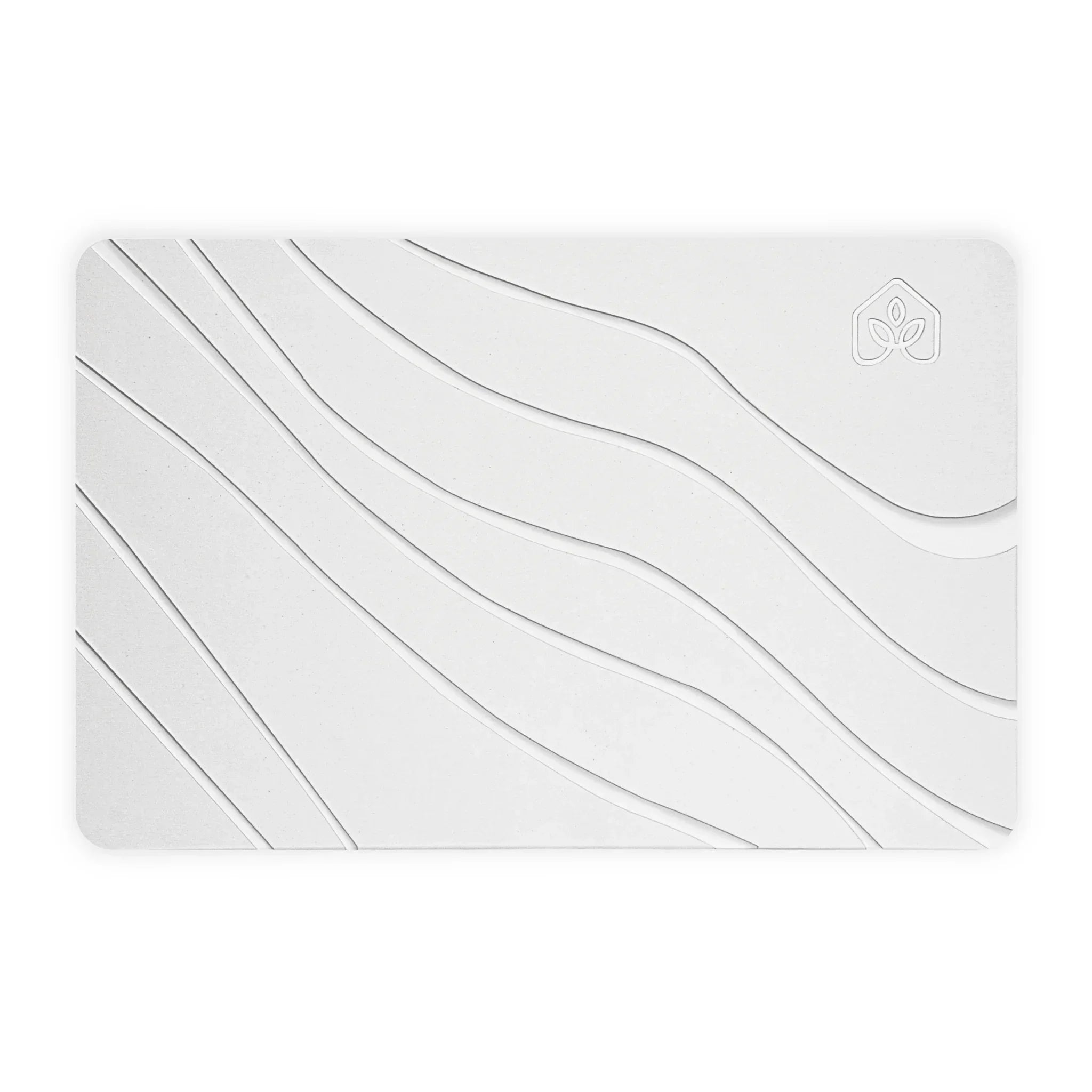
Stone Sink Caddy - Rain
How Traditional Sink Trays Trap Moisture
Regular plastic and metal sink organizers seem convenient, but they have a major design flaw. The solid, non-porous surface can't absorb any water at all. Here's what happens every time you use them:
- Water drips from your sponge, dish brush, or soap bottle onto the tray surface
- The liquid has nowhere to go, so it pools in puddles around your items
- Your sponge and other accessories sit in this stagnant water for hours
- The wet environment never fully dries out between uses
- Bacteria multiply rapidly in the constant moisture
Unlike stone sink caddies made from diatomaceous earth that actively absorb and evaporate water, traditional materials just hold it there. The difference is pretty dramatic when you see it side by side.
The Science of Bacterial Growth Around Your Sink
Bacteria need three things to thrive, and your sink area provides all of them. Moisture, warmth, and food particles create the perfect storm for microbial growth. Studies show that bacteria can double in number every 20 minutes when conditions are right.
| Location | Bacteria Count | Risk Level |
|---|---|---|
| Kitchen Sink Area | 500,000 per sq. inch | Very High |
| Wet Sponge | 10 million per sq. inch | Extreme |
| Toilet Seat | 1,000 per sq. inch | Low |
The warm, damp environment under your dish soap and sponges is basically a bacteria hotel. Common germs like E. coli, Salmonella, and Staphylococcus love these conditions.
Health Risks Hiding in Plain Sight
Mold and bacteria growing on your sink accessories aren't just gross to look at. They can actually make you and your family sick. Proper kitchen counter hygiene is more important than most people think.
Here are the real health problems that can come from contaminated sink areas:
- Food poisoning from cross-contamination when you use a bacteria-covered sponge
- Respiratory issues from breathing in mold spores
- Skin infections from touching contaminated surfaces
- Stomach bugs that spread through your household
The worst part is that you can't always see the problem. Bacteria colonies can grow to dangerous levels long before you notice any visible mold or smell anything funky. By the time you see that black gunk forming, millions of germs have already been hanging out there for days or weeks.
Traditional sink organizers made from plastic or metal simply can't solve this moisture problem because their materials work against you. Water sits on top instead of being absorbed and dried, which is why many people have started looking at alternatives like our Stone Sink Caddy that actually pulls moisture away from your items.
Way #1: Instant Water Absorption Stops Bacteria Before It Starts
Most people don't realize that the wet puddle around their dish soap bottle is actually a breeding ground for bacteria. When water sits on traditional plastic or metal trays, it creates the perfect environment for microbes to multiply. The key to stopping this problem isn't just wiping things down more often. It's about preventing moisture from pooling in the first place, which is where the science of diatomaceous earth comes into play.
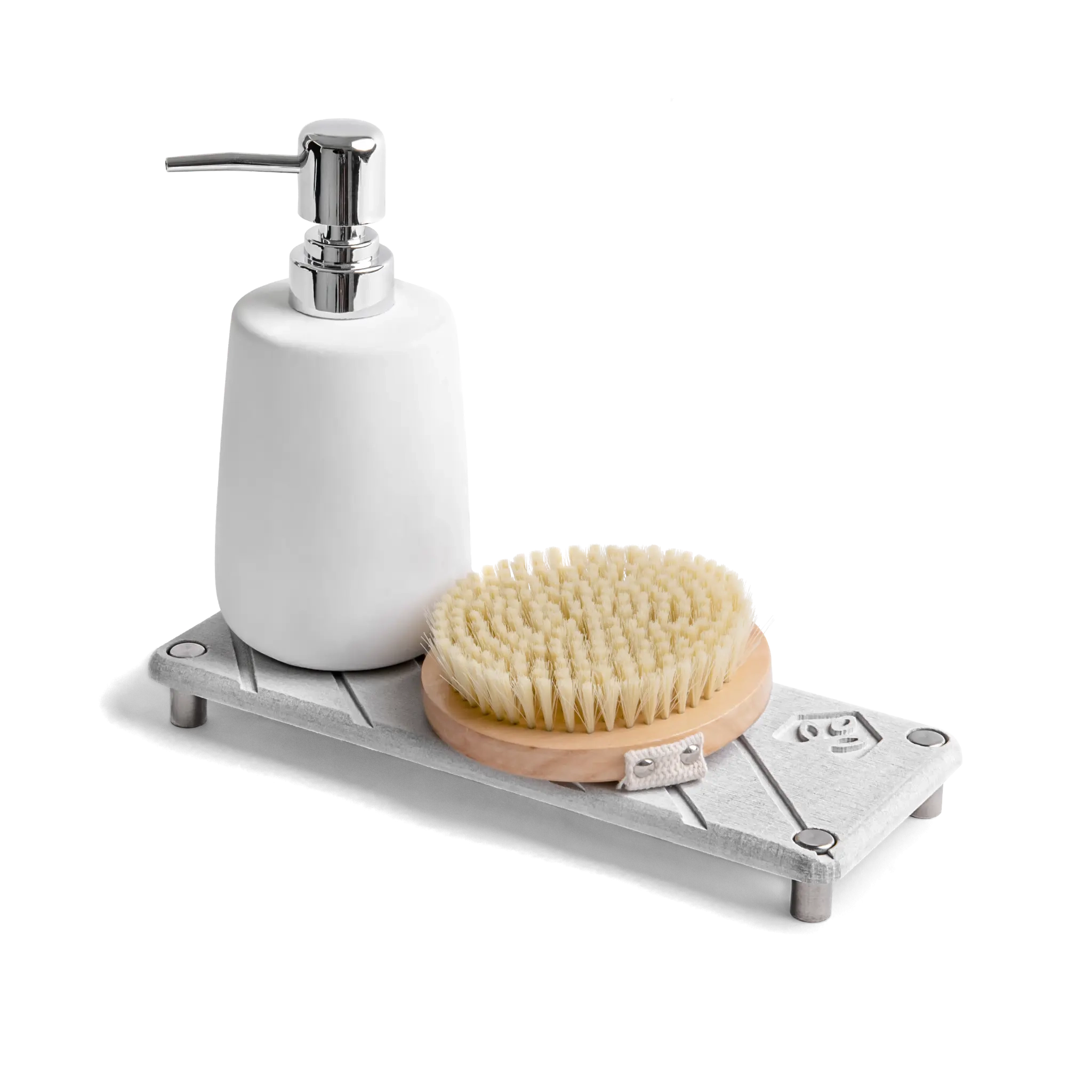
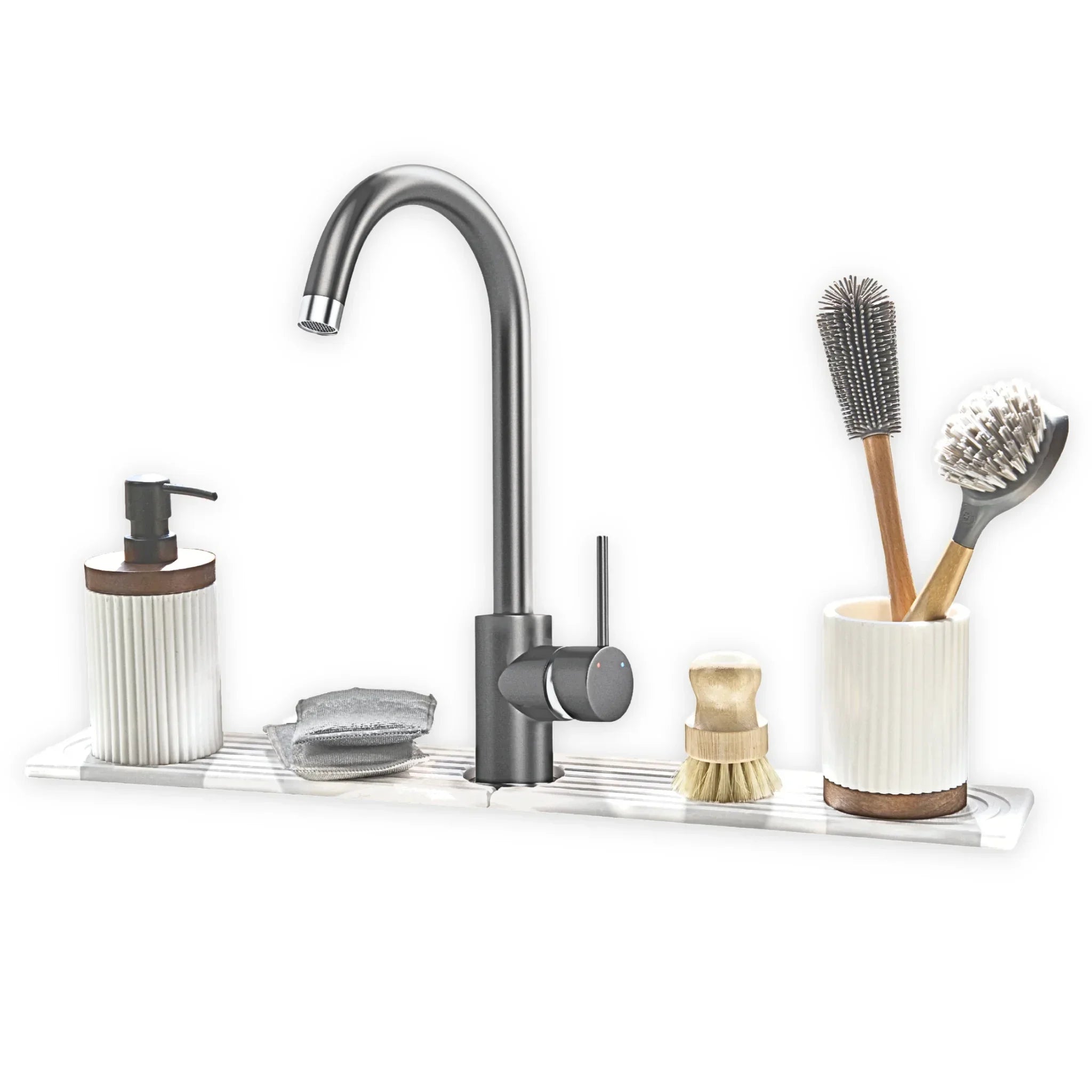
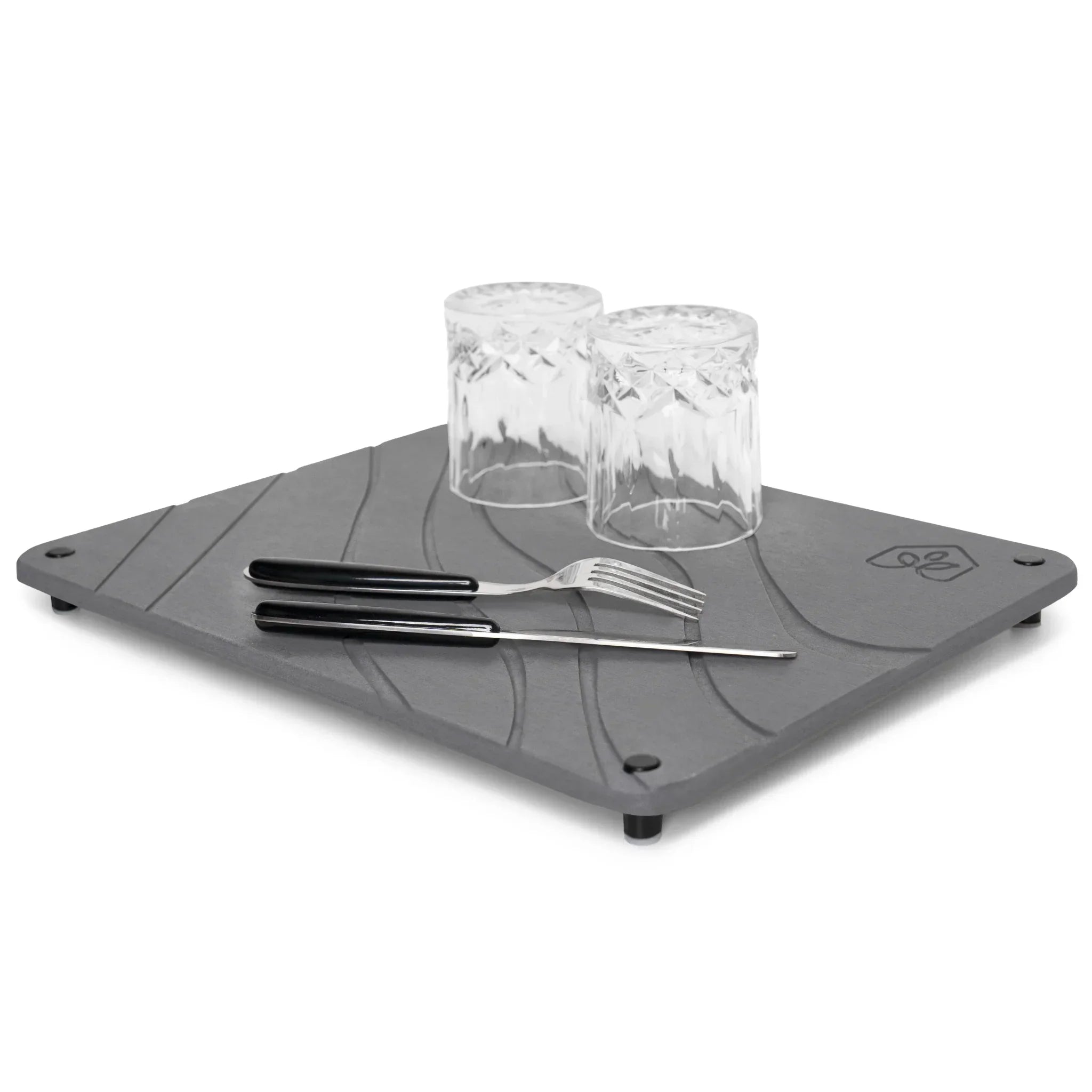
Stone Sink Caddy - Flow
Diatomaceous earth works differently than regular materials because of its unique structure. Think of it like a sponge made of millions of tiny holes that you can't see with your eyes. When a drop of water hits the surface, these microscopic pores pull the moisture in almost instantly.
How the absorption process works:- Diatomaceous earth contains countless microscopic pores that act like tiny sponges
- Water gets absorbed in seconds rather than sitting on the surface
- The porous structure holds moisture inside the stone instead of letting it pool
- Bacteria need standing water to grow, and dry surfaces don't give them that chance
The difference in absorption rates is pretty dramatic when you compare materials. A plastic caddy for sink might take hours to dry naturally, while metal trays often leave water sitting until you wipe them down. Our Stone Sink Caddy - Rain and Stone Sink Caddy - Flow absorb water within seconds of contact.
| Material Type | Absorption Time | Drying Time |
|---|---|---|
| Plastic Tray | No absorption | 2-4 hours |
| Metal Tray | No absorption | 1-3 hours |
| Diatomaceous Earth Stone | Under 10 seconds | 30-60 minutes |
This matters more than you might think. Bacterial colonization starts when moisture stays on a surface for extended periods. Studies show that bacteria can begin multiplying within just a few hours on wet surfaces. By removing that moisture immediately, stone caddies eliminate the first requirement bacteria need to survive.
Way #2: Rapid Evaporation Keeps Your Counter Perpetually Dry
Absorption is only half the story. What happens to all that water once it gets pulled into the stone? This is where diatomaceous earth really shines compared to other materials. The same porous structure that absorbs water also lets it escape back into the air through a process called evaporation. Unlike a regular sponge that stays wet for hours, the stone actively releases moisture through its breathable surface.
The evaporation process happens because air can flow through those microscopic pores. As air moves across and through the stone, it carries away the moisture that was absorbed earlier. This creates a continuous cycle where water gets pulled in and then released, keeping the surface consistently dry even with repeated use throughout the day.
The next generation of home essentials: naturally made, cleaner by design, sustainable by nature.
SHOP ALLThis is completely different from how traditional caddies work. A plastic tray just sits there with water on top until it eventually evaporates or you wipe it away. Metal might conduct some heat to speed things up slightly, but it still relies on passive drying. Stone caddies actively move moisture through their structure and back into the air.
Why rapid evaporation matters for hygiene:- Mold spores need sustained moisture to germinate and grow
- Active evaporation prevents the damp conditions mold requires
- Air circulation through pores speeds up the drying process significantly
- The surface returns to a dry state between uses
The Flow and Rain designs we offer aren't just about looks. The grooved patterns in these sink caddies actually help with airflow across the surface. More air movement means faster evaporation, which means your caddy stays drier longer. You can learn more about how sink caddies keep your space cleaner in our detailed guide.
The Combined Effect: A Self-Cleaning Surface
When you put instant absorption and rapid evaporation together, something interesting happens. The surface essentially cleans itself by staying dry. Bacteria and mold can't establish themselves because the conditions they need never exist long enough. It's not magic, just simple biology meeting smart material science.
Think about what happens on a typical day. You wash your hands and some water splashes onto the caddy. A sponge sits there dripping. Dish soap gets used and leaves residue. On a traditional tray, all this moisture accumulates and creates a bacterial playground. On a stone caddy, each drop gets absorbed immediately and then evaporates before microbes can take hold.
Comparing stone caddies to traditional options:| Feature | Stone Caddy | Plastic/Metal Tray |
|---|---|---|
| Water pooling | None | Constant issue |
| Mold growth | Highly resistant | Common problem |
| Cleaning frequency | Weekly | Daily recommended |
| Bacterial buildup | Minimal | Requires regular sanitizing |
Diatomaceous earth also has natural properties that make it less hospitable to microbes. The material itself doesn't provide nutrients that bacteria need, and its structure makes it hard for organisms to attach and form colonies. This adds another layer of protection beyond just staying dry.
The maintenance benefits are real too. With traditional trays, you need to wipe them down daily and deep clean them regularly to prevent buildup. Stone caddies require much less attention because they're constantly self-regulating their moisture levels. A quick rinse every week or two is usually enough, as explained in our care and cleaning guide.
Over time, this makes a noticeable difference in your kitchen hygiene. The area around your sink stays cleaner with less effort. You're not dealing with that slimy feeling on the bottom of soap bottles or the musty smell that develops on wet trays. The same principles that make stone drying mats effective in kitchens apply to sink caddies, just in a more compact form.
Both the Rain and Flow versions work the same way in terms of hygiene. The choice between them comes down to which design fits your space better. Either way, you're getting a surface that actively works against bacterial growth instead of encouraging it.
Wrap-up
So there you have it. A caddy for sink areas that actually keeps things clean instead of creating a mess. The two main ways these stone caddies work are pretty straightforward: they absorb water instantly so nothing sits in puddles, and they dry fast enough that bacteria and mold don't get a chance to set up camp. Most people don't realize how much moisture gets trapped under regular plastic or metal trays until they lift them up and see the slime underneath.
The switch to a stone sink caddy is one of those small changes that makes a bigger difference than you'd expect. Your sponges and brushes stay cleaner between uses, your counter stays dry, and you're not dealing with that weird smell that comes from trapped moisture. The Rain and Flow designs from Natureva work the same way, so it really comes down to which pattern you like better.
What matters most is knowing your counter isn't secretly growing things you can't see. The same diatomaceous earth material works across other kitchen products too, like dish mats and drink coasters, if you want to keep that same level of hygiene throughout your space.
You probably have questions about how to care for these or how long they last. Let's get into those details.
Common Questions About Stone Sink Caddies
Stone sink caddies are still pretty new to most kitchens, so people naturally have questions about how they work and whether they're worth trying. The good news is that these natural stone trays are actually pretty simple to use and maintain. Here are the most common questions we hear from people considering a caddy for sink areas.
How do you clean a stone sink caddy?
Just rinse it under warm water and let it air dry completely. For deeper cleaning, you can use a soft brush or sponge with mild soap, but avoid harsh chemicals that might clog the pores. If you notice the absorption slowing down over time, lightly sand the surface with fine-grit sandpaper to refresh it.
How long do the absorption properties last?
A quality diatomaceous earth caddy can last several years with proper care. The natural pores that absorb water don't wear out quickly, though they may need occasional light sanding to remove buildup. Our Stone Sink Caddy maintains its absorption much longer than traditional plastic or silicone trays that just collect water instead of evaporating it.
Will a stone caddy work with my sink type?
Stone sink caddies work with any sink material including stainless steel, porcelain, granite, or composite. They sit on your counter next to the sink rather than in it, so compatibility isn't really an issue. The flat bottom prevents scratching on all counter surfaces.
How does stone compare to bamboo or other eco-friendly options?
Bamboo trays look nice but they trap moisture underneath, which leads to mold and warping over time. Stone caddies actually absorb and evaporate water instead of just sitting in it. Some brands like Dorah Home offer similar stone products, but the key is finding one made from pure diatomaceous earth without fillers that reduce absorption.
Is it safe to put dishes or utensils on stone caddies?
Yes, diatomaceous earth is a natural material that's safe for food contact. Many people use these caddies for dish brushes, sponges, soap dispensers, and even clean utensils. The antibacterial properties come from keeping things dry, not from chemicals.
What happens if the caddy breaks or chips?
Stone caddies are surprisingly durable for everyday use, but they can crack if dropped on hard floors. Small chips usually don't affect performance since the entire surface absorbs water. The material is much sturdier than it looks and handles the weight of soap bottles and kitchen tools without issue.
The next generation of home essentials: naturally made, cleaner by design, sustainable by nature.
SHOP ALL