

What Makes Dish Rack Trays Hygienic
That sponge sitting in your dish rack tray right now could be home to over 45 billion bacteria per square inch, making it dirtier than your toilet seat. Most people don't realize that the very place they put their clean dishes can actually recontaminate them if moisture lingers too long. The good news is that choosing the right dish rack tray can completely change this problem, and it starts with understanding what actually makes one hygienic.
Table of Contents
Why Traditional Dish Racks Fail at Hygiene
Most people wash their dishes every day but rarely think about cleaning the dish rack tray itself. That plastic or fabric tray sitting under your clean dishes might be one of the dirtiest spots in your kitchen. Water pools in these trays after every wash, and that standing water doesn't just sit there doing nothing. It becomes a perfect home for bacteria, mold, and mildew to grow and spread.
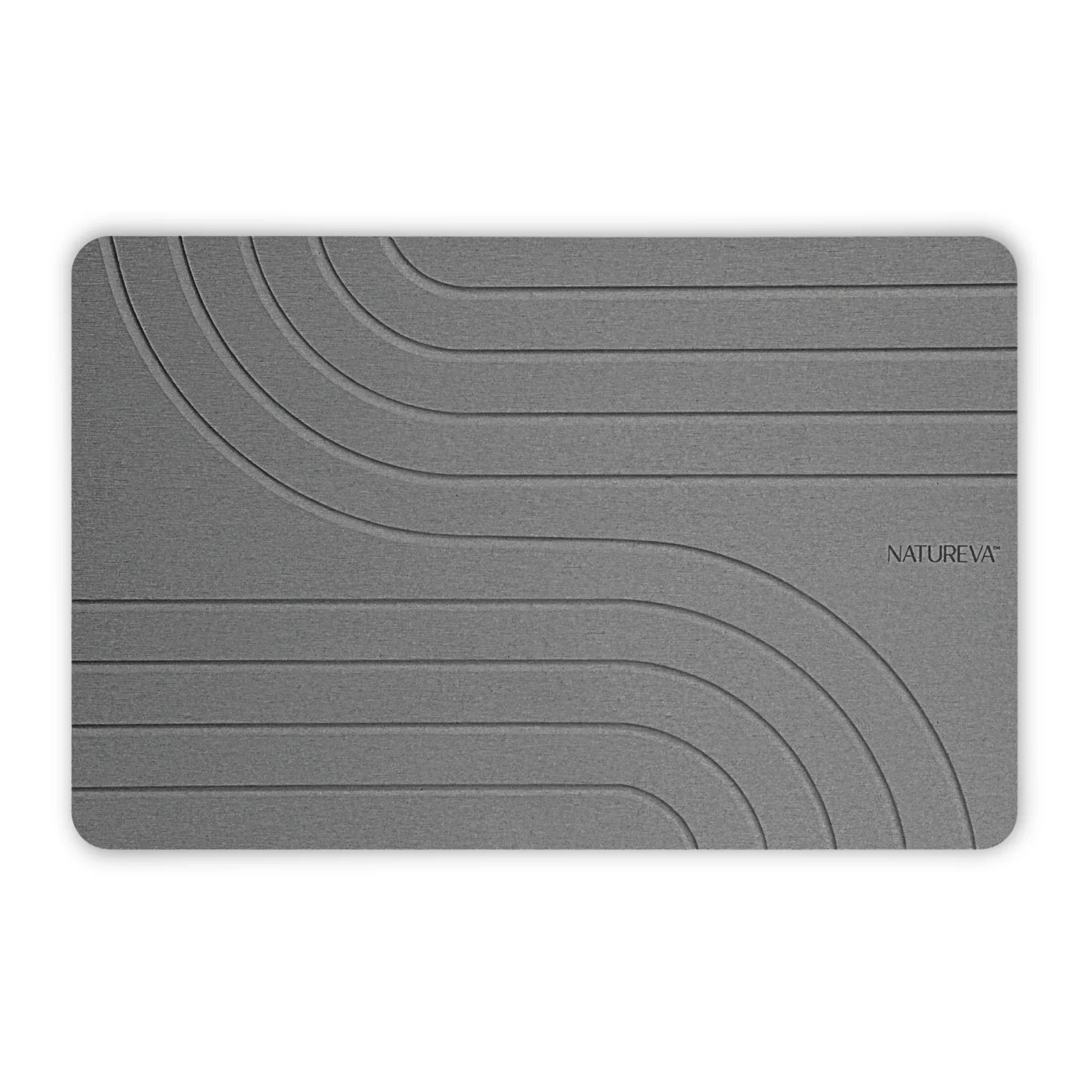
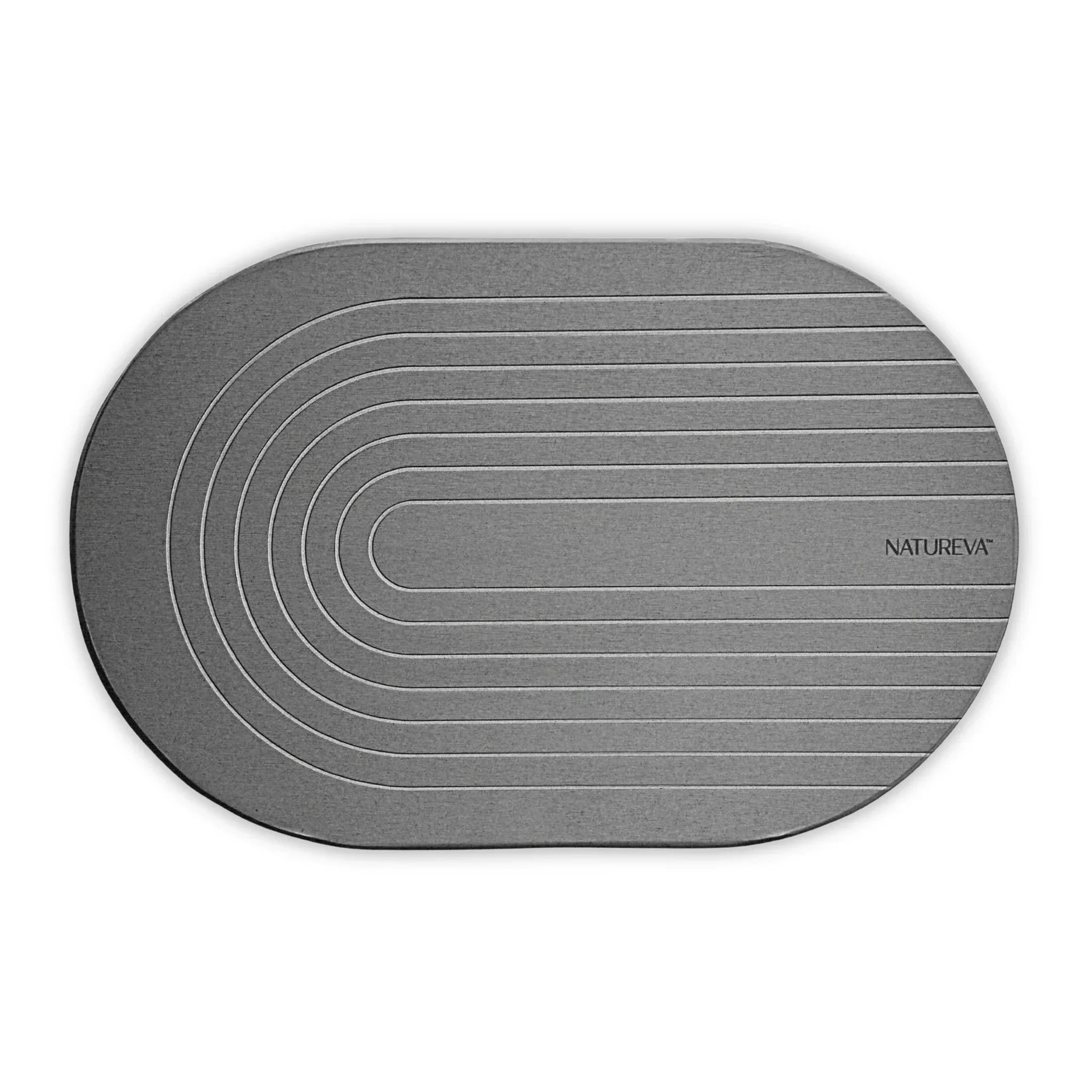
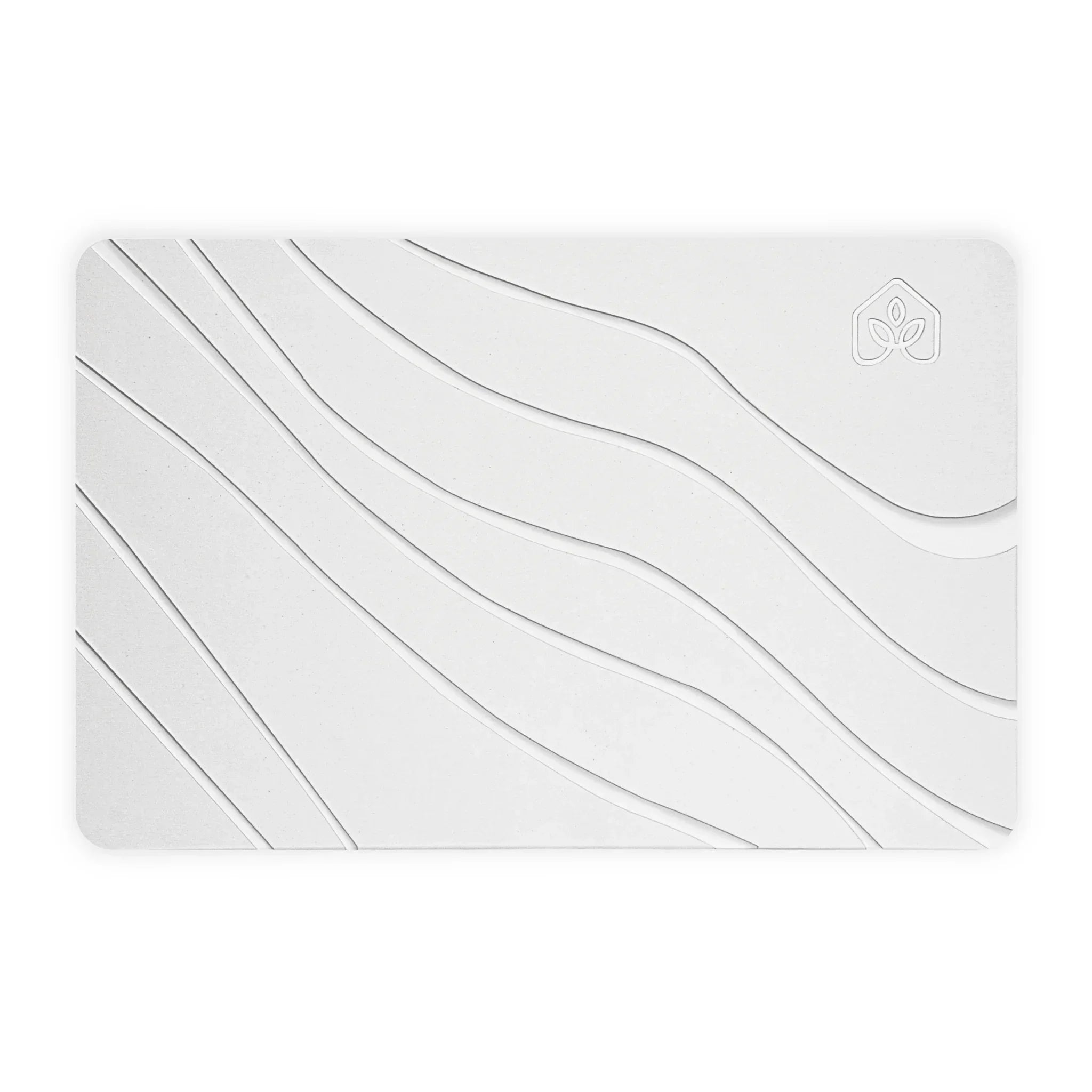
Stone Dish Mat - Tide
The Moisture Problem
Traditional dish rack trays are designed to catch water, but they're terrible at getting rid of it. Plastic and fabric materials trap moisture for hours, sometimes even overnight. While your dishes might dry off, the tray underneath stays wet and creates problems you can't always see.
Here's what happens when water sits in your dish rack tray:
- Bacteria multiply rapidly in warm, wet environments
- Mold spores find the perfect conditions to grow
- Unpleasant odors develop over time
- Mineral deposits and stains build up from hard water
Material Matters More Than You Think
The type of material used in your dish rack tray directly affects how hygienic it stays. Some materials are just better at staying clean than others. According to research on household bacteria, kitchen items that retain moisture are among the most contaminated surfaces in homes.
| Material Type | Drying Time | Bacteria Risk | Maintenance Needed |
|---|---|---|---|
| Plastic Trays | 4-8 hours | High | Daily cleaning required |
| Fabric Mats | 6-12 hours | Very High | Weekly washing needed |
| Silicone Trays | 3-6 hours | Medium-High | Regular scrubbing needed |
| Stone Mats | 1-2 hours | Low | Minimal maintenance |
The Cleaning Gap Nobody Talks About
Even when people know they should clean their dish rack tray, most don't do it nearly enough. Studies show that most households clean their dish racks only once a month or less. That means weeks of bacterial buildup between cleanings. The problem gets worse because traditional materials are hard to clean properly.
Common issues with cleaning traditional trays include:
- Grooves and ridges trap dirt and grime
- Porous materials absorb stains and odors
- Some materials can't handle hot water or harsh cleaners
- Drying takes too long after cleaning
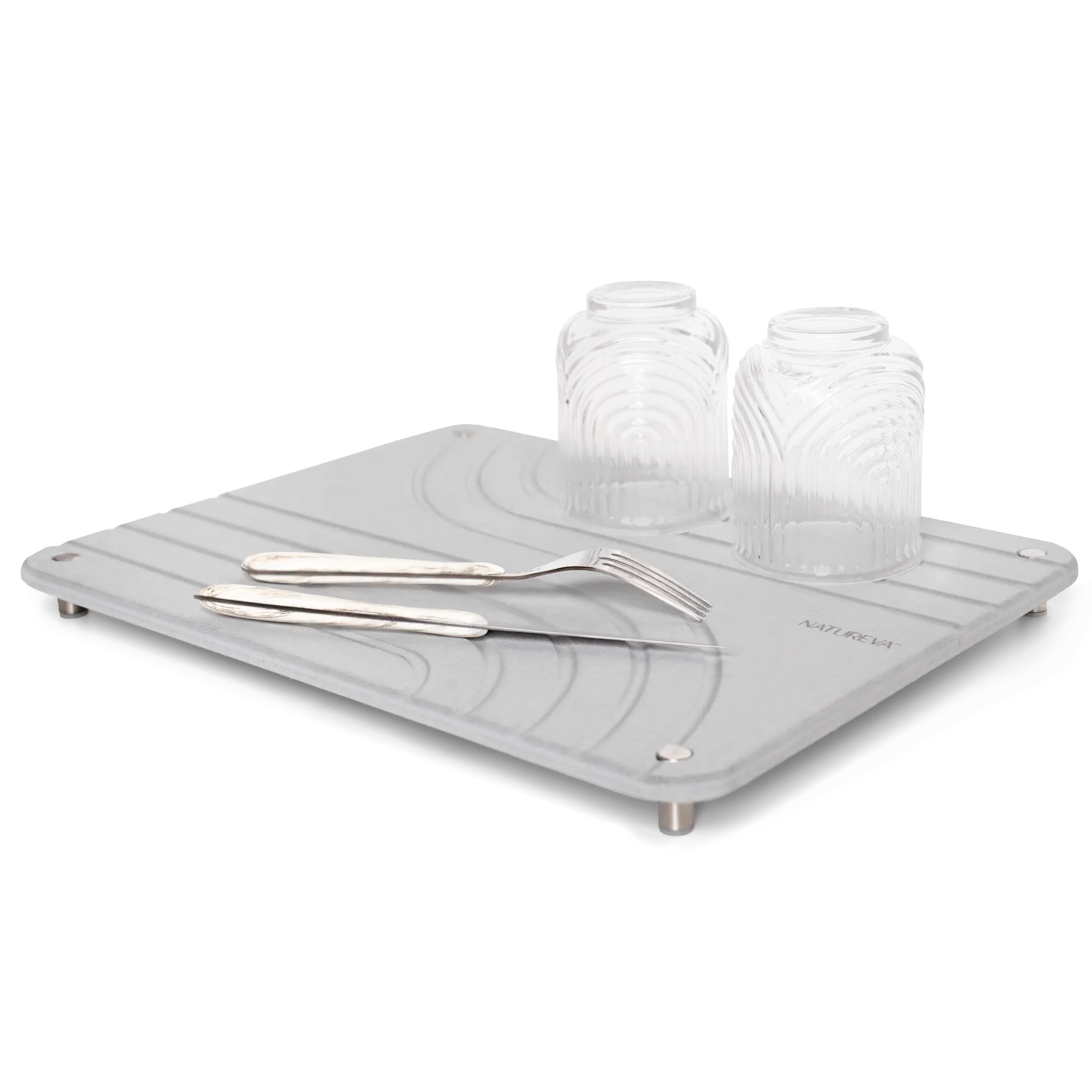
Stone-based options like our Stone Dish Mat solve many of these problems by naturally evaporating moisture instead of trapping it. The material itself works against bacterial growth rather than encouraging it.
Materials That Keep Bacteria Away
Most people don't realize that the average kitchen sponge contains more bacteria than a toilet seat. The same problem happens with traditional dish rack trays that stay wet for hours after you've finished washing dishes. The material your dish rack tray is made from plays a huge role in whether bacteria can grow and multiply on its surface. Some materials actually fight bacteria naturally, while others create the perfect breeding ground for germs.
Diatomaceous earth stands out as one of the most naturally antibacterial materials you can use in your kitchen. This ancient sedimentary rock is made from fossilized algae and has millions of tiny pores that do more than just absorb water. The porous structure actively pulls moisture away from the surface and releases it into the air through rapid evaporation.
Traditional plastic dish rack trays work against you because they're non-porous. Water sits on top of the plastic surface with nowhere to go, creating puddles that become bacteria hotels. Different materials used by dish rack manufacturers have vastly different hygiene profiles based on how they handle moisture.
Here's what makes certain materials better at fighting bacteria:- Stone-based materials like diatomaceous earth actively prevent mold growth through natural properties
- Porous surfaces allow water to evaporate in minutes instead of hours
- Natural materials don't trap moisture in crevices like synthetic plastics do
- Quick-drying surfaces give bacteria no chance to establish colonies
- Smooth stone surfaces resist bacterial adhesion better than textured plastics
The Stone Dish Mat from Natureva uses this natural diatomaceous earth material to keep your countertops dry and bacteria-free. Unlike rubber or plastic mats that stay soggy for hours, stone dish mats work with nature instead of against it.
How Quick Drying Prevents Germ Growth
Bacteria need three things to multiply: food, warmth, and moisture. Your kitchen already has the first two covered, which means moisture control becomes the critical factor in keeping your dish drying area hygienic. When a surface stays wet for more than a few minutes, bacteria can double their population every 20 minutes under the right conditions. That wet dish rack tray sitting on your counter isn't just annoying, it's a science experiment you didn't sign up for.
The evaporation rate matters more than how much water a material can absorb. A sponge might soak up a lot of water, but it holds onto that moisture for hours. This is why sponges smell bad after a few days of use.
The next generation of home essentials: naturally made, cleaner by design, sustainable by nature.
SHOP ALL| Material Type | Drying Time | Bacteria Risk |
|---|---|---|
| Plastic Tray | 2-4 hours | High |
| Rubber Mat | 1-3 hours | Medium-High |
| Fabric Mat | 3-6 hours | Very High |
| Stone Mat | 5-15 minutes | Low |
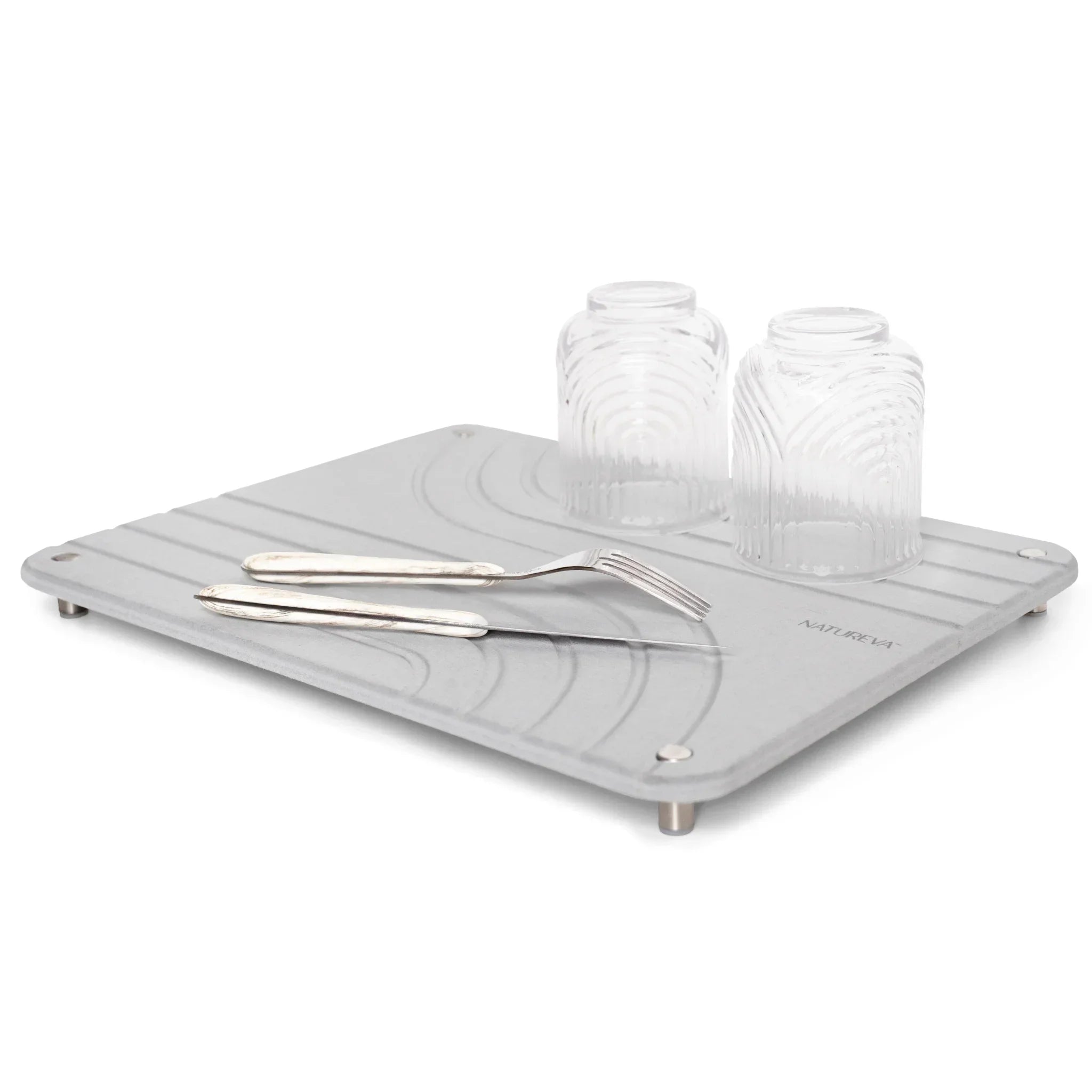
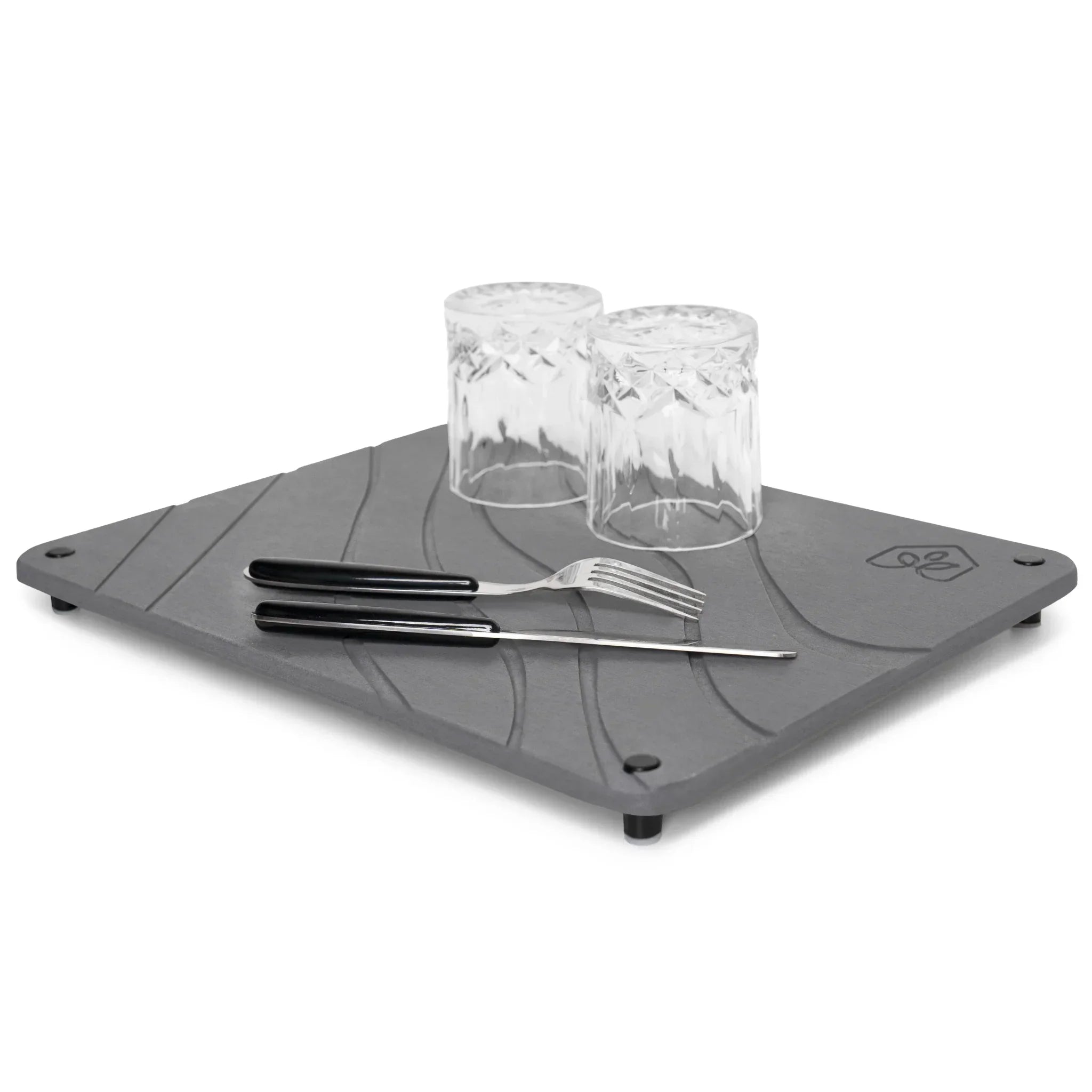
Stone dish mats work differently because of their unique pore structure. Millions of tiny pores create channels for air circulation that pull moisture through the material and release it as vapor. The Stone Dish Mat in Flow design actively evaporates water within minutes, not hours.
Quick-drying surfaces give bacteria no time to establish colonies before the moisture disappears. Think of it like trying to build a sandcastle as the tide goes out. The bacteria simply can't get a foothold when the water vanishes that fast. Comparing different dish rack tray materials shows just how big the difference in drying time can be.
The science is simple but powerful. Faster drying means less bacterial growth, which means a cleaner kitchen and healthier home. Materials that stay wet create an environment where germs thrive, while materials that dry quickly shut down the bacteria party before it even starts.
Design Features That Boost Hygiene
Material choice matters, but design features can make or break a dish rack tray's hygiene performance. Even the best material won't help if water pools in corners or gets trapped under the tray. Smart design works with the material's natural properties to create a self-cleaning system that requires minimal effort from you. The goal is to make water move away from dishes and off the tray as quickly as possible.
Proper drainage channels prevent water from pooling in any one spot. When water spreads out evenly across a surface, it evaporates much faster than when it collects in puddles. Some dish rack trays have raised patterns or grooves that guide water flow, but these same features can trap debris and bacteria if they're too deep or complex.
Key design elements that improve hygiene:- Smooth surfaces are easier to wipe clean than heavily textured ones
- Elevated edges contain water without creating stagnant pools
- Non-slip features that don't rely on rubber suction cups (which trap moisture)
- Simple, flat designs dry faster than complex shapes with lots of crevices
- Easy-to-clean surfaces encourage regular maintenance
The best dish rack tray designs balance functionality with simplicity. Benefits of using proper dish drying solutions extend beyond just hygiene to include better kitchen organization and counter space management.
Air circulation underneath the tray is often overlooked but makes a real difference. When air can flow under your dish rack tray, both the top and bottom surfaces dry faster. This prevents that musty smell that develops when moisture gets trapped between the tray and your countertop.
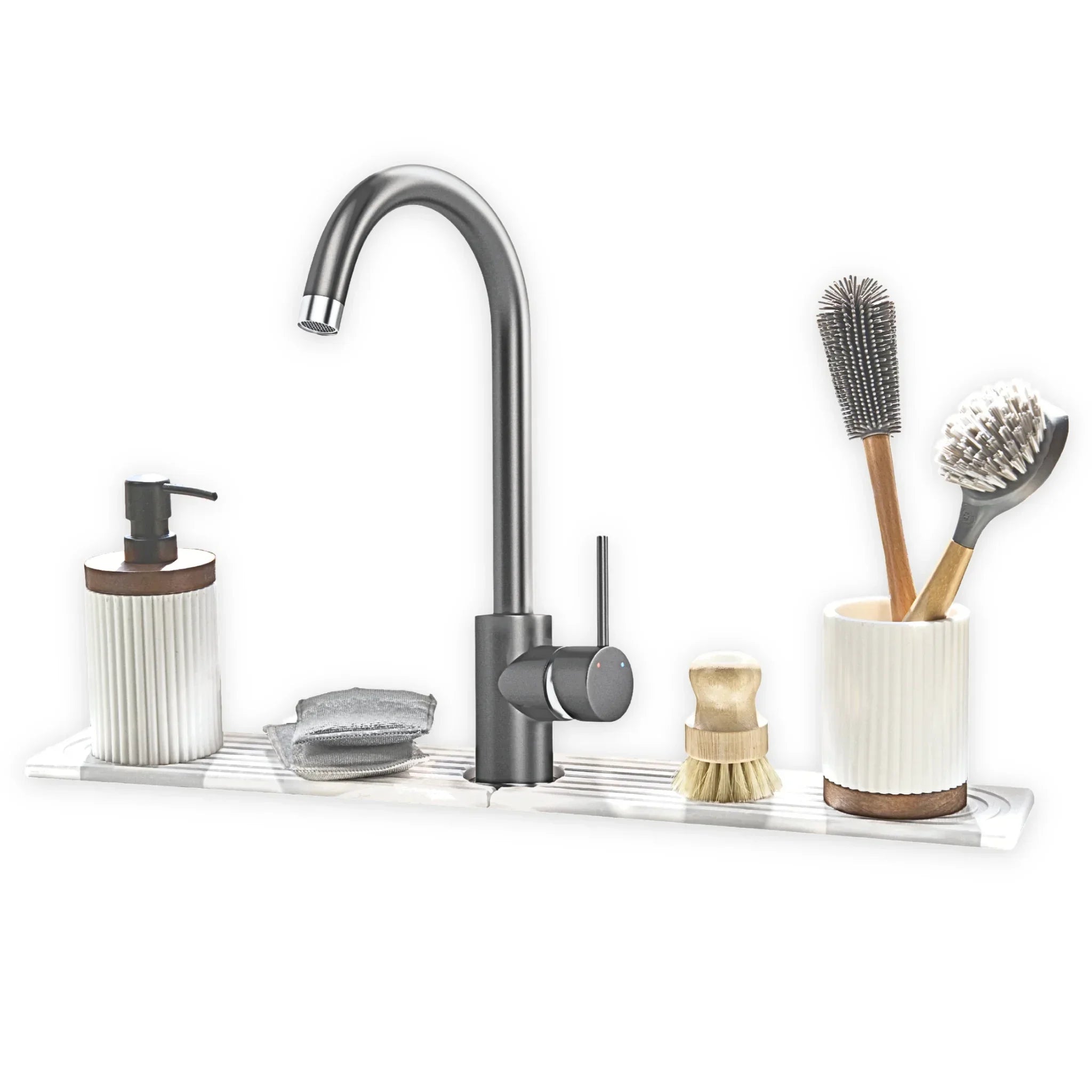
Stone dish mats from Natureva's dish mat collection combine all these design features with naturally antibacterial material. The smooth stone surface wipes clean in seconds, while the material itself handles the drying work automatically. No complex drainage systems needed when the material does the heavy lifting for you.
Keeping Your Kitchen Cleaner Starts Here
The truth is, most people don't think about their dish rack tray until they notice that musty smell or see mold creeping around the edges. But by then, bacteria has already been growing for weeks, right next to the dishes you eat from every day. The material you choose for your dish rack tray really does matter when it comes to keeping things clean.
Quick-drying surfaces are your best defense against the kind of moisture that turns into a breeding ground for germs. Traditional fabric mats and plastic trays hold water for hours, sometimes days, which is exactly what bacteria and mold need to thrive. Stone-based dish mats work differently because they actively pull moisture away and evaporate it through millions of tiny pores.
Our Stone Dish Mat in Tide and Flow designs use natural diatomaceous earth that dries in minutes, not hours. The surface stays dry to the touch, which means there's nowhere for bacteria to grow between uses.
Small changes in your kitchen tools can make a bigger difference than you'd expect. Switching to a dish rack tray that actually stays dry isn't just about convenience. It's about creating a kitchen environment where germs have fewer places to hide and multiply.
You probably have questions about how these materials work in real life, how to maintain them, and whether they're worth the switch from what you're using now.
Common Questions About Dish Rack Hygiene
Keeping your dish drying area clean can feel like a never-ending battle, especially when you're not sure what's normal and what's a red flag. Most people have questions about how often they should clean their dish rack tray, what materials work best, and whether their current setup is actually hygienic. These are smart questions to ask because the answers can make a real difference in your kitchen's cleanliness. Here are the most common concerns people have about dish rack hygiene and what you need to know.
How often should you clean your dish rack tray?
You should clean your dish rack tray at least once a week, but if you notice any slime, discoloration, or odors, clean it immediately. Traditional plastic or silicone trays often need cleaning every few days because water pools in them and creates the perfect environment for bacteria and mold. Stone dish mats like the Natureva Stone Dish Drying Mat dry so quickly that they need less frequent deep cleaning, though you should still wipe them down weekly to remove any soap residue or food particles.
What's the most hygienic material for dish drying?
Natural diatomaceous earth stone is one of the most hygienic materials because it actively evaporates moisture instead of trapping it. Unlike plastic, silicone, or fabric materials that stay wet for hours, stone dish mats dry within minutes thanks to millions of tiny pores that promote rapid evaporation. This quick-drying property means bacteria and mold have much less time to establish themselves on the surface.
Can bacteria grow on stone dish mats?
Bacteria can technically grow on any surface, but stone dish mats make it much harder for them to thrive. The key difference is that bacteria need moisture to multiply, and stone mats dry so fast that they don't provide the damp environment bacteria prefer. As long as you keep your stone mat clean and allow it to air dry between uses, bacterial growth is minimal compared to traditional dish rack trays that stay wet.
How do you know if your dish rack is harboring bacteria?
Warning signs include a musty smell, visible slime or film on the surface, pink or black discoloration, or water that doesn't drain properly. If your dish rack tray feels slimy to the touch even after washing, that's a clear sign bacteria have colonized the surface. You might also notice your supposedly clean dishes developing spots or an odd smell after sitting on the rack overnight.
Are stone dish mats better than plastic or silicone?
Stone dish mats have a clear advantage when it comes to hygiene because they don't trap water like plastic or silicone options do. Plastic trays often develop cracks where bacteria hide, and silicone can get slimy quickly despite regular cleaning. Stone mats also don't absorb odors or stains the way other materials do, and they're naturally antimicrobial due to their rapid drying properties.
How long does it take for a stone dish mat to dry?
A quality stone dish mat typically dries within 30 minutes to an hour after use, depending on how much water it absorbed. This is significantly faster than fabric mats that can stay damp for 6-8 hours or plastic trays that never fully dry between uses. The faster drying time means you can use your stone mat multiple times throughout the day without worrying about it staying wet and becoming a breeding ground for germs.
The next generation of home essentials: naturally made, cleaner by design, sustainable by nature.
SHOP ALL