

Compare Stone Plant Saucers That Protect Floors and Absorb Overflow
A stone plant saucer solves a problem plastic never could: standing water. Plastic saucers catch overflow after you water your plants, but that water just sits there. It stains wood floors, warps tile grout, and leaves rings on countertops that are hard to scrub off.
Stone saucers made from materials like diatomaceous earth work differently. Instead of holding water, they pull it into thousands of tiny pores and let it evaporate within a few hours. This matters most if you keep plants on hardwood, stone counters, or anywhere moisture damage shows up fast. Picking the right one comes down to two things: how much water the stone actually absorbs, and whether the saucer fits your pot size without leaving gaps where water can escape underneath.
Table of Contents
Why Water Rings Happen Under Houseplants
Root rot is one of the top reasons houseplants die, and overwatering is the usual cause. When soil stays soaked, roots can't get oxygen, and the extra water has to go somewhere once it drains out the bottom of the pot.
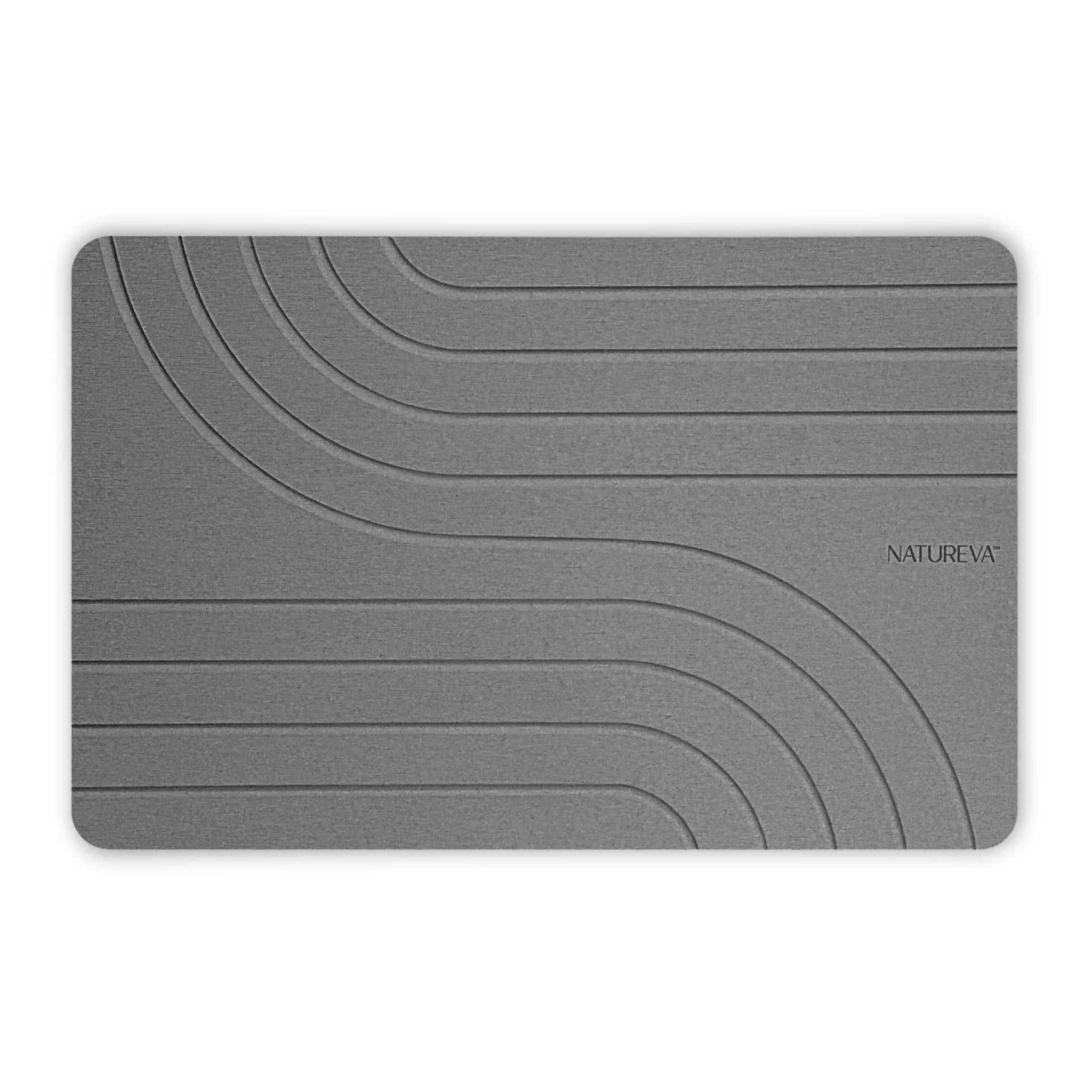
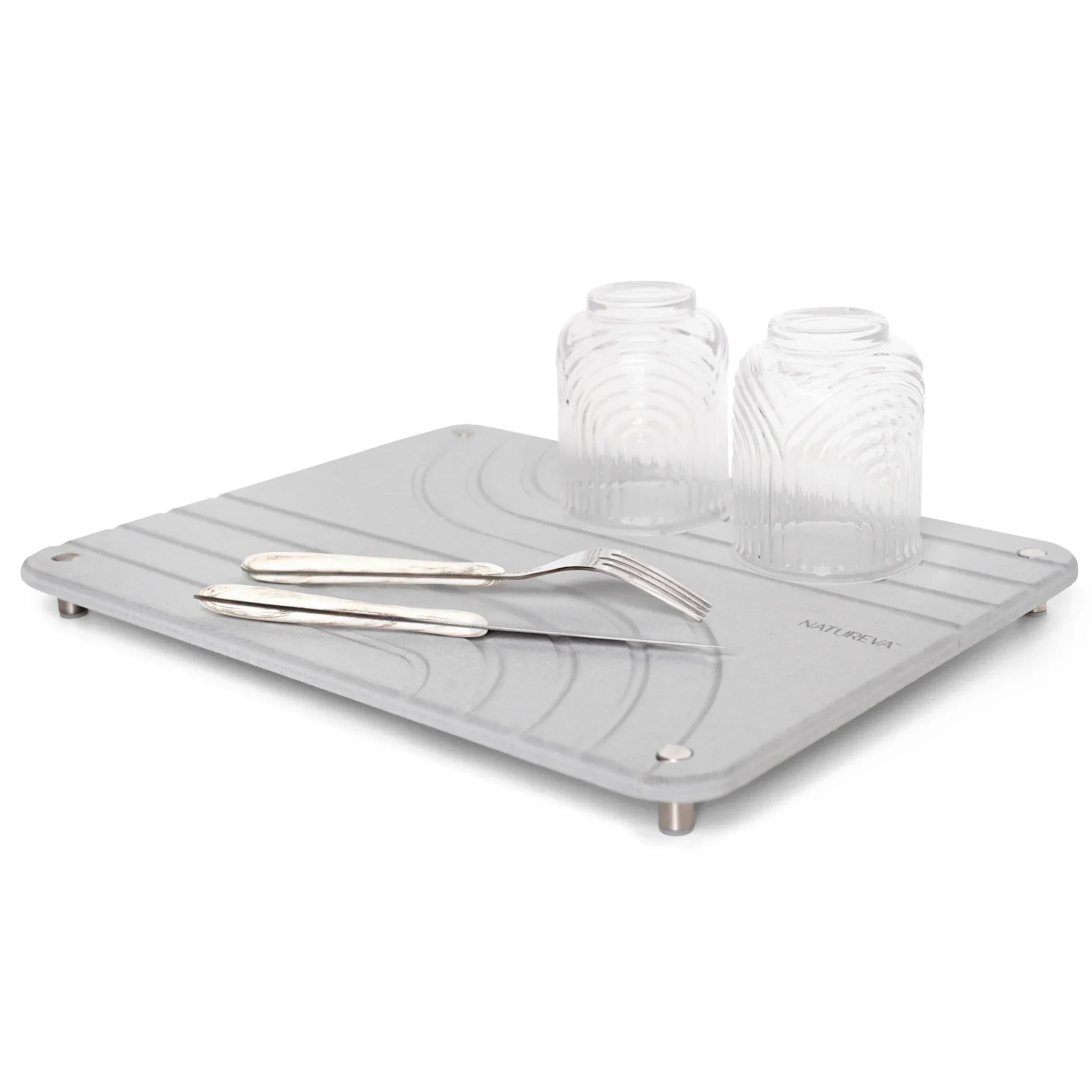
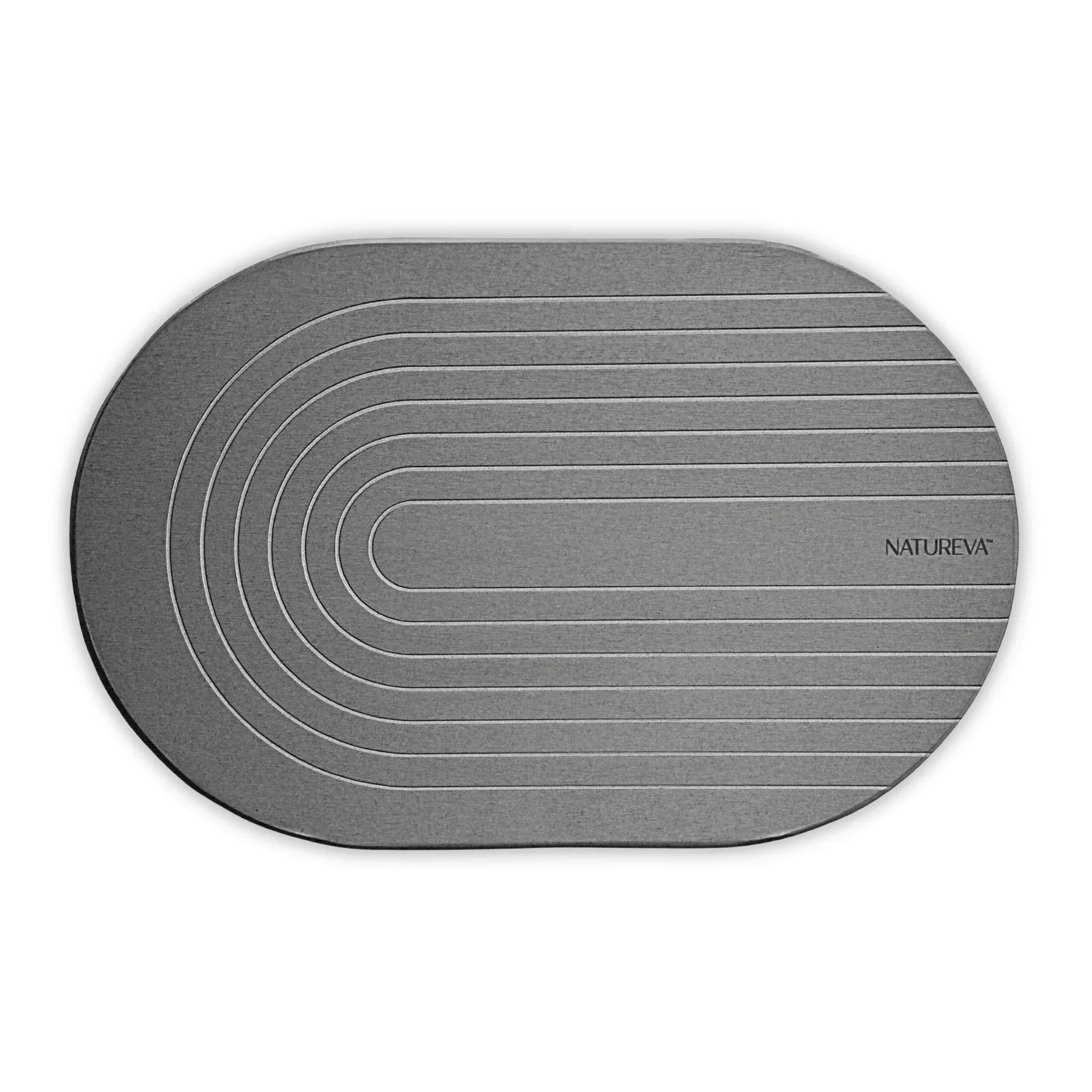
Stone Plant Saucers - Set of 2
Drainage holes send that runoff straight onto whatever the pot is sitting on. If the surface underneath doesn't absorb it, the water has nowhere to go but sideways, forming the rings you see on floors and counters.
Material matters here more than most people expect. Plastic and ceramic saucers are sealed, so they hold water like a tiny pool until someone pours it out or it evaporates on its own, which can take a day or more indoors.
| Material | Absorbs water | Typical dry time |
|---|---|---|
| Plastic | No | Does not dry, must be emptied |
| Ceramic (glazed) | No | Does not dry, must be emptied |
| Diatomaceous earth stone | Yes | A few hours |
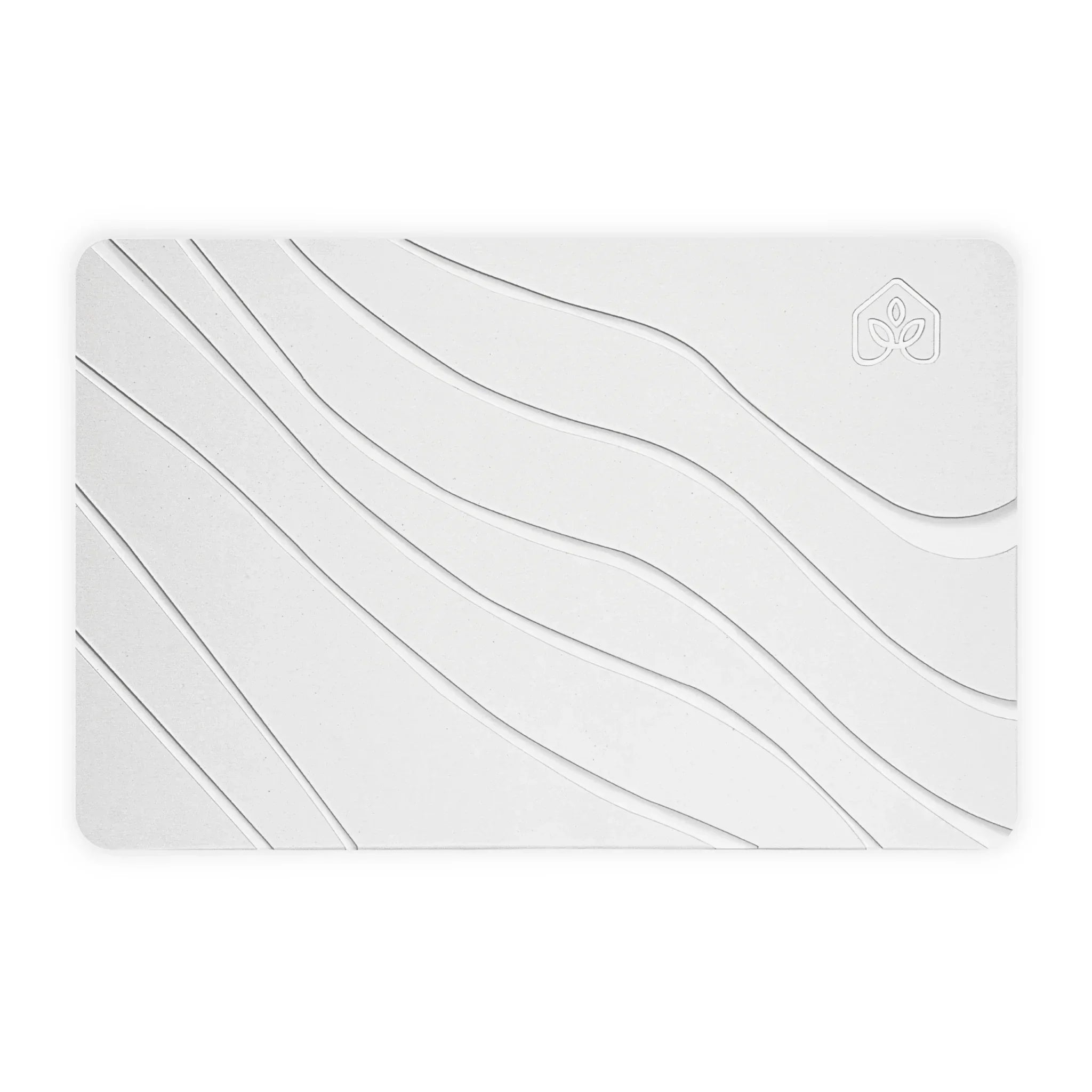
Porous stone works differently because diatomaceous earth is full of microscopic channels that draw water in on contact. A plant saucer made from this material pulls moisture away from the pot base before it has a chance to spread across the surface underneath.
What to Check Before Buying a Stone Saucer
Four things decide whether a saucer actually protects your floor: absorption capacity, floor-protection rating, fit, and finish. Skip any one of these and you end up with the same puddle problem you started with.
Absorption capacity tells you how much water the stone can hold before it saturates and water starts pooling on top again. A good stone saucer should handle a full watering session for its pot size, not just a splash. Floor-protection rating means the base stays dry to the touch within a few hours, not just the surface, since a wet underside is what actually damages wood or tile.
Diameter matters more than people think. A saucer should match your pot's base diameter plus about half an inch, so runoff lands on stone instead of dripping past the rim.
- Absorption capacity rated for your typical watering amount
- Floor-protection rating confirmed dry underneath within hours
- Diameter sized to pot base plus half an inch
- Material choice between diatomite and denser sandstone
- Weight and finish safe for hardwood or tile
Diatomite is lighter and more porous than sandstone, which matters if you're moving pots often or placing them on a finished wood floor.
Comparing Top Stone Saucer Options Side by Side
Diatomite saucers score highest on both absorption and drying speed because of their porous structure. Sandstone and concrete saucers absorb some water too, but they hold onto it longer and cost more to produce at the same size.
| Type | Absorption | Dry time | Price range |
|---|---|---|---|
| Diatomite | High | A few hours | $30-45 |
| Sandstone | Moderate | 8-12 hours | $35-55 |
| Concrete | Low | 12+ hours | $25-40 |
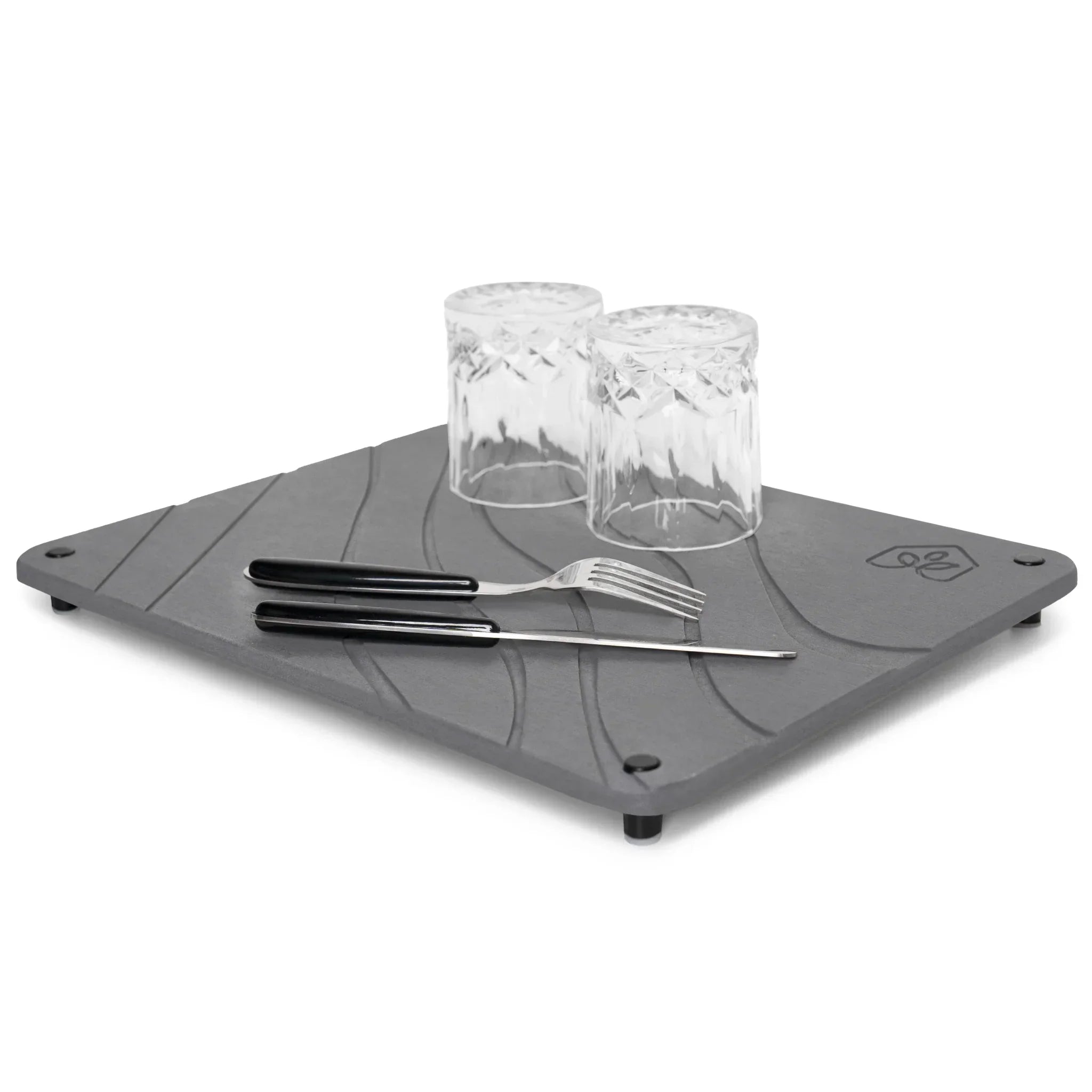
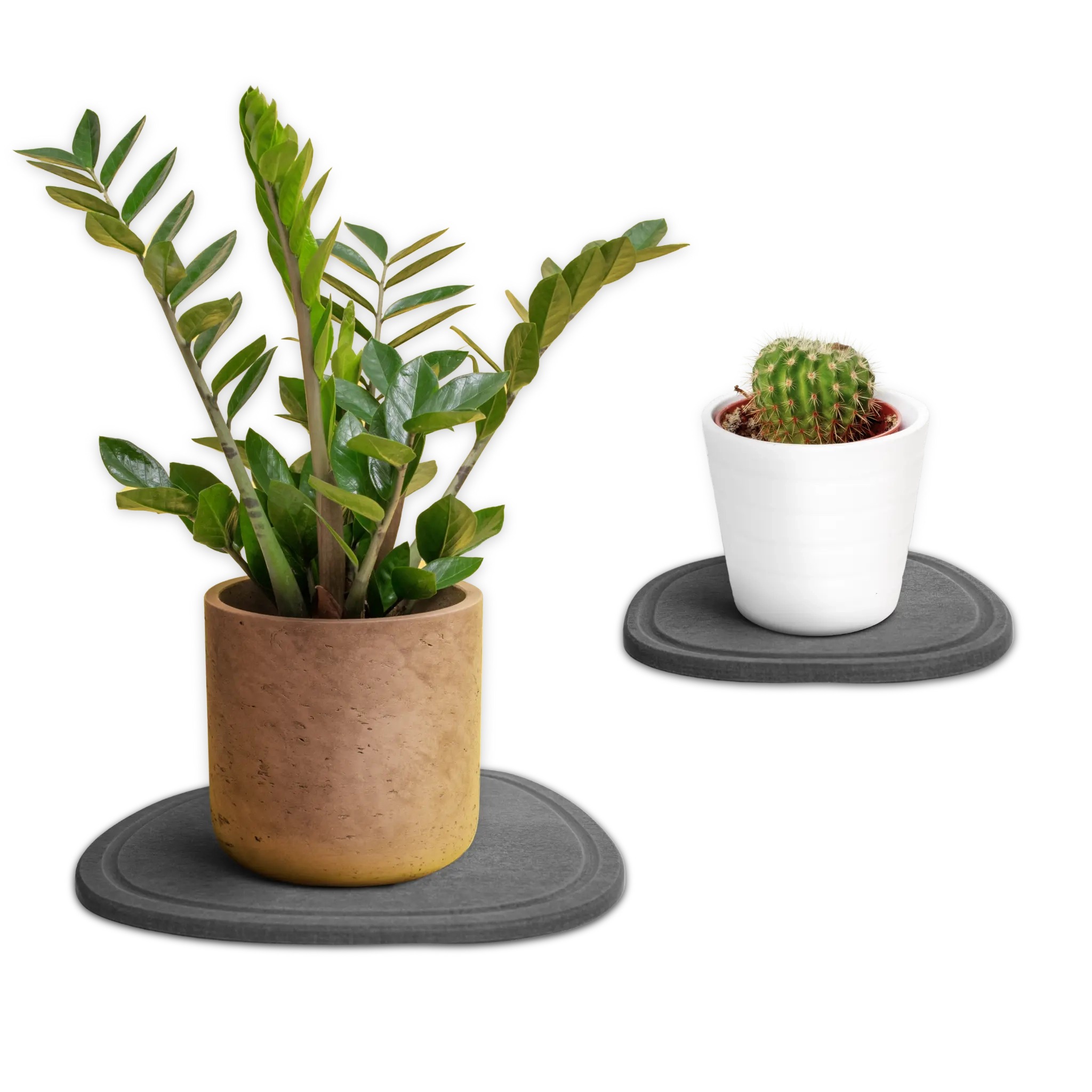
The Natureva Stone Plant Saucers, a set of two, runs $39 and falls on the diatomite end of that range, which lines up with faster drying and a higher floor-protection rating than sandstone or concrete.
- Check absorption capacity against your typical watering routine
- Compare floor-protection rating, not just listed material
- Weigh price per saucer against expected drying time
- Confirm the set size matches how many pots you need to cover
A saucer that dries in a few hours beats one that takes half a day, especially under plants you water more than once a week.
The next generation of home essentials: naturally made, cleaner by design, sustainable by nature.
SHOP ALLHow Diatomite Saucers Dry Faster Than Other Stone
Diatomite dries faster because its structure is full of microscopic pores left behind by fossilized algae shells. Those pores pull water in by capillary action, then release it as vapor across the whole surface instead of letting it sit in one spot.
Sandstone and concrete are denser, so water moves through them more slowly and takes longer to reach the surface and evaporate. That difference can stretch drying time from a few hours with diatomite to half a day or more with denser stone. Natureva's saucers use this same diatomite structure, which is why they're built into the comparison above rather than listed separately.
- Diatomite: millions of micro-pores, dries in hours
- Sandstone: fewer pores, dries in half a day or more
- Concrete: least porous, holds moisture longest
If you've ever noticed a sandstone saucer still damp the morning after watering, that's the denser pore structure at work, not a flaw in the stone itself.
Which Stone Saucer Fits Your Space and Pots
The right saucer size comes from your pot's base diameter plus roughly half an inch of clearance. Go smaller and runoff spills past the edge; go much larger and the saucer looks oversized and wastes counter or floor space.
Small herb pots on a windowsill do best with slim, low-profile saucers that don't block light or crowd a narrow ledge. Large floor planters need wider, thicker saucers since they carry more weight and more runoff per watering.
- Windowsill herbs: slim, low-profile saucer, pot base plus half an inch
- Medium indoor plants: standard depth saucer, same sizing rule
- Large floor planters: wide, thick saucer for stability and volume
- Placement near sunny windows or air vents speeds evaporation further
Setting a saucer near airflow, rather than a closed corner, cuts drying time down even on a saucer that's already fast-drying by design.
Stone or Plastic, Which One Pays Off
Plastic saucers cost a few dollars each, but they hold water instead of drying it, so you're emptying them by hand after every watering. Skip that step a few times and you get the stains and warped grout described earlier. The saving on plastic disappears fast once you factor in time spent wiping up runoff.
Stone saucers cost more per set, but they don't crack or wear out the way plastic does over a year or two of regular use. A set that dries on its own within hours needs less attention and less replacing. That lower upkeep is the real trade for the higher sticker price.
Floor repair costs make the comparison lopsided. Refinishing a water-stained section of hardwood or replacing damaged tile grout runs well past the price of a diatomite plant saucer set at $39. One ring you catch early with absorbent stone can save a repair bill many times that size.
- Plastic: cheap upfront, needs emptying, replaced often, no floor protection
- Diatomite stone: higher upfront cost, dries in hours, lasts years, protects floors
- Sandstone or concrete: mid to high cost, slower drying, less floor protection per dollar
Pick plastic only if you're fine emptying saucers daily and don't mind the stains building up over time. Pick stone if you want fewer repairs and don't want to think about it after you water.
Measure Your Pot, Then Match the Stone
Grab a tape measure before your next watering day and check your pot's base diameter, not the rim. Add half an inch for clearance and write that number down for each pot you own. Then shop by absorption rating and floor protection first, looks second, since a saucer that pools water does nothing for your floor no matter how it looks on a shelf. If you've got several pots needing coverage, a two-pack like Natureva's diatomite saucers covers two bases at once instead of ordering one at a time. Measure first, match the rating to your routine, and the floor stays dry without extra steps.
The next generation of home essentials: naturally made, cleaner by design, sustainable by nature.
SHOP ALLStone Plant Saucer Questions People Still Ask
Can a stone saucer stain a light-colored floor over time?
No, a diatomite saucer itself won't stain a light floor, but mineral deposits from hard tap water can leave a faint ring on the stone's underside if you never move it. Wipe the bottom dry every few weeks and rotate the saucer slightly to avoid a fixed contact spot. This is a stone care habit, not a sign the saucer is failing.
Do I need to let a stone saucer dry out between waterings?
No, you don't have to wait. Diatomite releases moisture as vapor within a few hours, so the saucer is usually ready for the next watering well before you need it again. If you water daily, just check the stone feels dry to the touch first. A saucer that's still damp underneath needs more airflow, not a longer wait.
Will a stone saucer crack if I move it often between rooms?
Diatomite saucers can chip if dropped on a hard edge, but normal lifting and carrying between rooms won't crack them. The material is lighter than sandstone or concrete, which makes it easier to move without strain. Set it down flat rather than at an angle, since edge impacts are what cause chips in porous stone.
Can I use a stone saucer under a self-watering planter?
Yes, but it works differently than with a standard pot. Self-watering planters release less runoff through the base, so the saucer mostly serves as a dry buffer rather than absorbing a full watering's worth of overflow. Natureva's diatomite saucers hold up fine in this setup since they're built to handle occasional moisture, not constant standing water.