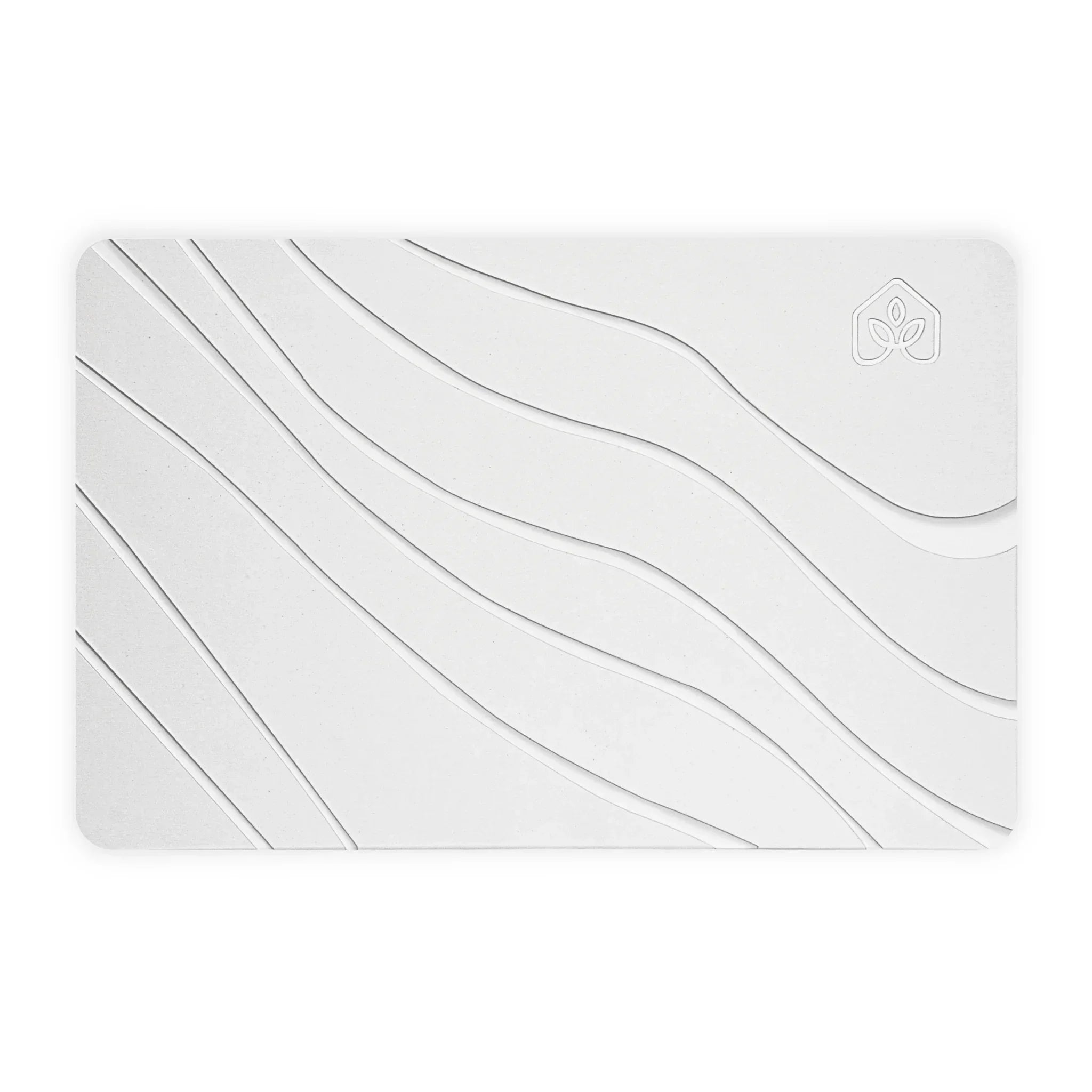


How a Fast Drying Stone Sink Caddy Keeps Benches Dry
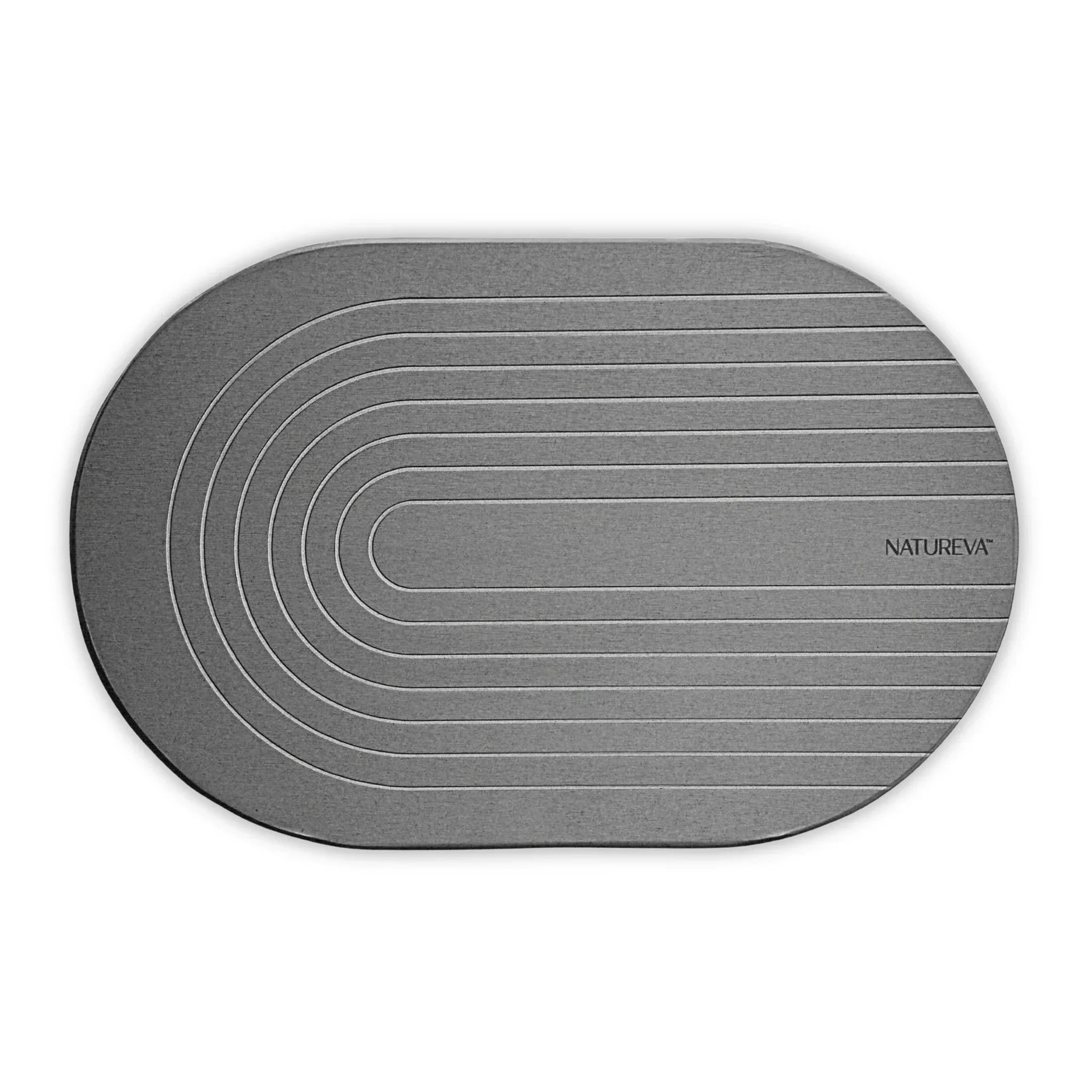
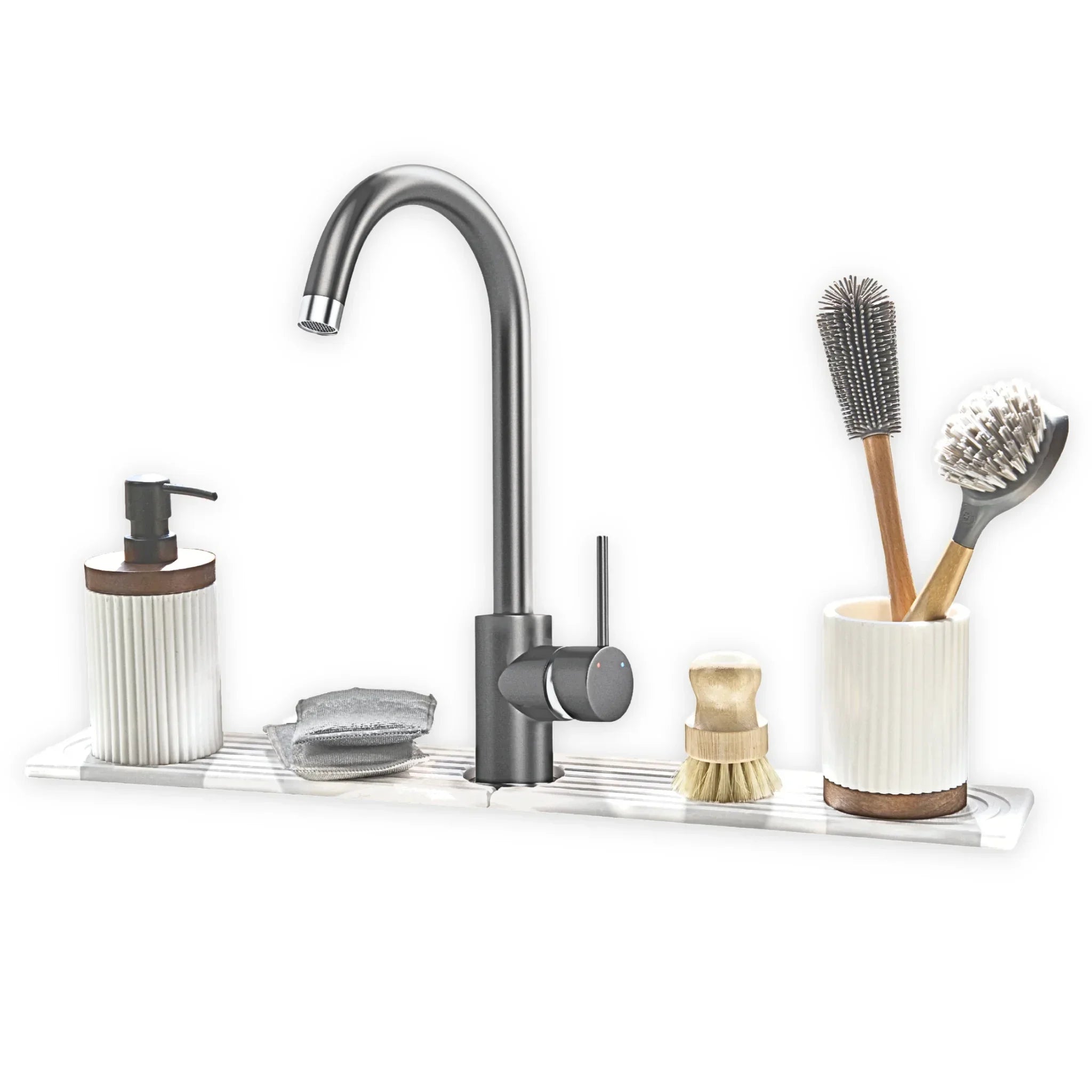
Diatomite stone is made from fossilised algae with millions of tiny pores, and those pores are the reason a stone sink caddy dries fast while plastic ones sit in a puddle. Water hits the surface, gets pulled in, and evaporates back into the air within minutes instead of sitting there breeding grime. That's the basic fix behind our stone sink caddy, and once you see how the pores work, the soggy sponge problem starts to make a lot more sense.
Why does a diatomite stone sink caddy dry faster than other materials?
Diatomite stone is made from fossilized diatom skeletons riddled with microscopic pores that pull in water through capillary action and release it quickly through evaporation. This porous structure gives diatomite up to several times greater water absorption capacity by volume than ceramic or plastic caddies.
Does elevating a sink caddy actually help it dry faster?
Yes, elevating a sink caddy 5-10 millimeters off the counter surface allows air to circulate beneath it, preventing trapped moisture that keeps the base perpetually damp. Airflow underneath the caddy is as critical to fast drying as the absorbent material itself, since even diatomite stone cannot evaporate water pooling against a flat, sealed surface.
How often should a diatomite stone caddy be dried out to keep it working?
A diatomite stone caddy should be left to air-dry fully for 24 hours every 1-2 weeks to prevent pore clogging from mineral buildup and soap residue. Wiping the surface with a dry cloth and avoiding placement of wet sponges directly against the same spot repeatedly also preserves full absorption capacity over time.
Table of Contents
The Science of Diatomite Stone Absorption
Diatomite is made from fossilised algae, and yes, that's a real thing sitting on your counter. Under a microscope, this stone is packed with millions of microscopic pores, and those tiny holes are the whole reason the material works the way it does.
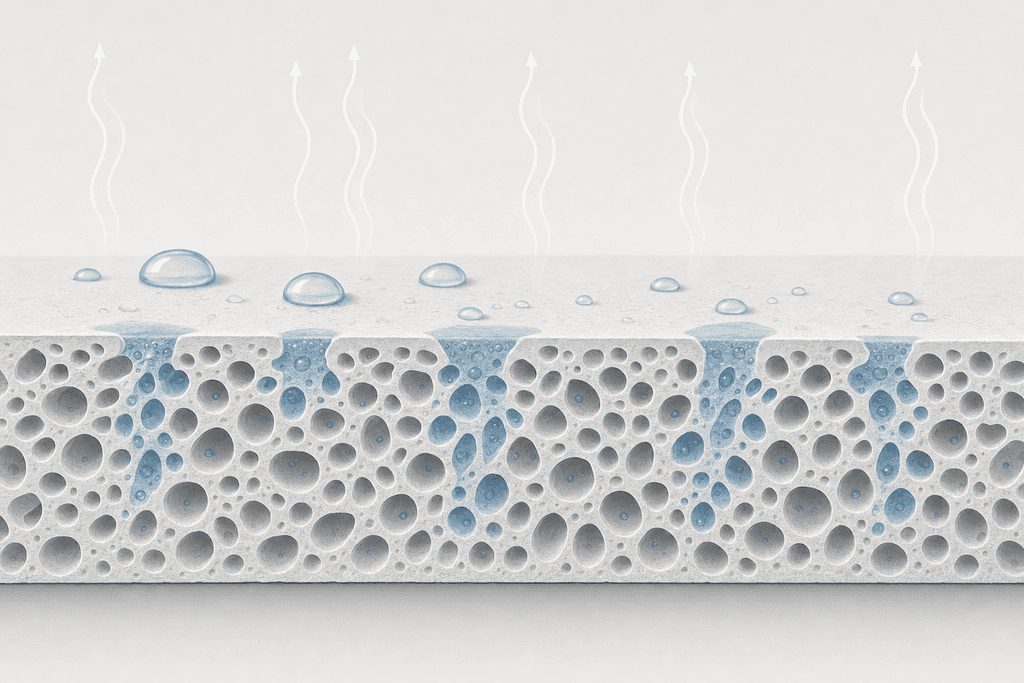
When water hits the surface, it doesn't sit there. It gets pulled into those pores and then released back into the air through evaporation, almost like the stone is breathing.
- No synthetic coating means the pores never get sealed off, so the stone keeps absorbing at full strength year after year
- Plastic and rubber caddies trap water on top because they're sealed, which is exactly what stone avoids
- Bench stays dry because water never sits still long enough to spread out or drip over the edge
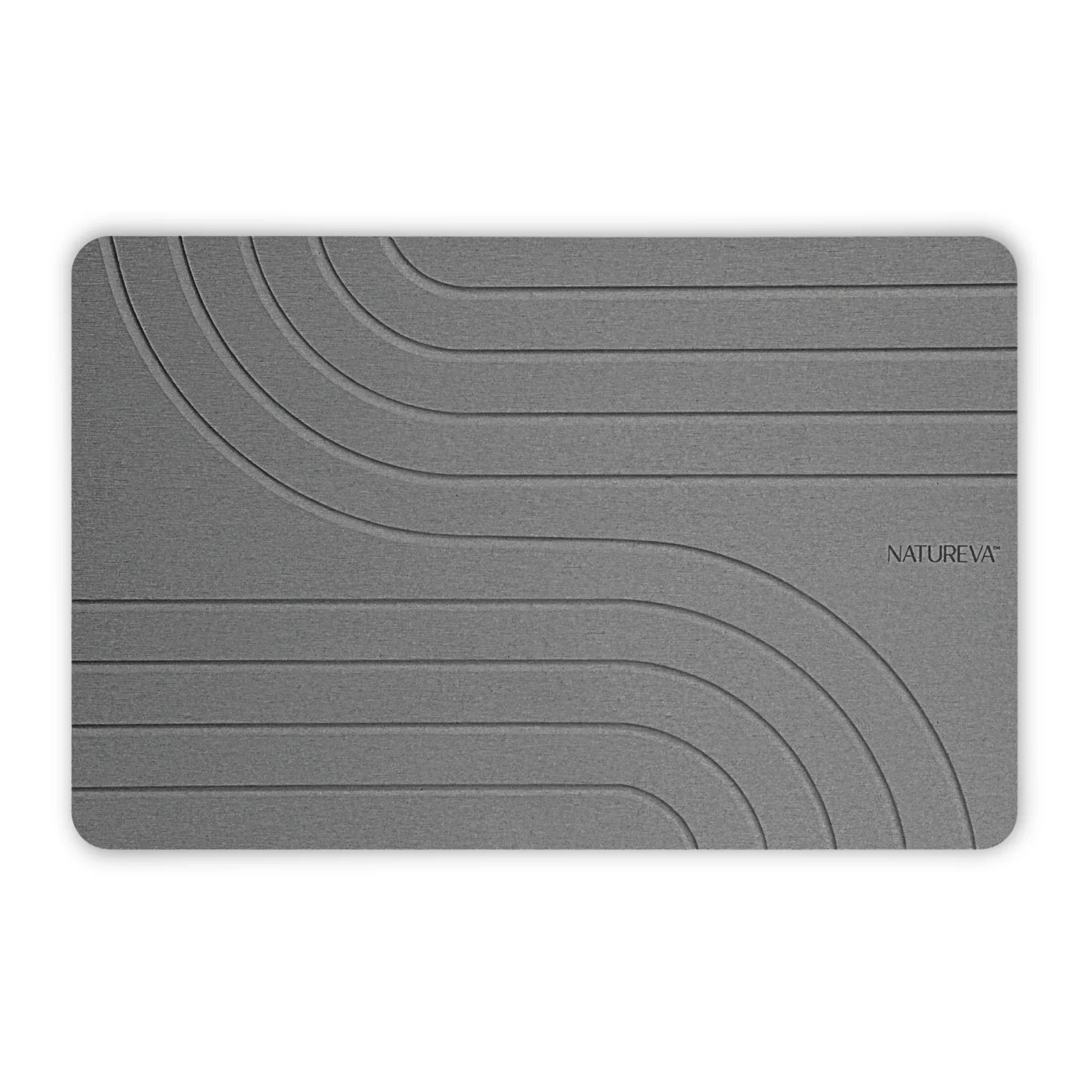
This is different from most caddies on the market, including designs you'll find from brands like doraihome or tosorohome, which rely on plastic trays that just collect water instead of pulling it in. Our Stone Sink Caddy in Rain uses this same fossilised algae structure to keep sponges and brushes dry between uses.
Why Elevation and Airflow Matter as Much as Material
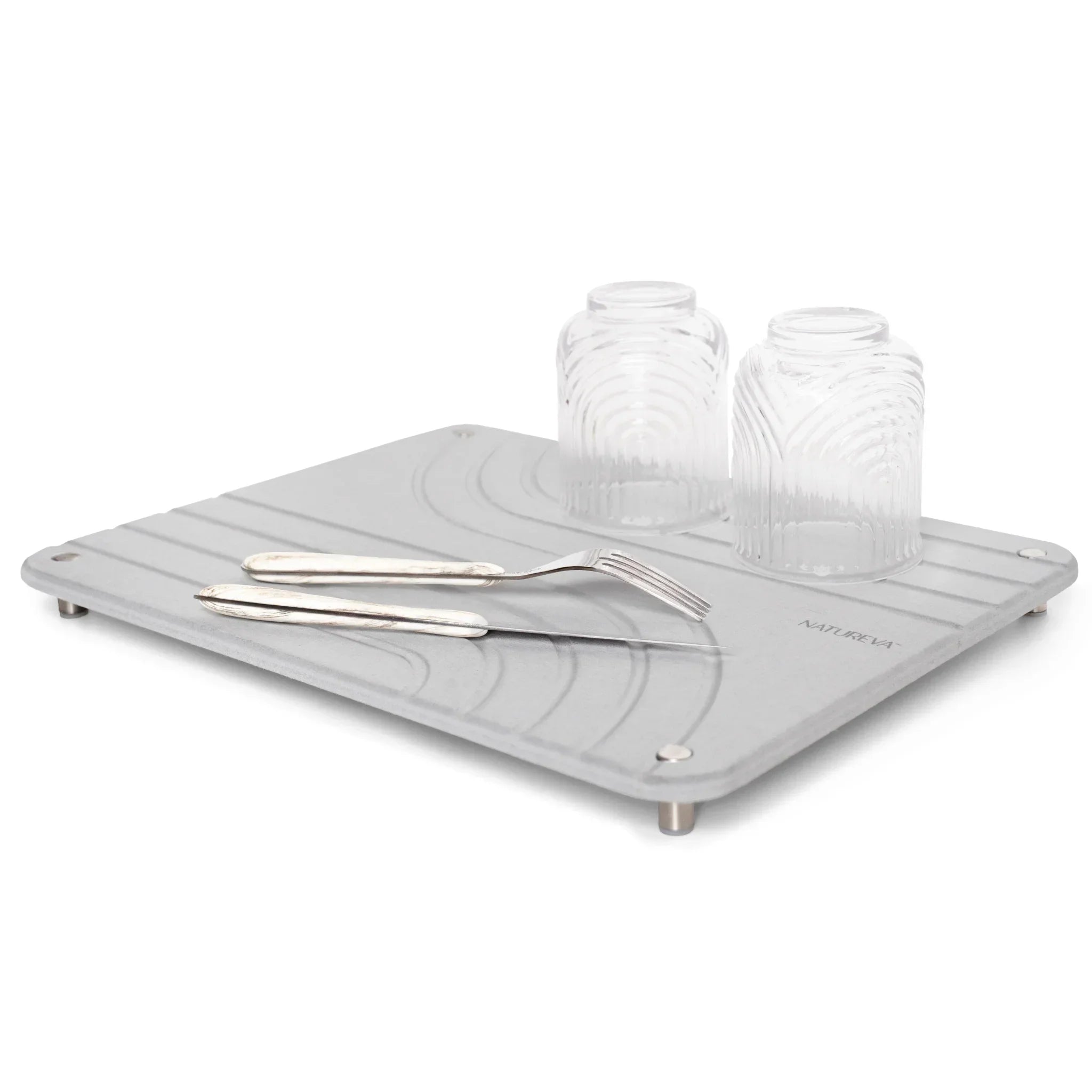
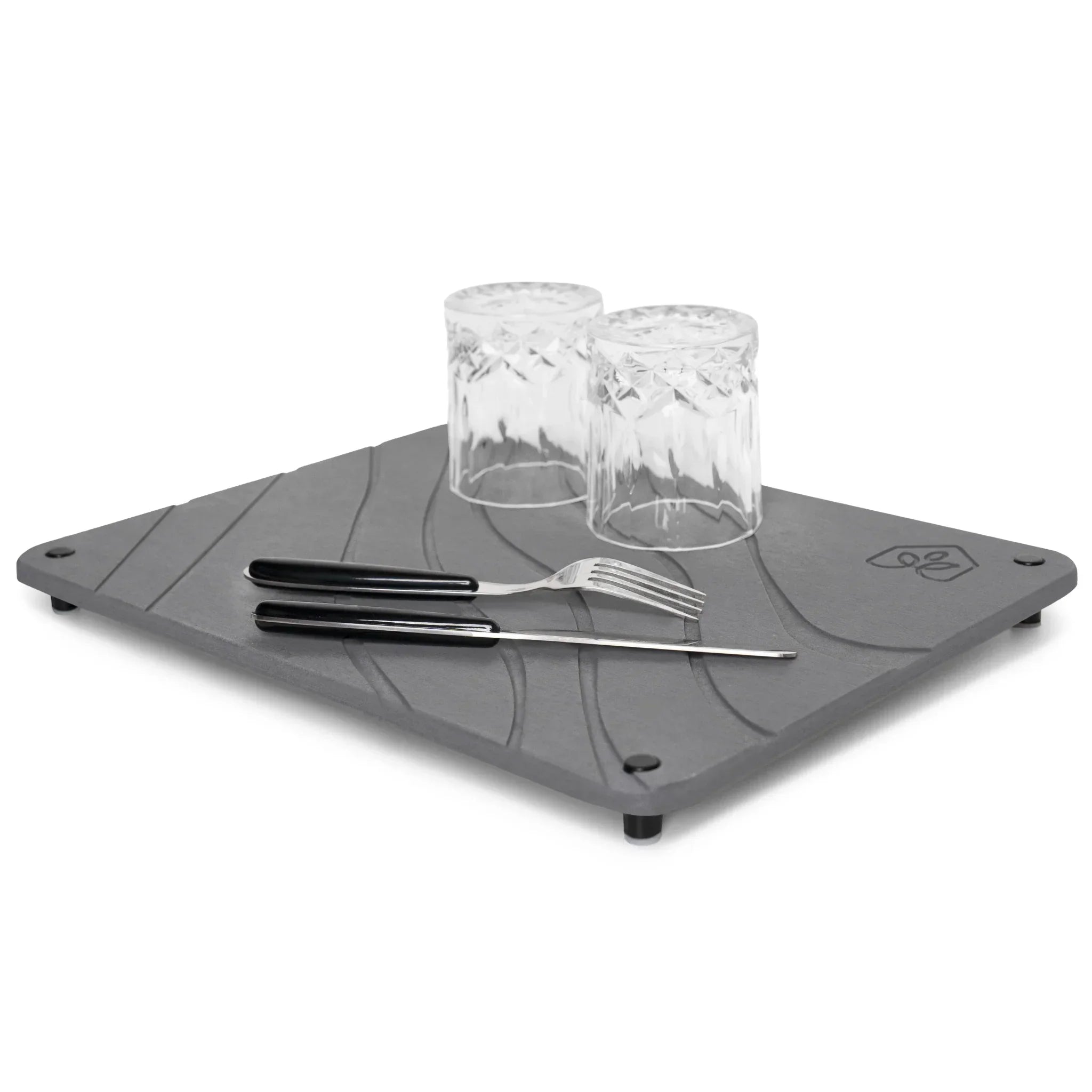
Stone alone isn't the full story. A fast drying stone sink caddy also needs air moving underneath it, which is why Natureva caddies sit up on stainless steel legs at 2.5 cm elevation.
That gap does two things at once. It lets air flow under the caddy so moisture doesn't pool and soak into the stone from below, and it keeps the caddy from sitting flush against a wet bench all day.
| Caddy Type | Drying Speed | Airflow | Bench Protection |
|---|---|---|---|
| Fabric caddy | Slow, stays damp | None | Leaves damp ring |
| Rubber/silicone caddy | Water pools on top | None | Traps moisture underneath |
| Stone caddy on legs | Fast, evaporates | Full airflow | No damp ring |
The silicone pads under each leg are precision-sized to match the leg diameter exactly, so there's no overhang. They act as anti-slip stabilisers on wet benches and stop the steel legs from scratching or leaving pressure marks on your countertop.
Compare that to a flat rubber tray, the kind you'll see on sites like drysorb.com.au, and the difference is obvious. Flat trays leave a ring of standing water that sits until someone wipes it, while elevated stone dries the mess before it becomes a problem. If you want to see more on this setup, our post on four ways sink caddies maintain dry benches breaks down the leg and pad system in more detail.
Keeping the Caddy Working at Full Absorption
The next generation of home essentials: naturally made, cleaner by design, sustainable by nature.
SHOP ALLStone doesn't need much upkeep, but it's not zero-maintenance either. A few small habits keep the pores open and the caddy absorbing at full speed for years.
- Wipe weekly with a warm damp cloth and cleaning vinegar
- Skip coloured soaps, since dyes can soak into the porous surface and stain it
- Use the included P320 grit sanding tool if you notice absorption slowing down, it reopens the pores
- Air dry the caddy upright if it ever gets fully saturated
This is the same care routine used across the whole stone range, so if you already own a Stone Dish Mat in Tide or a Stone Bath Mat in Arch, you're already halfway there. According to the EPA's guidance on mould growth, mould generally needs moisture sitting for 24 to 48 hours to take hold, which is exactly the window a fast drying surface is designed to close.
A quick sanding session once every few months is usually enough for most kitchens. If you're setting up a full drying station, browse the complete sink caddy collection to match colours with your existing dish mat or coasters.
Wrap-up
Plastic and rubber caddies trap water underneath, which is exactly why they get slimy after a week or two. Diatomite works differently because it pulls moisture in and lets it evaporate, and when you pair that with legs that lift the whole thing off the counter, water just doesn't have anywhere to sit and cause problems.
That's the whole idea behind our stone sink caddy collection, including the Flow and Rain designs, both built to match the rest of your kitchen and bathroom setup without any guesswork on style.
Common Questions About Stone Sink Caddies
Still got a few things on your mind before you swap out that soggy sponge tray. Here's what people usually ask us once they've read up on how the stone works.
How fast does a stone sink caddy dry
Most water pools disappear within a few minutes of contact. The diatomite pulls moisture into its surface pores, then releases it into the air, so you won't see puddles sitting around your sponge or soap. A fast drying stone sink caddy keeps the bench dry between uses, not just after a wipe down.
Does it need special cleaning
Nothing complicated. Wipe it weekly with a damp cloth and some cleaning vinegar, and skip coloured soaps since they can stain the surface. For tougher marks, the included sanding tool reopens the pores and brings back full absorbency in seconds.
Will it work on any countertop
Yes. The stainless steel legs lift the caddy 2.5 cm off the surface, and the silicone pads underneath stop scratches and sliding. This works on stone, laminate, or tile benches without leaving marks or pressure spots behind.
The next generation of home essentials: naturally made, cleaner by design, sustainable by nature.
SHOP ALL