

How to Prevent Water Damage in Your Home
You prevent water damage by finding moisture sources early and managing them daily, not by fixing floors and walls after they've already rotted. Insurance data backs this up: most home water damage claims trace back to slow, unnoticed leaks, not sudden floods or burst pipes. A dripping supply line under a sink or a slow seep behind a shower wall can run for weeks before anyone spots a stain or a soft patch of flooring. By the time it's visible, the damage is already done.
Preventing it comes down to two things working together: daily habits and the right materials in the rooms that get wet most often. Bathrooms, kitchens, and laundries are the highest-risk zones in any home, because they combine standing water, condensation, and surfaces that don't dry fast enough on their own. A quick daily check of these spots, paired with materials that pull moisture away instead of trapping it, does more to protect a home than any repair job ever will.
Table of Contents
Where Water Damage Actually Starts in a Home
Roof flashing, window seals, and appliance hoses cause a large share of water damage claims that homeowners never see coming. A washing machine hose can fail without warning, while a cracked roof seal lets water seep into insulation for months before a ceiling stain appears. These sources sit outside the bathroom and kitchen zones already covered, but they carry some of the highest repair costs because the damage spreads through walls and subfloors before anyone notices.
A slow leak costs more over time than a burst pipe because it soaks into structural materials gradually, feeding mould growth and wood rot long before water pools on a visible surface. A burst pipe gets fixed the same day because it's impossible to ignore. According to Hippo's water damage prevention guide, undetected leaks are a leading cause of costly home insurance claims.
| Source | Average Repair Cost | Time to Visible Damage |
|---|---|---|
| Appliance hose failure | $1,000–$5,000 | Hours to days |
| Roof or flashing leak | $1,500–$4,000 | 2–6 months |
| Window seal failure | $500–$2,500 | 3–12 months |
| Bathroom or shower seal | $1,000–$6,000 | 1–4 months |
Where to Check First to Prevent Water Damage
Start with the areas that carry water under pressure, since those fail fastest and leak the most volume. Check under-sink pipes, hose connections, and shutoff valves for corrosion, dripping joints, or a valve that's seized shut from disuse. A shutoff valve that hasn't been turned in years can fail exactly when you need it most, so turn each one a quarter turn twice a year to keep it working.
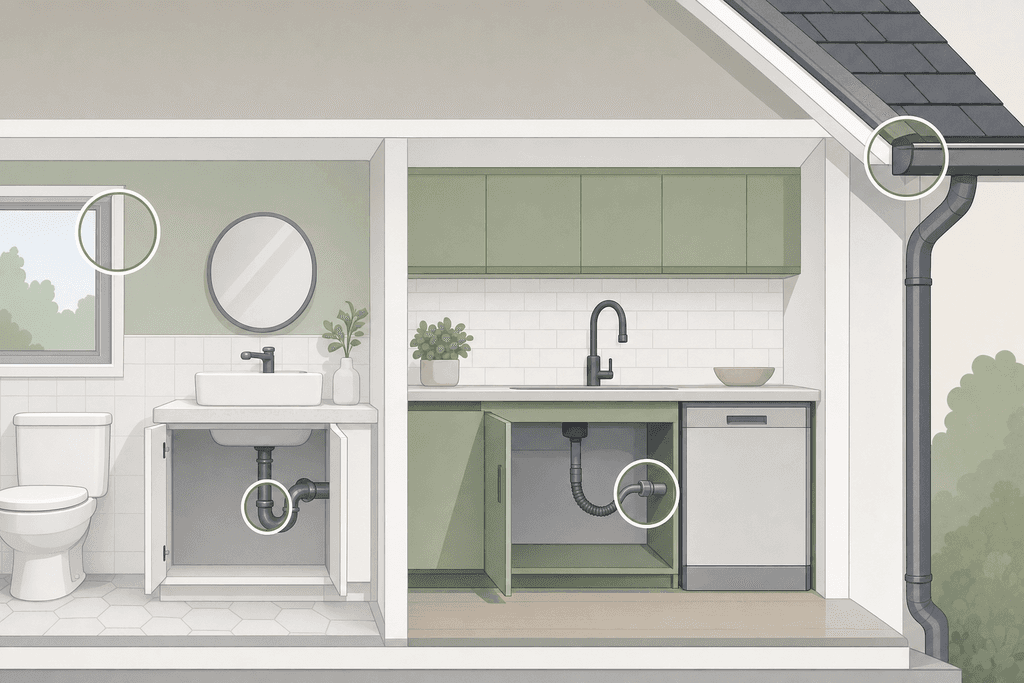
Roof flashing, gutters, and downpipes need a look before storm season, since a blocked downpipe pushes water back under the roofline instead of away from the house. Window and door seals, grout lines, and silicone in wet areas crack over time and let water track into wall cavities long before any stain shows up inside. Appliance hoses on washing machines, dishwashers, and fridges are rated for a set lifespan, usually five years, and should be replaced on that schedule rather than waited out until they burst.
- Under-sink pipes and hose fittings: check monthly for damp patches or corrosion
- Roof flashing and gutters: check twice a year, before and after storm season
- Window, door, and shower seals: check yearly for cracking or gaps
- Appliance hoses: replace every five years regardless of visible wear
Daily Habits That Stop Moisture Building Up
Small daily habits keep humidity from settling into surfaces where it can sit for hours. Wipe down wet floors and counters right after use instead of letting them air dry, since standing water left on tile or laminate for even 20 minutes is enough to seep into grout lines and seams. Run the exhaust fan during and after every shower, and leave it on for at least ten minutes afterward to clear trapped humidity from the room before it settles on walls and ceilings.
Fabric bath mats and rugs hold moisture underneath long after the top feels dry, creating a damp layer against the floor that never fully airs out between uses. Wardrobes, cupboards, and under-sink cabinets need airflow too, so leave doors cracked open for an hour after a shower or after washing dishes.
- Wipe counters and floors immediately, don't wait for air drying
- Run the exhaust fan during showers and ten minutes after
- Swap fabric bath mats for surfaces that release moisture instead of holding it
- Crack open cupboard and wardrobe doors after wet-room use
The next generation of home essentials: naturally made, cleaner by design, sustainable by nature.
SHOP ALLChoosing Materials That Dry Fast Instead of Staying Wet
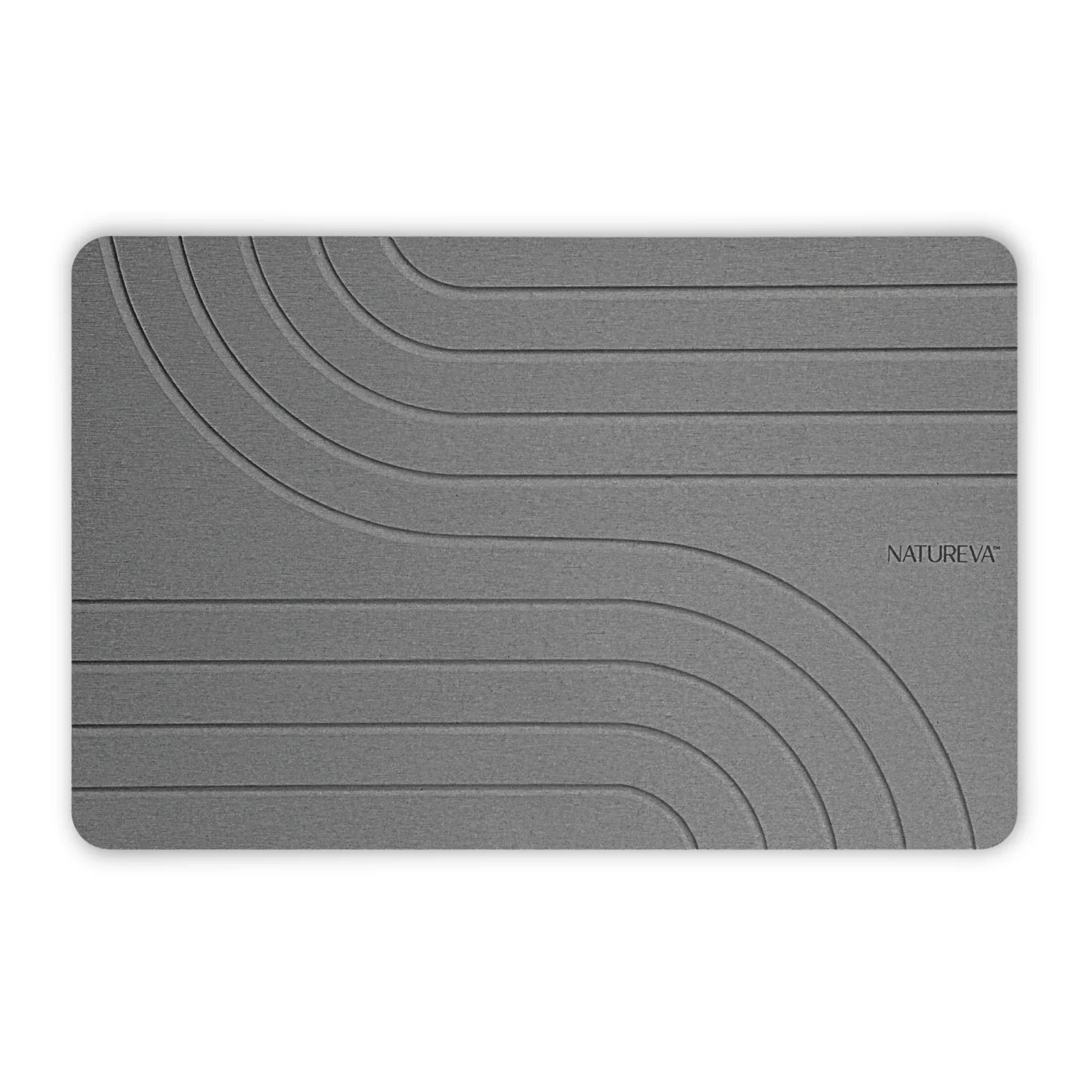
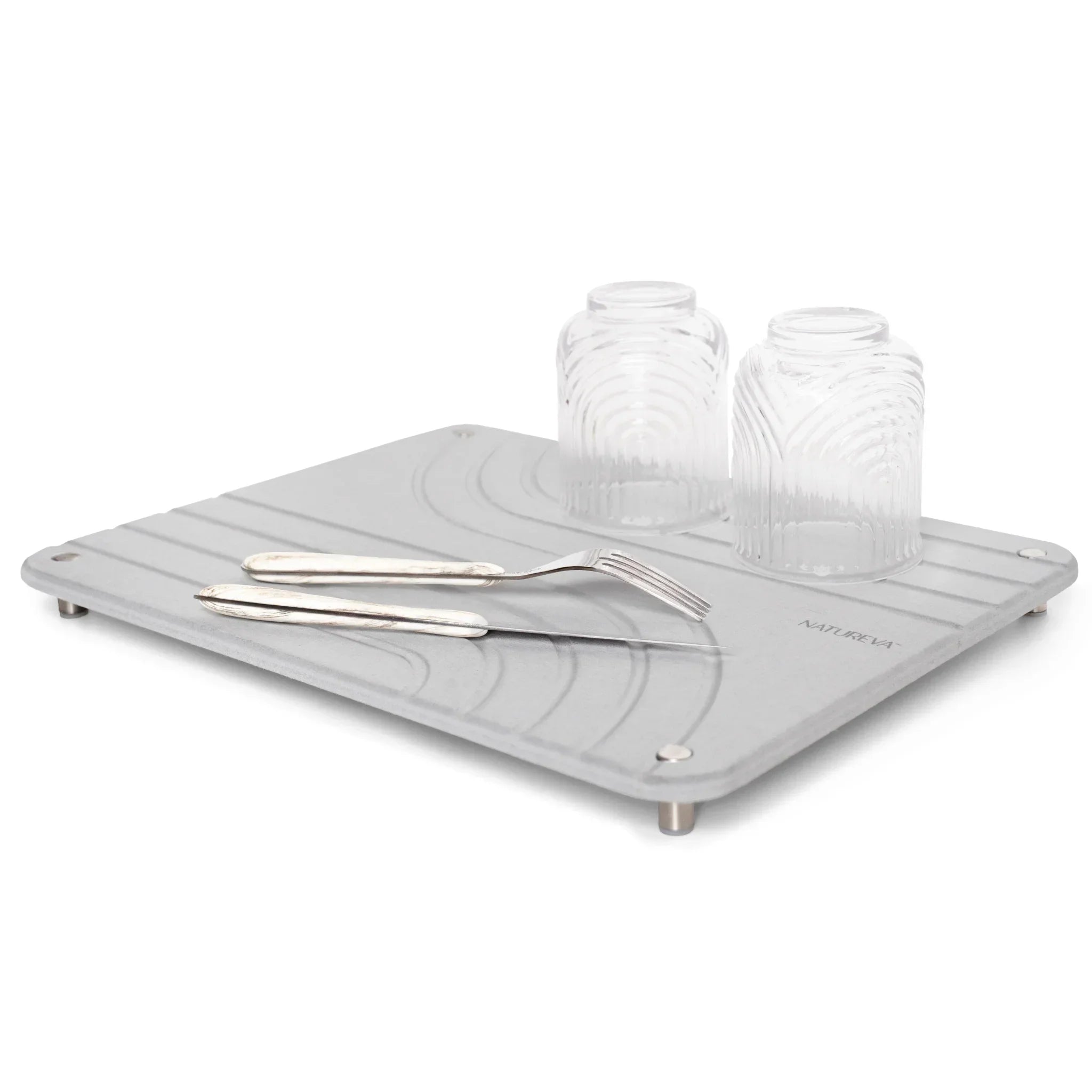
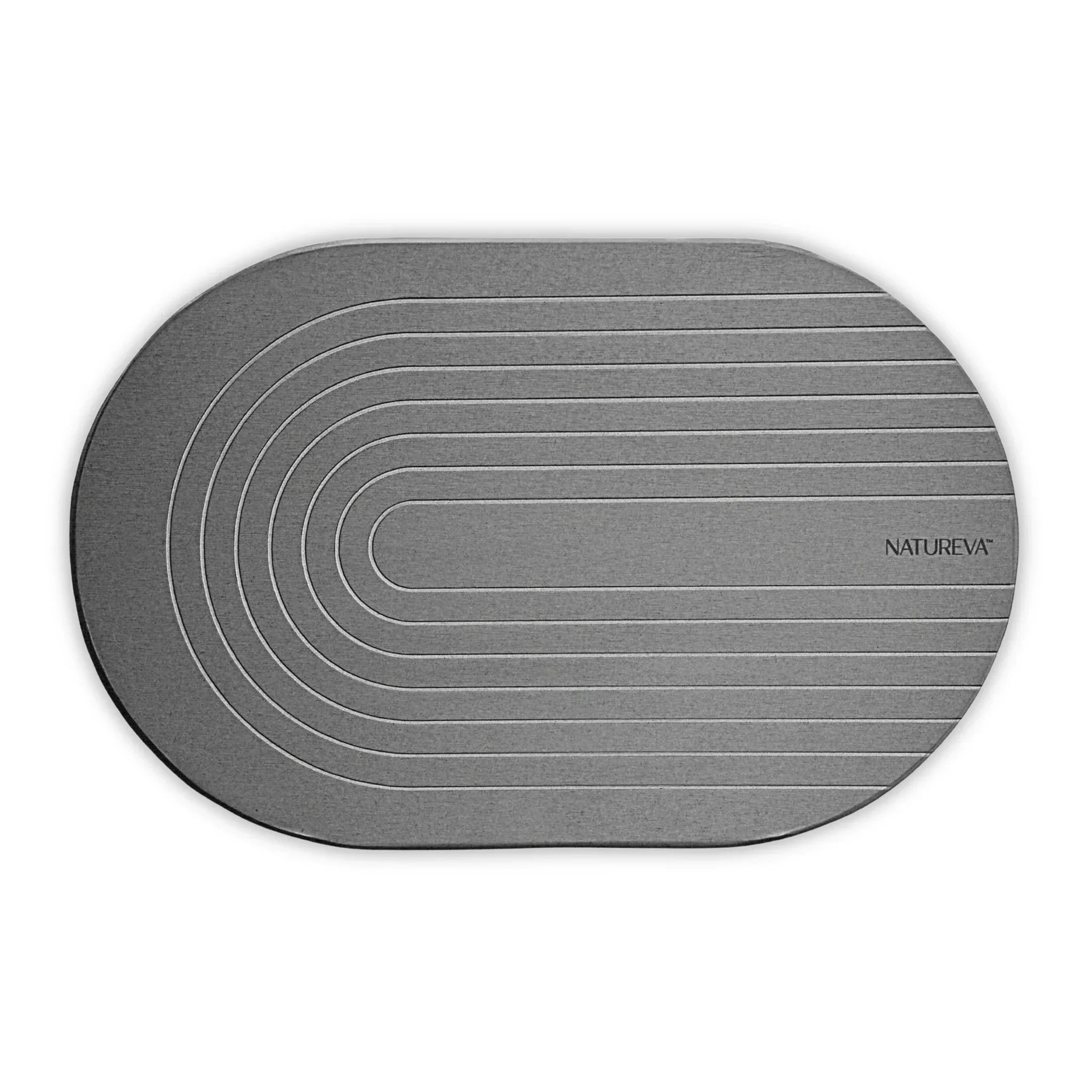
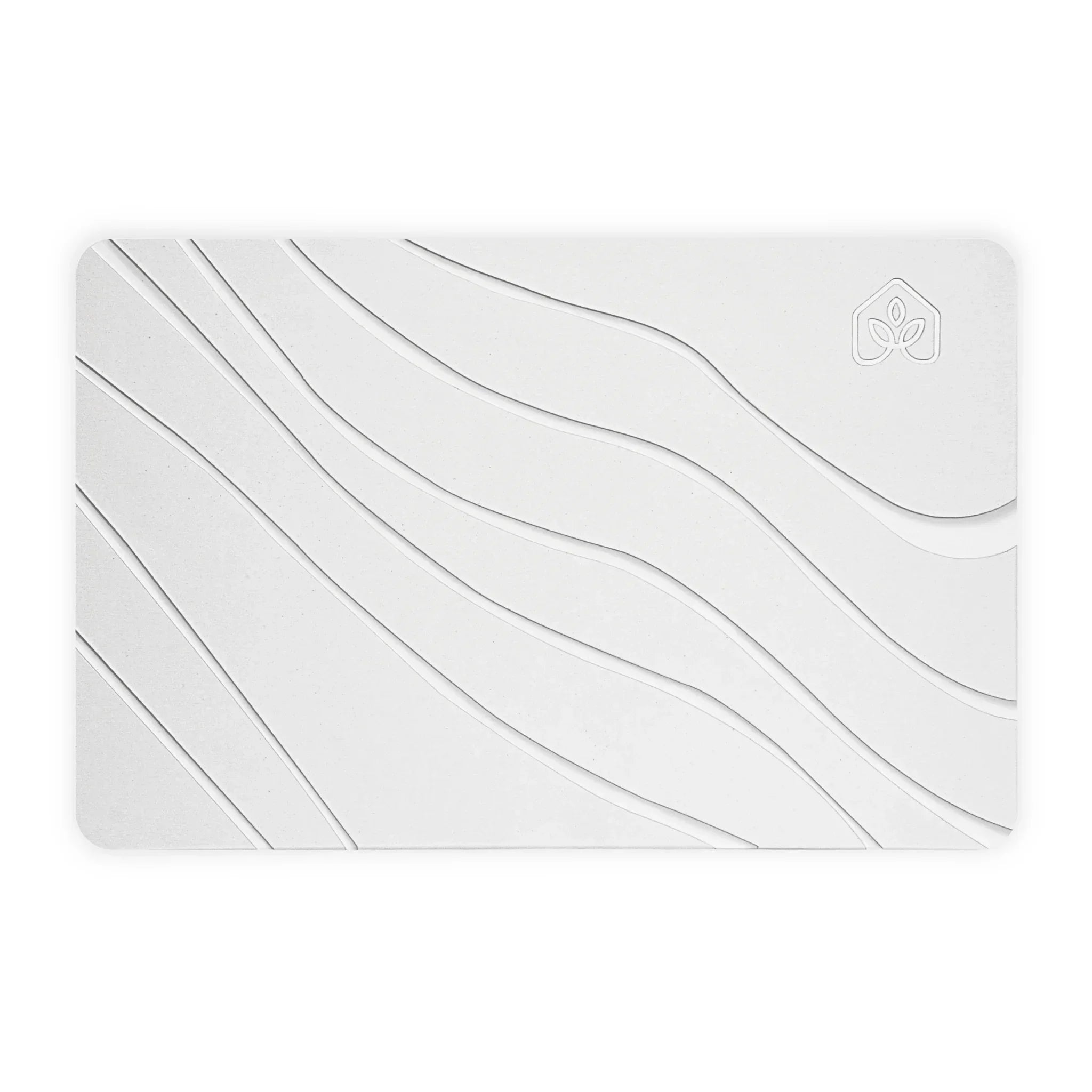
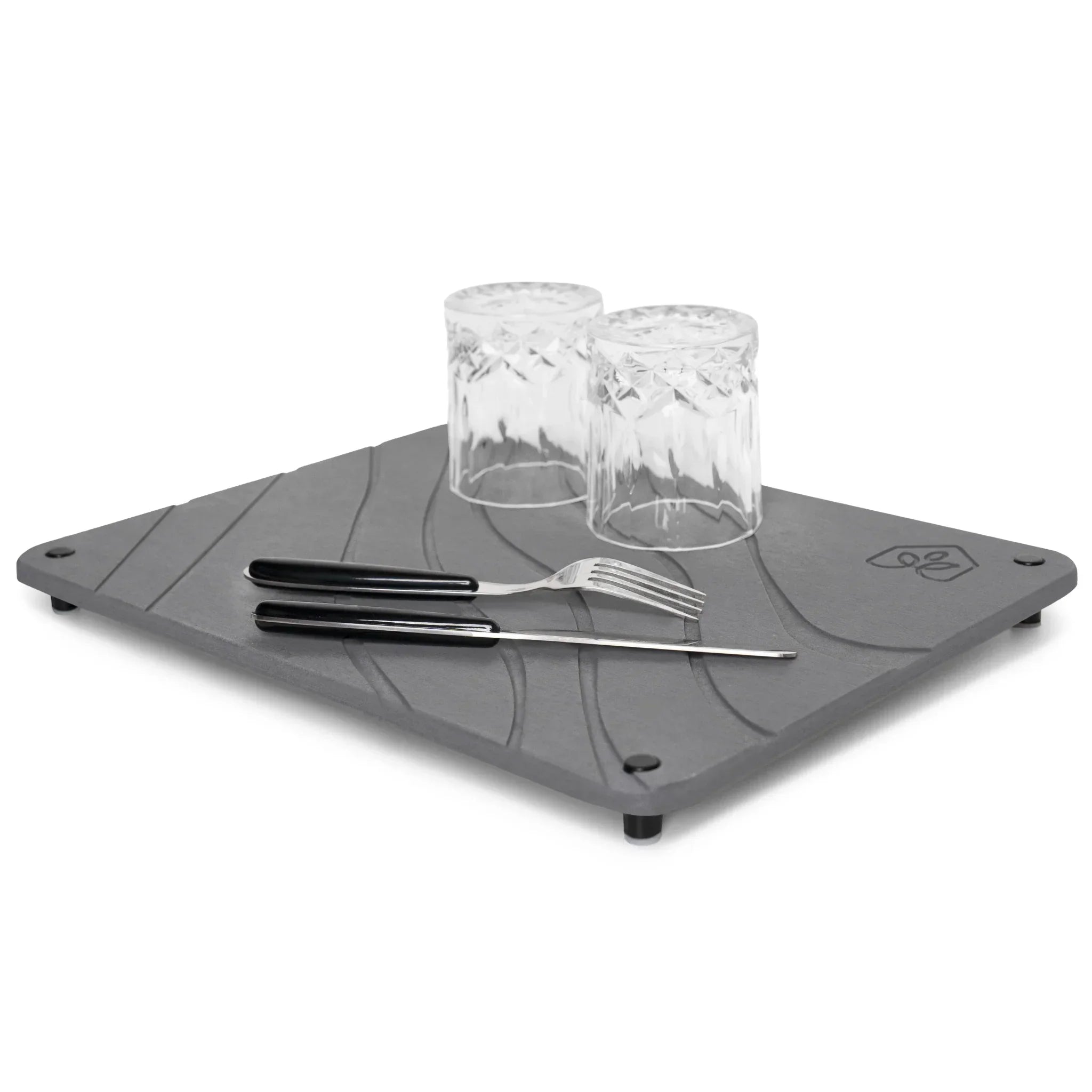
The material sitting under your feet or under your dish rack decides how long moisture stays in the room, and that matters as much as fixing a pipe. Fabric, rubber, and silicone mats trap water underneath and stay damp for hours, holding the exact conditions where mould and mildew develop. A stone surface made from diatomite works differently: it absorbs water on contact and releases it back into the air through rapid evaporation, so there's no lingering damp patch left on the floor.
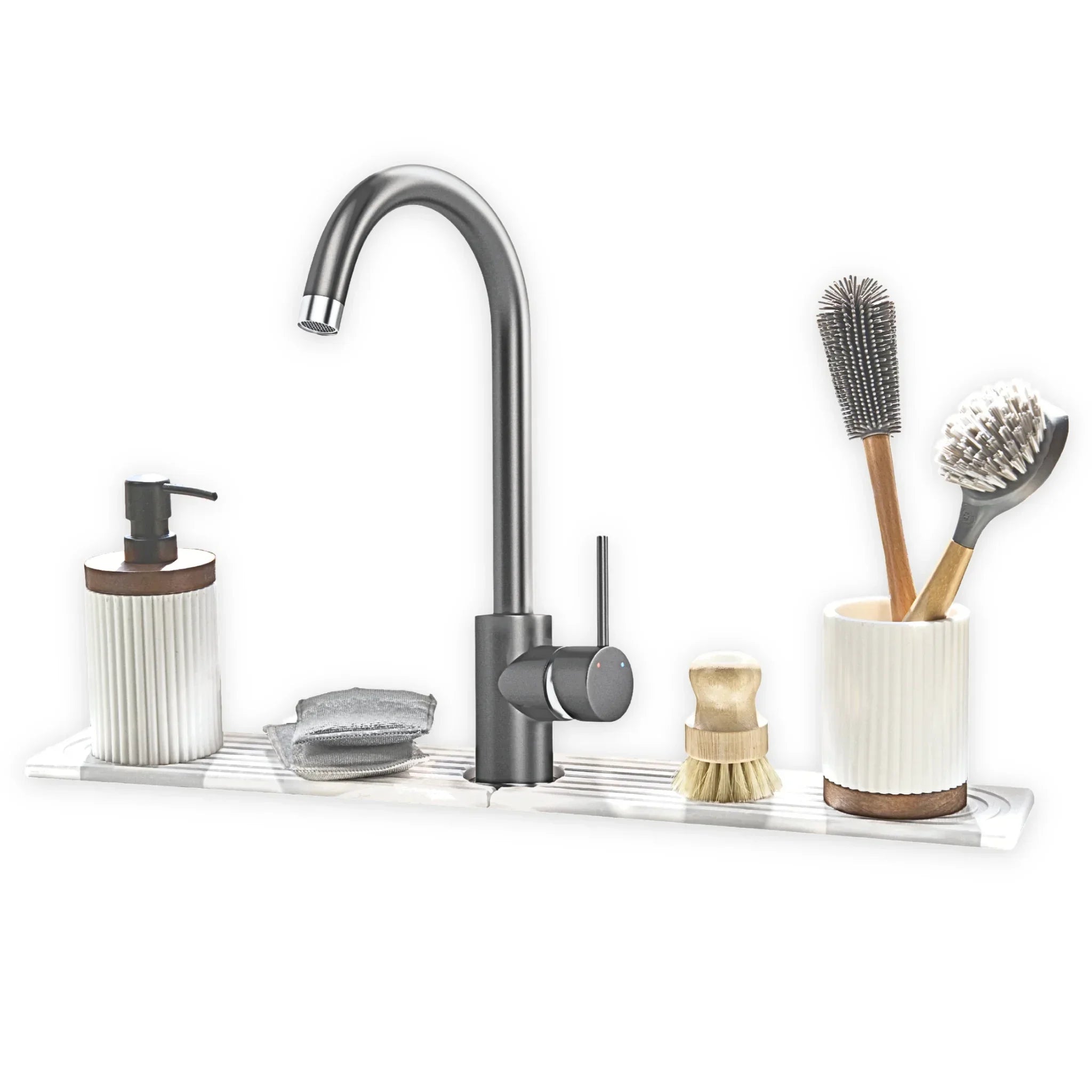
Elevated designs add a second layer of protection. Dish mats and sink caddies raised 2.5 cm on stainless steel legs let air move underneath, which keeps benchtops from trapping moisture or picking up pressure marks over time. Small swaps, a bath mat, a dish mat, a sink caddy, cut daily moisture exposure without asking anyone to change how they already use a bathroom or kitchen. You can browse the full range of stone bath mats to see how the designs work together across a bathroom.
- Fabric and rubber mats: stay damp for hours, need frequent washing
- Silicone mats: repel water on the surface but trap it underneath
- Diatomite stone mats: dry within minutes through evaporation
- Elevated dish mats and caddies: airflow protects benchtops from pressure marks
Fixing Small Leaks Before They Become Big Repairs
Small leaks turn into structural repairs when they're left for months instead of fixed within days. Re-caulk silicone seals around baths, showers, and sinks every 12 to 18 months, since old caulk shrinks and pulls away from the joint, letting water track behind tiles unnoticed. Replace worn washers and O-rings in taps the moment you notice a drip, since a slow tap leak can waste thousands of litres a year and keep the cabinet below constantly damp.
Test water pressure and shutoff valves once a year so you can stop a leak fast if one starts, rather than searching for the right valve during an emergency. Watch for early warning signs too: a musty smell, flooring that feels soft underfoot, or paint peeling near skirting boards all point to water sitting somewhere it shouldn't. Consumer Reports lists these exact signs as early indicators of water damage worth acting on right away.
- Re-caulk wet-area seals every 12 to 18 months
- Replace dripping tap washers and O-rings as soon as they appear
- Test shutoff valves yearly so they turn easily in an emergency
- Check for musty smell, soft flooring, or peeling paint near skirting boards
Which Approach Actually Fits Your Household
Two households can read the same checklist and end up with different results, because habits depend on who's home and how busy the week gets. A single person who showers at the same time daily will run the exhaust fan every time. A family of five with three bathrooms and shifting schedules will miss it half the time, and that's when moisture sits long enough to matter.
Materials don't have this problem. A surface that dries in minutes works the same whether someone remembers to wipe it down or not, which is why relying on habits alone leaves a gap that only the right surface closes.
Renovation timing changes the maths too. Anyone gutting a bathroom or fitting out a first home can choose moisture-resistant flooring, sealed grout, and fast-drying surfaces before anything gets used, instead of retrofitting fixes into a finished room later.
Older homeowners get a second benefit layered on top of hygiene: a stable, non-slip surface removes the sliding and bunching that fabric mats cause on wet tile, which matters more for fall risk than for mould alone.
| Household type | Main risk | Best fit |
|---|---|---|
| Busy family, shared bathroom | Inconsistent daily habits | Fast-drying materials plus a simple weekly check |
| First-home buyer or renovator | Starting from scratch | Build moisture-smart choices in before move-in |
| Older homeowner | Fall risk plus mould | Stable, non-slip surfaces over fabric mats |
None of this replaces checking pipes, seals, and hoses on schedule. It's a second layer, so a missed habit or a slow leak doesn't get the chance to sit undetected for months.
Pick the One Spot That Never Fully Dries
Walk through your home this week and find the one surface that's still damp an hour after you last used it. For most households that's the bathroom floor or the spot under the dish rack. Check the seal or hose nearest that spot first, since a cracked joint feeding the dampness undoes any mat or towel sitting on top of it. Once that's sound, swap in a surface built to dry fast, one that absorbs water on contact instead of holding it. That single swap, done once, keeps working every day without another check. Small fixes done now are what stop a $1,500 roof repair or a $6,000 bathroom reseal five years from today.
The next generation of home essentials: naturally made, cleaner by design, sustainable by nature.
SHOP ALLWater Damage Questions Homeowners Ask
Does home insurance cover water damage from a slow leak that went unnoticed?
Most home insurance policies exclude gradual damage caused by long-term leaks, since insurers treat this as a maintenance failure rather than a sudden accident. Coverage usually applies only if the leak was sudden and could not have been reasonably detected. This is why insurers ask claimants when the leak started and whether it was visible beforehand. Check your policy wording directly, since exclusions for gradual damage differ between insurers.
What should renters do if they can't fix plumbing issues themselves?
Renters should report any leak, drip, or damp patch to the property manager or landlord in writing the same day it's noticed. Most tenancy laws require landlords to fix plumbing issues within a set timeframe once notified, and a written record protects the renter if damage spreads later. While waiting for a repair, renters can still reduce daily moisture with fast-drying mats and good airflow, since those steps don't require landlord approval.
How can you tell if water damage is hidden behind a wall or under flooring?
Hidden water damage shows up as a musty smell, a wall that feels cool or slightly soft to the touch, or flooring that flexes underfoot in one spot but not elsewhere. Paint or wallpaper may bubble slightly even without a visible stain. Skirting boards that have swelled or separated from the wall are another sign. A moisture meter, available cheaply at hardware stores, confirms elevated readings inside a wall cavity before any visible damage appears.
Is it worth installing a water leak sensor for extra protection?
Yes, a water leak sensor is worth installing under sinks, behind washing machines, and near hot water systems, since it alerts you the moment moisture is detected rather than weeks later. These battery-powered sensors connect to a phone app and cost far less than the repair bill for a slow leak left running for months. They work alongside daily habits and fast-drying surfaces like a stone bath mat, catching the leaks that happen out of sight.