
How Sink Caddy Kitchen Tools Manage Bench Dripping
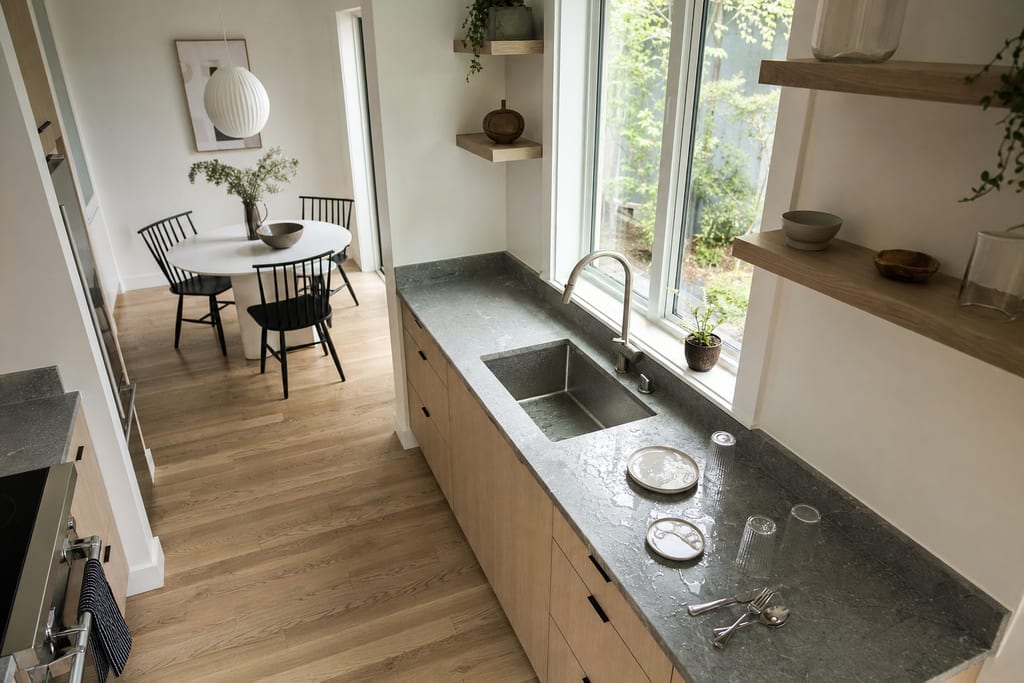
That puddle of water spreading across your kitchen counter after washing dishes is more than just annoying—it's creating the perfect breeding ground for bacteria and mold. Most people don't realize that traditional dish racks and plastic trays actually trap moisture instead of managing it, which is why your bench stays wet for hours. A quality sink caddy kitchen solution, like those made from diatomaceous earth stone, can absorb water instantly and keep your countertop completely dry.
Table of Contents
Why Kitchen Benches Stay Wet
Every time you wash dishes, that puddle forms around your sink. It's not just annoying - it's actually a breeding ground for problems you can't always see. The average kitchen sink area gets wet at least 5-10 times per day from dish soap bottles, sponges, scrub brushes, and hand soap dispensers. All that water has to go somewhere, and usually it just sits there on your counter.
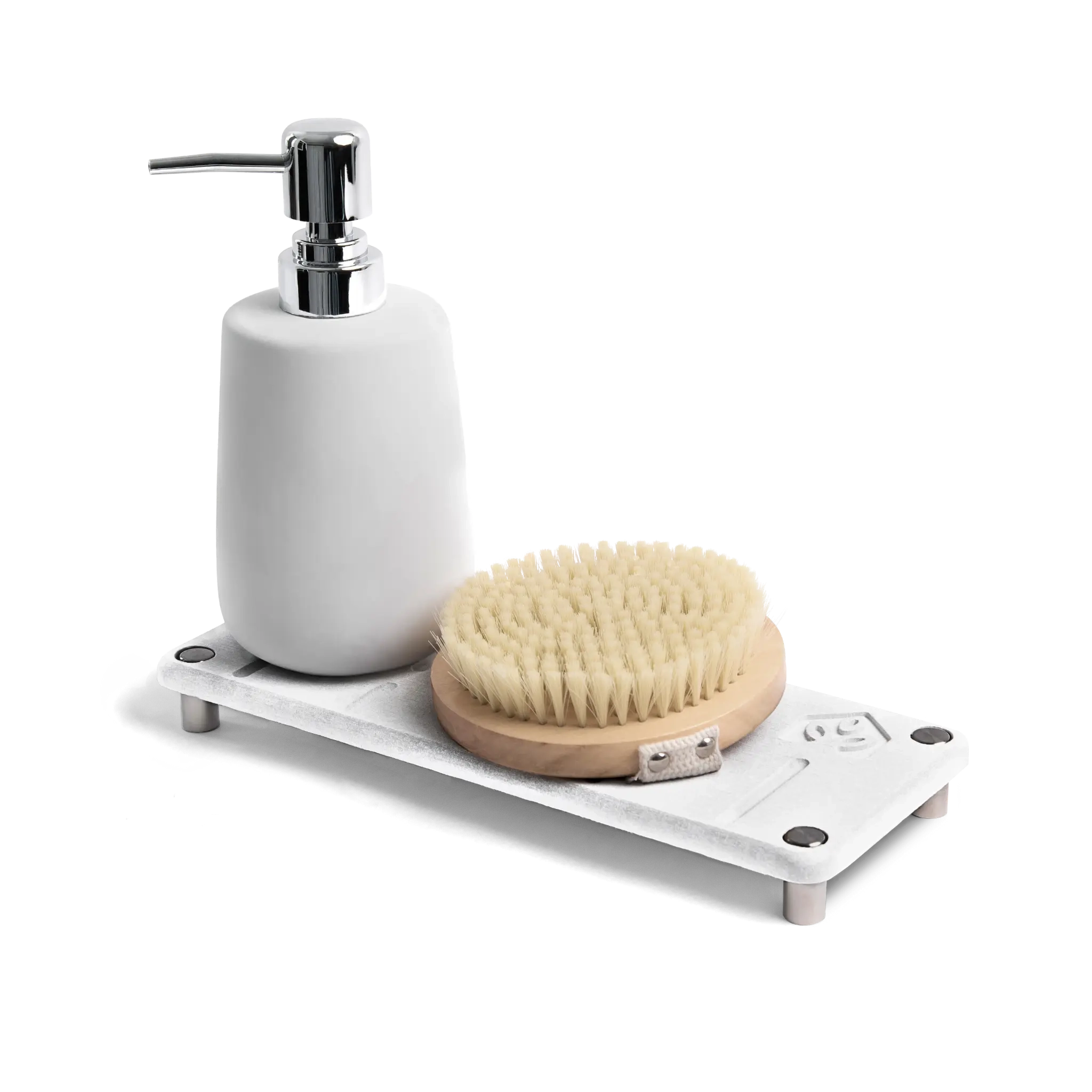
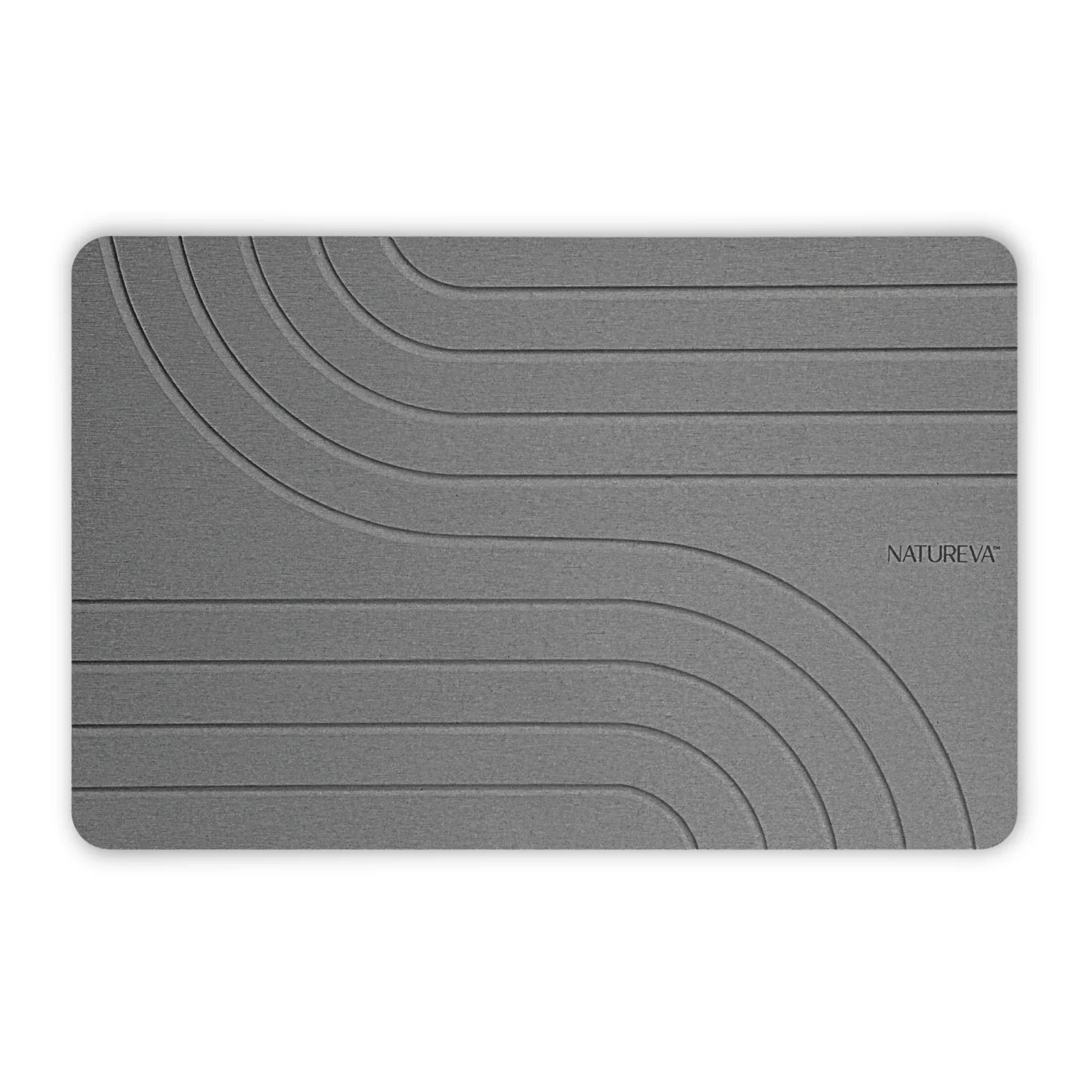
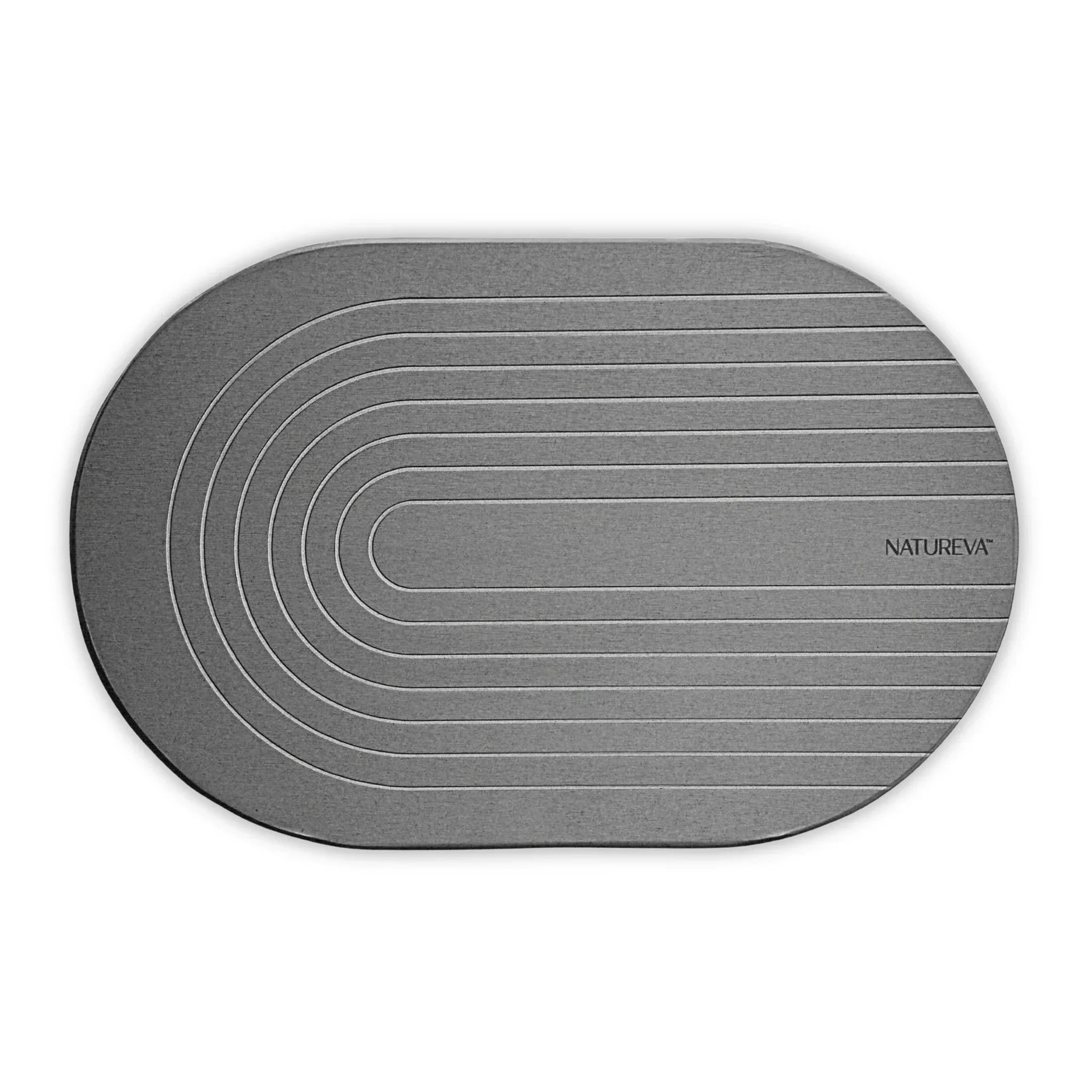
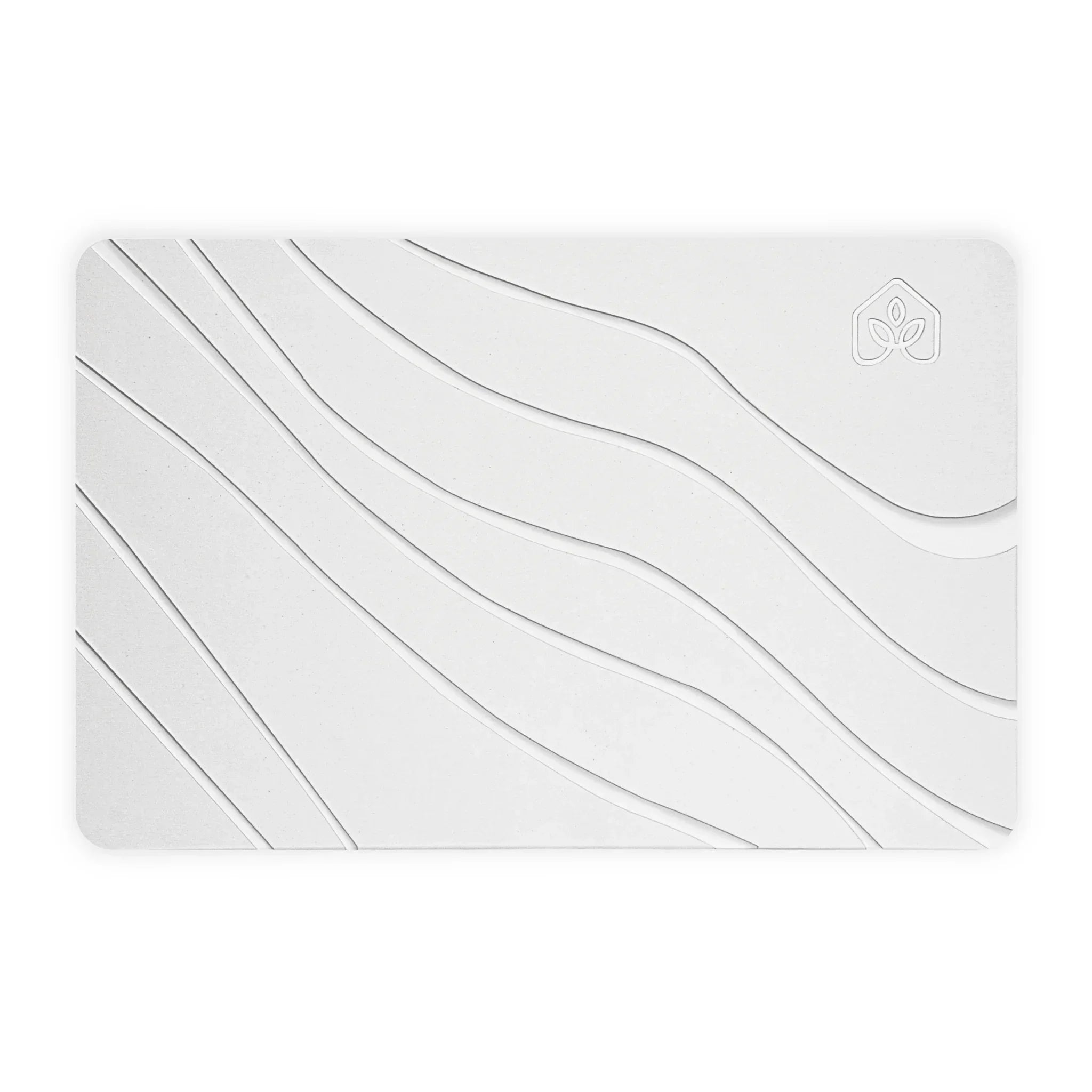
Stone Sink Caddy - Rain
Where All That Water Comes From
Think about everything that sits by your sink. Each item drips more than you realize throughout the day.
- Dish soap bottles leak from the pump and bottom rim
- Wet sponges release water for hours after use
- Scrub brushes hold water in their bristles
- Hand soap dispensers drip between uses
- Dish rags stay damp and spread moisture
Most people try using regular trays to catch this water. But here's the problem - those trays don't actually solve anything.
Why Regular Trays Make Things Worse
Traditional plastic and metal trays just collect water in a pool at the bottom. Your items sit in that dirty water, which means they never really dry. The moisture stays trapped under your sponges and soap bottles, creating the perfect environment for mold and bacteria to grow.
- Water pools at the bottom with nowhere to go
- Items stay wet and slimy on the bottom
- Mold starts growing in hidden spots
- Bacteria multiply in the trapped moisture
You end up having to empty and clean these trays constantly. Some people even give up and just let the water sit there, which makes the smell even worse.
How Stone Technology Handles Water Differently
Diatomaceous earth changes the whole game. This natural stone material doesn't just hold water - it actually absorbs it and lets it evaporate into the air. Companies like Dorah Home and Dry Sorb have been using this material for bath mats, but it works even better for sink areas where water is a constant issue.
| Feature | Traditional Trays | Stone Sink Caddy |
|---|---|---|
| Water Management | Pools at bottom | Absorbs instantly |
| Drying Time | Stays wet for hours | Dries in seconds |
| Mold Risk | High | Very low |
| Cleaning Frequency | Daily emptying needed | Weekly wipe down |
| Item Condition | Sits in water | Stays dry |
Our Stone Sink Caddy uses this same diatomaceous earth technology to keep your sink caddy kitchen area actually dry. The stone pulls water away from your items and releases it as vapor, so nothing stays wet or gross.
How Diatomaceous Earth Absorbs Water Instantly
That puddle of water around your dish soap bottle isn't just annoying. It's actually creating a perfect home for bacteria and mold to grow right where you prepare your food. Most people don't realize that the material their sink caddy is made from matters just as much as having one in the first place. Traditional plastic or metal trays just collect water and let it sit there, which defeats the whole purpose.
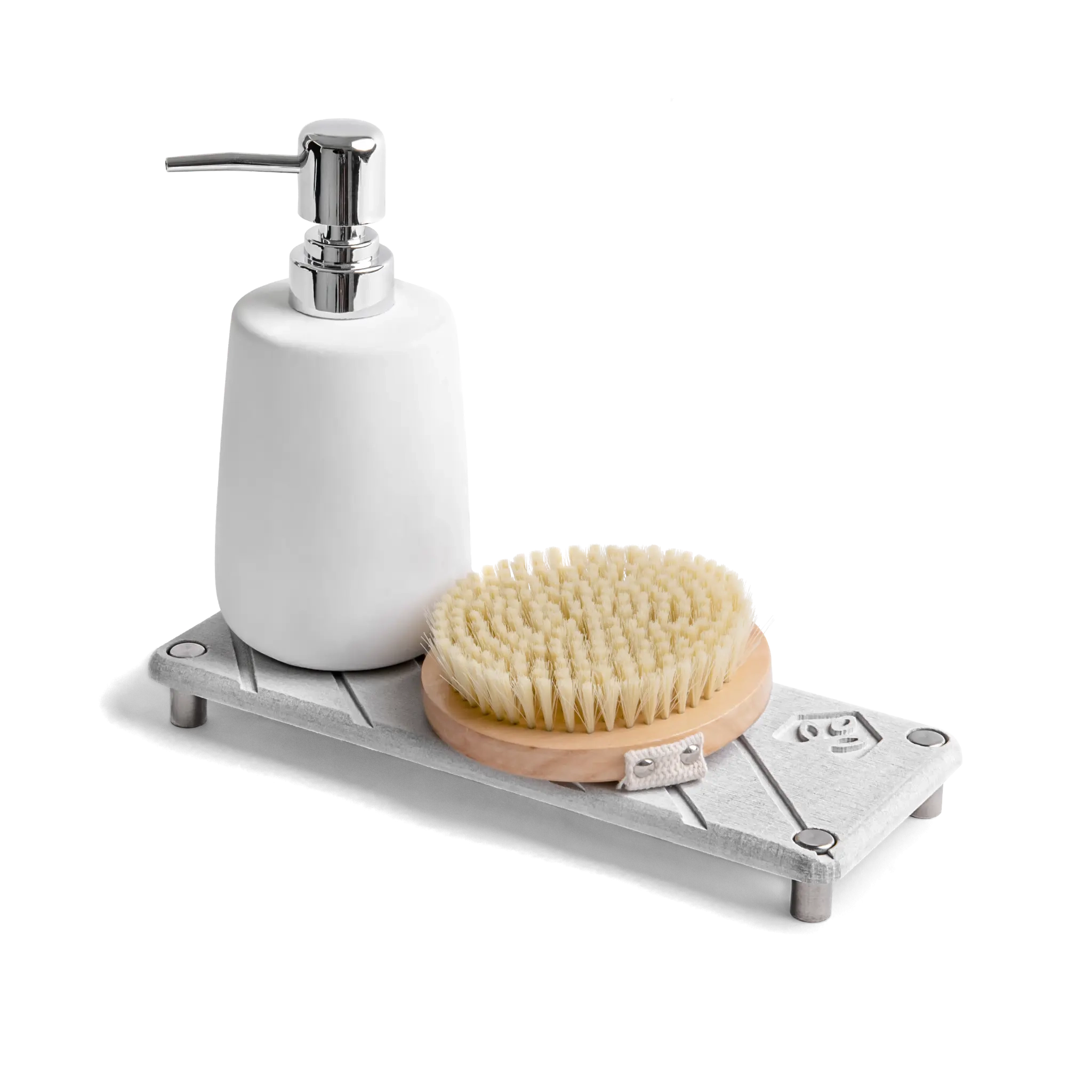
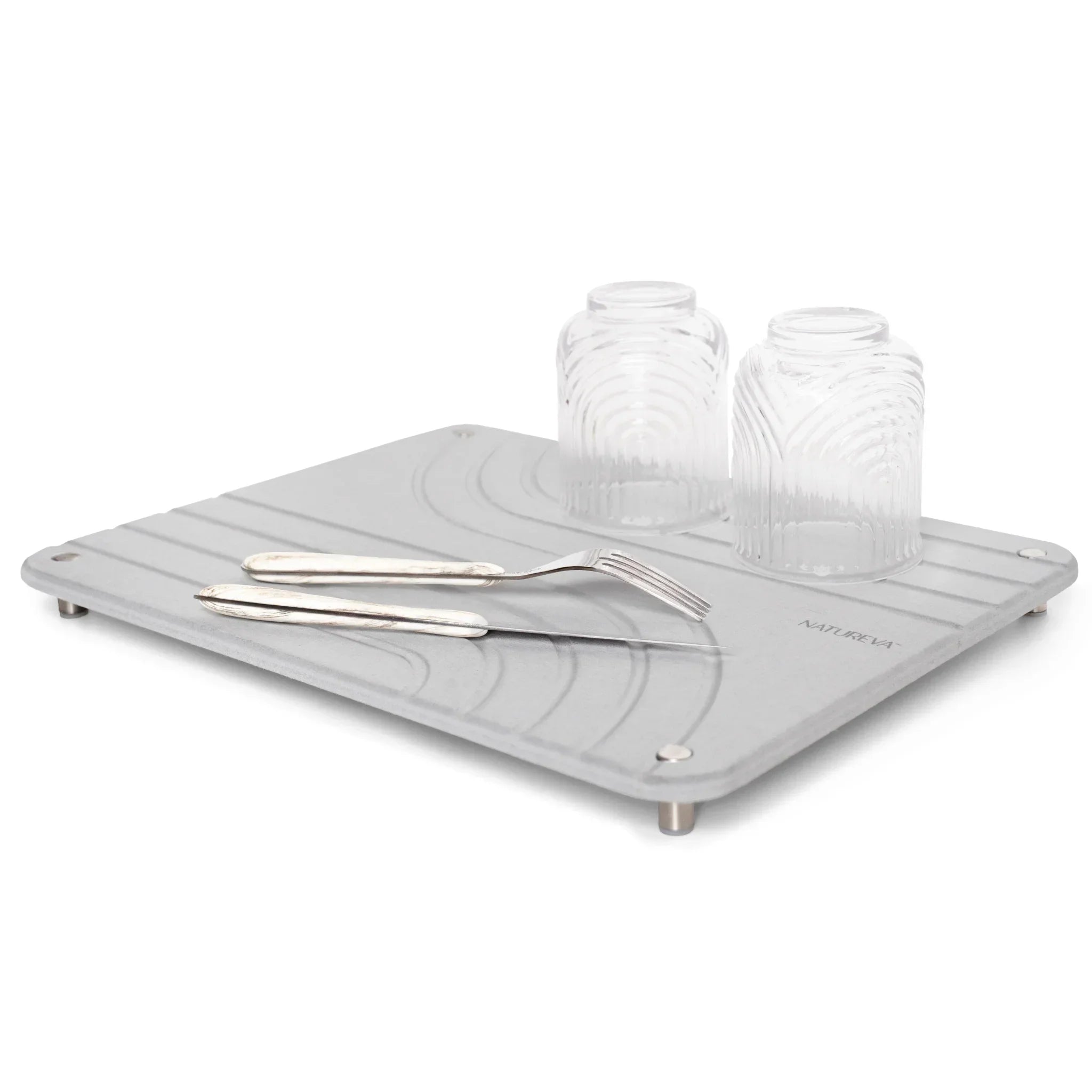
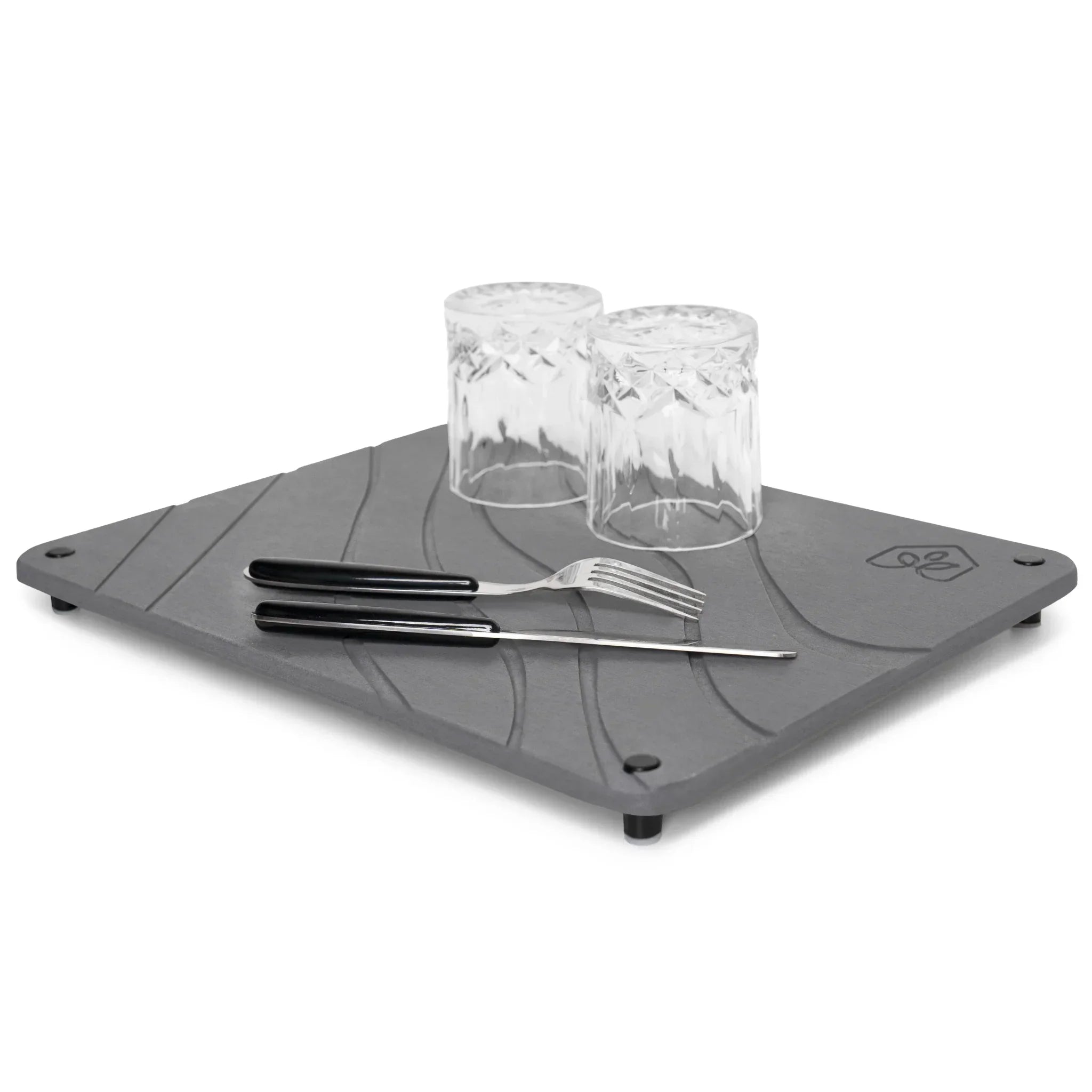
Stone Sink Caddy - Flow
Diatomaceous earth changes everything about how a sink caddy kitchen tool works. This natural material comes from fossilized algae that lived millions of years ago, and it has a unique structure that makes it perfect for managing water. When you look at it under a microscope, you'll see millions of tiny pores that act like little sponges.
Here's what makes this material different from regular sink caddies:
- Microscopic pores absorb water on contact within just a few seconds
- The porous structure allows water to evaporate naturally through the stone instead of pooling on the surface
- The material stays dry to touch even while it's actively absorbing moisture
- Natural antibacterial properties prevent mold and bacteria from taking hold
- No chemical treatments needed to keep it clean and fresh
The science behind it is pretty straightforward. When water hits the surface of a diatomaceous earth caddy, it gets pulled into those microscopic pores immediately. Then, because the material is so breathable, that water evaporates back into the air instead of staying trapped. You won't see puddles forming or feel that gross slippery texture that plastic trays get.
Organizing Kitchen Essentials Without the Mess
Walk into most kitchens and you'll find dish soap bottles scattered around the sink, sponges tossed wherever, and brushes dripping water all over the counter. It's not that people are messy, it's just that wet kitchen tools need somewhere to go. Without a proper spot for them, water ends up spreading across your entire countertop. That's where a good sink caddy kitchen setup makes a real difference.
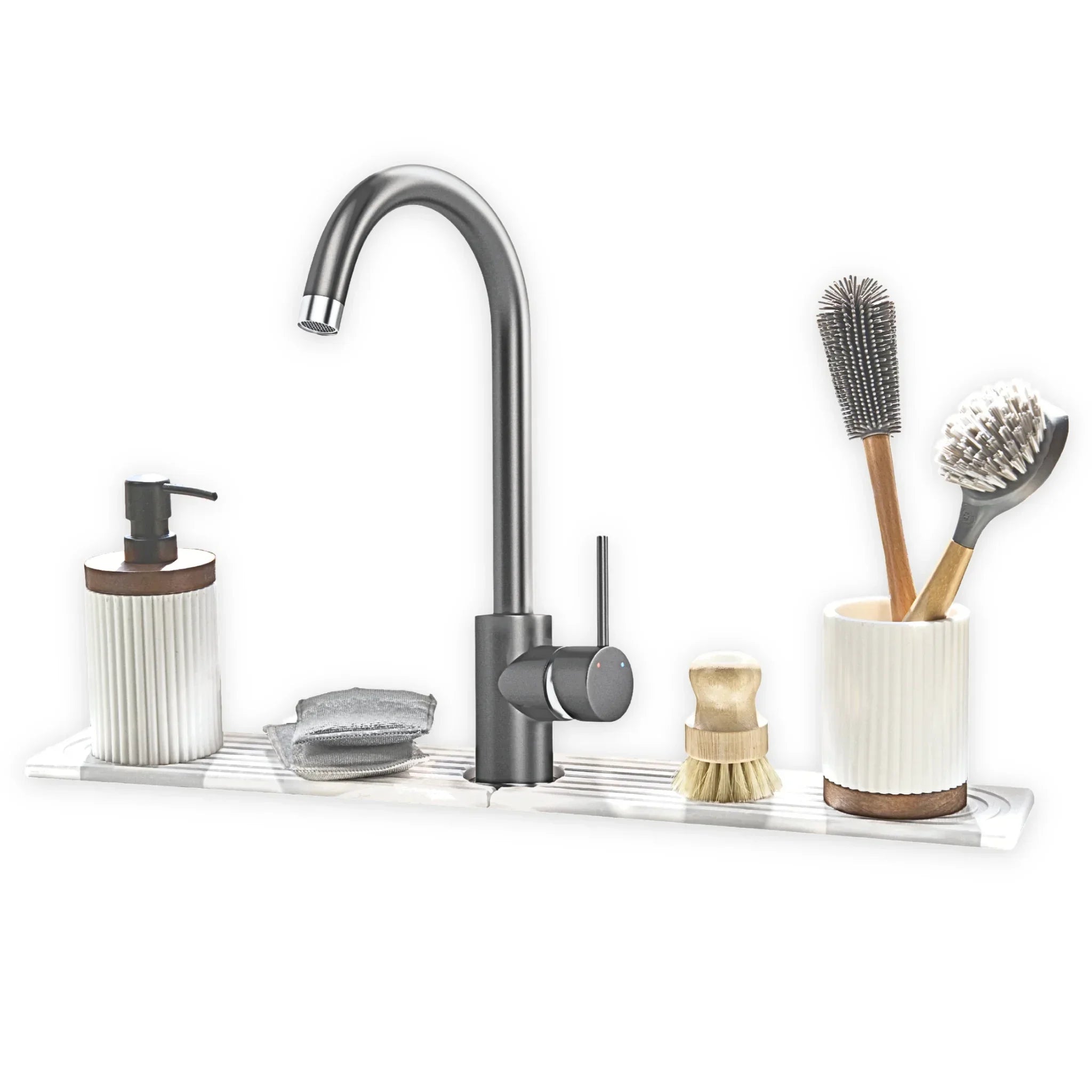
A sink caddy creates a designated zone for all those wet items that usually cause problems. Instead of water migrating across your counter and under appliances, it stays contained in one spot where it can actually dry properly. The Natureva Stone Sink Caddy comes in two designs that fit different kitchen styles and layouts.
Items that work perfectly on a sink caddy:
- Dish soap and hand soap bottles
- Kitchen sponges and scrubbers
- Dish brushes and bottle brushes
- Vegetable scrubbers
- Small cleaning tools
- Bar soap for handwashing
The Rain design has a textured pattern that adds visual interest while providing excellent drainage. The Flow design offers a different aesthetic with smooth lines that complement modern kitchens. Both work the same way when it comes to absorbing water and keeping your counter dry. You can check out more kitchen sink caddy ideas to see how different setups work in various spaces.
The key is having everything in one place where water can't cause damage. When your sponge sits on a regular counter, that water seeps into the grout or under the backsplash. With a proper caddy, especially one made from absorbent material, the water disappears before it becomes a problem.
Preventing Mold and Bacteria Growth
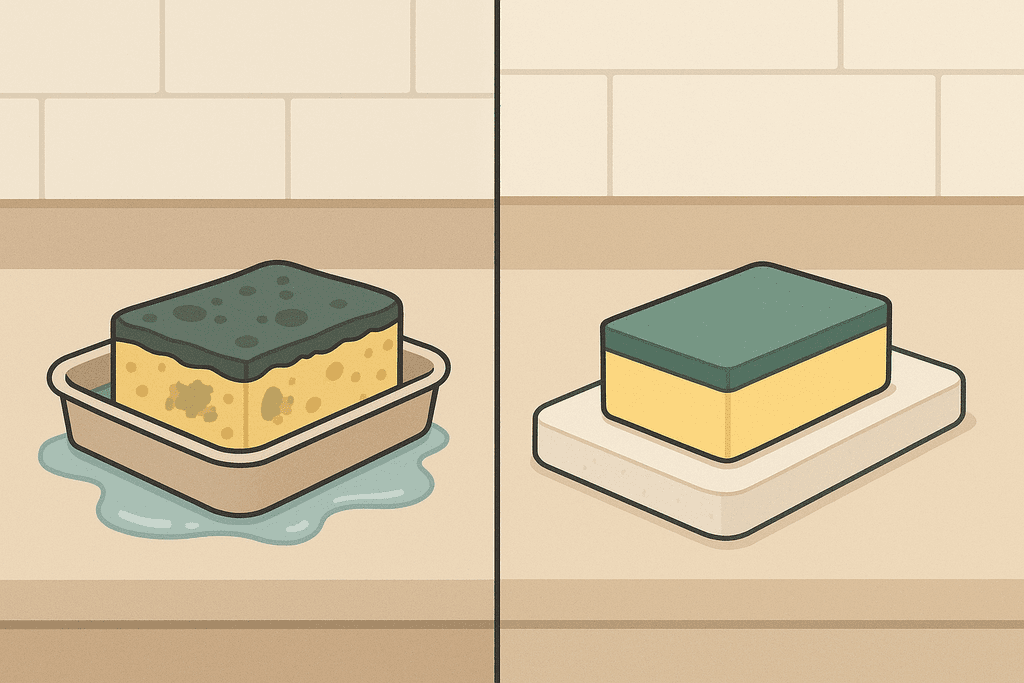
That musty smell coming from your kitchen sponge isn't just unpleasant. It's a sign that bacteria and mold are multiplying in the damp environment you've accidentally created. Trapped moisture is basically an invitation for microorganisms to set up camp right next to where you wash your dishes. Traditional sink trays with solid bottoms are some of the worst offenders because they keep items sitting in stagnant water for hours.
Preventing Mold and Bacteria Growth
Think about what happens with a regular plastic or metal tray. Water drips off your soap bottle or sponge, pools at the bottom, and just sits there. Your sponge soaks up that dirty water, stays wet all day, and becomes a breeding ground for the exact things you're trying to clean away. According to research on sink caddy selection criteria, moisture management is the most important factor for kitchen hygiene.
Why quick drying matters for kitchen health:
- Bacteria need moisture to multiply rapidly
- Mold spores thrive in damp, dark conditions
- Wet sponges can harbor millions of bacteria within hours
- Stagnant water creates biofilm that's hard to remove
- Musty odors indicate active bacterial growth
Diatomaceous earth naturally inhibits bacterial growth through its unique properties. The material doesn't just absorb water, it also creates an environment where bacteria struggle to survive. Because the surface dries so quickly, microorganisms don't get the sustained moisture they need to establish colonies. This means less frequent cleaning and disinfecting of your sink area.
The next generation of home essentials: naturally made, cleaner by design, sustainable by nature.
SHOP ALLThe difference becomes obvious after just a few days of use. Your sponges dry out between uses instead of staying perpetually damp. Soap bottles don't sit in their own puddles. The whole sink area stays fresher without that sticky, grimy feeling that develops on traditional trays. You're creating a healthier kitchen environment without adding extra cleaning tasks to your routine.
If you're looking to upgrade other areas of your kitchen with the same water-absorbing technology, the diatomite stone dish mat works great next to the sink for drying dishes. The same principles apply throughout your home, from bathroom accessories to plant saucers that prevent water rings on furniture.
Stone Sink Caddies vs Traditional Solutions
Most people don't realize they're spending money on the same kitchen problem over and over again. Traditional plastic and metal sink caddies seem cheap at first, but they need replacing every few months once mold sets in or rust appears. The real cost isn't just the replacement price - it's the time spent scrubbing counters, wiping up puddles, and dealing with that musty smell that never quite goes away. A quality sink caddy kitchen solution changes this cycle completely.
The Hidden Costs of Cheap Solutions
When you add up what traditional sink organizers actually cost, the numbers tell a different story. Here's what most people face with standard options:
- Plastic trays need replacement every 3-6 months due to mold growth and discoloration
- Metal caddies rust quickly from constant water exposure, especially around joints
- Sponge holders trap moisture underneath, creating breeding grounds for bacteria
- Daily wiping and cleaning adds 5-10 minutes to kitchen maintenance routines
The pattern repeats itself because these materials weren't designed to handle water properly. They hold it instead of managing it.
Comparing Real World Performance
| Feature | Stone Caddy | Plastic Tray | Metal Holder |
|---|---|---|---|
| Lifespan | 3+ years | 3-6 months | 6-12 months |
| Water Management | Absorbs and evaporates | Pools and traps | Drains but rusts |
| Maintenance Time | 1 min/week | 5 min/day | 3 min/day |
| Mold Risk | Very low | High | Medium |
Stone sink caddies like our Natureva options work differently because they're made from diatomaceous earth. This natural material actively pulls water away from your items and releases it into the air.
What the Investment Actually Means
The math becomes clear when you look at a full year. Replacing a cheap plastic caddy four times costs roughly the same as one quality stone option, but you're still dealing with the mess. Time savings matter too - spending even five extra minutes daily on counter cleanup adds up to over 30 hours per year.
- One stone caddy replaces 12+ traditional trays over three years
- No scrubbing mold or dealing with rust stains on countertops
- Better organization means less time searching for sponges and brushes
- Cleaner workspace reduces kitchen stress and improves cooking experience
The difference shows up in daily life more than spreadsheets. A dry counter means you're not constantly reaching for towels or worrying about water damage to wooden surfaces. Your sink caddy kitchen setup either works with you or against you, and that choice affects every meal you prepare.
Keep Your Kitchen Bench Dry and Clean
A wet kitchen bench is one of those small annoyances that adds up over time. You wipe it down, but ten minutes later there's another puddle from your dish brush or sponge. Traditional plastic trays just trap that water underneath, which means you're basically creating a perfect spot for bacteria and mold to hang out. Not exactly what you want near your clean dishes.
That's where a sink caddy kitchen solution makes a real difference. The diatomaceous earth material actually absorbs water instead of letting it pool around your tools. Our Stone Sink Caddy - Rain and Stone Sink Caddy - Flow both work the same way, just with different patterns to match your kitchen style.
The best part is how simple it is. You don't need to change your routine or remember to do anything special. Just put your wet items on the caddy and it handles the rest. The water gets absorbed and evaporates naturally, so your bench stays dry without any extra effort from you.
If you're dealing with water issues in other parts of your kitchen, you might want to check out our kitchen collection for more options. The same technology works great for dish mats and faucet mats too. But you probably have some questions about how these caddies actually work in daily use.
Common Questions About Sink Caddies
Switching to a new type of sink caddy kitchen organizer brings up plenty of questions. Most people wonder if these stone trays really work better than the plastic or metal ones they've used for years. Here's what you need to know about how diatomaceous earth caddies actually perform in real kitchens.
How do you clean a stone sink caddy?
Cleaning a diatomaceous earth caddy is pretty simple. Just rinse it under warm water and let it air dry completely before using it again. If you notice the absorption slowing down over time, you can lightly sand the surface with fine-grit sandpaper to open up the pores again.
How long does a diatomaceous earth sink caddy last?
A quality stone sink caddy can last several years with proper care. The natural material doesn't break down like plastic trays that crack or metal ones that rust. Our Natureva Stone Sink Caddy maintains its absorption properties for years as long as you keep it clean and avoid dropping it on hard surfaces.
Will it work with all my kitchen items?
Stone caddies work great with most kitchen items like dish brushes, sponges, soap dispensers, and scrubbers. They handle wet items particularly well since that's what they're designed for. Just avoid placing extremely heavy cast iron items on them since the stone can crack under excessive weight.
How fast does it actually absorb water?
The absorption happens almost instantly when water hits the surface. You'll see puddles disappear within seconds, and the caddy itself dries completely within minutes. This is much faster than traditional trays where water just sits there until it evaporates on its own.
What makes stone caddies better than regular trays?
Regular plastic or silicone trays just collect water in a pool at the bottom. Stone caddies actually pull moisture away from your items and release it into the air, which means your sponges and brushes dry faster. Brands like Dorah Home and Dry Sorb offer similar products, but the key difference is in the quality of the diatomaceous earth used.
Do they really prevent mold growth?
Yes, but not because the stone itself kills mold. The caddy prevents mold by keeping things dry, and mold needs moisture to grow. When your sponges and brushes dry quickly instead of sitting in a puddle, there's simply no environment for mold and bacteria to thrive. It's the constant drying action that makes the difference in keeping your sink caddy kitchen area cleaner overall.
The next generation of home essentials: naturally made, cleaner by design, sustainable by nature.
SHOP ALL