
Why Dish Drying Mats Outperform Cloth Drainers
That damp cloth drainer sitting by your sink right now is probably still wet from breakfast, and it will stay that way for hours. Most traditional cloth drainers take 6-8 hours to fully dry, creating the perfect breeding ground for bacteria and mould in one of the most-used spots in your kitchen. A dish drying mat made from natural stone changes everything by drying in minutes instead of hours, keeping your counters cleaner without the constant musty smell.
Table of Contents
How We Got Stuck with Soggy Cloth Drainers
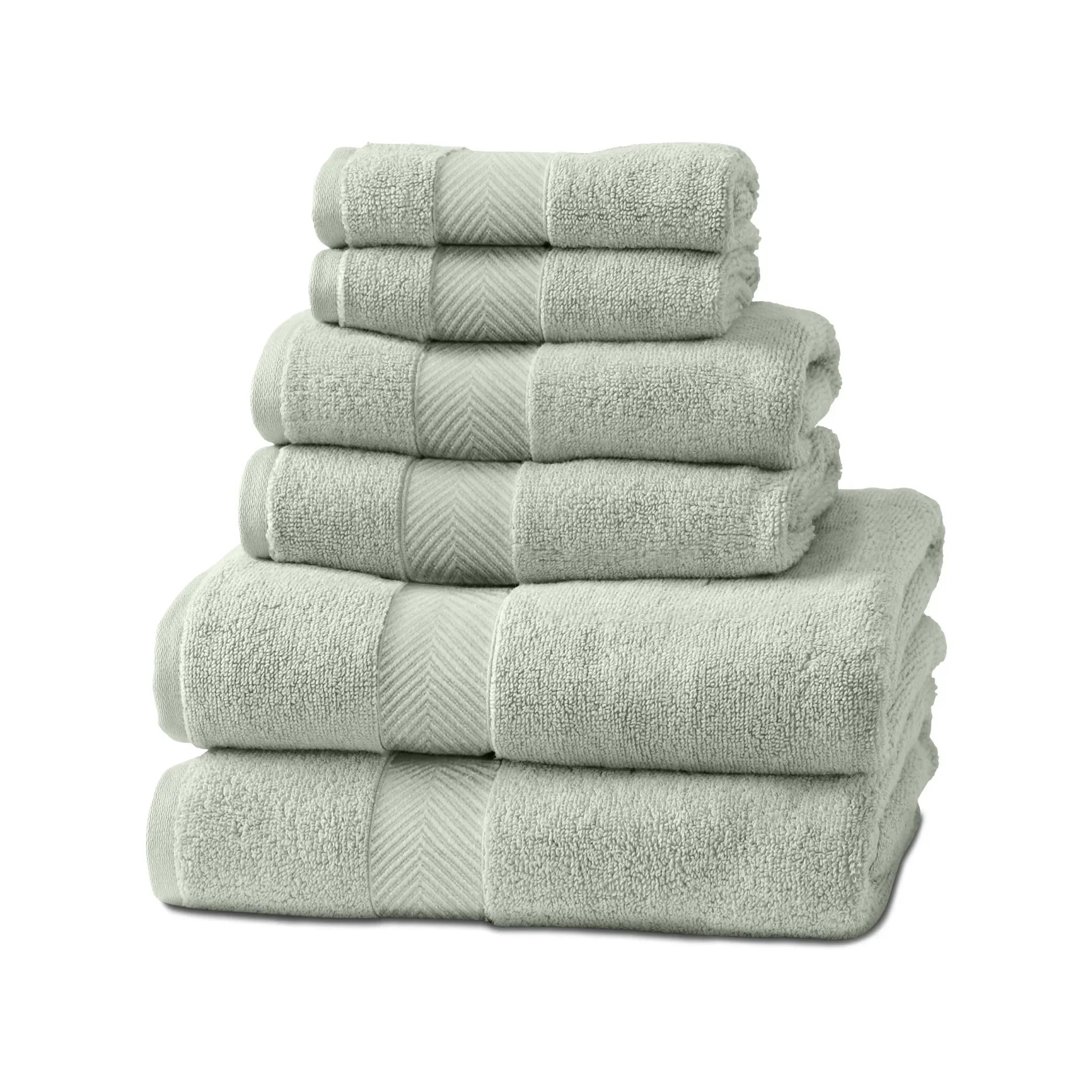
Most kitchens used to have those bulky metal dish racks sitting next to the sink, taking up valuable counter space and collecting rust over time. These racks worked fine for drying dishes, but they were ugly, hard to clean, and made your kitchen look cluttered. When cloth drainers showed up in stores about 15 years ago, people thought they finally found the perfect solution. They were soft, colourful, easy to store, and seemed like a smart upgrade from those old metal contraptions.
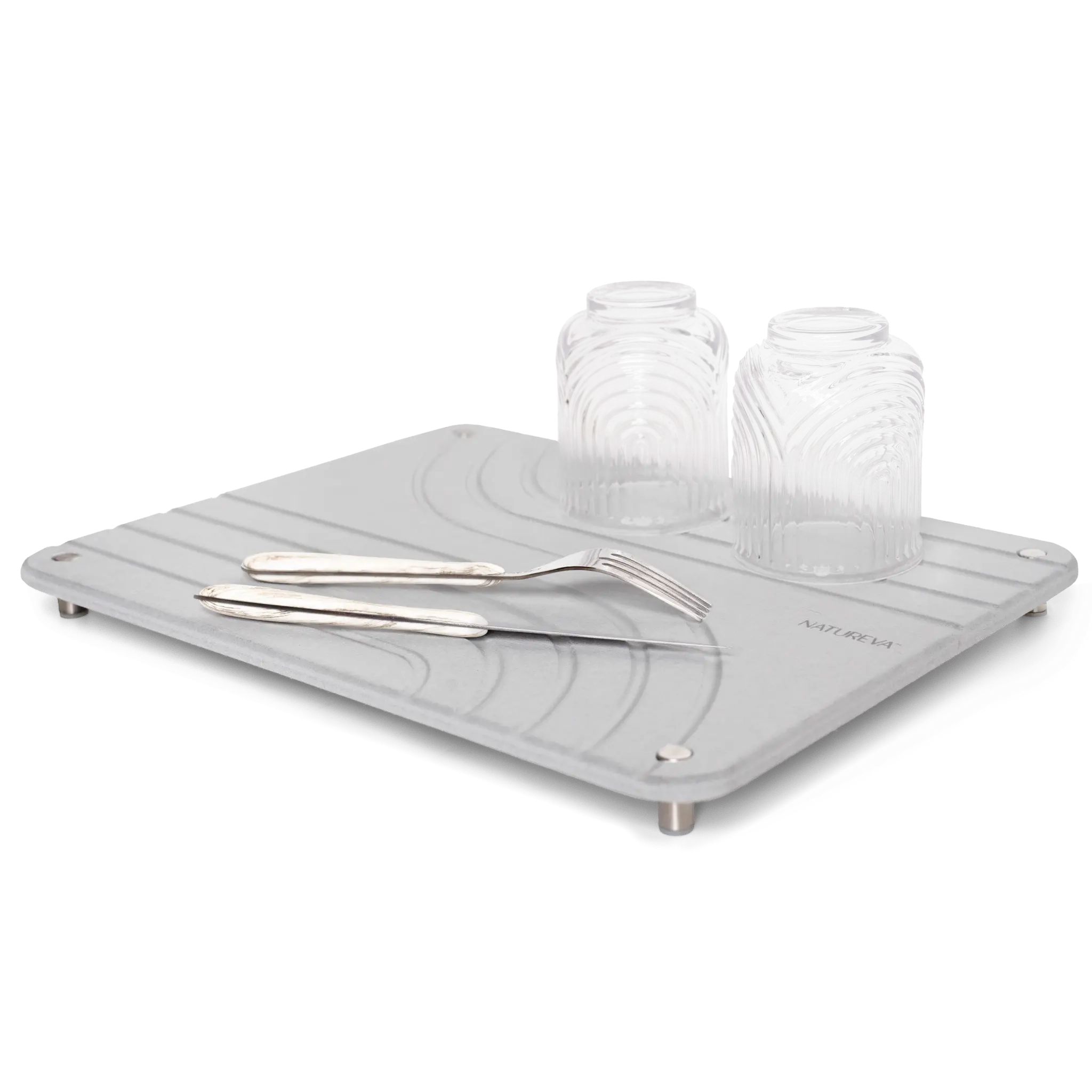
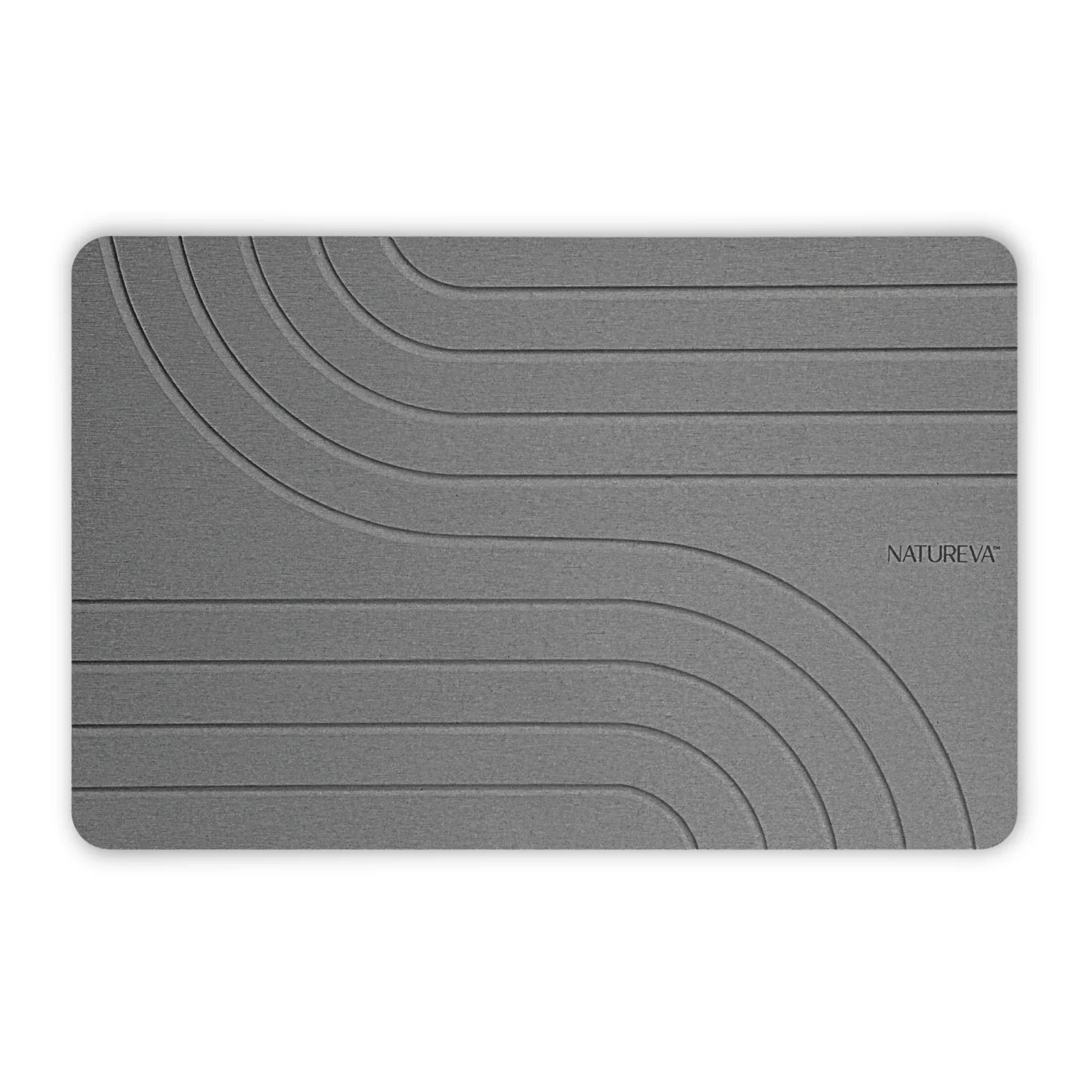
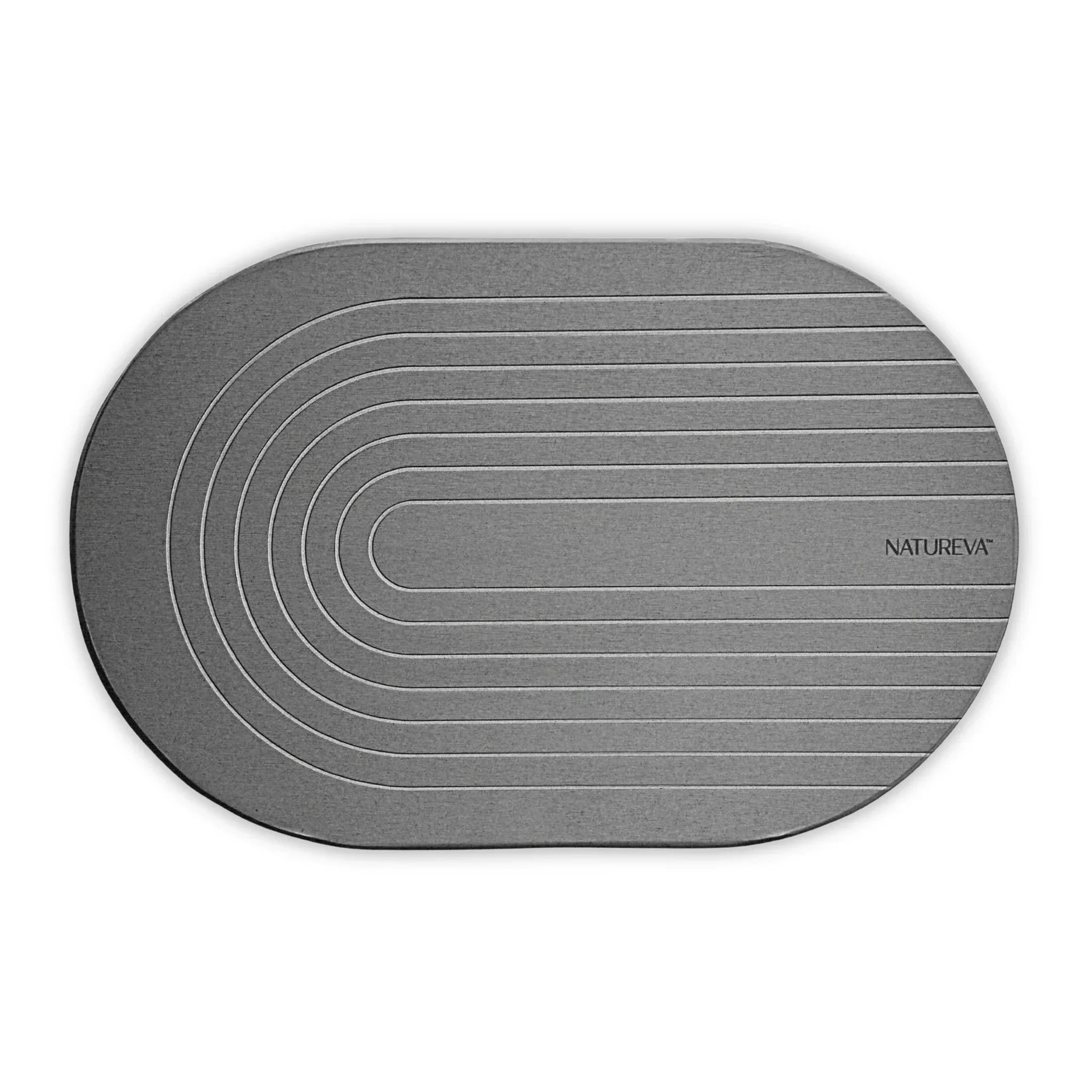
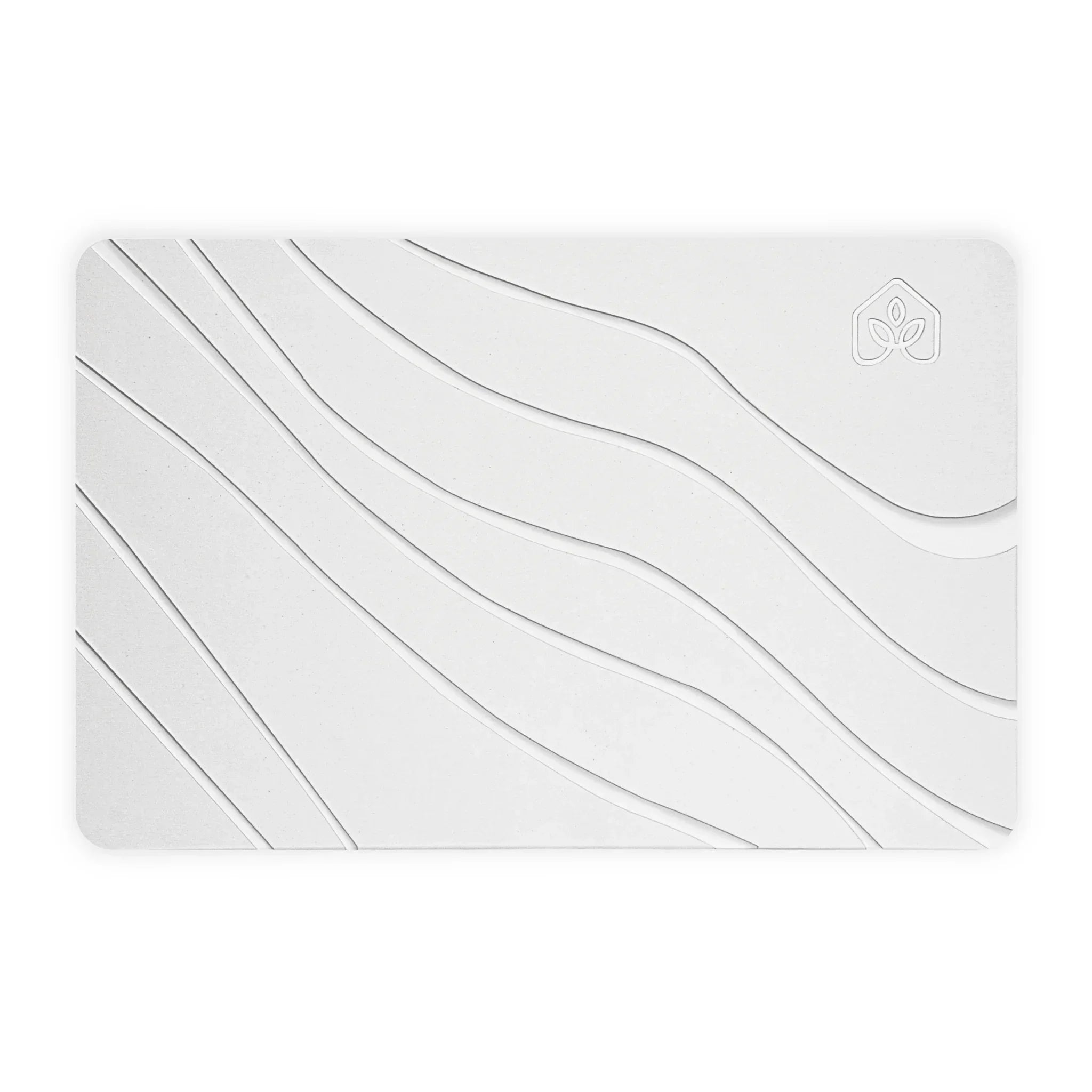
Stone Dish Mat - Tide
Why Cloth Seemed Like the Answer
Cloth drainers became popular because they solved some obvious problems with traditional racks. They folded up and fit in drawers when not in use. They came in fun patterns that matched kitchen decor. Plus, they cost less than buying a new dish rack.
People loved these features about cloth drainers:
- They didn't take up permanent counter space like metal racks
- You could throw them in the washing machine when they got dirty
- They protected benchtops from scratches and water rings
- They were softer on delicate dishes and glassware
The problem is that cloth drainers don't actually dry anything. They just absorb water and hold onto it. According to America's Test Kitchen, the biggest complaint about dish drying solutions is how long they take to dry themselves after use.
The Real Cost of Cloth Drainers
What seemed like a budget-friendly choice actually costs more over time. Cloth drainers need constant washing, which uses water, electricity, and detergent. They wear out quickly and need replacing every few months. Worse, they create the perfect environment for bacteria and mould to grow.
| Drying Method | Drying Time | Maintenance Frequency | Bacteria Risk | Lifespan |
|---|---|---|---|---|
| Metal Dish Rack | 2-4 hours | Weekly cleaning | Medium | 5+ years |
| Cloth Drainer | 6-12 hours | Wash after each use | High | 3-6 months |
| Stone Dish Mat | 30-60 minutes | Monthly wipe down | Low | 3+ years |
Here's what most people don't realise about their cloth drainers:
- They stay damp for hours, creating a breeding ground for germs
- The fabric breaks down from constant washing and exposure to moisture
- They can develop permanent stains and odours that won't wash out
- Wet cloth against your counter can actually damage wood or laminate surfaces
Modern alternatives like the Natureva Stone Dish Mat use natural diatomaceous earth that absorbs water instantly and dries in minutes, not hours. The material naturally prevents bacterial growth without needing constant washing. This means less work for you and a cleaner kitchen overall.
The Hygiene Problem with Cloth Drainers
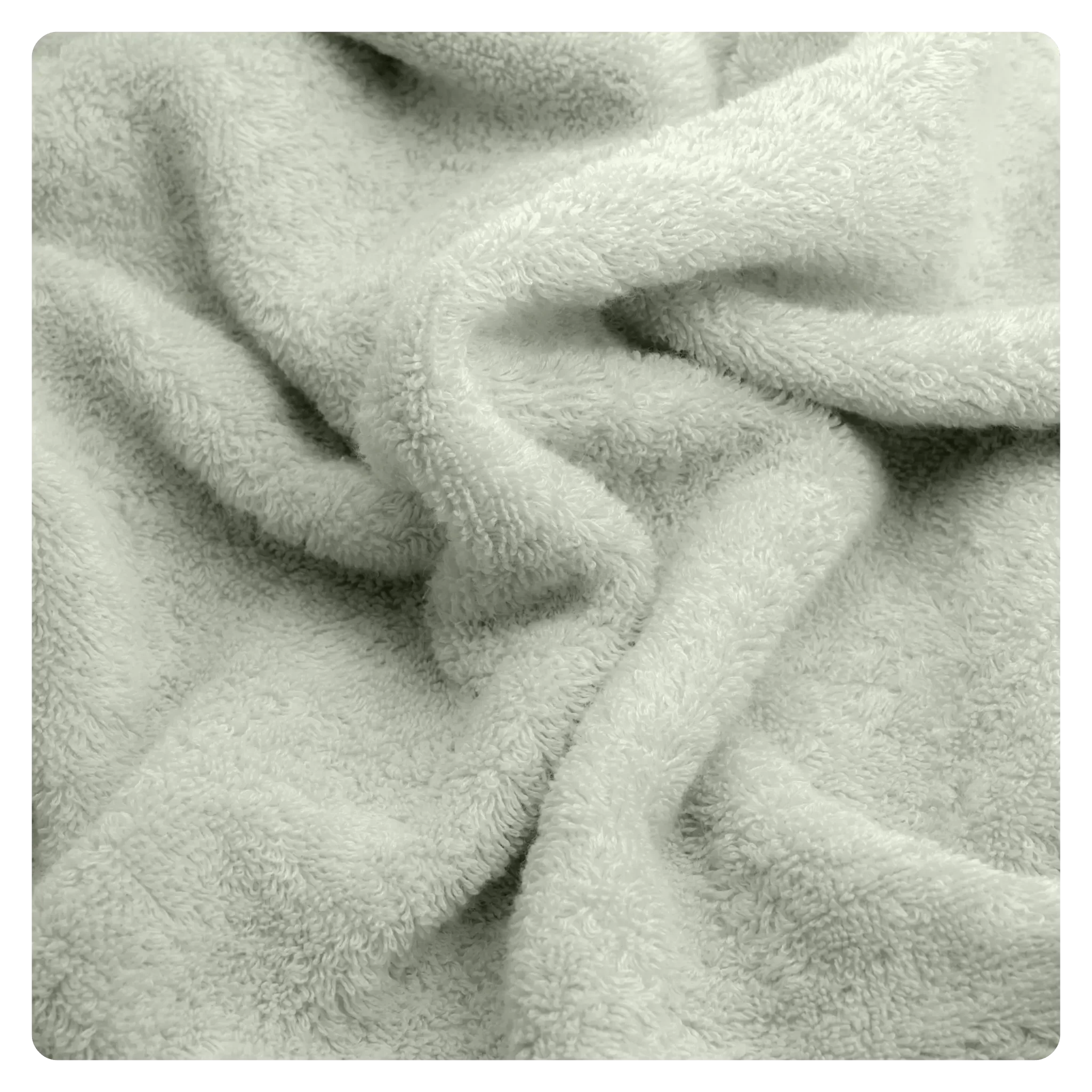
Most people don't realise that the cloth drainer sitting next to their sink is basically a bacteria hotel. Within just 2-4 hours of getting wet, those soft fibres become a breeding ground for microbes that multiply faster than you can finish washing your dinner plates. The warm, damp environment creates perfect conditions for bacterial colonies to thrive, and that's before we even talk about mould spores.
The thing about cloth drainers is they never really get dry between uses. You wash your breakfast dishes, the mat gets soaked, and by lunchtime it's still damp enough to support bacterial growth. Research shows that damp kitchen textiles can harbour millions of bacteria within hours, including some pretty nasty ones like E. coli and Salmonella. That musty smell you notice after a few days isn't just unpleasant, it's actually your nose detecting the presence of mould and bacteria.
- Bacteria multiply rapidly in damp cloth within 2-4 hours of exposure to moisture
- Mould spores thrive in wet fabric environments, especially in warm kitchens
- Cloth drainers need washing every 2-3 days minimum to stay remotely sanitary
- The musty smell that develops is a clear sign of bacterial and fungal growth
- Stone mats prevent bacterial growth through rapid evaporation and antimicrobial properties
Here's where things get interesting. Stone dish drying mats made from diatomaceous earth work completely differently. The material naturally resists bacterial growth because it doesn't stay wet long enough for microbes to establish colonies. The right dish drying mat can actually change your entire kitchen cleanup routine by eliminating these hygiene concerns altogether.
Drying Speed Makes All the Difference
If you've ever touched your cloth drainer six hours after doing dishes and found it still damp, you know the frustration. Traditional cloth materials can take anywhere from 6-8 hours to fully dry, depending on how much water they absorbed and your kitchen's humidity levels. That's a full workday of sitting there wet, collecting whatever bacteria happen to land on the surface. Meanwhile, you're stuck either using a soggy mat for your next round of dishes or pulling out a backup.
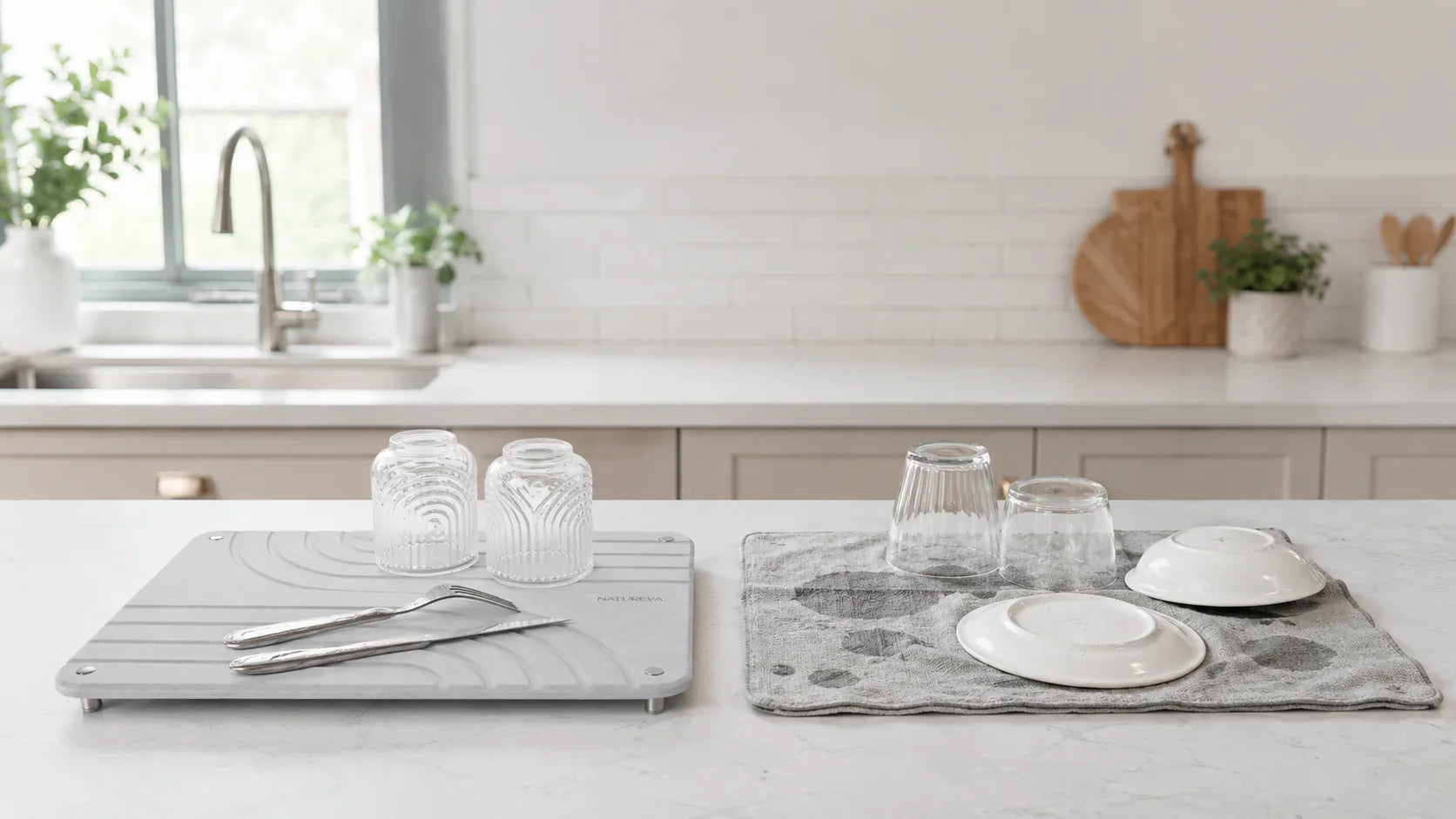
Stone dish drying mats dry in just 30-60 minutes through a process that's actually pretty cool when you understand it. Diatomaceous earth contains millions of microscopic pores that pull water in through capillary action, then release it back into the air through natural evaporation. The Stone Dish Mat from Natureva uses this same principle to stay dry and ready for your next use.
| Feature | Cloth Drainers | Stone Dish Mats |
|---|---|---|
| Full Drying Time | 6-8 hours | 30-60 minutes |
| Absorption Rate | Moderate, then saturated | Instant, continuous |
| Reuse Frequency | Once per day | Multiple times daily |
| Bacterial Growth Risk | High | Minimal |
This speed difference isn't just about convenience, though that's definitely a bonus. Faster drying means less time for bacteria to establish themselves on the surface. You can use your stone mat for breakfast dishes, and by the time lunch rolls around, it's completely dry and ready to go again. No more rotating between multiple cloth drainers or doing emergency laundry loads because your only mat is still soaking wet.
The porous structure of diatomaceous earth is what makes this possible. Think of it like a sponge with thousands of tiny air channels that actively move moisture from the surface to the air. Our dish mat collection takes advantage of this natural property to keep your benchtops dry and your dishes properly aired out.
Maintenance and Long Term Value
Let's talk about the real cost of cloth drainers, because it's more than just the initial purchase price. If you're washing your cloth drainer every 2-3 days like you should be for basic hygiene, that adds up to roughly 120-180 wash cycles per year. Each wash uses water, detergent, and energy, whether you're throwing it in with other laundry or running a separate load. Over time, the fabric breaks down, loses its absorbency, and develops permanent stains and odours that no amount of washing can fix.
Most cloth drainers need replacing every 6-12 months with regular use. The fibres get worn out, the edges fray, and eventually they just stop working as well as they used to. If you're spending $15-25 per replacement, that's $30-50 every year just to maintain the same basic function. Add in the water and energy costs from all those wash cycles, and you're looking at a surprisingly expensive solution to a simple problem.
- Cloth drainers require washing every 2-3 days minimum for sanitary use
- Annual water and energy costs from 120-180 wash cycles add up quickly
- Replacement needed every 6-12 months due to wear and bacterial buildup
- Stone mats need only a weekly wipe with a damp cloth and vinegar-water mixture
- Diatomaceous earth materials last for years with minimal maintenance
Stone dish drying mats flip this equation completely. Wipe weekly with a damp cloth and a vinegar-water mixture to keep it fresh. For stains, scrub with a sponge and clear, non-coloured dishwashing liquid, then rinse well. If absorption slows down, use a sanding tool to restore performance. No machine washing, no detergent, no waiting for them to dry. Our care and cleaning guide has full details, but it takes maybe two minutes per week compared to the hours spent washing and drying cloth alternatives.
The next generation of home essentials: naturally made, cleaner by design, sustainable by nature.
SHOP ALLWhen you look at the numbers over a two-year period, a stone mat at $49 costs less than buying and maintaining cloth drainers. You're not replacing it every year, you're not running extra laundry loads, and you're not dealing with the gradual decline in performance that comes with fabric products. The Stone Dish Mat in Flow design maintains its absorption and drying speed for years, making it a better investment for both your wallet and your kitchen hygiene.
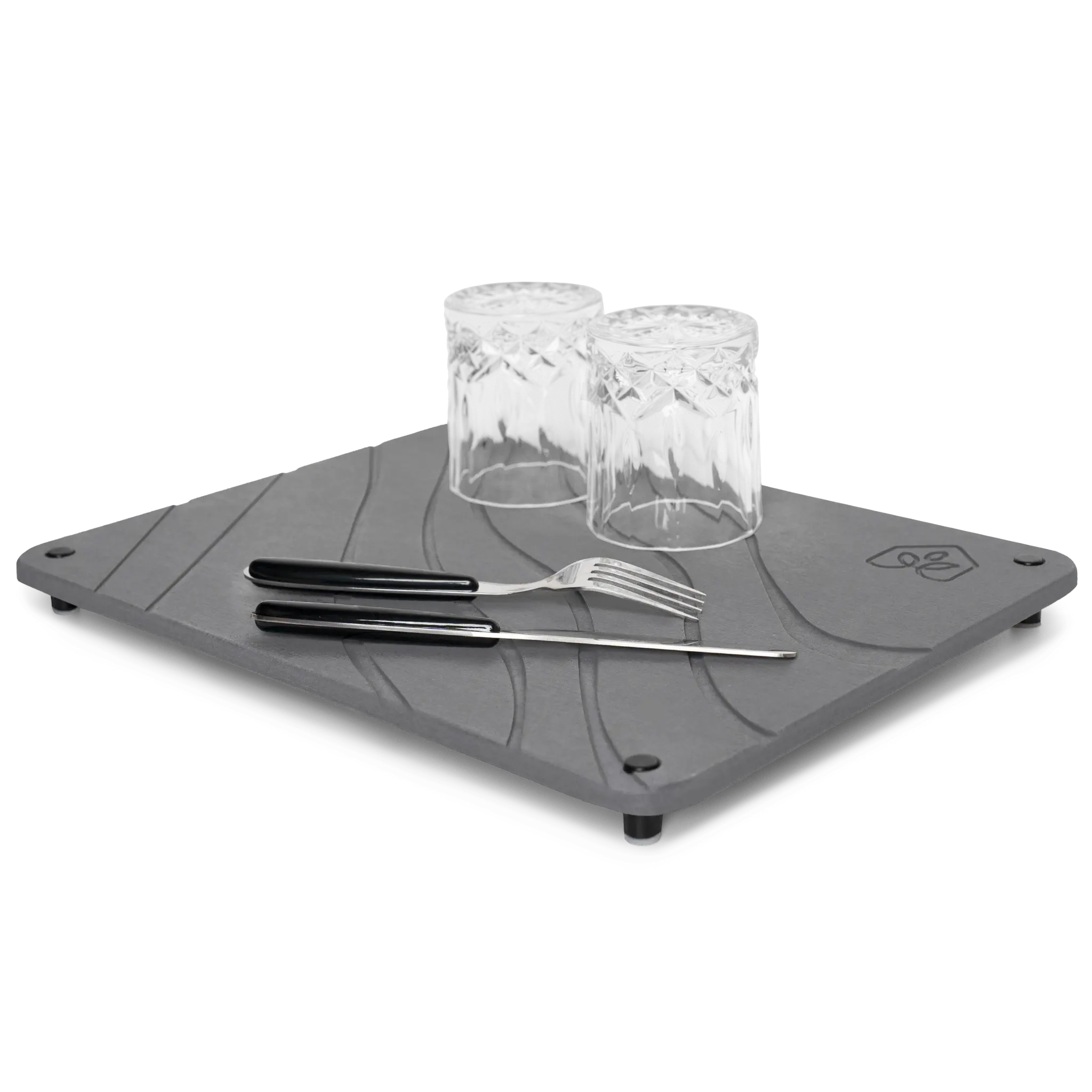
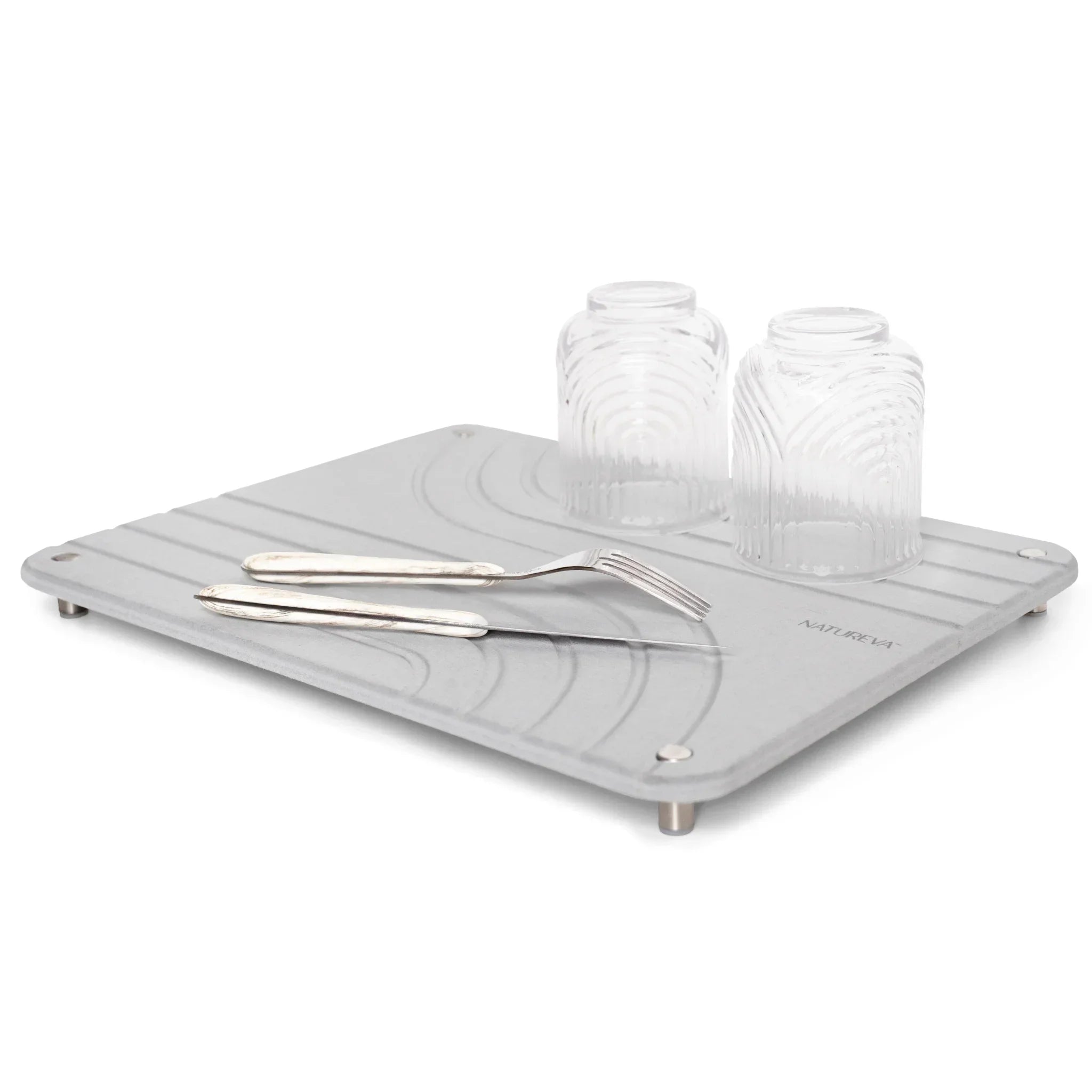
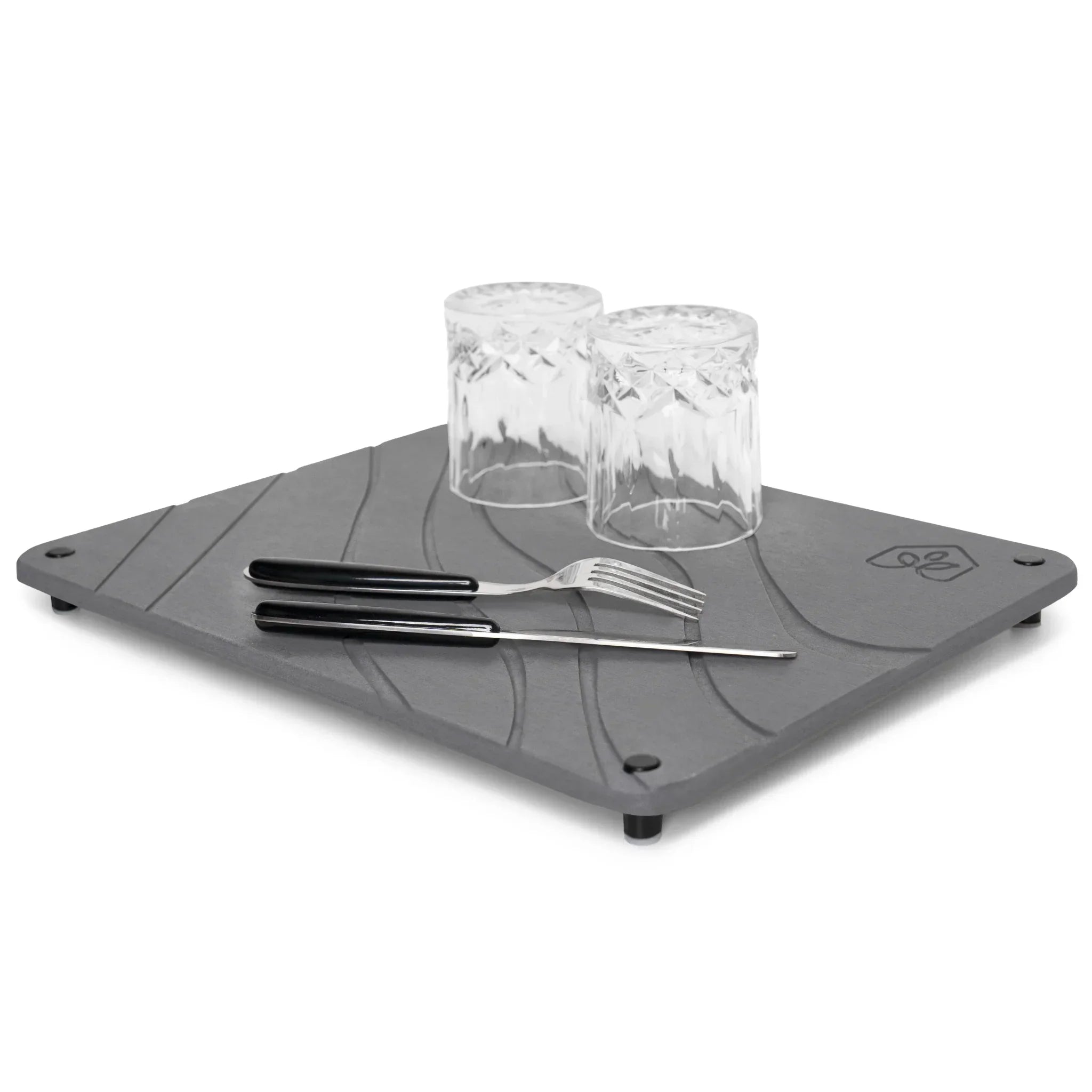
Stone Dish Mat - Flow
Why Stone Technology Wins for Modern Kitchens
Diatomaceous earth contains millions of microscopic pores that work like tiny sponges, pulling water away from your dishes in seconds. This natural material comes from fossilised algae that lived in oceans millions of years ago, and those same structures that helped them survive underwater now make them perfect for drying your kitchen benchtops. When you place a wet dish on a stone dish drying mat, water doesn't just sit there like it does on cloth or plastic. The pores actively draw moisture in and then release it into the air through evaporation, which happens much faster than you'd expect.
Absorption capacity: Diatomaceous earth absorbs up to 150% of its weight in water and dries completely within 1-2 hours.
How Natural Materials Fight Bacteria
The science behind why stone mats stay cleaner than fabric ones is pretty straightforward. Bacteria and mould need moisture to grow, and they love hanging out in damp cloth that stays wet for hours. Stone mats dry so quickly that microbes don't get the chance to set up camp.
- Natural stone stays dry between uses, giving bacteria nowhere to grow
- No fabric fibres means no place for food particles to hide
- Quick evaporation prevents the musty smell that cloth mats develop
- Easy to clean with just a quick rinse or wipe
Traditional cloth mats can harbour significant bacterial growth when they stay damp. Stone alternatives solve this problem naturally.
The Modern Kitchen Advantage
Stone mats like our Natureva Stone Dish Mat fit into contemporary kitchen designs without looking like cleaning supplies left on the counter. They're flat, sleek, and come in subtle patterns that actually complement your space. Plus, you're not throwing soggy mats into the washing machine every few days, which saves water and energy over time.
- Minimalist design works with any kitchen style
- No need for weekly washing like fabric mats require
- Reduces household laundry loads and water consumption
Stone dish mats also work perfectly as a replacement for the plastic drip tray that comes with most dish racks. Simply place your existing dish rack directly on top of the stone mat and let it catch all the dripping water. Instead of pooling in a plastic tray that you have to empty and wipe down, the water gets absorbed and evaporates on its own.
Making the Switch to Better Dish Drying
The difference between a traditional cloth drainer and a modern dish drying mat really comes down to three things: how fast it dries, how clean it stays, and how much work you have to put in. Traditional cloth drainers sit there soaking up water all day, creating the perfect home for bacteria and mould. A good dish drying mat made from diatomaceous earth does the opposite by actively evaporating moisture instead of just absorbing it.
You end up saving time because there's no constant washing and drying of soggy cloths. You save money because you're not replacing gross, worn-out fabric drainers every few months. Your kitchen stays cleaner and more organised without that damp smell or the worry about what's growing in your dish area.
The Stone Dish Mat in Tide and Flow patterns work exactly like this, with millions of tiny pores that pull water away from your dishes and benchtop. They dry in minutes, not hours, which means bacteria doesn't get the chance to set up camp.
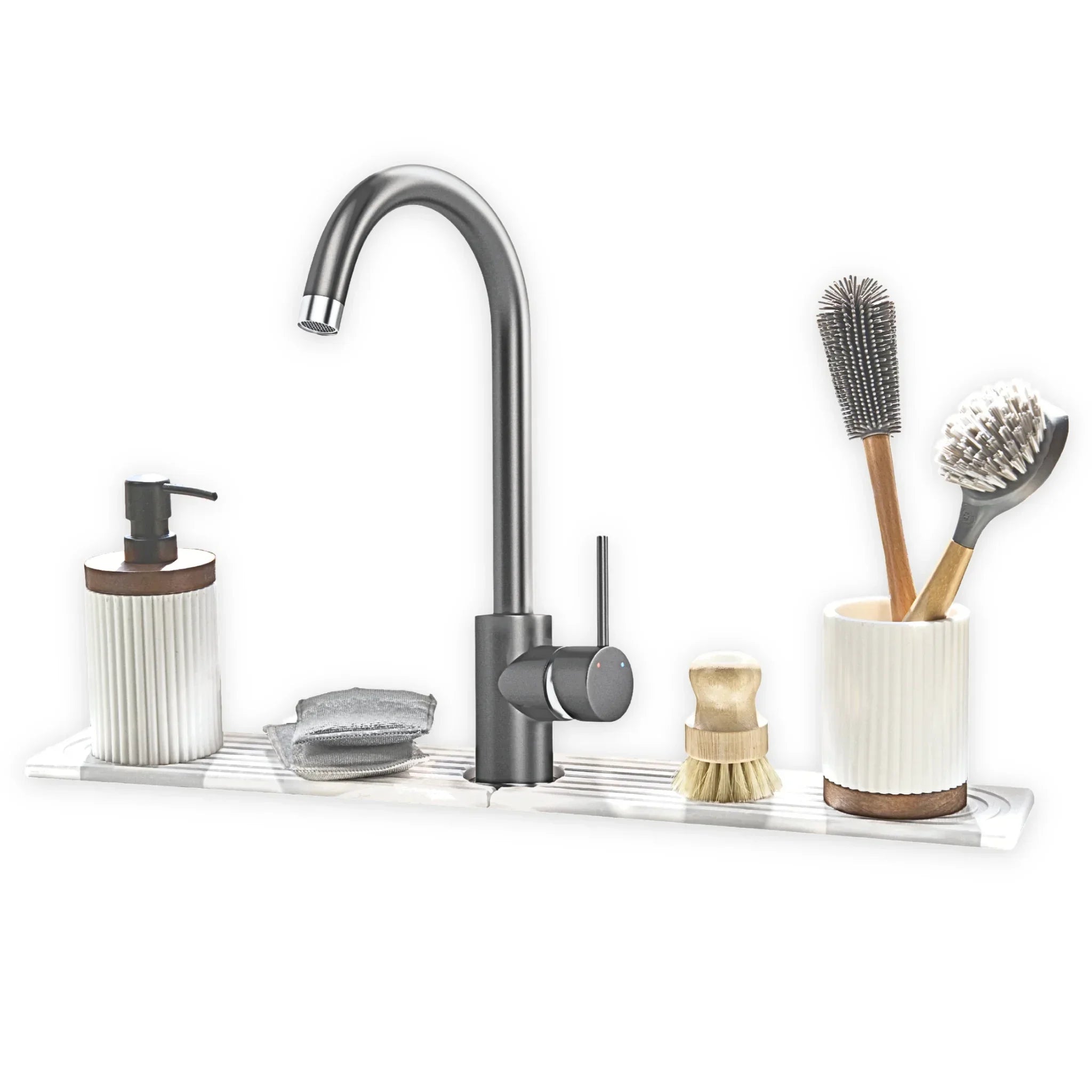
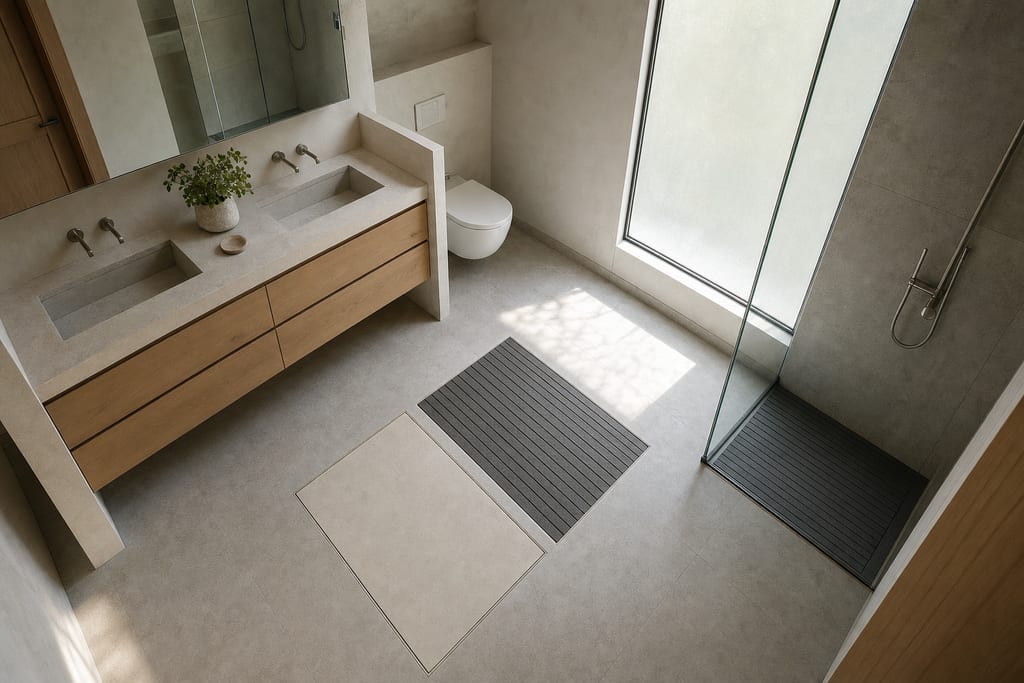
The same diatomite technology keeps other areas of your home dry too. Our stone sink caddies prevent water pooling around your soap and sponge, faucet mats protect the area around your tap, and stone bath mats do the same for your bathroom floor.
Most people don't realise how much their old dish drainer is working against them until they try something different. The switch isn't complicated, but it does change how your kitchen functions on a daily basis. If you're still dealing with wet counters and musty smells, there are probably some questions about how these stone mats actually work in real life.
Common Questions About Dish Drying Mats
Switching from cloth drainers to stone mats brings up a lot of questions. Most people wonder if these mats are really worth the change or if they're just another kitchen trend. The truth is, stone dish drying mats work differently than anything you've used before, so it makes sense to have questions. Here are the answers to what people ask most often.
How do you clean a stone dish mat?
Cleaning a stone dish mat is easier than washing cloth drainers. Wipe it weekly with a damp cloth and a vinegar-water mixture to keep it fresh. For stains, scrub with a sponge and clear, non-coloured dishwashing liquid, then rinse well under running water. If absorption slows down, use a sanding tool to restore performance.
Can stone mats handle heavy dish loads?
Yes, stone mats absorb water instantly no matter how many dishes you place on them. The diatomaceous earth material in products like our Stone Dish Mat contains millions of tiny pores that pull moisture away from your dishes continuously. Unlike cloth that gets saturated and soggy, stone keeps working even with pots, pans, and a full load of dinner dishes.
Can I place a dish rack on a stone mat?
Yes, stone dish mats work perfectly underneath a standard dish rack. Just place your rack directly on top of the mat and it will catch and absorb all the dripping water, replacing the plastic drip tray entirely. The mat absorbs water on contact and dries on its own, so you never have to empty a tray or wipe down your benchtop again.
How long do stone mats last compared to cloth?
Stone dish drying mats typically last 2-3 years with proper care, while cloth drainers need replacing every few months once they start smelling or developing mildew. The upfront cost is higher, but you'll save money over time by not constantly buying replacements.
Will a stone mat scratch my benchtops?
Stone mats won't scratch benchtops when used normally. The bottom surface is smooth and sits flat without sliding around. Just avoid dragging the mat across your counter, and you'll be fine with any benchtop material including granite, marble, or laminate.
What if my mat stops absorbing water?
When absorption slows down, it usually means the pores are clogged with mineral deposits or soap residue. Use a sanding tool to restore absorption. This simple maintenance takes about two minutes and works every time.
Are stone mats safe for all dish types?
Stone mats work safely with glass, ceramic, plastic, and metal dishes. The surface is firm but not abrasive, so your dishes won't get scratched. You can even place sharp knives directly on the mat without damaging either the blade or the stone surface.
The next generation of home essentials: naturally made, cleaner by design, sustainable by nature.
SHOP ALL