
Seven Easy Care Tips for Stone Bath Mat Longevity
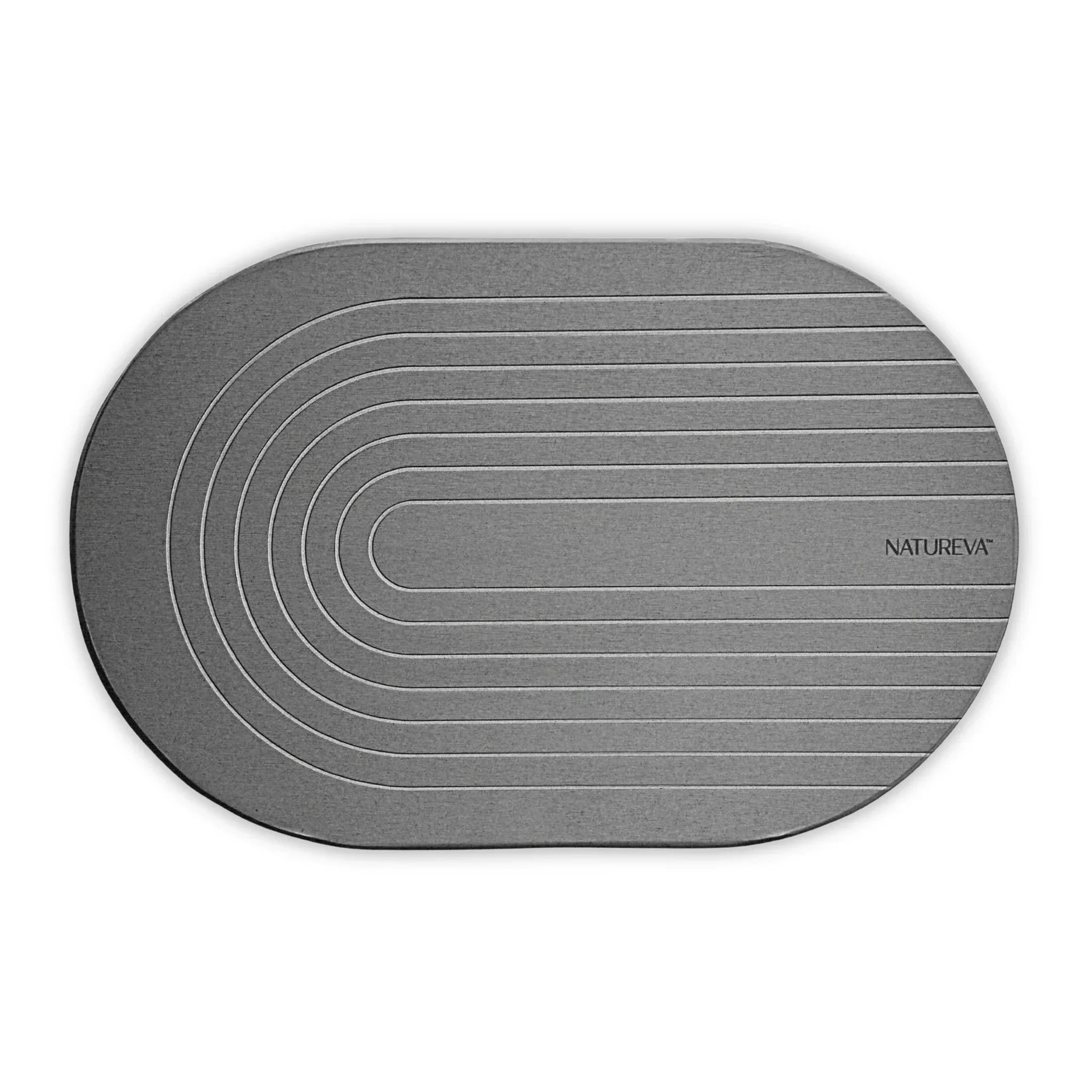
Your stone bath mat can last for years with the right care, but most people accidentally damage theirs within the first few months. Unlike traditional fabric mats that you can toss in the washing machine, stone bath mats made from diatomaceous earth need a different approach to maintain their quick-drying magic. Understanding a few simple care habits will keep your mat absorbing water instantly and looking fresh, whether you choose our Natureva Stone Bath Mat in Tide, Arch, or Rain designs.
Table of Contents
Understanding Your Stone Bath Mat Material
Stone bath mats have become popular bathroom accessories over the past few years, but many people don't actually know what they're made of or how they work. These mats are crafted from diatomaceous earth, which is basically fossilised remains of tiny aquatic organisms called diatoms that lived millions of years ago. When these microscopic creatures died, their skeletons settled on ocean and lake floors, eventually forming the chalky sediment we use today. The material looks and feels like stone, but it's actually much lighter and has some pretty amazing properties that regular fabric mats just can't match.
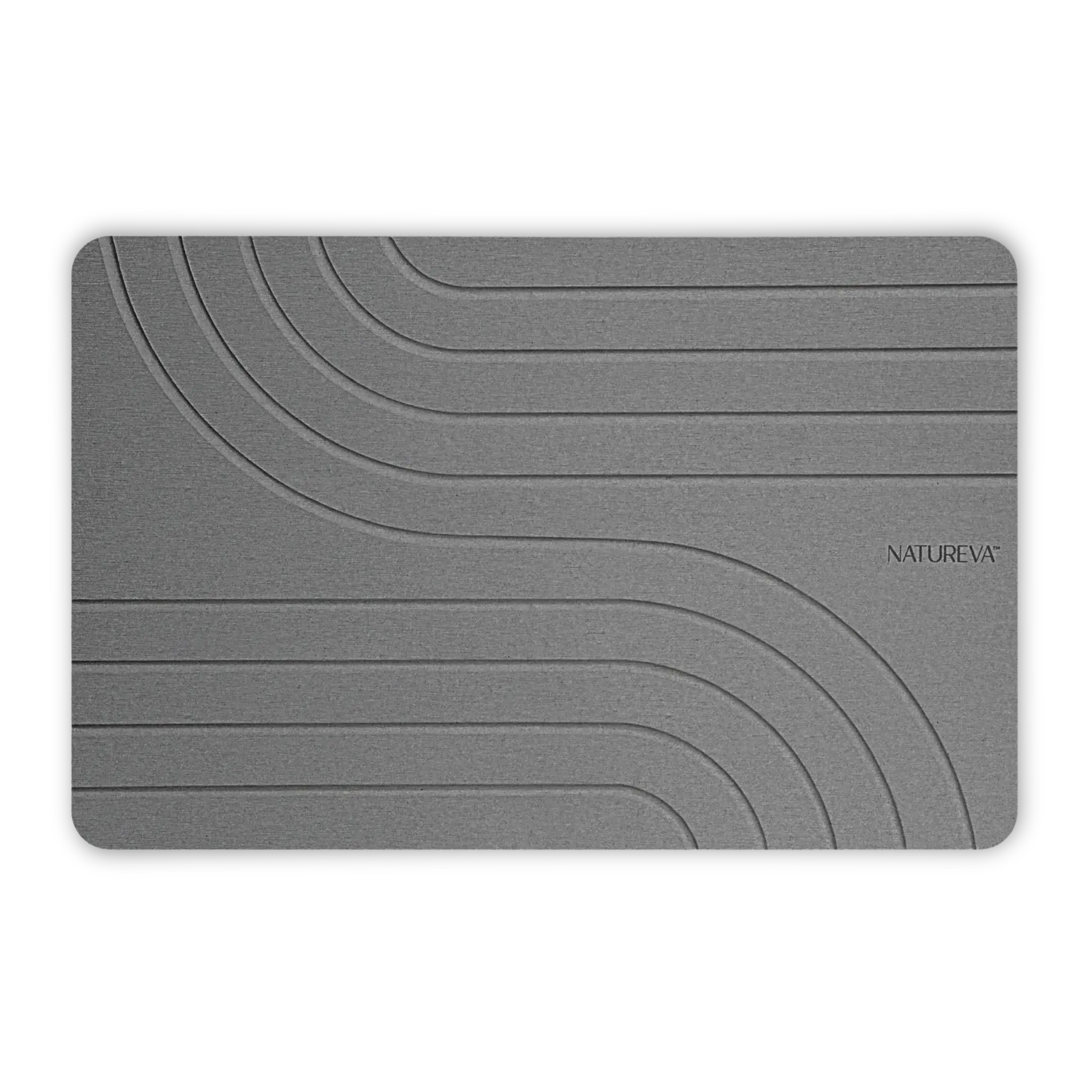
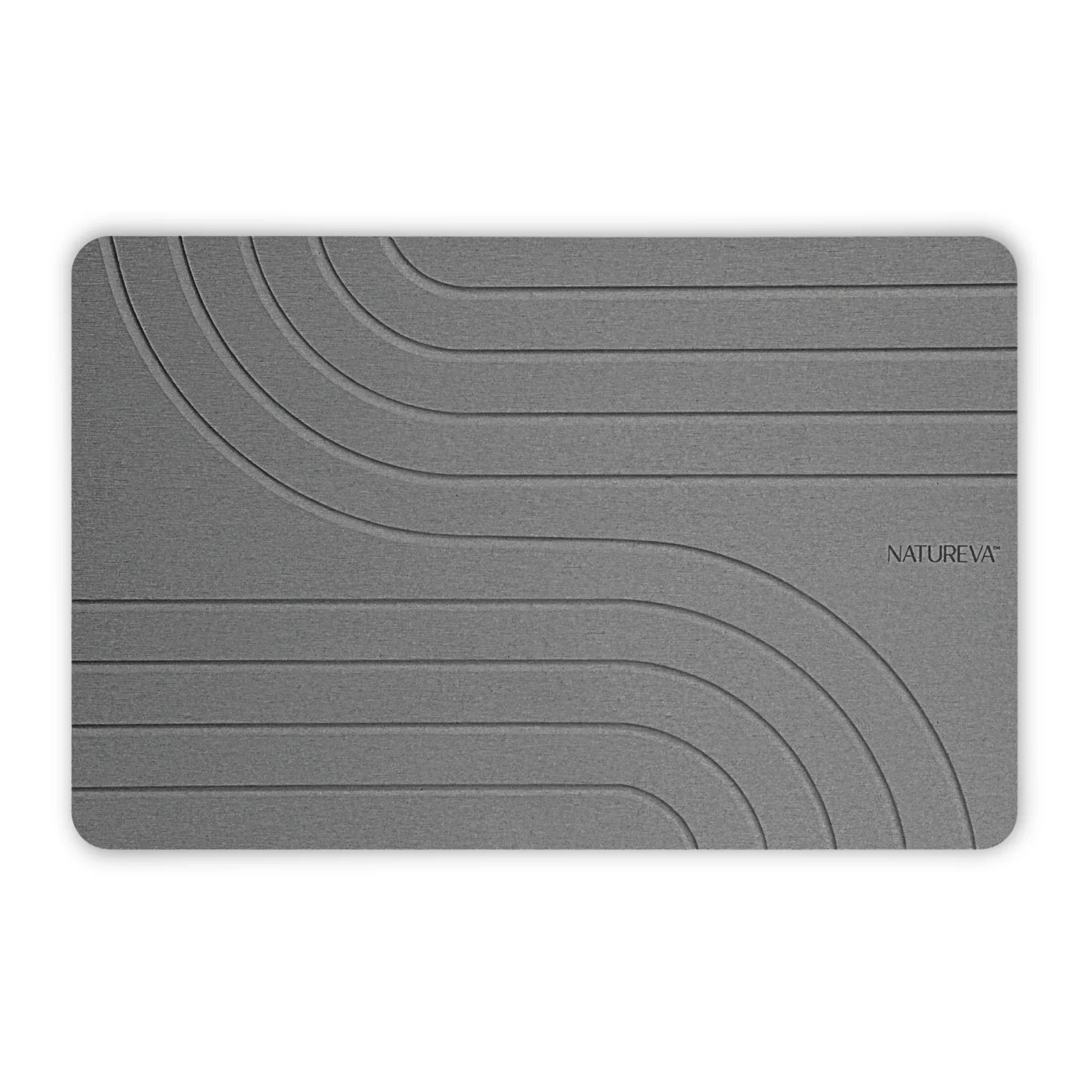
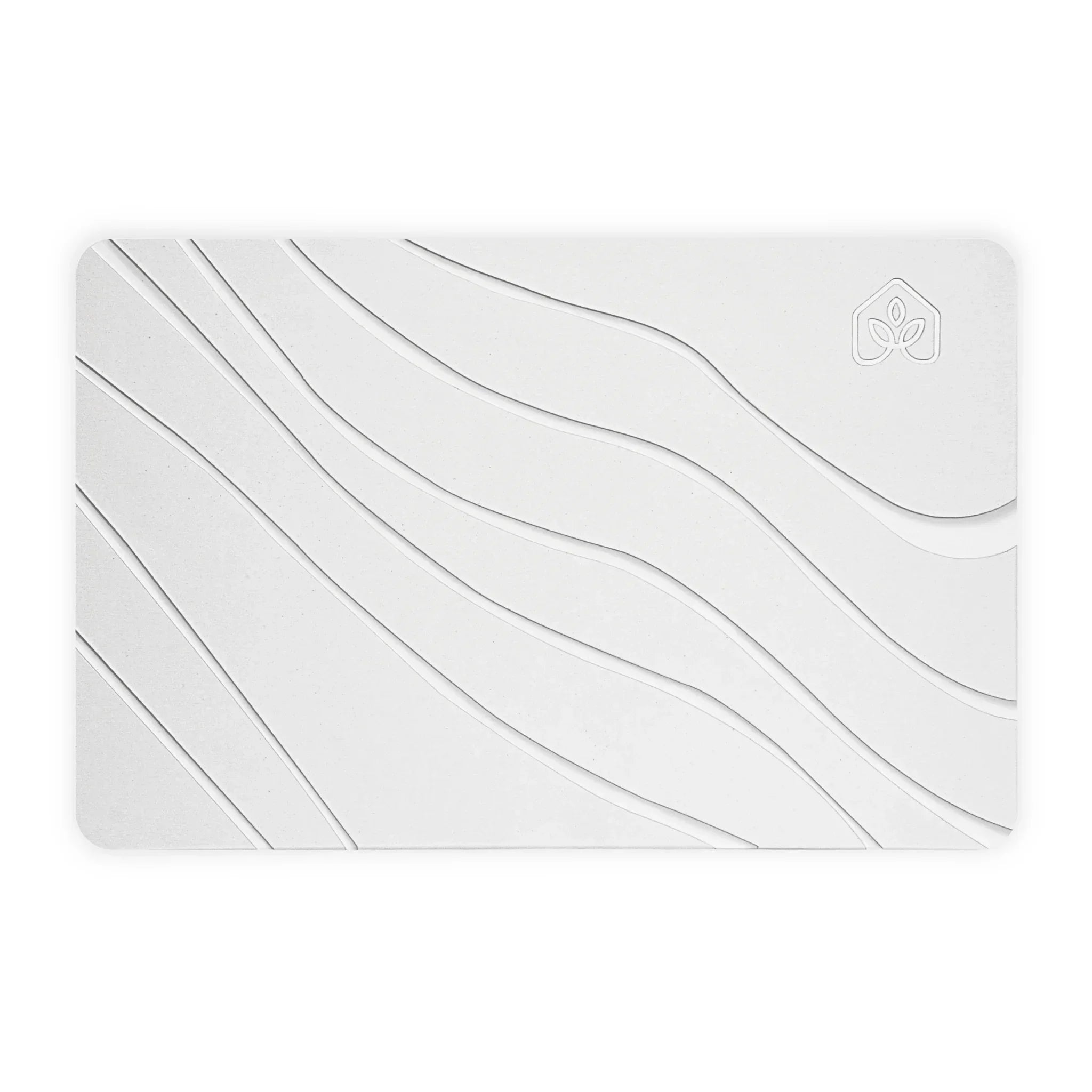
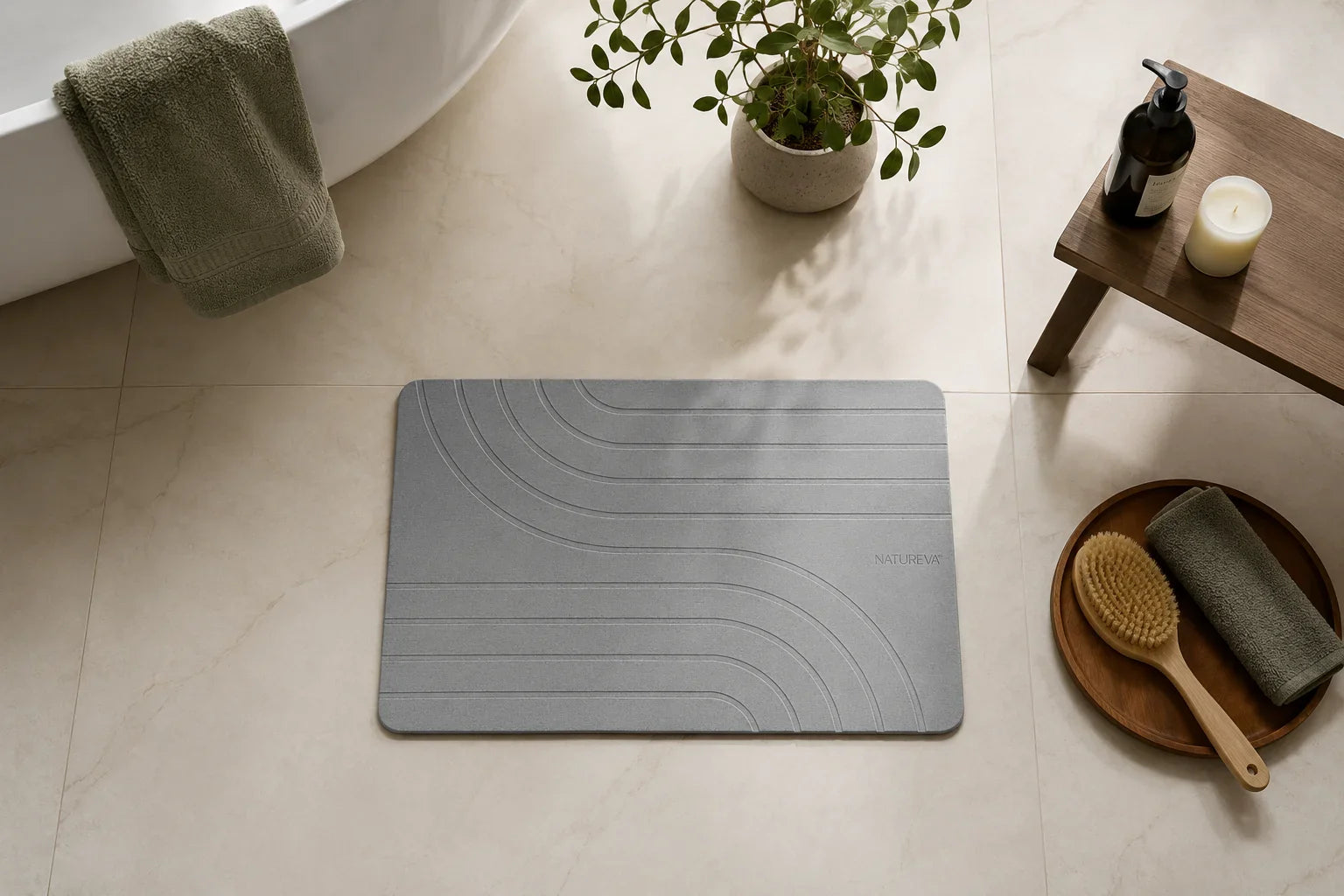
Stone Bath Mat - Tide
What Makes Diatomaceous Earth Special
The secret to how a stone bath mat works is all in its structure. Diatomaceous earth is incredibly porous, kind of like a sponge made of stone. These tiny holes cover the entire surface and pull water away from your feet almost instantly.
Here's what happens when you step on a diatomite bath mat:
- Water gets absorbed into millions of microscopic pores across the surface
- Air circulation through these pores helps moisture evaporate quickly
- The mat returns to a dry state within minutes instead of hours
- No damp fabric means bacteria and mould have nowhere to grow
Stone bath mats consistently outperform traditional fabric when it comes to drying speed. Our Natureva Stone Bath Mat uses this natural material to keep your bathroom cleaner and safer. Learn more about how the absorption process works.
Why Stone Needs Different Care
A lot of people treat their stone bath mat like a regular fabric one, and that's where problems start. Stone mats aren't meant to be washed in machines or soaked in water for long periods. The material that makes them so good at absorbing water also makes them vulnerable to certain cleaning methods.
| Feature | Fabric Mat | Stone Bath Mat |
|---|---|---|
| Drying Time | 2-4 hours | 2-3 minutes |
| Bacteria Growth | High risk | Low risk |
| Cleaning Method | Machine wash | Light sanding |
| Lifespan | 6-12 months | 2-3 years |
Common Myths About Stone Mat Durability
Many people think stone bath mats are fragile because they're made from a natural material. While it's true they can crack if dropped from a height, they're actually quite durable for everyday use. The bigger issue is that people don't realise the pores can get clogged over time.
Here are some misconceptions that lead to premature wear:
- Thinking you can use harsh chemical cleaners without consequences
- Believing the mat will stay absorbent forever without any maintenance
- Assuming more water exposure makes the mat work better
The truth is that proper care actually extends the life of your stone bath mat significantly. The care requirements are the same across all diatomaceous earth mats. Understanding these basics helps you avoid the mistakes that shorten your mat's lifespan.
Daily Habits That Protect Your Mat
Most people think stone bath mats are indestructible, but the truth is that a few simple daily habits can make the difference between a mat that lasts years and one that loses its magic in months. The good news is that caring for your stone bath mat takes less effort than washing a regular fabric mat. You just need to know what actually matters and what's just noise.
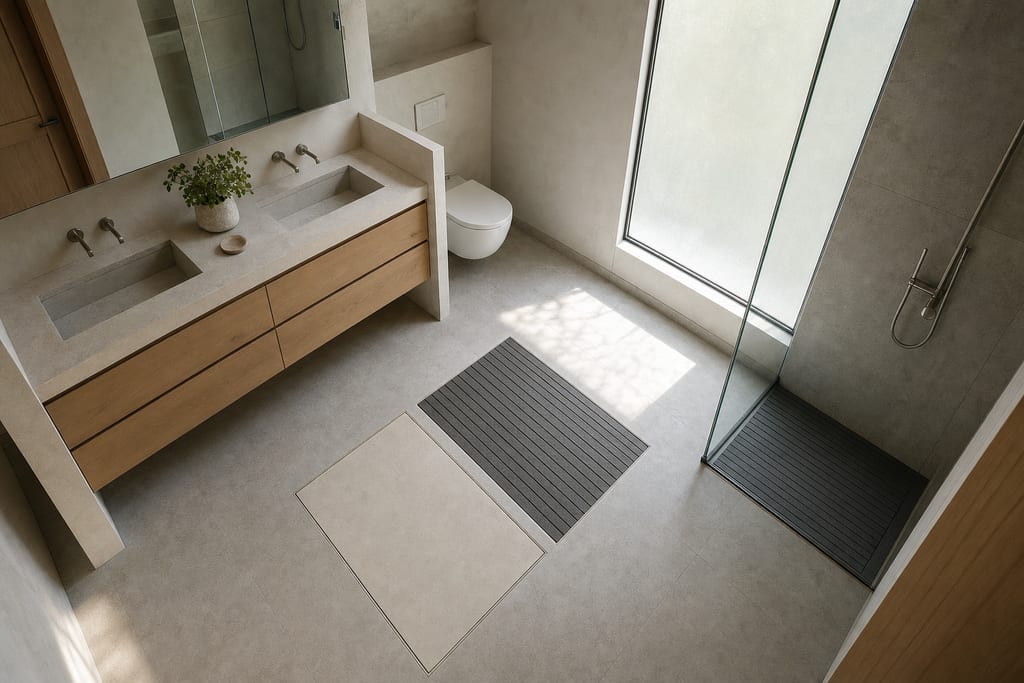
The first thing to understand is that proper placement sets everything else up for success. Your stone bath mat needs air circulation on all sides to work its drying magic. Don't shove it against a wall or trap it between the toilet and tub where air can't flow freely.
- Place your mat where air can circulate underneath and around all edges
- Keep it on a flat, stable surface to prevent stress cracks from uneven weight distribution
- Wipe off excess water after particularly wet uses, like when multiple people shower back-to-back
- Avoid letting soap, shampoo, or lotions build up on the surface
Here's something most people don't realise. While stone bath mats like our Natureva Stone Bath Mat dry within seconds naturally, they still need a clean surface to do their job. When soap residue builds up, it clogs those tiny pores that make the absorption happen.
Daily Maintenance Checklist
- Check that mat is on a flat surface
- Wipe away any visible soap or product residue
- Ensure good air flow around the mat
- Look for any standing water that didn't absorb
- Keep the area around the mat clear
The beauty of diatomaceous earth mats is that they actively evaporate moisture instead of just soaking it up like a sponge. But this only works when you give them the right environment to breathe.
Deep Cleaning Methods That Actually Work
Even with perfect daily care, your stone bath mat will eventually need a deeper clean. You'll know it's time when water starts pooling on the surface instead of disappearing instantly. This happens because the microscopic pores get clogged with minerals from hard water, body oils, and tiny particles that settle over time. Don't panic though, because bringing back that fresh-from-the-box performance is easier than you think.
The sanding method is your best friend here. It sounds scary, but it's actually the most effective way to restore absorbency. You're essentially opening up those clogged pores by removing a thin layer of the surface.
- Get fine-grit sandpaper (220-grit works well)
- Lightly sand the entire surface in circular motions
- Apply gentle, even pressure across the whole mat
- Wipe away the dust with a damp cloth
- Let it dry completely for 24 hours before using
Most stone bath mats need this treatment every 3-6 months depending on how many people use them. A single person might go 6 months easily, while a family of four might need to do it quarterly. The key is not waiting until the mat completely stops working.
For regular cleaning between sandings, stick to plain water and a soft cloth. Harsh chemicals can actually damage the porous structure permanently. If you need something stronger for stubborn stains, a tiny bit of mild dish soap works, but rinse it thoroughly. For full step-by-step instructions, visit our care and cleaning guide.
Deep Cleaning Process
- Test absorbency by dropping water on the surface
- Gather fine-grit sandpaper and cleaning cloth
- Sand the entire surface evenly
- Remove all dust particles
- Rinse with clean water if needed
- Allow 24 hours of drying time
- Test absorbency again before regular use
After sanding, your mat needs time to fully cure and dry. This isn't optional. Using it too soon means you'll just clog those freshly opened pores again with moisture before they're ready.
The next generation of home essentials: naturally made, cleaner by design, sustainable by nature.
SHOP ALLAvoiding Common Mistakes That Shorten Mat Life
The fastest way to ruin a perfectly good stone bath mat is to treat it like it's made of something else. People make the same mistakes over and over, usually because they're applying fabric mat logic to a completely different material. Stone bath mats are tough, but they have their limits. Understanding what actually damages them saves you from learning expensive lessons the hard way.
Never use bleach, ammonia, or harsh bathroom cleaners on your mat. These chemicals eat away at the diatomaceous earth structure and destroy its ability to absorb water. Some people think they're being extra clean, but they're actually killing the mat's functionality.
| Common Mistake | Correct Practice |
|---|---|
| Using harsh chemicals | Water and mild soap only |
| Storing while damp | Always dry completely first |
| Dropping or tossing | Handle gently, carry flat |
| Extreme temperature changes | Keep at room temperature |
| Stacking heavy items on top | Store flat with nothing on it |
Temperature swings are sneaky mat killers. Thermal shock causes invisible cracks that turn into visible breaks later. Don't move your mat from a cold garage to a hot, steamy bathroom. Don't pour boiling water on it to "sanitise" it. Room temperature is your friend.
Storage mistakes are just as bad as cleaning mistakes. If you need to put your mat away for a while, make sure it's bone dry first. Storing a damp mat in a closet or cabinet creates the perfect environment for problems. And never lean it against a wall at an angle for long periods, because the weight distribution can cause stress fractures.
Here's one that surprises people: don't place heavy bottles, scales, or other bathroom items on your mat. The concentrated weight in one spot can create pressure points that damage the structure over time. Your stone bath mat is designed to handle the distributed weight of feet, not the focused pressure of a heavy object sitting in one place for weeks.
Restoring Performance When Absorbency Decreases
You'll notice the change before it becomes a real problem. Water that used to vanish in seconds starts sitting on the surface for a few moments. Then those moments turn into minutes. This gradual decline in performance doesn't mean your mat is done for. In fact, most stone bath mats can be restored to near-original condition multiple times before they actually need replacing.
The first sign is always the water test. Sprinkle a few drops of water on different spots across your mat. If they absorb within 5-10 seconds, you're still good. If they sit there looking at you, it's restoration time.
- Water pools instead of absorbing quickly
- Surface feels slightly slick or glazed
- Footprints stay visible longer than usual
- Mat takes hours instead of minutes to fully dry
The fine sandpaper technique we covered earlier is your main restoration tool. Use 220-grit sandpaper and work in small circular motions across the entire surface. The goal is to remove just enough material to expose fresh, unclogged pores. You're not trying to sand it down significantly, just refresh the top layer.
After sanding, test a small area first. Drop some water on it and watch what happens. If it absorbs quickly, you did it right. If it still pools, you might need another light pass with the sandpaper. Most performance problems come from surface clogging rather than structural damage.
Once you've restored your mat, maintaining that performance is all about preventing the same buildup from happening again. This means being more careful about soap residue, wiping the mat down after heavy use, and maybe doing light maintenance sandings every few months instead of waiting for performance to tank completely. Our stone bath mat collection includes care instructions specific to diatomaceous earth, but these principles apply to any quality stone mat.
Know when restoration isn't enough. If you've sanded your mat multiple times and it still won't absorb water properly, or if you see cracks and chips that keep spreading, it might be time for a replacement. Most well-cared-for stone bath mats last several years, but they're not immortal. The good news is that proper care can push that timeline out significantly, making your investment worth every penny.
Wrap-up
Taking care of your stone bath mat really comes down to a few simple habits that take almost no time at all. The seven tips we covered, like regular sanding, proper placement, and occasional deep cleaning, are designed to keep your mat working just as well as the day you got it. Most people find that spending just a few minutes each month on maintenance is all it takes to prevent absorption issues and keep that smooth surface feeling great underfoot.
The best part about stone bath mats made from diatomaceous earth is that they're naturally low-maintenance compared to fabric mats that need constant washing. Our Natureva stone bath mats in designs like Tide, Arch, and Rain are built to handle daily use without much fuss. The material itself does most of the work by evaporating moisture quickly and resisting mould growth.
When you follow these care tips, you're not just extending the life of your mat. You're also making sure it keeps doing what it's supposed to do, which is absorbing water fast and drying your feet without leaving puddles on your bathroom floor. A well-maintained stone bath mat can last for years, which makes it a pretty smart choice for anyone tired of dealing with damp, smelly fabric mats.
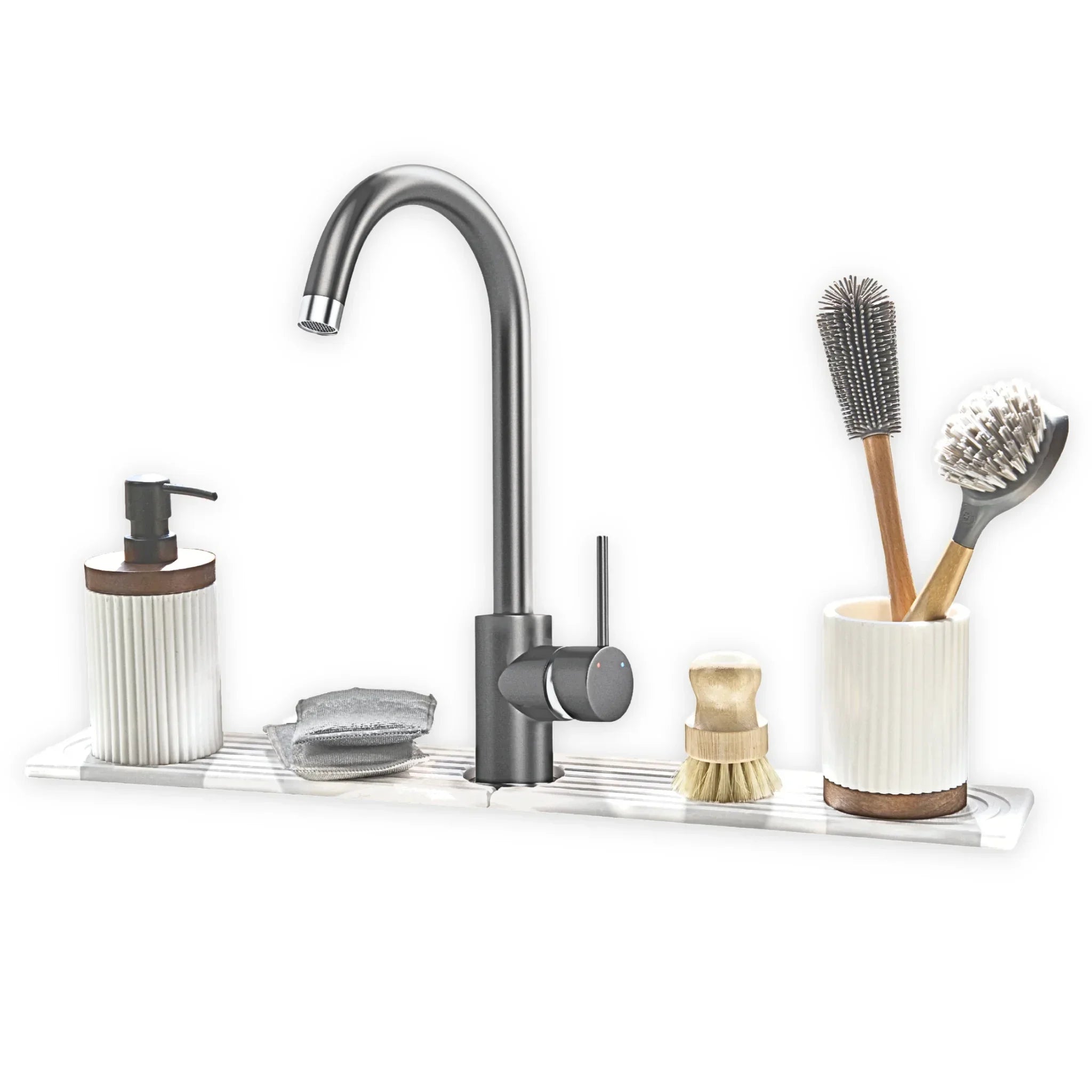
The same diatomite technology works throughout your home too. Our kitchen collection includes dish mats, stone sink caddies, and faucet mats that use the same fast-drying principles. But you probably have some questions about specific situations or problems that might come up with your mat, so let's get into those.
Common Questions About Stone Bath Mat Care
Taking care of a stone bath mat is pretty straightforward, but people still have questions about the best ways to keep them working well. Most concerns come up because these mats work differently than regular fabric ones. Here are the answers to the most common questions we hear about maintaining your mat.
How often should I clean my stone bath mat?
You should give your stone bath mat a quick rinse once a week and do a deeper clean about once a month. The weekly rinse removes any buildup of soap residue or body oils that can clog the pores. A monthly cleaning with light sanding keeps the surface fresh and absorbent.
Can I use soap or cleaning products on it?
Skip the soap and harsh cleaners because they actually make things worse. These products can fill up the tiny pores in the diatomaceous earth that make your mat absorbent in the first place. Stick with plain water for regular cleaning, and use fine-grit sandpaper when you need to refresh the surface.
What do I do if my mat cracks or chips?
Small chips on the edges usually don't affect how well your mat works, so you can keep using it without worry. If you get a crack that goes all the way through, it's time to replace the mat since it could break apart. The good news is that proper care prevents most damage, and our Natureva Stone Bath Mats come with care instructions to help you avoid these issues.
How long should a stone bath mat last?
A well-maintained stone bath mat typically lasts between two to five years depending on how much use it gets. Daily use in a busy household will wear it down faster than occasional use in a guest bathroom. Regular cleaning and proper storage when not in use can push your mat toward the longer end of that range.
Is it normal for the mat to feel less absorbent over time?
Yes, reduced absorption happens when oils, soap residue, and dead skin cells build up in the pores of the mat. This is completely normal and easy to fix. A light sanding with fine-grit sandpaper removes the top layer and opens up fresh pores, bringing back that instant-dry feeling you got when the mat was new.
Can I use the mat on heated bathroom floors?
Stone bath mats work fine with radiant floor heating as long as the temperature stays below 30 degrees Celsius. Higher temperatures can dry out the mat too much and make it more prone to cracking. The heat actually helps the mat dry faster between uses, which some people find helpful in humid bathrooms.
The next generation of home essentials: naturally made, cleaner by design, sustainable by nature.
SHOP ALL