
5 Signs Your Bath Mat is a Breeding Ground for Mould (And What to Replace It With)
Your bath mat absorbs water every day, in one of the dampest rooms in your home. The combination of constant moisture, limited airflow, and a material designed to hold water creates near-ideal conditions for bath mat mould and mildew to develop. Most people assume a weekly wash keeps things under control. Often, it doesn't.
Fabric mats retain moisture long after your shower ends. That damp environment, paired with shed skin cells and the warm air of a closed bathroom, gives mould exactly what it needs to take hold.
The signs are easy to miss until the problem is well established. Here's what to look for, and what a better material looks like.
Sign 1: There's a Smell That Won't Wash Out
A faint musty odour that returns within a day or two of washing is a reliable indicator of mould or mildew in the fibres. Once mould builds deep within a fabric mat, surface washing rarely reaches it. The smell is the mat telling you it's past the point of recovery.
Sign 2: You Can See Dark Spots or Discolouration
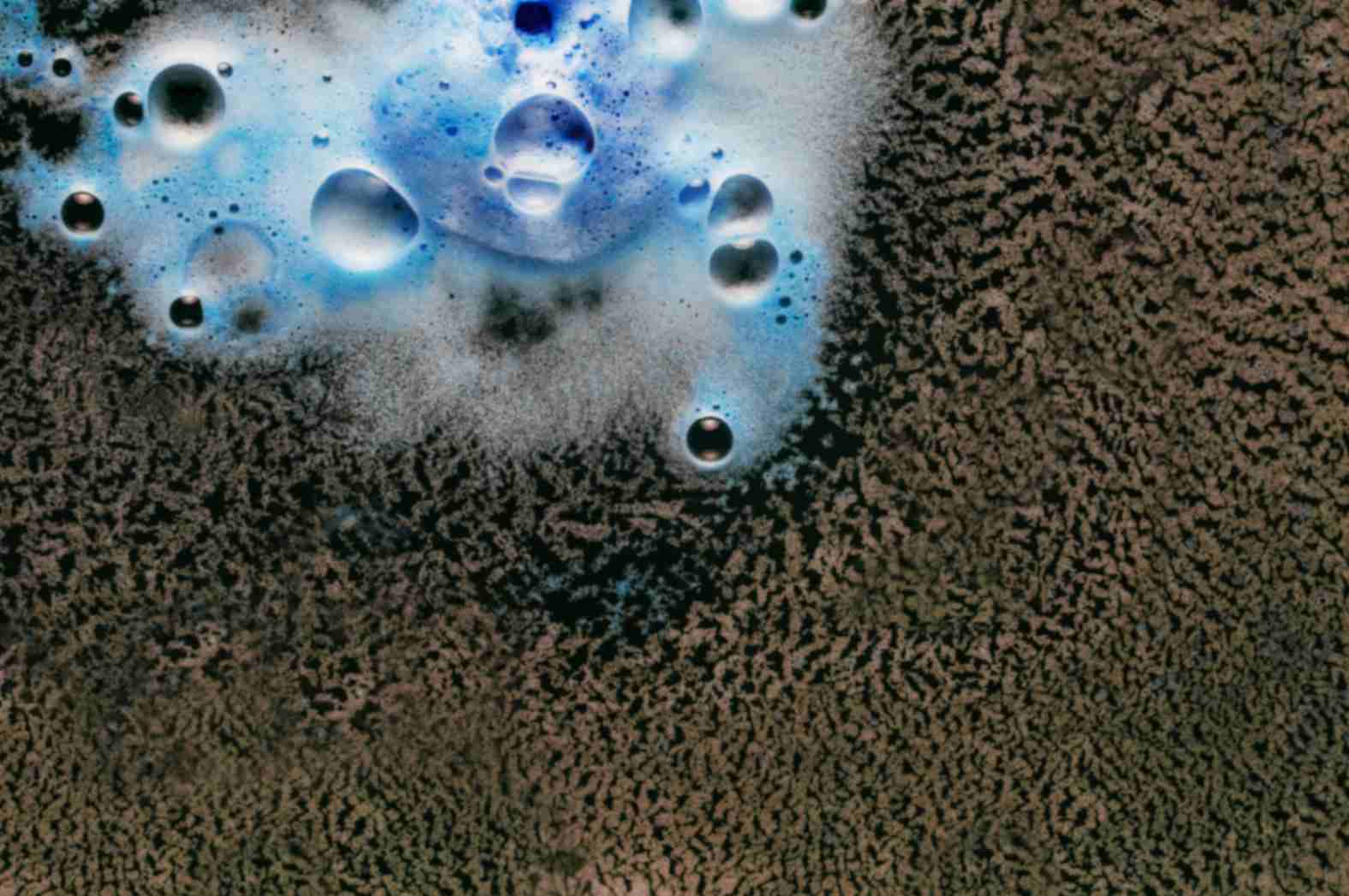
Black, grey, or pink spots – particularly around the edges or on the rubber backing – are visible mould or mildew growth. Pink or orange staining is often Serratia marcescens, bacteria that thrive in damp bathroom environments. At this stage, the mat should be replaced rather than rewashed.
Sign 3: It's Still Damp Hours After Your Shower
This is the most important sign. A mat that stays wet for four, six, or even twelve hours isn't just uncomfortable – it's a mould risk. Wet or damp materials should be washed within 24 to 48 hours to prevent mould growth.A thick cotton or microfibre mat sitting on a bathroom floor with limited airflow can easily exceed that window between uses.
Sign 4: The Rubber Backing is Peeling or Cracking
Damaged backing traps water underneath the mat – an area that never dries and is almost impossible to clean. If you've noticed the grip layer flaking, moisture is almost certainly pooling beneath it. That hidden dampness is where bath mat mould typically starts, long before it becomes visible on top.
Sign 5: You Can't Remember the Last Time You Washed It
If your mat goes more than one to two weeks between washes, bacteria and mould are accumulating. Most households stretch this further than they'd like to admit. The problem with fabric mats isn't just that they get dirty; it's that the conditions for mould growth are recreated every single day, regardless of how often they're laundered.

What to Replace It With
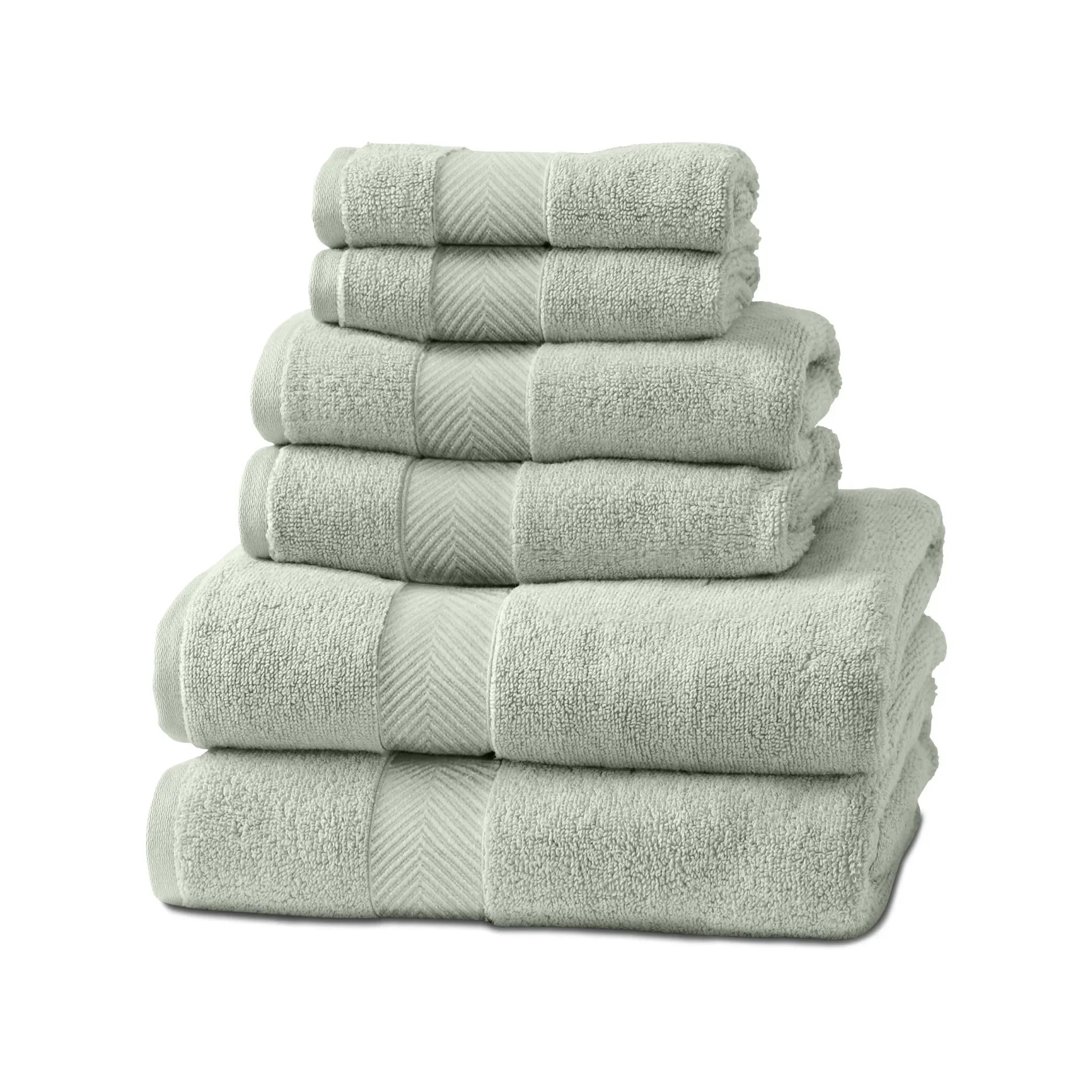
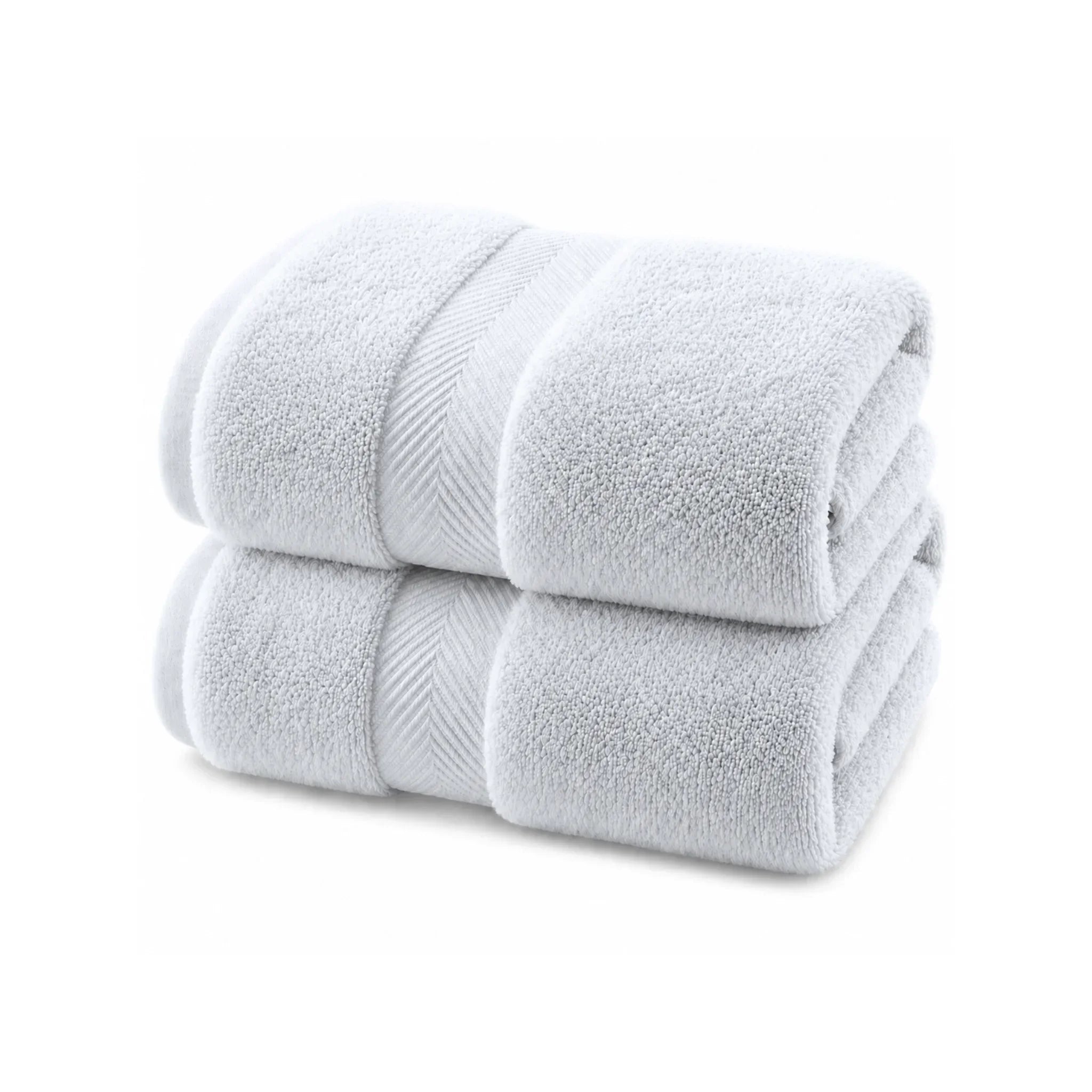
The issue with traditional fabric mats isn't hygiene habits, but the material itself. Fabric holds moisture, and moisture grows mould. It's a cycle that washing alone can't break.
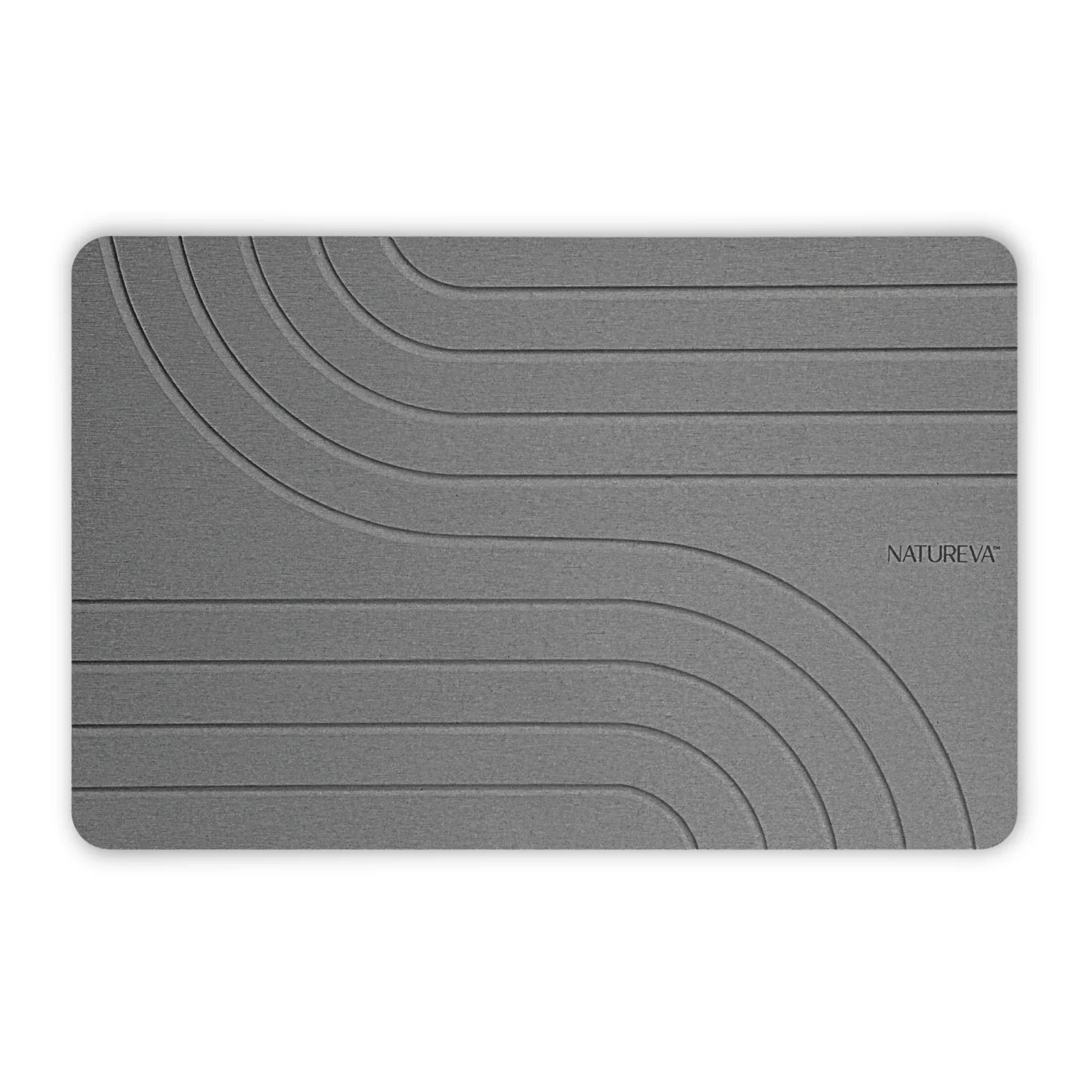
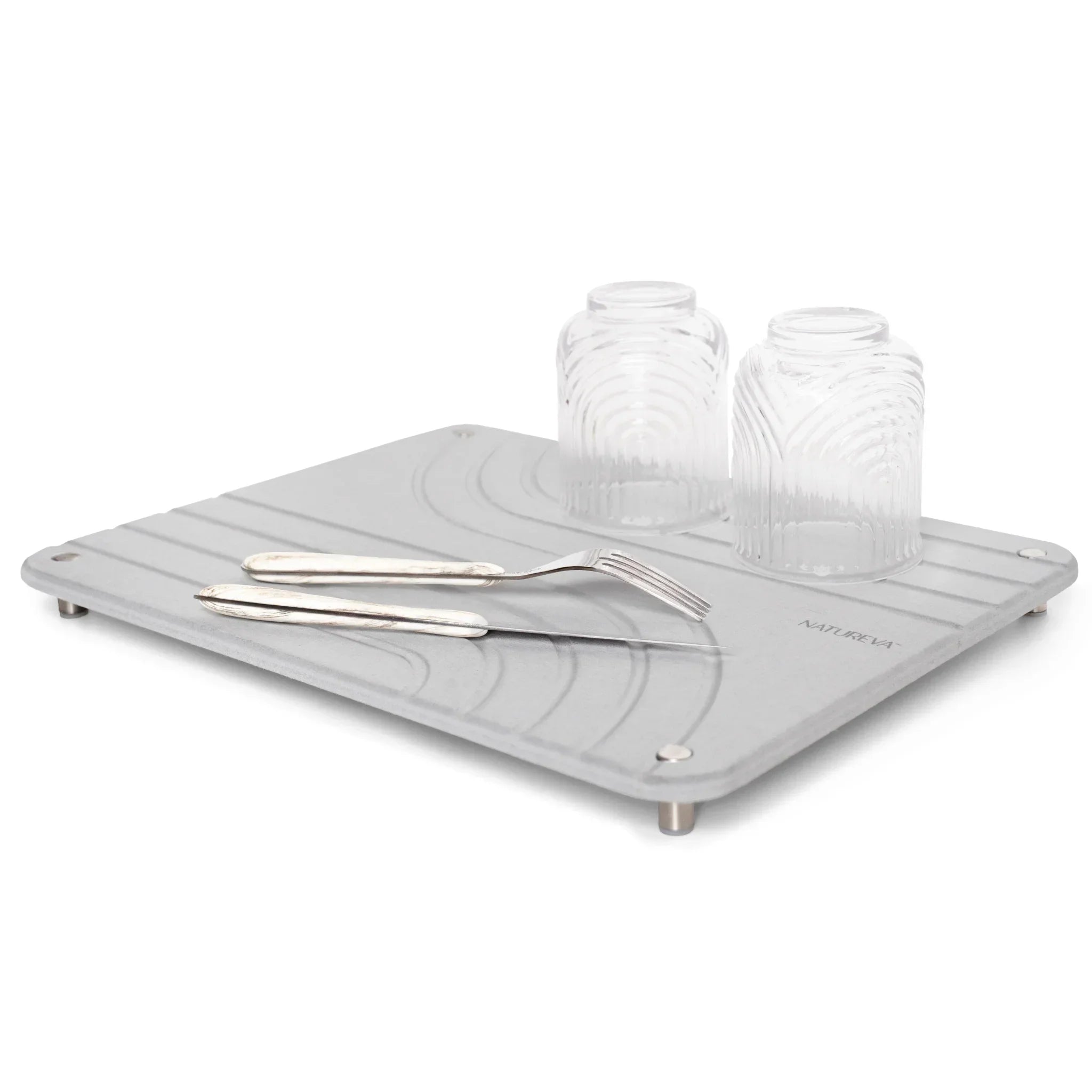
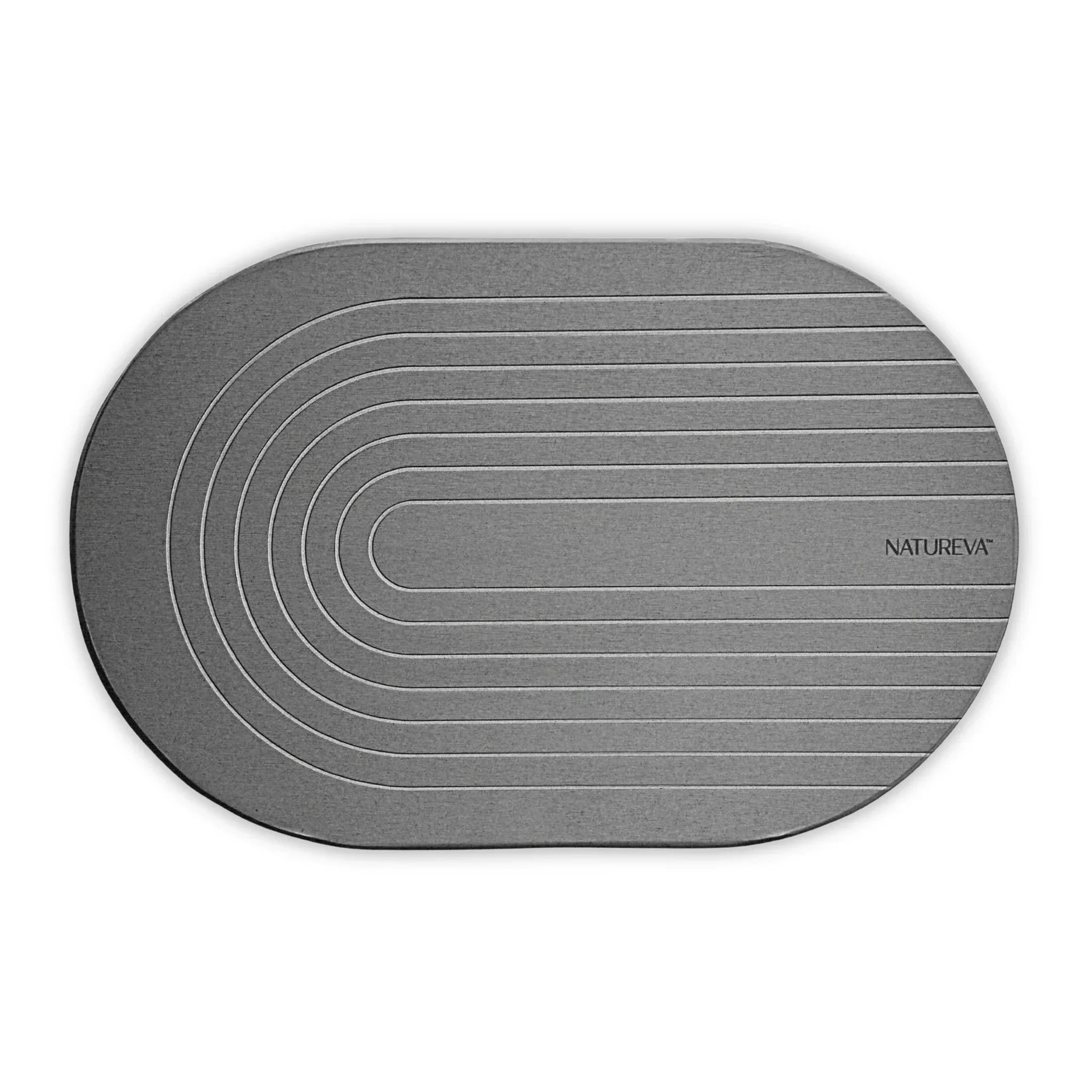
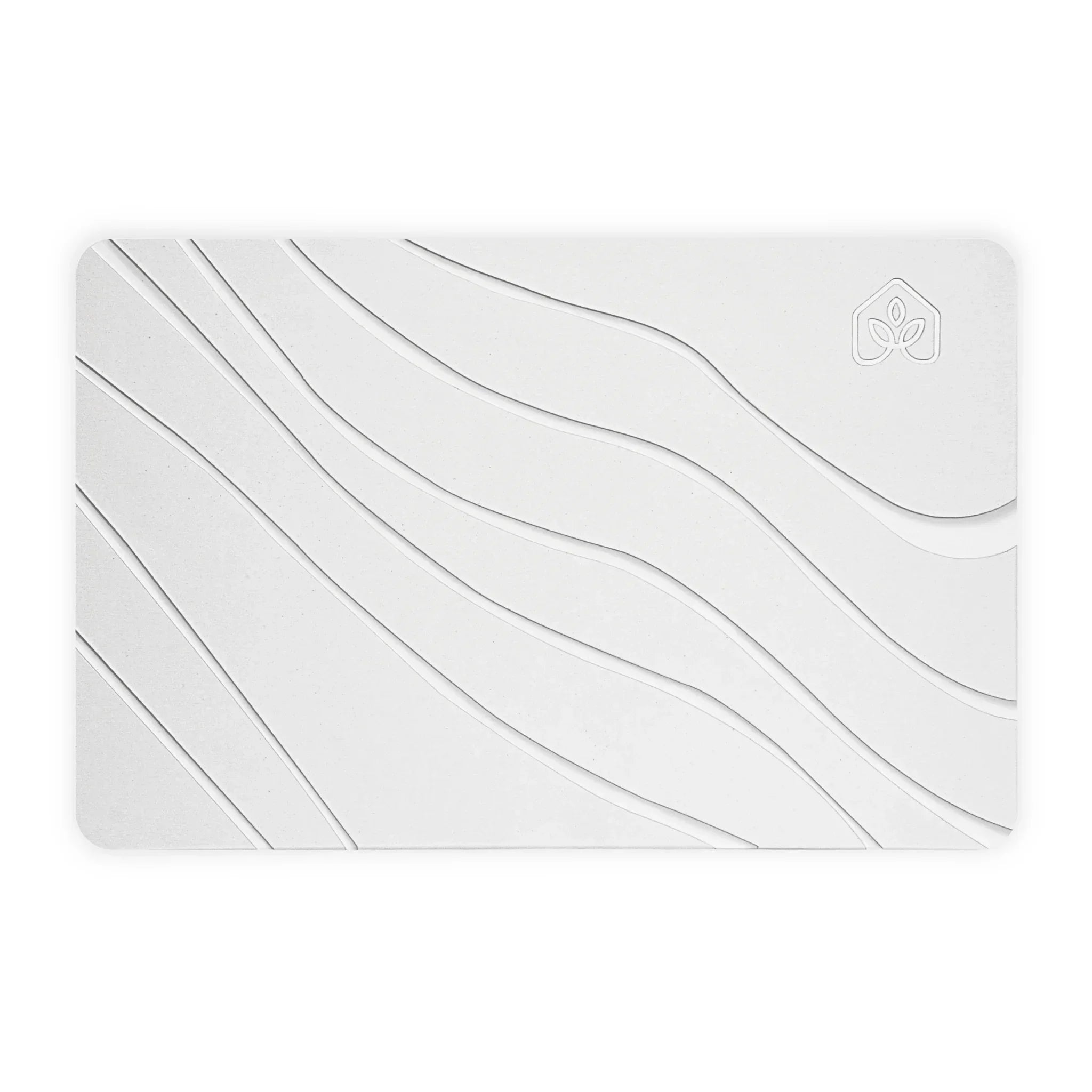
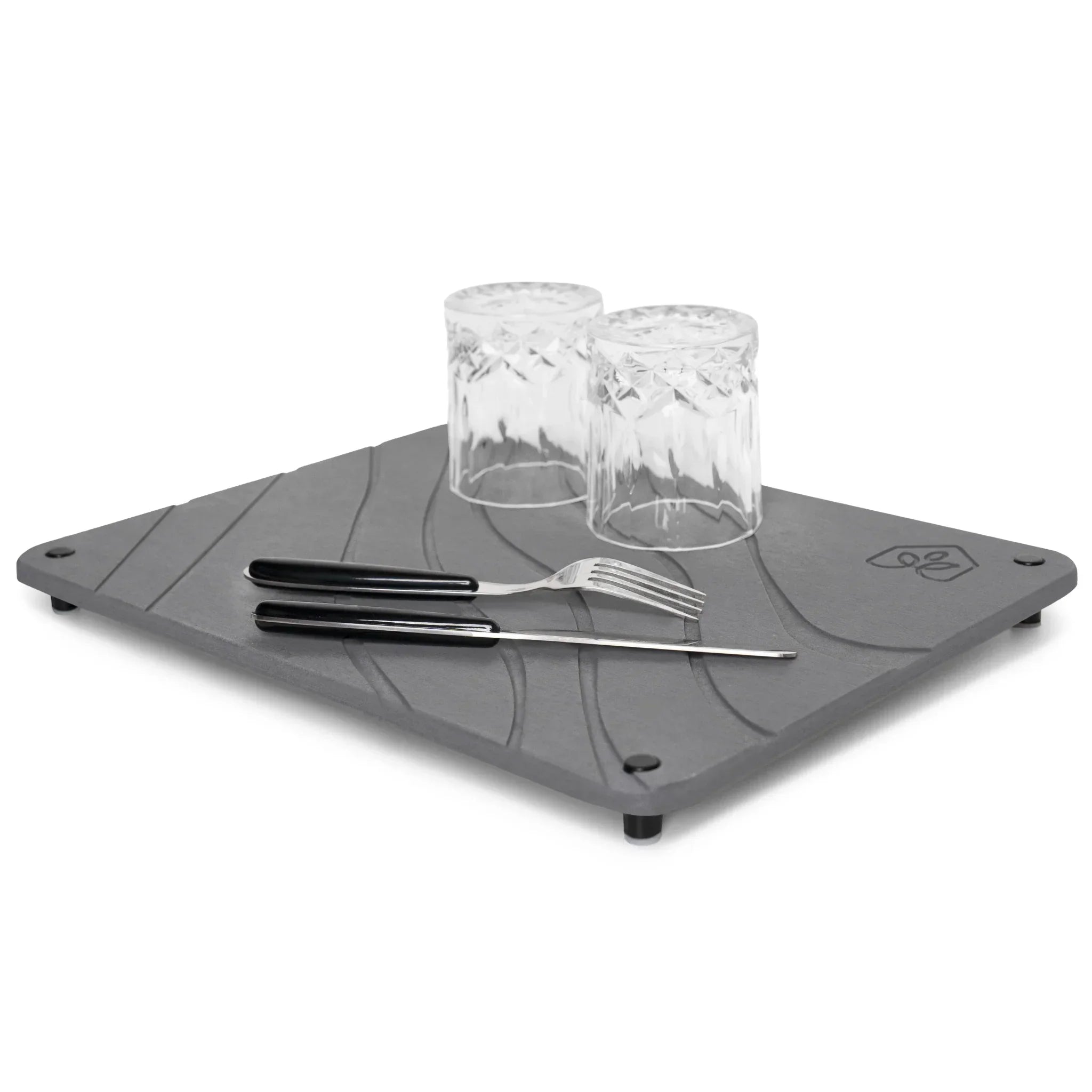
Stone bath mats made from diatomaceous earth work differently. The naturally porous stone absorbs water on contact and releases it back into the air within minutes. Moisture control is key, anda mat that dries quickly removes the conditions that allow mould to grow in the first place.
There's no rubber backing to trap water, no fibres to harbour bacteria and no weekly wash cycle. It simply provides a dry, clean surface, ready for the next use.
If you've noticed any of the signs above, it's worth considering whether the problem is the mat or the material.
Ready to Replace Your Bath Mat?
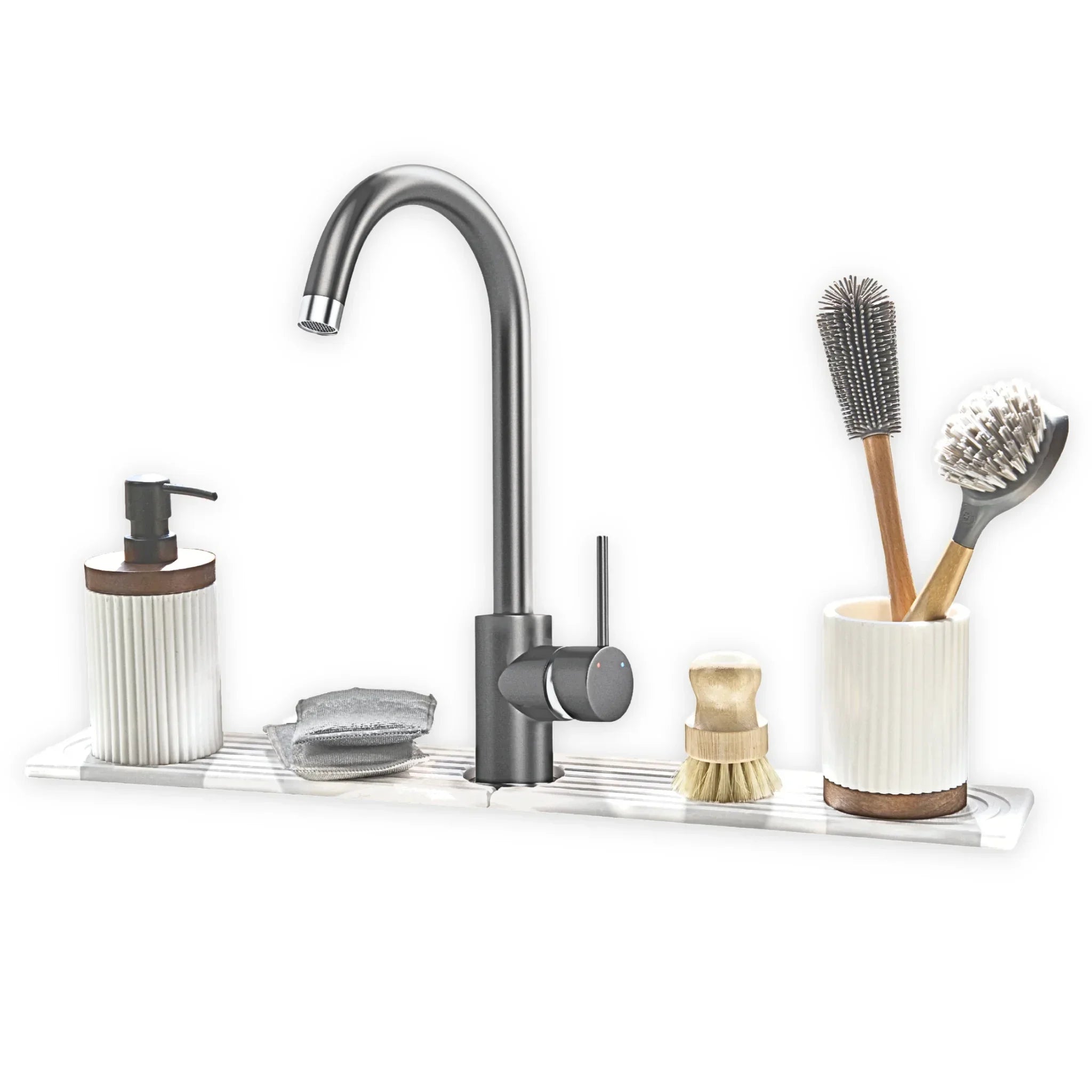
Natureva's stone bath mats are made from natural diatomaceous earth – a material that dries in minutes and needs no washing cycle to stay hygienic. Designed for homes that prioritise cleanliness and considered design, they're built to outlast any fabric mat you've owned.
Explore our full range for a cleaner home that starts from the ground up.