
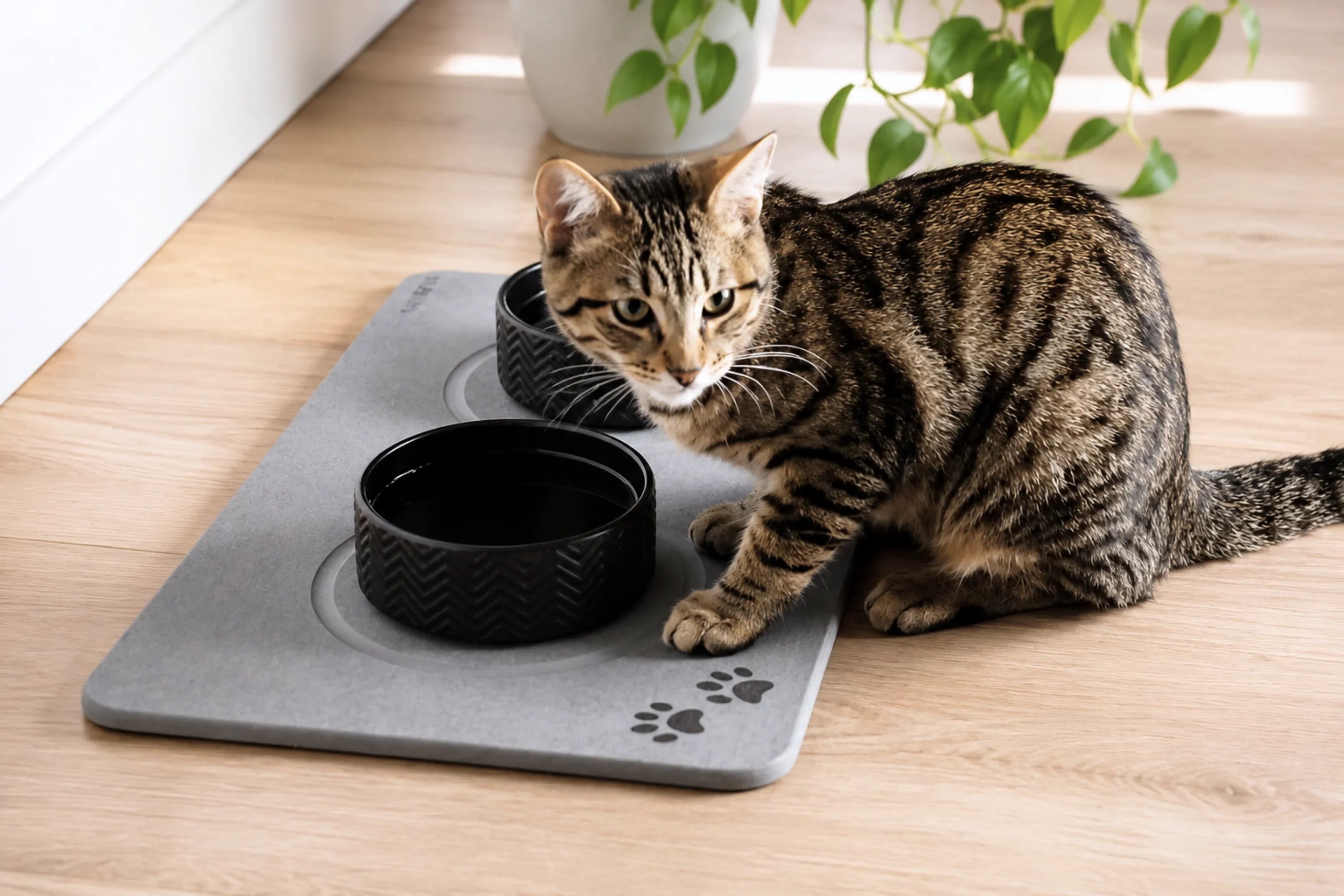
Preventing Unsanitary Feeding Areas: Cat Food Mat Rules Every Pet Owner Should Know
Every time your cat eats, tiny bits of food and water droplets scatter across your floor, creating unsanitary conditions that can make both you and your pet sick. Most cat owners don't realise that where you place your cat food mat and how you care for it matters just as much as having one in the first place. Following a few simple cat food mat rules can protect your floors from damage while preventing bacteria buildup and keeping your cat's feeding area genuinely sanitary.
Table of Contents
Understanding Cat Food Mat Basics
Most cat owners spend about 15 minutes each day cleaning up after their pet's meals, which adds up to nearly 100 hours per year. That's a lot of time on your hands and knees wiping up water puddles and scattered kibble. A cat food mat sits under your pet's bowls to catch all the mess before it reaches your floor, but the right mat does more than just protect surfaces — it plays a key role in preventing unsanitary conditions around your cat's feeding area.
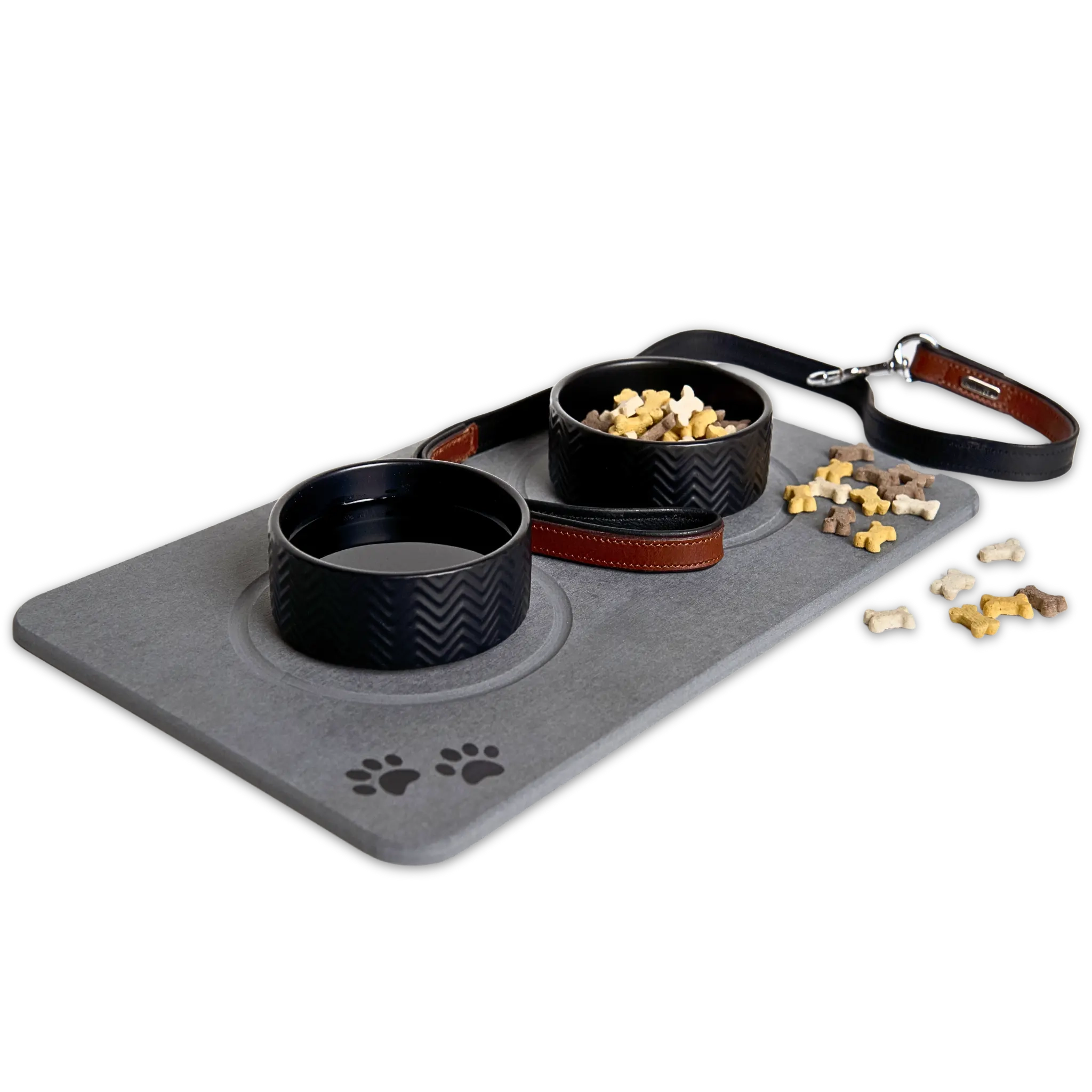
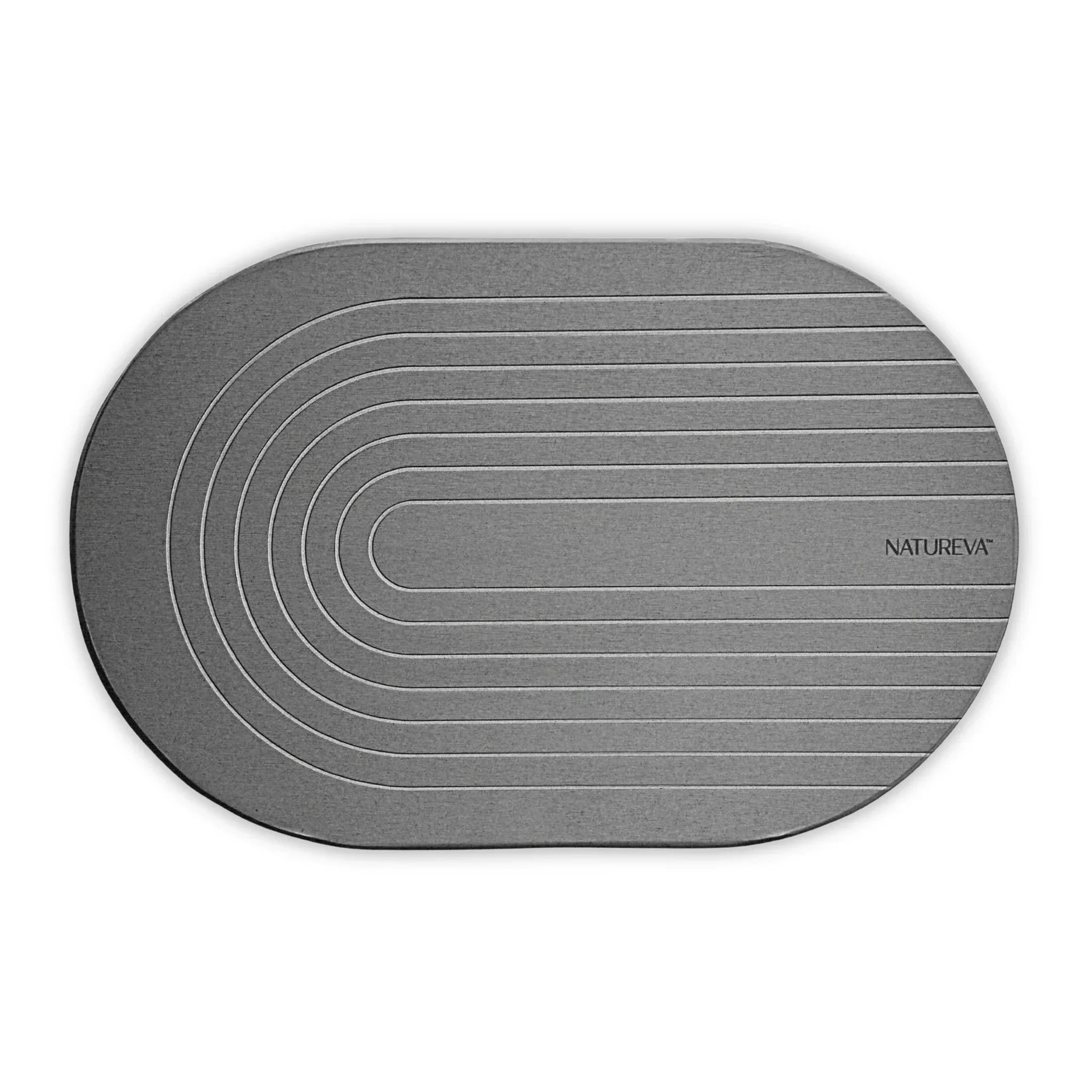
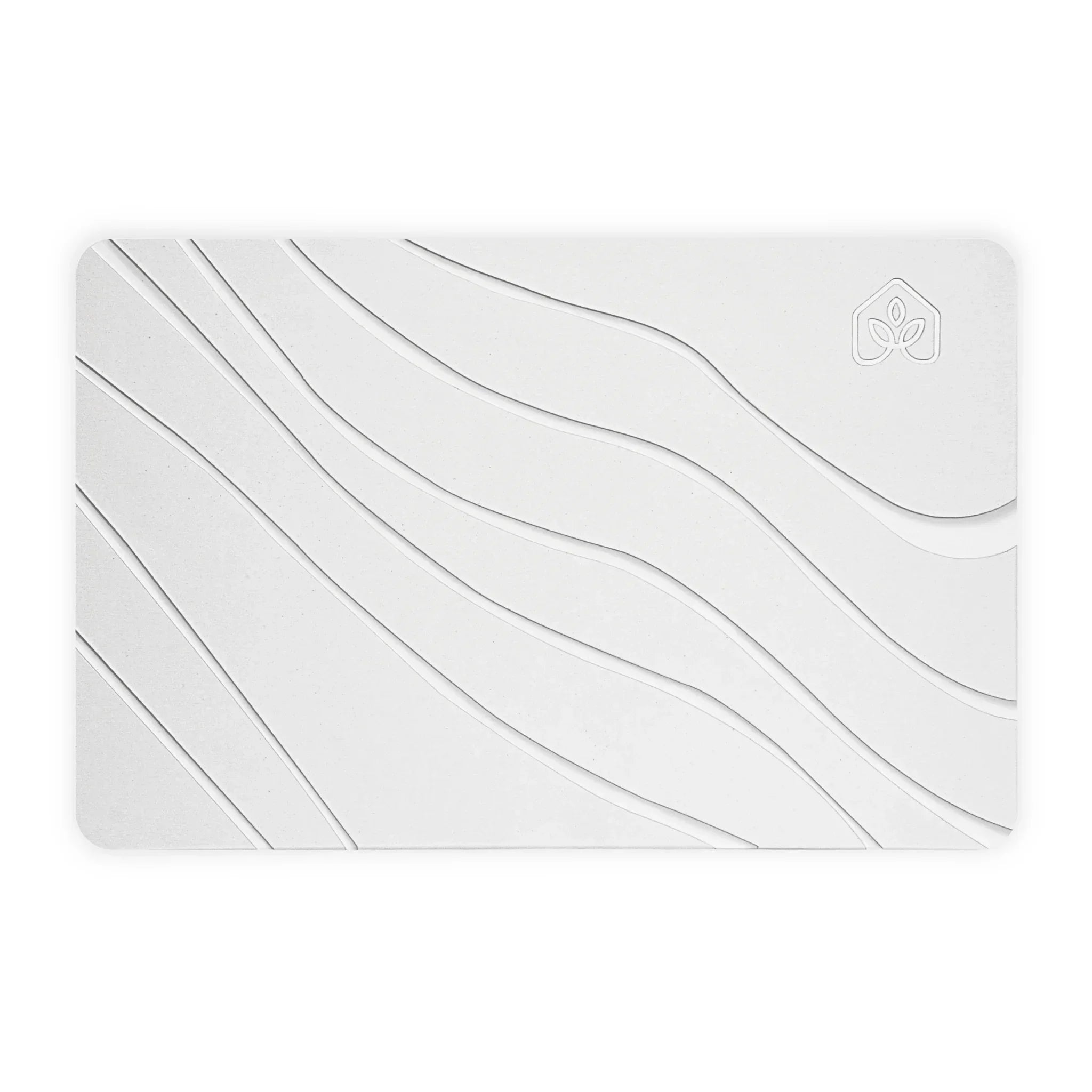
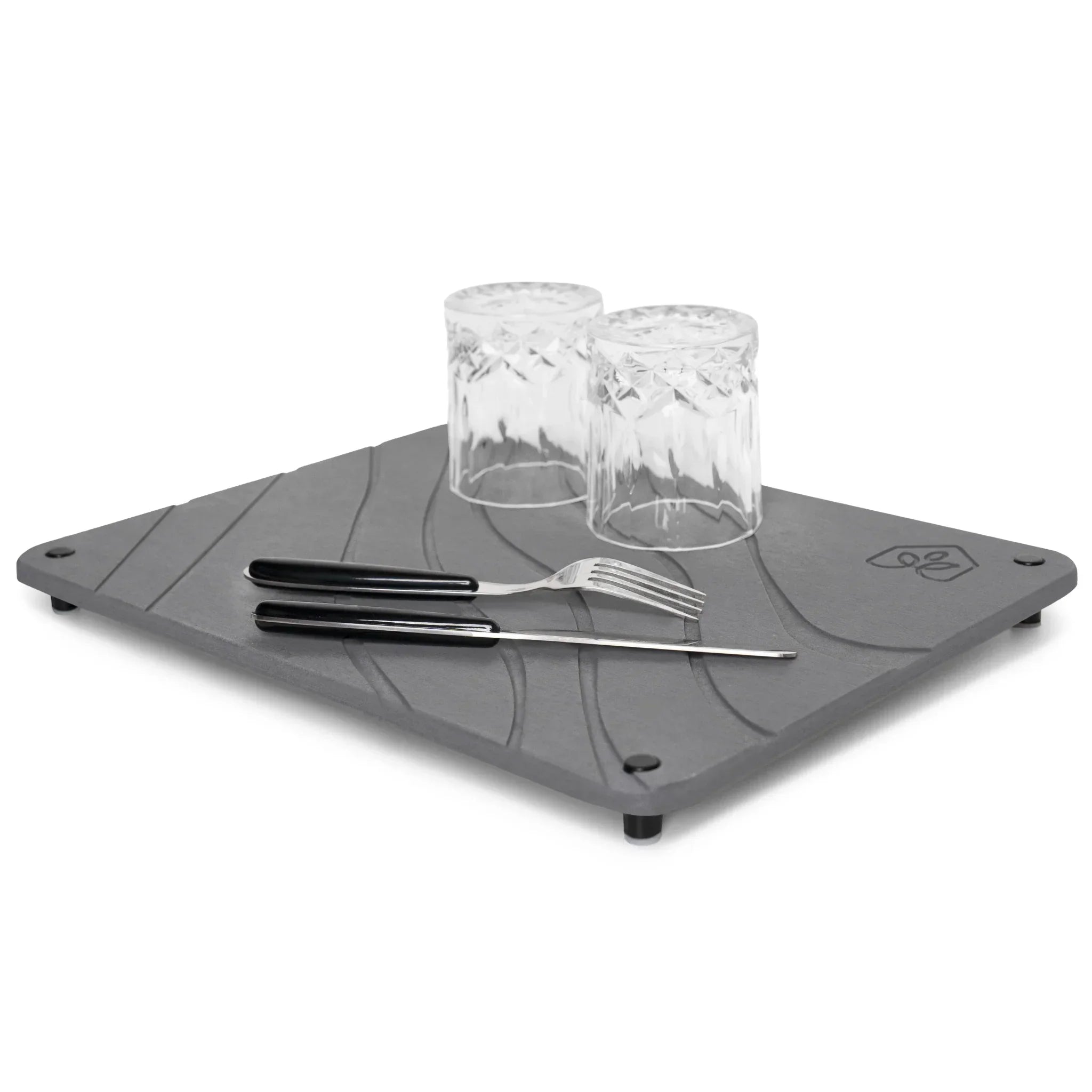
Stone Pet Mat
What Cat Food Mats Actually Do
Think of a cat food mat as a shield between your cat's dining chaos and your floors. These mats catch water drips, food crumbs, and the occasional hairball before they become permanent stains or breeding grounds for bacteria. The right mat absorbs moisture quickly instead of letting it pool, which is essential for maintaining a sanitary feeding area.
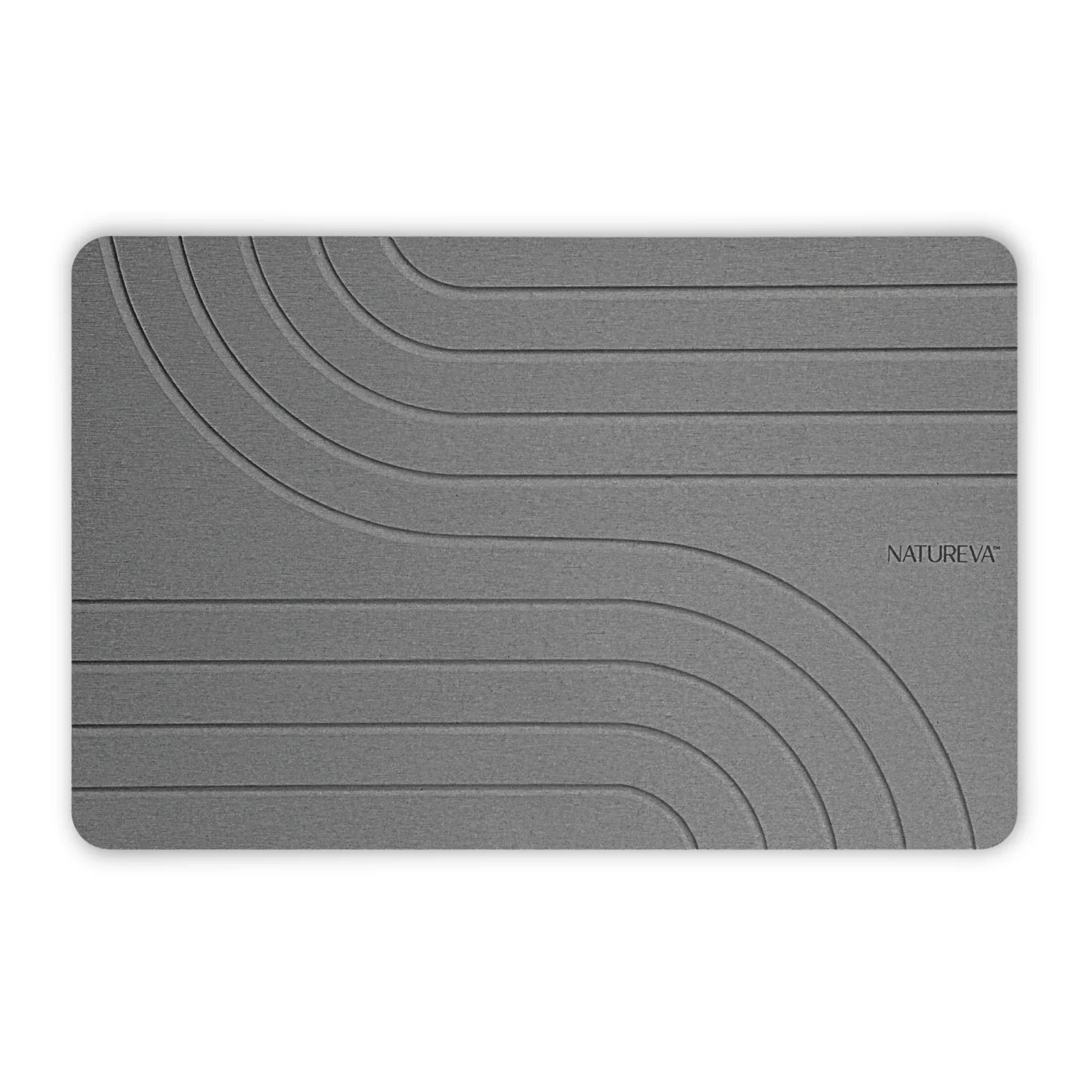
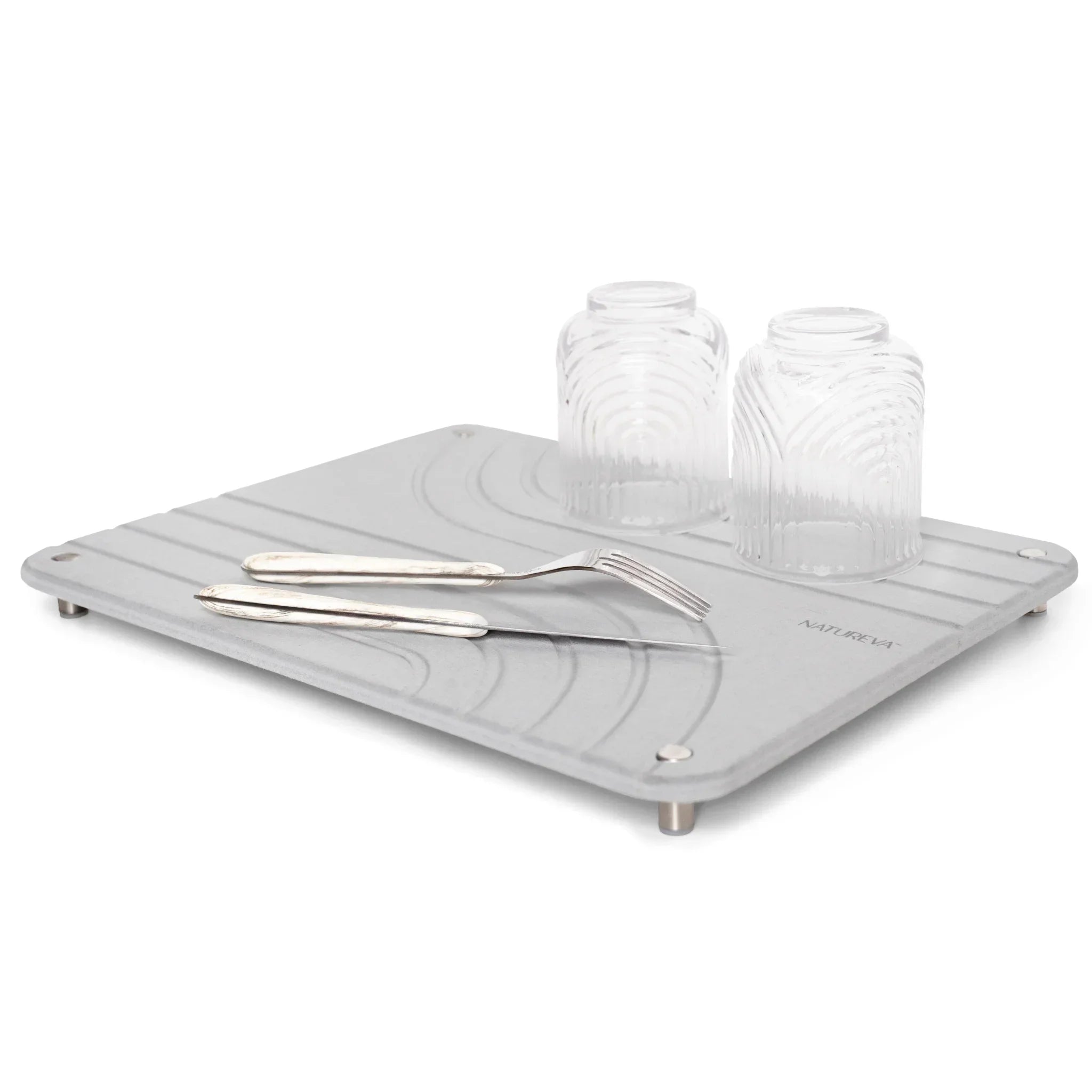
Different materials handle messes in different ways. Silicone mats have raised edges that trap spills but don't absorb them. Fabric mats soak up water but can stay damp for hours. Stone mats like our Natureva Stone Pet Mat use natural diatomaceous earth to absorb and evaporate moisture fast, preventing the damp conditions where bacteria thrive.
Why Feeding Areas Become Unsanitary
Cats are messy eaters by nature, and the problems they create go beyond cosmetic damage to your floors. Without proper management, a feeding area can quickly become one of the least sanitary spots in your home.
- Water spills that seep into wood floors causing warping and discolouration
- Food particles that get ground into carpet fibres and attract pests
- Bacteria growth in damp areas that can affect both pet and human health
- Stains on tile grout that become permanent without quick cleanup
- Mould developing underneath mats that stay wet for hours
According to research from Cornell University, harmful bacteria can thrive in pet feeding areas when moisture isn't properly managed. This makes choosing an absorbent mat a sanitary necessity, not just a convenience.
Matching Mats to Your Situation
Your cat's eating style and your floor type should guide your mat choice. Messy drinkers need highly absorbent materials that prevent standing water, while cats who push their bowls around need mats with grip.
| Floor Type | Common Problem | Sanitary Risk Without Mat |
|---|---|---|
| Hardwood | Water absorption | Warping, staining, bacteria in finish cracks |
| Tile | Grout staining | Permanent discolouration, bacteria in grout lines |
| Carpet | Food grinding | Odours, mould growth, pest attraction |
| Laminate | Moisture seepage | Swelling, separation, mould underneath |
The material matters just as much as the size. Some cats are aggressive eaters who need larger coverage areas, while others daintily eat in one spot.
- Stone mats dry in minutes and naturally prevent bacterial growth
- Silicone mats need regular washing but last for years
- Fabric mats feel soft but can harbour odours and bacteria over time
Understanding these basics helps you pick a mat that actually prevents sanitary issues instead of just covering them up temporarily.
Placement Rules for a Sanitary Feeding Area
Most cat owners don't realise that where you put your cat food mat matters just as much as having one in the first place. The wrong placement can actually make messes worse, with water and food bits ending up exactly where you don't want them. Getting the placement right from the start is one of the simplest ways of preventing unsanitary conditions around your cat's bowls.
Placement Rules for a Sanitary Feeding Area
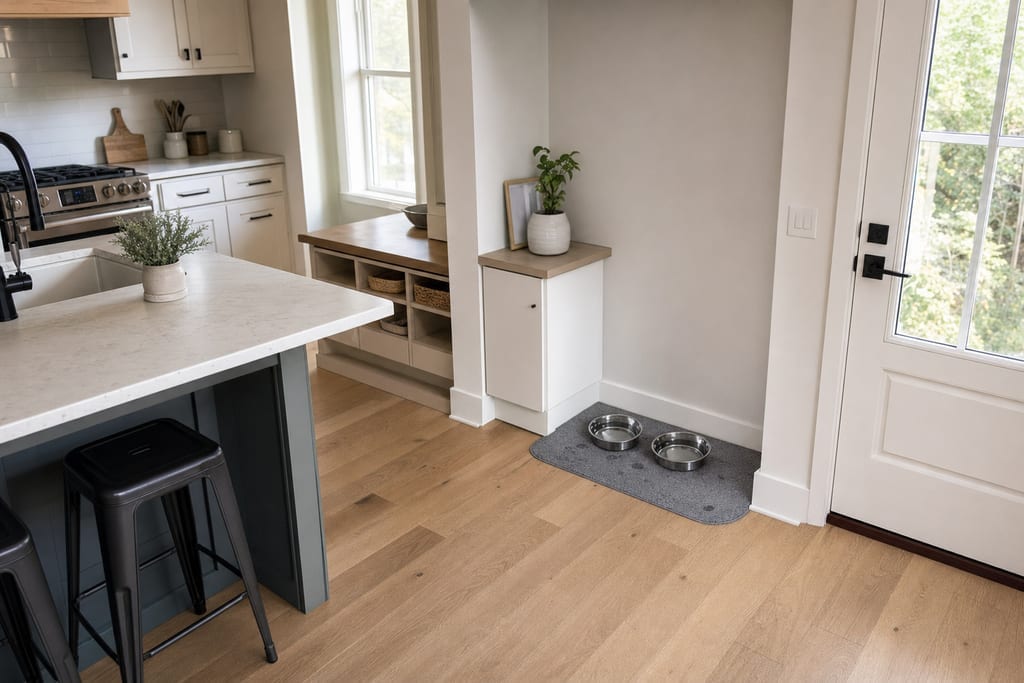
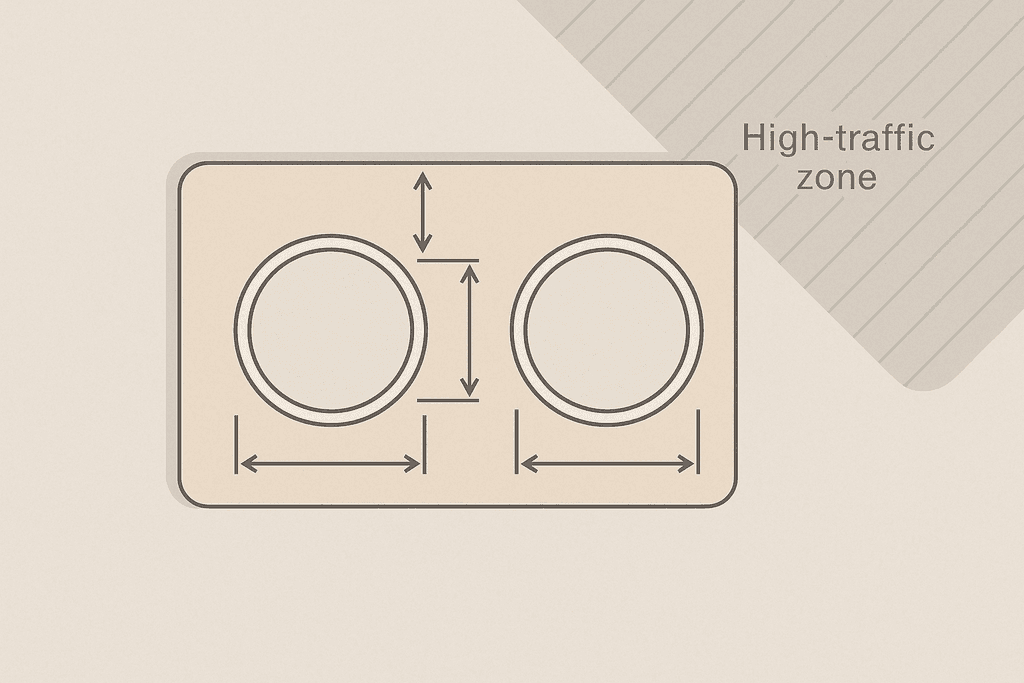
The most important rule is simple but often ignored. Position your mat at least 5 to 8 centimetres beyond your cat's bowl edges on all sides. Cats are messy eaters by nature, and they don't care about your clean floors.
Mat Placement Checklist
- Measure your cat's bowls and add 5-8 centimetres on each side
- Choose a low-traffic area away from doorways and hallways
- Keep the feeding area away from litter boxes to prevent cross-contamination
- Test the spot by watching your cat eat for a few days
- Make sure the floor underneath is hard surface, not carpet
- Check that the mat lays completely flat with no curled edges
- Adjust placement if you notice tracking patterns after meals
High-traffic areas are your enemy when it comes to keeping a sanitary feeding space. Keep feeding stations away from hallways and doorways where people walk frequently. This prevents wet paws from tracking moisture and food particles throughout your home. Some cats also prefer quieter spots for eating, which can reduce the mess they make while dining.
Your cat's eating style matters more than you might think. Aggressive eaters who push their bowls around need larger mats with better grip. Avoid placing mats on carpeted areas where moisture can seep through and create mould problems underneath. The mat should stay flat without curling at the edges, which prevents tripping hazards and maintains the sanitary barrier between food mess and your floors.
Material Safety and Selection Guidelines
Not all cat food mats are created equal, and some can actually harm your pet or damage your floors. The material you choose affects everything from how well it absorbs spills to whether it grows bacteria between cleanings. Many cheap mats contain chemicals that smell bad and can make cats avoid their food bowls entirely. Choosing a safe, effective mat is key to preventing unsanitary conditions in your cat's feeding area.
Material Safety and Selection Guidelines
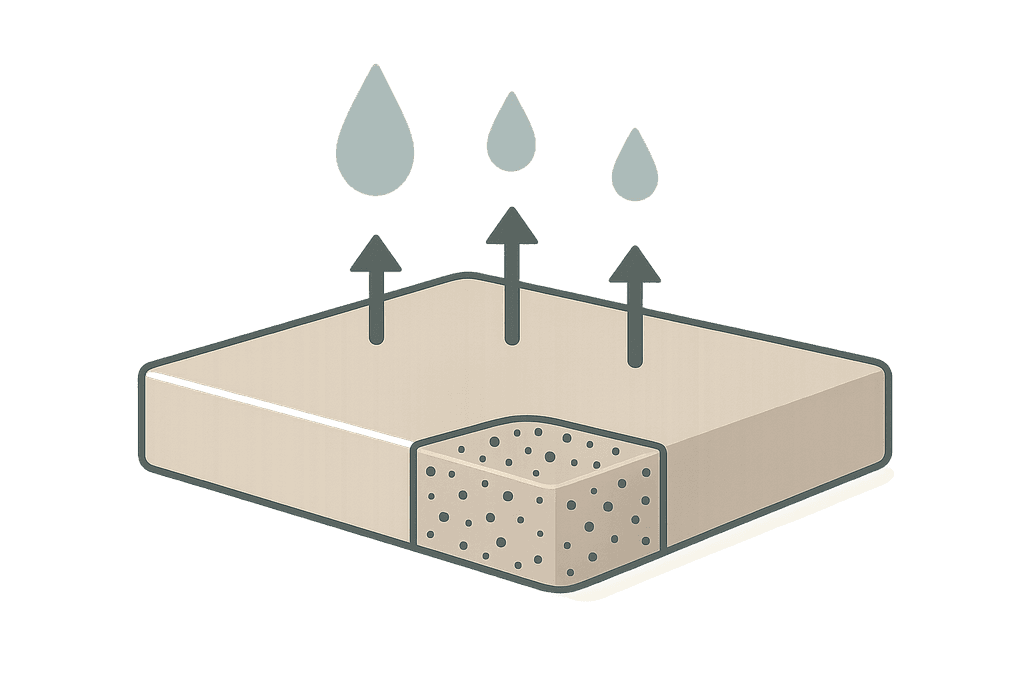
Natural materials like diatomaceous earth offer superior absorption without chemicals that could harm your cat. These materials work by pulling moisture into millions of tiny pores through capillary action, which then releases it back into the air through evaporation. Our Stone Pet Mat uses this natural diatomaceous earth technology to absorb spills instantly and dry fast, keeping your floors protected without any harsh substances.
| Material Type | Absorption Speed | Drying Time | Chemical-Free | Sanitary Rating |
|---|---|---|---|---|
| Diatomaceous Earth | Instant | Under 1 hour | Yes | Excellent |
| Silicone | None | N/A | Varies | Good (with cleaning) |
| Fabric/Microfibre | Moderate | 4-6 hours | Varies | Poor (stays damp) |
| Rubber | None | N/A | No | Fair |
Safety goes beyond just the top surface material. Avoid mats with toxic materials or strong chemical odours that can harm pets who spend time near their food bowls. Cats have sensitive noses, and harsh smells can stress them out or make them refuse to eat. Non-slip backing prevents the mat from sliding around during feeding, which keeps bowls in place and reduces spills.
The next generation of home essentials: naturally made, cleaner by design, sustainable by nature.
SHOP ALLQuick-drying materials are essential for preventing bacterial growth that can make your cat sick. Mats that stay wet for hours create the perfect environment for germs to multiply. Diatomaceous earth dries so rapidly that bacteria never gets the chance to establish colonies, making stone mats one of the most sanitary options available for pet feeding areas.
Cleaning and Maintenance for Sanitary Conditions
Even the best cat food mat becomes a health hazard if you don't clean it properly. Food particles, water spots, and bacteria build up faster than most people realise, especially in the warm, moist environment around pet bowls. A good maintenance routine is essential for preventing unsanitary conditions and keeping your mat effective long-term.
Daily spot cleaning prevents buildup and odours from taking over your pet's feeding area. Wipe up fresh spills right after meals using a damp cloth or paper towel. This takes less than a minute but makes a huge difference in how sanitary your feeding area stays.
Daily and Weekly Maintenance Checklist
Daily Tasks:
- Wipe up visible spills and food particles after each meal
- Check for wet spots and dab them dry
- Remove any stuck-on food before it hardens
- Shake out loose debris over a bin
Weekly Tasks:
- Wipe with a damp cloth and vinegar-water mixture
- For stains, scrub with a sponge and clear, non-coloured dishwashing liquid, then rinse well
- If absorption has slowed, use the included sanding tool to restore performance
- Dry completely before putting back in place
- Clean the floor underneath the mat
Regular cleaning is the most important factor in preventing a sanitary feeding area from becoming contaminated. Stone mats made from diatomaceous earth are naturally antimicrobial and dry within minutes, which means less opportunity for bacteria to take hold between cleanings. For detailed care instructions, visit our care and cleaning guide.
Watch for signs that indicate when to replace your mat. Cracks, permanent stains, lingering odours that won't wash out, or reduced absorption all mean it's time for a new one. Keep mats in a dry, clean space where they won't collect dust or develop musty smells between uses.
Preventing Unsanitary Conditions: The Bottom Line
Getting your cat food mat setup right doesn't have to be complicated. The main things to remember are keeping the mat in a quiet spot away from litter boxes, choosing materials that actually absorb water instead of just trapping it underneath, and cleaning your mat regularly. These simple rules are the foundation for preventing unsanitary conditions around your cat's feeding area.
The material you pick matters more than most people think. Regular fabric mats might seem cheaper at first, but they hold onto moisture and bacteria in ways that create sanitary problems down the road. Stone mats made from diatomaceous earth, like our Stone Pet Mat, work differently because they pull moisture into millions of tiny pores and let it evaporate naturally, preventing the damp conditions where bacteria thrive.
When you follow these placement and maintenance rules, you're not just protecting your floors. You're creating a feeding space that stays dry, clean, and sanitary without constant scrubbing. The right setup means less time on your hands and knees wiping up spills and more time actually enjoying your cat.
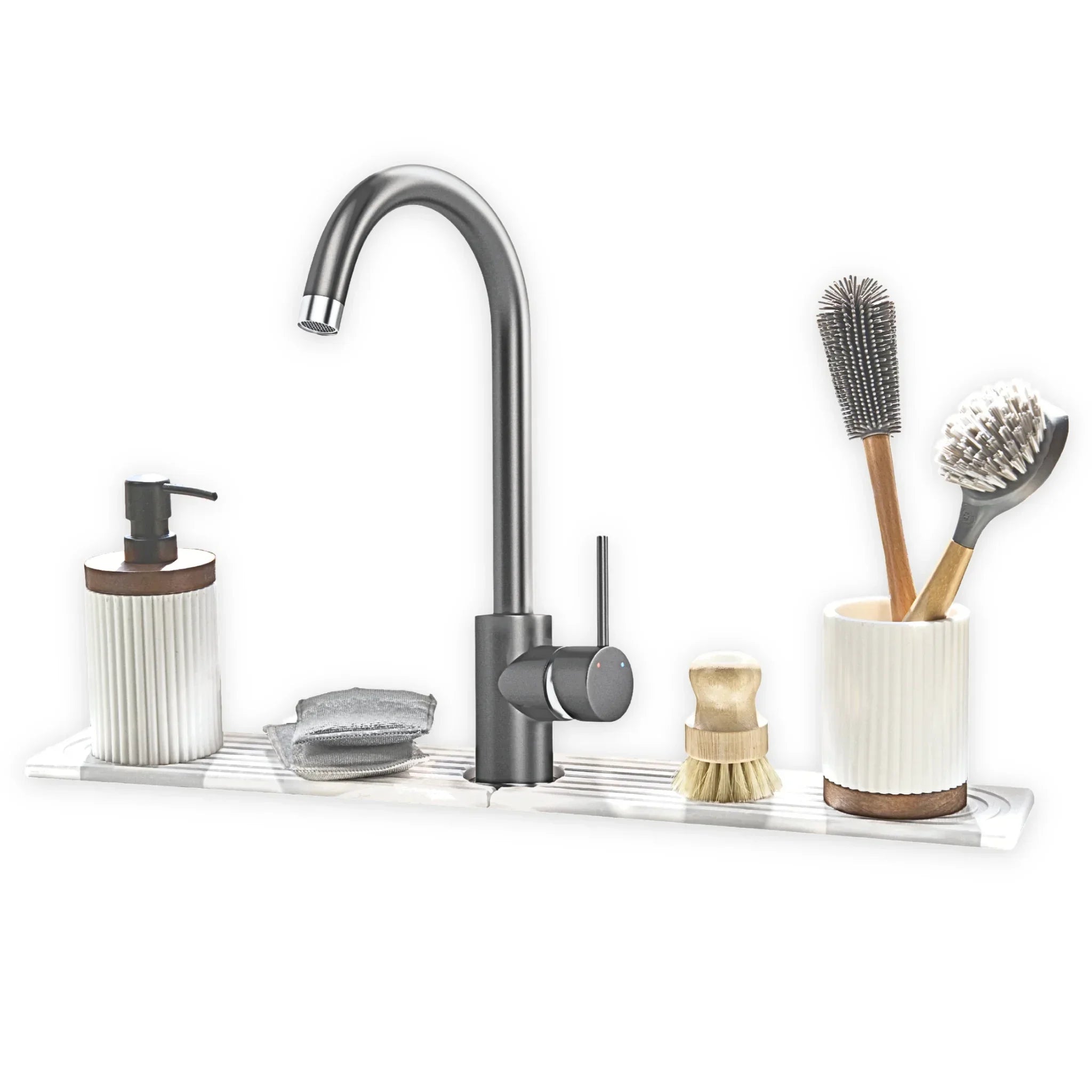
Most feeding area problems come down to one of three things: wrong location, wrong material, or skipping regular cleaning. Fix those and you'll notice the difference within days. The same diatomite technology that keeps pet areas sanitary also works throughout your home — our stone bath mats keep bathroom floors dry, dish mats protect kitchen benchtops, and sink caddies prevent water pooling around taps.
Still have questions about sizing, cleaning schedules, or dealing with specific mess situations? The answers below cover the most common concerns cat owners run into.
Common Questions About Cat Food Mat Rules
Choosing and maintaining a cat food mat doesn't have to be complicated, but pet owners often have similar questions about keeping their cat's feeding area sanitary. These answers will help you make better decisions and keep things cleaner with less effort.
How often should I clean my cat food mat?
Wipe up spills after each meal, and do a proper clean once a week with a damp cloth and vinegar-water mixture. For stains, scrub with a sponge and clear, non-coloured dishwashing liquid. Stone mats like the Natureva Stone Pet Mat dry so quickly that they naturally resist bacteria growth, making them easier to keep sanitary than fabric alternatives.
What size mat do I need for my cat's feeding area?
Your cat food mat should extend at least 5 to 8 centimetres beyond the edges of your cat's bowls on all sides. This gives enough space to catch spills when your cat drinks messily or pushes food around. Cats that are enthusiastic eaters might need even larger mats to keep your floors protected.
Can I use a cat food mat on carpet?
Yes, but the type of mat matters more on carpet than on hard floors. Absorbent stone mats work especially well on carpet because they soak up water before it can seep through to the carpet fibres below, preventing mould and odour problems underneath. Silicone mats just create a barrier but don't absorb anything, so spills can pool and eventually leak onto your carpet.
How do I keep my cat food mat from sliding around?
The weight and texture of your mat make the biggest difference in preventing sliding. Heavier stone mats naturally stay in place better than lightweight silicone options. You can also add non-slip rug pads underneath thinner mats or look for mats with textured bottoms that grip your floor surface.
When should I replace my cat food mat?
Replace your cat food mat when it starts holding odours even after cleaning, shows cracks or tears, or stops absorbing liquids effectively. Silicone mats typically last 1-2 years with regular use, while quality stone mats can last much longer since they're more durable and naturally resist bacteria.
Are stone mats more sanitary than silicone for cats?
Stone mats are generally more sanitary because they absorb and evaporate moisture rapidly, preventing the damp conditions where bacteria thrive. Silicone mats are cheaper upfront but require more frequent cleaning to maintain sanitary conditions. The natural properties of diatomaceous earth in stone mats actively pull moisture away from the surface, while silicone just contains spills without absorbing them.
How do cat food mats help prevent bacteria growth?
Bacteria need moisture to multiply. Mats that absorb water and dry quickly remove the conditions bacteria need to grow. Diatomaceous earth stone mats are particularly effective because they dry within minutes rather than hours, and the material itself is naturally antimicrobial. This makes them one of the most sanitary options for preventing bacterial contamination in your cat's feeding area.
The next generation of home essentials: naturally made, cleaner by design, sustainable by nature.
SHOP ALL