
Budget Ways to Protect Kitchens With Drying Mats
Water pooling around your sink might seem harmless, but it's quietly destroying your countertops and costing homeowners hundreds in repair bills every year. Those damp spots create the perfect breeding ground for mold and bacteria while slowly breaking down even the toughest kitchen surfaces. A simple drying mat offers budget-friendly protection that actually works, and understanding how to use one properly can save you from expensive countertop replacements down the road.
Table of Contents
Why Kitchen Countertops Need Protection
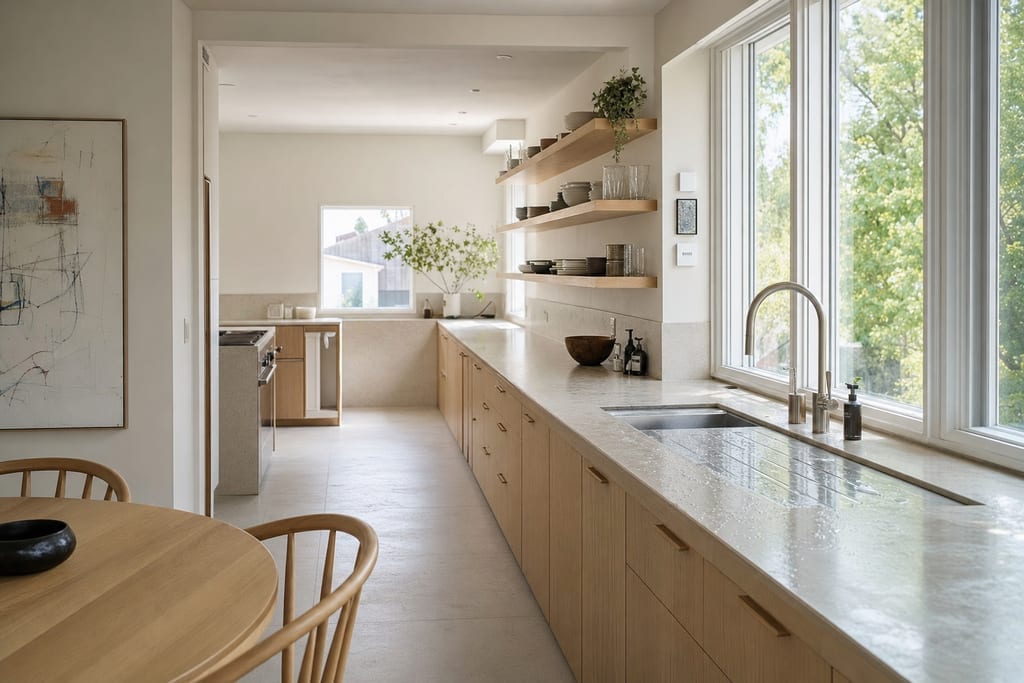
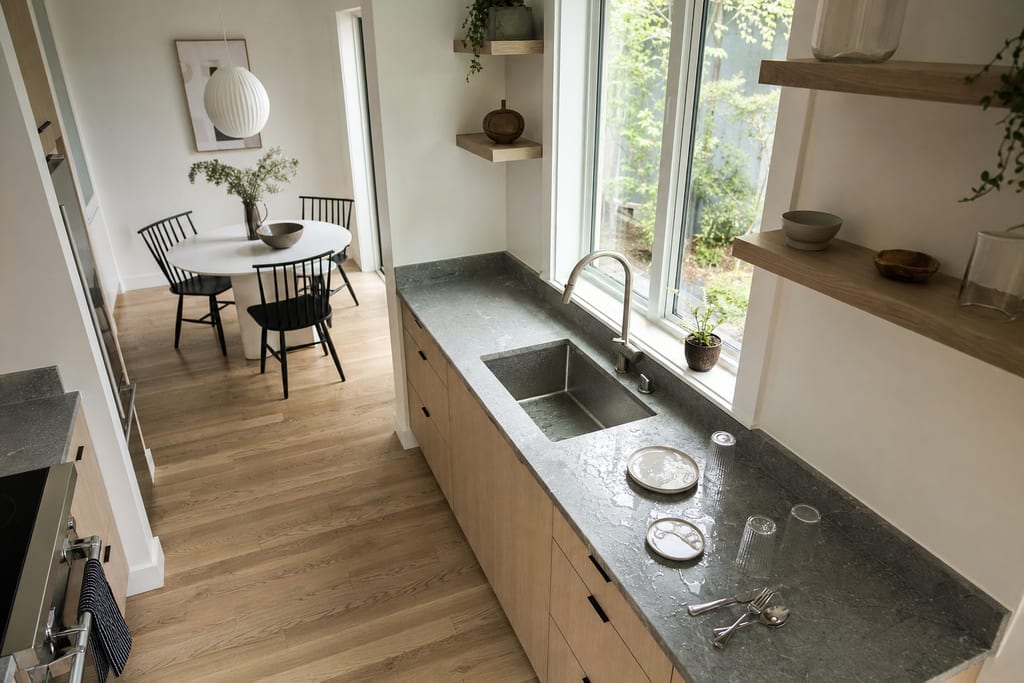
Water sitting on your kitchen counter might look harmless, but it's slowly eating away at one of the most expensive parts of your home. Most people don't realize that even a few drops of water left behind after washing dishes can start causing damage within hours. The problem gets worse when you use traditional drying methods that trap moisture instead of letting it escape. What starts as a small water ring can turn into thousands of dollars in repairs if you're not careful.
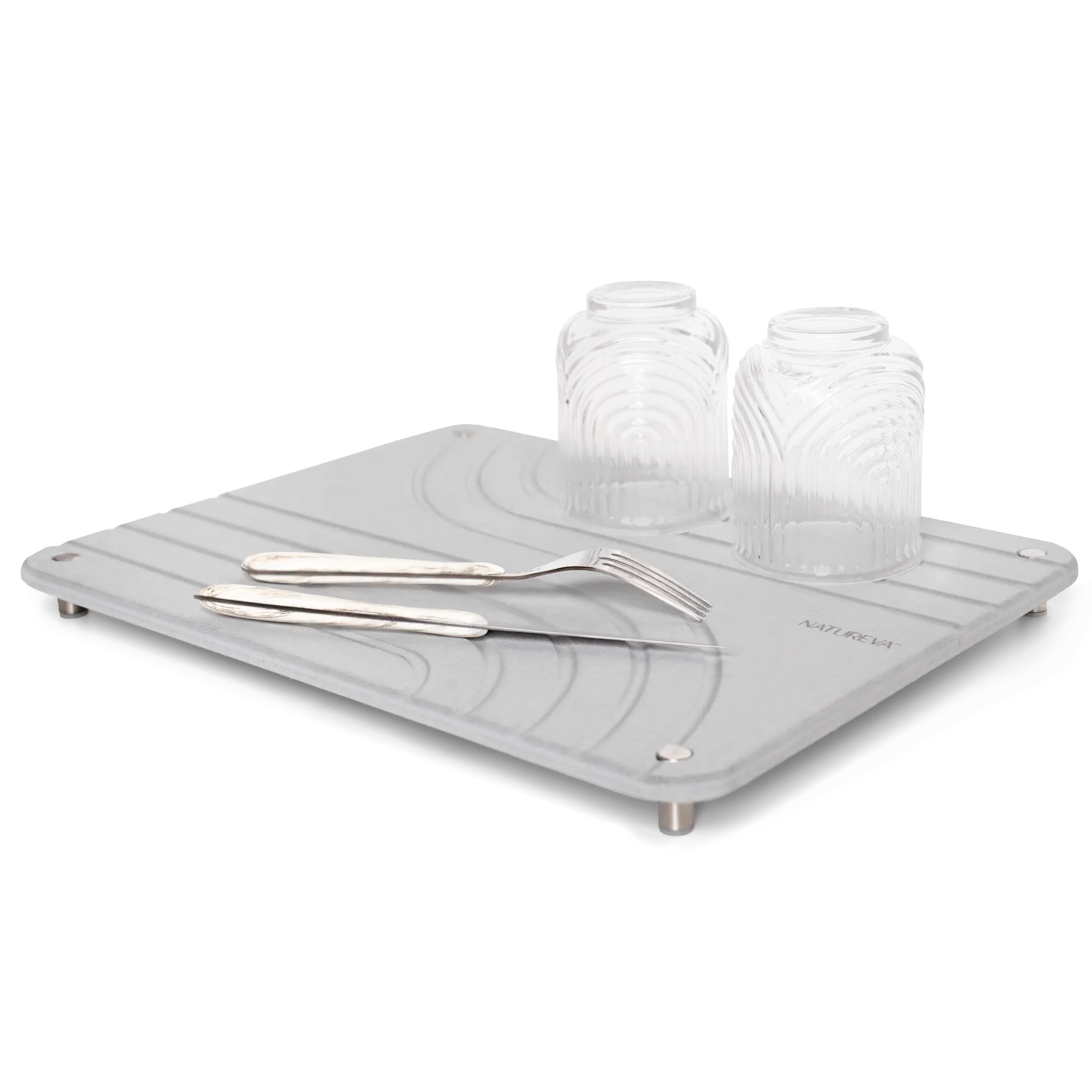
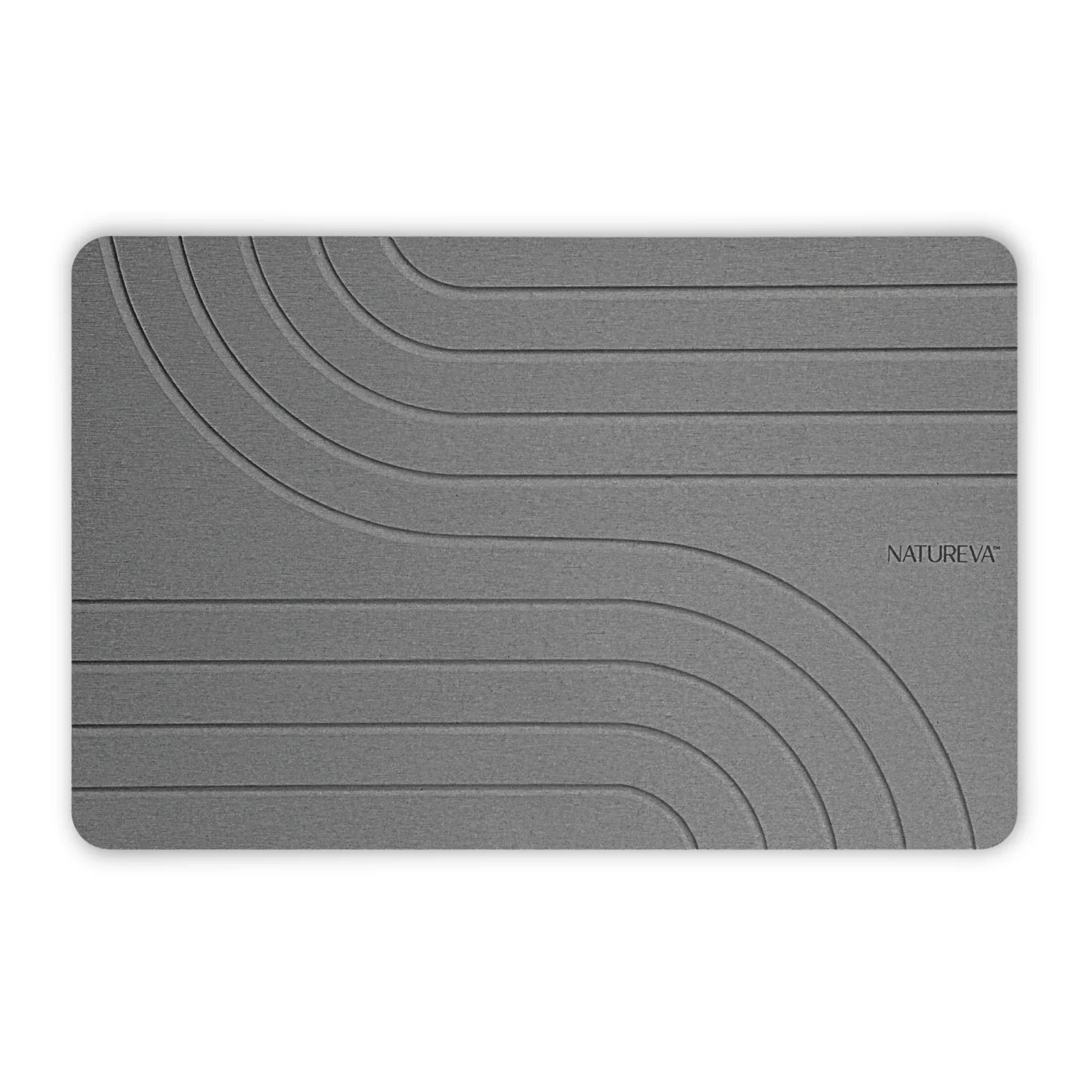
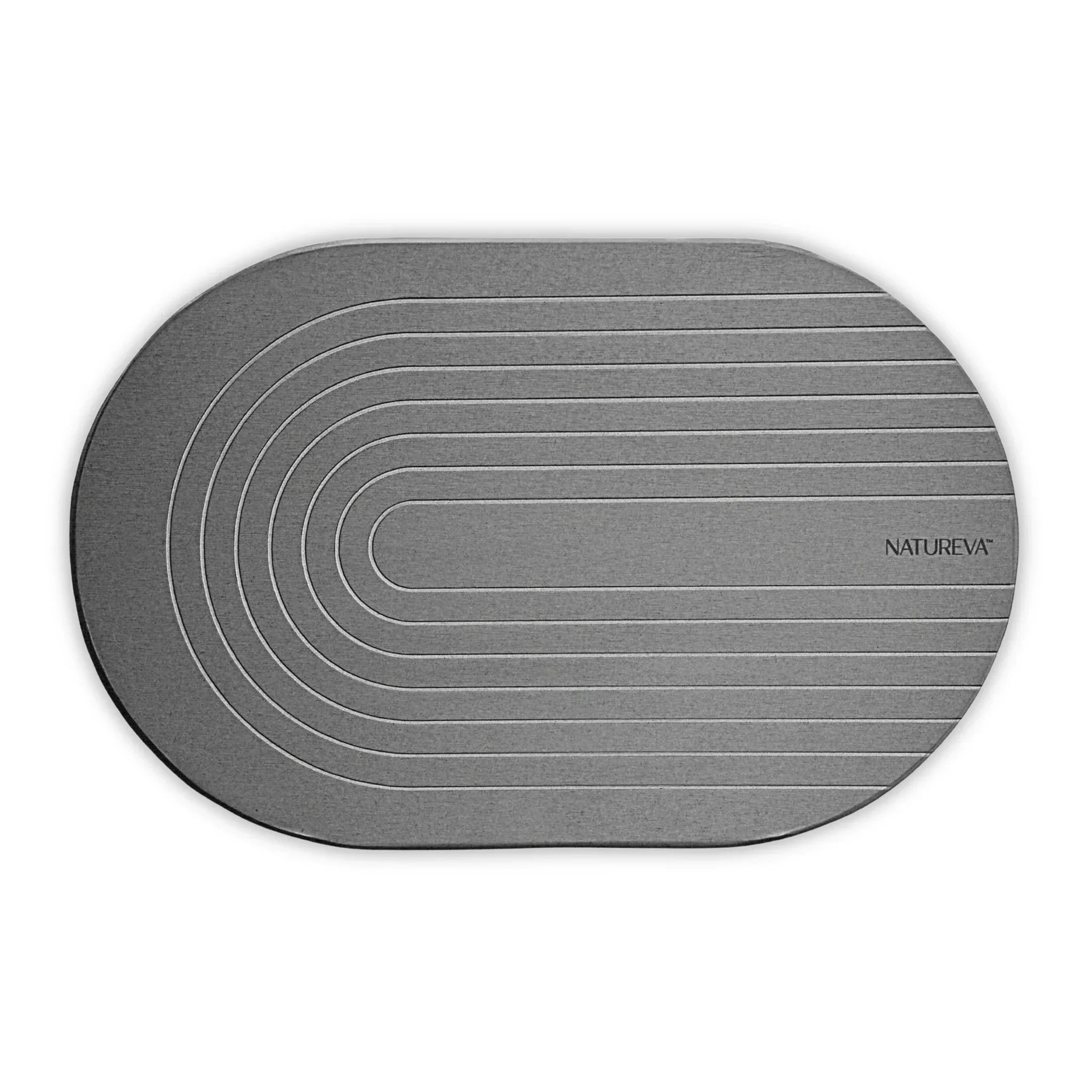
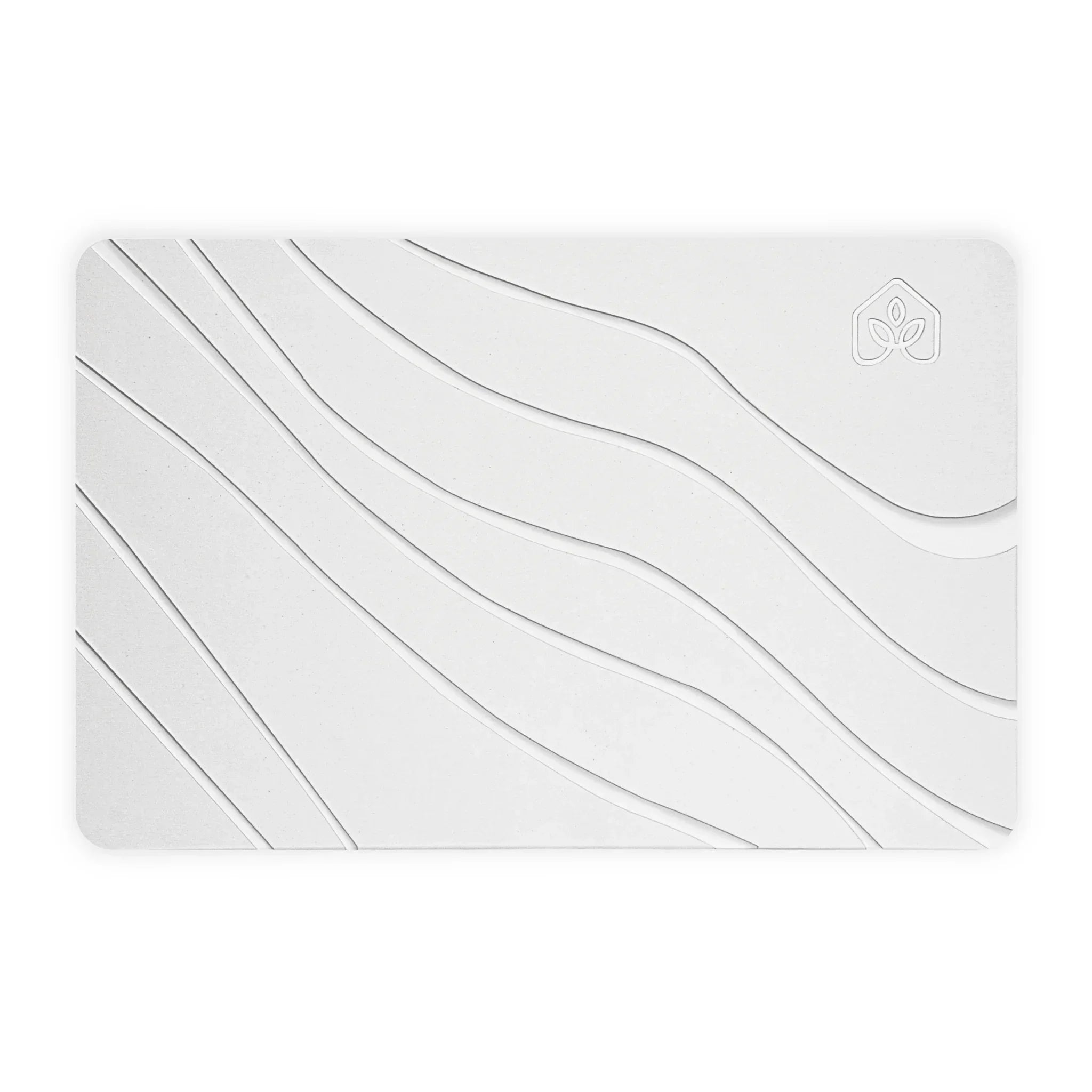
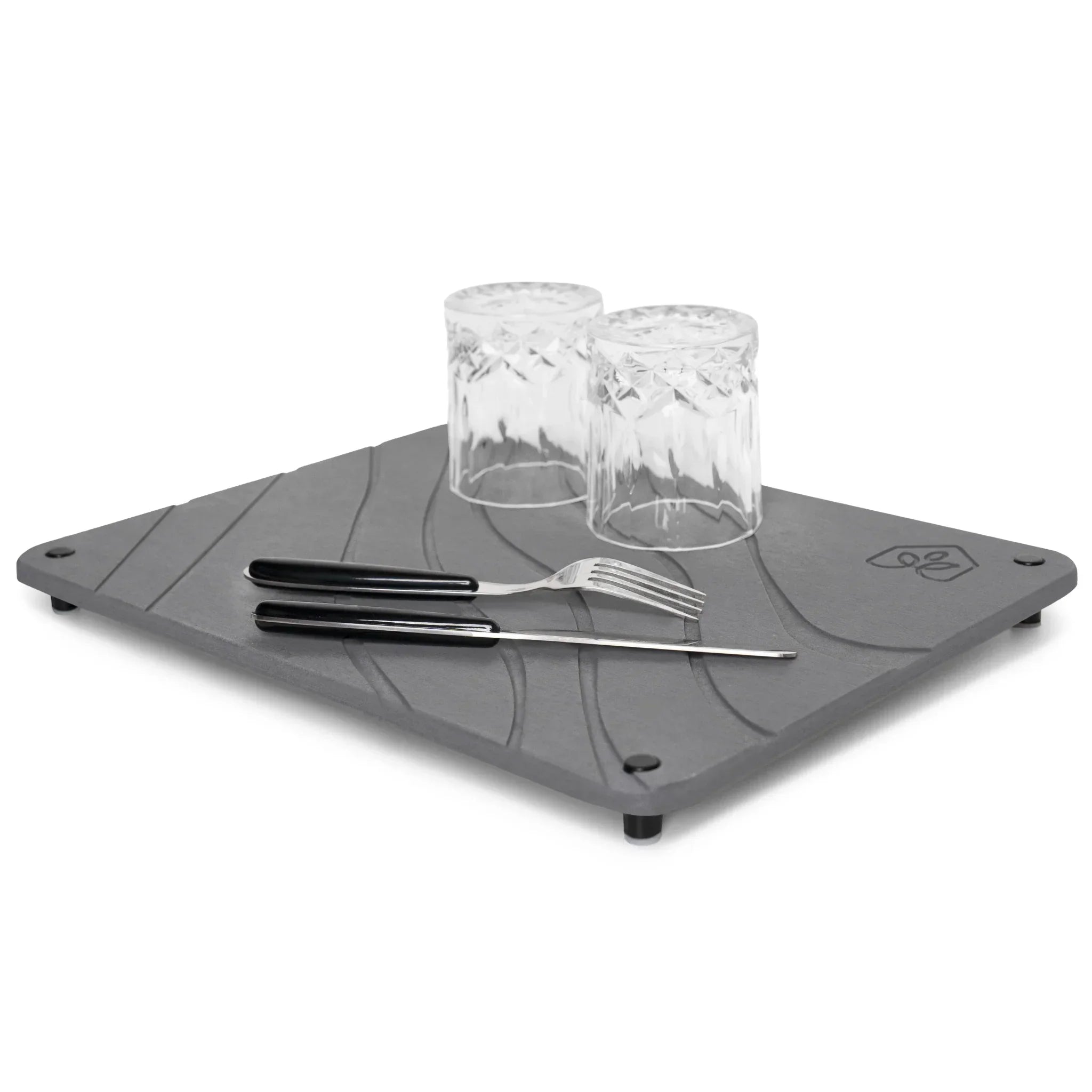
Stone Dish Mat - Tide
How Water Destroys Different Surfaces
Different countertop materials react to water in their own ways, and none of them handle it well. Natural stone counters like granite and marble are porous, which means water seeps right in and causes staining and etching that's almost impossible to fix.
Here's what happens to common kitchen surfaces when water sticks around:
- Granite and marble develop dark spots and lose their shine as minerals break down
- Wood countertops warp, crack, and rot from the inside out
- Laminate edges swell up and peel away from the base
- Concrete surfaces get stained and start crumbling at weak points
The Real Cost of Ignoring Water Damage
The money you'll spend fixing water damage adds up fast. A simple countertop replacement can cost anywhere from a few hundred to several thousand dollars depending on your material choice.
| Countertop Material | Water Damage Repair Cost | Full Replacement Cost |
|---|---|---|
| Granite | $200-$500 | $2,000-$4,500 |
| Marble | $300-$600 | $3,000-$5,000 |
| Wood Butcher Block | $150-$400 | $1,500-$3,000 |
| Laminate | $100-$300 | $800-$1,500 |
| Quartz | $250-$550 | $2,500-$4,000 |
Mold remediation adds another $500 to $6,000 to your bill if bacteria starts growing under your counters. That's money that could've stayed in your pocket with the right drying mat protecting your surfaces.
Why Old Methods Make Things Worse
Most people reach for a dish towel or rubber mat when they need to dry dishes. These traditional options actually trap moisture against your counter instead of pulling it away. Fabric towels soak up water but then sit there wet for hours, creating the perfect spot for bacteria to multiply.
Plastic and rubber mats have their own problems:
- They block air flow so water pools underneath
- Mold starts growing in as little as 24 hours on damp surfaces
- Bacteria colonies double every 20 minutes in wet conditions
- The mat itself becomes a breeding ground that smells bad
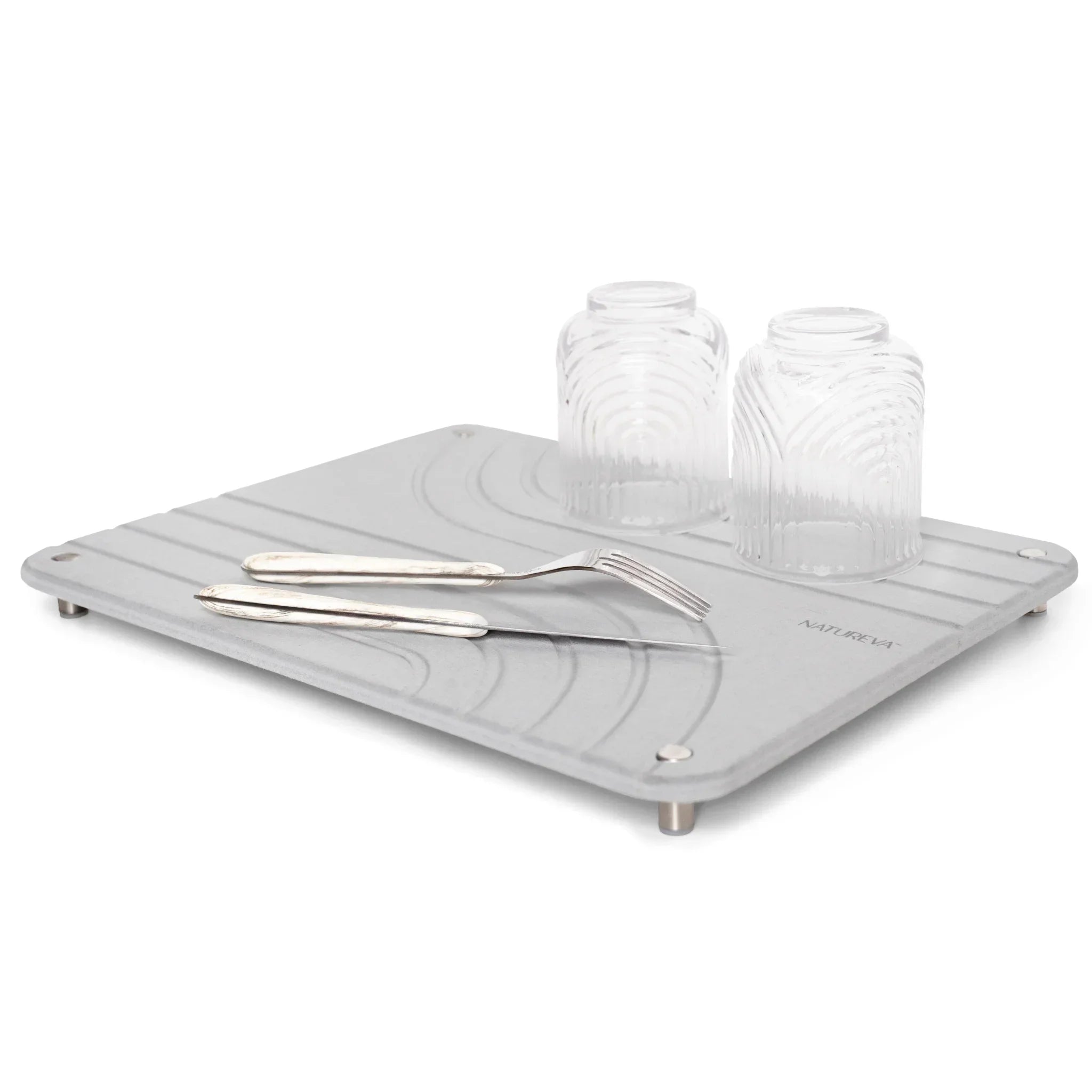
According to recent kitchen organization research, traditional dish racks and mats take up valuable counter space while failing to properly protect surfaces. Stone-based options like our Stone Dish Mat absorb water instantly and dry out completely between uses, which stops the bacteria cycle before it starts.
The Bacteria Timeline Nobody Talks About
Understanding how fast germs grow on wet surfaces might change how you think about that damp towel on your counter. The timeline is shorter than most people expect.
Here's what happens on a wet surface over time:
- 0-2 hours: Water sits on surface, bacteria from dishes start settling
- 2-8 hours: Bacteria colonies begin forming and multiplying rapidly
- 8-24 hours: Visible mold spores can start appearing in humid conditions
- 24-48 hours: Mold becomes established and releases more spores into your kitchen air
- 48+ hours: Deep contamination that requires serious cleaning or replacement
The key is stopping this process before it gets to step two. A proper drying mat pulls moisture away from both your dishes and your counter so bacteria never gets the wet environment it needs to grow.
Smart Material Choices That Save Money
Most people don't realize that water damage to kitchen countertops happens slowly over months, not all at once. A puddle here, some drips there, and suddenly you're dealing with warped wood or stained surfaces that cost hundreds to fix. The right drying mat acts as your first line of defense, but not all materials work the same way. Some absorb water quickly but hold onto it for hours, creating the perfect breeding ground for bacteria and mold. Others dry fast but don't actually protect your counters from moisture damage.
Diatomaceous earth stone mats stand out because they work differently than traditional fabric options. The material contains millions of tiny pores that pull water away from dishes and evaporate it into the air within minutes. This means your countertop stays dry, and the mat itself doesn't become a soggy mess that needs constant washing. Stone mats like the Natureva Stone Dish Mat in Tide or Flow design naturally prevent mold growth without any chemical treatments.
| Material Type | Absorption Speed | Drying Time | Typical Price Range |
|---|---|---|---|
| Diatomaceous Stone | Instant | 5-10 minutes | $45-55 |
| Microfiber | Fast | 2-4 hours | $15-30 |
| Cotton Fabric | Moderate | 4-8 hours | $10-25 |
| Silicone/Rubber | None (drains) | N/A | $12-20 |
Microfiber mats seem like a budget option at first, but they need washing every few days to stay hygienic. That adds up in water, detergent, and energy costs over time. Traditional fabric mats are even worse because they stay damp for hours, which means you're basically laying your clean dishes on a wet sponge. Silicone mats don't absorb anything at all, they just let water pool underneath, which defeats the whole purpose of protection.
The real cost calculation comes down to longevity. A stone drying mat can last several years with minimal care, while fabric options typically need replacing every 6-12 months once they start developing that musty smell or losing their absorption. When you factor in replacement costs, the upfront investment in quality materials actually saves money. Plus, stone mats require almost no maintenance beyond a quick rinse, while fabric versions need regular machine washing to stay sanitary.
Placement Strategies That Maximize Protection
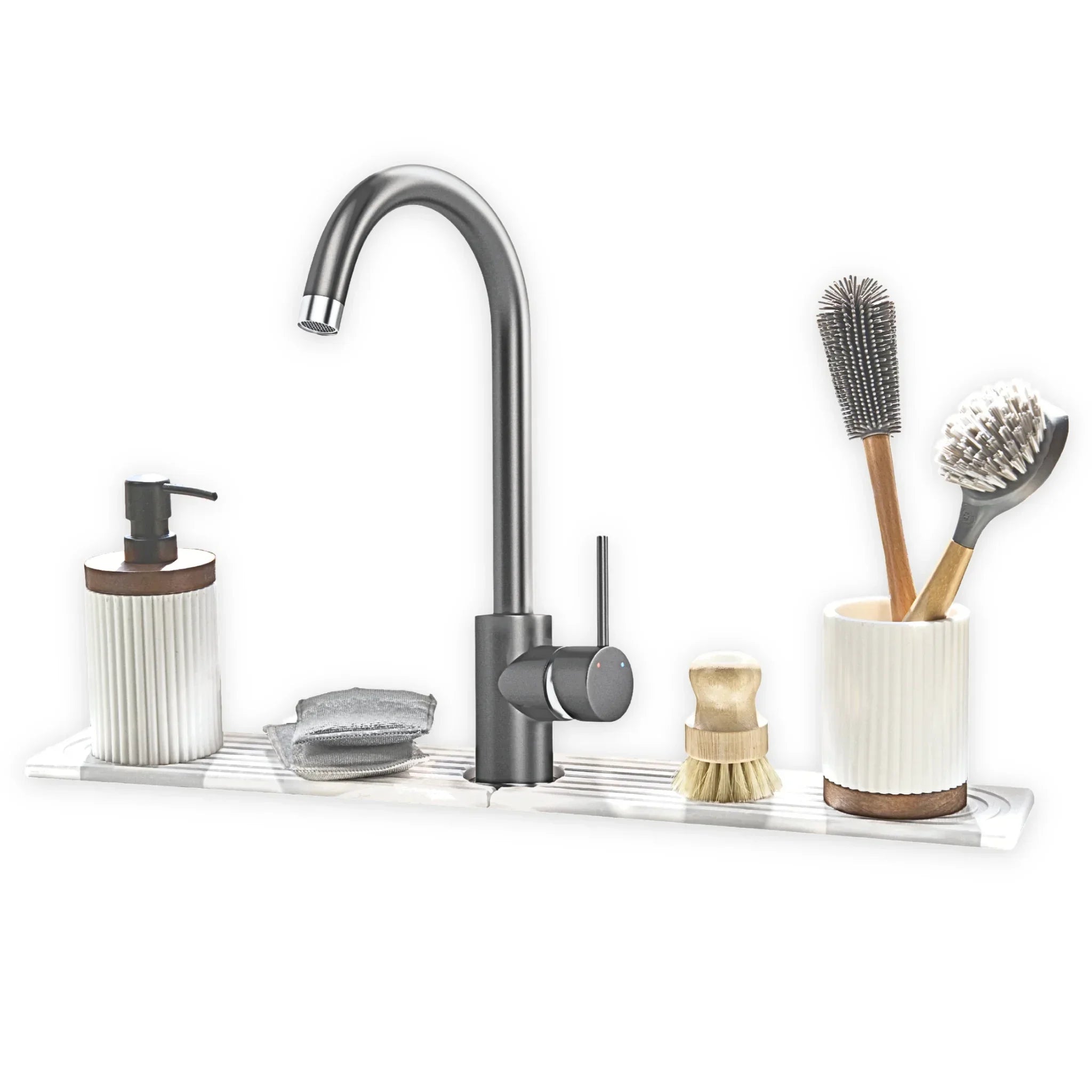
Where you put your drying mat matters just as much as which one you buy. Most people just plop it next to the sink and call it done, but that approach misses some key opportunities to protect vulnerable areas. The space right next to your faucet gets the most splash action, especially when you're rinsing large pots or filling water glasses. That's also where countertop seams often sit, and water loves to seep into those gaps and cause damage you won't notice until it's too late.
The next generation of home essentials: naturally made, cleaner by design, sustainable by nature.
SHOP ALLStrategic placement near high-splash zones means thinking about your actual dish-washing routine. If you hand-wash on the left side of the sink and stack dishes on the right, that's where your mat needs to go. Some kitchens benefit from using two smaller mats instead of one large one, especially if you have multiple people doing dishes at different times or if you prep food in the same area where dishes dry.
- Place mats directly adjacent to sink edges where water drips most
- Cover countertop seams and joints with mat edges
- Position mats to catch splashes from faucet spray patterns
- Create separate zones for glasses versus plates and bowls
- Leave small gaps between mat and backsplash for air circulation
Small kitchens need a different approach than spacious ones. When counter space is limited, you might need to get creative with placement timing rather than leaving a mat out permanently. The key is protecting your most vulnerable surfaces during peak water exposure times. For more insights on how different materials handle moisture, check out this comparison of dish rack materials that covers similar concepts.
One trick that works well is positioning your mat at a slight angle rather than perfectly parallel to the counter edge. This creates natural drainage patterns and prevents water from pooling in one spot. If you're dealing with a wood countertop or one with a delicate finish, consider the edges and corners as priority protection zones since that's where water damage shows up first.
Maintenance Habits That Extend Mat Life
A drying mat only protects your kitchen if you actually take care of it, but the good news is that proper maintenance doesn't need to eat up your time. The difference between a mat that lasts six months and one that lasts three years often comes down to spending 30 seconds a day on basic upkeep. Most people wait until their mat looks dirty or starts smelling funky before doing anything, and by then you're fighting an uphill battle against built-up grime and bacteria.
Daily maintenance for stone mats is almost laughably simple. After your dishes are dry and put away, just rinse the mat under running water and prop it up to air dry. That's it. The diatomaceous earth material naturally resists bacterial growth, so you don't need soap or scrubbing for regular cleaning. Fabric mats require more effort since they need to go through the washing machine weekly to stay hygienic, which is why many people eventually switch to stone options.
- Rinse stone mats daily with plain water (takes 20 seconds)
- Stand mats upright or at an angle to dry between uses
- Wipe away any food particles immediately before they stick
- Rotate mat position slightly each week to prevent wear patterns
- Keep mats away from direct heat sources that can cause cracking
Weekly deep cleaning depends on your mat material. For stone versions, you might notice the surface feels less absorbent after a few months of heavy use. This happens when soap residue or mineral deposits fill those tiny pores. A light sanding with fine-grit sandpaper (around 400 grit) restores the absorption instantly. Just rub gently in circular motions for about a minute, rinse thoroughly, and your mat works like new again. This simple trick can extend the life of a stone mat by years.
Signs that your mat needs attention versus complete replacement are pretty obvious once you know what to look for. If a stone mat develops cracks or chips, it's time for a new one. If it just feels less absorbent, try the sanding method first. Fabric mats that smell musty even after washing or show visible mold spots need to be tossed immediately. For more detailed care instructions specific to stone materials, the care and cleaning guide covers everything you need to know.
Storage matters more than most people think. If you're not using your mat daily, don't fold it or stack heavy items on top of it. Stone mats can crack under pressure, and fabric ones develop permanent creases that trap moisture. Store them upright in a dry spot where air can circulate around them. This prevents that musty smell from developing and keeps the material ready to use whenever you need it.
Wrap-up
A good drying mat is one of those small purchases that saves you from bigger headaches down the road. Water damage to countertops, cabinets, and floors can cost hundreds or even thousands to fix, but a quality mat stops the problem before it starts. The right material matters more than you might think, and natural diatomaceous earth stands out because it actually pulls moisture away instead of just sitting there soaking it up like fabric mats do.
Taking care of your drying mat is pretty straightforward too. Most people don't realize that a mat that dries quickly between uses will last years longer than one that stays damp. Our Stone Dish Mat in Tide and Flow design both use this natural stone material that evaporates water on its own, which means less work for you and better protection for your kitchen.
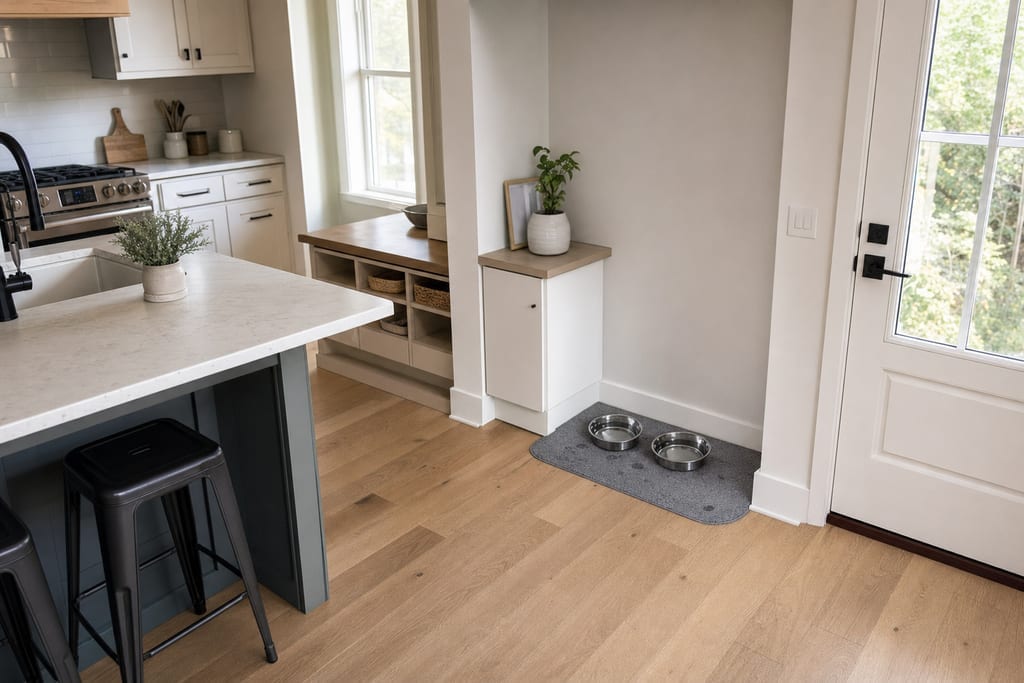
Getting started is as simple as placing a mat where water tends to collect. Most kitchens need one by the sink, but you might want to check other spots too. The area around your dish rack, near the coffee maker, or even under pet water bowls can all benefit from the same protection. You can explore more options in our kitchen collection to see what fits your space best.
The best part about using a drying mat is that it works quietly in the background. You don't have to think about it much once it's in place, but your counters stay dry and your kitchen stays cleaner. That's the kind of simple solution that makes daily life a bit easier without adding extra steps to your routine.
Common Questions About Kitchen Drying Mats
Choosing the right drying mat can feel overwhelming with so many options out there. People often wonder if they're spending too much or too little, and whether the material really makes a difference in their daily kitchen routine. These questions come up all the time, so let's clear up the confusion with some straight answers that'll help you make the best choice for your space.
How much should you spend on a quality drying mat?
A decent drying mat typically costs between $15 and $50, depending on the material and size. Fabric mats sit on the lower end but need frequent washing and replacement, while stone mats like our Stone Dish Mat cost around $49 but last for years without the maintenance hassle. The key is thinking about long-term value rather than just the upfront price.
Do stone mats really work better than fabric options?
Stone mats made from diatomaceous earth absorb water instantly and dry within minutes, while fabric mats stay damp for hours and can develop that musty smell. The difference comes down to how the materials handle moisture. Stone mats have millions of tiny pores that actively evaporate water, whereas fabric just holds it until it slowly air dries or you throw it in the wash.
How often do drying mats need to be replaced?
Fabric drying mats usually need replacing every 6 to 12 months as they wear out, stain, and lose absorbency. Stone mats can last several years with basic care like occasional light sanding to refresh the surface. The lifespan really depends on how well you maintain them and how heavily you use them daily.
Can drying mats damage countertops?
Most drying mats won't damage countertops when used properly. Stone mats have a smooth bottom surface that sits flat without scratching, and they prevent water from pooling on your counter which actually protects the surface. Just make sure whatever mat you choose has a non-slip base and doesn't trap moisture underneath.
What size drying mat is best for most kitchens?
A mat around 16 to 18 inches works well for average kitchens and handles dishes from typical meals. Consider your counter space and how many dishes you usually wash at once. Smaller kitchens might do fine with a compact mat, while larger families often benefit from having two mats in different spots.
How do you clean different types of drying mats?
Fabric mats need regular machine washing to prevent bacteria buildup and odors. Stone mats just need a quick rinse under water and maybe light sanding every few months if absorption slows down. The cleaning routine is actually one of the biggest differences between materials, with stone requiring way less effort overall.
The next generation of home essentials: naturally made, cleaner by design, sustainable by nature.
SHOP ALL