Comparing Dish Rack Tray Materials for Fast Drying
A wet dish rack tray can harbor over 100,000 bacteria per square inch after just 24 hours, making it one of the germiest spots in your kitchen. The material your dish rack tray is made from determines whether water evaporates in minutes or sits there breeding mold and bacteria for hours. Understanding how different materials handle moisture can help you keep your kitchen cleaner and save you from constantly wiping down soggy countertops.
Table of Contents
- The Science Behind Water Absorption and Evaporation
- Plastic and Silicone Dish Rack Trays
- Stainless Steel and Metal Mesh Options
- Diatomaceous Earth Stone Dish Mats
- What Fast Drying Really Means for Your Kitchen
- Choosing the Right Material for Your Needs
- Common Questions About Dish Rack Tray Materials
The Science Behind Water Absorption and Evaporation
Water doesn't just sit on every surface the same way. Some materials soak it up like a sponge, while others let it pool and linger for hours. The difference comes down to how materials are built at a microscopic level. Porous materials have tiny holes and channels that pull water in, while non-porous surfaces keep water sitting on top. Think about how a paper towel works compared to a plastic cutting board. One drinks up the water, the other just lets it slide around.
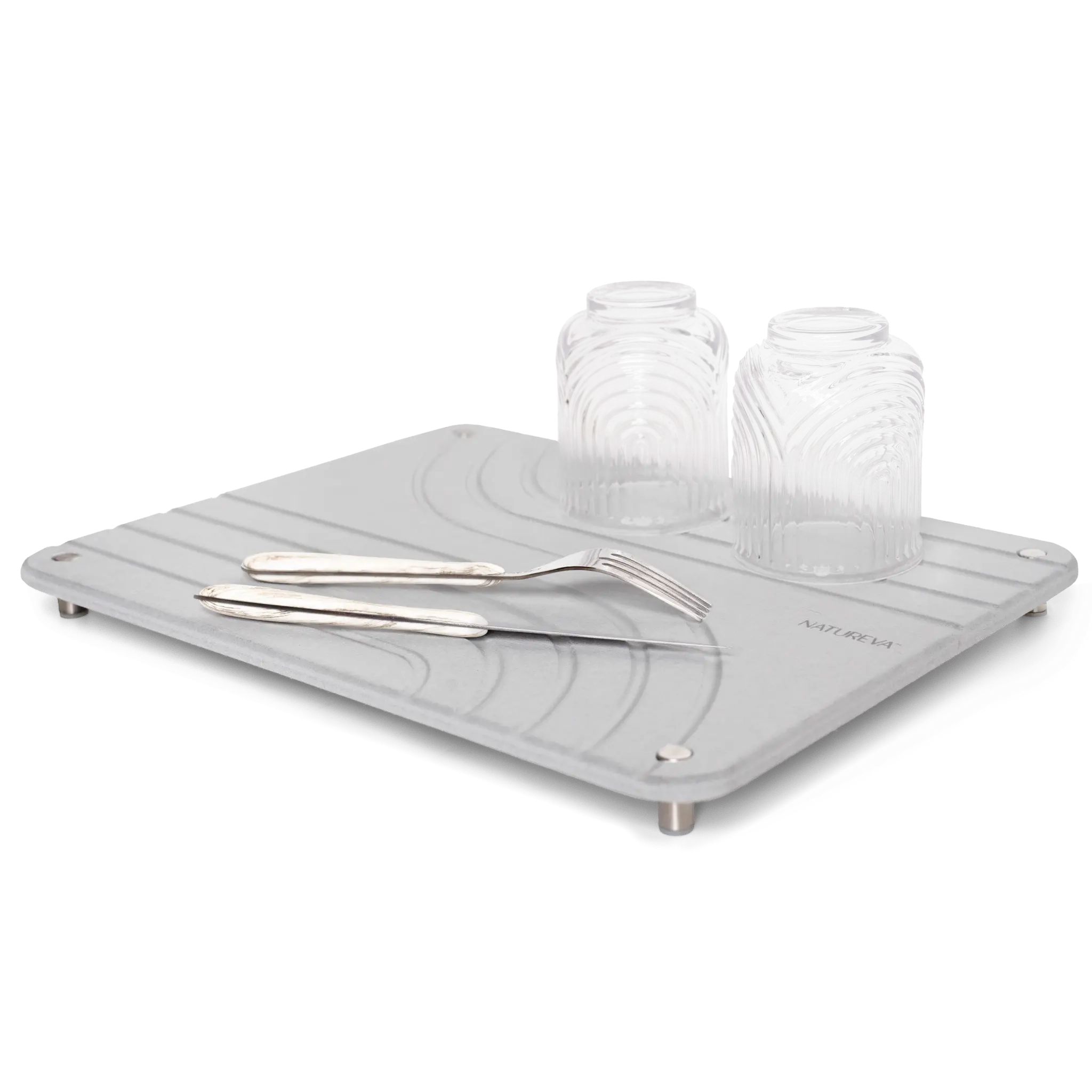
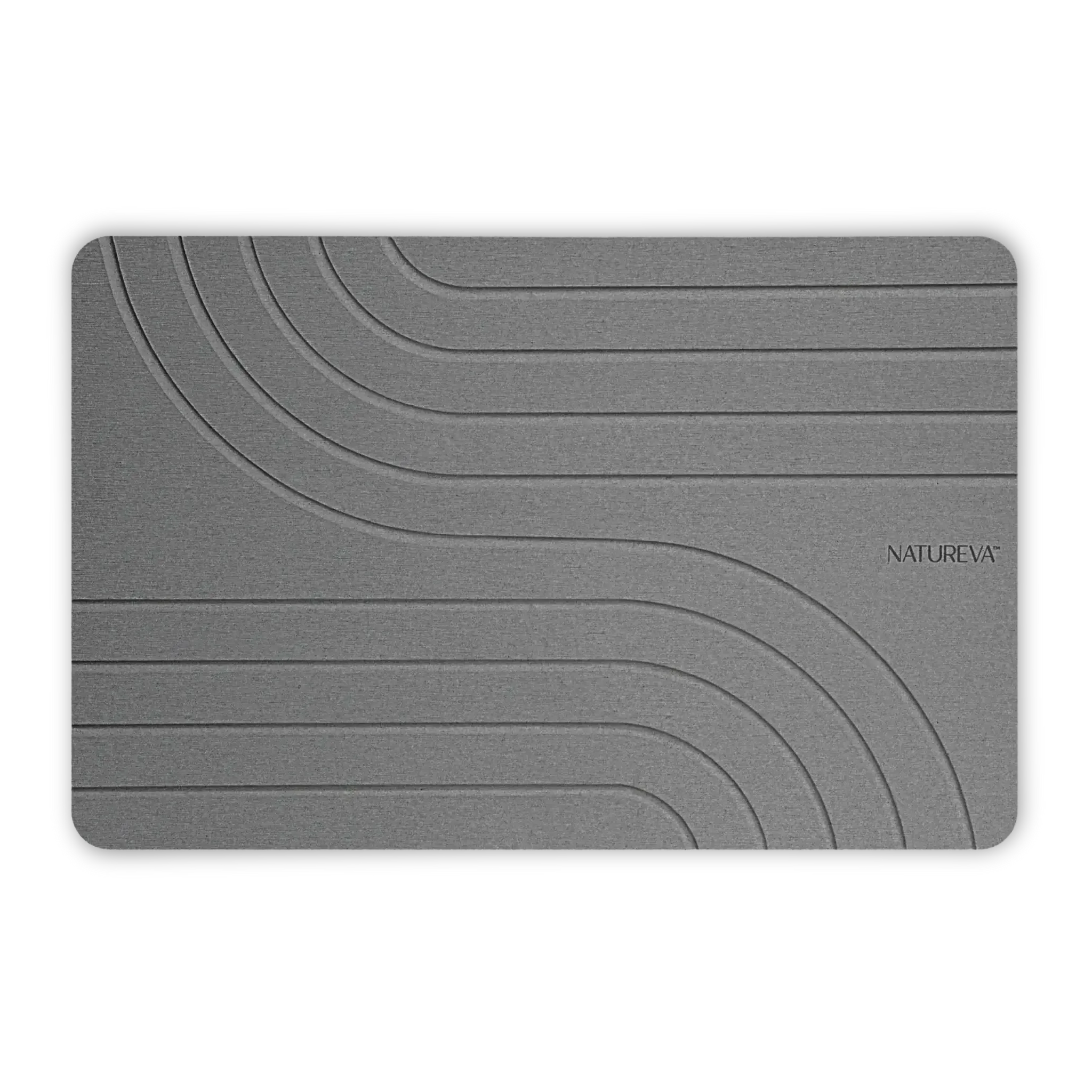
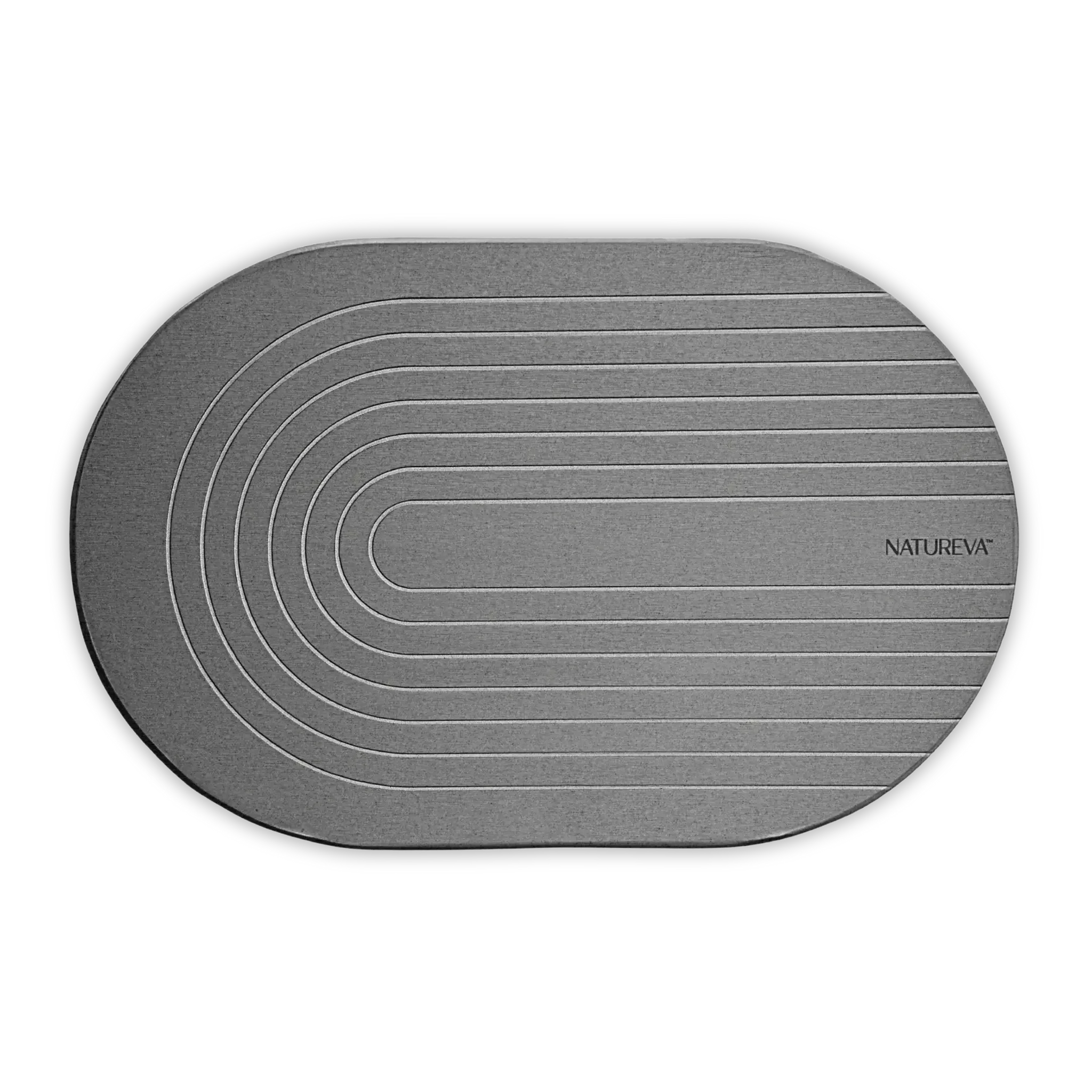
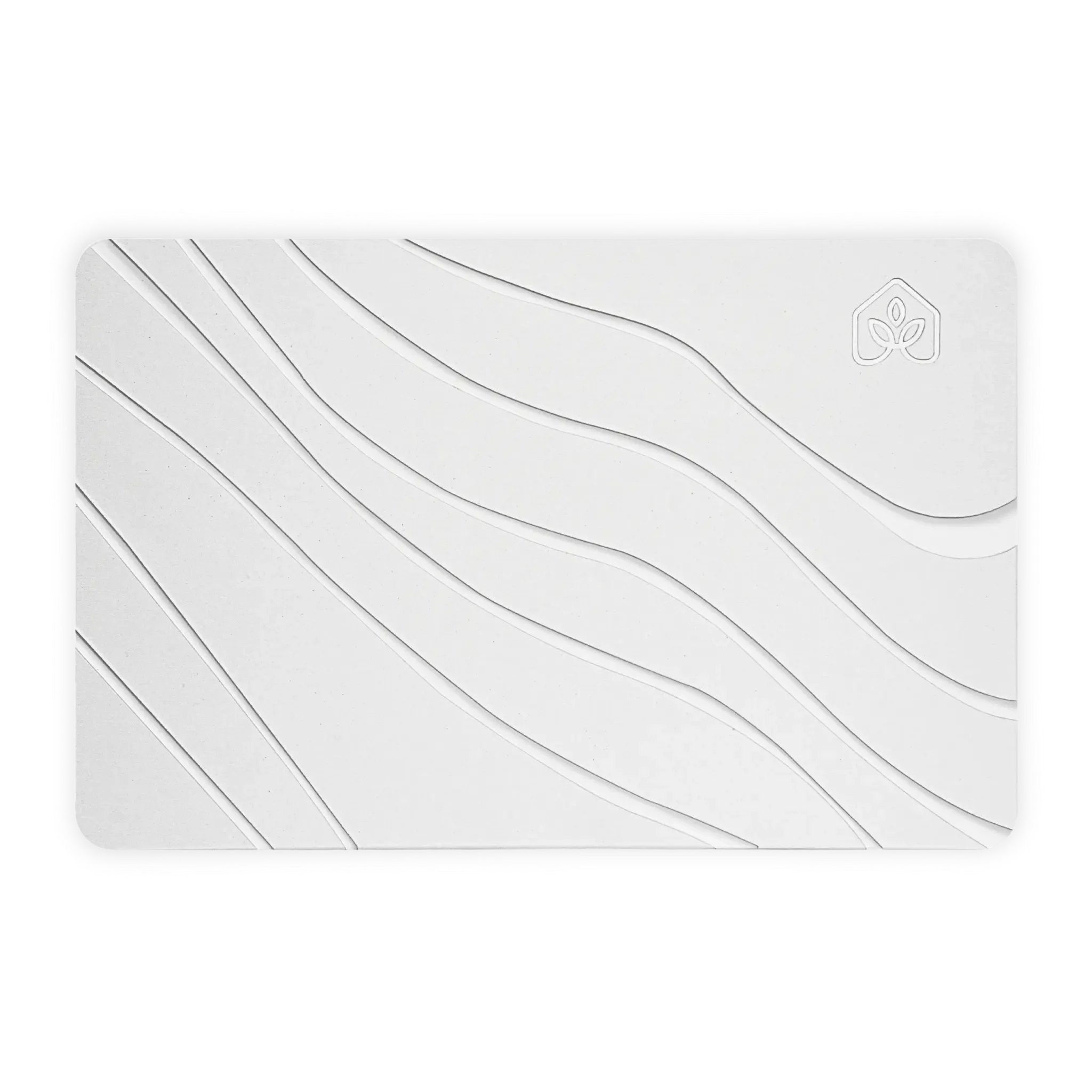
Stone Dish Mat - Tide
How Materials Handle Moisture
The speed at which your dish rack tray dries depends on three main factors. Material density plays a huge role in whether water gets trapped or evaporates quickly. Air circulation around and through the material helps moisture escape faster. Surface area matters too because more exposed surface means more places for water to evaporate from.
Here's what happens with different material types:
- Dense materials like plastic or metal keep water on the surface where it slowly evaporates
- Porous materials like diatomaceous earth pull water into millions of tiny channels
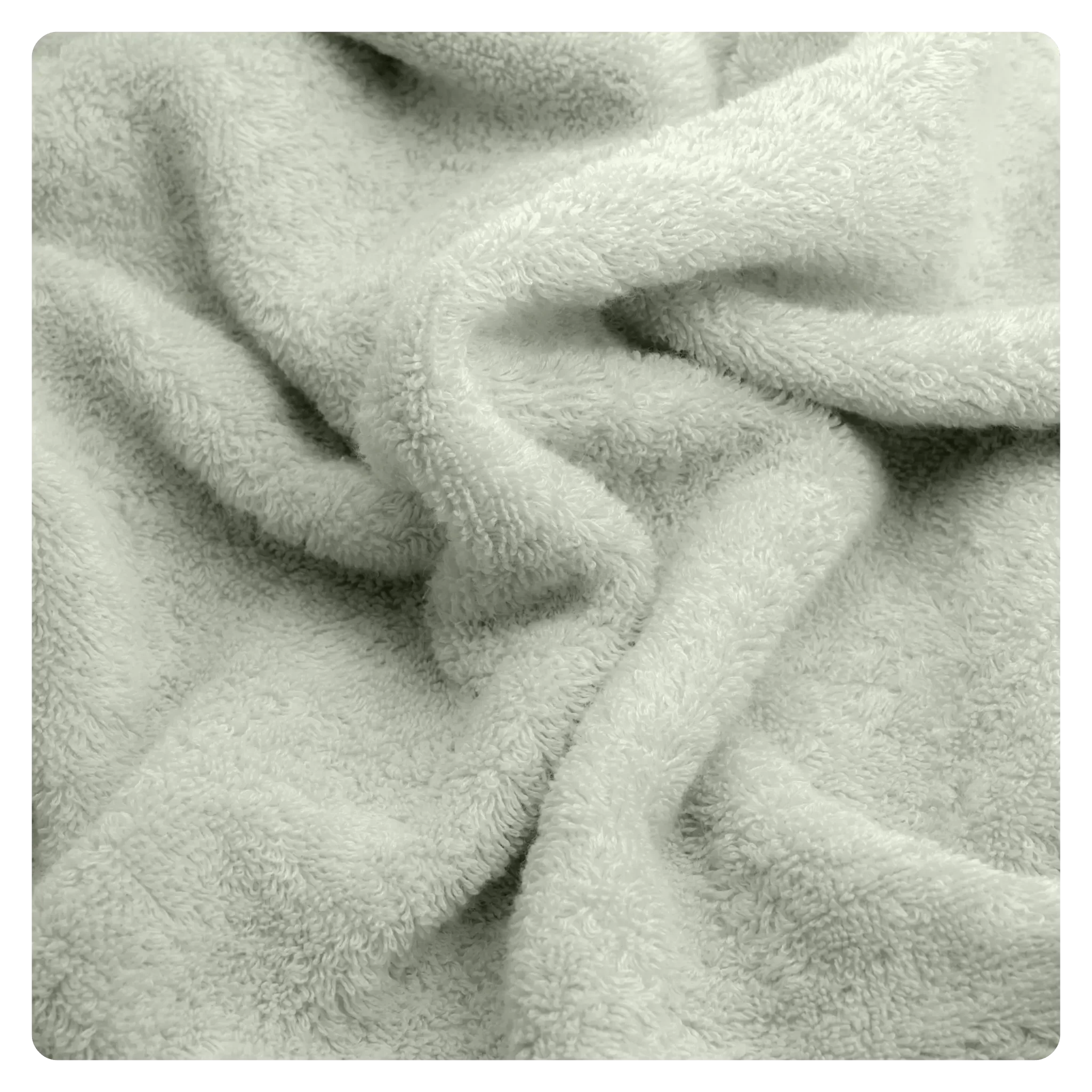
- Fabric materials absorb water but hold onto it, staying damp for extended periods
- Silicone creates a non-stick surface but doesn't help water dry any faster
Common Dish Rack Tray Materials Compared
Not all dish rack tray materials are created equal. According to testing by kitchen experts at Serious Eats, the material your tray is made from directly impacts how quickly your dishes dry and how much maintenance you'll need to do.
| Material | Absorption Rate | Drying Speed | Maintenance Level |
|---|---|---|---|
| Plastic | None | Slow | High |
| Stainless Steel | None | Slow | Medium |
| Fabric/Microfiber | High | Very Slow | Very High |
| Silicone | None | Slow | Medium |
| Diatomaceous Earth | Very High | Very Fast | Low |
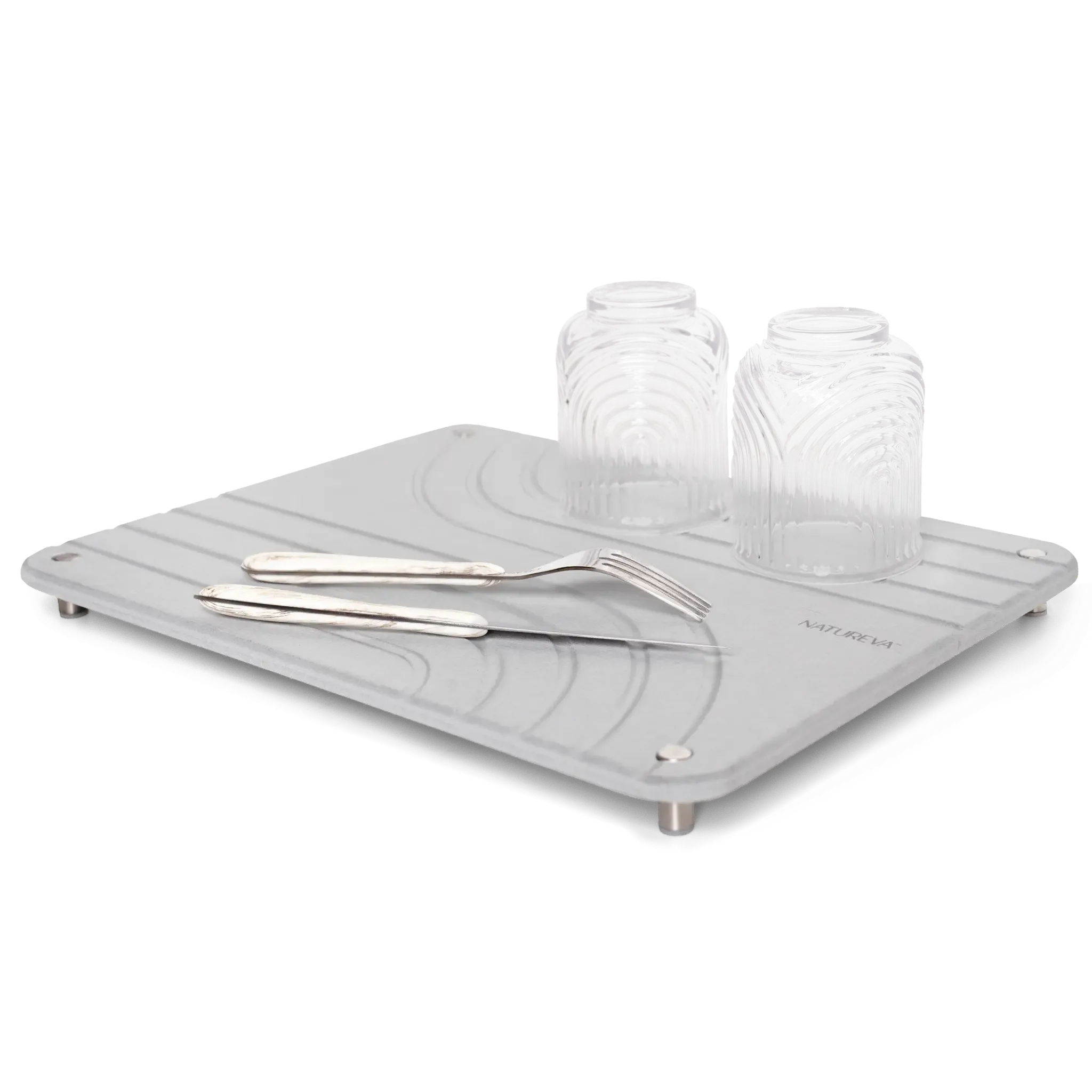
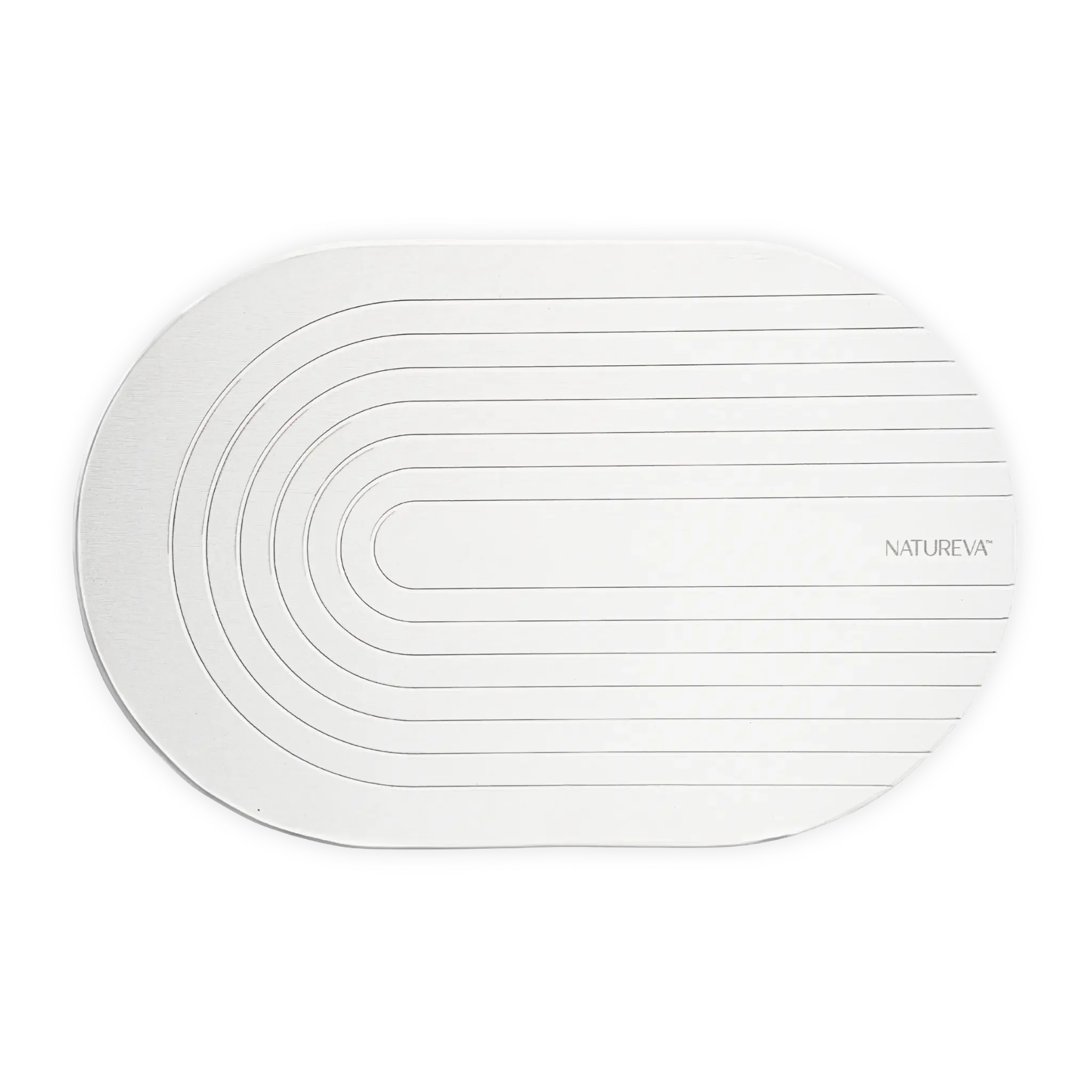
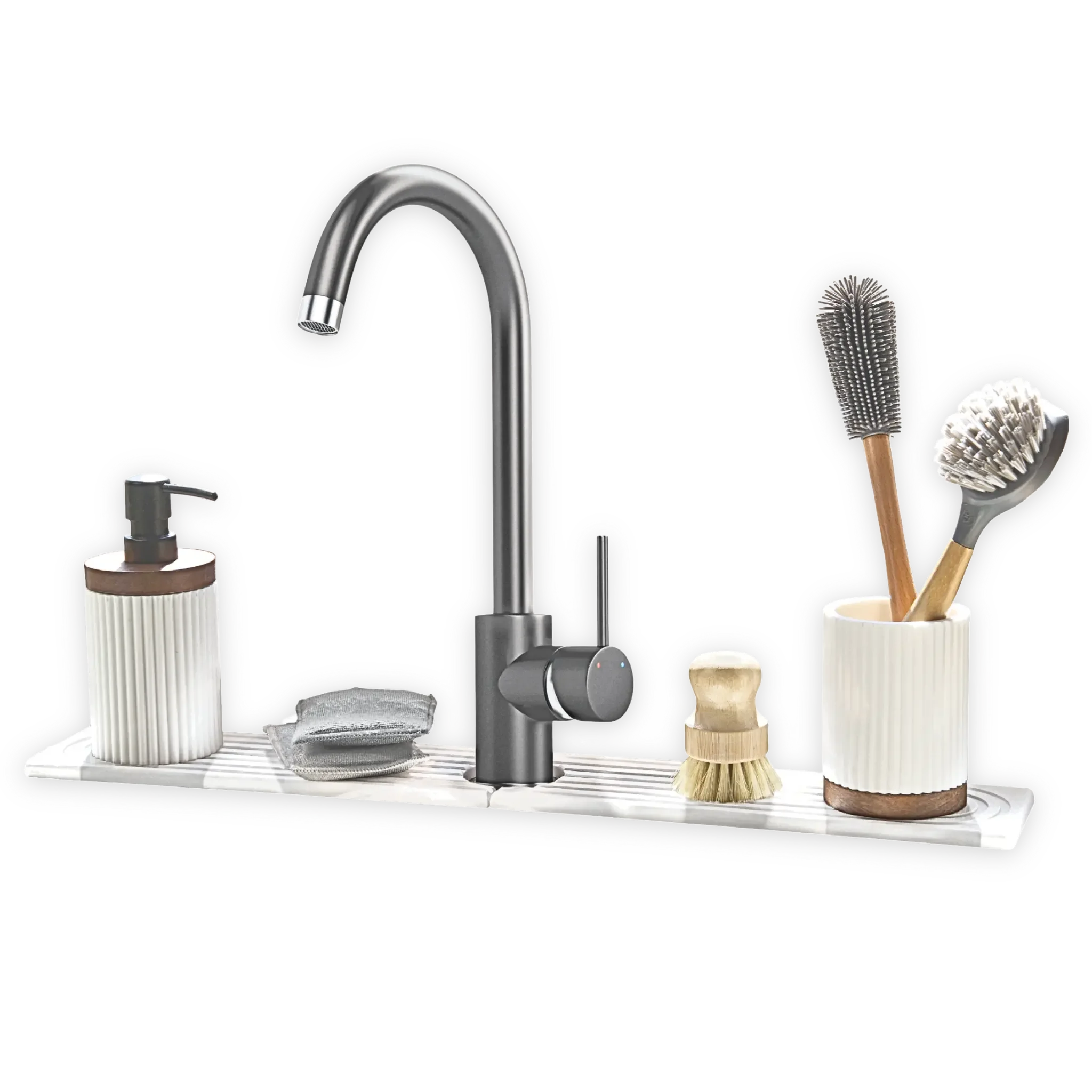
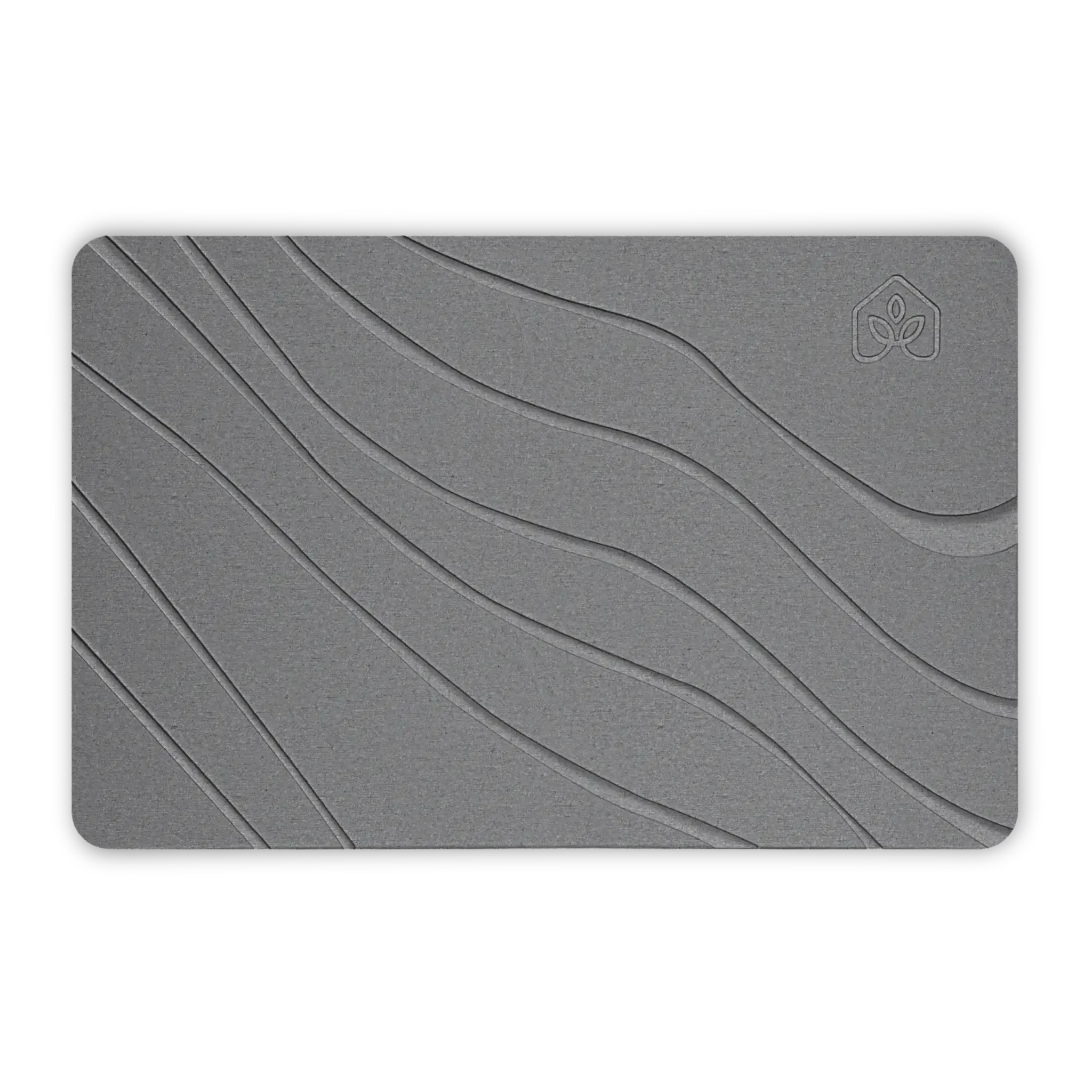
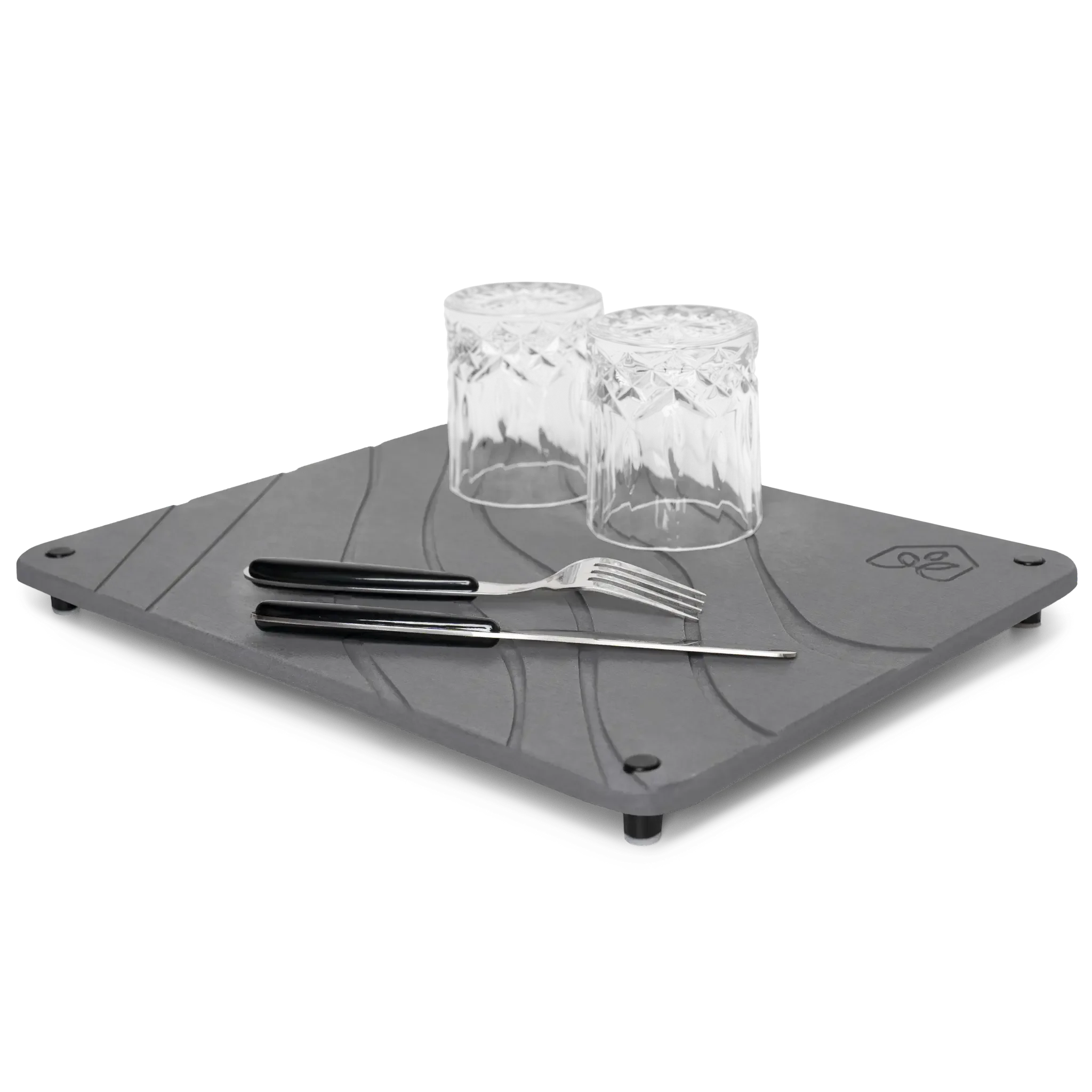
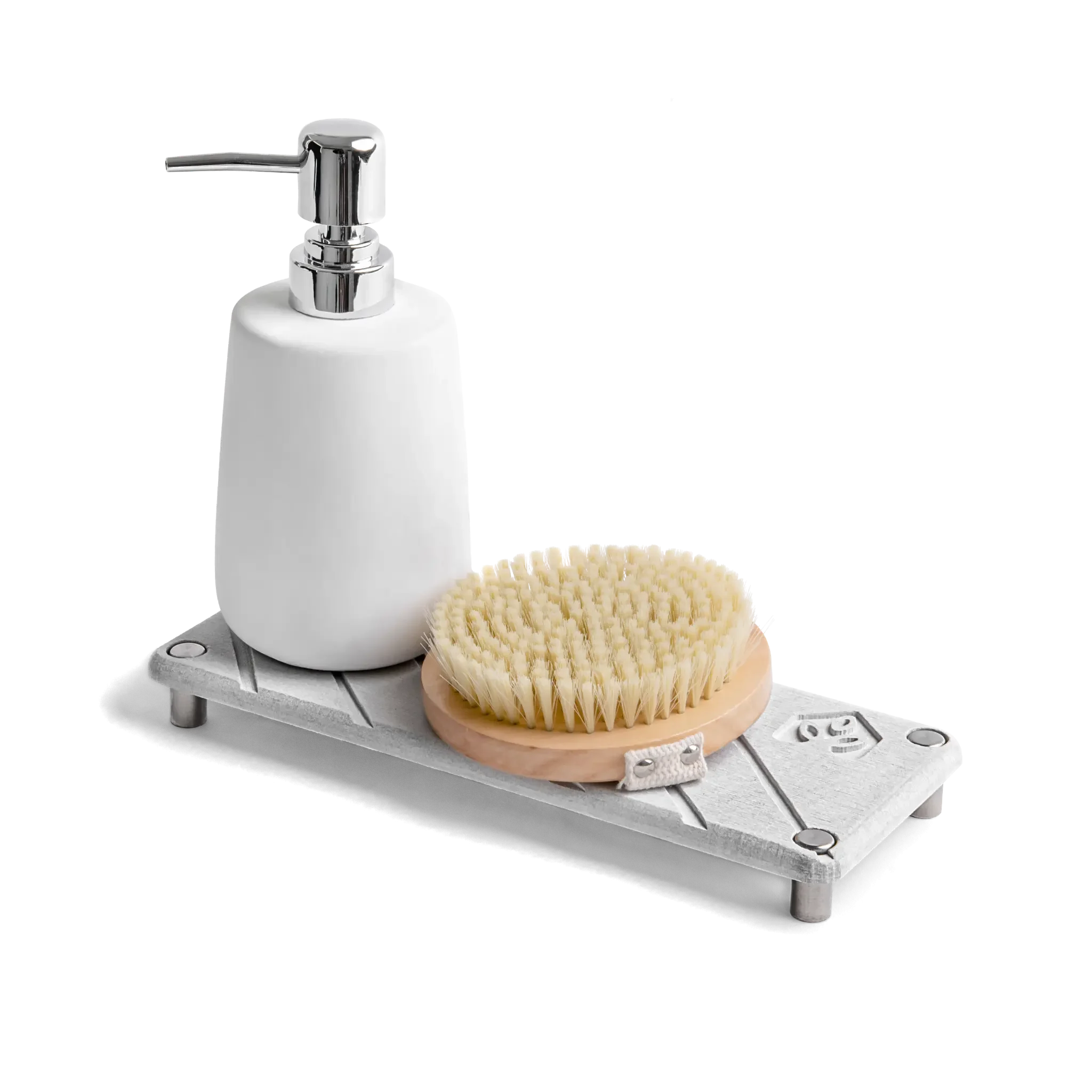
Materials like diatomaceous earth work differently than traditional options. Our Stone Dish Mat uses natural diatomaceous earth with millions of microscopic pores that actively pull water in and release it into the air. The water doesn't just sit there waiting to evaporate slowly.
Why Some Trays Stay Wet Forever
Ever notice how some dish rack trays never seem to fully dry? That's because most traditional materials weren't designed with evaporation in mind. They're built to catch water, not help it disappear.
The problem with non-porous materials includes:
- Water pools in corners and grooves with nowhere to go
- Limited surface area means slow evaporation rates
- No internal structure to help moisture escape
Dense materials also trap humidity underneath, creating the perfect environment for mold and bacteria. This is why you end up wiping down plastic trays multiple times a day or dealing with that musty smell from fabric mats that never fully dry between uses.
Plastic and Silicone Dish Rack Trays
Most kitchens have a plastic dish rack tray sitting by the sink right now. These trays are everywhere because they're cheap and easy to find at any home goods store. But there's a reason your counter always feels damp after doing dishes. Plastic trays don't absorb water at all, they just collect it in little grooves and ridges that never seem to fully dry out.
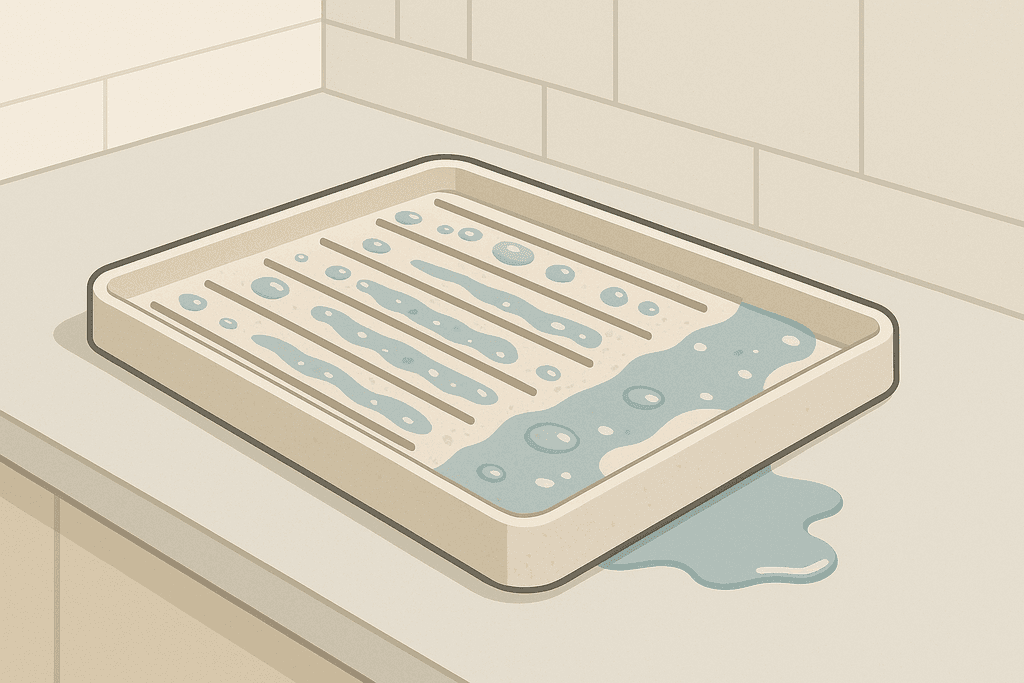
Plastic and Silicone Dish Rack Trays
Silicone mats seemed like they'd solve this problem when they first showed up. They're flexible and look modern, but they have the same issue as plastic. Water sits on top instead of getting absorbed, which means you're basically just moving the wet spot from your dishes to your mat.
- Water pools in grooves and stays there for hours
- Mold and mildew grow in damp crevices
- Countertops underneath get soaked
- Constant wiping and cleaning required
- Unpleasant smells develop over time
The maintenance on these materials is honestly a pain. You need to wash them regularly to prevent that gross slimy feeling, and even then, mold loves to hide in the textured surfaces. According to dish rack manufacturers, plastic trays are popular mainly because they're inexpensive to produce, not because they work well.
| Material | Price Range | Durability | Drying Speed |
|---|---|---|---|
| Plastic | $5-15 | 1-2 years | Very slow |
| Silicone | $10-25 | 2-3 years | Slow |
The low price point is tempting, but you end up replacing these every year or two when they get stained and gross. That wet, sticky feeling never really goes away no matter how much you clean them.
Stainless Steel and Metal Mesh Options
Metal dish rack trays take a different approach to the water problem. Instead of trying to absorb moisture, they let it drain through holes or mesh patterns. This sounds good in theory, but the water has to go somewhere. Most of the time, it just pools underneath the tray on your counter or in a separate catch basin that you have to empty constantly.
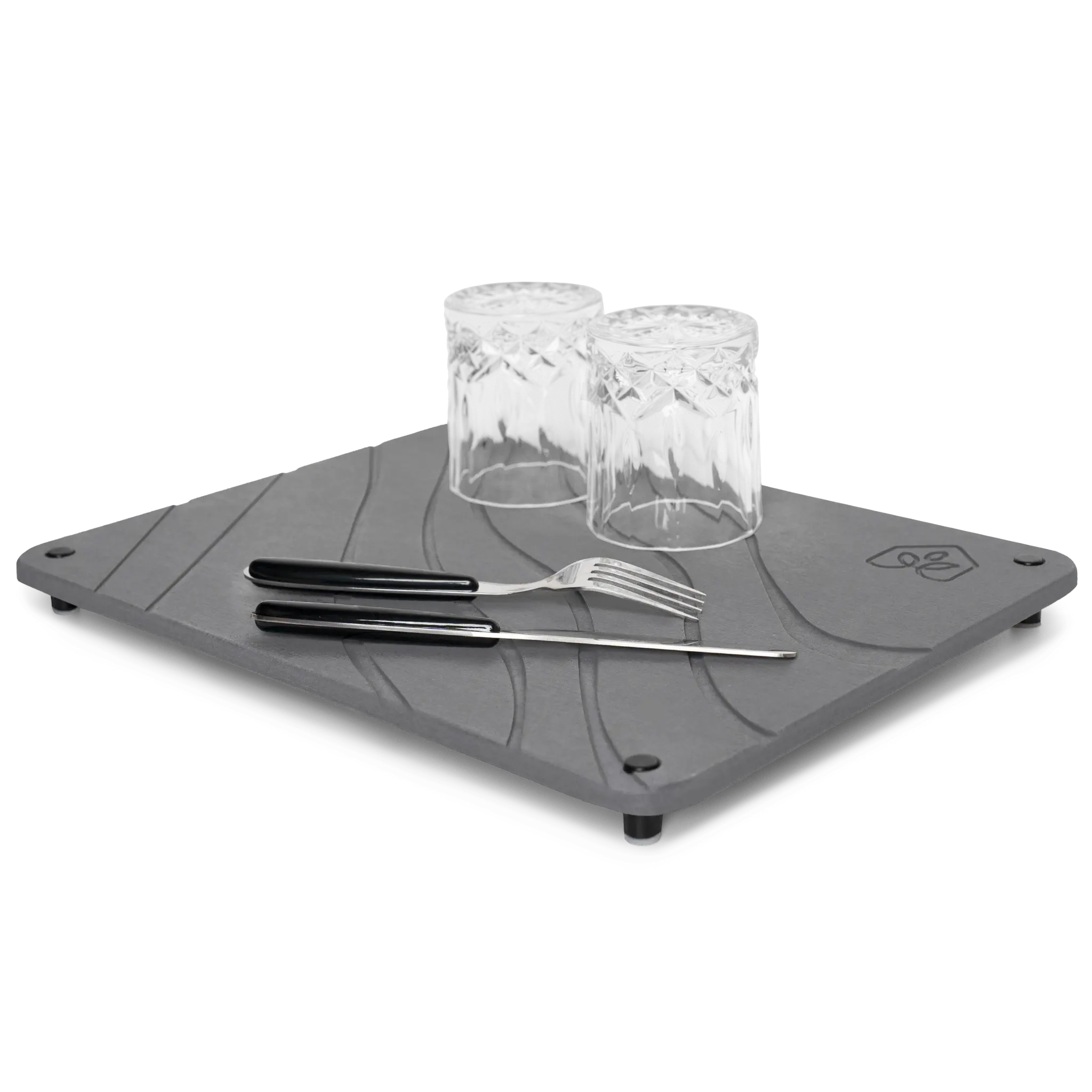
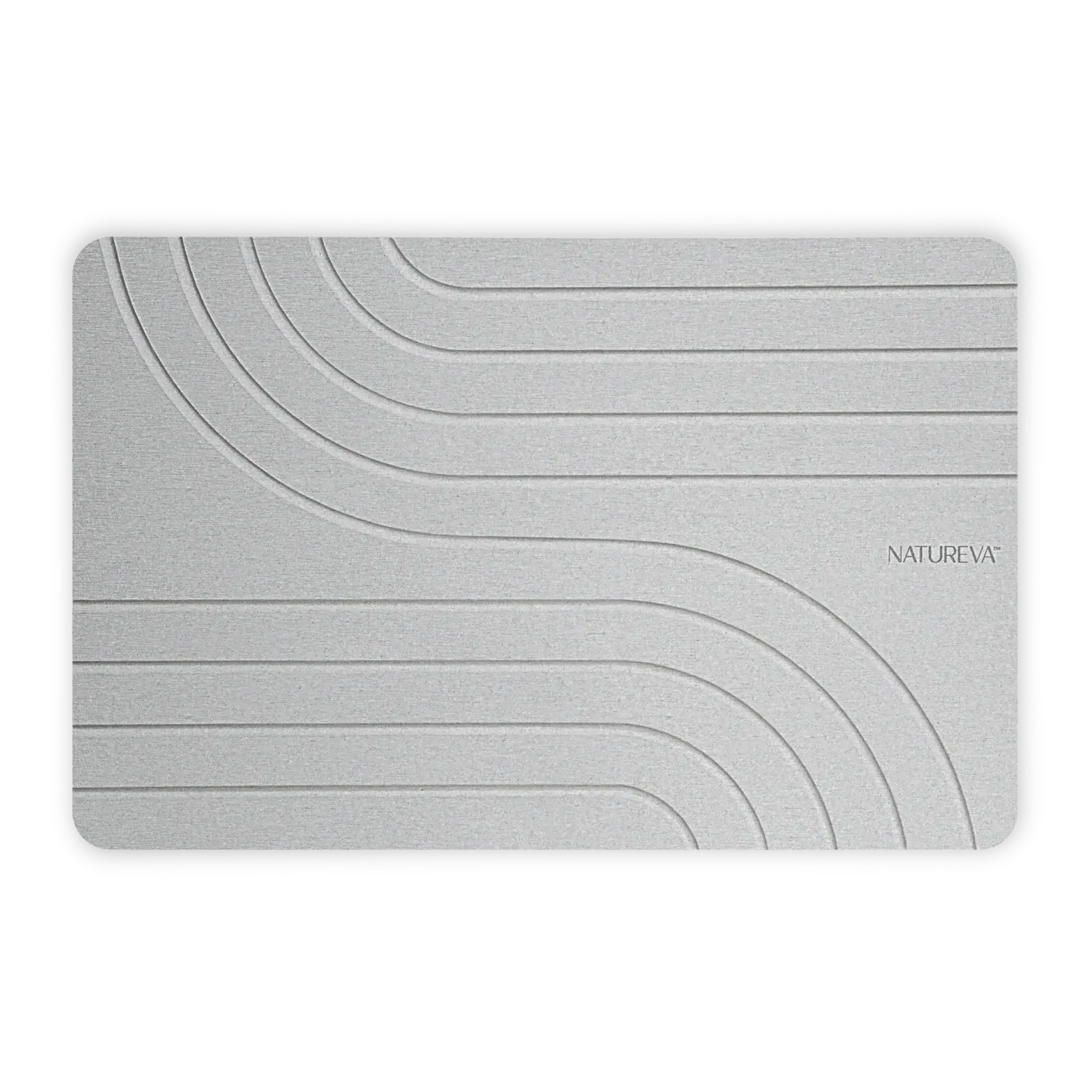
Stone Dish Mat - Flow
Metal mesh trays are better than solid plastic because air can flow through them. Your dishes dry faster when they're sitting on mesh compared to solid surfaces. But the counter situation doesn't improve much since drainage isn't the same as absorption.
- Requires a separate drip tray or towel underneath
- Cheaper metals rust quickly around water
- Stainless steel options cost significantly more
- Still leaves counters wet from dripping water
- Works best over the sink, not on countertops
Rust is a real issue with lower-quality metal trays. Even coated metals can chip and corrode over time when they're constantly exposed to water. Stainless steel solves the rust problem but comes with a higher price tag, and you still need something to catch all that draining water.
| Metal Type | Rust Resistance | Price Range | Best Use |
|---|---|---|---|
| Coated Steel | Low | $15-30 | Over sink |
| Stainless Steel | High | $30-60 | Over sink |
Metal trays work well if you can position them directly over your sink so water drains away. But for counter drying, they don't solve the fundamental problem of keeping surfaces dry.
Diatomaceous Earth Stone Dish Mats
Stone dish mats work completely differently from traditional dish rack tray materials. They're made from diatomaceous earth, which is basically fossilized algae that's been compressed over millions of years. The structure of this material is what makes it special. Millions of microscopic pores cover the surface, and these tiny holes instantly pull water in through capillary action. Instead of water sitting on top like with plastic or draining through like with metal, it gets absorbed into the stone itself.
The absorption is just the first part. What happens next is where stone mats really stand out from other materials. Those same microscopic pores that pulled the water in now let air flow through the stone, which means the water evaporates naturally and quickly. You can pour water on a stone mat and watch it disappear in seconds, then touch the surface a few minutes later and it feels completely dry.
The next generation of home essentials: naturally made, cleaner by design, sustainable by nature.
SHOP ALL- Microscopic pores instantly pull water into the material
- Air flows through the porous structure continuously
- Water evaporates from inside the stone to the air
- Surface stays dry to the touch within minutes
- No water pools underneath or on countertops
This natural evaporation process is why stone mats prevent mold and bacteria growth better than other materials. Mold needs moisture to grow, and stone mats don't stay wet long enough for mold to take hold. Compare that to a plastic tray that stays damp for hours, creating the perfect environment for bacteria.
The drying speed difference is pretty dramatic. A plastic dish rack tray might take 4-6 hours to fully dry after washing dishes. Metal mesh cuts that down to maybe 2-3 hours. Stone mats like the Natureva Stone Dish Mat absorb water instantly and feel dry within 15-20 minutes.
- Keeps countertops completely dry
- No mold or mildew growth
- Minimal cleaning required
- Lasts for years with proper care
- Natural antibacterial properties
Taking care of stone dish mats is simpler than you'd think. You don't need to wash them constantly like plastic trays. Just wipe them down occasionally and let them air out. If they start absorbing slower over time, a quick sand with fine sandpaper refreshes the surface by opening up the pores again. The care instructions are straightforward and take minimal effort.
Stone mats cost more upfront than basic plastic trays, usually around $49 compared to $10-15 for plastic. But they last significantly longer and actually solve the wet counter problem instead of just managing it. You can check out options like the Flow design or Tide pattern depending on your kitchen style.
What Fast Drying Really Means for Your Kitchen
Bacteria can double in number every 20 minutes on wet surfaces, which means that soggy dish rack tray sitting on your counter isn't just annoying. The speed at which your drying mat or tray dries directly affects how many germs are growing in your kitchen right now. Most people think a wet mat is just a minor inconvenience, but the reality is that moisture creates the perfect breeding ground for mold, mildew, and harmful bacteria that can contaminate your clean dishes. When you understand the real impact of drying speed, choosing the right material becomes less about preference and more about protecting your family's health.
The Hidden Costs of Slow Drying Materials
Traditional fabric and silicone mats can stay damp for hours, sometimes even overnight. This extended moisture exposure doesn't just encourage bacterial growth, it also means you're spending more time on maintenance and replacement.
- Cleaning frequency increases dramatically with slower-drying materials that trap moisture
- Countertop damage from prolonged water exposure can lead to expensive repairs or replacements
- Water stains and mineral deposits build up faster on surfaces that don't dry quickly
- Replacement costs add up when mats develop mold or permanent odors within months
| Material Type | Average Drying Time | Cleaning Frequency | Expected Lifespan |
|---|---|---|---|
| Fabric/Microfiber | 4-8 hours | Every 2-3 days | 3-6 months |
| Silicone | 2-4 hours | Weekly | 1-2 years |
| Plastic Trays | 1-3 hours | Every 3-4 days | 1-2 years |
| Diatomaceous Stone | 15-30 minutes | Monthly | 3-5 years |
Time Savings That Actually Matter
The difference between a mat that dries in 30 minutes versus one that takes 4 hours might not seem huge at first. But when you add up the time spent dealing with wet mats, cleaning them more often, and replacing them sooner, the numbers tell a different story.
- Fast-drying materials like diatomaceous stone can save you 15-20 minutes per day in maintenance time
- Reduced cleaning frequency means less scrubbing and fewer harsh chemicals needed
- Longer lifespan translates to fewer shopping trips and less waste
Our Stone Dish Mat uses natural diatomaceous earth that actively evaporates moisture through millions of tiny pores. This means your countertop stays dry and your dishes are sitting on a clean surface every single time. According to kitchen organization experts, the right drying solution can make a significant difference in both hygiene and daily convenience.
Choosing the Right Material for Your Needs
The material you pick for your dish rack tray really comes down to how you use your kitchen. Traditional materials like plastic and silicone hold onto water, which means you're wiping them down constantly or dealing with that musty smell. Metal trays drain better but they rust over time and still leave puddles on your counter. Stone materials made from diatomaceous earth work differently because they actually absorb and evaporate water through millions of tiny pores, which is why our Stone Dish Mat stays dry to the touch even after a full sink of dishes.
If you wash dishes multiple times a day or have a small kitchen with limited counter space, fast-drying materials make a bigger difference than you might think. You're not constantly moving wet mats around or worrying about water damage to your cabinets.
The hygiene factor matters too. Materials that stay wet become breeding grounds for bacteria and mold, especially in the grooves where water collects. Stone dish mats dry so quickly that bacteria doesn't get the chance to grow, which means less scrubbing and replacing mats every few months.
Long-term, investing in a material that actually dries saves you money on replacements and keeps your kitchen cleaner with less effort. You can check out our full kitchen collection to see how stone materials work across different uses, or learn more about how the absorption process works. But you probably still have questions about care, lifespan, and whether these mats really work as well as they sound.
Common Questions About Dish Rack Tray Materials
Choosing the right dish rack tray can feel confusing with so many options out there. People often wonder if they're making the best choice for their kitchen, especially when it comes to drying speed and cleanliness. These questions come up all the time, so let's clear up the confusion with some straight answers.
How long should a dish rack tray take to dry completely?
Most plastic and silicone dish rack trays take 2-4 hours to dry completely, depending on how much water they collect. Metal trays dry faster at around 30-60 minutes since water runs off instead of pooling. Stone mats made from diatomaceous earth dry in about 15-30 minutes because they actively evaporate moisture through millions of tiny pores.
Can I put dish rack trays in the dishwasher?
Plastic and silicone trays are usually dishwasher safe, but check the manufacturer's instructions first. Metal trays can go in the dishwasher too, though hand washing prevents water spots and rust over time. Stone dish mats should never go in the dishwasher since the heat and detergent can damage their absorbent properties.
Which material is most hygienic for dish drying?
Stone mats are the most hygienic option because they dry so quickly that bacteria and mold don't have time to grow. Plastic and silicone trays stay wet longer, creating the perfect environment for germs to multiply. Metal trays fall somewhere in between, but water can get trapped in corners and seams where bacteria hide.
How often should I replace my dish rack tray?
Replace plastic trays every 6-12 months when you notice discoloration, cracks, or a musty smell that won't go away. Metal trays last 2-3 years if you prevent rust by drying them regularly. Stone mats can last several years with proper care, though you might need to sand them lightly if absorption slows down.
Do stone dish mats really dry faster than plastic?
Yes, stone mats dry significantly faster because of how the material works. While plastic just sits there holding water on its surface, stone actively pulls moisture in and releases it into the air. Our Stone Dish Mat uses natural diatomaceous earth that dries in minutes instead of hours, keeping your counter cleaner throughout the day.
What's the best way to clean different dish rack tray materials?
Clean plastic and silicone trays with warm soapy water weekly, and use a vinegar solution monthly to remove buildup. Wipe metal trays daily and dry them completely to prevent rust spots. For stone mats, just rinse with water and let them air dry, then use fine sandpaper every few months if they start absorbing slower.
The next generation of home essentials: naturally made, cleaner by design, sustainable by nature.
SHOP ALL