
No Slip Bath Mat Patterns That Stop Bathroom Falls
Every year, over 230,000 people end up in the emergency room because they slipped and fell in their bathroom. Most of them never saw it coming, and many were standing on what they thought was a safe bath mat. The truth is, the pattern and material of your non slip bath mat can be the difference between a relaxing shower and a dangerous fall, but most people don't know what actually works.
Table of Contents
What Makes a Bath Mat Pattern Actually Non-Slip
About 235,000 people visit emergency rooms each year because of bathroom falls, and wet floors are the main culprit. Most people think any bath mat will keep them safe, but the truth is that the pattern on your mat matters just as much as the material it's made from. A good non-slip bath mat needs three things working together: the right surface texture, smart pattern design, and materials that actually handle water instead of just sitting in it.
Surface texture creates friction points that grip your wet feet when you step out of the shower. Think of it like the difference between walking on ice versus walking on concrete. The tiny ridges and grooves in a textured pattern give your feet something to hold onto, even when water is present.
- Pattern depth channels water away from the spots where your feet make contact
- Material composition determines how quickly water gets absorbed off the surface
- The combination of texture and absorption is what actually stops slips from happening
- Stone materials like diatomaceous earth provide natural grip without needing rubber backing that can slide around
Here's what most people don't realize: a smooth bath mat with rubber backing can still be dangerous if water pools on top of it. The pattern needs to work with the material to move water away from your feet. Research shows that textured surfaces combined with quick-drying materials offer the best protection against bathroom falls.
| Material Type | Water Absorption | Drying Time | Slip Risk |
|---|---|---|---|
| Fabric/Cotton | Holds water | Hours | High |
| Rubber | Surface only | Minutes | Medium |
| Diatomaceous Earth | Instant absorption | Seconds | Low |
Three Pattern Types That Deliver Maximum Safety
Not all patterns are created equal when it comes to keeping you safe. The design needs to do two jobs at once: look good in your bathroom and actually prevent falls. After testing different approaches, three specific pattern types stand out for their ability to combine style with real safety benefits. Each one works a bit differently, but they all solve the same problem of wet feet on slippery surfaces.
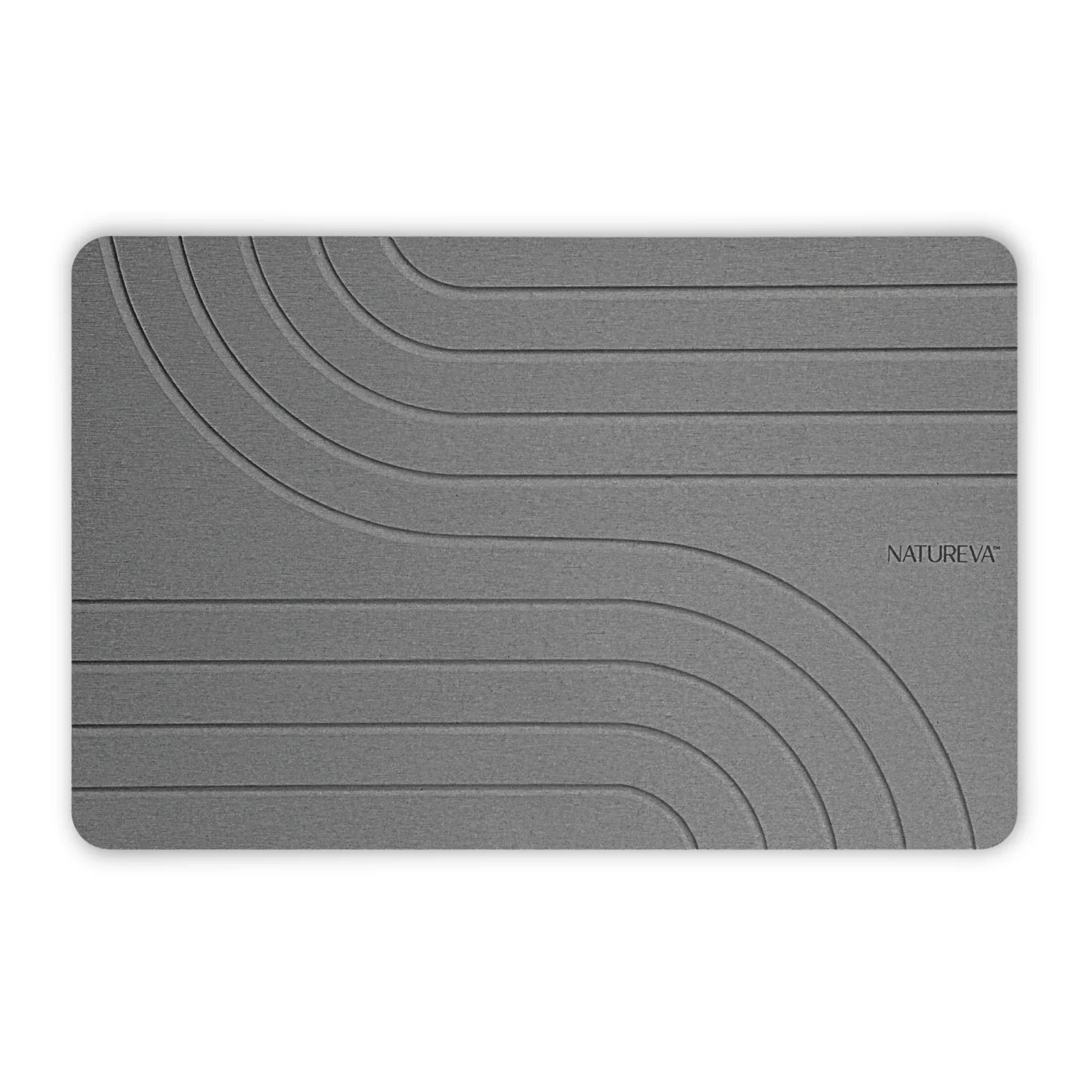
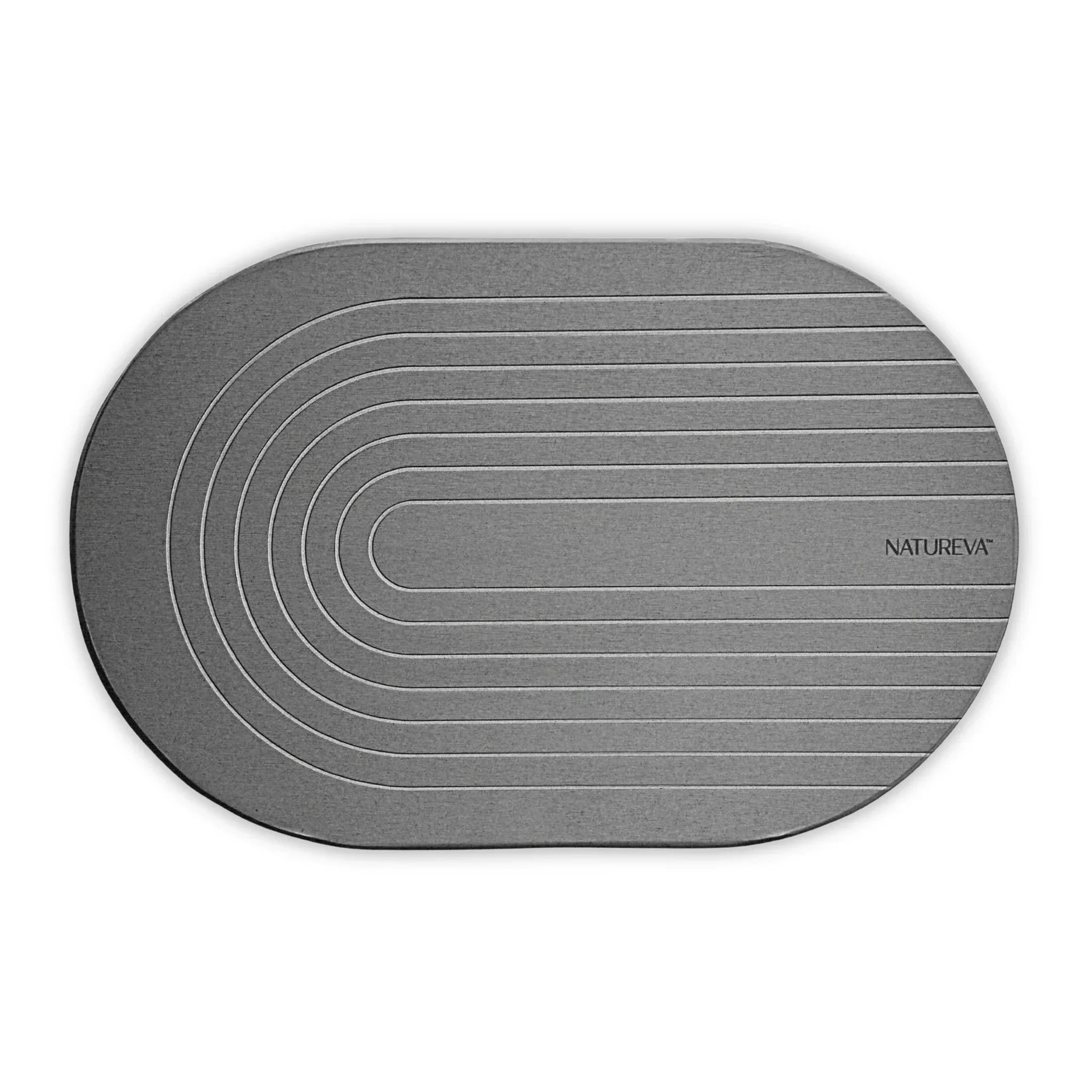
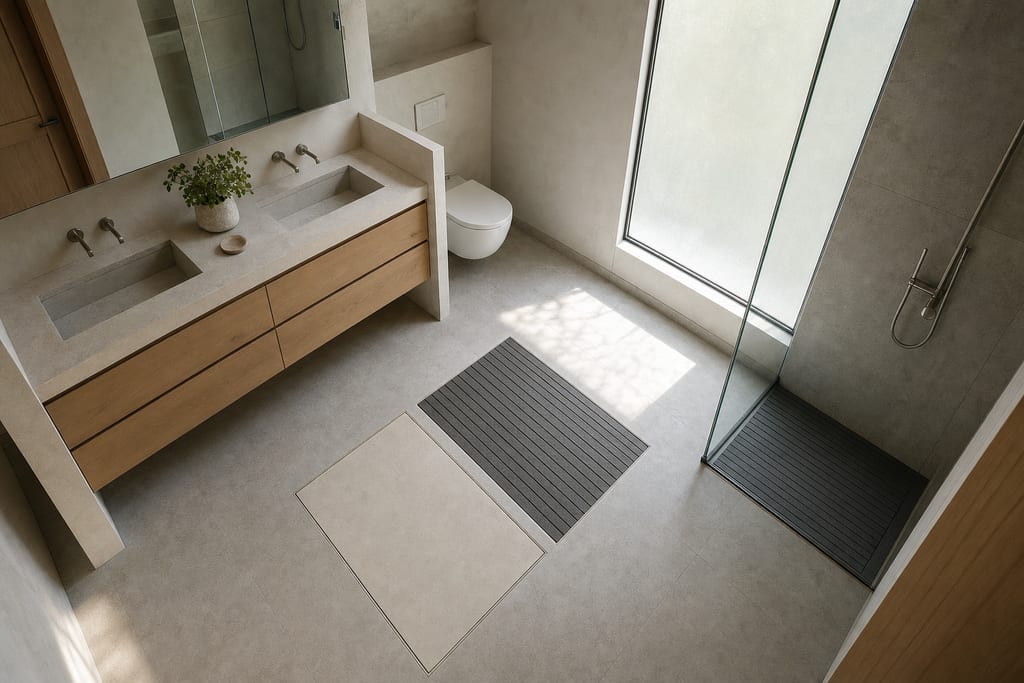
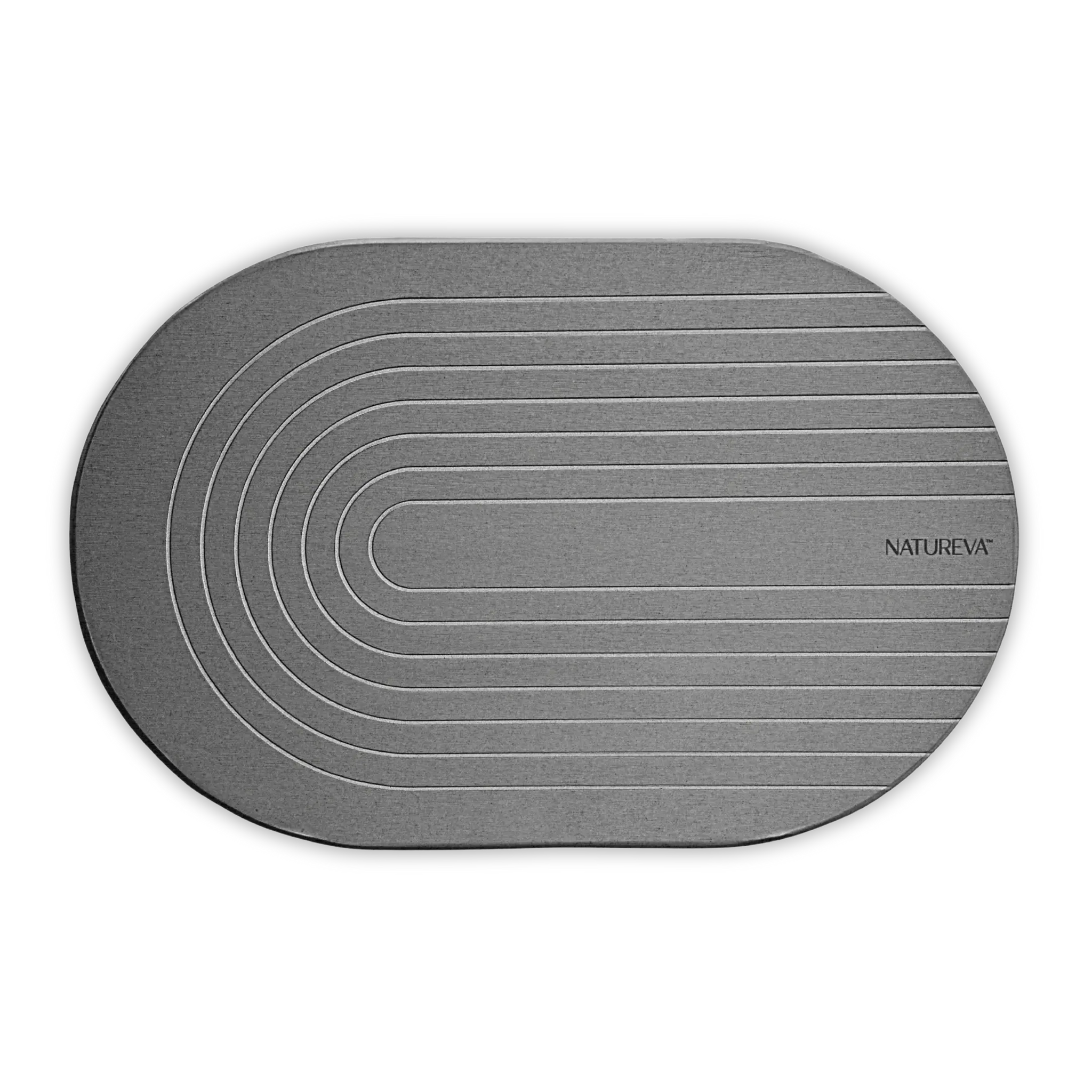
Arch patterns create curved ridges that grip your feet from multiple angles no matter how you step onto the mat. The curves follow the natural shape of your foot, which means more surface contact and better stability.
Rain patterns feature vertical channels that quickly move water away from where you're standing. The water flows down these grooves instead of pooling under your feet, which is exactly what you want when you're dripping wet from the shower.
- Flow patterns combine organic curves with functional water dispersion
- Each pattern style offers the same safety benefits with different aesthetics
- Textured patterns work better than smooth surfaces because they increase surface area contact
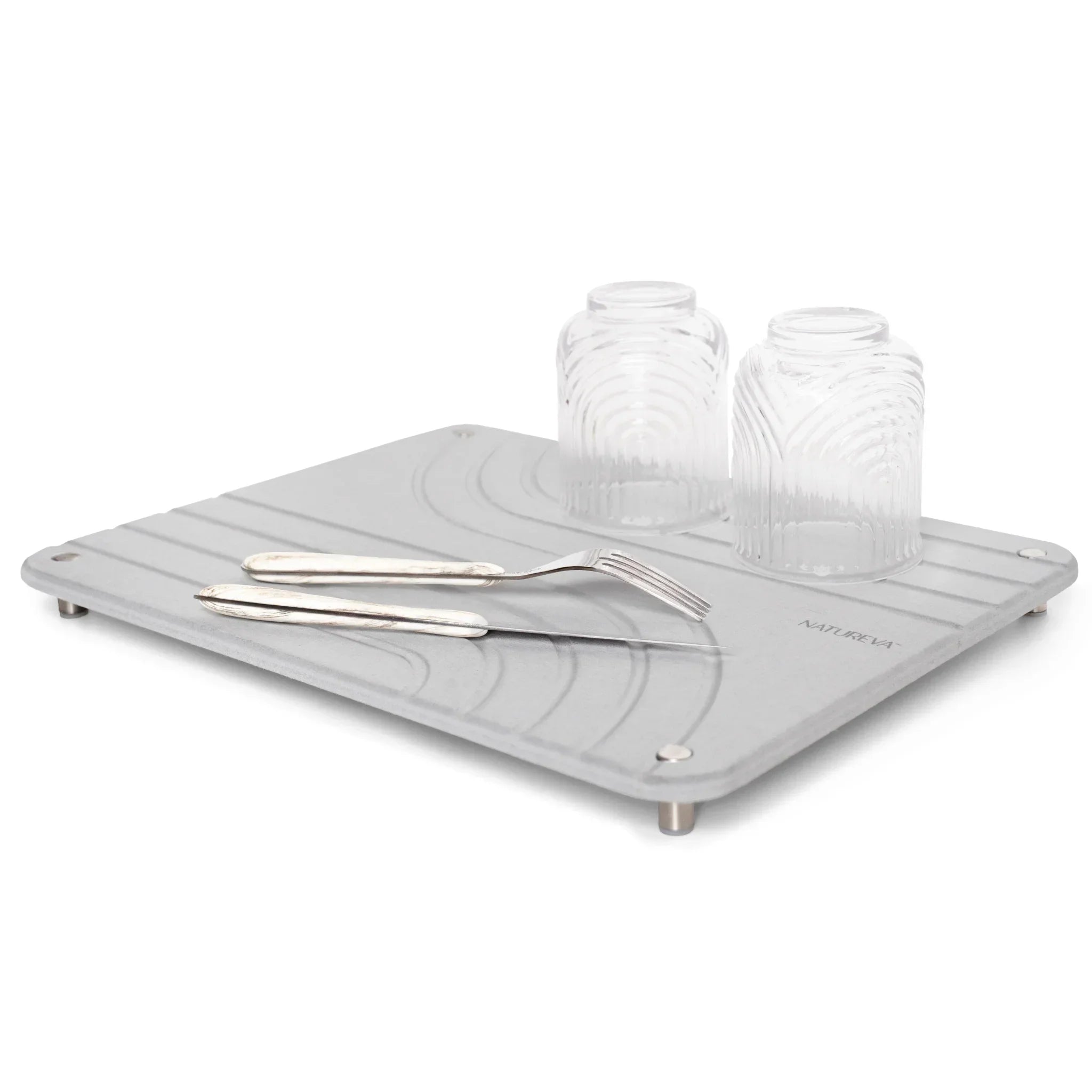
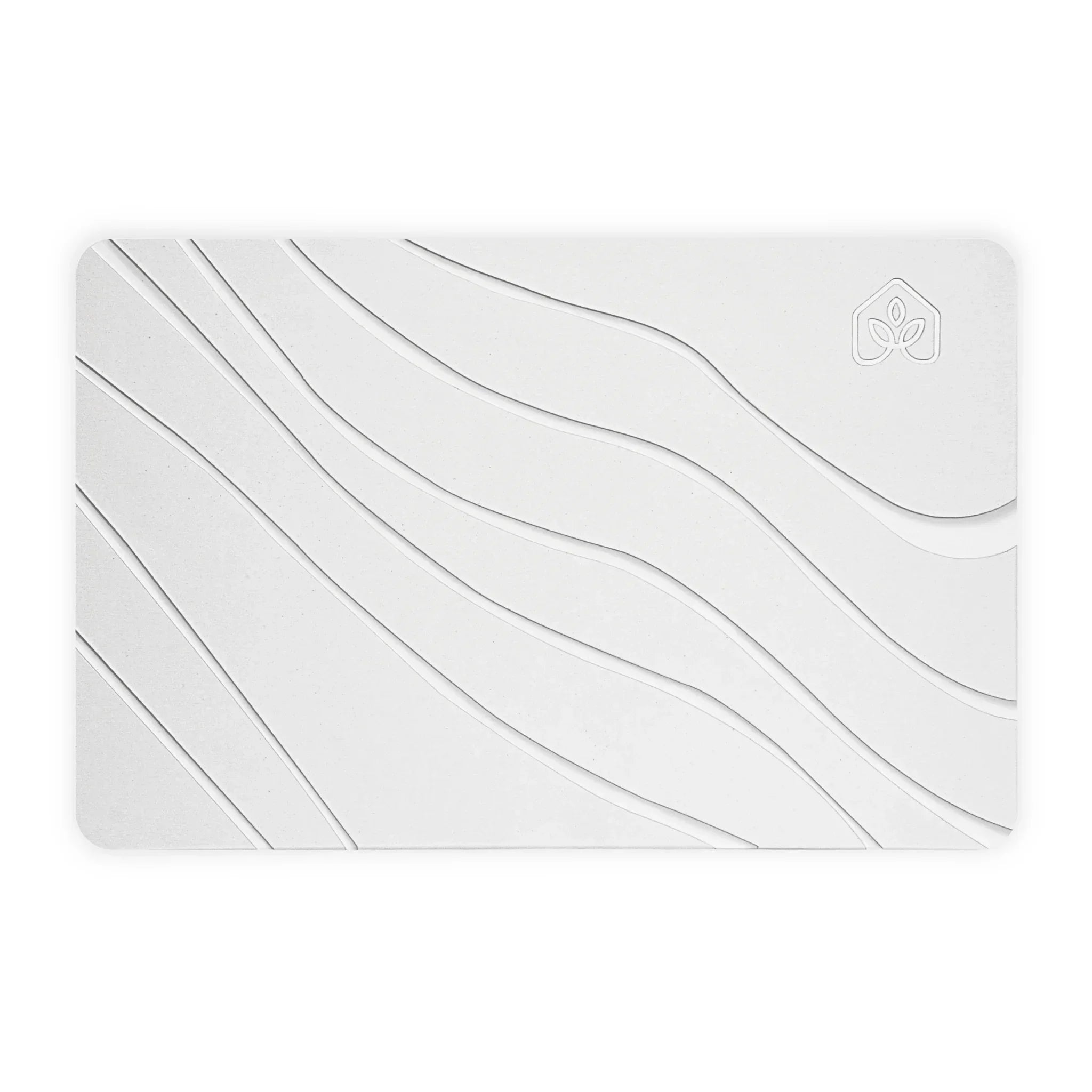
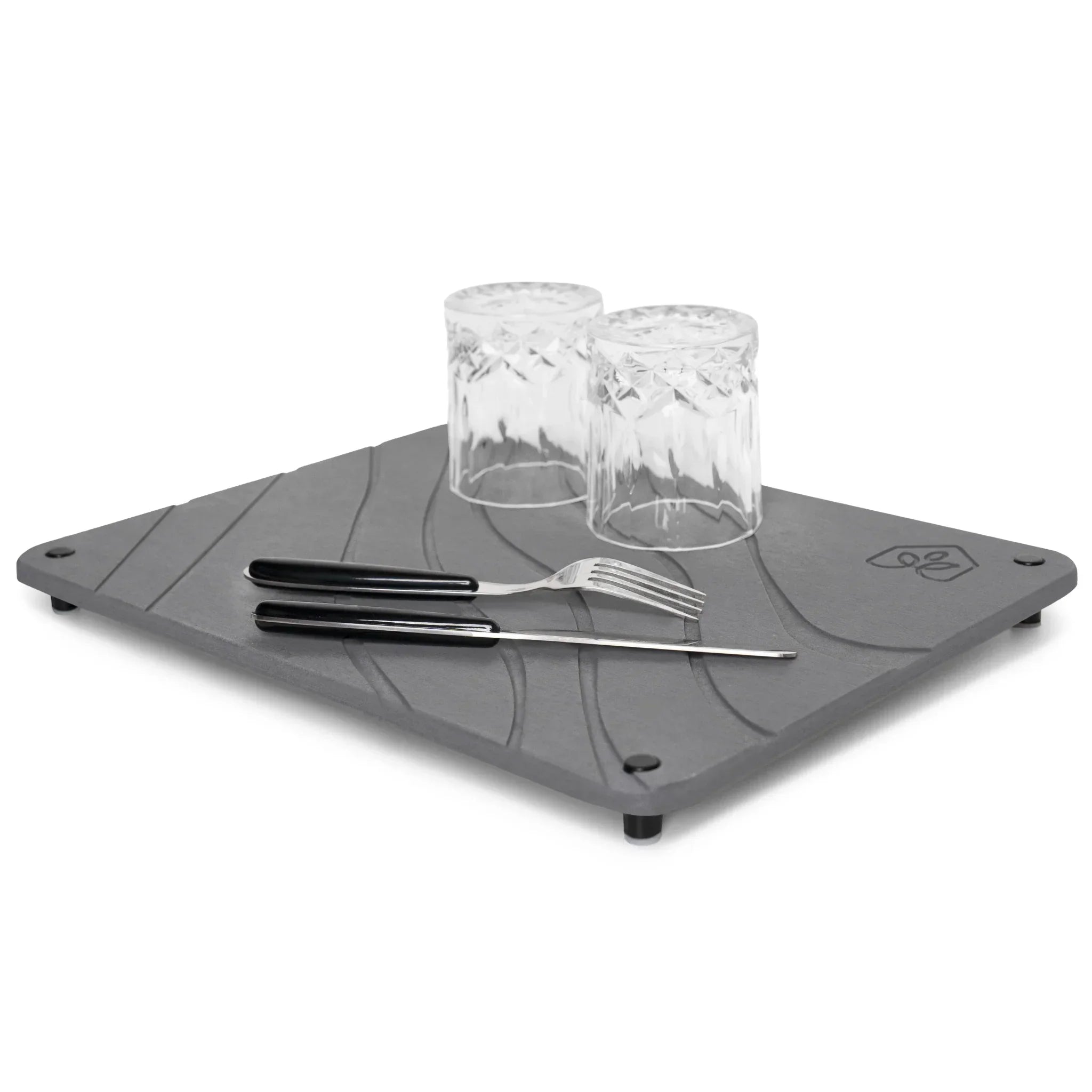
The Stone Bath Mat in Arch, Rain, and Flow patterns all dry within seconds, which eliminates the wet-mat slip hazard completely. You're not standing on a damp surface waiting for it to dry out.
The next generation of home essentials: naturally made, cleaner by design, sustainable by nature.
SHOP ALLThe key difference between these patterns and what you'll find on regular mats is depth. Shallow patterns don't channel water effectively, so you end up with a slick surface anyway. Deeper grooves mean water has somewhere to go instead of creating a slip zone under your feet.
How Stone Bath Mats Outperform Traditional Options
Traditional fabric bath mats have a major flaw that most people accept as normal: they stay wet for hours after you use them. That damp period is when most bathroom falls happen because you're essentially stepping onto a wet sponge. Stone bath mats made from diatomaceous earth work completely differently. Instead of holding water in fibers like fabric does, the porous stone structure pulls water into itself and releases it through evaporation almost immediately.
Diatomaceous earth absorbs water instantly instead of letting it sit on the surface where you can slip on it. The material is naturally porous at a microscopic level, which means it can handle way more water than fabric without feeling wet to the touch.
- Stone mats dry within seconds, eliminating the slippery wet period entirely
- Natural stone texture provides grip without needing rubber backing that can slide on tile floors
- Stone patterns maintain their texture and don't flatten over time like fabric fibers do
Here's something that surprised me when I first learned about these mats: no damp surface means no bacteria or mold growth that makes traditional mats slimy and gross. According to safety experts, the quick-drying property is just as important for hygiene as it is for preventing falls.
Fabric mats lose their effectiveness over time because the fibers compress and the rubber backing degrades. Stone doesn't have that problem. The Natureva Stone Bath Mats combine textured patterns with instant absorption for maximum safety that doesn't wear out. You get the grip from the pattern design plus the quick-drying benefit of the stone material working together.
The difference becomes obvious the first time you step onto one after a shower. Your feet are dry almost immediately, and there's no slippery feeling at all. Compare that to stepping onto a damp fabric mat that squishes under your weight and you'll understand why more people are switching to stone options for their bathrooms.
Making Your Bathroom Safer Today
The pattern on your bath mat matters more than you might think. A good non slip bath mat with the right texture can be the difference between a safe morning routine and a trip to the emergency room. Most bathroom falls happen because water sits on smooth surfaces, creating that dangerous slippery layer we've all experienced at least once.
Stone bath mats solve this problem in a way traditional fabric mats simply can't. The textured patterns on our stone bath mat collection aren't just for looks. They create grip points while the diatomaceous earth material absorbs water within seconds, which means there's no puddle left behind to slip on.
Here's what makes the biggest difference in preventing falls:
- Patterns that create natural traction points for wet feet
- Materials that dry instantly instead of staying damp
- A stable base that doesn't shift or bunch up under your weight
- A surface that stays grippy even when water hits it
Whether you choose the Arch pattern, the Rain design, or the Flow style, you're getting that same instant absorption that keeps floors dry. The pattern you pick comes down to which texture feels best under your feet and matches your bathroom style.
Spending a bit more on a quality non slip bath mat now beats dealing with a fall later. Your family's safety is worth more than saving a few dollars on a mat that stays wet and slippery. But you probably have some questions about how these stone mats actually work in real bathrooms.
Common Questions About Non Slip Bath Mats
Choosing the right non slip bath mat involves understanding how different patterns and materials work to keep you safe. These questions come up a lot when people are trying to figure out which mat will actually prevent falls instead of just looking nice. Here's what you need to know before making a decision.
How do stone bath mat patterns prevent slipping?
Stone bath mat patterns create texture that gives your feet something to grip onto when wet. The raised and recessed areas in designs like Arch, Rain, or Flow work together to channel water away from the surface while providing traction points. Unlike smooth surfaces where water creates a slippery film, these patterns break up the water contact between your foot and the mat.
Are textured patterns better than smooth surfaces?
Textured patterns are significantly safer than smooth surfaces because they increase friction and reduce water pooling. A smooth stone surface can become slippery when wet, but patterns with grooves and ridges give your feet multiple contact points. The key is that patterns also help water drain and evaporate faster, which means less standing water to slip on in the first place.
How quickly do stone bath mats dry compared to fabric?
Stone bath mats made from diatomaceous earth dry within seconds, while fabric mats can stay damp for hours or even days. The porous nature of stone pulls water in and releases it through evaporation almost immediately. Our Natureva Stone Bath Mats absorb water on contact and feel dry to the touch in under a minute, which means you're never stepping onto a soggy surface.
Do stone bath mats work on all floor types?
Stone bath mats work well on tile, vinyl, laminate, and sealed wood floors. The flat bottom creates enough friction to stay in place on most bathroom surfaces without needing adhesive backing. Just make sure your floor is clean and dry when you first place the mat down for the best grip.
How do you clean a textured stone bath mat?
Cleaning a textured stone bath mat is simple because the patterns actually make maintenance easier. Just rinse it under water or wipe it down with a damp cloth every week or two. For deeper cleaning, use fine sandpaper to gently buff the surface if it starts absorbing water more slowly over time.
Which pattern is best for families with kids or elderly members?
Patterns with more pronounced texture like the Flow design offer the most traction for people who need extra stability. Kids and elderly family members benefit from deeper grooves that provide secure footing even when they're moving quickly or have balance concerns. The Rain pattern also works well because the linear grooves create predictable traction lines that feet naturally align with.
The next generation of home essentials: naturally made, cleaner by design, sustainable by nature.
SHOP ALL