
Numbers Reveal Which Bath Mat Dries Quickest
A damp bath mat sitting on your bathroom floor can grow over 100,000 bacteria colonies in just 24 hours. Most people step out of the shower onto their mat without realizing it might stay wet for hours, creating the perfect breeding ground for mold and germs. The difference between a mat that dries in minutes versus one that stays damp all day isn't just about comfort—it's about keeping your bathroom actually clean.
Table of Contents
Why Drying Time Matters More Than You Think
A single bacterium can multiply into over 8 million bacteria in just 24 hours when conditions are right. And guess what creates perfect conditions? That damp bath mat sitting on your bathroom floor. Most people don't think twice about their bath mat staying wet for hours after a shower, but that moisture is doing more damage than you'd expect. The longer your bath mat stays wet, the more problems pile up in ways you can see, smell, and even feel.
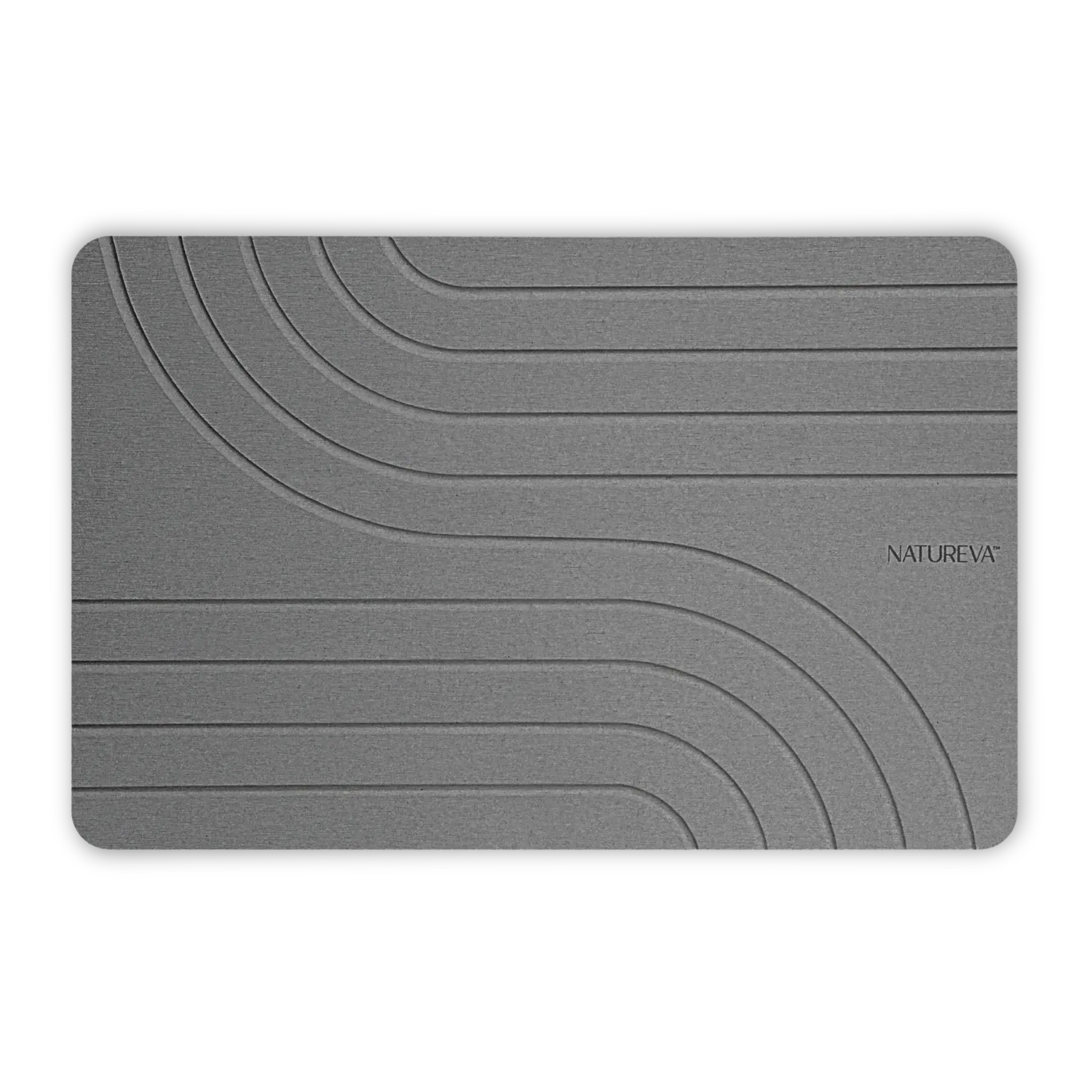
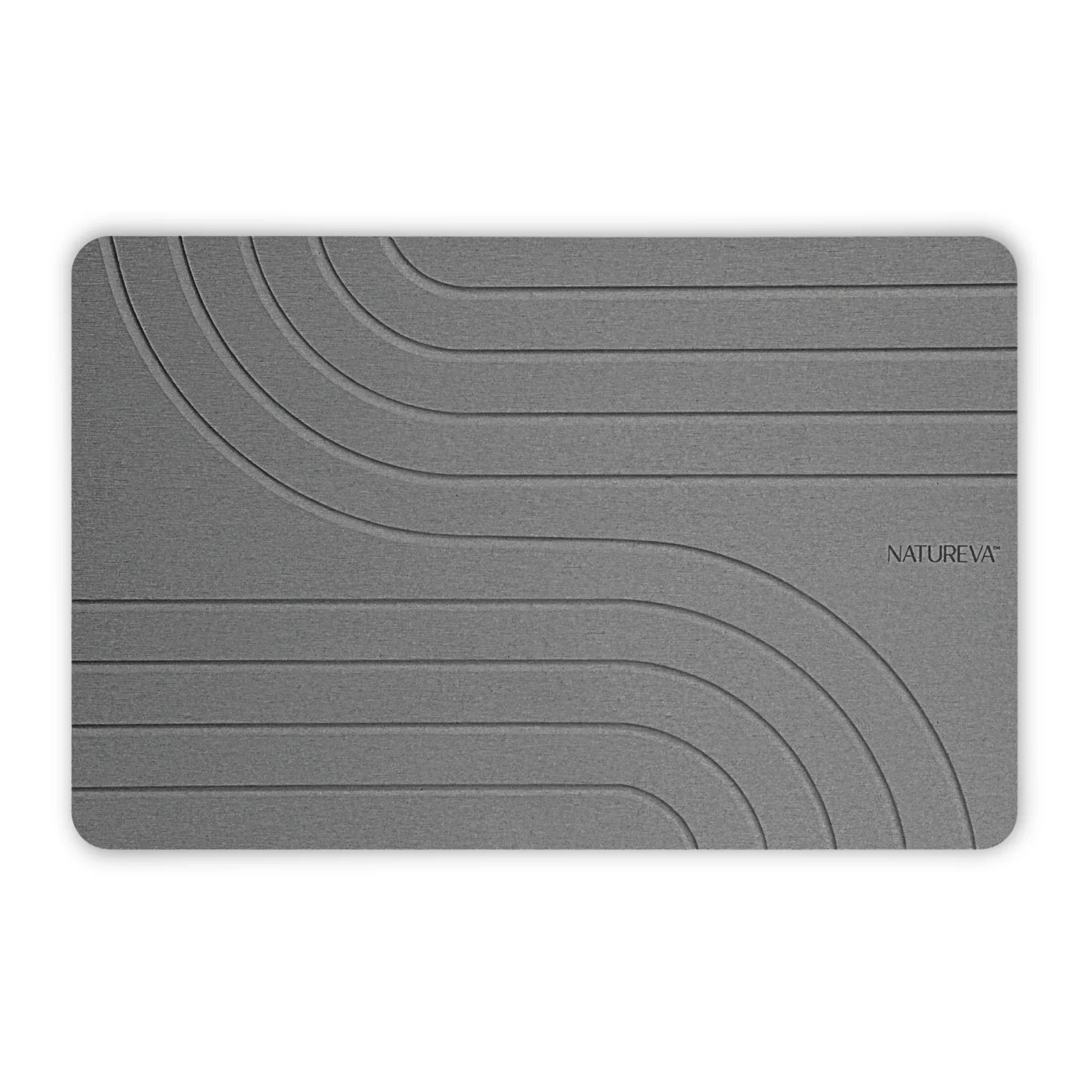
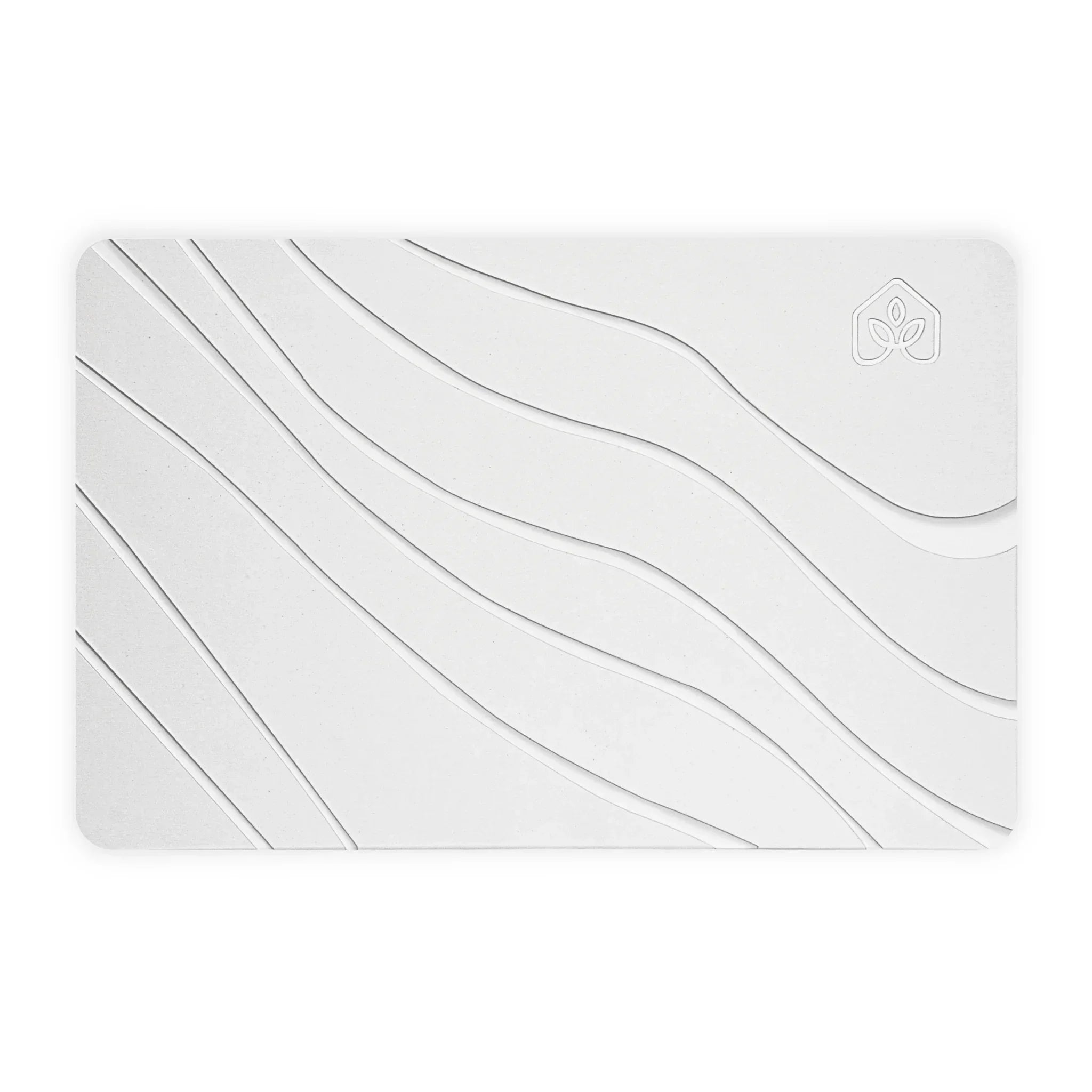
Stone Bath Mat - Tide
The Bacteria Problem
Bacteria love moisture and warmth, which makes your bathroom their favorite hangout spot. When a bath mat stays damp, it becomes a breeding ground for all sorts of unwanted guests. According to cleaning experts at Wirecutter, bath mats need frequent washing specifically because of how quickly bacteria can grow in damp fabric.
Here's what happens when your bath mat won't dry:
- Bacteria double in number every 20 minutes in warm, wet conditions
- Fungal spores settle into damp fibers and start growing colonies
- Unpleasant odors develop as microorganisms break down organic matter
- Skin contact with contaminated surfaces can lead to infections or irritation
Mold Grows Faster Than You Think
Mold spores only need 24 to 48 hours of moisture to start growing, and once they take hold, they're tough to get rid of. Traditional fabric bath mats can stay damp for 6 to 12 hours depending on your bathroom's ventilation. That's plenty of time for mold to get comfortable and start spreading.
| Material Type | Average Drying Time | Mold Risk Level |
|---|---|---|
| Cotton bath mat | 8-12 hours | High |
| Microfiber bath mat | 4-6 hours | Medium |
| Stone bath mat | Under 1 hour | Low |
The problem gets worse in bathrooms without windows or good air flow. Moisture just sits there with nowhere to go.
Beyond the Bath Mat
A wet bath mat doesn't just affect itself. It adds humidity to your entire bathroom, which can damage floors, peel paint, and create that musty smell that never quite goes away. Wood floors are especially vulnerable to water damage from constant moisture exposure.
Health effects matter too:
- Respiratory issues can worsen from breathing in mold spores
- Allergies get triggered by dust mites that thrive in damp environments
- Skin problems develop from contact with bacteria-laden surfaces
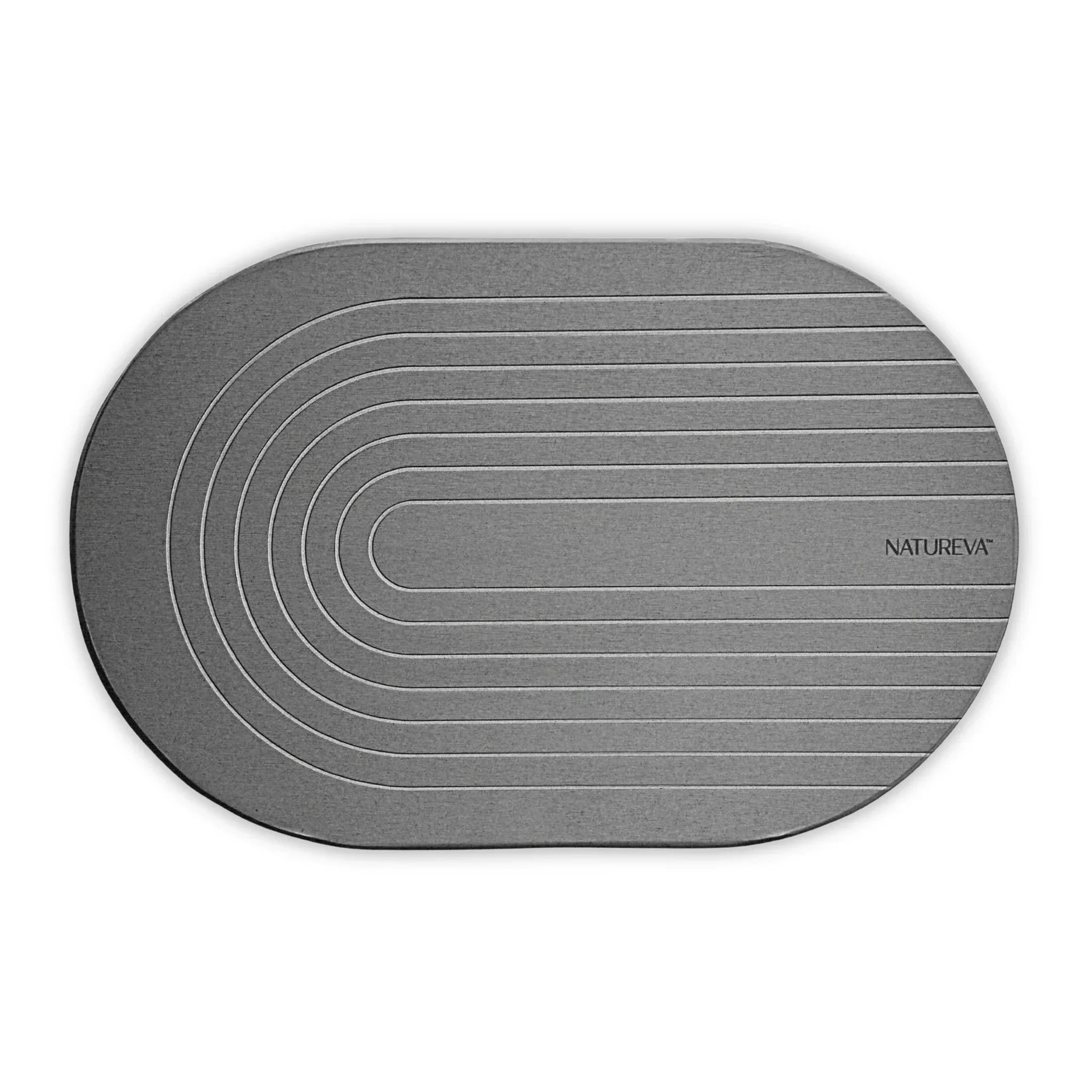
Our Natureva Stone Bath Mat dries in under an hour because it's made from diatomaceous earth that actively evaporates moisture instead of holding onto it. The faster something dries, the less time bacteria and mold have to set up shop.
The Drying Time Test Results
Most people don't think twice about how long their bath mat stays wet after a shower. But here's something that might surprise you: the average cotton bath mat can stay damp for up to 12 hours. That's half a day of moisture sitting on your bathroom floor, creating the perfect environment for bacteria and mold to grow. We tested four common types of bath mats under the same conditions to see which one actually dries the fastest, and the results were pretty eye-opening.
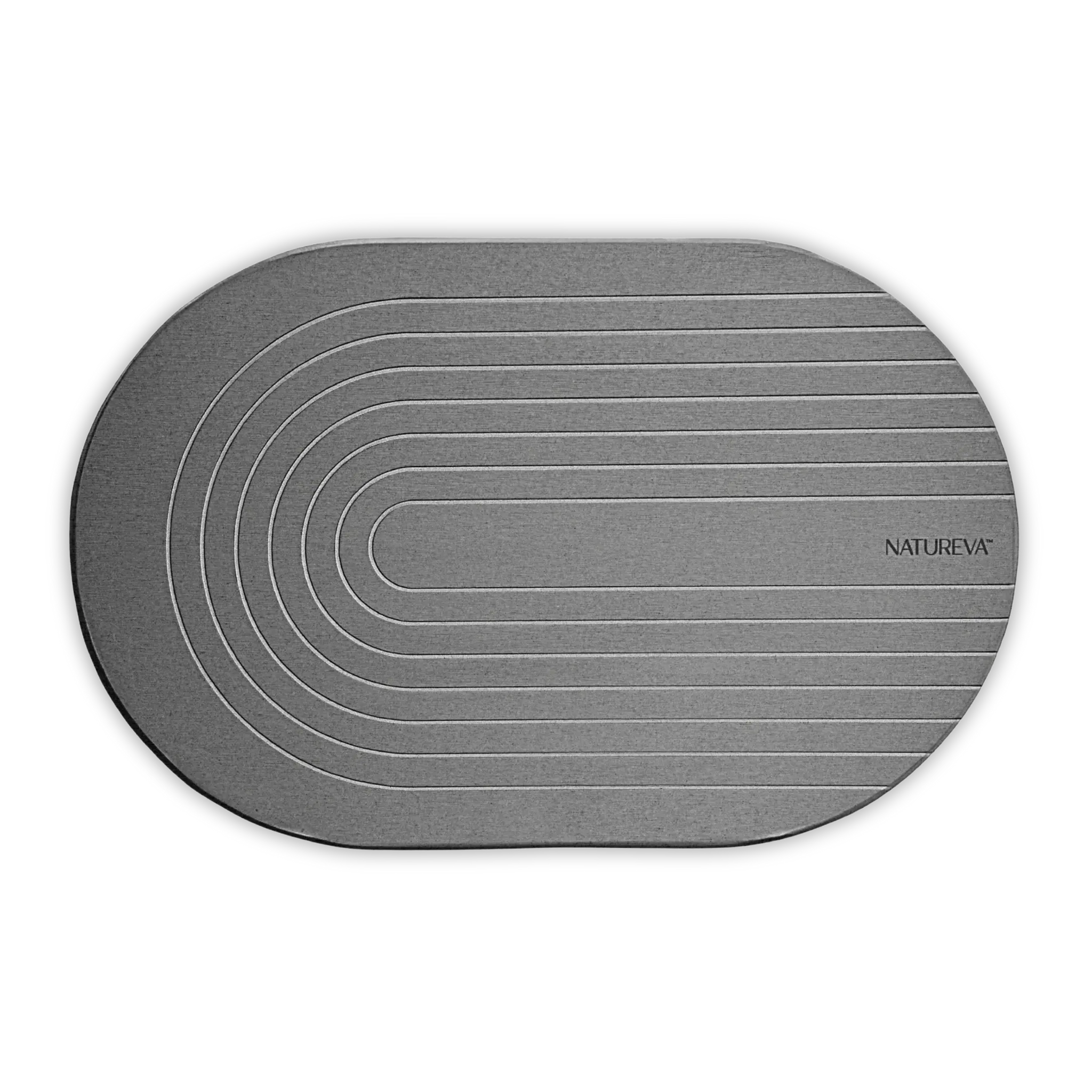
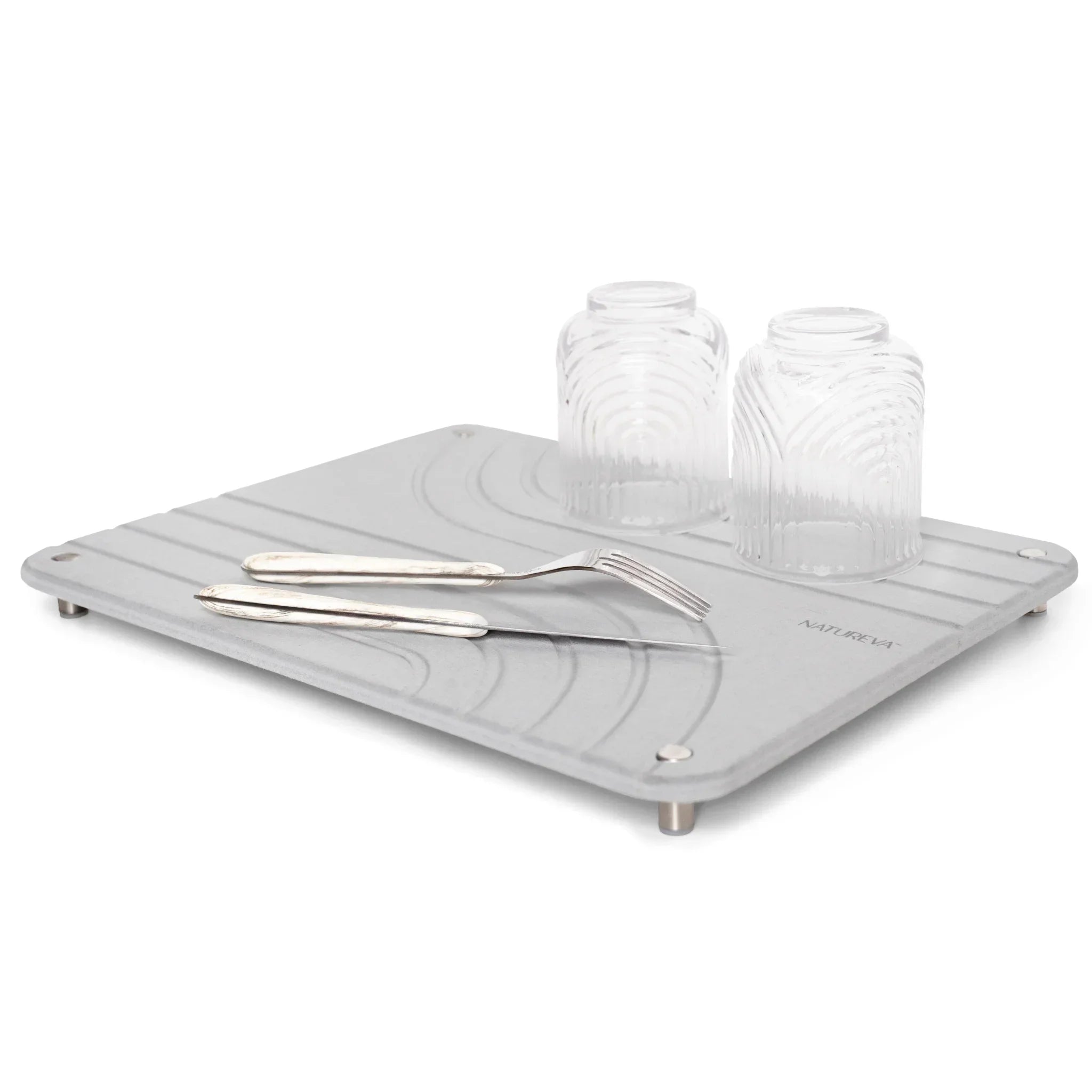
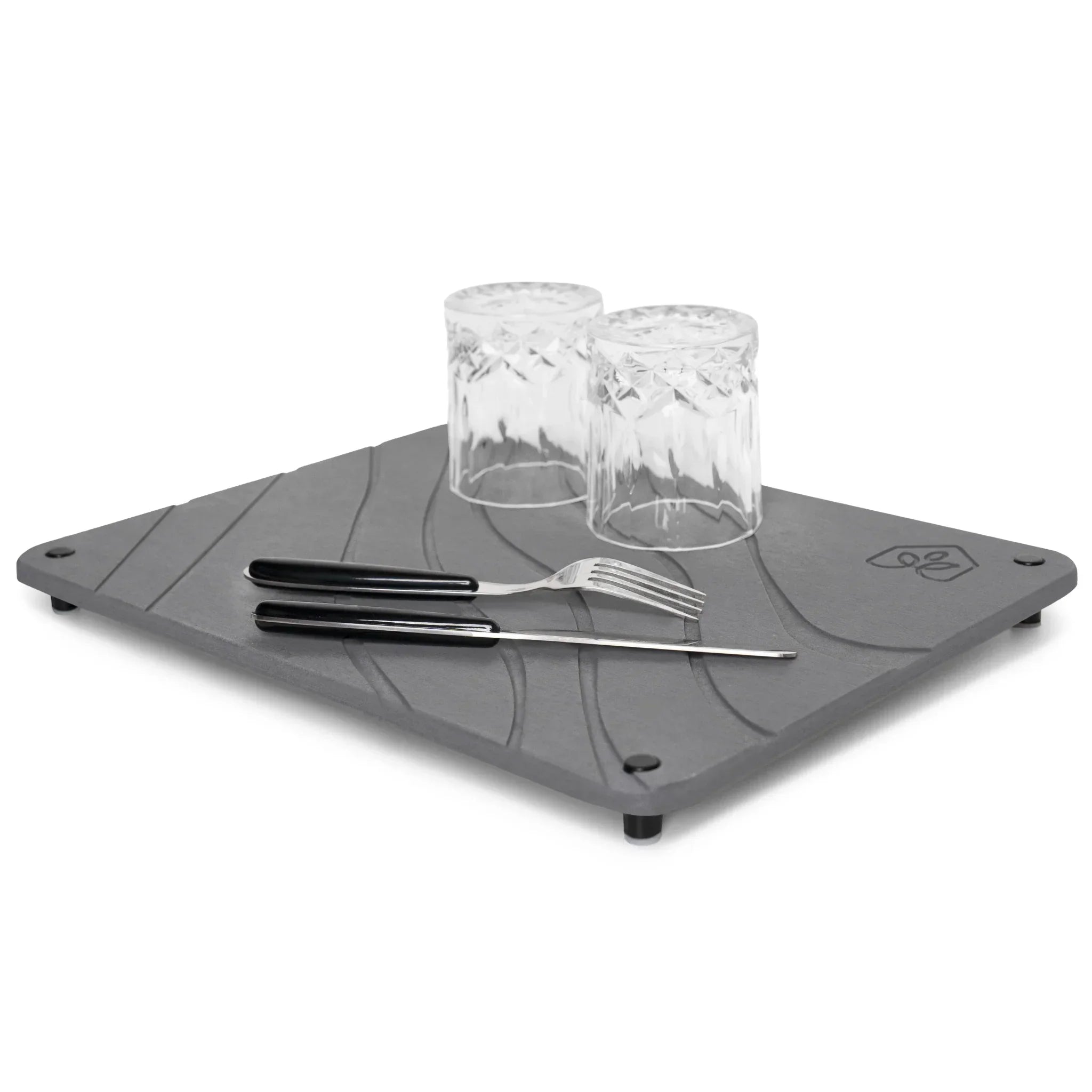
Stone Bath Mat - Arch
The testing was simple but thorough. We poured the same amount of water on each mat type, kept them in a bathroom with normal ventilation, and measured how long it took for them to feel completely dry to the touch.
| Bath Mat Type | Drying Time |
|---|---|
| Cotton | 6-12 hours |
| Microfiber | 4-8 hours |
| Memory Foam | 12-24 hours |
| Stone (Diatomaceous Earth) | Under 60 seconds |
Memory foam mats took the longest to dry, sometimes needing a full day before they felt ready to use again. Cotton mats did better but still stayed damp through most of the morning after a nighttime shower. Microfiber performed somewhere in the middle, though thicker versions took closer to 8 hours. The stone mats were in a completely different category, drying in less than a minute.
According to Consumer Reports' bath mat testing, drying time is one of the most overlooked factors when people shop for bathroom accessories. Most folks focus on softness or color, but how quickly a mat dries directly affects bathroom hygiene.
What Makes Stone Mats Dry So Fast
The secret is in the material itself. Stone bath mats are made from diatomaceous earth, which comes from fossilized algae that lived in oceans millions of years ago. These tiny fossils have a unique structure full of microscopic pores, kind of like a sponge but way more efficient. When water hits the surface, it gets pulled into these pores through capillary action, the same force that helps plants draw water up from their roots.
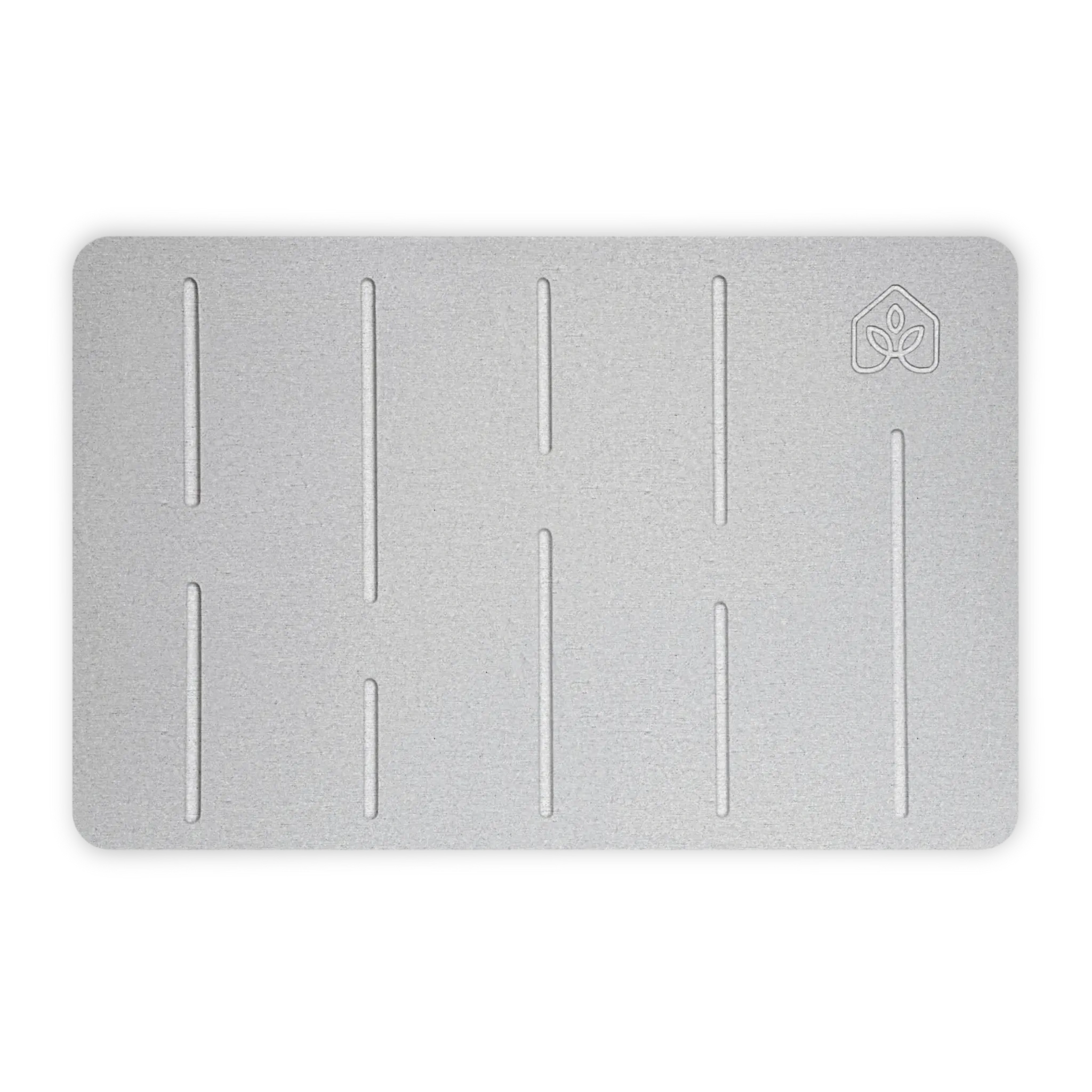
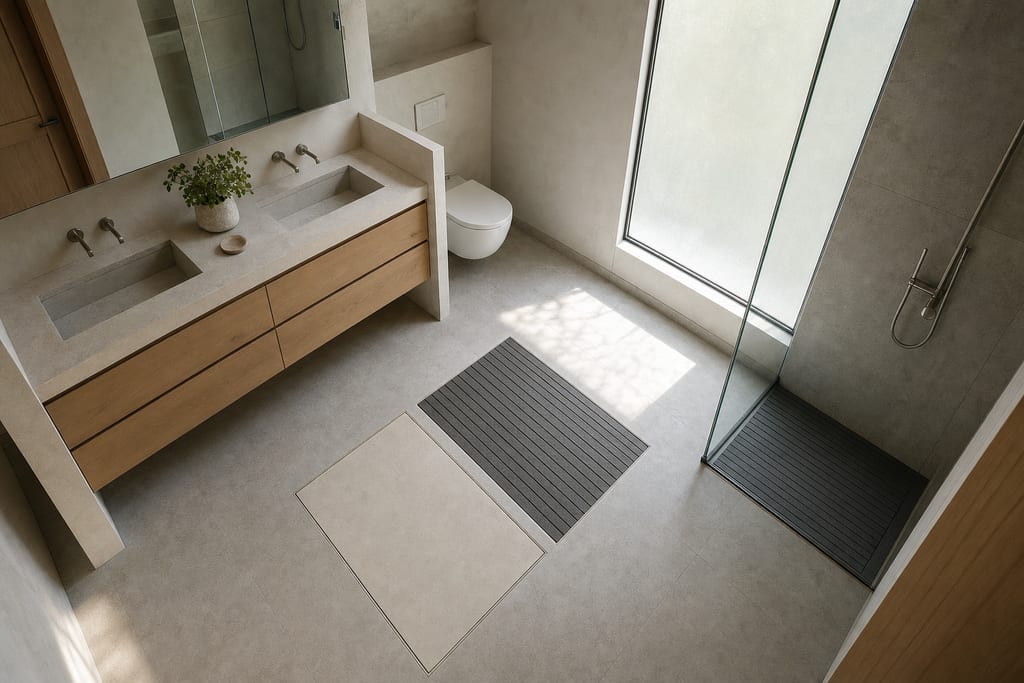
Stone Bath Mat - Rain
But here's where it gets interesting. Unlike fabric mats that trap water in their fibers, stone mats let water evaporate right at the surface level. The porous structure allows air to flow through, which speeds up evaporation dramatically.
- Natural diatomaceous earth has millions of tiny pores per square inch
- Water spreads across the surface instead of soaking deep into layers
- Air circulation happens through the material, not just around it
- No fabric fibers to hold moisture against the surface
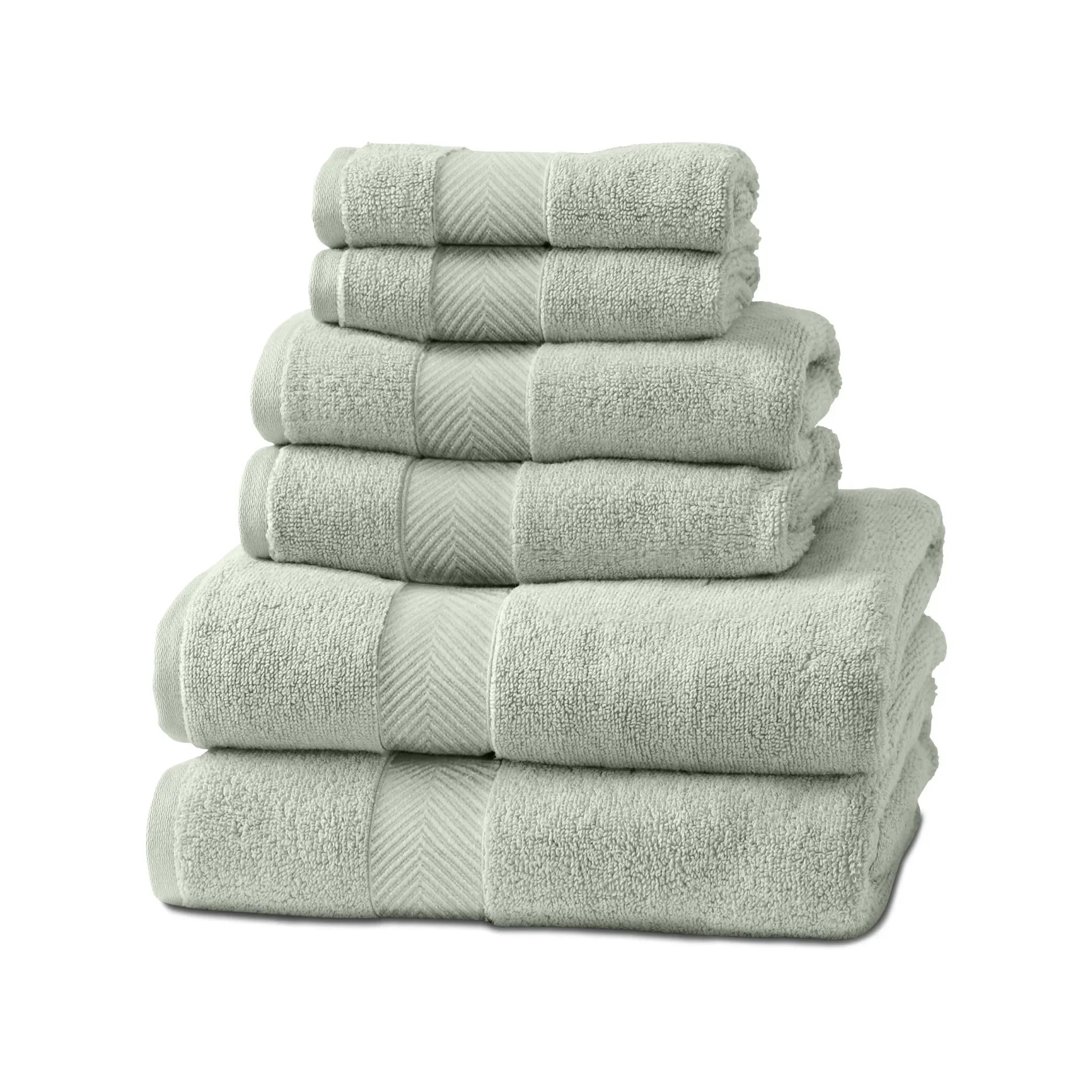
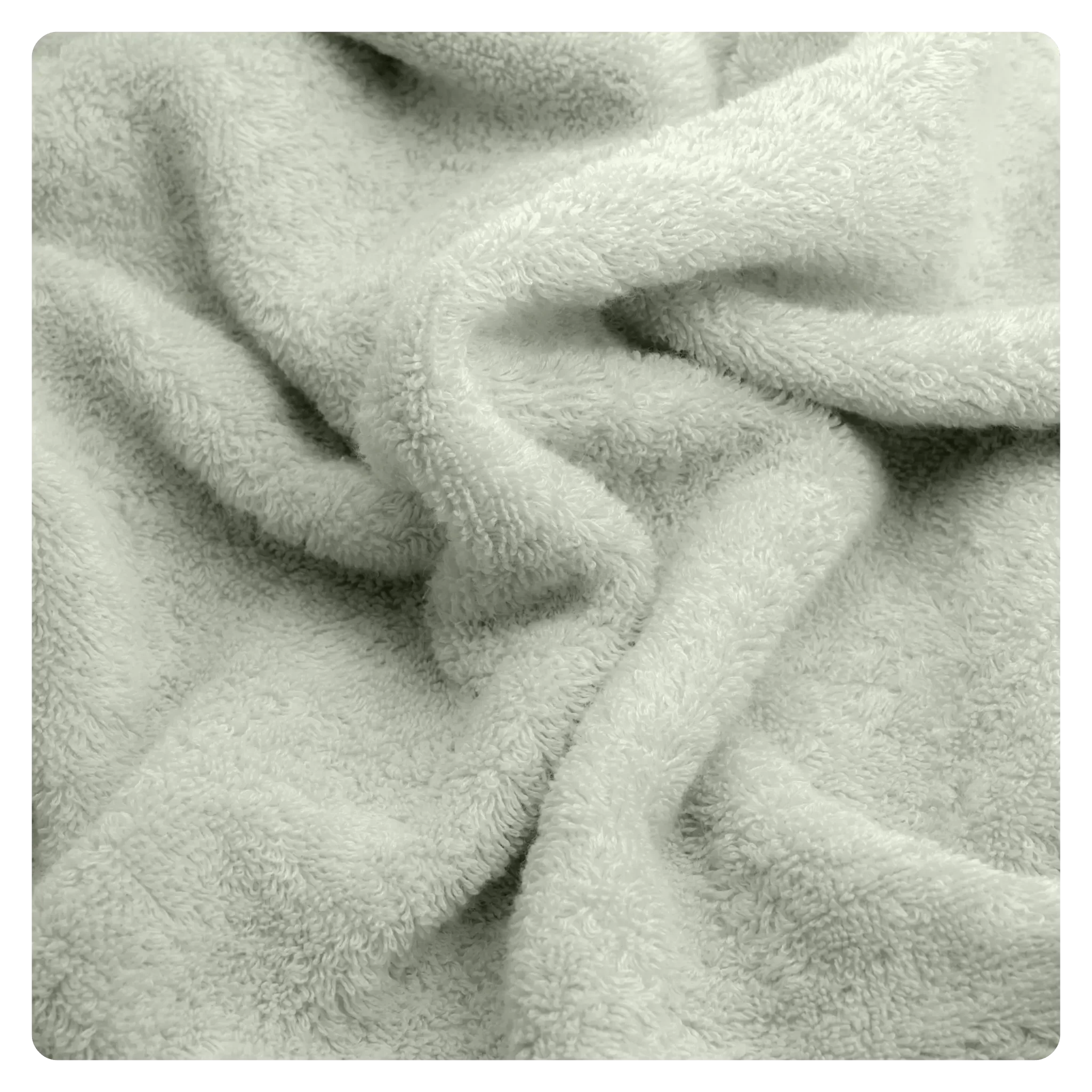
Traditional fabric mats work against themselves. The same soft fibers that feel nice under your feet also trap water between threads and layers. Cotton and microfiber mats can hold several times their weight in water, which means all that moisture has to slowly evaporate from deep within the material. Our Stone Bath Mat collection uses this natural diatomaceous earth property to keep your bathroom floor dry without any of that trapped moisture problem.
Synthetic materials like memory foam add another layer of complexity. They're designed to be cushiony and comfortable, but that foam structure holds onto water even longer than natural fibers. The closed-cell foam that makes them soft also prevents air from moving through, slowing down the drying process even more.
Real Impact on Your Daily Bathroom Routine
The difference between a 60-second dry time and a 12-hour dry time isn't just about numbers. It changes how you use your bathroom every single day. Think about how often you wash your current bath mat. If you're like most people, it's probably once a week, maybe twice if you're really on top of things. But doctors recommend washing fabric bath mats every three to four days to prevent bacterial buildup.
Stone mats eliminate the laundry cycle completely. Since they dry in under a minute, bacteria and mold don't have time to establish themselves on the surface. You'll never need to throw them in the washing machine or hang them over the tub to dry.
- No more damp, musty smell in your bathroom
- Less time spent cleaning water spots off the floor
- Better for families where multiple people shower back-to-back
- Saves water and energy from constant washing cycles
- One-time purchase instead of replacing worn fabric mats every year
For households with multiple people, the fast drying time makes a huge difference. When your teenager takes a shower right after you do, they're not stepping onto a soggy mat. Each person gets a dry surface, which is especially nice during busy morning routines when everyone's trying to get ready at once.
The next generation of home essentials: naturally made, cleaner by design, sustainable by nature.
SHOP ALLThe cost savings add up over time too. Fabric mats need replacing every 12 to 18 months as they wear out from repeated washing. Stone mats last for years with minimal maintenance. You might spend a bit more upfront, but you're not buying new mats every year or running extra loads of laundry every week. Plus, you're not dealing with that gross feeling of stepping onto a mat that's still damp from someone else's shower hours ago.
If you're interested in other quick-drying solutions for your home, check out our bathroom collection which includes matching accessories that use the same diatomaceous earth technology.
Breaking Down the Cost of Slow-Drying Mats
Most people think a $15 fabric bath mat is cheaper than a $59 stone one. But when you add up what you're actually spending over a year, the numbers tell a different story. Traditional fabric mats need constant washing, which means your washing machine is running more often than it should. That electricity adds up fast, and so does the water bill. Plus, those damp mats sitting in your bathroom create the perfect home for mold and bacteria, which the EPA warns can cause health problems if left unchecked.
The Real Numbers Behind Fabric Mats
Let's break down what you're actually spending each year. A typical household washes their bath mat once a week, sometimes more if you have kids or pets.
| Expense Type | Fabric Bath Mat (Annual) | Stone Bath Mat (Annual) |
|---|---|---|
| Washing costs | $52-78 | $0 |
| Replacement frequency | 2-3 times | 0 times |
| Mat purchases | $30-45 | $0 |
| Time spent (hours) | 8-12 hours | Under 1 hour |
Hidden Costs You Don't See
The washing machine expenses are just the start. Fabric mats typically need replacing every 4-6 months because they start to smell or show visible mold growth. That's two to three new mats per year at minimum.
- Energy consumption from 52+ wash cycles annually
- Detergent costs adding $15-20 per year
- Dryer usage or time waiting for air-drying
- Water bills increasing from frequent washing
Then there's your time. Loading the washer, moving mats to the dryer, folding, and putting them back takes about 15 minutes per wash. Over a year, that's nearly 13 hours spent just maintaining your bath mat.
What Stone Mats Actually Save
Stone bath mats like our Natureva collection need zero washing cycles. They dry in seconds, so mold never gets a chance to grow. The upfront cost pays for itself within the first year when you factor in replacement mats and laundry expenses.
- No electricity used for washing or drying
- Zero replacement costs for years
- Simple wipe-down maintenance takes seconds
- No detergent or fabric softener needed
Your Next Step to a Cleaner Bathroom
The numbers don't lie when it comes to drying times. Traditional fabric bath mats can stay damp for hours or even days, creating the perfect environment for bacteria and mold to grow. Stone bath mats made from diatomaceous earth dry in minutes, not hours. That's a huge difference when you think about what's happening on your bathroom floor every single day.
The choice of bath mat affects more than just wet feet. It impacts how often you need to wash your mat, how your bathroom smells, and whether you're dealing with mildew stains. A faster-drying mat means less time spent on bathroom maintenance and fewer worries about what's growing in those damp fibers.
Our Natureva stone bath mats offer that quick-dry solution with styles like Tide, Arch, and Rain. They absorb water instantly and dry within seconds, which means your bathroom stays cleaner with way less effort on your part.
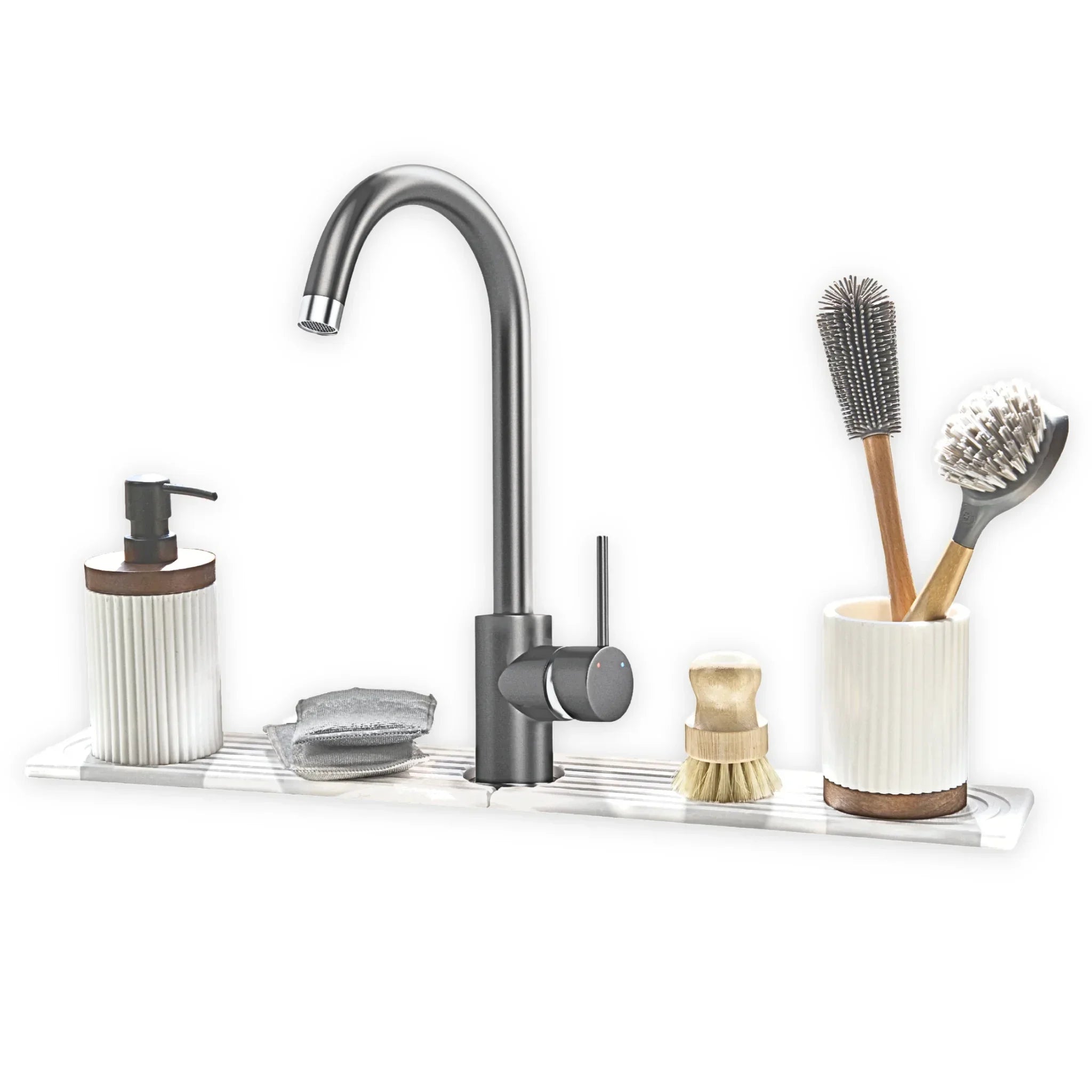
The same diatomaceous earth technology works throughout your home too. Check out our kitchen collection for dish mats and sink caddies that keep counters dry, or browse our accessories for drink coasters and plant saucers.
Still have questions about how stone bath mats work or how to care for them? The answers below cover everything you need to know.
Common Questions About Bath Mat Drying Times
Switching to a new type of bath mat raises plenty of questions, especially when you're dealing with something as different as stone. Most people have used fabric mats their whole lives, so the idea of stepping onto a hard surface after a shower feels strange at first. Here are the answers to the most common questions about bath mat drying times and what actually works in real bathrooms.
How can I make my fabric bath mat dry faster?
Hang your fabric bath mat over the shower rod or towel bar after each use instead of leaving it on the floor. You can also wash it more frequently and run it through an extra spin cycle to remove excess water. Some people use a fan in the bathroom or leave the door open to improve air circulation, though this only helps marginally with thick cotton mats.
Do stone bath mats work in humid climates?
Yes, stone bath mats actually perform better than fabric ones in humid environments because they don't rely on air evaporation alone. The diatomaceous earth material absorbs water into its porous structure and releases it through natural evaporation, which happens even in high humidity. Traditional fabric mats stay damp for hours in humid bathrooms, while stone mats like our Natureva Stone Bath Mat dry within minutes regardless of climate.
How do you clean and maintain a stone bath mat?
Stone bath mats need very little maintenance compared to fabric ones. Simply wipe them down with a damp cloth every week or two, and let them air out in sunlight once a month to refresh the material. You never need to throw them in the washing machine, which saves time and energy.
Are stone bath mats slippery when wet?
Stone bath mats have a naturally textured surface that provides grip even when wet. The material absorbs water so quickly that your feet rarely encounter a slick surface. Most users find them less slippery than wet fabric mats, which can bunch up or slide around on tile floors.
How long do different bath mat types last?
Fabric bath mats typically last 1-2 years before they start to smell, lose absorbency, or fall apart in the wash. Stone bath mats can last 5-10 years with proper care since they don't harbor bacteria or break down from repeated washing. The upfront cost is higher, but the longevity makes them more economical over time.
What is the best way to extend any bath mat lifespan?
Keep any bath mat as dry as possible between uses. For fabric mats, this means hanging them up and washing them weekly. For stone mats, just prop them upright against the wall occasionally to let both sides breathe. The key factor is preventing constant moisture exposure, which degrades fabric and can eventually affect even durable stone materials.
The next generation of home essentials: naturally made, cleaner by design, sustainable by nature.
SHOP ALL