

Comparison of Pet Mat Cleaning Methods for Dogs
You've just filled your dog's water bowl, and within minutes there's a puddle spreading across your kitchen floor while kibble crumbs stick to wet paw prints everywhere. Most dog owners spend 10-15 minutes every single day wiping up spills and scrubbing around their pet's feeding station, but the real problem isn't the mess itself—it's using the wrong cleaning method for your dog food mat material.
Table of Contents
Why Your Dog Food Mat Gets So Dirty
Most dog owners don't realize that their pet's feeding area is one of the germiest spots in their home. Every time your dog eats or drinks, they're creating a perfect storm of moisture, food particles, and bacteria. The splashing, drooling, and food pushing that seems so normal is actually turning that dog food mat into a breeding ground for things you definitely don't want in your house.
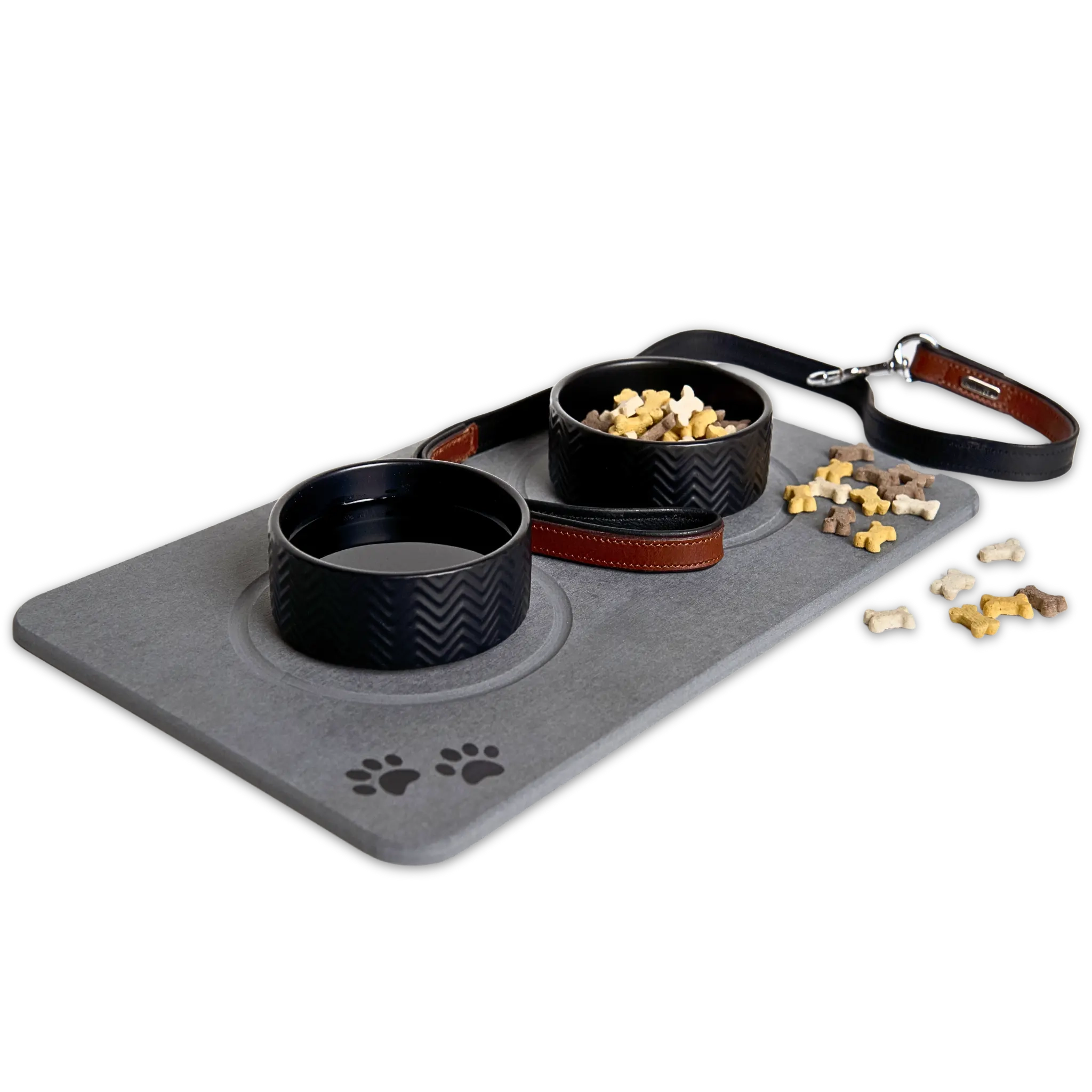
Stone Pet Mat
How Dogs Create Mess While Eating
Dogs aren't exactly known for their table manners. Their eating habits naturally create moisture and mess that gets trapped in whatever mat you're using.
- Dogs splash water with their tongues, sending droplets several inches around their bowl
- They push kibble out of bowls while eating, grinding it into the mat surface
- Drool and food residue mix together, creating a sticky film that attracts dirt
- Some dogs dunk their entire snouts in water bowls, then walk across the mat
The Moisture Problem Nobody Talks About
Here's where things get really gross. Traditional fabric and rubber mats hold onto moisture like a sponge, and that trapped water becomes a perfect home for bacteria and mold. The CDC recommends regular cleaning and disinfecting of pet supplies to prevent harmful bacteria growth, but most people don't realize how quickly their dog food mat becomes contaminated.
The average fabric pet mat can absorb up to three times its own weight in water. That means a one-pound mat could be holding three pounds of dirty water, food particles, and bacteria right there on your kitchen floor.
Material Matters More Than You Think
Not all dog food mat materials are created equal. Some dry quickly while others stay damp for hours or even days. The difference comes down to how the material handles moisture at a microscopic level.
| Material Type | Moisture Retention | Drying Time | Bacteria Risk |
|---|---|---|---|
| Fabric/Cotton | Very High | 4-8 hours | High |
| Rubber/Silicone | Medium | 2-4 hours | Medium |
| Plastic | Low | 1-2 hours | Medium |
| Diatomaceous Stone | Very Low | 15-30 minutes | Low |
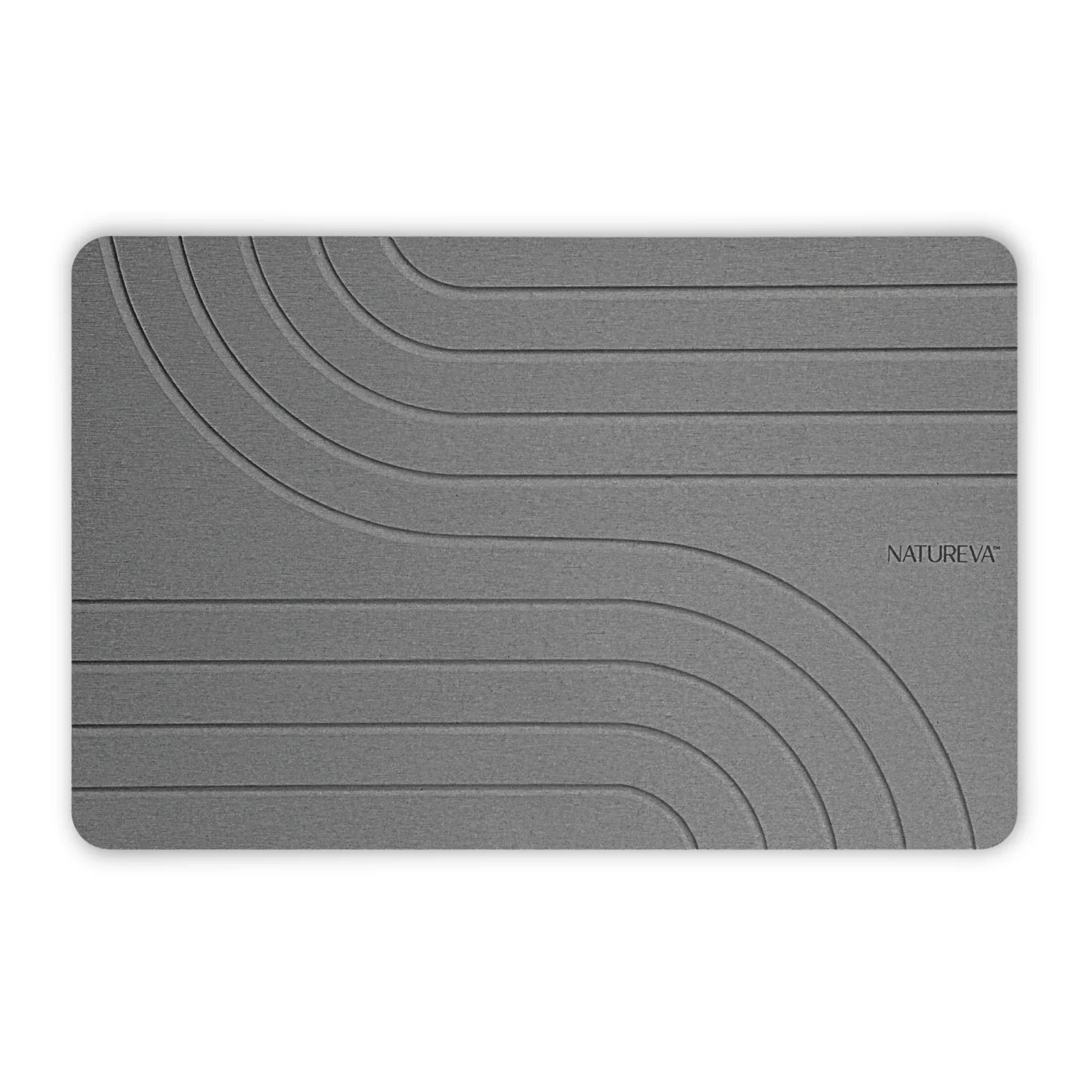
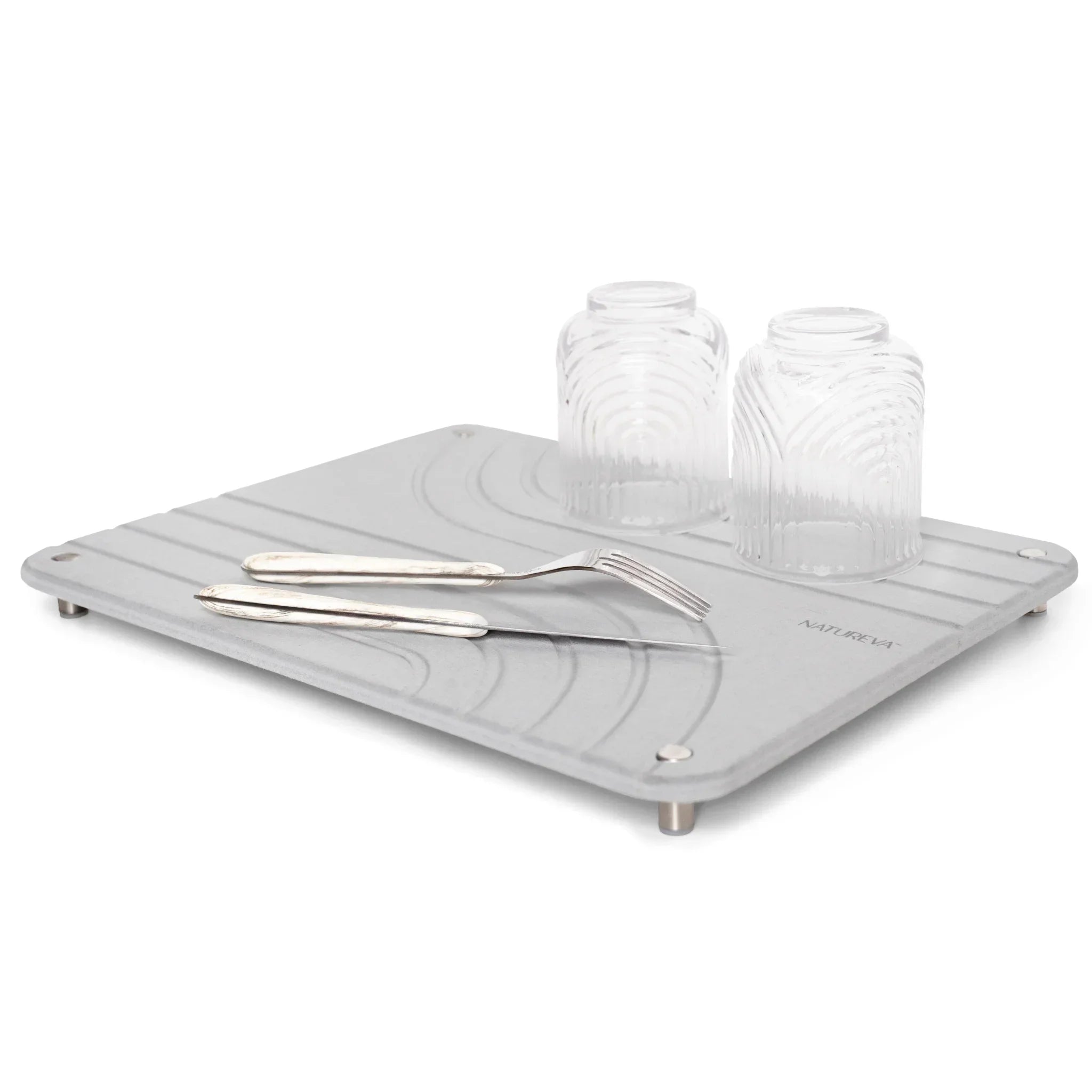
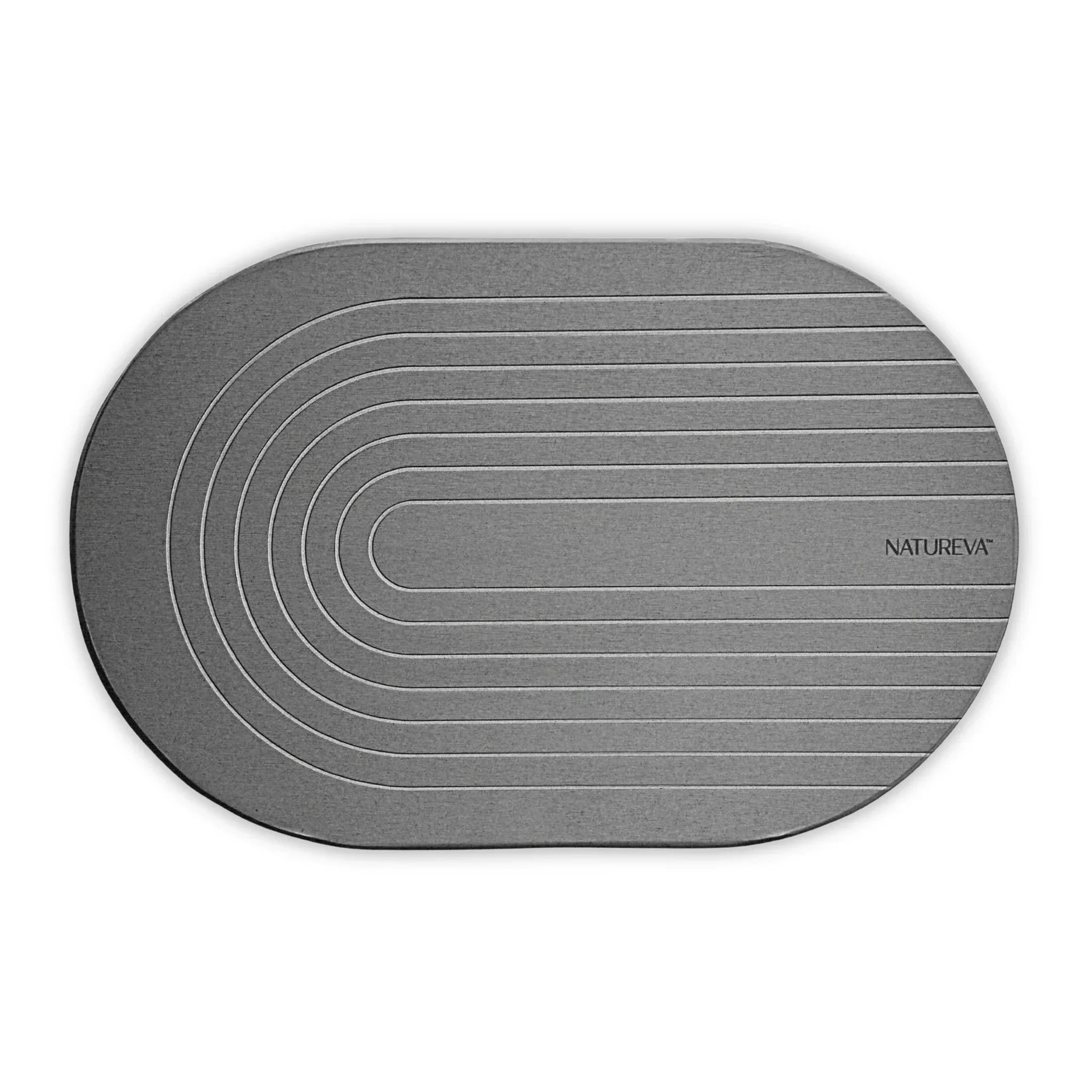
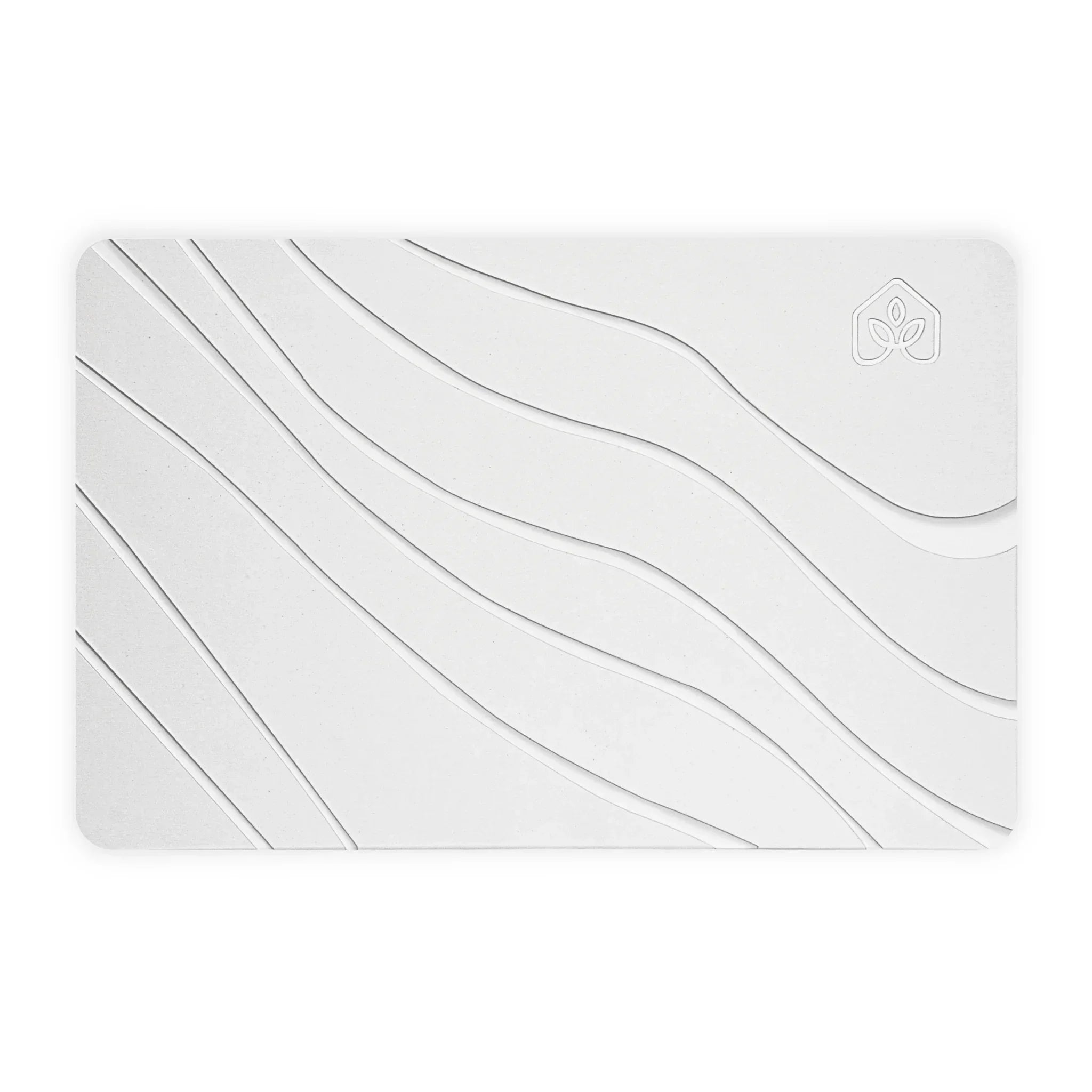
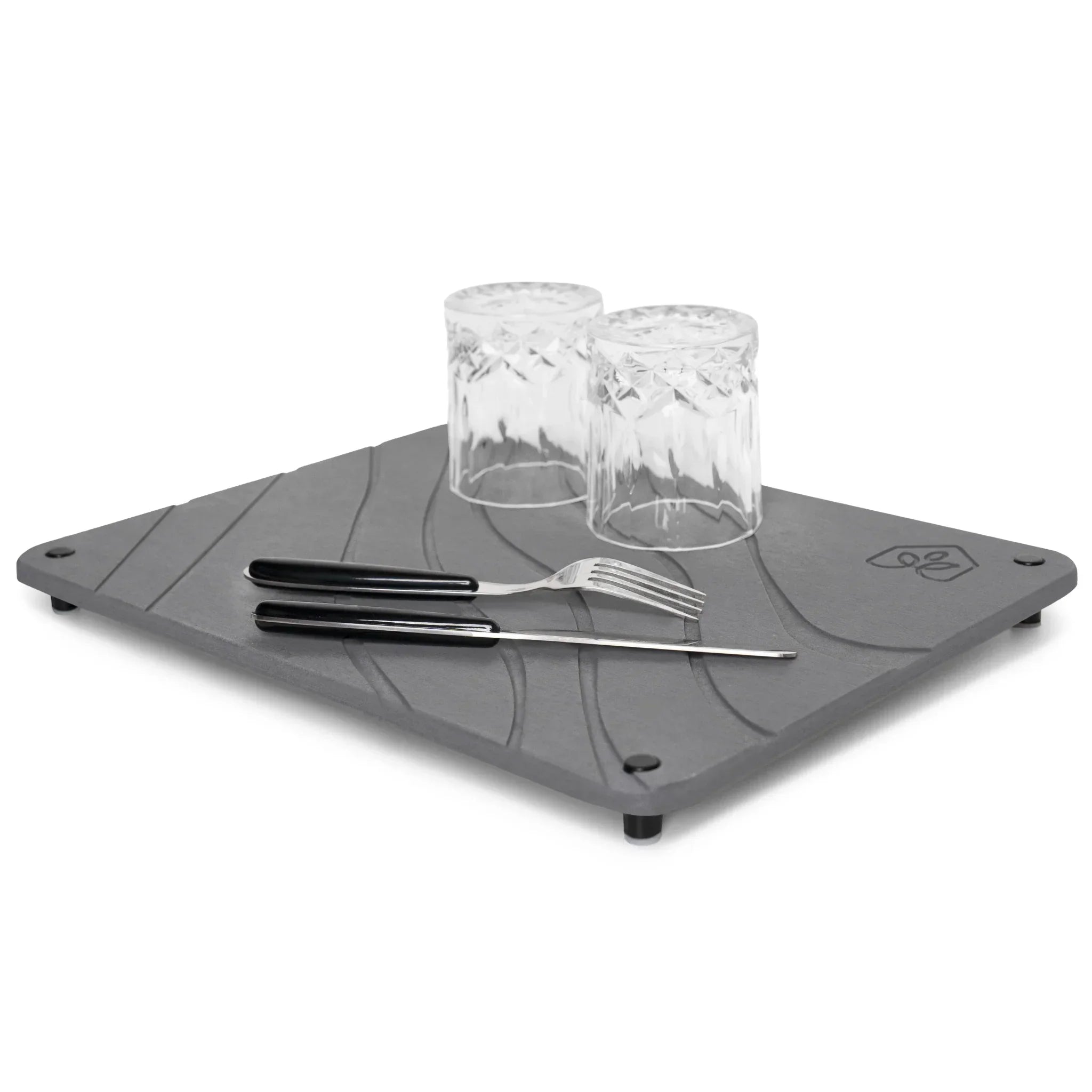
Stone-based mats like our Natureva Stone Pet Mat work differently than traditional materials. Instead of trapping moisture, the natural diatomaceous earth actively pulls water into millions of tiny pores where it evaporates quickly. This means less time for bacteria to grow and way less scrubbing for you.
- Fabric mats need machine washing every few days to stay sanitary
- Rubber mats develop that slimy feeling that's hard to clean off
- Stone mats naturally resist bacterial growth through rapid moisture evaporation
Machine Washing Fabric and Silicone Mats
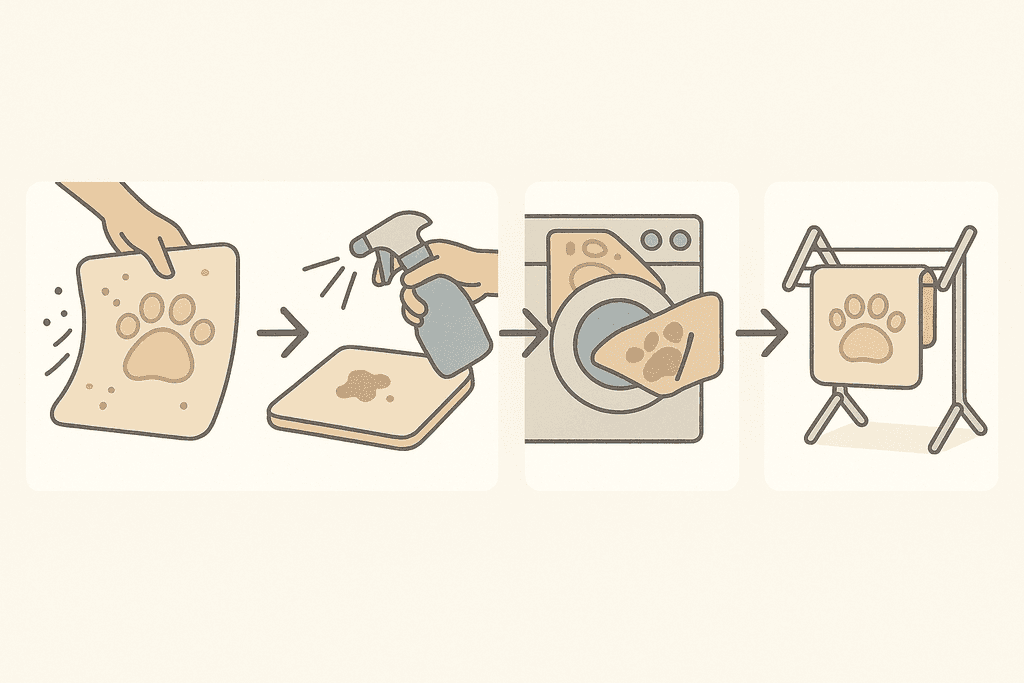
Most dog owners start with fabric or silicone mats because they seem like the easy choice. You toss them in the washing machine, and you're done, right? Not quite. The reality is that these mats need a lot more attention than you might think. Fabric mats need washing every 3-5 days to prevent odor and bacteria buildup, which means you're doing laundry constantly just to keep your dog's feeding area clean.
The process isn't as simple as throwing the mat in with your regular clothes either. Silicone mats require hand scrubbing before machine washing for best results, otherwise food particles and slobber just bake into the material. You'll need to use hot water and pet-safe detergents to actually kill bacteria, and even then, you're looking at a time commitment most people don't expect.
The Washing Process Step by Step
- Shake off loose food debris and hair outside
- Pre-scrub any stuck-on food with a brush
- Run through washing machine on hot cycle with pet-safe detergent
- Air dry completely before putting back down
- Check for wear and tear after each wash
Here's what nobody tells you about the drying time. Thick fabric mats can take 24-48 hours to dry completely, which means you either need multiple mats to rotate or your dog goes without one for two days. And if you don't let them dry all the way through, you're creating the perfect environment for mold and mildew to grow.
Machine Washing Fabric and Silicone Mats
The lifespan of these mats is another issue that catches people off guard. Many fabric mats deteriorate after 20-30 washes, which means you're replacing them every few months if you're washing them as often as you should. That adds up fast, both in money and in trips to the pet store.
Hand Cleaning Rubber and Plastic Mats
Rubber and plastic mats seem like they'd be easier to maintain since you can just rinse them off. But anyone who's actually used one knows the truth. Rubber mats need daily wiping to prevent sticky residue buildup from water and food mixing together. Skip a day or two, and you'll be scraping off a film that feels like it's permanently bonded to the surface.
Plastic mats can be rinsed in the sink, but that only handles the surface level mess. The real problem is stuck-on food that hardens throughout the day. You'll need to scrub these areas with a brush, and if your mat has any texture or raised edges, food particles love to hide in those spots.
| Method | Pros | Cons |
|---|---|---|
| Daily Wiping | Quick, prevents buildup | Must do daily |
| Sink Rinsing | Easy access, fast | Doesn't remove stuck food |
| Vinegar Soak | Removes odors naturally | Takes 30+ minutes |
| Brush Scrubbing | Gets into grooves | Time-consuming, tiring |
Vinegar solutions help remove odors from rubber materials, which is good because rubber tends to absorb smells over time. Mix equal parts water and white vinegar, let the mat soak for about 30 minutes, then scrub and rinse. It works, but it's another step in an already tedious process.
The drying situation is better than fabric mats, at least. These mats dry faster but still need 2-4 hours before you can put them back down. And those grooves and textures that make the mat non-slip? They trap food particles that need brush cleaning every single time. Research on canine decontamination shows that textured surfaces require more thorough cleaning to prevent bacterial growth.
Self-Cleaning Stone Mat Technology
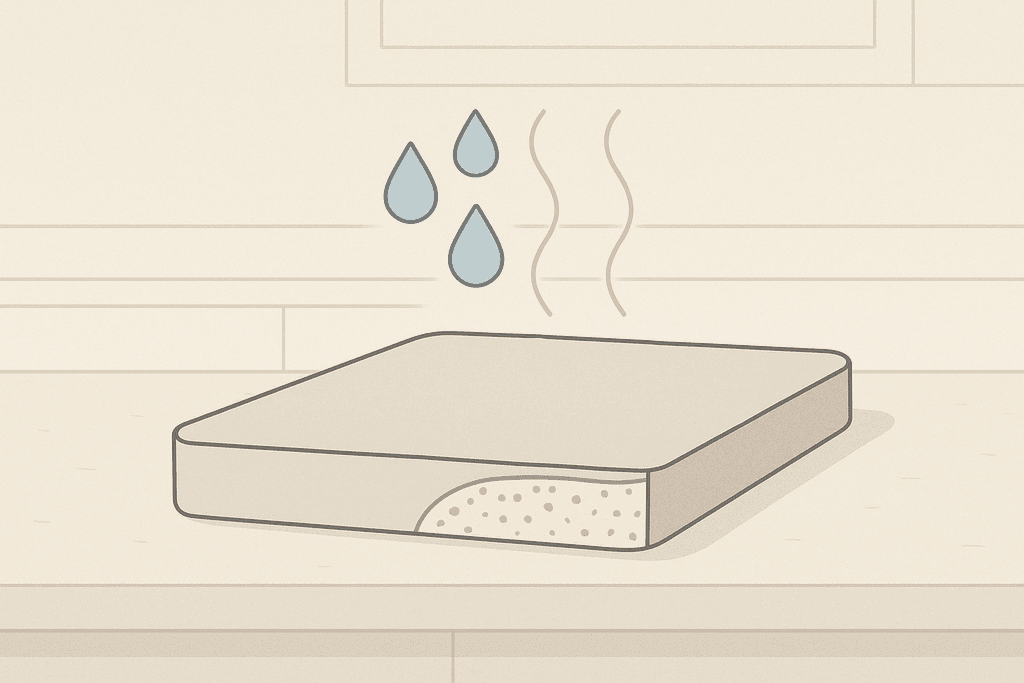
There's a different approach that most dog owners don't know about yet. Stone mats made from diatomaceous earth work completely differently than traditional materials. Instead of trapping moisture and requiring constant washing, these mats absorb water instantly through millions of microscopic pores. The water doesn't just sit there either, it evaporates naturally within minutes without you doing anything.
The science behind it is pretty straightforward. Diatomaceous earth is made from fossilized algae that creates a porous structure at the microscopic level. When water hits the surface, it gets pulled into these tiny pores and spreads out, which dramatically increases the surface area exposed to air. More surface area means faster evaporation, and faster evaporation means the mat dries itself.
What This Means for Daily Maintenance
- No washing cycles needed - the mat handles moisture on its own
- No drying time - ready to use again in minutes
- No chemical cleaners required - the material naturally inhibits bacteria
- Weekly wipe-down is the only maintenance you'll do
The material naturally inhibits bacteria and mold growth without chemicals, which is something fabric and rubber mats can't claim. You're not relying on hot water or detergents to sanitize the surface. The stone itself creates an environment where bacteria struggles to survive because there's no moisture for it to thrive in.
Hand Cleaning Rubber and Plastic Mats
A simple weekly wipe-down with a damp cloth is the only maintenance needed. That's it. No scrubbing grooves, no soaking in vinegar, no waiting two days for something to dry. The Natureva Stone Pet Mat eliminates the need for constant washing and drying cycles, which means you get your time back for actually spending it with your dog instead of cleaning up after them.
The next generation of home essentials: naturally made, cleaner by design, sustainable by nature.
SHOP ALL| Mat Type | Cleaning Frequency | Drying Time | Lifespan |
|---|---|---|---|
| Fabric | Every 3-5 days | 24-48 hours | 20-30 washes |
| Rubber/Plastic | Daily wiping | 2-4 hours | 6-12 months |
| Stone | Weekly wipe | Self-drying | Years |
The difference becomes obvious when you look at the actual time investment. Traditional mats turn feeding time into a cleaning project that never really ends. Stone mats let you set it and forget it, which is how it should be. Your dog's feeding area stays clean and dry without turning into another chore on your already long list.
Time and Cost Analysis of Different Cleaning Methods
Most pet owners don't realize they're spending nearly a full workday each month just cleaning their dog food mat. When you add up the daily wipe-downs, weekly deep cleans, and constant trips to the washing machine, those minutes turn into hours fast. The real eye-opener comes when you calculate what all that cleaning actually costs in water, electricity, and replacement mats over a year.
The Hidden Costs of Traditional Fabric Mats
Fabric and silicone mats seem cheap at first, but the ongoing expenses add up quickly. Between machine washing cycles and hand scrubbing sessions, you're looking at serious time and money going down the drain.
- Weekly machine washing runs cost $2-3 in combined water and electricity
- Average household spends 6-8 hours monthly on mat cleaning tasks
- Fabric mats need replacement every 6 months at $25-40 each
- Mold and bacteria growth requires frequent deep cleaning with special products
- Water usage for rinsing and washing totals 50+ gallons monthly
The math gets worse when you factor in how quickly traditional mats wear out. That $15 mat from the pet store might seem like a bargain until you're buying your third one in 18 months.
Why Stone Mats Change the Equation
Stone-based options like our Stone Pet Mat require less than 5 minutes of weekly maintenance with no replacement costs down the line. The natural diatomaceous earth material does the heavy lifting for you by absorbing moisture instantly and drying on its own.
| Mat Type | Weekly Time | Monthly Cost | Annual Replacement |
|---|---|---|---|
| Fabric | 90-120 min | $8-12 | $50-80 |
| Silicone | 45-60 min | $4-6 | $30-50 |
| Stone | 5 min | $0 | $0 |
The Environmental Impact Nobody Talks About
Water conservation matters more than most people think when choosing a dog food mat. Self-drying stone mats can save over 50 gallons of water monthly compared to mats that need constant rinsing and machine washing. Research on flooring materials and pet hygiene shows that surface choice directly impacts cleaning frequency and resource usage.
The time savings alone make a compelling case. Instead of spending nearly two hours weekly on mat maintenance, you get that time back for actual quality moments with your dog.
Finding Your Best Mat Cleaning Solution
Picking the right dog food mat really comes down to how much time you want to spend cleaning. If you're someone who doesn't mind scrubbing mats every few days, traditional fabric or silicone mats might work fine for you. But if you'd rather spend that time playing fetch or teaching new tricks, you need to think about the bigger picture.
The upfront cost of a mat is just one part of the equation. Those cheap fabric mats might seem like a bargain at first, but when you're replacing them every few months because they smell or fall apart, the costs add up fast. Plus there's all that time spent washing, drying, and dealing with stubborn stains that never quite come out.
Stone mats made from diatomaceous earth offer something different. The Stone Pet Mat basically cleans itself through natural evaporation, which means you're looking at maybe a quick wipe down once a week instead of constant scrubbing. The material actively prevents bacteria and mold growth, so you're not dealing with that musty smell that fabric mats get.
Here's what matters most when choosing your dog food mat:
- How much daily maintenance you can realistically handle
- Total cost over a year, not just the price tag
- Whether the mat actually stays clean between deep cleanings
- How quickly it dries after your dog makes a mess
The right choice can save you hours every month. That's time you could spend doing literally anything else. If you want to learn more about how stone mats work, check out our detailed guide or browse our full pet collection.
Still have questions about which cleaning method works best for your situation? We've got answers coming up next.
Common Questions About Dog Food Mat Cleaning
Cleaning your dog's feeding area raises a lot of questions, especially when you're trying to figure out the best routine for your specific mat type. Different materials need different care, and what works for one dog food mat might damage another. Here are the answers to the most common questions pet owners ask about keeping their feeding areas clean and hygienic.
How often should you clean a dog food mat?
Most dog food mats need a quick wipe-down after each meal and a deep clean once a week. If your dog is a messy eater or you have multiple pets, you might need to clean it every few days instead.
Can you put all pet mats in the washing machine?
No, only silicone and certain fabric mats are washing machine safe. Stone mats made from diatomaceous earth should never go in the washing machine because water exposure can damage their absorbent properties. Always check the care label before tossing any mat in the washer.
What's the fastest drying mat material?
Stone mats made from diatomaceous earth dry the fastest because they have millions of tiny pores that promote rapid evaporation. Our Stone Pet Mat actually dries in minutes rather than hours, which means less time waiting and less chance for bacteria to grow. Silicone and rubber mats can take several hours to fully dry, while fabric mats might need a full day.
Do stone mats really not need washing?
Stone mats don't need traditional washing with soap and water like other materials. They're self-drying and naturally antimicrobial, so a light sanding every few months is usually enough to refresh the surface. This makes them way easier to maintain than fabric or silicone options.
How do you remove stubborn stains from pet mats?
For silicone and rubber mats, a paste of baking soda and water works well on tough stains. Let it sit for 15 minutes before scrubbing. For fabric mats, enzyme cleaners break down organic stains better than regular detergent. Stone mats rarely stain, but if they do, light sanding removes the discolored layer.
What's the most hygienic mat material for dogs?
Stone mats offer the best hygiene because they dry so quickly that bacteria and mold don't have time to grow. Wet environments are where germs thrive, so a mat that stays dry naturally prevents most hygiene issues without needing constant washing. Fabric mats tend to be the least hygienic since they stay damp longer and trap food particles in their fibers.
The next generation of home essentials: naturally made, cleaner by design, sustainable by nature.
SHOP ALL