
Stone Dish Drying Mat vs Microfiber: Which One Actually Stays Clean
You know that smell. That musty, slightly sour odor that hits you when you walk into your kitchen. It's coming from your wet dish drying mat, and no amount of ignoring it makes it go away.
We tested both microfiber and stone dish drying mats for several weeks to see which one actually stays clean without constant babysitting. The results were clear, and one option dramatically outperformed the other.
Here's what we found when we put these two popular options head-to-head in real kitchen conditions.
The Absorbency Advantage
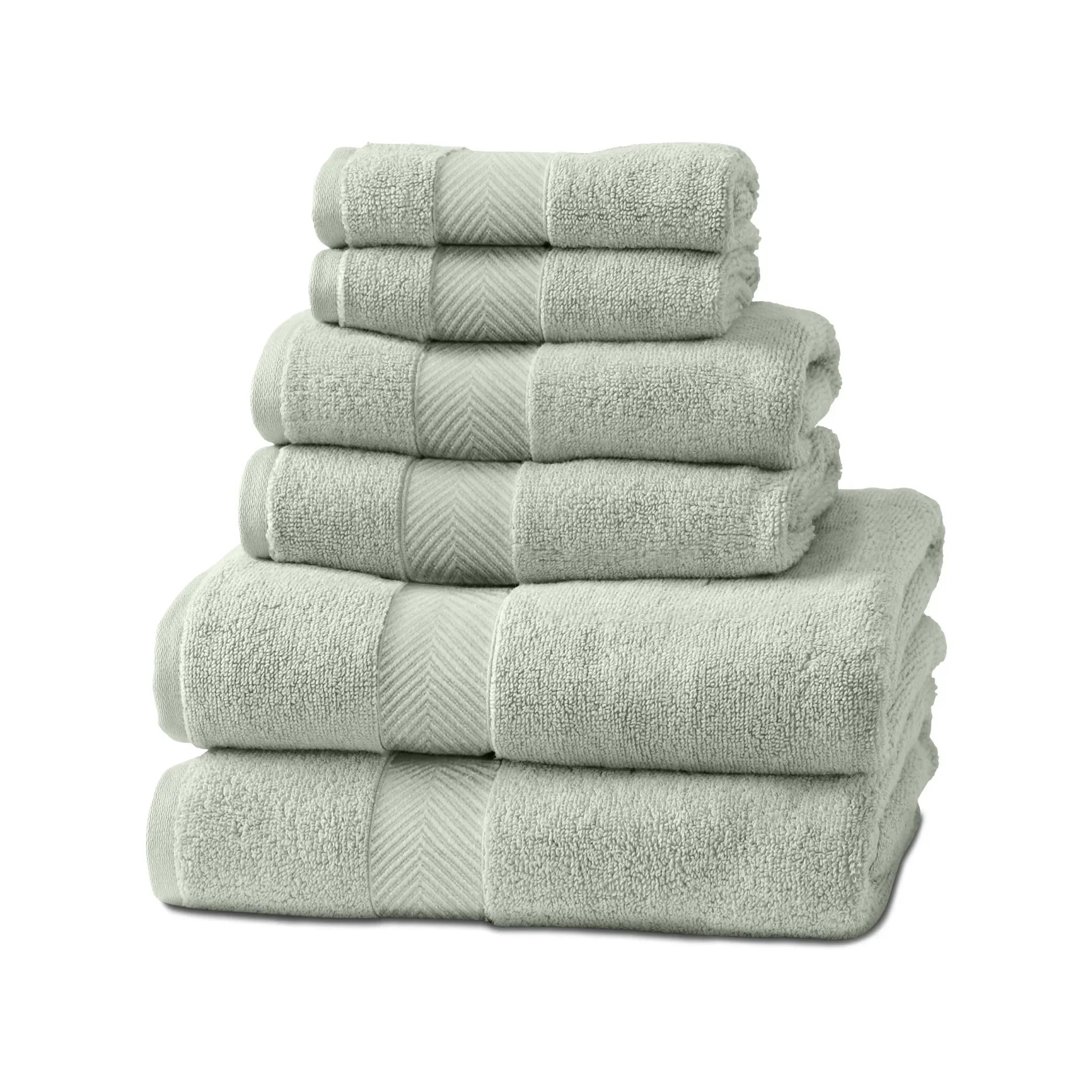
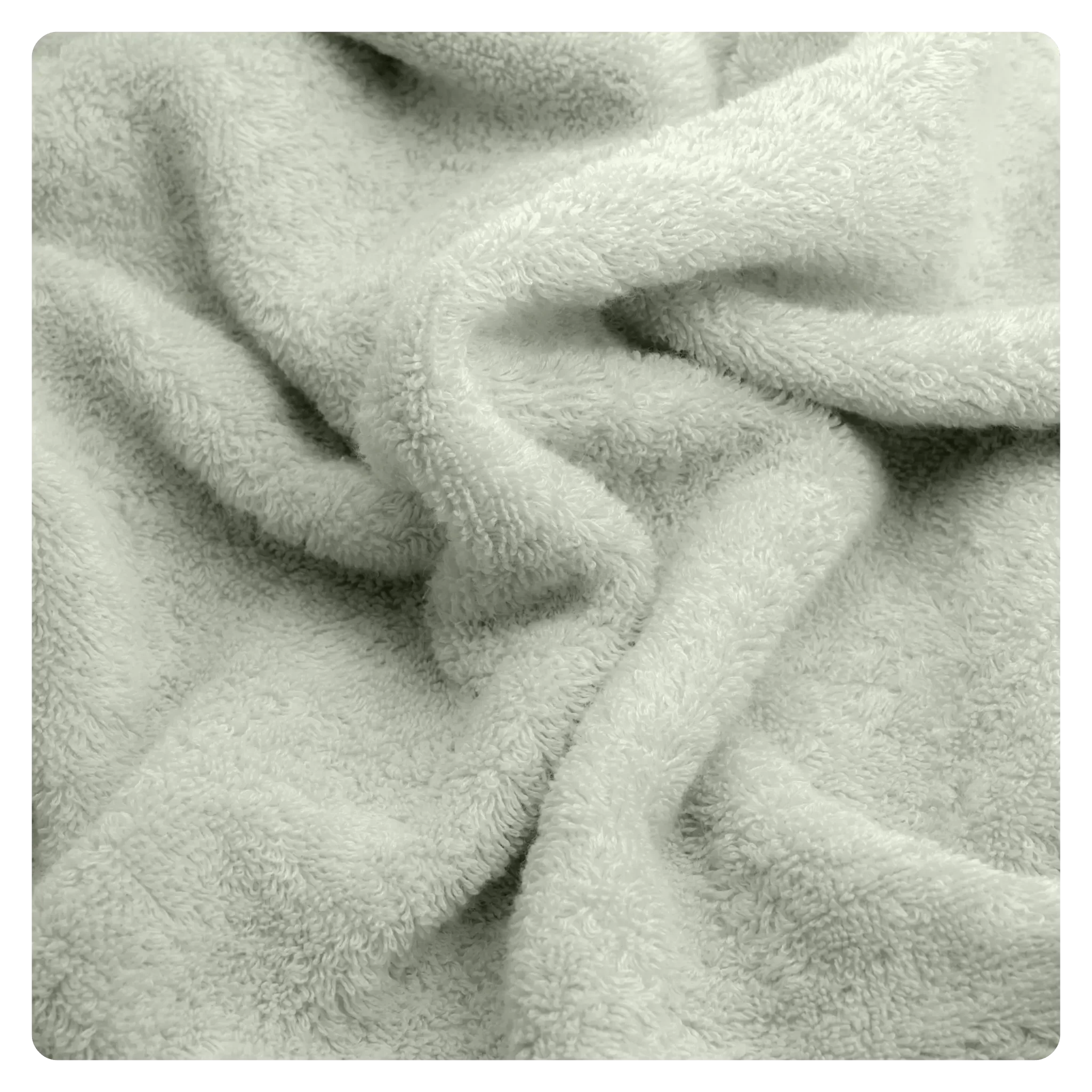
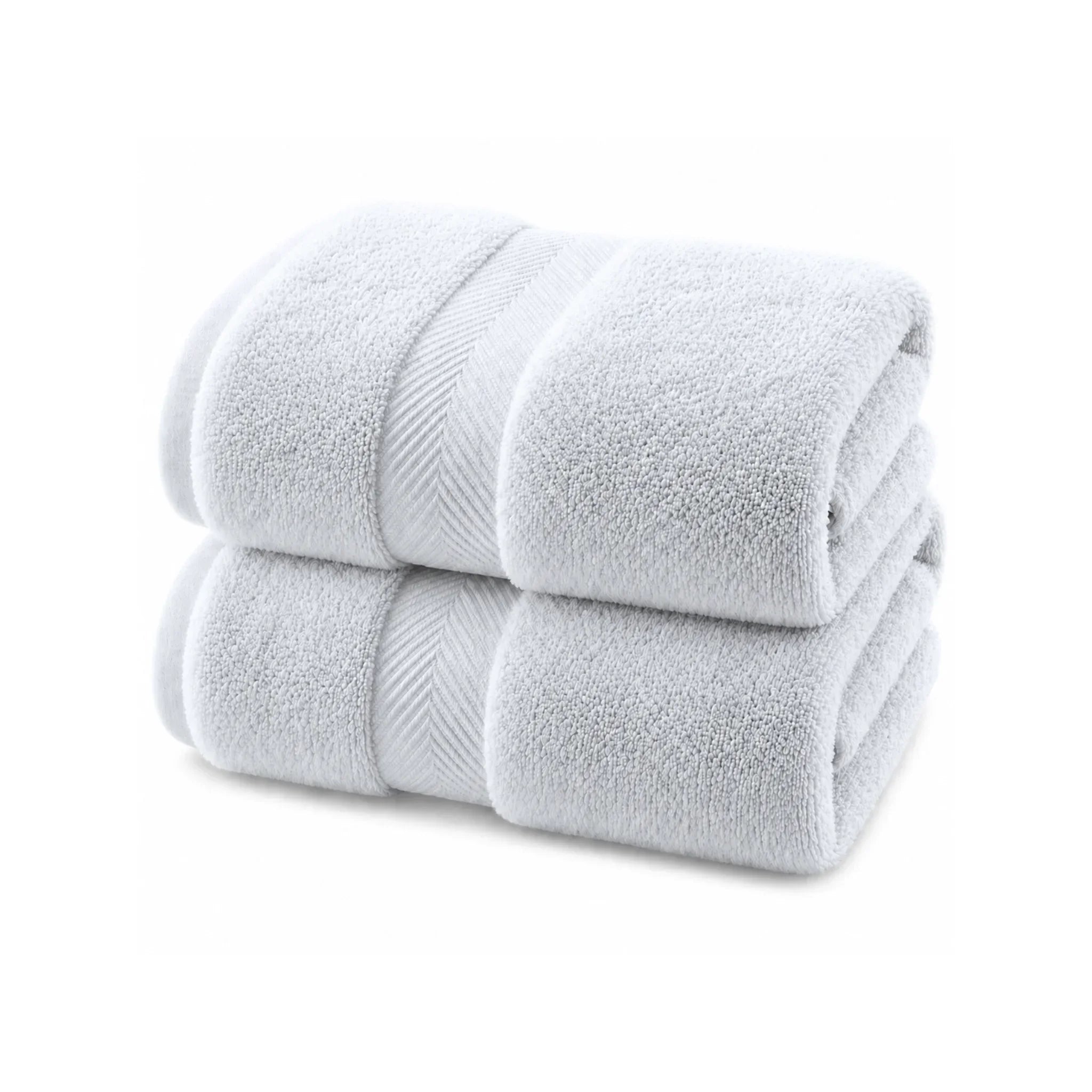
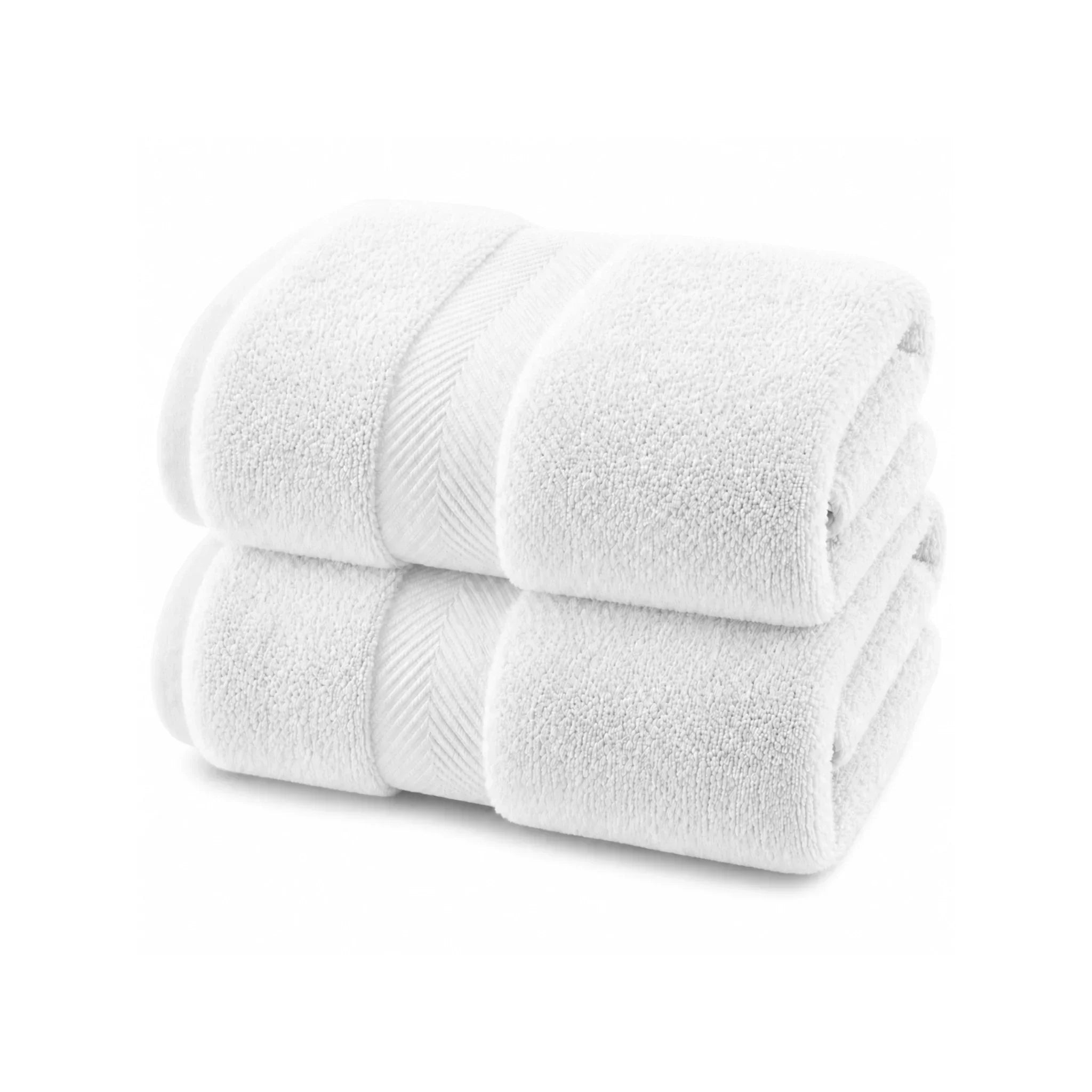
Microfiber mats excel at one thing: soaking up water fast. Those tiny synthetic fibers create massive surface area that pulls moisture away from your dishes almost instantly.
When you first use a microfiber mat, it feels like magic. Dishes dry quickly, and the mat itself seems to handle whatever you throw at it.
- Absorbs up to 7 times its weight in water
- Dries dishes faster than traditional cotton mats
- Soft surface won't scratch delicate glassware
- Available in various sizes and colors
The Hygiene Problem Nobody Talks About
Here's where things get ugly. That same absorbency that makes microfiber great also makes it a bacteria breeding ground. All that moisture gets trapped deep in those fibers.
Within 2-3 days of testing, our microfiber mat developed that telltale musty smell. By day five, it was genuinely unpleasant to be near.
- Retains moisture for hours after use
- Develops odors within 48-72 hours
- Requires washing every 3-4 days minimum
- Can harbor bacteria even after washing
- Needs complete drying between uses (which rarely happens)
The Maintenance Reality
Microfiber mats are machine washable, which sounds convenient until you realize you're washing them twice a week. That's 100+ washes per year just to keep your dish mat from smelling.
The constant washing also degrades the material over time, meaning you'll replace these mats every 6-12 months.
- Must be washed in hot water to kill bacteria
- Cannot use fabric softener (reduces absorbency)
- Takes up washer space frequently
- Costs $10-25 initially but requires replacement
How Stone Mats Actually Work
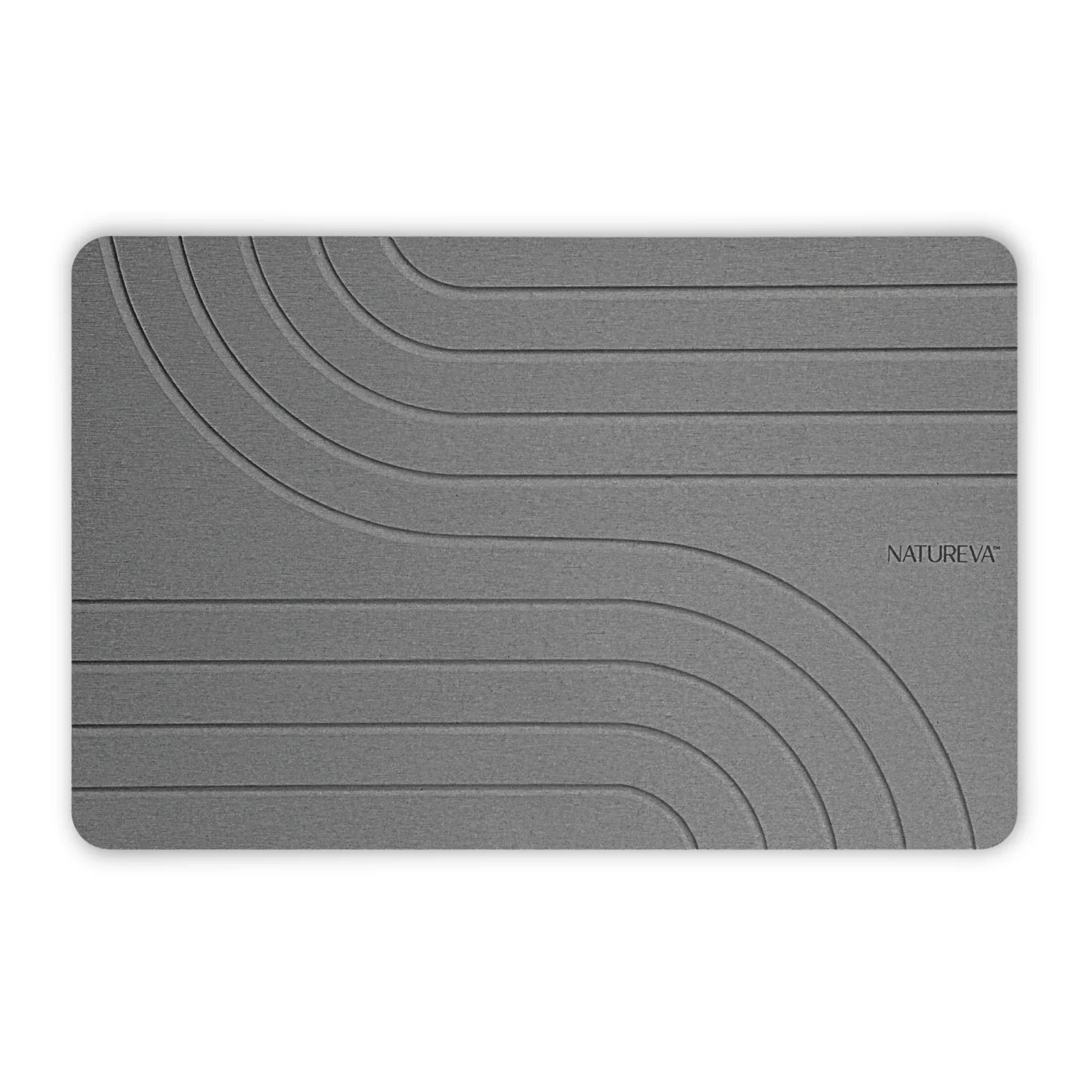
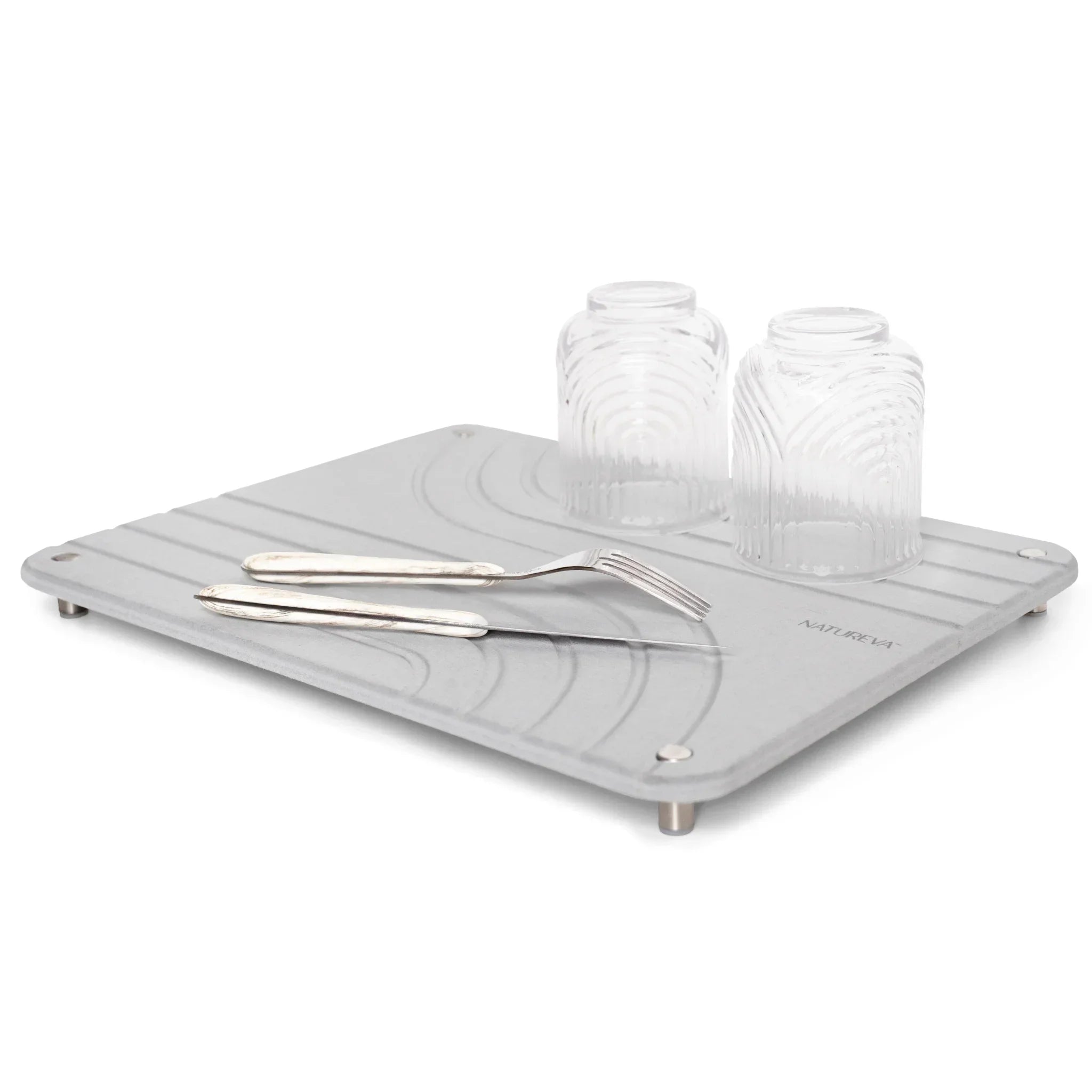
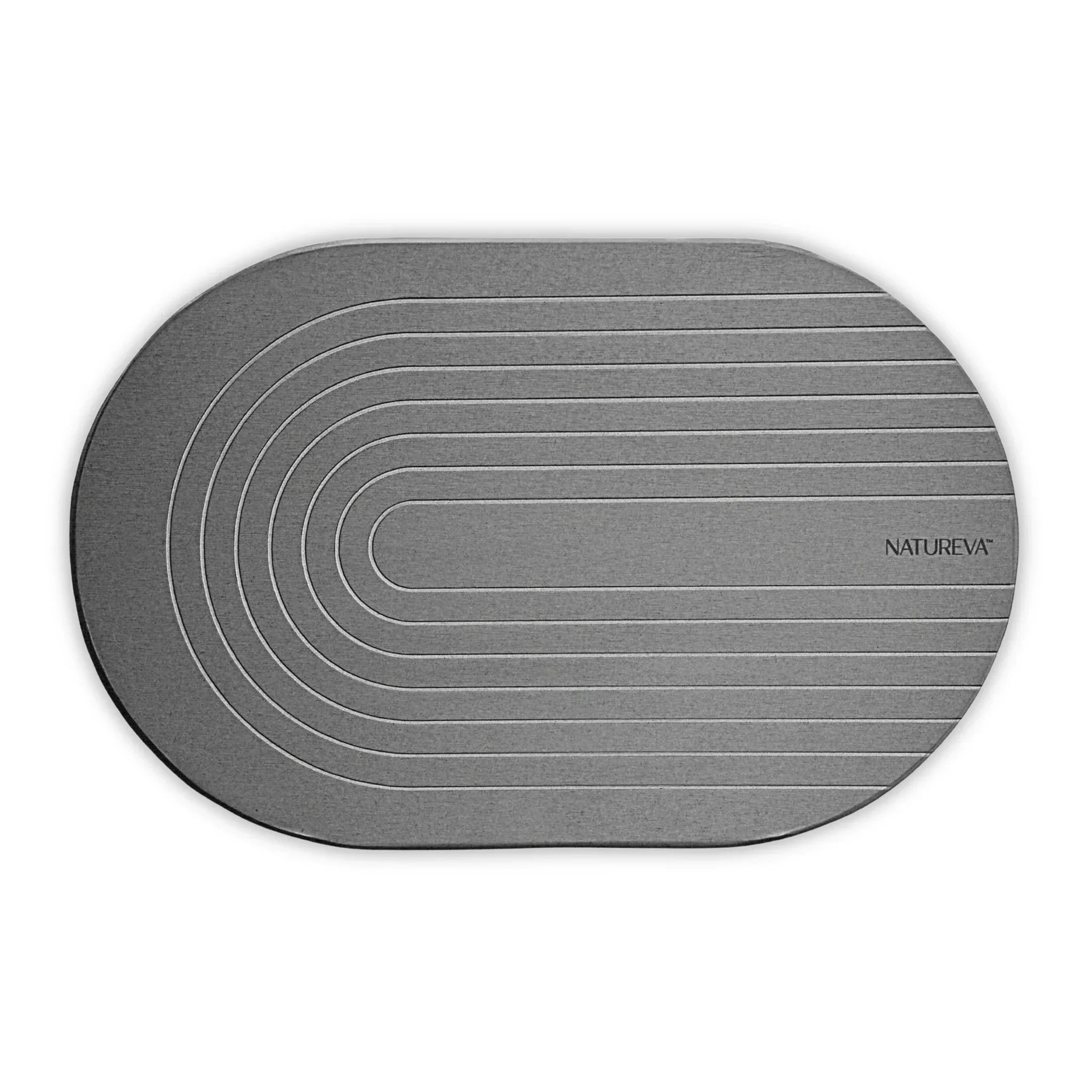
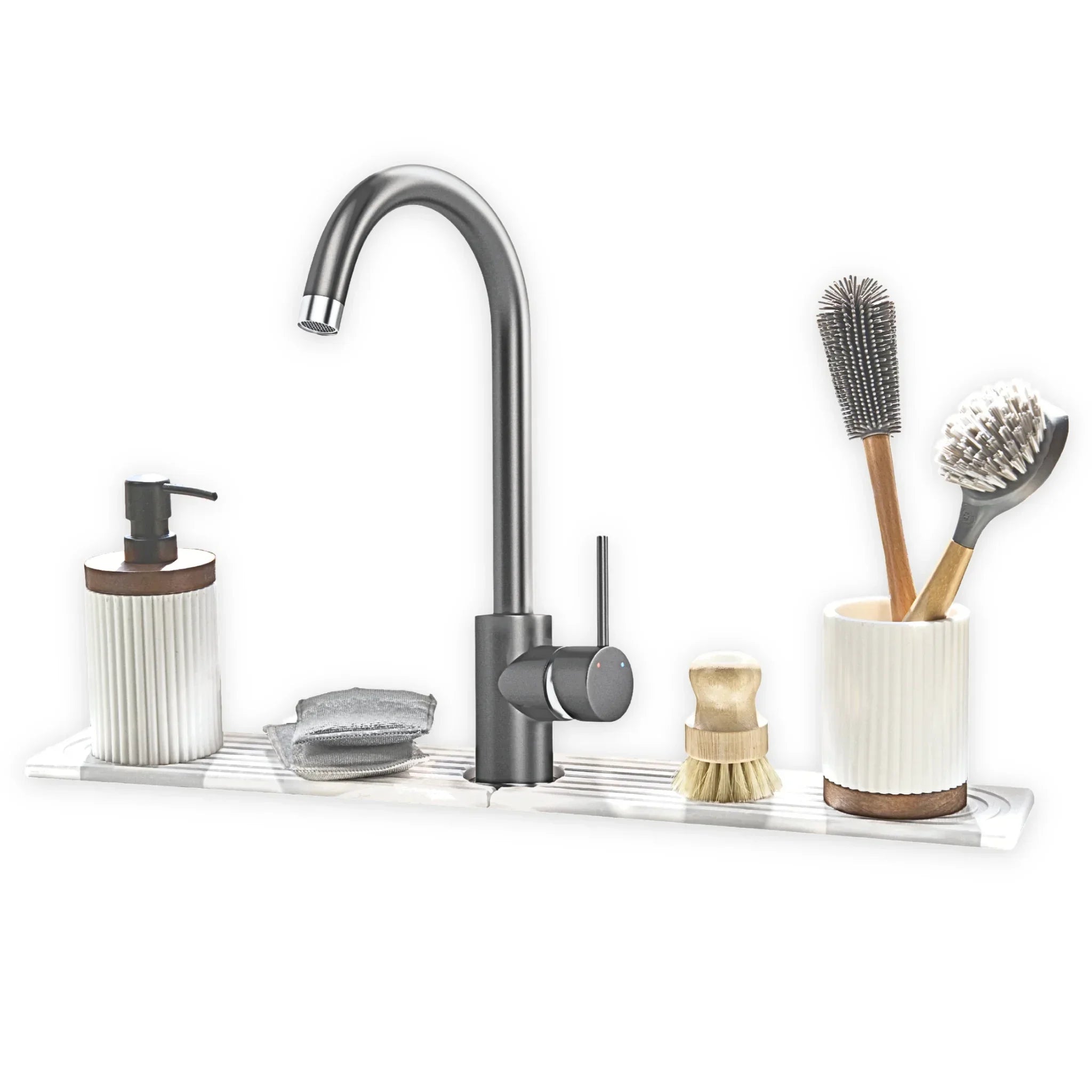
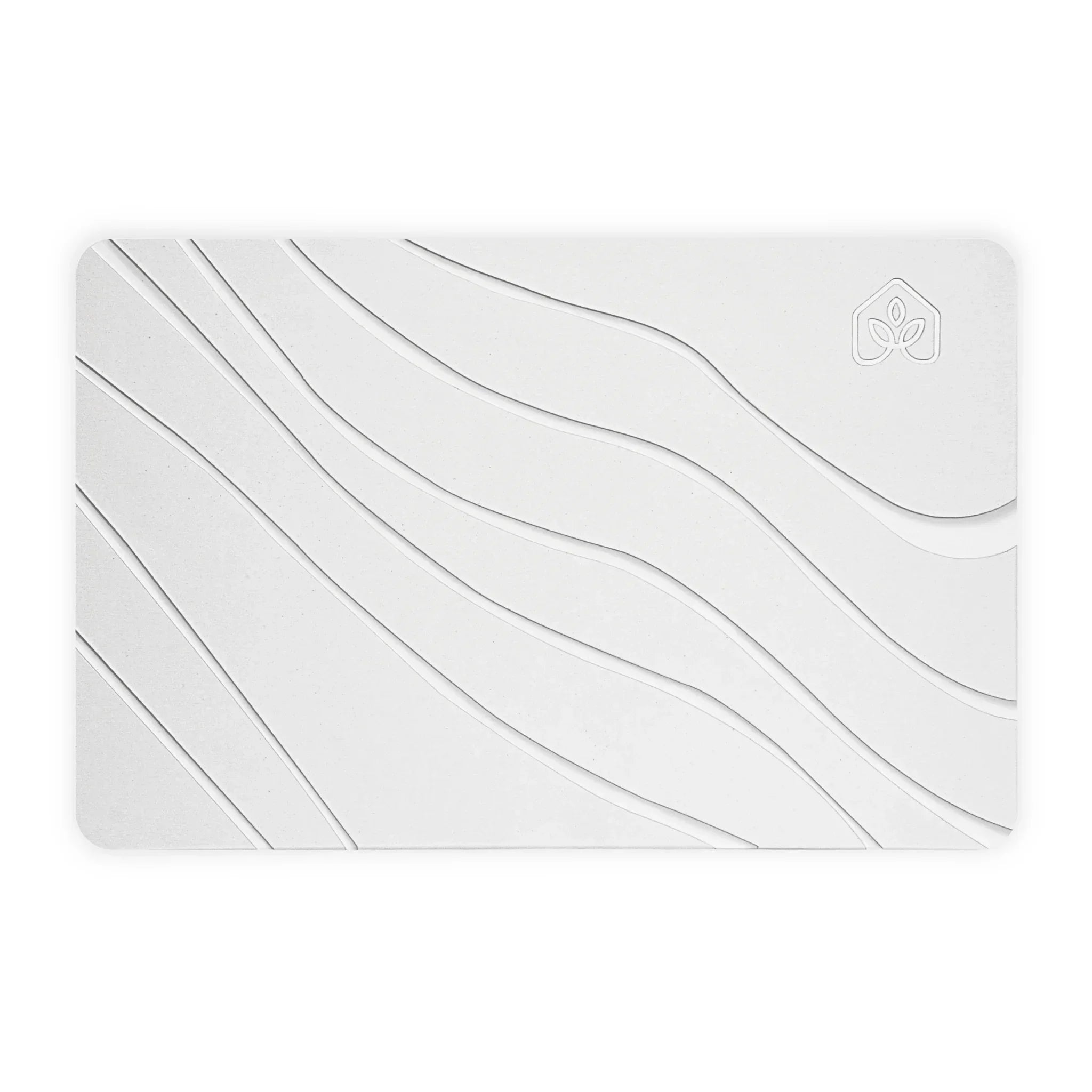
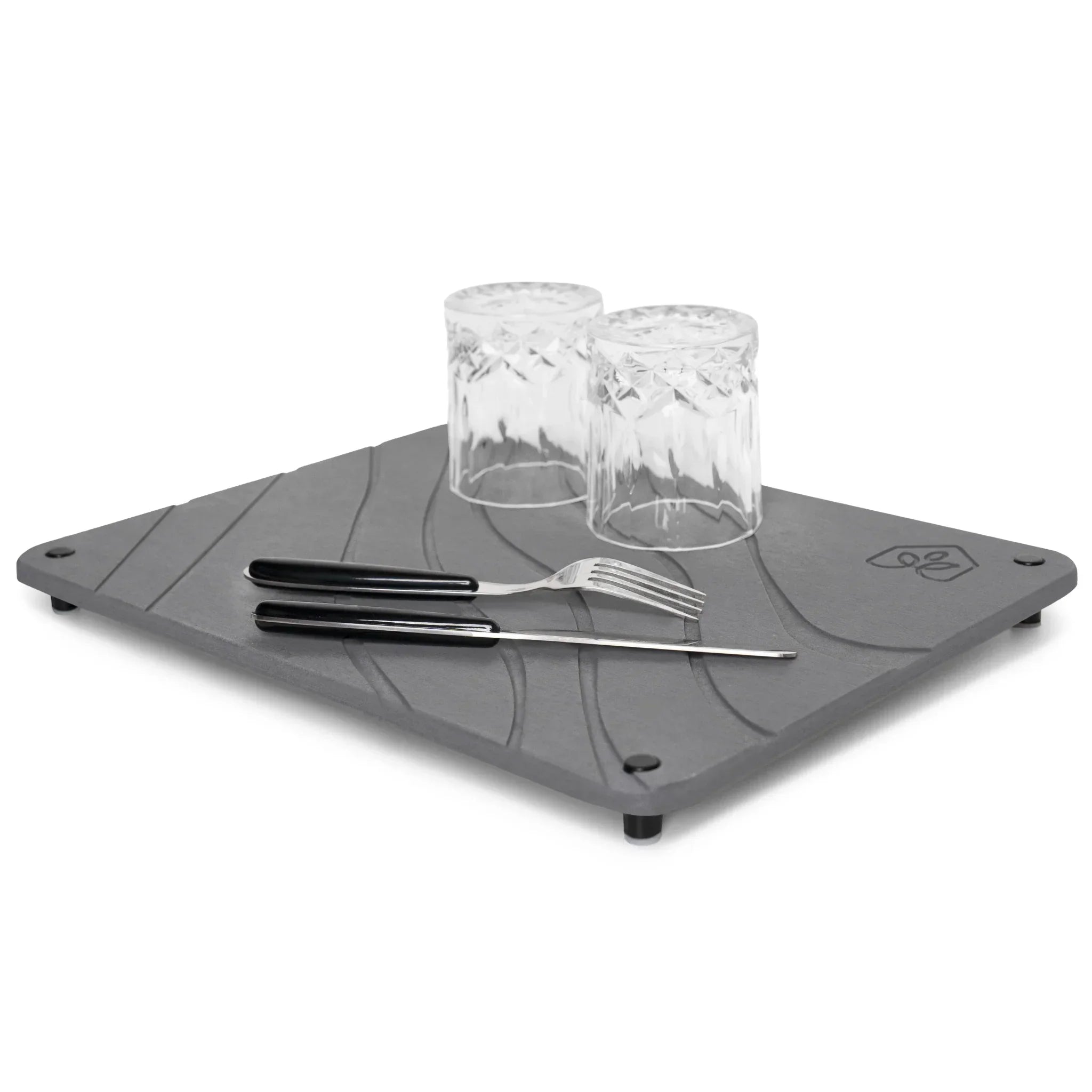
Stone mats (typically made from diatomaceous earth) operate on a completely different principle. Instead of absorbing water into fibers, they pull moisture to the surface where it evaporates rapidly.
The porous stone structure allows air to circulate through thousands of tiny channels, creating natural evaporation that happens in minutes, not hours.
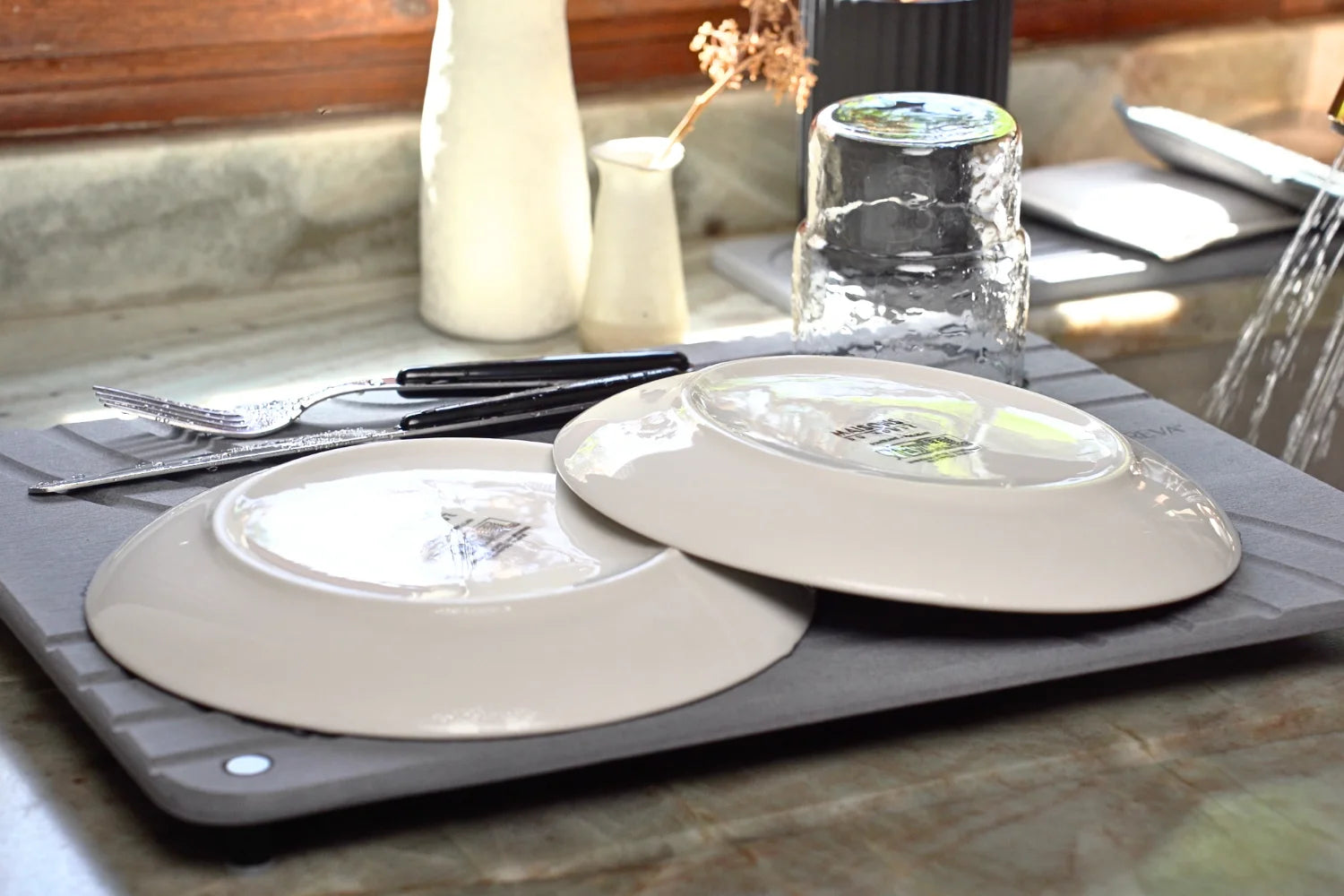
- Dries itself within 5-10 minutes after use
- Made from natural, food-safe materials
- Solid surface that doesn't trap moisture
- Naturally antimicrobial properties
The Cleanliness Factor
This is where stone mats absolutely dominate. Because they dry themselves so quickly, bacteria simply can't establish the moist environment they need to multiply.
After three weeks of daily use, our stone mat had zero odor. None. It looked and smelled exactly like it did on day one.
- No bacterial growth due to rapid drying
- Never develops musty or sour smells
- Surface doesn't stain from dish residue
- Stays fresh indefinitely without washing
Maintenance (Or Lack Thereof)
Here's the game-changer: stone mats require virtually zero maintenance. You literally just use them and let them sit. That's it.
If you spill something sticky, a quick wipe with a damp cloth handles it. Otherwise, the mat takes care of itself through natural evaporation.
- No washing required ever
- Optional monthly wipe-down for aesthetics
- Can be sanded if surface gets clogged (rare)
- Lasts for years without replacement
The Investment Consideration
Stone mats cost more upfront, typically $25-45 depending on size. That's roughly double or triple the cost of a microfiber mat.
However, when you factor in replacement costs and the value of not doing laundry twice a week, the math shifts dramatically in stone's favor.
- Higher initial purchase price
- Zero ongoing costs
- Multi-year lifespan
- No electricity or water for washing
Odor Control Winner: Stone
This wasn't even close. The stone mat never developed any smell during our entire testing period. The microfiber mat started smelling within three days and only got worse.
If you've ever dealt with a smelly dish mat, you know how much this matters. Stone wins decisively.
Bacteria Resistance Winner: Stone
Microfiber's moisture retention creates the perfect environment for bacterial growth. Stone's rapid drying and antimicrobial properties prevent bacteria from taking hold.
- Stone dries in minutes vs hours for microfiber
- Natural antimicrobial surface vs synthetic fibers
- No trapped moisture vs constant dampness
Maintenance Winner: Stone
Stone requires essentially zero maintenance. Microfiber demands washing every few days, proper drying, and eventual replacement.
The time savings alone make stone the clear winner here. You'll save hours per year not washing dish mats.
Price Winner: Microfiber
If we're only looking at upfront cost, microfiber wins at $10-25 versus $25-45 for stone. This is the only category where microfiber comes out ahead.
However, when you calculate total cost of ownership including replacements, even this advantage disappears within the first year.
Overall Winner: Stone Mat
The stone dish drying mat wins decisively in the categories that actually matter: staying clean, preventing odors, and reducing your workload.
While microfiber costs less initially, it creates ongoing maintenance headaches and hygiene concerns that stone completely eliminates. For anyone who values a truly clean kitchen without constant upkeep, stone is the obvious choice.
- Stone wins: odor control, bacteria resistance, maintenance, longevity
- Microfiber wins: initial price only
- Stone provides better value over time
- Stone delivers genuinely clean performance without effort