
Dish Drying Mat Alternatives What Works And What Fails
You finish washing dishes, place them on your mat, and walk away feeling accomplished. But when you return, there's a puddle of water on your counter, and that familiar mildew smell is creeping back.
Traditional dish drying mats create more problems than they solve. They trap moisture, harbor bacteria, and leave you constantly washing yet another kitchen item. The good news? Better alternatives exist that actually keep your kitchen clean and dry.
The Real Problems With Standard Dish Mats
Most dish mats fail because they can't handle the basic job of managing water effectively. Here's what goes wrong:
- Wet counters: Water seeps through fabric mats, creating puddles underneath that damage countertops
- Mildew smell: Trapped moisture breeds bacteria and creates that unmistakable musty odor within days
- Constant maintenance: You're washing the mat almost as often as you're washing dishes
- Never truly dry: The mat itself stays damp between uses, becoming a breeding ground for germs
If you're dealing with any of these issues, it's time to explore dish mat alternatives that actually work with your lifestyle instead of against it.
Diatomite Mats: The Clear Winner
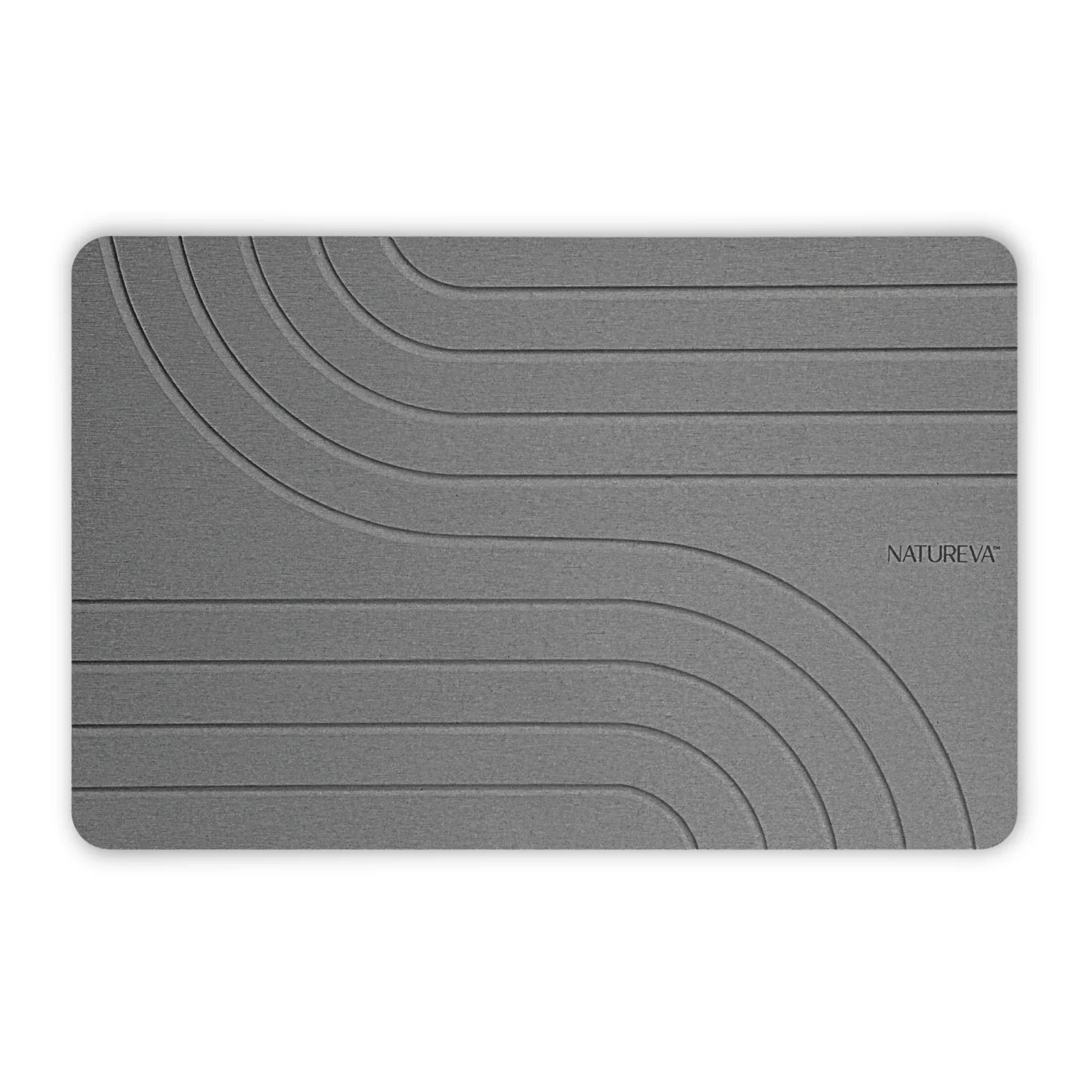
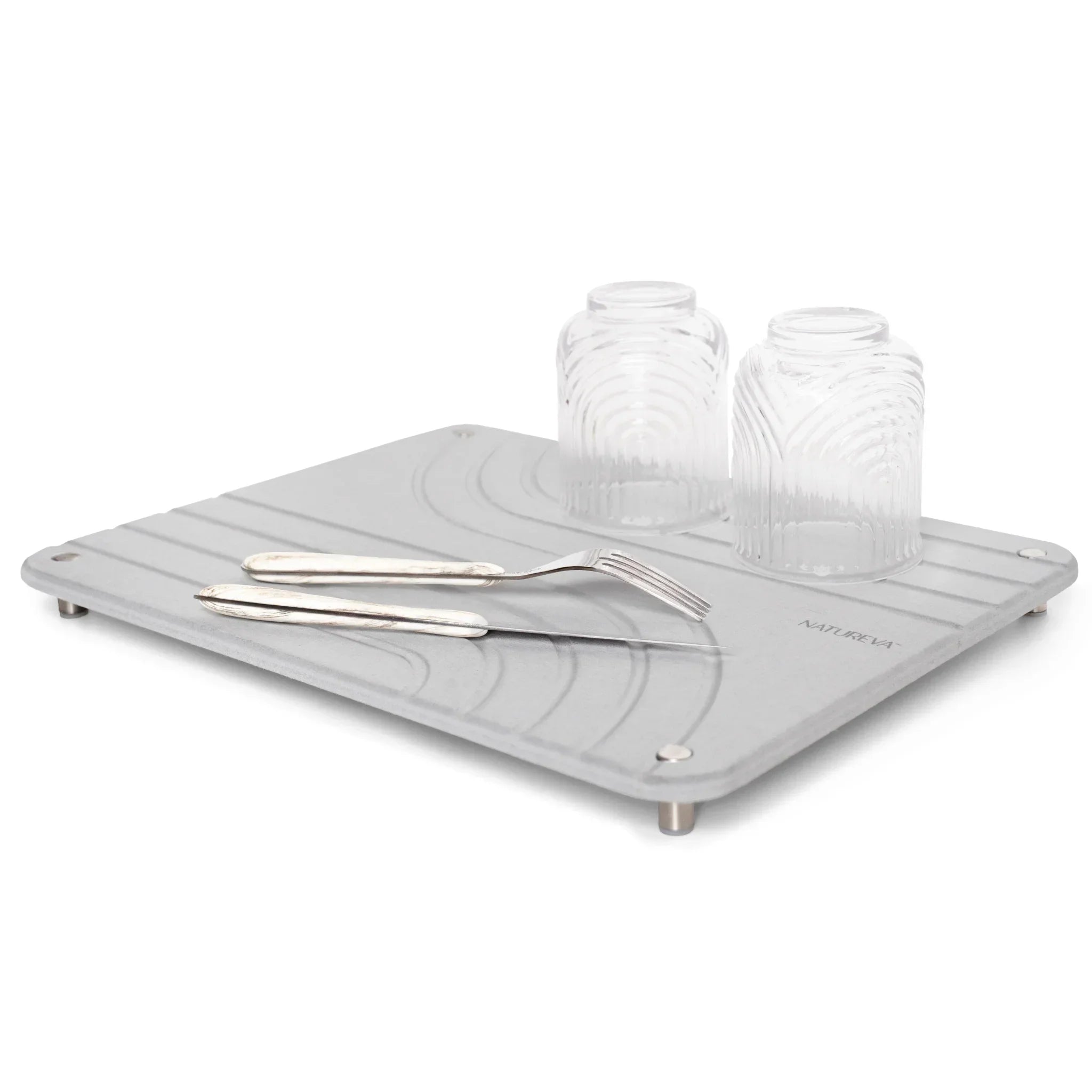
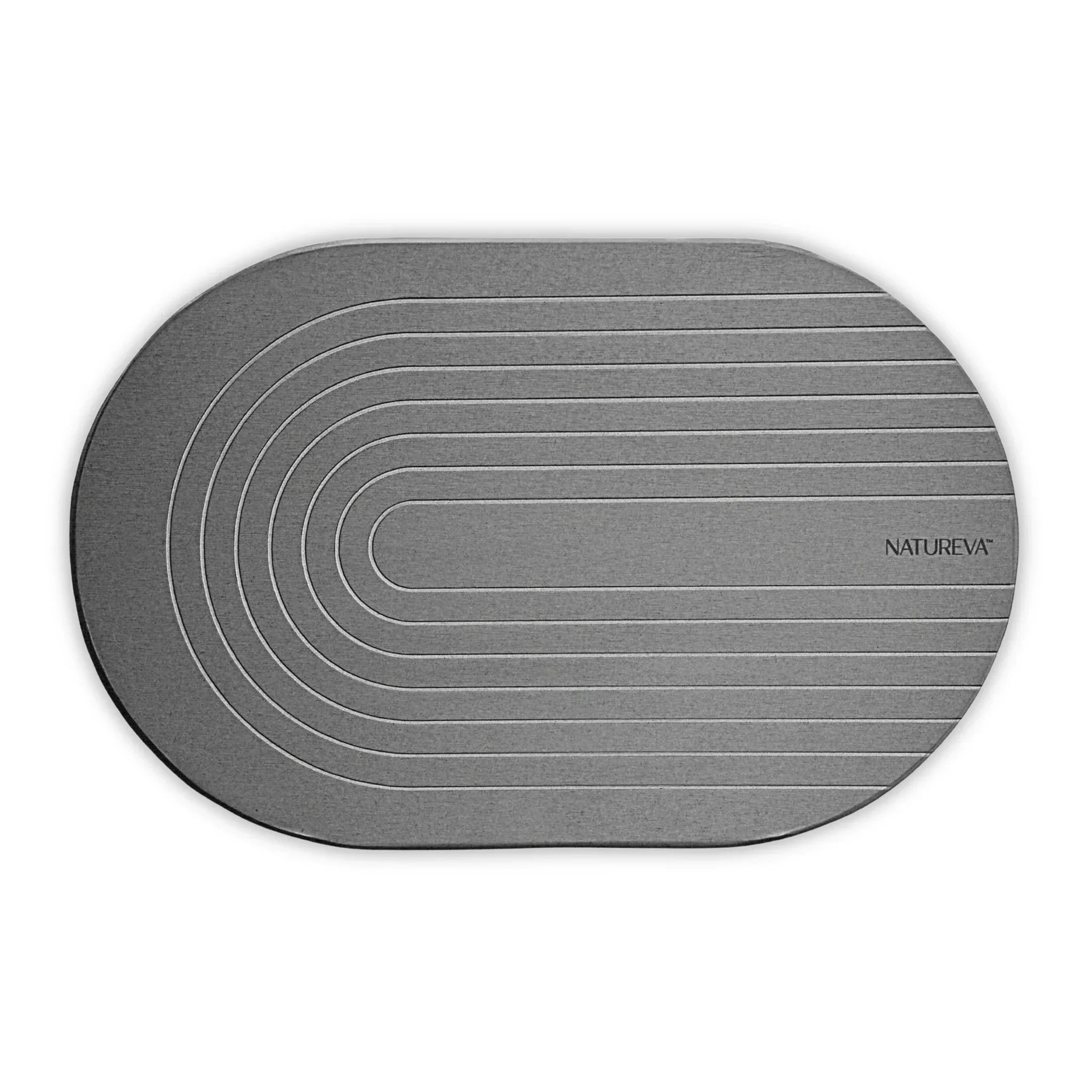
If you want a dish drying solution that actually performs, diatomite stone mats are in a league of their own. These natural stone mats absorb water instantly and dry themselves within minutes.
Diatomite (also called diatomaceous earth) is made from fossilized algae with millions of microscopic pores. This unique structure gives it superior absorption power that traditional materials simply can't match.
- Instant absorption: Water disappears from the surface in seconds, not hours
- Self-drying: The mat itself dries completely within 30-60 minutes after use
- No odors: Because it doesn't stay wet, bacteria and mildew can't take hold
- Zero maintenance: No washing required—just wipe it down occasionally
- Eco-friendly: Natural material that lasts for years without replacement
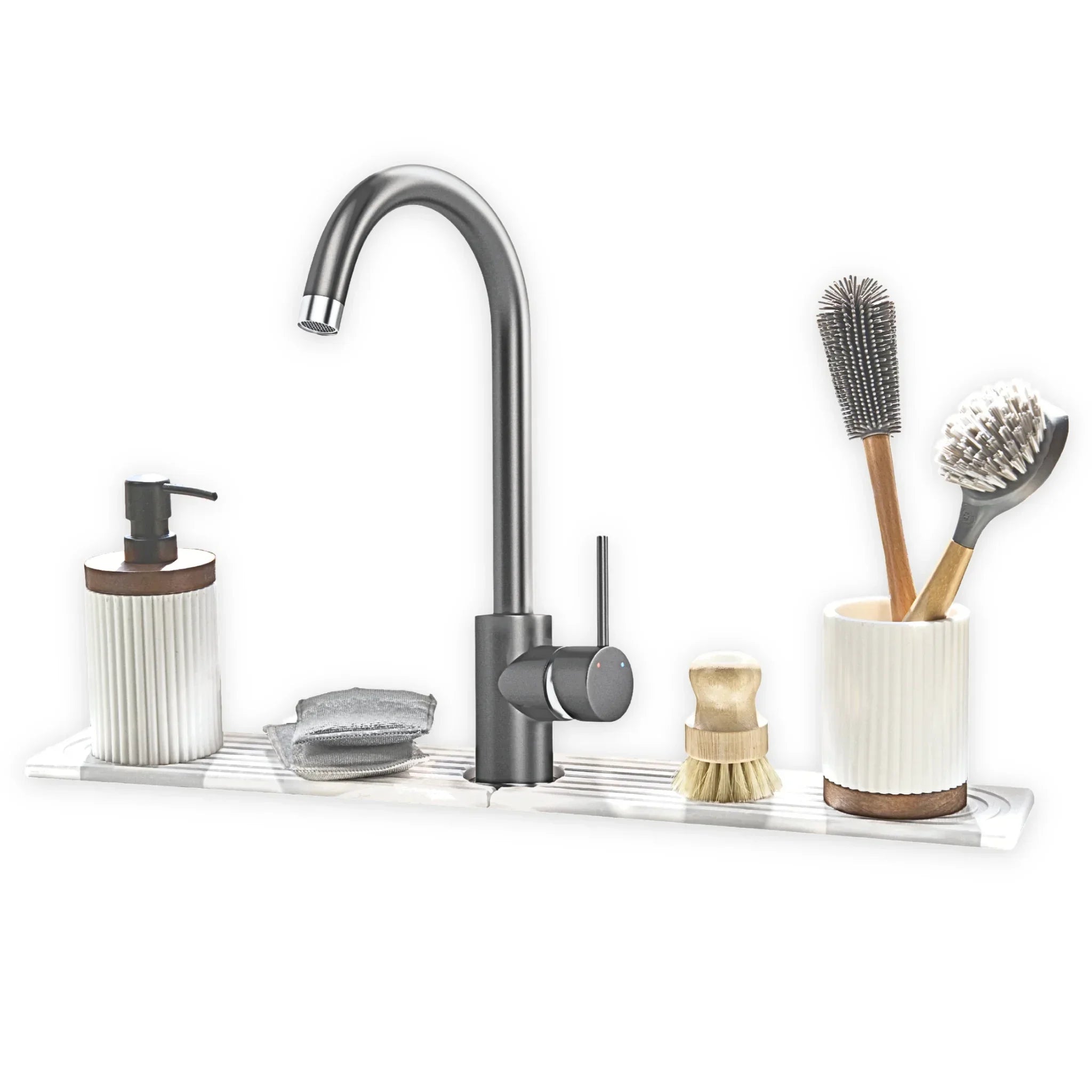
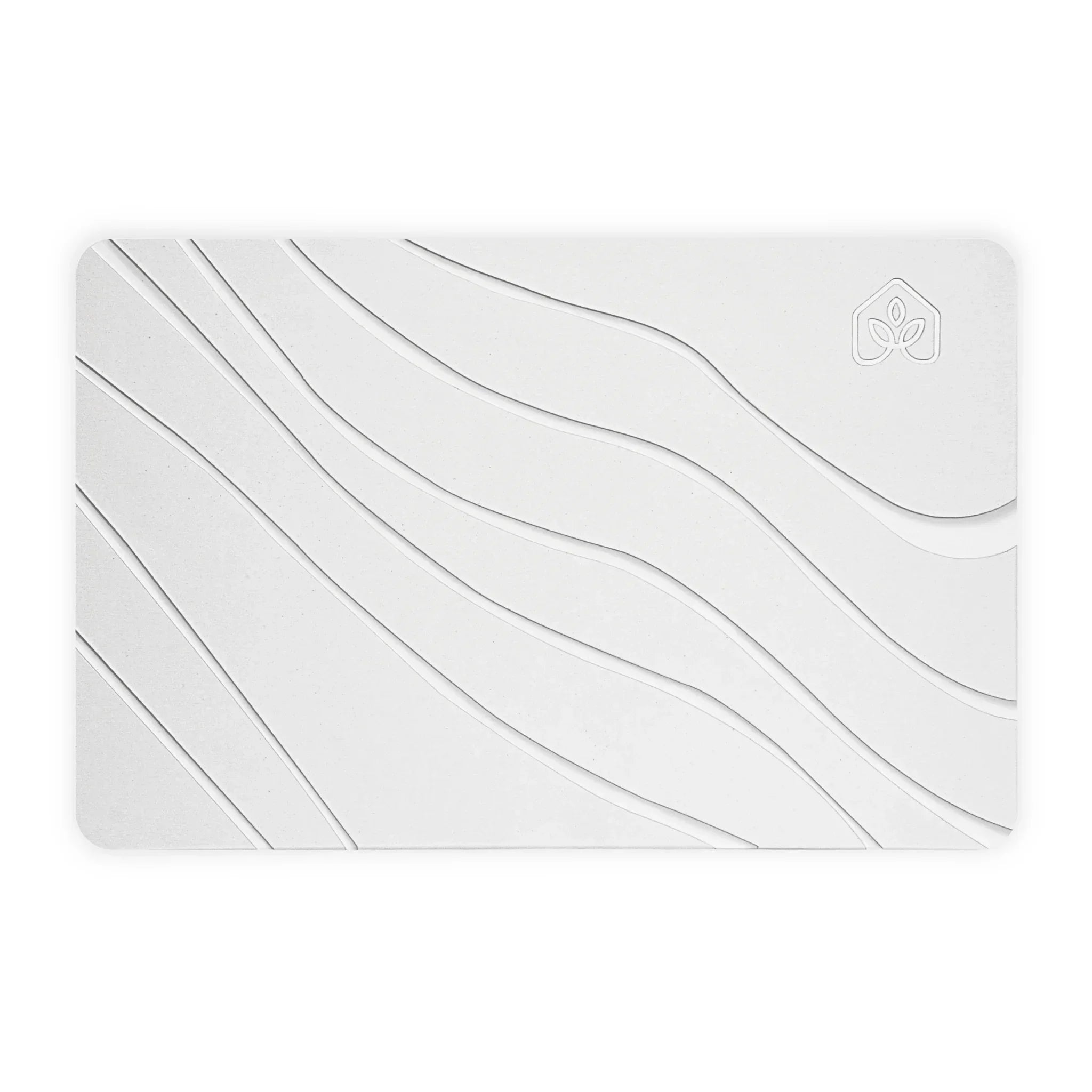
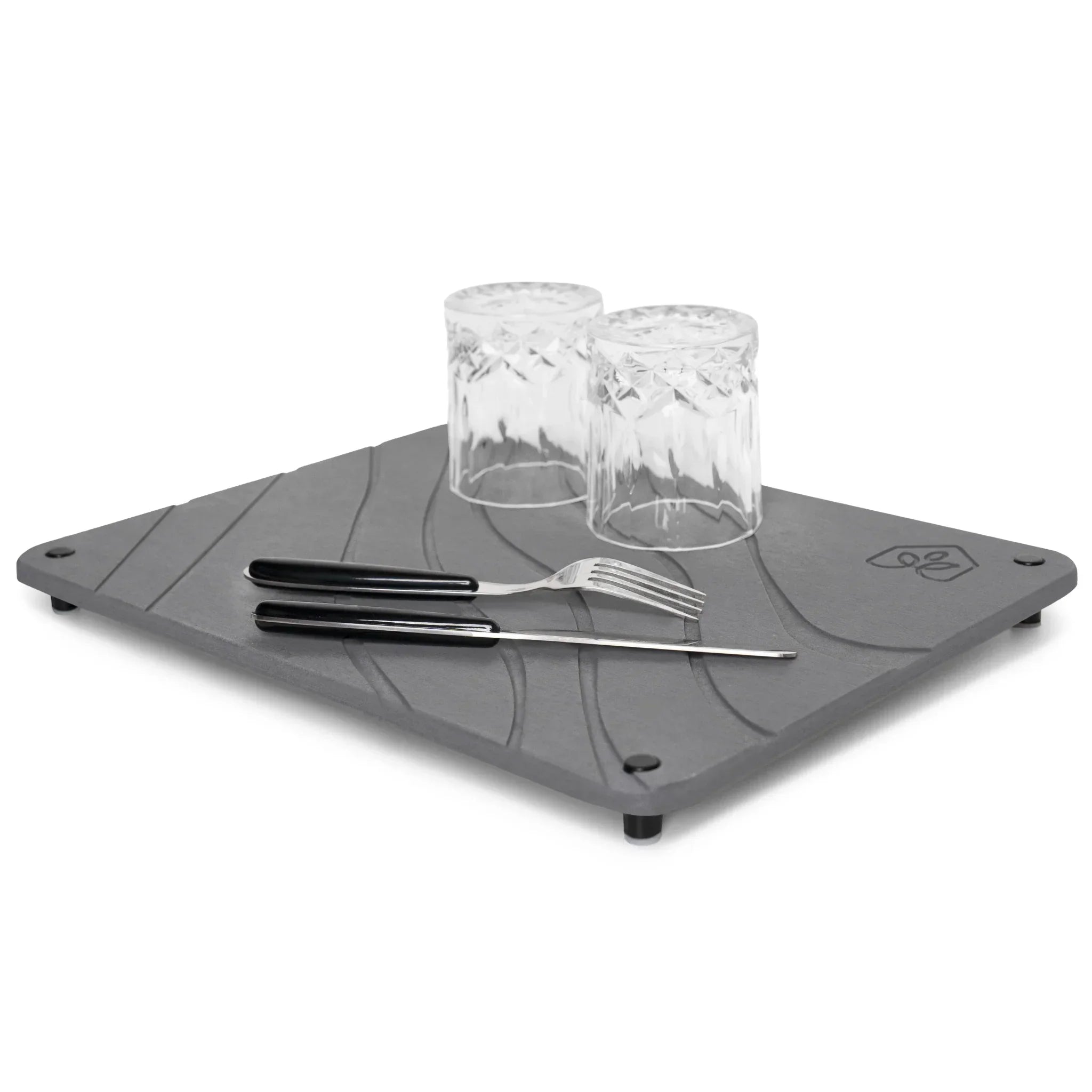
The NatureVa Diatomite Stone Dish Mat Flow and Tide designs showcase how effective this material is. Place wet dishes on the surface, and watch the water vanish.
How Diatomite Beats Traditional Mats
The difference comes down to science. While fabric mats simply soak up water and hold it, diatomite actively wicks moisture away and releases it into the air through evaporation.
- Absorbs up to 150% of its weight in water
- Releases moisture through natural evaporation in minutes
- Stays dry to the touch even after heavy use
- Naturally antibacterial properties prevent bacterial growth
Learn more about how diatomite technology works to keep your kitchen cleaner and drier.
Microfiber Towels as a Backup Option
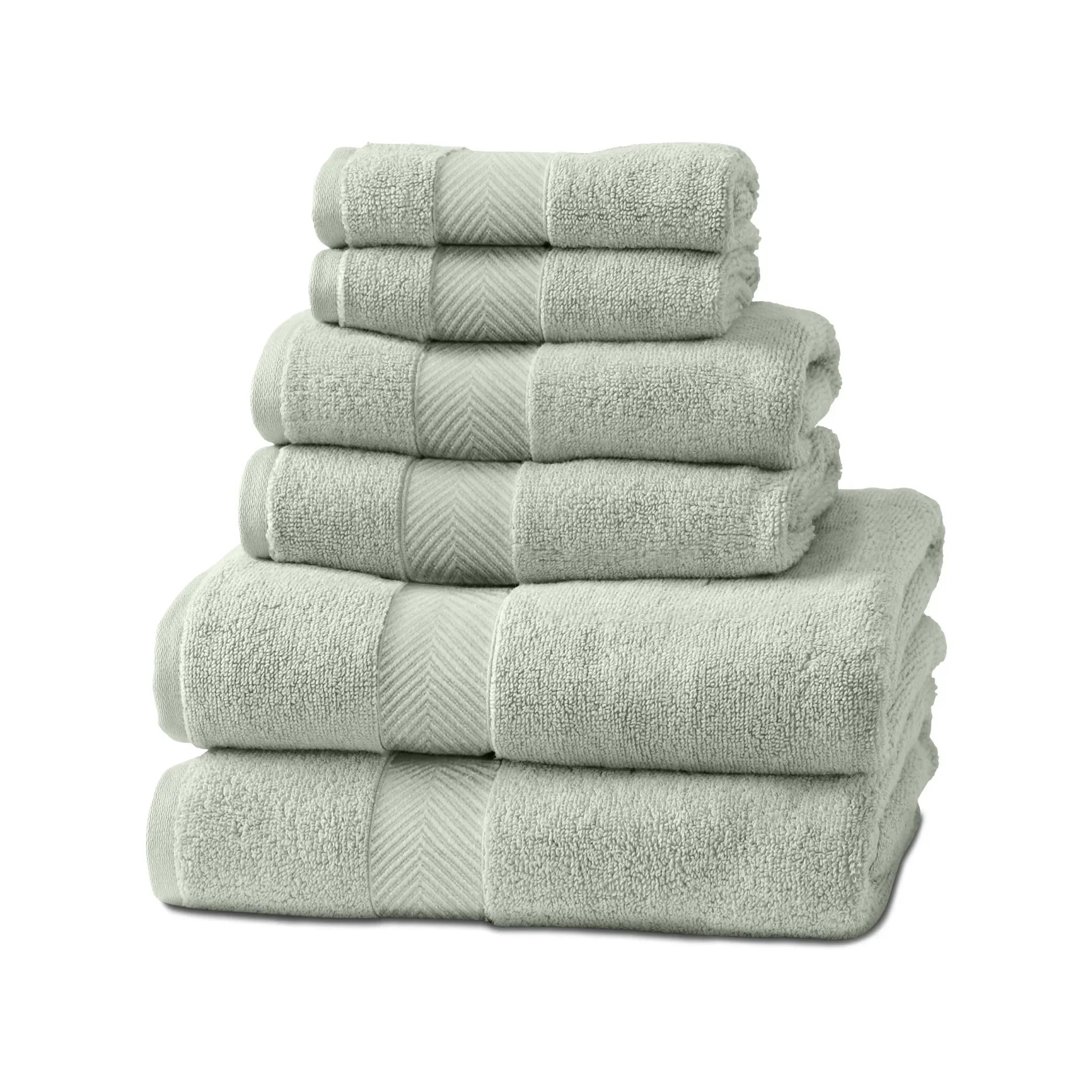
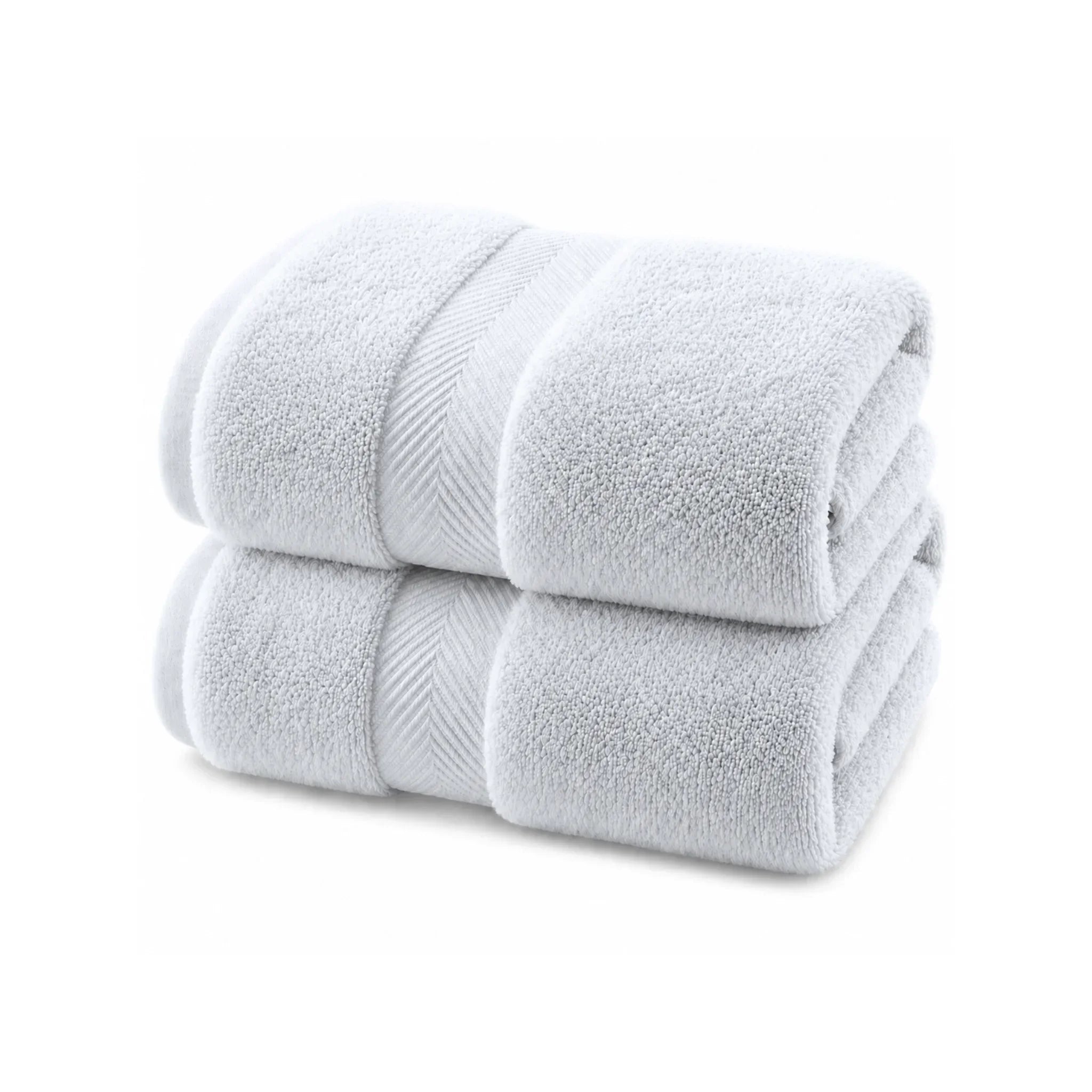
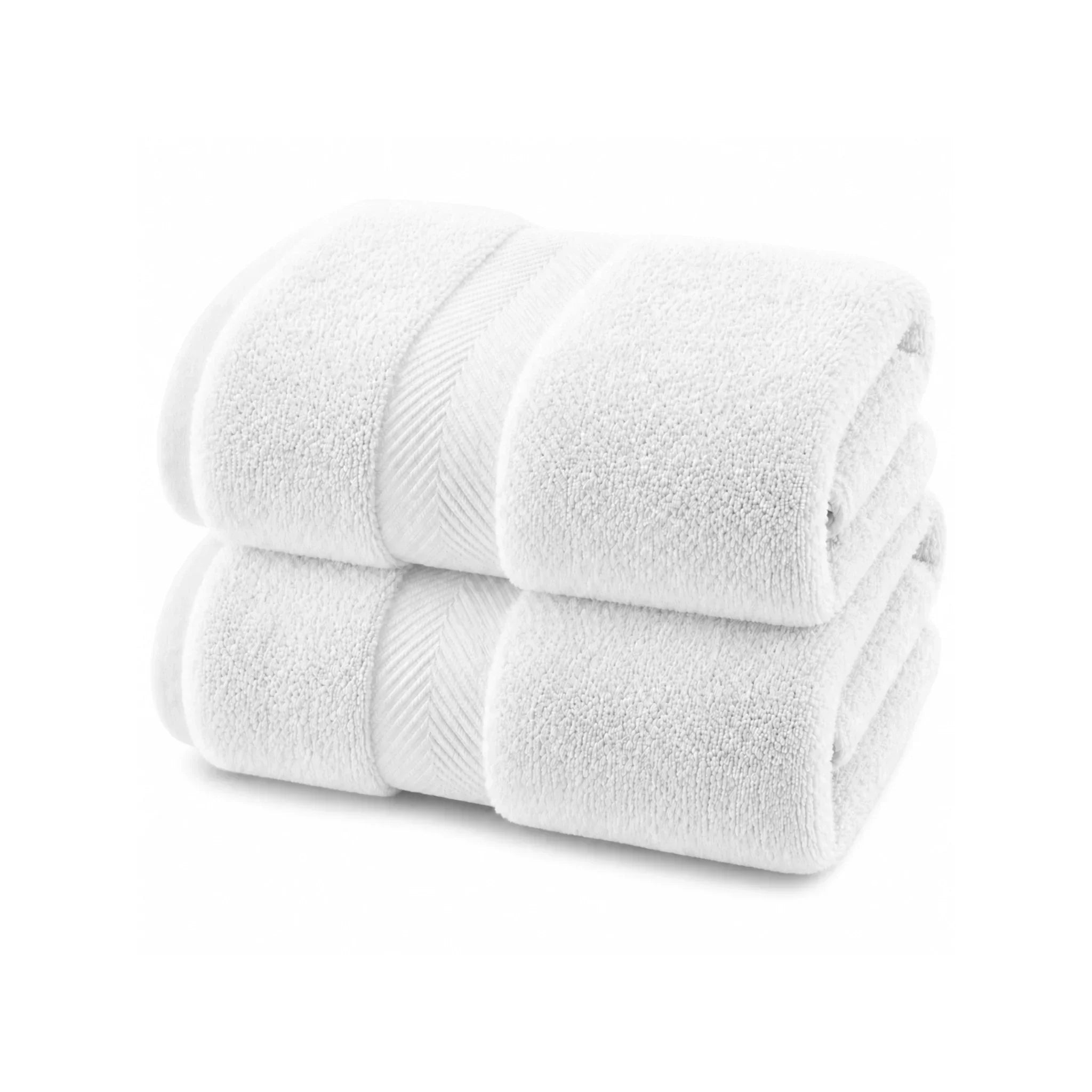
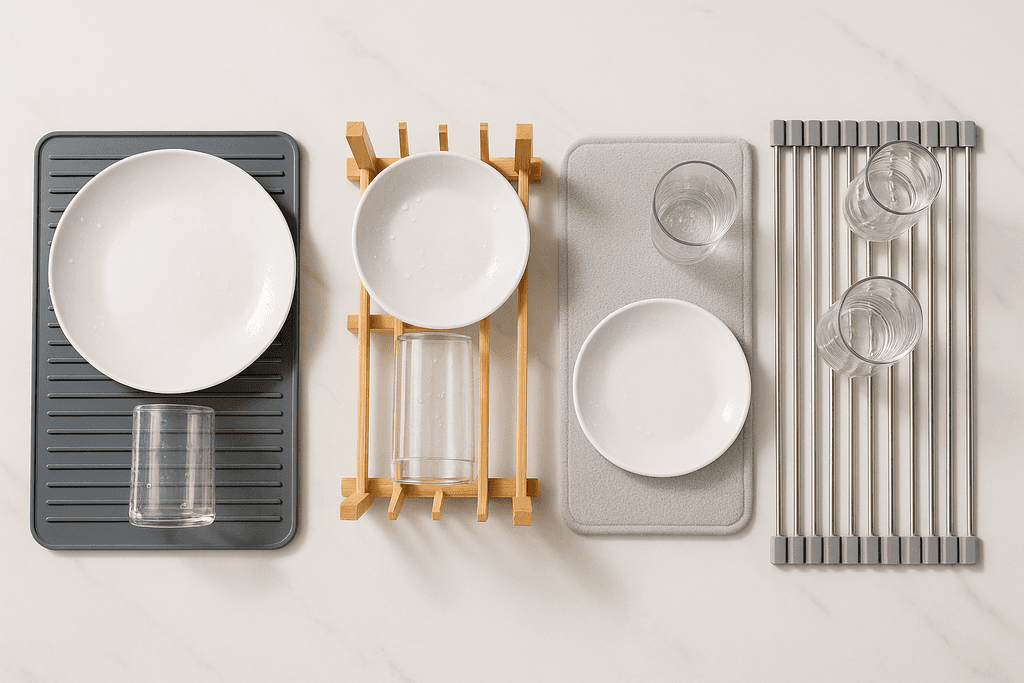
When you need something portable or temporary, microfiber towels offer decent performance. They absorb water quickly and dry faster than cotton alternatives.
- Good absorption capacity for their size
- Dry relatively quickly when hung up properly
- Machine washable and durable
- Affordable and widely available
However, they still require regular washing and can develop odors if not dried properly between uses. They're best used as a supplementary option rather than your primary drying solution.
Wire Drying Racks for Maximum Airflow
Over-the-sink or countertop wire racks allow air circulation around dishes, which speeds up drying naturally. They work well for larger items like pots and pans.
- Excellent airflow prevents water pooling
- Drains directly into sink (for over-sink models)
- No absorption material to maintain or replace
- Great for bulky items that need space
The downside? They take up significant counter or sink space and don't work well for smaller items like utensils or cups that can slip through the wires.
Silicone Mats for Easy Cleaning
Silicone dish mats are easy to clean and don't absorb water themselves, but they don't actively dry your dishes either. Water pools on the surface until it evaporates naturally.
- Dishwasher safe for easy cleaning
- Won't develop mildew or odors
- Heat resistant and durable
- Non-slip surface keeps dishes in place
They're better than fabric mats but still leave you with standing water that needs to be wiped up or left to evaporate slowly.
Cotton Dish Mats: A Moisture Trap
Cotton mats are probably the most common choice, and unfortunately, they're also one of the worst performers. They absorb water but have no way to release it quickly.
- Stay wet for hours after use, creating a bacteria breeding ground
- Develop musty smells within 2-3 days of regular use
- Water seeps through to your countertop, causing potential damage
- Require washing every few days to stay hygienic
- Take forever to dry completely, even in the dryer
Even "quick-dry" cotton blends can't compete with modern alternatives. The fabric simply holds too much moisture for too long.
Sponge Mats Grow Bacteria Fast
Sponge-like dish mats seem logical—they're designed to absorb water. But that's exactly the problem. They become saturated quickly and stay wet indefinitely.
- Dense material traps water deep inside where it can't evaporate
- Impossible to fully dry between uses
- Become slimy and discolored within weeks
- Harbor bacteria in the interior layers you can't see or clean
If you've ever squeezed a sponge mat and watched dirty water pour out, you know exactly why these fail. That water has been sitting there, growing bacteria, since your last dish washing session.
Plastic Trays Collect Gross Water Pools
Plastic dish draining trays with ridges seem practical, but they create stagnant water pools that are both unsanitary and annoying to deal with.
- Water collects in grooves and corners, requiring manual emptying
- Slime and residue build up in the ridges
- Need frequent scrubbing to prevent bacterial growth
- Water splashes when you add or remove dishes
You end up spending more time managing the water in the tray than you would just hand-drying your dishes with a towel.
Fabric Mats Need Constant Washing
Any fabric-based mat—whether cotton, polyester, or blended materials—creates an ongoing laundry burden. You're essentially adding another item to your weekly washing routine.
- Must be washed every 2-3 days to prevent odors
- Take up space in your washing machine
- Require dryer time or air-drying space
- Wear out quickly with frequent washing
- Never feel truly clean even after washing
Compare this to a diatomite dish mat that requires zero washing and stays fresh indefinitely. The difference in convenience is dramatic.
The Bottom Line on Failed Alternatives
The alternatives that fail all share one common problem: they can't manage moisture effectively. They either trap water, require constant maintenance, or create more work than they save.
When you switch to a solution like diatomite that actually handles water properly, you'll wonder why you put up with soggy, smelly mats for so long. Your kitchen stays cleaner, your counters stay dry, and you eliminate an entire maintenance task from your routine.