Quick Numbers on Absorbent Mat Water Control
Every year, over 230,000 people end up in the emergency room because they slipped on a wet bathroom floor. The problem isn't just the water itself, but how long it sits there after you step out of the shower. Most fabric bath mats stay damp for 4 to 6 hours, creating a slippery surface and the perfect breeding ground for bacteria, while an absorbent mat made from natural stone can dry in minutes and actually prevent these problems with measurable results.
Table of Contents
How Water Absorption Actually Works
When you step out of the shower, water droplets cling to your feet and need somewhere to go. Most people don't think twice about their bathroom mat, but the material under your feet makes a huge difference in how quickly that water disappears. The science behind water absorption comes down to tiny holes and air pockets in different materials, and some work way better than others. Traditional fabric mats use cotton or microfiber threads that soak up water like a sponge, but they hold onto that moisture for hours. Stone mats work completely differently by pulling water into microscopic pores and then releasing it back into the air almost immediately.
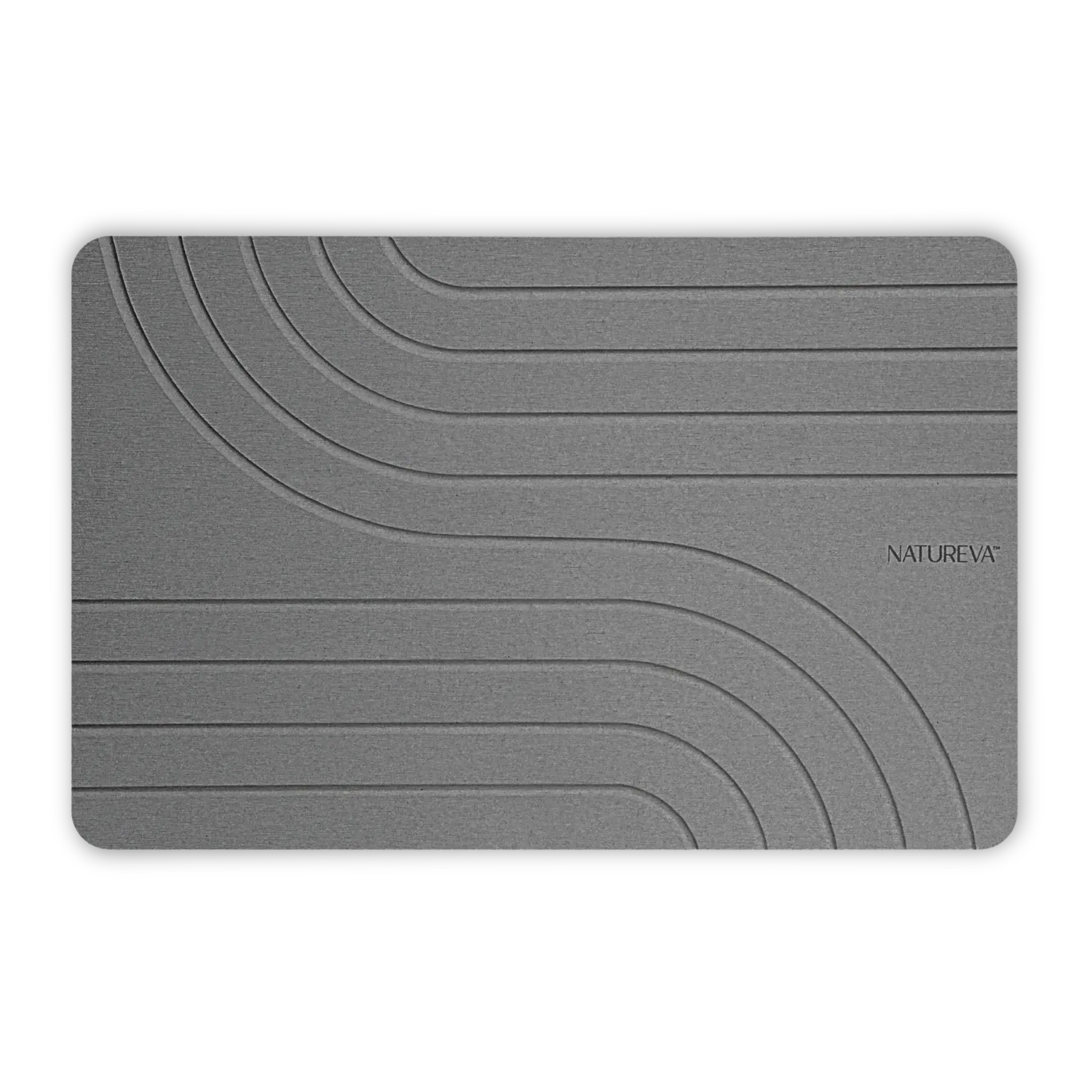
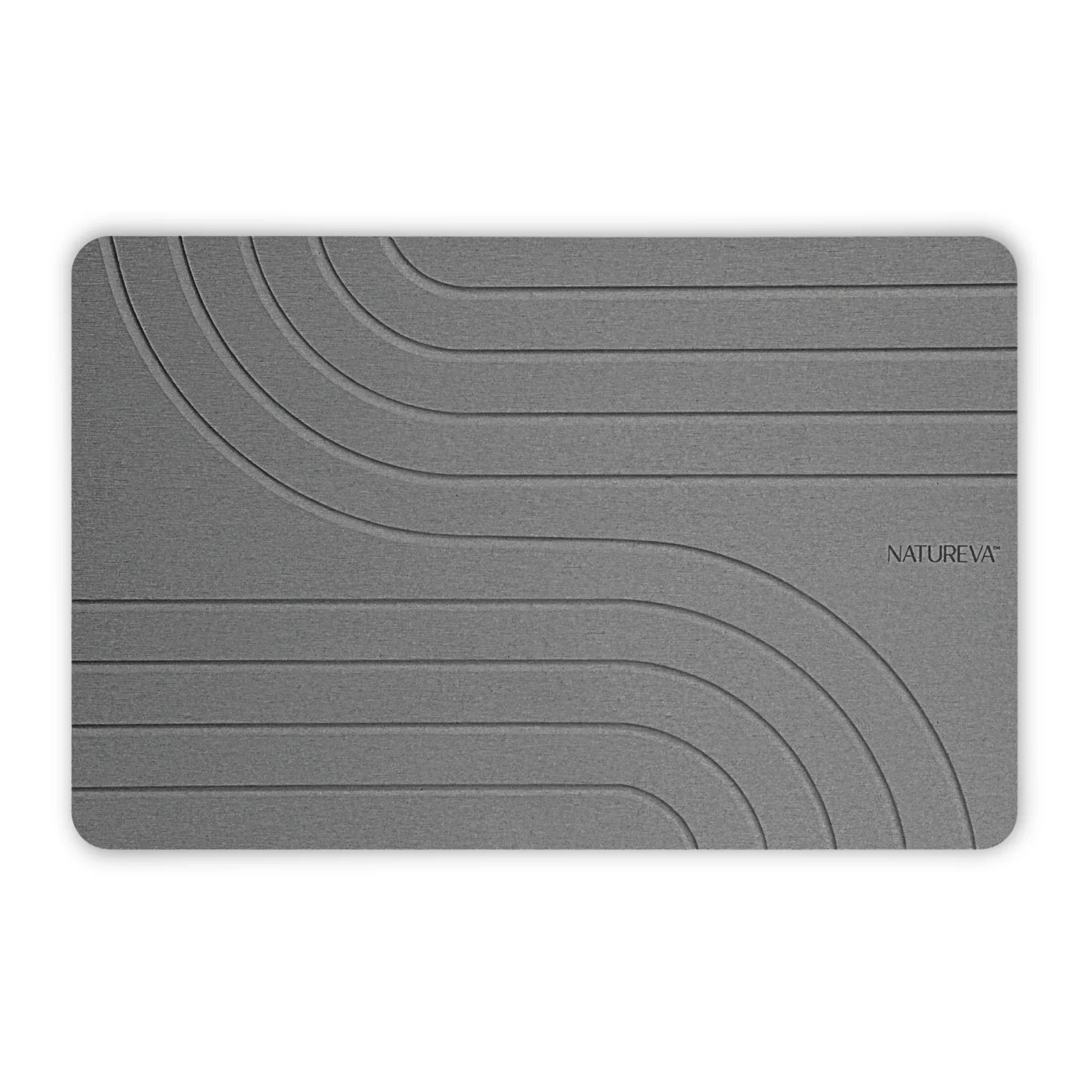
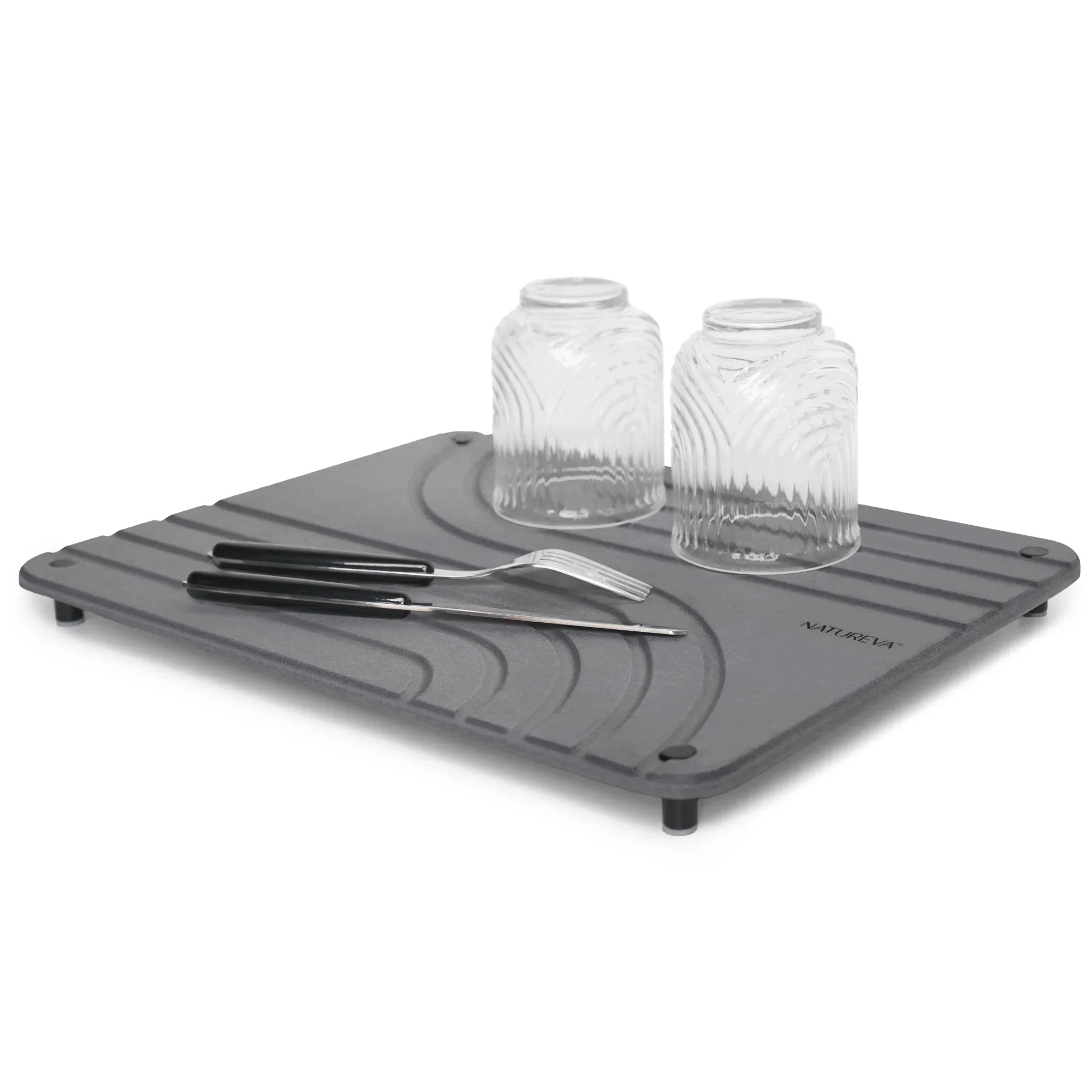
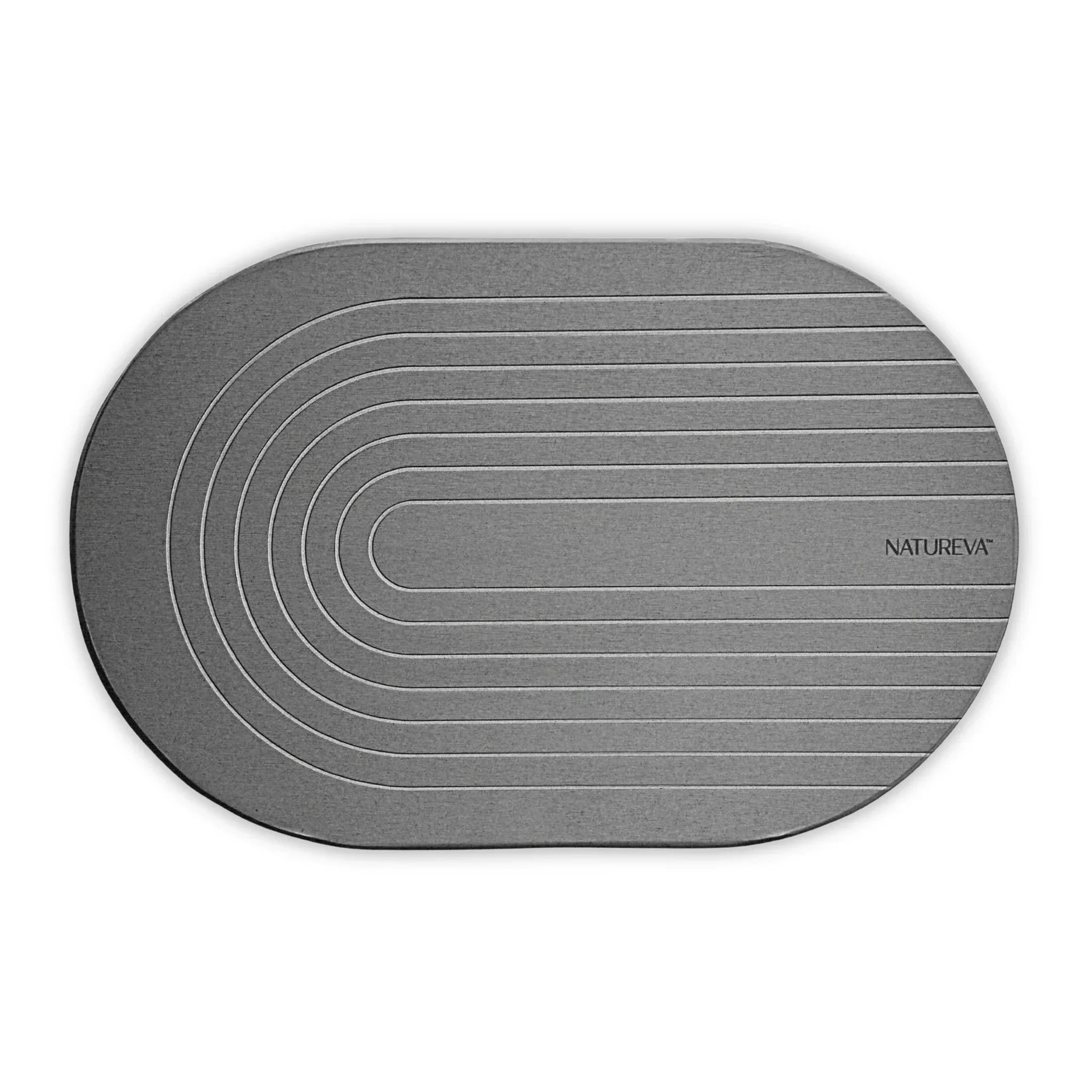
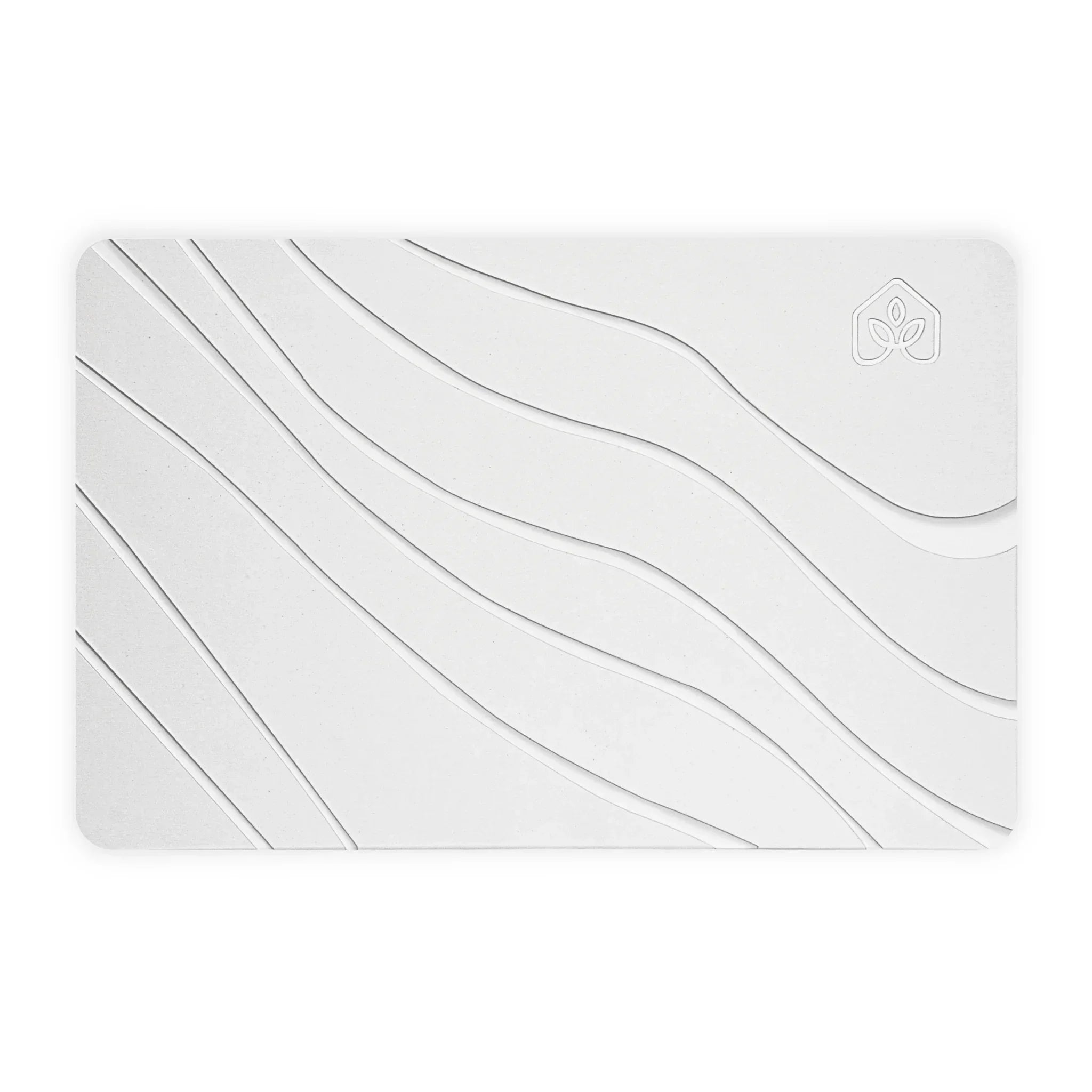
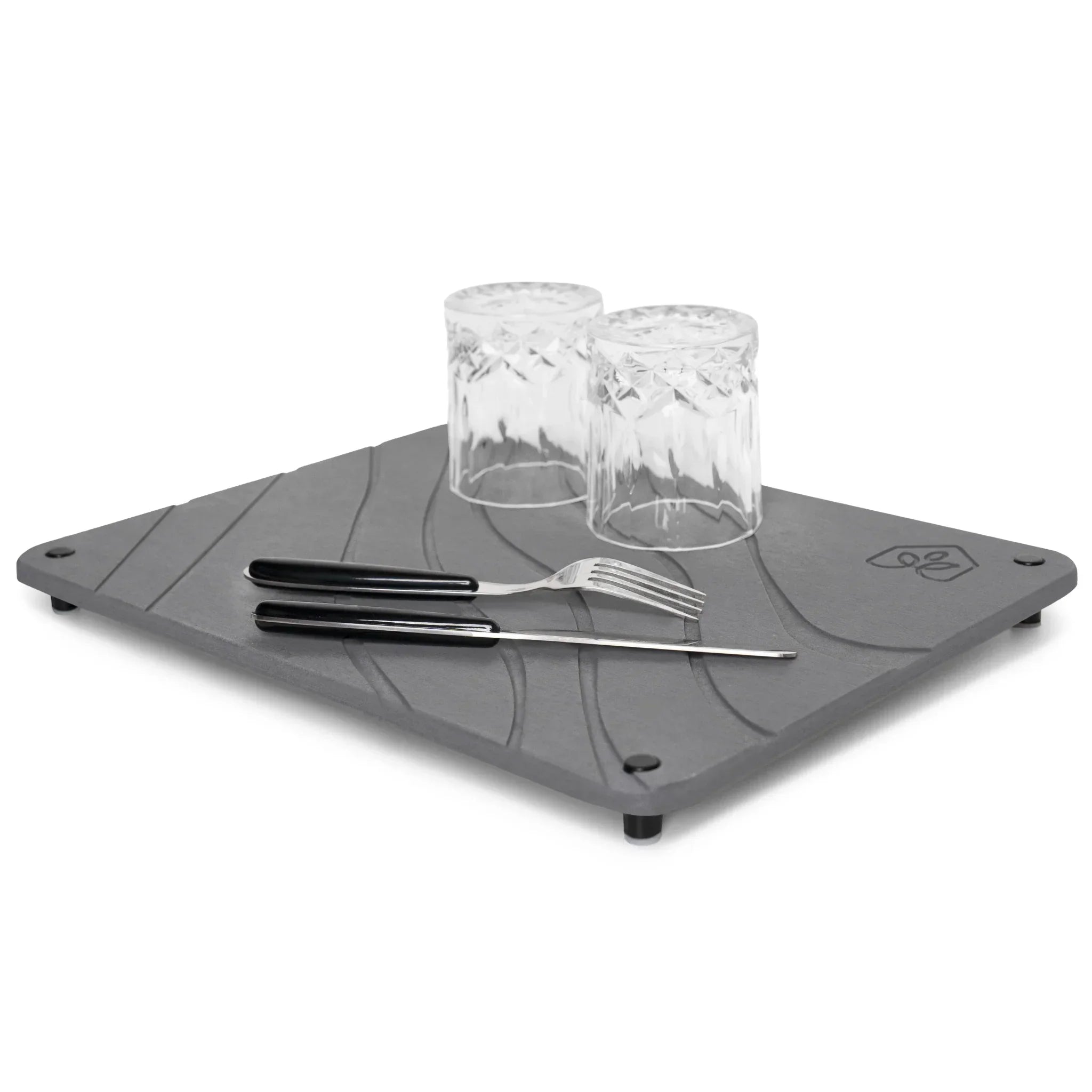
Stone Bath Mat - Tide
What Makes Materials Absorb Water
Different materials absorb water based on their structure and composition. Think of it like comparing a kitchen sponge to a paper towel - both work, but in totally different ways.
- Cotton and fabric mats trap water between woven fibers that stay wet
- Microfiber uses super thin threads to increase surface area for absorption
- Diatomaceous earth contains millions of tiny pores that act like natural straws
- Stone materials allow air to flow through, speeding up evaporation
- Rubber backing on fabric mats actually prevents airflow and keeps moisture trapped
The key difference is what happens after the water gets absorbed. Our Stone Bath Mat uses natural diatomaceous earth that doesn't just soak up water - it actively releases it back into the air within minutes.
Comparing Absorption Speeds Across Materials
Numbers tell the real story when it comes to absorbent mat performance. Testing shows massive differences in how fast various materials handle water and how long they stay wet afterward.
| Material Type | Absorption Time | Drying Time | Water Capacity |
|---|---|---|---|
| Cotton Fabric | 5-10 seconds | 4-6 hours | 150-200ml |
| Microfiber | 3-5 seconds | 2-4 hours | 200-250ml |
| Memory Foam | 8-12 seconds | 6-8 hours | 100-150ml |
| Diatomaceous Stone | 1-3 seconds | 10-15 minutes | 300-400ml |
The drying time difference is where stone mats really stand out. While fabric options sit damp for hours, stone materials dry fast enough that they're ready for the next person in your household.
Why Diatomaceous Earth Wins
Diatomaceous earth comes from fossilized algae that lived millions of years ago. These tiny organisms left behind shells with a unique porous structure that makes them perfect for handling water.
- Contains up to 80-90% empty space in its microscopic structure
- Pores measure just 10-20 micrometers, perfect for capillary action
- Natural composition prevents bacterial growth unlike organic fabrics
- Stays effective for years without losing absorption capacity
Other brands like Dorah and Tosoro use similar stone materials, but the quality of diatomaceous earth varies. Higher density stone mats absorb more water while lower quality versions can crack or lose effectiveness over time. The material naturally wicks moisture away from the surface and releases it through evaporation, which is why you'll never find a stone mat that feels soggy or smells musty like traditional options do.
Absorption Speed That Actually Matters
Most people don't think about the seconds it takes for water to soak into their bath mat, but those seconds add up to puddles on your floor. When you step out of the shower, water needs to go somewhere fast. Traditional fabric mats take anywhere from 15 to 30 seconds to absorb the water from your feet, which means you're standing there dripping while water spreads across your bathroom floor. Stone mats made from diatomaceous earth work differently, pulling water in under 3 seconds.
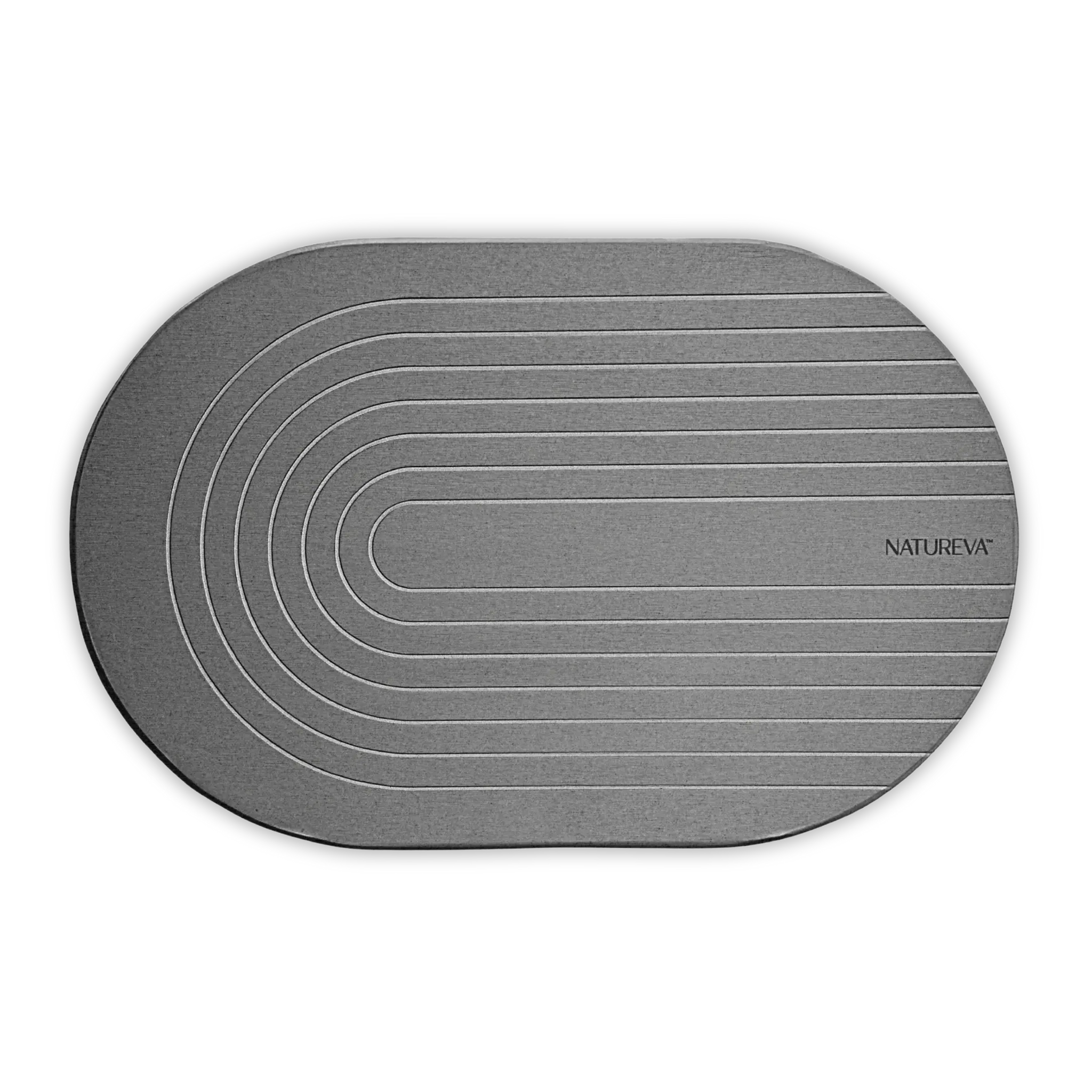
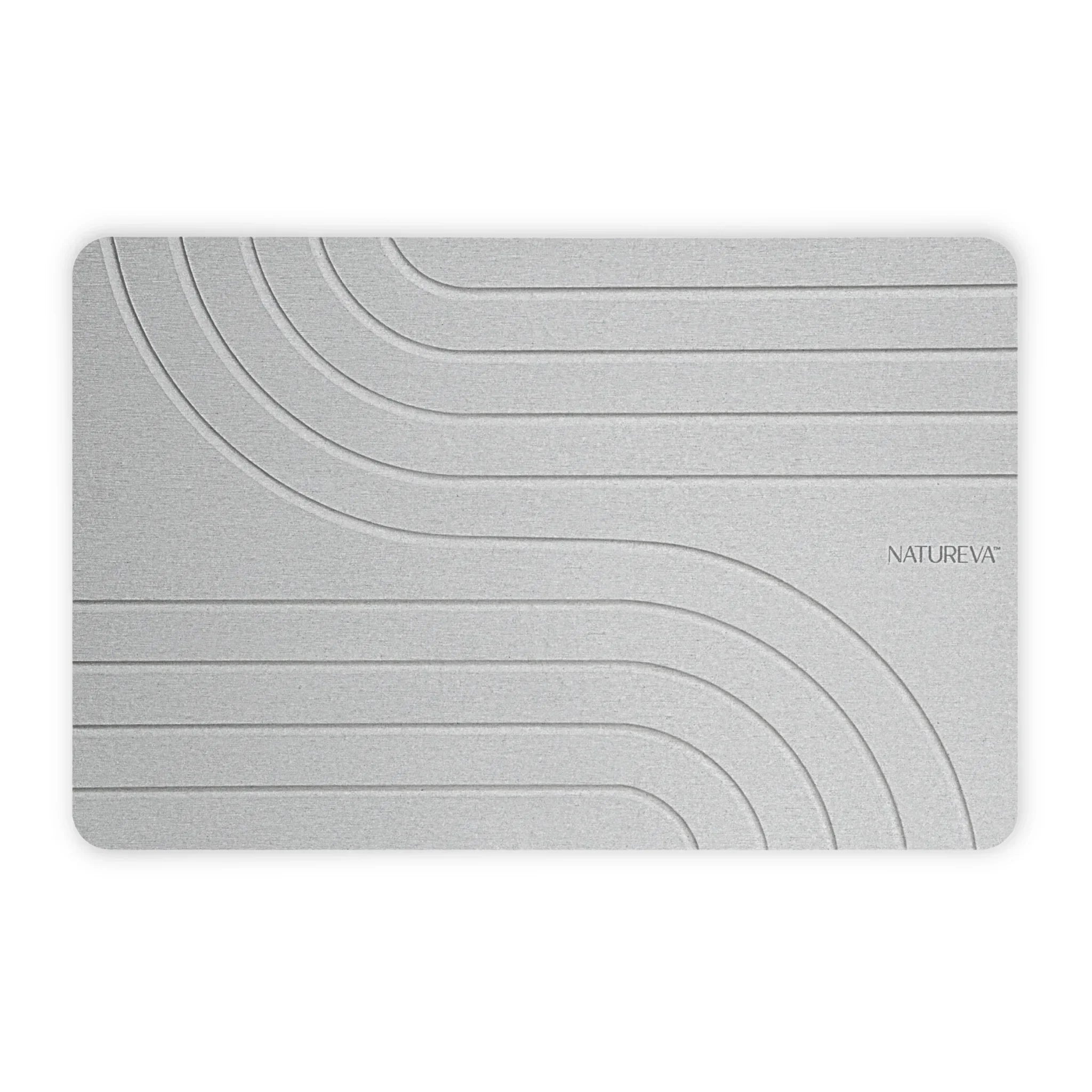
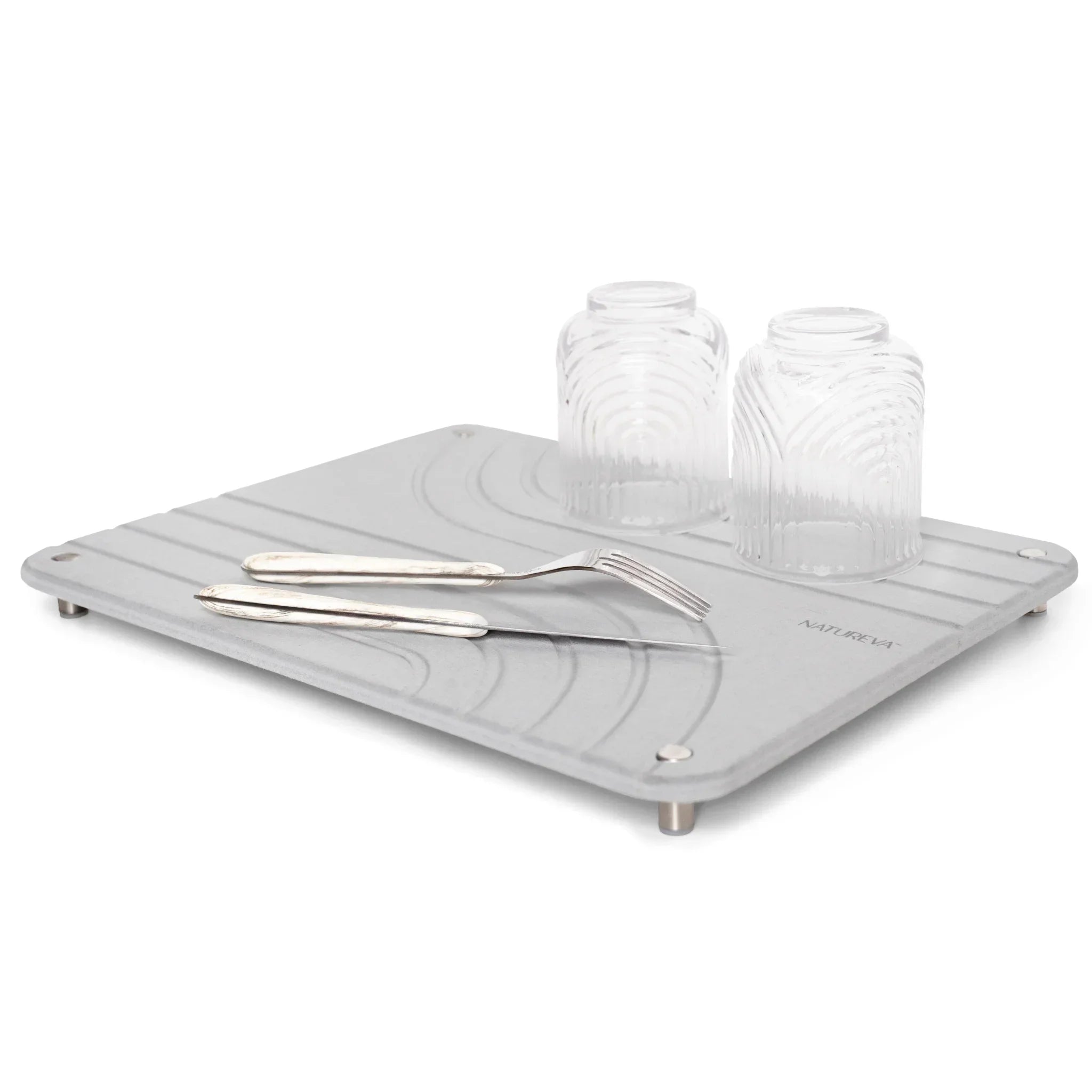
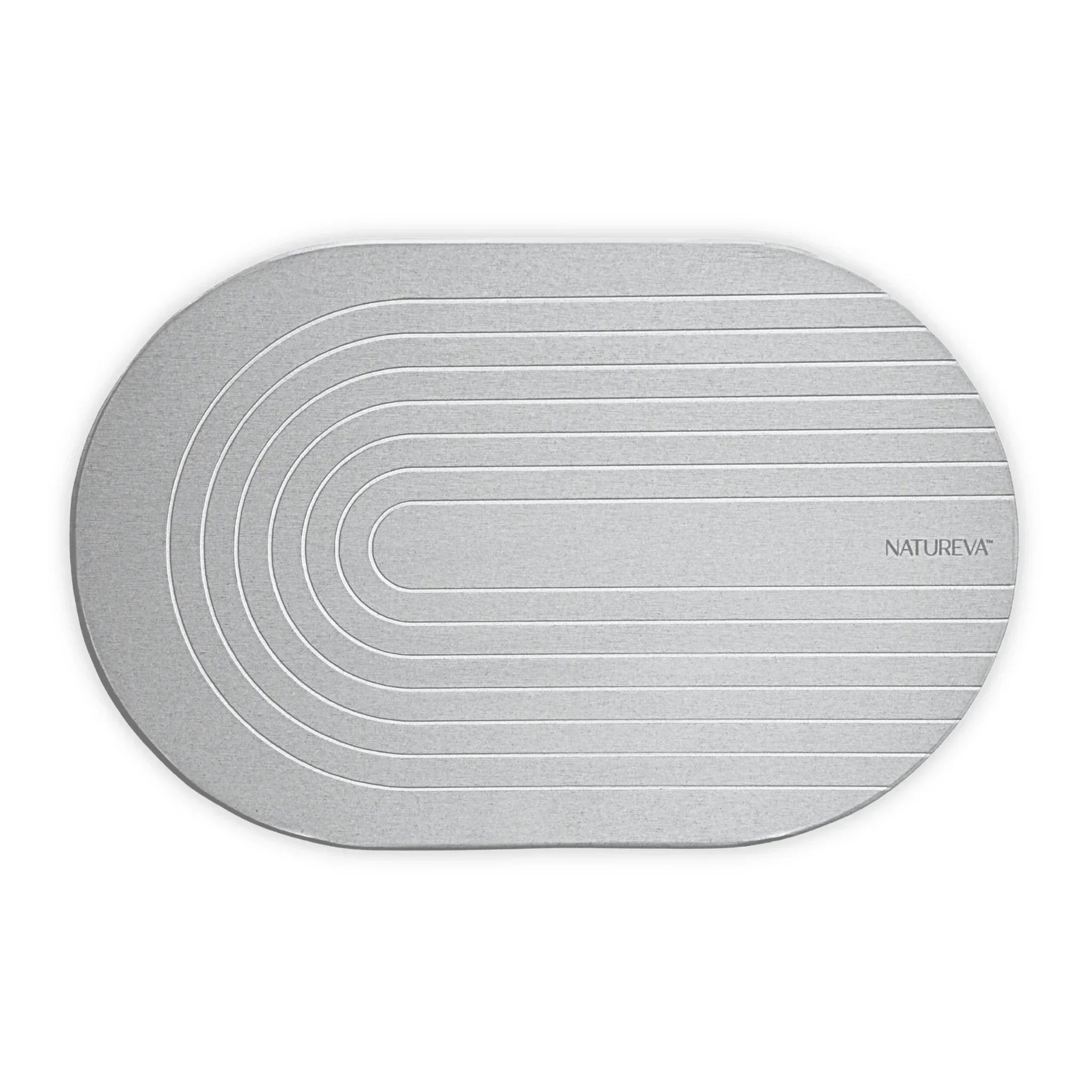
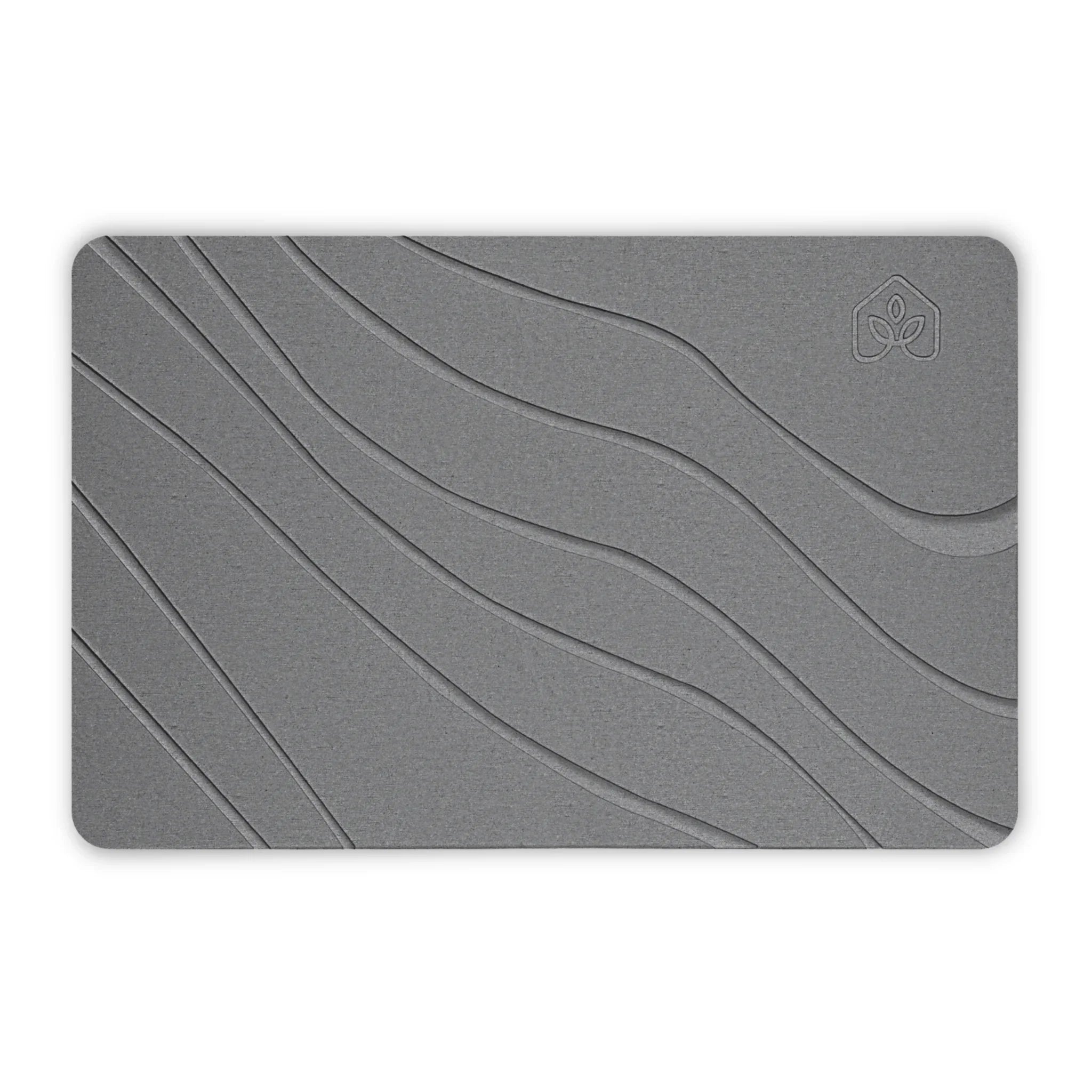
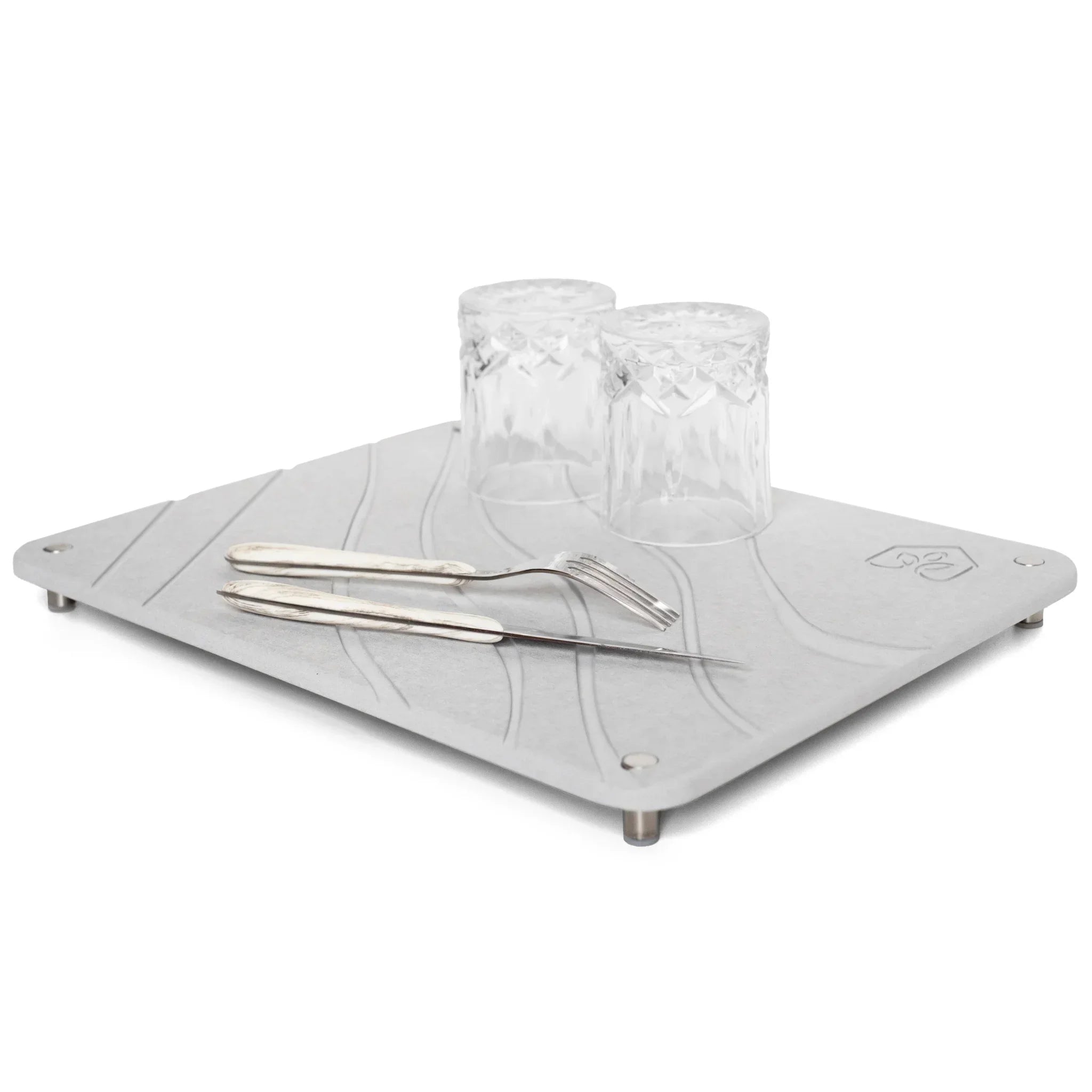
Stone Bath Mat - Arch
The difference isn't just about convenience. Faster absorption means water doesn't have time to pool around the mat or seep onto your tile. This matters more than you'd think, especially if you have kids running around or elderly family members who need stable footing.
Here's what happens with different absorption speeds:- Under 3 seconds: Water disappears before it can spread, keeping floors completely dry
- 15-30 seconds: Water pools around your feet and spreads to surrounding floor areas
- Over 30 seconds: Significant puddles form, creating slip hazards and requiring towels or mopping
The actual water capacity matters too. A typical absorbent mat needs to handle about 200-300 milliliters of water per use. Stone mats can absorb roughly 150% of their weight in water per square foot, which beats most fabric options. The Stone Bath Mat - Tide and Stone Bath Mat - Arch both use this natural absorption property to keep your bathroom safer right when you need it most.
Drying Time Makes or Breaks Hygiene
The real problem with bathroom mats isn't just getting them wet. It's how long they stay wet afterward. Fabric mats can take 4 to 6 hours to dry completely, depending on your bathroom's humidity and airflow. Stone mats dry in 30 to 60 minutes because of how the diatomaceous earth naturally evaporates moisture. That time difference changes everything about what's growing on your mat while you're not looking.
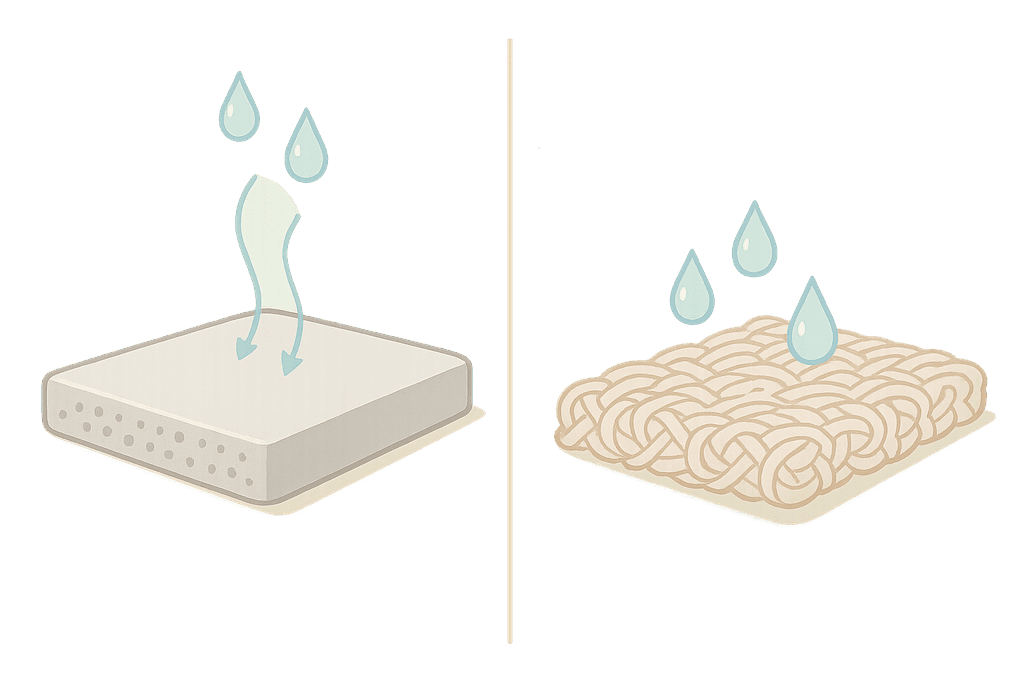
Drying Time Makes or Breaks Hygiene
Bacteria need moisture to multiply, and they start doing exactly that after just 2 hours in a damp environment. Your fabric mat is basically a bacteria hotel for most of the day.
| Time After Use | Stone Mat Moisture | Fabric Mat Moisture | Bacteria Risk |
|---|---|---|---|
| 30 minutes | Nearly dry | Very damp | Low vs High |
| 2 hours | Completely dry | Still damp | None vs Growing |
| 4 hours | Dry | Slightly damp | None vs Moderate |
| 24 hours | Dry | Dry (if unused) | Minimal both |
The evaporation rate depends on the material's porosity. Diatomaceous earth has millions of tiny pores that pull moisture to the surface where air can carry it away. This is why stone mats don't just absorb water faster but also release it faster. When moisture levels drop below 20%, bacterial growth basically stops. Stone mats hit that threshold in under an hour, while fabric mats stay in the danger zone for most of the day.
Over a 24-hour period, a fabric mat might only be truly dry for a few hours before someone uses it again. A stone mat spends most of that time completely dry and ready to go. According to research on industrial absorbent materials, the speed of moisture release directly impacts hygiene outcomes in high-use environments.
The Real Numbers on Bacteria Prevention
Testing shows that fabric mats harbor 99% more bacteria than stone mats after just one week of regular use. That's not a small difference. We're talking about the difference between a surface that's relatively clean and one that's covered in microorganisms you can't see but definitely don't want touching your feet. The reason comes down to moisture retention and how long bacteria have to set up shop before conditions become inhospitable.
Mold spores are even faster. They can begin growing within 24 to 48 hours on any damp surface, and your bathroom provides the perfect temperature for them to thrive. Once mold gets established in a fabric mat, it's nearly impossible to remove completely without harsh chemicals or replacement.
The hygiene timeline breaks down like this:- 0-2 hours: Safe window before bacteria multiplication begins
- 2-24 hours: Bacteria colonies start forming on damp surfaces
- 24-48 hours: Mold spores can begin growing if moisture persists
- 1 week: Bacterial load becomes significant on fabric mats
- 1 month: Deep-set bacteria and potential mold require replacement or intensive cleaning
Stone mats keep moisture levels low enough that bacteria struggle to establish themselves. The natural properties of diatomaceous earth also create an environment that's less friendly to microbial growth. You'll need to clean a fabric mat every 3 to 4 days to maintain basic hygiene, while stone mats can go 1 to 2 weeks between cleanings. Over months of use, that adds up to significantly less maintenance and better long-term cleanliness.
The cost-effectiveness becomes clear when you factor in replacement cycles too. Studies on absorbent material longevity show that materials with faster drying times last considerably longer before needing replacement. Our stone bath mat collection uses this principle to give you a mat that stays cleaner with less effort, which is really what everyone wants from their bathroom accessories.
What These Numbers Mean for Your Home
The next generation of home essentials: naturally made, cleaner by design, sustainable by nature.
SHOP ALLWhen you look at all these numbers together, they paint a pretty clear picture of what's happening in your bathroom every single day. Traditional fabric mats hold onto moisture for hours, creating the perfect breeding ground for bacteria and mold that you can't even see. An absorbent mat made from stone changes this completely by drying in minutes instead of hours. This isn't just about having a dry mat, it's about what happens to your bathroom floor, your cleaning routine, and even your monthly budget over time.
The Real Cost of Bathroom Mats
Most people replace their fabric bathroom mats every 6-12 months because they start to smell or look worn out. At $20-30 per replacement, you're spending $40-60 every two years just on basic mats.
- Fabric mats need replacement every 6-12 months due to wear and odor
- Stone mats like our Natureva Stone Bath Mat last 3-5 years with proper care
- Over five years, fabric mats cost $100-150 vs one-time $59 for stone
- Add in washing costs for fabric mats (water, detergent, energy) weekly
The math gets even more interesting when you factor in the time spent washing fabric mats every week. That's roughly 52 loads per year just for bathroom mats, using water and energy that stone mats never need.
Safety Numbers That Matter
Slip and fall accidents in bathrooms send thousands of people to emergency rooms each year. Wet floors are the main culprit, and traditional mats that stay damp actually make this worse by creating puddles around them.
| Mat Type | Drying Time | Floor Wetness |
|---|---|---|
| Fabric Mat | 4-6 hours | High puddle risk |
| Stone Absorbent Mat | 5-10 minutes | Minimal moisture |
Health Impact by the Numbers
Bacteria colonies grow exponentially in damp environments. A fabric mat that stays wet for six hours gives bacteria plenty of time to multiply, while a stone mat that dries in minutes stops this growth before it starts.
- Damp fabric mats can harbor millions of bacteria within 24 hours
- Mold spores begin growing in consistently damp materials after 48 hours
- Quick-drying surfaces reduce bacterial growth by up to 90%
This matters especially for families with young children who often sit or play on bathroom floors. Reducing bacteria exposure isn't just about cleanliness, it's about preventing skin irritations and respiratory issues that come from constant mold exposure.
Environmental Impact Over Time
Buying one product that lasts five years instead of replacing something every year makes a real difference. The production, shipping, and disposal of multiple fabric mats adds up to a much larger carbon footprint than a single stone mat.
- Manufacturing one stone mat vs five fabric mats reduces production waste
- No weekly washing means saving approximately 2,600 gallons of water over five years
- Fewer replacements mean less packaging waste in landfills
- Natural diatomaceous earth is biodegradable unlike synthetic mat materials
The Bottom Line on Absorbent Mat Performance
When you look at the numbers, the difference between traditional fabric mats and stone mats becomes pretty clear. We're talking about 3-second absorption versus several minutes of waiting around on a soggy surface. The 30-minute drying time means your mat is ready for the next person who needs it, not sitting there damp for hours. And that 99% reduction in bacteria growth isn't just a nice bonus, it's a real health benefit for your family.
The safety factor matters more than most people realize. Slip-related bathroom injuries send thousands of people to the emergency room every year, and a wet floor is usually the culprit. An absorbent mat that actually works can prevent those accidents before they happen.
Our stone bath mats deliver these measurable results because of how diatomaceous earth naturally pulls water away from the surface. The Stone Bath Mat - Tide and Stone Bath Mat - Arch both use this same material to keep your bathroom floor dry and safe.
The data shows what works and what doesn't when it comes to water control. Now you probably have some questions about how these mats actually work in real life, which is exactly what we'll cover next.
Common Questions About Absorbent Mat Performance
People always want to know the real numbers before they buy something new for their bathroom. Stone mats are still pretty new to most folks, so there's a lot of confusion about how they actually work compared to regular fabric mats. Here are the answers to the questions we get asked most often about absorbent mat performance and what you can really expect.
How much water can a stone mat actually absorb?
A quality stone absorbent mat can soak up about 150% of its own weight in water. That means a standard mat can handle roughly 2-3 cups of water before it needs time to fully dry out. Our Natureva Stone Bath Mat absorbs water on contact and starts evaporating it immediately, so you're rarely dealing with a saturated mat unless multiple people shower back-to-back.
How long does it really take for a stone mat to dry completely?
Most stone mats dry to the touch within 60-90 seconds after you step off them. Complete internal drying takes about 15-30 minutes depending on your bathroom's humidity and airflow. This is way faster than fabric mats that can stay damp for 4-6 hours or even longer in humid bathrooms.
Do stone mats work better than memory foam or microfiber?
Stone mats absorb water at about the same rate as microfiber, but the big difference is the drying time. Memory foam and microfiber mats trap moisture inside their fibers, which means they stay wet and can grow mold or bacteria. Stone mats release moisture through evaporation, so they're dry and ready for the next person in minutes instead of hours. The surface also doesn't get that gross damp feeling that fabric mats get.
How often do you need to clean a stone absorbent mat?
You should wipe down your stone mat with a damp cloth once a week and do a deeper clean with fine sandpaper every 2-3 months. This removes any soap residue or dead skin cells that can clog the pores and slow down absorption. It takes about 2 minutes and keeps your mat working like new.
Will a stone mat prevent all bathroom floor water?
An absorbent mat catches most of the water from your feet, but it won't stop splashing or water that runs off your body before you step onto it. You'll still want to place it right outside your shower or tub where you naturally step out. It handles normal use really well but isn't designed to deal with flooding or major spills.
How long do stone mats maintain their absorption capacity?
With proper care, a quality stone mat keeps its absorption capacity for 2-3 years of daily use. Some brands like those from competitors claim longer lifespans, but real-world performance depends heavily on maintenance and water quality in your area. Hard water can clog the pores faster, which is why regular cleaning matters so much for longevity.
The next generation of home essentials: naturally made, cleaner by design, sustainable by nature.
SHOP ALL