
Top Three Non Slip Bath Mat Materials Compared
Every year, over 230,000 people end up in the emergency room because of bathroom falls, and your bath mat plays a bigger role in preventing these accidents than most people realize. The material you choose for your non slip bath mat doesn't just affect how safe you feel stepping out of the shower—it impacts everything from how often you're washing it to whether mold and bacteria are growing underneath. In this guide, we'll compare the three most popular bath mat materials so you can find the one that keeps your bathroom safer, cleaner, and easier to maintain.
Table of Contents
- Understanding Non Slip Bath Mat Materials
- Cotton Bath Mats The Traditional Choice
- The Reality of Cotton Maintenance
- What Microfiber Still Gets Wrong
- Why Stone Mats Are Different
- Natureva Stone Bath Mat Options
- The Long Term Value Question
- Which Non Slip Bath Mat Material Wins
- Finding Your Perfect Non Slip Bath Mat
- Common Questions About Non Slip Bath Mats
Understanding Non Slip Bath Mat Materials
Every year, over 230,000 bathroom injuries happen because of slippery floors. Most of these accidents could be stopped with the right non slip bath mat. But here's the thing - not all bath mats work the same way, and the material makes a huge difference in how safe and dry your bathroom stays.
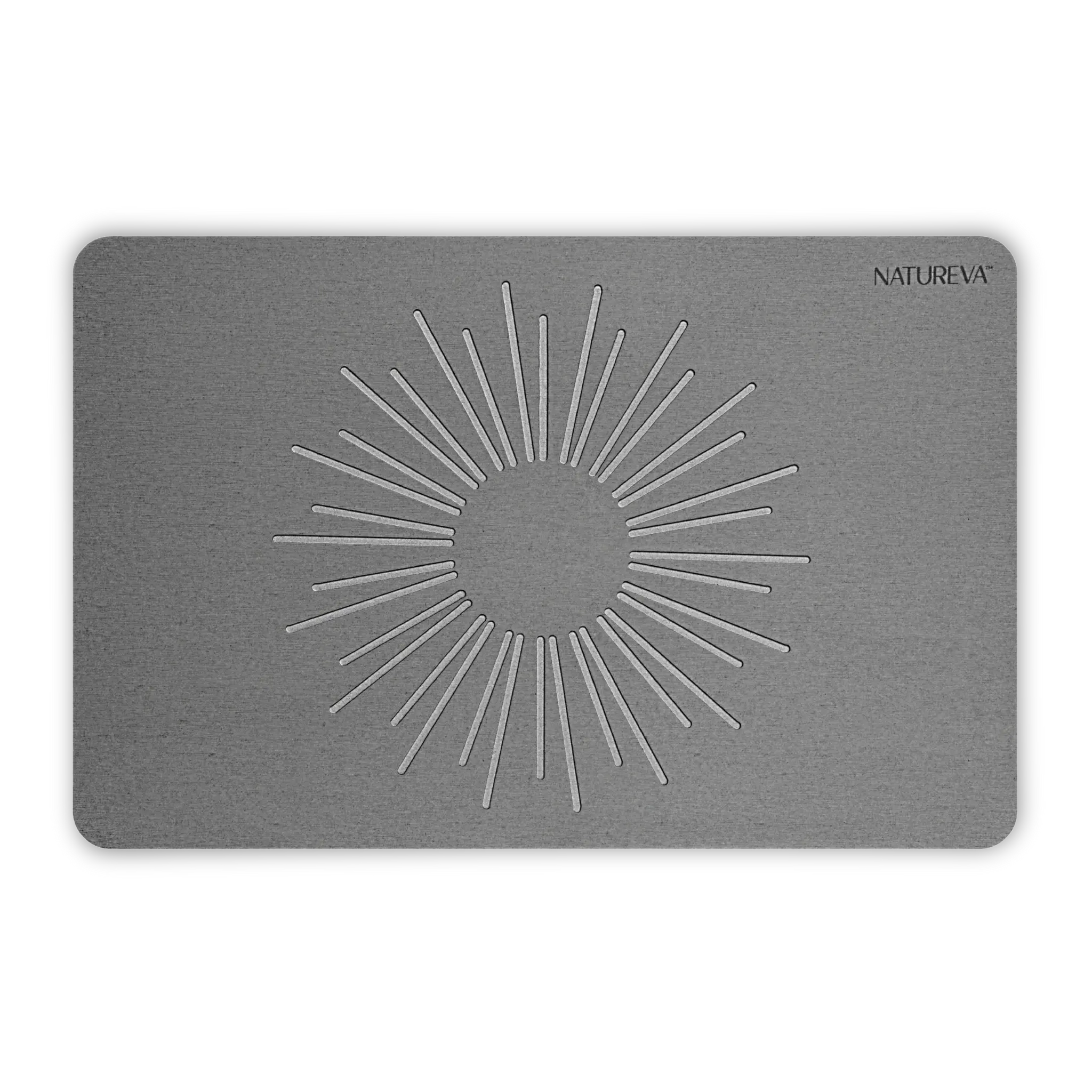
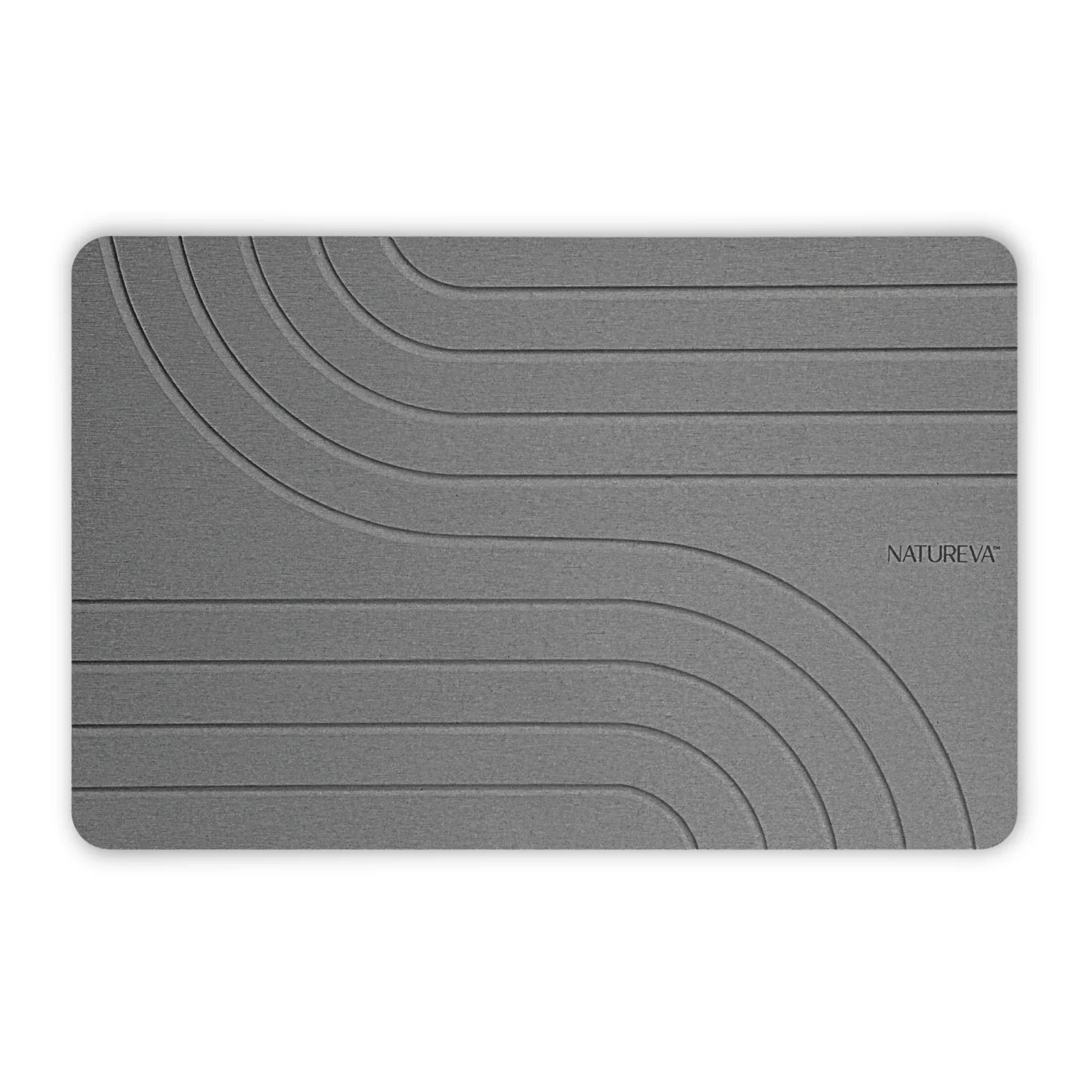
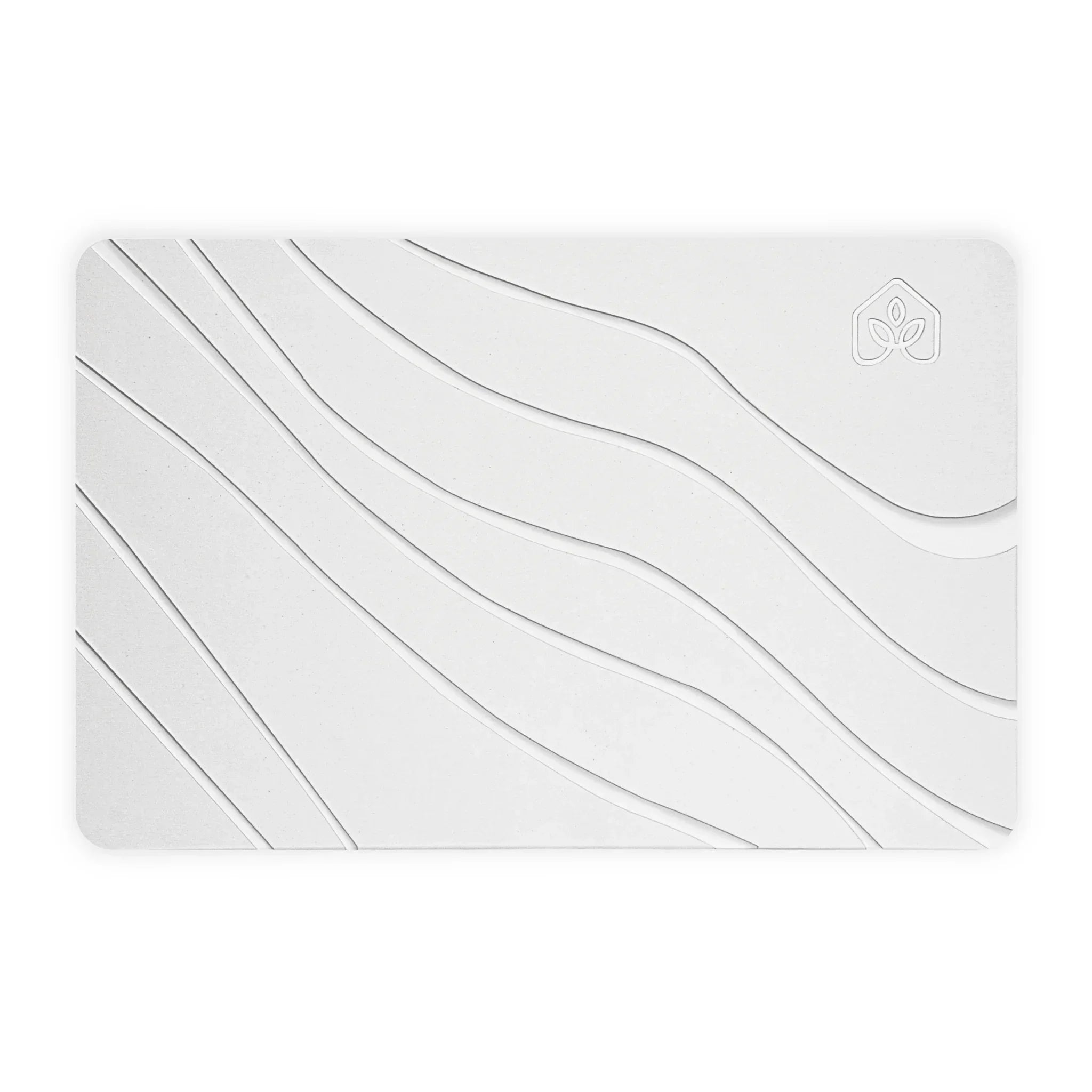
Stone Bath Mat - Aura
What Makes a Bath Mat Non Slip
The non-slip feature comes from two main things working together. First, there's the bottom of the mat that grips your floor. Second, there's the top surface where your feet land. The best non slip bath mat options handle both parts well, but each material does it differently.
Traditional mats use rubber backing to stick to the floor. The top surface might have texture or special fibers that create friction when wet. Stone mats like our Natureva Stone Bath Mat work differently - they use natural grip from the material itself plus quick drying to keep surfaces safe.
How Water Absorption Changes Everything
Water sitting on a mat is what causes most slips. Different materials handle moisture in completely different ways, and this affects both safety and cleanliness.
| Material Type | Drying Time | Water Capacity | Bacteria Risk |
|---|---|---|---|
| Cotton | 2-4 hours | Medium | High |
| Microfiber | 1-2 hours | High | Medium |
| Diatomaceous Stone | Under 1 minute | Very High | Low |
Cotton soaks up water but holds onto it for hours. Microfiber grabs more water faster but still stays damp. Stone mats absorb water instantly and then release it into the air within seconds.
The Three Main Material Options
When shopping for a non slip bath mat, you'll run into three main choices. Each one has fans and critics, and safety experts have different opinions on which works best for preventing falls.
- Cotton mats are the classic choice that most people grew up with
- Microfiber mats became popular in the last decade for their absorbency
- Diatomaceous stone mats are the newest option on the market
Cotton feels soft and familiar. Microfiber promises better absorption. Stone mats like our Natureva collection offer instant drying that the other two can't match. The right choice depends on what matters most to you - comfort, absorption speed, or how quickly your bathroom dries out.
Cotton Bath Mats The Traditional Choice
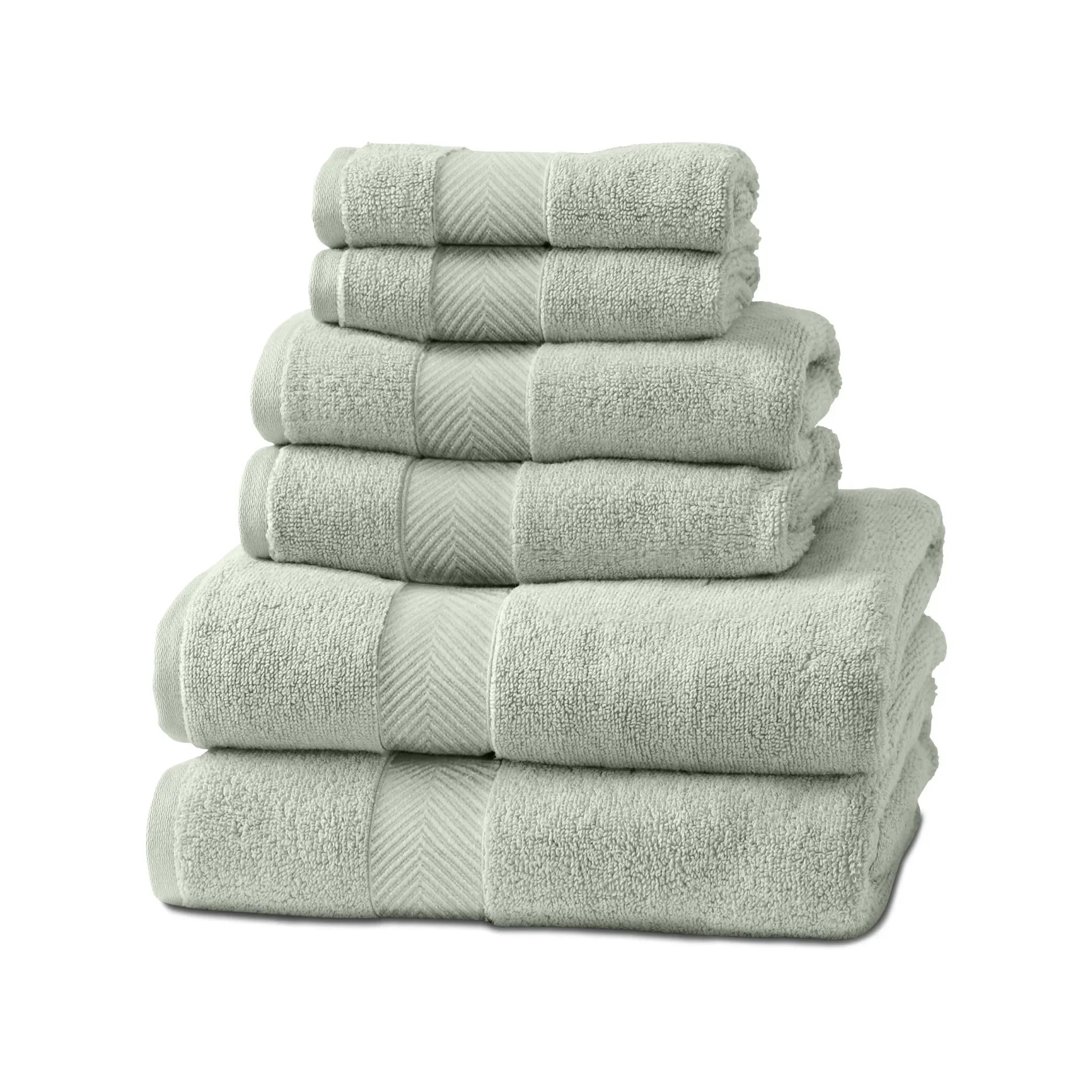
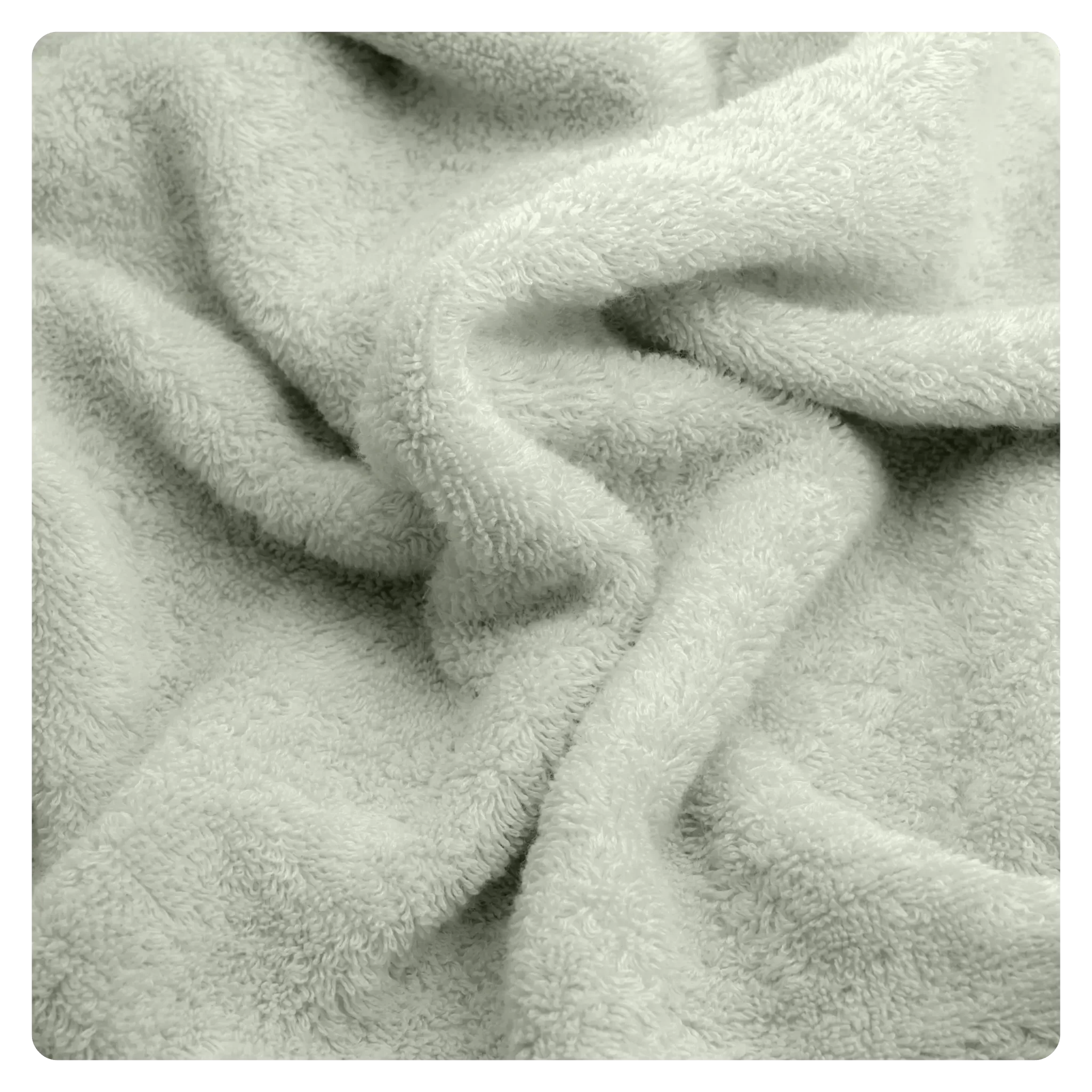
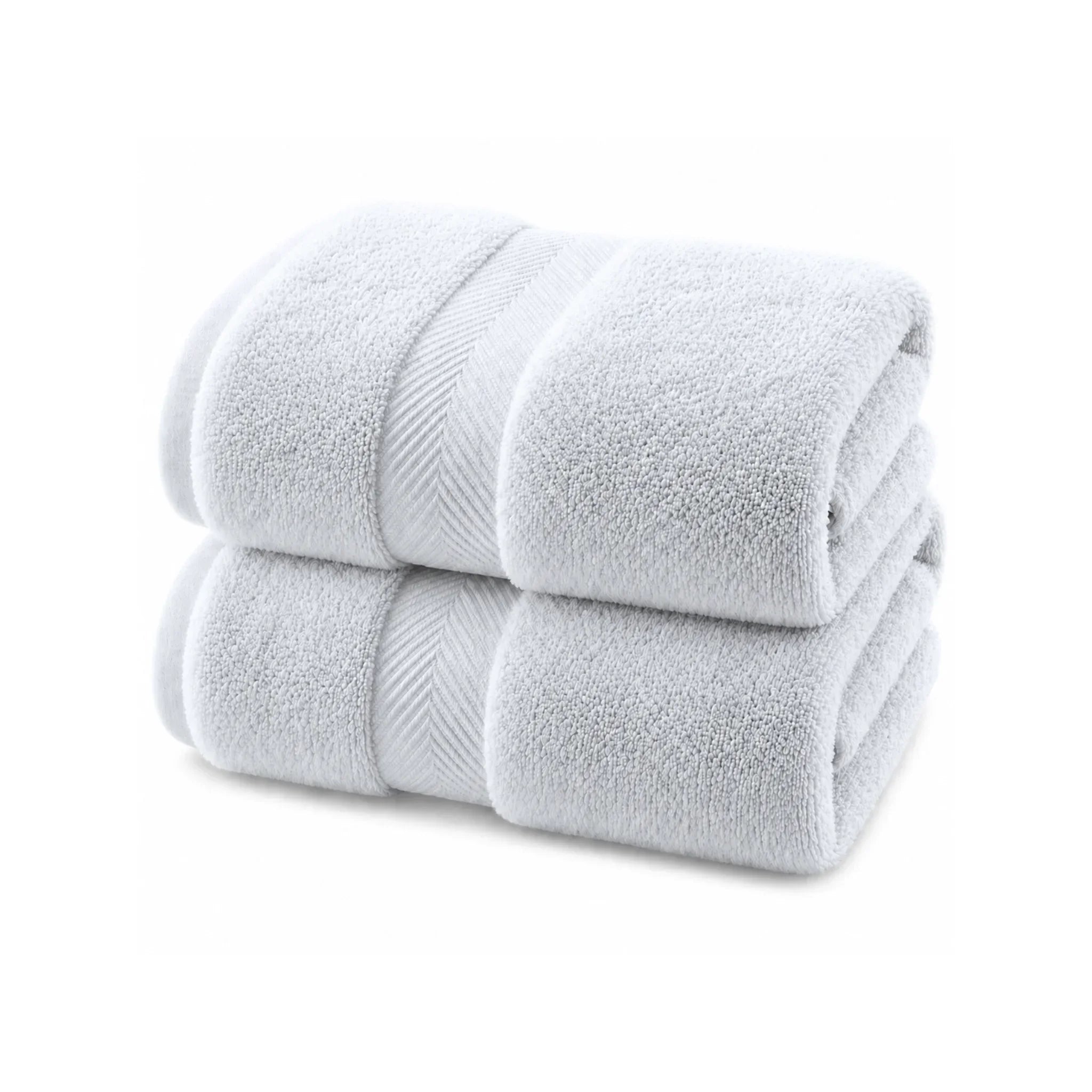
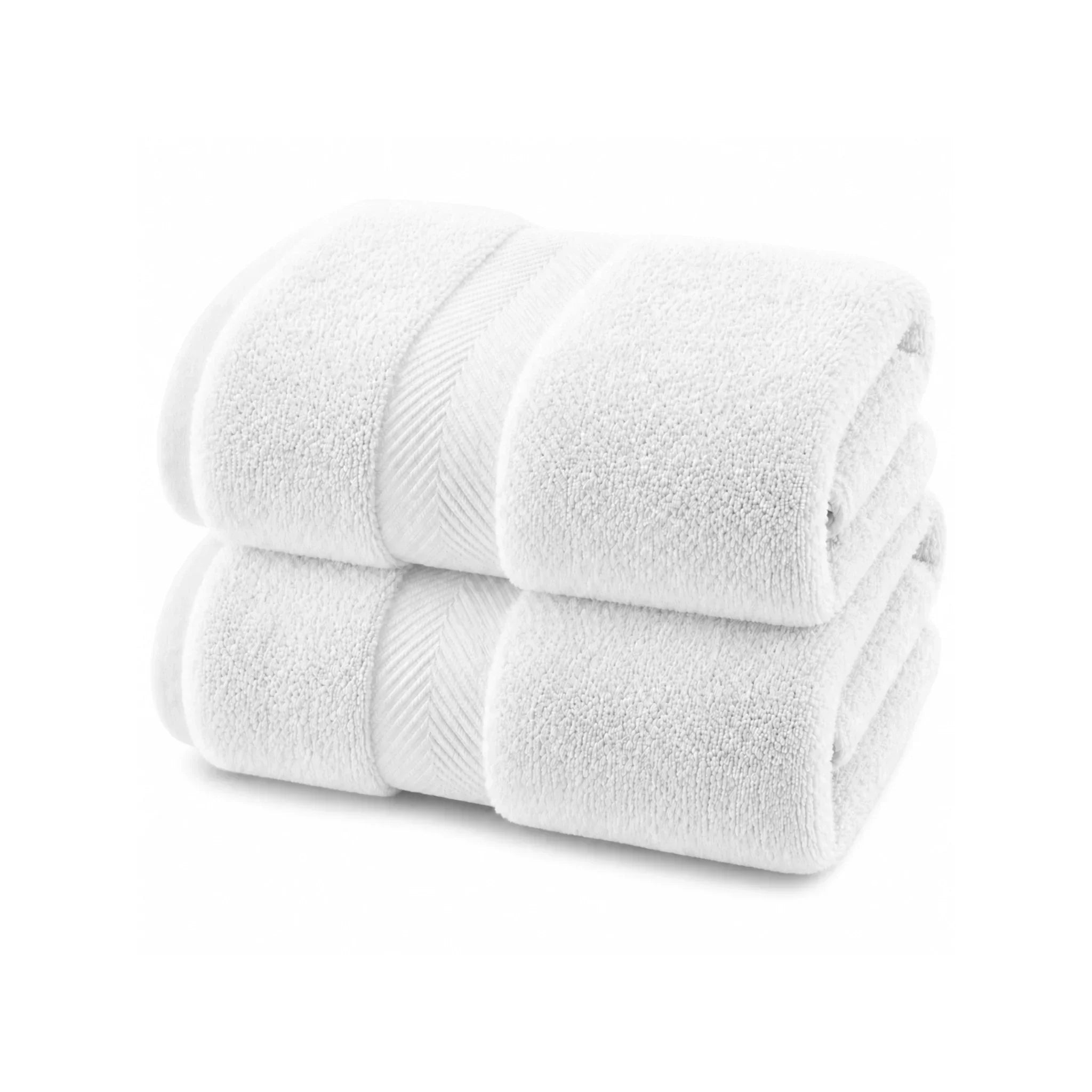
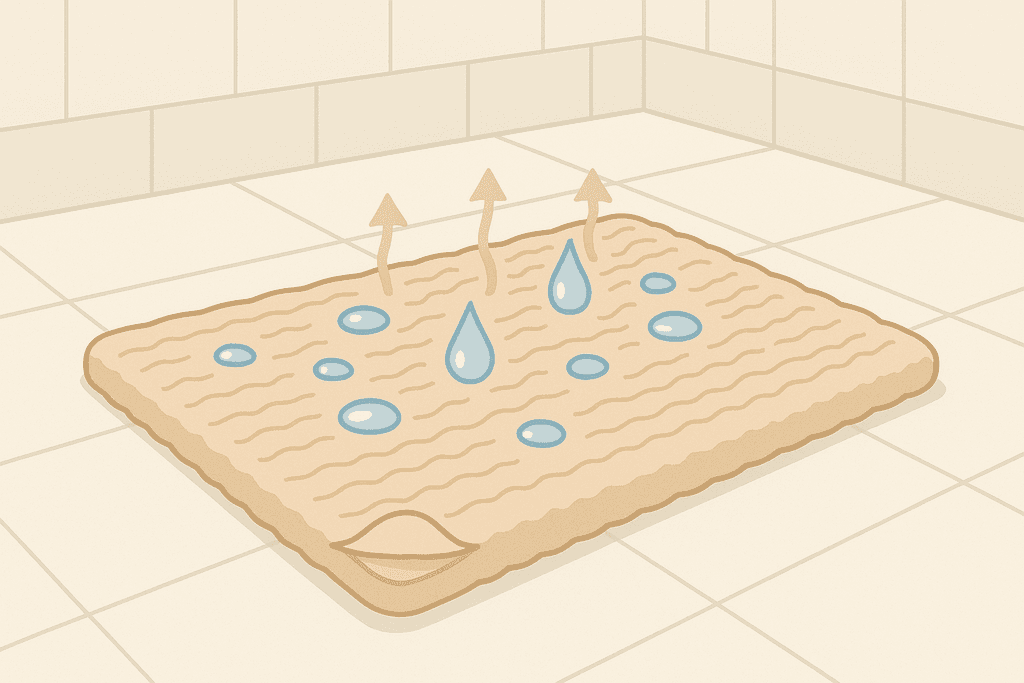
Most people grew up with cotton bath mats in their homes, and there's a good reason they've been around forever. Cotton is a natural fiber that feels soft under your feet, and it's what most of us think of when we picture a typical non slip bath mat. The material absorbs water pretty well when you first step out of the shower, which is exactly what you need in that moment. Cotton mats come in tons of colors and styles, so finding one that matches your bathroom decor is never a problem. They're also usually the cheapest option at the store, which makes them tempting for anyone on a budget.
But here's where things get tricky with cotton. While it soaks up water initially, it also holds onto that moisture for hours. You know that damp, musty smell that develops after a few days? That's because cotton takes forever to dry completely, especially in bathrooms without great ventilation.
The Reality of Cotton Maintenance
- Washing frequency: Cotton mats need to be thrown in the washing machine at least once a week to prevent bacteria buildup
- Drying time: Even after washing, they can take 6-12 hours to fully dry
- Mold risk: That constant dampness creates the perfect environment for mold and mildew
- Non-slip backing: The rubber backing that keeps them in place tends to crack and peel after repeated washing
- Lifespan: Most cotton mats need replacing every 6-12 months as they become worn and less absorbent
The different types of bath mat materials each have their own maintenance requirements, but cotton definitely demands the most attention. You're basically signing up for weekly laundry duty just to keep your bath mat fresh.
Cotton Bath Mats: The Traditional Choice
Microfiber Bath Mats The Modern Alternative
Microfiber mats showed up as an improvement over traditional cotton, and they do solve some problems. These synthetic fibers are engineered to be super thin, which means more surface area for soaking up water. A microfiber non slip bath mat can actually absorb more water than cotton in the first few seconds after you step on it. The material also dries faster than cotton because those tiny fibers release moisture more quickly. Most microfiber mats come with a non-slip backing that tends to last longer than the rubber used on cotton mats, which is a nice bonus for safety.
The care routine is easier too. You can toss microfiber mats in the washing machine just like cotton, but they come out of the dryer much faster. Some people notice they don't get that same musty smell as quickly as cotton does.
What Microfiber Still Gets Wrong
- Still holds moisture: While better than cotton, microfiber mats still stay damp for several hours
- Requires regular washing: You're still looking at weekly or bi-weekly washing to keep them hygienic
- Synthetic material concerns: Some people prefer natural materials over petroleum-based synthetics
- Texture issues: The plush feel can attract hair and lint more easily than other materials
- Price point: Usually costs more than cotton but doesn't last significantly longer
According to bath mat safety experts, both cotton and microfiber mats need proper maintenance to prevent slipping hazards. The problem is that most of us forget to wash them as often as we should.
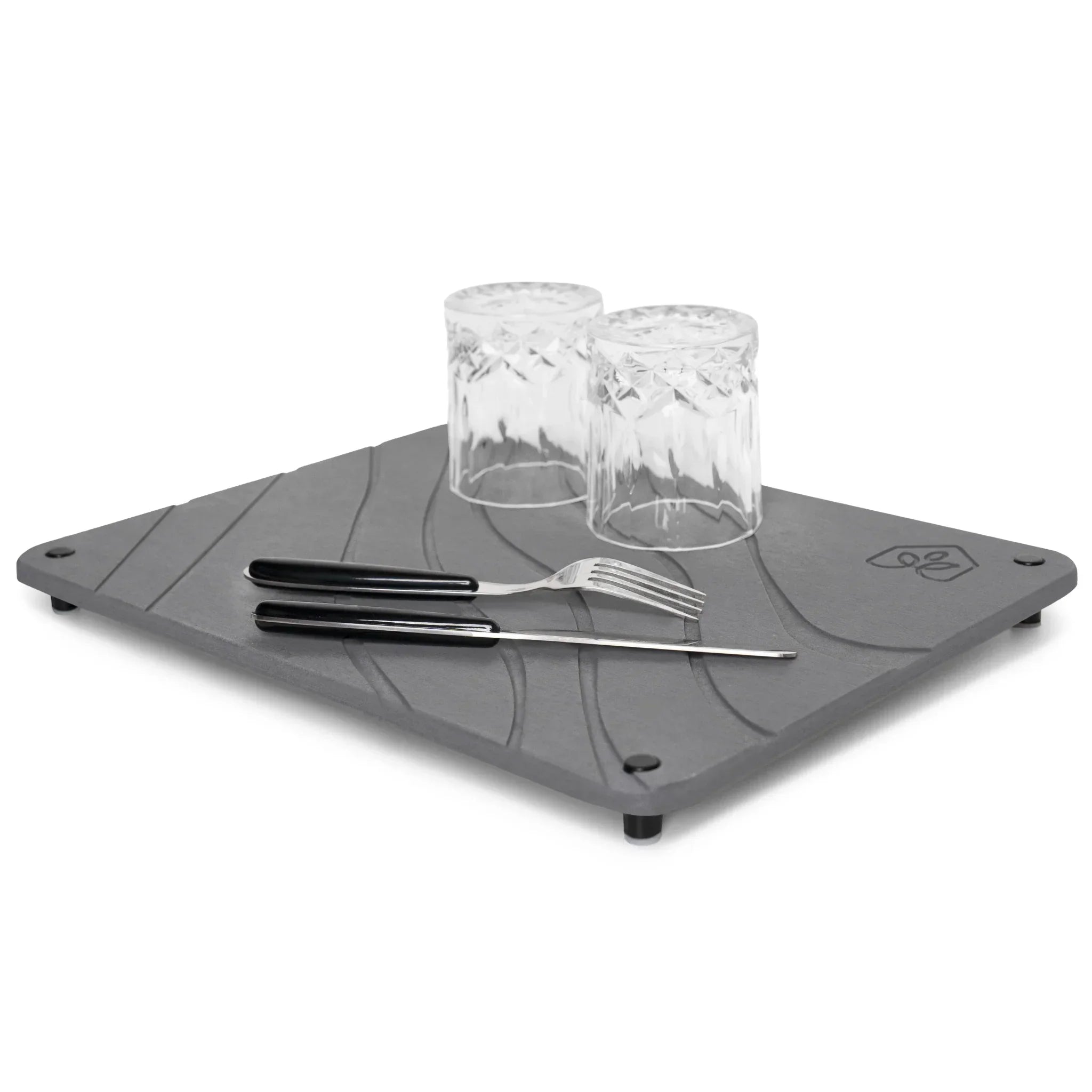
Stone Bath Mat - Tide
Diatomaceous Stone Bath Mats Solving the Dampness Problem
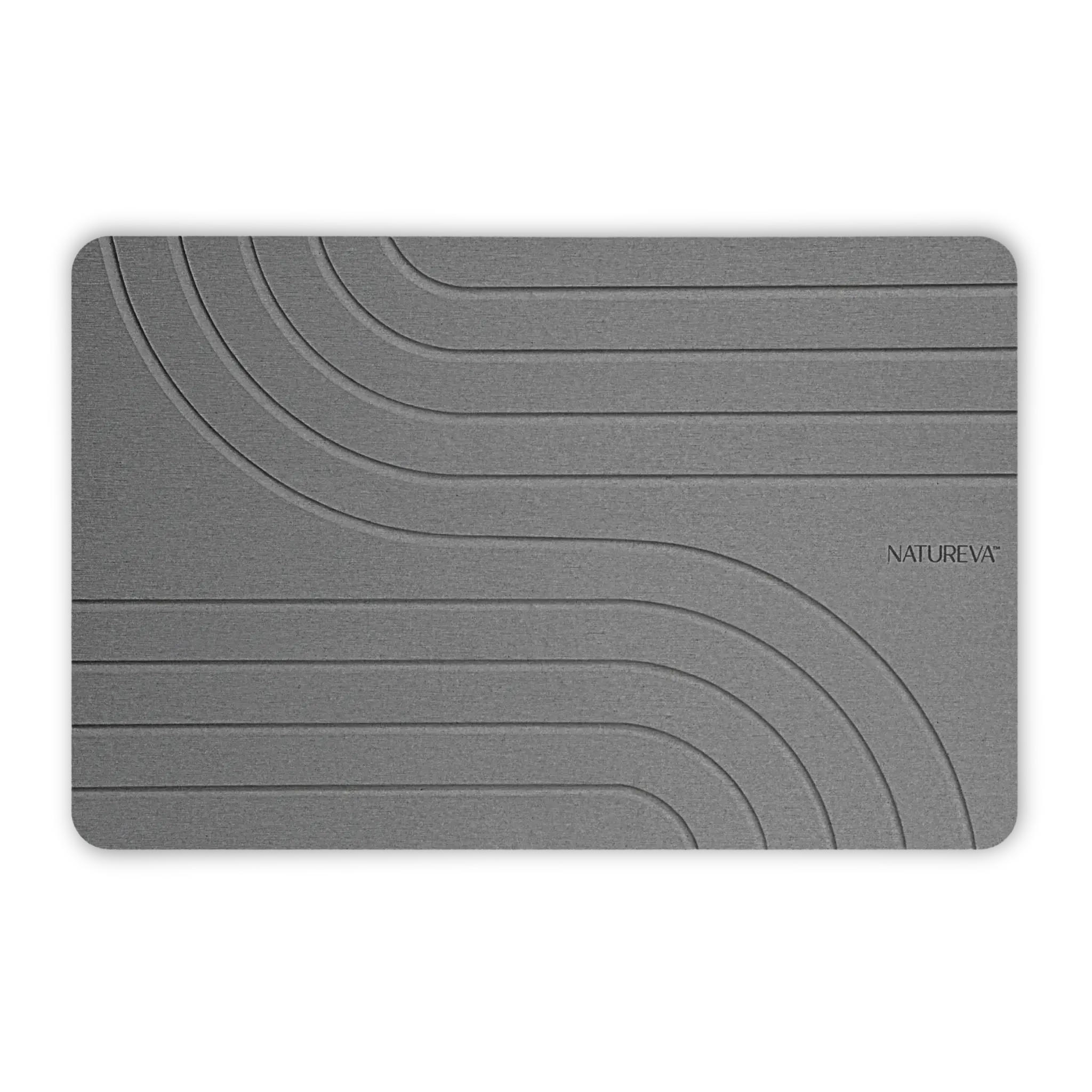
Stone bath mats work completely differently from fabric options, and that's exactly why they're worth talking about. These mats are made from natural diatomaceous earth, which is basically fossilized algae that's been compressed over millions of years. The material has millions of tiny pores that pull water away from your feet instantly through capillary action. What makes this interesting is that the water doesn't just sit there like it does in fabric. Instead, it evaporates through those same pores within seconds, leaving the surface dry and ready for the next person.
The science behind it is pretty straightforward. When water hits the stone surface, it spreads out across all those microscopic channels and gets exposed to air from multiple angles. This means the mat dries itself without any help from you. No more stepping onto a soggy mat hours after someone else showered.
Why Stone Mats Are Different
| Feature | Cotton/Microfiber | Stone |
|---|---|---|
| Drying Time | 6-12 hours | Under 60 seconds |
| Washing Needed | Weekly | Never |
| Mold Risk | High | Minimal |
| Lifespan | 6-12 months | 2-3 years |
The maintenance difference is where stone mats really shine. You never need to wash them because bacteria and mold can't grow on a surface that's always dry. Just wipe them down with sandpaper every few months if they start to feel less absorbent, and that's it.
The next generation of home essentials: naturally made, cleaner by design, sustainable by nature.
SHOP ALLNatureva Stone Bath Mat Options
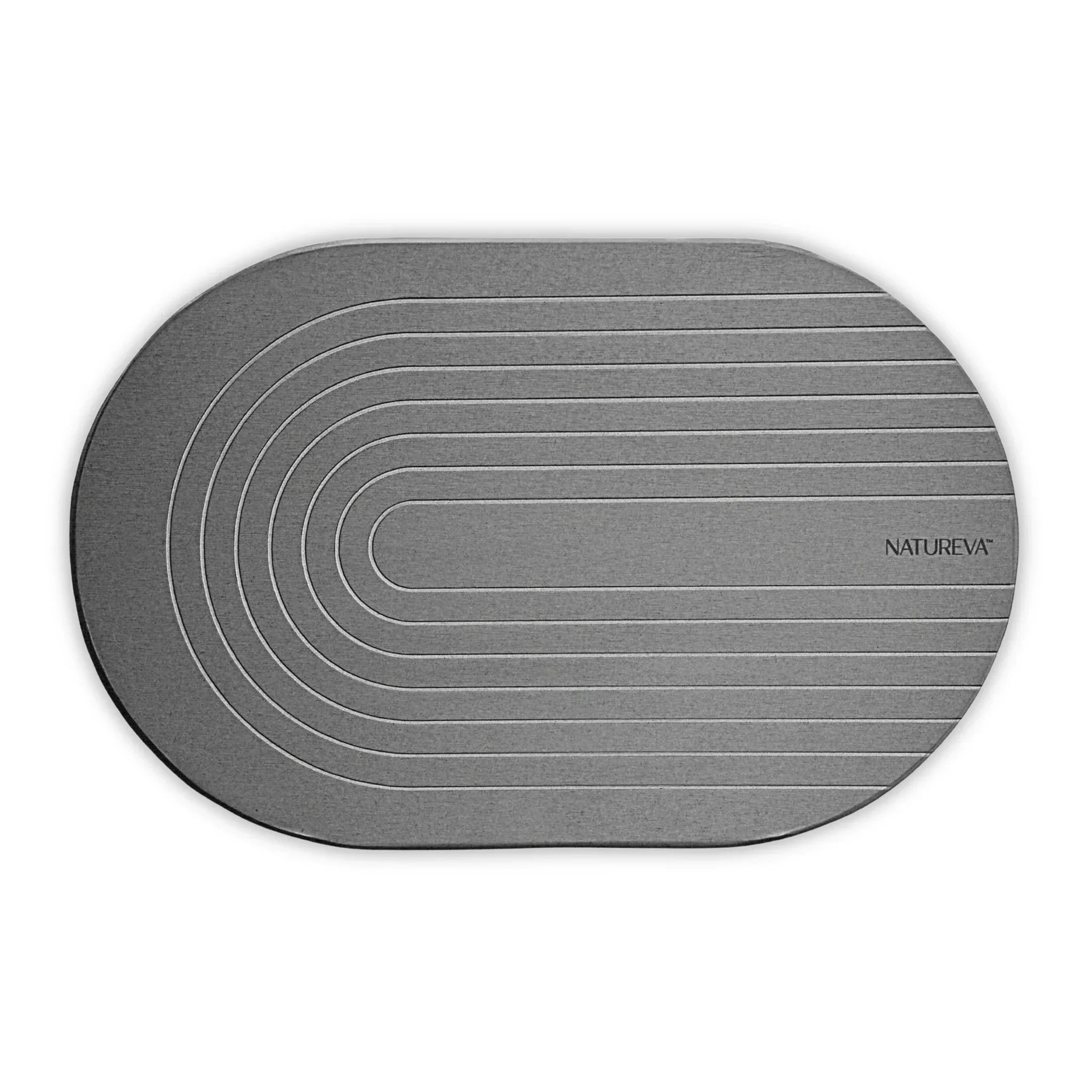
Our Aura stone bath mat features a minimalist design that works in any bathroom style. The natural diatomaceous earth composition means it handles the same instant absorption and quick drying that makes stone mats so practical. At $59, it costs more upfront than a fabric mat, but you're not replacing it every year or spending time on laundry.
The Tide design offers a different aesthetic with the same functional benefits. Both options give you that self-drying surface that prevents the dampness problem entirely. The Arch pattern rounds out the collection with another style choice while maintaining all the practical advantages of diatomaceous stone.
The Long Term Value Question
- No washing costs: Save on water, electricity, and detergent over the mat's lifetime
- No replacement cycle: One mat lasts 2-3 years instead of buying new ones annually
- Time savings: Zero maintenance beyond occasional light sanding
- Health benefits: Dry surface means no mold spores or bacteria growth
- Safety advantage: Always-dry surface provides consistent non-slip protection
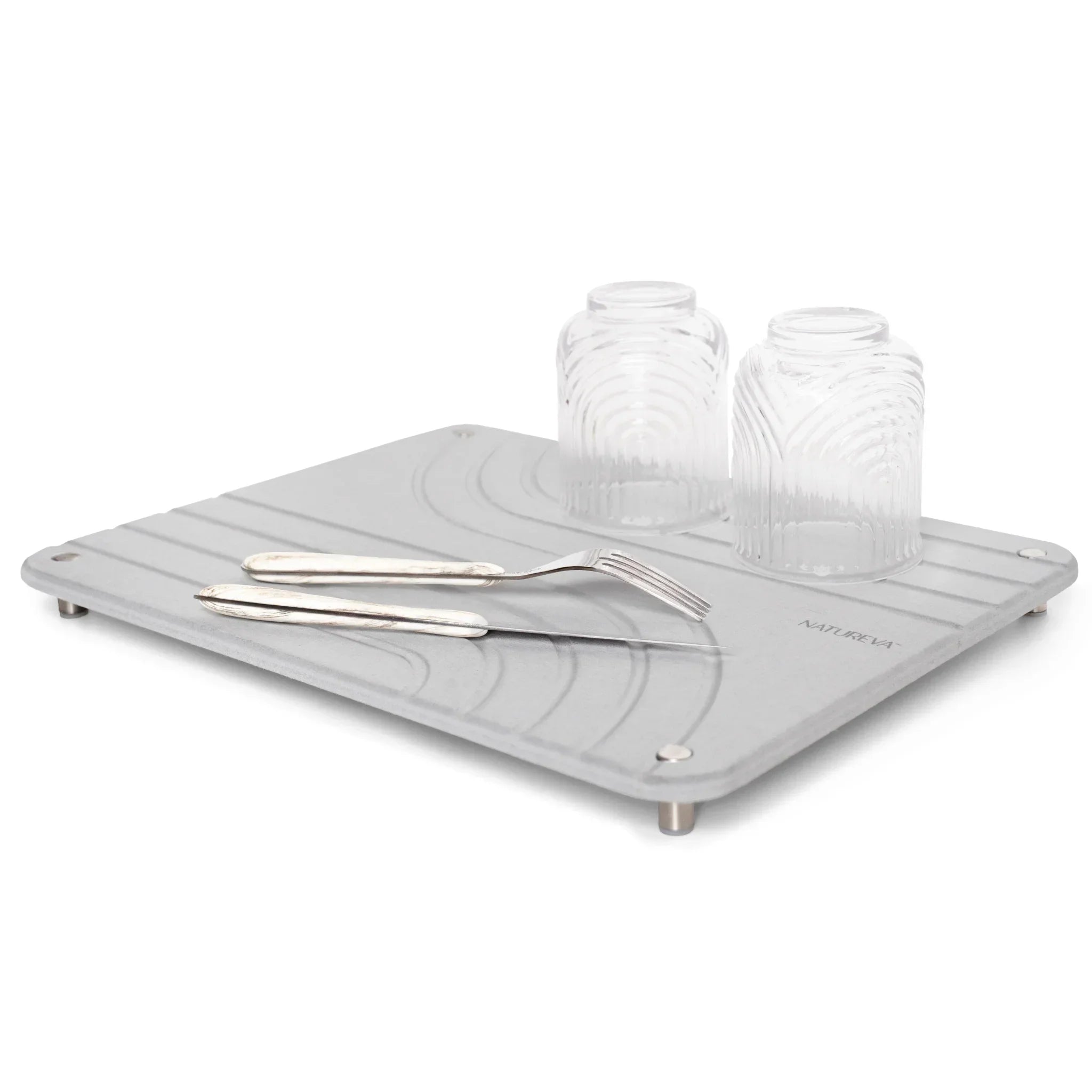
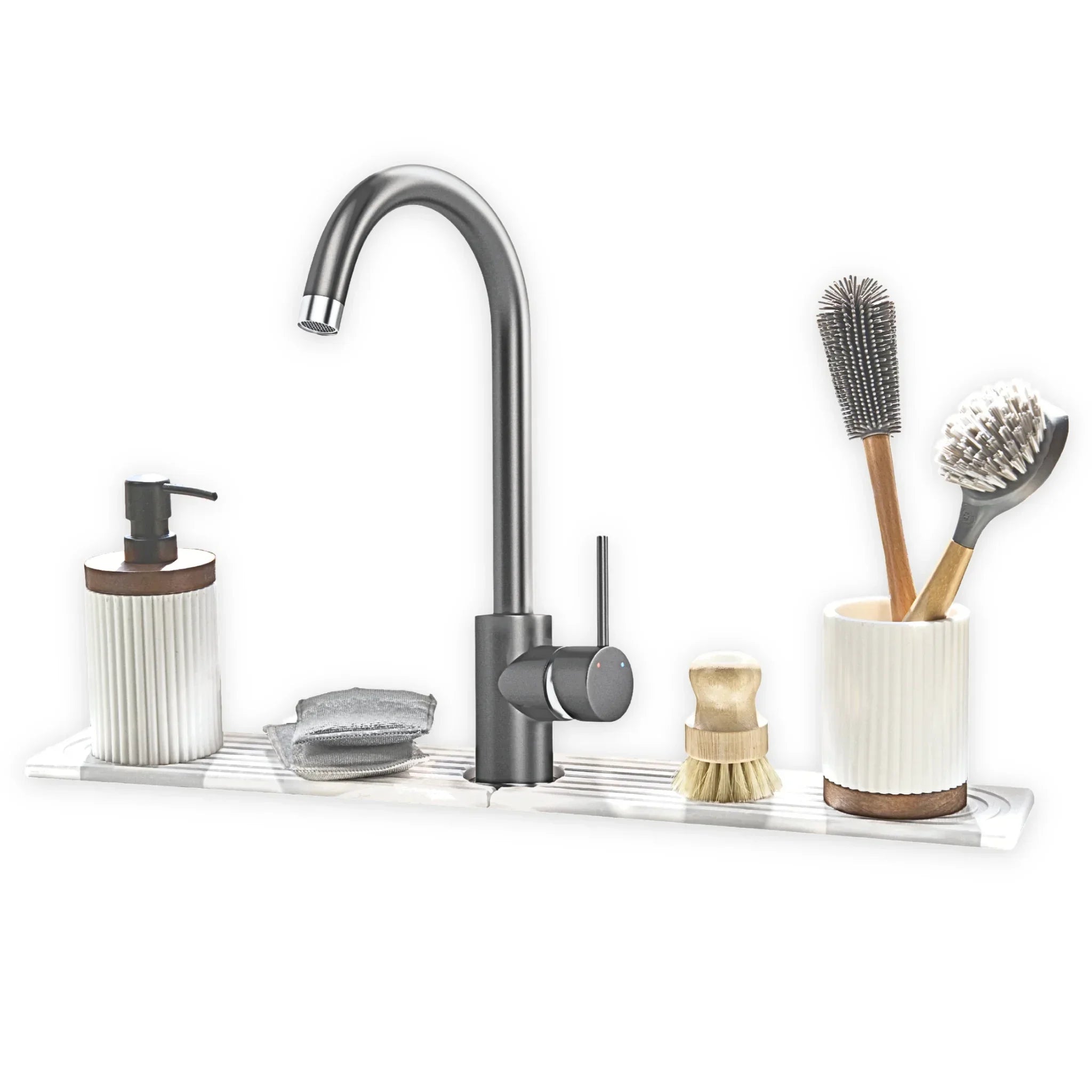
The initial price difference makes sense when you factor in how long stone mats last and how much easier they are to live with. You can check out our full bath mat collection to see all the design options available. The same diatomaceous earth technology also works great for dish mats if you want to solve the damp counter problem in your kitchen too.
Which Non Slip Bath Mat Material Wins
When you look at the numbers, the differences between these three materials become pretty clear. Rubber mats might seem like the budget-friendly choice at first, but they need replacing every 6-12 months because of mold and wear. Microfiber lasts a bit longer but demands constant washing, which adds up in water bills and detergent costs. Stone mats like our Natureva options can last for years with almost zero maintenance, making them the clear winner for long-term value.
Slip Resistance Breakdown
The safety factor matters most when you're stepping out of a wet shower. Here's how each material performs when it comes to preventing slips and falls.
- Rubber mats provide good initial grip but lose traction as soap residue builds up between cleanings
- Microfiber offers decent slip resistance when dry but becomes slippery when saturated with water
- Stone bath mats maintain consistent grip because they absorb water instantly instead of sitting in puddles
- According to bathroom safety experts, mats that eliminate standing water reduce slip risks significantly
Hygiene and Bacteria Prevention
Nobody wants to think about what's growing in their bath mat, but it's a real concern. The material you choose directly impacts how much bacteria and mold can thrive.
| Material | Bacteria Growth | Mold Risk | Odor Issues |
|---|---|---|---|
| Rubber | High | Very High | Frequent |
| Microfiber | Medium-High | Medium | Common |
| Stone | Minimal | Very Low | Rare |
Maintenance Time Comparison
Your time is valuable, and some bath mats demand way more attention than others. Stone mats require the least effort by far, needing only an occasional wipe down with sandpaper every few months.
- Rubber mats need weekly scrubbing to prevent mold buildup and should be replaced annually
- Microfiber mats require washing every 3-4 days and take hours to fully dry between uses
- Stone mats self-dry within minutes and need minimal cleaning every 2-3 months
Best Use Cases
Each material works better in certain situations. Rubber might work for a rarely-used guest bathroom where cost matters most. Microfiber could suit someone who already does laundry daily and doesn't mind the extra load. But for your main bathroom where hygiene and convenience matter, stone wins hands down.
Finding Your Perfect Non Slip Bath Mat
So here's what we've covered. Rubber mats are cheap and they grip well, but they get gross fast and you'll be replacing them every year. Microfiber mats feel soft and cozy, but they stay wet for hours and become breeding grounds for mold if you're not careful about washing them constantly. Stone mats cost more upfront, but they dry in seconds, never smell bad, and last for years without losing their grip.
The right choice really depends on what matters most to you. If you're on a tight budget and don't mind doing extra laundry, microfiber works fine. But if you want something that actually stays clean without constant maintenance, stone is worth considering.
Most people don't think about how much time they spend dealing with damp, smelly bath mats until they switch to something better. Our stone bath mat collection includes designs like Aura, Tide, and Arch, all made from natural diatomaceous earth that absorbs water instantly and prevents bacteria growth.
The thing about bathroom safety is that it's not just about preventing slips. It's also about creating a space that doesn't make you sick. A non slip bath mat that harbors mold isn't really protecting you at all.
You probably have questions about how these materials actually perform in real bathrooms, how long they last, and what kind of maintenance they need. Let's get into those details.
Common Questions About Non Slip Bath Mats
Choosing the right non slip bath mat brings up a lot of questions, especially when you're comparing different materials and trying to figure out what actually works. The good news is that most of these questions have straightforward answers once you understand how each material type functions. Here's what people ask most often when they're shopping for a safer bathroom setup.
How can I tell if a bath mat is actually non slip?
Check the bottom surface for rubber backing, suction cups, or textured grips that create friction with your floor. A truly effective non slip bath mat should stay firmly in place when you step on it wet, without sliding or bunching up. Stone mats like our Natureva options rely on their weight and slightly textured surface to stay put, while rubber and microfiber mats use grip backing.
How often do different bath mat materials need replacing?
Fabric and microfiber mats typically last 1-2 years before they start looking worn or losing absorbency. Rubber mats can last 2-3 years but often develop mildew or cracking. Stone bath mats can last 5+ years with proper care since they don't absorb moisture into their structure or harbor bacteria the way fabric options do.
Do stone bath mats work on all floor types?
Stone mats work best on hard, flat surfaces like tile, vinyl, and sealed concrete. They're not ideal for textured tile or uneven surfaces where they might rock slightly. The natural weight of diatomaceous earth keeps them stable on smooth floors without needing additional grip features.
What makes a bath mat mold resistant?
Materials that dry quickly and don't retain moisture are naturally mold-resistant. Stone mats made from diatomaceous earth evaporate water within minutes, giving mold no chance to grow. Traditional fabric mats stay damp for hours, creating the perfect environment for mold and mildew to develop between uses.
How do I clean and maintain each material type?
Fabric mats need weekly machine washing and complete drying to prevent odors. Rubber mats should be scrubbed with bathroom cleaner and hung to dry. Stone mats just need a quick wipe with a damp cloth and occasional light sanding with fine sandpaper if they lose absorbency over time.
Are more expensive bath mat materials worth the investment?
It depends on what you value most in a non slip bath mat. If you're tired of washing fabric mats constantly or dealing with moldy rubber, spending more upfront on a stone mat saves time and replacement costs over the years. The initial price difference usually evens out when you factor in how long each material actually lasts and how much maintenance it requires.
The next generation of home essentials: naturally made, cleaner by design, sustainable by nature.
SHOP ALL