

Atone Bath Mat Guide for Fast-Drying, Safer Bathroom Floors
A soaked fabric bath mat can stay damp for six hours or more after your morning shower, giving mould and mildew plenty of time to move in. A stone bath mat made from diatomite dries in under 8 minutes, which changes the whole equation for what's living on your bathroom floor. This guide breaks down how that fast-drying stone actually works, how it stacks up against fabric and rubber, and how to pick and care for one so your bathroom floor stays dry and safer for good.
How long does it take for a stone bath mat to dry?
A stone bath mat typically dries within 15 to 30 minutes due to its porous diatomite or diatomaceous earth composition, which absorbs and evaporates water rapidly. This is significantly faster than fabric bath mats, which can remain damp for several hours.
What is a stone bath mat made of?
A stone bath mat is typically made of diatomaceous earth, a natural sedimentary material composed of fossilized diatoms with highly porous, water-absorbing properties. Some versions blend in materials like clay or add anti-slip backing for stability on tile floors.
Are stone bath mats better than rubber or fabric mats?
Stone bath mats outperform rubber and fabric mats in drying speed and mold resistance, since their porous surface absorbs water and dries within 15 to 30 minutes rather than trapping moisture. Rubber mats resist mold better than fabric but still retain surface water, while fabric mats dry slowest and require frequent washing to prevent bacterial growth.
Table of Contents
- What Is a Stone Bath Mat, Anyway
- The Science Behind Fast-Drying Stone
- Stone vs Fabric vs Rubber Mats Compared
- Choosing the Right Stone Mat for Your Bathroom
- Keeping Your Stone Mat Working Like New
- Is a Stone Mat Really Worth the Switch
- Wrap-Up A Drier Safer Bathroom Floor Starts Here
- Stone Bath Mat Frequently Asked Questions
What Is a Stone Bath Mat, Anyway
Fossils are usually stuck behind glass in a museum, not sitting on your bathroom floor. But that's basically what a stone bath mat is made from. The main ingredient is diatomite, a mineral that comes from fossilised algae called diatoms that lived millions of years ago. When you zoom in close, diatomite looks like a sponge full of tiny holes. Those holes are what make the whole thing work, and it's a pretty simple trick once you know it.
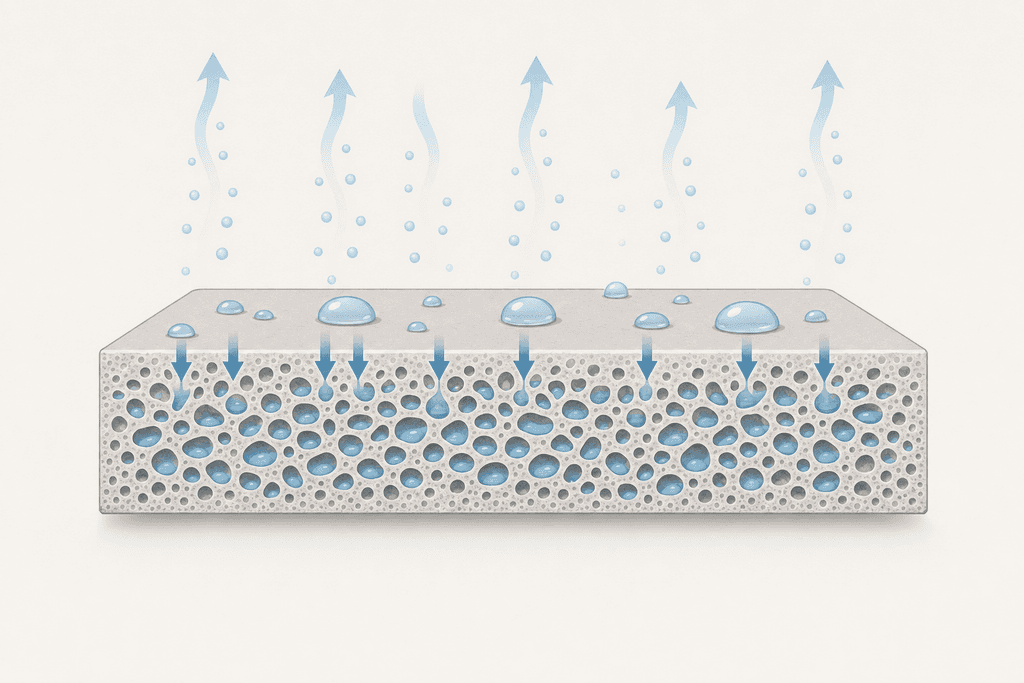
Here's the basic idea. Water hits the surface and gets pulled into those tiny pores almost right away. Then, because the material breathes so well, the water evaporates back out into the air fast. That's the whole cycle. No fans, no wicking fabric, no chemicals doing the work. Just a rock-like material doing what it naturally does. If you want a deeper breakdown of how the science plays out in real bathrooms, this guide on quick drying stone bath mats walks through it in more detail.
Natureva takes that raw diatomite and shapes it into dense, stone-like slabs using a mix of diatomite and recycled paper. There's no synthetic coating layered on top and no moisture-trapping finish hiding underneath. The material stays hygienic by design because of how it dries, not because of any added chemicals.
So how does this stack up against what most people already have on their floor? Here's a quick side-by-side look.
| Mat Type | Average Dry Time | Material | Typical Lifespan |
|---|---|---|---|
| Stone bath mat | Under 10 minutes | Diatomite and recycled paper | Several years |
| Cotton fabric mat | 3 to 6 hours | Woven cotton | 6 to 12 months |
| Rubber mat | 1 to 2 hours | Rubber or PVC | 1 to 2 years |
| Microfibre mat | 2 to 4 hours | Synthetic microfibre | 6 to 12 months |
A few things stand out when you line it up like this.
- Fabric and microfibre mats stay damp long enough for mould to get a head start
- Rubber mats trap moisture underneath even when the top feels dry
- Stone mats reset fast enough to handle back-to-back showers in one household
- Longer lifespan means fewer mats tossed out and replaced each year
Groups like the EPA point out that mould generally needs moisture sitting around for a day or two to really take hold. That's useful context, because it shows why drying speed isn't just a nice feature. It's the actual thing standing between a damp floor and a problem you don't want to deal with later.
The Science Behind Fast-Drying Stone
Diatomite is made from fossilised algae that lived millions of years ago, and its skeletons left behind a structure full of microscopic holes. Those holes are the whole reason a stone bath mat works the way it does. When your foot hits the surface, water gets pulled straight into the pores instead of sitting on top like it does on fabric. That's instant absorption, not a slow soak-in like a towel. The water doesn't just disappear either, it moves back out into the air through evaporation almost as fast as it went in.
This matters more than people think. A damp bath mat sitting on your floor for hours is basically an invitation for mould and mildew to move in. Homes To Love, an Australian publication, independently tested a stone bath mat and clocked a full dry time under 8 minutes. That's the kind of turnaround that keeps a bathroom floor from turning into a science experiment.
- Microscopic pores absorb water on contact
- Rapid evaporation keeps the surface dry within minutes
- No chemical coatings — the drying process itself is what keeps things hygienic by design
There's no spray, no antimicrobial treatment, no special finish doing the work here. It's just the physical structure of the stone. If you want a deeper breakdown of how the pores actually function, this explainer on diatomaceous earth mechanics covers the basics well.
Stone vs Fabric vs Rubber Mats Compared
Fabric mats feel soft under your feet, but they hold onto water long after you've dried off. That dampness sits in the fibres for hours, sometimes longer if your bathroom doesn't get much airflow. Rubber and silicone mats have the opposite problem — water pools underneath them because they don't breathe at all. Both setups create the exact damp conditions where odour and mildew start to build.
| Material | Dry Time | Slip Risk | Maintenance |
|---|---|---|---|
| Stone | Under 8 min | Low | Weekly wipe |
| Fabric | Hours | High (bunches) | Frequent washing |
| Rubber/Silicone | Hours | Medium | Regular scrubbing |
There's also the safety angle, which matters more than people give it credit for. Fabric mats slide, curl at the edges, and bunch up right when your feet are wet, which is exactly when you don't want a surface moving under you. A stone mat sits flat and stays put, giving you a stable, non-slip surface the whole time. This is one reason older homeowners in particular are switching over.
- Pro of stone: dries fast, stays flat, needs less washing
- Con of stone: heavier to move, needs occasional sanding
- Pro of fabric: soft, cheap upfront
- Con of fabric: slips, holds moisture, needs frequent laundering
For a side-by-side look at how different materials hold up over time, this bath mat materials guide breaks down the pros and cons across the board.
Choosing the Right Stone Mat for Your Bathroom
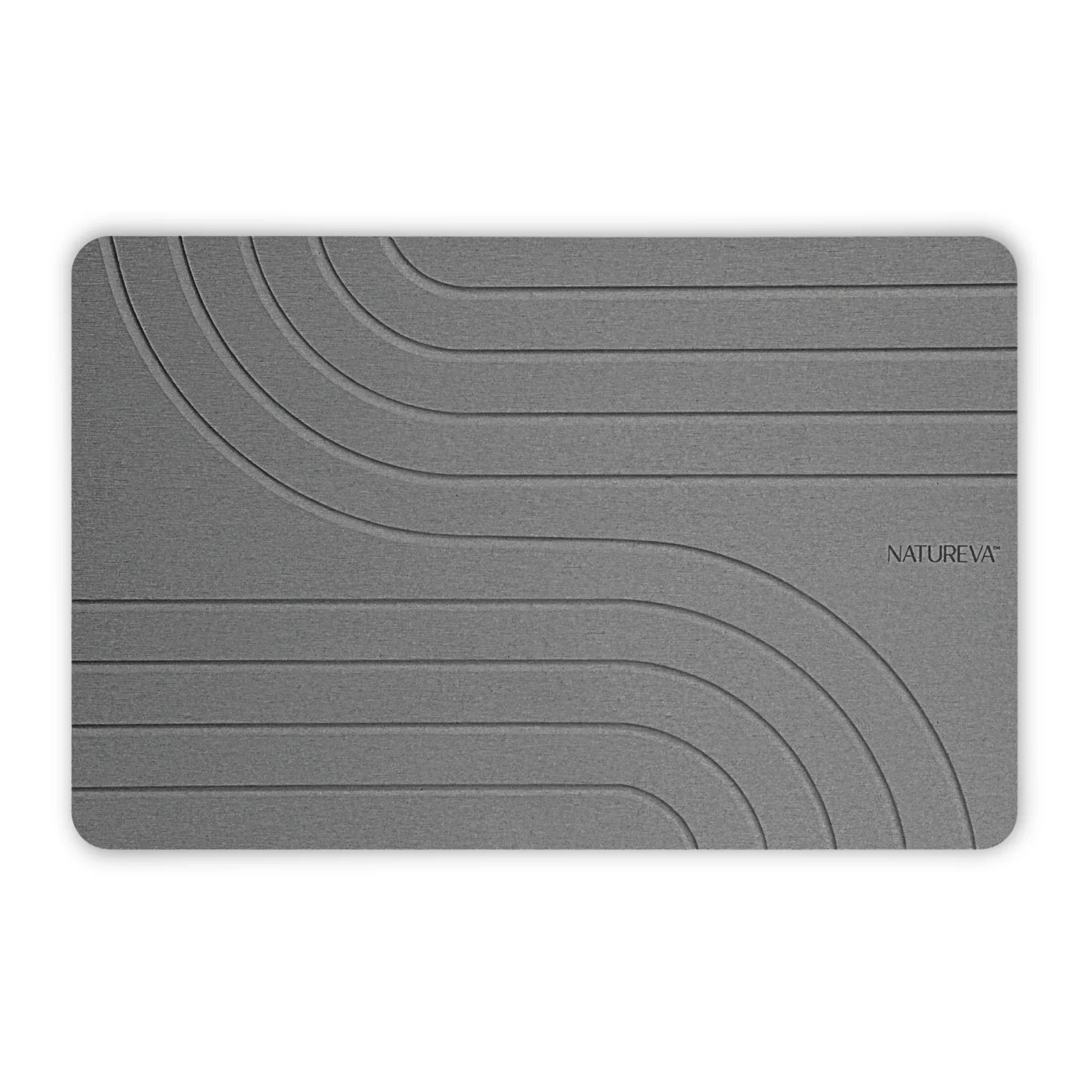
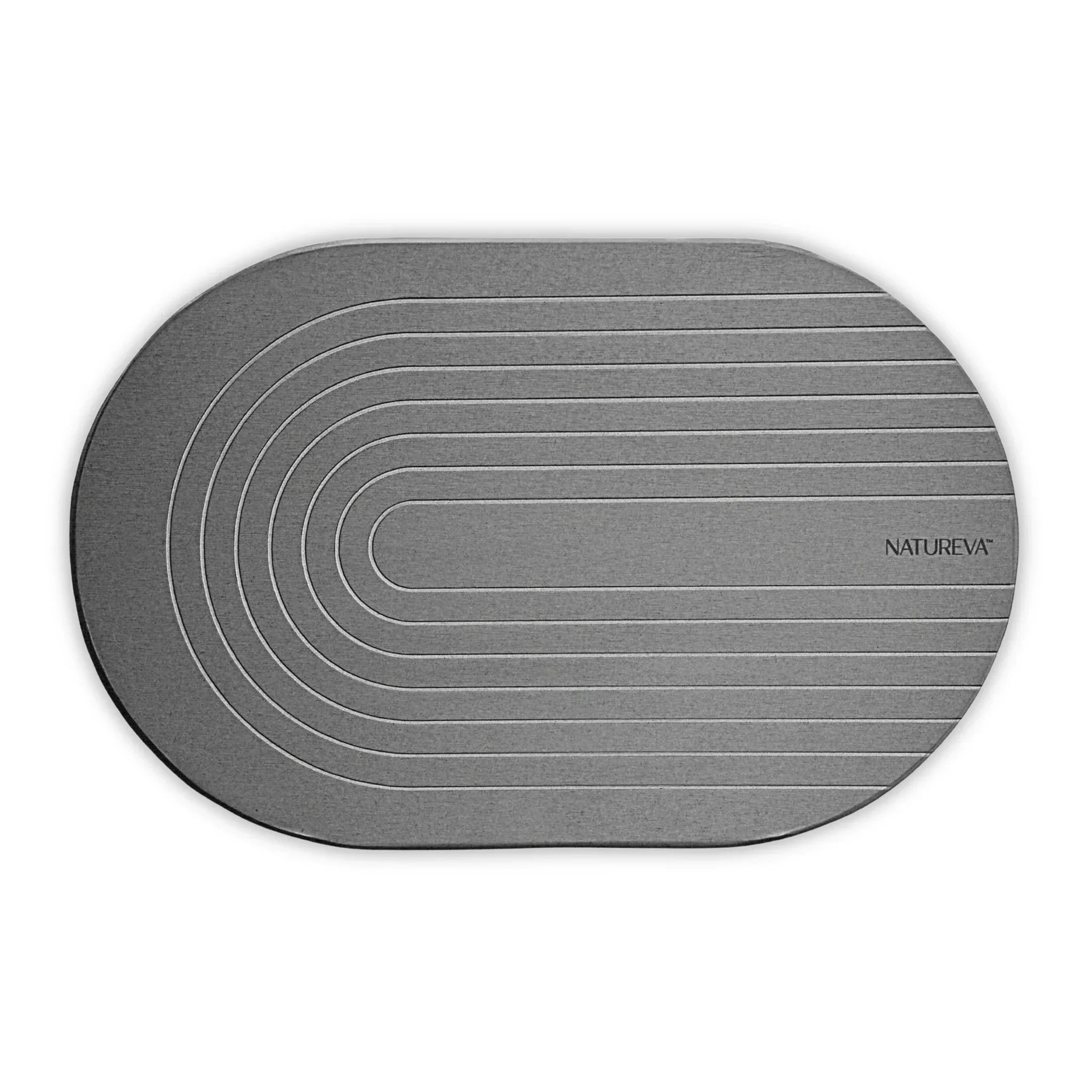
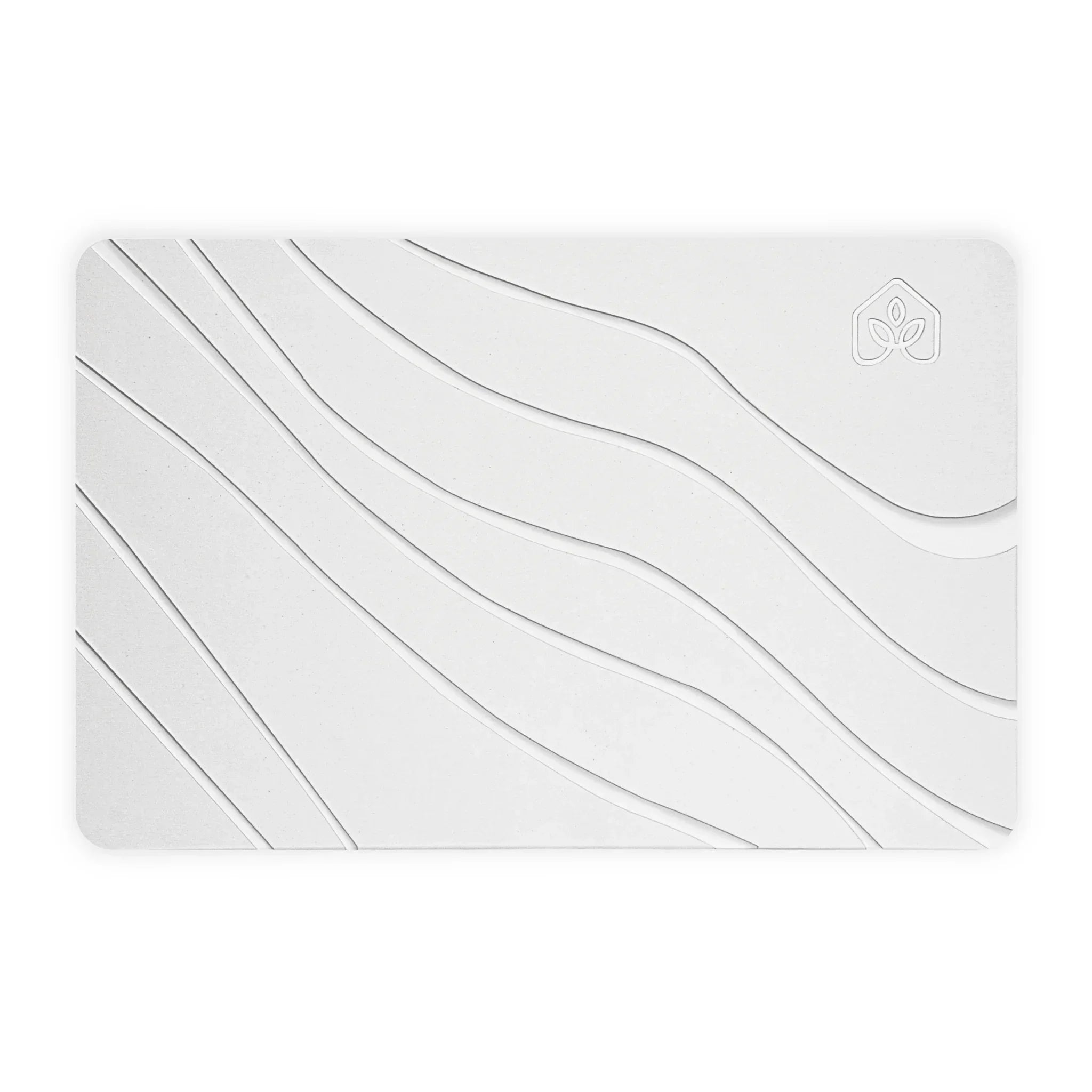
Not every bathroom layout calls for the same shape. Standard vanity spots or narrow shower exits usually work better with a rectangular mat, since it fits flush against cabinetry or tile lines without wasted space. Natureva's Tide, Flow, and Rain mats are all rectangular, each with its own carved pattern, while the oval Arch mat suits softer, more open layouts.
Colour is the next thing to think about, and it's simpler than people expect. Graphite reads dark and grounded, Slate sits in the middle as a soft grey, and Chalk goes almost white. All three work with most existing bathroom palettes, so you're not stuck redoing tile or paint to match.
- Measure your floor space before picking rectangular vs oval
- Match Graphite, Slate, or Chalk to your existing fixtures
- Check the features checklist before buying
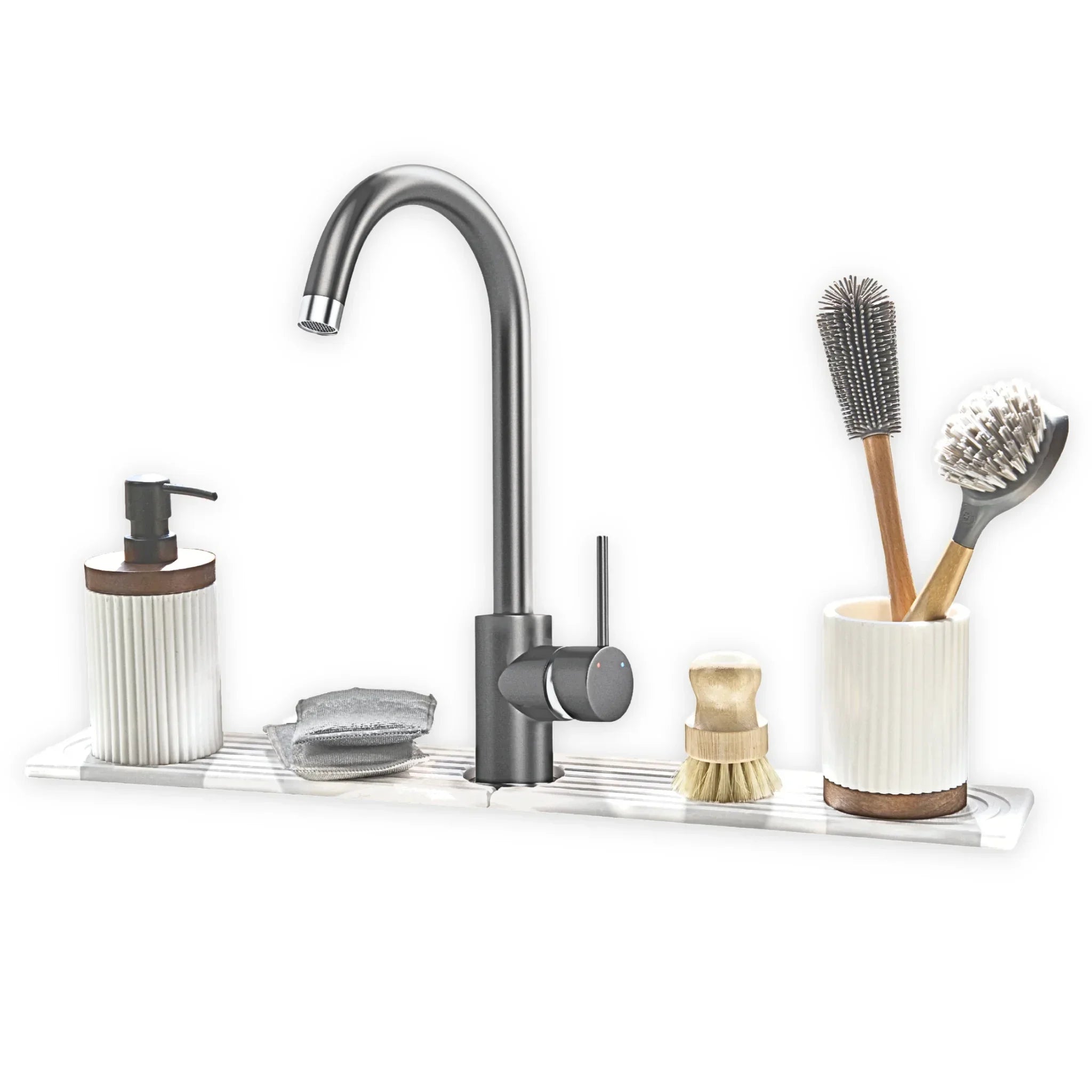
- Pair with a faucet mat for a coordinated set
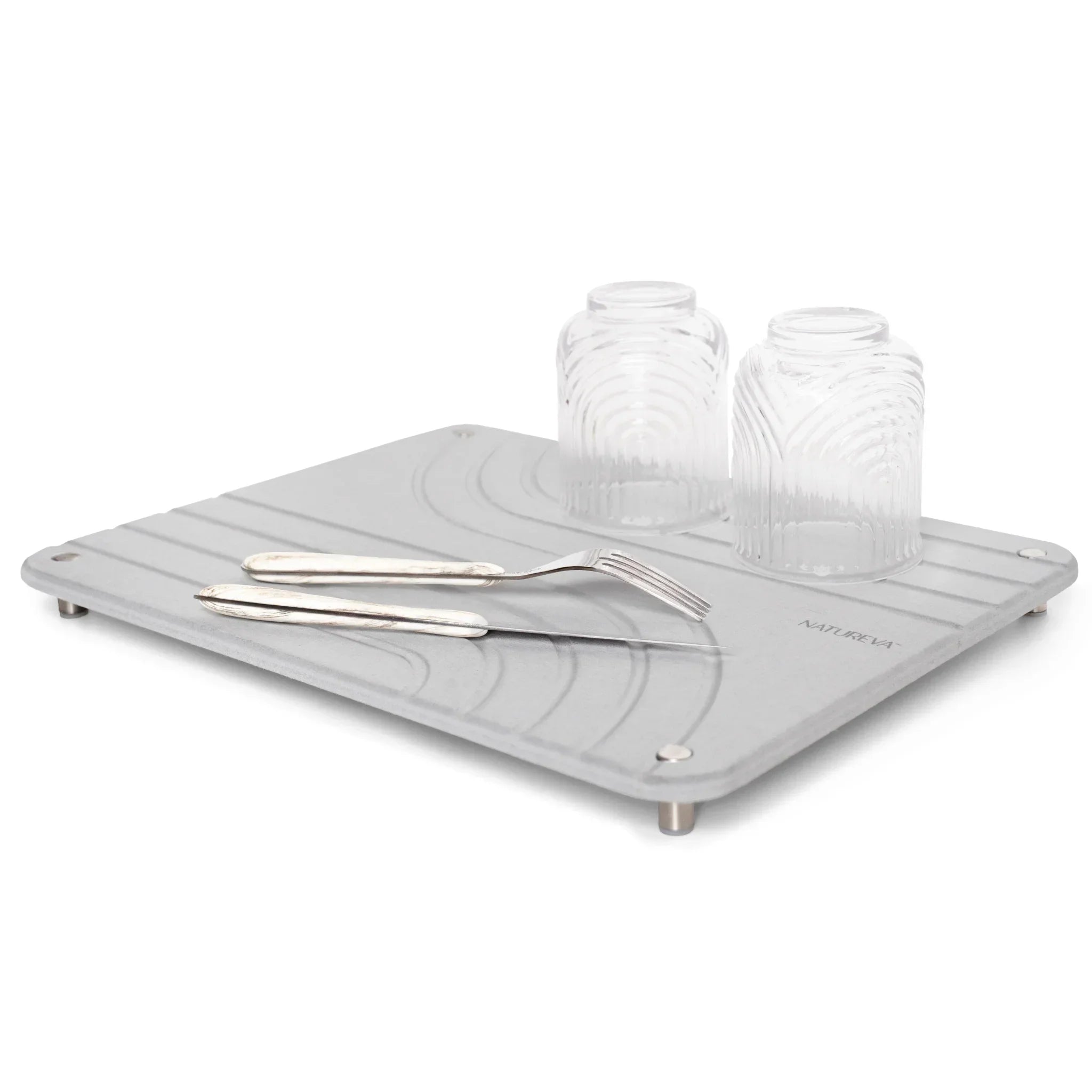
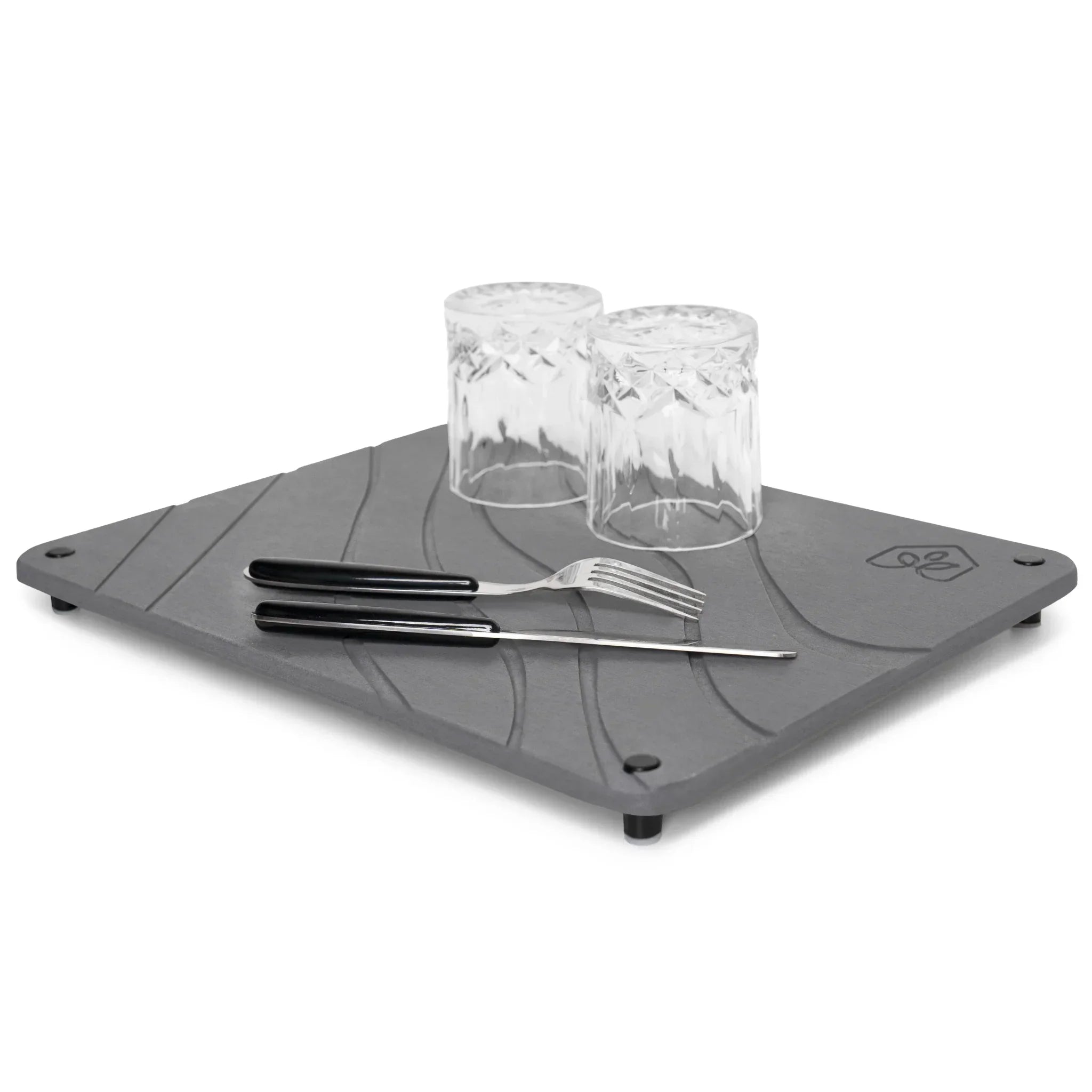
If you like things to match across the room, sink caddies and faucet mats come in the same colourways and patterns as the bath mats. It's a small detail, but it's the difference between a bathroom that looks pulled together and one that looks like separate purchases. You can browse the full bath mat collection to compare shapes side by side.
Keeping Your Stone Mat Working Like New
Stone mats don't need much, but they do need a little attention to keep absorbing water the way they should. A weekly wipe with warm water and cleaning vinegar keeps the surface clean without damaging the pores. Skip coloured soaps though, since they can leave residue that clogs the tiny holes doing all the work.
Stains happen, especially in busy households. Rinse them under water first, and if that doesn't clear it, hydrogen peroxide or the included sanding tool handles deeper marks.
The next generation of home essentials: naturally made, cleaner by design, sustainable by nature.
SHOP ALL- Wipe weekly with warm water and cleaning vinegar
- Rinse stains immediately under running water
- Use hydrogen peroxide for stubborn marks
- Air dry upright if the mat gets fully saturated
- Sand periodically with the included P320 grit disc to reopen pores
That last step is the one people skip, and it's the one that matters most long term. Sanding the surface every so often reopens the pores that get sealed over with everyday grime, which is what keeps the mat absorbing at full speed instead of slowing down. For a full walkthrough of how diatomite behaves over time, our complete guide to diatomite covers the material in more detail. And if you're comparing options before buying, Consumer Reports' tested roundup of stone bath mats is a useful outside reference point. You can also check the diatomite bath mat range or the wider bathroom collection if you're setting up more than just the floor.
Is a Stone Mat Really Worth the Switch
A stone bath mat costs more upfront than a fabric one, and that's worth saying plainly instead of dancing around it. A basic cotton mat might run you $15 to $20, while a diatomite mat sits closer to $59. But fabric mats get replaced every few months once they stay damp, get moldy, or start smelling no matter how often you wash them. A stone mat does not go through that cycle. It dries in minutes, so there's no weekly wash-and-dry routine to keep up with. Over a year or two, the math starts to favor stone even though the sticker price looks bigger at checkout.
Some households will feel this switch more than others. Fast-drying floors matter most where slipping or lingering moisture is a real risk, not just a minor annoyance.
- Homes with young kids who splash water everywhere during bath time
- Older adults who need stable, non-slip footing on wet floors
- Humid climates where fabric mats rarely fully dry between uses
- Bathrooms with poor ventilation or no exhaust fan
Safety certification is the part people tend to skip over, but it shouldn't be. Diatomite as a category has had recalls tied to unverified asbestos content, so lab testing isn't just a nice-to-have here. Natureva's stone mats are tested and certified asbestos-free by a NATA-accredited lab, which is Australia's peak body for laboratory accreditation. That's a fact you can check, not a marketing line.
If you want to see how that drying speed stacks up against fabric, rubber, and other stone mats side by side, this breakdown on comparison of bath mat absorption speeds lays out the actual numbers rather than guesswork.
Wrap-Up A Drier Safer Bathroom Floor Starts Here
Diatomite is basically fossilized algae, and it's full of tiny holes you can't even see. Those holes are what pull water off your feet and off the floor in seconds, then let it evaporate right back into the air. That's the whole trick. No chemicals, no coatings, just a rock doing what it's built to do.
Fabric mats can't compete with this. They soak up water and just sit there wet, which is exactly the kind of damp spot where mould and mildew start to develop. A stone bath mat stays dry and stable underfoot, which also means less sliding around compared to a mat that bunches up or curls at the edges.
Here's what actually keeps a stone bath mat working well for years:
- Wipe it weekly with a warm damp cloth and some cleaning vinegar
- Rinse out stains under water instead of scrubbing hard
- Use the included sanding tool if the surface stops absorbing like it used to
That last part matters more than people think. Over time, pores can get clogged, and that's when a mat starts losing its edge. We cover this in more detail in our guide to features worth checking before buying a stone bath mat, along with what separates a decent mat from one that just looks nice in photos.
Natureva's Stone Bath Mat range comes in four surface designs, so you're not stuck picking between function and how it actually looks in your bathroom. If you're still curious about the material itself, our complete guide to diatomite breaks down where it comes from and why it works the way it does.
Now, if you're wondering how often you actually need to sand a mat, or whether it works on cold tile versus heated floors, that's where things get specific. Let's get into it.
Stone Bath Mat Frequently Asked Questions
Got questions before you buy a stone bath mat? Here are the ones we hear the most, answered straight and simple.
How long do stone bath mats take to dry
Most stone bath mats dry in under 10 minutes once you step off. Natureva's stone bath mat was independently tested by Homes To Love in Australia and dried fully in under 8 minutes. That's the diatomite doing its job, pulling water in on contact and releasing it back into the air fast.
Are stone bath mats safe and asbestos-free
This is a real concern, and a fair one. Diatomite products from unverified sources have been linked to asbestos issues in the past, since the raw material can sometimes contain trace contamination if it's not tested properly. Natureva's stone products are tested and certified asbestos-free by a NATA-accredited Australian lab, and they're retested regularly to keep that standard. Always check for a real, named certification before buying any diatomite product, not just a claim on a product page.
How do I clean a stone bath mat
Cleaning is low effort. A weekly wipe down keeps it looking good and working well.
- Wipe with a warm damp cloth and cleaning vinegar
- Skip coloured soaps, they can stain the surface
- Rinse fresh stains under running water
- Use hydrogen peroxide or the included sanding tool for tougher marks
- Stand it upright to air dry if it's fully saturated
Will a stone mat crack or wear out
Stone mats are dense and solid underfoot, but the surface pores can clog over time with soap residue and skin oils, which slows down absorption. That's not the mat breaking, it just needs a refresh. Every Natureva stone mat comes with a P320 grit sanding disc that reopens the pores and brings back full drying power in a couple of minutes.
Can I use it outside the bathroom
Yes. Stone mats work anywhere water tends to sit around, not just the shower floor. People use them under kitchen sinks, next to laundry machines, by pet water bowls, and under plant pots. Natureva actually makes matching stone pieces for the kitchen, sink area, and pet feeding stations, so the same drying performance follows you through the house.
The next generation of home essentials: naturally made, cleaner by design, sustainable by nature.
SHOP ALL