
Are Dish Drying Mats Sanitary and How to Keep Them Clean
You rinse your dishes, set them on the mat to dry, and walk away thinking you've done everything right. But that damp fabric sitting on your counter might be growing more than just water spots. The truth is, most dish drying mats stay wet long enough to create the exact conditions where mould, mildew, and odour-causing bacteria thrive, turning a cleaning tool into a hygiene problem.
How often should you wash a dish drying mat?
Fabric dish drying mats should be washed every 2-3 days to prevent bacterial growth, while diatomaceous stone mats require only weekly cleaning with mild soap and water. Mats used for raw meat dishes or in humid climates need daily washing.
Are dish drying mats sanitary?
Dish drying mats are sanitary only when cleaned regularly and allowed to dry completely between uses. Traditional fabric mats retain moisture for 6-12 hours, creating conditions where bacteria can multiply to unsafe levels within 24-48 hours of continuous dampness.
What is the most sanitary material for a dish drying mat?
Diatomaceous stone is the most sanitary dish drying mat material because it absorbs water instantly and dries completely within 1-2 hours, preventing the bacterial growth that occurs in fabric mats. Stone mats are naturally antimicrobial and do not harbor mold or mildew like microfiber or cotton alternatives.
Table of Contents
Why Moisture Matters for Kitchen Hygiene
A single drop of water left on your kitchen counter can host millions of bacteria within just a few hours. That's not an exaggeration. It's basic microbiology. Bacteria need three things to multiply: warmth, food particles, and moisture. Your kitchen has all three in abundance, especially around the sink where you wash dishes. When you place wet plates, cups, and utensils on a drying mat, you're creating the perfect breeding ground for microorganisms unless that mat dries quickly and completely.
The Science of Bacterial Growth on Wet Surfaces
Bacteria don't just appear out of nowhere. They're already present on most surfaces in microscopic amounts. The problem starts when conditions allow them to reproduce rapidly. In a moist environment with temperatures between 40°F and 140°F (what food safety experts call the "danger zone"), bacteria can double in number every 20 minutes. That means a few harmless bacteria at breakfast can become thousands by lunchtime.
Here's what happens on a typical damp dish mat throughout the day:
| Time Elapsed | Bacterial Count | Surface Condition |
|---|---|---|
| 0 minutes | 100 cells | Freshly wet |
| 20 minutes | 200 cells | Still damp |
| 1 hour | 800 cells | Partially dry |
| 3 hours | 51,200 cells | Mostly dry |
| 6 hours | 6.5 million cells | Appears dry |
The key factor isn't just whether a surface gets wet. It's how long it stays wet. Consumer Reports testing of dish drying solutions shows that drying time varies dramatically between materials, which directly impacts hygiene levels.
Why Kitchens Accelerate the Problem
Your kitchen isn't just warm and wet. It's also covered in organic matter that bacteria feed on. Even after you rinse a plate, microscopic food particles remain. When those particles land on a damp mat, they become a buffet for microorganisms. The combination of moisture, warmth, and food residue creates what microbiologists call an ideal growth medium.
Mould follows a similar pattern but works on a slightly longer timeline. While bacteria can multiply in hours, mould spores need sustained moisture over days to establish visible colonies. But once mould takes hold in a fabric or porous material, it's nearly impossible to remove completely. You might wash away the visible growth, but the roots (called hyphae) remain embedded in the material.
Surface Cleaning Versus Material Hygiene
There's an important distinction between cleaning a surface and having a hygienic material. You can scrub a fabric dish mat with soap and hot water, but if that mat takes hours to dry completely, you're just resetting the clock on bacterial growth. The material itself becomes the problem. Fast-drying materials eliminate the moisture window that bacteria and mould need to develop, which is why material choice matters more than cleaning frequency.
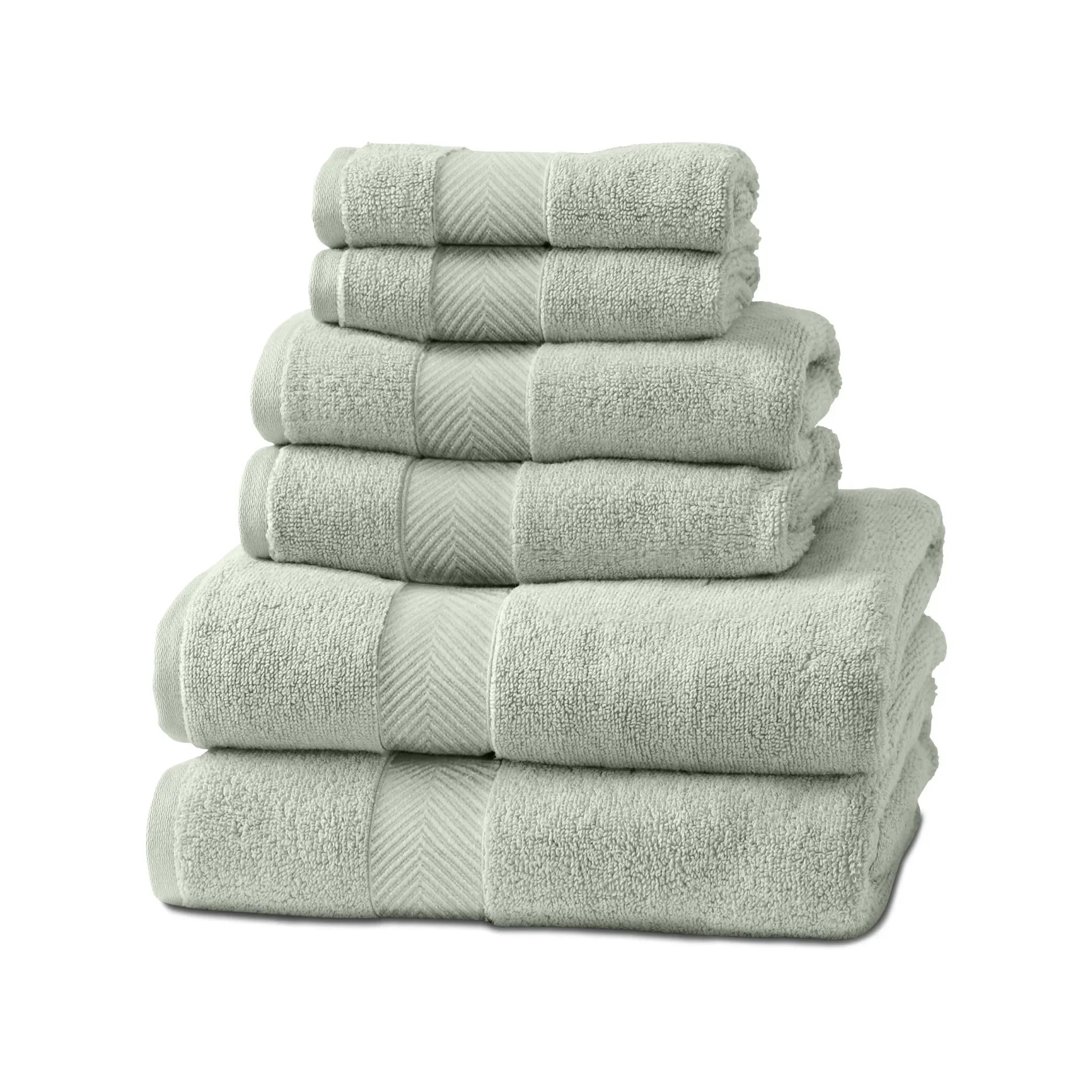
Traditional dish mats made from fabric, microfibre, or rubber can take anywhere from 4 to 24 hours to dry completely, depending on thickness and humidity levels. During that entire period, they're hosting bacterial growth. Stone-based alternatives like our Stone Dish Mats dry within minutes through rapid evaporation, leaving no damp environment for microorganisms to establish themselves. The difference isn't just about convenience. It's about whether your drying mat is hygienic by design or requires constant maintenance to stay clean.
- Bacteria require moisture, warmth, and organic matter to multiply rapidly
- Damp surfaces in kitchens can support bacterial doubling every 20 minutes
- Mould needs sustained moisture over days but embeds permanently in porous materials
- Material drying speed directly determines how long bacteria have to grow
The question isn't whether dish drying mats get dirty. They all do. The real question is whether the material itself allows bacteria and mould to thrive between cleanings. That's where the science of moisture management becomes critical for kitchen hygiene.
How Traditional Dish Mats Trap Moisture
Most dish mats sitting beside kitchen sinks right now are creating the exact problem they're supposed to solve. Fabric mats absorb water instantly but can stay damp for 6 to 12 hours, turning your counter into a breeding ground for the kind of moisture issues you'd never tolerate anywhere else in your home. The material soaks up every drop from your dishes, then sits there holding onto it while you go about your day. That wet feeling when you touch the mat hours later isn't just unpleasant.
It's a sign that moisture is trapped exactly where bacteria and mould need it to grow.
The core problems with common dish mat materials:- Fabric and microfibre mats pull water deep into their fibres where air can't reach it, creating pockets of moisture that take hours to dry
- Rubber mats create a sealed barrier against your countertop, blocking airflow from below and trapping condensation underneath
- Silicone mats repel water on the surface but prevent evaporation, leaving puddles that spread across the counter
- Microfibre specifically uses ultra-fine synthetic fibres designed to trap moisture, which means they hold onto it far longer than natural materials
The washing cycle creates its own set of problems. You throw the mat in the machine, it comes out clean, and within a day or two it smells again. Fabric mats require washing every 2 to 3 days to stay remotely hygienic, but even that doesn't address the core issue. The material itself is designed to absorb and hold moisture, so the cycle just repeats.
Rubber and silicone don't fare much better. They might seem easier to clean with a quick wipe, but moisture gets trapped in the textured surfaces and around the edges where the mat meets your counter. That's where the real problems start.
What Makes a Dish Drying Mat Actually Sanitary
A sanitary dish mat doesn't fight moisture with chemicals or coatings. It eliminates moisture before problems can develop. The key is evaporation speed, and that comes down to three factors: material porosity, airflow design, and surface structure. When water disappears within minutes instead of hours, you remove the damp environment where mould and odour form in the first place.
Natural porosity works differently than synthetic absorption. Diatomite stone contains millions of microscopic pores created by fossilised algae, giving it a surface area that pulls water in on contact and releases it back into the air almost immediately. The material doesn't trap moisture like fabric does. It moves it through and out.
What creates a hygienic drying surface:- Instant absorption that pulls water away from dishes the moment they touch the surface
- Rapid evaporation through natural porosity, not synthetic coatings that wear off over time
- Elevated design that creates airflow underneath, preventing moisture from pooling against your counter
- Rigid structure that doesn't fold, bunch, or create hidden damp spots
- Chemical-free composition that stays hygienic through its drying mechanism, not added treatments
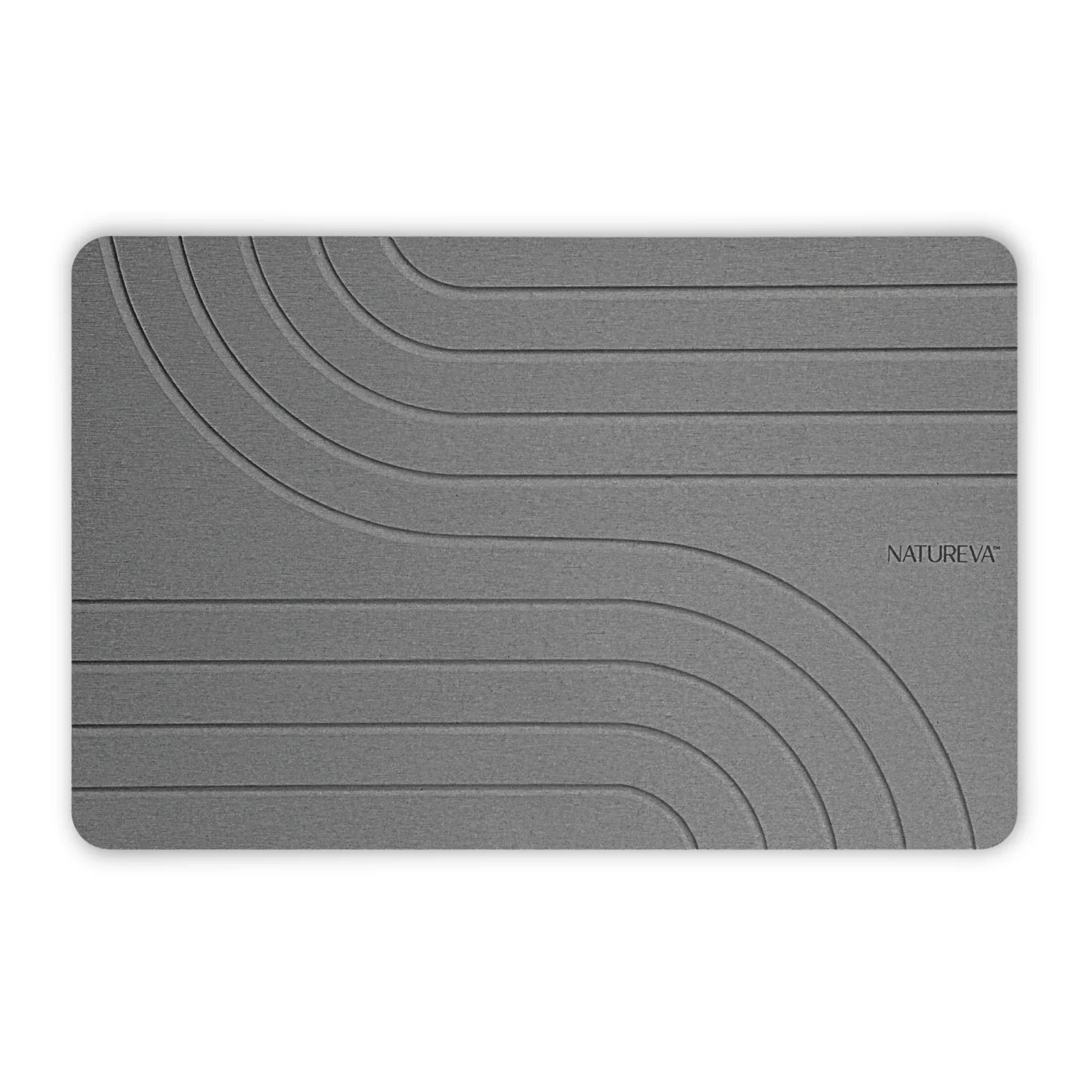
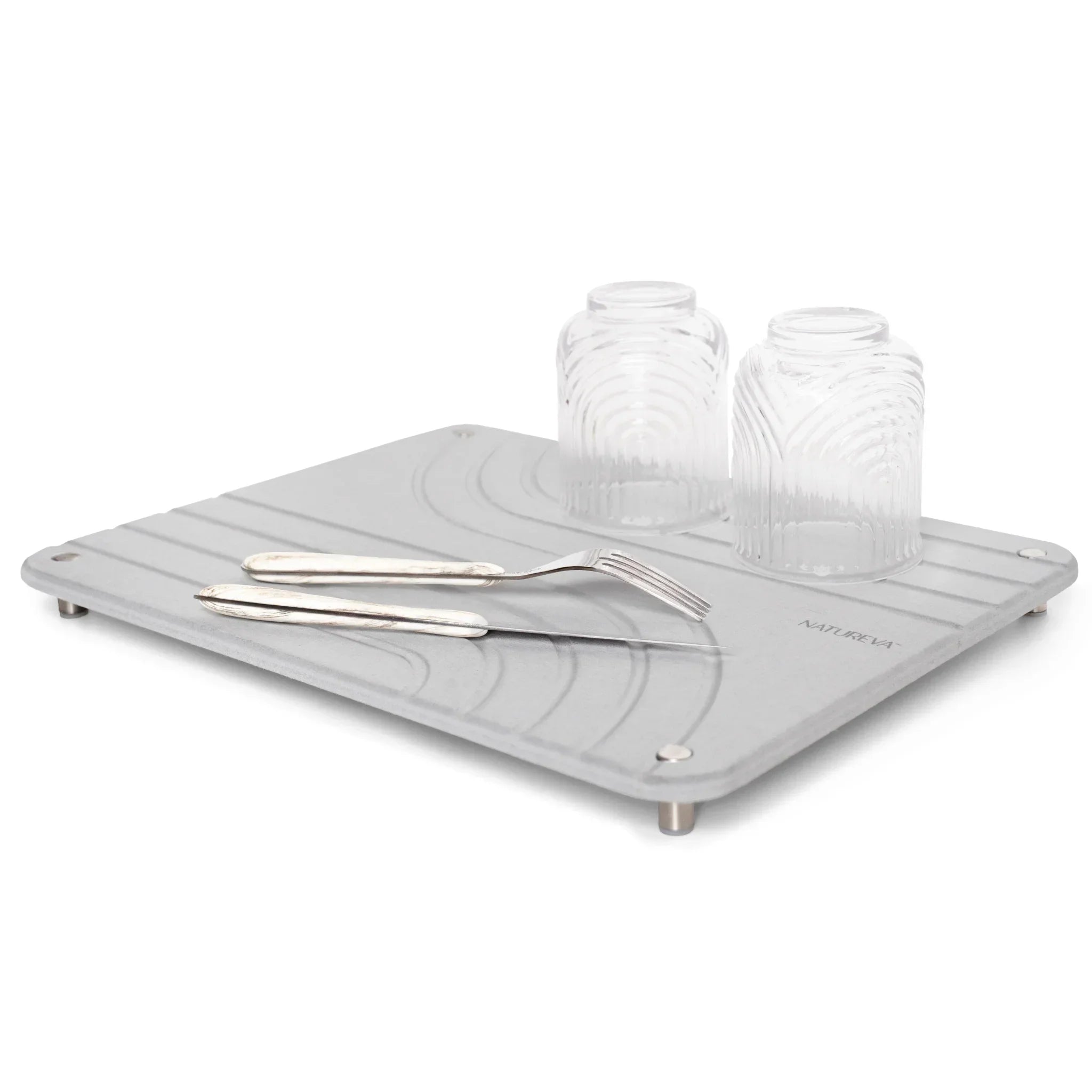
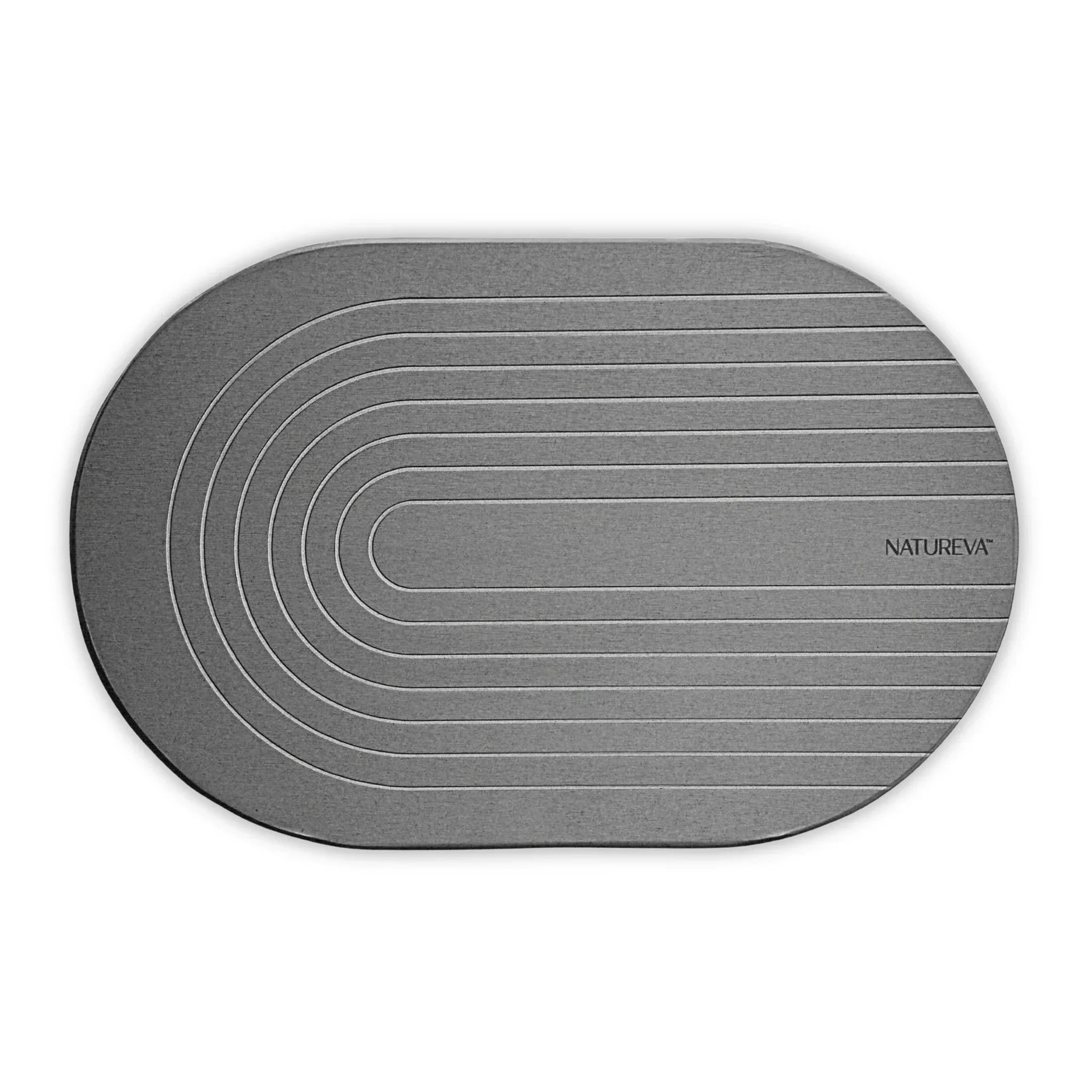
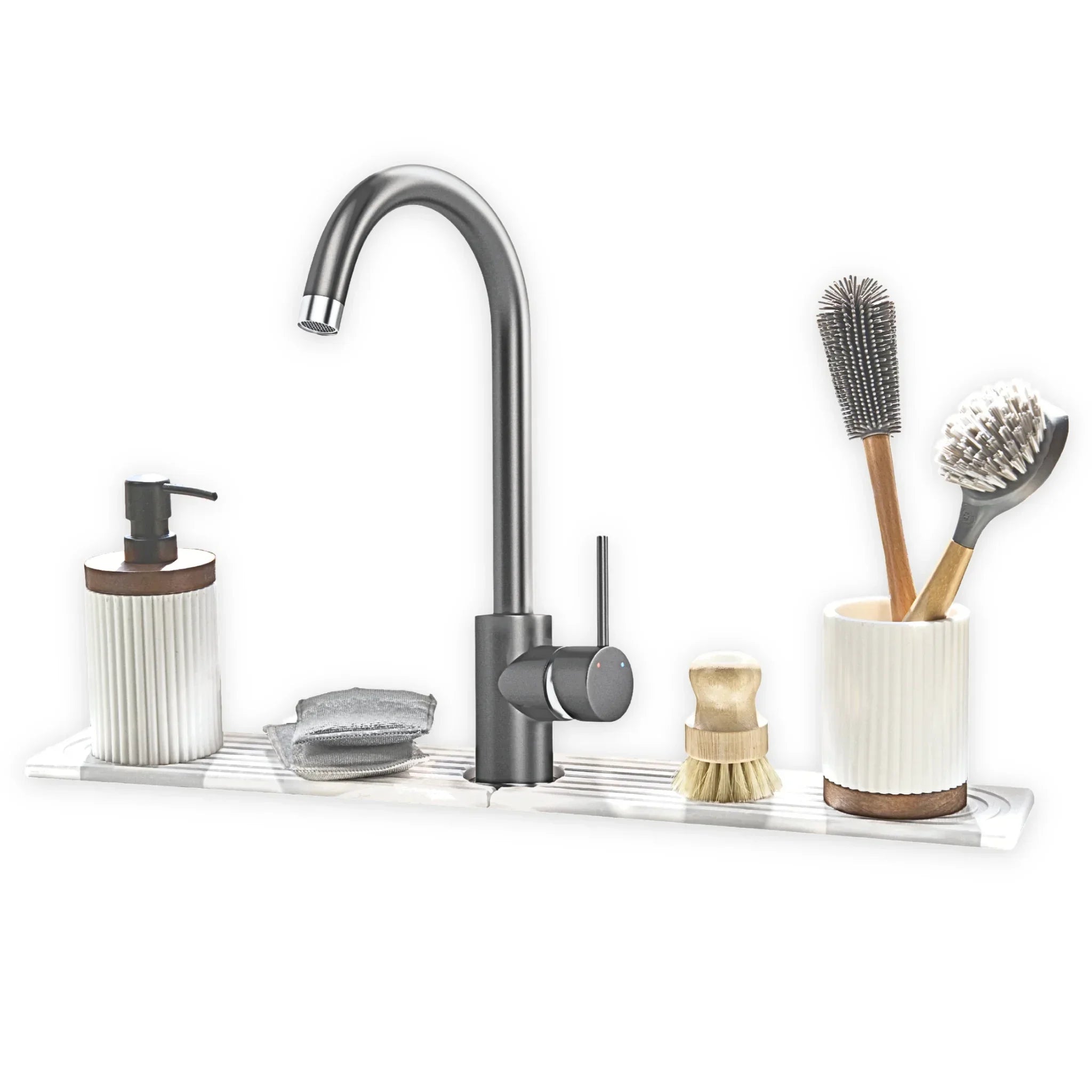
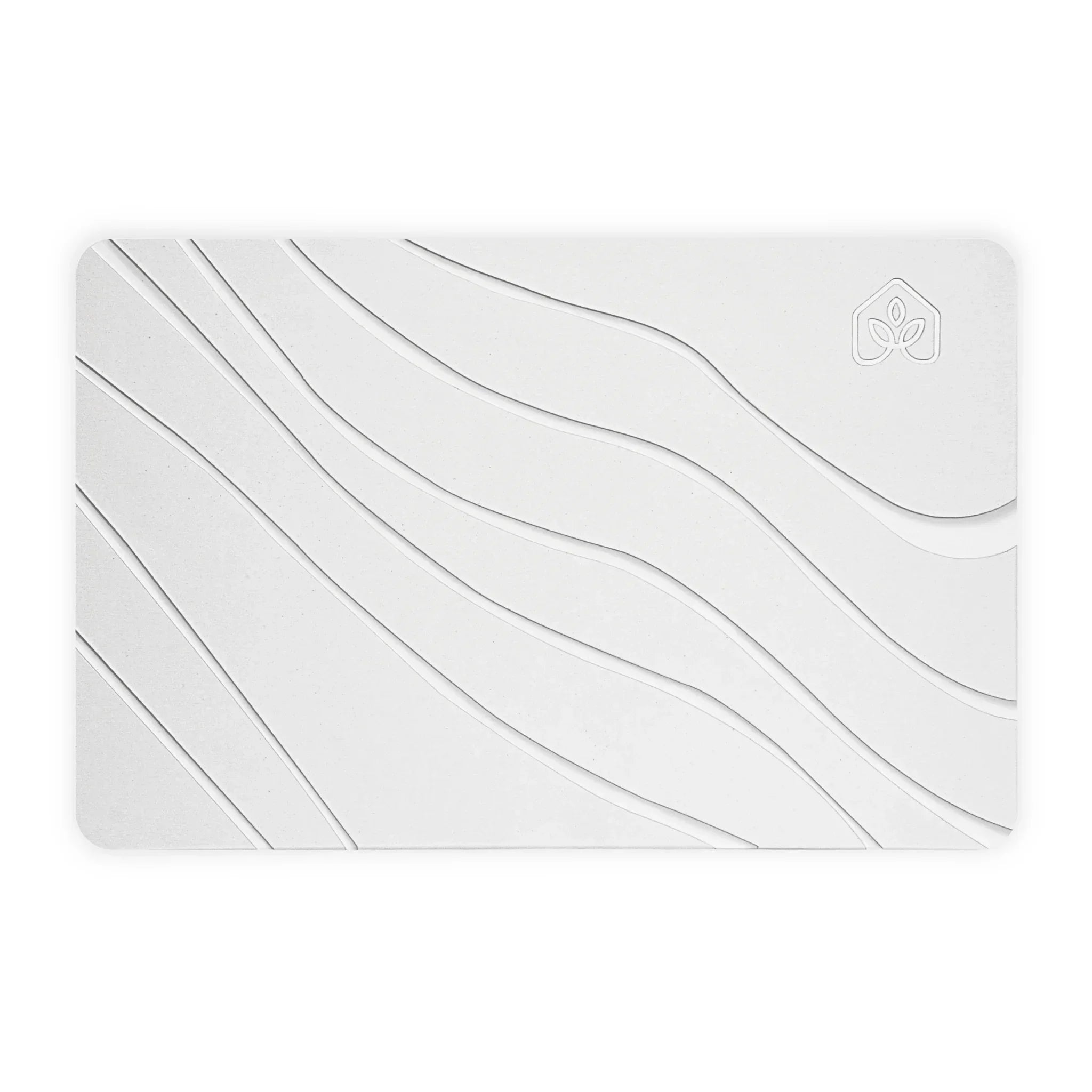
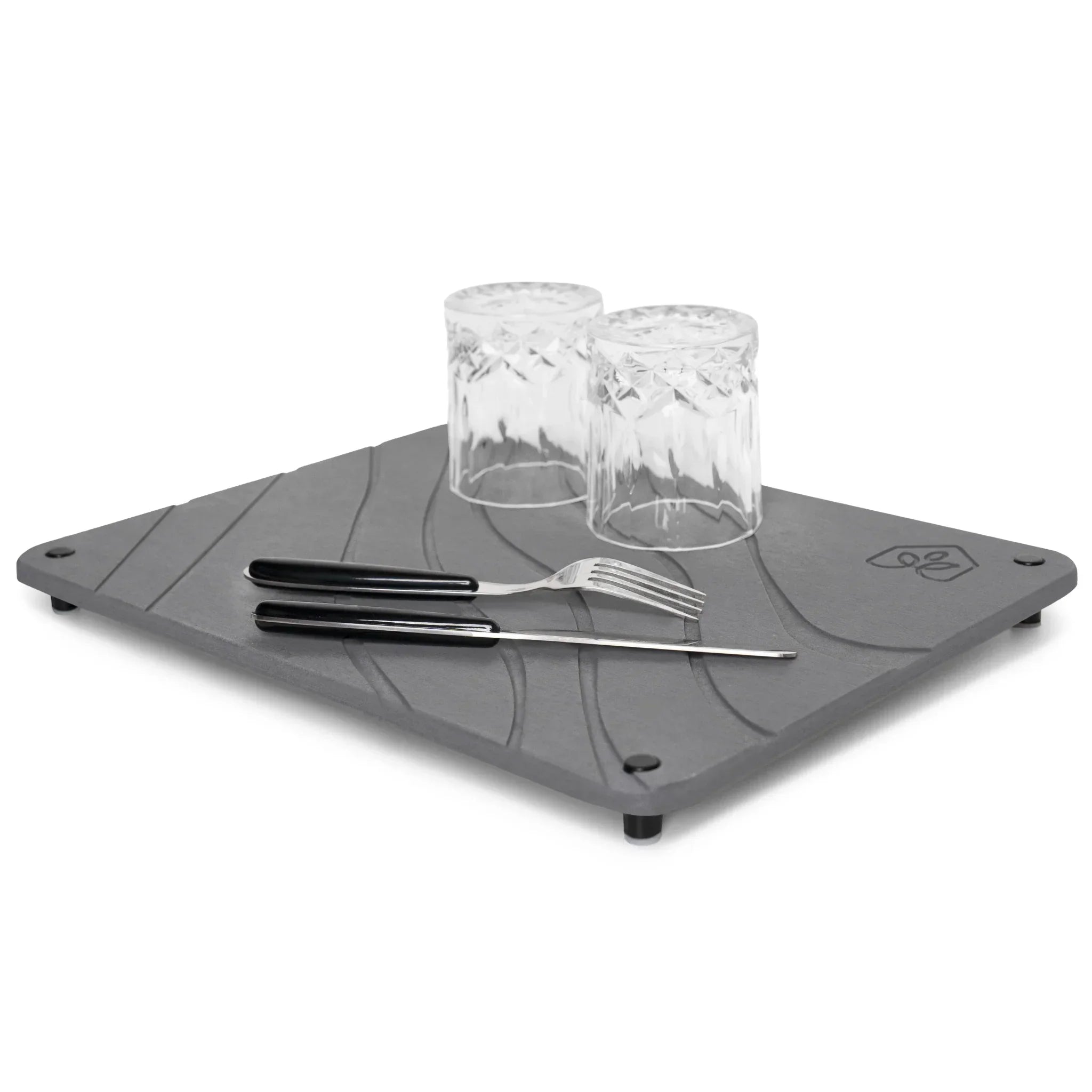
Our Stone Dish Mats use this exact approach. The diatomite surface absorbs water instantly while stainless steel legs elevate the mat 2.5 cm off your counter. Water evaporates within minutes, leaving the surface dry and ready for the next load of dishes. No washing cycle needed between uses.
The science behind diatomaceous earth explains why this works so well. Each microscopic pore acts as a tiny channel that draws moisture in through capillary action, then releases it through natural evaporation. The material stays dry to the touch even while actively absorbing water, which is something fabric and rubber simply can't do. You can learn more about how this material functions in our complete guide to diatomite.
Cleaning Methods That Actually Work
Different materials need different maintenance approaches, and most people are cleaning their dish mats wrong. Fabric mats need washing every 2 to 3 days minimum, but even that schedule doesn't prevent the gradual buildup of residue and odour that comes from constant moisture exposure. The fibres break down over time, holding onto smells even after a hot wash cycle. Eventually, you're just cleaning a mat that's already past its useful life.
Rubber and silicone mats seem low-maintenance until you look closer. Wiping them down removes surface water but does nothing for the moisture trapped underneath or in textured grooves. You need to lift the mat, dry both sides, and clean your counter underneath every single time you use it. Miss that step and you're creating the exact conditions for mould growth.
Weekly maintenance checklist for fabric and synthetic mats:The next generation of home essentials: naturally made, cleaner by design, sustainable by nature.
SHOP ALL- Machine wash fabric mats on hot with vinegar instead of detergent
- Air dry completely before putting back on the counter (never use damp)
- Wipe rubber and silicone mats with diluted vinegar solution
- Lift mat and clean counter surface underneath
- Check for any signs of mould, discolouration, or persistent odour
- Replace immediately if any of these signs appear
Stone surfaces work differently. A weekly wipe with warm water and cleaning vinegar keeps diatomite mats clean, and that's usually enough for regular use. For deeper cleaning or stain removal, hydrogen peroxide works without damaging the porous structure. The included sanding tool restores full absorbency if the surface ever feels less responsive.
The real difference is that stone mats don't need the constant washing cycle because they don't stay damp long enough for problems to develop. This approach eliminates the maintenance burden that makes fabric mats such a chore to keep sanitary. You're working with the material's natural properties instead of fighting against them.
Air drying technique matters for every mat type. If you're using fabric, prop it up vertically after each use so air can reach both sides. For stone, the elevated legs handle this automatically. The 2.5 cm clearance under our dish mats means airflow reaches the entire underside without any extra effort on your part.
Stone vs Fabric The Material Science Difference
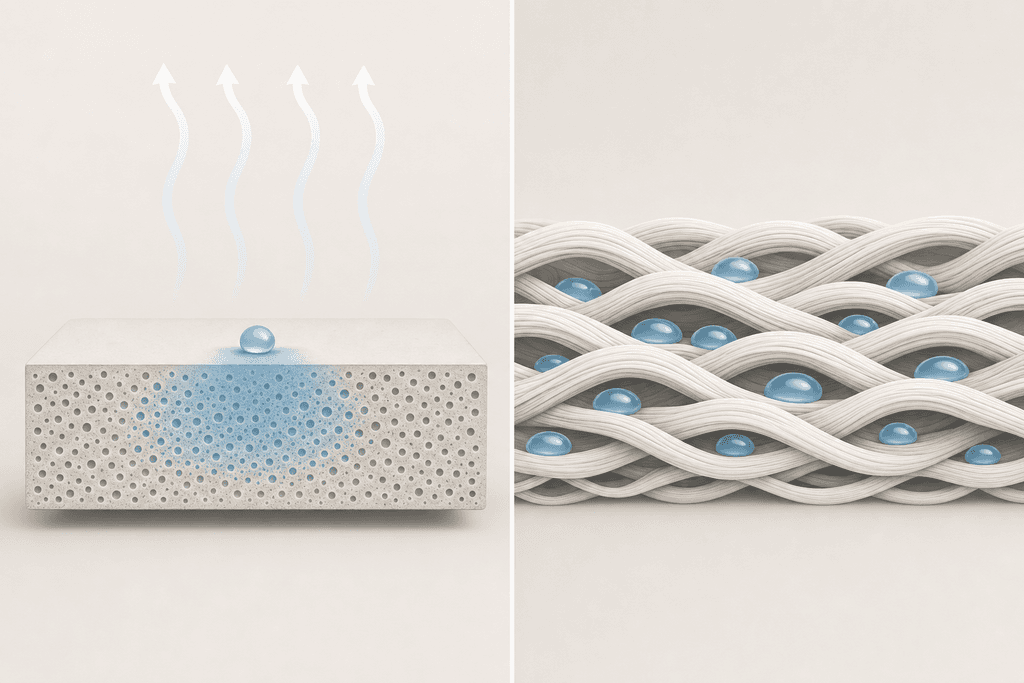
The material you choose for your dish drying mat determines whether water disappears in minutes or sits trapped for hours. Diatomite stone absorbs water on contact through millions of microscopic pores created by fossilised algae, then releases that moisture back into the air through rapid evaporation. Fabric mats, by contrast, trap water between woven fibres where it stays damp until you physically wring it out or throw it in the wash. This isn't about cleaning habits or how often you maintain your mat. It's about the fundamental physics of how different materials handle moisture.
How Evaporation Rates Change Everything
Stone dish mats dry completely within minutes because the porous structure allows air to flow through the material itself. Fabric holds moisture in a dense weave that blocks airflow and creates the perfect environment for bacterial growth. The difference shows up in independent testing, where stone surfaces return to dry within 8 to 10 minutes while fabric mats can stay damp for hours or even overnight.
- Diatomite releases moisture through natural evaporation without needing heat or airflow
- Fabric requires active drying (hanging, machine drying, or direct sunlight) to fully dry
- Rubber and silicone mats don't absorb at all, they just spread water around the surface
- Microfibre dish mats absorb initially but saturate quickly and stay wet longer than cotton
Elevation and Airflow Matter More Than You Think
Natureva's Stone Dish Mats sit 2.5 cm above your counter on stainless steel legs, creating airflow underneath that prevents moisture from getting trapped between the mat and your surface. Flat fabric mats sit flush against countertops, trapping any water that seeps through and creating a breeding ground for mould on both the mat and the surface below. The silicone pads under each leg protect your counter from scratches while keeping the mat stable even when wet.
| Material Type | Drying Time | Maintenance Frequency |
|---|---|---|
| Stone (Diatomite) | 8-10 minutes | Weekly wipe down |
| Fabric/Microfibre | 4-8 hours | Daily washing needed |
| Rubber/Silicone | Surface only | Daily rinse required |
The Real Cost of Maintenance
Fabric mats need washing every few days to stay hygienic, which means constant laundry cycles, detergent costs, and energy use. Stone mats need a quick wipe with vinegar and water once a week, and the included sanding tool restores full absorbency if performance ever drops. Over a year, that's roughly 120 fabric mat washes versus 52 quick wipes for stone.
- Fabric mats typically need replacement every 6 to 12 months as fibres break down
- Stone mats last years with minimal maintenance and no replacement cycle
- Rubber mats develop permanent staining and odour that washing can't remove
- Silicone mats stay slippery when wet and don't actually absorb moisture
Safety and Certification Differences
Not all diatomite products are created equal, which is why Natureva stone products carry NATA-accredited asbestos-free certification from an Australian laboratory. This matters because diatomite from unverified sources has faced safety recalls in the past. The brand tests products regularly to maintain that standard, giving you transparency about exactly what's in your home. Fabric alternatives don't face the same material safety scrutiny, but they do harbour bacteria if not washed frequently enough.
Choosing Hygiene Over Habit
The question of whether dish drying mats are sanitary comes down to one thing: how fast they dry. Fabric mats, microfibre mats, and silicone mats all trap moisture for hours or even days, creating the exact damp conditions where mould, mildew, and bacteria thrive. No amount of washing or cleaning routines can fix a material that stays wet. The problem isn't your habits, it's the material itself.
Fast-drying surfaces solve the hygiene problem at the source. When water evaporates within minutes instead of sitting for hours, there's no damp environment left for anything to grow. That's why materials like diatomite stone outperform traditional dish mats. They absorb water on contact and release it back into the air almost immediately.
Our stone dish mats dry completely within minutes, staying clean through rapid moisture evaporation rather than chemical treatments. The elevated design on stainless steel legs creates airflow underneath, so nothing stays damp. You can learn more about how diatomite works in our complete guide to diatomite.
If your current dish mat smells musty, feels damp hours after use, or needs constant washing, the material is the issue. Switching to a fast-drying surface means less maintenance, fewer odours, and a cleaner kitchen without extra effort. The right material does the work for you.
Common Questions About Dish Mat Hygiene
If you're wondering whether your dish mat is actually clean or just looks clean, you're not alone. Most people don't think about their dish mat until it starts smelling weird or developing visible stains. Here are the most common questions about keeping your dish drying area truly sanitary, along with straight answers that might change how you think about kitchen hygiene.
How often should you wash a dish drying mat?
Fabric and microfibre dish mats should be washed every two to three days at minimum, or daily if you're drying a lot of dishes. They stay damp for hours after use, which means bacteria can multiply quickly between washes. Stone dish mats like Natureva's don't need washing in the traditional sense because they dry within minutes and don't trap moisture. A quick weekly wipe with warm water and cleaning vinegar is enough to keep them clean.
Can you put dish mats in the washing machine?
Fabric mats can go in the washing machine, but they need to be washed on hot to actually kill bacteria, not just rinse away surface dirt. Stone mats don't go in the washing machine because they're solid slabs, but they also don't need to. The material itself doesn't absorb bacteria the way fabric does, so surface cleaning is all that's required.
Do stone dish mats harbour bacteria?
Stone dish mats made from diatomite don't create the damp environment where bacteria thrive. Because the material absorbs water on contact and releases it through rapid evaporation, the surface stays dry between uses, which naturally reduces the conditions where bacteria, mould, and odour develop. This is different from fabric mats that stay wet for hours and create an ideal breeding ground.
How do you know when to replace a dish mat?
Fabric mats should be replaced when they start to smell even after washing, develop permanent stains, or feel slimy to the touch. These are signs that bacteria have embedded into the fibres. Stone mats can last for years because they don't degrade the same way. If a stone mat loses absorbency over time, the included sanding tool can reopen the surface pores and restore full performance.
Are diatomite dish mats safe for food contact?
Yes, diatomite is a naturally occurring mineral that's chemically inert and safe for indirect food contact. Natureva stone products are made from diatomaceous earth and recycled paper with no synthetic coatings or chemical treatments. They're also regularly tested and certified asbestos-free by a NATA-accredited Australian laboratory, which addresses the main safety concern in this product category.
What's the fastest way to dry a dish mat between uses?
For fabric mats, hanging them to dry or draping them over the sink edge helps, but they'll still take hours to fully dry. Stone mats dry themselves within minutes through natural evaporation, so there's no extra step required. If a stone mat gets fully saturated from heavy use, standing it upright against a wall speeds up the drying process even more.
The next generation of home essentials: naturally made, cleaner by design, sustainable by nature.
SHOP ALL