

Bamboo Towels Facts First Time Buyers Should Know
You've probably noticed more and more people switching to bamboo towels, and there's a good reason why their popularity has jumped 300% in just five years. The problem is that most first-time buyers don't really understand what they're getting, which can lead to disappointment if you pick the wrong type. Before you make the switch, there are a few key facts about bamboo towels that'll help you avoid buyer's remorse and actually get the soft, quick-drying experience you're hoping for.
Table of Contents
What Actually Makes a Towel Bamboo
Not all bamboo towels are created equal, and the label "bamboo" can mean different things depending on how the manufacturer makes them. Most bamboo towels you'll find aren't actually made from raw bamboo fibers like you might think. Instead, they use bamboo viscose, which is bamboo that's been processed into a soft, silky material that works great for towels. The percentage of bamboo in your towel matters a lot more than most people realize when they're shopping.
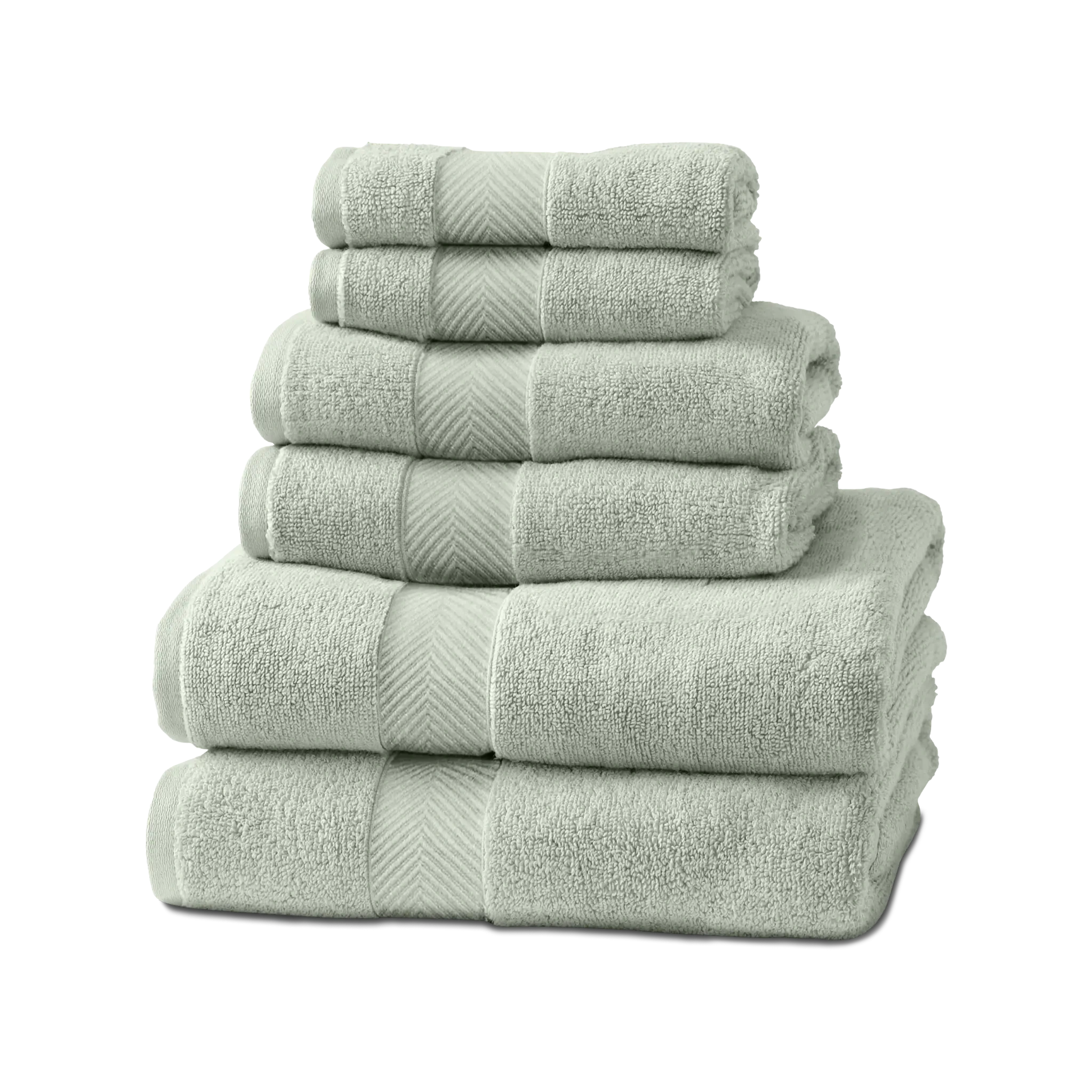
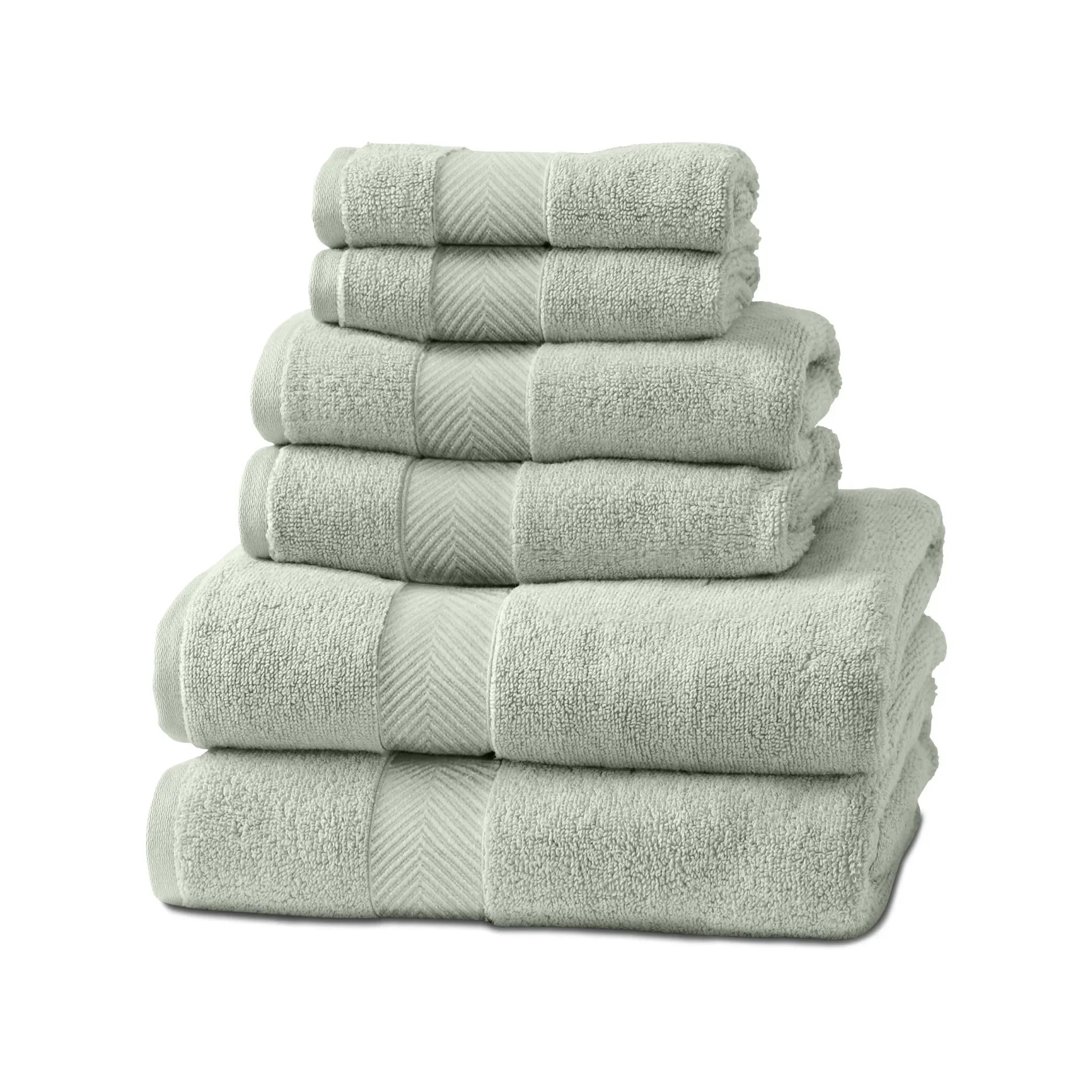
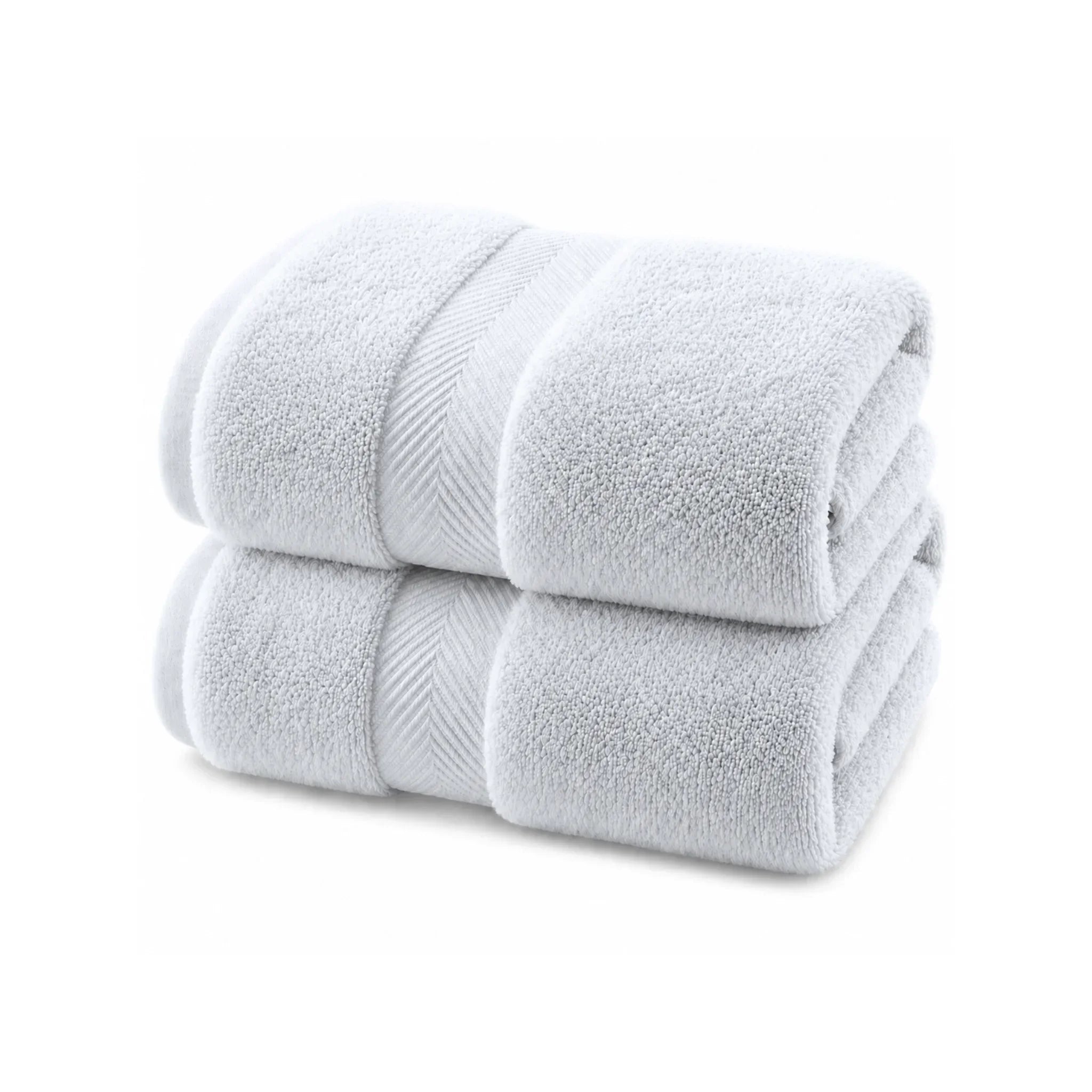
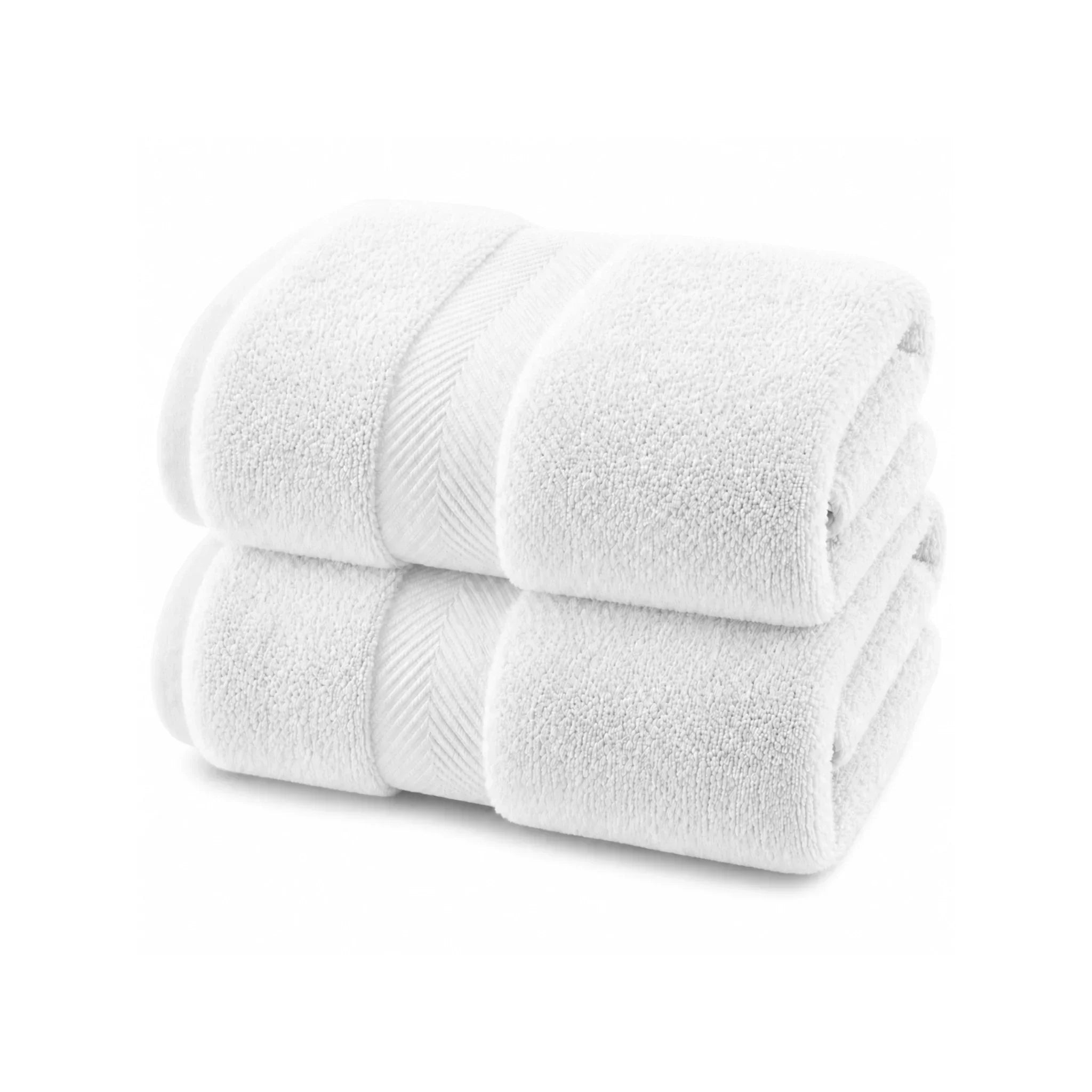
Bamboo Cotton Towels - Set of 6
The Difference Between Pure and Blended Bamboo
When you see a towel labeled as bamboo, it could be 100% bamboo viscose or a blend with cotton. Each type has its own strengths and weaknesses that affect how the towel feels and works in your bathroom. Pure bamboo towels feel incredibly soft and silky, almost like touching a cloud. Blended towels, like our Natureva Bamboo Cotton Towels with 30% bamboo and 70% cotton, combine the best parts of both materials.
The blend ratio isn't just a random number on the label. It actually determines how your towel performs every single day.
| Property | 100% Bamboo Viscose | Bamboo-Cotton Blend (30/70) |
|---|---|---|
| Softness | Extremely soft, silky | Very soft, plush |
| Absorbency | Good, slower drying | Excellent, quick-drying |
| Durability | Moderate, needs gentle care | High, holds up well |
| Price Range | $80-150 per set | $70-100 per set |
Understanding Bamboo Viscose Processing
Bamboo viscose goes through a specific manufacturing process to turn hard bamboo stalks into soft towel material. The bamboo gets broken down and reformed into fibers that feel smooth against your skin. This process is why you'll rarely see towels made from mechanical bamboo fibers, which are much rougher and harder to work with.
Here's what happens during bamboo viscose production:
- Bamboo stalks are harvested and broken into small chips
- The chips are dissolved using a chemical solution
- The liquid is pushed through tiny holes to create fibers
- These fibers are spun into yarn and woven into fabric
Why Blend Ratios Matter for Daily Use
The percentage split between bamboo and cotton changes everything about how your towel works. A higher cotton percentage means better absorbency and faster drying times, which matters when you're using towels multiple times per week. Pure bamboo sounds fancy, but it can stay damp longer and needs more careful washing.
Cotton brings durability and that classic towel feel most people grew up with. Bamboo adds softness and a smooth texture that feels nice on sensitive skin. According to bamboo bath linen experts, the blend ratio should match your lifestyle and how you plan to use the towels.
Think about these factors when choosing your blend:
- How often you do laundry and need towels to dry quickly
- Whether you prefer silky softness or traditional towel texture
- Your budget and how long you want the towels to last
- If anyone in your home has sensitive skin
The Real Benefits You'll Actually Notice
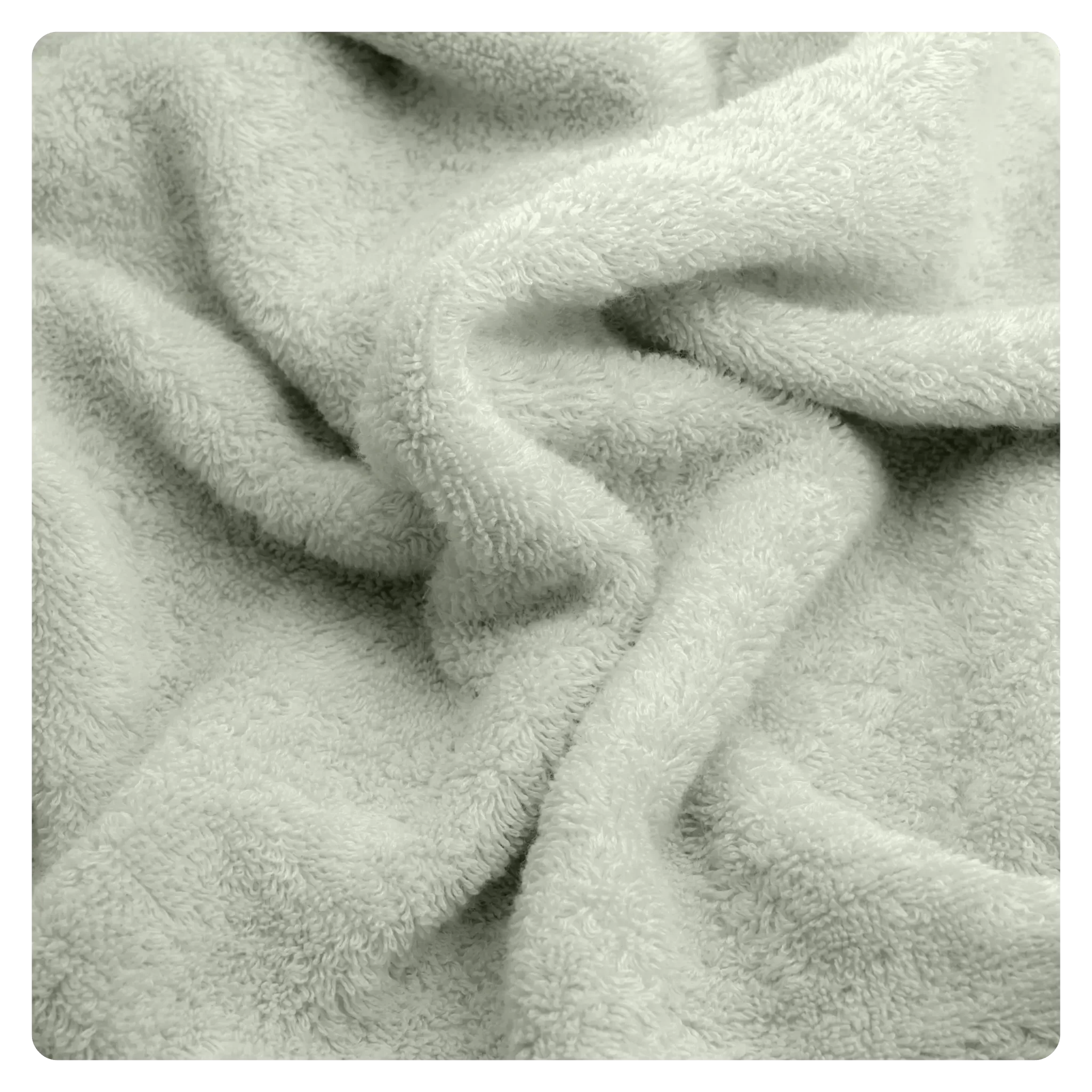
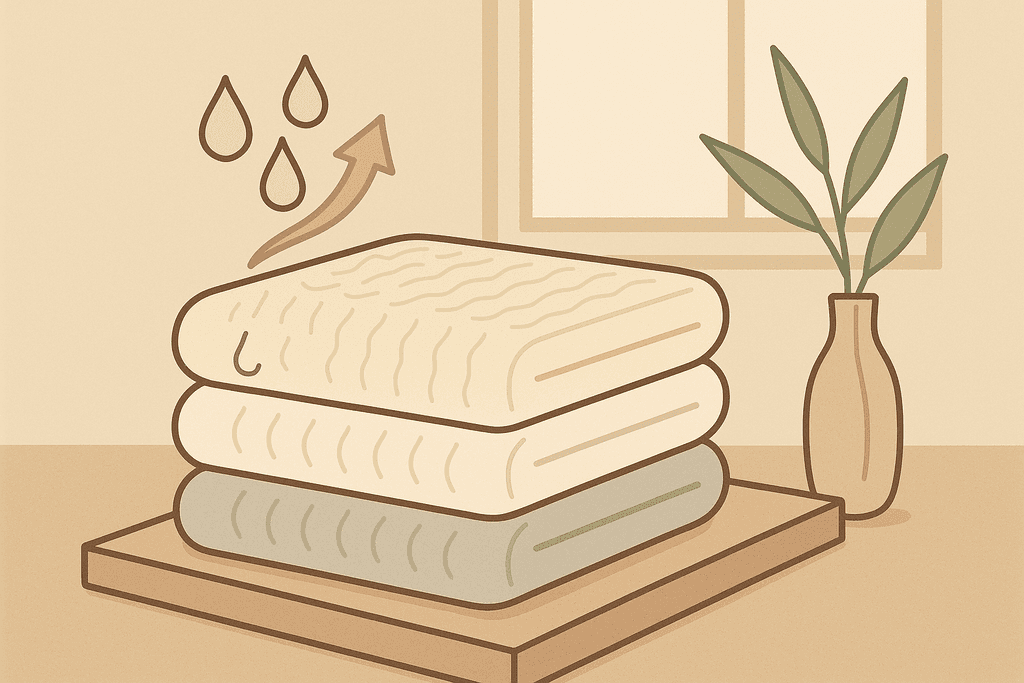
Most people who switch to bamboo towels notice the difference the first time they use one. The texture feels different against your skin, softer than what you're probably used to with regular cotton towels. This isn't just marketing talk. The bamboo viscose fibers are naturally smoother and rounder than cotton fibers, which is why they feel silkier when you dry off after a shower.
The Real Benefits You'll Actually Notice
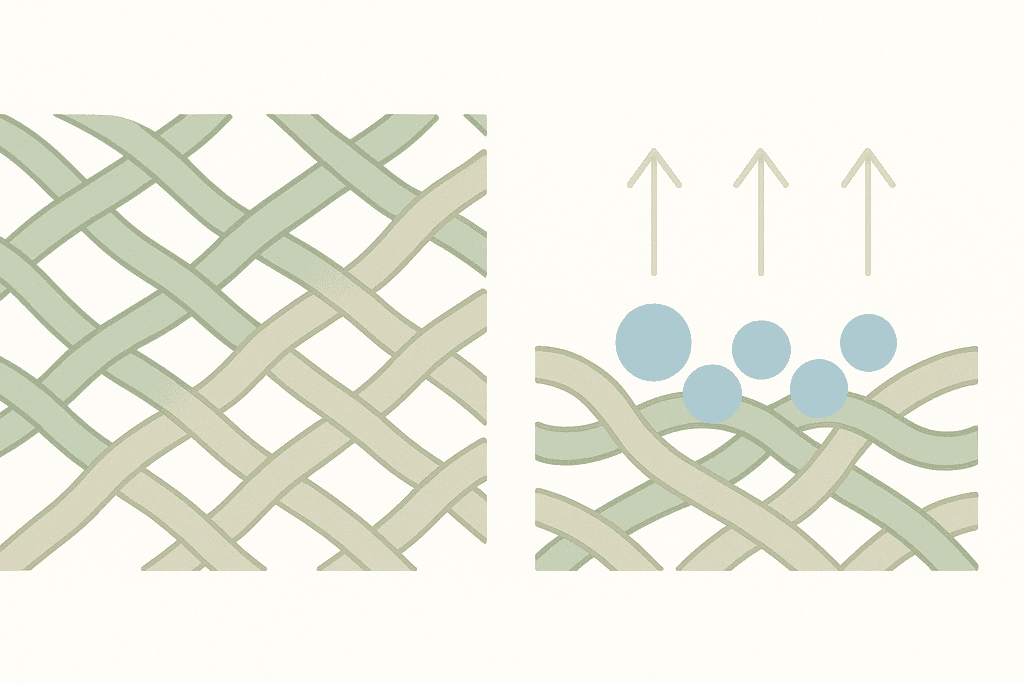
But here's what really matters in your daily routine. Bamboo towels dry faster than traditional cotton towels, which means less time hanging damp in your bathroom. That quick-drying property does more than just save time. It actually prevents that musty smell that happens when towels stay wet too long, and it keeps mildew from growing in the fibers.
- Natural antibacterial properties keep your towels fresher between washes
- Reduced odor buildup compared to standard cotton options
- Less frequent washing needed while maintaining hygiene
- Softer texture that doesn't fade with regular use
The absorbency question comes up a lot, and it's not a simple answer. Pure bamboo viscose actually absorbs less water than cotton, which surprises most first-time buyers. That's why blends matter so much. Long-staple cotton mixed with bamboo viscose gives you the best of both worlds. The cotton handles the heavy lifting for absorption, while the bamboo adds softness and quick-drying benefits. Our Bamboo Cotton Towels use a 30% bamboo viscose and 70% long-staple zero-twist cotton blend specifically for this reason.
According to research on bamboo towel benefits, the antibacterial properties come from a substance called bamboo kun that naturally occurs in the plant. While processing into viscose reduces some of these properties, quality bamboo towels still resist bacteria better than regular cotton.
Care Requirements That Keep Them Lasting
Your new bamboo towels won't work their best right out of the package. The first wash is actually the most important one you'll do. Manufacturing leaves a residue on the fibers that blocks absorption, so that initial wash removes this coating and activates the towel's full absorbency. Don't skip this step or you'll wonder why your expensive towels aren't soaking up water properly.
Care Requirements That Keep Them Lasting
Fabric softener is your bamboo towel's worst enemy. It coats the fibers with a waxy layer that makes them less absorbent over time. Skip it completely, even though the bottle says it makes towels softer. Your bamboo towels are already soft enough without it.
Here's a simple care routine that takes no extra effort:
- Wash in warm or cold water with regular detergent
- Skip the fabric softener entirely
- Use low to medium heat in the dryer
- Remove promptly to prevent wrinkles
- Avoid bleach which breaks down bamboo fibers faster
The next generation of home essentials: naturally made, cleaner by design, sustainable by nature.
SHOP ALLHeat settings matter more than you'd think. High heat damages the bamboo fibers and causes shrinkage, which shortens your towel's lifespan by years. Medium or low heat takes a bit longer but keeps the fibers intact. Some people air dry their bamboo towels completely, which works great if you have the space and time.
The maintenance really is minimal once you get into the habit. You're basically just avoiding a couple things (softener and high heat) rather than adding extra steps. Most people find their bamboo towels last longer than their old cotton ones when they follow these basic guidelines.
Price vs Value Understanding
Quality bamboo towels typically cost between $60 and $120 for a set of six. That's noticeably more than the $30 cotton towel set you can grab at a big box store. But the price difference tells you something about what you're getting. Cheaper bamboo towels often contain very little actual bamboo, sometimes as low as 10-20%, with the rest being lower-grade cotton or synthetic fibers.
The blend ratio matters because it affects everything from softness to durability. A 30% bamboo and 70% cotton blend offers balanced performance without the downsides of pure bamboo or pure cotton. You also want to look at GSM (grams per square meter), which measures the towel's weight and density. Higher GSM usually means a thicker, more absorbent towel, though it also takes longer to dry.
| Price Range | What You Get | Expected Lifespan |
|---|---|---|
| Under $50 | Low bamboo content | 1-2 years |
| $60-$90 | Quality blends | 3-5 years |
| Over $100 | Premium materials | 5+ years |
The upfront cost looks steep until you factor in how long they last. Bamboo towels maintain their softness and absorbency longer than cotton towels, which means you're not replacing them as often. A $90 set that lasts five years costs less per year than a $30 set you replace every 18 months. As House Digest points out in their comparison, the durability factor makes bamboo towels worth considering despite the higher initial price.
Our bamboo cotton towel set sits at $89 for six towels, which puts it in the sweet spot for quality without overpaying for premium branding. The 30% bamboo viscose and 70% long-staple zero-twist cotton construction gives you the absorption you need with the softness and quick-drying benefits that make bamboo worth buying. You're getting a balanced product that handles daily use without the premium price tag some brands charge.
Making Your First Bamboo Towel Purchase Count
Buying bamboo towels doesn't have to feel like a guessing game. The main thing to remember is that material composition matters more than anything else. Pure bamboo sounds nice, but blends like the 30% bamboo viscose and 70% long-staple cotton in our Bamboo Cotton Towels actually give you better performance. You get the softness and quick-drying benefits of bamboo without sacrificing the absorbency that cotton brings to the table.
The care routine you follow will determine whether your towels last two years or ten. Most people mess this up by using fabric softener or high heat, which breaks down the fibers faster than normal wear and tear. Stick to the basics and your towels will keep their fluffiness.
Quality indicators like weight, weave type, and fiber length tell you what you're really getting. A towel that feels thin in the store will feel even thinner after a few washes. Look for products that list their specifications clearly, because vague descriptions usually mean corners were cut somewhere.
The best part about bamboo-cotton blends is that you don't have to choose between comfort and function. Some brands push pure bamboo or pure cotton, but the hybrid approach solves problems that single-material towels can't. If you want to explore more sustainable home products, check out our bathroom collection for other options that work the same way.
Now let's tackle some common questions that come up when people shop for bamboo towels for the first time.
Common Questions About Bamboo Towels
Switching to bamboo towels brings up a lot of questions, especially if you've used regular cotton towels your whole life. Most people wonder about the practical stuff like washing, drying, and whether these towels actually live up to the hype. The good news is that bamboo towels are pretty straightforward once you understand the basics. Here are the answers to the questions we hear most often from first-time buyers.
How long do bamboo towels last with proper care?
Bamboo towels typically last 3 to 5 years with regular use and proper care, which is about the same or slightly longer than quality cotton towels. The key is washing them in cold or warm water, avoiding fabric softeners, and not overloading your washing machine. Our Natureva Bamboo Cotton Towels use long-staple cotton blended with bamboo viscose, which helps them hold up even better over time.
Are bamboo towels really more absorbent than cotton?
Yes, bamboo fibers can absorb up to three times more water than cotton fibers. However, the absorbency also depends on the quality of materials used and how the towel is constructed. Blends like our 30% bamboo viscose and 70% long-staple cotton combination give you the best of both worlds - the absorbency of bamboo plus the proven performance of quality cotton.
Can you put bamboo towels in the dryer?
You can put bamboo towels in the dryer, but use a low heat setting to protect the fibers. High heat can break down bamboo viscose over time and reduce the towel's softness. Air drying is always the gentlest option, but if you're short on time, a low tumble dry works fine.
Do bamboo towels get softer over time?
Bamboo towels actually do get softer with each wash, unlike regular cotton towels that can become rough and scratchy. The fibers relax and open up as you use them, which is why many people notice their bamboo towels feel even better after a few months of use.
What's the difference between bamboo viscose and bamboo rayon?
Bamboo viscose and bamboo rayon are essentially the same thing - just different names for the same manufacturing process. Both terms describe bamboo that's been processed into a soft, silky fiber. Some brands use one term over the other, but they're interchangeable.
Are bamboo-cotton blends better than 100% bamboo?
Bamboo-cotton blends often perform better than 100% bamboo towels because they combine the strengths of both materials. Pure bamboo can sometimes feel too silky and less substantial, while cotton adds durability and that familiar towel texture most people prefer. The blend also tends to be more affordable while still giving you the benefits of bamboo like quick-drying and natural odor resistance.
The next generation of home essentials: naturally made, cleaner by design, sustainable by nature.
SHOP ALL