
Three Key Upgrades Stone Dish Mats Offer Over Cloth
You pull a plate from the dish rack and notice that familiar damp smell coming from your cloth dish drying mat underneath. That soggy fabric has been sitting there for days, never quite drying out between uses, and you know it's probably growing things you'd rather not think about. Stone dish mats like our Natureva options solve this problem completely by absorbing water instantly and drying in minutes instead of staying wet for hours, which means no more mildew smell or constant trips to the washing machine.
Table of Contents
The Problem with Traditional Cloth Dish Mats
Most kitchens have had the same setup for decades: a cloth mat sitting next to the sink, soaking up water from freshly washed dishes. These fabric mats became popular because they were cheap, easy to find, and seemed like a simple solution to wet countertops. But what started as a convenient kitchen helper has turned into a breeding ground for problems that most people don't even realize exist.
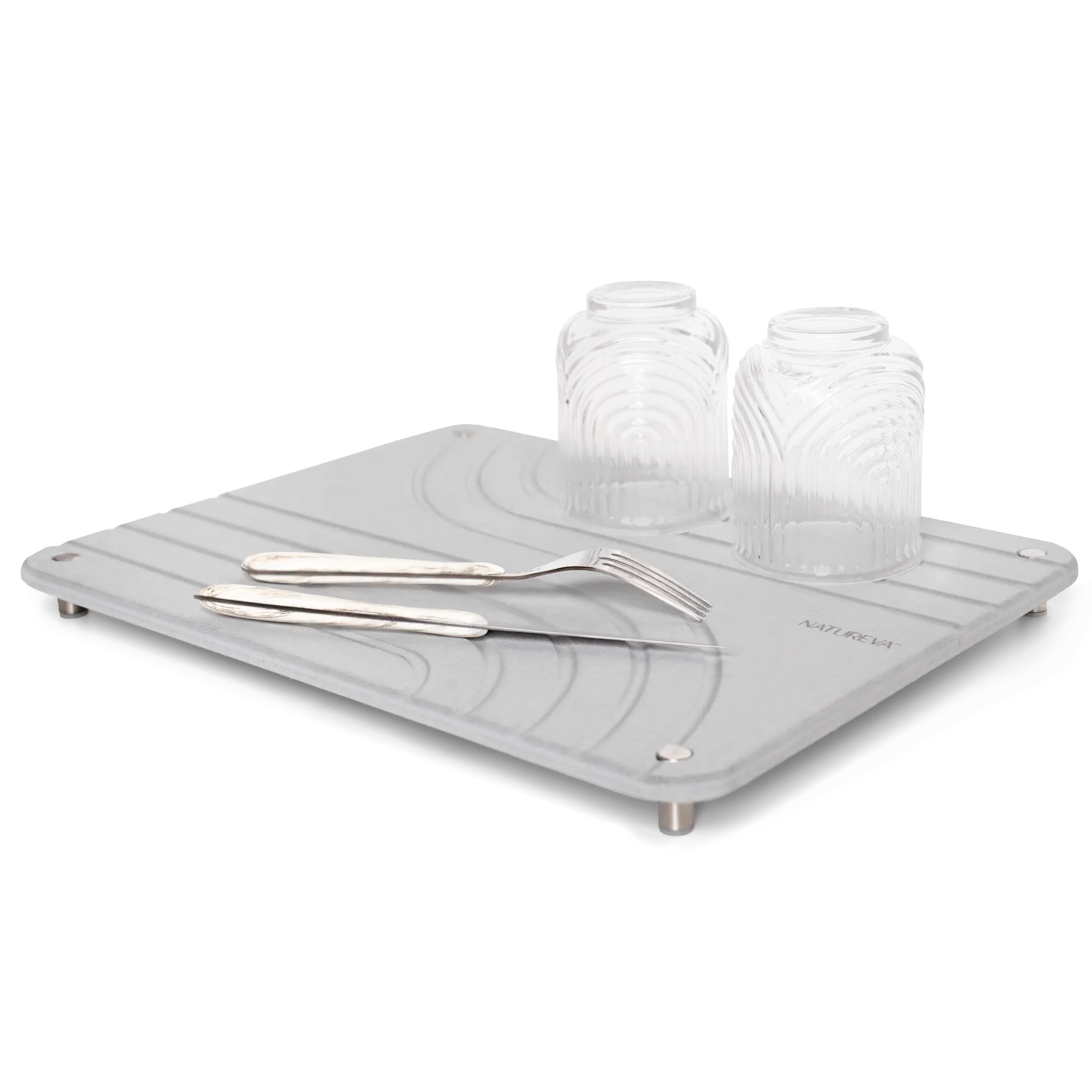
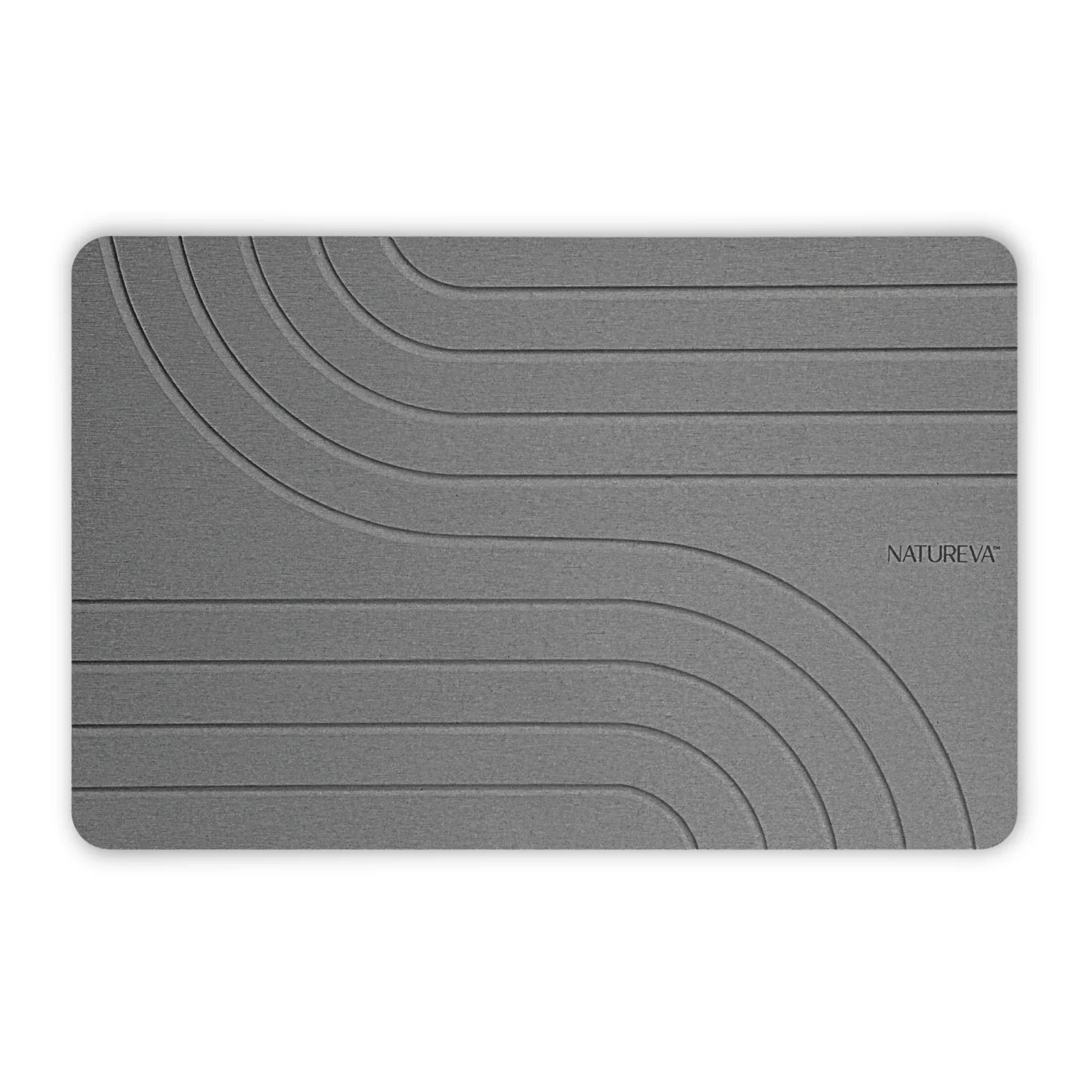
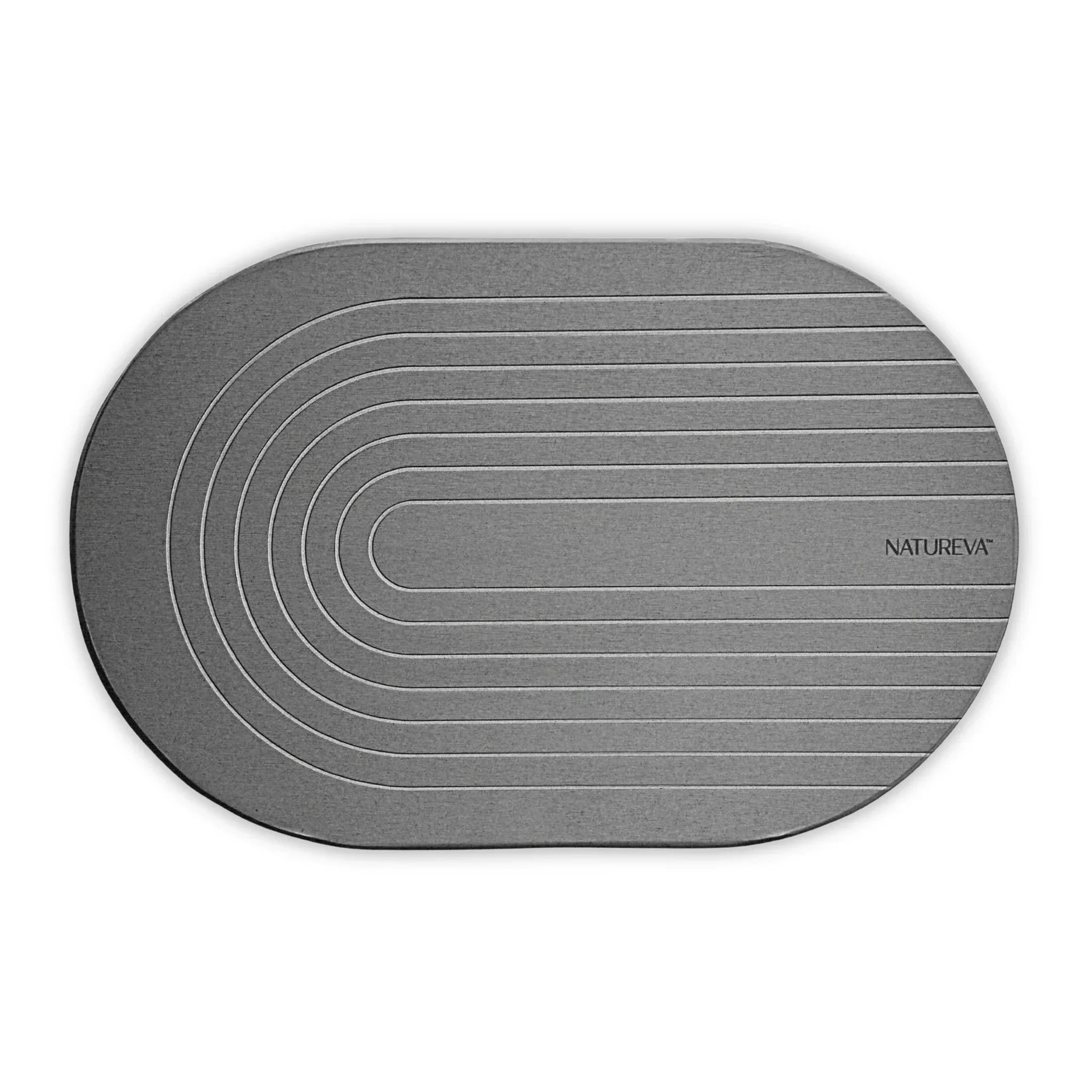
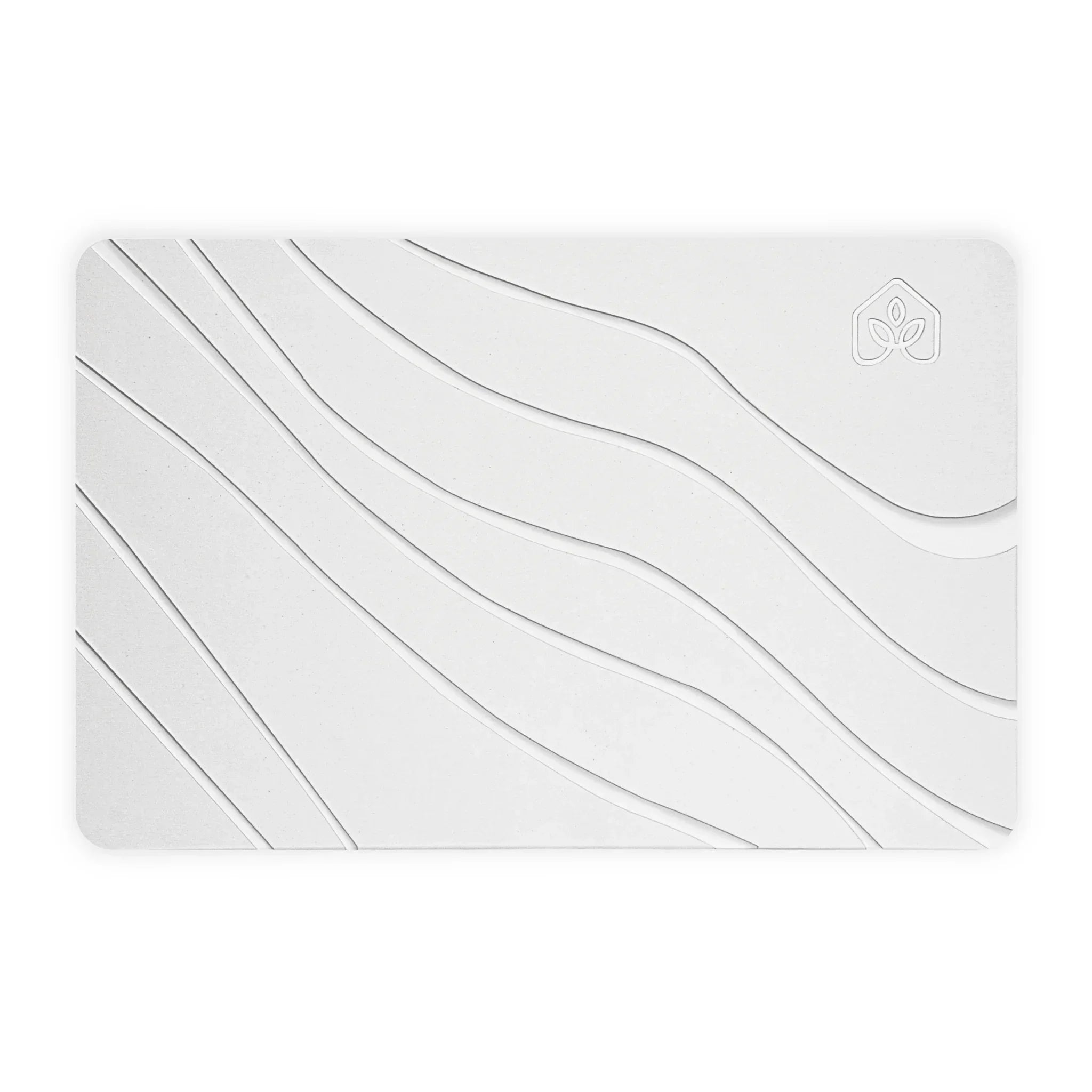
Stone Dish Mat - Tide
Why Cloth Mats Became the Standard
Cloth dish mats took over kitchens for a few straightforward reasons. They were soft enough not to scratch dishes, absorbent enough to catch drips, and washable when they got dirty. For years, nobody questioned whether there was a better option.
The appeal was simple:
- Available at every home goods store for just a few dollars
- Came in different colors and patterns to match kitchen decor
- Could be tossed in the washing machine when needed
- Felt familiar and safe compared to harder surfaces
The Hidden Dangers Lurking in Damp Fabric
Here's where things get gross. According to research on kitchen hygiene, damp cloth materials can harbor millions of bacteria within just 24 hours of use. That innocent-looking mat by your sink might be dirtier than you think. The fabric stays wet for hours after you place dishes on it, creating the perfect environment for bacteria and mold to multiply.
| Issue | Timeline | Impact |
|---|---|---|
| Bacteria Growth | Starts in 2-4 hours | Millions of colonies |
| Odor Development | Within 24-48 hours | Musty smell |
| Complete Drying | 6-12 hours | Rarely happens |
The problems don't stop at bacteria. Cloth mats develop that distinctive musty smell that no amount of washing seems to fix permanently. They also require constant maintenance, needing to be washed every few days to stay even remotely sanitary.
Why People Stick with Soggy Solutions
So if cloth mats are so problematic, why does everyone still use them? The answer is mostly habit and lack of awareness. Most people don't realize how much bacteria is growing on their dish drying mat, and they assume regular washing is enough to keep things clean.
Common reasons people keep using cloth mats include:
- They've always used them and never considered alternatives
- They don't know about newer options like stone mats
- They think all dish mats have the same problems
The Science of Staying Wet
The reason cloth stays damp for so long comes down to basic physics. Fabric fibers trap water between their threads, and that moisture has nowhere to go except slowly evaporate into the air. In humid climates or during winter when windows stay closed, this process takes even longer. The water just sits there, creating the perfect conditions for microbes to thrive.
Stone-based alternatives like our Natureva Stone Dish Mat work completely differently. Instead of trapping water in fibers, the diatomaceous earth material actively pulls moisture through millions of tiny pores and releases it into the air almost immediately. This means your countertop stays dry and bacteria doesn't get the chance to set up camp.
Upgrade #1: Lightning-Fast Drying That Actually Works
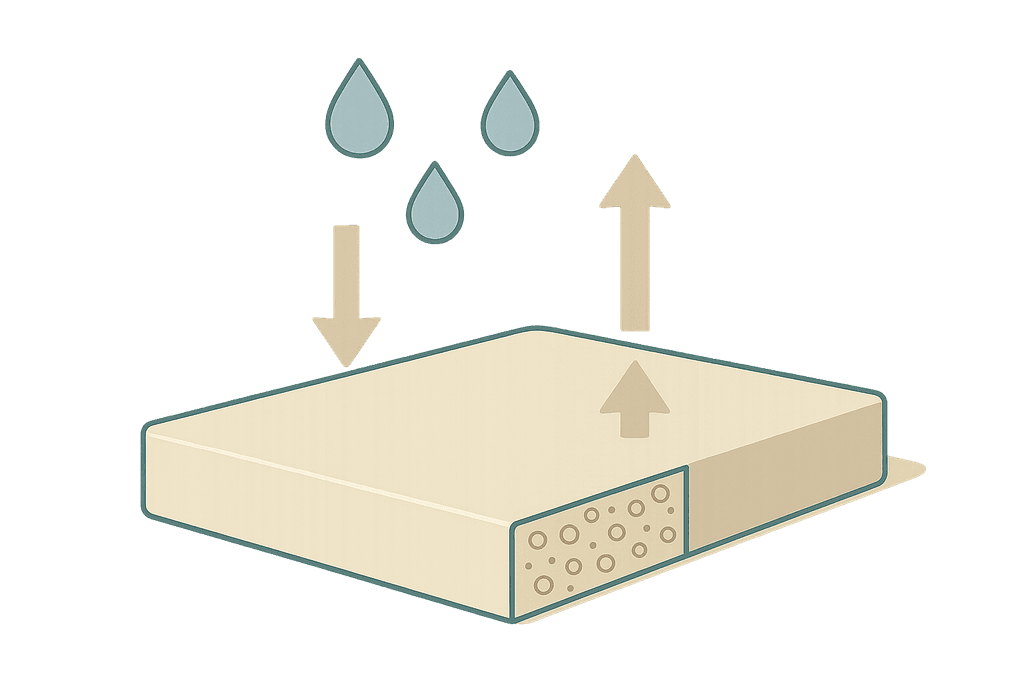
Most people don't realize that traditional cloth dish mats can stay damp for hours after you place wet dishes on them. That soggy feeling isn't just unpleasant, it creates a whole chain of problems in your kitchen. Stone dish mats work completely differently because they're made from diatomaceous earth, a natural material with millions of microscopic pores that pull water in like tiny vacuum cleaners. The moment a wet dish touches the surface, those pores start absorbing moisture at a rate cloth simply can't match.
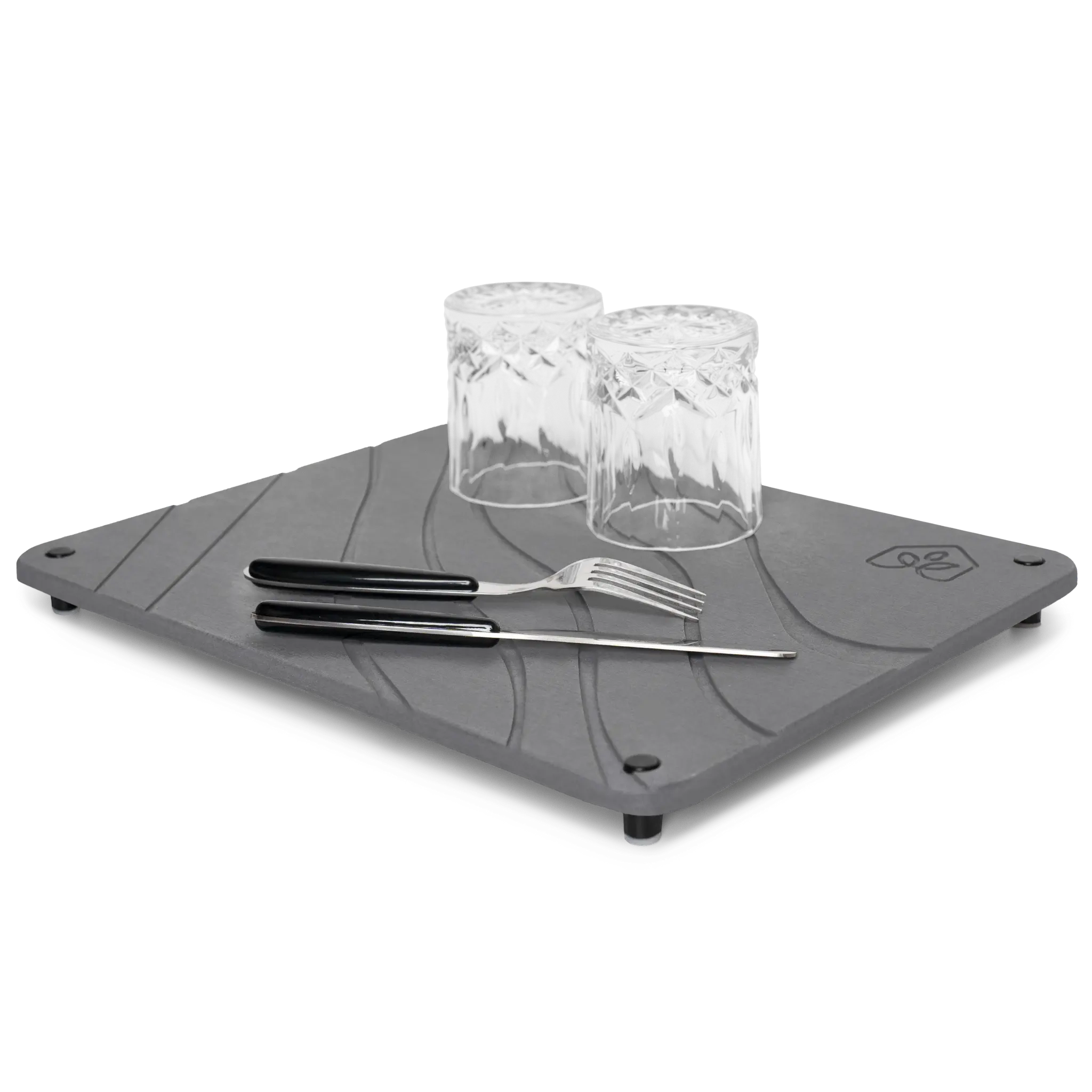
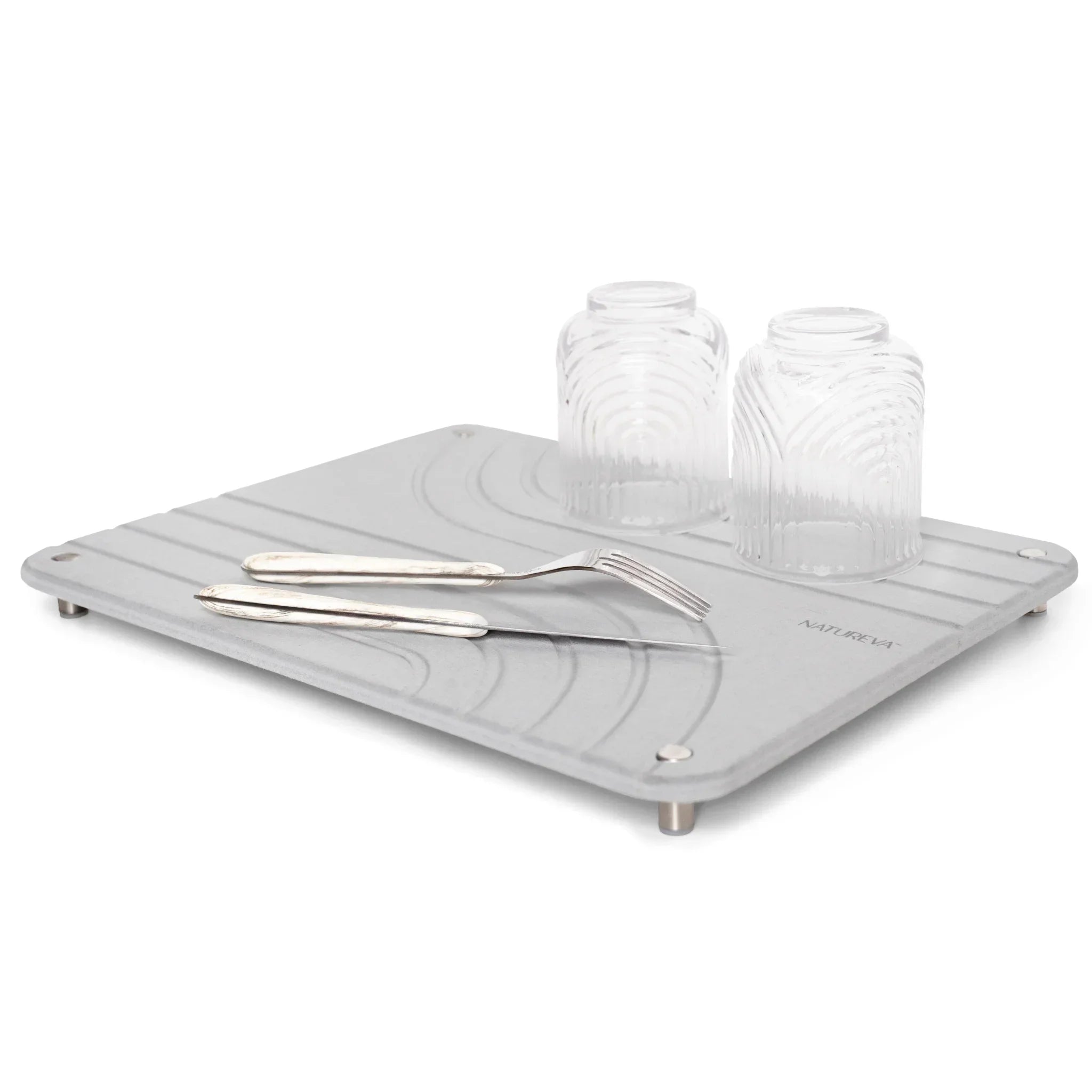
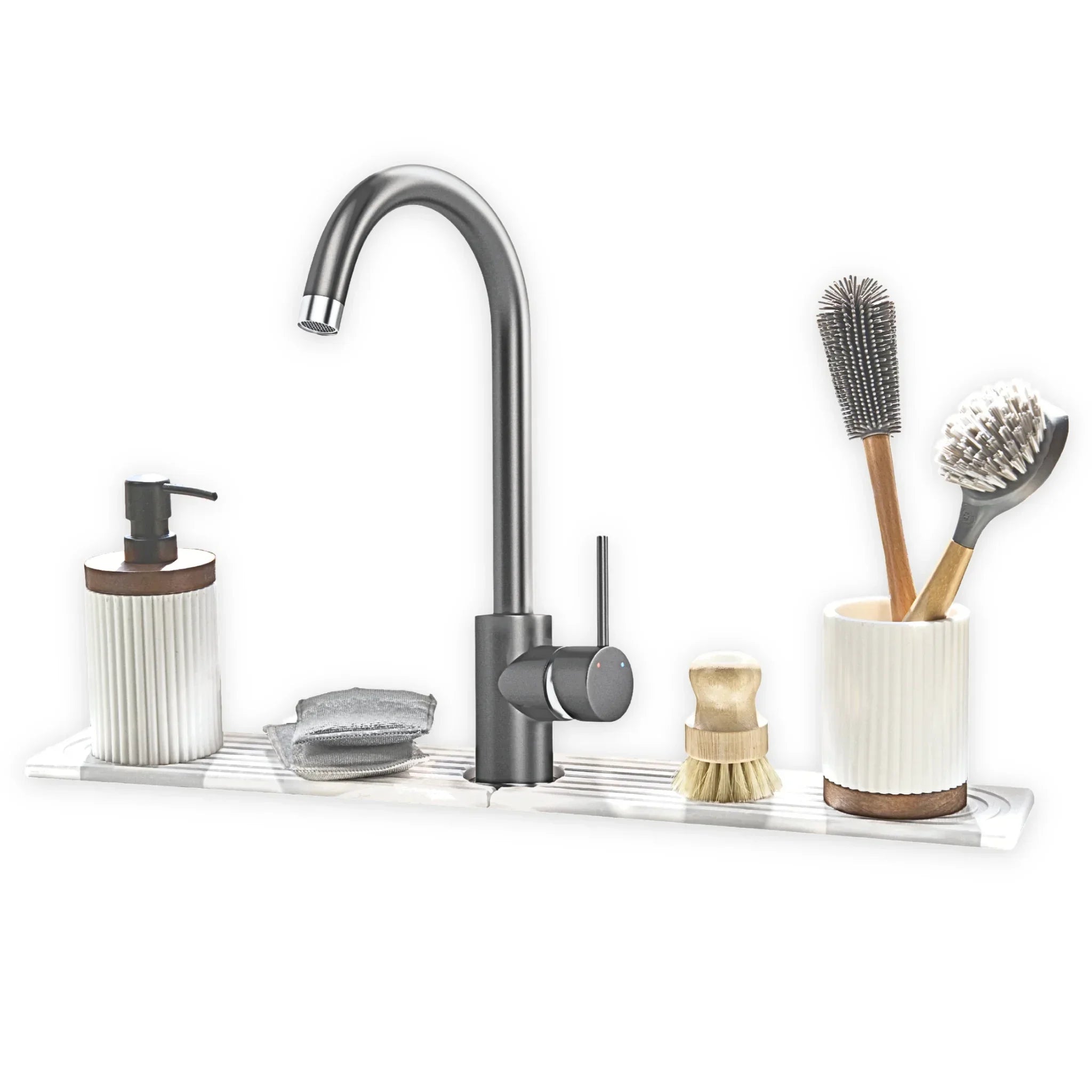
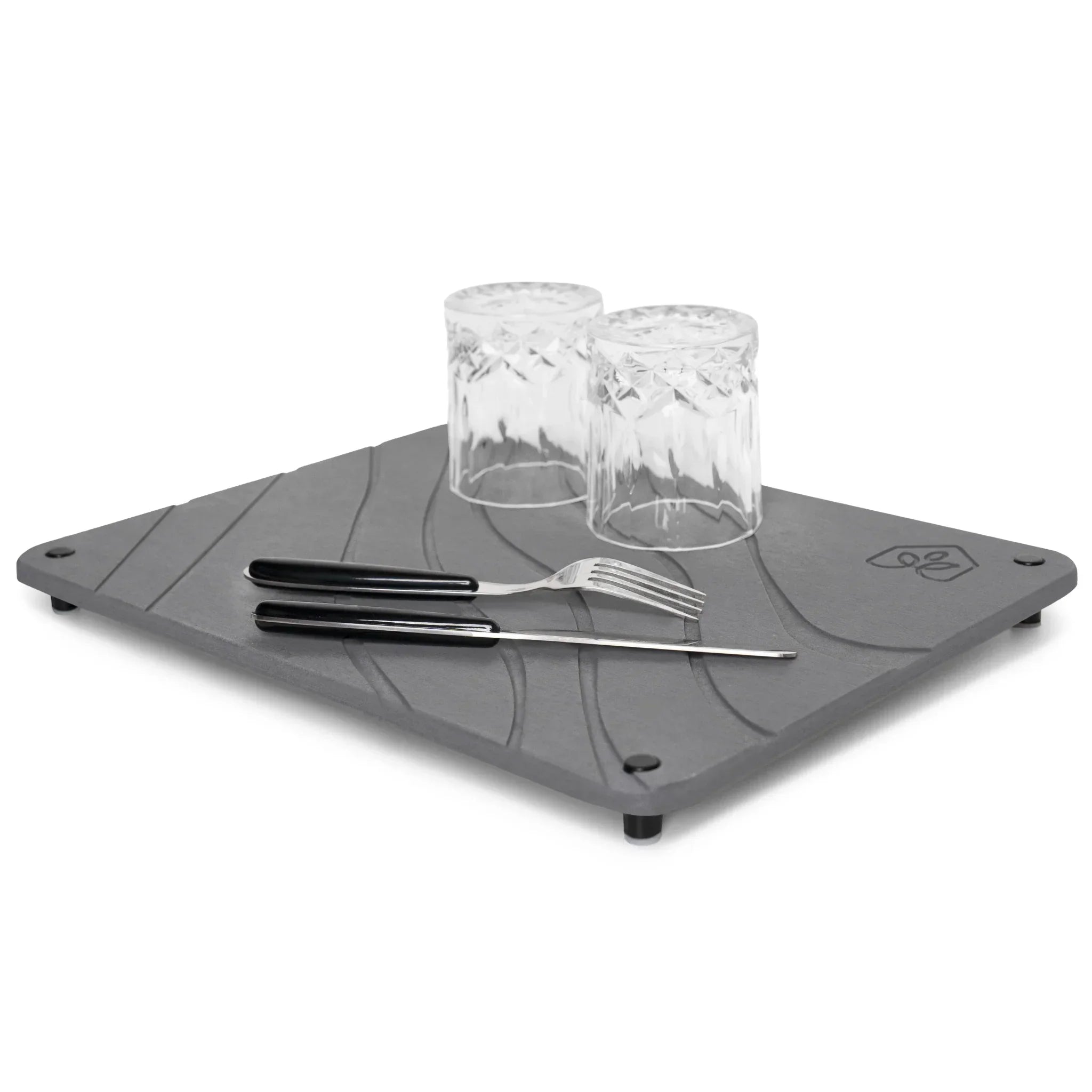
Stone Dish Mat - Flow
The real difference shows up in how fast everything dries. While a cloth mat might take 4-6 hours to fully dry out, a stone dish drying mat can be completely dry in under an hour.
| Mat Type | Absorption Time | Full Drying Time |
|---|---|---|
| Cloth Mat | Gradual (minutes) | 4-6 hours |
| Stone Mat | Instant (seconds) | Under 1 hour |
This happens because diatomaceous earth doesn't just absorb water, it actively evaporates it through those same tiny pores. Think of it like your skin breathing, except much faster. The Natureva stone dish mats use this natural process to stay dry to the touch even when you're constantly adding wet dishes throughout the day. No more puddles spreading across your counter or that gross wet feeling when you accidentally lean against the mat.
The next generation of home essentials: naturally made, cleaner by design, sustainable by nature.
SHOP ALLUpgrade #2: Zero Maintenance Means Zero Hassle
Here's something most people don't think about until they're stuck doing it: cloth dish mats need constant washing. You throw them in the laundry every few days, wait for them to dry, and eventually replace them when they start looking worn or smelling funky. It's one of those small tasks that adds up to a surprising amount of time and money over the course of a year. Stone mats completely eliminate this cycle because they clean themselves through the same evaporation process that keeps them dry.
Upgrade #2: Zero Maintenance Means Zero Hassle
The maintenance routine for a stone mat is basically nonexistent. You never need to wash it in a machine, never need to hang it up to dry, and never need to buy replacements every few months.
- No detergent needed
- No washing machine cycles
- No waiting for it to dry
- No replacement costs
- Occasional light sanding if absorption slows (maybe once a year)
The cost savings add up faster than you'd expect. A decent cloth dish mat costs around $15-20 and needs replacing 2-3 times per year. That's $30-60 annually, plus the water and detergent for washing it 100+ times. Over five years, you're looking at $150-300 just for cloth mats. A stone mat costs more upfront but can last for years with minimal care, and you're also saving water and reducing detergent use, which matters if you care about environmental impact.
Upgrade #3: Naturally Mold and Bacteria Resistant
Damp cloth creates the perfect environment for things you definitely don't want near your clean dishes. Bacteria multiply rapidly in moist conditions, and mold spores love settling into fabric fibers that stay wet for hours. According to kitchen experts, traditional dish mats can harbor significant bacterial growth between washes, especially in the warm, humid conditions common in kitchens. That musty smell you sometimes notice isn't just unpleasant, it's a sign that microbes are thriving in the fabric.
Stone mats prevent this problem before it starts. Because they dry so quickly, bacteria and mold never get the sustained moisture they need to establish colonies.
The natural properties of diatomaceous earth add another layer of protection. This material has been used for centuries in various applications specifically because it creates an inhospitable environment for microorganisms. When your dishes sit on a surface that's dry within minutes instead of hours, you're not giving germs the time they need to multiply. The health benefit is straightforward: cleaner dish drying surface means fewer opportunities for contamination to transfer back onto your supposedly clean dishes.
- No damp fabric for bacteria to colonize
- Quick drying prevents mold spores from taking hold
- Natural antimicrobial properties of diatomaceous earth
- No musty odors developing over time
- Cleaner kitchen environment overall
The hygiene difference becomes obvious after a few weeks of use. While cloth mats start developing that characteristic damp smell even with regular washing, stone mats stay fresh because they're never staying wet long enough for odor-causing bacteria to grow. Similar benefits have been noted with stone bath mats that use the same technology.
If you're ready to upgrade your kitchen setup, the Stone Dish Mat - Tide and Stone Dish Mat - Flow both offer these benefits in different designs. You can also explore other kitchen products that use the same diatomaceous earth technology for consistent performance throughout your home.
Making the Switch to Stone
So there you have it. Stone dish drying mats beat cloth in three major ways: they dry faster, need almost zero maintenance, and keep bacteria from setting up camp in your kitchen. These aren't small improvements either. When you add them all up, you're looking at a dish drying mat that actually stays clean and does its job without becoming another chore on your list.
The difference really comes down to the material itself. Diatomaceous earth has millions of tiny pores that pull water in and let it evaporate quickly, which is something cloth just can't match. That's why our kitchen collection focuses on this natural stone material for items that deal with water all day long.
If you're ready to upgrade, we offer two designs: the Stone Dish Mat in Tide and the Stone Dish Mat in Flow. Both give you the same absorption and quick-drying benefits, just with different patterns to match your kitchen style. The same stone technology works great in other wet areas too, like bathroom spaces where moisture tends to stick around.
It's a small change that makes a bigger impact than you'd expect. Your countertops stay drier, your kitchen smells fresher, and you spend less time dealing with gross, soggy mats. But you probably still have some questions about how these stone mats actually work in real life.
Common Questions About Stone Dish Mats
Switching from cloth to stone can feel like a big change, especially when you've been using the same type of dish drying mat for years. Most people have similar questions when they first learn about stone mats made from diatomaceous earth. These questions usually come down to durability, maintenance, and whether the investment actually makes sense. Here are the answers to help you decide if a stone dish drying mat is right for your kitchen.
How long do stone dish mats last?
A quality stone dish drying mat typically lasts 2-3 years with regular use, which is significantly longer than cloth mats that need replacing every few months. The natural diatomaceous earth material doesn't break down from water exposure like fabric does. With proper care, some users report their mats lasting even longer.
Can stone mats break or crack easily?
Stone mats are more durable than you might think, but they're not indestructible. They can crack if dropped from counter height onto a hard floor or if heavy objects fall directly on them. During normal use on your countertop, they hold up well under dishes, glasses, and pots. Just treat them with the same care you'd give a dinner plate.
How do you clean a stone dish mat?
Cleaning is surprisingly simple compared to washing cloth mats in your machine every week. Just rinse the mat under water and let it air dry, or wipe it down with a damp cloth. If you notice any stains, a light sanding with fine-grit sandpaper removes them and refreshes the surface.
Are stone mats safe for all countertop types?
Yes, stone dish mats work safely on granite, marble, quartz, laminate, and wood countertops. The bottom surface is smooth and won't scratch your counters. Unlike wet cloth mats that can trap moisture against your countertop, stone mats keep the surface underneath dry.
What if the mat stops absorbing water?
When a stone mat feels less absorbent, it usually just needs cleaning. Oils from dishes or mineral deposits from hard water can clog the tiny pores over time. A quick rinse or light sanding restores the absorption. Our Natureva Stone Dish Drying Mat maintains its absorption for years when cleaned regularly.
How do stone mats compare in price to cloth mats over time?
A stone mat costs more upfront, usually around $49 compared to $10-20 for cloth versions. But here's where the math gets interesting. If you replace a cloth mat every 3-4 months due to mold, odors, or wear, you'll spend $30-80 per year. A stone mat lasting 2-3 years actually costs less over time, plus you avoid the hassle of constant replacements.
The next generation of home essentials: naturally made, cleaner by design, sustainable by nature.
SHOP ALL