
Best Diatomite Stone Products for the Home
Diatomite stone products dry a wet bathroom floor in under a minute, while a cotton towel left on the same spot can stay damp for ten minutes or more. The stone is made from diatomaceous earth, a sediment packed with tiny pores that pull water in fast and let it evaporate just as fast. That speed matters most in three spots: the bathroom floor by the tub or shower, the kitchen counter next to the sink, and the sink area itself where faucets drip and splash all day.
A bath mat, a dish mat, and a faucet mat each solve a different puddle, and prices for this kind of stone gear usually land between 29 and 59 dollars depending on size and job. The bath mat handles the biggest spill zone and the heaviest foot traffic. The dish mat sits under drying dishes so counters stay dry between washes. The faucet mat catches the small splashes that pool right around the base of a tap.
Table of Contents
What Makes Diatomite Stone Different From Towels
Diatomite is the fossilized shell of tiny algae called diatoms, mined from ancient lake and ocean beds. Under a microscope, each grain is riddled with holes smaller than a human hair, and those holes act like thousands of straws pulling water off the surface.
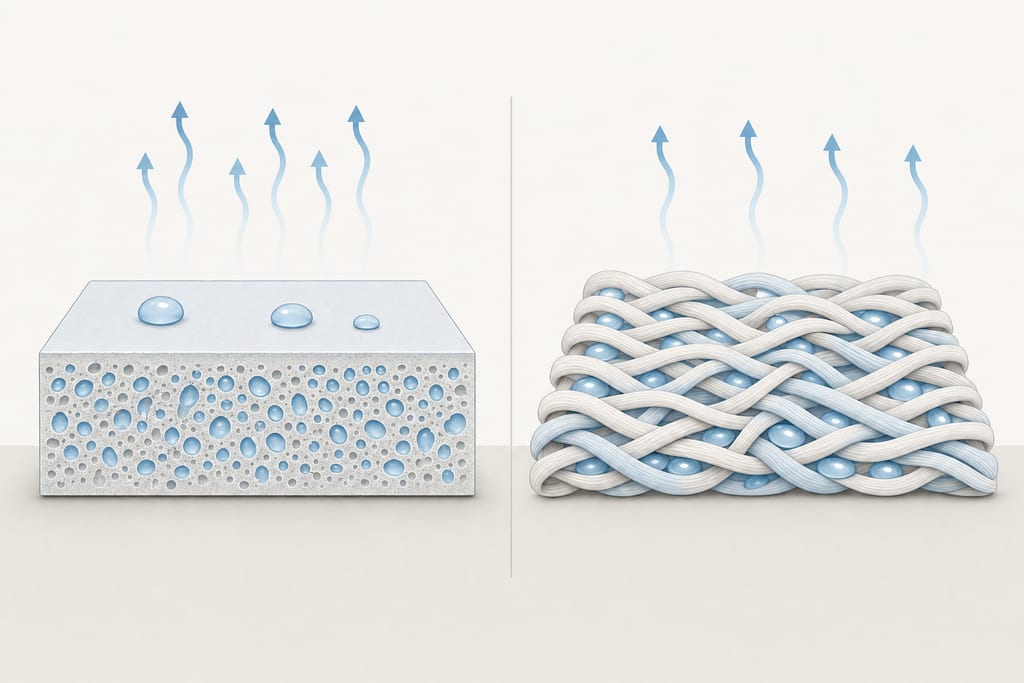
A cotton or microfiber mat works differently. It soaks water into its fibers but has no way to release that moisture quickly, so it sits wet and warm long enough for mold and mildew to take hold.
| Material | Drying Time | Bacteria Risk | Typical Lifespan |
|---|---|---|---|
| Diatomite stone | Under 60 seconds | Low, surface stays dry | 2 to 5 years |
| Cotton mat | 10+ minutes to hours | High if not washed often | 6 to 12 months |
| Microfiber mat | 30 minutes to 1 hour | Moderate, traps moisture | 1 to 2 years |
The stone's open pore structure is also why it holds up longer. Fabric breaks down from repeated washing and wringing, while the mineral surface just needs a wipe-down or an occasional light sanding to refresh the finish. You can see the full breakdown of how this material is made and tested in the complete guide to diatomite.
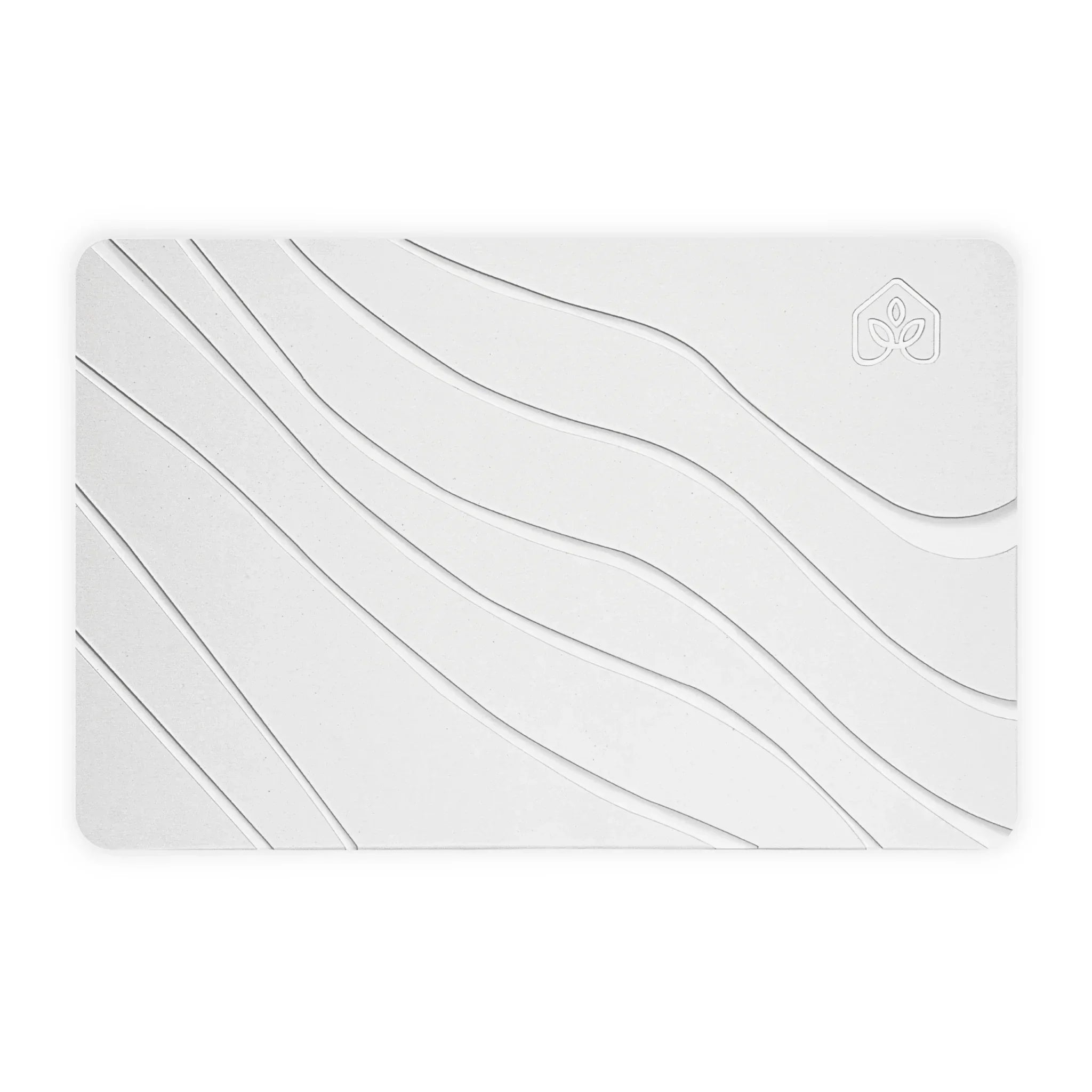
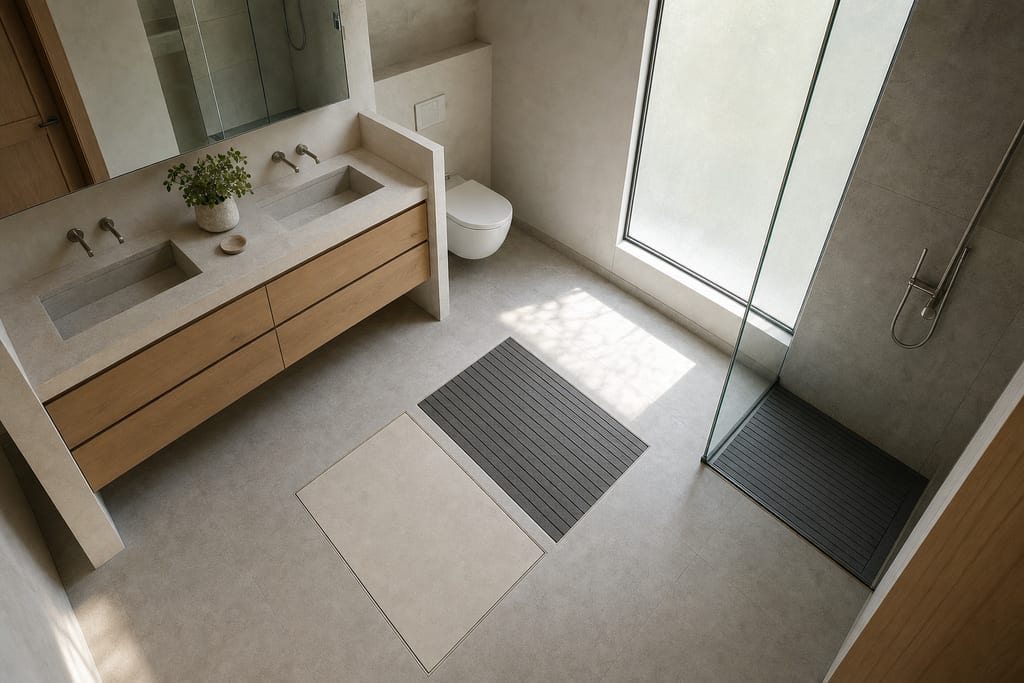
Stone Bath Mat Keeps Floors Dry After Showers
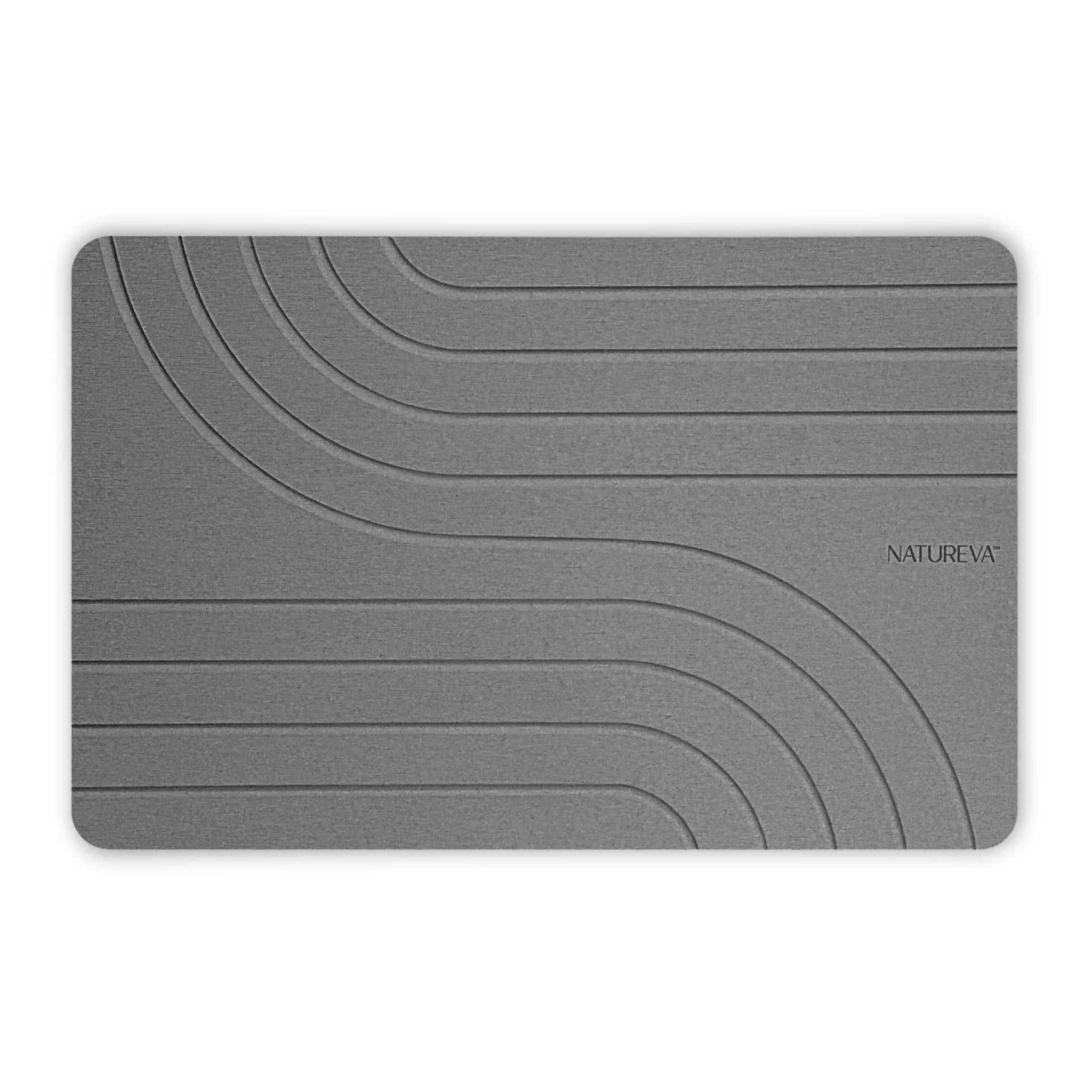
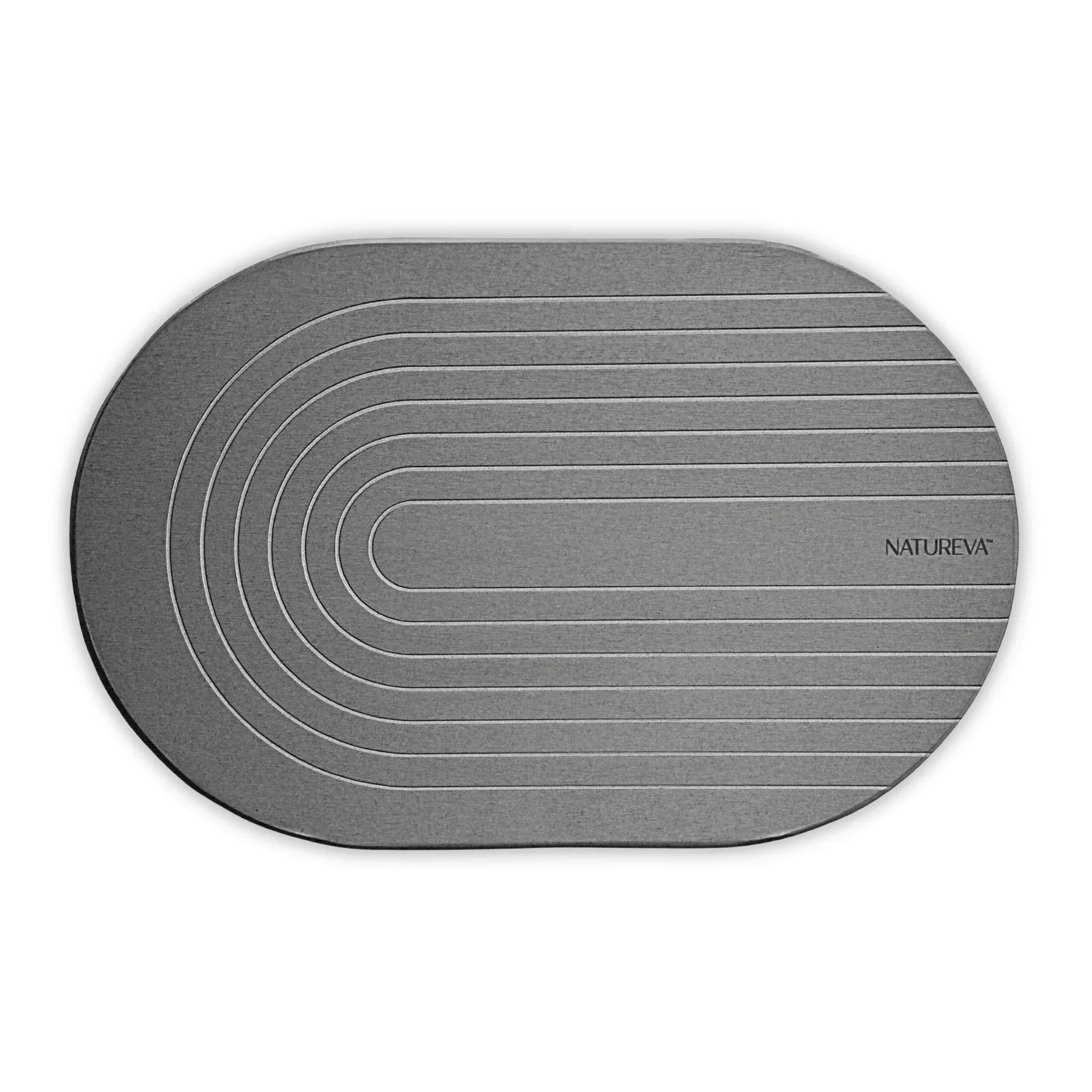
The Natureva Stone Bath Mat - Tide costs 59 dollars and dries a bathroom floor within seconds of stepping out of the shower. It skips the damp, slippery feel that a fabric mat leaves behind, since the stone pulls water into its pores instead of letting it sit on top. That dry surface matters most right after a shower, when bare feet hit the floor and wet tile is the biggest slip risk.
This mat works best in homes with heavy bathroom traffic. A household with kids, pets, or more than one person sharing a bathroom runs through that spot dozens of times a day, and a fabric mat under that load stays wet most of the time. The stone surface resets between uses instead of building up moisture.
A few signs point to this mat being the right fit:
- More than two people use the same bathroom daily
- Pets track water from the tub onto the floor
- Fabric mats in the house need washing more than once a week
- The floor by the shower stays damp for ten minutes or longer after use
Anyone comparing it against a standard mat can check sizing on the Stone Bath Mat - Tide page before ordering.
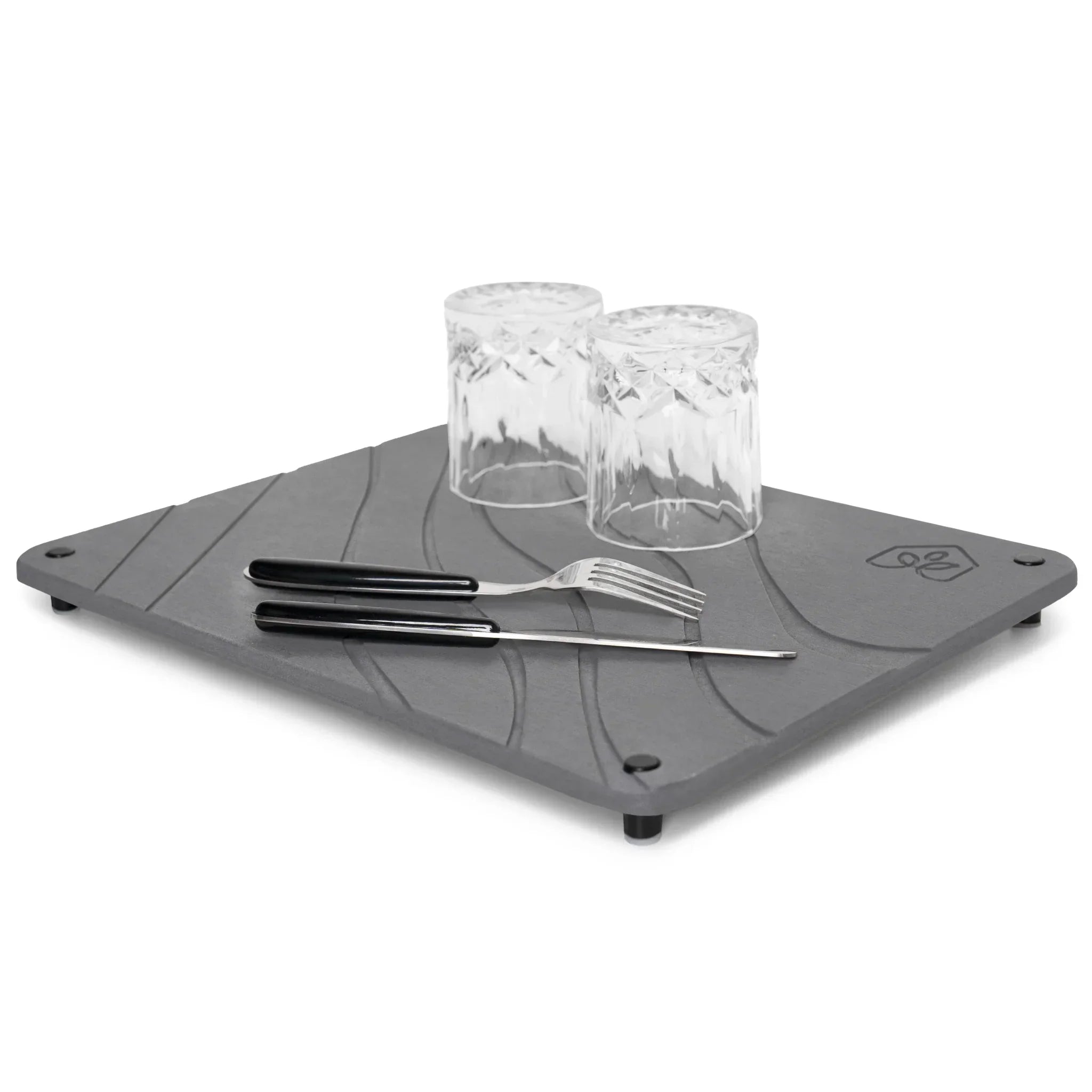
Stone Dish Mat Clears Up Wet Counters
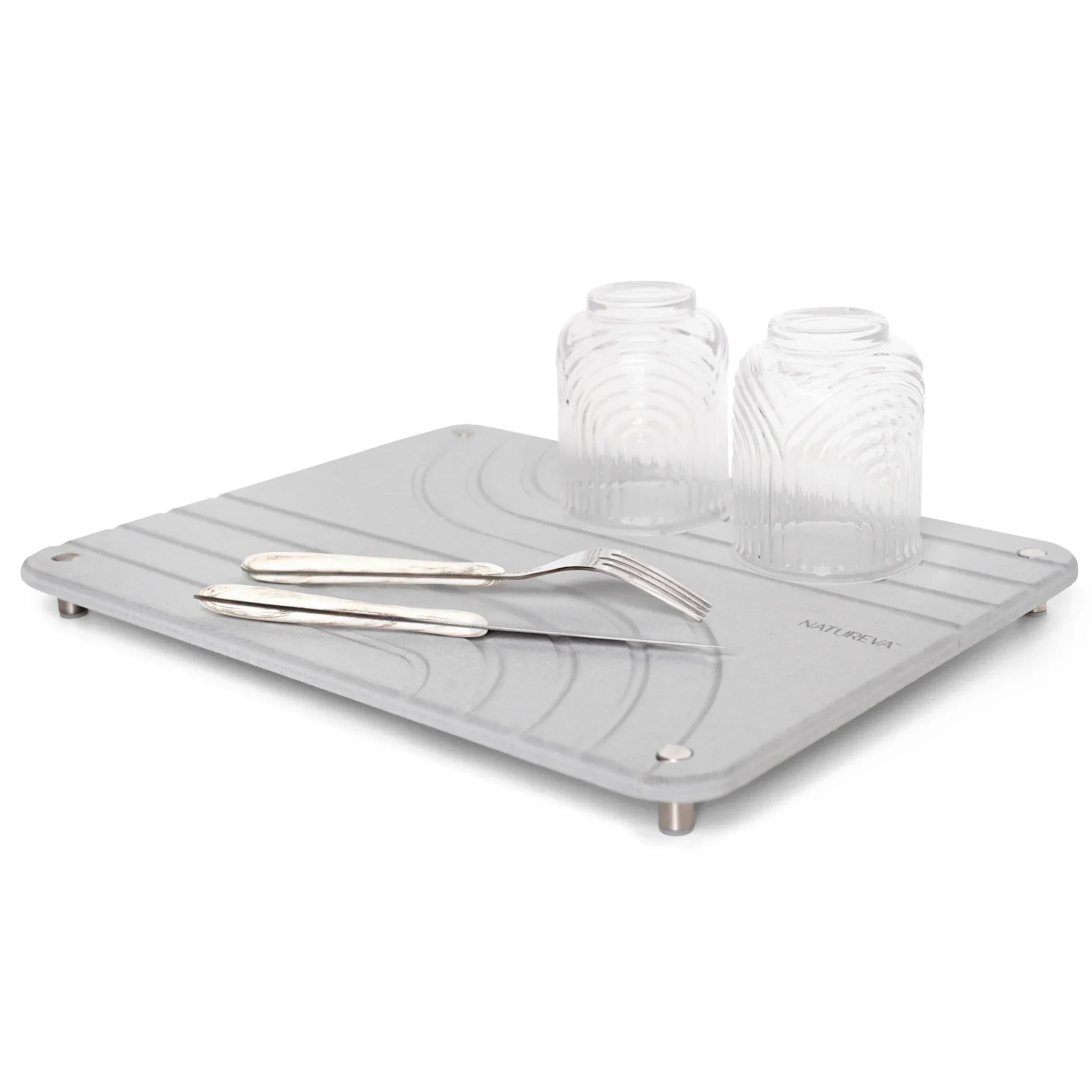
The Natureva Stone Dish Mat - Tide is priced at 49 dollars and absorbs drip trays from a dish rack the moment water hits it. A cloth dish mat left under drying dishes stays wet for hours, and that trapped moisture is what builds the musty smell under the fabric over time. The stone surface pulls that water in and releases it back into the air, so the smell never gets a chance to start.
Counter space runs tight in smaller kitchens, and this mat is sized to fit under a standard dish rack without spilling over the edge. That makes it a good match for apartment kitchens or any setup where every inch of counter gets used.
A few questions help decide if this mat fits a kitchen:
- Does the current dish mat need a wash more than twice a week
- Is counter space limited to one strip beside the sink
- Has a mildew smell shown up under the mat before
- Does the dish rack sit in the same spot every day
The Stone Dish Mat - Tide is sized for that exact spot.
The next generation of home essentials: naturally made, cleaner by design, sustainable by nature.
SHOP ALLStone Faucet Mat Guards Your Sink Edges
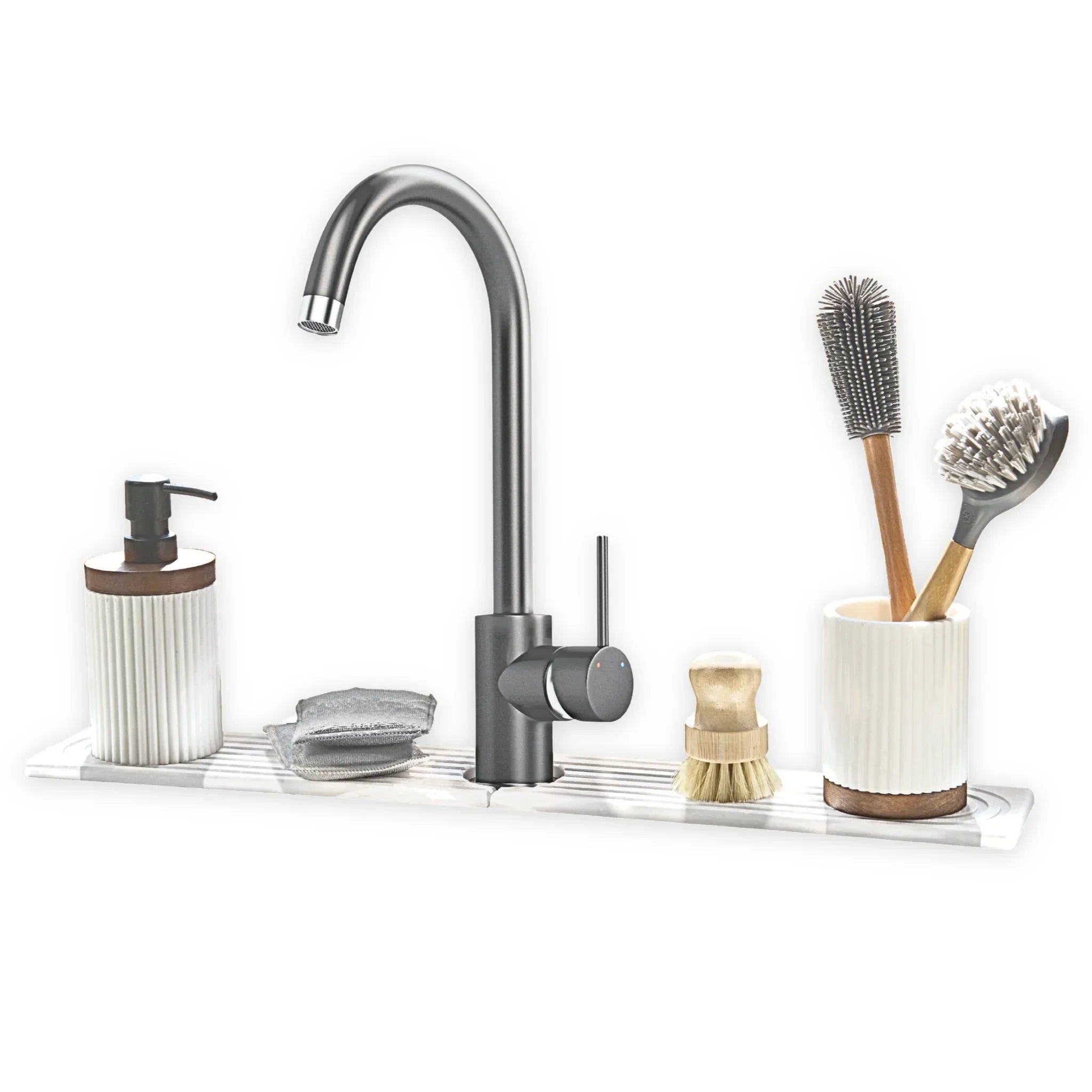
The Stone Faucet Mat - Arch sits directly behind the faucet and costs 29 dollars, the lowest price of the three. It catches splash and drips before they spread across the counter, keeping standing water off the surface right at the base of the tap.
Standing water left on a countertop over months can stain stone finishes or warp laminate edges near the sink. Catching that water at the source protects the finish longer than wiping it up after the fact, since the surface never stays wet long enough to cause damage.
This mat works well as a first purchase for anyone testing out this material before buying more:
- Smallest footprint of the three mats, fits tight counter edges
- Lowest price point for trying the material
- Covers the splash zone a bath or dish mat does not reach
- Pairs with either of the other two mats later without overlap
A laminate counter near the sink holds its finish longer once the area behind the faucet stays dry.
Matching Each Mat to Where Water Collects
Each mat is built for one wet zone, not all three at once. The bath mat belongs at the shower exit, the dish mat goes under the drying rack, and the faucet mat sits behind the tap where splash lands first.
Measuring the space before ordering matters, because sizes on these mats are fixed and not cut to order. A counter strip wider than the dish mat still leaves a dry gap where water pools, so a tape measure before checkout saves a return later.
Three wet spots cover most of what a household deals with day to day:
- Floor space right outside the shower or tub
- Counter area under a dish drying rack
- Strip of counter directly behind the kitchen or bathroom faucet
Ordering all three at once handles those spots in one go instead of patching the problem mat by mat. A household with only one trouble spot, like a dish rack that never dries, can start with that single mat and add the others later.
Picking One Mat or All Three
Most buyers choose based on which wet spot bothers them most, not on price alone. A single trouble spot calls for a single mat, while a household juggling a damp bathroom, a cluttered counter, and a dripping faucet usually ends up buying all three anyway.
The table below lines up the three options on the facts that actually change your decision.
| Mat | Price | Best Room | Main Job |
|---|---|---|---|
| Faucet Mat - Arch | 29 USD | Kitchen or bathroom sink | Catches drips at the base of the tap |
| Dish Mat - Tide | 49 USD | Kitchen counter | Absorbs runoff from a drying rack |
| Bath Mat - Tide | 59 USD | Bathroom floor | Dries the exit path from the shower |
All three share the same diatomite core, so the drying speed and pore structure don't change from mat to mat. What changes is shape and placement: a faucet mat is narrow and sits behind a tap, a dish mat is flat and wide for a drying rack, and a bath mat is the largest of the three to handle a full step-out zone.
Buying one mat means spending 29 to 59 dollars to solve one problem spot, and that's the right call if only one room gives you trouble. Buying all three covers the bathroom, kitchen, and sink in a single order, which saves a second round of shipping and measuring later, but it does mean paying for a dish or faucet mat before you know for certain you need it.
Where to Put Your First Mat
Walk through your kitchen and bathroom and name the one spot that annoys you every single day, whether that's a puddle on the bathroom tile, a soggy patch under the dish rack, or water creeping past the faucet. Buy for that spot first. Check the product page for exact dimensions before you order, since these mats come in fixed sizes and a quick measurement now saves a return later. Once that one mat earns its keep, adding the other two is an easy call instead of a guess. Natureva sells all three shapes, so the fit is already worked out, and one small mat in the right spot clears up a daily annoyance for less than a dinner out.
The next generation of home essentials: naturally made, cleaner by design, sustainable by nature.
SHOP ALLCommon Questions About Stone Mats
Do these mats need to be sealed or treated before first use?
No, diatomite mats are ready to use straight out of the box. The stone is fired and finished during manufacturing, so there's no sealant or spray to apply at home. Just wipe off any packing dust with a dry cloth before the first use.
Can I use the bath mat as a faucet mat if my sink area is extra wide?
You can, but it's not the best fit. The bath mat is built thick and heavy to handle foot traffic, while a faucet mat is thinner and shaped to tuck against a tap without blocking handles. A wide sink area is better served by placing the faucet mat flush to the back edge rather than swapping in a bigger mat that wasn't shaped for that spot.
What's the actual difference between the Tide and Arch patterns?
Tide and Arch are surface designs pressed into the stone, not differences in how the mat performs. Both patterns use the same diatomite core, so absorption speed and drying time stay the same across either style. The choice comes down to which pattern matches your bathroom or kitchen look, since Natureva offers both finishes on mats built for the same job.
How do I decide between buying one mat or all three at once?
Count how many wet spots actually bother you right now. If only the shower floor or only the dish rack gives you trouble, one mat solves that and you can add the others later without losing anything. If all three spots annoy you daily, ordering all three together means one shipment instead of three separate ones down the line.