
Compare Dish Dry Mats for Fast Drying and Easy Cleanup
A dish dry mat made of standard fabric can stay damp for six to eight hours after the last wash, long enough for bacteria to settle in and start multiplying. That damp window is the real problem, not the mess on your counter. Mold and odor-causing bacteria need moisture to grow, and a mat that holds water overnight gives them exactly that. The fix isn't about scrubbing harder or switching brands more often, it's about the material doing the drying in the first place.
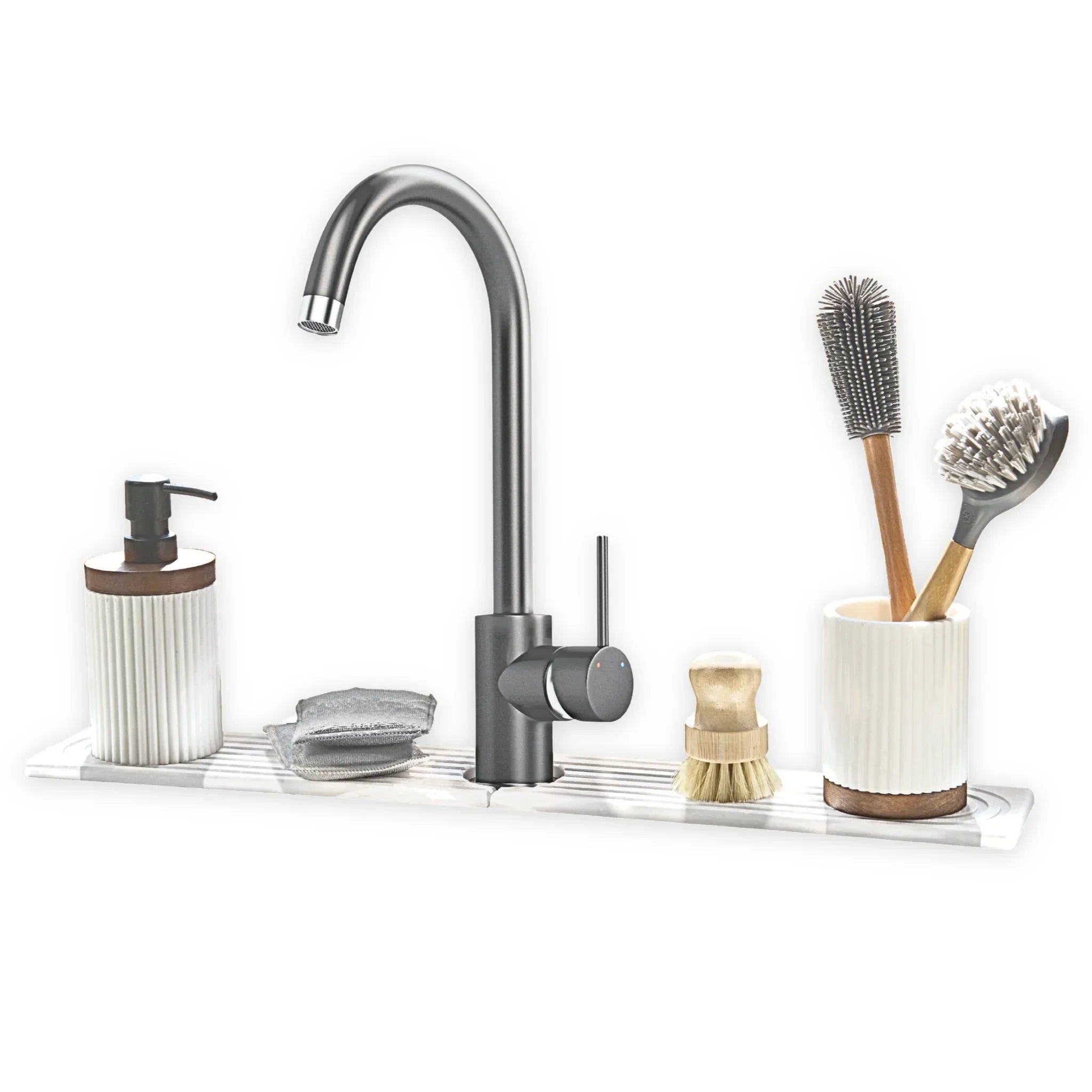
Picking a mat that actually dries fast comes down to comparing how each one handles water, not how it looks on a shelf. Fabric and rubber mats trap moisture in their fibers or grooves, so the water has nowhere to go but to sit there. Stone and diatomite mats work differently, pulling water into thousands of tiny pores and letting it evaporate within minutes instead of hours. Once you know what separates a quick-drying surface from a slow one, choosing between any two dish mats gets a lot simpler.
Table of Contents
How Dish Mats Stack Up At A Glance
Five materials make up most of the dish mat market: stone or diatomite, silicone, microfiber, cork, and bamboo. Each one handles water at a different speed, which changes how often you need to wipe it down or set out a fresh one.
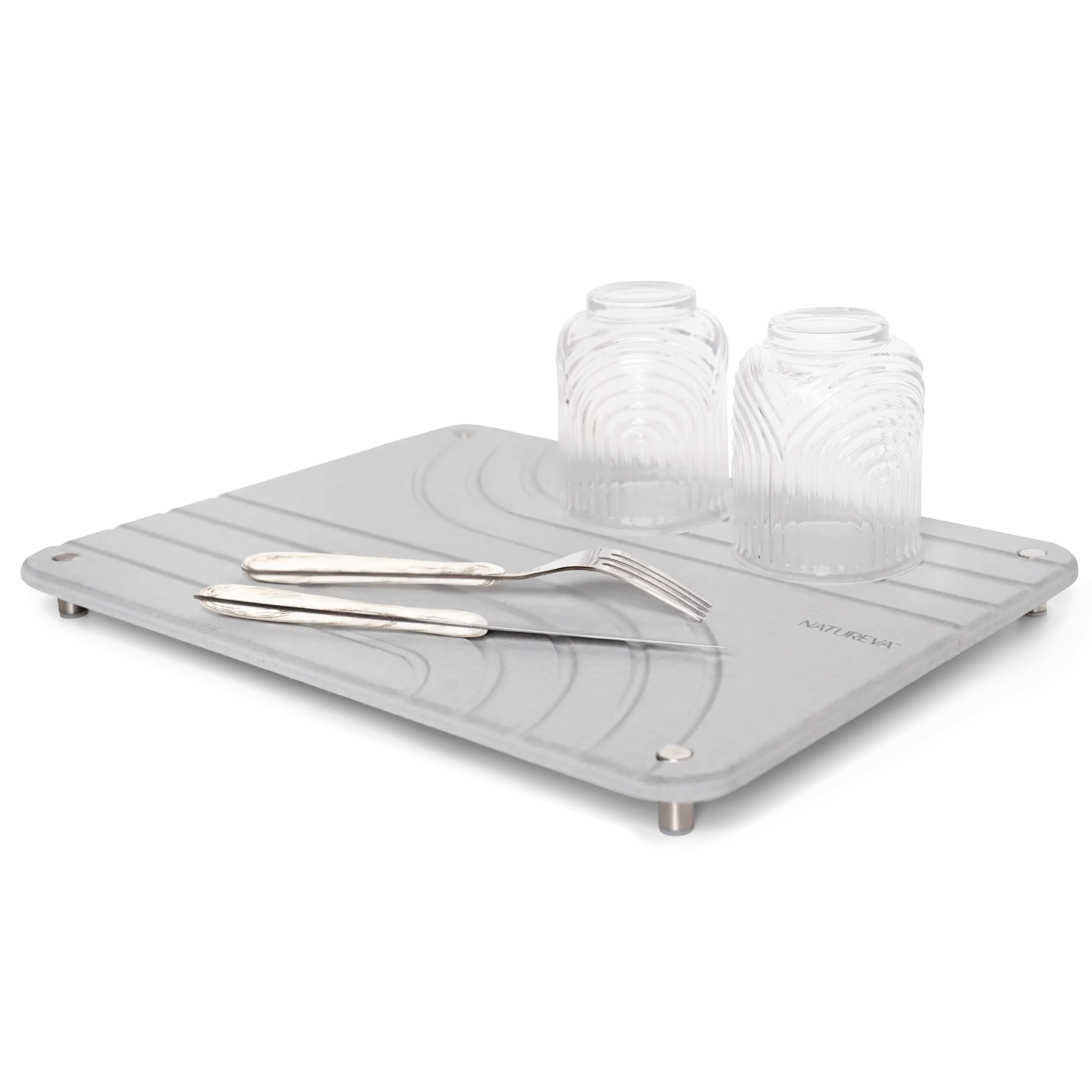
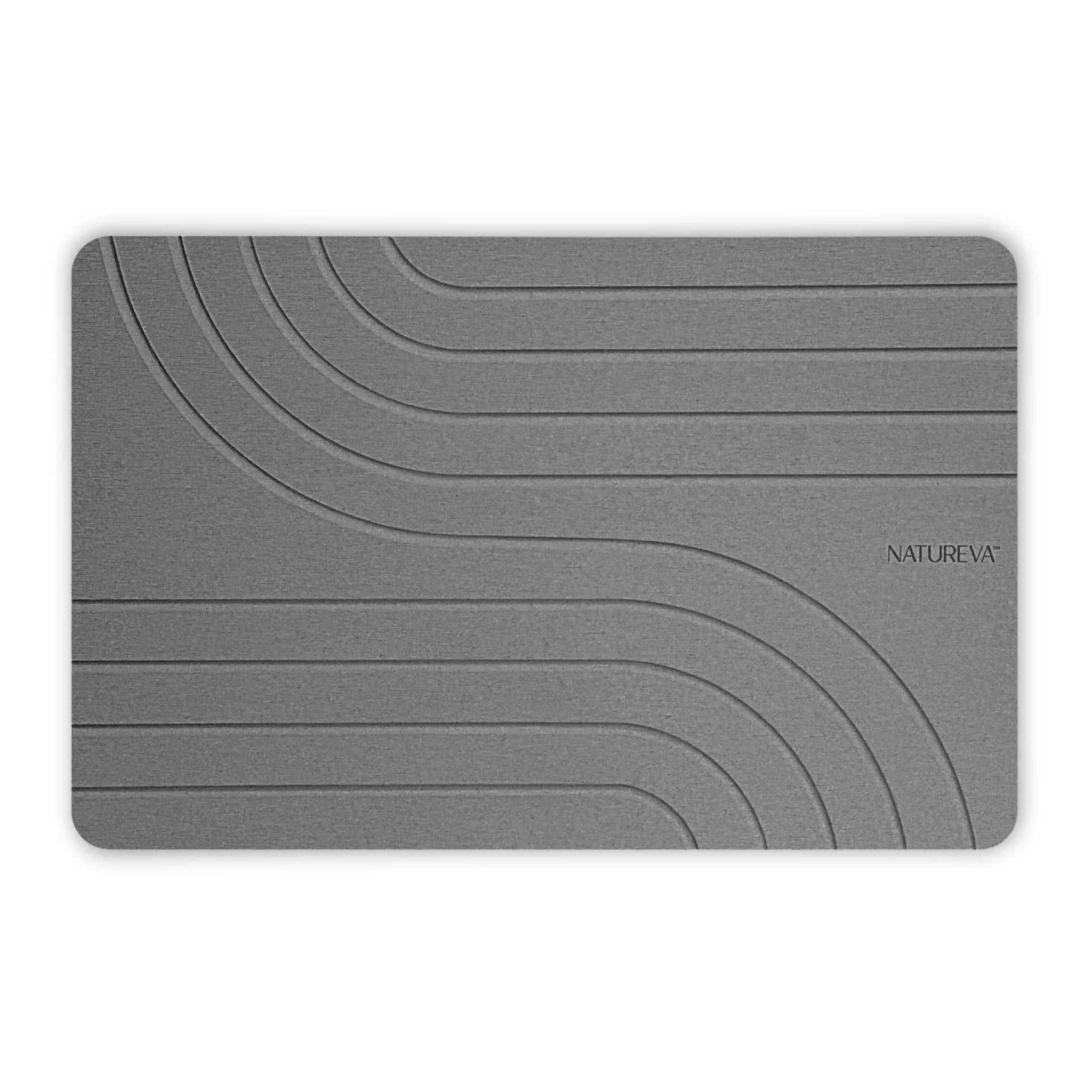
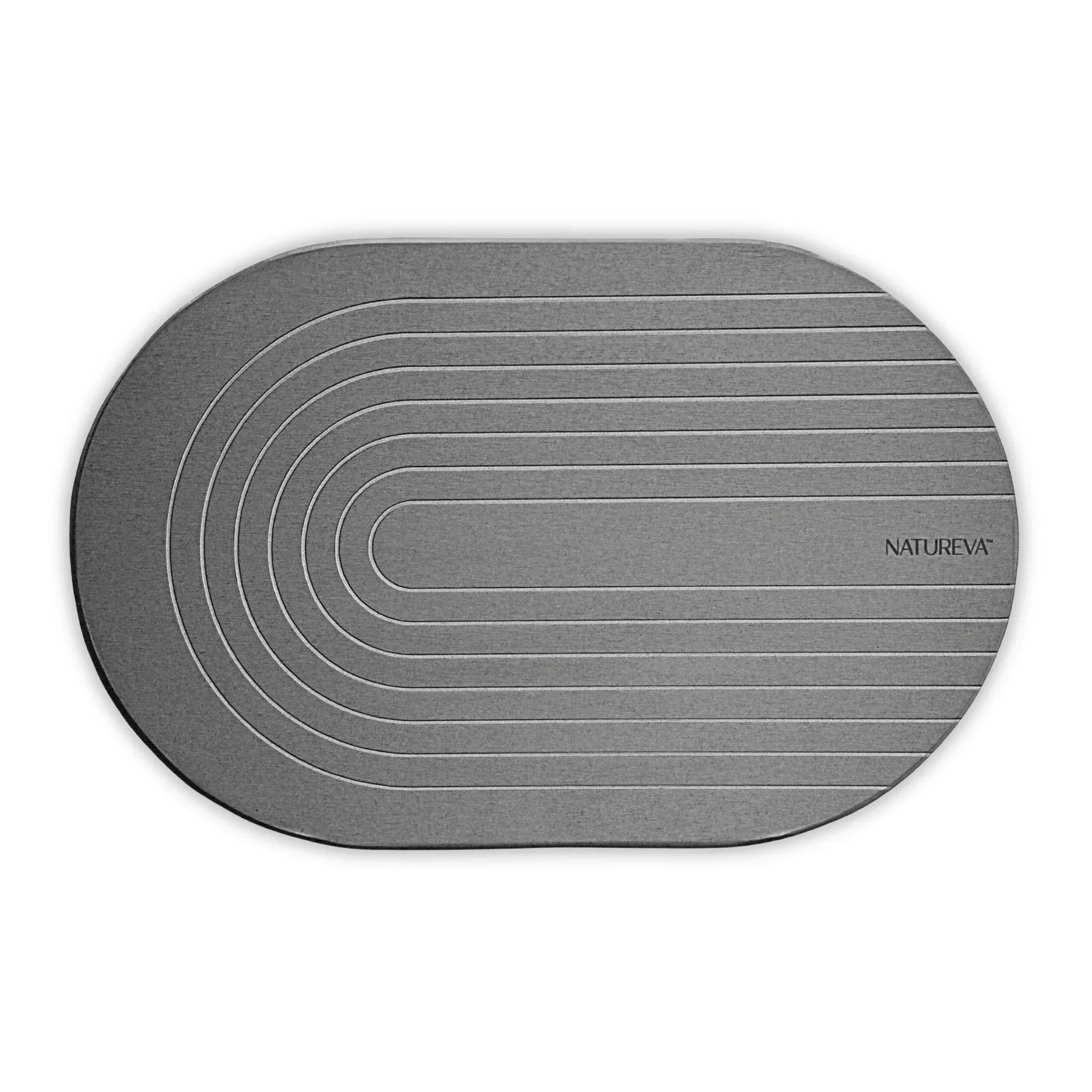
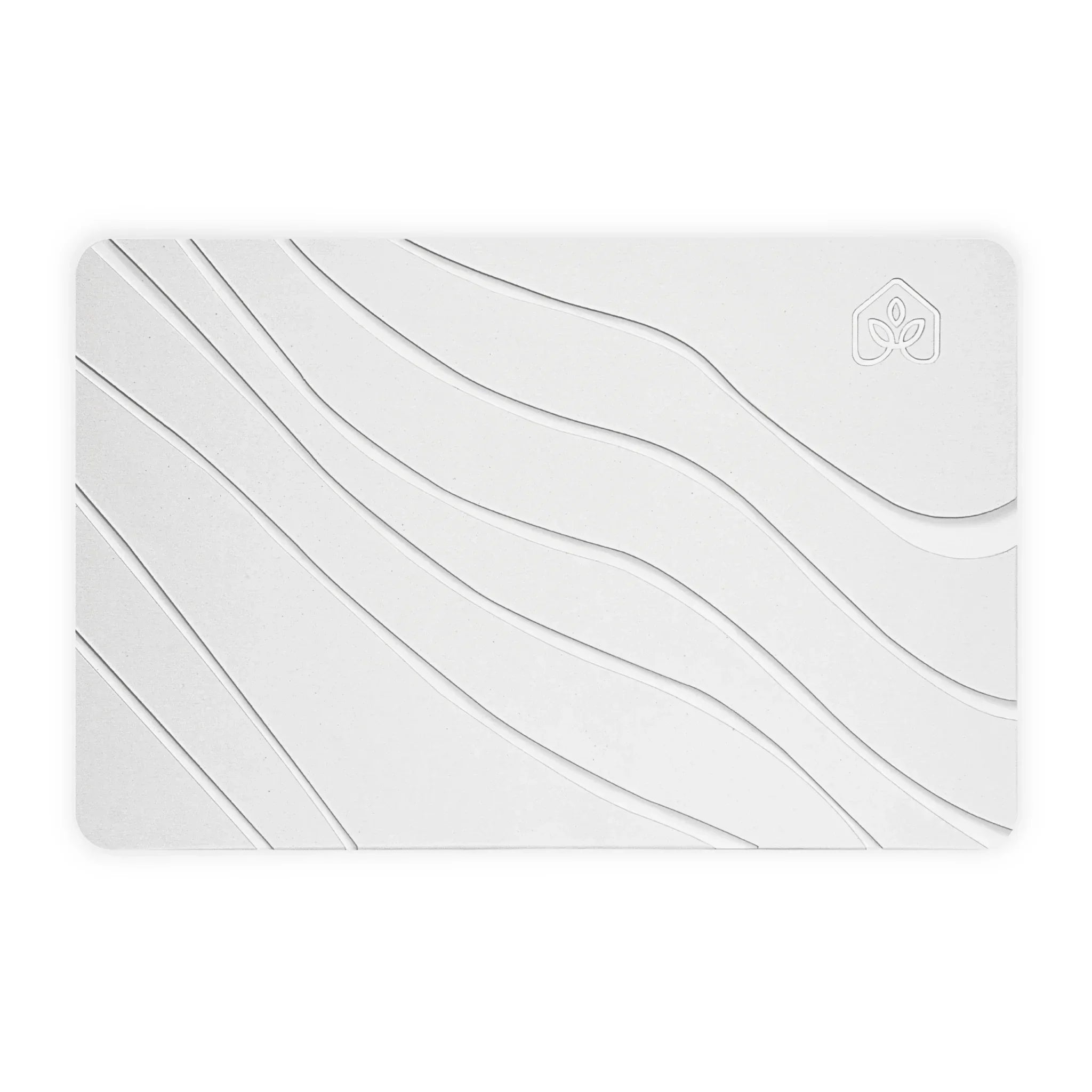
Stone Dish Mat - Tide
| Material | Absorbency | Dry Time | Typical Price |
|---|---|---|---|
| Stone / diatomite | Very high | 5 to 15 minutes | $30 to $55 |
| Silicone | Low, water beads up | Water pools, needs wiping | $10 to $20 |
| Microfiber | Medium | 4 to 8 hours | $8 to $18 |
| Cork | Medium | 2 to 4 hours | $15 to $30 |
| Bamboo | Low to medium | 3 to 6 hours | $15 to $35 |
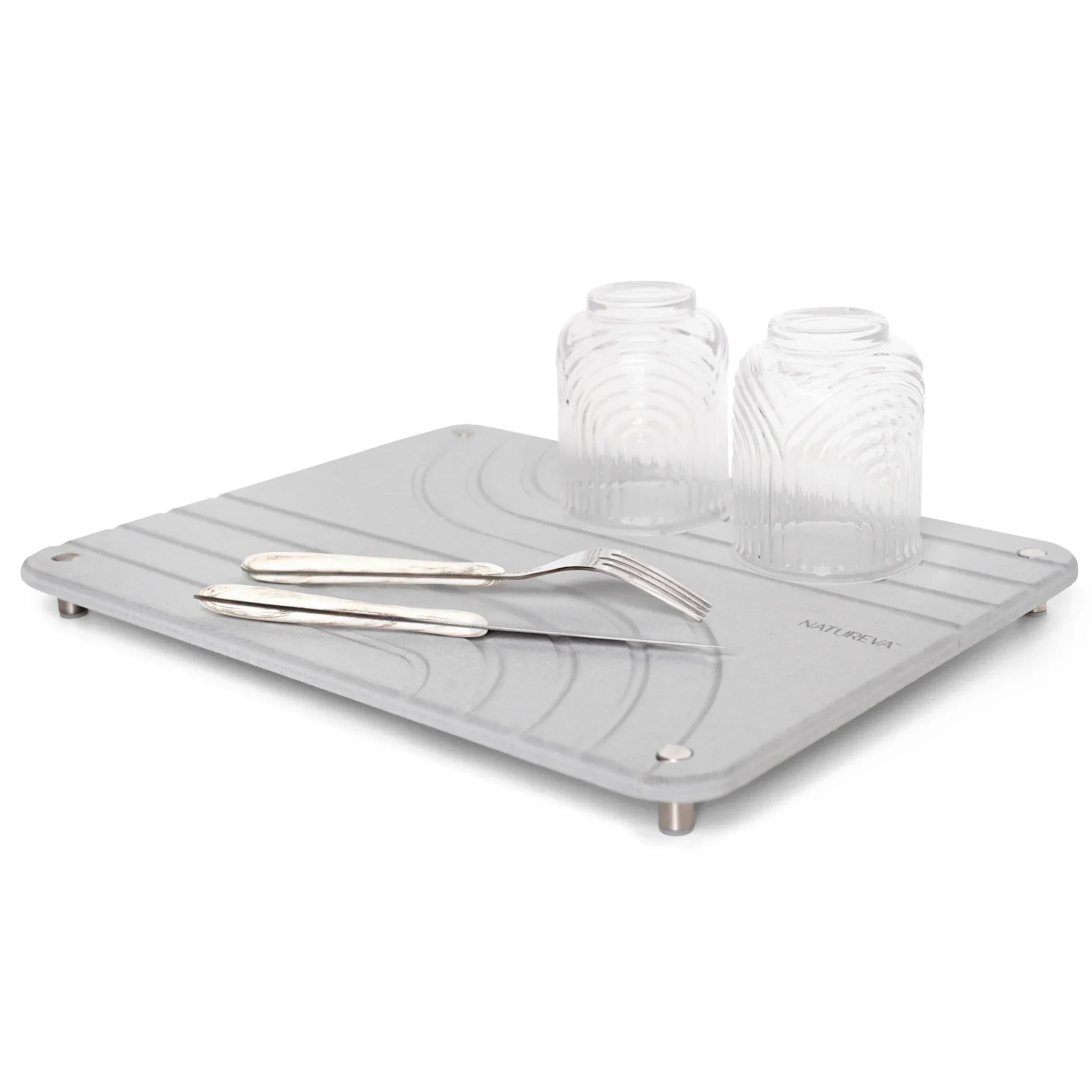
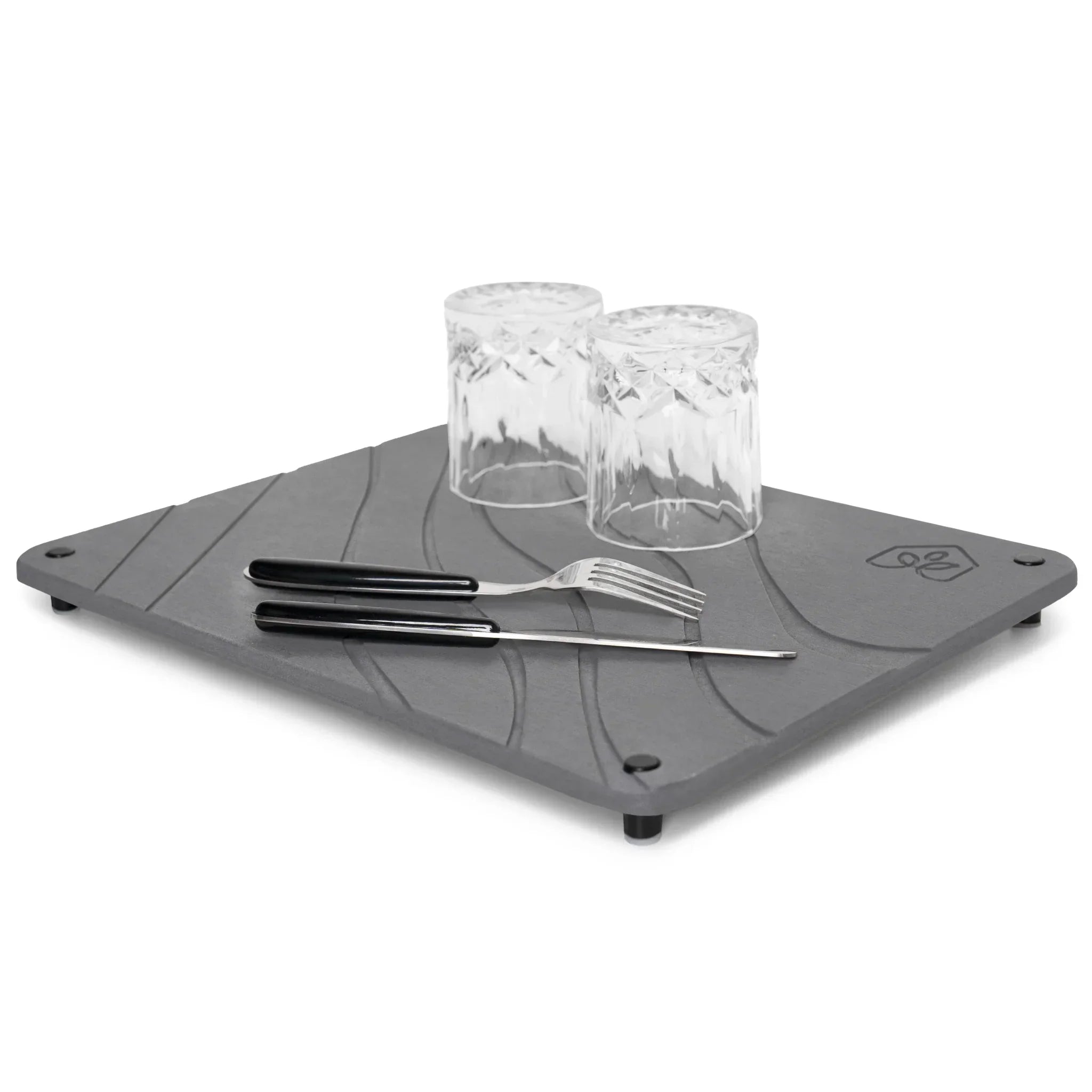
The Stone Dish Mat in Tide and the Stone Dish Mat in Flow both sell for 49 USD and dry in roughly 10 to 15 minutes after a full dish rack. The two differ only in surface pattern, not in material or drying speed, so pick whichever look fits your counter.
What To Check Before You Buy A Dish Dry Mat
Three things decide whether a mat works for you: material, size, and how the brand describes absorbency. Skip any of them and you end up with a mat that looks right in a photo but sits wet on your counter.
Material sets the dry time and whether the mat starts to smell after a few weeks of use. A mat that traps water instead of releasing it will stay damp no matter how often you wipe it down, so this is the first thing to check, not the last.
Size matters more than style here. Measure the counter space next to your sink before you order, because a mat that's too big will curl at the edges or hang off the counter, and a mat that doesn't match your counter won't dry anything properly.
Absorbency claims on a product page are only useful if they say how the material actually works. "Highly absorbent" means nothing without a mention of pore structure, fabric weave, or grooves, since that's what actually pulls water off your dishes.
- Confirm the material: stone, diatomite, silicone, microfiber, cork, or bamboo
- Measure your counter space before placing an order
- Look for a stated pore structure or weave, not just the word "absorbent"
- Check if the surface needs sealing or re-curing over time
- Decide if you want a pattern or plain finish before you browse the dish mat collection
Top Picks For Fast Drying Sinks
If you want two solid options without digging through every brand on the market, the Stone Dish Mat in Tide and the Stone Dish Mat in Flow cover most kitchen setups. Both use the same diatomite core, so the choice really comes down to finish and where you'll put it.
Tide works best for minimal kitchens with light countertops, since its pattern stays understated and blends into a plain backsplash. The main upside is a clean look that doesn't compete with other kitchen tools, and the tradeoff is that light surfaces show water spots faster than darker ones until they dry.
Flow fits busy sinks that handle a steady stream of dishes through the day. Its pattern hides the small marks that build up from daily rinsing, and it holds up well under repeated use, though the bolder design stands out more if your kitchen leans toward a neutral palette.
- Tide: best for minimal kitchens, light pattern, shows water spots sooner
- Flow: best for busy sinks, bold pattern hides marks, less subtle look
- Both dry a full rack of dishes in roughly the same time
- Pick based on counter color and how often the sink sees dishes
The next generation of home essentials: naturally made, cleaner by design, sustainable by nature.
SHOP ALLStone Silicone Or Microfiber Which Dries Faster
Stone dries fastest because it pulls water into its pore structure and releases it as vapor instead of holding onto it. This is the core difference between stone and every other common mat material on the market.
Silicone repels water rather than absorbing it, so water beads up and pools on the surface until someone wipes it off. That makes silicone easy to rinse, but it does nothing to speed up drying on its own.
Microfiber absorbs water well at first, but the fibers hold onto that moisture for hours. A damp microfiber mat left overnight is where odor and bacteria problems usually start, since the fabric doesn't release water the way a porous stone surface does. Consumer Reports has tested drying mats made from several of these materials and found absorbency alone doesn't guarantee a fast-drying surface.
- Stone: pulls water in, releases it as vapor within a short window
- Silicone: repels water, leaves it pooled until wiped
- Microfiber: absorbs quickly, stays damp for hours afterward
Picking The Right Mat Size For Your Sink
Start by measuring the counter space directly beside your sink with a tape measure, from the edge of the basin to wherever your workflow ends, like a stovetop or cabinet edge. That number, not the mat's photo, should decide which size you order.
An oversized mat creates its own problems even though it looks generous in a listing. It can block a cabinet door from opening fully or cover part of a stovetop control panel, which turns a drying tool into a daily annoyance.
An undersized mat defeats the purpose just as easily. If dishes or hands extend past the mat's edge while you're working, water still drips straight onto the counter, and you end up wiping the same spot you bought the mat to avoid.
- Measure the counter space next to your sink before ordering
- Note nearby obstacles: cabinet doors, stovetop controls, outlets
- Match the mat's listed dimensions to that measurement, not to the photo
- Leave room for your hands and dish rack to sit fully on the mat
Daily Habits Or Occasional Resets Which One Fits You
Two approaches keep a stone mat absorbing water for years: light daily upkeep, or periodic deeper fixes. Daily upkeep means wiping the surface dry between heavy dish sessions so the pores don't clog with food residue or soap film. This costs you ten seconds after dinner cleanup, and it's the right call if you run the mat through multiple loads a day.
Protecting the surface from damage is a separate habit, and it matters more for anyone who cooks with cast iron or stores sharp knives near the sink. Stacking a heavy pan or resting a blade directly on the stone can chip the surface or scratch grooves into it, which creates spots where water sits instead of soaking in. Set a dish rack or towel between the mat and anything heavy or edged, and the surface stays flat and fully absorbent.
Occasional light sanding is the fix for a mat that's slowed down after months of use, not a daily task. Fine-grit sandpaper, used gently across the surface every few months, reopens pores that have packed in with mineral buildup from hard water or dish soap. This costs a few minutes of effort a handful of times a year, and it's worth doing if your mat is taking noticeably longer to dry than it did when new, rather than replacing it outright.
- Wipe the surface dry after heavy use, not after every single dish
- Keep cast iron and knives off the mat directly, use a rack or towel instead
- Sand lightly every few months if dry time starts creeping up
Which Stone Mat Goes By Your Sink
Measure your counter, check your palette, then order today instead of letting another wash cycle sit on a damp mat. Light counters pair with Tide, bold or busy sinks pair with Flow, and both finishes come from the same diatomite slab at Natureva that pulls water in and lets it evaporate in minutes. There's no reason to keep wringing out a fabric mat or wiping pooled water off silicone when a mat that actually dries itself costs 49 USD and arrives ready to sit next to your sink. Pick the pattern that fits your kitchen and add it to your cart now.
The next generation of home essentials: naturally made, cleaner by design, sustainable by nature.
SHOP ALLCommon Questions About Stone Dish Mats
Can I put a stone dish mat under my dish rack instead of next to it?
Yes, a stone mat works fine directly under a dish rack. The pores still pull in drips that fall through the rack, and airflow around the rack edges helps the surface dry just as fast as it would sitting open. Just make sure the rack's feet don't sit in one spot long enough to block a section of the mat from drying evenly.
What happens if the underside of the mat gets wet?
A wet underside won't damage the stone, but it slows drying because that side has no airflow to release moisture into. Flip the mat over and let it sit exposed to air for a few minutes to even it out. If the bottom stays damp against a laminate counter for hours at a time, wipe the counter too, since trapped moisture there can still cause problems.
Do coffee cups or wine glasses leave stains on a stone mat?
Light staining can happen from coffee, tea, or red wine if a cup sits in one spot for a long time before you move it. The stone itself doesn't discolor from water, but pigmented liquids can leave a faint mark in the pores. Wiping the ring while it's still fresh, instead of letting it dry in place, keeps it from setting into the surface.
Can I cut a stone mat down to fit a narrow counter?
No, cutting a diatomite mat isn't something you can do safely at home. The material is a fired stone compound, not a fabric or rubber sheet, so trying to trim it will crack or shatter it instead of giving you a clean edge. If your counter space is narrow, measure it first and order a size that already fits, like the Tide or Flow mats from Natureva, which come in set dimensions rather than a cut-to-order option.