
Find a Drain Mat for Dishes That Dries Fast and Fits
A good drain mat for dishes should dry within a couple hours, not sit damp all day. A wet dish mat left on the counter can start growing bacteria in as little as two to four hours, especially in a warm, humid kitchen. That window shrinks even more if the mat is made of fabric or foam, since those materials trap water instead of releasing it. The fix isn't scrubbing harder or swapping mats more often, it's picking one that actually dries.
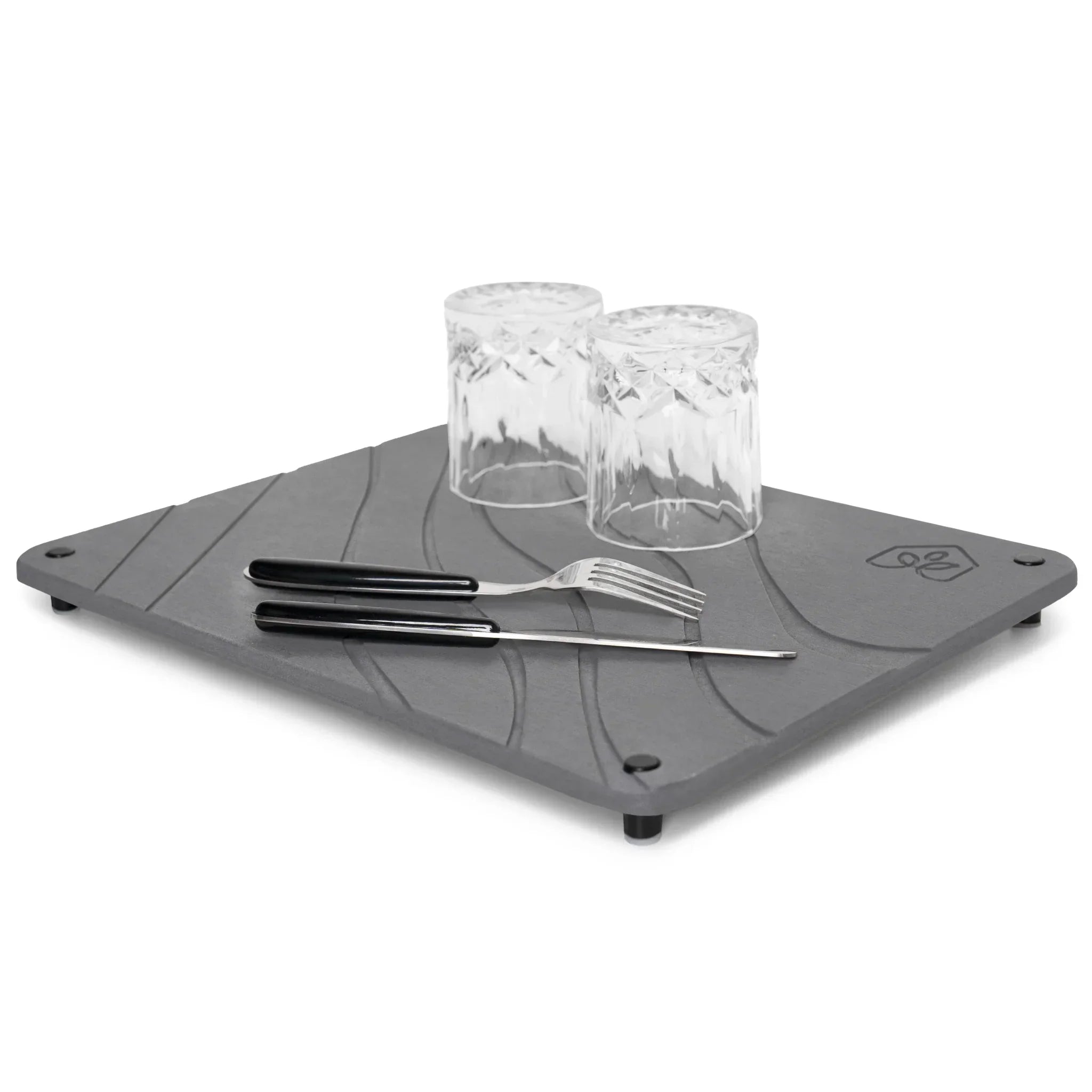
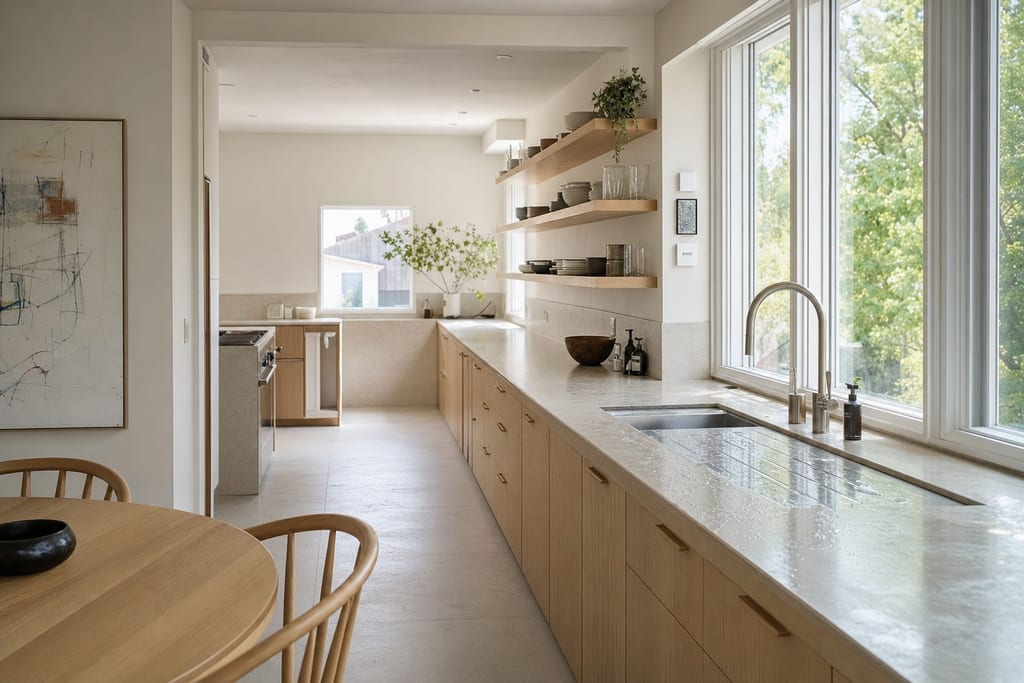
Size and material matter as much as drying speed. A mat that's too small lets water run off the edges and pool on the counter, and a smooth, slick surface can send a dripping dish sliding right off. A mat cut to fit your counter space, made from a material like diatomaceous earth stone that pulls moisture in and lets it evaporate, solves both problems at once. Stone dish mats in particular tend to stay dry to the touch within minutes of use, so there's no puddle and no slipping dishes to catch.
Table of Contents
Why Most Dish Mats Stay Wet All Day
Foam and cotton mats work like a sponge. They soak up water and hold it inside their fibers instead of letting it escape into the air, so the mat stays heavy and damp long after you've put the dishes away.
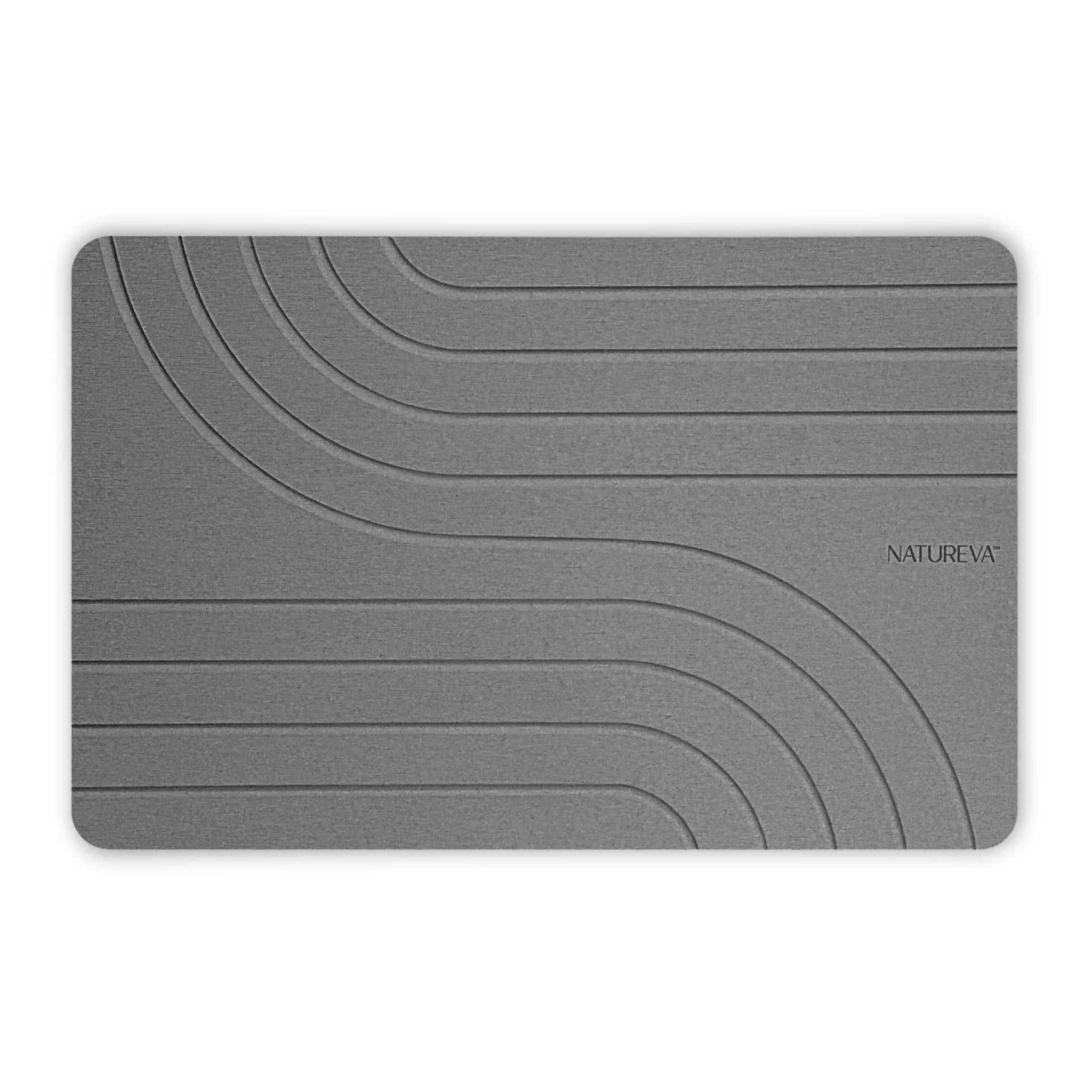
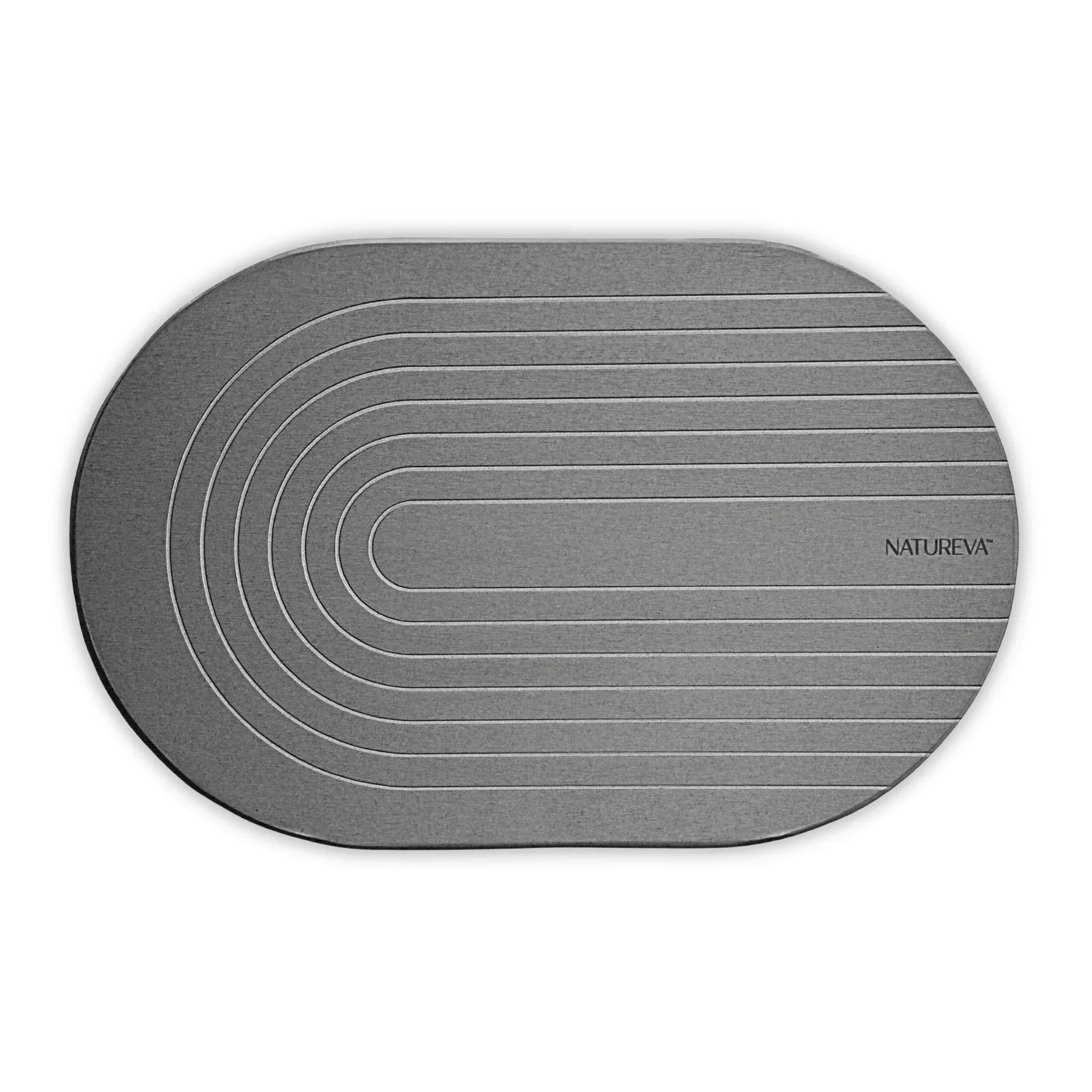
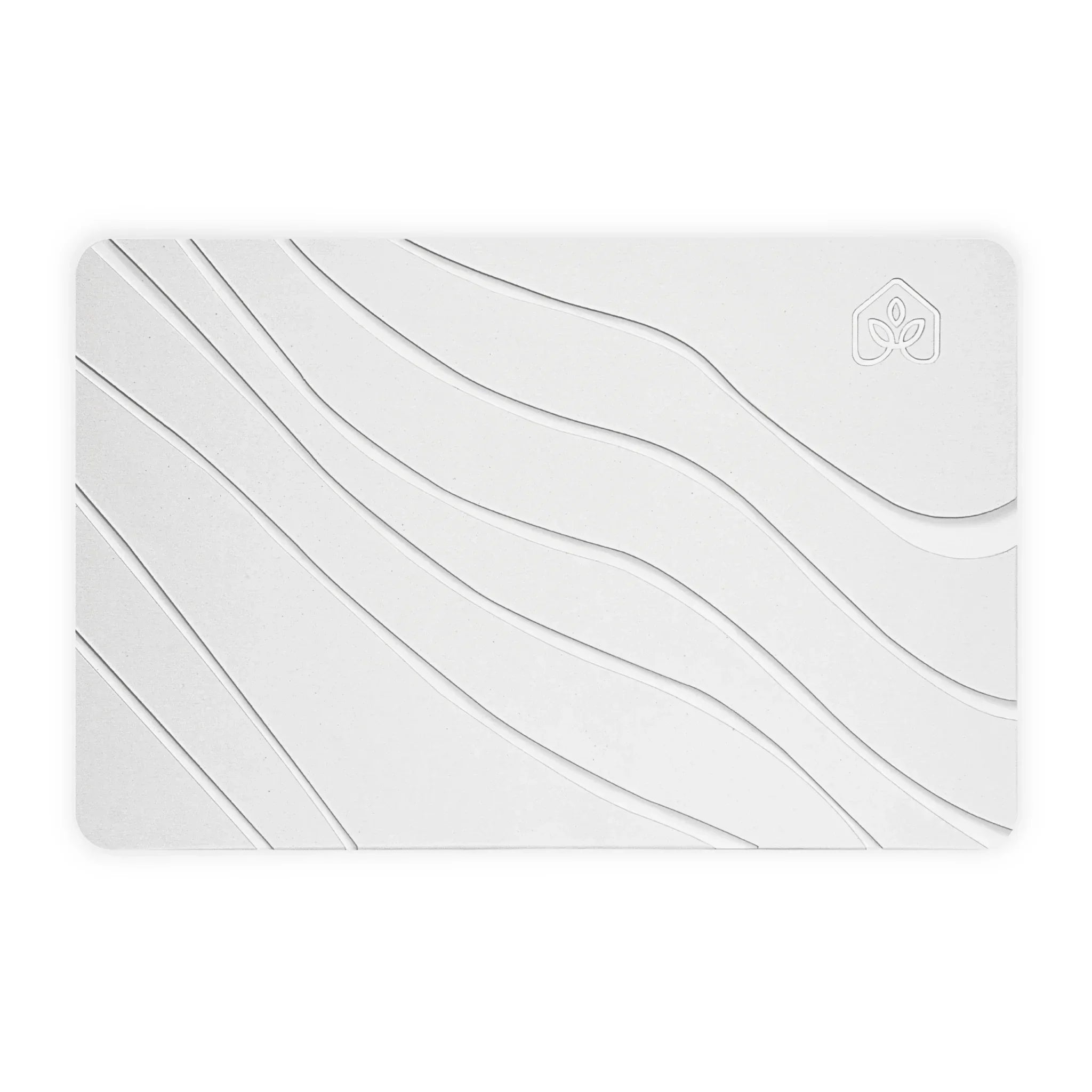
Stone Dish Mat - Tide
That trapped moisture is what causes the sour, mildew smell people notice after a few weeks of use. Bacteria and mold both need standing water to grow, and a foam or fabric mat gives them a steady supply of it near your food prep area.
Drying time depends almost entirely on what the mat is made from, not how often you wring it out.
| Material | Typical dry time |
|---|---|
| Foam | 8 to 12 hours |
| Cotton or microfiber | 4 to 6 hours |
| Diatomaceous earth stone | Under 1 hour |
The gap between these materials comes down to pore structure. Stone mats pull water through tiny channels and release it into the air almost as fast as it lands, while foam and fabric fibers just hold on to what they absorb.
Best Dish Drain Mats for Small Sinks
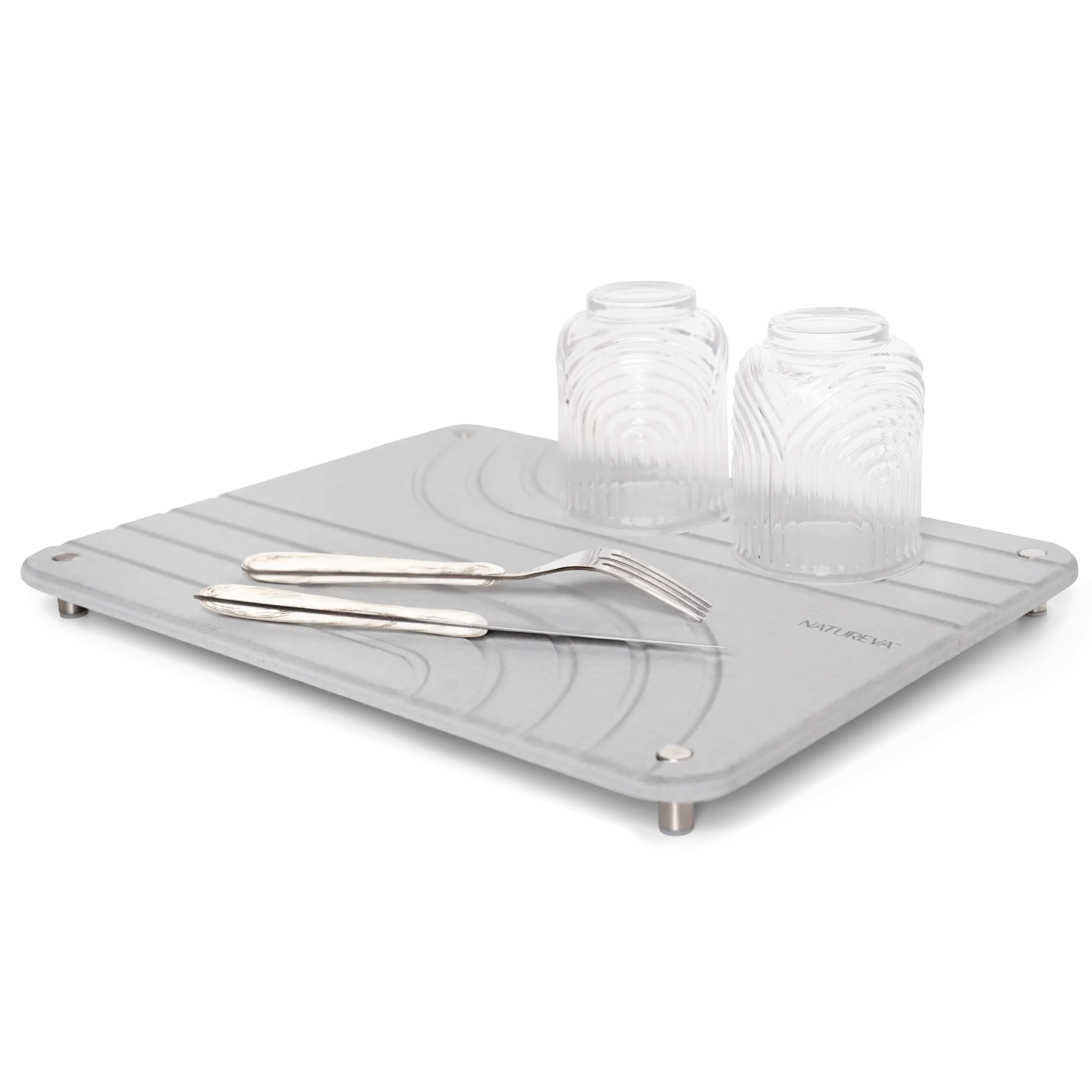
A small counter needs a mat that fits the space without hanging off the edge or covering the faucet. The Natureva Tide stone mat measures about 16 by 12 inches and 49 dollars, which leaves room beside a single-basin sink while still catching a full dish rack of runoff.
Not every compact option works the same way once water hits it. Silicone mats cost less upfront, but water pools underneath the raised nubs and sits there until you lift the mat and wipe the counter dry yourself. Microfiber rolls fold flat into a drawer when you need the counter back, but they need wringing out daily or they start smelling sour within a day or two.
- Stone mat: dries on its own, holds its shape, costs more upfront
- Silicone mat: cheap, but traps water and needs manual wiping
- Microfiber roll: foldable, but needs daily wringing to stay usable
A mat under 16 inches wide is the cutoff for most single-basin counters without crowding the faucet or soap dispenser. Anything wider starts to overlap the sink edge and loses its grip.
Best Dish Drain Mats for Large Counters
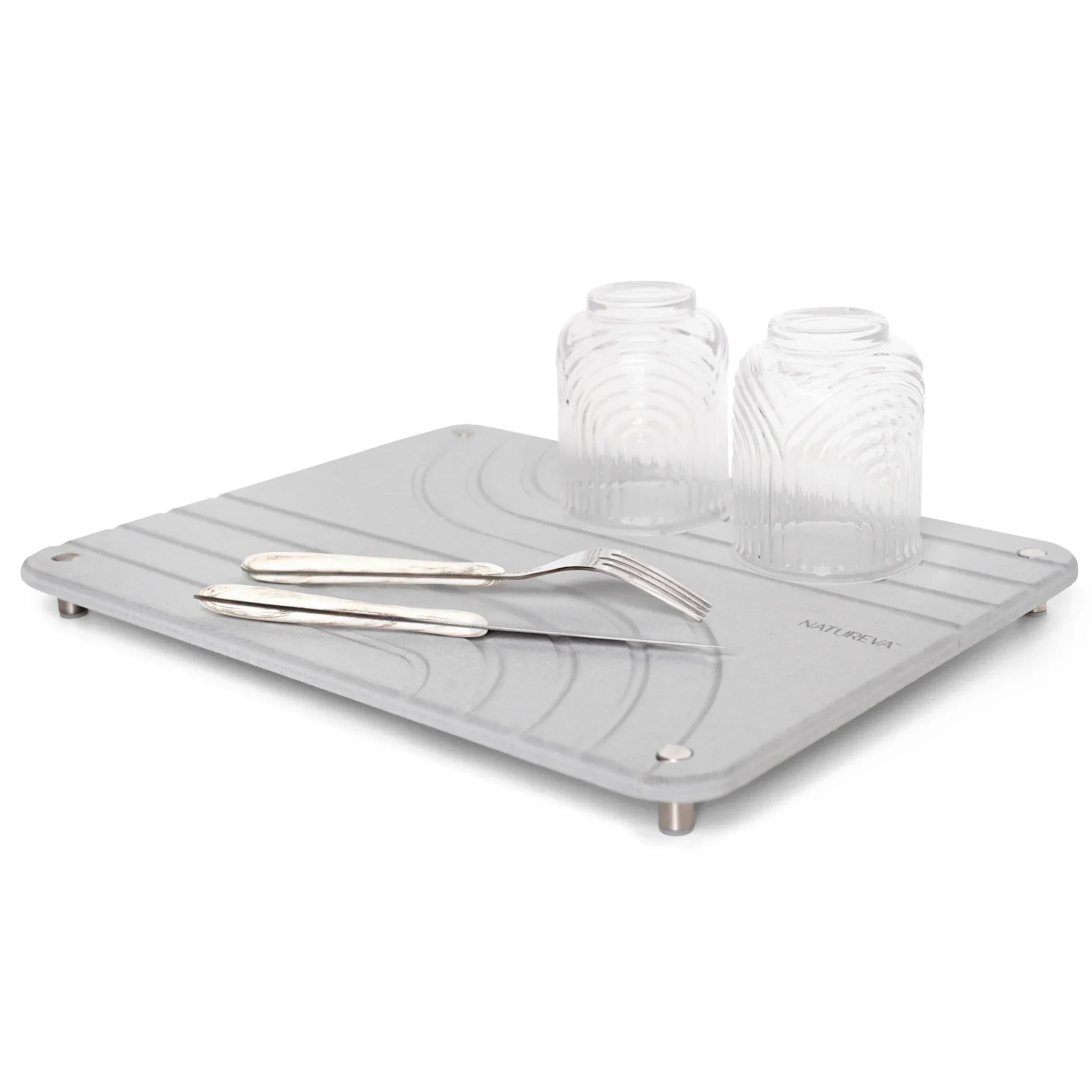
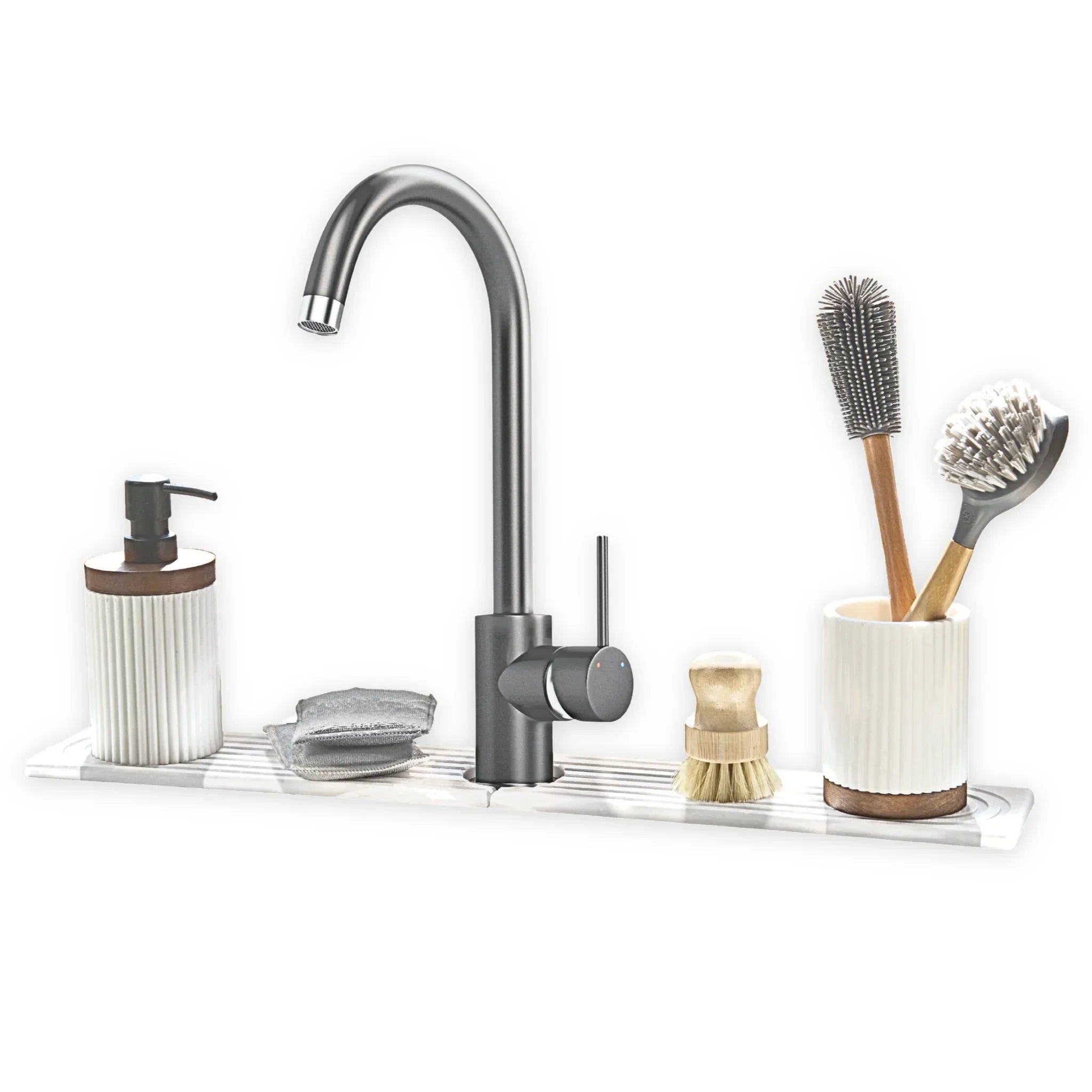
Bigger counters and double-basin sinks need more surface area, and the Natureva Flow stone mat at 49 dollars is built for that wider footprint. It handles a full load of pots and mixing bowls without water running off the far edge.
Large cotton mats hold more dishes at once, but they stay damp longer in a humid kitchen since the extra fabric has more surface to hold water. Pairing two stone mats side by side gives you a bigger drying zone than either one alone, with one for pots and one for everyday dishes.
- Measure your counter run before buying two mats so they sit flush, not overlapping
- Place the heavier mat closer to the sink where splashes land first
- Leave a small gap between mats so water doesn't bridge from one to the other
- Check that the mat sits flat on the counter surface, since a warped edge lets it slide when a heavy pan is set down
A mat that weighs enough to stay put under a stacked dish rack won't slide when you load or unload it one-handed, which matters most on a counter that gets heavy daily use.
The next generation of home essentials: naturally made, cleaner by design, sustainable by nature.
SHOP ALLPicking a Mat That Dries Between Loads
Drying speed comes down to pore structure and material density, not brand name or thickness. A material like diatomaceous earth stone pulls water through its pores and lets it evaporate, while dense fabric or foam just holds the water inside until it slowly dries on its own.
You can test any mat before buying one, or test the one you already own, with a simple pour. Pour a cup of water onto the surface and time how long it takes to fully absorb and feel dry to the touch.
- Pour a measured cup of water onto the mat's center
- Time how long the surface stays visibly wet
- Touch the spot after a few minutes to check for lingering dampness
- Flip the mat over and check the backing for trapped moisture
A rubber or vinyl backing on the underside traps moisture against the counter even if the top surface looks dry, so check both sides before you buy. Consumer Reports has tested several mat types for absorption and drying speed, and stone options consistently outperformed foam in their results. Their testing backs up what pore structure alone would predict.
Keeping Your New Mat Working Longer
Any mat, stone or fabric, needs a little upkeep to keep drying at full speed. Soap film builds up in the pores over time and slows absorption, so a weekly wipe with a damp cloth clears that buildup before it becomes a problem.
Stone mats benefit from standing upright against a wall or backsplash every so often, which lets air reach both sides at once instead of just the top. Fabric and cotton mats don't have that option, so once they stop drying within a few hours, replacing them is usually faster than trying to restore them.
- Wipe the surface weekly with a damp cloth to clear soap residue from the pores
- Stand stone mats upright occasionally so both sides get air
- Set wet cast-iron pans on a towel first, since the edges can chip stone over repeated impact
- Replace fabric mats once they stop drying within a few hours of normal use
Chipped edges on a stone mat won't affect drying, but setting heavy cast iron directly on the edge repeatedly can crack the surface over time, so a towel underneath the pan first is worth the extra step.
Stone or Fabric for Everyday Drying
Stone wins for any kitchen that runs dishes through daily, and the price difference is the only real argument against it. A stone mat costs more at checkout, but it skips the wash-and-wring routine that fabric demands every few days. Over a year of daily use, that saved time and the lower odor risk make up for the upfront gap.
Fabric mats need a trip through the wash at least once a week to stay odor-free, sometimes more if the kitchen runs warm or humid. Skip that wash and the sour smell shows up fast, since the fibers hold bacteria along with the water. Stone doesn't carry that chore, since there's nothing sitting in the pores long enough to turn sour between uses.
- Fabric mat: lower upfront cost, needs weekly washing, smells within days if skipped
- Stone mat: higher upfront cost, no washing required, resists odor without extra steps
- Hybrid approach: fabric for light use, stone for sink-adjacent spots that see water daily
A household that runs one load of dishes a week can get by on fabric and a regular wash cycle. A kitchen that sees dishes piled up daily, especially with kids or multiple cooks, gets more out of a stone dish mat that handles the volume without turning into a laundry task.
Pick the Mat That Fits Your Counter and Order It
Measure the width of your sink area before you buy. A single-basin setup under 16 inches calls for the Tide, since it fits beside the faucet without hanging off the edge. A double-basin sink or a counter that handles pots and mixing bowls daily calls for the Flow, which gives you the wider surface those loads need. Once you know which width matches your counter, order that one now rather than guessing with a smaller or cheaper mat and dealing with runoff later. A stone mat from Natureva costs more than foam at checkout, but it skips the daily wringing and weekly washing fabric demands, so the price evens out within a few months of normal use.
The next generation of home essentials: naturally made, cleaner by design, sustainable by nature.
SHOP ALLStone Dish Mat Questions Answered
Will a stone drain mat fit under a dish rack with raised feet?
Yes, a stone mat works fine under a dish rack with raised feet or legs. The flat, rigid surface supports the rack the same way a counter would, and the feet won't dent or sink into the stone like they might on a softer foam mat. Just make sure the rack itself doesn't overhang the mat's edges.
Does a stone mat make noise when plates or pans are set down?
Stone mats make a slightly harder sound than foam or fabric, closer to setting a dish on a tile counter. It's not loud, but it's more noticeable than a cushioned mat if you're used to one. Most people stop noticing it within a few days of normal use.
Can I trim a stone mat to fit a corner sink setup?
No, stone mats can't be cut or trimmed like fabric or foam. The diatomaceous earth material is rigid, and cutting it will crack the surface and ruin the drying pores. For a corner sink, measure the flat counter run first and pick a mat sized to fit that space without needing to alter it.
What if the mat I order doesn't fit my counter space?
Measure your counter before ordering, since that's the main thing that determines fit. Natureva sells the Tide at 16 by 12 inches for single-basin counters and the Flow for wider, double-basin setups, so checking your sink width against those dimensions before checkout avoids a mismatch.